
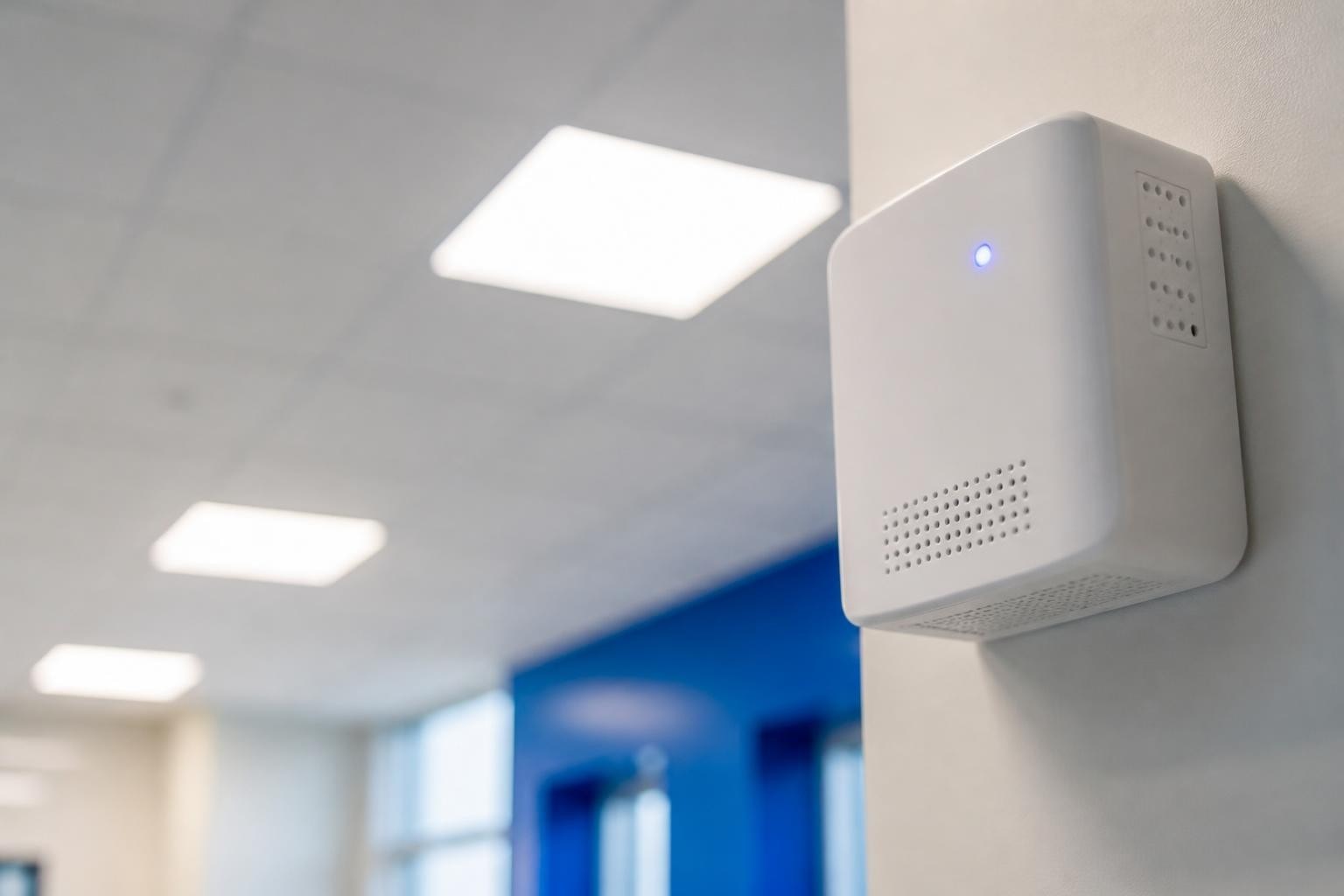
The proliferation of vaping across the United Kingdom has created significant challenges for schools, businesses, and public venues. As organisations seek effective methods to maintain healthy environments and enforce vaping policies, vape sensors uk technology has emerged as a sophisticated solution. These advanced detection systems employ multiple sensing technologies to identify vaping incidents in real time, providing facility managers and administrators with the tools necessary to address this growing concern. Understanding how these sensors function, where they prove most effective, and what features distinguish quality systems from basic alternatives has become essential knowledge for anyone responsible for maintaining safe, compliant spaces.
Understanding Vape Sensor Technology
Vape sensors uk systems utilise multiple detection methods to identify e-cigarette use with remarkable accuracy. Unlike traditional smoke detectors that respond primarily to combustion particles, modern vape detection technology analyses air quality through sophisticated chemical and particulate sensors.
How Detection Systems Identify Vaping
The science behind vape detection involves monitoring several distinct environmental changes. When someone uses an e-cigarette, the device releases an aerosol containing propylene glycol, vegetable glycerine, and various flavouring compounds. Vape sensors detect these substances through:
- Particulate matter analysis measuring micron-sized particles
- Chemical signature recognition identifying specific compounds
- Air quality baseline monitoring detecting deviations from normal conditions
- Temperature and humidity fluctuation tracking
These multi-layered approaches ensure that sensors can differentiate between vaping and other common activities. For instance, air fresheners, perfumes, and cleaning products create distinct chemical profiles that quality vape sensors uk systems can filter out, reducing false alerts whilst maintaining high detection accuracy.
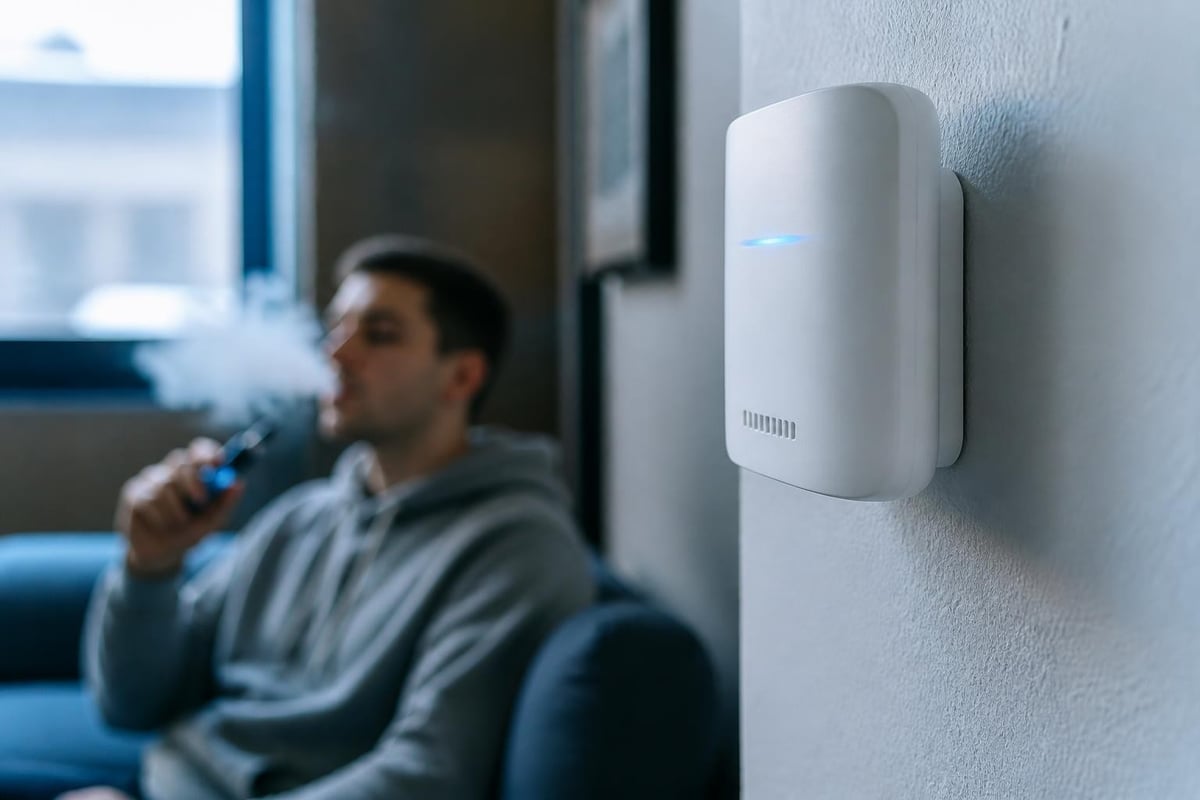
Technical Specifications That Matter
When evaluating vape sensors uk options, technical capabilities directly impact performance. Modern systems typically feature sensitivity levels that can detect vaping within seconds of occurrence, with coverage areas ranging from 300 to 1,200 square feet depending on the model and environmental factors.
| Feature | Entry Level | Professional Grade | Enterprise |
|---|---|---|---|
| Detection Range | 300-500 sq ft | 600-900 sq ft | 900-1,200 sq ft |
| Response Time | 15-30 seconds | 5-15 seconds | 3-10 seconds |
| Alert Methods | Email only | Email, SMS | Multi-channel |
| False Positive Rate | 5-8% | 2-4% | <2% |
The MHRA's e-cigarette guidance provides context for why detection technology matters in regulatory environments. Quality sensors incorporate tamper detection, ensuring that attempts to disable or obstruct devices trigger immediate alerts.
Applications Across Different Environments
Vape sensors uk technology serves diverse settings, each with unique requirements and challenges. Understanding these applications helps organisations select appropriate solutions.
Educational Institutions
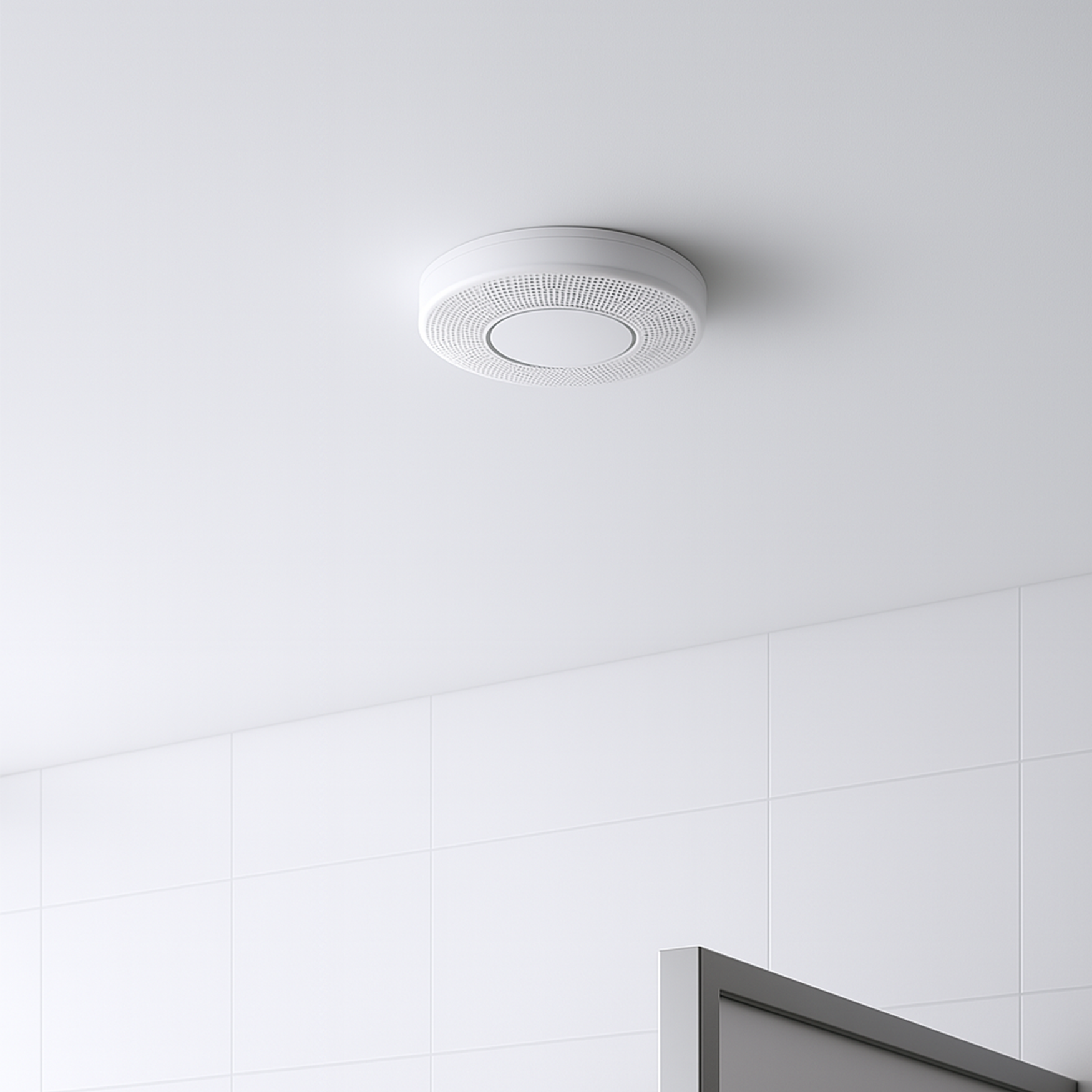
Schools face particular pressures regarding vaping prevention. Students increasingly use e-cigarettes in toilets, changing rooms, and other unsupervised areas, creating health concerns and disciplinary challenges. Detection systems designed for schools address these specific needs through discrete installation and privacy-conscious alert systems.
Educational settings benefit from sensors that integrate with existing security infrastructure whilst respecting student privacy. The devices focus on detecting vaping activity without recording audio or visual data, maintaining compliance with safeguarding requirements whilst providing actionable information to staff.
Research published on PubMed regarding vaping legislation highlights the evolving regulatory landscape that makes proactive detection increasingly important for educational compliance.
Commercial and Office Spaces
Workplaces implementing vaping policies require enforcement mechanisms that respect employee dignity whilst maintaining standards. Vape sensors uk installations in commercial buildings typically concentrate on:
- Toilet facilities and private areas where vaping commonly occurs
- Server rooms and sensitive equipment areas where aerosols pose risks
- Customer-facing spaces requiring pristine air quality
- Shared spaces covered by smoke-free workplace legislation
The non-confrontational nature of automated detection reduces workplace tension whilst ensuring consistent policy enforcement. Organisations can demonstrate duty of care obligations and maintain healthy environments without constant physical monitoring.
Hospitality and Leisure Facilities
Hotels, gyms, cinemas, and entertainment venues face unique challenges balancing customer experience with vaping restrictions. Sensors deployed in these environments must operate quietly and discretely whilst providing rapid alerts that enable staff intervention before situations escalate.
Property managers appreciate the dual functionality many vape sensors uk systems provide. Beyond detecting vaping, these devices often monitor broader air quality metrics, helping venues maintain comfortable, healthy environments that enhance customer satisfaction.
Key Features of Effective Detection Systems
Distinguishing superior vape sensors uk technology from basic alternatives requires understanding critical features that impact real-world performance.
Real-Time Alert Capabilities
Immediate notification systems separate effective sensors from inadequate ones. When vaping occurs, responsible parties must receive alerts within seconds through multiple channels. Advanced systems offer:
- Customisable alert routing sending notifications to specific individuals based on time, location, or incident type
- Escalation protocols ensuring alerts reach appropriate personnel if initial recipients don't respond
- Multi-channel delivery through email, SMS, mobile applications, and integration with existing security platforms
- Timestamp and location data enabling precise incident tracking and pattern analysis
These capabilities enable swift response whilst building comprehensive records useful for policy refinement and accountability measures. The working principles of vape detectors demonstrate how sophisticated algorithms process sensor data into actionable intelligence.
Integration With Existing Infrastructure
Standalone sensors provide value, but systems that integrate with current security, building management, and communication platforms deliver exponentially greater benefits. Quality vape sensors uk solutions offer:
- API access for custom integrations
- Network compatibility with both wired and wireless infrastructure
- Cloud-based management enabling centralised control across multiple locations
- Reporting dashboards presenting data in actionable formats
Integration capabilities prove particularly valuable for organisations managing multiple facilities or complex environments. Centralised monitoring reduces administrative burden whilst ensuring consistent policy application across all locations.
Durability and Tamper Resistance
Sensors installed in unsupervised areas face potential interference from individuals seeking to avoid detection. Robust vape sensors uk devices incorporate:
| Protection Feature | Purpose | Implementation |
|---|---|---|
| Tamper Detection | Alerts when device is moved or obscured | Motion sensors, obstruction detection |
| Secure Mounting | Prevents easy removal | Specialised fasteners, reinforced housings |
| Alert on Disconnect | Notifies if power or network interrupted | Backup battery, redundant connections |
| Vandal-Resistant Casing | Protects internal components | Impact-resistant materials, sealed enclosures |
These features ensure sensors remain operational even in challenging environments where motivated individuals might attempt circumvention. Understanding best practices for handling vaping alerts helps organisations maximise the value of their detection investments.
Choosing the Right System for Your Needs
Selecting appropriate vape sensors uk technology requires matching capabilities to specific environmental requirements and organisational goals.
Assessment Criteria
Begin by evaluating your facility's unique characteristics:
- Coverage area and number of locations requiring monitoring
- Environmental factors including HVAC systems, ventilation rates, and ambient conditions
- Network infrastructure and connectivity options
- Alert recipient structure and response protocols
- Budget constraints for both initial investment and ongoing operation
Different sensors excel in different conditions. High-traffic areas with powerful ventilation systems require more sensitive detection than enclosed spaces with minimal air movement. Similarly, organisations with existing robust network infrastructure can leverage sophisticated integration features that wouldn't suit facilities with limited connectivity.
Cost Considerations Beyond Purchase Price
The total cost of ownership for vape sensors uk systems extends well beyond initial hardware expenses. Comprehensive budgeting should account for:
- Installation costs including professional mounting and network configuration
- Subscription fees for cloud-based monitoring and alert services
- Maintenance requirements and sensor calibration
- Training expenses for staff responsible for system management
- Replacement schedules for consumable components
Quality systems often justify higher upfront costs through lower ongoing expenses, superior reliability, and enhanced functionality. The Vape Detection System demonstrates how integrated hardware and software solutions deliver comprehensive monitoring whilst maintaining straightforward operation.


Compliance and Regulatory Considerations
UK organisations must navigate various regulatory frameworks when implementing vaping detection. The Guardian's reporting on counterfeit vapes underscores the broader compliance landscape affecting vaping policies. Sensors help organisations demonstrate due diligence in maintaining compliant environments.
Data protection regulations require particular attention when deploying monitoring technology. Quality vape sensors uk systems focus exclusively on detecting vaping without capturing audio, video, or other personally identifiable information. This privacy-conscious approach enables policy enforcement whilst respecting individual rights and meeting GDPR requirements.
Advanced Features Enhancing Detection Effectiveness
Modern vape sensors uk technology extends beyond basic detection, incorporating sophisticated capabilities that provide comprehensive environmental monitoring and insights.
Multi-Threat Detection
Leading systems detect not only vaping but also other concerning activities and environmental conditions. Comprehensive sensors monitor for:
- Unusual sound levels indicating gatherings or confrontations
- Excessive noise suggesting vandalism or disturbances
- Chemical signatures associated with substances beyond nicotine
- Air quality deterioration from various sources
This multi-threat capability transforms vape sensors into broader safety and security tools. Educational institutions particularly value systems that address the full spectrum of concerning activities whilst maintaining focus on vaping detection as a primary function.
Analytics and Reporting
Data generated by vape sensors uk systems provides valuable insights when properly analysed. Advanced platforms offer:
- Trend analysis identifying patterns in vaping incidents across times, locations, and demographics
- Compliance reporting documenting policy enforcement efforts for audits and reviews
- Effectiveness metrics measuring how detection impacts overall vaping rates
- Predictive capabilities highlighting high-risk periods or locations requiring enhanced attention
These analytical tools help organisations refine policies, allocate resources efficiently, and demonstrate the return on investment for detection technology. Regular reporting also supports continuous improvement in vaping prevention strategies.
Remote Management Capabilities
Cloud-based vape sensors uk platforms enable centralised control regardless of physical location. Administrators can:
- Adjust sensitivity thresholds responding to environmental changes
- Configure alert parameters without on-site visits
- Monitor system health and battery levels remotely
- Deploy software updates across entire sensor networks simultaneously
- Generate reports covering multiple facilities from unified dashboards
Remote management proves invaluable for organisations operating multiple sites or facilities spread across geographic areas. IT managers particularly appreciate systems offering comprehensive remote capabilities that reduce site visit requirements whilst maintaining optimal performance.
Implementation Best Practices
Successful vape sensors uk deployments require thoughtful planning and execution beyond simply mounting devices and activating alerts.
Strategic Sensor Placement
Optimal positioning dramatically impacts detection effectiveness. Best practices include:
- Mounting sensors in areas with typical ceiling heights (2.4 to 3 metres) for optimal air sampling
- Avoiding placement directly adjacent to HVAC vents where rapid air movement might dilute vapour before detection
- Concentrating coverage in known problem areas whilst maintaining presence in broader facility zones
- Considering sight lines to ensure sensors remain visible as deterrents without being easily accessible for tampering
The importance of vape alarms in UK facilities highlights how proper placement enhances both detection and deterrence. Visible sensors remind individuals of monitoring whilst discrete positioning in truly private areas respects dignity.
Stakeholder Communication
Introducing vape sensors uk technology requires clear communication with all affected parties. Effective implementation involves:
- Transparent notification to employees, students, or facility users about sensor deployment
- Policy clarification explaining consequences for detected vaping incidents
- Privacy assurances detailing what sensors do and do not monitor
- Educational components explaining health reasons for vaping restrictions
Organisations that communicate openly about detection systems typically experience better compliance and fewer complaints than those implementing monitoring without adequate explanation. The NHS facts about vaping provide useful context for health-focused messaging.
Response Protocols
Detection technology only proves valuable when coupled with appropriate response procedures. Effective protocols include:
- Clear escalation paths defining who responds to alerts under various circumstances
- Response timeframes setting expectations for acknowledgement and action
- Documentation requirements ensuring incidents are properly recorded
- Consistency measures guaranteeing equal treatment across all detected incidents
- Support resources connecting individuals to cessation assistance rather than purely punitive measures
Organisations viewing detection as part of comprehensive support strategies typically achieve better long-term outcomes than those relying solely on enforcement. Toilet vaping prevention demonstrates how technological and educational approaches work synergistically.
Maintenance and Ongoing Operation
Sustaining detection effectiveness requires regular attention to vape sensors uk systems beyond initial installation.
Calibration and Testing
Environmental conditions change over time, necessitating periodic sensor calibration. Regular maintenance schedules should include:
- Monthly functional tests confirming sensors detect introduced vapour
- Quarterly calibration checks ensuring sensitivity remains within specifications
- Annual professional servicing examining all components for wear or degradation
- Software updates applied promptly to maintain security and functionality
Organisations may choose between self-managed maintenance and professional service contracts. The latter ensures consistent attention whilst the former offers cost savings for technically capable facilities teams.
Performance Monitoring
Beyond technical maintenance, operational monitoring ensures systems deliver expected value. Key performance indicators include:
- Detection rates compared to baseline vaping assessments
- False positive frequencies and patterns
- Alert response times and resolution rates
- User satisfaction among those managing and receiving alerts
Regular review of these metrics enables continuous improvement and helps justify continued investment in detection technology. Organisations demonstrating measurable reductions in vaping incidents build strong cases for expanding coverage or upgrading to more advanced systems.
The Grocer's report on non-compliant vape products emphasises the broader context in which detection technology operates, highlighting ongoing challenges in the vaping landscape.
Cybersecurity Considerations for Connected Sensors
As network-connected devices, vape sensors uk systems require cybersecurity attention comparable to other IoT deployments. Professional cybersecurity services like Tien Security provide expertise in protecting connected monitoring systems from potential vulnerabilities. Organisations should ensure:
- Network segmentation isolating sensor systems from critical infrastructure
- Encryption protocols protecting data in transit and at rest
- Access controls limiting system configuration to authorised personnel only
- Security updates applied promptly as manufacturers release patches
- Penetration testing periodically assessing system vulnerabilities
Treating vape sensors as integral components of overall security infrastructure rather than standalone devices helps prevent potential exploitation whilst maintaining operational integrity.
Future Developments in Detection Technology
Vape sensors uk technology continues evolving, with emerging capabilities promising enhanced effectiveness and new applications.
Artificial Intelligence Integration
Machine learning algorithms increasingly analyse sensor data, enabling:
- Improved discrimination between vaping and benign activities through pattern recognition
- Predictive modelling identifying conditions likely to precede vaping incidents
- Automated threshold adjustment responding to environmental changes without manual intervention
- Behavioural analysis detecting unusual patterns suggesting organised policy circumvention
These AI-enhanced capabilities will further reduce false positives whilst catching increasingly sophisticated attempts to avoid detection.
Enhanced Multi-Sensor Capabilities
Future systems will likely incorporate even broader environmental monitoring, providing comprehensive facility intelligence through unified platforms. Integration with occupancy sensors, thermal monitoring, and advanced air quality analysis will position vape detection as one component of holistic building management systems.
Miniaturisation and Aesthetics
Ongoing development focuses on reducing sensor footprints whilst improving detection capabilities. Smaller, more aesthetically refined devices will blend seamlessly into modern facilities, maintaining effectiveness without visual impact.
Vape sensors uk technology has matured into sophisticated, reliable systems that help organisations maintain healthy, compliant environments across educational, commercial, and leisure settings. Understanding detection principles, implementation best practices, and ongoing maintenance requirements enables informed decisions that deliver lasting value. Whether you're responsible for a single school or managing facilities across multiple locations, Vape Guardian provides advanced detection solutions tailored to UK environments, combining cutting-edge sensor technology with responsive support to help you create safer spaces for everyone.


Share:
WiFi Vape Detector: Technology & Implementation Guide
School Bathroom Vape Detector: Complete 2026 Guide