

The rise of vaping has created significant challenges for schools, offices, and public spaces across the United Kingdom. Traditional methods of monitoring and prevention have proven inadequate, leading facility managers to seek more sophisticated solutions. Modern WiFi enabled detection systems now offer real time monitoring capabilities that transform how organisations maintain healthy, compliant environments. These advanced sensors combine multiple technologies to identify vaping incidents instantly whilst integrating seamlessly into existing infrastructure.
Understanding WiFi Vape Detector Technology
A wifi vape detector represents a substantial advancement over conventional smoke alarms and manual monitoring approaches. These sophisticated devices utilise multiple sensing mechanisms to identify the unique chemical signatures and particulate matter released during vaping activities. Unlike basic smoke detectors that respond solely to combustion byproducts, modern vape detection systems analyse aerosol particles, volatile organic compounds, and specific chemical markers associated with e-cigarette use.
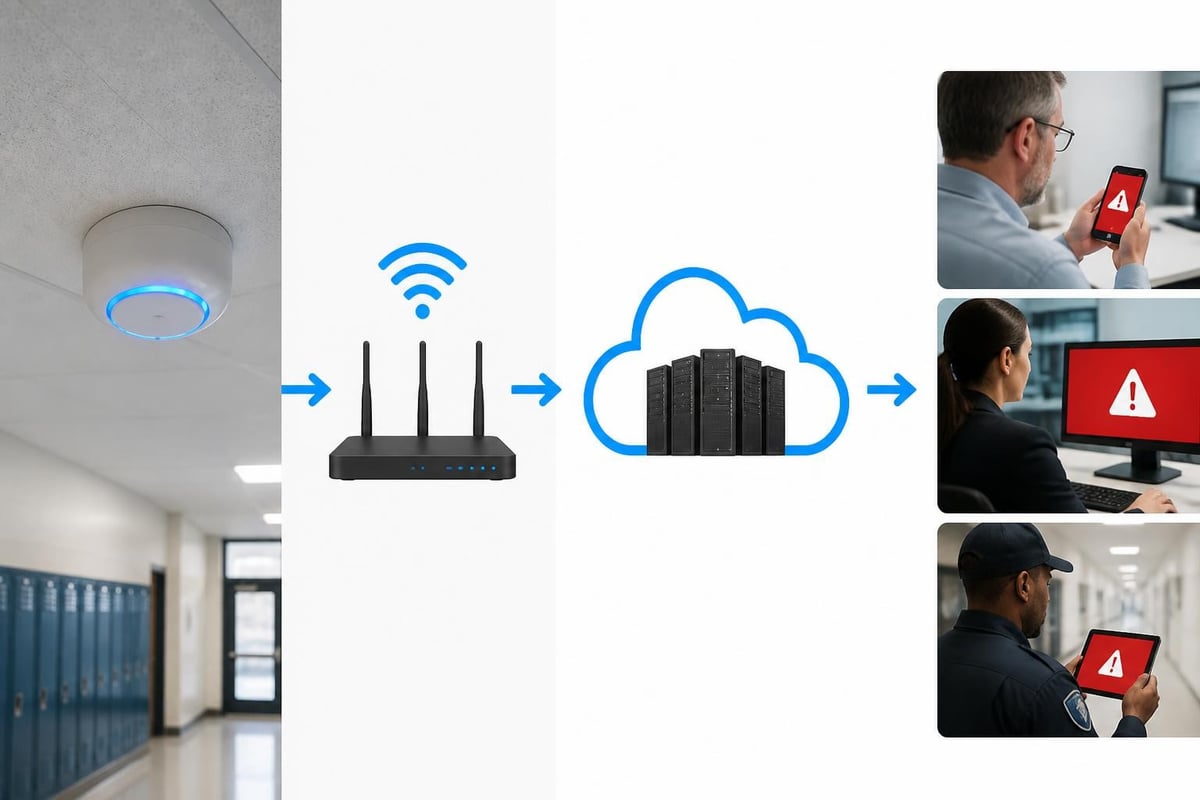
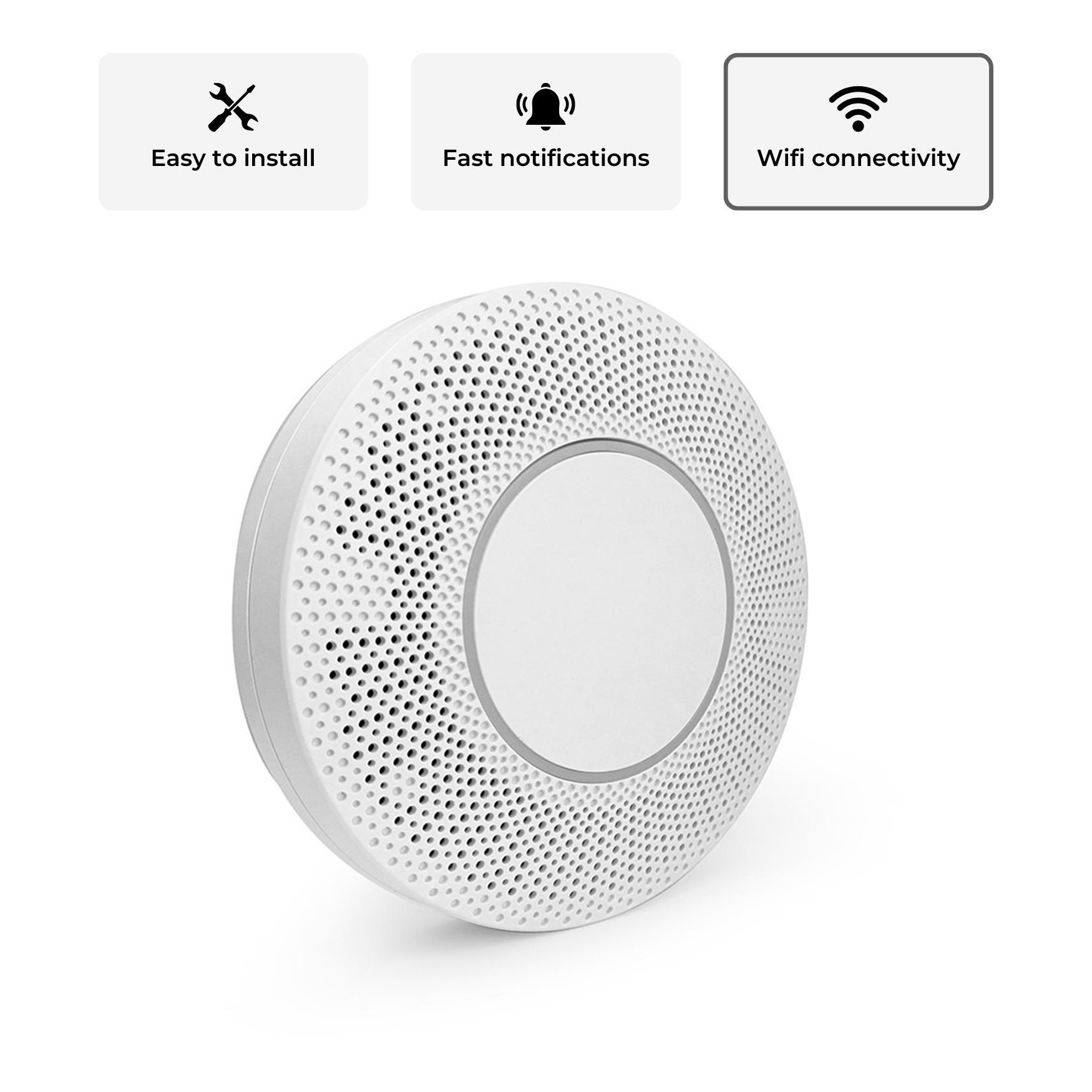
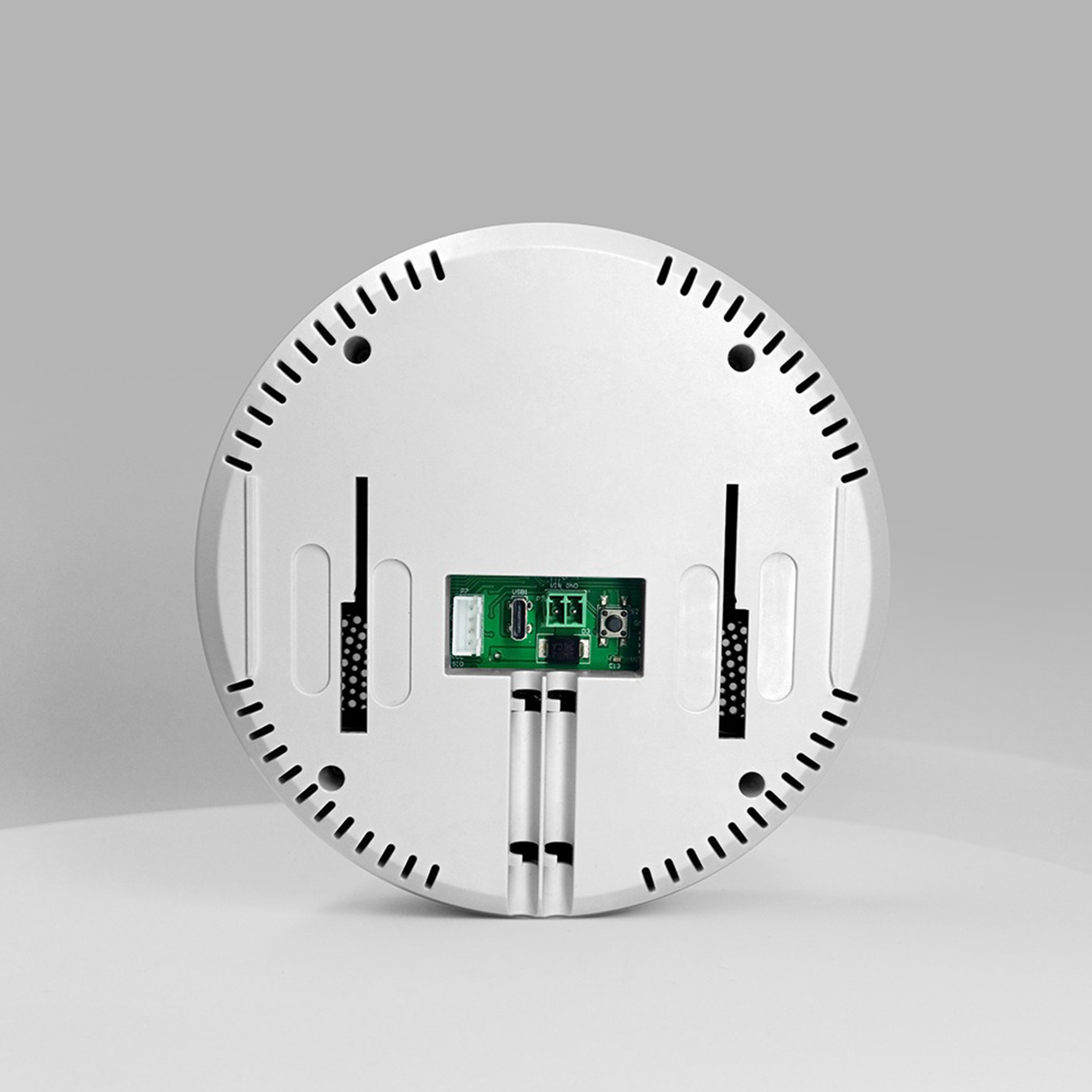
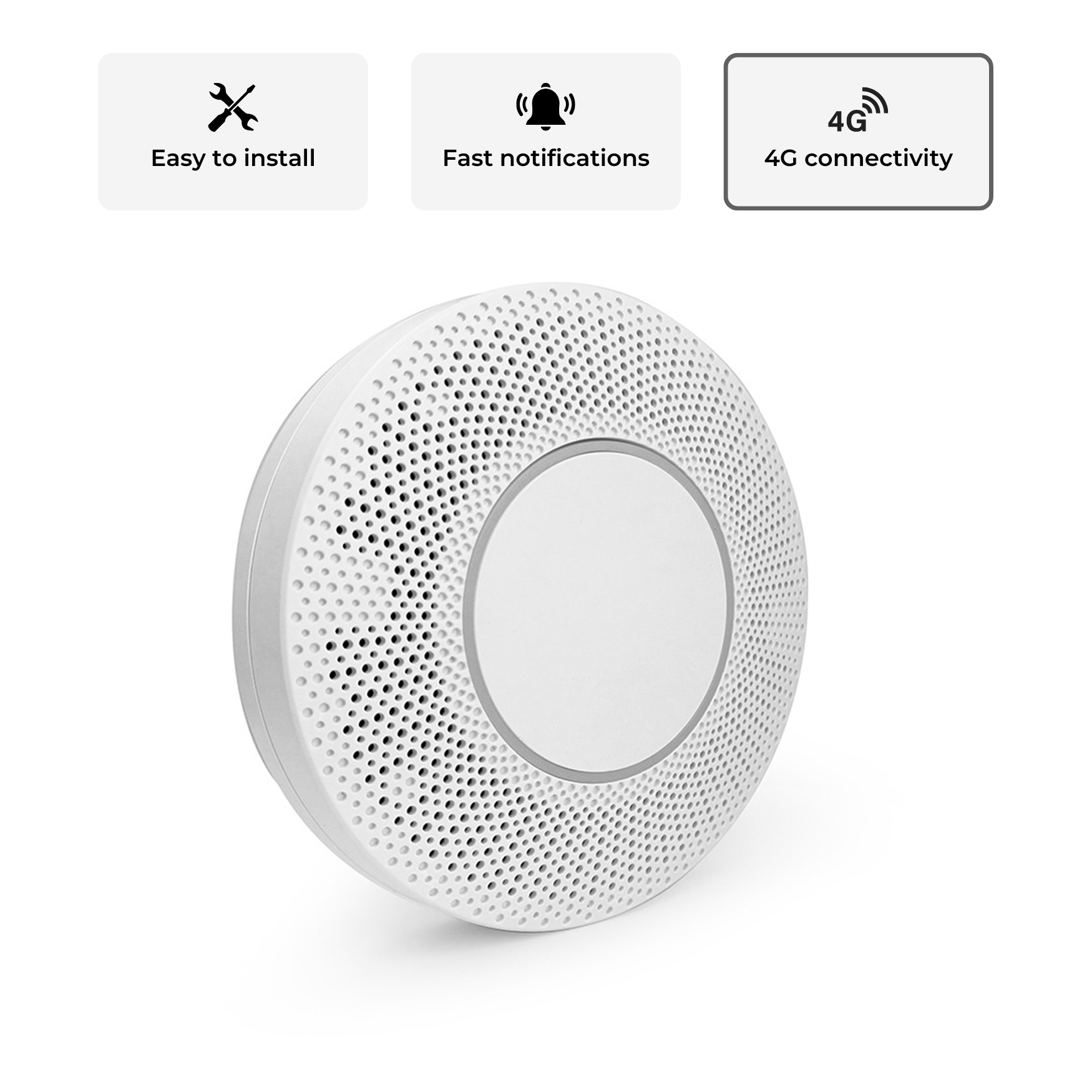
The WiFi connectivity aspect enables these sensors to communicate instantly with central monitoring systems, delivering alerts to designated personnel within seconds of detection. This network integration allows facility managers to track incidents across multiple locations, identify patterns, and respond swiftly to violations. The wireless architecture eliminates the need for complex wiring installations whilst providing robust, reliable communication channels that maintain constant vigilance.
Detection Mechanisms and Sensor Arrays
Modern vape detection devices incorporate several complementary sensing technologies working in concert. Particulate matter sensors measure the concentration and size distribution of aerosol particles suspended in the air. These sensors can distinguish between the fine mist produced by vaping devices and other environmental factors such as dust or humidity changes.
Chemical sensors identify specific volatile organic compounds commonly found in vaping liquids, including propylene glycol, vegetable glycerine, and various flavouring agents. The combination of particulate and chemical detection creates a sophisticated fingerprint that minimises false positives whilst maintaining high sensitivity to actual vaping events.

Advanced units may also incorporate temperature and humidity sensors to provide environmental context that improves detection accuracy. By analysing multiple data streams simultaneously, these systems achieve remarkable precision in identifying genuine vaping incidents whilst filtering out harmless environmental variations.
Network Integration and Connectivity Features
The WiFi capability of a modern wifi vape detector extends far beyond simple alert transmission. These devices typically connect to standard 802.11 wireless networks, integrating with existing infrastructure without requiring dedicated communication channels. Network connectivity enables sophisticated features including remote configuration, firmware updates, and centralised management across entire facility portfolios.
Real time data transmission ensures that alerts reach appropriate personnel immediately, whether they're on site or monitoring remotely via mobile applications. Many systems support multiple notification methods including email, SMS, and push notifications to smartphones or tablets. This multi channel approach ensures critical alerts never go unnoticed regardless of staff location or availability.
Cloud Based Management Platforms
WiFi enabled detection systems typically interface with cloud based management platforms that provide comprehensive oversight and analytics capabilities. These platforms aggregate data from all connected sensors, presenting facility managers with dashboard views showing current status, historical trends, and incident reports. Understanding vape detection technology helps organisations appreciate the sophisticated data processing occurring behind the scenes.
Cloud platforms enable administrators to configure detection thresholds, customise alert routing, and establish automated response protocols. Geographic mapping features display sensor locations within facility layouts, helping teams visualise coverage areas and identify potential blind spots. The centralised architecture simplifies system maintenance whilst providing robust data security through encrypted communications and secure authentication mechanisms.
Implementation Strategies for Different Environments
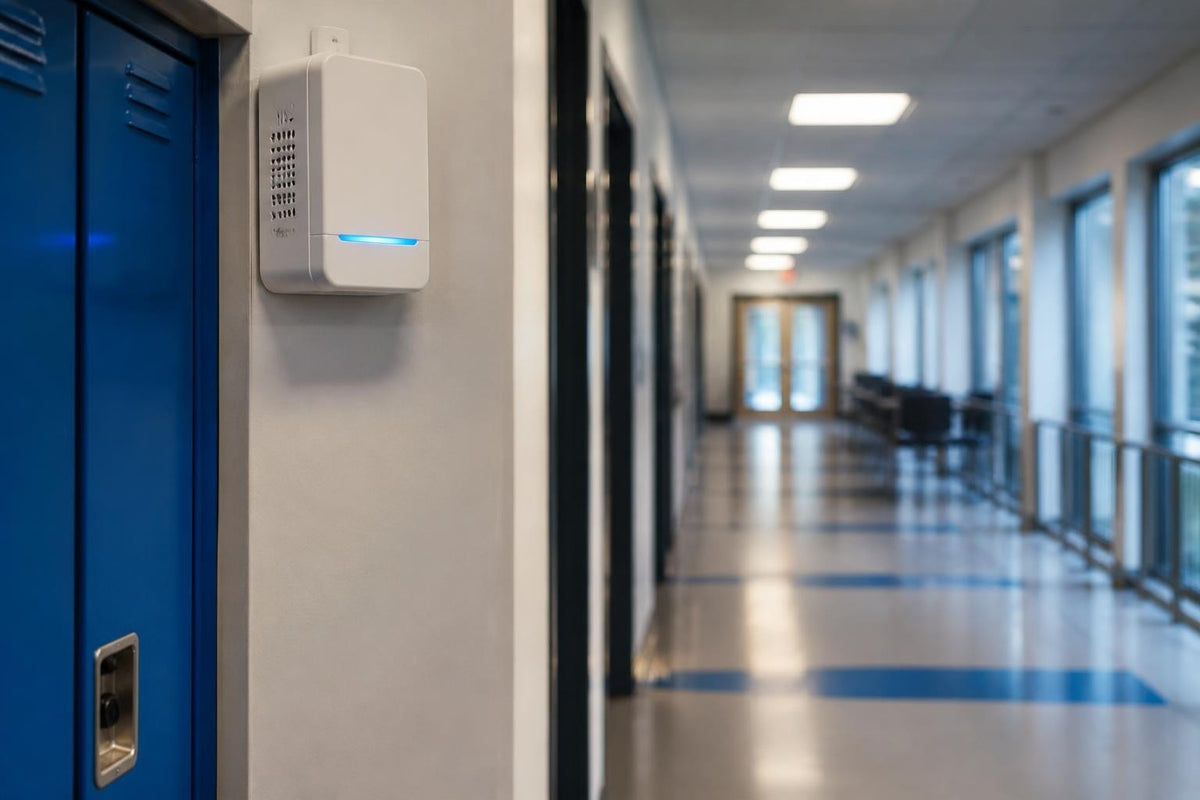
Deploying a wifi vape detector system requires thoughtful planning to maximise effectiveness whilst respecting privacy considerations and regulatory requirements. Educational institutions face unique challenges, as vape detectors for education must balance enforcement with student dignity and legal compliance. Toilets, changing rooms, and other private spaces demand particular attention to ensure sensors detect violations without compromising individual privacy.
Strategic placement proves critical for optimal coverage. Sensors should be positioned in areas where vaping is most likely to occur yet remains difficult to supervise through conventional means. Common installation locations include:
- Toilet facilities and washrooms
- Changing rooms and locker areas
- Stairwells and corridors
- Storage rooms and utility spaces
- Outdoor sheltered areas near building entrances
The physical mounting height and proximity to ventilation systems significantly affect detection performance. Manufacturers typically recommend installing units between two and three metres above floor level, away from direct airflow from HVAC systems that might disperse aerosols before detection occurs.
Network Planning and Infrastructure Requirements
Successful wifi vape detector deployment depends upon robust wireless network coverage throughout target areas. Site surveys should verify adequate signal strength at all proposed sensor locations, identifying potential dead zones or interference sources that might compromise connectivity. Many facilities discover that toilet blocks and other common vaping locations suffer from poor WiFi coverage due to thick walls or distance from access points.
| Network Requirement | Specification | Importance |
|---|---|---|
| Signal Strength | Minimum -70 dBm | Critical for reliable alerts |
| Bandwidth | 100-500 Kbps per sensor | Moderate with burst capacity |
| Latency | Under 100ms | Important for real time response |
| Security | WPA2/WPA3 encryption | Essential for data protection |
| Redundancy | Dual band support | Recommended for reliability |
Network segmentation offers security benefits by isolating IoT devices like vape detectors from primary data networks. Creating a dedicated VLAN for sensors prevents potential vulnerabilities from affecting critical systems whilst maintaining necessary connectivity for management and alerting functions.
Addressing False Positives and System Accuracy
The effectiveness of any wifi vape detector hinges upon its ability to distinguish genuine vaping incidents from benign environmental factors. Early generation systems suffered from frequent false alarms triggered by aerosol sprays, heavy perfumes, or even steam from hot showers. Modern devices employ sophisticated algorithms and multi sensor fusion to achieve considerably higher accuracy rates.
Calibration protocols allow administrators to adjust sensitivity thresholds based on environmental conditions and specific facility requirements. Locations with higher ambient aerosol levels, such as near kitchens or chemistry laboratories, may require different settings compared to standard toilet facilities. Research into WiFi based sensing technologies demonstrates how advanced signal processing enhances detection accuracy across diverse environments.
Machine Learning and Adaptive Detection
Cutting edge systems incorporate machine learning algorithms that improve accuracy over time by learning the normal environmental baseline for each sensor location. These adaptive systems distinguish between regular activities and anomalous events with increasing precision as they accumulate operational data. When a wifi vape detector identifies a potential incident, the system compares current readings against historical patterns to assess likelihood of genuine violation.
The integration of multiple detection modalities provides redundancy that reduces false positives. A valid alert typically requires simultaneous triggers from both particulate and chemical sensors, confirming that detected aerosols possess the characteristic composition of vaping products. This multi factor verification dramatically improves reliability compared to single sensor approaches.
Privacy Considerations and Compliance
Implementing detection technology in sensitive areas raises important privacy and legal questions that organisations must address proactively. Schools deploying vape detection systems in toilets must ensure compliance with data protection regulations whilst respecting student rights. Modern wifi vape detector systems address these concerns through deliberate design choices that prioritise privacy.
Quality detection devices do not incorporate cameras, microphones, or any capability to identify specific individuals. They detect only environmental conditions indicating probable vaping activity, triggering alerts that prompt staff investigation rather than directly identifying violators. This approach maintains appropriate boundaries between technology assisted monitoring and individual privacy rights.
Transparent Communication and Policy Development
Successful implementation requires clear communication with all stakeholders about system capabilities, limitations, and intended purposes. Educational institutions should involve students, parents, and staff in policy development processes that establish appropriate responses to detection alerts. Transparency regarding best practices for handling vaping alerts builds trust whilst ensuring consistent, fair enforcement.
Signage informing building occupants about vape detection systems demonstrates organisational commitment to transparency. These notices need not specify exact sensor locations but should clearly communicate that monitoring occurs throughout the facility. Such openness typically enhances deterrent effects whilst maintaining positive relationships with stakeholders.
Integration with Broader Safety Systems
A wifi vape detector often forms one component within comprehensive facility management ecosystems. Modern buildings employ numerous sensors monitoring air quality, occupancy, temperature, and various safety parameters. Integrating vape detection with these broader systems creates synergies that enhance overall effectiveness whilst streamlining administrative overhead.
Many organisations combine vape detection with air quality monitoring capabilities that track carbon dioxide, volatile organic compounds, and particulate matter concentrations. This holistic approach provides deeper insights into environmental conditions affecting occupant health and wellbeing. Correlation between vaping incidents and broader air quality trends can inform ventilation improvements and policy adjustments.
Building management systems can automatically respond to detection events by increasing ventilation rates or triggering air purification systems. These automated responses help mitigate immediate impacts whilst alert notifications summon appropriate personnel for investigation. The Vape Detection System exemplifies how integrated hardware and software solutions deliver comprehensive monitoring capabilities tailored to diverse facility requirements.

Data Analytics and Trend Identification
The continuous data streams generated by networked sensors enable sophisticated analytics that reveal patterns invisible through manual monitoring. Facility managers can identify temporal trends showing when violations most frequently occur, helping optimise staffing and supervision strategies. Geographic analysis highlights specific locations requiring enhanced attention or environmental modifications.
Longitudinal data tracking demonstrates programme effectiveness, quantifying whether vaping incidents decrease following system implementation. These metrics prove invaluable for justifying continued investment whilst identifying areas requiring policy adjustments or additional interventions. Benchmark comparisons between similar facilities help organisations assess performance against peer institutions.
Cost Considerations and Return on Investment
Implementing wifi vape detector systems requires upfront capital investment plus ongoing operational expenses for network connectivity, cloud services, and maintenance. Organisations must evaluate these costs against potential benefits including reduced health impacts, improved compliance, decreased property damage, and enhanced institutional reputation.
Direct costs typically include:
- Hardware acquisition for sensors and installation materials
- Professional installation services or internal labour allocation
- Network infrastructure upgrades if existing coverage proves inadequate
- Cloud platform subscriptions for management and analytics
- Training for staff responsible for system operation and alert response
- Ongoing maintenance and periodic sensor calibration
Indirect benefits often exceed direct cost savings. Schools report improved student health outcomes, reduced cleaning and maintenance expenses from diminished residue accumulation, and fewer disciplinary incidents requiring administrative attention. Selecting the best vape detection for schools involves balancing initial costs against long term operational benefits and mission alignment.
Total Cost of Ownership Analysis
| Cost Category | Initial Investment | Annual Recurring | Notes |
|---|---|---|---|
| Hardware | £200-£500 per sensor | £0 | One time purchase |
| Installation | £100-£300 per unit | £0 | Professional or DIY |
| Cloud Services | £0-£50 per sensor | £60-£200 per sensor | Subscription model |
| Network Costs | £500-£2000 | £100-£500 | Depends on upgrades needed |
| Maintenance | £0 | £50-£100 per sensor | Calibration and support |
| Training | £500-£2000 | £200-£500 | Initial and refresher courses |
Return on investment calculations should incorporate avoided costs from health incidents, property damage, and staff time spent investigating violations through traditional methods. Many organisations find that detection systems pay for themselves within two to three years through operational efficiencies alone, before accounting for health and compliance benefits.
Future Developments in Detection Technology
The field of environmental monitoring continues advancing rapidly, with emerging technologies promising enhanced capabilities for vape detection applications. Artificial intelligence and machine learning algorithms grow increasingly sophisticated, improving accuracy whilst reducing false positive rates. WiFi sensing research explores novel approaches that may eventually supplement or enhance current detection methodologies.
Edge computing capabilities allow sensors to perform more complex analysis locally rather than relying entirely on cloud processing. This distributed intelligence reduces latency, enhances privacy through local data processing, and maintains functionality during network disruptions. Future wifi vape detector devices will likely incorporate more powerful processors enabling sophisticated on device analysis.
Integration with building automation systems will deepen, allowing coordinated responses involving lighting, ventilation, access control, and other building systems. Imagine scenarios where detected vaping triggers automatic documentation including timestamped environmental readings, photographic evidence from nearby security cameras (in appropriate locations), and notification of relevant personnel based on duty rosters and proximity.
Regulatory Evolution and Standards Development
As vape detection technology matures, industry standards and regulatory frameworks continue evolving to address implementation best practices, privacy protections, and performance benchmarks. Organisations like the British Standards Institution may eventually publish guidance documents establishing minimum performance criteria and installation requirements. These standards will help organisations make informed purchasing decisions whilst ensuring consistent quality across the industry.
Regulatory changes regarding vaping in public spaces and workplaces may increase demand for detection technology. Schools and other institutions face growing pressure to demonstrate proactive compliance measures, making wifi vape detector systems increasingly essential components of comprehensive policy programmes rather than optional enhancements.
Selecting the Right System for Your Organisation
Choosing an appropriate wifi vape detector solution requires careful assessment of specific organisational needs, facility characteristics, and budget constraints. The optimal system for a large secondary school differs substantially from requirements for a small office or retail environment. Key selection criteria include:
Detection performance specifications including sensitivity thresholds, response times, and documented false positive rates under various environmental conditions. Request independent testing data rather than relying solely on manufacturer claims.
Network compatibility ensuring sensors integrate smoothly with existing WiFi infrastructure without requiring extensive upgrades. Verify support for current security protocols and management platforms used within your organisation.
Management platform capabilities providing appropriate analytics, reporting, and alert customisation features matching your operational requirements. Cloud platforms should offer intuitive interfaces accessible to non technical staff whilst providing sufficient depth for detailed analysis.
Scalability allowing system expansion as needs evolve without requiring wholesale replacement. Modular architectures accommodate growth more cost effectively than proprietary ecosystems with limited expansion options.
Support and maintenance offerings including warranty coverage, technical assistance availability, and update policies ensuring long term system viability. Choosing the best vape detector means considering the complete ownership experience beyond initial purchase price.
Pilot programmes testing selected systems in limited deployments before committing to facility wide implementation help identify potential issues and validate performance claims under actual operating conditions. These trials provide valuable insights informing final procurement decisions whilst demonstrating organisational commitment to evidence based decision making.
WiFi vape detector technology offers powerful capabilities for maintaining healthy, compliant environments across educational, commercial, and public facilities. By combining sophisticated sensing mechanisms with network connectivity and intelligent analytics, these systems provide unprecedented visibility into vaping activities whilst respecting privacy and operational constraints. Vape Guardian delivers comprehensive detection and air quality monitoring solutions specifically designed for UK schools, offices, and leisure spaces, supporting your commitment to safer environments through reliable technology and dedicated customer support.




Share:
School Bathroom Monitoring System: Safety & Privacy Guide
Vape Sensors UK: Advanced Detection Technology Guide 2026