
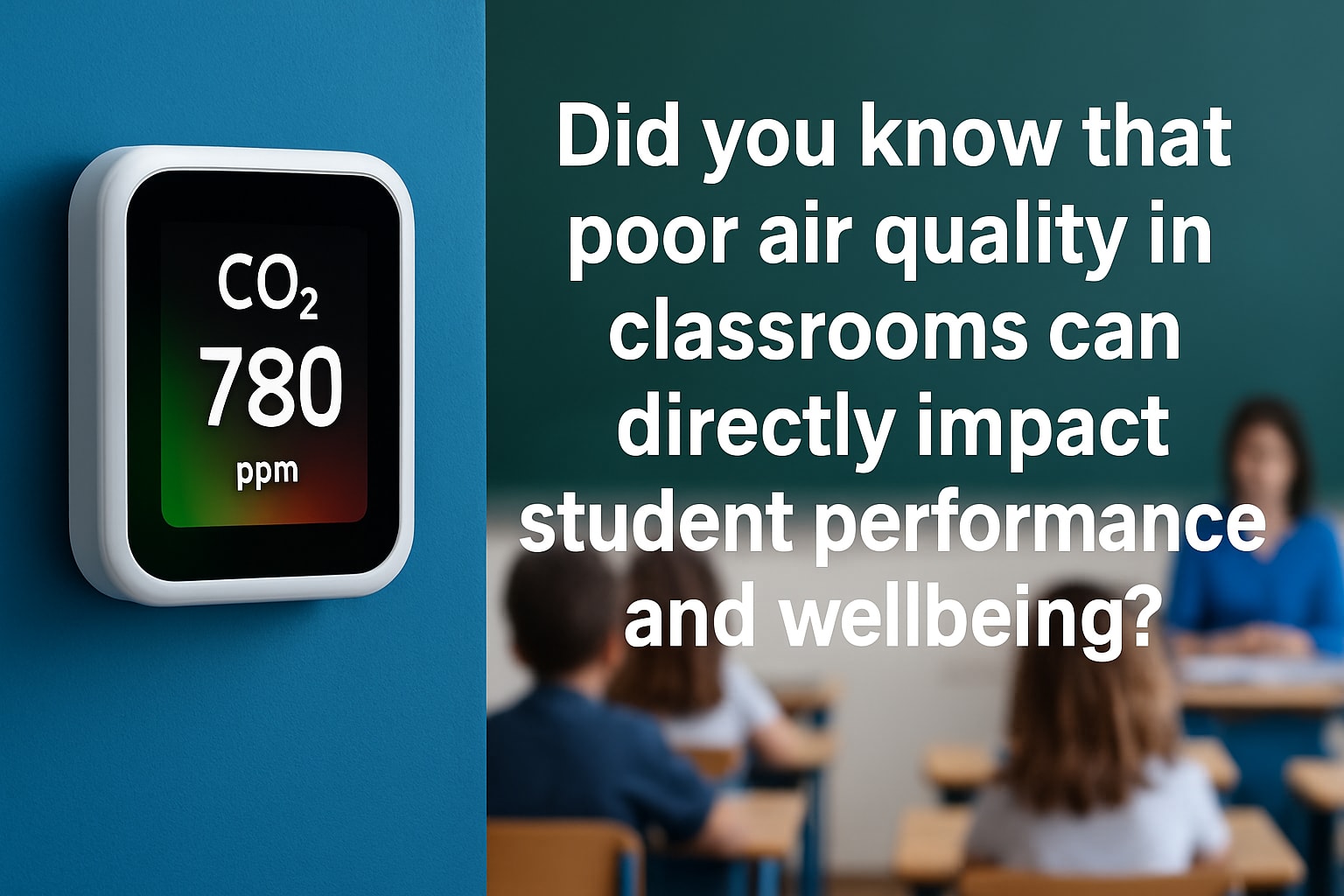
Did you know that poor air quality in classrooms can directly impact student performance and wellbeing? Across the UK, growing awareness of indoor air quality highlights the invisible threat of rising carbon dioxide levels in educational spaces.
As more schools recognise the risks, co2 monitoring in classrooms is quickly becoming a vital tool for safeguarding both health and learning outcomes. This definitive 2026 guide will explain why monitoring matters, how the technology works, its benefits, step-by-step implementation, and the emerging trends shaping the future of healthy classrooms.
Understanding CO2 in Classroom Environments
Classrooms are dynamic spaces where students and teachers spend many hours each day. The quality of air in these environments, particularly levels of carbon dioxide, is a silent factor influencing comfort and learning. As co2 monitoring in classrooms becomes more prevalent, understanding the causes and consequences of elevated indoor CO2 is essential for every school.
What is CO2 and Why Does it Accumulate Indoors?
Carbon dioxide, or CO2, is a naturally occurring gas in the Earth’s atmosphere. Outdoors, typical CO2 concentrations hover around 400 parts per million (ppm). Indoors, especially in classrooms, these levels can rise quickly due to human activity.
In classroom settings, the main source of CO2 is exhalation from students and staff. Every breath releases CO2, and when many people share a confined space, concentrations increase steadily. Poor ventilation further accelerates this buildup. If windows remain closed or mechanical ventilation is inadequate, CO2 levels may climb far above outdoor values.
The design of a school building and its ventilation system play crucial roles. Older buildings often lack proper airflow, allowing CO2 to accumulate faster. Even modern schools can face challenges if ventilation is not balanced with occupancy. The size of the room, number of occupants, and duration of lessons all influence how quickly CO2 rises.
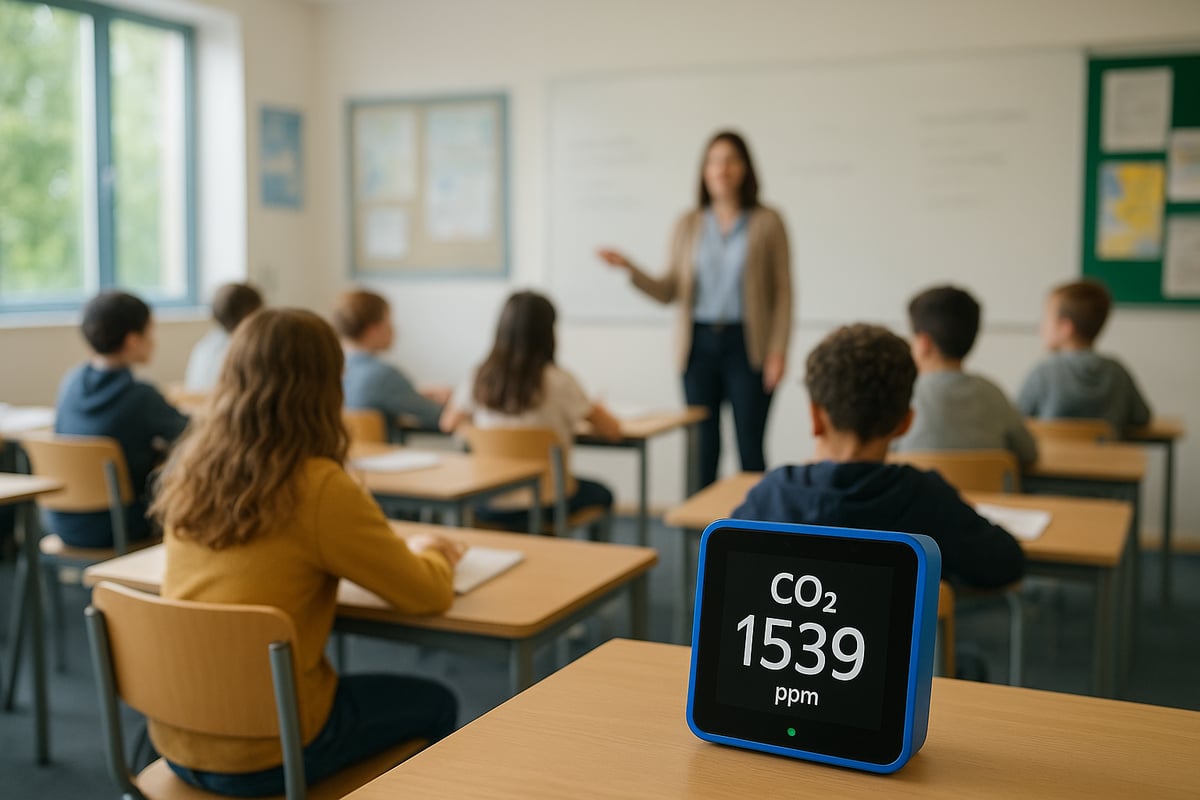
A recent UK study in 2023 found that the average CO2 concentration in classrooms often exceeds 1500 ppm during lessons, surpassing recommended thresholds. This highlights why co2 monitoring in classrooms is vital for identifying problem areas and ensuring action can be taken.
To summarise, elevated CO2 in classrooms results from a combination of occupancy, poor ventilation, and building design. Without effective monitoring, these invisible dangers can persist unnoticed.
| Location | Typical CO2 Range (ppm) |
|---|---|
| Outdoors | 400 - 450 |
| Classroom (well ventilated) | 600 - 1000 |
| Classroom (poor ventilation) | 1500+ |
Health and Cognitive Effects of Elevated CO2 Levels
When CO2 levels rise above safe thresholds, the effects are felt almost immediately. Short-term exposure can cause drowsiness, headaches, and a noticeable drop in concentration. Teachers may observe students becoming restless or inattentive as lessons progress.
Long-term exposure carries additional risks. Persistent high CO2 can lead to chronic fatigue and may worsen respiratory conditions, especially in children with asthma. Staff are also at risk, with symptoms ranging from frequent headaches to reduced job satisfaction.
The impact on student performance is well documented. Studies, including the Impact of CO₂ on student performance, show a direct link between elevated CO2 and lower test scores. Cognitive tasks such as problem-solving and memory are particularly sensitive to air quality changes. This evidence supports the need for co2 monitoring in classrooms to maintain optimal learning conditions.
Certain groups are more vulnerable than others. Younger children, those with respiratory issues, and staff with pre-existing health conditions are at greater risk from poor air quality. Schools that have implemented air quality interventions report not only improved health but also noticeable gains in student achievement and engagement.
In summary, co2 monitoring in classrooms is not just a technical measure but a fundamental aspect of safeguarding health and supporting academic success for every pupil and teacher.
The Importance of CO2 Monitoring in Schools
Maintaining healthy air quality in educational environments is a growing priority for school leaders, parents, and policymakers. CO2 monitoring in classrooms is now seen as a crucial element in safeguarding student wellbeing and supporting effective teaching. The following sections explore why this practice is essential, from regulatory expectations to the real-world perspectives of those directly affected.
Regulatory Standards and Guidelines for Indoor Air Quality
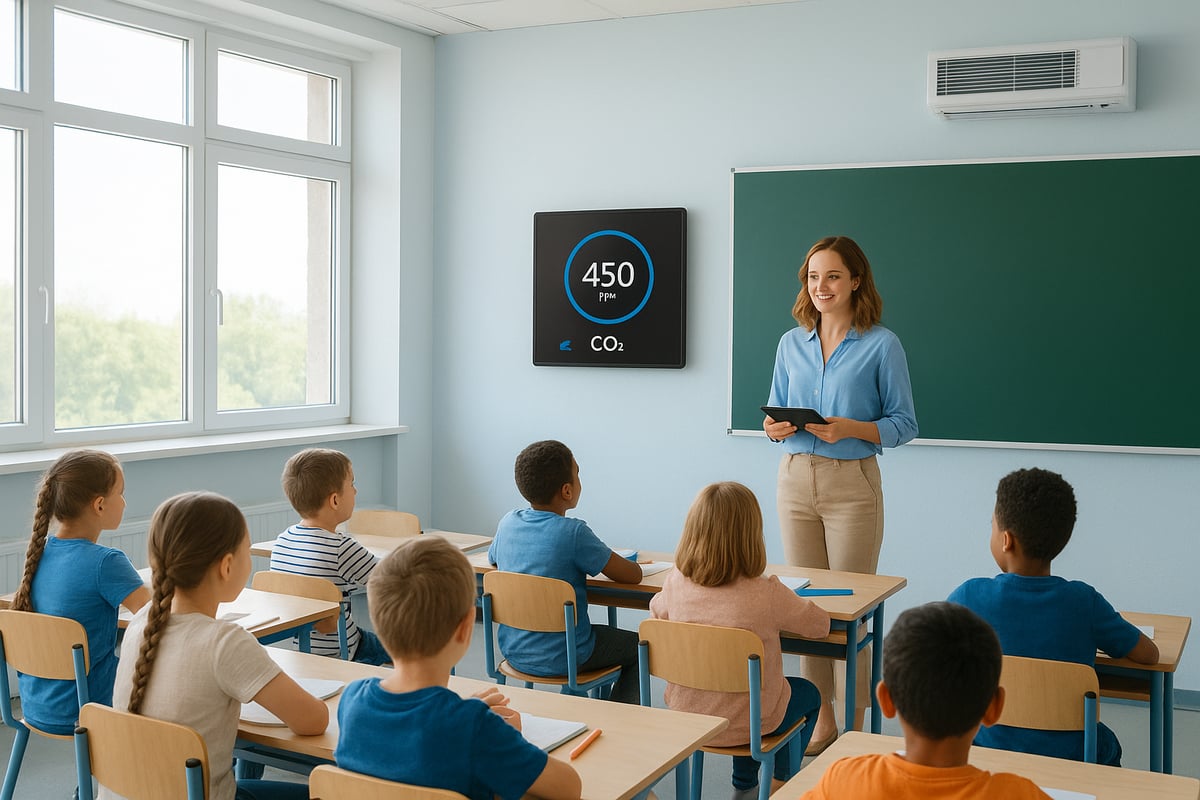
Across the UK and EU, official guidelines set clear expectations for indoor air quality in schools. Authorities like the Health and Safety Executive (HSE) and guidance documents such as BB101 recommend that CO2 levels in classrooms should not exceed 1000 parts per million (ppm) for prolonged periods. Exceeding these thresholds can trigger mandatory reviews and corrective actions.
Schools are now required to regularly assess air quality and document their findings. Inspection bodies may check CO2 data during routine visits, ensuring compliance with statutory limits. The Department for Education has released detailed recommendations on the use of monitors, maintenance, and necessary actions if levels are high. For a detailed overview on best practices and compliance, see the UK guidelines on CO₂ monitoring in schools.
CO2 monitoring in classrooms plays a pivotal role in meeting these requirements. By tracking levels in real time, schools can quickly identify problem areas and take steps to improve ventilation, reducing the risk of regulatory breaches.
Why CO2 Monitoring is Essential for Schools
The link between air quality and student health is well established. CO2 monitoring in classrooms enables early detection of ventilation problems before discomfort or complaints arise. This proactive approach helps prevent issues such as headaches, fatigue, and reduced concentration among students and staff.
Data-driven decision making is another advantage. Facilities teams can use the information from CO2 monitoring in classrooms to adjust ventilation systems, schedule maintenance, or plan upgrades. This not only maintains a healthy environment but also supports energy efficiency and cost savings.
During the recent pandemic, some schools were forced to close temporarily when poor air quality was detected. CO2 monitoring in classrooms allowed for timely interventions, helping to keep schools open and safe. With regular monitoring, schools can provide evidence of compliance and demonstrate their commitment to pupil welfare.
Stakeholder Perspectives: Teachers, Students, and Parents
Teachers often notice the immediate effects of poor air quality, such as stuffy rooms and student lethargy. Many report that CO2 monitoring in classrooms helps them identify when action is needed, such as opening windows or adjusting lesson plans for comfort.
Students themselves are increasingly aware of the importance of fresh air. Feedback from pupils highlights how improved air quality can make classrooms feel more comfortable and help them stay alert during lessons.
Parents are also vocal about their concerns, especially for children with asthma or respiratory issues. Recent surveys show that 67% of UK teachers expressed concerns about classroom air quality in 2024. This widespread awareness is driving demand for robust CO2 monitoring in classrooms as part of a comprehensive approach to health and safety.
How CO2 Monitoring Technology Works
Understanding how co2 monitoring in classrooms operates is crucial for school leaders, teachers, and facilities managers. Modern technology offers precise, user-friendly solutions that improve air quality and support pupil wellbeing. Let us explore the sensor technologies, the features of current monitors, best practices for installation, and the vital area of data privacy.
Types of CO2 Sensors Used in Classrooms
The backbone of co2 monitoring in classrooms lies in the sensor technology. Most schools rely on three main types of CO2 sensors: NDIR, chemical, and photoacoustic. Each offers unique strengths and considerations for educational settings.
| Sensor Type | Accuracy | Cost | Maintenance | Common Use in Schools |
|---|---|---|---|---|
| NDIR | High | Moderate | Low | Very common |
| Chemical | Moderate | Low | Moderate | Occasional |
| Photoacoustic | High | High | Low | Emerging |
NDIR (Non-Dispersive Infrared) sensors are widely regarded as the gold standard for co2 monitoring in classrooms, providing reliable and accurate measurements with minimal maintenance. Chemical sensors are more affordable but can drift over time, requiring regular calibration. Photoacoustic sensors offer high accuracy and fast response, but their cost can be prohibitive for many schools.
Understanding these differences helps schools choose the right technology for their needs. For a deeper dive into sensor types and their applications, explore this Indoor air quality sensors explained guide.
Features of Modern Classroom CO2 Monitors
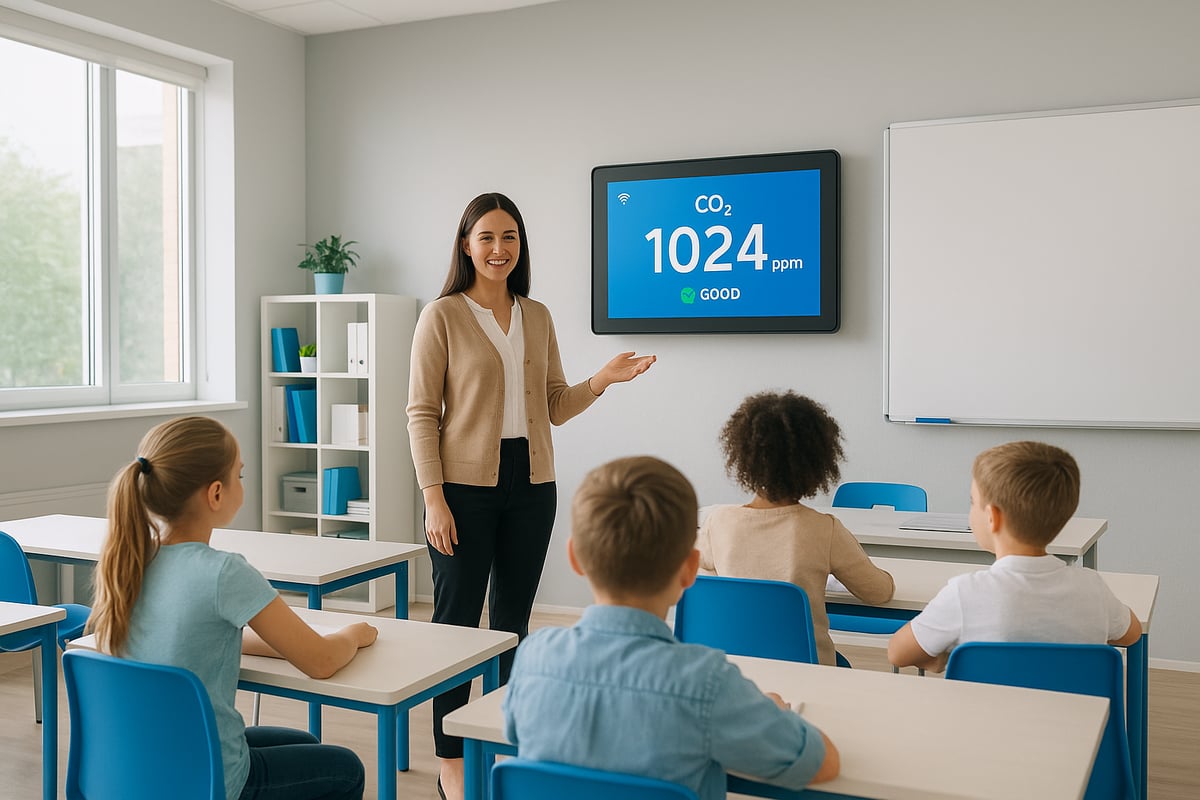
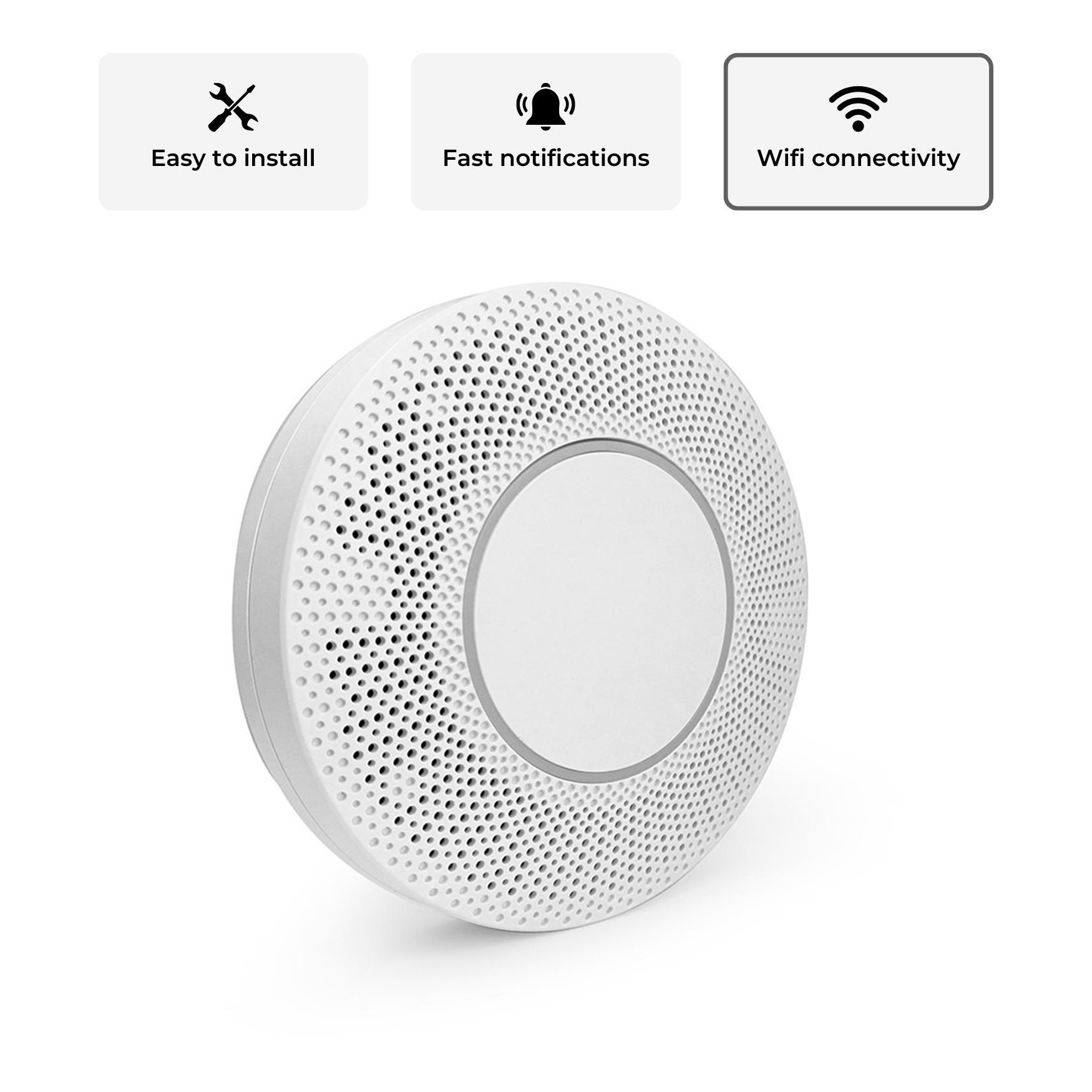
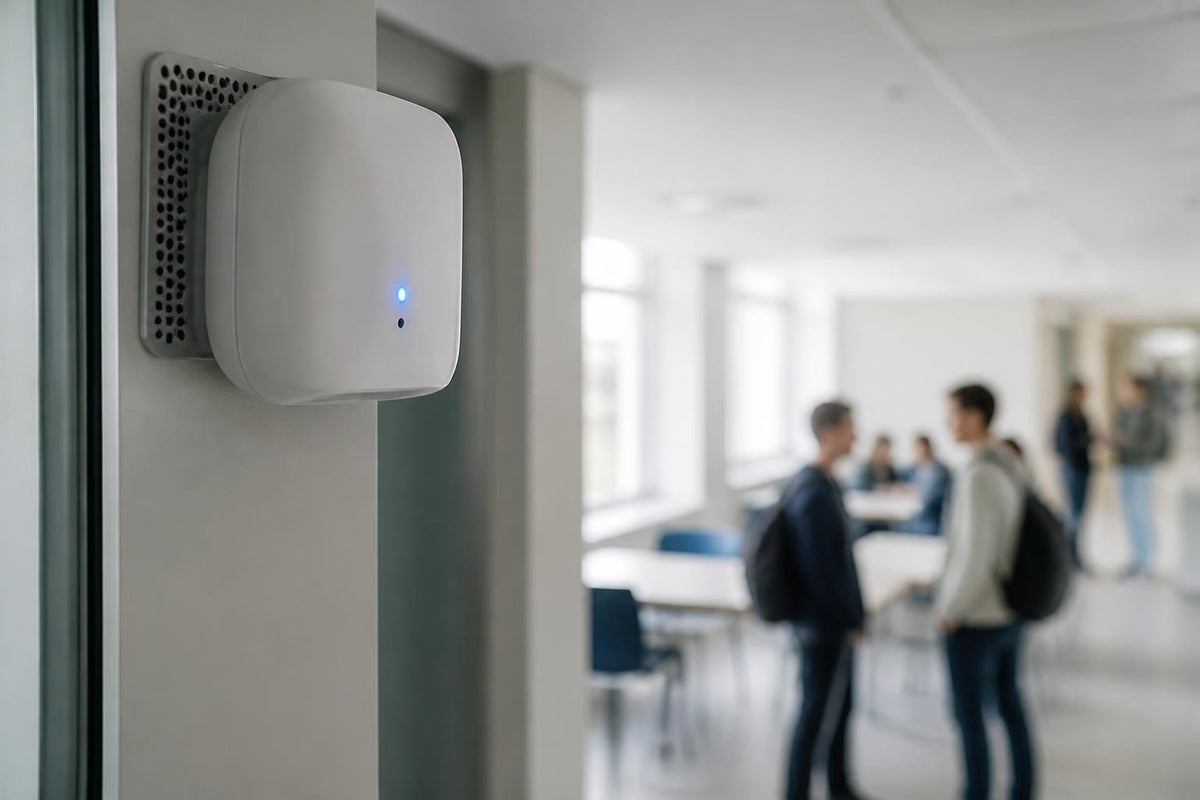
Modern co2 monitoring in classrooms has evolved beyond simple readouts. Today’s devices provide a suite of features designed for convenience, oversight, and rapid response.
Key features include:
- Real-time monitoring with instant digital displays
- Wireless connectivity for remote access and alerts
- Integration with building management systems
- Data logging for historical trend analysis
- Customisable alarms to notify staff of elevated levels
For example, some London academies use cloud-based systems to oversee air quality across multiple classrooms, enabling facilities teams to respond quickly to ventilation issues. Such systems enhance the effectiveness of co2 monitoring in classrooms by making data actionable and accessible.
Installation and Placement Best Practices
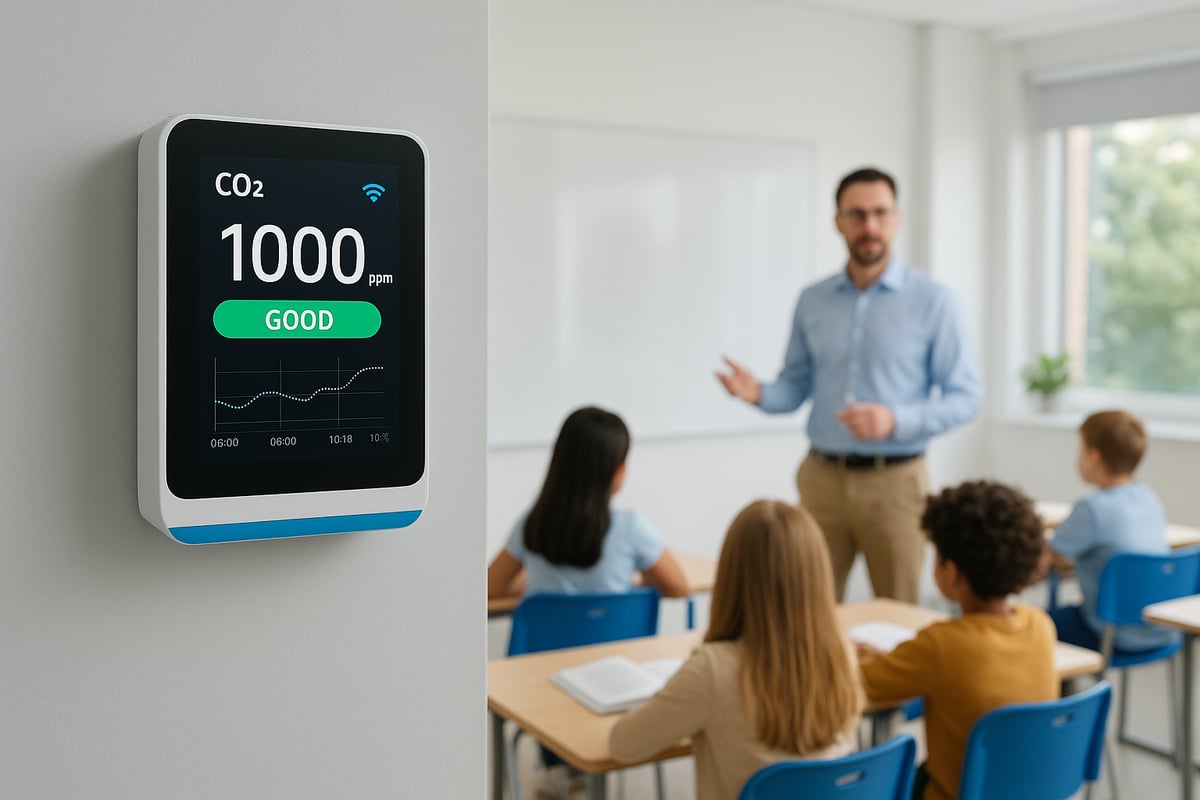
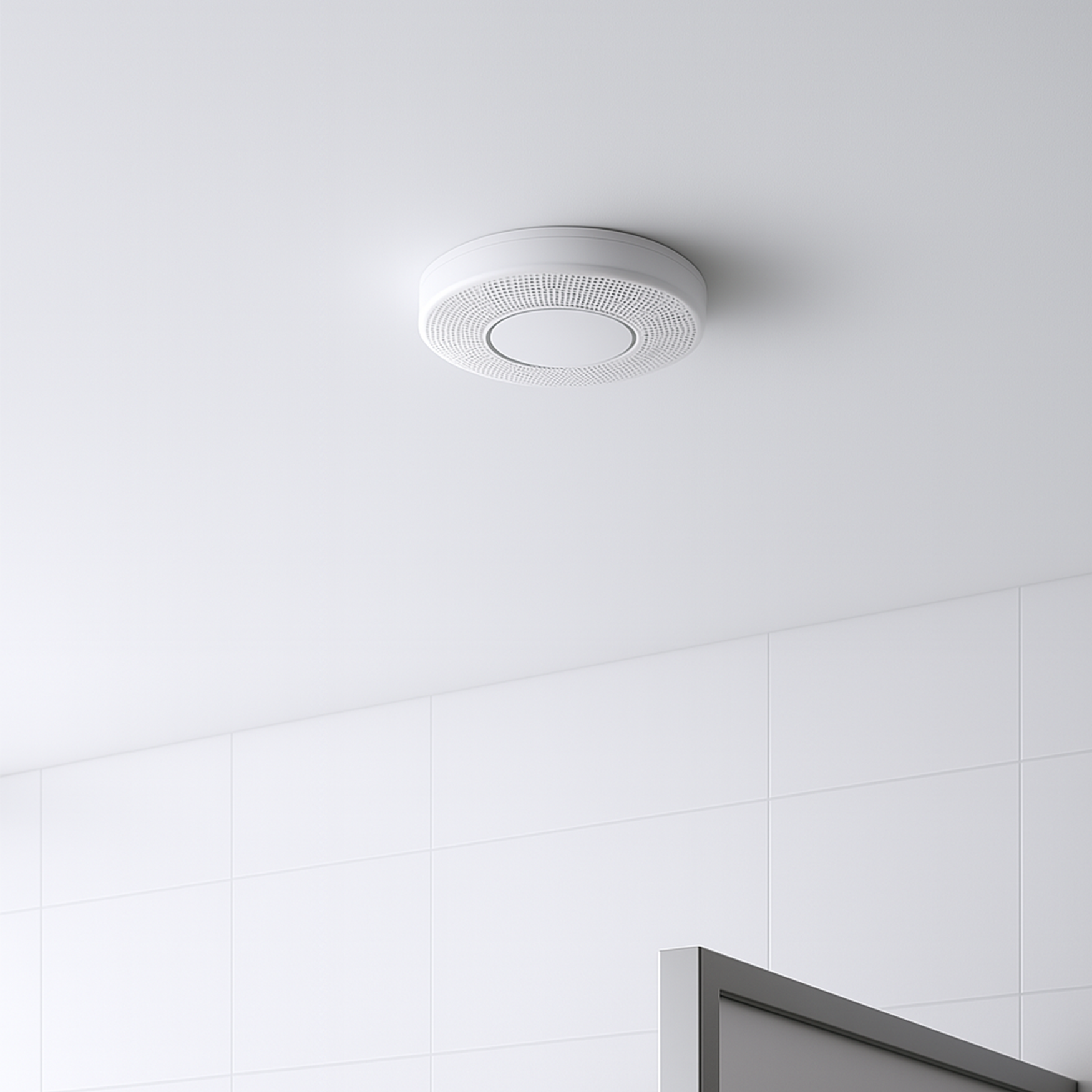
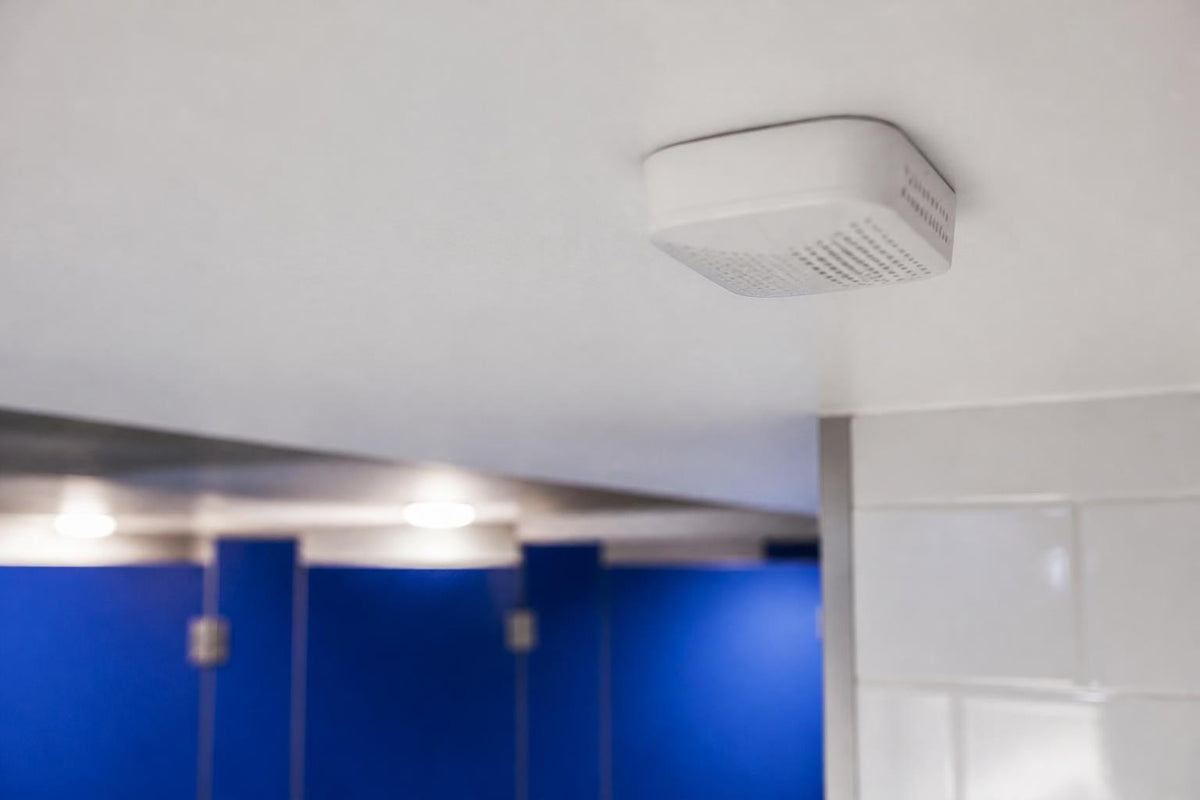
Correct installation is vital to ensure accurate co2 monitoring in classrooms. Sensors should be placed at breathing height, typically 1.1 to 1.5 metres above the floor, and away from direct airflow from windows or doors. This minimises false readings and ensures the sensor reflects the true air quality experienced by students and staff.
The number of devices per classroom depends on room size and layout. Most UK guidelines recommend at least one device per standard classroom, with additional sensors for larger or high occupancy areas. Integration with HVAC or ventilation systems allows for automatic adjustments to improve air quality.
Regular maintenance is essential. Schedule calibration checks in line with manufacturer guidance to maintain accuracy. Schools should keep a log of maintenance activities as part of their co2 monitoring in classrooms protocols.
Data Privacy and Security Considerations
With the rise of digital co2 monitoring in classrooms, data privacy has become a key concern. Schools must comply with GDPR and other data protection regulations, ensuring that all sensor data is stored securely and only accessible to authorised personnel.
Best practices include:
- Using encrypted storage for sensor data
- Restricting access through role-based controls
- Establishing clear data sharing policies
- Regularly reviewing and updating security protocols
By managing data responsibly, schools demonstrate their commitment to safeguarding both student wellbeing and privacy. This approach builds trust among staff, students, and parents, ensuring that co2 monitoring in classrooms supports a safe and healthy learning environment.
Step-by-Step Guide: Implementing CO2 Monitoring in Your School
Introducing co2 monitoring in classrooms is a strategic process that ensures your learning environment stays healthy and productive. By following a clear step-by-step approach, schools can assess their needs, select the right technology, and embed best practices for long-term success. This guide walks you through each stage, making co2 monitoring in classrooms achievable and effective for every institution.
Step 1: Assess Indoor Air Quality Needs
Begin your journey with co2 monitoring in classrooms by conducting a thorough assessment of current indoor air quality. This initial step helps pinpoint areas that may require urgent attention or improvement.
Start by measuring baseline CO2 levels in various classrooms and communal spaces, ideally during periods of high occupancy. Use handheld CO2 meters or request a professional assessment. Document readings at different times of day to identify patterns.
Look for signs of poor air quality, such as stuffiness or complaints of headaches and fatigue. Map out high-risk areas, including rooms with limited windows or mechanical ventilation. This assessment lays the foundation for a targeted and effective co2 monitoring in classrooms strategy.
Step 2: Selecting the Right CO2 Monitoring Solution
With your assessment data in hand, it is time to choose the most suitable co2 monitoring in classrooms technology. Involve key stakeholders, such as facilities staff, teachers, and IT personnel, to ensure the solution meets everyone’s needs.
Compare leading sensor technologies, focusing on accuracy, reliability, and integration capabilities. Consider features like real-time data display, wireless connectivity, and data logging. The table below summarises essential criteria:
| Criteria | Why It Matters | Example Feature |
|---|---|---|
| Accuracy | Reliable readings | NDIR sensor |
| Connectivity | Data access and alerts | Wi-Fi or Bluetooth |
| Display | Visibility for staff | Digital screen |
| Data Storage | Trend analysis | Cloud-based dashboard |
| Maintenance | Ease of upkeep | Self-calibration |
For a comprehensive overview of what to look for, see this Air quality monitoring system guide. Remember to balance cost with the long-term benefits of robust co2 monitoring in classrooms.
Step 3: Planning Installation and Integration
Effective implementation of co2 monitoring in classrooms depends on thoughtful planning. Identify optimal installation points across classrooms, corridors, and communal spaces. Place monitors at breathing height, away from doors or windows, to ensure accurate readings.
Create a detailed map of all locations requiring devices. Coordinate with facilities and IT teams to integrate the monitors with existing building management systems if possible. Schedule installation during holidays or after school hours to minimise disruption.
Key planning steps include:
- Determining the number of monitors per area
- Ensuring adequate power sources or battery life
- Integrating with HVAC or ventilation controls
- Documenting locations for future maintenance
This stage is crucial for a seamless co2 monitoring in classrooms rollout.
Step 4: Training Staff and Raising Awareness
Once your system is in place, empower staff and students to get the most from co2 monitoring in classrooms. Training is essential for teachers, maintenance teams, and anyone responsible for responding to alerts or maintaining the equipment.
Provide clear instructions on:
- Reading and understanding CO2 monitor displays
- Responding to alerts or elevated readings
- Basic troubleshooting and reporting issues
Raise awareness among students through assemblies, posters, and classroom discussions. Encourage everyone to take ownership of air quality, fostering a culture of shared responsibility for a healthy learning environment.
Awareness initiatives ensure the benefits of co2 monitoring in classrooms are fully realised across the school community.
Step 5: Monitoring, Maintenance, and Continuous Improvement
Ongoing success with co2 monitoring in classrooms relies on regular monitoring, maintenance, and review. Set clear thresholds for alerts and establish protocols for responding to elevated levels.
Schedule routine calibration and maintenance checks to keep equipment accurate. Use the collected data to identify trends, highlight recurring issues, and guide ventilation or infrastructure upgrades.
Continuous improvement steps include:
- Analysing data for patterns in air quality
- Updating response protocols as needed
- Reviewing policies annually to reflect best practices
By maintaining a proactive approach, your school can ensure co2 monitoring in classrooms delivers lasting benefits for health, wellbeing, and performance.
Benefits of CO2 Monitoring for Schools
Improving air quality in educational settings is no longer just a nice-to-have, it is a necessity. CO2 monitoring in classrooms brings a host of tangible benefits for both students and staff. Let us explore how this simple yet effective technology supports health, learning outcomes, operational efficiency, and a school's reputation.
Improved Health and Wellbeing for Students and Staff
CO2 monitoring in classrooms directly supports the health and wellbeing of everyone in the building. Elevated indoor CO2 can lead to headaches, fatigue, and increased absenteeism. By tracking levels in real time, schools can quickly identify when ventilation needs improvement, reducing the risk of discomfort and illness.
Children with asthma or respiratory conditions are particularly sensitive to poor air quality. Regular monitoring ensures that interventions happen before symptoms worsen, creating a safer environment for vulnerable students. According to the School environment air quality report, schools that implemented air quality strategies reported fewer health complaints and improved overall attendance.
Staff also benefit, as teachers in well-ventilated spaces experience fewer headaches and less drowsiness. This leads to a more positive working environment, supporting morale and job satisfaction.
Enhanced Learning Outcomes and Productivity
The relationship between air quality and academic performance is well established. CO2 monitoring in classrooms helps maintain optimal conditions for concentration and mental acuity. When CO2 levels rise, cognitive functions such as memory, attention, and decision making can decline.
Research, including a study on CO₂ levels and cognitive function in classrooms, has shown that students in well-ventilated environments consistently achieve higher test scores. Teachers also report that students are more alert, engaged, and able to participate fully when classrooms are fresh and comfortable.
By proactively managing air quality, schools can create an environment where students and staff perform at their best. Monitoring ensures that problems are addressed before they impact learning outcomes, supporting long term academic success.
Operational and Financial Advantages
CO2 monitoring in classrooms is not just about health and learning, it also brings significant operational benefits. By identifying ventilation issues early, schools can avoid costly emergency repairs and extend the life of HVAC systems.
Data collected from monitors can be used to optimise ventilation schedules, reducing unnecessary energy use. For example, a school in Manchester saved thousands on energy bills after using CO2 data to fine tune their ventilation. This approach supports both sustainability goals and budget management.
Additionally, monitoring provides the evidence needed for funding applications and compliance reporting. Facilities teams can use real time data to make informed decisions, ensuring that resources are allocated efficiently and effectively.
Supporting Compliance and Reputation
Meeting statutory requirements for indoor air quality is a key concern for every educational institution. CO2 monitoring in classrooms helps schools stay compliant with UK and EU guidelines, such as those set out by the HSE and BB101. Real time monitoring allows for quick responses to any issues, reducing the risk of penalties or reputational damage.
Demonstrating a commitment to safeguarding students and staff reassures parents and the wider community. Schools that prioritise air quality are seen as proactive, responsible, and forward thinking. This reputation helps attract new families and retain talented staff, further strengthening the school community.
Collecting and reporting air quality data also supports transparency, making it easier to engage stakeholders and maintain trust.
The Future of CO2 Monitoring in Classrooms: Trends and Innovations
The landscape of co2 monitoring in classrooms is evolving rapidly as technology, policy, and educational needs converge. Schools are seeking smarter, more efficient solutions to protect health and improve learning. What will the next few years bring for air quality management in education? Let us explore the key trends and innovations shaping the future of co2 monitoring in classrooms.
Integration with Smart Building Technologies
Integration is at the heart of the future of co2 monitoring in classrooms. Modern solutions are being designed to seamlessly connect with smart building systems, enabling automated responses to changing air quality. Internet of Things (IoT) devices and artificial intelligence are making it possible for ventilation to adjust in real time based on sensor data.
Schools can now benefit from predictive air quality management, where smart sensors detect trends and trigger ventilation before CO2 levels become problematic. For a deeper look at how this technology works in educational settings, see Smart sensor technology for schools. This integration is set to become standard, allowing for streamlined facilities management and healthier learning spaces.
Advances in Sensor Technology and Analytics
Sensor technology is advancing at pace, expanding the capabilities of co2 monitoring in classrooms. Next generation sensors are moving beyond single pollutant detection, now measuring CO2, particulate matter (PM2.5), and volatile organic compounds (VOCs) in one device.
These innovations provide real time dashboards for school administrators, offering actionable insights into air quality trends across multiple classrooms. Data analytics tools help identify patterns and predict when intervention is needed. The result is a more comprehensive understanding of indoor air quality and faster, more informed decision making for schools.
Policy Developments and Funding Opportunities
The regulatory landscape for co2 monitoring in classrooms is shifting. UK and EU policymakers are expected to introduce stricter guidelines for air quality in schools, reflecting increased awareness of its impact on health and attainment. Schools will likely face new requirements for routine monitoring and transparent reporting.
Government grants and funding streams are also expanding to support the adoption of advanced monitoring technologies. Educational leaders should watch for updates to ensure their schools remain compliant and can take advantage of financial incentives for air quality improvement projects.
Case Studies: Leading Schools Pioneering Air Quality Management
Some schools are already setting the benchmark for co2 monitoring in classrooms. For example, a Welsh primary school implemented an integrated air quality system, leading to measurable improvements in student health and parental engagement.
These pioneers demonstrate that investing in modern monitoring technologies can yield impressive results. Improved attendance, reduced symptoms of fatigue, and increased satisfaction among staff and families are common outcomes. Their success stories are inspiring other educational institutions to follow suit and prioritise air quality management.
Sustainability and Environmental Impact
Sustainability is a driving force in the evolution of co2 monitoring in classrooms. Smart ventilation systems, guided by accurate sensor data, help reduce energy consumption while maintaining healthy air. This contributes to net zero targets and supports schools in minimising their carbon footprints.
Optimised ventilation strategies, such as those highlighted in Ventilation strategies to reduce airborne transmission in schools, show how targeted interventions can enhance both health and environmental outcomes. Schools benefit from lower utility costs and a strengthened commitment to sustainable practices.
Challenges and Opportunities Ahead
Despite the progress in co2 monitoring in classrooms, challenges remain. Budget constraints, technical know how, and the need for ongoing staff training can slow adoption in some schools. Data privacy and system integration also require careful management.
However, the opportunities are significant. Collaboration with public health and education sectors, access to new funding, and continuous technological innovation promise to make co2 monitoring in classrooms more accessible and effective than ever before. By embracing these trends, schools can create safer, smarter environments for learning.
As we've explored, effective CO2 monitoring is a game changer for healthier and more productive classrooms, supporting everything from student wellbeing to compliance and operational savings. If you’re looking to take the next step in creating a safer learning environment, it’s worth discovering how dedicated solutions can make a real difference in your school. To see practical examples and understand the technology in action, you can learn how Vape Guardian is protecting schools.

Share:
7 Surprising Facts About Vape Singapore You Need To Know 2026
Guide to School Safety Technology: Enhancing Security in 2026