
Concerns about indoor air quality in schools are intensifying as 2026 draws closer. The air students breathe directly shapes their health, wellbeing, and ability to perform academically. Reliable reporting is now essential, not just for compliance but for creating safer learning environments. This guide equips educators, facility managers, and policy makers to confidently interpret and act on any school environment air report. Discover actionable strategies to understand, evaluate, and improve air quality ahead of the new standards for 2026.
The Importance of Air Quality in Schools
Air quality within school environments is increasingly recognised as a critical factor in safeguarding student wellbeing and academic success. As the focus on the school environment air report grows, it is essential to understand the direct and lasting impact that indoor air conditions can have on both health and learning outcomes.
Health and Academic Impacts
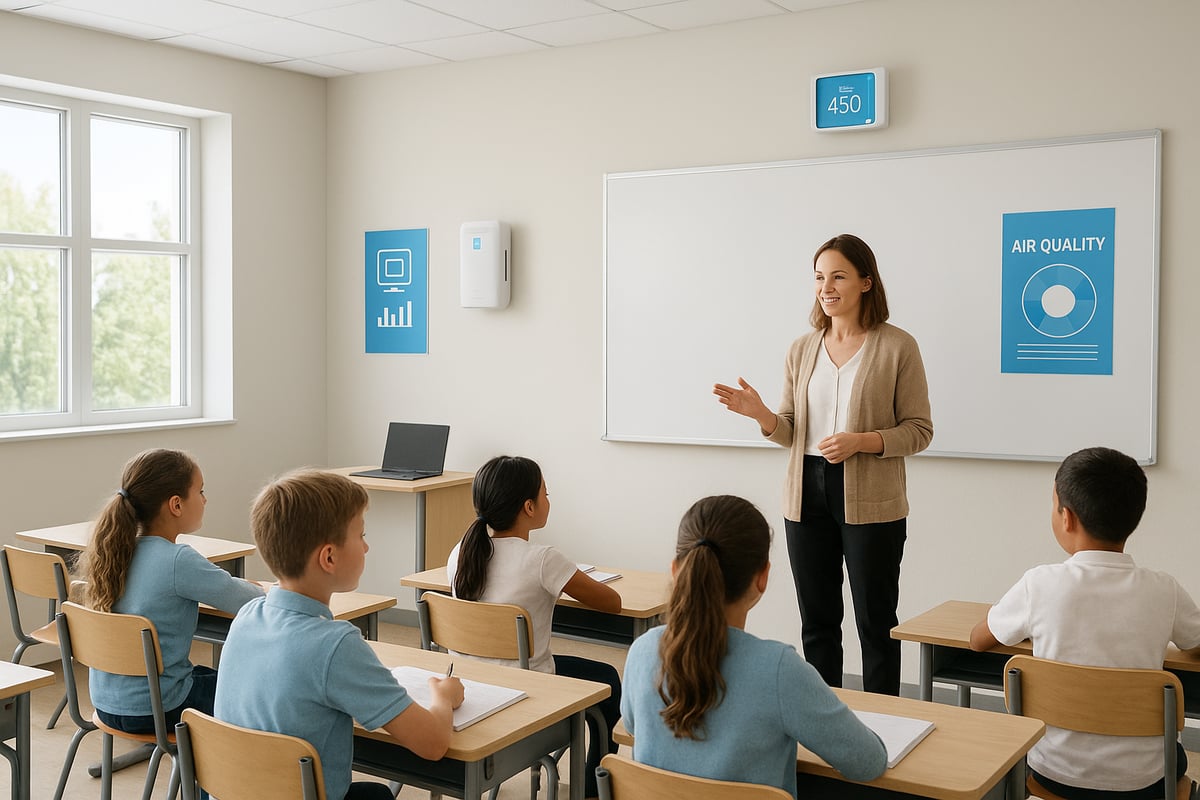
The school environment air report is pivotal in identifying how indoor air quality influences concentration, absenteeism, and respiratory health among students. Poor air quality, particularly elevated levels of PM2.5, CO2, and VOCs, has been linked to decreased cognitive performance and increased fatigue. Studies have shown that even modest improvements in ventilation can result in up to a 13% boost in test scores, making air quality a tangible factor in academic achievement.
Asthma and allergies are significantly more prevalent among school-aged children exposed to high indoor pollutant levels. For instance, schools that have implemented targeted air quality improvements have reported notable reductions in student sick days, highlighting the practical benefits of acting on the school environment air report. The World Health Organization and Public Health England both provide clear guidelines for acceptable pollutant levels in learning environments.
Additionally, the Impact of Indoor Air Quality on Student Health and Academic Performance resource details how indoor pollutants can disrupt learning, increase absenteeism, and exacerbate respiratory issues. These insights reinforce why every school environment air report should be used as a proactive tool for safeguarding student health and maximising educational outcomes.
Regulatory and Policy Drivers
The school environment air report is also vital for meeting evolving regulatory requirements in the UK and across Europe. Current standards, such as those set by the Department for Education and EU directives, outline maximum allowable concentrations for pollutants like PM2.5, CO2, and NO2 in educational settings. With updates expected in 2026, schools must prepare for stricter benchmarks and increased scrutiny.
Local authorities and Ofsted play a significant role in monitoring and enforcing compliance, often requiring regular submission of a school environment air report as part of broader health and safety assessments. Funding opportunities, including government grants and targeted initiatives, are increasingly available to support air quality improvements. Schools that proactively address air quality not only enhance student wellbeing but also position themselves to benefit from these resources.
Staying informed about policy changes and integrating the school environment air report into regular facility management practices ensures ongoing compliance and a healthier atmosphere for students and staff. By prioritising air quality, schools demonstrate a commitment to both regulatory excellence and the long-term success of their learning communities.
Understanding School Environment Air Reports
Interpreting a school environment air report is a vital step for ensuring healthy, productive learning spaces. With the increased focus on indoor air quality standards for 2026, it is essential for educators, facility managers, and policy makers to grasp the intricacies of these reports. Understanding the data, knowing what to look for, and communicating findings effectively can make a tangible difference in school environments.
Key Components of Air Reports
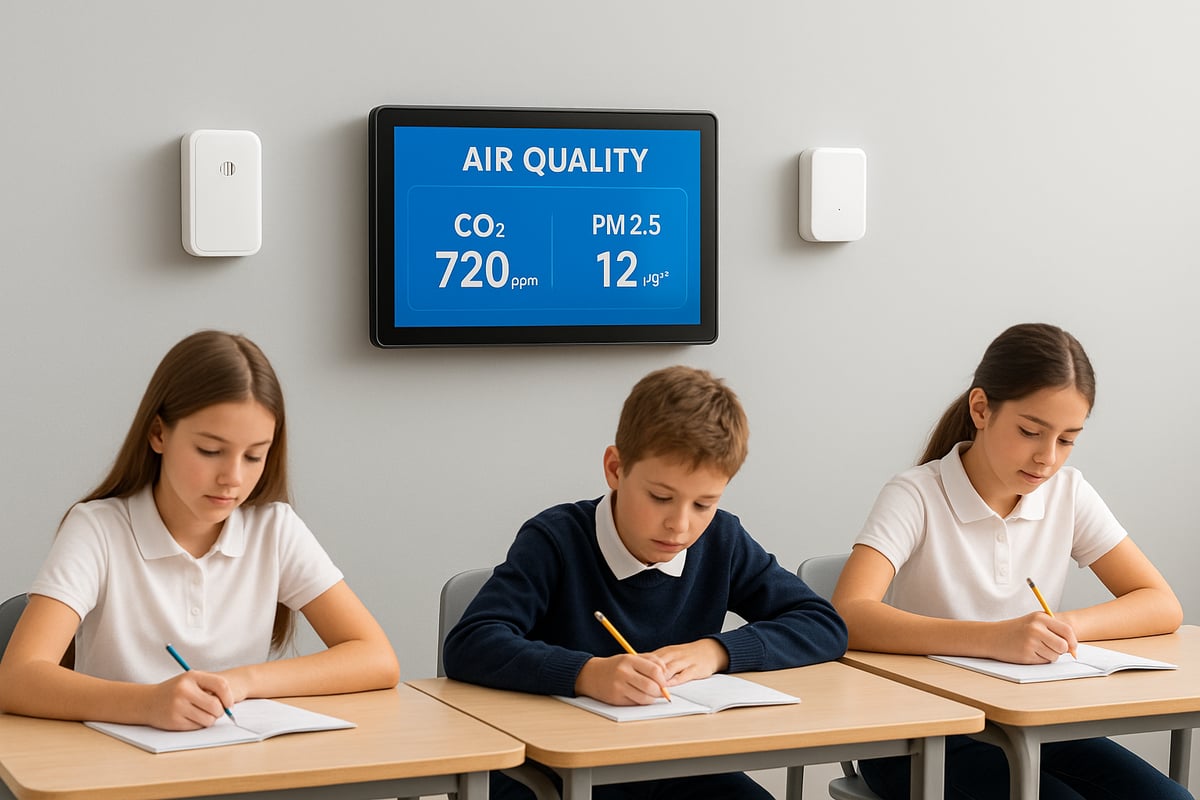
A typical school environment air report includes a variety of metrics to capture a full picture of indoor air quality. The most common measurements are:
| Metric | Description | Typical Range |
|---|---|---|
| PM2.5 | Fine particulate matter, affects respiration | 0-35 µg/m³ |
| PM10 | Larger particulate matter | 0-50 µg/m³ |
| CO2 | Carbon dioxide, indicates ventilation | 400-1000 ppm |
| VOCs | Volatile organic compounds, from materials | 0-500 ppb |
| NO2 | Nitrogen dioxide, traffic-related pollutant | 0-40 µg/m³ |
| Temperature | Impacts comfort and air quality | 18-24°C |
| Humidity | Influences allergen and mould growth | 40-60% |
Data is usually collected through continuous monitoring, spot checks, or manual sampling. Continuous monitoring provides the most comprehensive insight, capturing fluctuations throughout the day.
Reporting formats may include tables, line graphs, and comparative benchmarks. A standard template often presents daily averages, peak levels, and comparisons to recommended thresholds. For further detail on PM2.5, see PM2.5 air quality reports, which offers practical guidance on interpreting particulate data within the school environment air report.
Analysing and Interpreting Data
Once you have a school environment air report, the next step is making sense of the numbers. Begin by reviewing trend graphs for each pollutant over time. Look for patterns, such as spikes during certain hours or consistently elevated readings in specific locations.
Compare the data to established benchmarks, such as those set by Public Health England or the World Health Organization. For instance, CO2 levels above 1000 ppm may indicate insufficient ventilation, while PM2.5 exceeding 35 µg/m³ signals potential health risks.
Be mindful of common pitfalls. Seasonal changes can impact readings, with pollen or heating systems affecting air quality. Sensor placement also matters, as devices near open windows or doorways may not reflect typical classroom conditions.
A real-world example: A primary school noticed high afternoon CO2 levels in their school environment air report. By analysing the trend, they adjusted ventilation schedules, resulting in improved student alertness and fewer complaints of drowsiness.
Communicating Findings
Sharing the results of a school environment air report is just as important as the analysis itself. Effective communication ensures staff, parents, and students are informed and engaged.
Use visualisation tools, such as digital dashboards and infographics, to present data in a clear, accessible manner. Dashboards can display real-time updates, making it easier for stakeholders to understand trends and respond quickly.
Be transparent about findings, especially if action is needed. Hold regular briefings or send summary reports to the school community. Address concerns openly and highlight steps being taken to address any issues identified in the school environment air report.
By fostering open communication, you help build trust and create a culture where everyone is invested in maintaining a healthy school environment.
Steps to Conducting a Comprehensive Air Quality Assessment in 2026
A robust school environment air report relies on a systematic approach to assessment. Following a clear, step-by-step process ensures schools meet compliance, protect wellbeing, and foster a healthy learning space. Here is a comprehensive walkthrough for conducting an air quality assessment in 2026.
Step 1: Planning and Preparation
Begin your school environment air report process by gathering a multidisciplinary team. Include facility managers, teachers, health and safety officers, and governors. Define clear objectives for the assessment—whether you aim to identify problem areas, meet regulatory standards, or monitor specific pollutants.
Select reliable monitoring equipment fit for schools. Consider devices that measure PM2.5, CO2, temperature, and humidity. Schedule your assessment to capture typical school activity, accounting for term dates and seasonal changes.
Draft a timeline for the assessment. Ensure all stakeholders understand their roles and responsibilities. Early planning reduces disruption and maximises data quality.
Step 2: Data Collection
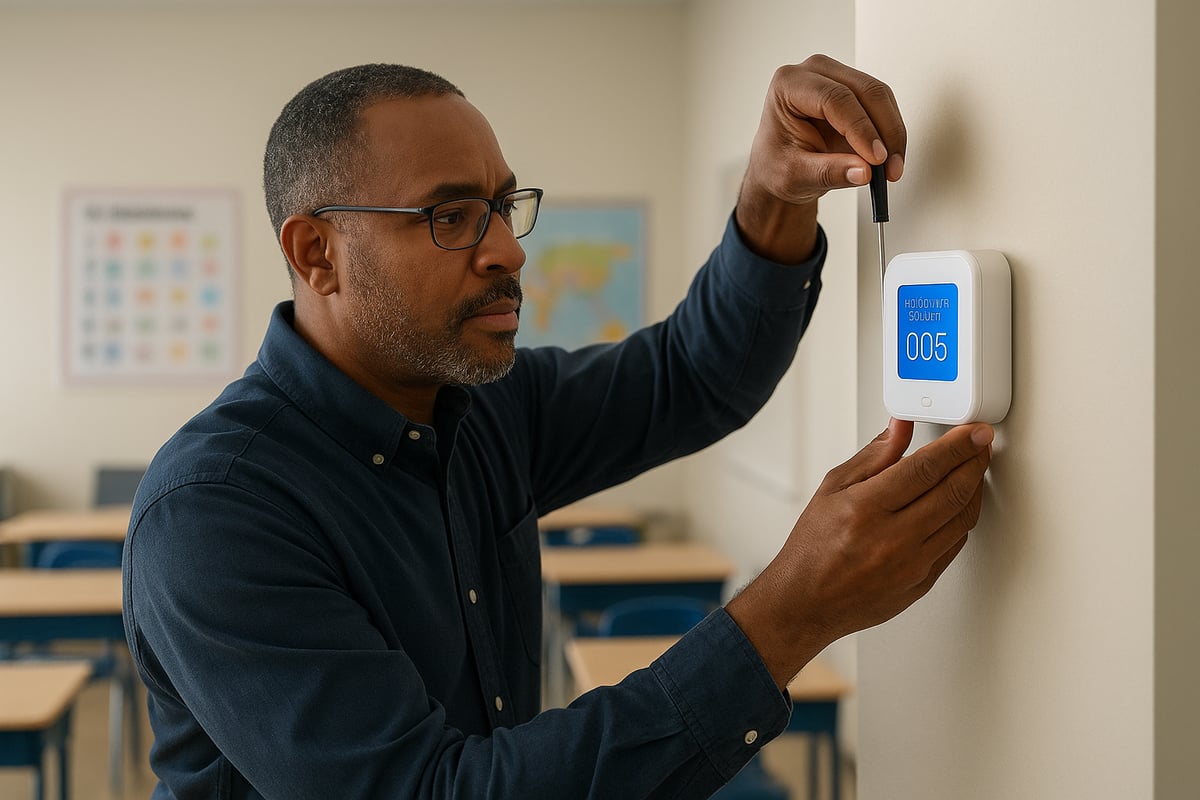
Set up sensors in classrooms, corridors, and high occupancy spaces. Place equipment away from windows or vents to avoid skewed readings. Ensure all devices are calibrated and maintained to guarantee accurate results.
Capture baseline data at different times and under varying conditions. Record external factors like weather and local traffic, as they may influence results. For a detailed understanding of device operation and setup, refer to this Air quality monitoring system resource.
Document each step for transparency. This phase forms the backbone of your school environment air report, enabling meaningful analysis later.
Step 3: Analysing Results
Review collected data and compare findings with UK and EU air quality benchmarks. Focus on recognised thresholds for each pollutant. Use trend graphs to spot recurring issues or spikes during certain times or activities.
Identify potential sources of pollution, such as inadequate ventilation, cleaning products, or nearby traffic. Leverage AI-driven analytics, if available, to detect hidden patterns or predict future trends.
Summarise key findings in your school environment air report. Clear analysis uncovers actionable insights for improvement.
Step 4: Reporting and Communication
Tailor reports for different audiences—governors, parents, staff, and students. Use infographics, charts, and digital dashboards to make complex data accessible. Highlight both positive findings and areas needing attention.
Schedule regular feedback sessions to address concerns and answer questions. Transparency builds trust and encourages community involvement.
A well-structured school environment air report bridges the gap between technical data and practical action, ensuring all stakeholders are informed and engaged.
Step 5: Developing an Action Plan
Prioritise issues based on health impact and regulatory urgency. Set clear, achievable targets for improvement, such as reducing CO2 levels or increasing ventilation rates. Assign responsibilities and establish deadlines for each task.
Secure necessary funding, whether through school budgets, government grants, or local authority support. Outline steps for short term fixes and long term investments in your school environment air report.
A detailed action plan ensures accountability and measurable progress.
Step 6: Implementing Improvements
Upgrade ventilation systems, install air purifiers, and adjust HVAC settings as needed. Introduce operational changes, such as scheduled window opening or limiting the use of certain cleaning agents.
Educate staff and students about the importance of maintaining good air quality. Monitor the impact of improvements with follow up assessments to ensure positive results.
Document every change in your school environment air report, keeping a record of actions taken and outcomes achieved.
Step 7: Ongoing Monitoring and Review
Establish continuous monitoring routines using smart sensors and digital platforms. Schedule regular reviews of air quality data and update action plans in response to new findings or changes in guidance.
Ensure ongoing compliance with 2026 standards and reporting requirements. Celebrate achievements and share progress with the school community.
Maintaining a dynamic school environment air report process supports lasting improvements and a safer educational environment.
Emerging Technologies and Solutions for School Air Quality
New technologies are transforming how schools across the UK manage indoor air. As concerns about student wellbeing grow, advanced solutions are making it easier to interpret and act on a school environment air report. These innovations not only improve health outcomes but also support compliance with 2026 standards.
Innovations in Air Monitoring
Recent years have seen a dramatic drop in the cost of high accuracy air quality sensors. Schools can now deploy a network of compact devices that continuously measure a range of pollutants. This shift has made the school environment air report more comprehensive and reliable than ever.
Integration with IoT and cloud based systems allows real time data collection from multiple classrooms. Facility managers can access live dashboards, set up custom alerts, and track long term trends. AI driven analytics are increasingly used to predict maintenance needs, detect incidents early, and ensure that indoor air remains within healthy limits.
- Continuous monitoring of PM2.5, CO2, VOCs, and more
- Real time alerts for rapid intervention
- Historical data analysis for long term improvement
These innovations empower schools to act quickly and maintain compliance with evolving air quality guidelines.
Air Purification and Ventilation Advances
Air purification technology has rapidly advanced, offering schools new ways to tackle indoor pollutants. Modern HEPA filtration units and UV C air sanitisation systems can remove fine particles, allergens, and pathogens, directly impacting the results of a school environment air report.
Demand controlled ventilation systems are another breakthrough. These respond to occupancy and pollutant levels, automatically adjusting airflow to maintain a healthy atmosphere. UK schools that have adopted these systems report fewer sick days and improved concentration among students.
Key advances include:
- HEPA and UV C purification for cleaner air
- Automated ventilation that adapts to classroom needs
- Documented improvements in test scores and wellbeing
For further insights into the link between air quality and learning, see the Indoor Air Quality in Schools: Impact on Learning factsheet.
Data Management and Reporting Tools
Managing and interpreting air quality data is now more accessible. Automated platforms generate clear, actionable school environment air report documents tailored for different audiences, from facility managers to parents.
Interactive dashboards present live and historical data in intuitive visual formats. These tools help schools track progress, identify trends, and ensure transparency. Mobile apps enable staff to receive instant alerts, log incidents, and monitor air quality on the go.
- Automated compliance tracking and report generation
- Custom dashboards for leadership and facilities teams
- Mobile integration for real time updates
By simplifying data management, these solutions support a culture of ongoing improvement and accountability in schools.
Vape Guardian: Advanced Vaping Detection and Air Quality Monitoring
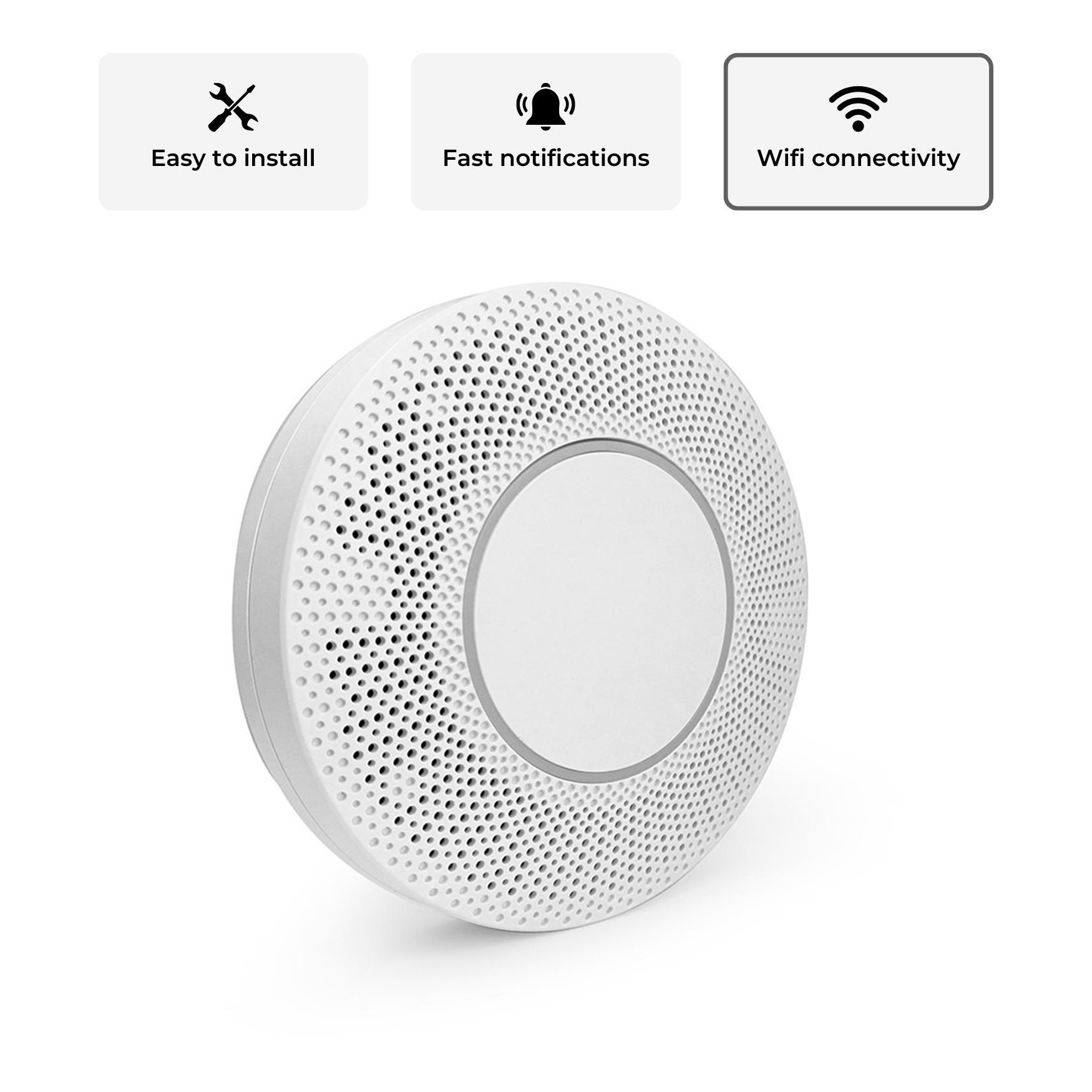
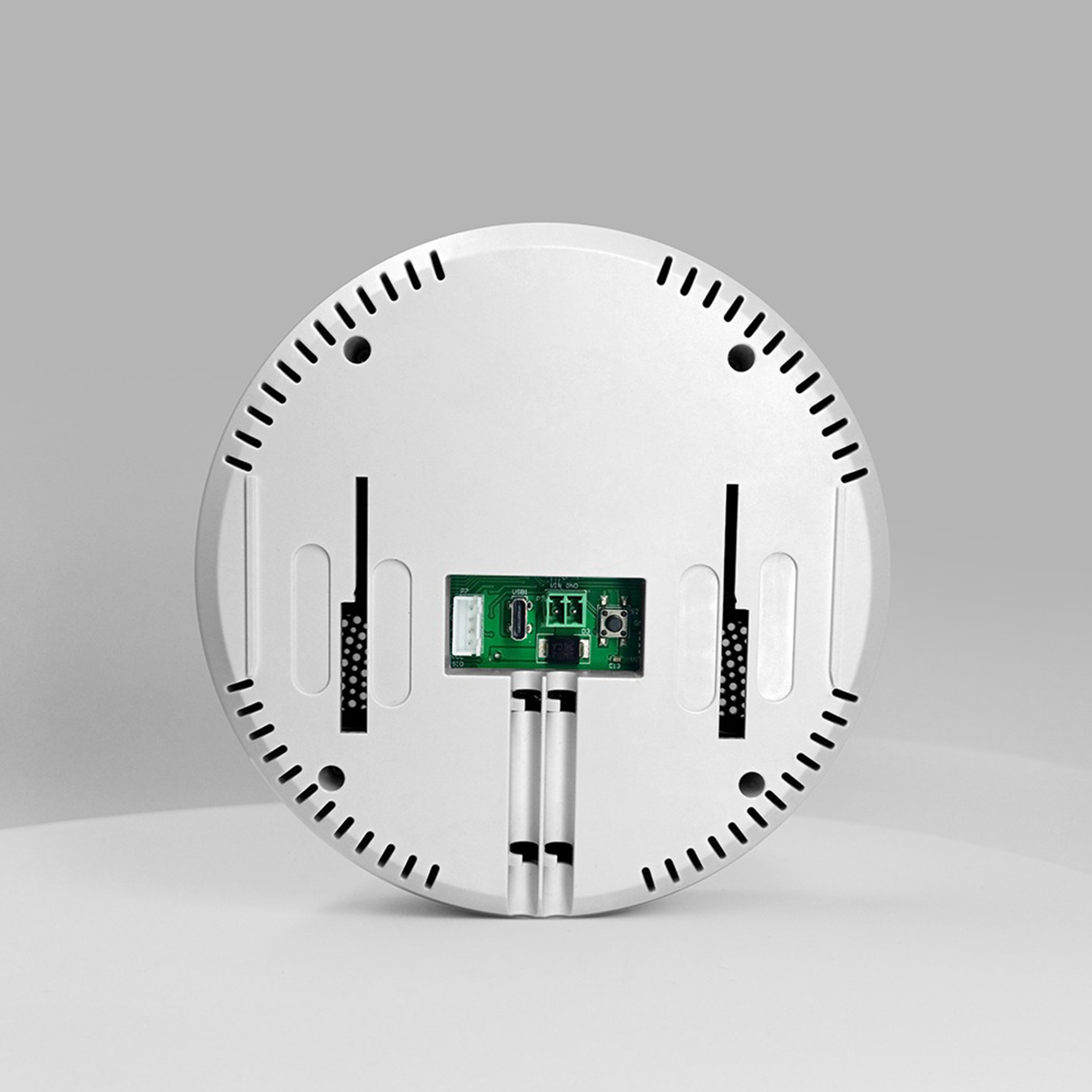
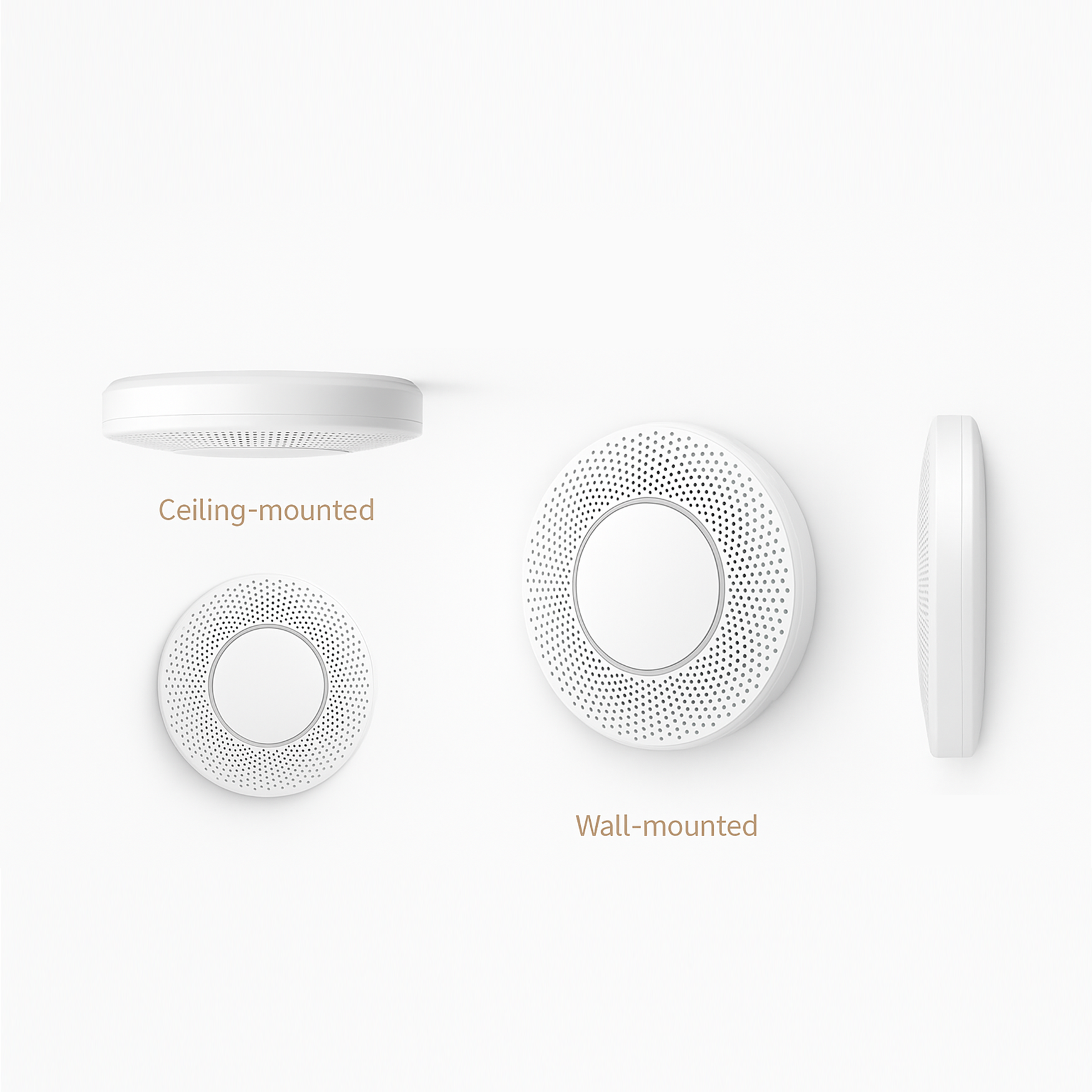
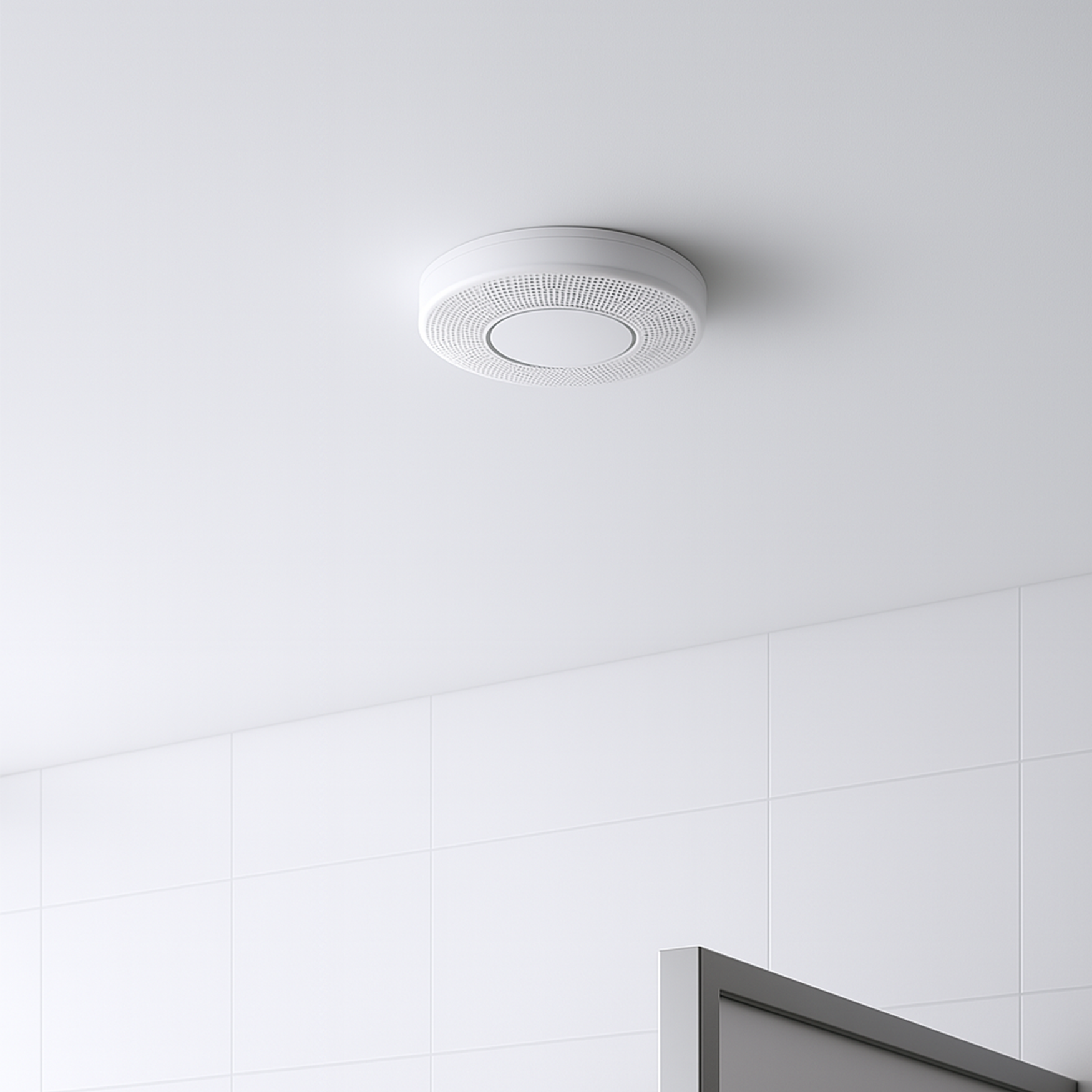
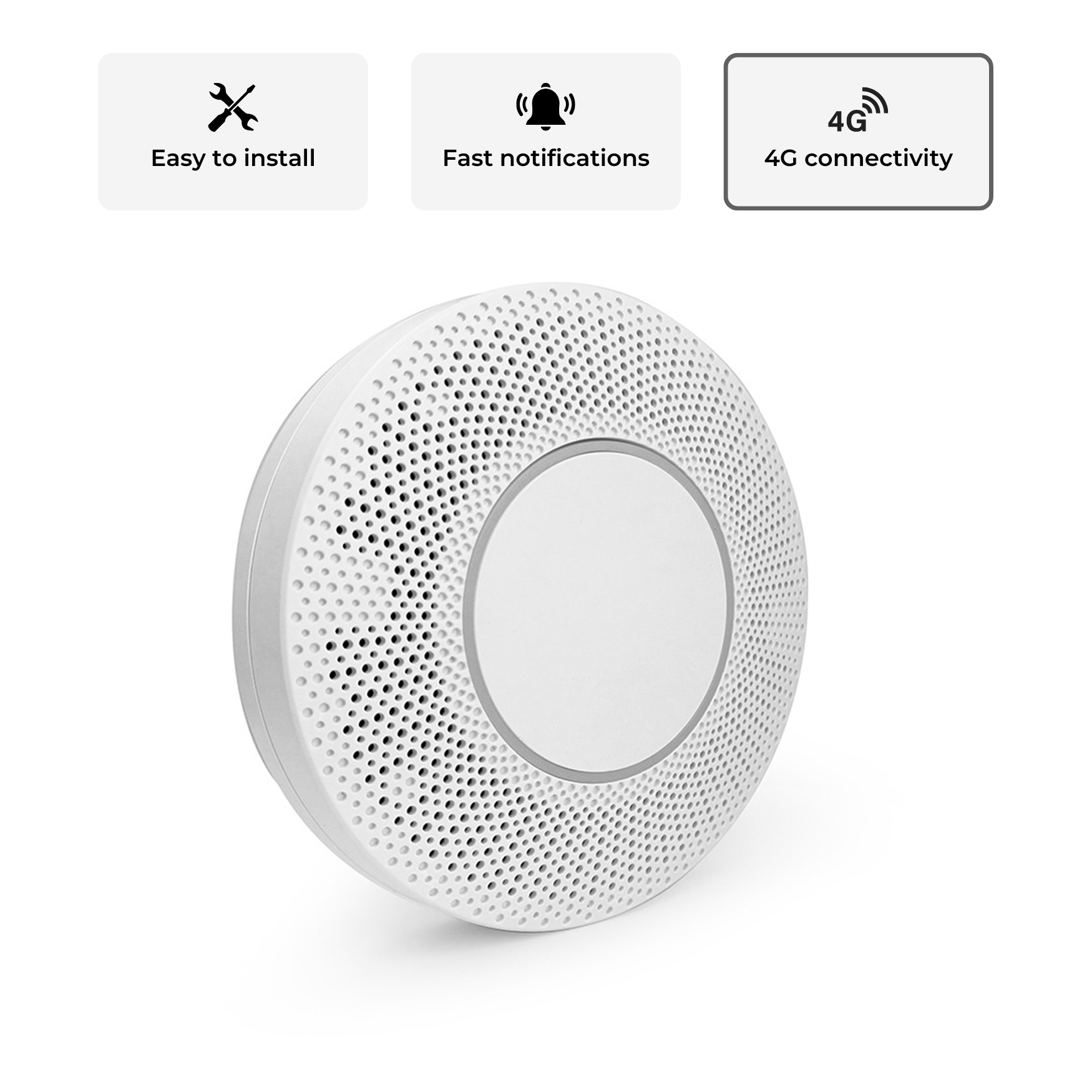
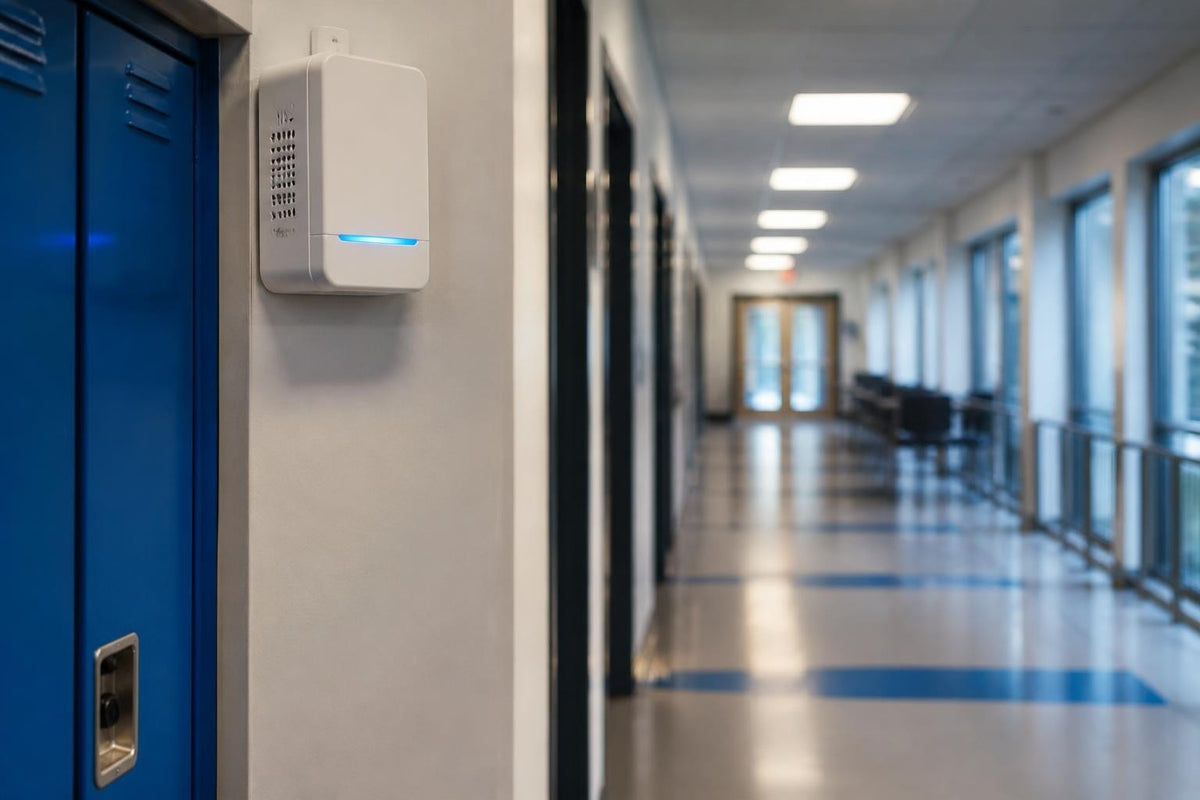
Vape Guardian is at the forefront of supporting UK schools with cutting edge vaping detection and air quality monitoring. Its real time vape detection sensors and AI powered analytics are specifically designed to enhance the school environment air report process.
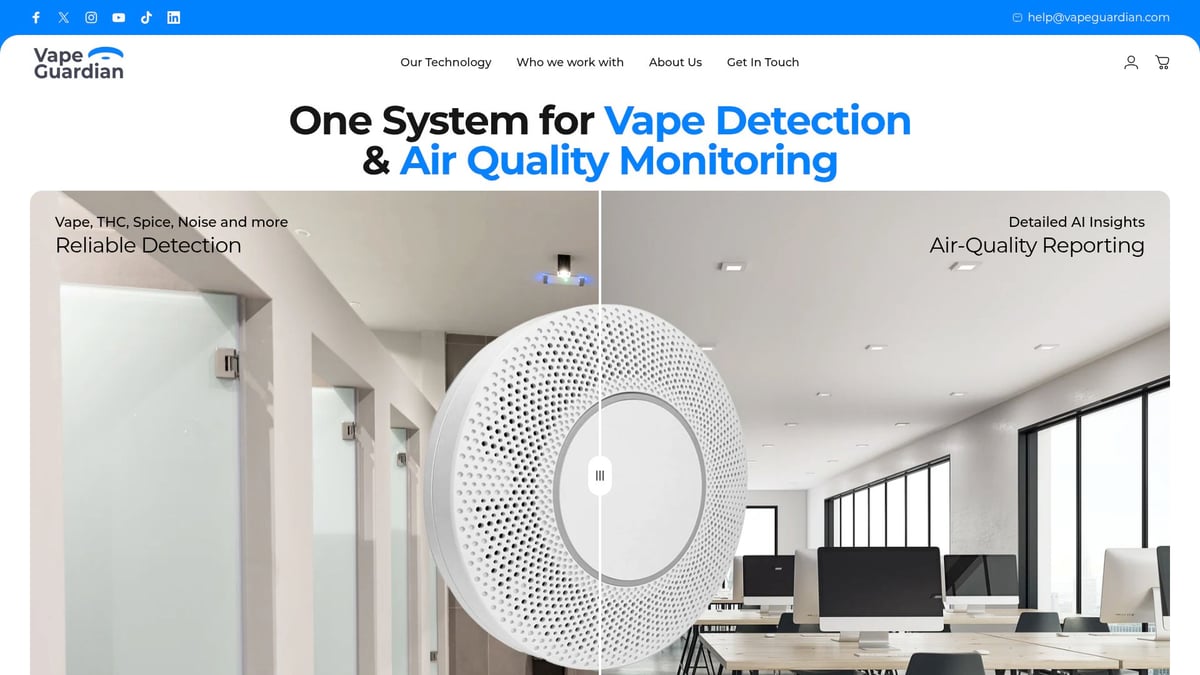
The system delivers instant alerts to staff when vaping is detected, enabling a rapid response. Schools using Vape Guardian have seen up to 95 percent fewer vaping incidents within five weeks of implementation. The platform also supports compliance with 2026 air quality guidelines and safeguarding requirements.
- Real time vaping detection and notification
- Seamless integration with existing air quality monitoring
- Complimentary educational materials and dedicated support
To learn more about tailored air monitoring solutions, visit Vape detectors for education.
Best Practices for Improving and Maintaining School Air Quality
Creating and sustaining a healthy learning environment relies on robust strategies. Schools must go beyond compliance, embedding best practices throughout daily operations. Effective use of the school environment air report ensures issues are identified early, addressed promptly, and progress is continuously monitored. By following established best practices, schools can protect student health, improve academic outcomes, and build trust with their communities.
Proactive Maintenance and Operations
A proactive approach to maintenance is vital for keeping air quality at optimal levels. Regular inspection and servicing of HVAC and ventilation systems form the backbone of this strategy. Facility teams should use the school environment air report to schedule checks and identify trends that signal potential problems.
Key maintenance activities include:
- Cleaning ducts, vents, and filters to prevent dust and allergen build up
- Calibrating smart sensors and monitoring devices to ensure data accuracy
- Responding swiftly to any alerts or anomalies detected in air quality readings
By acting on insights from the school environment air report, schools can address minor issues before they escalate, reducing the risk of health incidents and costly repairs.
Policy Development and Staff Training
Clear policies are essential for managing indoor air effectively. Every school should have a written air quality management plan that outlines roles, routines, and response protocols. Staff training is equally important, equipping teachers and support staff with the knowledge to interpret the school environment air report and respond to incidents.
Training should cover:
- Use of monitoring tools and understanding air quality metrics
- Emergency procedures for ventilation failures or pollutant spikes
- Promoting healthy behaviours, such as window opening routines
For further guidance on developing policies and training staff, schools can refer to Addressing Indoor Air Quality in Schools, which provides practical strategies for improving indoor environments.
Stakeholder Engagement and Communication
Transparent communication ensures everyone is invested in maintaining a healthy school environment. Sharing the school environment air report with parents, staff, and students builds trust and supports collective action.
Best practices include:
- Regularly publishing summary reports and infographics on school noticeboards or websites
- Holding information sessions to explain findings and planned improvements
- Encouraging feedback so concerns can be addressed promptly
Making the school environment air report accessible helps foster a culture of shared responsibility and awareness.
Funding and Resource Allocation
Securing and allocating resources is crucial for implementing air quality improvements. The school environment air report can support funding applications by highlighting specific needs and documenting progress.
Consider these funding strategies:
- Applying for government grants or local authority support
- Partnering with community organisations for additional resources
- Conducting cost benefit analyses to justify long term investments
Strategic use of the school environment air report ensures that resources are directed where they have the greatest impact.
Monitoring and Continuous Improvement
Continuous monitoring is the cornerstone of lasting air quality improvements. Schools should establish routine reviews of the school environment air report, using the data to refine practices and adapt to changing needs.
Ongoing improvement involves:
- Setting up regular review cycles with facility teams and leadership
- Adjusting protocols as new technologies or research become available
- Celebrating successes to maintain momentum
To deepen understanding of indoor air quality and its long term effects, schools may consult resources like the Indoor Air Quality and Health in Schools: A Critical Review. This supports a data driven approach to school environment air report analysis and continuous improvement.
After exploring the crucial role of air quality in schools and the practical steps to interpret and improve air reports for 2026, it is clear that effective solutions make a real difference. If you are keen to see how advanced monitoring and real time vape detection can protect your school community, I encourage you to discover the proven impact of dedicated systems already supporting educators across the UK. For a closer look at the technology and real world results, you can learn how Vape Guardian is protecting schools.

Share:
Vape Detector for Schools Guide: 2025 Safety Solutions
Enterprise Vape Detection Guide: Secure Your Business in 2026