
Detecting smoke and vape has become increasingly difficult as vaping technology and habits rapidly evolve in 2026. With new devices and odourless vapour, the need to effectively detect smoke and vape is more urgent than ever.
This guide offers clear, practical strategies and the latest tech insights to help you detect smoke and vape in any environment. Whether you are responsible for a school, office, or leisure space, understanding detection is vital for health, safety, and compliance.
Discover essential tips on modern detection technology, step-by-step methods, must-have features, and best practices tailored for your setting. Stay ahead with expert advice and ensure a safer, compliant environment for everyone.
Understanding Smoke and Vape Detection: The 2026 Landscape
The ability to detect smoke and vape has never been more crucial as trends in smoking and vaping evolve rapidly in 2026. Facilities, schools, and businesses face a new landscape shaped by discreet vaping devices and stricter health regulations. Understanding this landscape is essential for anyone looking to effectively detect smoke and vape in modern environments.
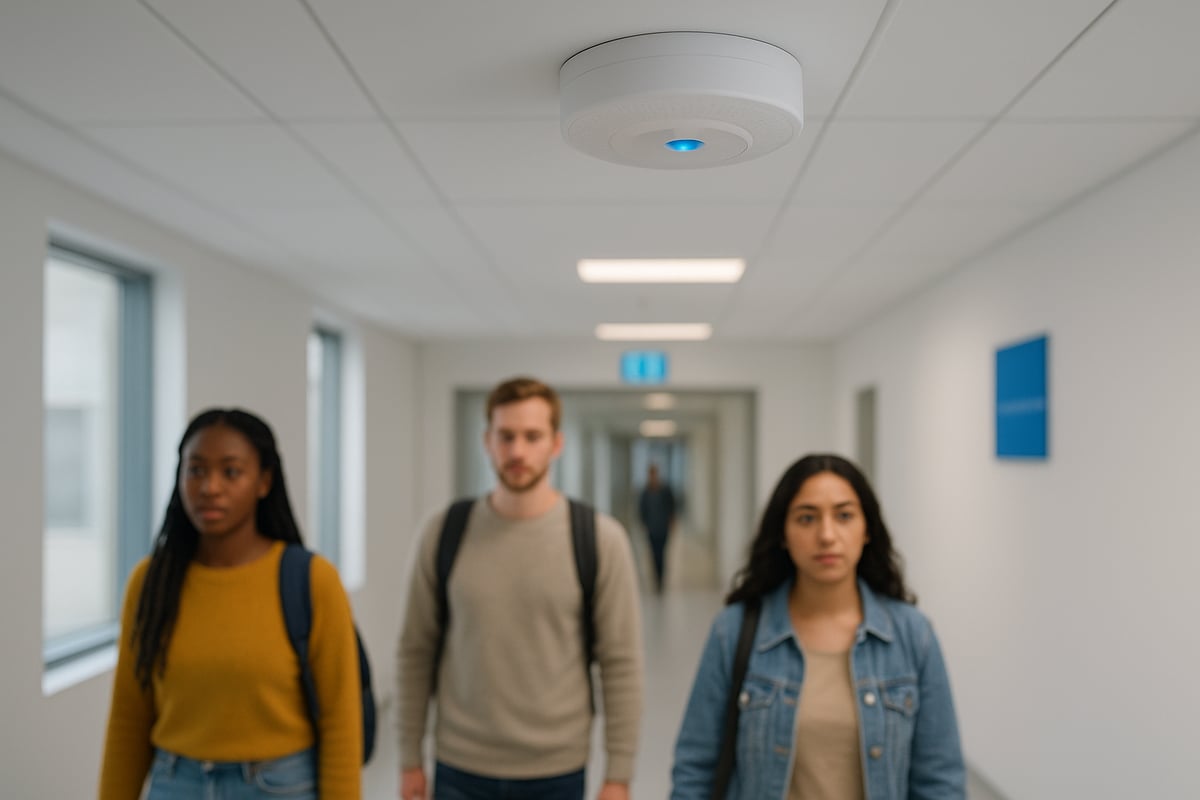
Evolution of Smoking and Vaping Behaviours
In recent years, the rise of vaping, e-cigarettes, and synthetic cannabinoids has transformed the way people smoke in both public and private settings. Traditional cigarettes are declining, yet vaping products are surging in popularity among teens and adults. According to the OECD report on smoking and vaping trends, youth vaping rates continue to climb, while new product types like odourless vape pens and THC-infused devices are becoming more common.
Discreet vaping devices now allow individuals to use them in places where conventional smoking would have been impossible. This shift is fuelled by evolving regulations and indoor smoking bans, which drive demand for new ways to detect smoke and vape. Users often choose odourless or flavoured products, making detection increasingly challenging.
The market has also seen a move towards synthetic substances, such as spice and cannabinoids, further complicating detection efforts. As a result, organisations are under pressure to adapt their strategies to keep up with these changes and ensure health and safety standards are met.
Why Detection is More Critical Than Ever
There are significant health risks linked to exposure from both second-hand smoke and vapour. Even vapour from e-cigarettes can contain harmful substances, putting bystanders at risk. Organisations must now detect smoke and vape not only to protect health but also to comply with stricter regulations in schools, offices, and public venues.
Failure to detect smoke and vape can result in costly property damage, higher cleaning expenses, and reputational harm. For example, undetected vaping in restrooms or classrooms can lead to widespread use, making it harder to enforce policies. Proactive monitoring is especially important in sensitive areas like hotel rooms, where undetected incidents can affect future guests.
Real-world incidents show that when vaping goes unnoticed, it can escalate quickly, causing safety breaches and compliance failures. The need to detect smoke and vape is now a core requirement for responsible facility management and safeguarding public wellbeing.
Key Differences: Smoke vs Vape Detection
Smoke and vape present different detection challenges due to their unique chemical and particulate profiles. Traditional smoke detectors are designed to sense the larger particles and visible byproducts of burning tobacco. However, vapour from e-cigarettes often contains much smaller particles and fewer chemicals, making it harder to detect with conventional technology.
This difference explains why many venues fail to detect smoke and vape using outdated systems. Modern solutions now use multi-sensor devices and AI-powered algorithms to identify the subtle signatures of vapour, including nicotine, THC, and synthetic cannabinoids.
| Feature | Traditional Smoke | Vape/E-cigarette Vapour |
|---|---|---|
| Particle Size | Large | Small |
| Odour | Strong | Often minimal |
| Detection Difficulty | Lower | Higher |
| Detection Technology | Smoke detectors | Multi-sensor, AI-powered |
Case studies reveal that environmental sensors tailored to detect smoke and vape can dramatically improve incident response and compliance. By understanding these differences, organisations can select the right technology and strategies for comprehensive detection.
How Smoke and Vape Detection Technology Works
Detecting smoke and vape in 2026 relies on a blend of innovative technology and intelligent systems. As vaping devices become more discreet and substances diversify, it is crucial to understand how modern solutions work to effectively detect smoke and vape in any environment.
Core Detection Mechanisms
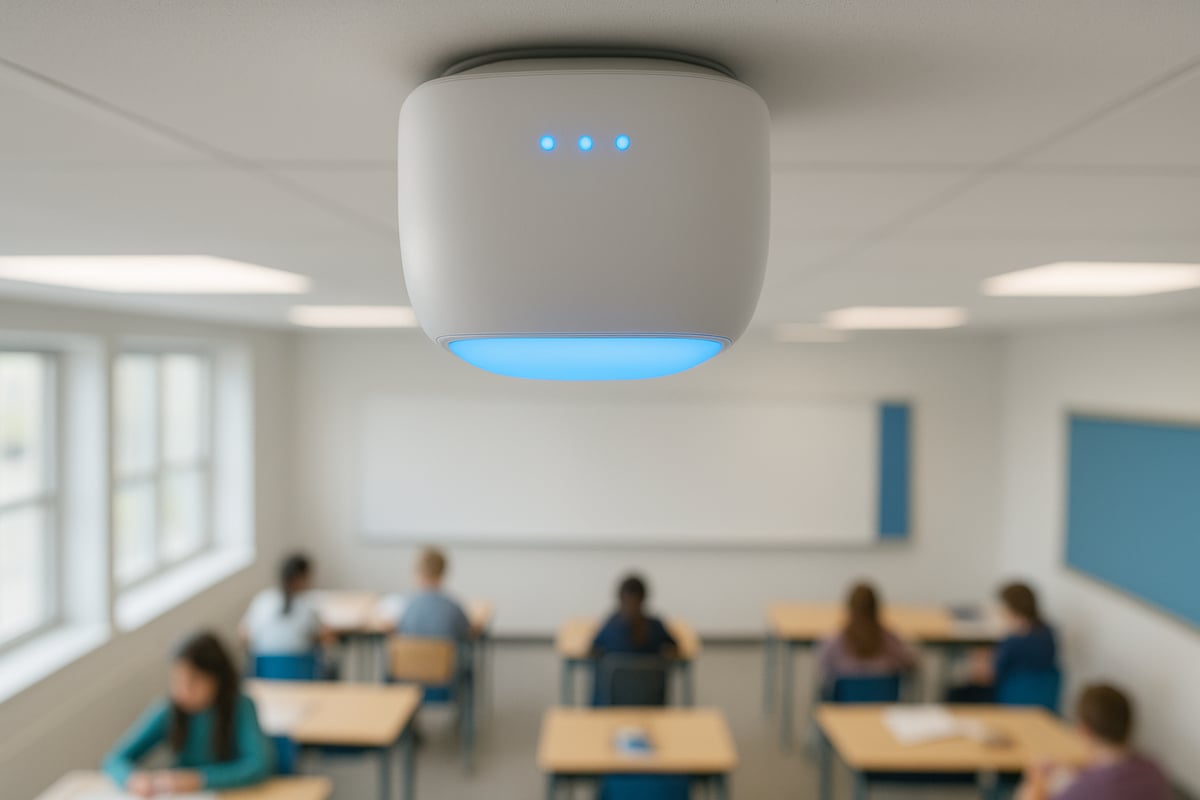
Modern efforts to detect smoke and vape use a combination of advanced sensors and artificial intelligence. Traditional smoke detectors are designed for visible particulates from burning tobacco, but vapour from e-cigarettes or THC devices often escapes notice.
Key sensor technologies include:
| Sensor Type | What It Detects | Strengths |
|---|---|---|
| Particulate | Fine particles in air | Good for smoke, limited for vapour |
| Chemical | Specific gases, nicotine, THC | Detects both smoke and vape substances |
| VOC | Volatile organic compounds | Identifies odours and chemical signatures |
| Noise Detection | Acoustic events | Detects exhalations or device activation |
AI analytics have revolutionised the ability to detect smoke and vape by analysing patterns and identifying unique chemical signatures. Many systems now use a Vape Index or composite scoring, which rates activity on a scale from 0 to 100, giving staff a clear indication of possible incidents.
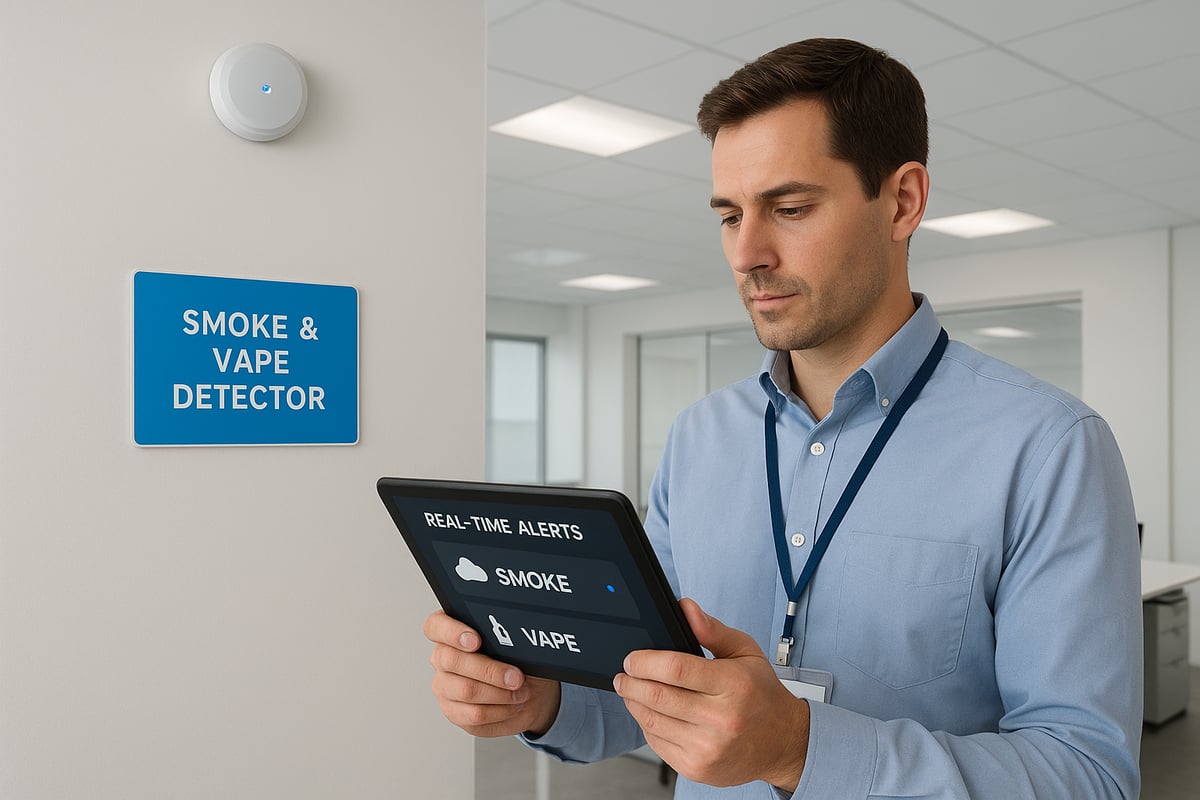
Real-time monitoring is critical. Alerts are sent instantly via mobile apps, email, or on-site alarms. These systems can also integrate with building management platforms, allowing seamless coordination across security and facility operations. For a deeper dive into how these mechanisms work, see Vape detection technology explained.
Types of Devices and Solutions
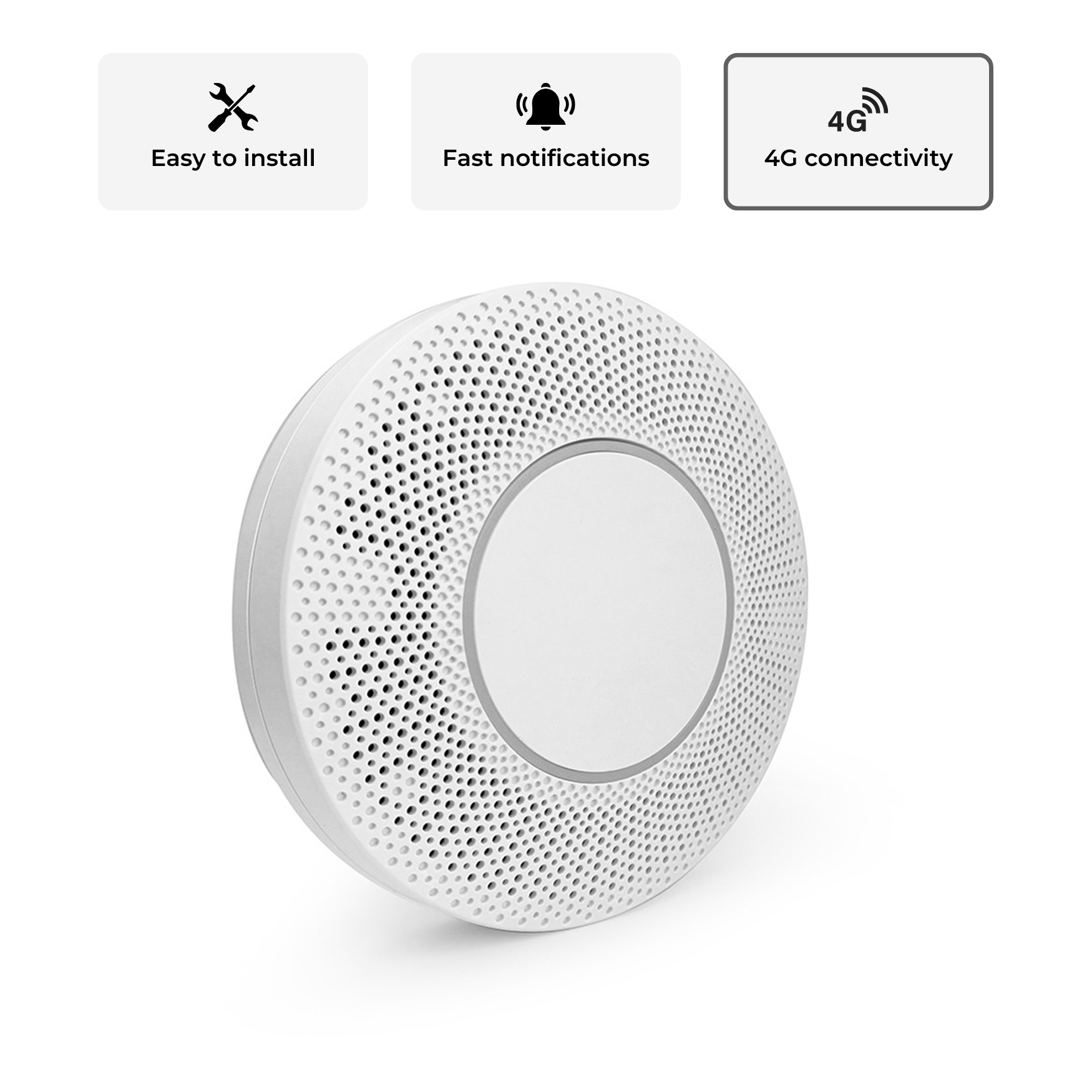
A wide range of devices are available to help detect smoke and vape. Standalone smoke detectors are common, but they often fail to capture vapour from e-cigarettes or synthetic cannabinoids. Integrated environmental sensors combine particulate, chemical, VOC, and noise detection in a single unit, maximising coverage and accuracy.
Cloud-based platforms offer remote management and detailed incident reporting. This is especially useful for multi-site facilities. Privacy-focused solutions are designed for sensitive areas like bathrooms or hotel rooms, ensuring no audio or video is recorded.
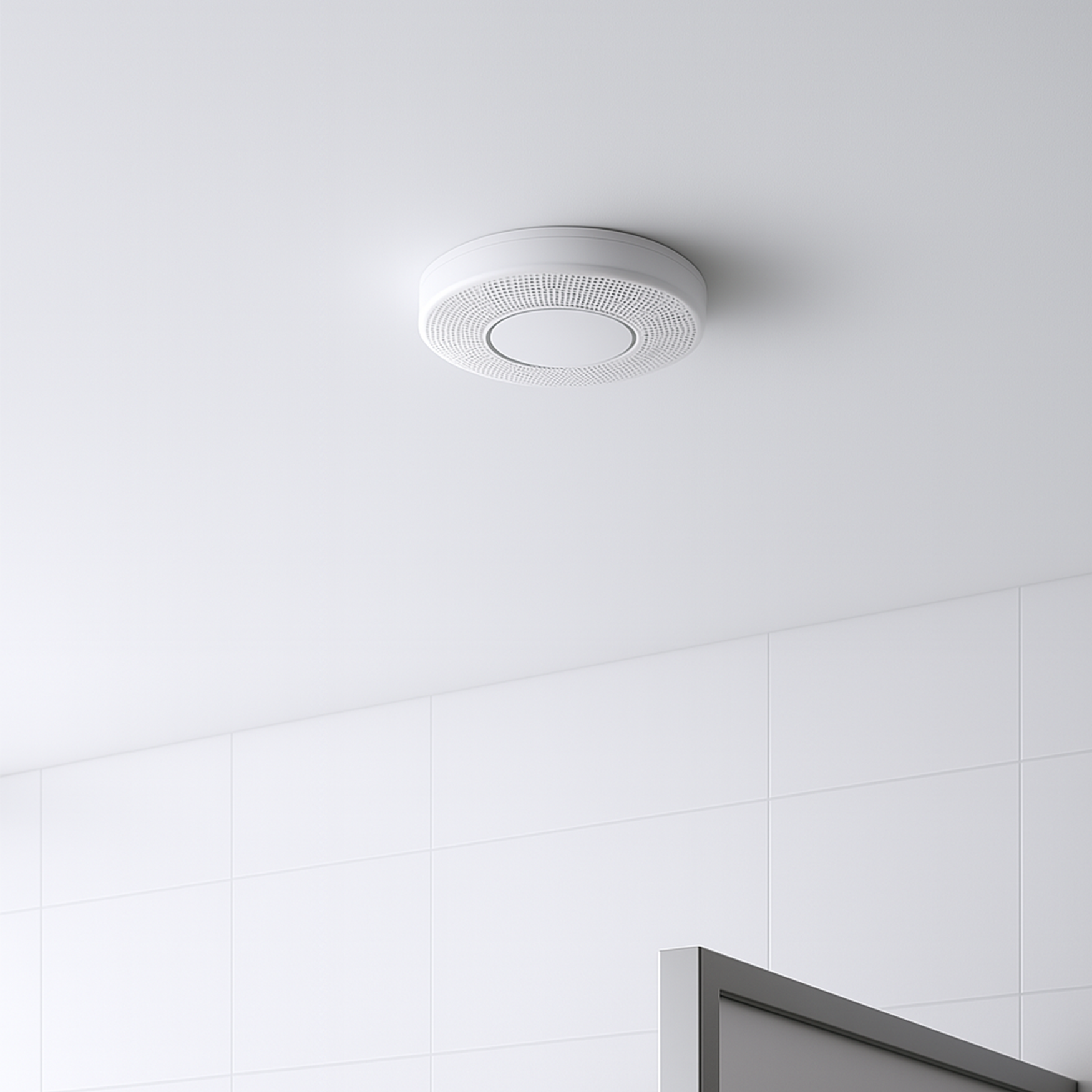
For example, many schools and commercial buildings now deploy environmental sensors that monitor air quality and alert staff to any attempt to detect smoke and vape. These devices are discreet, tamper-resistant, and easily blend into different settings.
Key features to compare:
- Sensor range and accuracy
- Notification options (app, SMS, email)
- Integration with existing security systems
- Privacy compliance and data protection
Choosing the appropriate device depends on the environment, risk level, and compliance needs.
Addressing False Positives and Limitations
One challenge when you detect smoke and vape is avoiding false positives. Common triggers include cleaning products, aerosols, and even cooking fumes. Advanced algorithms help reduce these incidents by analysing multiple data points before raising an alert.
Routine calibration and firmware updates are essential to maintain accuracy. Modern solutions report high reliability, with significant reductions in undetected incidents after deployment.
Accuracy rates have improved markedly in recent years. Facilities adopting the latest technology often see a measurable drop in vaping and smoking incidents, alongside streamlined compliance reporting.
Understanding the capabilities and limitations of current solutions empowers organisations to create safer, healthier environments for everyone.
Step-by-Step Guide: Detecting Smoke and Vape in 2026
Detecting smoke and vape effectively in 2026 requires a structured, systematic approach tailored to your environment. Whether you manage a school, office, or leisure facility, following these steps will help you protect health, maintain compliance, and reduce incidents. Here is a comprehensive guide to ensure your detection strategy is robust and future-ready.
Step 1: Assess Your Environment and Risks
Begin by evaluating your premises for high-risk zones where people are most likely to smoke or vape. Common areas include restrooms, locker rooms, hotel rooms, and shared workspaces.
Make a checklist to assess:
- Locations with previous incidents or complaints
- Areas with limited supervision or privacy
- Current policies and compliance obligations
Gather baseline data such as frequency of complaints, air quality readings, and incident logs. This data will help you prioritise locations where you need to detect smoke and vape most urgently.
Step 2: Select the Right Detection Technology
Choosing the correct solution is crucial to detect smoke and vape efficiently. Compare available technologies based on sensor type, accuracy, and suitability for your environment.
Consider these points:
- Does the device detect both smoke and vape, including substances like THC and synthetic cannabinoids?
- Is it equipped with multi-sensor capabilities, such as particulate, chemical, and VOC detection?
- Does it support cloud connectivity and remote management?
- Are tamper alerts and privacy features included?
For a detailed comparison of top-rated options, see the Best vape detectors and sensors guide. This resource will help you match technology to your specific needs and avoid costly mistakes.
Step 3: Install and Configure Devices
Proper installation ensures maximum coverage and reliable performance. Place devices discreetly in high-risk areas, avoiding direct airflow from vents or windows.
Best practices include:
- Mount sensors at ceiling level for optimal detection
- Use tamper-proof fixtures to prevent interference
- Configure user access for relevant staff and set up notification groups
Customise alert thresholds based on your environment. Establish escalation procedures so staff know how to respond when the system detects smoke and vape activity.
Step 4: Monitor, Respond, and Document Incidents
Monitoring is most effective with real-time alerts delivered via mobile apps, email, or on-site alarms. When a device detects smoke and vape, prompt response is critical.
Develop incident response protocols, such as:
- Immediate notification of security or facilities teams
- Investigation and documentation of each alert
- Reporting incidents for compliance and enforcement
Keep detailed logs for every event. This documentation supports policy enforcement and provides valuable insights for future improvements.
Step 5: Review, Maintain, and Optimise Your System
Regular maintenance is essential to keep your system accurate and reliable. Schedule periodic system checks, calibration, and firmware updates.
Analyse trend data to identify hotspots and recurring issues. Use this information to refine your policies and adjust detection coverage where needed.
Train staff regularly to ensure everyone understands procedures and knows how to act when devices detect smoke and vape. Continuous improvement leads to better compliance and safer environments.
Example Scenario: School-wide Vape Detection Rollout
A large secondary school faced rising incidents of vaping in restrooms and corridors. Leaders started by identifying hotspots and reviewing policies. They installed multi-sensor devices in targeted areas and set up cloud-based monitoring.
Within five weeks, vaping incidents dropped by 95 percent. Staff responded quickly to alerts, and students recognised increased vigilance. The school’s ability to detect smoke and vape improved compliance, reduced cleaning costs, and fostered a healthier environment.
Key lessons included the importance of clear protocols, regular staff training, and ongoing policy review.
Common Pitfalls to Avoid
Even with advanced technology, mistakes can undermine your efforts to detect smoke and vape.
Common pitfalls include:
- Relying on outdated smoke detectors that miss vapour-based incidents
- Ignoring privacy in sensitive areas, leading to compliance risks
- Failing to act on alerts or skipping equipment maintenance
Stay proactive by regularly reviewing your system, updating protocols, and engaging staff in ongoing training. This approach ensures you consistently detect smoke and vape, maintaining safety and compliance across your facility.
Key Features to Look for in Modern Detection Solutions
Selecting the right technology to detect smoke and vape is crucial in 2026, given the evolving landscape of vaping and smoking behaviours. Modern detection solutions offer a range of innovative features, making it easier for organisations to safeguard health, ensure compliance, and respond swiftly to incidents.
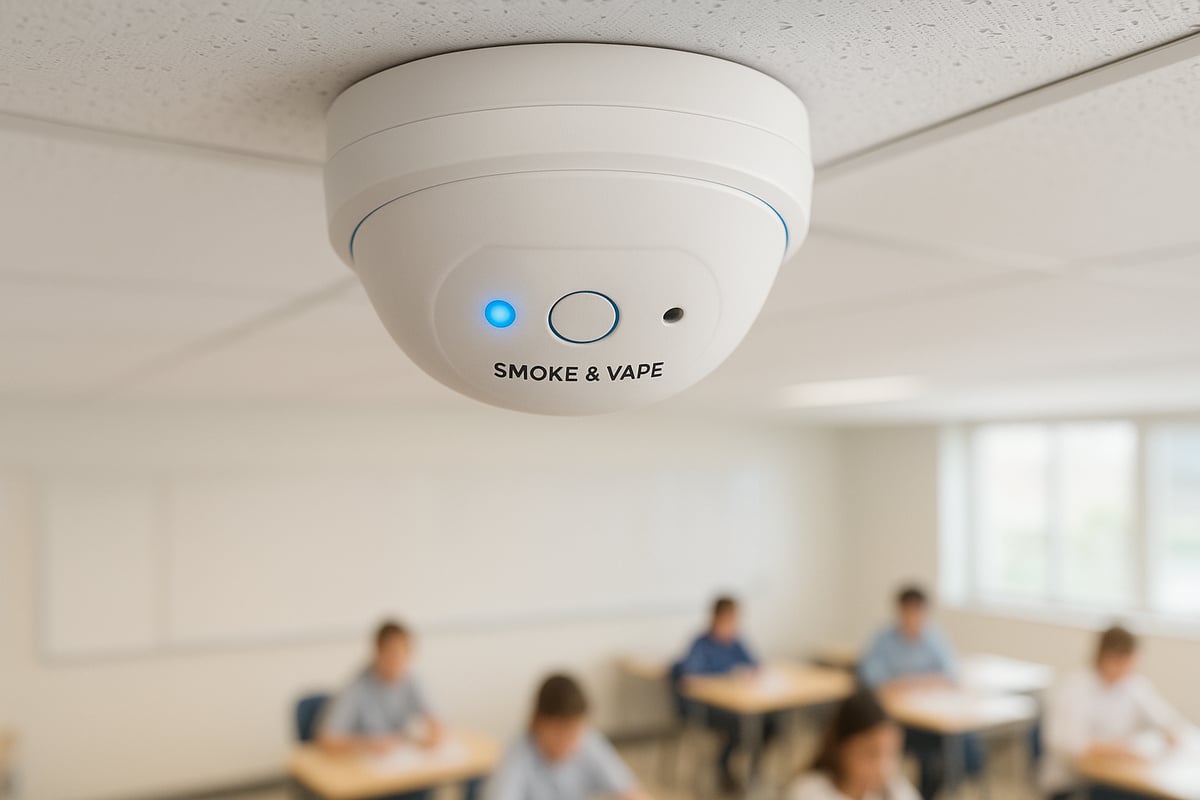
Comprehensive Sensor Capabilities
Effective systems to detect smoke and vape must go beyond traditional smoke alarms. The latest solutions combine sensors for smoke, vape, THC, spice, and VOCs, providing a comprehensive shield against a wide range of airborne threats. Multi-sensor devices use advanced algorithms to distinguish between substances, reducing false alerts and improving accuracy.
Some leading devices employ a 10-point detection formula, ensuring a high level of reliability in busy environments. For a deeper dive into sensor technology and comparisons, see this Smoke and vaping sensors guide.
Real-Time Alerts and Flexible Notifications
Prompt action is essential when you detect smoke and vape in any setting. Modern systems offer real-time notifications through multiple channels, including mobile apps, SMS, email, and on-site alarms. Customisable alert settings allow facilities to tailor responses for different staff groups or levels of urgency.
Notification groups can be set up to ensure the right people receive alerts instantly. This flexibility supports rapid incident response and helps maintain safety across diverse environments.
Integration and Ease of Use
When you need to detect smoke and vape across a large facility, seamless integration with existing security systems becomes vital. The best solutions are cloud-based, supporting remote management and over-the-air updates. Compatibility with building management software streamlines operations and reduces manual intervention.
User-friendly dashboards and automated reporting simplify oversight for compliance officers and facility managers, making it easier to detect smoke and vape events and track trends over time.
Privacy and Compliance Considerations
Balancing robust detection with privacy is a key requirement. Devices designed to detect smoke and vape in sensitive areas, such as restrooms or hotel rooms, must avoid audio or video recording to protect individual privacy. Compliance with GDPR and the UK’s data protection regulations is non-negotiable for public and private organisations.
Clear policies and transparent data handling practices help build trust while maintaining effective monitoring.
Tamper Resistance and Discreet Design
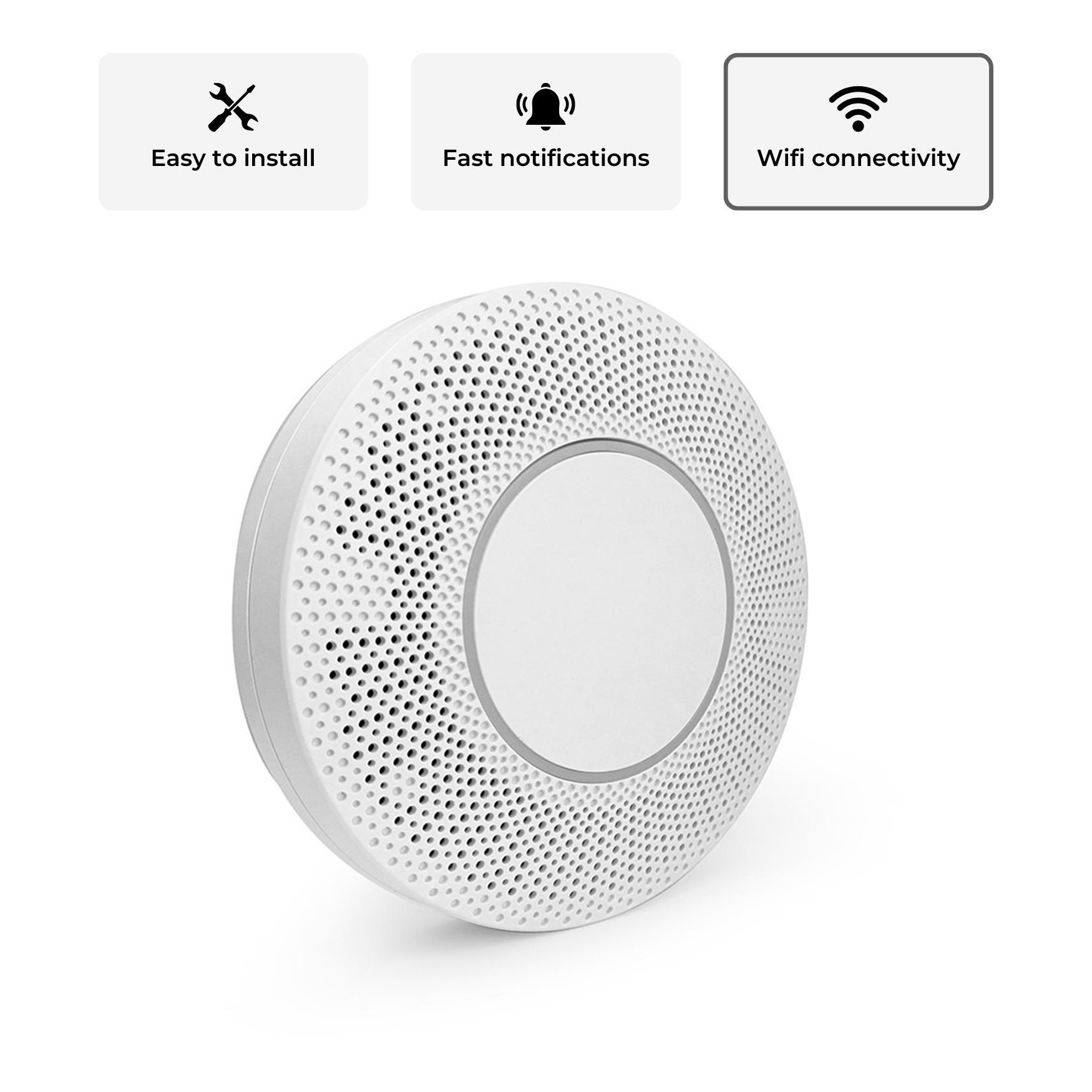
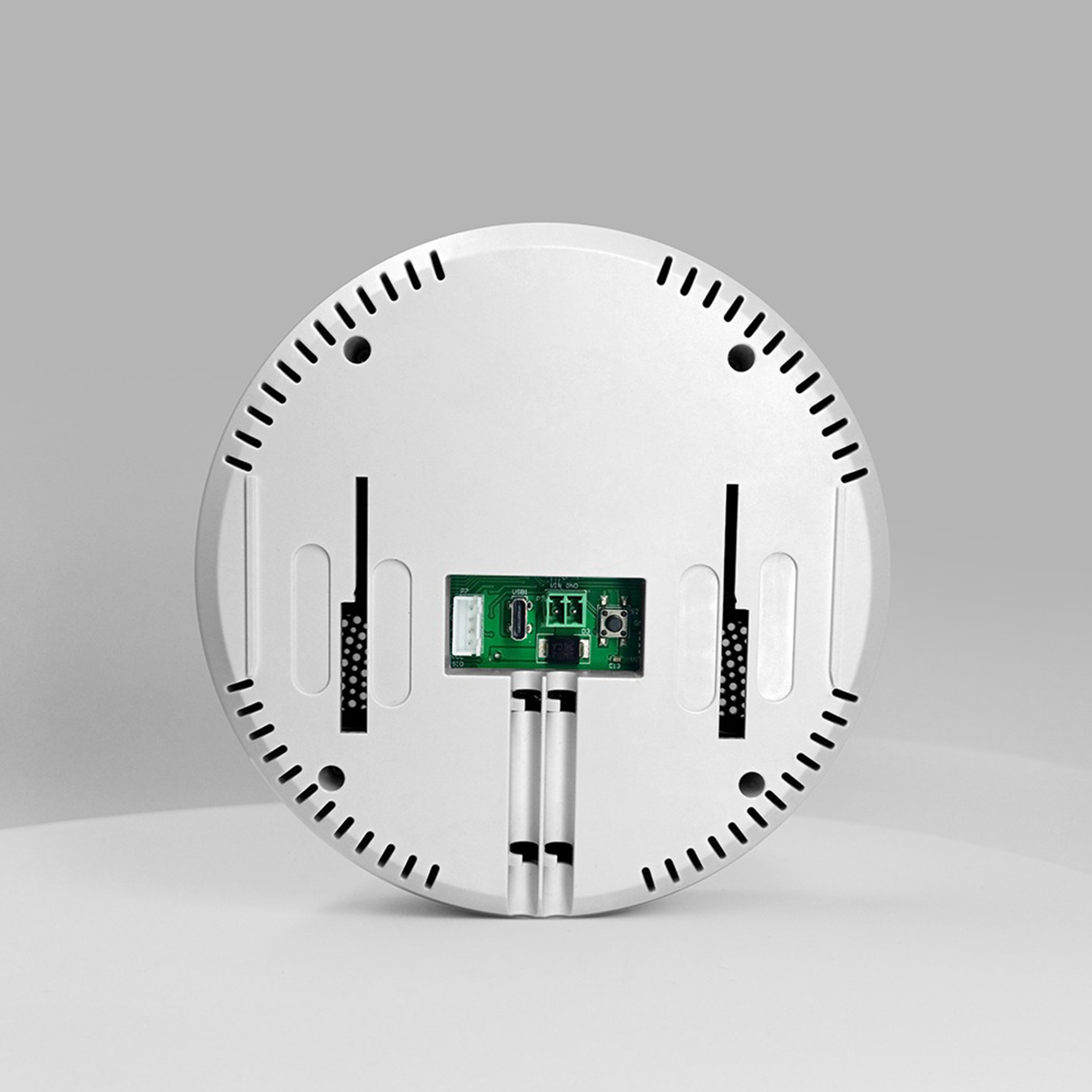
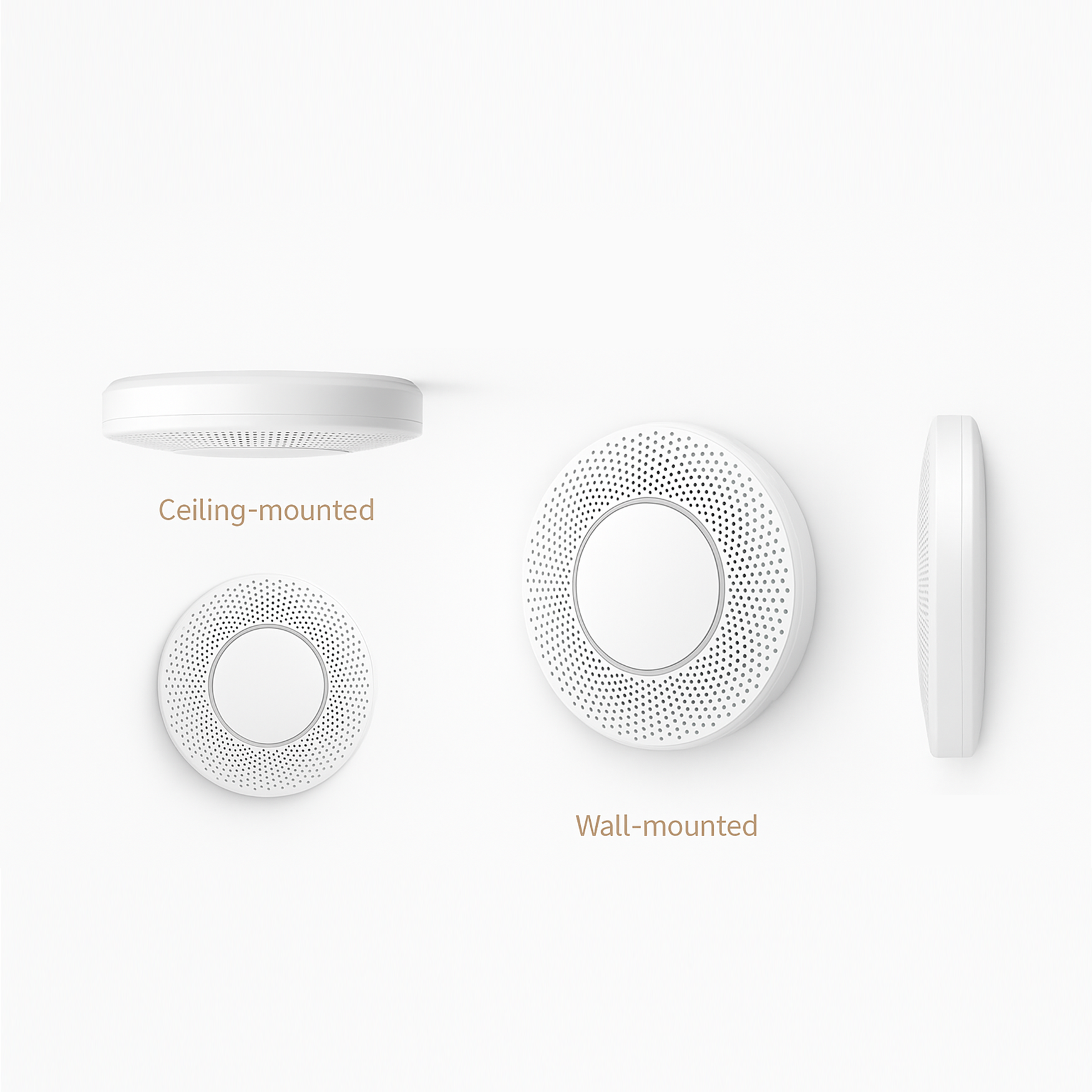
Modern devices to detect smoke and vape are built with tamper alerts and secure mounting options. Low-profile designs blend into ceilings or walls, making them less likely to attract unwanted attention or interference.
Tamper-resistant hardware and discreet styling are especially important in schools and hospitality settings, where equipment security and aesthetics matter equally.
Data Analytics and Reporting
Advanced solutions now provide detailed logs and analytics for every attempt to detect smoke and vape. Incident tracking, air quality metrics, and compliance documentation are accessible via cloud dashboards.
These analytics support trend identification, policy optimisation, and proactive management. For organisations with multiple sites, centralised reporting ensures standardisation and simplifies regulatory audits.
Best Practices for Schools, Offices, and Public Spaces
Adopting tailored best practices to detect smoke and vape is essential for maintaining healthy, compliant, and welcoming environments across schools, offices, leisure venues, hotels, and multi-site facilities. Each setting faces unique challenges, making it vital to combine the right technology with proactive policies and clear communication.
Schools and Educational Institutions
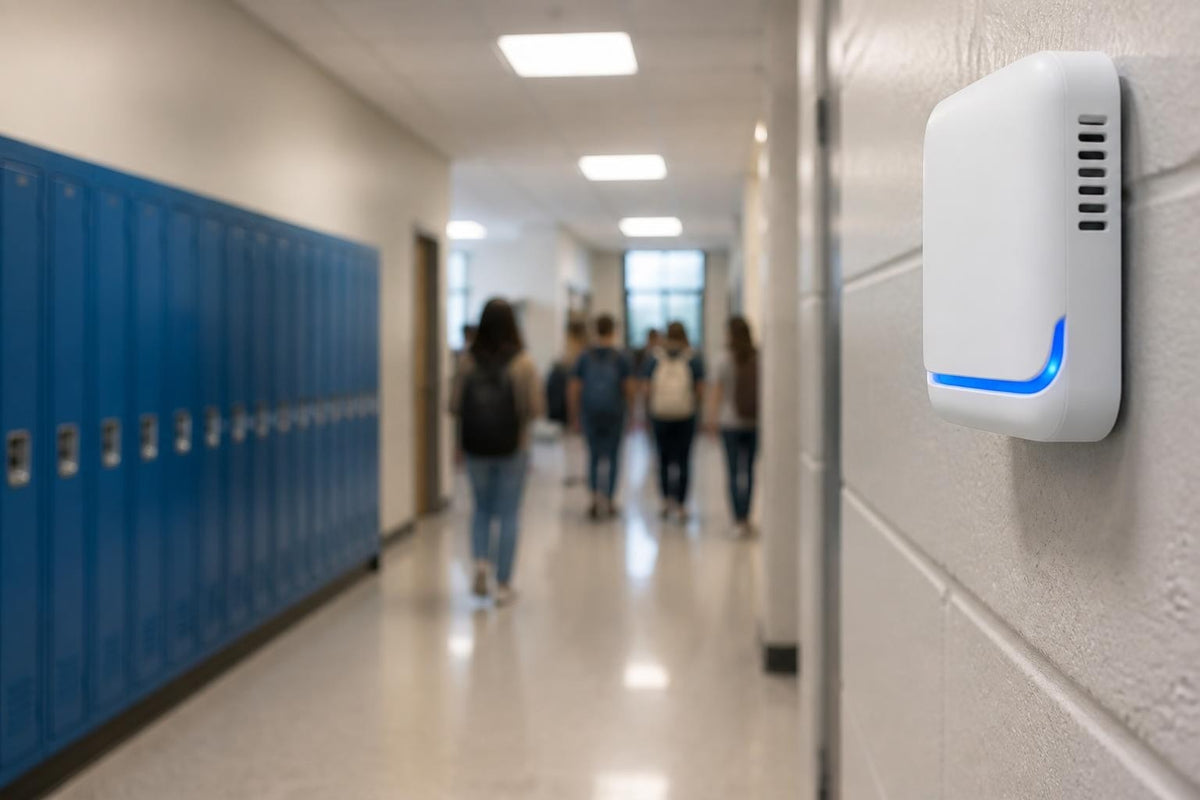
Schools are at the frontline of the need to detect smoke and vape, especially as youth vaping evolves rapidly. Placing multi-sensor detectors in classrooms, corridors, and especially bathrooms is essential. For detailed strategies, see Vape detection for bathrooms, which outlines methods for high-risk areas.
Key steps include:
- Integrating sensors with real-time alerts for staff
- Supporting detection with educational programmes and safeguarding measures
- Regularly reviewing incident data to refine placement and policies
A comprehensive approach can significantly reduce vaping incidents and support student wellbeing.
Offices and Shared Workspaces
To detect smoke and vape in offices, prioritise air quality monitoring and policy enforcement. Position sensors in communal areas, meeting rooms, and ventilation zones. Custom alerts can be routed to HR, facilities, and management teams for swift action.
Best practices involve:
- Establishing clear no-smoking and no-vaping policies
- Training staff on response protocols
- Documenting incidents for compliance and health records
A vigilant approach preserves both employee health and workplace reputation.
Leisure and Retail Environments
High-traffic venues like cinemas, gyms, and shopping centres require robust strategies to detect smoke and vape. Install sensors in changing rooms, restrooms, and customer lounges. Collaboration with cleaning and security staff ensures rapid response to alerts.
Actionable tips include:
- Scheduling routine checks in high-risk spaces
- Communicating policies clearly to customers
- Analysing incident logs to spot trends and adjust efforts
These steps help protect your brand and enhance customer experience.
Hotels and Accommodation Providers
Privacy and guest comfort are paramount when you detect smoke and vape in hotels. Place discreet sensors in rooms and corridors, ensuring that no audio or video is recorded. This allows for policy enforcement without compromising guest trust.
Key actions:
- Automate alerts for cleaning and management staff
- Link detection to violation fees and maintenance records
- Provide guests with clear information about air quality policies
This approach safeguards property while respecting privacy.
Facility Managers and Compliance Officers
For those managing multiple sites, centralised cloud-based tools are vital to detect smoke and vape efficiently. Regular training and policy reviews keep teams informed and systems optimised.
Best practices include:
- Scheduling system checks and firmware updates
- Reviewing analytics to identify hotspots
- Coordinating response protocols across locations
Ongoing adaptation ensures compliance and continuous improvement.
Future Trends in Smoke and Vape Detection for 2026 and Beyond
The future of how we detect smoke and vape is evolving rapidly, with new technologies and smarter systems on the horizon. As vaping devices and substances diversify, keeping pace with detection methods is essential for health, safety, and compliance. Here are the top trends set to shape the landscape in 2026 and beyond.
Advancements in Sensor Technology
Sensor technology is advancing at a remarkable pace. AI-driven systems can now identify an expanding range of substances, from nicotine to synthetic cannabinoids, with much greater precision. These innovations help organisations detect smoke and vape more accurately and in real time, minimising false alarms. Deep learning models, such as those described in SmokeNet: Efficient Smoke Segmentation research, are pushing the boundaries of environmental monitoring by enabling faster and more reliable smoke detection. Expect new sensors to self-learn and adapt to emerging threats, ensuring robust protection.
Integration with Smart Building Systems
Seamless integration with smart building infrastructure is a growing trend. Detection systems are now being linked with ventilation, access control, and security platforms. This allows automated responses, such as increased airflow or restricted access, when sensors detect smoke and vape activity. Management can monitor multiple sites from a single dashboard, streamlining compliance and safety. The ability to detect smoke and vape throughout a facility helps maintain air quality and supports proactive incident management.
Enhanced Data Analytics and Predictive Monitoring
Data analytics is transforming how organisations detect smoke and vape. By harnessing big data, detection platforms can recognise patterns, identify hotspots, and predict future incidents. Predictive monitoring allows for strategic interventions before problems escalate. Customised reports and visual dashboards provide actionable insights, supporting policy improvements and targeted education. This data-driven approach is crucial for adapting to new vaping trends and staying ahead of potential risks.
Regulatory and Compliance Developments
Regulatory frameworks are expected to become more stringent in the coming years. Authorities worldwide are prioritising indoor air quality and public health, which will lead to stricter standards for how facilities detect smoke and vape. Organisations must stay informed about evolving laws, especially in sensitive environments like schools and hotels. Compliance will increasingly depend on adopting advanced, auditable detection solutions that respect privacy and data protection standards.
Expanding Applications and User Needs
The need to detect smoke and vape is spreading beyond traditional settings. Transport hubs, healthcare facilities, and hospitality venues are adopting tailored solutions for their unique challenges. Custom devices are being developed for buses, trains, and hospital wards, reflecting a broader commitment to clean air. As user expectations rise, detection systems will continue to diversify, enabling safer environments in every sector.
Ongoing Challenges and Opportunities
Balancing privacy with effective monitoring remains a key challenge. While detection technologies are improving, new vaping products and behaviours constantly emerge, demanding ongoing innovation. Organisations must regularly review their systems and policies to ensure they can detect smoke and vape without compromising individual rights. The future holds great promise for smarter, safer spaces, provided that detection strategies remain agile and responsive.
After exploring the latest strategies and technologies for detecting smoke and vape in 2026, you can see how crucial it is to take proactive steps in protecting your environment. Whether you manage a school, office, or leisure space, having reliable real time detection makes all the difference for health, safety, and compliance. If you are ready to take the next step or need tailored advice on securing your building, I invite you to talk to our team and protect your building today. We are here to help create safer spaces for everyone—let's get started together.



Share:
The Essential Indoor Pollution Reporting System Guide 2026
Detect Nicotine Vapor Indoors: The Expert Guide 2026