
Imagine stepping into a room with no sign that someone has just vaped. The unseen risk from nicotine vapor lingers, affecting your health without warning. In 2026, protecting indoor environments has never been more crucial.
This expert guide will show you how to detect nicotine vapor indoors using the most up to date, science backed methods. You will gain knowledge to keep your spaces safe, healthy, and legally compliant.
Discover why detection matters, how vapor behaves, the best technologies, step by step solutions, expert tips, and future trends. Take control and make your indoor air safer for everyone.
Why Detecting Nicotine Vapour Indoors Matters
Nicotine vapour is often invisible, yet its presence can significantly impact health, compliance, and indoor environments. Understanding why you should detect nicotine vapor indoors is essential for anyone responsible for safeguarding public and private spaces.

Health Risks of Secondhand Vapour Exposure
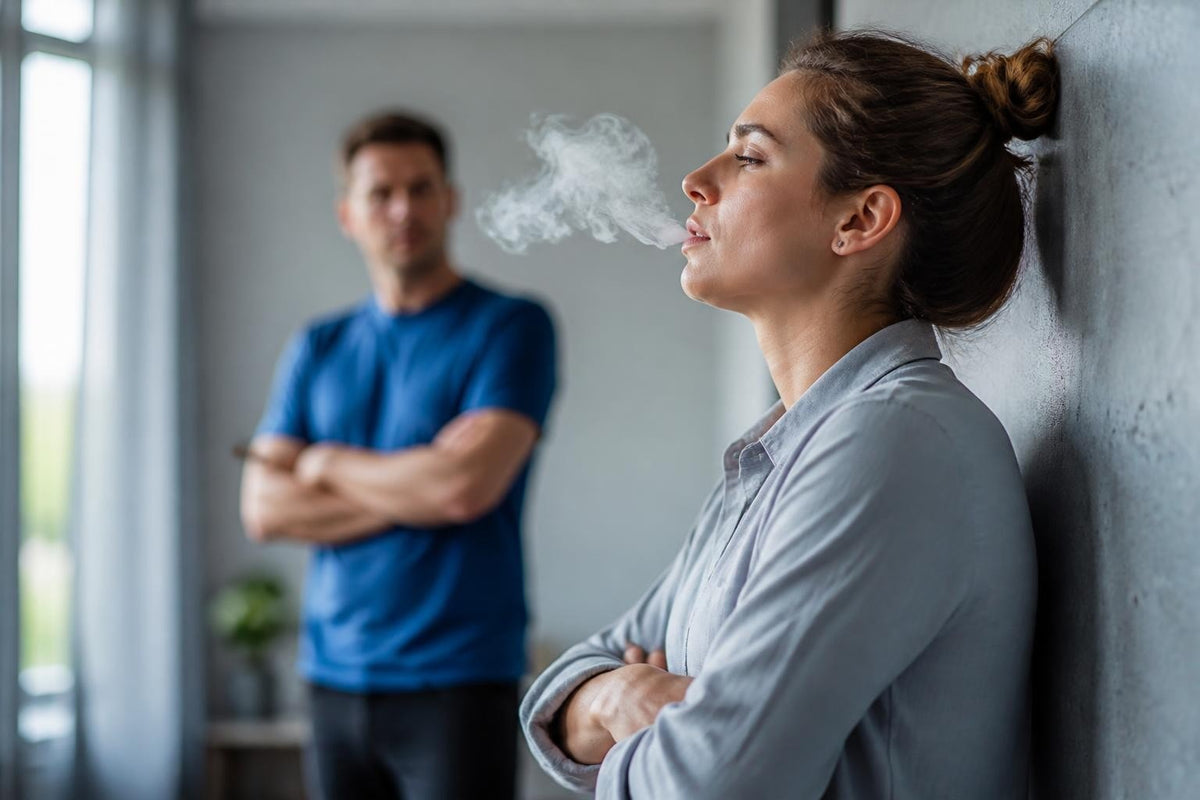
To detect nicotine vapor indoors is to actively protect against secondhand vapour exposure. Vapour from e-cigarettes contains not just nicotine, but also propylene glycol, glycerine, and a range of chemical byproducts. Studies have linked these substances to respiratory irritation and, in some cases, cardiovascular effects, particularly among those exposed over time.
Vulnerable groups are especially at risk. These include:
- Children and teenagers
- Asthmatics and individuals with respiratory conditions
- Pregnant individuals
Both the World Health Organization and Public Health England have issued guidance supporting measures to detect nicotine vapor indoors, citing potential risks even when vapour is not visible or immediately noticeable.
Legal and Compliance Considerations
Organisations that detect nicotine vapor indoors are better equipped to meet strict UK and EU regulations. Many workplaces, schools, and universities have implemented comprehensive bans or restrictions on indoor vaping. Failing to comply can result in financial penalties and serious damage to reputation.
The UK government has introduced new measures, including the UK regulations on indoor vaping, which outline requirements for managing vaping in shared spaces. Educational institutions and employers are now expected to show evidence of proactive monitoring and enforcement.
A summary of compliance risks:
- Fines for non compliance
- Increased scrutiny from regulatory bodies
- Loss of trust among parents, staff, and the wider community
Social and Environmental Impact
Choosing to detect nicotine vapor indoors also helps minimise the social and environmental consequences of vaping. Even when odour is faint, vapour can leave residue on walls, ceilings, and furnishings. Over time, this may lead to costly cleaning or refurbishment.
Case studies from UK schools, offices, and hospitality venues demonstrate the extent of the problem. In 2024, 42 percent of UK schools reported vaping incidents, highlighting the scale of the challenge. The presence of vapour and its byproducts can disrupt learning, working, and leisure environments, affecting everyone who uses the space.
Growing Prevalence of Indoor Vaping
The need to detect nicotine vapor indoors is increasing as vaping rates rise among both teens and adults. NHS Digital and ASH reports show a steady growth in usage, with new, more discreet devices making detection harder.
Emerging challenges include rapid vapour dissipation and "stealth" devices that produce little visible output. This trend complicates the work of anyone tasked with maintaining safe, compliant indoor air, underlining the importance of reliable detection strategies.
The Science of Nicotine Vapour: What You Need to Know
Understanding the science behind nicotine vapour is essential if you want to detect nicotine vapor indoors effectively. Vapour released from e-cigarettes and vapes behaves very differently from traditional cigarette smoke. To ensure safe and compliant indoor spaces, it is crucial to grasp the chemical and physical aspects of vapour, its interaction with indoor air, and the unique challenges involved in detection.
Chemical Composition of Vapour
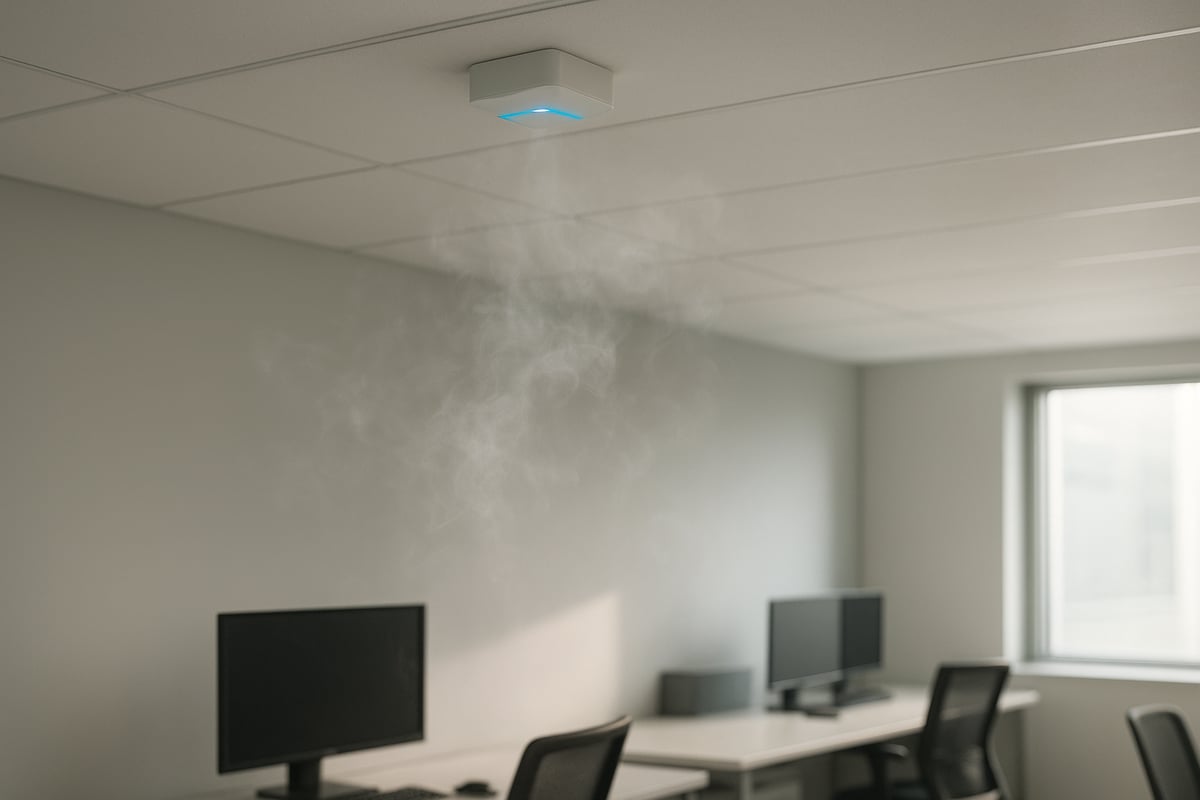
Nicotine vapour is a complex aerosol. It contains nicotine, propylene glycol, glycerine, and a range of artificial flavourings. During use, heating elements in the device convert these liquids into a fine mist. Unlike cigarette smoke, which produces thousands of combustion byproducts, vapour typically contains fewer toxic chemicals.
However, the process can still generate potentially harmful compounds, such as formaldehyde and acetaldehyde. The composition can vary significantly based on the device, temperature, and liquid used. For a deeper dive into the chemical makeup of vapour, see this Chemical composition of e-cigarette aerosols study. Anyone aiming to detect nicotine vapor indoors must understand these differences.
Physical Properties of Vapour
The particles in nicotine vapour are much smaller than those found in cigarette smoke, often measuring below 1 micron. This fine size allows vapour to linger in the air briefly before dissipating. Vapour is often barely visible and can appear as a faint mist or haze, especially in poor ventilation.
Odour varies widely depending on the flavourings, sometimes producing sweet or fruity scents. Because vapour clouds disperse so rapidly, people trying to detect nicotine vapor indoors may find visual and sensory clues unreliable.
How Vapour Interacts with Indoor Air
Nicotine vapour interacts uniquely with indoor environments. Airflow, humidity, and temperature all play roles in how quickly vapour disperses. In areas with strong ventilation or HVAC systems, vapour can spread across larger spaces or be filtered out more rapidly, making it harder to detect nicotine vapor indoors.
Some of the vapour settles onto surfaces, leaving a thin, often invisible residue. This can contribute to secondary exposure and impact long-term air quality. The way vapour behaves in a room depends on how these environmental factors combine.
Detection Challenges
Detecting nicotine vapour indoors is a technical challenge. Some devices produce vapour that is nearly invisible and almost odourless, reducing the effectiveness of traditional detection methods. Stealth vaping devices are specifically designed to minimise visible emissions, further complicating detection.
The window of opportunity to detect nicotine vapor indoors is often very short, as particles can dissipate in seconds. This means that technology and strategy must adapt quickly to stay ahead of evolving vaping trends.
Methods to Detect Nicotine Vapour Indoors: Step-by-Step Guide
Detecting nicotine vapor indoors requires a structured approach. With evolving technology and increasingly discreet vaping devices, a combination of observation, monitoring, and rapid response is essential. This step-by-step guide will help you detect nicotine vapor indoors effectively, using practical methods and expert insights for every environment.
Step 1: Visual and Sensory Inspection
The first step to detect nicotine vapor indoors is using your senses. While modern vapes are designed to be less obvious, there are still telltale signs.
Look for:
- Visible clouds or haze, especially in poorly ventilated areas
- Sweet, fruity, or chemical odours lingering in the air
- Residue or sticky films on surfaces, mirrors, or smoke detectors
In shared spaces like schools, offices, or hospitality venues, check high-risk spots such as toilets, corridors, and corners where people may try to vape discreetly. Even when vapour dissipates quickly, faint odours or residues can remain.
Staff should be trained to notice unusual scents or visible changes in air quality. Regular walk-throughs increase the chances to detect nicotine vapor indoors before it becomes a recurring issue.
Step 2: Monitoring Air Quality Indicators
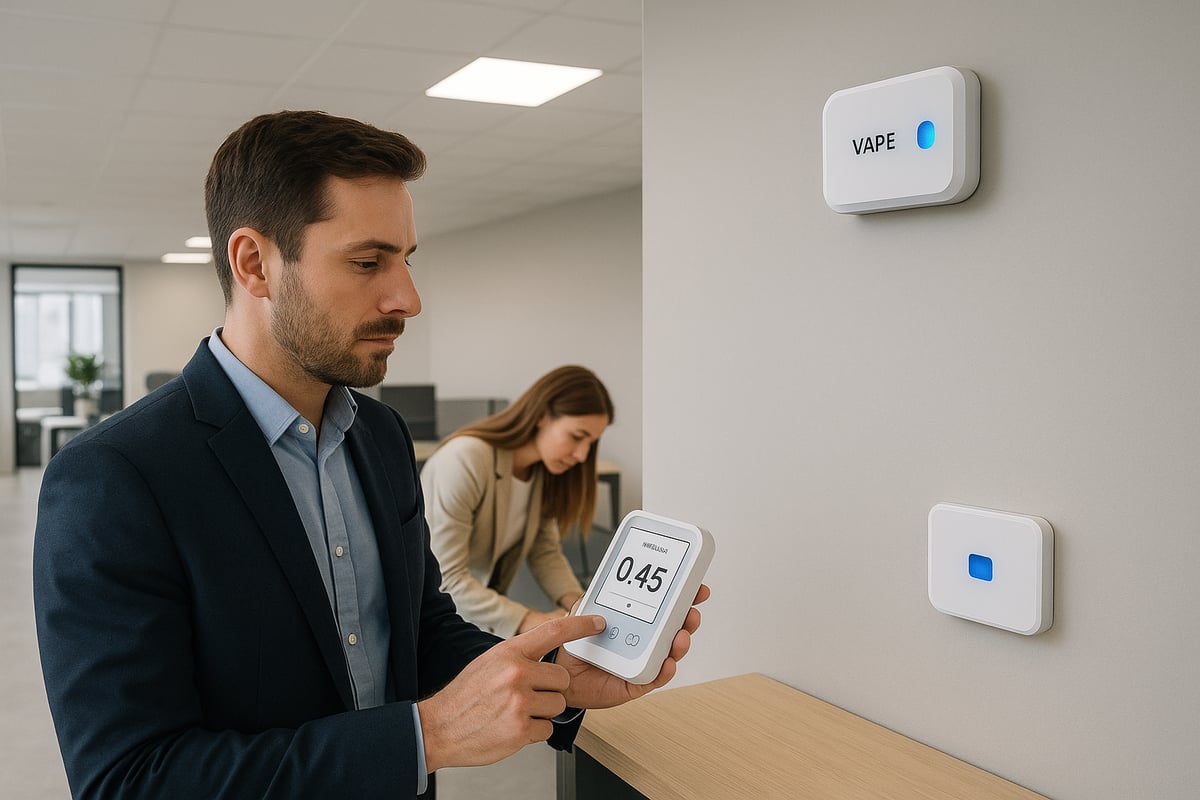
The next step in your plan to detect nicotine vapor indoors is to use air quality monitors. These devices track changes in particulate matter (PM2.5) and volatile organic compounds (VOCs), both of which can spike when vaping occurs.
Key indicators to monitor:
- Sudden increases in PM2.5 levels, often linked to glycerine or propylene glycol particles
- Unexpected rises in VOCs, which may signal recent vapor release
- Fluctuations in humidity or temperature that do not match normal patterns
For example, in an office setting, air quality monitors can be placed in meeting rooms and communal areas. When a spike is detected, it may prompt further investigation.
A simple table summarises common air quality indicators:
| Indicator | What to Look For | Possible Source |
|---|---|---|
| PM2.5 | Spikes over baseline | Vapour particles |
| VOCs | Unexplained increase | Flavourings, chemicals |
| Humidity | Sudden change | Vapour dissipation |
Regular monitoring helps you detect nicotine vapor indoors early, supporting compliance and a healthier environment.
Step 3: Utilising Advanced Vape Detection Technology
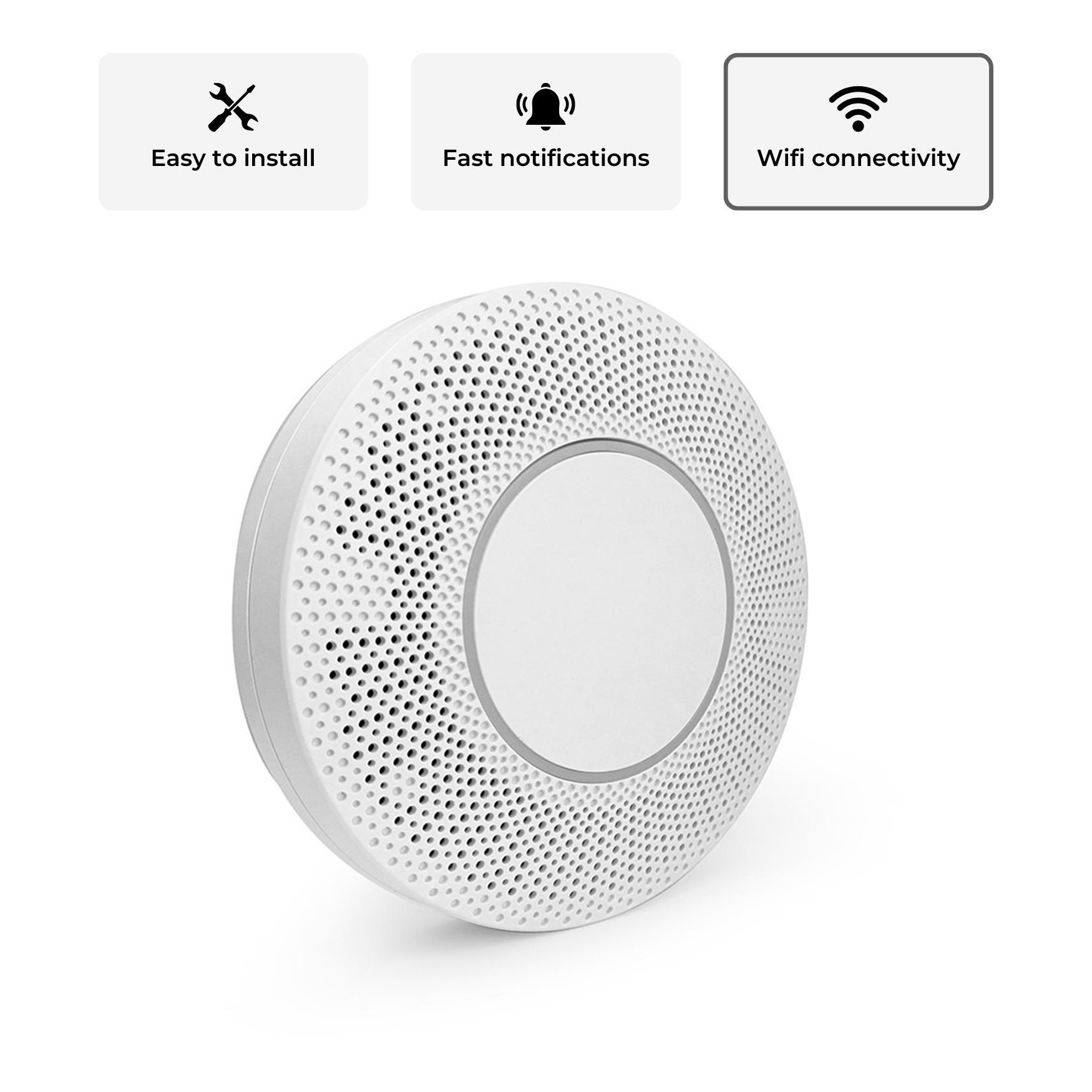
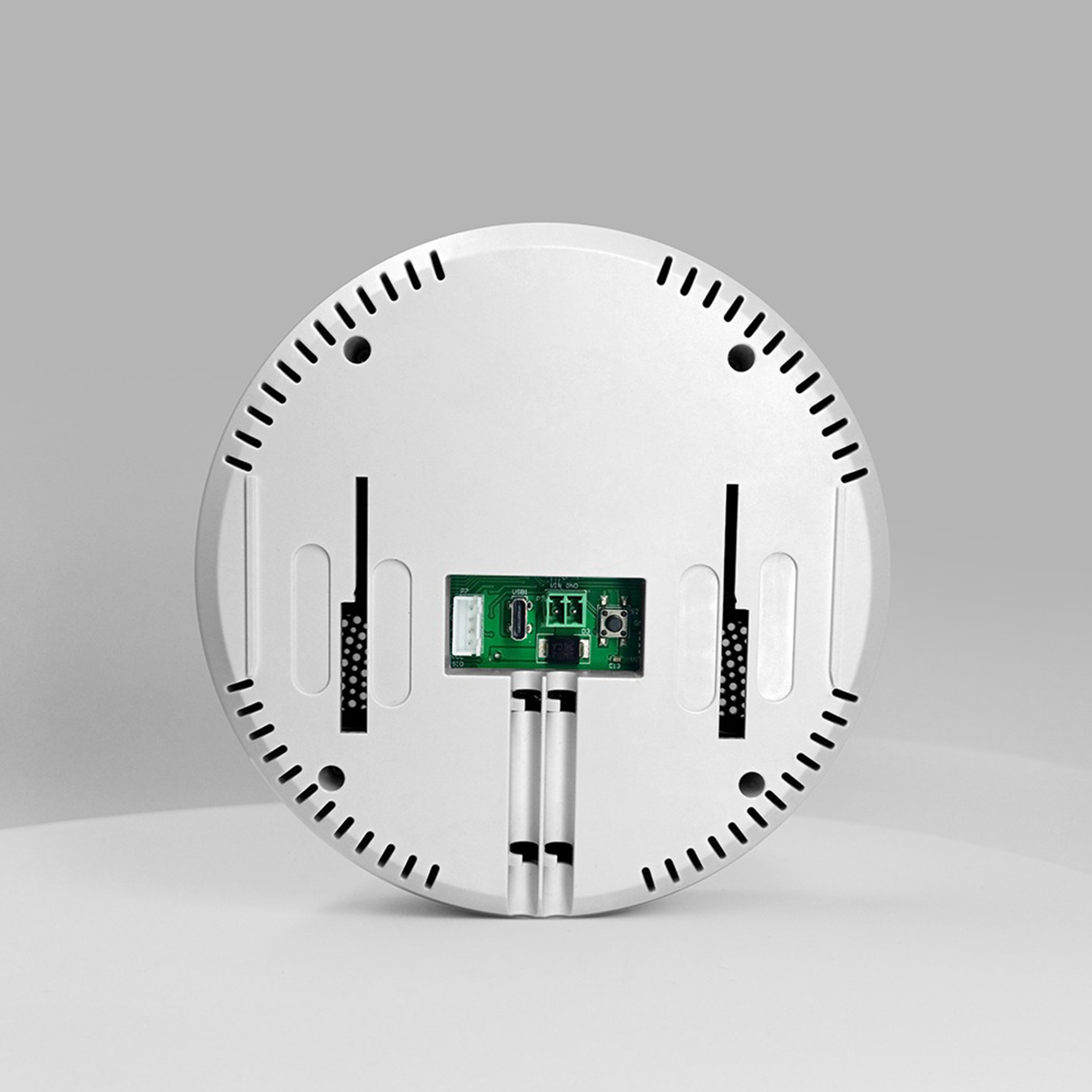
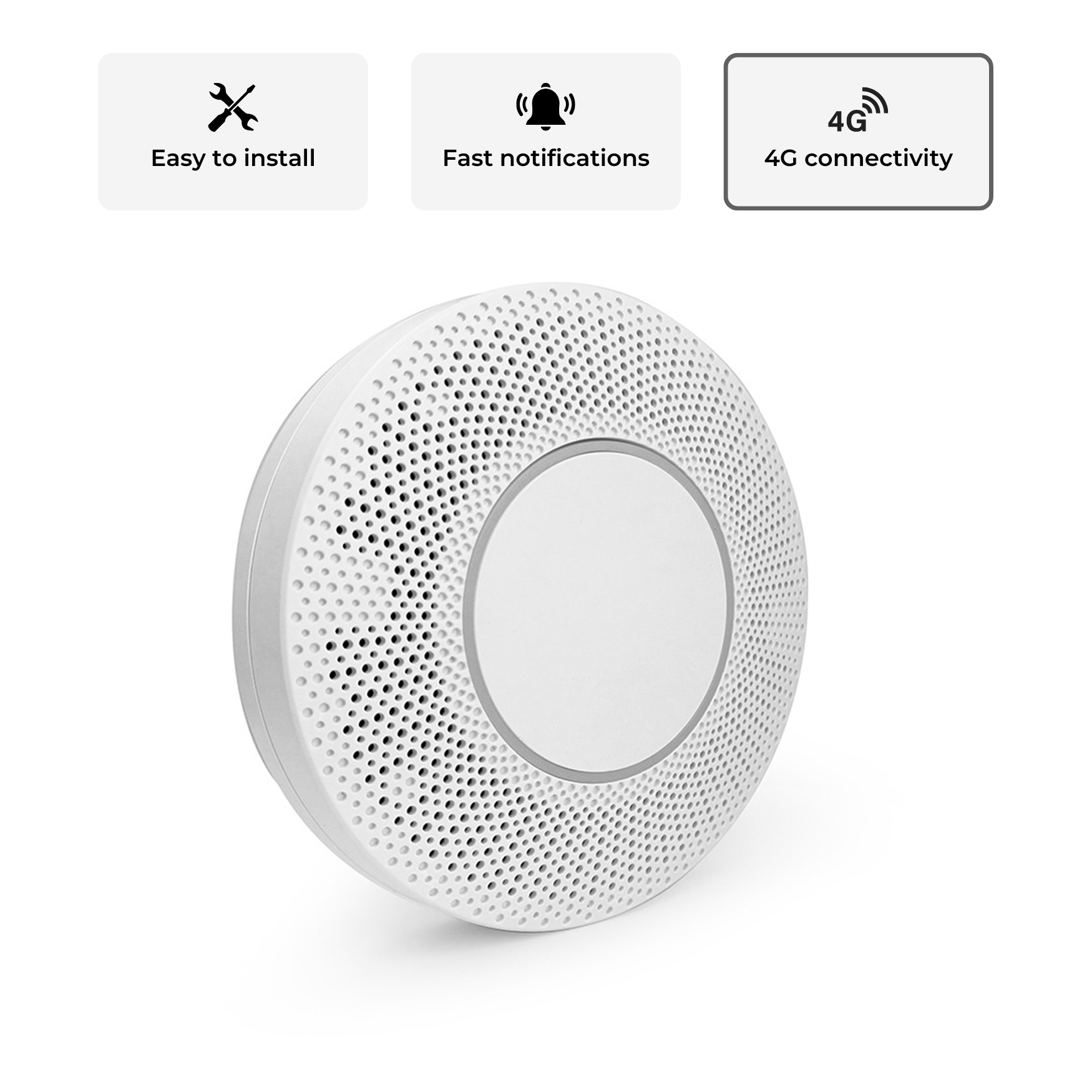
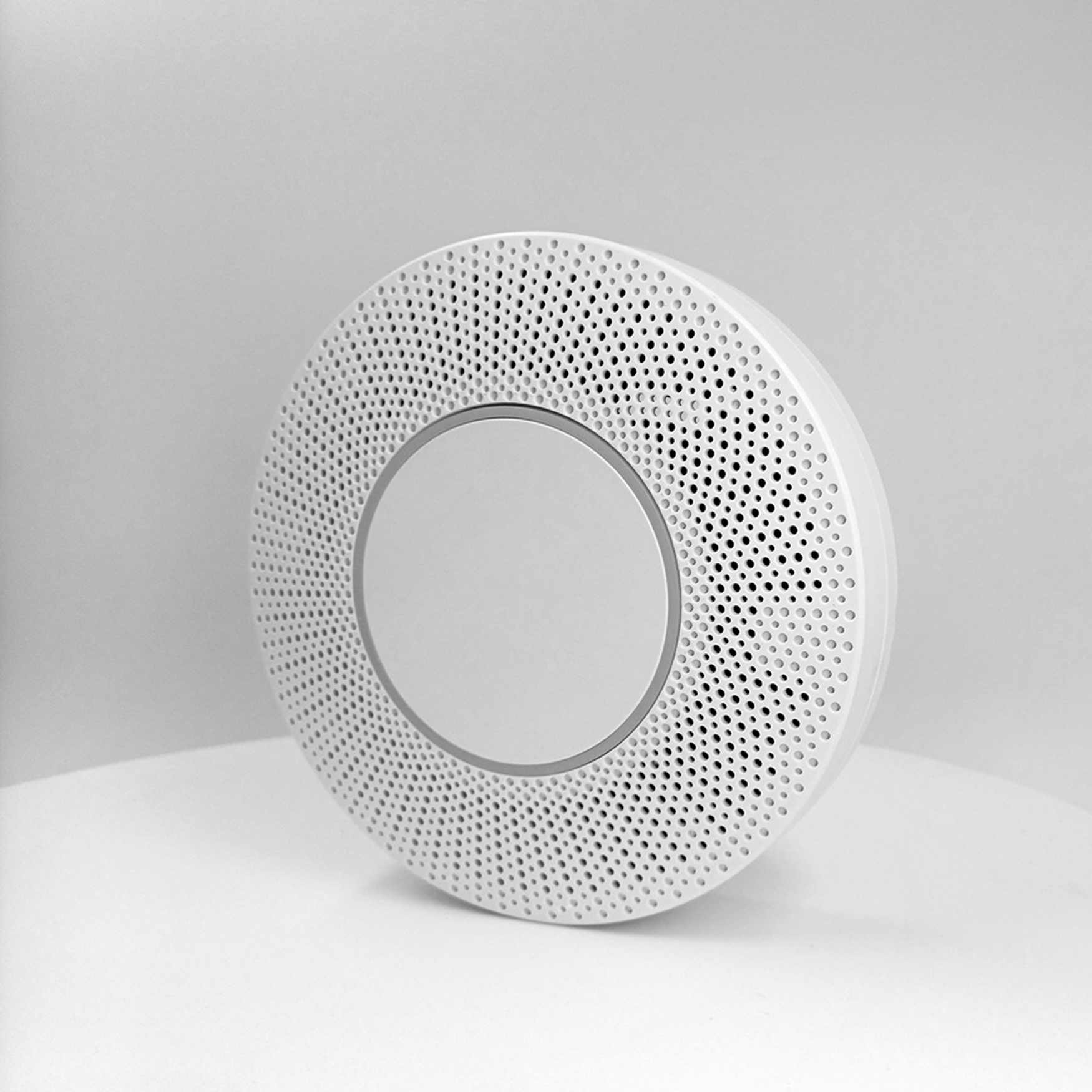
To reliably detect nicotine vapor indoors, advanced vape detection technology is highly effective. These systems use a combination of chemical, particulate, and AI-powered sensors to identify vaping events, even when traditional signs are absent.
Modern vape detectors can:
- Distinguish between nicotine and non-nicotine vapour
- Reduce false positives by filtering out harmless aerosols
- Integrate with building management systems for instant alerts
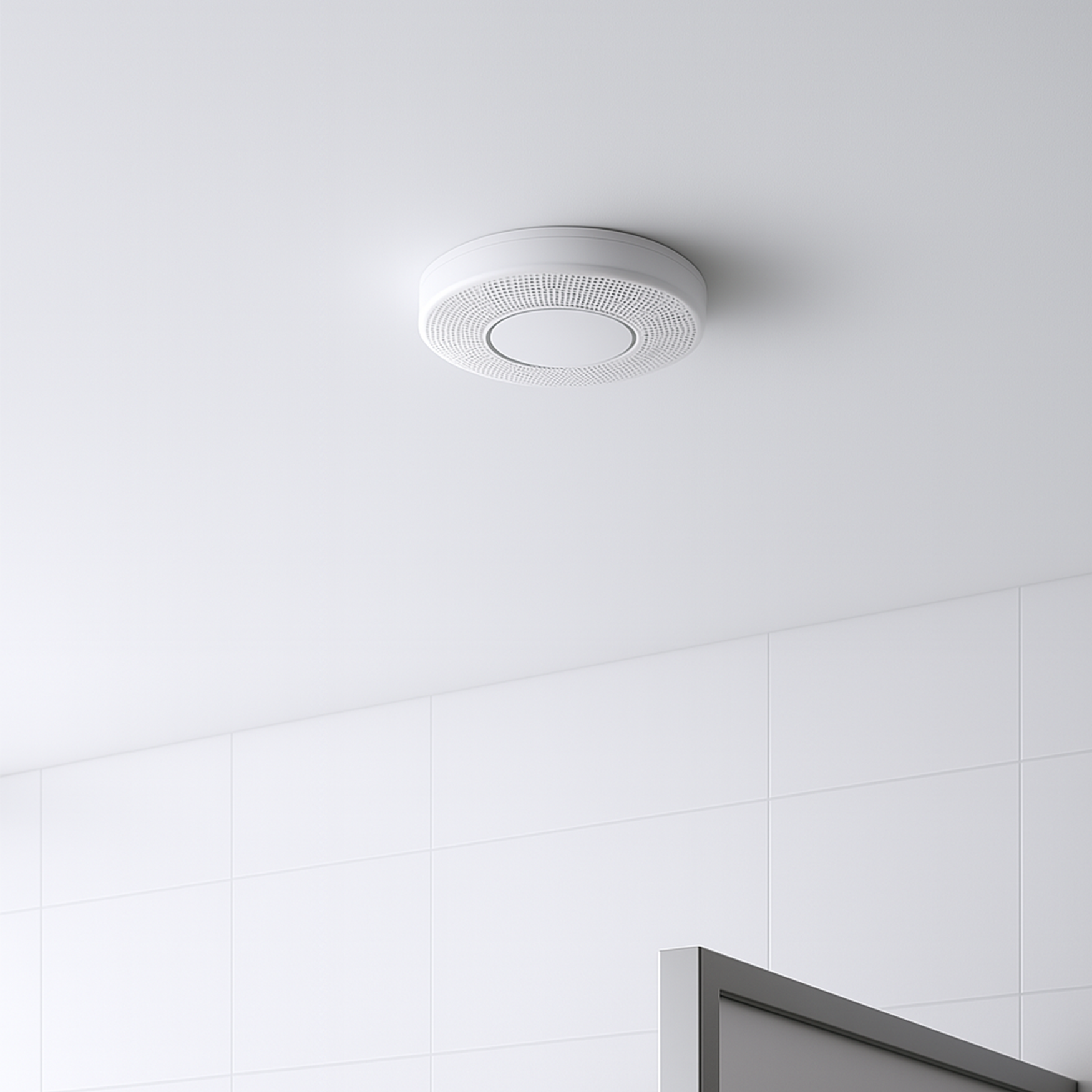
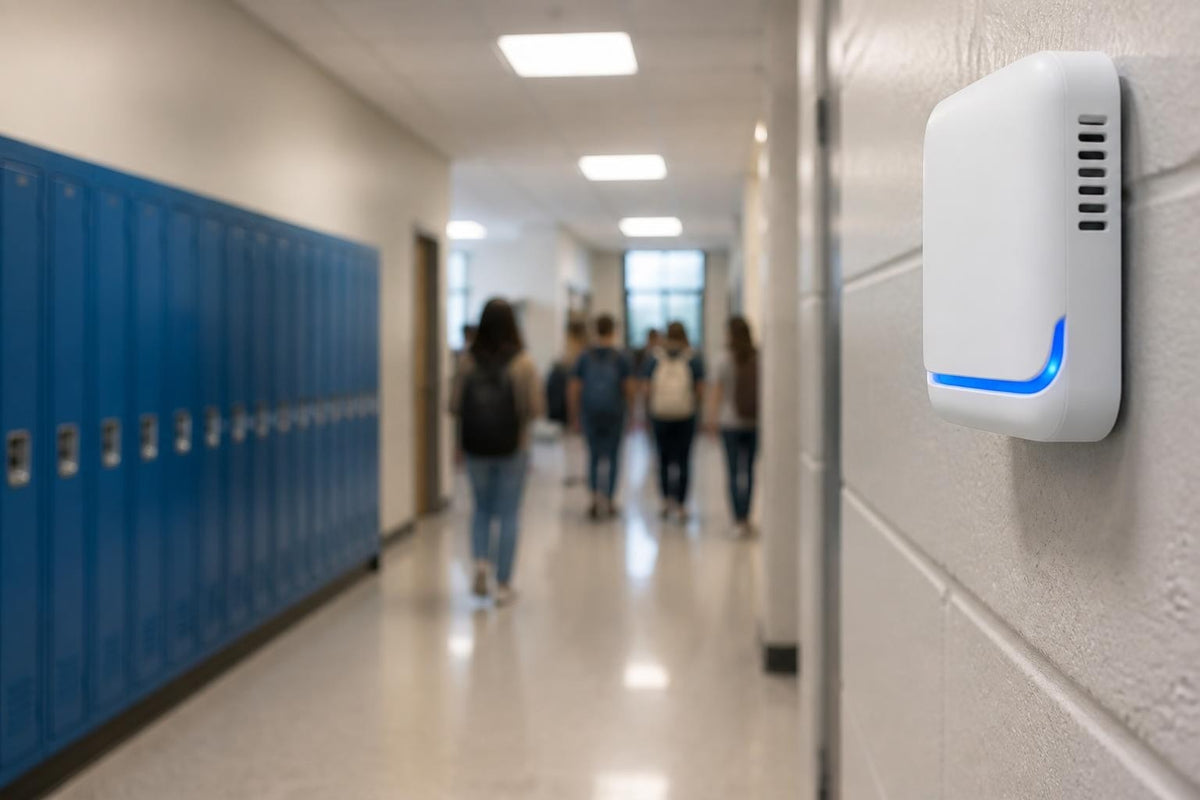
For instance, schools across the UK have installed these detectors in toilets and changing rooms, reporting a significant drop in vaping incidents as a result.
If you want to understand the science behind these systems, Vape detection technology explained offers a detailed look at how sensors work, their accuracy, and best practices for installation.
By combining advanced sensors with a clear response protocol, you can detect nicotine vapor indoors quickly and accurately, minimising disruption and ensuring compliance.
Step 4: Analysing Environmental Data
Once you have collected data from monitors and detectors, the next step is to analyse trends and anomalies. This allows you to detect nicotine vapor indoors even when incidents are infrequent or subtle.
Key actions:
- Review historical air quality data for patterns, such as repeated spikes at certain times or locations
- Compare incident logs with sensor data to confirm vaping events
- Identify high-risk zones for targeted intervention
Analysing environmental data helps you move from reactive to proactive detection. For example, if a school notices regular PM2.5 spikes in a specific corridor after lunch breaks, targeted monitoring and staff presence can be increased in that area.
This analytical approach makes it easier to detect nicotine vapor indoors, adapt your strategy, and reduce future risks.
Step 5: Responding to Detection Events
After you detect nicotine vapor indoors, a swift and consistent response is vital. Immediate action not only addresses the current risk but also discourages repeat incidents.
Recommended steps:
- Increase ventilation in affected areas to disperse any lingering vapour
- Notify relevant staff or management immediately for investigation
- Document the incident, including time, location, and sensor data, to support compliance and reporting
In educational settings, clear incident response protocols ensure staff know exactly what to do, from isolating the area to following up with students. In offices or hospitality venues, similar protocols help maintain air quality and demonstrate a commitment to health and safety.
By following these steps, you create a robust process to detect nicotine vapor indoors and respond effectively, protecting both people and property.
Vape Guardian: Advanced Solutions for Indoor Nicotine Vapour Detection
Stepping up the ability to detect nicotine vapor indoors is no small feat. Vape Guardian leads the way with advanced sensor technology, offering trusted expertise and proven results. Their intelligent vape detectors are designed to identify not only nicotine, but also THC and other substances, all in real time. This means organisations can act swiftly, maintaining safe and compliant environments.
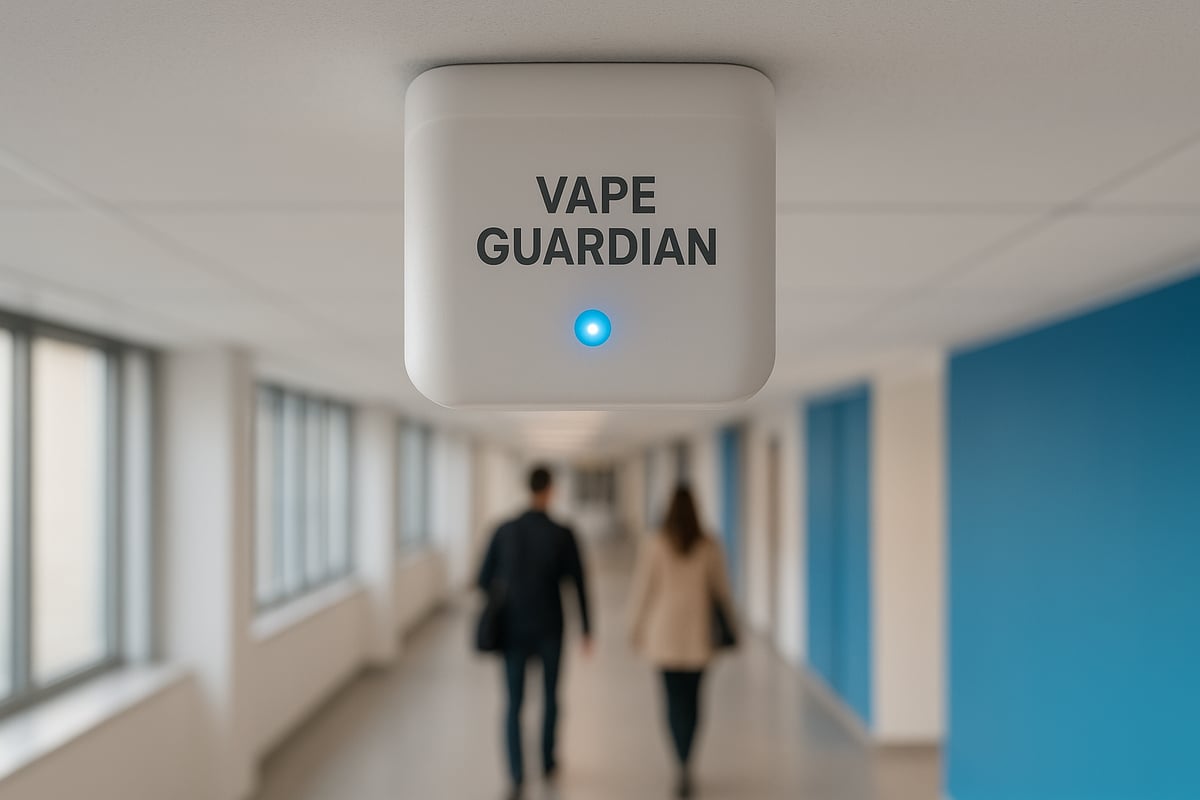
Vape Guardian’s intelligent sensors use advanced algorithms to detect nicotine vapor indoors with remarkable accuracy. The system employs AI-powered analytics to distinguish vaping from everyday activities, reducing false alerts. Each device provides instant notifications to designated staff, enabling immediate action. Key features include:
- Real time detection of nicotine, THC, and more
- False alert reduction through adaptive AI
- Instant notifications for rapid response
- Secure cloud-based analytics for compliance tracking
For schools, offices, and leisure venues, adopting Vape Guardian’s solution has delivered up to a 95 percent reduction in vaping incidents. The ability to detect nicotine vapor indoors gives organisations a measurable advantage in maintaining healthy environments. Facilities report improved air quality, fewer complaints, and greater peace of mind for staff and visitors.
Real world effectiveness is demonstrated in case studies and testimonials from across the UK. Vape Guardian’s UK-based support team offers free trials, ongoing education, and tailored advice for every client. The system not only helps organisations meet legal requirements, but also safeguards reputations and wellbeing. For a deeper dive into how these solutions work, see the detailed post on Do vape detectors work indoors?.
With Vape Guardian, you can confidently detect nicotine vapor indoors, stay ahead of evolving challenges, and ensure your spaces remain safe, compliant, and welcoming.
Expert Tips for Effective Nicotine Vapour Detection in Different Environments
Effectively safeguarding indoor spaces requires strategies tailored to the unique needs of each environment. To successfully detect nicotine vapor indoors, it is crucial to consider the layout, usage patterns, and stakeholder responsibilities in every setting. Below, we share expert guidance for schools, offices, hospitality venues, residential spaces, and essential maintenance routines.
Schools and Educational Institutions
Schools face unique challenges when attempting to detect nicotine vapor indoors, particularly in high traffic or hidden areas. Toilets, corridors, and common rooms are frequent hotspots for vaping activity.
To address this, a layered detection approach works best. Combine intelligent vape detection sensors with regular staff patrols and student engagement programmes. For practical guidance, see School bathroom vape detection strategies which explores real world case studies and effective interventions.
Engage students and parents through awareness campaigns and transparent policy communication. A UK secondary school recently implemented a multi sensor system, resulting in a measurable reduction in incidents. Monitoring high risk zones and fostering a culture of accountability are key to success.
Offices and Workspaces
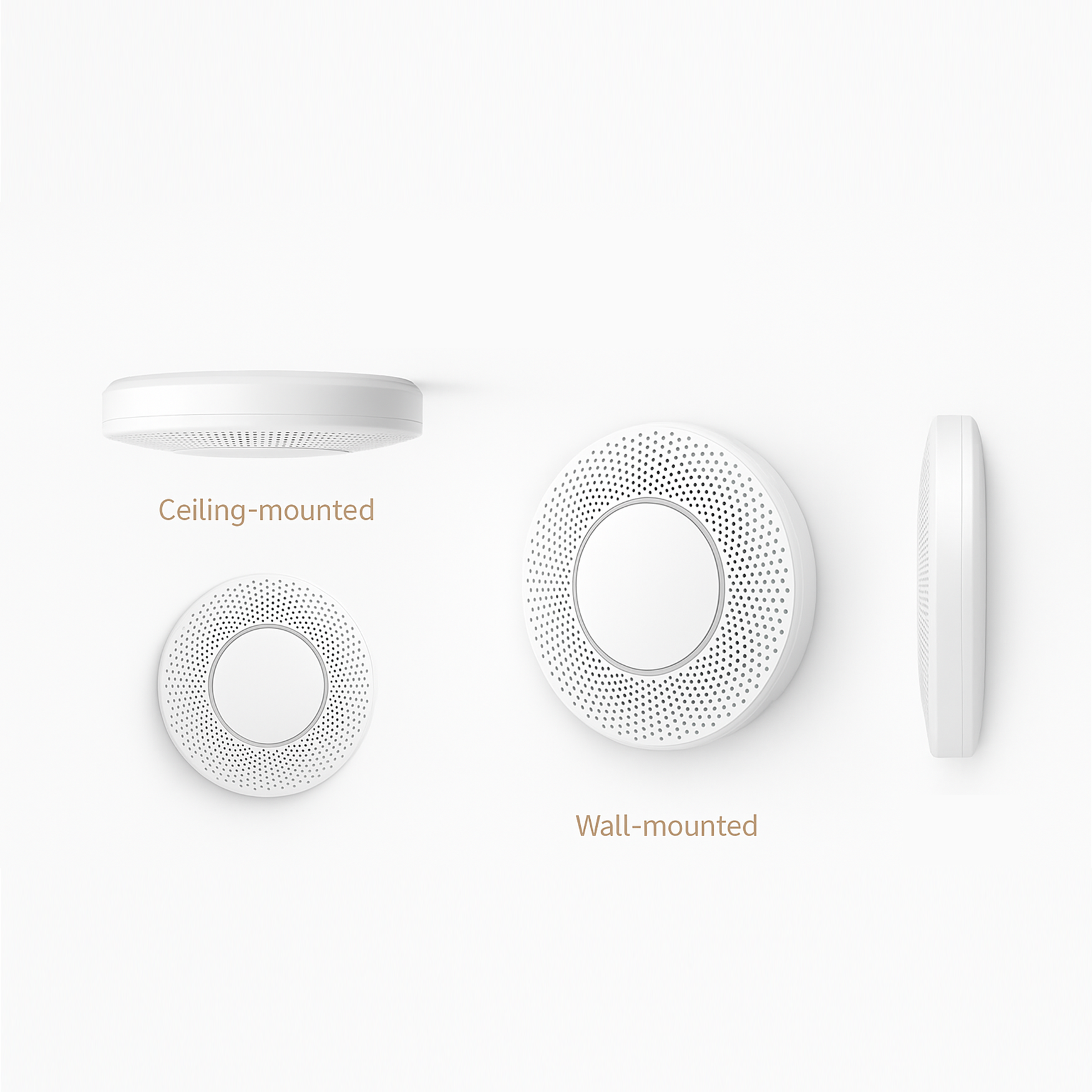
To detect nicotine vapor indoors in offices, integration with building management systems is essential. Position sensors strategically in shared facilities and ventilation zones for optimal coverage.
Privacy concerns must be balanced with compliance requirements. Ensure staff are informed about detection policies and trained to respond promptly to alerts. For step by step guidance, visit Office air quality monitoring tips for best practices in maintaining a healthy work environment.
A recent corporate workplace updated its policy to include vape detection, resulting in improved indoor air quality and enhanced reputation. Consistent communication and clear protocols ensure smooth implementation.
Hospitality and Leisure Venues
Hospitality venues must detect nicotine vapor indoors while maintaining a positive customer experience. Discreetly install detection devices in gyms, bars, and restaurants to avoid drawing attention or causing discomfort.
Work with staff to balance enforcement and hospitality. Regulatory compliance is critical for public venues, especially where food and drink are served. A leading gym chain reported fewer customer complaints and improved air quality after introducing vape monitoring in changing rooms and lounges.
When selecting detection solutions, prioritise minimal disruption and real time notifications to facilitate rapid response.
Residential and Shared Living Spaces
Landlords, property managers, and tenants each have a role in efforts to detect nicotine vapor indoors. Affordable detection devices are now available for private homes and shared accommodations, making it feasible to maintain smoke free environments.
Clear policies and regular communication help prevent disputes. In cases of suspected vaping, data from detection devices can provide objective evidence to support resolution. Both parties benefit from agreed upon standards, with landlords responsible for providing tools and tenants accountable for compliance.
Accessible solutions empower residents to take control of their indoor air quality and wellbeing.
Maintenance and Calibration Tips
Accurate results depend on proper upkeep of all detection equipment. To reliably detect nicotine vapor indoors, schedule regular sensor checks and software updates as part of facility management routines.
- Clean devices to prevent false positives caused by dust or residue
- Maintain detailed records of sensor activity and maintenance for compliance audits
- Test alert systems periodically to ensure prompt notification
Following these steps helps extend device lifespan and maintains the integrity of your detection programme. Consistent maintenance supports legal compliance and builds trust among occupants.
Future Trends in Nicotine Vapour Detection Technology
The future of how we detect nicotine vapor indoors is evolving fast. Technological advances are transforming both detection accuracy and the scope of protection for indoor environments. As vaping devices become more discreet, detection methods must stay ahead to ensure healthier and safer spaces for everyone.
AI and Machine Learning in Vapour Detection
Artificial intelligence is redefining how we detect nicotine vapor indoors. Machine learning algorithms can now analyse complex patterns in air quality data, distinguishing between vaping aerosols and other airborne particles. These systems adapt over time, learning from every detection event to reduce false alarms.
A key benefit is predictive analytics. AI can forecast potential vaping incidents by recognising subtle trends, enabling proactive interventions. This approach is especially valuable in busy environments like schools, where traditional sensors might struggle to keep up. As vaping devices evolve, so too will the AI models that monitor them.
Comparison Table: AI vs Traditional Detection
| Feature | Traditional Sensors | AI-Powered Detection |
|---|---|---|
| Sensitivity | Moderate | High |
| Adaptability | Low | Learns and adapts |
| False Alert Reduction | Limited | Significant improvement |
| Predictive Capabilities | None | Advanced forecasting |
Integration with Smart Building Systems
Modern buildings are increasingly equipped with smart technologies, and this trend extends to systems that detect nicotine vapor indoors. Integration with centralised management platforms allows instant alerts, automated ventilation responses, and real time tracking of air quality.
IoT connectivity means vape detection sensors can now communicate with security systems, HVAC units, and even mobile devices. Facility managers benefit from central dashboards that provide a comprehensive view of indoor air safety. This seamless integration streamlines response protocols and strengthens compliance with health standards.
For schools, offices, and hospitality venues, smart system integration ensures that detection is both discreet and effective. It also supports a proactive approach to maintaining clean air.
Regulatory Changes on the Horizon
Regulations governing how organisations detect nicotine vapor indoors are tightening across the UK and EU. Anticipated updates focus on stricter indoor air quality requirements, especially in schools, public venues, and rental properties. These changes aim to protect vulnerable populations and align with broader public health goals.
For example, the UK is considering measures such as enhanced reporting obligations and expanded bans on certain vaping products. To stay compliant, organisations must remain informed about evolving legislation. For a comprehensive overview, see Vaping regulations in the UK 2025.
Upcoming Regulatory Focus Areas:
- Mandatory vape detection in educational settings
- Stricter reporting and documentation
- Expanded product bans
- Increased penalties for non-compliance
Consumer Awareness and Education
Public understanding of the need to detect nicotine vapor indoors is also on the rise. Awareness campaigns highlight the risks of secondhand vapour and the importance of maintaining healthy indoor spaces. Educational initiatives are driving shifts in attitudes, making indoor vaping less socially acceptable.
Many organisations now offer training for staff and tenants on how to identify signs of vaping. Enhanced reporting tools allow anonymous tips, encouraging a community approach to compliance. The result is a more informed public and a stronger collective effort to keep air clean.
Market Outlook and Innovation
The global market for solutions to detect nicotine vapor indoors is expected to expand rapidly through 2026. Innovation is driven by the demand for smarter, more reliable detection in response to new vaping devices and regulatory pressure.
Emerging competitors are developing sensors with higher sensitivity and lower maintenance needs. Pilot programmes in NHS hospitals and council buildings demonstrate the effectiveness of these technologies. As awareness of the health risks of secondhand vapour exposure grows, investment in detection solutions is likely to surge.
Organisations that adopt advanced detection technologies will be best positioned to meet future challenges. The ongoing evolution of this sector ensures there will always be new ways to detect nicotine vapor indoors and protect public health.
After exploring the latest science and practical steps to detect nicotine vapour indoors, you can see how crucial it is to stay a step ahead—whether you are protecting a school, office, or leisure space. Creating safer environments starts with the right technology and guidance. If you are ready to take the next step or have questions about the best solution for your building, our team at Vape Guardian is here to help. Together, we can make your space healthier and compliant for everyone.

Share:
Guide to Detect Smoke and Vape: Essential Tips for 2026
Vape Detection: A Comprehensive Guide for 2026