
Recent reports reveal a sharp increase in vaping among students, making school bathroom vape detection a top priority for educational leaders in 2026. Vaping in school bathrooms poses significant health and safety risks, challenging staff to find effective solutions.
This guide is designed to help school leaders take proactive steps. By exploring the latest detection strategies and technologies, you can create a safer, healthier environment for students.
You will discover the factors behind the rise of vaping in schools, current detection challenges, practical steps for implementing detection, guidance on policy integration, and future-focused solutions. Let this guide be your action plan for tackling vaping in your school.
The Rise of Vaping in School Bathrooms: Trends and Threats
Vaping among teenagers has become a critical concern for educators and parents alike. Recent years have seen a significant increase in the use of e-cigarettes and vapour devices within school environments. As school bathroom vape detection becomes more essential, understanding the latest trends and threats is vital for effective prevention.
Understanding the Vaping Epidemic Among Teens
The vaping epidemic is reshaping the landscape of adolescent health in the UK. According to the NHS survey on youth vaping, nearly one in ten secondary pupils now vape regularly. This figure highlights a dramatic rise compared to pre-pandemic years, with many young people experimenting with new flavours and discreet devices.
Behavioural shifts have been observed, including group vaping in hidden areas and a trend towards sharing devices. Case studies from UK secondary schools indicate that students often choose bathrooms as safe havens for vaping, away from staff supervision. Health risks are mounting. Adolescents face increased exposure to nicotine, which can impair cognitive development, and inhaling vapourised chemicals may cause lasting respiratory issues.
Social dynamics play a powerful role. Peer influence, the desire for acceptance, and the easy availability of trendy vape pens are driving this surge. School bathroom vape detection is now a top priority to counteract these risks and protect student wellbeing.
Why Bathrooms are the Hotspot
School bathrooms have become the focal point for vaping incidents. These locations offer privacy and minimal staff presence, making them attractive for students seeking to avoid detection. Young people often use quick, coordinated visits to bathrooms, alerting each other when staff are nearby.
Common tactics include:
- Using compact, odourless vape devices
- Masking vapour with sprays or by exhaling into clothing
- Coordinating entry and exit to avoid suspicion
The impact goes beyond health. Frequent vaping damages bathroom fixtures, clogs air vents, and increases maintenance costs for schools. Incident reports reveal that bathrooms account for the majority of vaping-related disciplinary actions. Effective school bathroom vape detection systems are essential to address these challenges and maintain a safe environment.
Schools face the ongoing task of balancing student privacy with the need for supervision. As new vaping trends emerge, detection solutions must adapt quickly to remain effective.
Emerging Threats in 2026
The landscape of vaping is evolving rapidly, bringing new threats to schools. Manufacturers are designing vape devices that resemble everyday items such as pens or USB drives, making them difficult to spot. Some devices emit little or no visible vapour, further complicating school bathroom vape detection efforts.
There is also a notable rise in the use of vape pens containing substances like THC and Spice. These compounds present additional health and legal risks, requiring schools to be vigilant and proactive.
Regulatory changes in 2026 have shifted more responsibility onto educational institutions to monitor and report incidents. Schools must now ensure that their detection strategies keep pace with technological advancements and changing legal requirements.
A forward-thinking approach, combined with robust school bathroom vape detection systems, is necessary to protect students and uphold safeguarding standards.
Challenges in Detecting Vaping in School Bathrooms
Detecting vaping in school bathrooms is a multifaceted challenge for educators and administrators. While the urgency for school bathroom vape detection grows, traditional methods such as staff patrols or manual checks often fall short. Limited visibility, privacy concerns, and the sheer number of students make it nearly impossible to monitor every bathroom consistently.
Modern vape devices complicate matters further. Many are designed to be small, odourless, and easy to conceal, making school bathroom vape detection increasingly difficult. Unlike cigarettes, these devices can emit minimal vapour, often indistinguishable from steam or air freshener. Outdated detection systems may misinterpret other bathroom activities, leading to false positives or, worse, missing real incidents entirely.
Students are also becoming more sophisticated in evading detection. Common tactics include using scented sprays to mask vapour, vaping quickly to minimise exposure, and warning peers about staff patrols. Even with frequent awareness campaigns, some schools report a steady rise in incidents. For instance, one secondary school in Greater Manchester saw reported cases double over a single term, despite increased staff presence and educational assemblies.
The cost and resource implications of school bathroom vape detection cannot be ignored. Installing and maintaining equipment, training staff, and managing increased reporting all place pressure on already stretched budgets. Moreover, administrators must weigh the effectiveness of different technologies and approaches. For those seeking evidence-based answers, resources like Do vape detectors work in bathrooms offer practical guidance on best practices and the limitations of current solutions.
In summary, the landscape of school bathroom vape detection is rapidly evolving. Schools must balance privacy, cost, and accuracy while staying ahead of new devices and student strategies. Recognising these challenges is the first step towards developing a more resilient and effective detection plan.
Step-by-Step Guide to Implementing Vape Detection Solutions in 2026
Effectively tackling the challenge of school bathroom vape detection requires a strategic, methodical approach. This guide breaks down the key steps to help school leaders make informed decisions, ensure compliance, and protect student wellbeing.
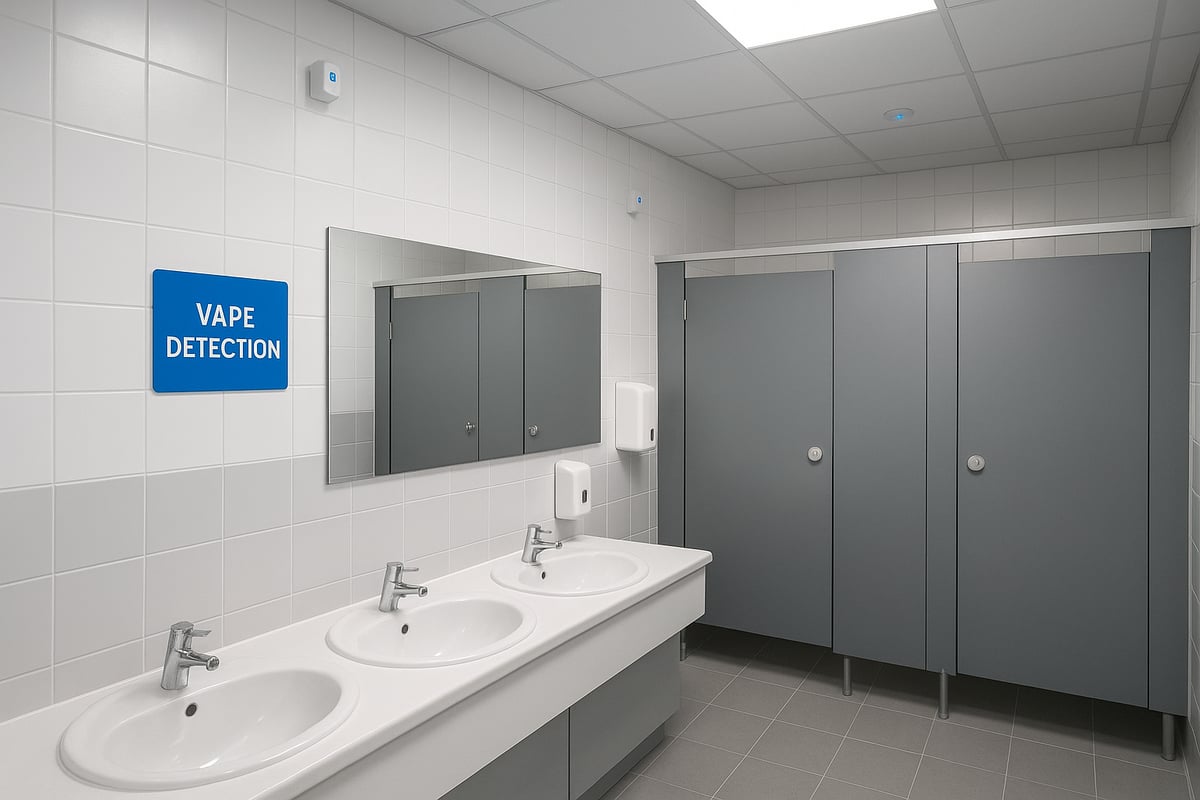
Step 1: Assessing Your School’s Needs and Risks
Begin your school bathroom vape detection journey by thoroughly assessing your unique environment. Start with a detailed site audit, mapping out all bathroom locations and compiling a history of vaping-related incidents. This helps identify hotspots and recurring patterns.
Engage stakeholders at every level. Invite staff, students, and parents to share insights about where and when vaping occurs most often. Their perspectives are invaluable for spotting problem areas that might not appear in incident reports.
Analyse available data to determine peak times for incidents and to pinpoint high-risk groups. Consider variables such as time of day, school events, and exam periods, as these can influence vaping behaviour. A comprehensive assessment ensures your school bathroom vape detection plan targets real needs, making interventions more effective.
Step 2: Choosing the Right Vape Detection Technology
Selecting the most suitable solution is crucial for successful school bathroom vape detection. Today’s market offers a range of sensor-based options, including particulate sensors, chemical detectors, and advanced AI-driven systems. Each type has distinct strengths.
When comparing technologies, evaluate features such as:
- Real-time alert capability
- Air quality monitoring
- Reduction of false alerts
- Compatibility with current school security and IT infrastructure
A comparison table can clarify your choices:
| Detection Type | Pros | Cons |
|---|---|---|
| Particulate | Simple, affordable | Limited substance detection |
| Chemical | Detects multiple substances | Needs regular calibration |
| AI-Driven | Advanced analytics, adaptive | Higher cost, more training |
Reliability, ease of maintenance, and vendor support are also key factors. For a deeper look at solution options, see this overview on vape detection for school bathrooms.
Step 3: Installation and Calibration
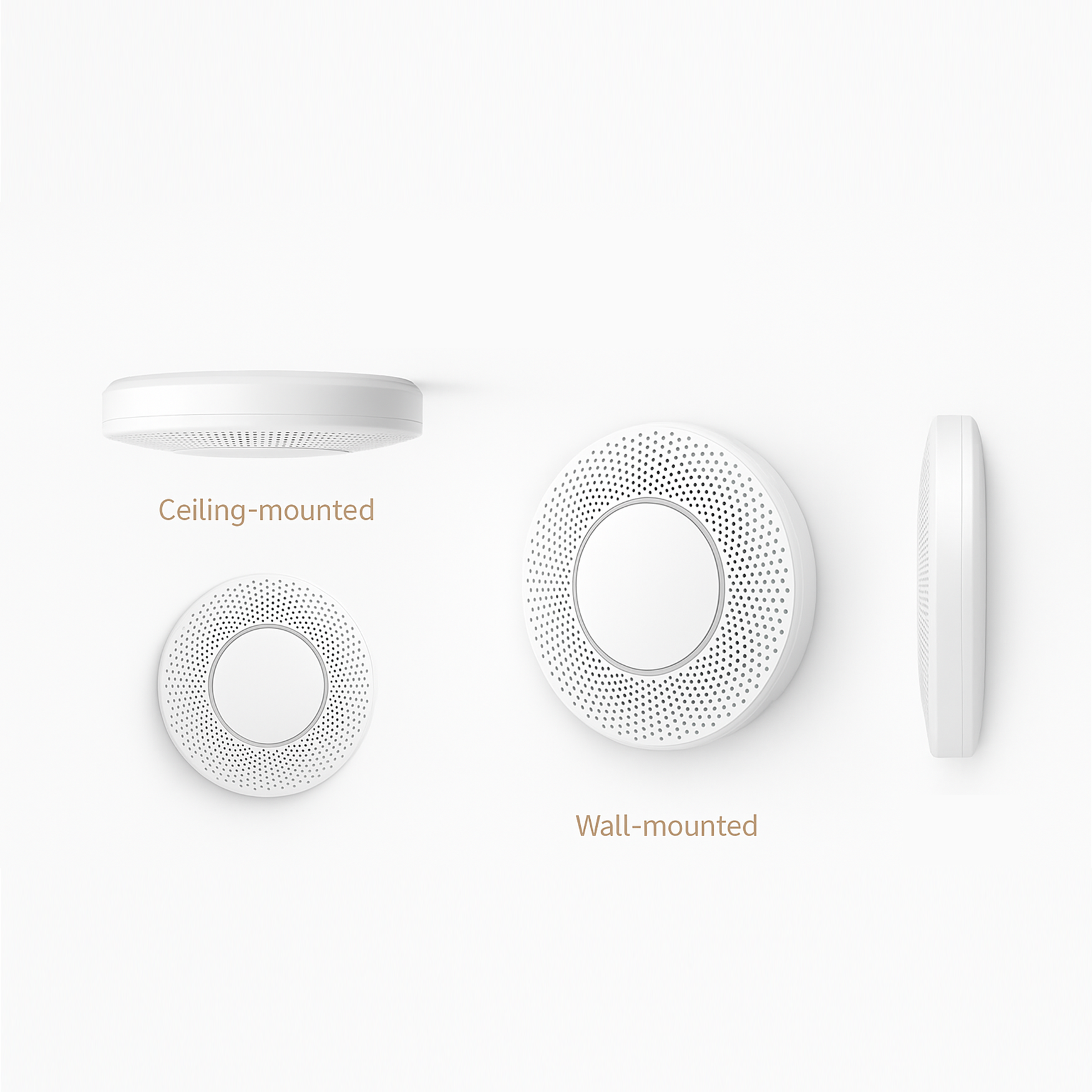
Proper installation is vital to maximise the effectiveness of school bathroom vape detection systems. Position sensors discreetly in areas where vaping is most likely, such as corners or near ventilation units, but ensure privacy is never compromised.
Best practices include:
- Ensuring all bathroom zones are covered, including less visible spots
- Placing devices out of students’ direct reach to prevent tampering
- Using multiple sensors in larger bathrooms for full coverage
Calibration is equally important. Regularly test the system to minimise false positives and ensure accurate detection. Document calibration procedures and schedule checks to maintain reliability over time. This approach will keep your school bathroom vape detection setup running smoothly and efficiently.
Step 4: Training Staff and Communicating with Stakeholders
A robust school bathroom vape detection system is only as strong as the people who manage it. Develop clear protocols for responding to alerts, outlining step-by-step actions for staff to follow when a device is triggered.
Invest in comprehensive training for all relevant personnel. Cover device operation, incident management, and data recording. Encourage staff to be proactive and consistent in their responses.
Transparent communication is essential. Inform students and parents about the new detection measures, the reasons behind them, and the intended benefits. This openness helps foster buy-in from the school community and creates a shared commitment to a vape-free environment.
Step 5: Monitoring, Reporting, and Continuous Improvement
Ongoing monitoring is the backbone of any school bathroom vape detection strategy. Set up real-time dashboards to track incidents and receive instant notifications. This allows for rapid intervention and helps deter repeat offences.
Regularly analyse incident data to identify trends and measure the effectiveness of your approach. Use these insights to adjust policies, refine detection strategies, and target interventions more precisely.
Continuous improvement is key. Solicit feedback from staff and students, review procedures after each term, and stay updated on the latest developments in vape detection technology. By embedding this cycle, your school bathroom vape detection efforts will remain resilient and responsive to emerging challenges.
Integrating Vape Detection with School Policy and Safeguarding
Effectively integrating school bathroom vape detection with policy and safeguarding is essential for creating a safe learning environment. School leaders must ensure that detection technology is not only implemented but also embedded within a wider framework of behaviour policies, student welfare, and transparent reporting. This integration supports compliance, accountability, and the well-being of every student.

Aligning Detection with School Behaviour Policies
Aligning school bathroom vape detection with behaviour policies begins with updating the school's code of conduct to explicitly address vaping incidents. Policy documents should detail the consequences of vaping, the use of detection technology, and the school's commitment to student safety.
Legal and ethical considerations are crucial. Schools must balance the need for effective monitoring with respect for student privacy. Clear communication about the purpose, operation, and data handling of vape detection systems is vital for transparency.
Collaboration with local authorities and public health agencies further strengthens policy effectiveness. By working together, schools can access guidance, resources, and best practices tailored to current vaping trends.
For practical advice on integrating detection technology with school policies and safeguarding, leaders can consult resources like Creating a vape-free school policy, which offers templates and step-by-step guidance.
Safeguarding and Student Support
School bathroom vape detection data provides valuable insights for safeguarding. By identifying patterns of use and high-risk groups, schools can intervene early with targeted support.
Intervention strategies should go beyond discipline. Offer students access to cessation programmes, counselling, and educational workshops. This balanced approach not only addresses vaping incidents but also supports students' overall well-being.
Staff training is essential. Equip teachers and pastoral teams with protocols for responding to alerts, engaging with students, and documenting incidents confidentially. Involve parents and carers in the conversation to ensure a holistic support network.
A focus on education alongside enforcement fosters a culture where students understand the risks and feel empowered to make healthy choices.
Measuring Impact and Reporting Outcomes
To determine the effectiveness of school bathroom vape detection, set clear key performance indicators (KPIs). These might include reductions in vaping incidents, improved air quality, or increased student engagement with support services.
Regularly analyse incident reports and trends to inform ongoing improvements. Share anonymised outcomes with the school community, local authorities, and stakeholders to maintain transparency and accountability.
Consider showcasing success stories. For example, schools that implemented detection systems alongside policy updates often see a marked decrease in vaping-related incidents. This evidence-based approach demonstrates the value of integrated strategies.
Continuous review and adaptation ensure that school bathroom vape detection remains fit for purpose as new challenges arise.
[Vape Guardian: Advanced Vape Detection for Schools] (https://vapeguardian.com)
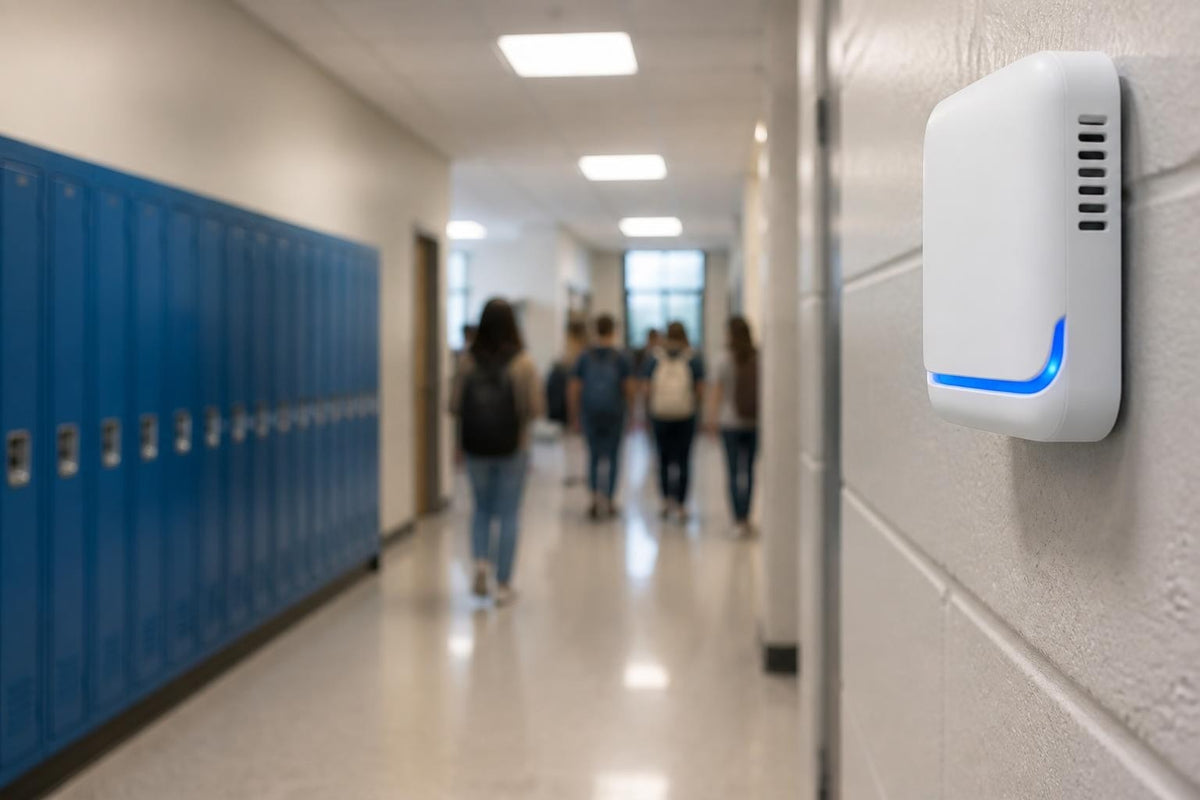
School bathroom vape detection is rapidly evolving, and Vape Guardian stands at the forefront of this transformation. As a leading UK-based provider, Vape Guardian delivers advanced solutions tailored to the specific needs of educational environments. Their system goes beyond traditional detection, offering a comprehensive platform designed to safeguard students and uphold school standards.
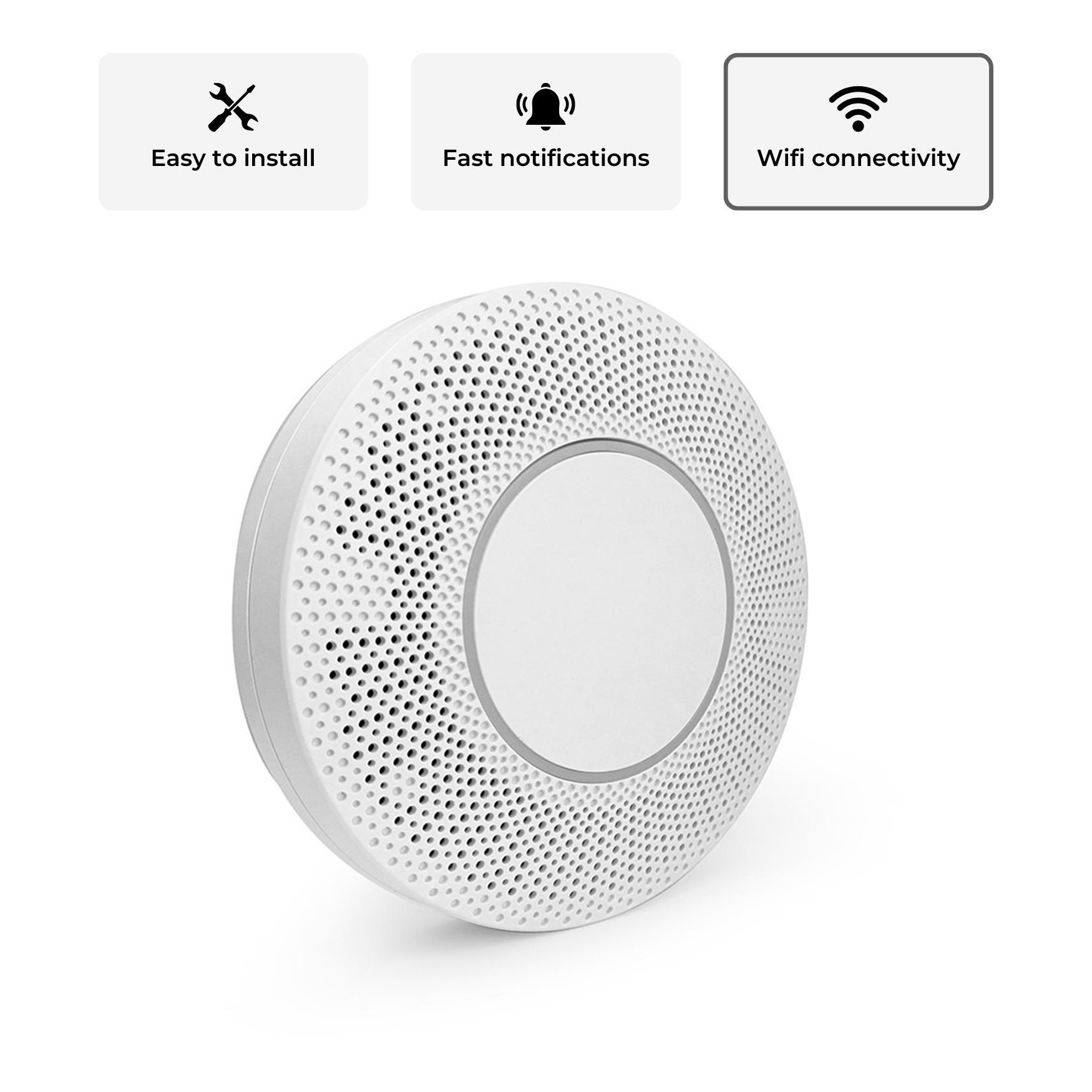
Vape Guardian’s technology uses smart sensors to detect vape aerosols, THC, and Spice, as well as monitor noise levels. These sensors are engineered for real-time school bathroom vape detection, enabling staff to intervene swiftly and effectively. The system’s AI-powered monitoring platform provides detailed analytics, instant alerts, and comprehensive reporting. This data-driven approach allows schools to identify patterns, peak times, and high-risk locations with precision.
Schools implementing Vape Guardian consistently see measurable improvements. In many cases, vaping incidents have been reduced by up to 95 percent within just five weeks. This dramatic impact is supported by user-friendly installation and customisable notifications, so each school can tailor the system to its unique requirements. The platform integrates seamlessly with existing IT and safeguarding infrastructure, reducing the burden on staff and ensuring compliance with current regulations.
A key advantage of Vape Guardian is its ongoing support. Schools benefit from dedicated UK-based customer service, free consultations, and comprehensive training for staff. The company also offers a risk-free trial and a full money-back guarantee, giving school leaders confidence in their investment decisions. For those seeking to compare solutions, the Best vape detection for schools resource provides a detailed overview of market-leading options.
Vape Guardian is not just about technology, it is about creating a healthier, safer school environment. By supporting robust school bathroom vape detection, the system helps institutions meet safeguarding obligations and demonstrate a proactive commitment to student well-being. Schools receive clear, actionable insights to inform policy and intervention, ensuring that every student can learn in a secure and supportive setting.
Vape Guardian Benefits at a Glance
| Feature | Benefit |
|---|---|
| Smart vape detection sensors | Real-time alerts for vape aerosols, THC, Spice, and noise |
| AI-powered analytics | Detailed incident reporting and trend analysis |
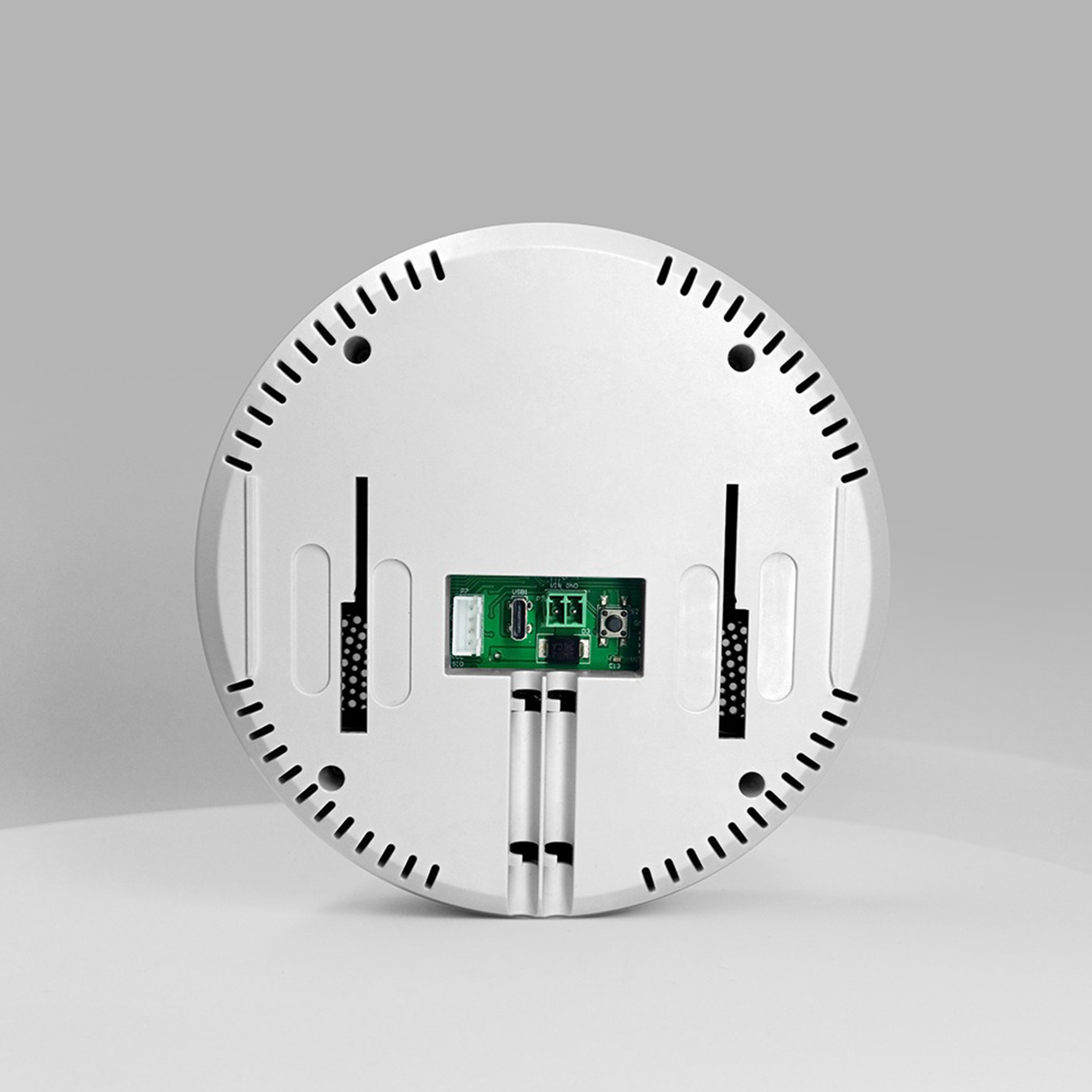
| Easy installation | Minimal disruption, discreet design |
| Customisable notifications | Tailored to school needs |
| Dedicated support | UK-based assistance and free consultations |
| Compliance-ready reporting | Meets safeguarding and regulatory standards |
| Risk-free trial | Money-back guarantee for peace of mind |
Vape Guardian empowers schools to stay ahead in school bathroom vape detection, ensuring that policies, technology, and support work together for lasting impact.
Future-Proofing Your School: Innovations and Best Practices for 2026 and Beyond
As vaping technology evolves, so must the strategies schools use to maintain safe environments. Future-proofing your school bathroom vape detection plan requires a blend of cutting-edge tools, ongoing staff development, and a proactive approach to emerging risks. By understanding trends and implementing proven practices, school leaders can ensure their facilities remain secure for years to come.
Emerging Technologies in Vape Detection
Innovations in school bathroom vape detection are reshaping how schools address vaping. AI-driven analytics can now identify vaping patterns and predict high-risk times, providing real-time insights for staff. Advanced sensors detect not only nicotine but also substances like THC and Spice, helping schools respond to a broader range of threats.
The latest systems integrate with wider air quality and safety platforms, offering unified monitoring. For example, Zeptive's vape detection technology update highlights improvements in sensor accuracy and alerting, supporting more effective intervention.
Key features of next-generation systems:
- AI-powered incident prediction
- Multi-substance detection capabilities
- Seamless integration with school security networks
By investing in these technologies, schools can strengthen their school bathroom vape detection systems and respond quickly to evolving risks.
Best Practices for Sustained Success
Long-term effectiveness goes beyond technology. Sustained success in school bathroom vape detection depends on consistent staff training and student education. Regular workshops keep staff informed about new devices and protocols, ensuring prompt and confident responses to incidents.
Continuous system reviews and upgrades are crucial. Schedule periodic evaluations to check device performance, address false alerts, and update software when needed. Engage students through awareness campaigns that reinforce the health and disciplinary consequences of vaping.
Best practices include:
- Ongoing professional development for staff
- Regular system maintenance and upgrades
- Transparent communication with students and parents
By embedding these practices into daily routines, schools can create a culture that supports health, safety, and accountability.
Preparing for Future Challenges
The landscape of vaping is constantly changing, and so must your school bathroom vape detection strategy. Stay informed about new device types and substance trends by collaborating with technology partners and educational networks. Proactive partnerships help schools access the latest tools and share insights on effective prevention.
Anticipate regulatory changes by monitoring government guidance and adjusting policies accordingly. Encourage staff to participate in professional communities focused on safeguarding and compliance standards.
Steps to prepare for the future:
- Monitor emerging vaping devices and substances
- Build relationships with technology providers
- Review and update policies in line with new regulations
By remaining adaptable and forward-thinking, schools can ensure their school bathroom vape detection measures remain robust and compliant as challenges evolve.
As we’ve explored, tackling vaping in school bathrooms requires more than just awareness—it calls for proactive measures and the latest technology to create a truly safe environment for students. With advanced solutions available today, you can address the hidden challenges and future-proof your school’s safeguarding efforts. If you’re ready to see how leading-edge vape detection is already making a measurable difference in UK schools, I invite you to learn how Vape Guardian is protecting schools. Discover practical steps, proven results, and the support you need to stay ahead in 2026 and beyond.




Share:
Ceiling vs Wall Vape Detector Comparison: Which Is Best 2026?
Vape Detector Pricing UK Guide: Insights for 2026