
Vaping in schools and workplaces is becoming a pressing issue, with rising incidents drawing attention from educators and employers alike. As these concerns grow, vape detection technology is moving to the forefront, especially with new standards and solutions expected in 2026.
This article offers a comprehensive vape detector comparison to help you make an informed decision for your environment. We will break down the differences between ceiling and wall detectors, examining how each works, their unique advantages and drawbacks, and key considerations for installation and maintenance.
By exploring effectiveness, costs, and real-world results, you will gain the clarity needed to choose the right solution for your setting. Read on to discover which vape detection system best fits your needs.
How Vape Detectors Work: Ceiling vs Wall Technologies
Growing demand for reliable vape detection has brought advanced sensor systems into the spotlight. Understanding the technology behind these devices is crucial for an informed vape detector comparison. Both ceiling and wall-mounted solutions use state-of-the-art sensors, but their placement and function differ significantly.
Core Detection Principles
At the heart of every vape detector comparison lies the science of air quality monitoring. Vape detectors work by analysing the air for particulates and chemical compounds. They use sensors such as laser particle counters to identify minute aerosol particles and advanced gas sensors to detect substances like nicotine and THC.
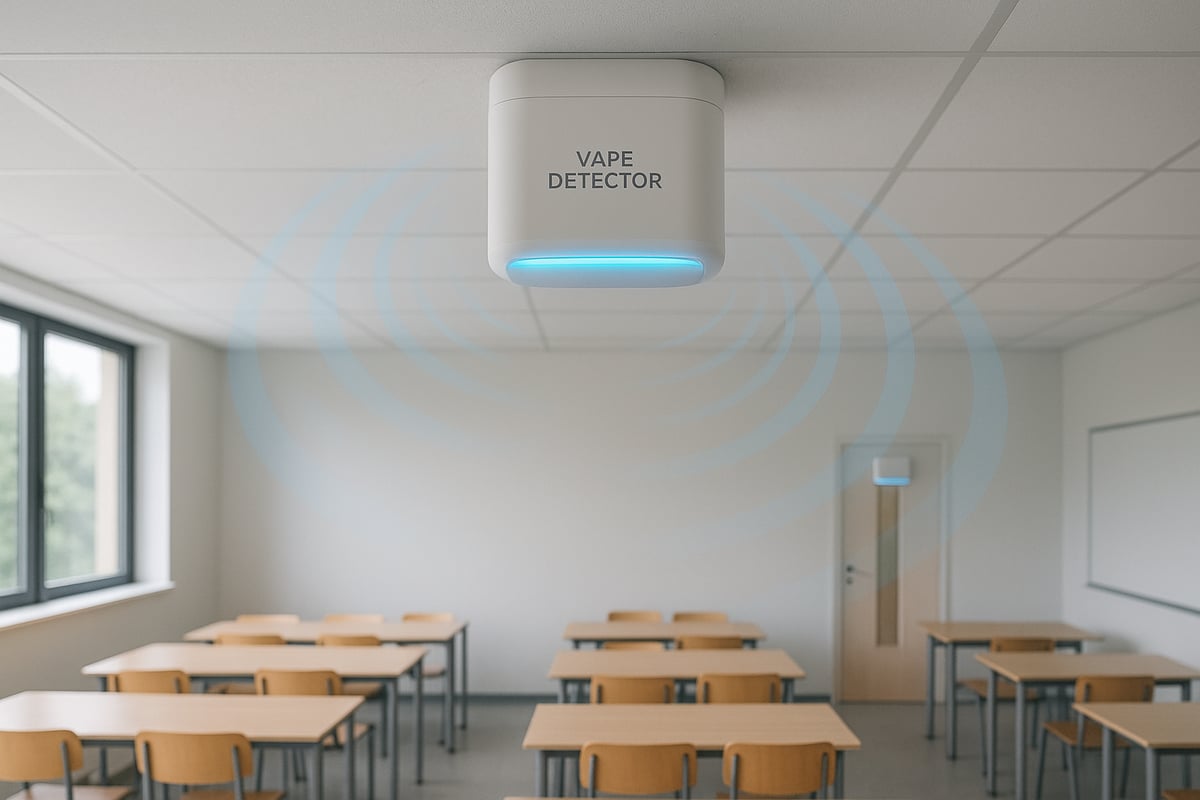
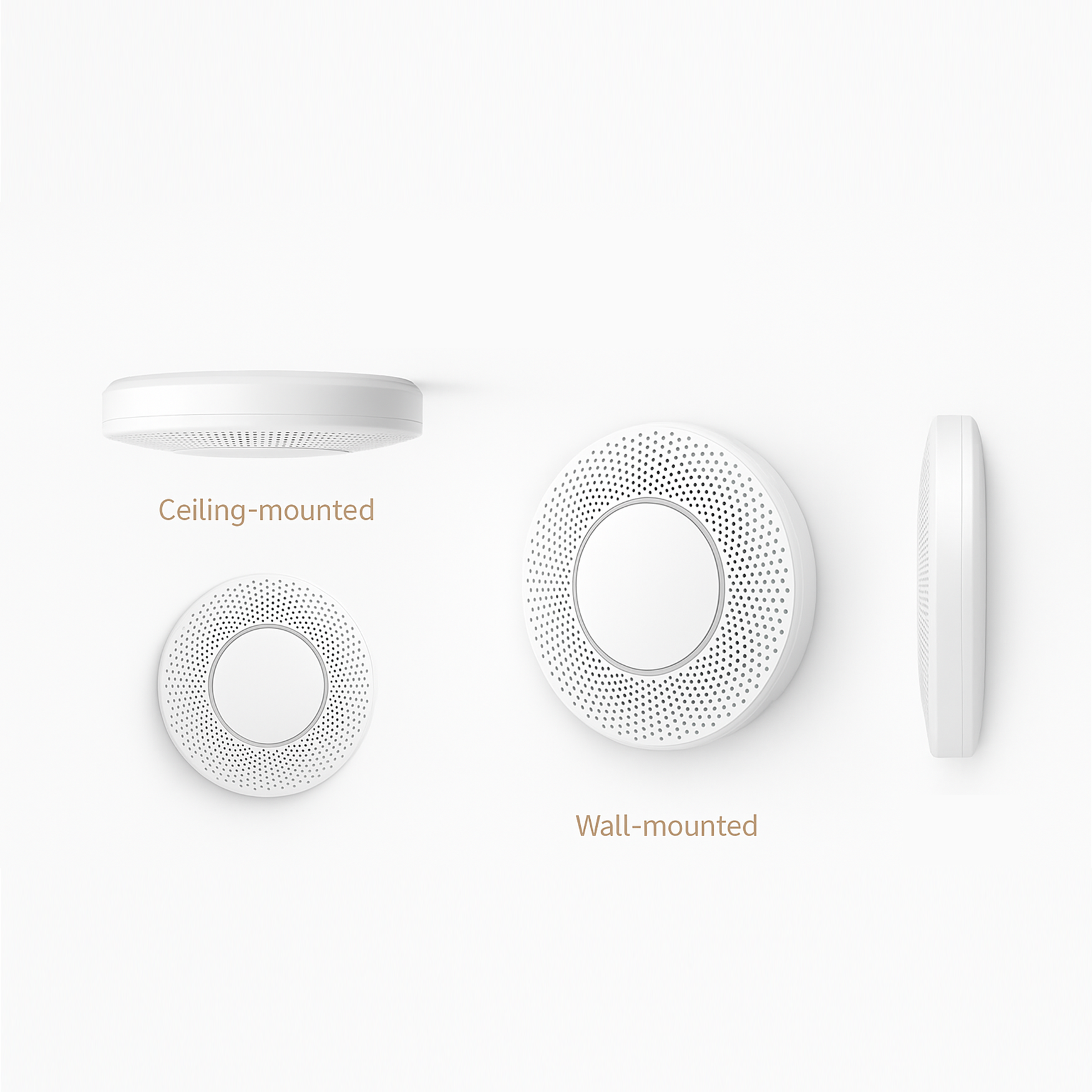
Ceiling-mounted and wall-mounted detectors share similar internal technologies, yet their effectiveness depends on where they are placed. Ceiling detectors are positioned to capture rising vapour clouds, while wall detectors monitor zones at human height. Airflow patterns in a room play a significant role in how quickly each detector responds.
Most modern systems are capable of identifying a broad spectrum of substances, including e-cigarette aerosols, nicotine, and cannabinoids. For example, a typical device might combine a laser particle counter with electrochemical sensors for accurate results. According to recent studies, schools using effective vape detection systems have reported up to a 95% reduction in vaping incidents.
Integration with security systems is now standard, with real-time alerts sent directly to staff smartphones or building management software. If you want a deeper dive into the underlying science and sensor types, the article Vape Detection Technology Explained provides a comprehensive overview.
Key Variations in Sensor Coverage
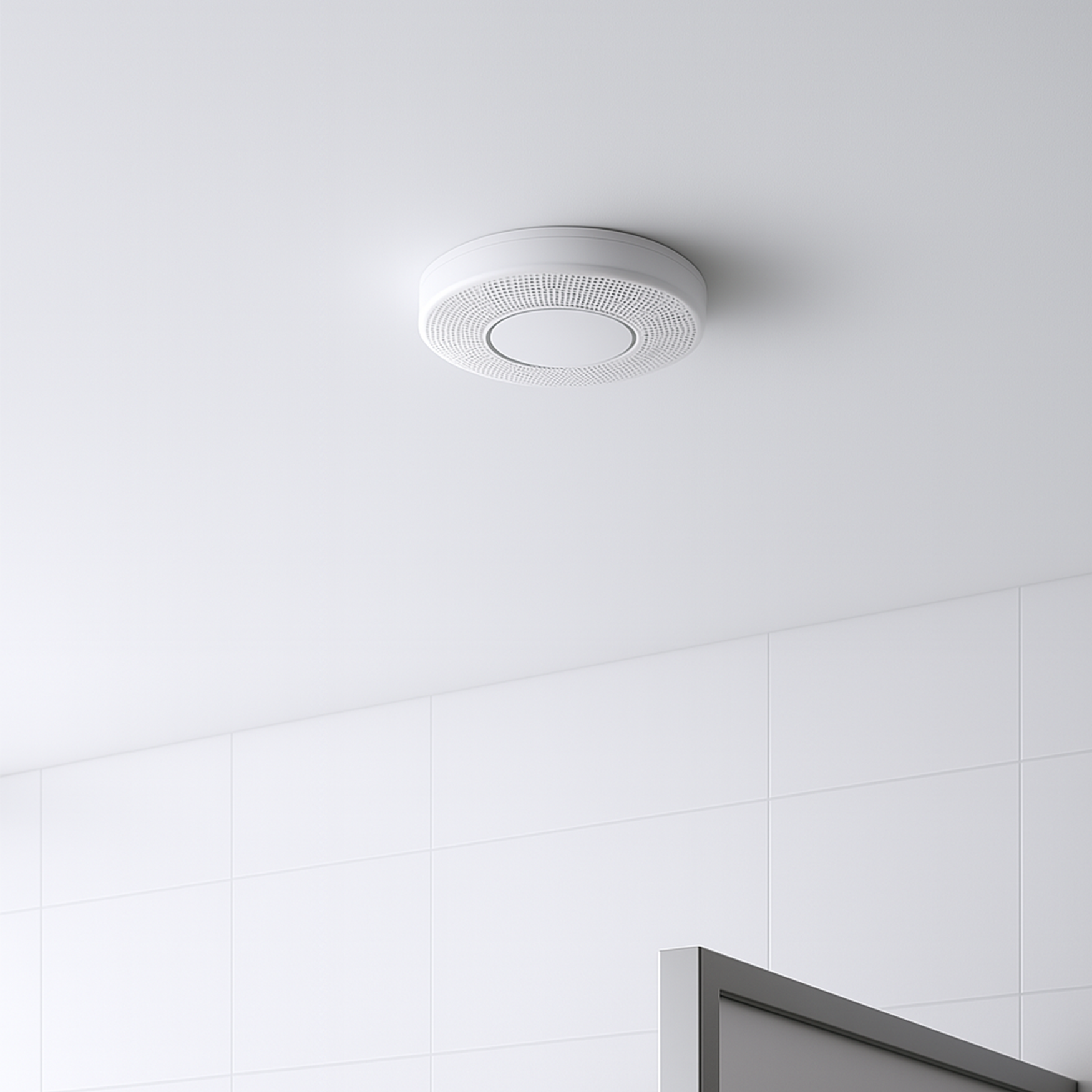
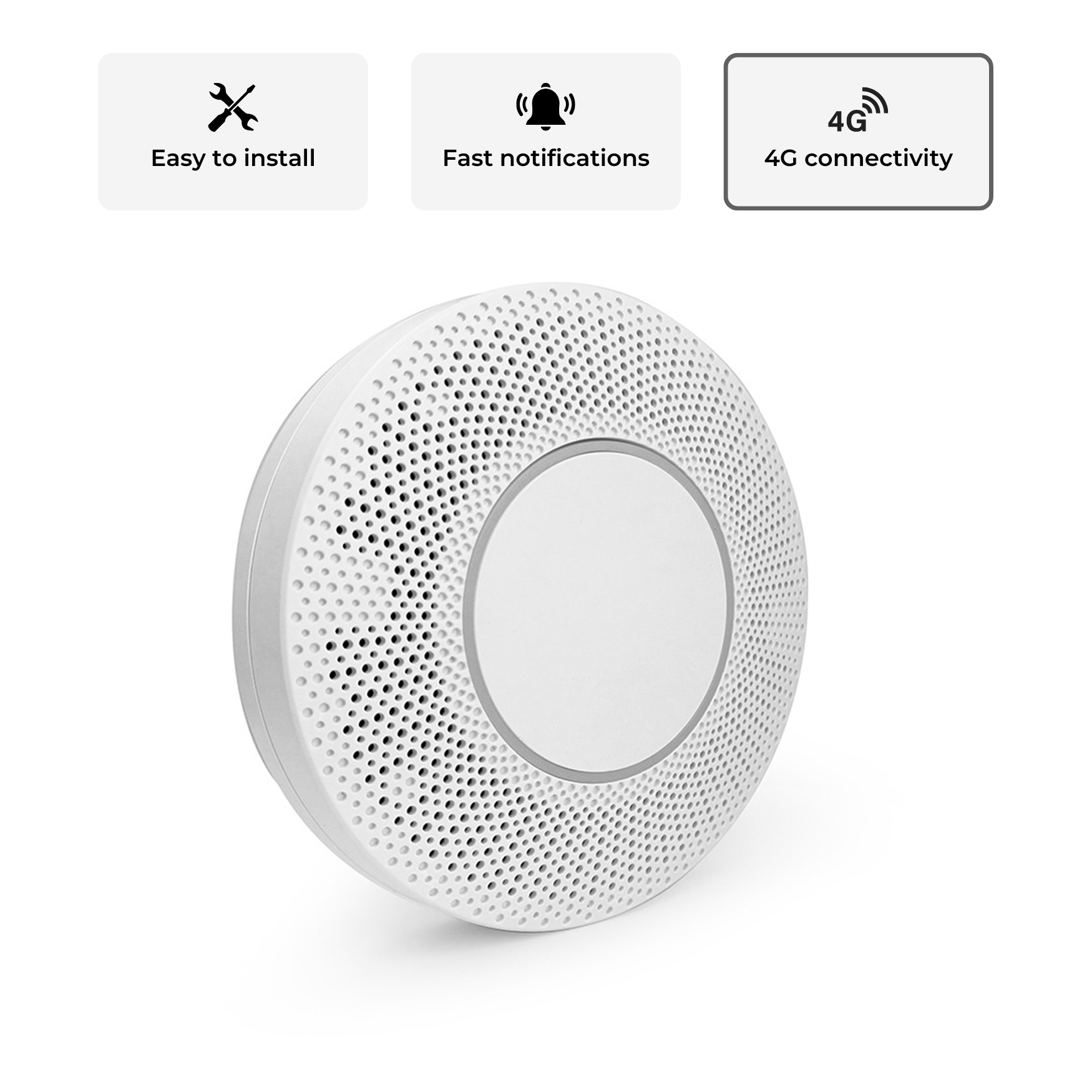
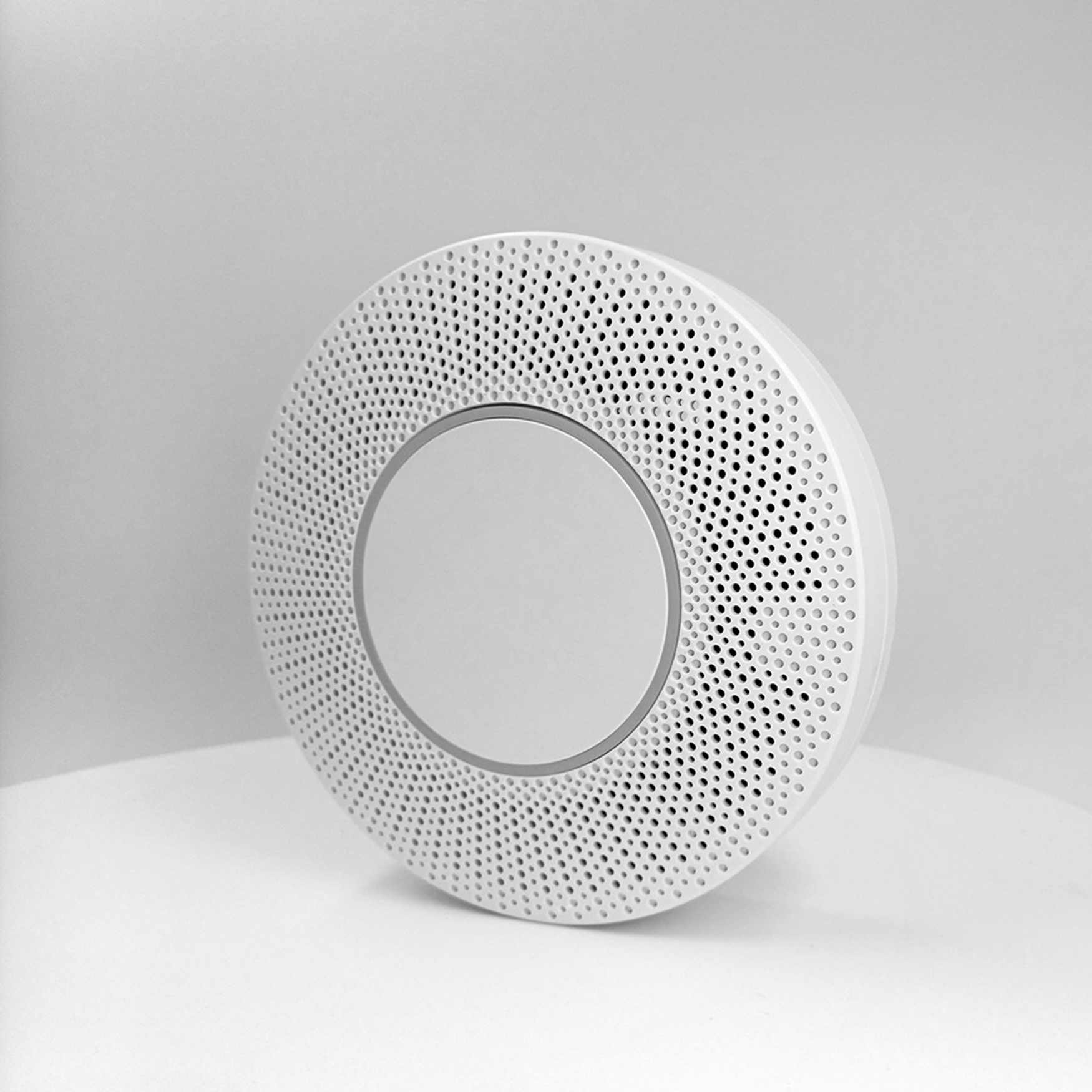
A critical factor in any vape detector comparison is how well each type covers a space. Ceiling detectors offer 360 degree coverage, making them ideal for large, open-plan environments such as auditoriums or gyms. Their elevated position enables them to monitor the entire area with minimal blind spots.
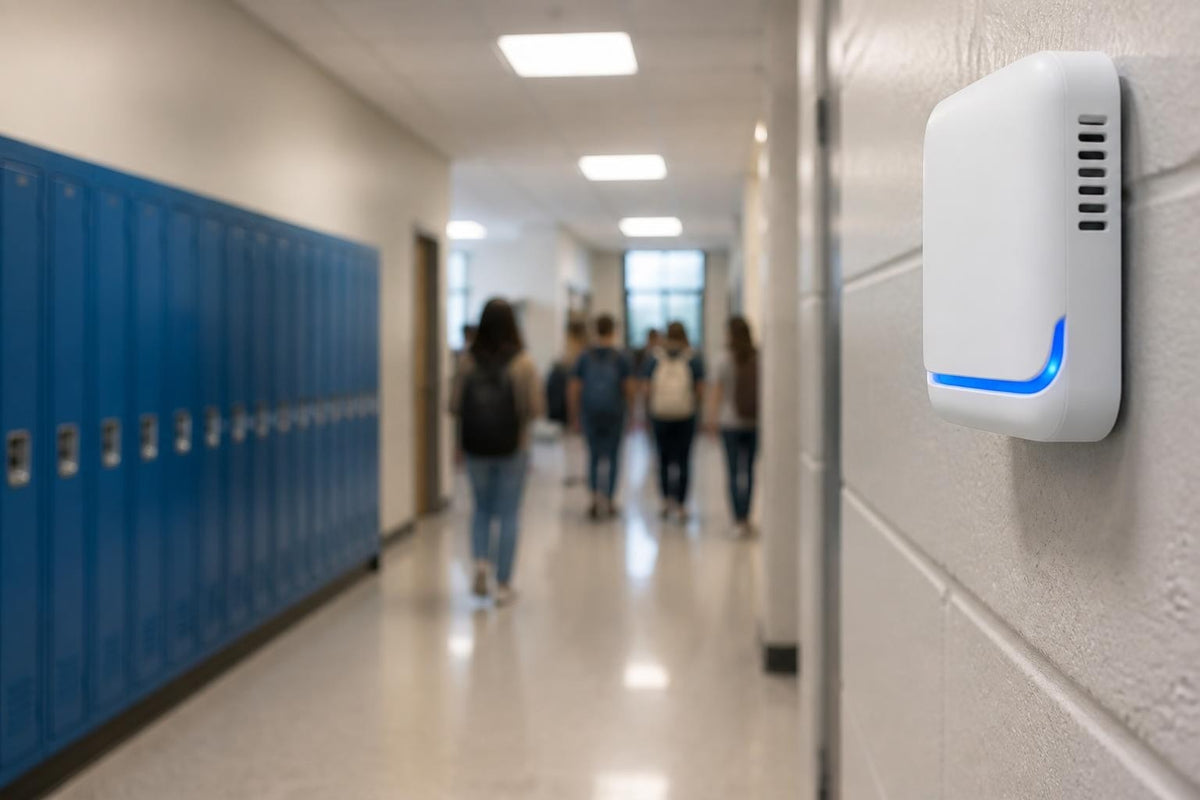
In contrast, wall-mounted detectors focus on specific zones. These are better suited for corridors, small offices, or bathrooms, where targeted detection is needed. However, the presence of obstructions like lockers or furniture can affect their performance.
Consider the following table for a quick reference:
| Feature | Ceiling Detector | Wall Detector |
|---|---|---|
| Coverage | 360 degrees, wide area | Focused, targeted |
| Best for | Open spaces | Small rooms, corridors |
| Tamper resistance | High | Moderate |
| Installation ease | Complex | Simple |
For instance, a school bathroom with cubicles may benefit from multiple wall units, while an open-plan office is typically covered more efficiently by ceiling units. Room shape and airflow, such as HVAC vent placement, can also influence detection speed and accuracy.
Signal Processing and False Positive Management
Signal processing is a vital component of any vape detector comparison. Advanced vape detectors use sophisticated algorithms to differentiate between actual vaping events and harmless aerosols like steam from showers or cleaning sprays.
Modern systems increasingly adopt AI and machine learning. These technologies learn from previous detections, gradually reducing the chance of false alarms. Multi-point detection, where several sensors communicate to confirm an event, further enhances accuracy.
Regular calibration is essential to maintain reliability. Without it, even the best detectors can begin to drift, leading to missed detections or false positives. Properly configured systems ensure that alerts are both timely and accurate, giving staff the information they need to act promptly.
A well-chosen vape detector system, whether ceiling or wall-mounted, should always be evaluated not just on initial performance but also on its ability to adapt and minimise disruptions caused by false alerts.
Pros and Cons of Ceiling Vape Detectors
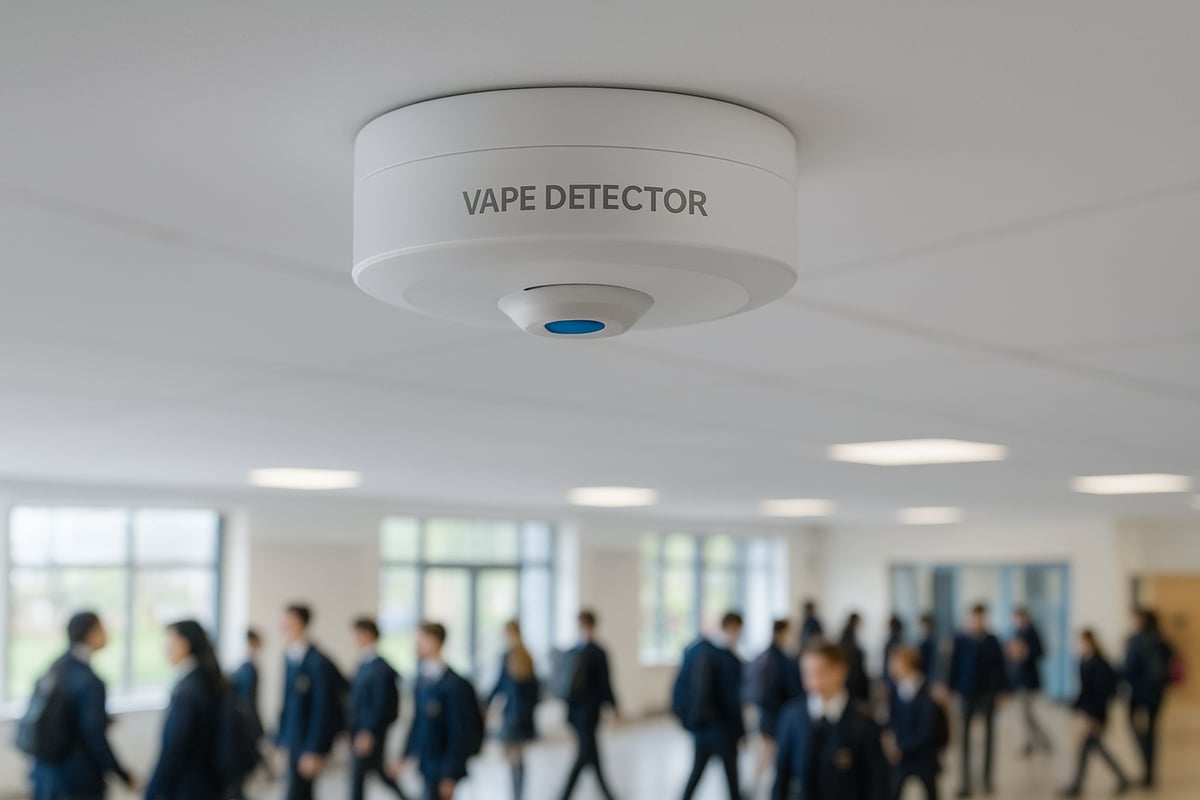
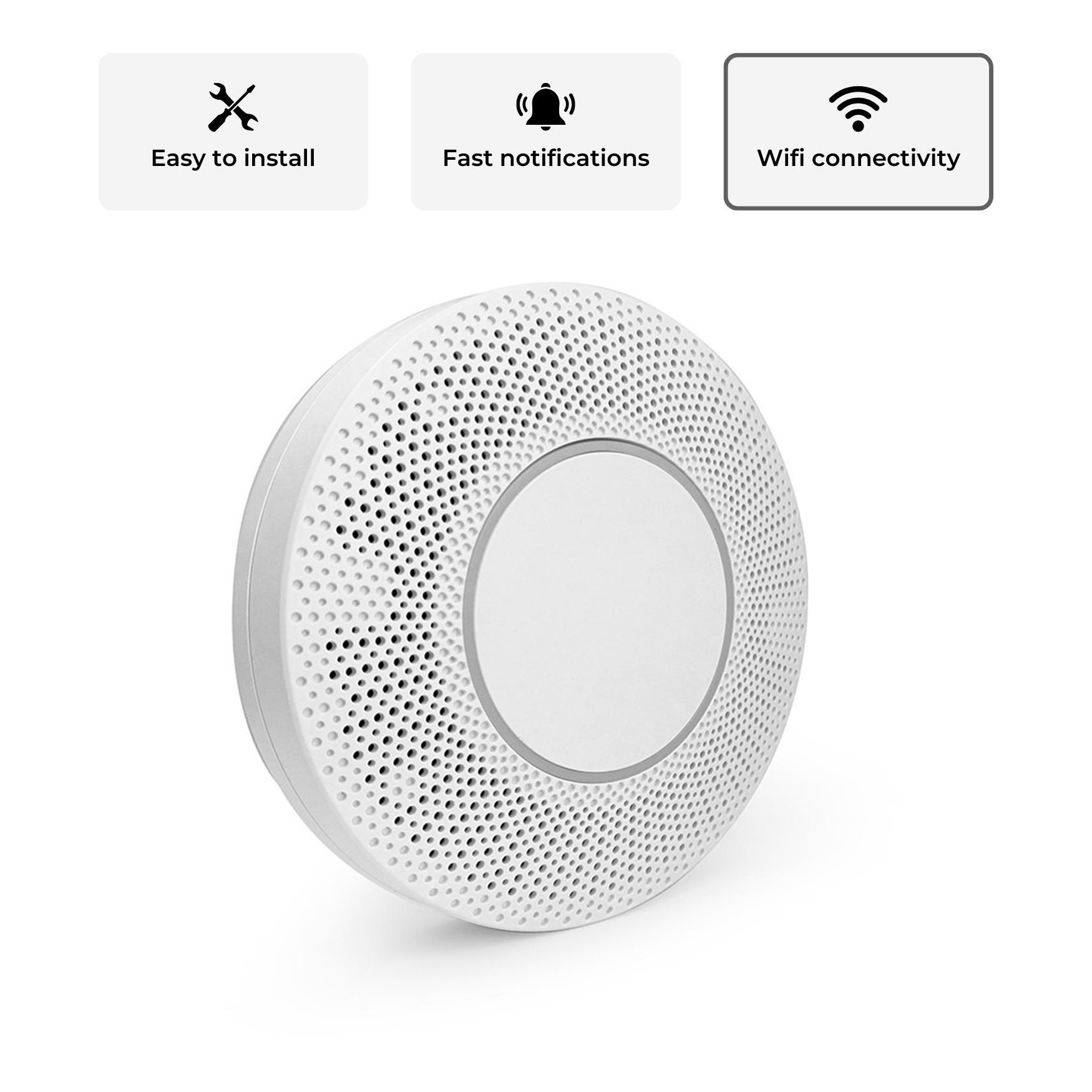
Ceiling-mounted vape detectors are a popular choice in the ongoing vape detector comparison, especially for large, communal environments. Their strategic placement and technical strengths make them a powerful tool for organisations seeking to curb vaping incidents.
Advantages of Ceiling-Mounted Solutions
Ceiling vape detectors offer several strong advantages in any vape detector comparison:
- Wide Area Coverage: Ceiling units are designed to monitor large, open spaces with 360 degree sensor reach, making them ideal for assembly halls, sports centres, and cinemas.
- Unobtrusive Placement: Installed high above daily activity, these detectors are less noticeable to occupants, reducing the temptation for tampering or vandalism.
- Reduced Interference: By avoiding walls and fixtures, ceiling detectors are less affected by furniture or lockers that could block sensors.
- Effective in High-Traffic Zones: Their vantage point makes them suitable for monitoring busy communal areas where vaping is more likely to occur.
In open spaces, ceiling detectors can quickly sense vapour clouds as they rise, allowing for rapid intervention. Their discreet appearance also helps maintain the aesthetics of modern interiors. For those seeking detailed installation guidance, the Best Practices for Vape Detector Installation page offers valuable insights on maximising detection efficiency.
In summary, ceiling units are a strong contender in the vape detector comparison, especially where broad coverage and minimal visual impact are priorities.
Potential Drawbacks
Despite their strengths, ceiling vape detectors do present some challenges in the vape detector comparison:
- Complex Installation: Mounting units high on ceilings often requires specialist tools and professional installation, which can add to initial costs.
- Maintenance Access: Servicing or calibrating ceiling detectors may demand ladders or lifts, complicating regular upkeep.
- Airflow Complications: In rooms with strong HVAC systems or complex airflow, vapour may be dispersed before reaching the sensor, potentially creating detection blind spots.
- Partitioned Spaces: In environments with partitions or unusual layouts, ceiling coverage can be less effective, and additional units may be required.
When considering a vape detector comparison for varied environments, it is important to weigh these logistical and technical factors. Ceiling placement might not suit every room, particularly where high ceilings or irregular layouts could hinder detection performance. Maintenance schedules can also be more demanding than for wall-mounted alternatives.
Ultimately, understanding the specific challenges of your space is crucial in the vape detector comparison process.
Performance Insights
Ceiling vape detectors deliver rapid and reliable detection in open environments. Studies show that in spaces such as gyms and cinemas, these units can identify vaping events within 5 to 10 seconds, providing swift real-time alerts to staff. Facility managers often report high satisfaction with ceiling-mounted solutions, especially regarding their ability to deter vaping through visible enforcement.
However, the effectiveness of ceiling detectors can vary based on room size, airflow, and occupancy. In some cases, additional calibration or multi-unit placement may be necessary to ensure comprehensive coverage. Compared to wall-mounted options in a vape detector comparison, ceiling units excel in open, unobstructed areas but may need supplemental support in partitioned or ventilated spaces.
In conclusion, ceiling vape detectors remain a robust option for organisations prioritising coverage, discretion, and rapid response in their vape detector comparison.
Pros and Cons of Wall Vape Detectors
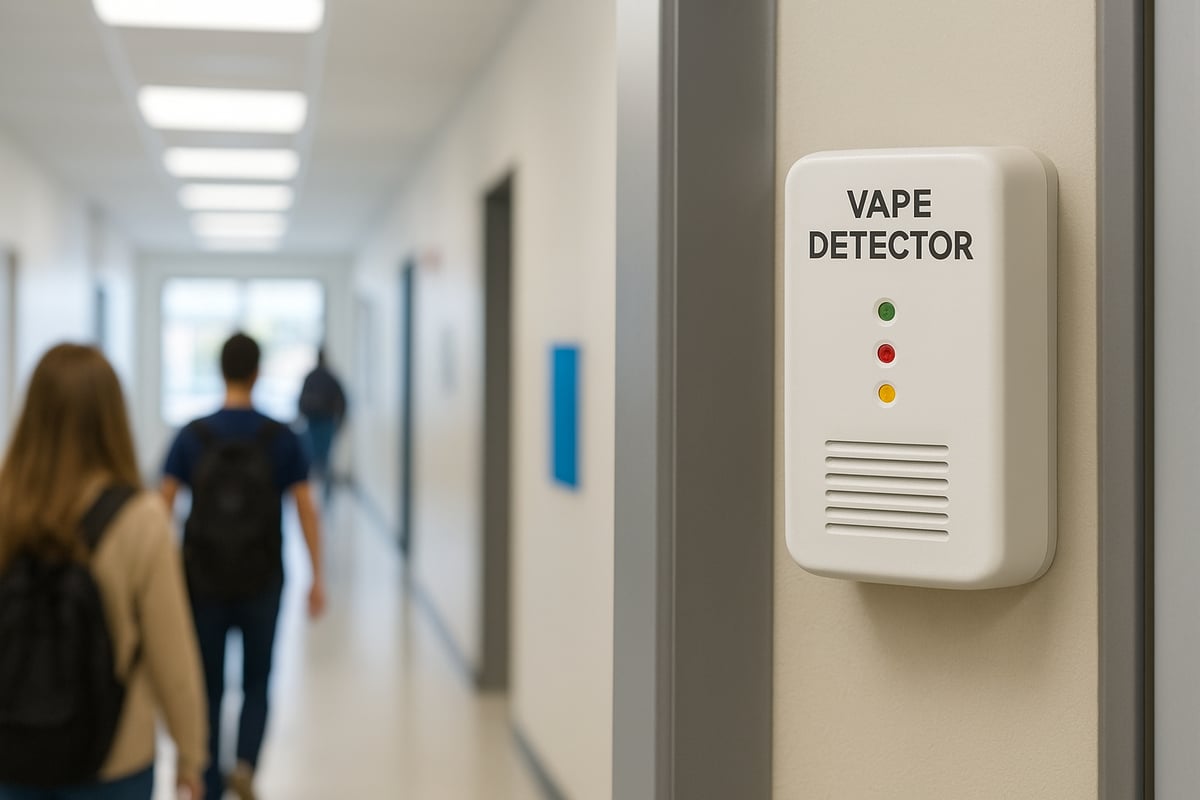
Wall-mounted vape detectors have become a popular choice in the ongoing vape detector comparison, especially in environments where flexibility and targeted coverage are critical. Their practical design and ease of access make them a strong contender for many schools, offices, and public venues.
Advantages of Wall-Mounted Solutions
One of the main benefits highlighted in any vape detector comparison is the straightforward installation process of wall-mounted units. These detectors can usually be fitted without specialist equipment, which reduces both time and disruption.
- Easier installation and access: Wall detectors can be installed at a convenient height, making regular maintenance and calibration simple tasks.
- Targeted monitoring: They are ideal for focusing on high-risk areas such as entrances, corridors, and alcoves. This allows for strategic placement based on behavioural patterns.
- Adaptability: Wall detectors work well in rooms with low or standard ceilings, where ceiling units might be less effective or impractical.
- Real-world applications: For example, schools often place wall units in toilets and corridors where vaping incidents are most likely to occur.
In the vape detector comparison, wall-mounted options excel when it comes to both accessibility and precise monitoring. Their design allows for quick responses to vaping activity in confined or busy spaces, giving facility managers more control over specific problem zones.
Potential Drawbacks
Despite their strengths, wall-mounted detectors do have some notable disadvantages in a vape detector comparison. One significant concern is their vulnerability to tampering or accidental damage, especially in high-traffic environments like schools.
- Tampering risks: Wall units are more accessible, which means students or unauthorised individuals may attempt to cover or disable them.
- Limited coverage: Compared to ceiling units, wall detectors generally have a narrower detection field, potentially leaving blind spots in larger or oddly shaped rooms.
- Placement considerations: Furniture, lockers, or other obstructions can interfere with sensor performance, requiring careful planning during installation.
- Airflow challenges: In some cases, air currents may carry vapour away from the detector, delaying or preventing detection.
For the vape detector comparison, these factors can influence the choice between wall and ceiling units. It is essential to assess each environment individually to ensure optimal coverage and reliability. While wall detectors offer flexibility, their effectiveness can be compromised if proper placement and protection measures are not implemented.
Performance Insights
When evaluating wall-mounted detectors in a vape detector comparison, performance in real-world settings is crucial. Data indicates that wall units provide rapid detection in confined spaces such as school toilets or office cubicles. However, their ability to capture dispersed vapour in larger rooms may be limited.
User testimonials from schools and offices highlight the practicality of wall-mounted solutions for targeted problem areas. Facility managers appreciate the swift alert system, which enables quick intervention and incident documentation.
For a deeper dive into how wall and ceiling detectors perform in challenging spaces like bathrooms, see the evidence and best practice guide in Do Vape Detectors Work in Bathrooms?. This resource provides insights that can inform your vape detector comparison and help you select the best option for your specific scenario.
Overall, wall-mounted vape detectors offer a balanced mix of targeted detection and ease of maintenance. Their success depends on careful planning, regular upkeep, and strategic placement tailored to your facility’s needs.
Installation and Maintenance Considerations
Selecting the right vape detector system involves more than comparing sensor types. Installation and ongoing maintenance play a significant role in total cost, long term reliability and day-to-day usability. A thorough vape detector comparison must address how ceiling and wall options fit within your building's unique requirements.
Practicalities of Ceiling vs Wall Placement
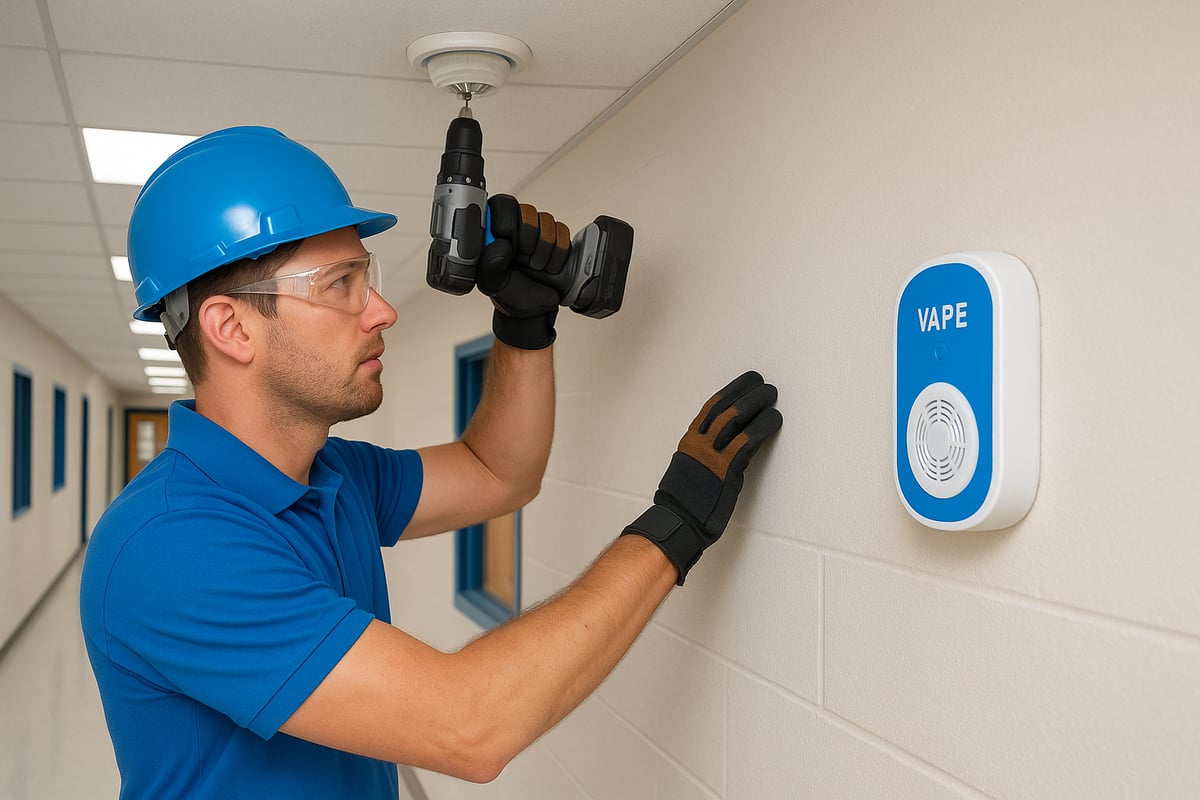
The vape detector comparison begins with installation logistics. Ceiling mounted units often require ladders, lifts and skilled tradespeople comfortable with overhead electrical work. This can mean added costs and coordination, especially in buildings with high ceilings or complex layouts.
Wall detectors, on the other hand, are more accessible and typically quicker to install. They need only standard tools and less disruption to existing infrastructure. Drilling and wiring are often straightforward, making them a preferred choice in settings where time and budget are tight.
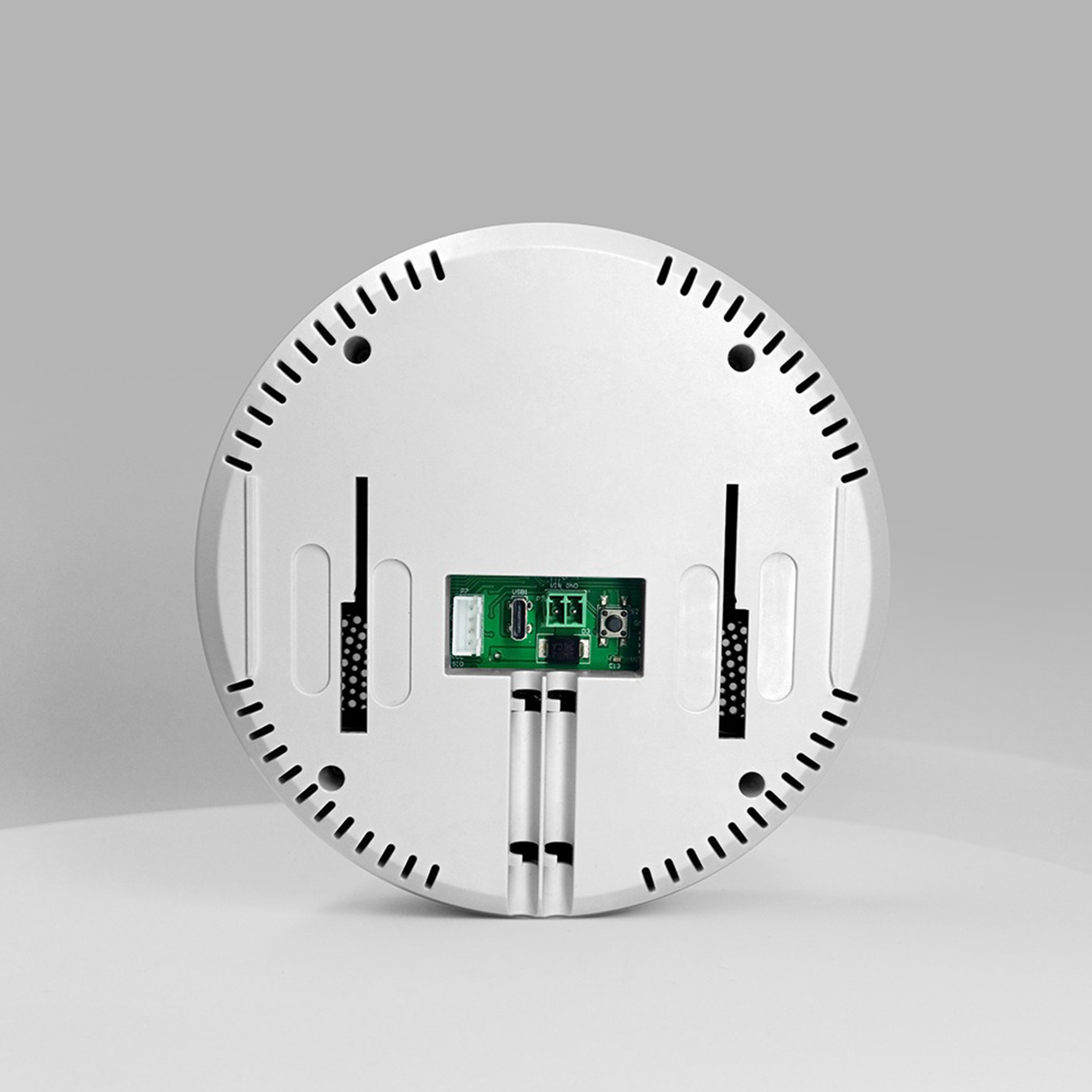
Building compliance is also crucial. Both ceiling and wall vape detectors must align with health and safety regulations, including proper electrical isolation and secure mounting. In some cases, fire safety codes may dictate placement or wiring routes.
When comparing systems, it is useful to review comprehensive guides like the Vape Guardian vs Premium Competitors article, which details installation standards and compatibility. This supports decision makers in ensuring the chosen system integrates seamlessly with existing infrastructure.
Ongoing Maintenance Factors
Routine maintenance is key to long term performance in any vape detector comparison. Ceiling detectors may pose access challenges for cleaning and calibration. Facilities teams need ladders or lifts to reach units, and scheduled downtime may be necessary for servicing.
Wall units offer easier access, speeding up tasks like dust removal, sensor calibration or software updates. Replacement parts are typically more straightforward to fit and warranty claims are easier to process when units are within reach.
Regular checks ensure both detector types remain sensitive and accurate. Neglecting maintenance can lead to false positives, missed incidents or expensive repairs. Consider the availability of manufacturer support for both ceiling and wall detectors, as this can impact overall reliability.
Integration with Existing Systems
A thorough vape detector comparison must include integration potential. Modern detectors can connect with building management software, security alarms or mobile alert apps for real time notifications.
Compatibility varies between ceiling and wall systems, so it is essential to confirm support for your existing infrastructure. For example, linking detectors to digital dashboards or alert platforms enables rapid incident response and comprehensive reporting.
Well integrated systems not only improve detection efficiency but also streamline compliance and accountability. This final aspect of the vape detector comparison ensures your investment delivers long term value and future readiness.
Effectiveness and Real-World Performance
Choosing between ceiling and wall detectors is a decision that hinges on real-world impact. A thorough vape detector comparison must consider not only technical specifications but also how each system performs in day-to-day environments.
Comparative Detection Accuracy
When conducting a vape detector comparison, studies consistently show that both ceiling and wall units can be highly effective, but their performance varies by setting. Ceiling detectors provide broad coverage, making them well suited for open spaces such as assembly halls or large offices. Wall detectors excel in confined areas like bathrooms or corridors, where targeted monitoring is required.
The following table summarises detection outcomes:
| Detector Type | Coverage Area | Detection Speed | False Positives | False Negatives |
|---|---|---|---|---|
| Ceiling | 360° (open rooms) | 5-10 seconds | Low | Moderate |
| Wall | Targeted zones | 3-7 seconds | Moderate | Low |
Room size, shape, and airflow significantly influence results. For example, ceiling detectors may miss vapour trapped by partitions, while wall units can struggle if blocked by furniture. Research on the prevalence of vaping in schools underscores the need for solutions with reliable detection across diverse environments, as highlighted in Youth Observation of E-Cigarette Use in Schools.
Response Time and Alert Mechanisms
A key aspect of any vape detector comparison is how fast each system detects and reports incidents. Ceiling detectors are often integrated with building management systems, delivering real-time alerts across wide areas. Wall detectors, positioned closer to potential sources, can trigger rapid notifications, especially in smaller rooms.
Alert customisation is another major advantage. Facilities can choose audio signals, visual strobes, or mobile notifications, ensuring immediate response. Some advanced systems analyse data patterns to minimise nuisance alarms, improving accuracy. In practice, both types offer flexible integration with security protocols, but the choice depends on the specific requirements of the environment.
User Experience and Feedback
Feedback from facility managers and staff is vital in a vape detector comparison. Ceiling units are praised for their unobtrusive presence and reduced risk of tampering. Wall detectors, on the other hand, are valued for ease of access and maintenance.
Real-world deployments demonstrate a clear reduction in vaping incidents after installation, especially in schools. For instance, an external report on Vaping Detectors in Schools: Effectiveness and Challenges details how targeted placement in bathrooms and corridors led to a significant drop in occurrences. Daily use reveals that both types require regular calibration and monitoring to maintain optimal performance, but the benefits in safety and compliance are widely recognised.
Cost, Value, and Future-Proofing Your Investment
As you weigh the benefits of ceiling and wall-mounted detection systems, understanding the full financial picture is key. A comprehensive vape detector comparison should consider not only the up front purchase price, but also the long-term value and ability to adapt to future needs.
Initial Purchase and Installation Costs
When conducting a vape detector comparison, the initial investment is often the first consideration. Ceiling units usually carry a higher price tag due to their advanced coverage and installation requirements, while wall units tend to be more affordable and quicker to deploy.
Factors such as the total number of detectors needed, room sizes, and wiring complexity will affect your budget. For a detailed breakdown of costs and an ROI calculator, refer to the Vape Detector Cost Breakdown guide.
Here is a quick reference table:
| Detector Type | Typical Unit Cost (2026) | Installation Complexity |
|---|---|---|
| Ceiling | £650–£900 | High |
| Wall | £400–£650 | Medium to Low |
Ceiling detectors may require specialist installation, particularly in spaces with high ceilings or integrated building systems.
Ongoing Expenses and Support
Ongoing costs are a critical part of any vape detector comparison. Regular maintenance, such as sensor cleaning and calibration, ensures continued accuracy for both ceiling and wall detectors.
Software updates are often necessary to keep pace with new vaping products and regulatory requirements. Warranty periods and the availability of technical support can also influence the total cost of ownership.
Facilities should budget for annual servicing fees, occasional replacement parts, and potential software subscription costs. Choosing a provider with responsive customer support can offer peace of mind and reduce downtime.
Scalability and Upgrade Potential
A forward-thinking vape detector comparison must consider scalability and future-proofing. As vaping technology evolves, detection systems must adapt to identify new substances and emerging threats.
Modern detectors are increasingly compatible with AI, IoT, and cloud management platforms. This allows seamless integration with existing security systems and supports remote monitoring and data analysis.
When planning for growth, assess whether your chosen solution can easily expand to cover additional rooms or adapt to changes in building layout. Scalable systems protect your investment over the long term.
Long-Term Value Assessment
The most effective vape detector comparison weighs upfront costs against long-term benefits. Educational institutions report significant reductions in vaping incidents and associated disciplinary actions after installing detection systems.
Return on investment is often realised through improved compliance, a safer environment, and reduced staff intervention. Some schools have documented cost savings from fewer property repairs and lower insurance premiums.
Selecting a detector system that balances accuracy, support, and adaptability ensures maximum value and regulatory compliance for years to come.
After exploring the key differences between ceiling and wall vape detectors, you can see how the right choice depends on your space, needs, and goals for safety. Whether you're safeguarding a busy school, a modern office, or a leisure facility, understanding these options gives you the confidence to take the next step. If you’d like to discuss your building’s specific requirements or get expert advice on implementation, we’re here to help. Protect your environment and take action today—Talk to our team and protect your building today.


Share:
Vape Detection for Leisure Centres: The Essential Guide 2026
School Bathroom Vape Detection Guide: Stay Ahead in 2026