
Vaping in leisure centres is a growing concern across the UK, posing unique challenges for managers striving to maintain safe, welcoming environments. As incidents rise, the need for robust vape detection for leisure centres has never been greater.
This essential guide delivers up-to-date strategies and proven solutions to help you tackle vaping effectively in 2026. You will discover current vaping trends, understand the health and legal risks, and explore the latest detection technologies.
We will also walk you through implementation steps, practical policy development, and what the future holds, empowering you to protect both your reputation and your visitors.
The Rise of Vaping in Leisure Centres: Trends and Challenges
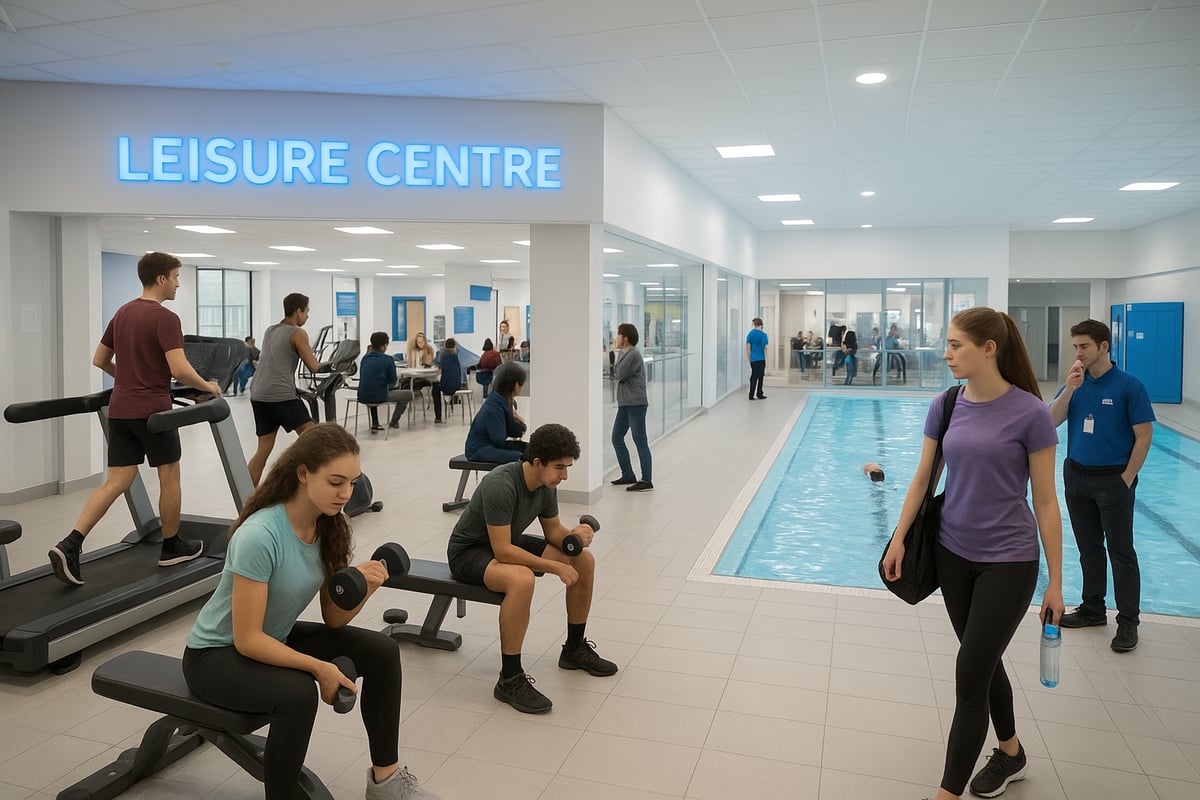
Vaping has become an increasingly complex issue in leisure centres across the UK. The need for effective vape detection for leisure centres is greater than ever as new trends emerge, and traditional monitoring methods struggle to keep pace. Understanding the scope, challenges, and risks associated with vaping is the first step toward creating a safer and healthier environment for visitors and staff.
Scope and Scale of the Vaping Issue
Recent years have seen a sharp rise in vaping within leisure centres and other public venues. According to Use of vapes among adults in Great Britain 2025, over 12 percent of adults in the UK now report using e-cigarettes regularly, with a notable increase among younger demographics.
Leisure centres often see the highest vaping rates among those aged 16 to 24, a group drawn to these spaces for fitness and social activities. Data from 2021 suggested vaping was still outpaced by smoking, but by 2026, vaping has overtaken smoking as the most common form of nicotine use in these environments.
Table: Vaping Prevalence in Leisure Centres by Age Group (2021 vs 2026)
| Age Group | 2021 (%) | 2026 (%) |
|---|---|---|
| 16-24 | 8 | 18 |
| 25-34 | 4 | 10 |
| 35-49 | 2 | 6 |
| 50+ | 1 | 3 |
This shift highlights why vape detection for leisure centres is now a top priority for managers seeking to protect all visitors.
Challenges for Leisure Centres
Leisure centres face unique operational hurdles when addressing vaping. The sheer size and multi-use nature of these spaces make constant monitoring difficult. Open-plan gyms, swimming pools, and changing areas limit the effectiveness of traditional surveillance like CCTV or routine staff patrols.
Modern vaping devices are designed for discretion, often producing minimal visible vapour or odour. This makes detecting incidents challenging, especially in crowded or dimly lit areas. Staff may not notice vaping until after the fact, reducing intervention opportunities.
Key challenges include:
- Monitoring large, open, and multi-zone facilities
- Identifying vaping in high-traffic or hidden locations
- Relying on systems not designed for vape detection for leisure centres
These factors underscore the need for advanced detection solutions tailored to the unique environment of leisure centres.
Health and Safety Implications
Vaping inside leisure centres poses serious health and safety concerns. Second-hand vapour can impact indoor air quality, exposing non-vaping visitors to chemicals and particulates. This is particularly risky for children, the elderly, and individuals with respiratory conditions.
There have been documented cases in UK leisure centres where vulnerable visitors experienced allergic reactions or asthma attacks after exposure to vapour. Even brief exposure can trigger symptoms or discomfort for sensitive individuals.
Other risks include:
- Potential contamination of shared equipment and spaces
- Increased cleaning and maintenance requirements
- Diminished visitor experience due to concerns over air quality
For these reasons, vape detection for leisure centres is essential to maintaining a safe and inclusive space for all users.
Compliance and Reputational Risks
UK legislation continues to evolve, and leisure centres must comply with strict smoke-free and vaping regulations. Failure to enforce these rules can lead to significant consequences, including fines, licence suspensions, and even closure in severe cases.
Reputational damage is another major risk. Negative publicity or online complaints about vaping incidents can deter families and health-conscious visitors, impacting membership numbers and revenue. Public perception plays a key role in a centre’s long-term success.
Compliance requires:
- Clear anti-vaping policies enforced by staff
- Accurate vape detection for leisure centres to ensure prompt response
- Transparent communication with visitors about policies and enforcement
Leisure centre managers must prioritise both legal compliance and the expectations of their communities to protect their reputation and secure their future.
Vape Detection Technologies: Current Solutions and Innovations
Across the UK, vape detection for leisure centres has evolved rapidly to meet the increasing challenge of discreet vaping in public spaces. Modern solutions now offer a blend of advanced technologies, real-time monitoring, and seamless integration, enabling centres to maintain a safe and compliant environment for all visitors.
Overview of Vape Detection Methods
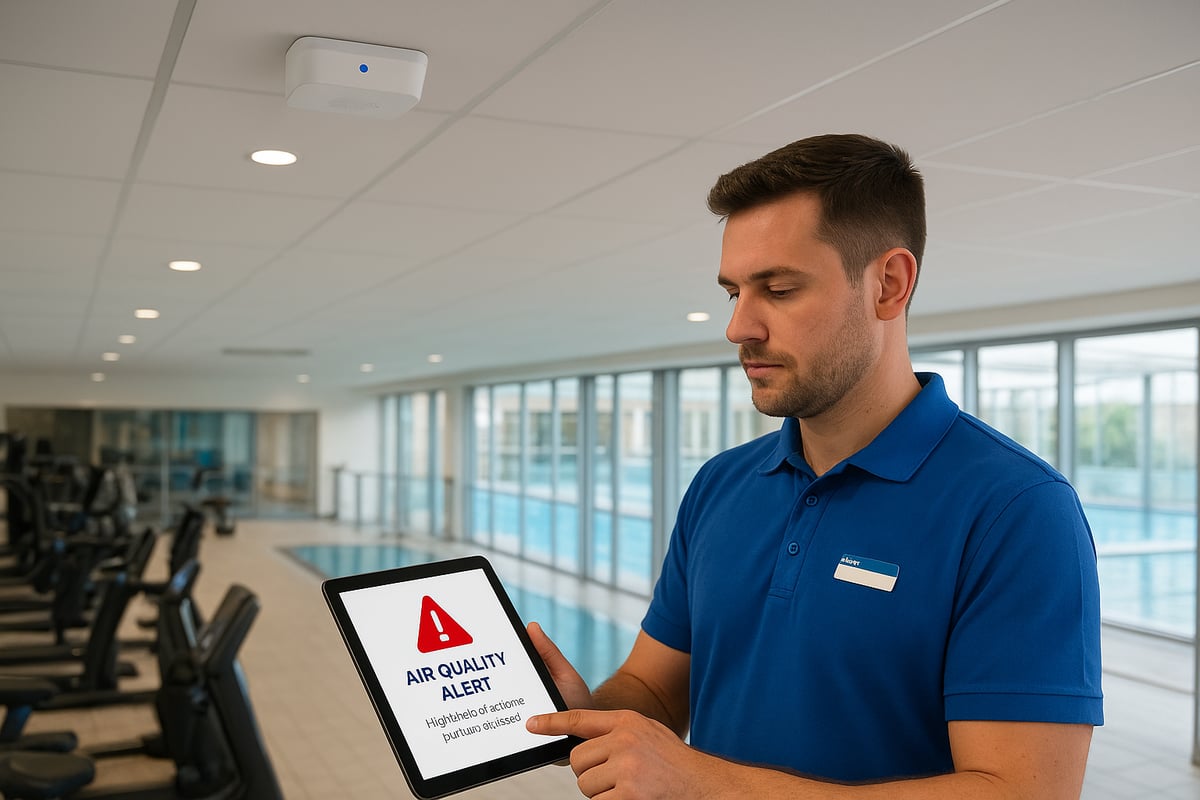
Vape detection for leisure centres relies on a variety of sensor technologies, each offering unique benefits and limitations. Air quality sensors are commonly used to identify changes in particulate matter and volatile organic compounds linked to vaping. Chemical sensors are sensitive to specific substances found in e-liquids, while particulate sensors focus on airborne particles produced during vaping. Recently, AI-powered devices have gained traction, using machine learning to distinguish vaping from other activities and reduce false positives. Noise detection is also being adopted to pick up the distinct sounds associated with vaping and related behaviour.
Here is a comparison of the main sensor types:
| Sensor Type | Strengths | Limitations |
|---|---|---|
| Air Quality | Broad detection, versatile | May pick up non-vape events |
| Chemical | High specificity | Limited to known substances |
| Particulate | Quick response | Can be affected by dust |
| AI-Powered | Accurate, learns patterns | Requires calibration |
| Noise Detection | Picks up anti-social behaviour | Best as a supplementary tool |
Vape detection for leisure centres requires careful selection and, where possible, a combination of these methods for comprehensive coverage.
Key Features of Modern Vape Detectors
Modern vape detection for leisure centres is shaped by several key features. Real-time alerts are essential, allowing staff to respond immediately and stop incidents before they escalate. Remote monitoring capabilities enable managers to oversee multiple areas from a central dashboard, improving efficiency and oversight.
Integration with existing security or building management systems is now standard, ensuring that vape detection operates seamlessly alongside CCTV, fire alarms, and access controls. Sensitivity and coverage area are critical, as leisure centres have diverse spaces such as gyms, pools, and changing rooms. Reducing false positives is another priority, with advanced algorithms filtering out harmless events and focusing on genuine vaping activity.
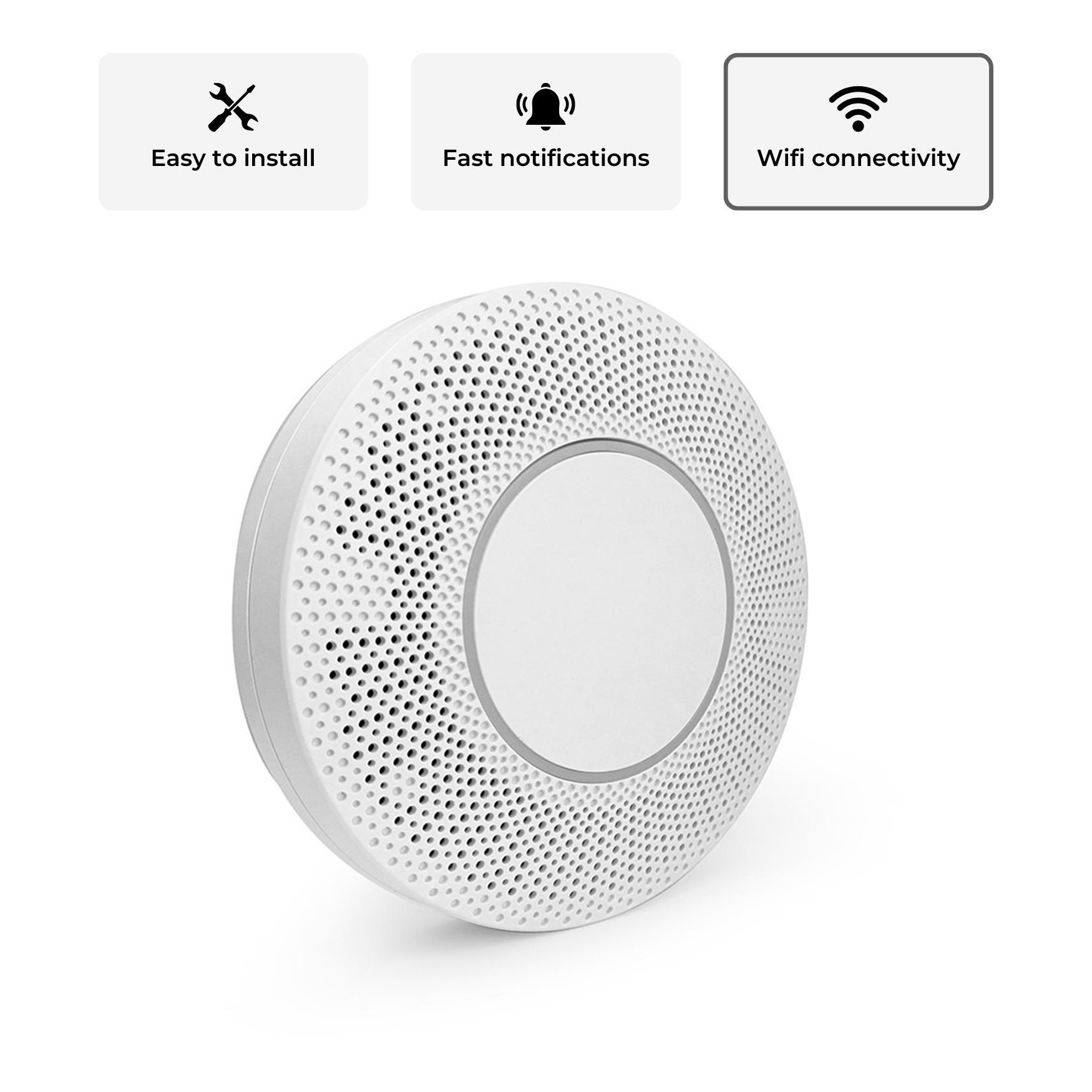
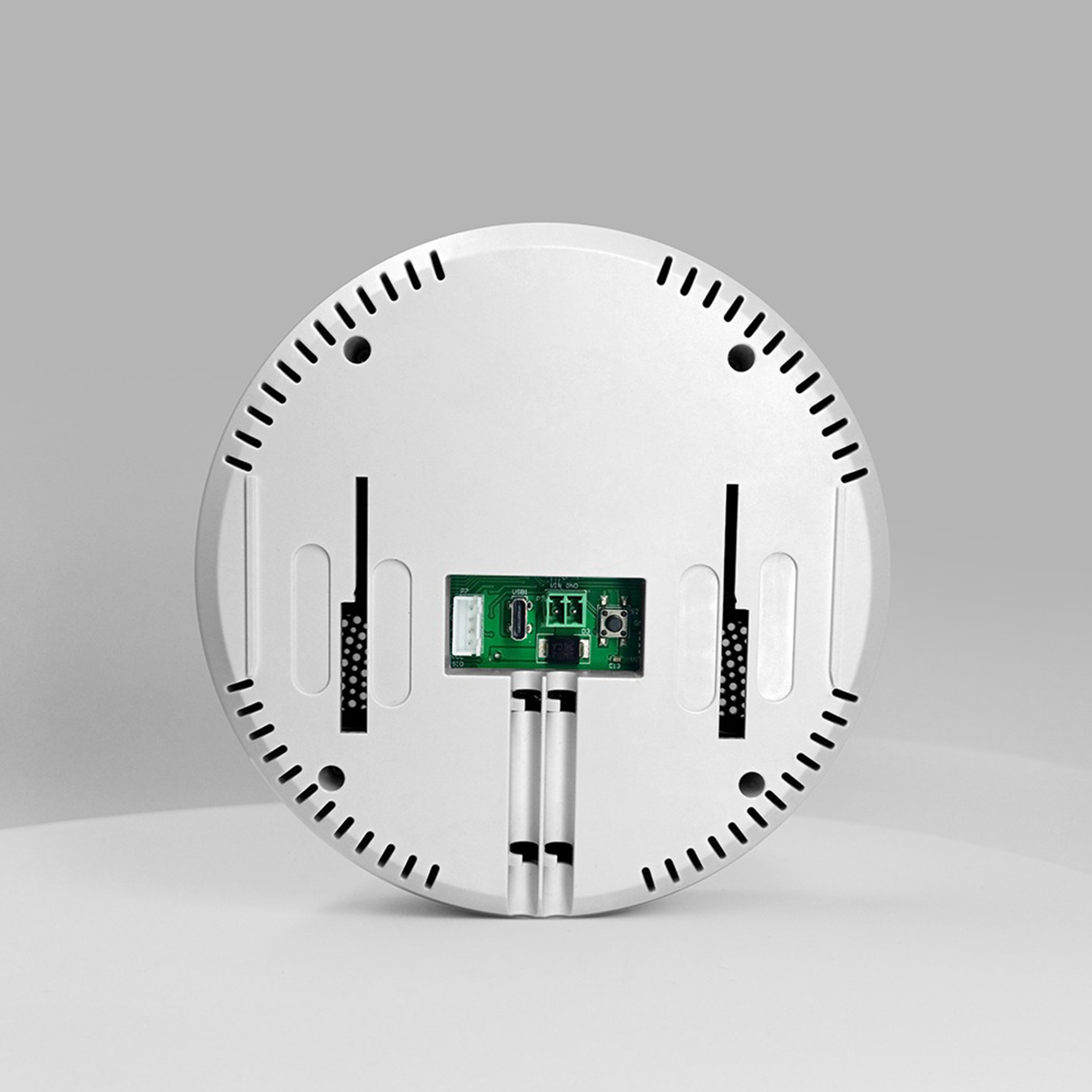
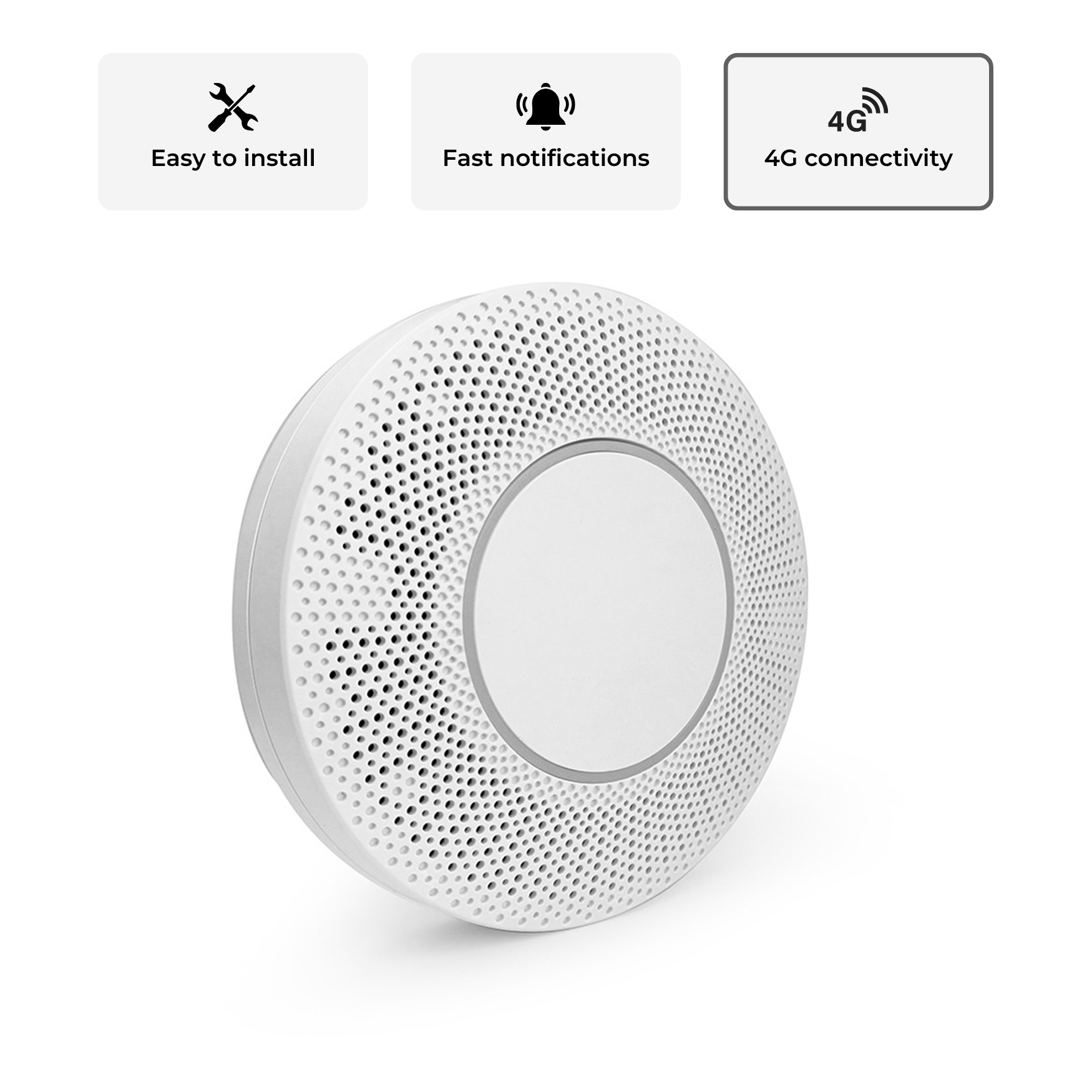
Many detectors are now designed for easy installation and minimal maintenance, with wireless connectivity and cloud-based software updates. These advancements make vape detection for leisure centres more accessible and effective than ever before.
Selecting the Right Technology for Your Centre
Choosing the best vape detection for leisure centres depends on several factors. Facility layout is crucial, as large or multi-level centres may require a network of sensors for complete coverage. Budget considerations should include both initial hardware costs and ongoing service or support fees. Assessing the risk profile of your centre helps determine the required sensitivity and alert protocols.
Scalability is important for leisure providers with multiple sites, ensuring that systems can be expanded or updated as needs grow. Maintenance requirements, such as battery life and calibration schedules, should also be evaluated. For an in-depth comparison of available technologies, see the Best Vape Detector and Sensors resource, which can help you identify the most suitable options for your environment.
By carefully considering these factors, you can implement vape detection for leisure centres that meets both operational and regulatory needs.
Industry Case Studies and Performance Data
Real-world evidence demonstrates the impact of vape detection for leisure centres. Centres that have invested in advanced detection systems report significant reductions in vaping incidents, often within just a few weeks of deployment. Improved air quality and fewer complaints from non-vaping visitors are common outcomes, contributing to a safer and more welcoming environment.
Some facilities have seen up to a 90 percent drop in reported incidents, while staff report greater confidence in managing and enforcing no-vape policies. Data from these deployments is used to fine-tune sensor placement, update response procedures, and inform ongoing staff training.
Vape detection for leisure centres not only supports compliance with legal obligations but also enhances public trust and reputation. As technology continues to advance, centres that prioritise detection will be better positioned to protect visitors and maintain high standards of safety.
Step-by-Step Implementation: Deploying Vape Detection in Your Leisure Centre
Implementing vape detection for leisure centres is a strategic process that requires careful planning and collaboration. By following a structured approach, you can ensure effective coverage, staff readiness, and ongoing success.
This step-by-step guide will help you navigate each stage, from initial assessment to continuous improvement, making sure your facility addresses vaping risks efficiently.
Step 1: Assessing Your Facility’s Needs
Begin by conducting a thorough risk assessment of your leisure centre. Identify common vaping hotspots such as changing rooms, restrooms, stairwells, and less supervised areas. Involve both staff and visitors, gathering feedback about when and where vaping incidents are most likely to occur.
Review previous incident reports and visitor complaints to build a clear picture of high risk zones. This groundwork is essential for tailoring vape detection for leisure centres to your unique environment.
- Map out all facility areas
- Prioritise spaces with limited visibility
- Schedule assessments during peak and off-peak hours
By systematically evaluating your centre, you set the foundation for effective prevention.
Step 2: Selecting and Procuring Detection Systems
Once your needs are identified, research available technologies for vape detection for leisure centres. Compare system specifications, focusing on factors like sensitivity, coverage area, integration capabilities, and support services.
Consider future scalability and compatibility with your existing security infrastructure. Evaluate vendors not just on cost, but on reliability, warranty, and customer support. For tailored solutions, explore Vape Detection for Leisure Centres, which highlights leading options and practical advice for leisure environments.
- Review product datasheets and case studies
- Assess ongoing maintenance requirements
- Request demonstrations or risk free trials
Careful selection ensures your centre invests in the most effective long term solution.
Step 3: Planning Installation and Integration
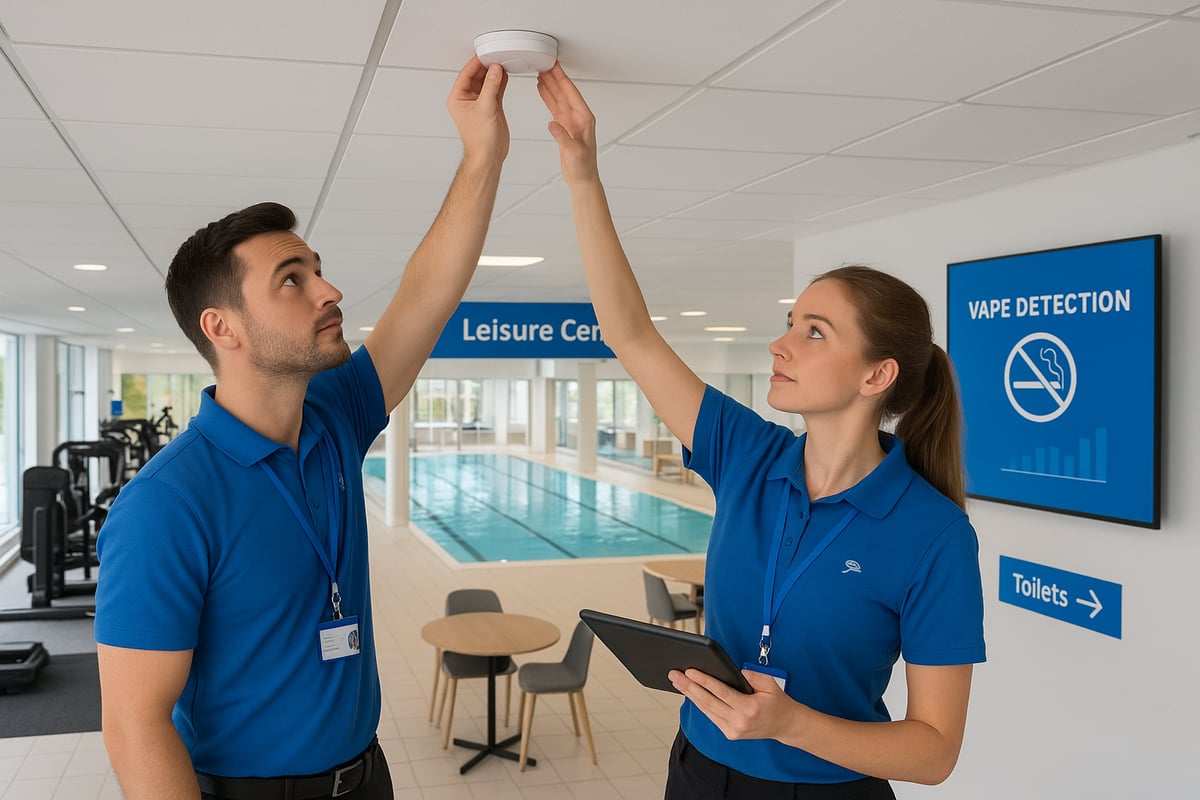
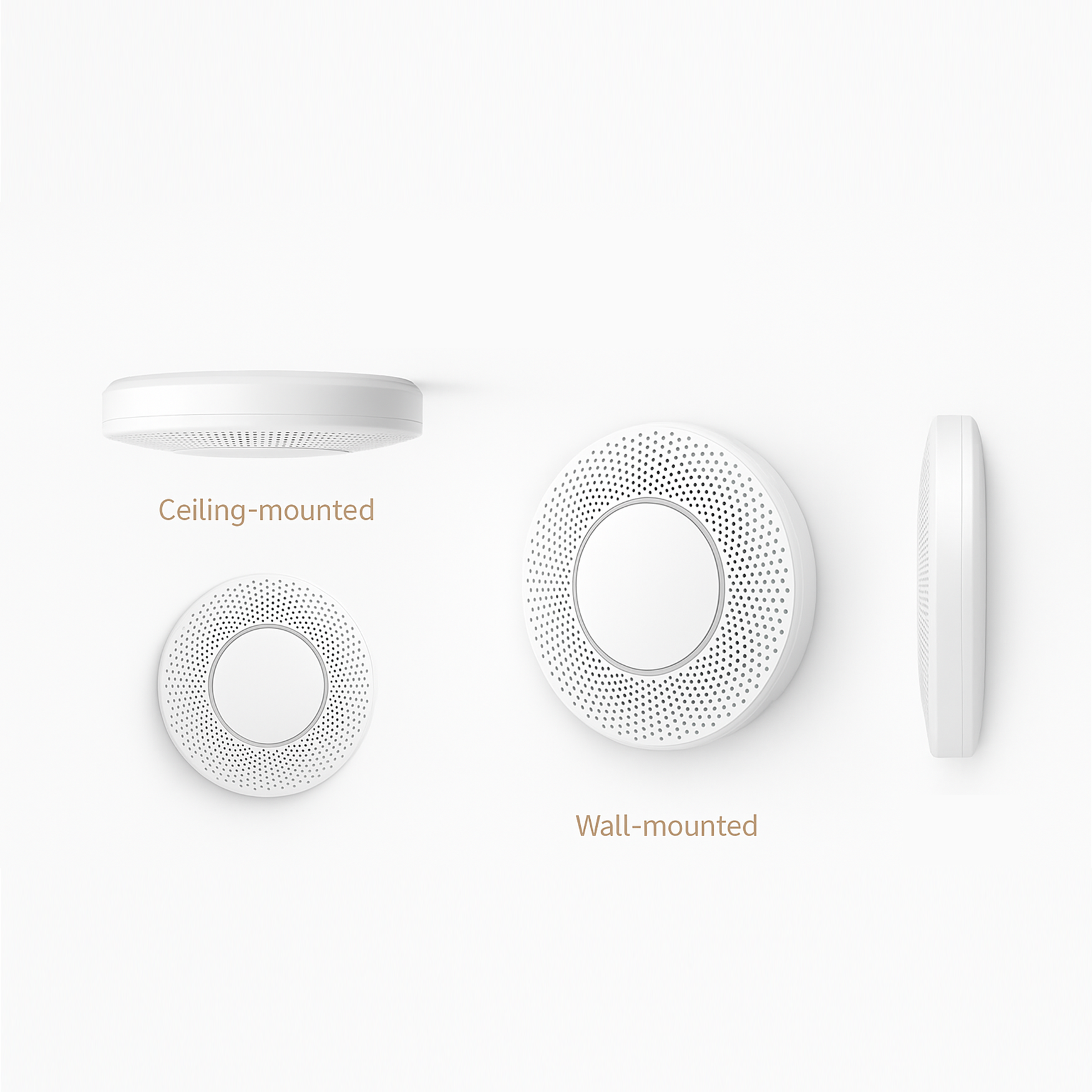
With your preferred systems chosen, plan the installation to maximise coverage and minimise disruption. Collaborate with vendors to map out optimal sensor locations, considering airflow, ceiling height, and visitor traffic patterns.
Integrate vape detection for leisure centres with existing building management or fire alarm systems where possible. This seamless integration enhances responsiveness and streamlines monitoring.
- Coordinate with IT and facilities teams
- Schedule installations during low traffic periods
- Ensure compliance with data privacy and health regulations
Proper planning at this stage helps avoid operational headaches and ensures robust detection.
Step 4: Training Staff and Raising Awareness
Staff readiness is crucial to the success of vape detection for leisure centres. Deliver comprehensive training on system operation, alert responses, and incident documentation. Empower your team to act confidently and consistently.
Develop clear educational materials and signage for visitors, outlining your centre’s no vaping policy and the presence of detection systems. Run awareness campaigns to reinforce expectations and deter offenders.
- Offer regular refresher sessions
- Encourage open communication among staff
- Display informative posters and digital notices
When staff and visitors are informed, compliance rates improve significantly.
Step 5: Monitoring, Reporting, and Continuous Improvement
After deployment, set up real time alerts and reporting workflows to ensure rapid response to detected incidents. Regularly analyse detection data and incident reports to identify trends and adjust your approach as needed.
Vape detection for leisure centres should be an evolving process. Schedule periodic reviews and maintenance to keep systems up to date, and use feedback from staff and visitors to refine policies.
- Establish a central log for incidents
- Review system analytics monthly
- Adapt sensor placement based on new data
Continuous monitoring helps sustain a vape free environment and supports ongoing compliance.
Common Implementation Pitfalls and How to Avoid Them
Despite careful planning, some common pitfalls can undermine vape detection for leisure centres. Overlooking secluded areas like stairwells or storage rooms may leave blind spots. Underestimating the importance of staff engagement can reduce system effectiveness.
Neglecting regular system reviews or updates may lead to gaps in coverage or increased false alarms. To avoid these issues, maintain open communication, schedule routine audits, and prioritise ongoing training.
- Include all facility zones in assessments
- Foster a culture of vigilance and teamwork
- Stay informed about technology updates
By proactively addressing these challenges, your centre can maintain a safe, welcoming environment for all.
Policies, Procedures, and Staff Training for Effective Vape Prevention
Creating a safe, vape-free environment is essential for leisure centres. Effective vape detection for leisure centres requires more than just technology. It demands clear policies, practical procedures, and robust staff training. By establishing a strong foundation, managers can ensure compliance, protect visitors, and foster a healthy community.

Developing Robust Anti-Vaping Policies
A successful vape detection for leisure centres strategy starts with clear, enforceable policies. Begin by outlining a strict no-vaping rule throughout all indoor and outdoor spaces. Policies should be tailored to the unique layout and usage patterns of your centre.
Align your policies with national and local regulations. The Tobacco and Vapes Bill 2024–25 briefing offers authoritative guidance on the latest compliance requirements. Regularly review and update your policy documents to reflect legislative changes and best practices.
Communicate your policies clearly to all staff, visitors, and contractors. Use signage at entrances, changing rooms, and communal areas to reinforce expectations. Ensure that your vape detection for leisure centres message is consistent across digital platforms and printed materials.
Incident Response Protocols
Having robust response protocols is crucial for vape detection for leisure centres. When a vaping incident is detected, staff should know exactly how to respond to maintain safety and order.
Follow these steps:
- Immediately verify the location of the alert.
- Approach the situation calmly and discreetly.
- Document the incident with time, location, and action taken.
- Escalate serious or repeated offences to management.
Collaborate with local authorities if required, especially for persistent offenders or when substances beyond nicotine are involved. For detailed guidance, refer to the Best Practice for Handling Vaping Alerts resource, which offers actionable advice tailored to leisure environments.
Staff Training and Engagement
Staff are the frontline in effective vape detection for leisure centres. Regular, structured training ensures everyone understands both the technology and the policies in place.
Implement the following training best practices:
- Provide comprehensive onboarding for new employees.
- Schedule refresher sessions at least twice a year.
- Use real-world scenarios and roleplay exercises.
- Empower staff to intervene confidently and safely.
Encourage open communication and feedback. Recognise and reward proactive reporting and intervention. Well-trained staff not only enforce rules but also set a positive example for visitors, supporting a culture of compliance.
Visitor Education and Community Outreach
Education is a powerful tool in vape detection for leisure centres. Visitors are more likely to comply when they understand the reasons behind the rules.
Effective strategies include:
- Placing informative signage in high-traffic and sensitive areas.
- Distributing educational leaflets at reception and via digital newsletters.
- Partnering with local schools and health organisations to extend outreach.
- Leveraging social media to reinforce anti-vaping messages and celebrate success stories.
Community engagement helps shift attitudes and builds lasting support for your vape-free policies.
Measuring Success and Adjusting Strategies
Continuous improvement is key to sustained vape detection for leisure centres success. Set clear key performance indicators (KPIs) to track progress, such as:
| KPI | How to Measure |
|---|---|
| Reduction in incidents | Compare monthly incident logs |
| Improved air quality | Monitor sensor data trends |
| Positive visitor feedback | Collect surveys and reviews |
| Staff engagement levels | Track training participation |
Regularly review feedback from staff and visitors. Analyse incident data to refine policies, adjust sensor placement, and update training as needed. By remaining agile and responsive, leisure centres can maintain high standards and adapt to emerging challenges.
The Future of Vape Detection in Leisure Centres: Trends to Watch for 2026 and Beyond
The landscape of vape detection for leisure centres is rapidly evolving, driven by technological innovation, shifting regulations, and changing user behaviours. As we look ahead to 2026 and beyond, understanding these trends is vital for leisure centre managers aiming to create safer, healthier environments. This section explores what lies ahead, equipping you with insights to future-proof your vape detection for leisure centres strategy.
Emerging Technologies and Innovations
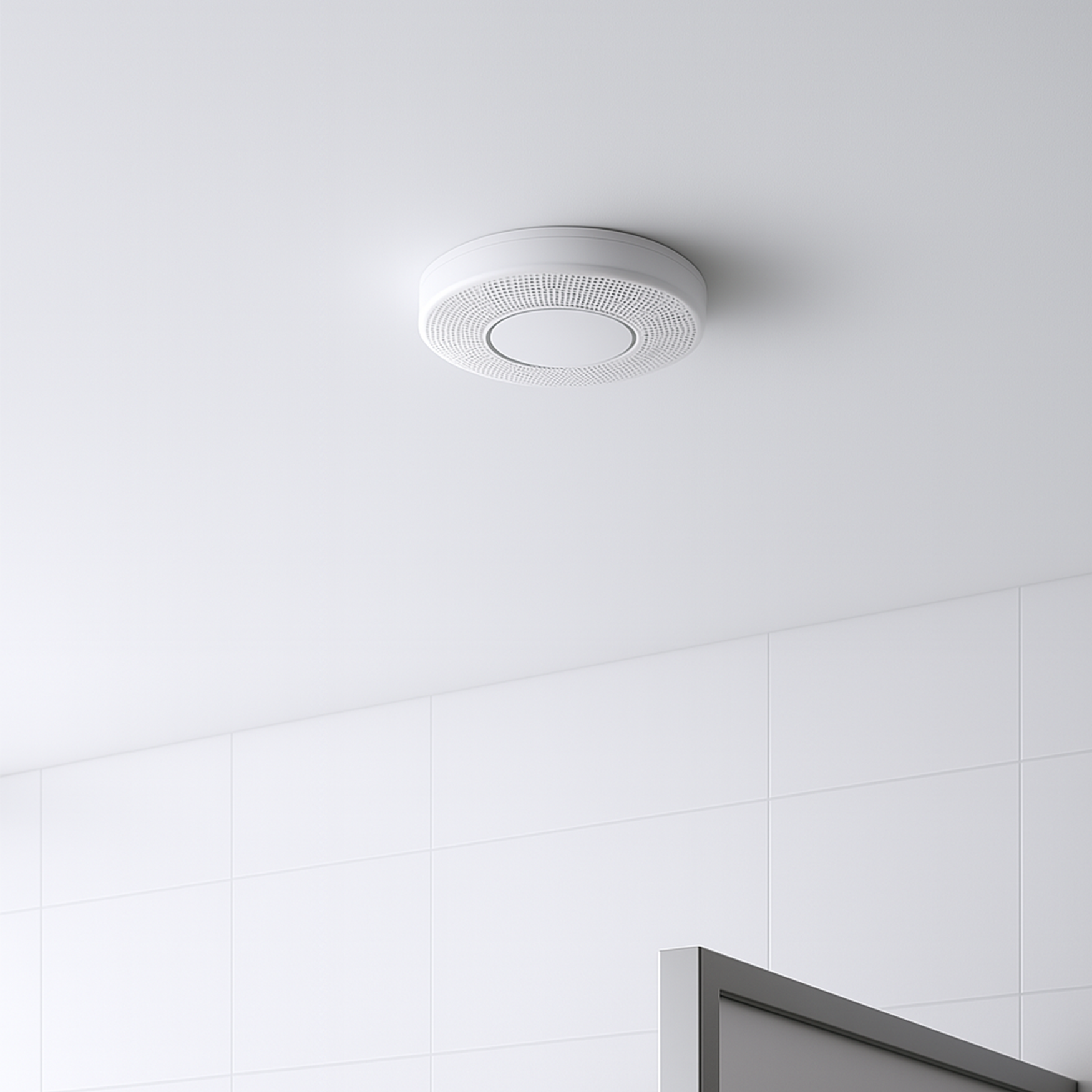
The next wave of vape detection for leisure centres will be shaped by smarter, more discreet devices. Expect sensors to become smaller and more sensitive, allowing for seamless integration into ceilings, lockers, and communal areas.
AI-driven analytics will play a larger role, enabling predictive detection based on patterns of behaviour, not just air composition. Integration with smart building and IoT systems will streamline monitoring, making it easier to manage large, multi-use facilities.
Comparison of Emerging Technologies:
| Technology | Key Benefit | 2026 Outlook |
|---|---|---|
| Miniaturised Sensors | Less visible, more locations | Standard in new builds |
| AI Analytics | Predictive, fewer false positives | Widely adopted |
| IoT Integration | Real-time, cross-system alerts | Essential for large sites |
The adoption of these innovations will set the new standard in vape detection for leisure centres.
Regulatory Landscape and Anticipated Changes
As vaping surpasses smoking in the UK, regulations are set to evolve. Anticipate stricter enforcement of air quality standards and expanded definitions of vape-free zones. The government and local authorities will likely introduce new compliance requirements, pushing leisure centres to invest in advanced detection and reporting systems.
Staying informed about these changes is essential. For context on the shift in public health trends, see Fall in smoking means more people now vape than smoke.
A proactive approach to vape detection for leisure centres will not only ensure legal compliance but also protect your centre’s reputation.
Evolving User Behaviours and Risks
User behaviours are changing quickly. Young people are increasingly drawn to discreet vaping devices, such as pod systems and synthetic cannabinoids. These products are harder to detect and often used in concealed areas like bathrooms and changing rooms.
Leisure centres must adapt their vape detection for leisure centres strategy to address these new risks. This means targeting detection in emerging hotspots and staying aware of trends in both devices and substances.
Strategies for staying ahead:
- Monitor emerging substances and device types
- Engage staff in regular risk assessments
- Update detection zones based on incident data
Proactive adaptation will help future-proof your facility’s approach.
The Role of Data and Analytics
Data will be the backbone of vape detection for leisure centres moving forward. Modern systems generate detailed incident logs, enabling managers to spot trends, allocate resources, and demonstrate compliance.
AI-powered analytics can help predict where incidents are likely to occur, optimising sensor placement and response protocols. Sharing insights with industry peers and public health bodies will contribute to sector-wide improvements.
Key data-driven strategies:
- Use dashboards to track incident frequency
- Review analytics monthly to refine policies
- Benchmark against other leisure centres using resources like Vape Guardian Case Studies
A strong analytical approach increases transparency and effectiveness.
Building a Culture of Health and Safety
The future of vape detection for leisure centres is not just about technology. It is about embedding prevention into your centre’s culture. This means ongoing staff training, clear communication with visitors, and partnerships with the wider community.
Recognising and rewarding best practices will encourage staff engagement. Public education campaigns and collaborations with schools can reinforce vape-free values.
To build a strong culture:
- Make health and safety a core value
- Celebrate achievements in vape prevention
- Encourage feedback and continuous improvement
A holistic, people-first approach will ensure lasting success in vape detection for leisure centres.
As we’ve explored, tackling vaping in leisure centres means staying ahead of trends, meeting your legal responsibilities, and ensuring everyone feels safe and welcome. If you’re ready to create a healthier environment and want to see how real-time detection and air quality monitoring can work in your facility, we’re here to help. Let’s talk about your centre’s unique needs, answer your questions, and explore practical next steps together. You can take action today—Talk to our team and protect your building today—and start making a measurable difference for your staff and visitors.


Share:
Stop Students Vaping: The Essential Guide for 2026
Ceiling vs Wall Vape Detector Comparison: Which Is Best 2026?