
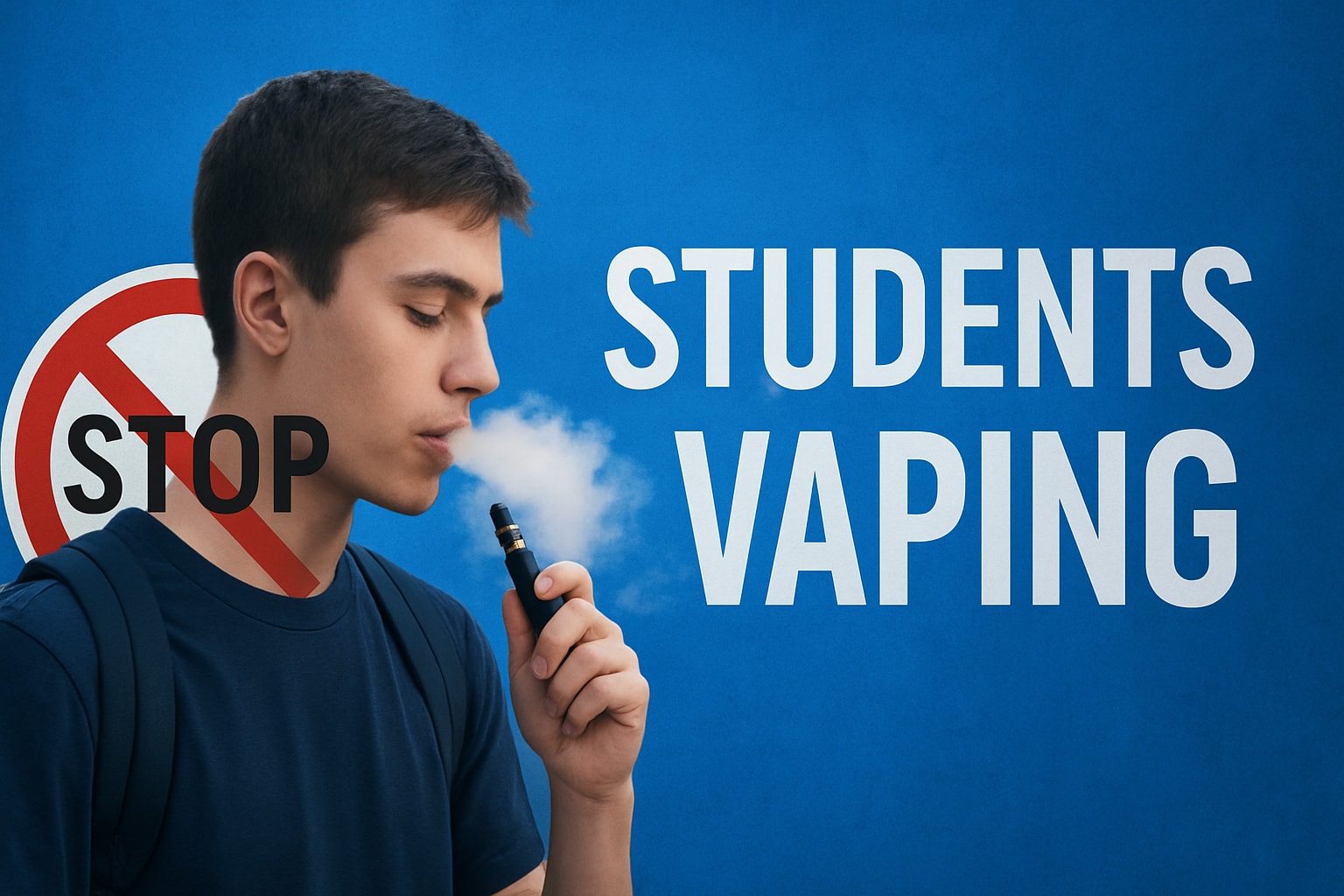
In 2026, nearly one in five UK secondary students reports trying vaping, a figure that alarms educators and families alike. The rapid surge in vaping among young people is transforming school environments and prompting urgent calls for action.
This essential guide is designed to help educators, parents, and policymakers stop students vaping. You will find clear explanations of vaping trends, practical ways to spot the signs, proven prevention strategies, effective interventions, the latest technology solutions, and a look at what the future holds. Together, we can create safer schools and empower every student to make healthier choices.
Understanding the Vaping Epidemic Among Students
The vaping epidemic among students has rapidly evolved, presenting new challenges for those seeking to stop students vaping. Understanding the shifting landscape of devices, social influences, health risks, and school environments is essential for creating effective prevention and intervention strategies.
The Evolution of Vaping Devices and Substances
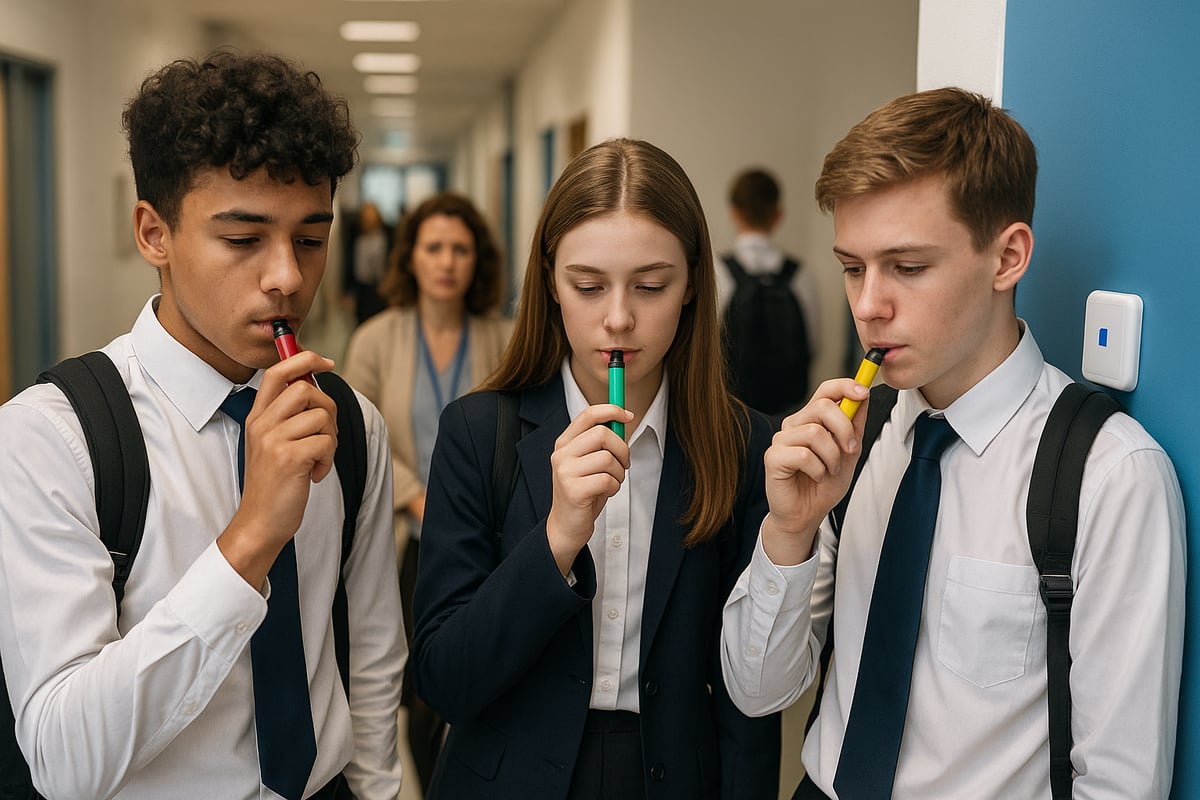
Since 2020, vaping technology has advanced significantly, with devices becoming increasingly compact and difficult to detect. Students now favour discreet gadgets that resemble USB drives or pens, making it challenging for staff to spot. The market has also seen an explosion of new e-liquid flavours, ranging from fruit and candy to exotic blends, which appeal directly to younger users.
A concerning trend is the rise in the use of THC and synthetic cannabinoids within vaping devices. This shift introduces additional health risks and complicates efforts to stop students vaping. By 2025, studies revealed that 16% of UK secondary students had tried vaping, highlighting the urgency for targeted interventions. According to the ASH 2025 Youth Vaping Survey, the prevalence of youth vaping continues to climb, underlining the need for schools and communities to remain vigilant and proactive.
Social and Psychological Drivers
Peer influence remains one of the most powerful factors driving the uptake of vaping among students. Social media platforms showcase vaping as trendy and relatively harmless, which can distort young people’s perceptions. Many students believe vaping is a safer alternative to smoking, despite mounting evidence to the contrary.
Stress and mental health challenges also play a significant role. For some students, vaping is seen as a coping mechanism for anxiety or academic pressure. To stop students vaping, it is crucial to address these underlying psychological factors, provide accurate information, and create supportive school environments where students feel empowered to make healthy choices.
Health Risks and Misconceptions
Emerging research continues to highlight the serious health risks associated with vaping, especially for young people. Respiratory issues such as chronic cough, shortness of breath, and even lung injury have been documented. Neurological and developmental concerns are also linked to nicotine and other substances found in e-liquids.
Despite these risks, myths persist that vaping is harmless or a safe alternative to traditional cigarettes. Both the NHS and Public Health England have issued warnings about the dangers of youth vaping, emphasising that no level of nicotine exposure is risk-free for adolescents. To stop students vaping, it is vital to dispel these misconceptions through ongoing education and clear communication.
The School Environment’s Role
The school environment plays a pivotal role in shaping vaping behaviours among students. Effective policies, consistent supervision, and a positive school culture can significantly reduce vaping incidents. Schools with clear anti-vaping policies, regular staff training, and robust reporting systems often see lower rates of use.
Conversely, environments with limited oversight or ambiguous rules may inadvertently encourage vaping. Data from Ofsted and the Department for Education show that schools with proactive approaches experience fewer reported incidents. To stop students vaping, schools must regularly review their policies, adapt to emerging trends, and foster open communication among staff, students, and parents.
Recognising the Signs: How to Identify Student Vaping
Spotting the early warning signs is crucial if schools aim to stop students vaping before it becomes widespread. Vaping often goes unnoticed due to discreet devices and subtle behaviours. However, educators and parents can act swiftly when they know what to look for.

Physical and Behavioural Indicators
Recognising physical and behavioural changes is the first step to stop students vaping. Many students attempt to hide their habits, but certain signs frequently appear.
Physical signs include:
- Unusual sweet or fruity smells lingering on clothing or breath
- Persistent coughing or throat irritation without apparent cause
- Increased thirst or frequent water consumption
- Sores or ulcers around the mouth
Behavioural changes to watch:
- Secretive actions, such as hiding hands or turning away when approached
- Regular, unexplained trips to the toilet or secluded areas
- Withdrawal from sports, clubs, or previously enjoyed activities
| Indicator Type | Examples |
|---|---|
| Physical | Sweet odours, coughing, mouth sores |
| Behavioural | Secrecy, frequent absences, social withdrawal |
Early identification of these patterns is essential to stop students vaping, as intervention is most effective before habits become entrenched.
Environmental Clues and Evidence
The environment often reveals more than students realise. Being observant in school spaces can help staff and parents stop students vaping by identifying where and how it occurs.
Look out for:
- Odd gadgets resembling USB sticks, pens, or highlighters
- Discarded e-liquid bottles, empty pods, or packaging in bins and lockers
- Residue or sticky patches on desks or in toilets
Certain school areas are hotspots for vaping, such as toilets, secluded corridors, or behind buildings. Regular checks and increased supervision in these zones can deter behaviour and support initiatives to stop students vaping.
Patterns like a sudden increase in litter or lingering groups in isolated spots may also signal vaping activity. Creating a culture of vigilance makes it harder for students to hide these habits.
The Role of Staff and Peer Reporting
Empowering staff and students is vital if the goal is to stop students vaping across the school community. Staff need regular training to detect subtle indicators and respond confidently.
Effective strategies include:
- Regular training sessions for all staff on the latest vaping devices and trends
- Clear reporting protocols for suspected incidents
- Anonymous reporting systems that encourage peer support
Schools with successful reporting frameworks often see a rapid decline in incidents. Encouraging students to look out for one another and report concerns creates a supportive atmosphere. For practical steps and proven staff protocols, see How to Stop Vaping at School.
Consistent monitoring, open communication, and a united staff-student front are key to stop students vaping and building a safer school environment.
Prevention Strategies: Creating a Vaping-Free School Culture
Creating a culture that can stop students vaping requires more than just rules. It involves a coordinated effort across policies, education, community engagement, environment, and support. Each element strengthens the foundation for a vaping-free school. By focusing on these strategies, schools can make meaningful strides towards safeguarding young people.
Comprehensive Policy Development
A robust policy is the backbone of any effort to stop students vaping. Effective policies set clear expectations, outline consequences, and provide pathways for support and education. Key elements include precise definitions of vaping, prohibited items, and designated no-vape zones. Policies should also address procedures for incident reporting and staff training requirements.
Regular policy reviews keep guidelines relevant as vaping trends evolve. Involving students and parents in policy creation increases buy-in and compliance. For school leaders, the Creating a Vape-Free Policy Template offers practical guidance and a free template to streamline this process.
Schools that consistently enforce policies see fewer incidents. Transparent communication ensures everyone understands their role in efforts to stop students vaping.
Education and Awareness Programmes
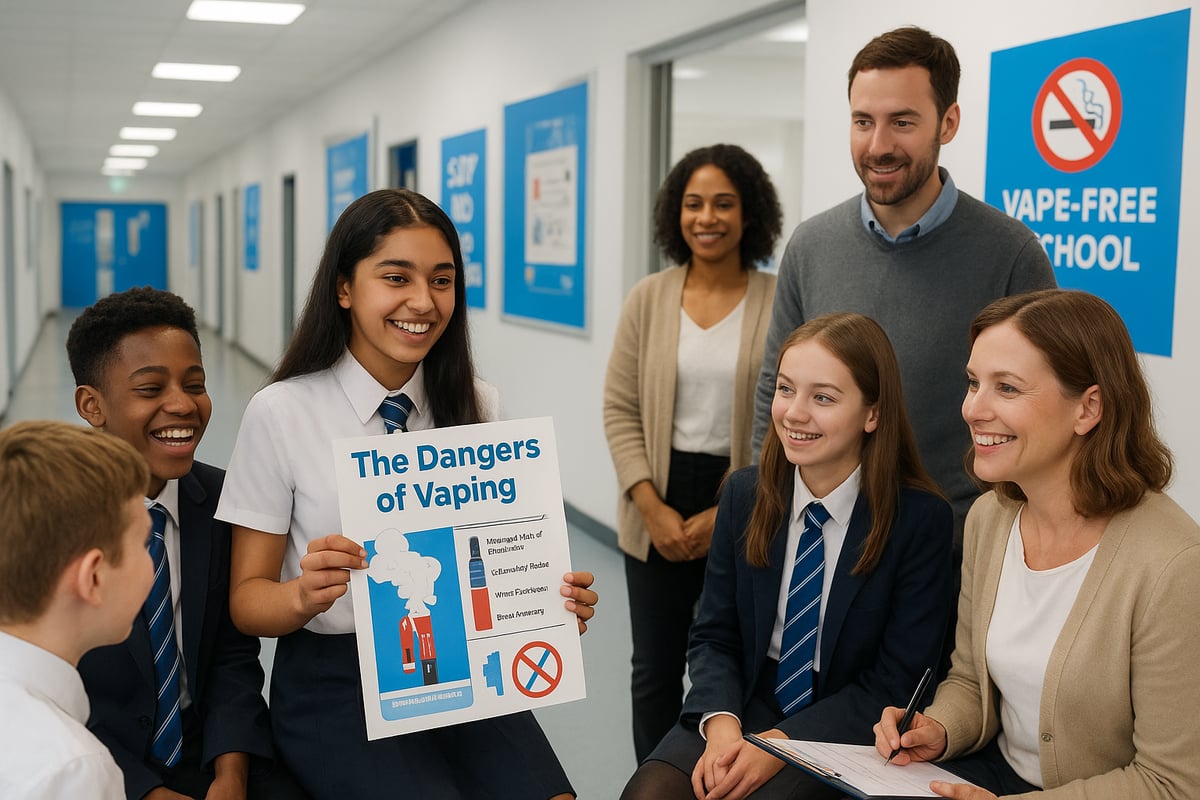
Education is essential to stop students vaping before habits form. Curriculum-based lessons explain the science behind vaping risks and debunk common myths. Interactive assemblies and peer-led initiatives make learning engaging and relatable.
Extracurricular activities, such as poster competitions or drama performances, extend awareness beyond the classroom. Evidence shows that targeted interventions can drive a 30 percent reduction in student uptake. Incorporating real-life stories and up-to-date research helps students connect emotionally and intellectually.
Sustained education builds resilience. When students understand the risks, they are more likely to make informed choices and help stop students vaping within their peer groups.
Parental and Community Involvement
A strong partnership with families and the wider community is vital to stop students vaping. Schools should provide parents with resources to recognise signs and start conversations at home. Regular workshops, newsletters, and digital campaigns keep families informed about trends and prevention strategies.
Collaborating with local health authorities, youth services, and law enforcement adds another layer of support. Community partners can offer expertise, run cessation programmes, and reinforce consistent messaging.
When parents and community members are engaged, efforts to stop students vaping become more effective and far-reaching. This shared responsibility creates a web of protection around young people.
Environmental Design and Supervision
School layout and supervision play a significant role in efforts to stop students vaping. Unsupervised areas, such as secluded corridors or toilets, are common hotspots. Modifying layouts to increase visibility, adding mirrors, or improving lighting can deter vaping.
Increasing staff presence during breaks and in high-risk zones also helps. Installing vape detection sensors in strategic locations can provide immediate alerts and enable swift intervention. Visual cues, like posters and floor markings, remind students of expectations.
A well-designed environment supports policy enforcement and makes it easier for staff to stop students vaping on campus.
Early Intervention and Support Systems
Catching issues early is critical to stop students vaping long-term. Rather than relying solely on punitive measures, schools should offer counselling, mental health support, and access to cessation resources. Early intervention programmes identify at-risk students and provide tailored help before habits become entrenched.
Case studies show that non-punitive, supportive approaches lead to better outcomes and reduce repeat incidents. Integrating these services into the school day ensures accessibility and normalises seeking help.
A supportive framework empowers students to make positive changes and reinforces the school’s commitment to stop students vaping.
Step-by-Step Guide: Responding to Vaping Incidents
Responding effectively to vaping incidents is a vital part of the drive to stop students vaping. Schools need a clear, consistent approach that is fair, supportive, and rooted in best practice. This guide breaks down each stage, making sure staff have the tools and confidence to act swiftly and responsibly.
Step 1: Immediate Response and Documentation
When a vaping incident is suspected or confirmed, staff should act immediately. Begin by calmly addressing the student, removing any vaping devices, and ensuring the safety of all involved. It is crucial to document the incident accurately, safeguarding confidentiality at every stage.
Schools must follow established procedures that comply with current legal guidance. For further clarity on documentation and legal obligations, refer to the UK School Vaping Laws 2025. This ensures the response is robust and supports efforts to stop students vaping.
- Secure any evidence safely
- Record the time, location, and people involved
- Maintain a neutral, non-judgemental tone
Effective documentation not only protects staff and students but also informs future prevention.
Step 2: Communication with Students and Parents
Open, supportive dialogue is essential after a vaping incident. Approach the student privately and listen to their perspective without making assumptions. Use restorative questions to understand their motivations and challenges.
Notify parents or carers promptly, sharing the facts and explaining the school’s commitment to stop students vaping. Provide information on the health risks and available support, reinforcing that the aim is to help, not punish.
- Use clear, non-confrontational language
- Offer reassurance and guidance
- Encourage honest conversations at home
Positive communication builds trust and lays the groundwork for effective intervention.
Step 3: Assessment and Referral
After initial discussions, assess any underlying factors that may have contributed to the incident. These might include stress, peer pressure, or mental health concerns. A thorough assessment helps schools address the root causes and strengthen efforts to stop students vaping.
Refer students to appropriate support, such as school nurses, counsellors, or local cessation services. Early intervention increases the chances of successful outcomes and reduces the likelihood of repeat incidents.
- Identify risk factors through open discussion
- Offer immediate access to support services
- Monitor progress and adapt support as needed
Prompt referral demonstrates a commitment to student wellbeing and proactive prevention.
Step 4: Follow-Up and Monitoring
Ongoing support is key to ensuring students do not return to vaping. Monitor the student’s behaviour discreetly, check in regularly, and adjust support plans as necessary. This continued attention is essential to stop students vaping and foster lasting change.
Schools should use behaviour improvement plans or reintegration meetings to help students reflect and set positive goals. Celebrate progress and engage families in the student’s journey.
- Schedule regular check-ins
- Document progress and setbacks
- Provide encouragement and recognition
Sustained follow up strengthens resilience and school culture.
Step 5: Policy Review and Adjustment
Every incident is an opportunity to refine school practice. Review each case to identify patterns, policy gaps, or training needs. Use incident data to evaluate which strategies are most effective in the mission to stop students vaping.
Update anti-vaping policies and procedures as new challenges or regulations arise. Engage staff, students, and parents in these reviews to ensure the approach remains relevant and effective.
- Analyse incident records for trends
- Revise policies regularly
- Share successes and lessons learned
Ongoing policy review keeps schools agile and committed to a vaping free environment.
Harnessing Technology to Combat Student Vaping
The rapid evolution of vaping among students has made traditional supervision and policy alone insufficient. Schools now face a critical need to integrate advanced technology to stop students vaping effectively. In 2026, digital tools are transforming how educators identify, respond to, and prevent vaping incidents on campus.
Advanced Detection and Monitoring Solutions
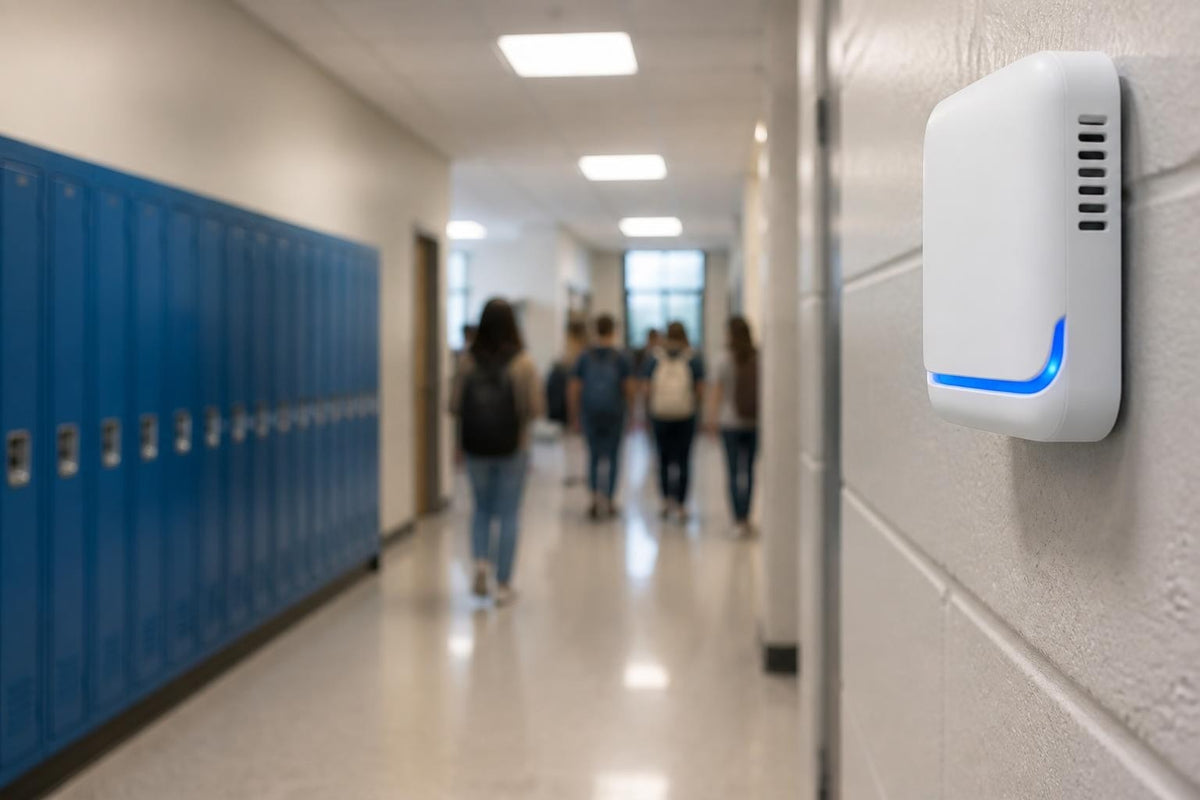
Modern vape detection technology is revolutionising how schools stop students vaping. Devices now monitor air quality for a range of substances, including nicotine, THC, and synthetic cannabinoids. Sensors blend into the school environment, often resembling standard smoke detectors or security cameras, making them difficult for students to spot or avoid.
When a device detects vapour, it instantly sends real-time alerts to designated staff via mobile apps or desktop dashboards. This immediate response allows staff to intervene before vaping escalates or spreads to other students. According to the NHS England Vaping Report 2024, the adoption of these technologies in UK schools has contributed to a significant reduction in on-site vaping incidents, with some schools reporting up to a 95% decrease.
Key features of advanced monitoring systems include:
- Multi-substance detection for nicotine, THC, and more
- Customisable sensitivity and alert thresholds
- Integration with school security platforms
- Tamper-resistant design for reliability
By leveraging these solutions, schools can take a proactive approach to stop students vaping and safeguard their community.
Data-Driven Decision Making
Technology not only detects vaping but also generates valuable data to help stop students vaping over time. Incident tracking systems log every event, recording the time, location, and type of substance detected. This anonymised data enables schools to identify patterns, such as hotspots or peak times, allowing targeted supervision and policy adjustments.
School leaders can use these insights to:
- Allocate staff efficiently during high-risk periods
- Adjust school layouts to improve visibility in vulnerable areas
- Monitor the effectiveness of interventions
- Share trends with parents and local authorities
Data-driven strategies empower schools to stop students vaping by focusing resources where they are needed most. Over time, this approach leads to better outcomes and supports a culture of transparency and accountability.
Vape Guardian: Smart Detection for Safer Schools
Vape Guardian stands out as a leading provider of technology designed to stop students vaping. Their advanced sensors offer multi-substance detection, real-time alerts, and seamless mobile app integration. AI-powered analytics help schools monitor trends and demonstrate compliance with current regulations.

Benefits of Vape Guardian include:
- Proven reduction in vaping incidents
- User-friendly dashboard for quick data analysis
- Dedicated UK-based customer service and support
- Customisable solutions to fit schools of all sizes
Several UK schools have reported impressive results after installing Vape Guardian technology. For instance, one academy saw a dramatic drop in vaping cases, improved student wellbeing, and greater parental confidence in school safety measures.
By adopting such innovative solutions, schools can confidently stop students vaping and build a safer, healthier learning environment for everyone.
Looking Ahead: The Future of Student Vaping Prevention
The fight to stop students vaping does not end with current measures. As we look to the future, sustained vigilance, evolving strategies, and community-wide efforts are essential. With new regulations on the horizon, emerging trends, continuous research, and resilient school environments, the path forward requires dedication from all stakeholders.
Legislative and Regulatory Changes
Legislation will play a central role in efforts to stop students vaping in the coming years. The UK Government is introducing stricter age verification and marketing restrictions to reduce youth access to vaping products. These changes are designed to make it more difficult for underage individuals to purchase e-cigarettes and related substances.
Beyond age checks, new regulations will target product design, such as limiting attractive packaging and flavours that appeal to young people. Internationally, similar measures are being adopted, with countries sharing best practices to protect student health. Staying up to date with the UK Government's Tobacco and Vapes Legislation will help schools and communities adapt policies and remain compliant as they work to stop students vaping.
Emerging Trends and Challenges
As regulations tighten, vaping products and student behaviour are likely to evolve. New device designs may become harder to detect, and online communities could promote alternative substances or methods. Schools must anticipate these shifts and update their strategies frequently to stop students vaping effectively.
Potential challenges include the rise of synthetic cannabinoids and the blending of vaping with other risky behaviours. Proactive monitoring, collaboration with health authorities, and regular staff training will be necessary. By embracing adaptive approaches, schools can respond quickly to new threats and maintain a strong stance to stop students vaping.
The Importance of Ongoing Research and Education
Continuous research is vital to understanding the long-term health effects of vaping and identifying the most effective interventions. Schools should engage with evidence-based resources and stay informed about the latest findings to stop students vaping. Access to specialised programmes, such as the Vaping Education Hub for Schools, provides valuable support for teachers, students, and families.
Sustained education efforts are needed to dispel myths and ensure that everyone in the school community recognises the true risks of vaping. Regular workshops, updated curriculum content, and parent outreach can reinforce prevention messages and empower young people to make informed choices.
Building a Resilient School Community
A whole-school approach is fundamental to efforts to stop students vaping. Positive student engagement, strong relationships between staff and pupils, and clear expectations all contribute to a culture of prevention. Schools leading the way often create student ambassador programmes, peer mentoring, and open forums for discussion.
Supportive environments, where students feel heard and valued, are more likely to foster resilience and healthy decision making. By celebrating successes and learning from challenges, schools can continuously refine their approach. The journey to stop students vaping is ongoing, but with committed leadership and community involvement, lasting change is within reach.
Having explored the latest vaping trends, prevention strategies, and the powerful role technology plays in keeping schools safe, it’s clear that proactive measures make a real difference. If you’re ready to see how advanced detection solutions can help create a healthier learning environment for your students, I encourage you to learn how Vape Guardian is protecting schools. You’ll discover real stories, proven results, and practical steps for implementing effective vape detection in your school. Let’s work together to support your community’s wellbeing and make vaping a thing of the past.








Share:
Vape Detection USA Guide: Navigating Solutions in 2026
Vape Detection for Leisure Centres: The Essential Guide 2026