
Did you know that in 2026, concerns about indoor air quality have reached an all-time high, with more people than ever demanding healthier indoor environments? This guide is designed to help you navigate the landscape of indoor pollution and understand the essential features of an indoor pollution reporting system.
Accurate and real-time monitoring is not just a health imperative, it is now a requirement for regulatory compliance and public trust. In this article, you will discover the core system features, learn how to set up and report effectively, explore the latest technology trends, and ensure you meet evolving legal standards.
If you want to safeguard occupant wellbeing and stay ahead in compliance, read on for a complete guide to making your indoor spaces safer and smarter.
Understanding Indoor Pollution in 2026
Indoor air quality has become a central concern as we move through 2026. Recent studies show that over 90 percent of people spend their time indoors, yet up to 30 percent of new buildings experience air quality issues, according to the World Health Organization. With these figures, the need for a robust indoor pollution reporting system is clearer than ever.
The Evolving Landscape of Indoor Pollutants
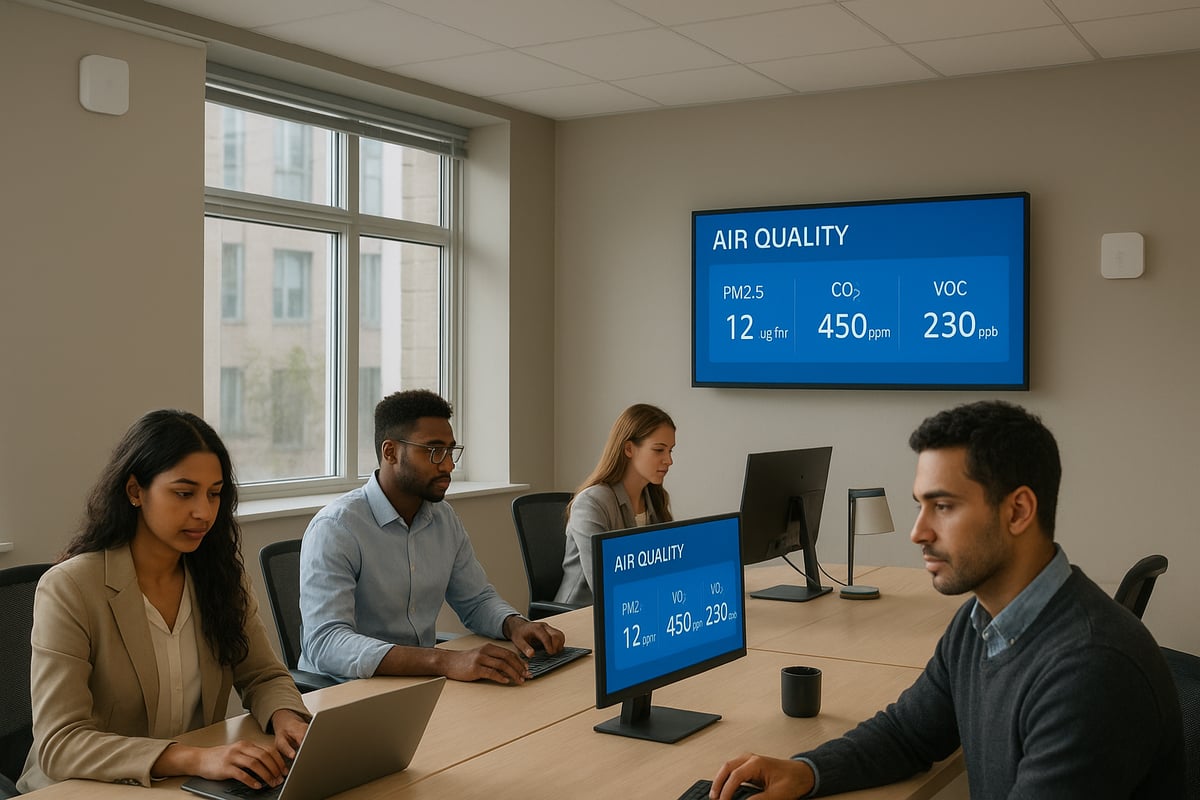
The typical indoor environment in 2026 is shaped by a complex mix of pollutants. Fine particulate matter, volatile organic compounds, carbon dioxide, and biological contaminants such as mould or bacteria are commonly found. These pollutants often originate from building materials, cleaning products, or even outdoor sources that seep inside.
Modern building practices, prioritising energy efficiency, have led to more airtight structures. While this reduces energy loss, it can trap pollutants indoors, allowing concentrations to rise. The widespread adoption of synthetic materials and furnishings has further complicated indoor air chemistry, introducing new substances into the air people breathe.
As a result, building operators are increasingly relying on an indoor pollution reporting system to identify and address these threats in real time. In high-risk environments such as schools, offices, and healthcare facilities, the stakes are even higher. Here, vulnerable populations are exposed, and the consequences of neglecting air quality can be significant.
Health and Environmental Implications
Exposure to indoor air pollution is linked to a range of health problems. Respiratory conditions such as asthma and bronchitis are common outcomes, but the effects go further. Allergies, headaches, and even impaired cognitive performance have been tied to poor indoor air.
Children, the elderly, and those with existing health conditions are particularly at risk in environments where pollutants are not monitored or controlled. An indoor pollution reporting system makes it possible to detect harmful trends early, allowing for swift interventions that protect health and wellbeing.
High occupancy settings, such as classrooms and open-plan offices, are especially vulnerable. The cumulative effect of people, equipment, and building materials can quickly elevate pollutant levels. Without a reliable indoor pollution reporting system, these risks may go unnoticed until they cause measurable harm.
Regulatory and Societal Shifts
Growing public awareness has driven significant regulatory changes in the UK and across the EU. Legal requirements now demand greater transparency and accountability from building operators. The aftermath of recent pandemics and the shift to remote and hybrid work have pushed air quality to the forefront of workplace safety and compliance.
There is also a strong economic argument for action. According to recent analysis, tackling indoor air pollution could save the UK up to £40 billion a year, underscoring the value of systematic monitoring and reporting. As expectations rise, both legal responsibilities and reputational risks increase for those managing shared indoor spaces.
Adopting an indoor pollution reporting system is no longer optional. It is a fundamental part of responsible building management, helping to ensure compliance, meet stakeholder expectations, and create healthier environments for all.
Core Components of an Indoor Pollution Reporting System
Modern buildings in 2026 demand a robust indoor pollution reporting system to meet health, safety, and regulatory expectations. These systems combine advanced sensor networks, integrated data analytics, and comprehensive reporting tools to address the complex challenges of indoor air quality.
Key System Features and Capabilities
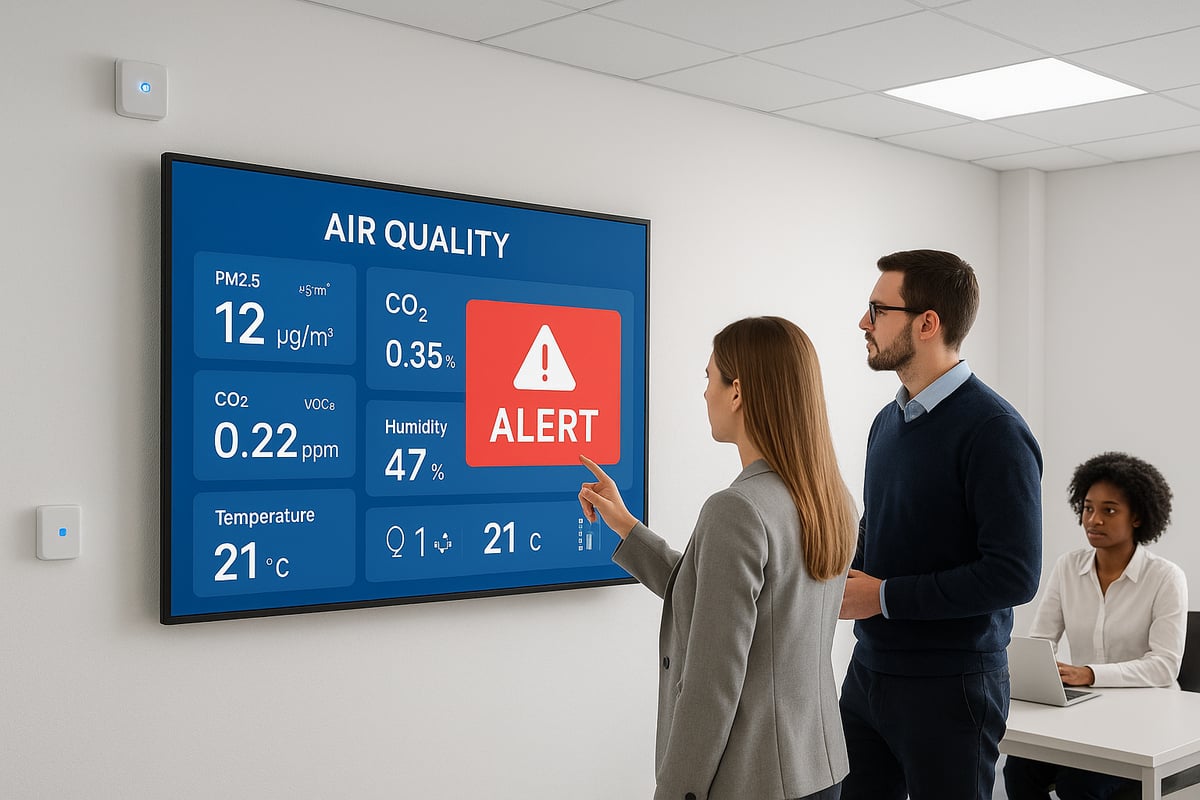
The foundation of every indoor pollution reporting system lies in its ability to capture accurate, real-time environmental data. Leading solutions use a network of smart sensors that measure particulate matter (PM2.5), carbon dioxide, volatile organic compounds (VOCs), humidity, and temperature. These sensors are strategically installed to ensure comprehensive coverage across all zones.
Collected data flows into a centralised dashboard, where facility managers can monitor air quality trends and identify emerging issues. Advanced analytics make it possible to spot deviations, track long-term patterns, and benchmark performance against industry standards. Automated alerts are essential: when pollutant thresholds are breached, the system instantly notifies relevant personnel, triggering prompt intervention.
Integration with building management systems (BMS) and IoT devices enables seamless control of ventilation, filtration, and occupancy adjustments. Data security is paramount, with leading systems designed to comply fully with GDPR and other privacy regulations. In fact, the latest platforms are built with encrypted data storage, permission controls, and regular audits to ensure compliance.
Adoption rates of these technologies have soared in 2026 due to increased awareness and regulatory demands. For example, many offices and schools have reported a marked reduction in sick days after implementing an indoor pollution reporting system. The table below summarises adoption rates of key technologies:
| Technology Type | Adoption Rate (2026) |
|---|---|
| Real-time PM2.5 Sensors | 85% |
| CO2 and VOC Monitoring | 78% |
| Integrated BMS Connectivity | 72% |
| Automated Alert Systems | 80% |
A benchmark for an essential indoor pollution reporting system in 2026 includes not just data accuracy, but user-friendly dashboards, responsive alerts, and secure integration. For those seeking advanced detection, real vape detection features offer tailored solutions for environments with unique air quality risks, enhancing the versatility of these systems.
Case studies highlight the impact of these systems. One healthcare facility saw a 20% reduction in staff sick days within six months of deployment. User feedback consistently points to improved confidence in building safety and operational efficiency.
Advanced Reporting and Compliance Tools
A modern indoor pollution reporting system excels not only in data collection, but in delivering actionable insights through advanced reporting and compliance tools. Customisable reporting templates allow facility managers to create reports for regulatory bodies, internal stakeholders, or public transparency. These templates are adaptable for schools, offices, and healthcare environments, ensuring compliance with sector-specific standards.
Scheduled and on-demand report generation streamlines communication. Stakeholders receive regular updates, while urgent incidents trigger immediate, targeted reports. Audit trails track every change, ensuring data integrity and supporting investigations or inspections. Data retention policies are automated, keeping historical records secure and accessible for required periods.
Visualisation tools are vital for identifying pollution hotspots. Interactive heat maps and trend graphs help teams prioritise interventions and allocate resources efficiently. Multi-site and multi-user support allows large organisations to manage complex building portfolios from a single platform, maintaining consistent standards across locations.
Schools, for instance, leverage indoor pollution reporting system features to meet Ofsted requirements, demonstrating proactive air quality management. The ability to customise reports for different audiences—such as parents, staff, or regulators—increases transparency and trust.
User satisfaction is a key performance indicator. Surveys from 2026 reveal that over 80% of facility managers found visual dashboards and automated reporting improved their workflow. Feedback highlighted the value of clear escalation protocols and ease of use, while ongoing software updates continue to refine the user experience.
Ultimately, advanced reporting and compliance tools transform raw data into meaningful action. By delivering the right information to the right people, an indoor pollution reporting system supports both regulatory compliance and a healthier indoor environment.
Step-by-Step Guide: Implementing an Indoor Pollution Reporting System
Implementing an indoor pollution reporting system is a strategic process that demands careful planning, collaboration, and technical expertise. Each step ensures your environment benefits from reliable monitoring, regulatory compliance, and improved occupant wellbeing. This guide walks you through every phase, making it simple to achieve best-in-class air quality management.
Step 1: Needs Assessment and Stakeholder Engagement
The journey to a robust indoor pollution reporting system begins with a thorough needs assessment. Identify the specific pollutants relevant to your environment, such as particulate matter, volatile organic compounds, or carbon dioxide. Consider the unique requirements of your facility, whether it is an office, school, or hospital.
Engage key stakeholders early. Facility managers, health and safety officers, and building occupants all have valuable insights into air quality concerns. Hold meetings or surveys to gather feedback and establish priorities, fostering a culture of transparency and shared responsibility.
Set clear objectives for your indoor pollution reporting system. Are you aiming to improve health outcomes, achieve regulatory compliance, or boost productivity? For example, an office experiencing frequent CO2 complaints might prioritise reducing drowsiness and improving employee concentration. By defining measurable goals, you lay the groundwork for a successful implementation.
Step 2: Selecting the Right Technology
Choosing the optimal technology is critical for a reliable indoor pollution reporting system. Assess the types of sensors needed, focusing on accuracy for pollutants such as PM2.5, VOCs, CO2, humidity, and temperature. Evaluate whether wired or wireless solutions suit your building’s infrastructure and operational needs.
Key criteria for comparison include:
- Real-time data collection capabilities
- System compatibility with existing platforms
- Data security and privacy compliance
- Vendor support and reputation
A table can help summarise options:
| Feature | Wired Solutions | Wireless Solutions |
|---|---|---|
| Installation | Complex | Simple |
| Scalability | Limited | High |
| Maintenance | Low | Moderate |
| Cost | Higher upfront | Lower upfront |
For example, a school may compare cloud-based systems for flexibility with local platforms for greater control. Select technology that aligns with your indoor pollution reporting system objectives and future-proofing requirements.
Step 3: Installation and Integration
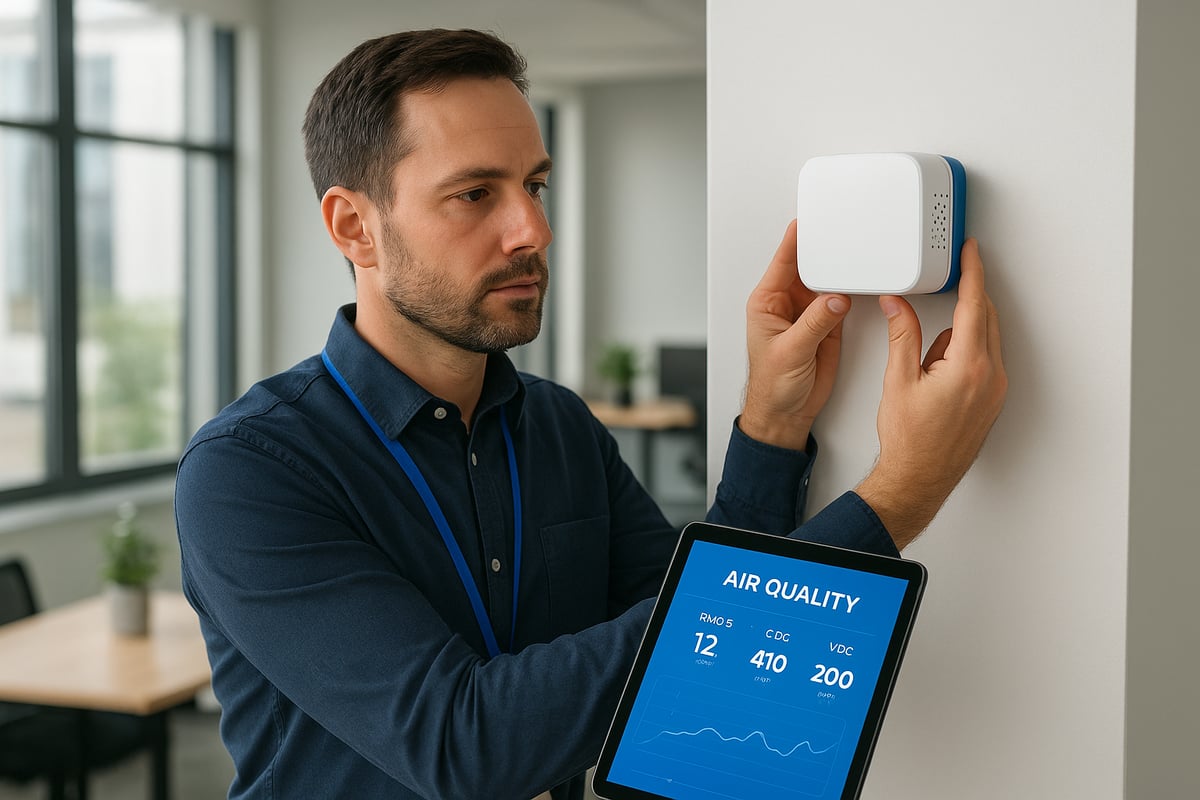
Careful installation and seamless integration are fundamental to effective system performance. Start with a site survey to determine optimal sensor placement, ensuring comprehensive coverage of all high-risk areas. Poor placement can result in data gaps or false readings.
Integrate the indoor pollution reporting system with existing building management systems for centralised control. Limit disruption by scheduling installation during off-peak hours and providing clear communication to all occupants.
Staff training is essential. Offer hands-on demonstrations and clear materials so users can operate and maintain the system confidently. For practical guidance, consult the Setting up your sensor guide, which outlines step-by-step instructions for sensor installation and configuration.
A hospital retrofitting older infrastructure, for example, should consider additional support for legacy systems and ensure all staff are comfortable with new protocols.
Step 4: Configuring Alerts and Reporting Protocols
Once installed, configure the indoor pollution reporting system to deliver timely alerts and actionable reports. Set precise thresholds for each pollutant based on regulatory guidelines and the needs of your facility. Consider how different occupancy levels or activities impact air quality and adjust thresholds accordingly.
Define escalation paths for alert notifications. Who receives the alerts first, and what actions must they take? Use customisable reporting templates for regulatory submissions and internal reviews, making the process efficient and audit-ready.
Regularly review alert settings and reporting protocols. For example, a retail space with variable occupancy may need to adjust thresholds for CO2 and VOCs during peak shopping hours. Periodic reviews ensure the indoor pollution reporting system remains responsive to changing conditions and compliance requirements.
Step 5: Ongoing Monitoring, Maintenance, and Optimisation
Maintaining your indoor pollution reporting system involves routine calibration, software updates, and data analysis. Schedule regular system checks to ensure sensors deliver accurate readings and identify issues before they escalate.
Leverage long-term trend analysis to inform proactive interventions. Transparent reporting engages occupants, building trust and encouraging feedback for continuous improvement.
For instance, a university that tracks absenteeism alongside air quality data may discover correlations and implement targeted changes, reducing sick days over time. Ongoing education, clear communication, and leadership commitment are vital to sustaining the benefits of your indoor pollution reporting system.
Regulatory Compliance and Reporting Standards in 2026
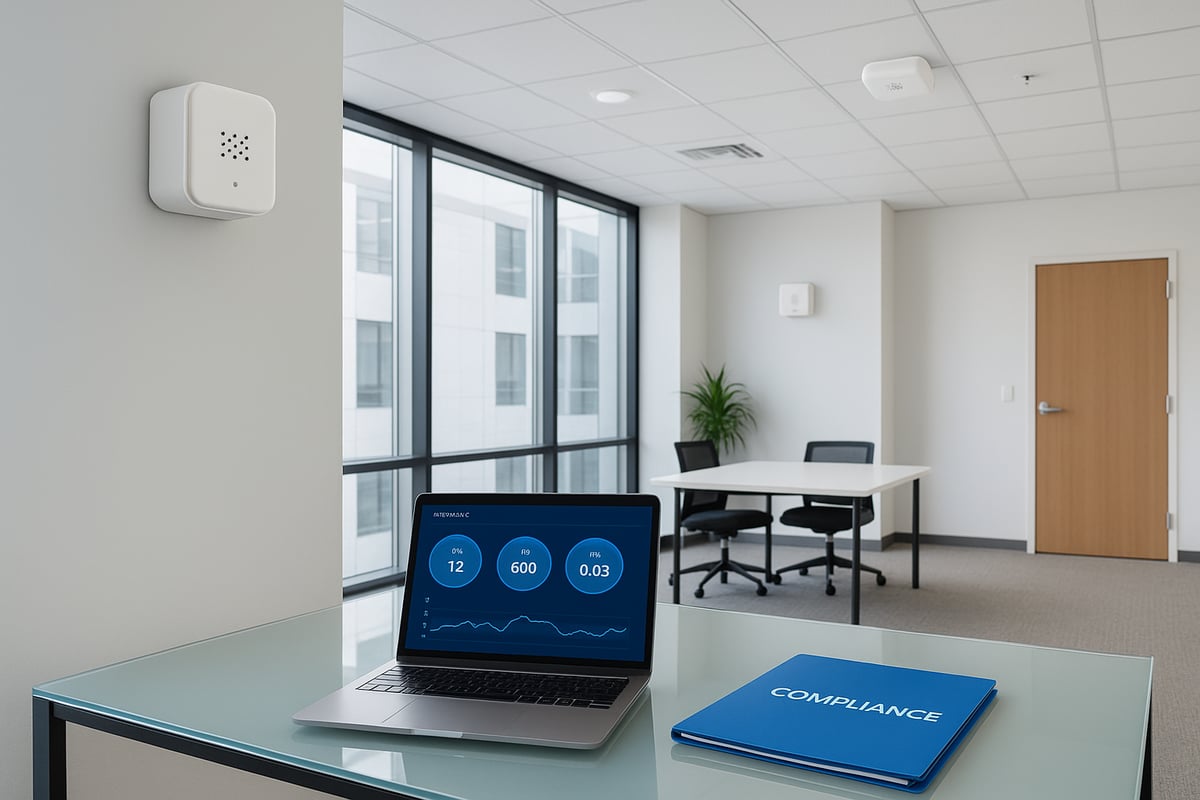
With increasing scrutiny on indoor air quality, regulatory compliance has become a central focus for organisations using an indoor pollution reporting system. In 2026, both UK and EU authorities are enforcing stricter standards, reflecting rising public health concerns and legal obligations for building operators.
Regulatory Frameworks: UK and EU Standards
The UK government, in line with EU directives, has established clear benchmarks for indoor air quality monitoring and reporting. As outlined in the Air pollution in the UK 2024: compliance assessment summary, regulations now require real-time data collection and transparent reporting for various environments, including schools, offices, and healthcare settings.
Organisations must use an indoor pollution reporting system capable of tracking particulate matter, volatile organic compounds, and CO2. This ensures compliance with targets set by the Clean Air Strategy and the EU’s Indoor Air Quality Directive.
Reporting Obligations by Sector
| Sector | Key Requirements | Frequency |
|---|---|---|
| Schools | PM2.5, CO2, VOCs, humidity reporting | Termly & on demand |
| Offices | Continuous monitoring, escalation for breaches | Weekly & incident |
| Healthcare | Enhanced protocols, biological contaminant alerts | Daily & critical |
| Retail/Public | Occupancy-based reporting, visible dashboards | Monthly & event |
Meeting these obligations means that an indoor pollution reporting system must be robust and adaptable. Failure to submit accurate reports can result in penalties ranging from fines to operational restrictions.
Penalties, Standards, and Real-World Examples
Non-compliance has tangible consequences. In 2025, a London office was fined after failing to report high VOC levels, highlighting the risks of inadequate monitoring. Adhering to ISO 16000 and BSI PAS 3003 standards is now considered best practice when designing or selecting an indoor pollution reporting system.
These standards guide system interoperability, data accuracy, and retention policies. They also support audit trails, which are required for both internal and regulatory reviews.
Best Practices for Maintaining Compliance
To remain compliant, organisations should:
- Implement automated alerts for threshold breaches
- Schedule regular system audits and calibrations
- Maintain detailed records and audit trails
- Customise reports for each stakeholder group
- Engage third-party certification bodies for independent verification
A proactive approach ensures that the indoor pollution reporting system remains effective, minimising legal risks and promoting a healthy environment.
Anticipated Regulatory Trends for 2026
Looking ahead, regulations are expected to evolve further. Draft proposals suggest stricter limits on indoor pollutants and more frequent reporting intervals. There is growing emphasis on third-party audits, digital recordkeeping, and transparent occupant communication.
Building operators who invest in a future-proof indoor pollution reporting system will be best positioned to meet these emerging standards, protect occupant health, and demonstrate leadership in compliance.
Leveraging Technology and Future Trends in Indoor Pollution Reporting
The pace of innovation in indoor pollution reporting system technology is transforming how building operators manage air quality. Facilities now have access to unprecedented data and predictive tools that help ensure safer, healthier indoor environments.
Innovations Shaping the Future
Recent breakthroughs in the indoor pollution reporting system field are setting new standards for smart building management. Artificial intelligence now powers analytics engines that detect anomalies and forecast maintenance needs before issues arise. Facility managers use mobile apps to monitor air quality remotely, receiving instant alerts if thresholds are breached.
Integration with IoT platforms allows seamless communication between sensors, HVAC controls, and energy management systems. For example, a school district in Manchester uses AI-powered forecasting to anticipate pollution spikes and adjust ventilation automatically. This proactive approach is becoming the norm as 75 percent of new commercial buildings in the UK feature smart monitoring solutions.
Security and integrity of reporting are also advancing. Blockchain technology is being piloted for tamper-proof audit trails, ensuring regulatory compliance and stakeholder trust. To learn more about the sensors driving these changes, review this Smart sensor technology overview.
Anticipated Developments and Impact
The coming years promise even greater transformation for the indoor pollution reporting system landscape. Sensor miniaturisation is making it easier to deploy units across large, complex spaces without disrupting aesthetics. Energy harvesting from ambient sources reduces maintenance costs by extending device lifespans.
Occupant engagement platforms are emerging, inviting real-time feedback and fostering a culture of shared responsibility for indoor air quality. Data visualisation tools empower users to spot trends and take immediate action, supporting both health and sustainability goals.
A summary of future-ready features is shown below:
| Innovation | Benefit |
|---|---|
| Miniaturised sensors | Discreet, flexible placement |
| Energy harvesting | Reduced battery changes, lower costs |
| AI analytics | Predictive alerts, smarter interventions |
| IoT integration | Automated building responses |
| Blockchain reporting | Secure, transparent audit trails |
As the indoor pollution reporting system evolves, these trends will drive efficiency, compliance, and occupant well-being. Forward-thinking organisations are already investing in these technologies to stay ahead of regulations and public expectations.
Maximising the Benefits of Indoor Pollution Reporting Systems
A robust indoor pollution reporting system delivers measurable benefits for building operators, occupants, and wider communities. By ensuring air quality is continuously monitored and managed, these systems help create healthier, more productive spaces for everyone.
Improved air quality is directly linked to better cognitive performance and overall wellbeing. Research shows that up to 30,000 UK deaths in 2025 were attributed to poor air pollution, with major economic costs for employers and the NHS, as highlighted by the Royal College of Physicians. An indoor pollution reporting system empowers organisations to identify and address risks before they impact health, resulting in fewer sick days and improved attendance.
Transparency builds trust. When occupants can access real-time data and see clear actions taken, their confidence in building management rises. Cost savings also follow, as early interventions reduce the likelihood of expensive remediation or regulatory penalties.
Key Benefits Table
| Benefit | Outcome |
|---|---|
| Healthier air | Fewer illnesses |
| Higher productivity | Better focus, less fatigue |
| Cost savings | Lower healthcare costs |
| Regulatory compliance | Avoiding fines |
| Occupant trust | Greater satisfaction |
Sustainability is another core advantage. With an indoor pollution reporting system, organisations can achieve green building certifications such as the WELL Building Standard. For example, a UK university recently met WELL criteria by leveraging comprehensive reporting to document and improve air quality.
Long-term, these systems deliver a strong ROI through reduced absenteeism and lower healthcare costs. Ongoing success depends on education and engagement. Regular updates, workshops, and transparent communication keep everyone informed and invested in air quality goals.
Leadership plays a pivotal role in fostering a culture of awareness and accountability. By prioritising the indoor pollution reporting system, leaders set the standard for a healthier, more sustainable built environment.
Taking control of indoor air quality is more important than ever, especially as regulations tighten and expectations rise across schools, offices, and public spaces. You now have a comprehensive understanding of the essential systems, features, and steps needed to implement effective indoor pollution reporting in 2026. If you’re ready to put this knowledge into action and create a safer, healthier environment for everyone in your building, our team at Vape Guardian is here to help. We’re committed to supporting you with advanced technology and dedicated expertise—let’s start the conversation and take the next step together.
Talk to our team and protect your building today


Share:
Global Vape Detection Guide: Essential Insights for 2026
Guide to Detect Smoke and Vape: Essential Tips for 2026