
Vaping has surged worldwide, with recent figures showing over 80 million users, reshaping public spaces and safety concerns. As devices and substances rapidly evolve, global vape detection has become increasingly complex and vital. This guide provides essential insights into global vape detection trends, emerging technologies, and compliance strategies for 2026.
Effective detection is now crucial to protect health and maintain safety in schools, workplaces, and public venues. In this guide, you will discover the evolution of detection technology, regional regulations, practical implementation strategies, and a forward-looking perspective on future developments.
The Evolution of Vape Detection Technology
The rise of vaping has demanded a new approach to monitoring air quality in shared environments. Traditional smoke detectors, which were once the backbone of fire and substance detection, are now being replaced by advanced solutions tailored to the unique challenges of modern vaping devices. This transformation is at the heart of global vape detection, shaping how institutions safeguard their spaces.
From Smoke Detectors to Intelligent Sensors
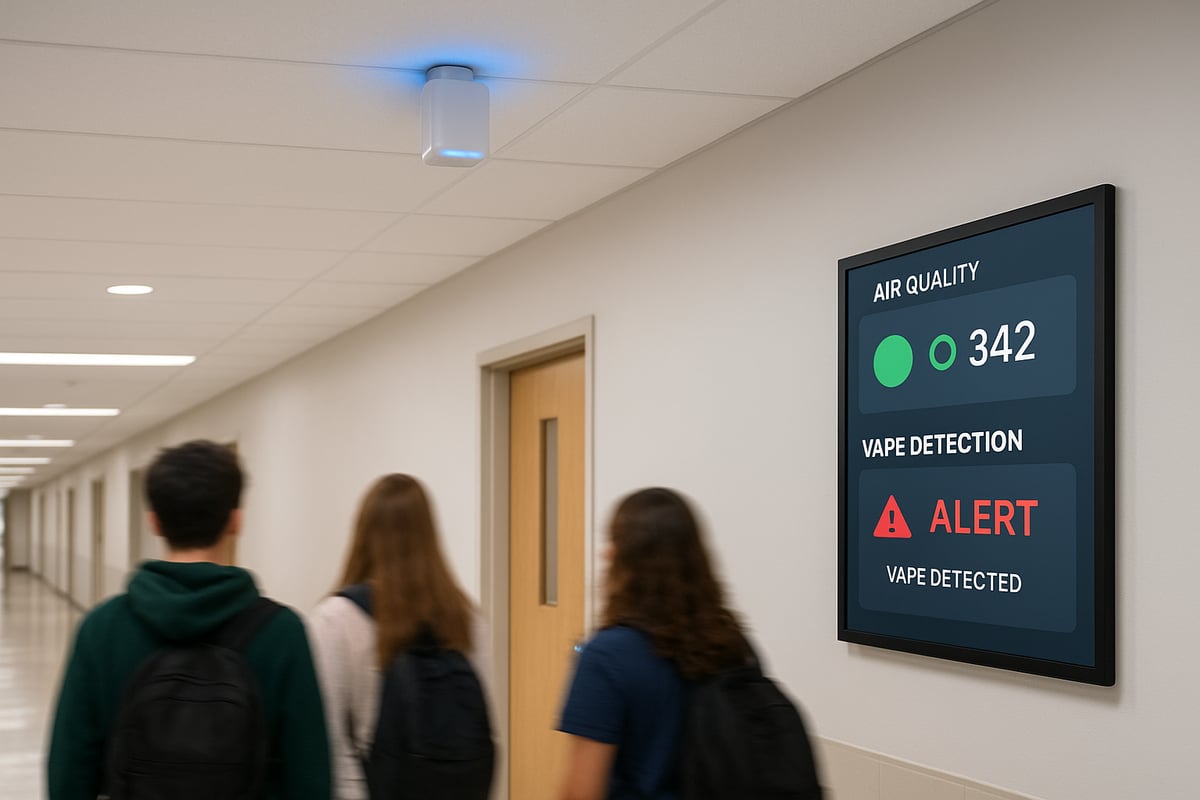
Early approaches to detecting unwanted substances in buildings relied heavily on smoke detectors. However, these devices were not designed to recognise the fine aerosols produced by vaping. As vaping devices grew in popularity and sophistication, the limitations of smoke detectors became increasingly apparent. They struggled to distinguish between steam, aerosol, and actual smoke, resulting in frequent false alarms and missed incidents.
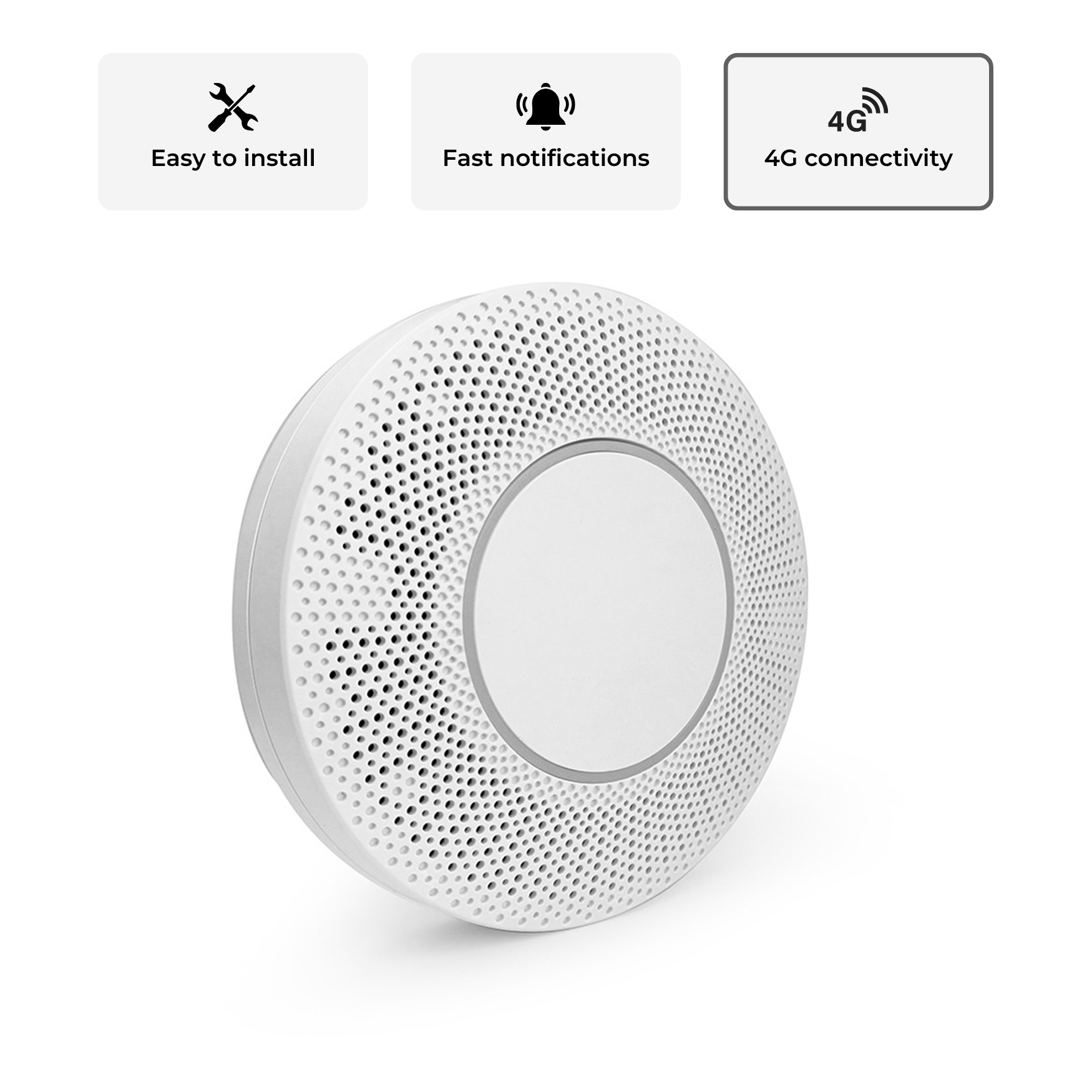
By the early 2020s, purpose-built vape detectors emerged to address this gap. These devices harnessed specialised sensors capable of identifying the chemical signatures unique to vaping products. The field advanced rapidly with the integration of AI-powered analytics and machine learning, which allowed systems to differentiate between nicotine, THC, and other substances. This innovation marked a significant leap forward for global vape detection, providing the accuracy and reliability needed in high-risk environments.
Modern vape detection technology now integrates seamlessly with building management and IoT platforms. Facilities benefit from real-time alerts, remote monitoring, and automated incident reporting. For instance, schools in the US reported up to an 80% reduction in vaping incidents after deploying these intelligent systems. The impact has been equally significant in the UK, where by 2024, over 40% of secondary schools had adopted vape detection solutions.
To understand the shift, consider the following comparison:
| Feature | Traditional Smoke Detector | Modern Vape Detector |
|---|---|---|
| Detects vaping aerosols | Rarely | Consistently |
| False alarms | High | Low (with AI analytics) |
| Substance differentiation | No | Yes (nicotine, THC, etc.) |
| Remote monitoring | No | Yes |
| Integration | Limited | Full (IoT, BMS) |
For a deeper dive into how these technologies evolved and the science behind them, see Vape Detection Technology Explained.
Current Capabilities and Limitations
Today’s global vape detection solutions are engineered to identify a wide range of substances, including nicotine, THC, and synthetic cannabinoids such as Spice. These advanced systems can distinguish between legitimate vaping events and everyday activities, but challenges remain. For example, aerosolised deodorants and steam from showers can still trigger occasional false positives, requiring ongoing calibration and refinement of detection algorithms.
Sensitivity and adaptability are crucial in diverse environments. Devices must perform reliably in locations with fluctuating humidity, temperature, and airflow. Environmental adaptability ensures that global vape detection remains effective whether in a busy school corridor or a climate-controlled office.
Data privacy and ethical considerations are also central to the conversation. Monitoring air quality and detecting substances must be balanced with respect for individual privacy. In office environments, for example, organisations strive to maintain trust while enforcing no-vape policies. Transparent communication, clear incident response protocols, and anonymised data collection help strike this balance.
Despite these advances, no system is entirely foolproof. Continuous training, regular system updates, and cross-department collaboration are essential to maintain high standards. As global vape detection technology continues to evolve, its role in creating safer, healthier public spaces becomes ever more prominent.
Global Regulatory Landscape and Compliance
As the prevalence of vaping increases worldwide, the need for a unified approach to global vape detection becomes more urgent. Regulatory bodies such as the World Health Organization and the Centres for Disease Control and Prevention are shaping standards that influence local policies. Yet, the regulatory landscape remains highly diverse, reflecting different attitudes, risk perceptions, and enforcement capabilities across regions.
Vape Detection Laws and Guidelines by Region
Global vape detection regulations are driven by a mix of international guidance and regional mandates. The World Health Organization provides overarching recommendations, while national and local authorities adapt these to suit their environments.
In Europe, the EU Tobacco Products Directive sets minimum standards for vape product safety and reporting, but enforcement varies. For example, the UK and Germany have implemented stricter rules around vape detection in schools and public venues. By 2024, 40 percent of UK secondary schools had installed vape detection systems, reflecting a proactive approach.
North America sees the US Food and Drug Administration at the forefront, setting federal guidelines. However, individual states often introduce their own requirements. In several US states, schools are now legally required to deploy vape detection devices, while public spaces like transport hubs are increasingly covered by local ordinances.
The Asia-Pacific region is experiencing rapid policy evolution. Singapore stands out with its zero tolerance stance, mandating compulsory vape detection in educational institutions. Australia and New Zealand are also tightening controls, introducing penalties for vaping in public and requiring real time monitoring in some sectors.
In the Middle East and Africa, frameworks are developing quickly, but enforcement remains a challenge. Some countries are piloting detection in airports and government buildings, aiming to address the surge in vaping among youth.
The table below summarises key regulatory approaches:
| Region | Key Regulatory Body | Vape Detection Requirement | Enforcement Level |
|---|---|---|---|
| Europe | EU TPD, national governments | Schools, public venues | Moderate to high |
| North America | US FDA, state authorities | Schools, public spaces | High |
| Asia-Pacific | Local governments, ministries | Schools, some public areas | High |
| Middle East Africa | National health ministries | Select public buildings | Variable |
This patchwork of regulations makes global vape detection both complex and dynamic.
Compliance Challenges and Best Practices
Complying with global vape detection requirements is not straightforward. Facility managers and administrators must navigate different legal definitions, detection thresholds, and reporting obligations. Data privacy laws add another layer of complexity, especially when monitoring in sensitive environments like schools or offices.
Key compliance challenges include:
- Interpreting varying detection standards across borders
- Collecting and storing evidence lawfully
- Protecting individual privacy and data security
- Training staff on incident response and regulatory updates
Best practices to address these challenges involve regular staff training, clear documentation of detection events, and collaboration with third party auditors. Many organisations also invest in technology that supports secure data handling and detailed reporting, ensuring transparency and accountability.
A recent survey found that 62 percent of facility managers cite compliance as their top concern when deploying vape detection systems. To support these needs, international solutions such as International Vape Detection Solutions offer configurable technology and compliance support tailored to regional regulations.
As global vape detection standards continue to evolve, staying informed and adaptable is essential for organisations committed to maintaining safe, compliant environments.
Implementing Vape Detection in Diverse Environments
Effective global vape detection requires a tailored approach for each environment. Schools, offices, and public spaces all present unique challenges. Implementing the right solution depends on understanding these differences, adopting best practices, and ensuring ongoing compliance. By reviewing real-world strategies, facilities can build robust vape-free environments.
Schools and Educational Institutions
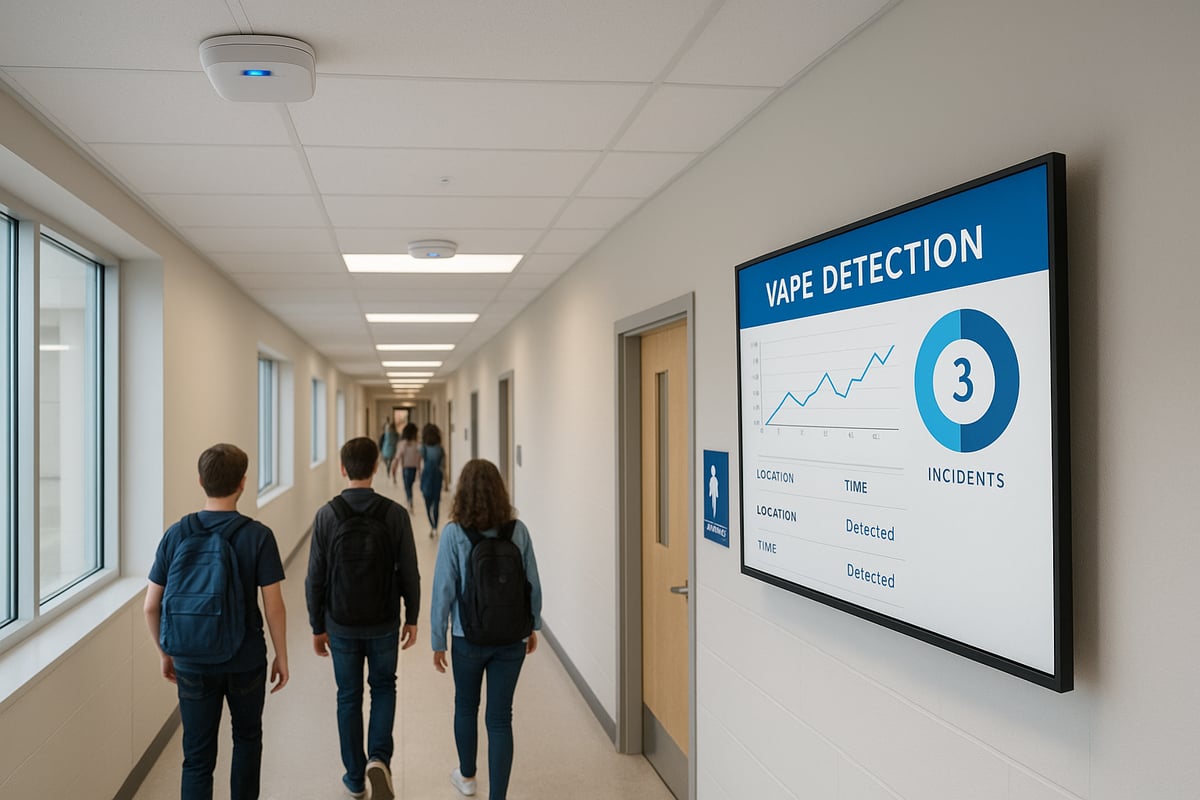
Schools are at the forefront of global vape detection efforts. The rapid rise in youth vaping has compelled educational leaders to act decisively. However, implementing detection systems in schools is not without challenges. Student privacy, safeguarding responsibilities, and the need for parental communication all come into play.
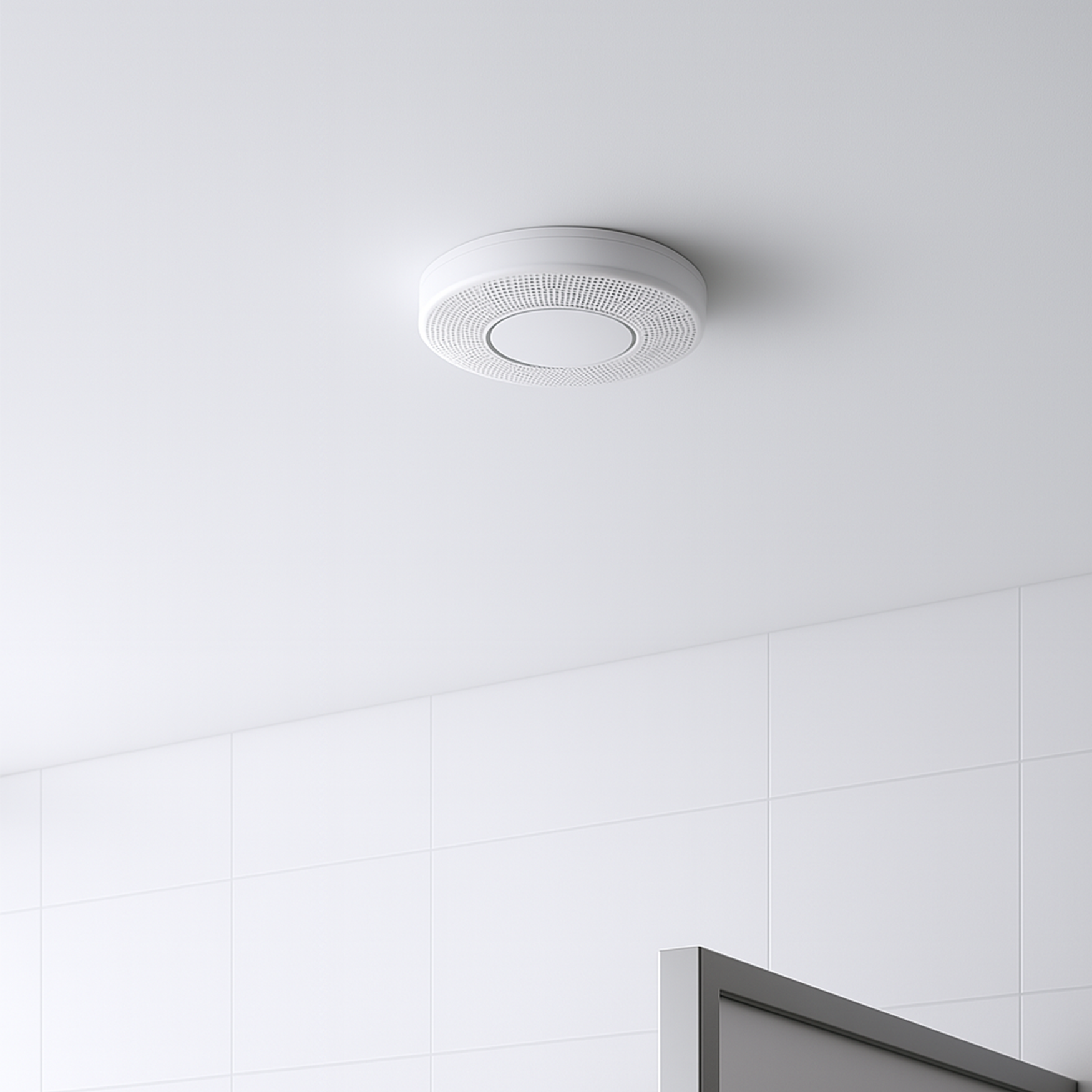
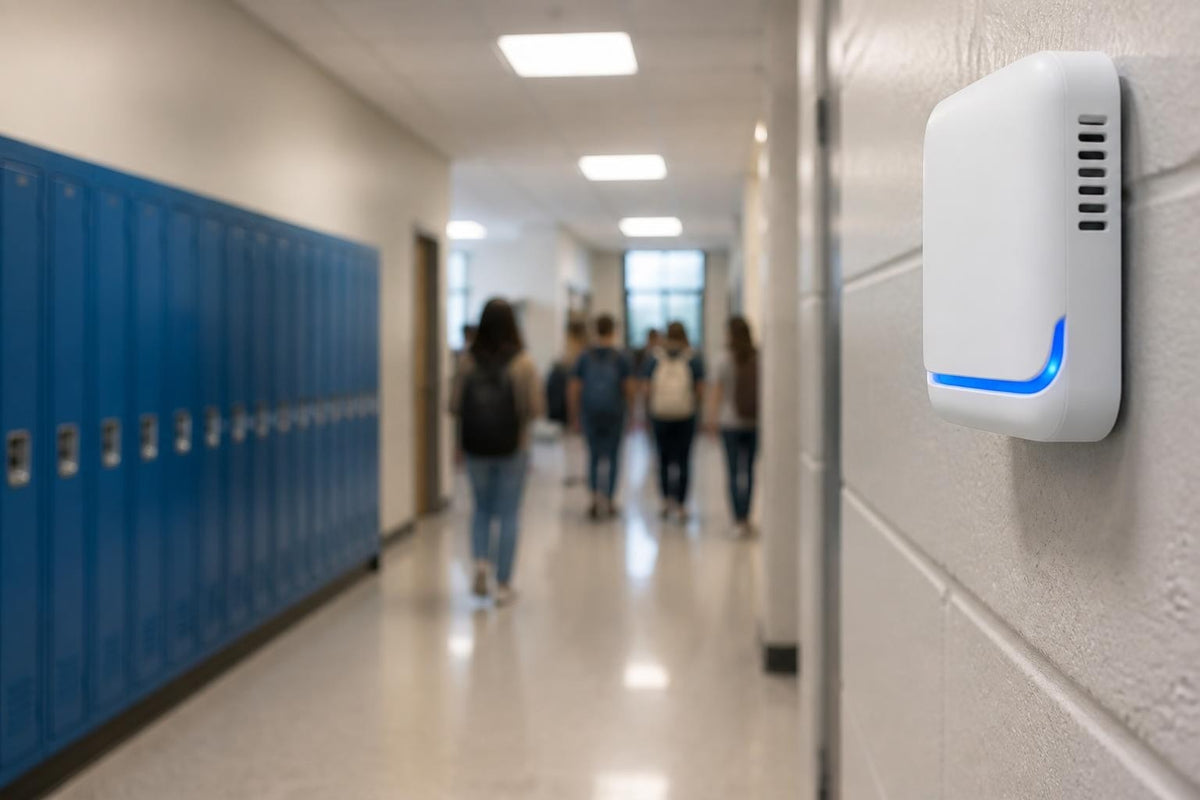
Effective placement is crucial. Vape sensors are most effective in areas where incidents are likely, such as toilets, corridors, and common rooms. Integrating global vape detection technology with existing safeguarding protocols ensures incidents are managed swiftly and appropriately. Timely notifications to staff allow for immediate intervention, while automated reporting helps monitor trends.
Awareness campaigns are equally important. Educating students on the risks of vaping, alongside clear policies, reinforces a culture of prevention. Schools that combine detection with education see the most significant reductions in incidents.
A recent example from the UK illustrates the impact. Schools deploying advanced vape detection systems reported up to a 95 percent drop in vaping incidents within five weeks. These results highlight the value of a comprehensive approach. For more detailed guidance on best practices, visit Vape Detection in Schools.
Workplaces and Office Buildings
Global vape detection is now a priority for workplace health and safety. Office environments face the dual challenge of maintaining air quality and respecting employee privacy. The introduction of e-cigarettes and other vaping devices has led many organisations to revisit policies and invest in new technologies.
Protecting indoor air quality is vital for employee health. Vape detection sensors can be integrated with building management systems to provide real-time monitoring. Strategic placement in restrooms, break areas, and less supervised spaces ensures coverage without being intrusive. Sensitivity settings can be adjusted to minimise false positives from steam or aerosols.
Developing clear policies is essential. Organisations must balance a supportive approach with disciplinary measures. This includes:
- Employee education on policies and health risks
- Transparent communication about monitoring
- Confidential incident response procedures
- Regular review of system effectiveness
A case study from Germany demonstrates success. Large corporate offices saw a marked decrease in vaping incidents after implementing a layered detection strategy. Employees reported improved air quality and greater trust in management’s commitment to wellbeing. The global vape detection approach in workplaces must remain adaptable as new devices and substances emerge.
Leisure, Retail, and Public Spaces
Leisure venues, retail centres, and public spaces present their own set of challenges for global vape detection. These environments are often high-traffic, open plan, and subject to diverse user behaviours. Operators must comply with legal obligations while maintaining a welcoming atmosphere for visitors.
Customising detection strategies is key. Sensors should be positioned in toilets, changing rooms, cinemas, and other areas where vaping is likely to occur unnoticed. Open plan spaces benefit from networked sensors and centralised monitoring dashboards. This allows for rapid response and efficient allocation of resources.
Venue operators are also responsible for public health messaging. Clear signage and staff training help reinforce no-vaping policies. In one major UK shopping centre, deployment of vape detection systems led to a significant drop in complaints and measurable improvements in air quality.
Legal compliance is a driving force in this sector. Regulations often require documentation of incidents and evidence of enforcement actions. Robust global vape detection technology supports operators in meeting these requirements while safeguarding public health.
Global vape detection continues to evolve as environments, regulations, and technologies change. Facilities that invest in adaptable, data-driven solutions are best positioned to create safe, vape-free spaces for all.
Step-by-Step Guide to Effective Vape Detection Deployment
Deploying a robust global vape detection solution requires a strategic, step by step approach. Each phase, from initial assessment to ongoing improvement, plays a vital role in ensuring effectiveness and compliance. The following guide outlines best practices for reliable deployment across diverse environments.
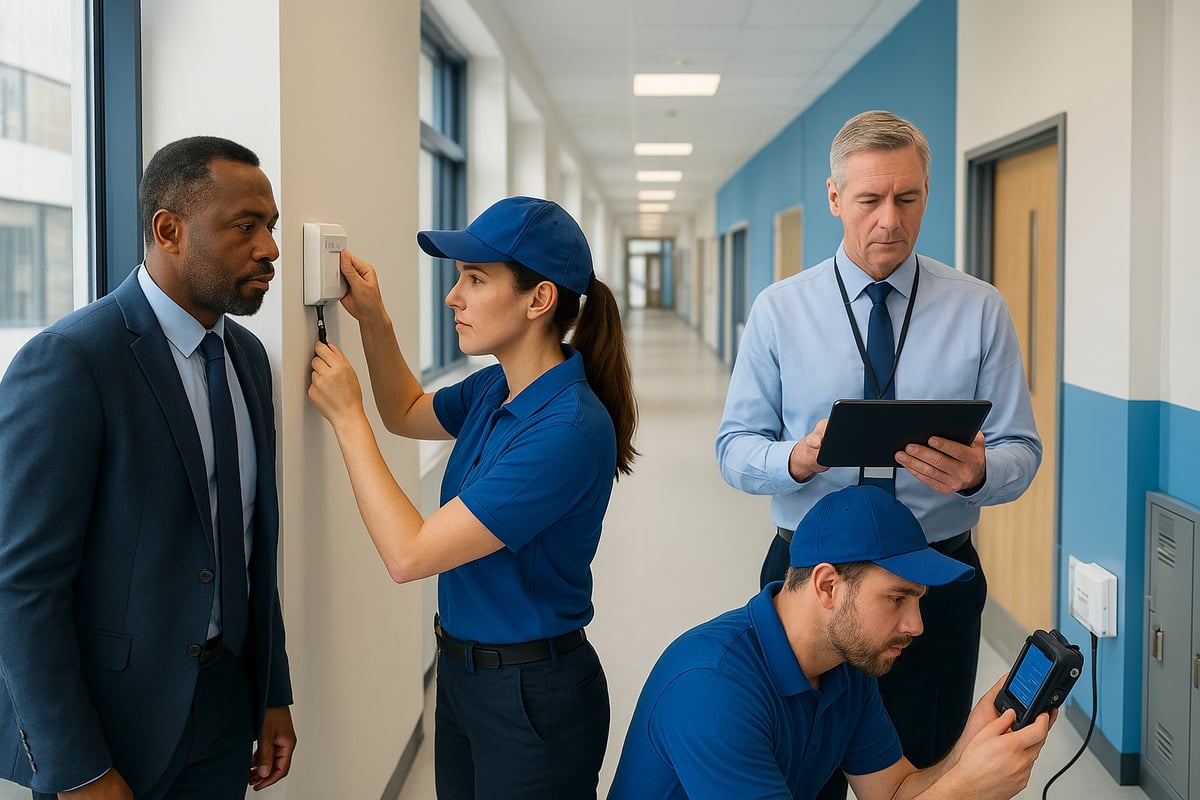
1. Assessing Site-Specific Needs
Begin by conducting a comprehensive risk assessment. Identify high risk zones such as toilets, corridors, and communal areas where vaping incidents are most likely. Involve relevant stakeholders, including administrators, staff, and, where appropriate, students or employees. Their insights help pinpoint problem areas and practical deployment strategies.
Evaluate historical incident data to understand patterns and frequency. This data-driven approach supports targeted deployment of global vape detection systems, ensuring resources are allocated efficiently. Documenting these findings lays the groundwork for a tailored solution that meets the unique needs of each environment.
2. Selecting the Right Vape Detection Technology
Choosing suitable technology is essential for effective global vape detection. Compare sensor types, such as chemical, particulate, and multi-sensor options, each offering distinct advantages. Consider integration capabilities with existing security and building management systems to streamline operations.
Prioritise scalability and future proofing. Select solutions that can adapt to evolving threats and new vaping substances. Assess sensitivity, false positive rates, and environmental adaptability. A well informed decision here ensures the global vape detection system delivers reliable results and supports long term objectives.
3. Installation and Configuration
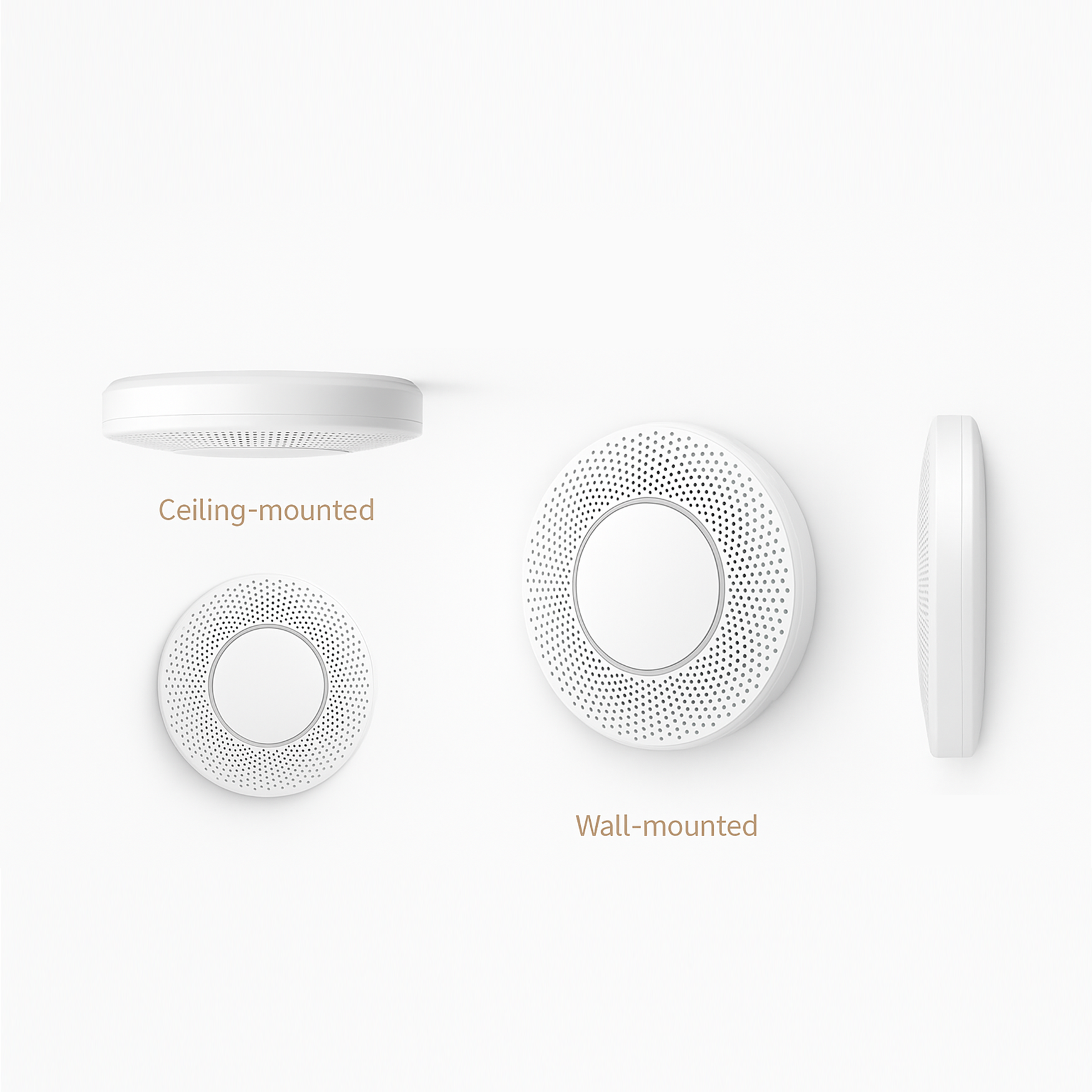
Proper installation is critical to the success of any global vape detection initiative. Place sensors strategically to maximise coverage and minimise blind spots, especially in high risk areas. Calibrate each device to account for local environmental factors, such as airflow or temperature variations, which can impact detection accuracy.
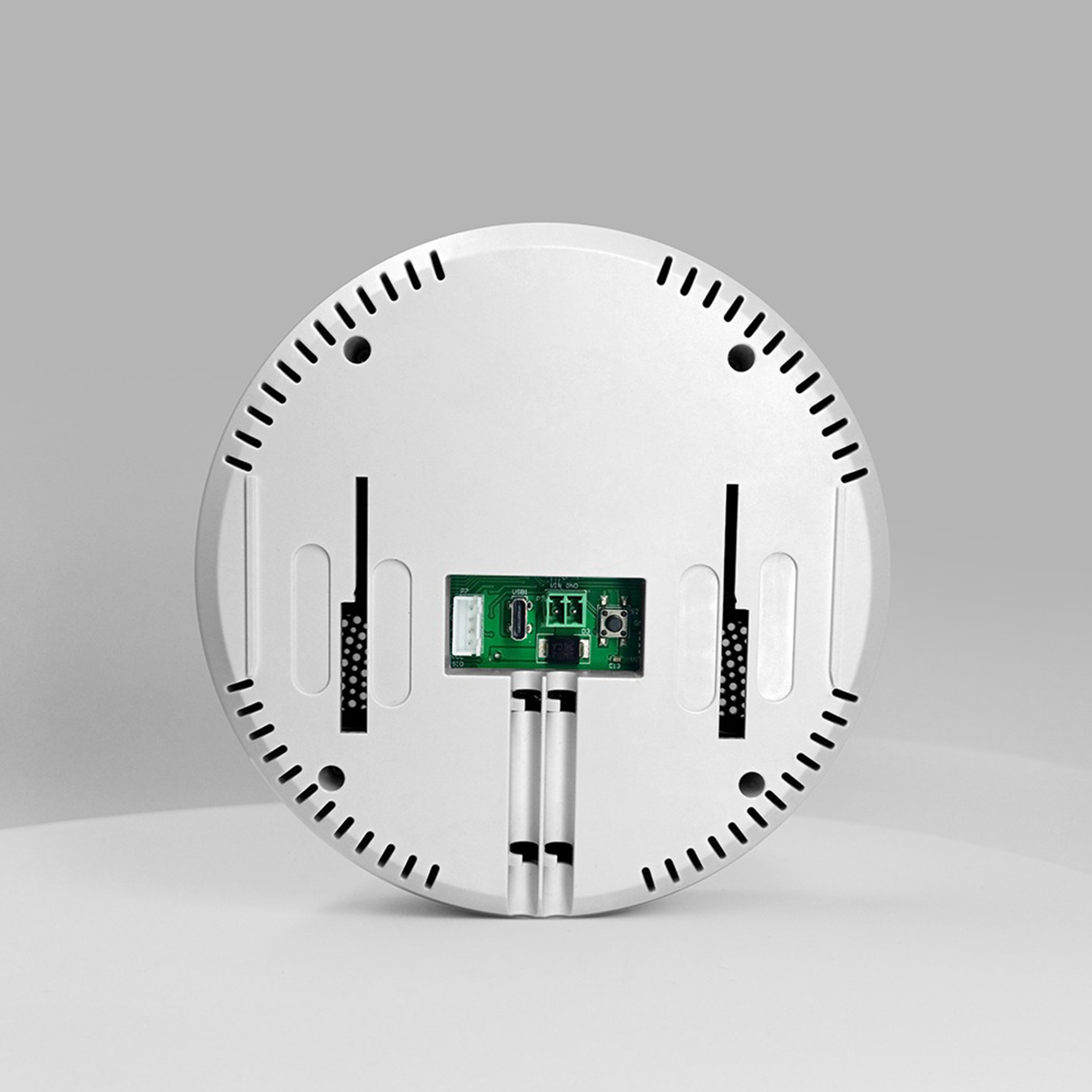
Ensure robust network connectivity and an uninterrupted power supply for continuous operation. Regularly review placement and calibration, making adjustments as building layouts or usage patterns change. Attention to these details guarantees the global vape detection system operates at peak performance.
4. Training and Awareness
Equip staff with comprehensive training on system management and response protocols. Clear understanding of how the global vape detection system operates fosters confidence and swift action when incidents occur. Develop tailored awareness campaigns for users, whether students, employees, or visitors, to promote understanding and cooperation.
Align detection policies with disciplinary and support frameworks. Communicate the purpose and benefits of global vape detection openly to build trust and encourage compliance. Ongoing education ensures everyone remains informed about procedures and the importance of a vape free environment.
5. Monitoring, Reporting, and Continuous Improvement
Establish real time alerts and dashboard monitoring for prompt incident response. Analyse incident trends and system performance regularly to identify areas for improvement. Regular reviews help align the global vape detection system with evolving threats and regulatory requirements.
Leverage external resources, such as Global Vape Detection Case Studies, to benchmark practices and learn from successful deployments worldwide. Continuous improvement, supported by data analysis and best practice sharing, ensures long term success. Flexible adaptation to new challenges keeps global vape detection efforts effective and compliant.
Data Analytics and AI in Vape Detection
Data analytics and artificial intelligence have become pivotal in tackling the rapid changes seen in global vape detection. As vaping rates surge worldwide, facility managers are turning to advanced analytics to monitor, predict, and act on vaping incidents in real time. According to the OECD report on smoking and vaping trends, the rise of vaping is reshaping public health priorities, making robust detection and analytics necessary in schools, workplaces, and public spaces.
AI-powered analytics process vast amounts of sensor data to identify vaping patterns and pinpoint hotspots across facilities. In global vape detection, predictive algorithms can highlight times and locations with elevated risk, allowing resources to be allocated proactively. For example, schools can use these insights to adjust supervision schedules or install additional sensors in problem areas, reducing incident rates and optimising costs.
Machine learning models are instrumental in reducing false positives, a common challenge faced by global vape detection systems. By learning to differentiate between genuine vaping events and harmless aerosols from deodorants or steam, these algorithms improve accuracy and minimise unnecessary disruptions. AI-driven dashboards provide facility managers with actionable insights, enabling faster and more informed decisions. Facilities leveraging AI analytics have reported response times up to 30 percent quicker when compared to traditional methods.
| Benefit | Description |
|---|---|
| Pattern Recognition | Identifies vaping trends and hotspots in real time |
| Predictive Intervention | Anticipates incidents for proactive resource allocation |
| Reduced False Positives | Machine learning improves detection accuracy |
| Faster Responses | AI dashboards enable quicker incident management |
Privacy and data ethics are central to global vape detection initiatives. Responsible deployment requires anonymisation of user data, secure storage, and transparent policies. Best practices include:
- Limiting access to sensitive data
- Regular audits of analytics systems
- Clear communication with stakeholders about monitoring
Looking ahead, data analytics and AI will remain at the forefront of global vape detection. As devices and substances evolve, so too will the algorithms designed to keep environments safe, compliant, and responsive.
Future Trends and Innovations in Global Vape Detection
The landscape of global vape detection is evolving rapidly, shaped by emerging technology, regulatory shifts, and the growing need for safer indoor environments. As we look toward 2026, organisations must stay ahead of the curve to ensure compliance and effective risk management. This section examines the next wave of innovations, anticipated regulatory developments, and strategies for future readiness in global vape detection.
Next-Generation Detection Technologies
The next generation of global vape detection technology is defined by versatility and connectivity. Sensors are moving beyond single-substance detection, now capable of identifying nicotine, THC, and a variety of synthetic drugs in real time. Multi-substance sensors are especially valuable in environments where new vaping products are constantly emerging.
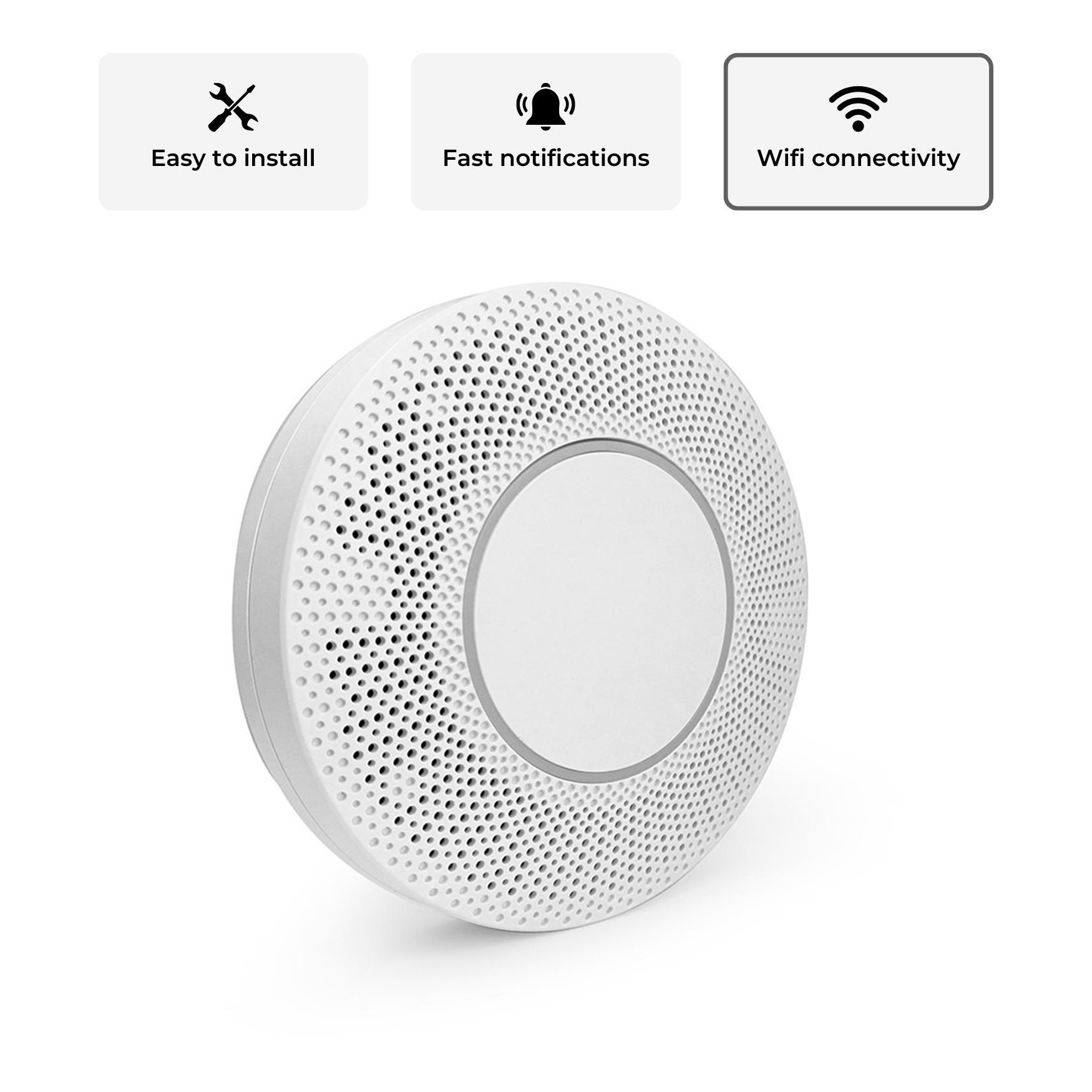
Wireless and battery-operated devices are becoming the norm, supporting flexible installation in diverse settings such as schools, offices, gyms, and transport hubs. These systems often feature cloud integration for remote management, instant alerts, and seamless updates.
Emerging solutions also include integration with broader environmental health monitoring. For instance, vape detection sensors may now track CO2, volatile organic compounds, and noise levels, providing a holistic view of indoor air quality. According to the E-cigarette and vape market analysis 2025-2033, advancements in sensor technology are expected to drive significant adoption worldwide.
The future of global vape detection will rely on these integrated, intelligent systems to meet the challenges of constantly changing substances and user behaviours.
Anticipated Regulatory and Social Changes by 2026
Regulatory bodies are responding to the vaping trend with greater urgency. By 2026, global vape detection is expected to be shaped by stricter enforcement in schools, workplaces, and public spaces. The introduction of generational tobacco bans, such as those recently enacted in the Maldives, demonstrates a shift toward comprehensive public health strategies. For more details on these legislative measures, see Maldives enacts generational tobacco ban.
Countries across Europe are working to harmonise standards, while the Asia-Pacific region is witnessing rapid policy development. Increased collaboration between technology providers and regulators is anticipated, resulting in clearer compliance guidelines for global vape detection systems.
Social attitudes are also evolving. Public demand for vape-free environments is rising, prompting venue operators and facility managers to prioritise detection and reporting. As regulations tighten, the ability to demonstrate compliance through reliable detection technology will become a competitive advantage.
Challenges and Opportunities Ahead
Despite technological progress, global vape detection faces ongoing challenges. Manufacturers are developing devices specifically designed to avoid detection, forcing sensor providers to innovate continuously. The rapid evolution of vaping substances, including new synthetic cannabinoids and designer drugs, further complicates detection efforts.
Balancing privacy concerns with safety requirements remains a top priority, especially in educational and workplace environments. Data protection regulations require careful handling of detection data, making transparency and ethical standards essential.
At the same time, there are significant opportunities. Global standardisation efforts, such as EU initiatives to harmonise vape detection protocols, can streamline compliance and simplify implementation for multinational organisations. Proactive engagement with regulators and industry groups will be key to capitalising on these opportunities in global vape detection.
Preparing for the Future
Future-proofing global vape detection requires a commitment to ongoing learning and adaptation. Regular staff training and policy updates help organisations respond effectively to new risks and regulations. Investing in modular, upgradable detection systems ensures that facilities can adapt as technology and legislation evolve.
Engaging stakeholders, including students, employees, and the wider community, is essential for building support and awareness. Public education campaigns play a crucial role in reinforcing vape-free norms and encouraging responsible behaviour.
Ultimately, the organisations best prepared for the future of global vape detection will be those that combine cutting-edge technology, robust compliance strategies, and a proactive approach to stakeholder engagement.
As you’ve seen throughout this guide, the landscape of vape detection is evolving rapidly, with new technologies, regulations, and challenges emerging every year. Staying ahead means understanding not just the risks but the tools available to create safer, healthier spaces—whether you manage a school, office, or public venue. If you’re ready to explore how advanced detection can help you meet compliance, reduce incidents, and protect your community, I invite you to talk to our team and protect your building today. We’re here to support you every step of the way.



Share:
Corporate Wellness Monitoring: Your Essential Guide for 2026
The Essential Indoor Pollution Reporting System Guide 2026