
Imagine stepping into a workplace where employee health is consistently optimised, absenteeism plummets, and productivity reaches new heights. This vision is becoming reality through advances in corporate wellness monitoring, a field set to transform organisations by 2026.
In this guide, we explore how corporate wellness monitoring is evolving and how it can empower your business to achieve measurable improvements in employee wellbeing. Our aim is to offer you a clear roadmap for implementing and maximising these innovative solutions.
You will discover the evolution of wellness technology, essential monitoring metrics, a step-by-step implementation process, strategies to overcome common challenges, and the latest trends shaping the future. Ready to future-proof your workplace wellbeing strategy? Let us begin.
The Evolution of Corporate Wellness Monitoring
Imagine the workplace of decades past, where employee health initiatives consisted of annual check-ins and paper-based questionnaires. Early wellness programmes often focused narrowly on physical fitness, with little consideration for holistic wellbeing. As workplace expectations evolved, so too did the need for more robust and accessible corporate wellness monitoring.
The shift from manual tracking to digital systems marked a turning point. Companies began replacing paper surveys with online assessments, allowing for faster data collection and more precise analysis. The emergence of wearable devices and mobile health apps further transformed the landscape, enabling real-time tracking of activity, sleep, and other vital metrics.
The introduction of Internet of Things sensors and artificial intelligence brought an entirely new dimension. Smart devices now collect continuous health and environmental data, while AI-driven analytics convert this information into actionable insights. Early adopters of these technologies reported measurable improvements in employee engagement, reduced absenteeism, and a more proactive approach to health risks.
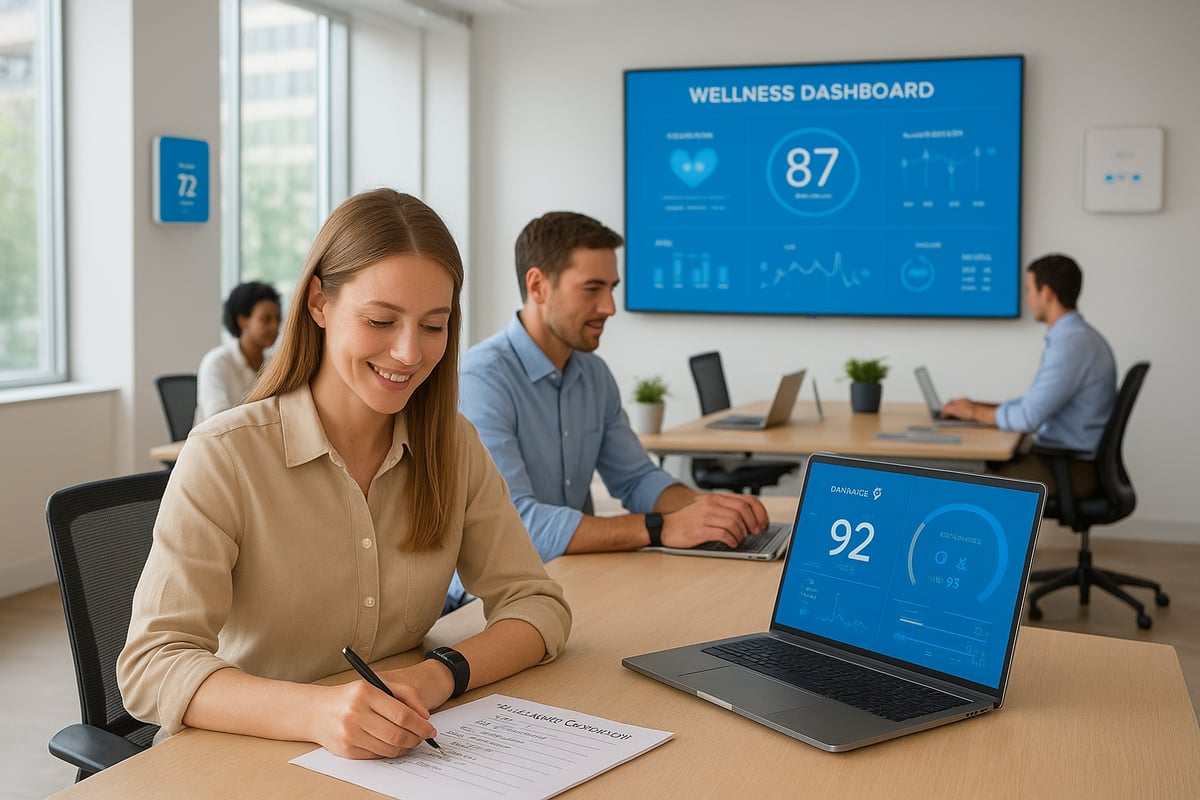
From Manual Tracking to Smart Technologies
Corporate wellness monitoring began as a series of basic initiatives, such as step challenges, nutrition posters, and periodic health screenings. These early efforts, while well-intentioned, lacked the depth and scalability needed for a dynamic workforce.
The digital revolution spurred a new era. Online health risk assessments and digital feedback forms quickly replaced paper-based methods. Wearable devices, like smartwatches and fitness trackers, introduced the ability to monitor physical activity and sleep patterns on a daily basis. Mobile health apps gave employees greater autonomy, allowing them to track progress and receive instant feedback.
The integration of IoT sensors and AI systems has since elevated corporate wellness monitoring. Smart sensors now track everything from air quality to noise levels, while AI platforms analyse this data to identify patterns and recommend interventions. A notable case is a UK-based tech firm that piloted wearable devices, resulting in a 30 percent reduction in sick days within a year.
Key Drivers for Adoption in 2026
Several factors are accelerating the adoption of corporate wellness monitoring in 2026. Rising healthcare costs are motivating organisations to invest in preventive measures that reduce long-term expenses. Employees are also demanding more comprehensive support for their mental, emotional, and social wellbeing.
Regulatory changes in the UK and Europe require organisations to demonstrate compliance with evolving health and safety standards. Human resources departments are increasingly relying on data-driven strategies to guide decision-making and measure programme effectiveness.
A growing body of evidence links effective corporate wellness monitoring to higher employee retention. For example, companies that implemented holistic monitoring solutions reported a 25 percent increase in staff retention over two years, highlighting the tangible benefits of investing in modern wellness programmes.
The Expanding Scope of Wellness Monitoring
Today, corporate wellness monitoring extends far beyond physical health metrics. Programmes now encompass mental and emotional wellbeing, tracking indicators like stress, mood, and engagement. Social wellbeing initiatives promote connection and community, recognising the importance of relationships in workplace health.
Environmental factors are gaining prominence as well. Monitoring air quality, temperature, and noise levels helps create safer, more productive environments. Some organisations are customising wellness monitoring for diverse workforces, including remote and hybrid teams. For example, several UK companies now use environmental sensors and digital mental health platforms to address unique needs across office and home settings.
By embracing this expanded approach, organisations ensure their corporate wellness monitoring strategies are relevant and inclusive for all employees.
Current Market Landscape and Statistics
The global corporate wellness monitoring market is poised for significant growth by 2026. Industry reports predict the UK market alone will reach USD 4.5 billion by 2033, driven by rising demand for integrated health solutions and technology adoption. Across Europe, penetration rates for wellness monitoring platforms are steadily increasing, with more than half of large employers planning to boost their investment in digital wellness tools.
A variety of vendors now offer solutions ranging from wearable devices to comprehensive analytics platforms. Companies are seeking systems that provide real-time feedback, integrate seamlessly with HR software, and deliver measurable results.
According to recent surveys, over 60 percent of UK employers intend to expand their use of wellness technologies in the next two years. For a deeper look at market growth and the expanding role of technology in workplace wellbeing, see the UK Corporate Wellness Market To Reach USD 4.5 Billion By 2033.
Core Metrics and Technologies in Corporate Wellness Monitoring
The landscape of corporate wellness monitoring is evolving rapidly, offering organisations new ways to support employee wellbeing. By tracking vital metrics and leveraging advanced technologies, businesses can create healthier, more productive workplaces.
Essential Wellness Metrics to Track
To maximise the benefits of corporate wellness monitoring, it is crucial to identify and measure the right indicators. Physical health metrics such as daily activity, step counts, sleep quality, and biometric data like heart rate or blood pressure provide a foundation for understanding employee health.
Mental wellbeing is equally significant. Tracking stress levels, mood fluctuations, and overall engagement helps organisations identify early signs of burnout or disengagement. Environmental factors, including air quality, temperature, and noise levels, are now part of comprehensive monitoring efforts, reflecting a holistic approach.
Productivity and presenteeism indicators, such as attendance rates and task completion times, offer insight into how wellness impacts work performance. Many organisations use aggregated data from these metrics to design targeted interventions, fostering a culture of continuous improvement. The integration of these diverse metrics is central to effective corporate wellness monitoring.
Leading Technologies Powering Wellness Monitoring
The adoption of innovative tools has transformed corporate wellness monitoring across industries. Wearable devices, including smartwatches, fitness trackers, and biosensors, capture real time data on physical health and activity. These devices are widely used due to their accuracy and ease of integration with other platforms.
Mobile and web applications provide instant feedback, enable self assessment, and support ongoing engagement. AI driven analytics platforms interpret collected data, offering predictive insights that help organisations anticipate health risks and absenteeism. Integration with HRIS and Employee Assistance Programme (EAP) systems ensures seamless data flow and coordinated support.
In the UK, the adoption rate of wearables in the workplace continues to rise as employers recognise their value in supporting employee health. These technologies are at the heart of corporate wellness monitoring, enabling evidence based decision making and proactive wellbeing strategies.
Data Privacy and Security Considerations
With the growth of corporate wellness monitoring, safeguarding employee data has become a top priority. Adhering to GDPR compliance and obtaining clear employee consent are essential practices. Secure data storage and transfer protocols protect sensitive information from unauthorised access.
Anonymisation and aggregation techniques are used to ensure individual identities remain confidential, especially when sharing results or trends with management. Balancing transparency with confidentiality is key to building trust among employees.
Organisations that establish clear policies, communicate openly, and demonstrate commitment to privacy are more likely to gain employee buy in. Such measures reinforce the credibility of corporate wellness monitoring and support higher participation rates.
Vape Guardian: Air Quality and Behavioural Monitoring in the Workplace
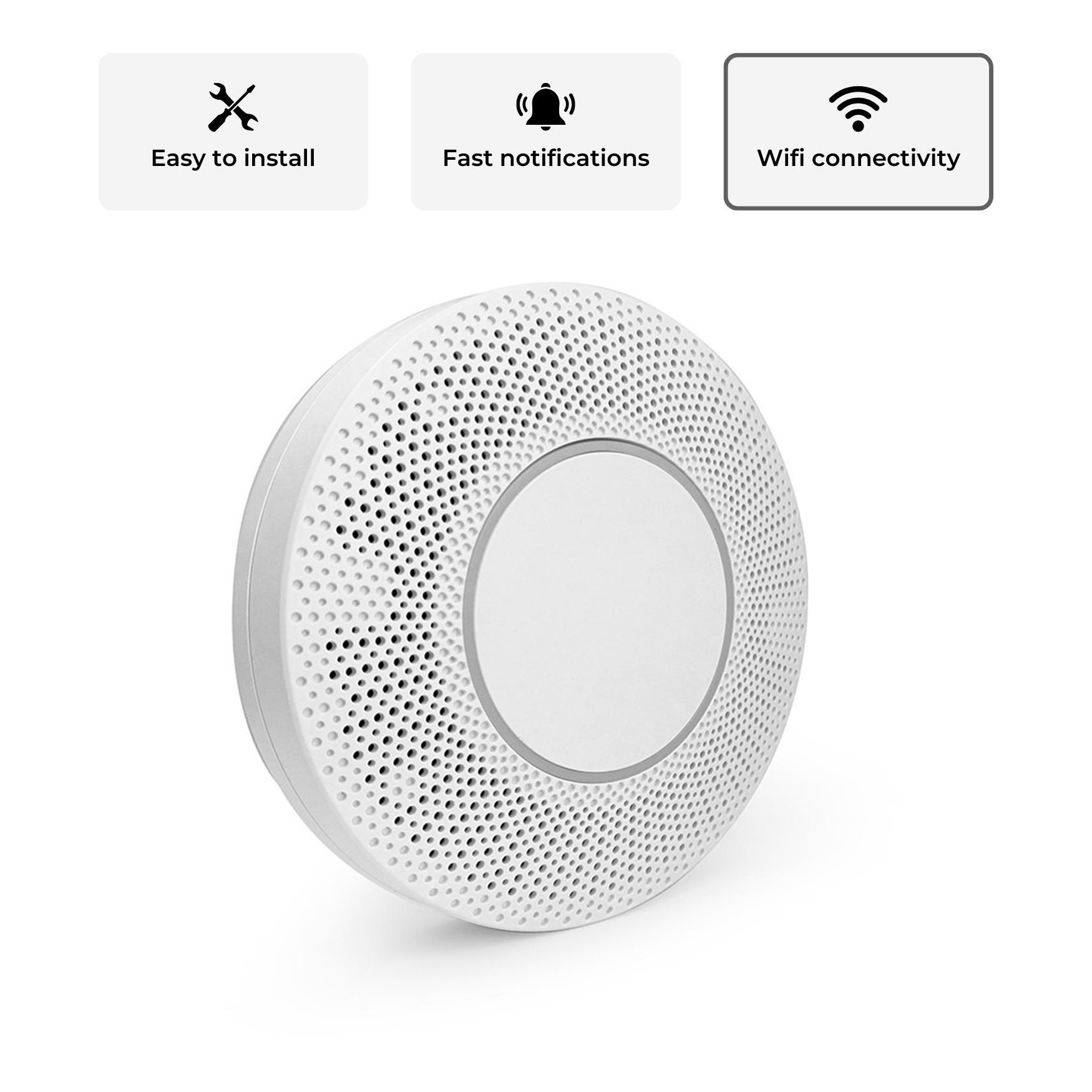
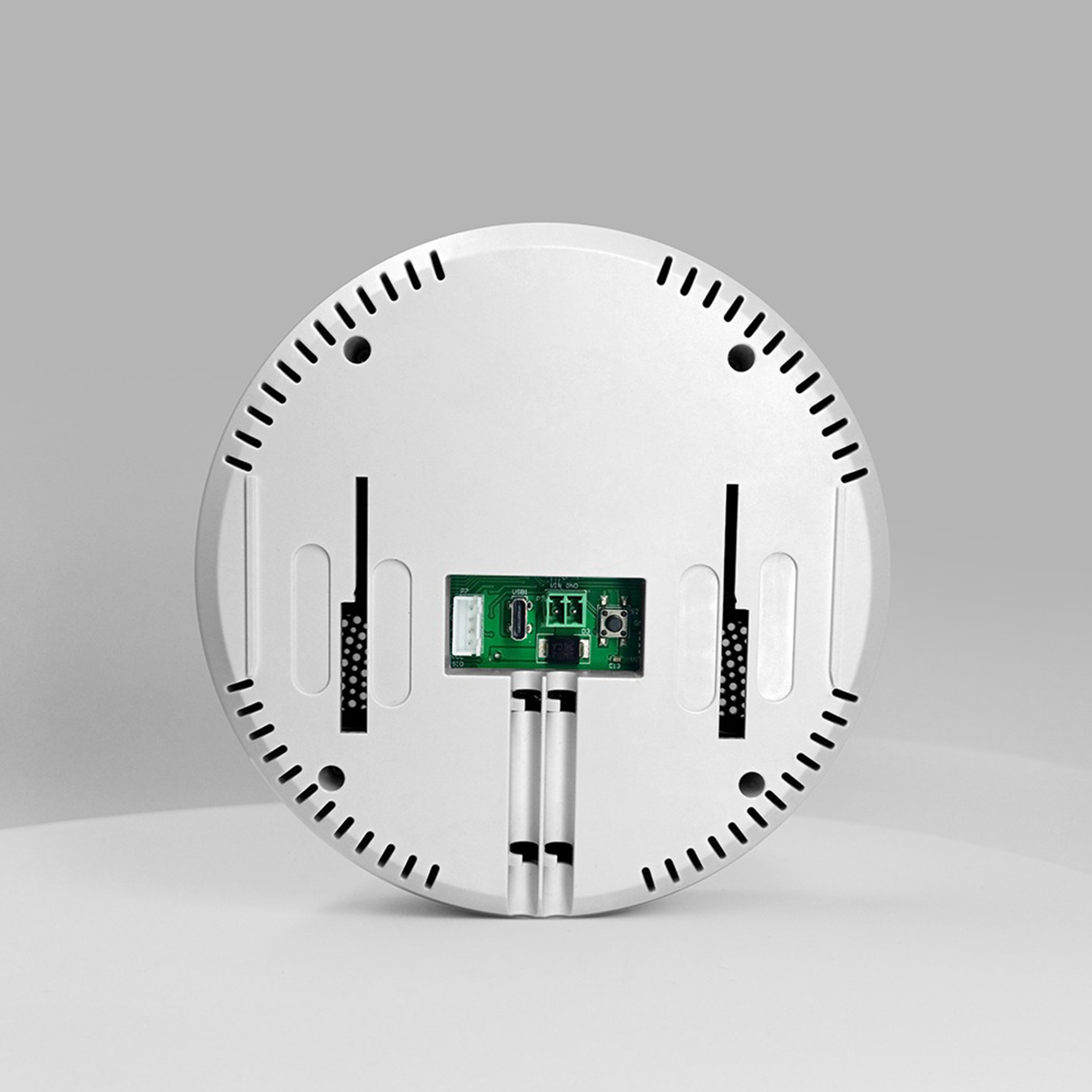
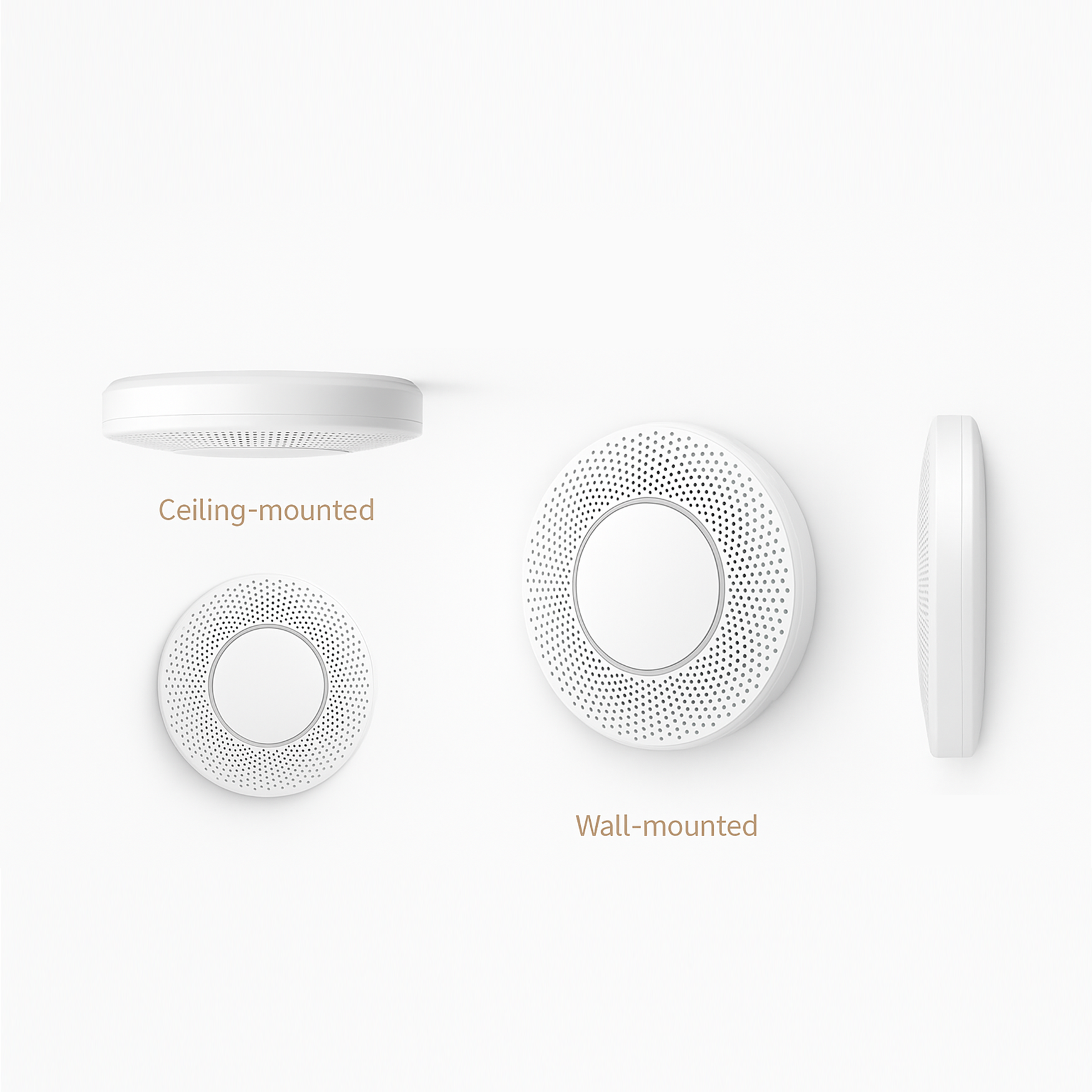
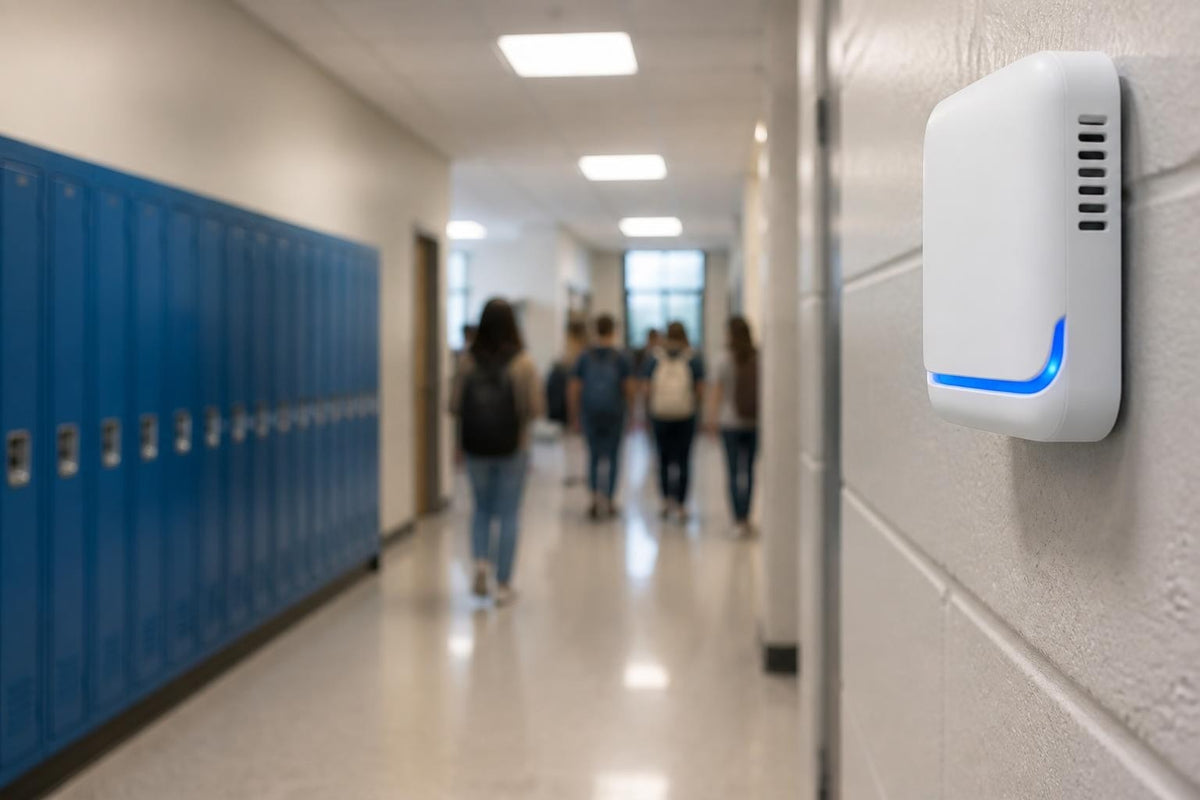
Advanced air quality and substance detection technologies are now integral to corporate wellness monitoring solutions. Sensors can detect vaping, drug use, and environmental hazards, providing real time alerts that help organisations maintain safe and compliant workplaces.
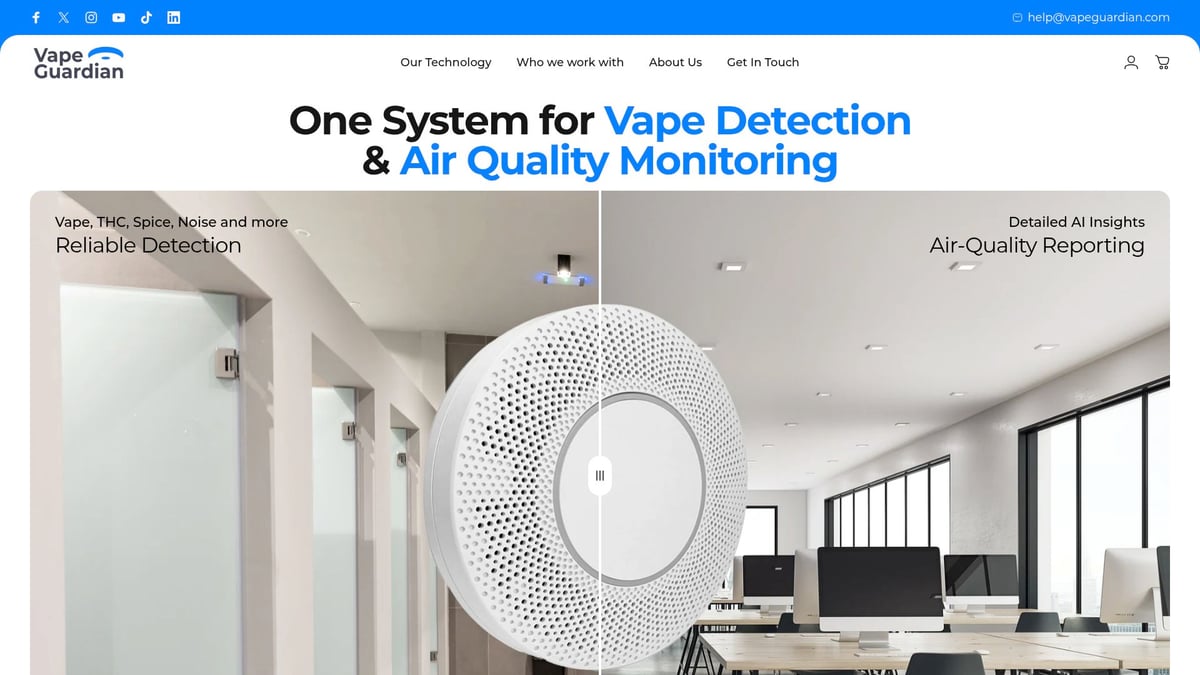
Vape Guardian solutions combine behavioural and environmental monitoring to create healthier office environments. These systems enable organisations to address air quality concerns and comply with workplace policies efficiently. For a deeper understanding of how air quality impacts wellbeing, explore this Office air quality monitoring resource.
Offices adopting these technologies have reported improved employee satisfaction and reduced health risks. Aligning air quality and behavioural monitoring with broader wellness strategies ensures a comprehensive approach to employee wellbeing.
Implementing a Corporate Wellness Monitoring Programme: Step-by-Step Guide
Rolling out a successful corporate wellness monitoring programme requires a structured approach. By following these six steps, organisations can ensure both effective implementation and long term value for employees and the business.

Step 1: Assess Organisational Needs and Objectives
Begin by identifying the unique health and wellbeing challenges facing your workforce. Conduct employee surveys, review absence data, and analyse current health trends within the organisation.
Engage leadership and key stakeholders early to gain support and ensure resources are aligned. Set clear, measurable goals. For example, you might aim to reduce absenteeism by 10 percent within a year or boost employee engagement scores.
Define key performance indicators (KPIs) that will guide your corporate wellness monitoring journey. A recent case saw a UK firm uncover high stress levels during their assessment, leading to the adoption of targeted stress management programmes.
Step 2: Choose the Right Monitoring Tools and Partners
Evaluate available technologies based on your objectives. Consider compatibility with existing HR systems, data privacy standards, and the ability to customise for diverse teams.
Key criteria for selecting solutions include:
- Real time data collection and analytics
- Integration with other wellbeing platforms
- Support for remote and on site staff
- Robust security and compliance features
Compare vendors using a simple table:
| Feature | Vendor A | Vendor B | Vendor C |
|---|---|---|---|
| Wearable Integration | Yes | No | Yes |
| Environmental Sensors | Yes | Yes | No |
| Custom Reporting | Yes | Yes | Yes |
When considering environmental monitoring, explore resources such as the Best air quality monitoring device to help you select the right technology for your workplace.
Step 3: Develop Policies and Communication Strategies
Draft transparent policies outlining what data will be collected, how it will be used, and who will have access. Address employee concerns proactively to promote trust and participation.
Communication should be clear, ongoing, and inclusive. Use town hall meetings, email updates, and FAQs to answer questions. Equip managers and wellness champions with training to support the rollout.
A well executed communication plan can significantly increase engagement. For instance, one organisation saw participation rates double after launching an internal campaign explaining the benefits and protections of their corporate wellness monitoring initiative.
Step 4: Deploy and Integrate Solutions Seamlessly
Work closely with IT and HR teams to integrate new monitoring tools into your existing infrastructure. Start with a pilot programme in one department, gather feedback, and refine the approach before wider deployment.
Phased rollouts help identify technical and cultural challenges early. Provide robust support resources, including troubleshooting guides and help desks, to ensure smooth adoption.
On average, UK businesses report onboarding times of four to six weeks for most wellness technologies. Regular check ins during this phase are crucial for long term success.
Step 5: Monitor, Analyse, and Act on Insights
Set up interactive dashboards to visualise aggregated data in real time. Use analytics to identify emerging health risks, absenteeism patterns, and areas where support is needed.
Corporate wellness monitoring platforms can highlight trends such as increased stress during busy periods or drops in physical activity. Use these insights to develop targeted interventions, such as introducing mindfulness workshops or ergonomic assessments.
By acting on data promptly, organisations can improve employee outcomes and demonstrate the value of their corporate wellness monitoring efforts. Regular reporting keeps stakeholders informed and supports continuous improvement.
Step 6: Evaluate and Optimise Continuously
Gather feedback from employees and stakeholders through surveys and focus groups. Measure the return on investment (ROI) by tracking KPIs like reduced absenteeism, improved engagement, and cost savings.
Use new data and insights to iterate and refine your programme. Ongoing optimisation ensures corporate wellness monitoring remains relevant and effective as your organisation evolves.
For example, one company achieved sustained engagement by regularly updating their wellness offerings based on employee suggestions, maintaining momentum year after year.
Overcoming Challenges in Wellness Monitoring Programmes
Creating a successful corporate wellness monitoring programme involves more than just adopting technology. Organisations must address privacy, data management, inclusivity, and legal requirements to truly support employee wellbeing. Tackling these challenges head-on is essential for building trust and realising the full benefits of corporate wellness monitoring.
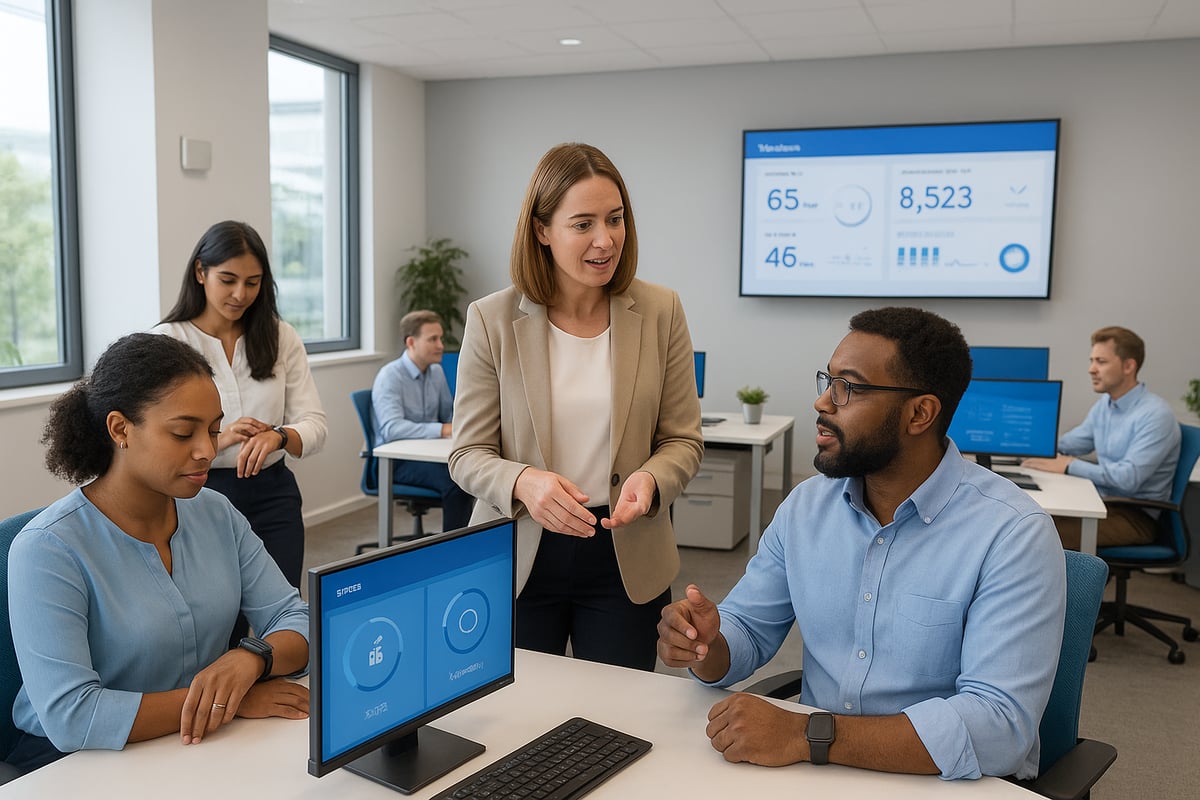
Addressing Employee Privacy and Trust Concerns
Privacy is often the first concern employees express regarding corporate wellness monitoring. Many worry about intrusive data collection or the potential misuse of personal health information. To overcome this, organisations must foster a culture of transparency and respect.
Clear communication about what data is collected, how it is used, and who can access it is vital. Involving employees early and often helps dispel misconceptions. Policies should emphasise that wellness data is aggregated and anonymised, protecting individual identities. Providing regular updates and offering opt-in options can further build trust.
Practical steps include:
- Hosting open forums for questions and feedback
- Ensuring visible leadership support for privacy-first policies
- Highlighting the benefits of monitoring for employee wellbeing
A UK-based company introduced a transparent consent protocol and saw participation in their corporate wellness monitoring programme rise by 40 percent, demonstrating the power of trust.
Managing Data Overload and Actionability
With the volume of data generated by corporate wellness monitoring tools, it is easy to feel overwhelmed. HR teams can quickly become distracted by vanity metrics that offer little actionable value. The key is to filter out noise and focus on insights that drive meaningful change.
Effective strategies include:
- Prioritising core metrics linked to organisational goals
- Using AI-powered platforms to identify trends and risks
- Creating dashboard views for quick, relevant updates
For example, a London-based business streamlined its reporting by concentrating on stress levels and productivity data. This focus enabled targeted interventions, reduced absenteeism, and maximised return on investment. By leveraging AI and clear dashboards, corporate wellness monitoring becomes a tool for action rather than information overload.
Ensuring Inclusivity and Accessibility
A truly effective corporate wellness monitoring programme must serve all employees, regardless of location, ability, or background. Remote, hybrid, and on-site staff should each have access to tailored wellness resources. Technology choices must reflect these diverse needs, ensuring accessibility features and multi-language support are available.
Organisations are also expanding monitoring to include environmental factors, such as air quality and ergonomics. Adopting holistic solutions, like those described in this environmental monitoring system overview, helps companies create safer, more inclusive workplaces.
Recent surveys show that over 60 percent of UK employees now access wellness resources remotely. By prioritising inclusivity, corporate wellness monitoring can reach its full potential and support every member of the workforce.
Navigating Legal and Ethical Considerations
Legal compliance is non-negotiable for corporate wellness monitoring. UK and EU regulations, such as GDPR, set strict standards for data collection, processing, and retention. Organisations must develop ethical frameworks to ensure responsible use of employee health data.
Key actions include:
- Regular reviews of data security protocols
- Training staff on confidentiality and anti-discrimination policies
- Establishing clear policies to prevent misuse or bias
A leading UK firm implemented a compliance audit process, resulting in zero data breaches and high employee confidence. By staying ahead of regulatory changes and prioritising ethics, businesses can safeguard both employees and their own reputations.
Future Trends and Innovations in Corporate Wellness Monitoring
The landscape of corporate wellness monitoring is evolving rapidly, with new technologies and approaches reshaping how organisations support their teams. In 2026, forward-thinking companies are not only tracking health data but also leveraging smarter tools to anticipate needs, personalise interventions, and foster resilient workplace cultures. Let us explore the trends shaping the future of corporate wellness monitoring and how these innovations are driving meaningful change.
Predictive Analytics and Personalised Interventions
Artificial intelligence is transforming corporate wellness monitoring by enabling predictive analytics and tailored support. Companies now analyse trends in absenteeism, stress, and biometric data to forecast potential health risks before they escalate.
With hyper-personalised recommendations, employees receive targeted guidance based on their unique health profiles and work patterns. This shift empowers organisations to address concerns proactively, reducing sick days and enhancing morale. For instance, a financial services firm used predictive models to identify teams at risk of burnout, then introduced tailored resilience programmes that led to a measurable drop in absenteeism.
For a broader view on how AI and personalised health insights are shaping the field, see the top corporate fitness and wellness trends for 2026.
The Rise of Environmental and Behavioural Monitoring
The scope of corporate wellness monitoring now extends beyond physical and mental health to include the environment and workplace behaviours. Advanced sensors are deployed to track air quality, temperature, noise, and even detect vaping or substance use in real time.
Integrating these tools with digital wellness platforms allows organisations to respond swiftly to environmental hazards or unhealthy behaviours. Offices are increasingly adopting solutions such as vape sensor for offices to maintain compliance and promote a safer, healthier atmosphere for all staff.
By harnessing environmental insights, businesses can design interventions that reduce stress, improve focus, and create more comfortable workspaces.
Expanding the Definition of Wellness
Corporate wellness monitoring is moving towards a holistic approach, recognising the importance of financial, social, and even spiritual wellbeing. Programmes are expanding to address financial literacy, community building, and personal growth, alongside traditional health metrics.
This broader perspective reflects the growing demand from employees for comprehensive support. Data from recent surveys shows a steady increase in requests for resources addressing diverse aspects of wellbeing. As organisations refine their monitoring, they are better equipped to identify gaps and deliver inclusive, meaningful benefits.
By capturing a wider range of wellness indicators, companies can foster a culture where every employee feels valued and supported.
The Role of Virtual and Augmented Reality
Virtual reality and augmented reality are emerging as game-changers in corporate wellness monitoring. VR platforms offer immersive stress management sessions, guided meditation, and ergonomic assessments, allowing employees to access support from any location.
Organisations are piloting VR-based wellness experiences to help staff decompress or learn new skills in engaging, interactive ways. These technologies also enable remote assessments of workstations, ensuring ergonomic safety for hybrid and remote teams.
The adoption of VR and AR tools signals a shift towards experiential, accessible wellness resources that adapt to changing workplace dynamics.
Preparing for the Next Generation Workplace
As Generation Z enters the workforce, expectations for corporate wellness monitoring are evolving. Younger employees prioritise transparency, ethical data use, and digital-first solutions that respect privacy.
Organisations must anticipate new regulatory requirements and ethical considerations, ensuring monitoring practices remain fair and compliant. Building a resilient, wellbeing-focused culture will be essential for attracting and retaining top talent.
Forward-thinking companies are already leading the way, using data responsibly and embracing innovation to create supportive environments where both people and business thrive.
As we look ahead to 2026, it’s clear that data driven wellness strategies and environmental monitoring are set to redefine how organisations support their teams. If you’re ready to create safer, healthier workplaces and want to see how real time air quality and behavioural insights fit into your wellness programme, now is the perfect time to take the next step. You don’t have to navigate these innovations alone—our team is here to support your journey.
Talk to our team and protect your building today




Share:
Complete Guide to IoT Vape Detector Solutions 2026
Global Vape Detection Guide: Essential Insights for 2026