
Vaping has surged in popularity across the UK, with NHS reports indicating record usage among young people and adults alike. As organisations, schools, and businesses face increasing challenges in monitoring this trend, the need for a reliable iot vape detector has never been more urgent.
This guide offers a clear path through the evolution of vape detection technology, showing how IoT is revolutionising monitoring and control. Discover what features matter, best practices for implementation, compliance essentials, and the future trends shaping effective vape detection in 2026.
Understanding IoT Vape Detector Technology
Vaping has rapidly evolved and so has the need for accurate detection. As organisations face rising incidents, understanding how an iot vape detector works is crucial for modern facility management. This section explores the journey from basic detection to advanced IoT-powered solutions, offering clarity on what makes these systems effective and essential in 2026.
The Evolution of Vape Detection
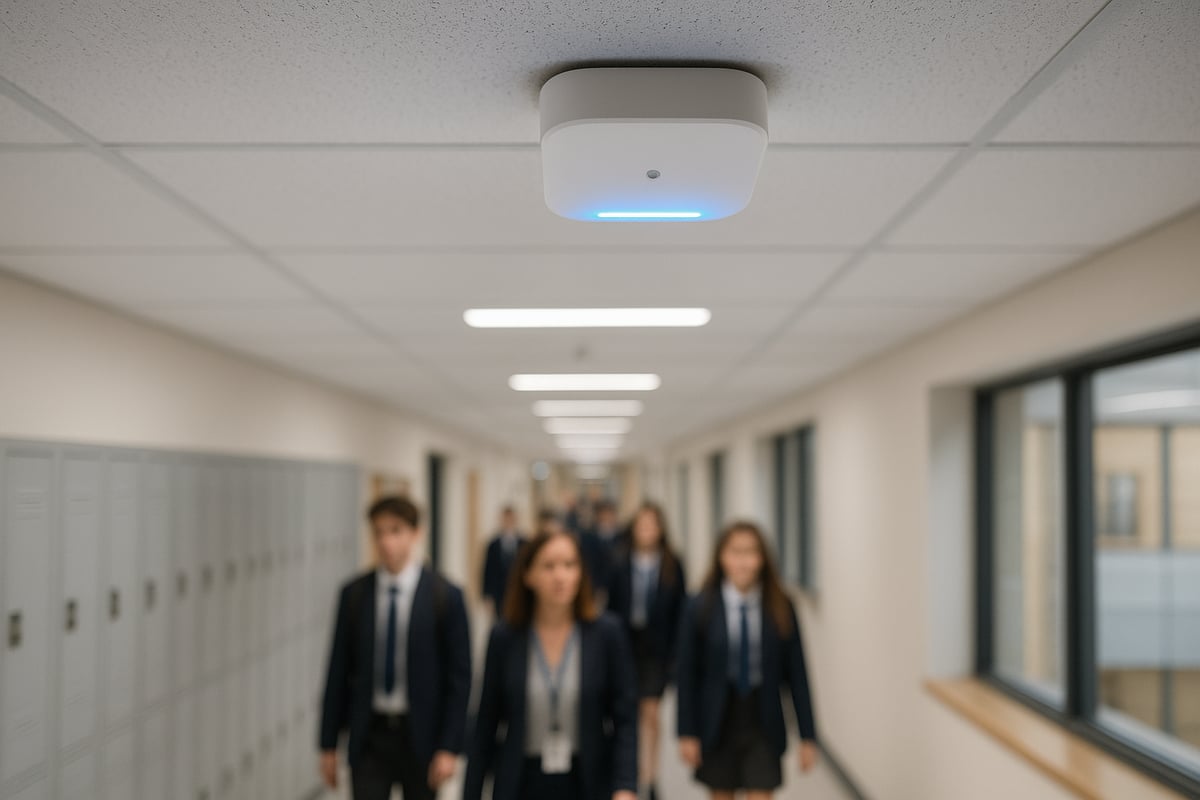
Traditional smoke detectors were once the standard for identifying fire and smoke risks. However, these devices are ineffective against vapour and aerosols produced by e-cigarettes. The iot vape detector was developed in response to the limitations of conventional systems, as vaping increased in popularity across UK schools, offices, and public venues.
Recent NHS data and reports from public health bodies confirm that vaping now surpasses traditional smoking in Britain. Facility managers have cited numerous cases where standard alarms failed to detect vaping, allowing incidents to go unchecked. This gap has driven regulatory bodies and educational leaders to demand more sophisticated detection methods.
With vaping devices becoming smaller and easier to conceal, the challenges for monitoring have intensified. The iot vape detector emerged to address these needs, offering targeted sensors that can differentiate between harmless vapour and genuine threats. These advancements have been pivotal in supporting compliance, protecting health, and reducing disruptive incidents in high-risk environments.
How IoT Enhances Vape Detection
The integration of Internet of Things (IoT) technology has revolutionised the capabilities of the iot vape detector. IoT refers to the network of connected devices that collect and share data, enabling real-time monitoring and management from anywhere. By connecting environmental sensors to the cloud, organisations can access instant alerts, historical trend analysis, and remote device management.
Unlike standalone detectors, an iot vape detector with IoT connectivity can notify staff via apps, email, or dashboards the moment vaping is detected. This immediacy helps facility managers respond quickly, ensuring policy enforcement and compliance. Multi-site organisations benefit from centralised control, allowing consistent standards across campuses or office locations.
System scalability is another advantage. Whether monitoring a single classroom or hundreds of rooms across multiple buildings, IoT platforms adapt with ease. For a detailed explanation of these advances, see How IoT Vape Detection Works, which breaks down the technical processes behind these solutions.
Real-world deployments have demonstrated the effectiveness of these systems in reducing incidents and supporting safer environments. The iot vape detector has become a core tool in the modern safety toolkit.
Core Components and Sensor Technologies
At the heart of every iot vape detector are advanced sensors designed to identify a wide range of substances. These typically include particulate sensors for aerosol detection, gas sensors for volatile organic compounds (VOCs), and chemical sensors that can pinpoint nicotine, THC, or synthetic cannabinoids. AI-based detection algorithms further enhance accuracy by distinguishing between vaping, smoke, and other contaminants.
Modern systems often feature tamper detection, alerting administrators if the device is covered or interfered with. Privacy is a key concern, so leading solutions avoid video or audio recording, focusing solely on air quality metrics. Integration with existing security or building management systems is also common, allowing seamless operation within broader safety frameworks.
Case studies from schools and businesses show that deploying iot vape detector technology with advanced sensors leads to significant reductions in vaping incidents. These results stem from precise detection, reliable alerts, and robust data analytics, helping organisations maintain healthier, compliant spaces.
Key Features of Leading IoT Vape Detector Solutions
Vape detection has evolved rapidly, and modern iot vape detector solutions deliver a suite of advanced features. These capabilities address the complex needs of schools, businesses, and public venues, ensuring effective monitoring and compliance.
Multi-Substance and Air Quality Detection
A leading iot vape detector must identify a wide range of substances beyond just nicotine. Today’s devices are equipped to sense THC, synthetic cannabinoids, and other illicit compounds often found in vaping products.
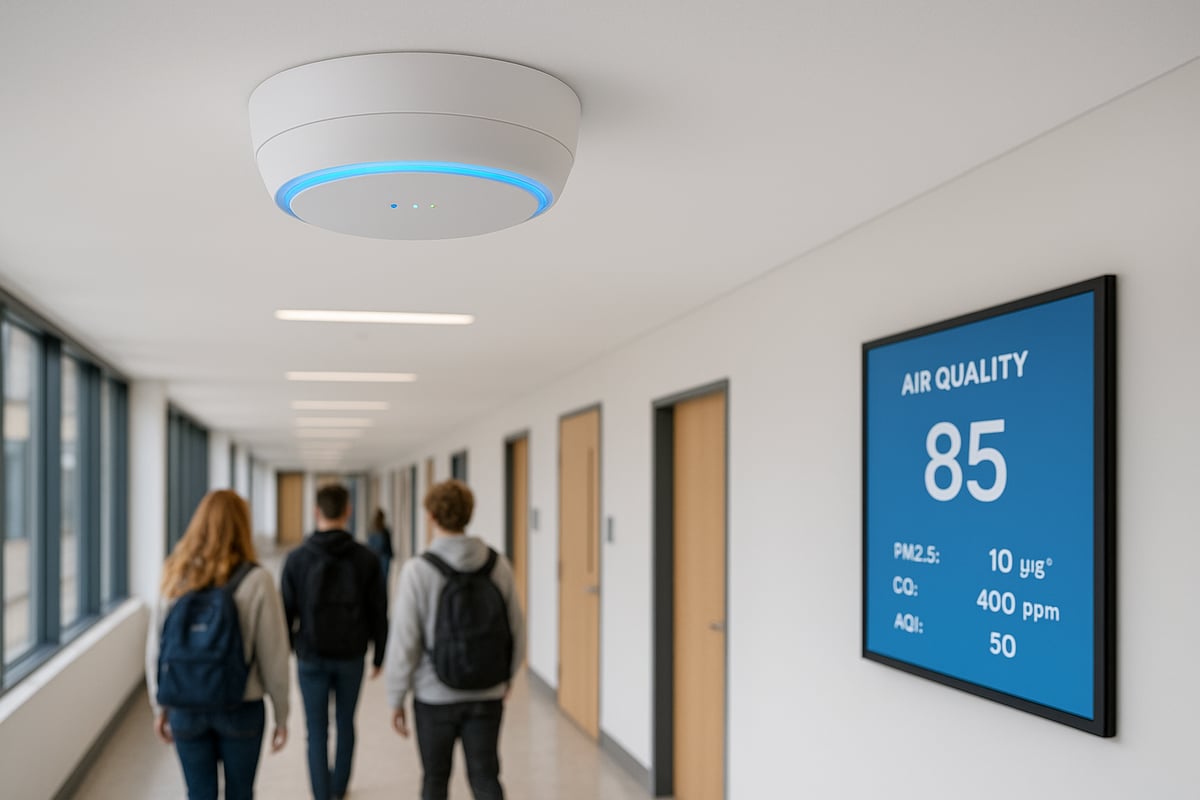
These detectors also monitor air quality metrics such as CO2, volatile organic compounds (VOCs), and humidity. This comprehensive approach ensures that not only vaping but also general air health is tracked.
Multi-sensor technology makes it possible to pinpoint vaping incidents even in challenging environments. For schools and public buildings, this means better protection and early intervention.
Real-Time Alerts and Remote Management
Immediate notifications are essential in any effective iot vape detector system. Solutions now offer a range of alert options, including mobile app push notifications, SMS, email, and on-site alarms.
Remote management is a core feature. Administrators can adjust settings, review incidents, and configure alerts from intuitive web dashboards. This reduces response times and supports compliance efforts.
Real-time capabilities ensure that staff can act quickly, limiting the impact of vaping incidents and maintaining a safe environment.
Integration and Scalability
Modern iot vape detector solutions are designed for seamless integration. They connect with building management systems, security infrastructure, and access control platforms.
This compatibility allows organisations to manage detection as part of a broader safety ecosystem. Scalability is a key benefit, with cloud-based platforms supporting deployments from single rooms to multi-site campuses.
For growing institutions, the ability to expand an iot vape detector network without major disruption is a significant advantage.
Data Analytics and Reporting
Data analytics is transforming how organisations use an iot vape detector. Advanced systems track patterns, identify hotspots, and highlight repeat incidents.
Powerful reporting tools provide compliance documentation and internal audit trails. Some solutions offer Vape Index scores and detailed incident logs, giving administrators actionable insights.
For evidence of effectiveness, real-world Case Studies: Vape Detector Impact show measurable reductions in vaping incidents following deployment of these systems.
Tamper Resistance and Privacy Safeguards
Security is crucial for any iot vape detector, especially in sensitive areas. Leading devices include tamper detection, anti-vandalism construction, and alerts if interference is detected.
Privacy is carefully considered. The best solutions avoid cameras or microphones, relying solely on environmental sensors. This approach ensures compliance with privacy laws, particularly in places like toilets or changing rooms.
Stakeholder trust increases when monitoring respects privacy while maintaining safety.
User Experience and Ease of Installation
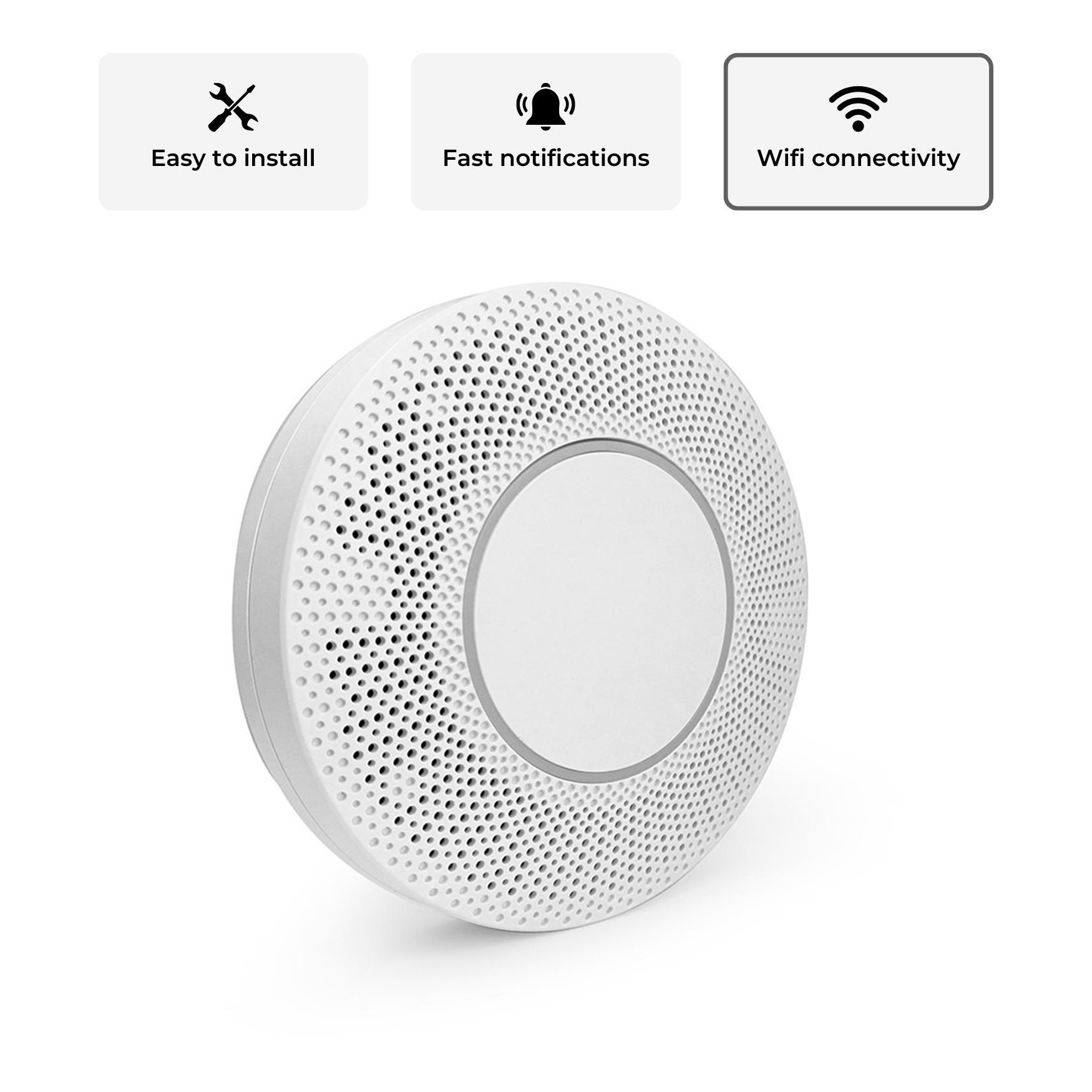
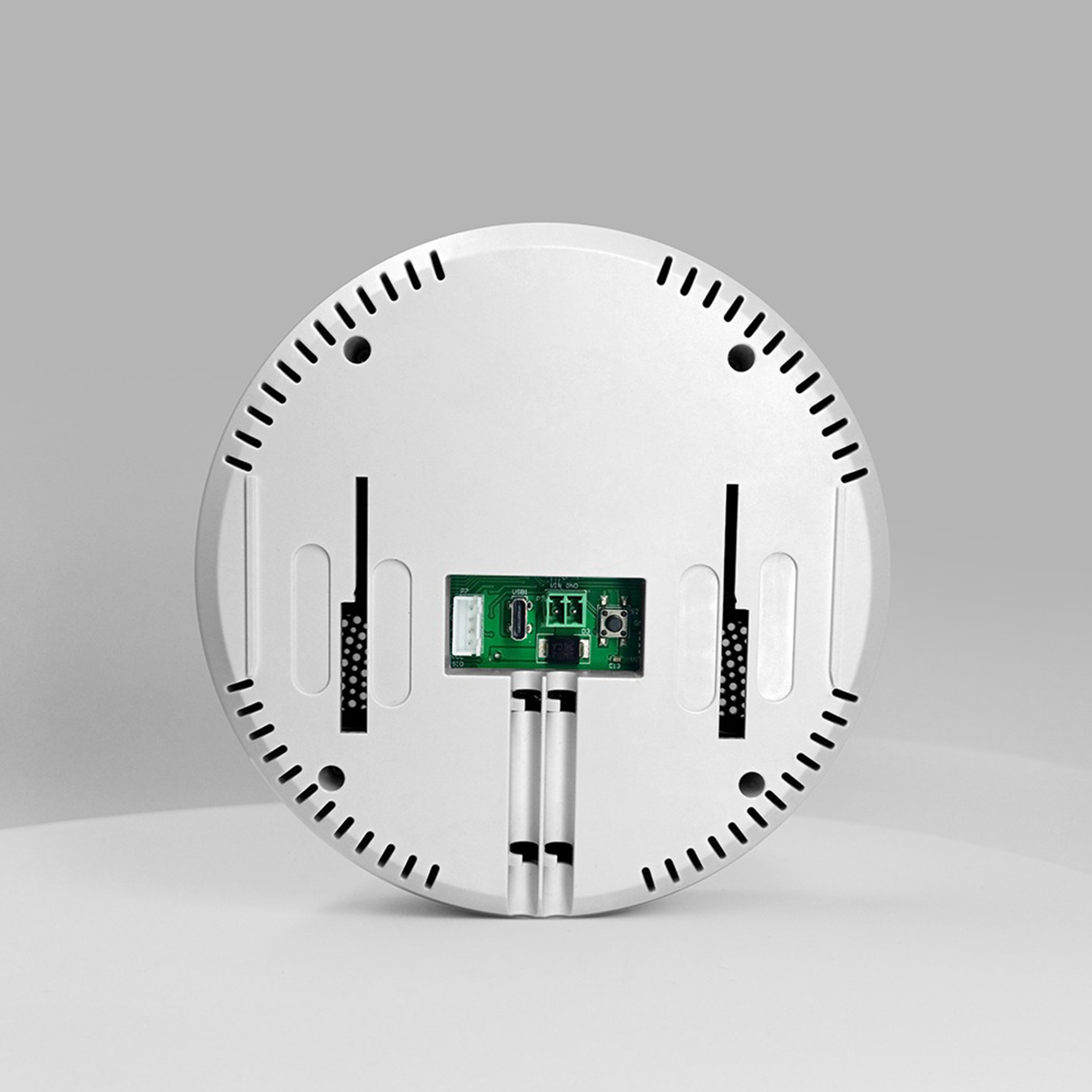
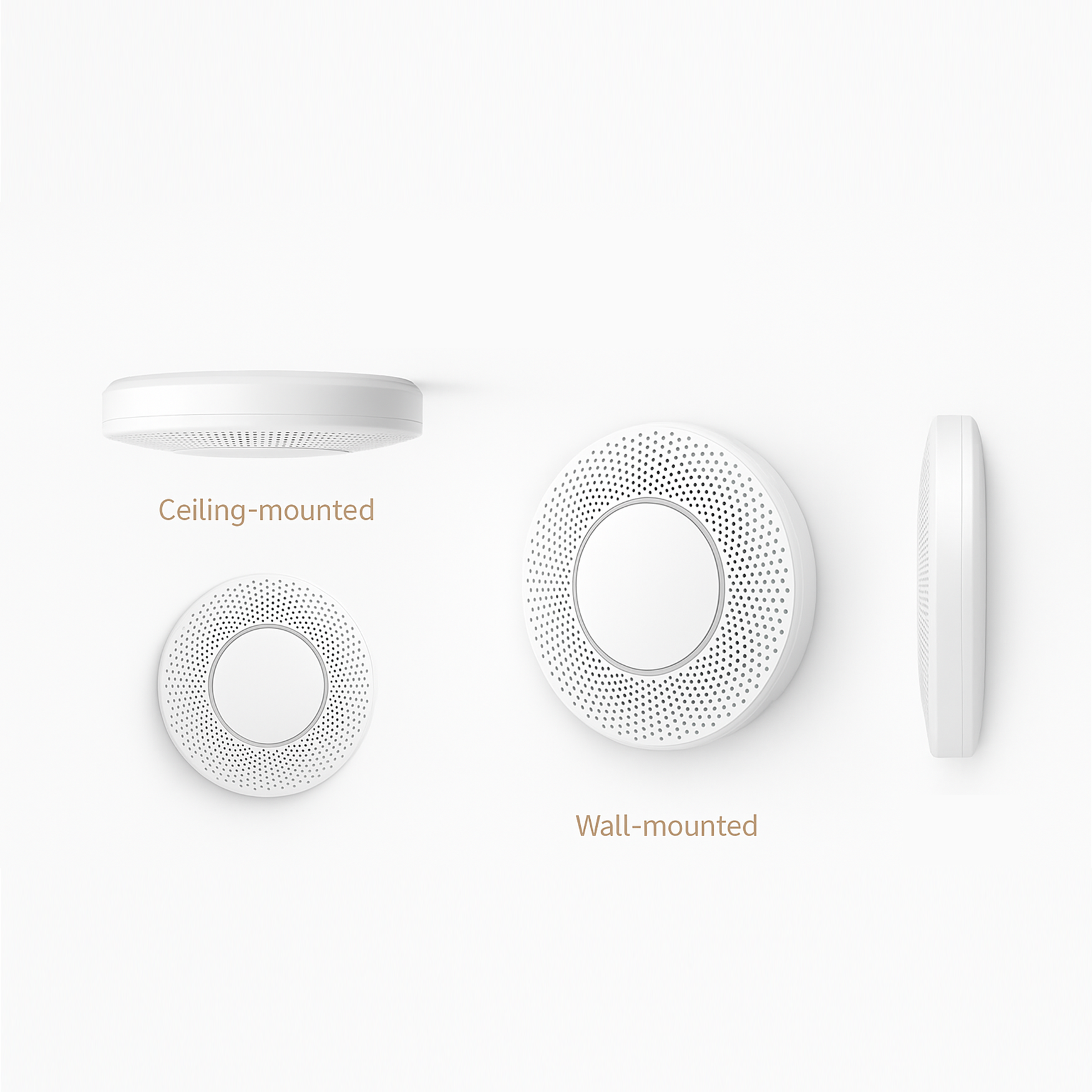
The best iot vape detector systems are designed for straightforward installation and management. Options include plug-and-play, Power over Ethernet (PoE), WiFi, and battery-powered devices, catering to different site needs.
User-friendly interfaces enable administrators to access data, configure settings, and respond to alerts with minimal training. Feedback from schools and businesses highlights the value of quick deployment and intuitive controls.
A positive user experience encourages adoption and ensures ongoing system effectiveness.
Implementing IoT Vape Detection: Step-by-Step Guide
Deploying an iot vape detector system requires a structured approach to ensure effectiveness and compliance. By following a step-by-step guide, organisations can address unique risks, achieve regulatory objectives, and create safer spaces. Below, each phase of implementation is broken down for clarity and success.
Step 1: Assessing Organisational Needs
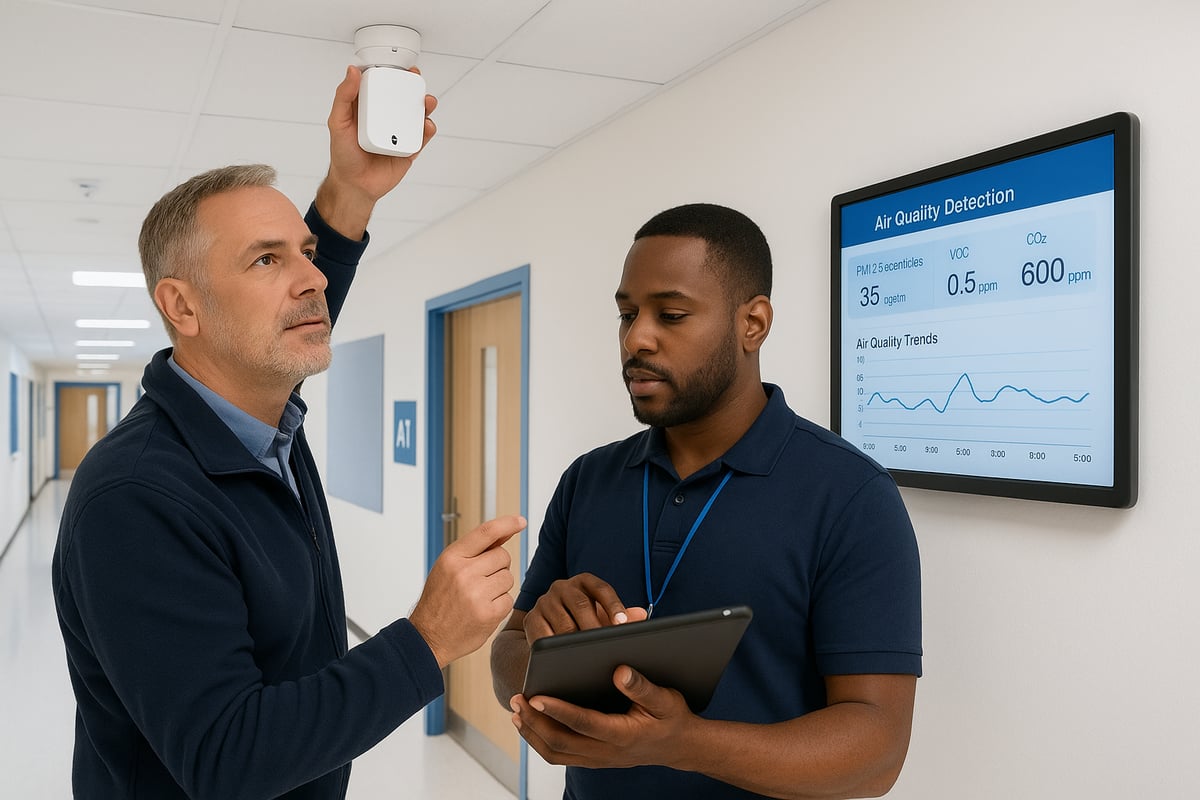
Begin with a thorough assessment of your facility. Identify high risk areas for vaping, such as toilets, changing rooms, stairwells, or secluded spaces. Consult with administrators, IT teams, and health and safety officers to understand specific vulnerabilities and operational challenges.
Evaluate current policies on vaping and air quality. Review legal and compliance requirements that may affect your iot vape detector deployment. This early collaboration ensures alignment between detection goals and broader organisational objectives.
Gather input from staff and, if applicable, students or tenants. Map out priority zones for sensor coverage, considering privacy and the likelihood of vaping incidents. This groundwork lays a solid foundation for successful implementation.
Step 2: Selecting the Right Solution
With needs defined, compare available iot vape detector options. Focus on sensor types, such as particulate, gas, and VOC detection. Assess detection accuracy for substances like nicotine, THC, or synthetic cannabinoids.
Ensure the solution integrates with your existing security, IT, and building management systems. Evaluate vendor reputation, warranty terms, and the availability of ongoing software updates. Consider the total cost of ownership, including installation, maintenance, and support.
Prioritise solutions with strong data security features and compliance with local privacy laws. If managing multiple sites, look for cloud-based platforms that simplify remote management and reporting across locations.
Step 3: Planning Deployment
Effective deployment planning maximises coverage while minimising disruption. Map out sensor placement based on risk assessments, ensuring high risk areas receive adequate monitoring by your iot vape detector network.
Coordinate with IT and facilities teams to confirm network and power requirements. Decide whether to use WiFi, Power over Ethernet, or battery-powered devices, depending on infrastructure.
Schedule installation outside of peak hours to avoid interfering with daily operations. Prepare a clear timeline and communicate plans to all affected stakeholders, ensuring everyone is informed and engaged throughout the process.
Step 4: Installation and Configuration
Follow manufacturer guidance for installing each iot vape detector. Position sensors to avoid false positives from cleaning products or ventilation flows. Use anti tamper features where needed, especially in unsupervised areas.
Connect devices to the central IoT platform, configuring alert settings for mobile, email, or on site notifications. Test each unit for responsiveness and accuracy, simulating real world vaping scenarios to ensure reliable detection.
Document all installations and settings, creating a reference for future troubleshooting or audits. This attention to detail supports long term system performance and compliance.
Step 5: Staff Training and Awareness
Comprehensive training ensures your iot vape detector system delivers consistent results. Designate responders and administrators who receive and act on alerts.
Provide clear protocols for investigating incidents, documenting evidence, and escalating persistent issues. Use role play or scenario based exercises to build confidence among staff.
Educate all building users about the presence and purpose of the detection system. Transparent communication builds trust and encourages compliance with organisational policies.
Step 6: Monitoring, Reporting, and Optimisation
Ongoing monitoring is essential for continuous improvement. Use analytics dashboards to track alerts, identify hotspots, and spot repeat incidents. Generate regular reports for compliance, management, or regulatory review.
Refer to Best Practices for Vaping Alerts for guidance on handling incidents efficiently and maintaining accurate records.
Periodically review sensor placement and alert settings based on incident data and user feedback. This proactive approach ensures your iot vape detector network remains effective as risks and environments evolve.
Compliance, Privacy, and Ethical Considerations
Staying compliant while implementing an iot vape detector requires a thorough understanding of regulations, privacy, data security, and system reliability. Organisations must ensure their vape detection strategies protect both legal interests and individual rights.

Navigating Regulatory Requirements
UK and EU regulations around vaping, indoor air quality, and privacy are evolving rapidly. Organisations deploying an iot vape detector must review guidance from entities such as the Department for Education, Health and Safety Executive, and ICO.
Recent legislation, including the UK bans single-use vapes, highlights a shift towards stricter controls, especially to protect young people. Educational, healthcare, and commercial settings often require bespoke compliance strategies, considering funding or grant schemes for technology adoption.
A well designed compliance policy should include:
- Clear signage and notification for monitored areas
- Documentation of detection objectives
- Regular policy reviews to reflect legal updates
Balancing Detection with Privacy
Privacy is a central concern when installing an iot vape detector, particularly in sensitive areas like toilets or changing rooms. The best practice is to use non-intrusive sensors that avoid video or audio capture, ensuring monitoring focuses solely on environmental data.
Stakeholder engagement is vital. Staff, students, and visitors should be informed about the presence of sensors and their purpose. Solutions such as those described in Vape Detection for Schools demonstrate how privacy safeguards can be implemented effectively in educational environments.
Organisations should:
- Limit detection to communal areas where privacy expectations are lower
- Provide opt out or complaint channels
- Ensure transparency in data collection and use
Data Security and Responsible Use
Protecting data collected by an iot vape detector is essential for GDPR compliance and ethical operation. Secure data transmission, encrypted storage, and strict user access controls are non negotiable features.
Administrators must define who can access detection data and for what purpose. Regular audits and user training reduce the risk of misuse or accidental disclosure. Transparency and clear consent procedures further strengthen trust.
Best practices include:
- Using end to end encrypted connections
- Keeping detailed access logs
- Conducting regular security reviews
Addressing False Positives and System Reliability
False positives can undermine confidence in any iot vape detector system. Common triggers include aerosols, cleaning sprays, or even faulty calibration. Modern solutions employ AI and advanced filtering to reduce unnecessary alerts, but manual review processes remain important.
To increase reliability:
- Calibrate sensors regularly
- Review and adjust detection algorithms based on incident data
- Maintain open communication with end users to report issues or trends
By addressing these considerations, organisations can deploy iot vape detector solutions that are effective, ethical, and fully compliant.
Future Trends in IoT Vape Detection (2026 and Beyond)
The future of iot vape detector technology is rapidly evolving. As vaping trends shift and regulatory demands intensify, organisations must stay ahead of the curve. Let’s explore the advancements shaping the industry in 2026 and beyond.
Emerging Sensor Technologies
Sensor technology for iot vape detector solutions is becoming more sophisticated. Next generation sensors are set to detect a broader range of chemicals and particulates, including synthetic cannabinoids. Miniaturisation is driving the development of compact, battery efficient devices that are easier to install in various environments.
AI is playing a crucial role in distinguishing between vaping, smoke, and benign aerosols. Innovations such as computer vision detects e-cigarette content are pushing boundaries, enabling new ways to identify vaping incidents with greater accuracy. These advances are supporting more reliable, real time monitoring.
Integration with Smart Building Ecosystems
The iot vape detector is now a core component of intelligent building management. Seamless integration with HVAC, access control, and security platforms enables centralised monitoring and automated responses.
Unified dashboards allow facility managers to track air quality, receive alerts, and respond to incidents from a single interface. This streamlined approach improves efficiency and ensures compliance across large estates. Future systems will support open protocols for even greater interoperability.
Predictive Analytics and Proactive Prevention
Machine learning is transforming how organisations use iot vape detector data. Predictive analytics can identify vaping patterns, hotspots, and times of increased risk, helping leaders intervene before incidents escalate.
Proactive systems will not only alert staff but also trigger automated actions, such as adjusting ventilation or notifying designated responders. This shift from reactive to preventive strategies is key to maintaining safer, healthier environments.
Expanding Use Cases and Global Adoption
The demand for iot vape detector solutions is expanding into new sectors. Public transport, retail, healthcare, and hospitality venues are adopting these technologies to protect staff and the public. According to UK vaping statistics 2025, vaping now surpasses smoking in Britain, driving widespread adoption.
Global regulatory trends are encouraging schools and businesses worldwide to invest in advanced detection systems. International collaboration is fostering standardisation and knowledge sharing.
Sustainability and Green Building Initiatives
As organisations prioritise sustainability, the iot vape detector plays a role in green building strategies. Energy efficient sensors and cloud platforms minimise environmental impact.
Supporting healthier indoor air quality aligns with wellness certifications and environmental targets. The integration of detection systems into sustainable building design is set to become standard practice.
Ongoing Challenges and Opportunities
The iot vape detector landscape faces ongoing challenges. Vaping products continue to evolve, sometimes outpacing detection capabilities. Manufacturers must innovate to address new substances and evasion tactics.
Collaboration among technology providers, regulatory bodies, and end users remains essential. By staying agile and embracing innovation, organisations can ensure effective, future ready vape detection.
As you’ve seen, the landscape of IoT vape detection is evolving rapidly, and staying ahead is essential for maintaining a safer, compliant environment. Whether you’re responsible for a school, office, or public venue, understanding how these advanced sensors work—and how they fit into your wider safety strategy—can make all the difference. If you’re ready to take the next step towards a healthier, vape free space, I encourage you to talk to our team and protect your building today. We’re here to answer your questions and help you find the right solution for your needs.





Share:
Cloud-Based Detection System: The Essential Guide for 2026
Corporate Wellness Monitoring: Your Essential Guide for 2026