
Reliance on cloud technologies for security and monitoring is surging as we move into 2026. Organisations are facing increasingly sophisticated threats, making traditional detection systems less effective and reactive.
A cloud-based detection system provides real-time protection, scalability, and actionable insights that are essential for modern environments. These solutions adapt quickly to evolving risks and offer greater flexibility for businesses of all sizes.
This article serves as your essential guide to understanding, implementing, and maximising the benefits of cloud-based detection systems in 2026.
We will explore how these systems work, the latest trends, practical steps for deployment, the key advantages, common challenges, and what the future holds for this technology.
Understanding Cloud-Based Detection Systems
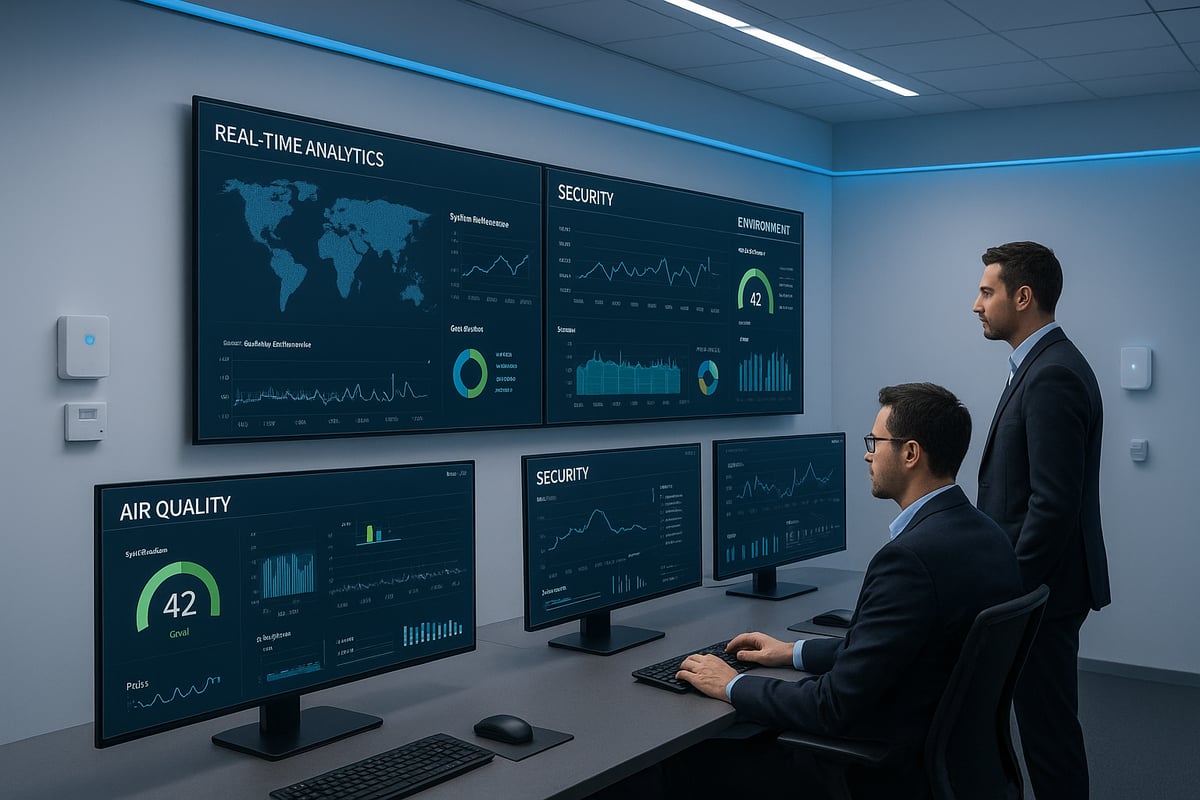
Cloud-based detection systems are transforming how organisations protect and monitor their environments. Unlike traditional on-premises solutions, a cloud-based detection system uses remote infrastructure to process, analyse, and act on data from distributed sensors in real time. This enables rapid threat identification and response, regardless of an organisation’s physical location.
Definition and Core Concepts
A cloud-based detection system consists of several core components working together:
- Sensors: Devices that capture data on movement, air quality, sound, or other environmental factors.
- Data Transmission: Secure channels that send sensor data to the cloud for processing.
- Cloud Analytics: Powerful computing resources that analyse incoming data for patterns, anomalies, or rule violations.
- Alert Mechanisms: Automated notifications sent to staff or management when an issue is detected.
These systems differ from legacy on-premises models by shifting the heavy lifting to cloud infrastructure. This means organisations can access advanced analytics and real-time dashboards without investing in extensive local hardware.
Common use cases for a cloud-based detection system include cybersecurity threat detection, environmental monitoring in smart buildings, health and safety compliance in workplaces, and regulatory reporting. For example, smart buildings use cloud-based detection to monitor air quality, manage access control, and identify safety hazards across multiple sites.
According to Statista, over 70% of organisations plan to adopt cloud-based detection by 2026, highlighting the rapid shift towards cloud solutions. Artificial intelligence and machine learning are now integral, allowing these systems to learn from past incidents and improve detection accuracy over time. Privacy and data security are also central, with encrypted transmission and strict access controls built into modern platforms.
The evolution over the past decade has seen detection move from isolated, hardware-heavy systems to integrated, cloud-first platforms. Today’s solutions offer flexibility, scalability, and the ability to adapt to new threats quickly. For a detailed explanation of the underlying sensor and analytics technology, see Smart Sensor Technology Explained.
Types of Detection Supported
A cloud-based detection system supports multiple categories of detection, each tailored to specific risks:
- Intrusion Detection: Identifies unauthorised entry or access attempts in secure areas.
- Anomaly Detection: Spots unusual activity or deviations from normal behaviour patterns.
- Environmental Monitoring: Tracks air quality, temperature, humidity, and chemical presence.
- Behavioural Detection: Monitors user or occupant behaviour for policy compliance or safety.
Many systems now support multi-modal detection, combining audio, visual, and chemical sensors to increase coverage and accuracy. For example, air quality monitoring in schools and offices uses real-time data from cloud-connected sensors to detect vaping, pollutants, or hazardous substances.
Compared to legacy systems, a cloud-based detection system offers greater flexibility and a broader scope. The ability to deploy, update, and manage detection across multiple locations from a central dashboard streamlines operations and ensures consistent protection.
Key Features and Innovations in 2026
The cloud-based detection system is rapidly transforming how organisations monitor, detect, and respond to threats. In 2026, the main features and innovations driving adoption focus on real-time analytics, scalability, artificial intelligence, compliance, security, and cost efficiency. Let us explore how each of these pillars is shaping the future of detection.
Real-Time Data Processing and Analytics
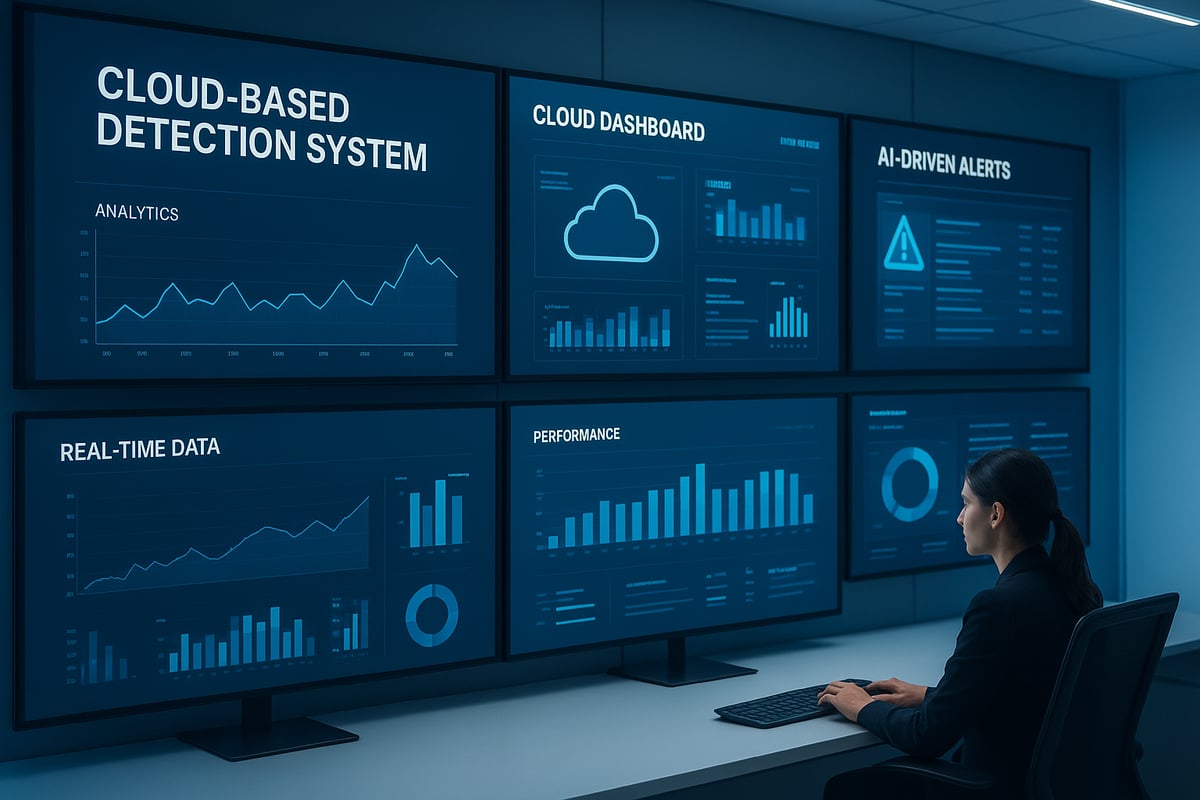
A core strength of any cloud-based detection system is the ability to process and analyse vast streams of data instantly. Distributed sensors send continuous information to the cloud, where advanced analytics engines perform real-time evaluation.
This approach enables immediate detection of unusual activity, such as unauthorised access or environmental hazards. Rapid alerts allow security teams to respond before incidents escalate. For example, in a smart facility, the system can identify a breach and notify personnel within seconds.
If you want to see how these capabilities work in practice, explore How Vape Guardian Works for a detailed walkthrough of real-time detection powered by cloud analytics.
Scalability and Integration
Scalability is essential for organisations with multiple sites or growing detection needs. A cloud-based detection system can expand across locations, device types, and use cases without the physical limitations of legacy hardware.
APIs allow seamless integration with existing IT, facility, or security systems. This flexibility supports centralised management and unified monitoring. A retail chain, for instance, can deploy the same detection framework across hundreds of stores, ensuring consistent protection and simplified operations.
Key benefits include:
- Centralised control of multi-site environments
- Easy onboarding of new sensors and devices
- Integration with building management and access control platforms
AI and Machine Learning Enhancements
Artificial intelligence is at the heart of the modern cloud-based detection system. AI-driven analytics excel at recognising patterns, detecting anomalies, and predicting incidents before they happen.
Machine learning algorithms reduce false positives by learning from past data and refining detection criteria. In educational settings, AI can distinguish between harmless vapour and prohibited substances, ensuring accurate and relevant alerts.
These advancements lead to:
- Smarter, context-aware detection
- Faster identification of emerging threats
- Predictive maintenance and early warning capabilities
Advanced Reporting and Compliance Tools
A cloud-based detection system streamlines compliance for industries facing strict regulations. Automated reporting tools generate detailed logs and audit trails, saving time and reducing manual errors.
Customisable dashboards allow stakeholders to track trends, measure performance, and demonstrate adherence to standards. In healthcare, for example, these features help organisations comply with NHS Digital requirements and other regulatory frameworks.
Table: Sample Compliance Reporting Features
| Feature | Benefit |
|---|---|
| Automated Reports | Reduces administrative burden |
| Custom Dashboards | Real-time compliance view |
| Audit Trails | Supports investigations |
Security and Privacy Safeguards
Security is fundamental to every cloud-based detection system. End-to-end encryption ensures that data remains protected during transmission and storage. Robust access controls restrict system permissions to authorised users only.
Compliance with GDPR and other data protection laws is built into many platforms, with zero-trust architectures further reducing risk. These safeguards maintain trust and uphold privacy, even as detection capabilities expand.
Best practices include:
- Multi-factor authentication for all users
- Regular security audits and vulnerability assessments
- Data anonymisation and retention policies
Cost Efficiency and Maintenance
A cloud-based detection system offers significant cost advantages over traditional on-premises setups. There are lower upfront investments, as most solutions operate on a subscription basis.
Automatic software updates ensure that the system receives the latest features and security patches without manual intervention. For small and medium-sized enterprises, this means predictable costs and reduced IT workload.
Example benefits:
- No need for large capital expenditure
- Flexible, pay-as-you-grow pricing models
- Minimal maintenance demands for in-house staff
Step-by-Step Guide to Implementing a Cloud-Based Detection System
Implementing a cloud-based detection system is a strategic process that requires careful planning and execution. By following a structured approach, organisations can maximise the system’s effectiveness, ensure smooth adoption, and achieve measurable outcomes.

Assessing Organisational Needs and Objectives
The first step in deploying a cloud-based detection system is to understand your organisation’s unique requirements. Start by identifying the specific risks you need to address, such as intrusion, vaping, or environmental hazards.
Engage key stakeholders from IT, operations, and compliance to define clear objectives and success metrics. For example, a school may set a goal to reduce vaping incidents or improve air quality in classrooms.
Mapping out these priorities ensures the cloud-based detection system aligns with your broader safety and operational strategies. Regularly review objectives to adapt to changing threats or regulatory requirements.
Selecting the Right Cloud-Based Detection Solution
Choosing the right solution is crucial for long-term success. Evaluate potential vendors based on reliability, security features, compliance standards, and quality of support.
Consider proof-of-concept trials and seek references from similar organisations. Use the table below to guide your decision:
| Criteria | Considerations |
|---|---|
| Reliability | Uptime, redundancy, and SLA guarantees |
| Features | Detection types, analytics, integration |
| Support | Training, technical help, updates |
| Compliance | GDPR, industry-specific standards |
For in-depth technical guidance, visit Vape Detection for IT Managers, which provides valuable insights on deploying a cloud-based detection system in diverse settings.
Designing the System Architecture
A robust system architecture is essential for optimal performance. Determine where to place sensors for maximum coverage and minimal blind spots. Assess network requirements, ensuring sufficient bandwidth and secure connectivity.
Plan for redundancy to maintain functionality during network outages or hardware failures. Integrate the cloud-based detection system with your existing IT infrastructure to streamline management and reporting.
Document the architecture, including diagrams and configuration details, to facilitate maintenance and troubleshooting.
Deployment and Configuration
Deploying a cloud-based detection system involves installing sensors and connecting them to the central cloud platform. Follow a step-by-step approach:
- Install sensors in designated locations
- Configure network and security settings
- Customise alert thresholds and notification channels
- Verify secure data transmission
Test the system thoroughly before going live. Ensure all alerts and analytics are functioning as expected, and adjust configurations as needed for your environment.
Training and Change Management
Successful adoption depends on effective training and change management. Develop comprehensive training programmes tailored to staff roles, focusing on system operation, response procedures, and data privacy.
Communicate the benefits of the cloud-based detection system to encourage buy-in. Address concerns and provide ongoing support to ease the transition.
Include an onboarding process for new users, such as facility managers, to ensure consistent practices across the organisation.
Ongoing Monitoring and Optimisation
Continuous monitoring is vital for maintaining system effectiveness. Set up automated alert workflows to streamline incident response.
Regularly analyse system performance and review detection logs. Optimise configurations based on real-world data and evolving threats.
Schedule firmware and software updates to enhance security and functionality. Periodic reviews help your cloud-based detection system adapt to new risks and organisational changes.
Measuring Success and ROI
Track key performance indicators to measure the impact of your cloud-based detection system. Common KPIs include incident reduction rates, false alarm frequency, and response times.
Assess cost savings by comparing operational expenses before and after implementation. For example, organisations often report up to 80 percent fewer false alarms within six months.
Regularly share results with stakeholders to demonstrate value and inform future improvements. This approach ensures your cloud-based detection system delivers ongoing return on investment.
Benefits and Challenges of Cloud-Based Detection Systems
Cloud-based detection system adoption is accelerating across sectors, promising transformative advantages for security, safety, and compliance. However, these solutions also introduce unique obstacles that organisations must evaluate and address. Understanding both sides is essential for maximising value and mitigating risk.
Major Benefits
The cloud-based detection system offers a step change in how organisations monitor, respond, and adapt to threats and compliance requirements. Its main strengths include:
- Enhanced accuracy and speed: Cloud analytics process vast data in real time, identifying incidents as they occur.
- Centralised management: Multi-site organisations benefit from unified dashboards and controls.
- Flexible adaptation: Adjust detection parameters rapidly to address emerging threats or regulatory changes.
- Cost efficiency: Reduce capital expenditure, shifting to predictable operating costs.
- Scalability: Effortlessly expand coverage across new locations or departments.
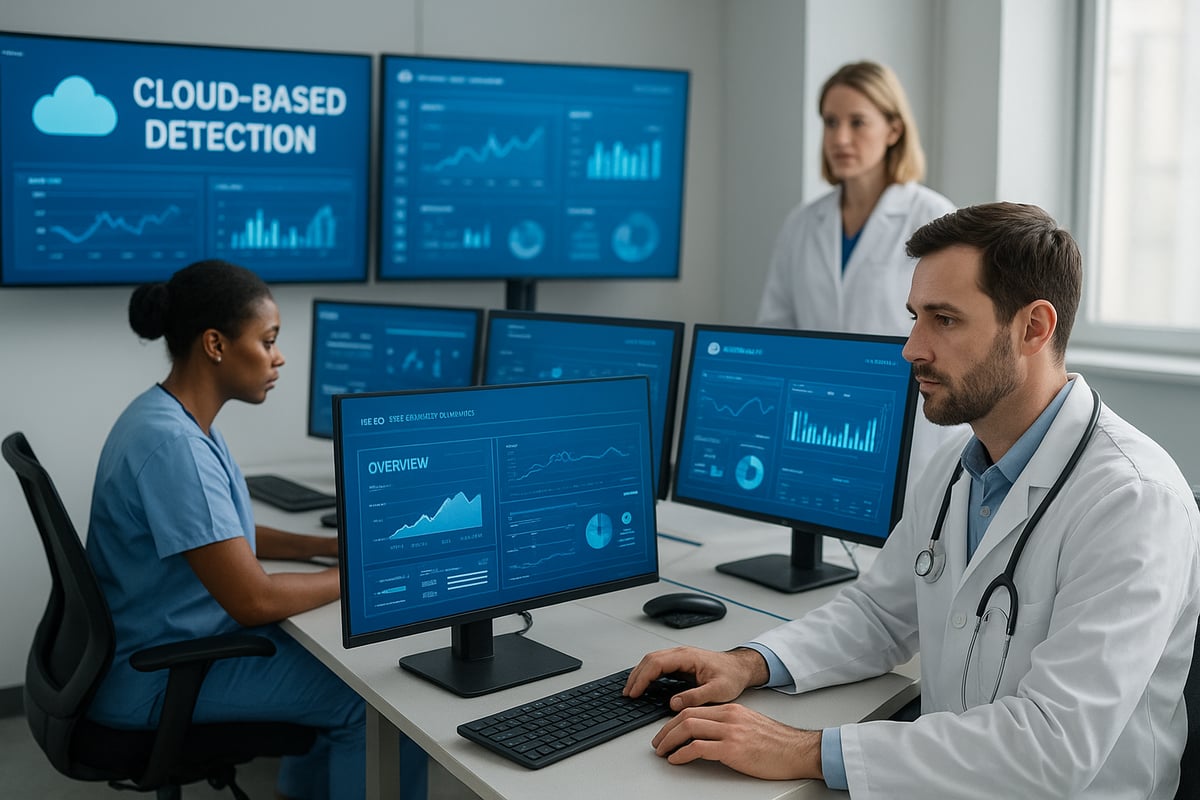
For instance, a hospital system can deploy a cloud-based detection system to monitor air quality and infection risks across several campuses. This approach enables swift response to issues, maintains compliance, and ensures patient safety.
| Benefit | On-Premises System | Cloud-Based Detection System |
|---|---|---|
| Real-time analytics | Limited | Advanced |
| Scalability | Constrained | Effortless |
| Upfront cost | High | Lower |
| Multi-site management | Complex | Centralised |
By leveraging these strengths, organisations gain a proactive edge in ensuring safety, security, and operational continuity.
Key Challenges and Considerations
Despite its advantages, a cloud-based detection system presents several challenges:
- Data privacy and regulatory compliance: Sensitive data must be protected and processed in line with GDPR and sector-specific rules.
- Dependence on internet connectivity: System uptime relies on stable, secure network access.
- Integration with legacy systems: Older infrastructure may not support seamless integration.
- Secure access management: User permissions and credentials must be carefully controlled.
- Staff resistance: Adopting new technology can face cultural or procedural barriers.
A school aiming to integrate a cloud-based detection system with older alarm networks, for example, may encounter technical and training hurdles. These obstacles are not unique to education; any sector with established systems or processes may face similar friction.
As highlighted in the Cloud Complexity Outpacing Human Defenses Report, the rising complexity of cloud environments can make real-time detection and response even more challenging for organisations, underscoring the need for robust planning and expertise.
Mitigation Strategies
To overcome these challenges and fully realise the value of a cloud-based detection system, organisations should implement effective strategies:
- Best practices for security: Employ encryption, multi-factor authentication, and regular audits.
- Vendor support and SLAs: Choose providers with strong support and clear service-level agreements.
- Continuous training: Offer regular awareness programmes for all users and technical staff.
- Change management: Involve stakeholders early, communicate benefits, and provide resources for smooth adoption.
By proactively addressing both technical and human factors, organisations can mitigate risks and accelerate the successful deployment of their cloud-based detection system.
Industry Applications and Use Cases in 2026
The adoption of cloud-based detection system technology is transforming operations across major industries. Each sector is leveraging cloud analytics, real-time alerts, and scalable monitoring to address unique risks and compliance needs. Let us explore how these systems are redefining safety, efficiency, and responsiveness in key environments.
Education
Schools and colleges are deploying cloud-based detection system solutions to combat vaping, drug use, and poor air quality. With smart sensors and real-time analytics, educational institutions can identify incidents instantly and act before issues escalate.
A recent example from UK secondary schools shows a 95 percent drop in vaping incidents within weeks of implementation. These systems also support government safety compliance, helping schools maintain healthy environments.
For detailed case studies highlighting these improvements, visit the Vape Guardian Case Studies page.
Healthcare and Hospitals
Hospitals rely on cloud-based detection system deployments for infection control, air quality monitoring, and intrusion prevention. Real-time pathogen detection supports patient safety and rapid containment of outbreaks.
An NHS facility reported substantial improvements in infection management after integrating cloud-based systems with existing safety protocols. Automated alerts and compliance tools also simplify regulatory reporting, ensuring consistent standards across all sites.
Corporate Offices and Workspaces
Modern offices use cloud-based detection system technology to monitor unauthorised access, environmental hazards, and policy compliance. With centralised dashboards, security teams can oversee multiple locations from a single interface.
A global tech firm recently automated incident reporting across its offices, reducing manual workload and response times. These systems also detect environmental risks such as poor air quality, improving staff wellbeing and productivity.
Retail, Leisure, and Public Venues
Retailers and entertainment venues benefit from cloud-based detection system solutions for theft prevention, vandalism reduction, and enforcing no smoking policies. Cloud-connected sensors deliver instant alerts, enabling swift intervention and loss prevention.
For instance, a cinema chain now uses smart detection to enforce no-smoking rules and protect visitors. The ability to adapt to new threats and integrate with existing security platforms is a major advantage in these dynamic environments.
Industrial and Critical Infrastructure
Industrial operators and utilities depend on cloud-based detection system deployments for cyber-physical threat detection and predictive maintenance. These systems monitor for environmental hazards, equipment failures, and security breaches in real time.
A utility company recently leveraged cloud analytics to predict and prevent equipment failures, reducing downtime and maintenance costs. Centralised management ensures rapid scaling across facilities, supporting both operational resilience and regulatory compliance.
| Sector | Main Use Cases | Key Results/Benefits |
|---|---|---|
| Education | Vaping detection, air quality | 95 percent vaping reduction, compliance |
| Healthcare | Infection, air quality, intrusion | Better patient safety, automated reporting |
| Corporate | Access, environment, policy | Central management, fast response |
| Retail/Leisure | Theft, vandalism, substances | Instant alerts, adaptable solutions |
| Industrial | Cyber-physical, maintenance | Predictive analytics, resilience |
Cloud-based detection system technology is now a critical enabler of safety, compliance, and operational efficiency across sectors. As adoption grows, organisations are seeing measurable improvements in risk management and incident prevention.
Future Trends and Predictions for Cloud-Based Detection
Cloud-based detection system technology is on the verge of a transformation. As organisations seek smarter, faster, and more secure ways to protect their assets, the future promises remarkable advancements. From AI-driven automation to the expansion of intelligent sensor networks, the next wave of innovation will redefine what is possible in this field.
AI and Autonomous Detection
Artificial intelligence is reshaping the capabilities of every cloud-based detection system. Advanced self-learning algorithms are now able to identify emerging threats and adapt detection rules without manual intervention. This evolution leads to faster and more accurate identification of everything from cyber intrusions to hazardous substances in public environments.
Autonomous detection is increasingly supported by AI-powered frameworks that combine machine learning with real-time data analysis. For instance, systems inspired by the AI-Powered Hybrid Intrusion Detection Framework are providing new levels of optimisation and resilience. These solutions not only reduce human error but also enable rapid response to novel attack vectors.
As AI continues to develop, expect cloud-based detection system platforms to become ever more proactive, learning from each incident to strengthen future performance.
Expansion of IoT and Sensor Networks
The future of the cloud-based detection system is closely tied to the proliferation of IoT devices. Low-cost, high-precision sensors are being deployed in greater numbers, forming dense networks that feed continuous streams of data into the cloud. This expansion enables organisations to monitor a wider range of variables, from air quality in smart cities to operational safety in industrial environments.
Interoperability will also play a crucial role. Open standards and improved APIs are making it easier to integrate new devices into existing cloud-based detection system architectures. This flexibility ensures that as technology evolves, organisations can adapt their monitoring strategies without costly overhauls.
Smart cities are leveraging these advancements to enhance public safety, manage environmental risks, and respond more efficiently to incidents.
Enhanced Privacy and Data Sovereignty
With the growth of cloud-based detection system adoption, privacy and data sovereignty have become top priorities. Organisations are investing in privacy-preserving technologies such as encrypted data processing and anonymisation to ensure compliance with evolving regulations.
Regional data storage requirements are shaping how cloud-based detection system providers architect their solutions. For example, new mandates in the EU are driving the adoption of localised data centres, giving organisations greater control over sensitive information.
These trends reflect a broader movement towards transparency and user trust, with systems designed to balance robust detection capabilities and strong privacy safeguards.
Predictive Analytics and Proactive Security
A key trend in the cloud-based detection system landscape is the shift from reactive to proactive security. By harnessing big data analytics and AI, these systems can now anticipate incidents before they occur, rather than simply responding after the fact.
Predictive maintenance is a major application, allowing organisations to identify and address potential equipment failures or environmental hazards ahead of time. In manufacturing, for example, cloud-based detection system platforms analyse sensor data to forecast machine wear and schedule timely interventions.
Proactive threat prevention is also gaining ground, with cloud-based detection system technologies using historical data and behavioural patterns to flag anomalies early and reduce risk.
Market Growth and Evolving Standards
The cloud-based detection system market is primed for significant expansion. According to Cloud Monitoring Market Growth Projections, the global cloud monitoring sector is expected to reach over $14 billion by 2033, reflecting rising demand across diverse industries.
New industry standards and certification schemes are emerging, helping organisations benchmark the quality and security of their cloud-based detection system deployments. Managed detection-as-a-service offerings are becoming more popular, providing scalable solutions for businesses of all sizes.
As adoption accelerates, expect ongoing innovation in both technology and regulatory frameworks, shaping a robust and resilient future for cloud-based detection system solutions.
As you’ve seen, cloud based detection systems are transforming how we safeguard our environments in 2026, offering real time insights, improved scalability, and stronger compliance. If you’re ready to take the next step in protecting your building or want tailored advice on implementing these advanced solutions, our team at Vape Guardian is here to help. We understand the specific challenges faced by schools, offices, and shared spaces, and we’re committed to delivering technology that keeps your environment safe and compliant.
Let’s work together to create a safer space—Talk to our team and protect your building today.





Share:
Building Management Air Sensors Guide: Smarter Buildings 2026
Complete Guide to IoT Vape Detector Solutions 2026