

Vaping has become a pervasive concern across educational institutions, workplaces, and public spaces throughout the United Kingdom and beyond. As e-cigarette usage continues to rise, particularly amongst young people, organisations are increasingly turning to technological solutions to monitor and deter unauthorised vaping. Advanced sensor systems now offer sophisticated capabilities to identify vaping incidents, alert authorities in real time, and maintain healthier indoor environments. Understanding how these systems function, where they prove most effective, and what benefits they deliver has become essential for facility managers, school administrators, and business leaders committed to maintaining safe, compliant spaces.
How Vape Detection Technology Works
Modern vape detection relies on multiple sensor technologies working in concert to identify the unique chemical signatures and environmental changes that occur when someone vapes indoors. Unlike traditional smoke detectors, which primarily respond to combustion particles, vape detection systems must identify the fine aerosol particles and volatile organic compounds (VOCs) present in e-cigarette vapour.
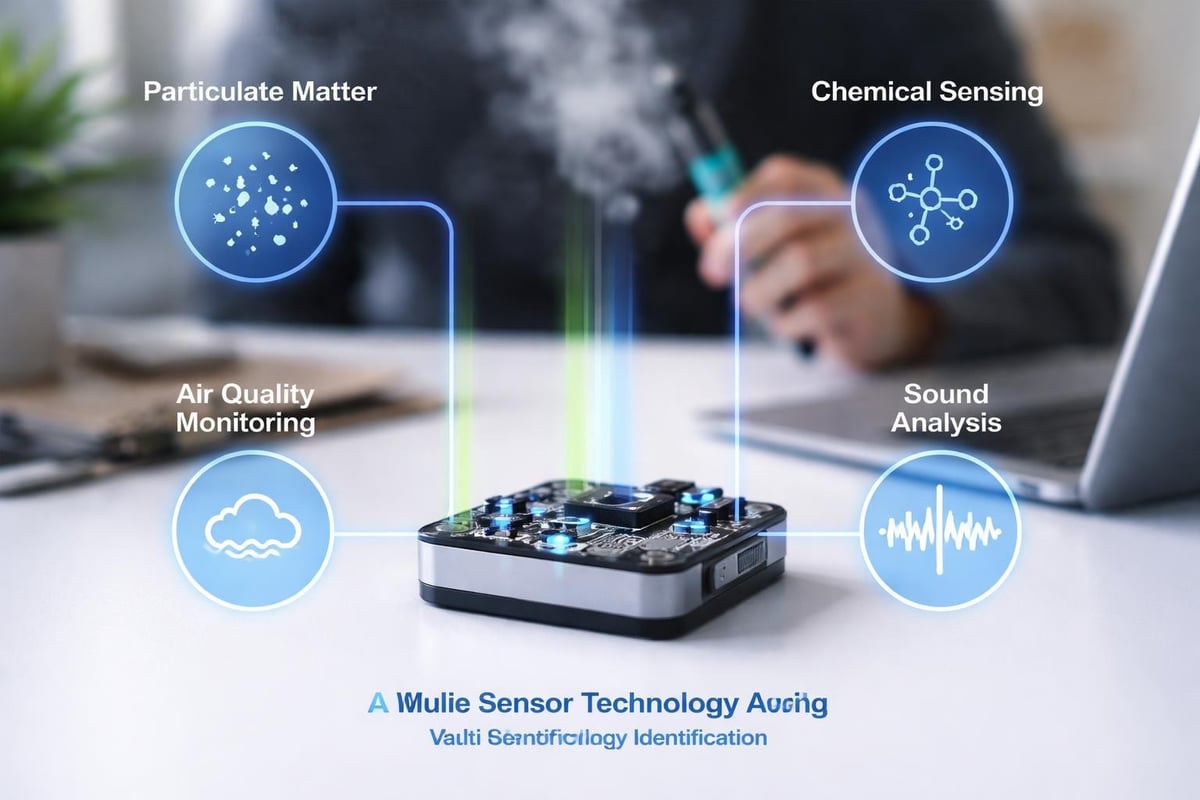
Multi-Sensor Approach
The most effective systems employ several complementary detection methods:
- Particulate matter sensors measure microscopic aerosol particles suspended in the air
- Chemical sensors identify specific VOCs associated with vaping products
- Air quality monitors track sudden changes in environmental conditions
- Sound detection can identify the characteristic acoustics of vaping devices
Research has shown that e-cigarette aerosols contain thousands of unknown chemicals, making sophisticated sensor arrays necessary for accurate identification. These compounds vary depending on the flavour, nicotine content, and device type used.
Real-Time Alert Systems
When sensors detect vaping activity, they immediately transmit alerts through connected networks. Administrators receive notifications via mobile applications, email, or integrated security systems, enabling rapid response. The speed of detection proves crucial in educational settings, where swift intervention can prevent repeated violations and demonstrate clear consequences.
| Detection Method | Response Time | Accuracy Rate | Best Application |
|---|---|---|---|
| Particulate Sensors | 5-10 seconds | 85-90% | General monitoring |
| Chemical Analysis | 10-15 seconds | 90-95% | Precise identification |
| Combined Systems | 5-15 seconds | 95-98% | High-security areas |
| AI-Enhanced Detection | 3-8 seconds | 97-99% | Advanced installations |
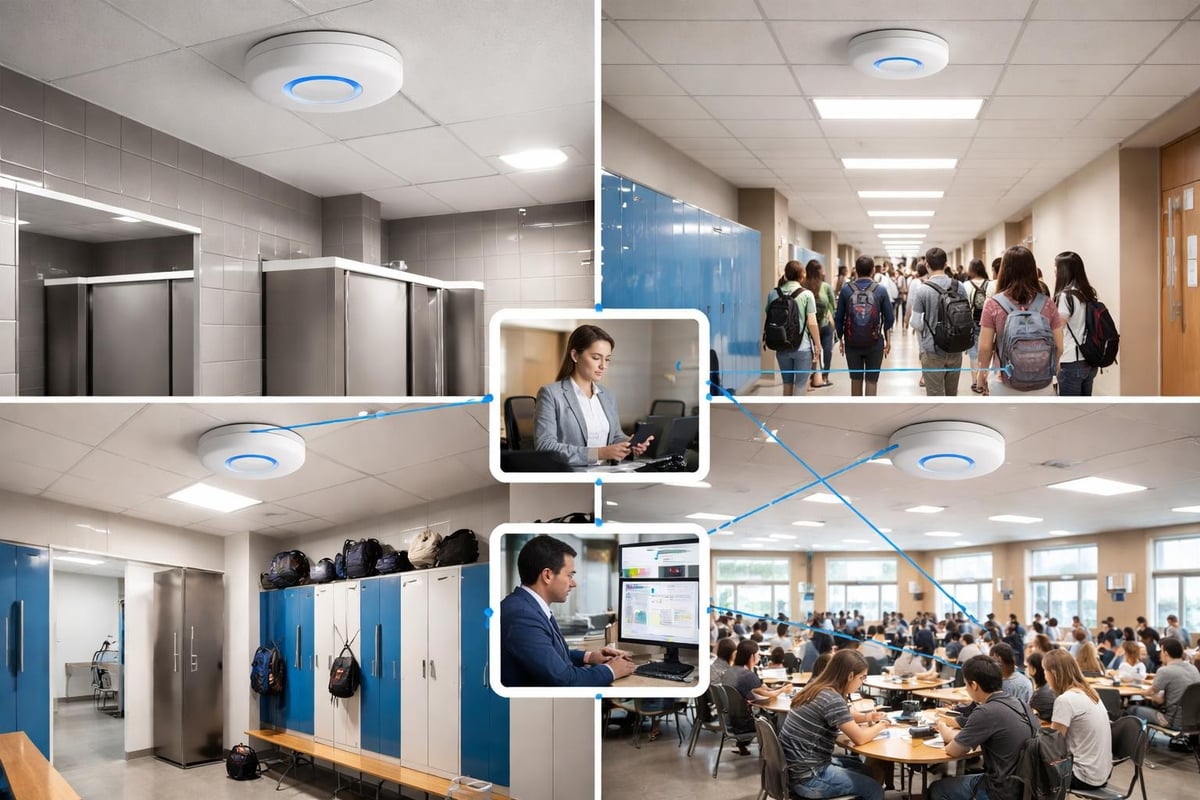
Geographic location data helps pinpoint exactly where incidents occur, particularly valuable in large facilities with multiple vulnerable areas. Schools implementing vape detection systems can identify specific bathrooms, changing rooms, or blind spots where violations occur most frequently.
Applications in Educational Settings
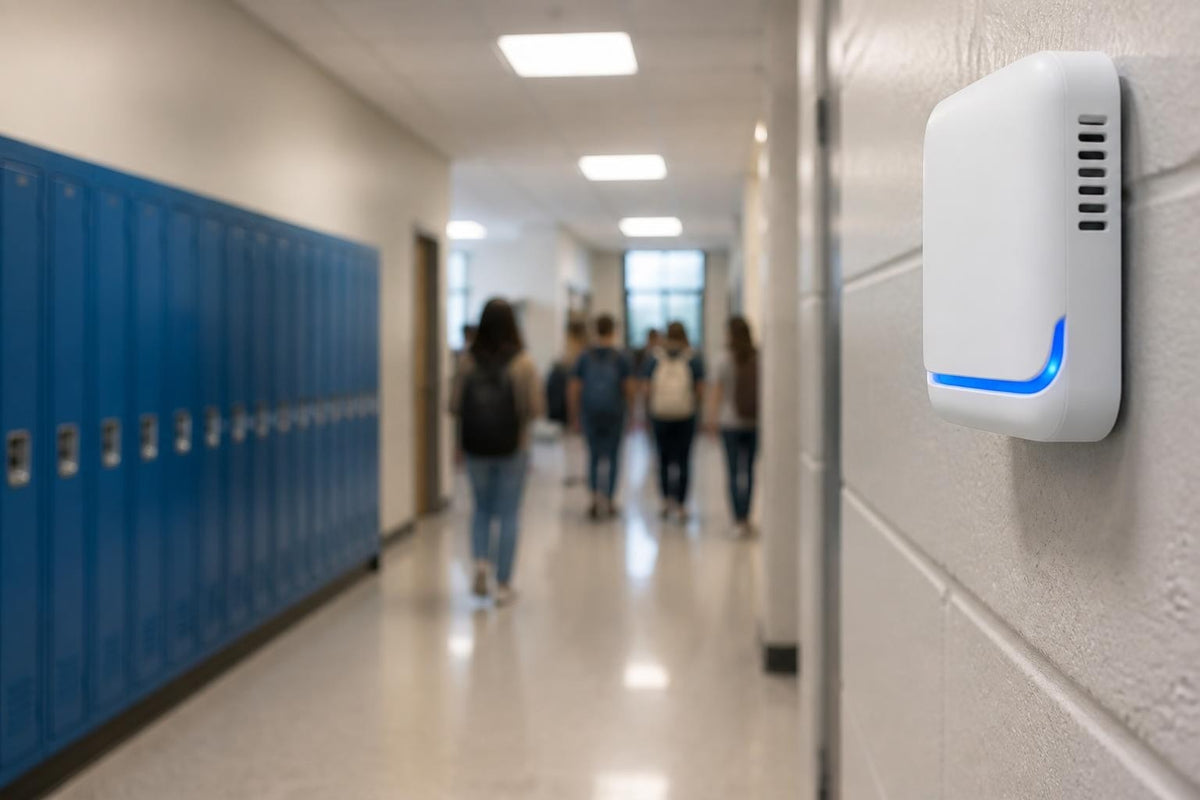
Educational institutions represent the primary market for vape detection technology, driven by alarming rises in youth vaping rates and increasing pressure to maintain healthy learning environments. Schools face unique challenges, balancing student privacy concerns with safeguarding responsibilities whilst managing limited budgets and resources.
Primary and Secondary Schools
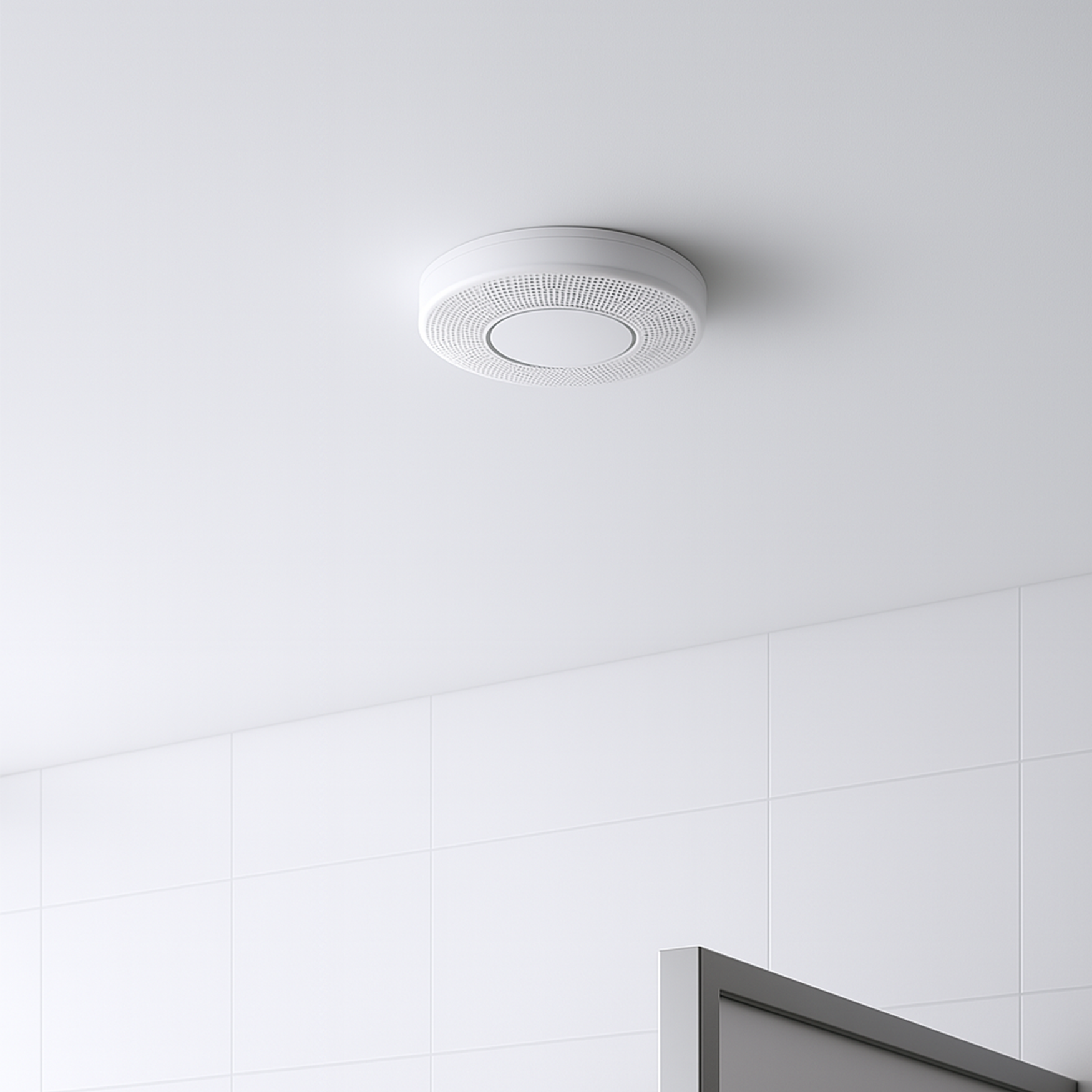
Younger students increasingly experiment with vaping devices, often unaware of health risks or long-term consequences. Detection systems in secondary schools typically focus on bathrooms, changing facilities, and secluded outdoor areas where students congregate unsupervised.
Implementation strategies vary considerably:
- Discreet installation in existing infrastructure to avoid drawing attention
- Strategic placement based on incident data and staff observations
- Integration with existing security and alert protocols
- Clear communication with students about monitoring capabilities
- Graduated response procedures linking detection to pastoral support
Charleston County high schools have deployed vape detection devices as part of comprehensive strategies to reduce student vaping. These installations demonstrate how technology supports broader educational and disciplinary frameworks rather than operating in isolation.
Further Education and Universities
Older students present different challenges, with legal adults making personal choices whilst institutions maintain responsibilities for campus environments. Universities typically deploy vape detection in residences, libraries, laboratories, and other sensitive areas where vaping could damage equipment, compromise experiments, or violate fire safety regulations.
The approach in higher education emphasises:
- Compliance monitoring rather than disciplinary enforcement
- Air quality data for facilities management and environmental health
- Evidence collection for policy violations in restricted areas
- Research applications studying vaping patterns and intervention effectiveness
Workplace and Commercial Applications
Beyond education, numerous commercial and professional environments benefit from vape detection capabilities. Employers face regulatory obligations to maintain healthy workplaces whilst respecting employee autonomy and managing diverse workforce expectations.
Corporate Offices
Professional workplaces increasingly prohibit vaping indoors, both for health reasons and to maintain professional standards. Office environments utilising vape detection can enforce these policies consistently whilst avoiding confrontational monitoring or invasive surveillance.
Key workplace benefits include:
- Protecting non-vaping employees from secondhand exposure
- Maintaining air quality for respiratory health
- Preventing damage to sensitive equipment and furnishings
- Ensuring compliance with building regulations and insurance requirements
- Supporting smoking cessation programmes through consistent boundaries
Detection systems in offices typically connect to building management platforms, generating maintenance alerts when air quality degrades and compliance reports for health and safety audits.
Leisure and Retail Spaces
Hospitality venues, shopping centres, cinemas, and entertainment facilities face particular challenges. Customer expectations vary considerably, with some demanding vape-free environments whilst others view indoor vaping as acceptable. Leisure and retail applications help businesses enforce their chosen policies consistently.
| Sector | Primary Concern | Detection Priority | Response Protocol |
|---|---|---|---|
| Restaurants | Customer comfort | High sensitivity | Staff notification |
| Cinemas | Fire safety | Medium sensitivity | Automated announcements |
| Gyms | Air quality | Variable sensitivity | Member education |
| Retail Stores | Product protection | Low sensitivity | Security alerts |
Vape Guardian's Vape Detection System offers customisable sensitivity settings and flexible alert configurations, allowing businesses to tailor responses based on their specific requirements and customer demographics. This adaptability proves essential when balancing enforcement with customer experience in commercial settings.

Health and Safety Considerations
The driving force behind vape detection adoption extends beyond policy enforcement to genuine health concerns. Whilst vaping proponents argue it presents fewer risks than traditional smoking, emerging research reveals significant health implications, particularly for non-users exposed to secondhand aerosol.
Indoor Air Quality Impact
Vaping releases fine particulate matter and chemical compounds into indoor air, degrading overall air quality even in well-ventilated spaces. Studies examining vaping effects on heart and lung health demonstrate measurable physiological impacts, particularly concerning for vulnerable populations including children, pregnant women, and individuals with respiratory conditions.
Air quality monitoring integrated with vape detection provides valuable data:
- Particulate concentration levels before, during, and after vaping incidents
- Recovery times showing how long contaminants persist
- Ventilation effectiveness in different areas and conditions
- Cumulative exposure for occupants spending extended periods indoors
This information helps facilities managers optimise ventilation systems, schedule enhanced cleaning, and make evidence-based decisions about air quality interventions. Air quality monitoring devices complement vape detection capabilities, providing comprehensive environmental oversight.
Detection Beyond Vaping
Advanced sensor systems detect more than just vaping activity. Many platforms identify additional threats including:
- Cannabis use and other controlled substances
- Aggressive behaviour through sound analysis
- Unusual crowd density suggesting bullying or fights
- Vandalism and property damage
- Fire and combustion hazards
This multi-threat capability increases return on investment whilst addressing broader safety concerns. Schools particularly value systems detecting anti-social behaviour, providing evidence for interventions and creating safer environments overall.
Implementation Best Practices
Successful vape detection deployment requires careful planning, stakeholder engagement, and clear procedures. Organisations rushing implementation without proper preparation often encounter resistance, technical challenges, and disappointing results.
Site Assessment and Planning
Before purchasing equipment, conduct thorough assessments identifying:
- High-risk locations based on incident reports and observations
- Connectivity requirements including network infrastructure and power availability
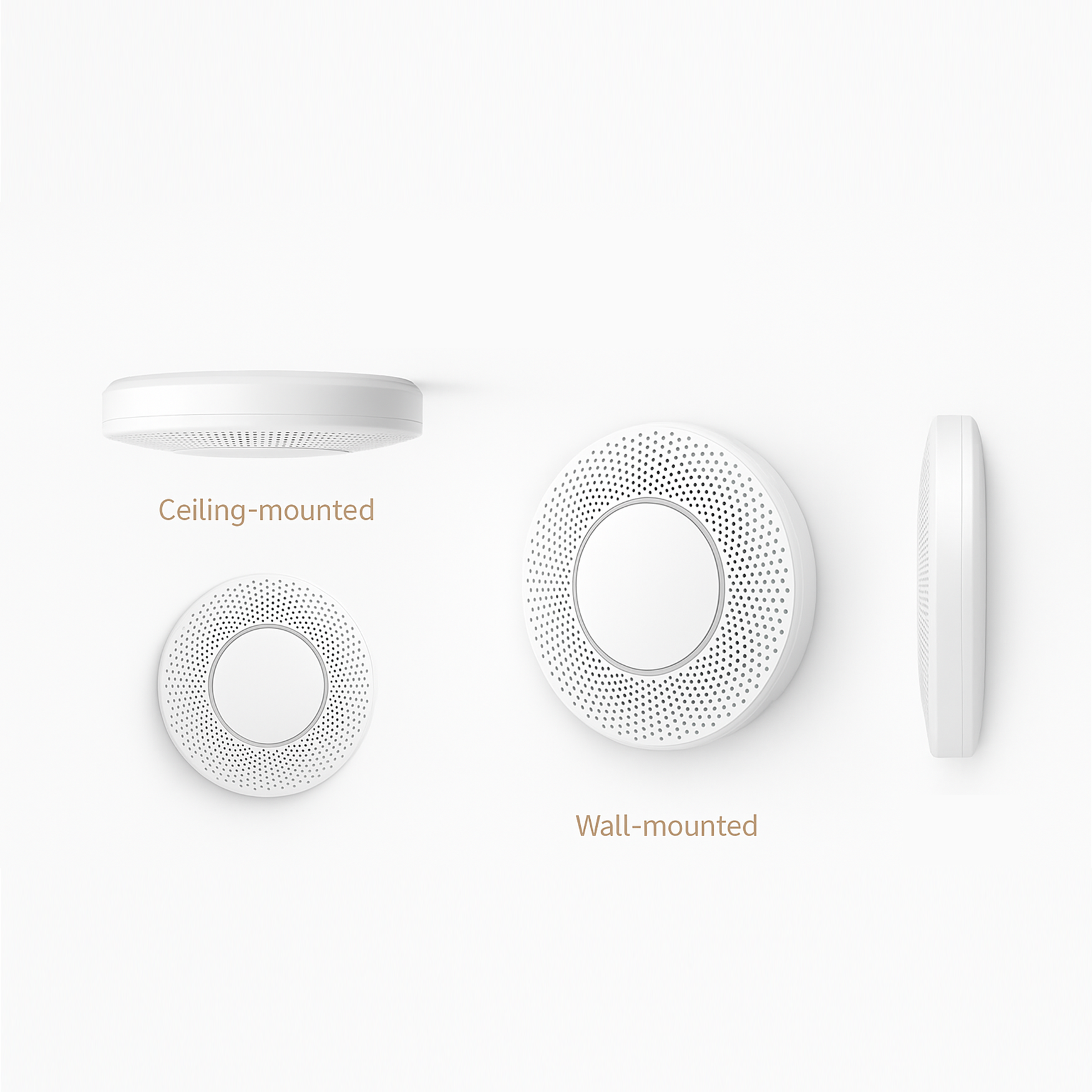
- Mounting locations ensuring optimal coverage without obvious visibility
- Environmental factors affecting sensor performance such as humidity and temperature
- Privacy considerations balancing monitoring with reasonable expectations
Professional installers provide site surveys, recommending optimal configurations based on building layouts, usage patterns, and specific concerns. Marietta City Schools carefully considered placement and policies before implementing their vape detection programme.
Stakeholder Communication
Transparent communication prevents suspicion and builds support for detection initiatives. Different audiences require tailored messaging:
- Students/employees need clear explanations of what's monitored, why, and consequences
- Parents/families want reassurance about privacy protections and health priorities
- Governing bodies require compliance information and cost justifications
- Staff members need training on responding to alerts appropriately
Publishing clear policies addressing privacy concerns, data retention, and appropriate use demonstrates commitment to responsible monitoring rather than invasive surveillance.
Response Procedures
Detection without appropriate response wastes resources and undermines deterrence. Effective protocols include:
| Alert Type | First Response | Follow-Up Action | Documentation Required |
|---|---|---|---|
| First incident | Verbal warning | Educational conversation | Incident log entry |
| Repeat violation | Formal warning | Parental notification | Written record |
| Persistent pattern | Disciplinary action | Support intervention | Comprehensive report |
| Immediate threat | Security response | Emergency protocols | Full investigation |
Linking detection to support rather than purely punitive measures proves more effective, particularly with young people. Designated safeguarding leads can use detection data to identify students needing additional support, intervening before patterns become entrenched.
Technology Advancements and Future Developments
Vape detection technology continues evolving rapidly, with manufacturers introducing enhanced capabilities, improved accuracy, and additional features. Understanding emerging trends helps organisations make future-proof investments aligned with long-term needs.
Artificial Intelligence Integration
Machine learning algorithms improve detection accuracy by learning to distinguish vaping from similar environmental changes. AI systems reduce false positives caused by aerosol sprays, humidity fluctuations, or cleaning products whilst identifying subtle patterns indicating vaping activity.
Advanced systems analyse:
- Historical patterns predicting likely violation times and locations
- Behavioural trends across multiple sensors suggesting coordinated rule-breaking
- Environmental correlations improving accuracy in challenging conditions
- Individual device signatures enabling more precise identification
Research into computer vision techniques for detecting e-cigarette content demonstrates how visual analysis could complement chemical sensors, particularly in areas with existing CCTV infrastructure.
Enhanced Chemical Analysis
Sensor technology continues advancing, with newer models identifying increasingly specific chemical signatures. This precision enables systems to distinguish between different vaping products, potentially identifying use of illicit substances or high-nicotine formulations requiring immediate intervention.
Gas sensor technology originally developed for medical diagnostics, such as acetone detection for diabetes monitoring, now informs vaping detection systems. Cross-pollination between medical sensors, environmental monitoring, and security applications accelerates innovation across all sectors.
Integration with Building Systems
Modern vape detection integrates seamlessly with existing infrastructure including:
- Access control systems logging who entered areas before alerts
- Ventilation systems automatically increasing airflow after detection
- Lighting controls highlighting affected areas for rapid location
- Video management systems triggering recording for evidence
- Emergency notification platforms alerting appropriate responders
This interconnectivity transforms standalone sensors into comprehensive environmental management platforms. Network and connectivity options determine how effectively systems integrate with existing infrastructure.
Cost Considerations and Return on Investment
Financial aspects significantly influence adoption decisions, with organisations weighing upfront costs against long-term benefits. Understanding total cost of ownership and quantifiable returns helps justify investments to budget holders and governing bodies.
Initial Investment Components
Complete vape detection installations include multiple cost elements:
- Hardware purchases covering sensors, mounting hardware, and connectivity devices
- Installation labour for professional mounting, configuration, and network integration
- Software licensing providing cloud platforms, mobile applications, and reporting tools
- Network infrastructure upgrades ensuring reliable connectivity and data transmission
- Training programmes preparing staff to respond effectively to alerts
Costs vary considerably based on facility size, coverage requirements, and chosen technology. Educational pricing, bulk discounts, and financing options help organisations manage upfront expenses.
Measurable Benefits
Return on investment encompasses both financial savings and non-monetary benefits:
- Reduced cleaning and maintenance costs from decreased vaping residue
- Lower insurance premiums recognising improved risk management
- Avoided regulatory fines for failing to maintain safe environments
- Decreased staff time investigating incidents without clear evidence
- Improved air quality reducing absence from respiratory issues
Less tangible but equally valuable benefits include enhanced reputation, improved stakeholder confidence, and demonstrated commitment to health and safety. Schools report improved learning environments and reduced disciplinary incidents following vape detection implementation.
Long-Term Value
Beyond immediate returns, vape detection systems provide enduring value through:
- Scalable infrastructure accommodating future expansion
- Regular software updates adding capabilities without hardware replacement
- Data analytics informing evidence-based policy decisions
- Deterrent effects reducing violations over time
- Foundation for comprehensive environmental monitoring programmes
Organisations viewing vape detection as infrastructure investment rather than expense recognise superior long-term value compared to reactive, incident-based approaches.
Legal and Privacy Implications
Vape detection deployment raises important legal questions around privacy, data protection, and appropriate use of monitoring technology. Organisations must balance legitimate safety interests with individual rights and regulatory requirements.
Data Protection Compliance
UK organisations must ensure vape detection systems comply with data protection legislation. Key considerations include:
- Lawful basis for processing environmental and location data
- Transparency requirements informing individuals about monitoring
- Data minimisation collecting only information necessary for safety purposes
- Retention limits deleting historical data when no longer needed
- Security measures protecting information from unauthorised access
Privacy impact assessments identify risks and demonstrate due diligence before deployment. Clear policies addressing data handling, access controls, and individual rights provide necessary transparency whilst protecting organisational interests.
Reasonable Expectations
Courts generally recognise reduced privacy expectations in certain contexts, particularly where safety concerns exist and monitoring is proportionate. Bathrooms present particular sensitivities, requiring careful consideration of:
- Sensor placement avoiding any visual monitoring capability
- Detection focused solely on air quality and environmental factors
- Clear signage informing occupants about monitoring systems
- Strict access controls limiting who receives alerts
- Graduated responses proportionate to violation severity
Consulting legal advisers and data protection officers before implementation helps avoid compliance issues and protects against potential challenges. Vape Guardian's approach emphasises privacy-respecting deployment whilst maintaining effective monitoring capabilities.
Employment Law Considerations
Workplace monitoring raises additional employment law questions. Employers must:
- Consult with employees and representatives before implementation
- Demonstrate legitimate business interests justifying monitoring
- Apply policies consistently across all staff levels
- Consider reasonable adjustments for medical or disability-related vaping
- Follow fair disciplinary procedures when responding to violations
Well-drafted policies incorporated into employment contracts or staff handbooks provide clear expectations and procedural safeguards protecting both employers and employees.
Choosing the Right Vape Detection System
With numerous manufacturers offering varying capabilities, selecting appropriate systems requires careful evaluation of features, performance, and vendor support. Understanding key differentiators helps organisations make informed decisions aligned with specific requirements.
Essential Features Checklist
Evaluate potential systems against core requirements:
- Detection accuracy with low false positive rates
- Response speed enabling timely intervention
- Coverage area per sensor unit
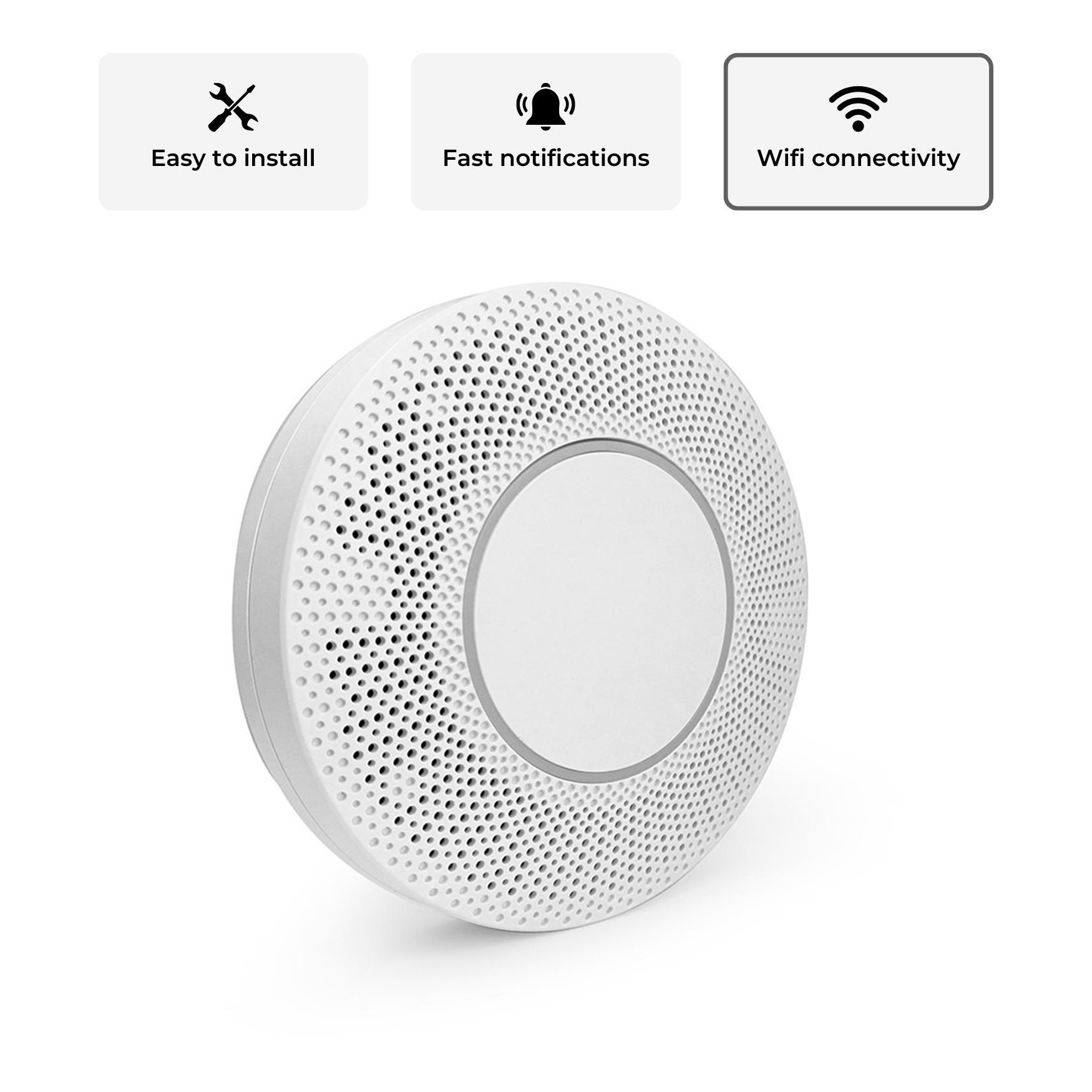
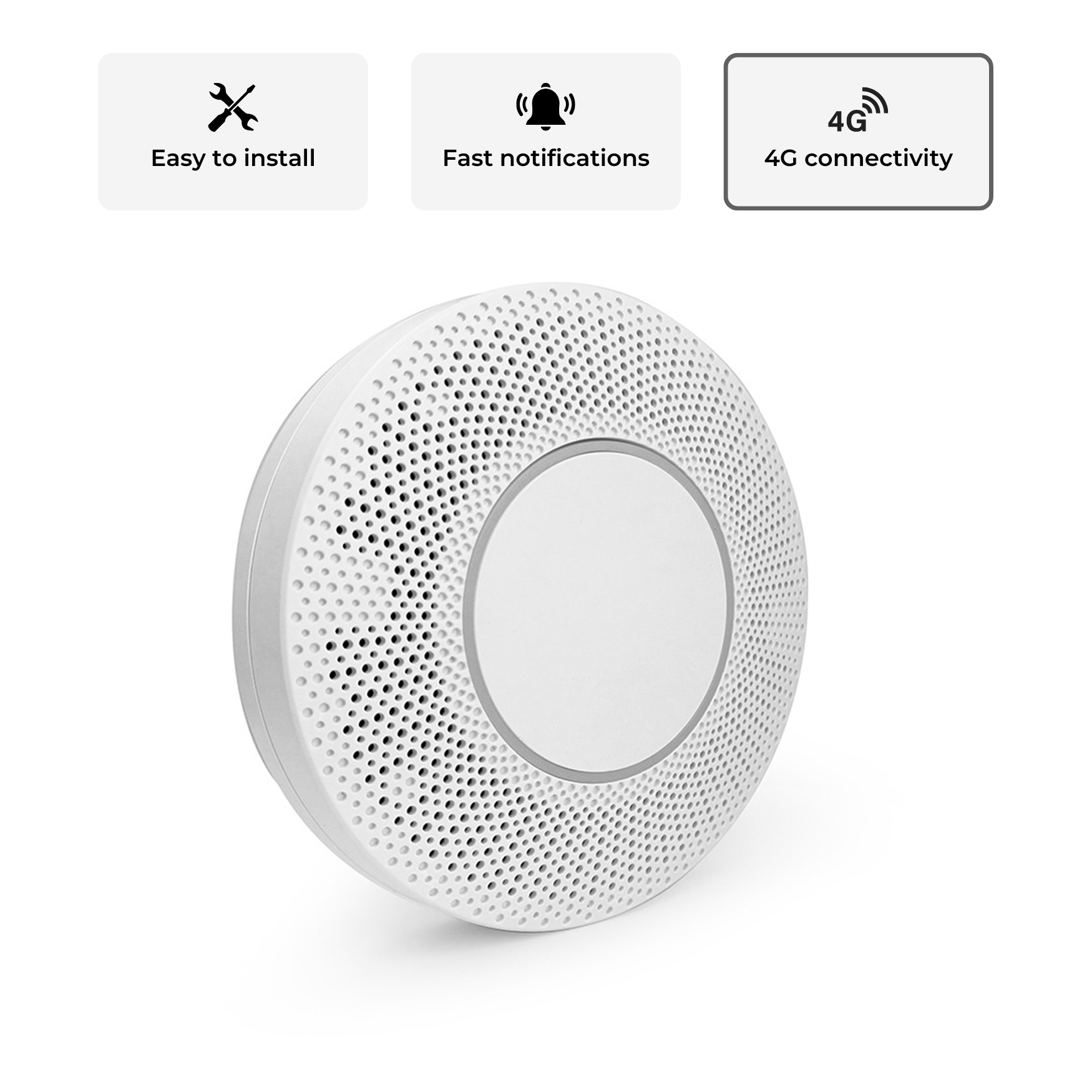
- Connectivity options including WiFi, cellular, and hardwired
- Alert customisation for different locations and severities
- Reporting capabilities providing actionable insights
- Scalability accommodating future expansion
- Integration compatibility with existing systems
- Vendor reputation and customer support quality
- Warranty coverage and ongoing maintenance requirements
Requesting demonstrations, pilot installations, or trial periods allows hands-on evaluation before committing to large-scale deployment.
Vendor Assessment Criteria
Beyond product features, vendor selection significantly impacts long-term satisfaction:
| Assessment Factor | Importance | Evaluation Method |
|---|---|---|
| Technical support quality | Critical | Reference checks, response time guarantees |
| Installation expertise | High | Installer certifications, project portfolio |
| Software development | High | Update frequency, feature roadmap |
| Industry experience | Medium | Years operating, sector specialisation |
| Financial stability | Medium | Company information, customer base size |
Vape Guardian's customer support commitment includes dedicated account management, technical assistance, and ongoing training ensuring customers maximise their system investment.
Total Cost of Ownership Analysis
Look beyond purchase price to understand complete financial commitment:
- Annual licensing fees for cloud platforms and software access
- Maintenance contracts covering repairs, replacements, and updates
- Connectivity costs for cellular data or network infrastructure
- Training expenses for new staff and system updates
- Upgrade pathways adding capabilities as needs evolve
Requesting detailed quotations breaking down all cost components enables accurate budget planning and prevents unexpected expenses undermining project viability.
Vape detection technology has matured into a sophisticated, reliable solution for organisations committed to maintaining healthy, compliant environments. Understanding how these systems work, where they deliver greatest value, and how to implement them effectively enables informed decision-making aligned with safety priorities and resource constraints. If you're ready to explore how advanced vape detection can transform your environment, Vape Guardian offers proven solutions backed by dedicated support, helping schools, offices, and leisure facilities across the UK create safer spaces through intelligent monitoring technology.



Share:
Detect Nicotine Vapor Indoors: The Expert Guide 2026
Vape Alarm: Technology, Benefits & Real-World Impact