
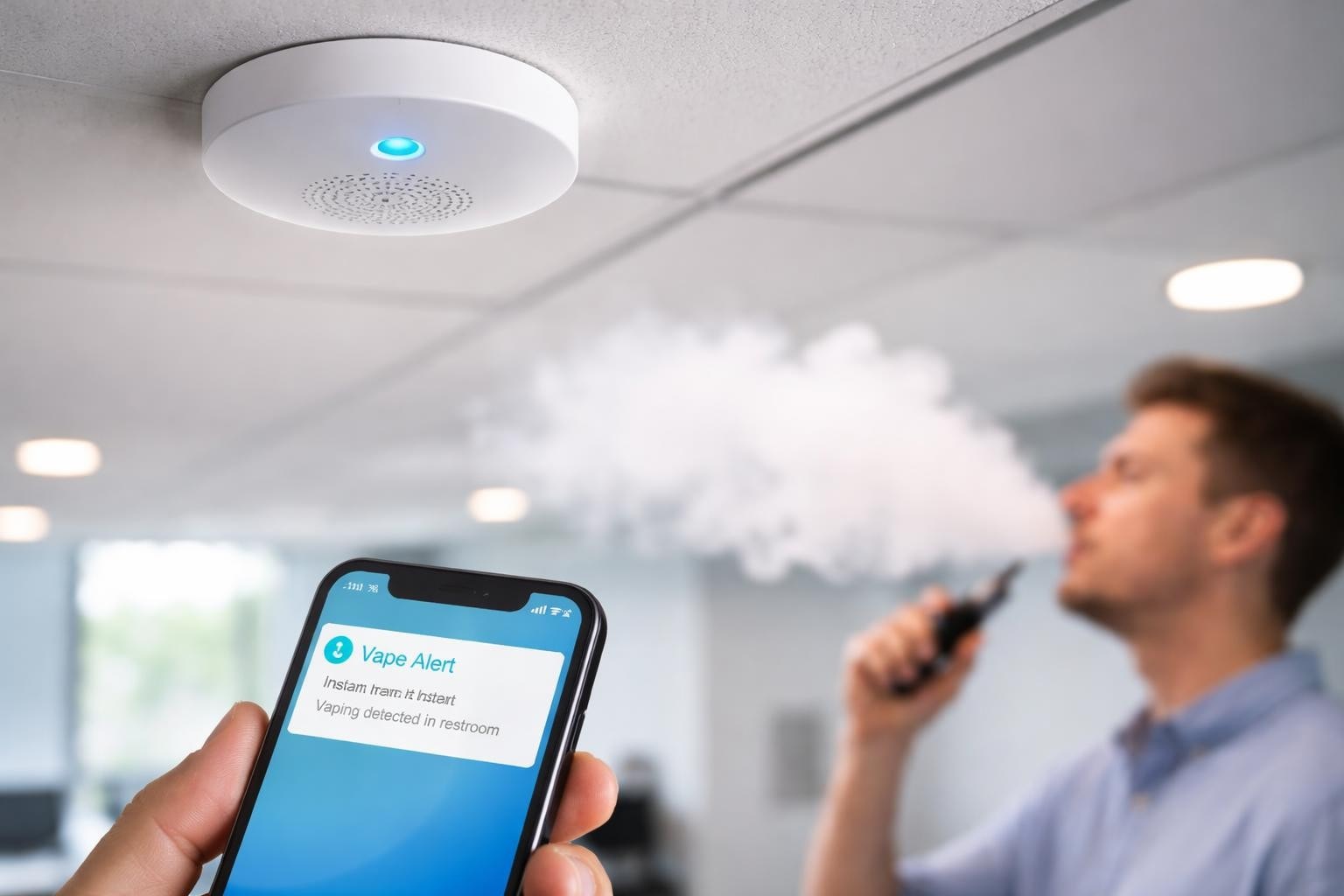
The rising prevalence of vaping in schools, workplaces, and public spaces has created an urgent need for effective detection solutions. A vape alarm represents a sophisticated technological response to this challenge, offering real-time monitoring and alerts when vaping activity occurs in restricted areas. Unlike traditional smoke detectors that rely on smoke particles alone, modern vape alarm systems employ advanced sensors capable of identifying the unique chemical signatures of e-cigarette aerosols. These devices have become essential tools for safeguarding teams, compliance officers, and facility managers seeking to maintain healthy, regulation-compliant environments whilst respecting individual privacy.
Understanding Vape Alarm Technology
A vape alarm operates through a combination of advanced sensing technologies designed to detect the specific characteristics of vaping aerosols. These systems typically incorporate particulate matter sensors, volatile organic compound detectors, and sometimes even charged aerosol detection principles to identify the presence of e-cigarette vapour in the air.
The technology behind these devices has evolved significantly since early iterations. Modern vape alarm systems can differentiate between standard air quality fluctuations and the distinct chemical profile produced when someone vapes. This precision reduces false positives whilst maintaining high sensitivity to actual vaping events.
Core Detection Mechanisms
Particulate Matter Sensing The primary detection method employed by most vape alarm systems involves monitoring particulate matter concentrations in the air. When someone uses an e-cigarette, they release fine aerosol particles typically measuring between 0.3 and 2.5 microns in diameter. Advanced sensors track these particles and compare their concentration patterns against baseline air quality metrics.
Chemical Signature Analysis Beyond particle detection, sophisticated vape alarm technology analyses the chemical composition of airborne substances. E-cigarette vapour contains distinctive volatile organic compounds including propylene glycol, vegetable glycerin, and various flavouring agents. Electronic nose technology principles enable sensors to identify these specific compounds, providing accurate vaping detection even in complex environments.
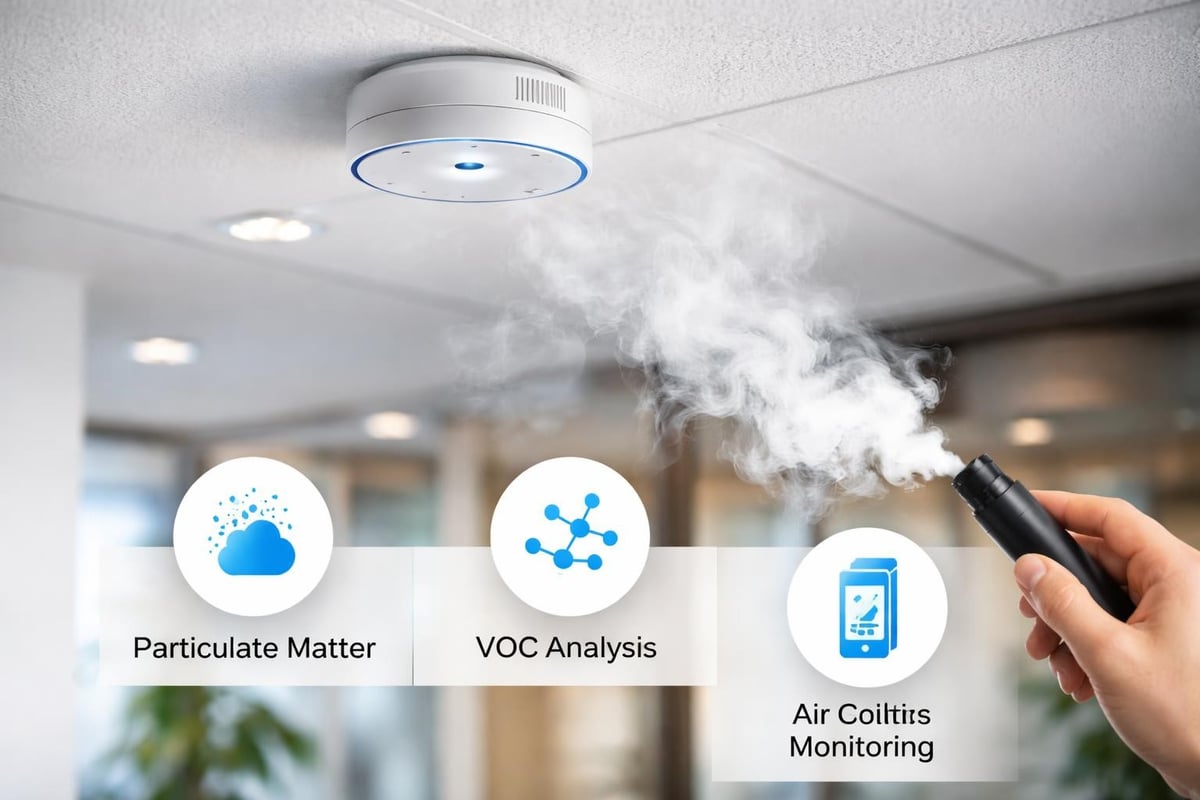
The combination of multiple detection methods creates a robust system that minimises false alarms whilst maintaining exceptional accuracy. This multi-layered approach ensures that a vape alarm can reliably distinguish between vaping activity and other common air quality variations such as aerosol sprays or cooking fumes.
Key Benefits for Educational Institutions
Schools face particular challenges when addressing vaping amongst students. Traditional supervision methods prove inadequate in spaces like toilets, changing rooms, and other areas where direct monitoring would compromise privacy. A vape alarm provides an essential solution to this dilemma.
Research shows that effective vape detection in schools significantly reduces incident rates whilst supporting pastoral care efforts. When students understand that detection systems are active, the deterrent effect alone can dramatically decrease vaping attempts.
Safeguarding and Welfare Support
The immediate alerts generated by a vape alarm enable staff to respond quickly when incidents occur. This rapid response capability serves two critical functions: it allows for timely intervention to stop the behaviour and provides opportunities for supportive conversations with students about health risks and decision making.
| Benefit Category | Impact | Timeframe |
|---|---|---|
| Deterrent Effect | 40-60% reduction in vaping attempts | 2-4 weeks after installation |
| Incident Response | Staff alerted within 30 seconds | Immediate |
| Compliance Support | Simplified policy enforcement | Ongoing |
| Student Wellbeing | Earlier intervention opportunities | Immediate to long term |
Many educational institutions report that the presence of vape alarm technology creates opportunities for proactive health education. When students recognise that their school takes vaping seriously enough to invest in detection systems, it reinforces anti-vaping messages delivered through formal education programmes.
Workplace Applications and Compliance
Commercial environments face equally pressing needs for effective vaping detection. Employers have legal obligations to maintain healthy workplaces, and the presence of secondhand vapour raises legitimate health and safety concerns. A vape alarm system provides objective evidence of policy compliance whilst avoiding the need for intrusive monitoring practices.
The hidden health risks associated with workplace vaping extend beyond the immediate vapour exposure. Persistent vaping in confined spaces can degrade overall air quality, affect employees with respiratory sensitivities, and create workplace tensions between vaping and non-vaping staff members.
Supporting Company Policies
Implementation of a vape alarm reinforces workplace vaping policies by providing clear, automated enforcement. Rather than relying on complaints or confrontational interventions, facilities managers receive discrete alerts that allow for professional, evidence-based conversations with employees.
- Objective documentation: Automated logging of vaping incidents provides clear records for HR purposes
- Privacy preservation: Detection occurs without cameras or audio recording, respecting employee dignity
- Immediate notification: Designated staff receive real-time alerts via mobile applications or email
- Compliance reporting: Aggregated data supports regulatory compliance and wellness programme assessment
Modern workplace culture increasingly values transparency and employee wellbeing. A vape alarm contributes to these priorities by creating clear boundaries whilst maintaining respectful monitoring practices. The Vape Detection System offers comprehensive monitoring that extends beyond vaping to include other air quality metrics and safety concerns, making it an invaluable asset for forward-thinking organisations.
When employees understand that detection technology serves health and compliance purposes rather than punitive surveillance, acceptance rates improve significantly.

Installation Considerations and Best Practices
Successful vape alarm deployment requires careful planning regarding placement, connectivity, and integration with existing facility management systems. The effectiveness of these devices depends significantly on strategic positioning within the spaces requiring monitoring.
Optimal Placement Strategies
High-Risk Areas Priority installation locations include toilets, changing rooms, private offices, and other spaces where direct supervision proves impractical. A vape alarm positioned in these areas provides coverage where it matters most whilst avoiding unnecessary monitoring in open, well-supervised spaces.
Environmental Factors Sensor placement must account for air circulation patterns, temperature variations, and proximity to ventilation systems. Positioning devices too close to air intakes or exhausts can affect sensitivity, whilst placing them in stagnant air pockets may delay detection.
Coverage Calculations Most vape alarm systems effectively monitor spaces up to 400-600 square feet, though this varies based on ceiling height, ventilation rates, and room configuration. Larger spaces may require multiple units for comprehensive coverage.
- Conduct a site survey identifying all areas requiring monitoring
- Map air circulation patterns and identify optimal mounting positions
- Ensure adequate network connectivity for real-time alert transmission
- Configure alert recipients and escalation procedures
- Test detection sensitivity and adjust threshold settings
- Establish maintenance schedules for sensor calibration and cleaning

Professional installation ensures that devices function optimally from day one. Many organisations choose to work with experienced providers who understand both the technical requirements and the practical considerations specific to educational or commercial environments.
Alert Systems and Response Protocols
The value of a vape alarm extends beyond detection itself to encompass the notification and response infrastructure that enables effective intervention. Modern systems offer sophisticated alert customisation, allowing organisations to tailor notifications to their specific operational requirements.
Real-Time Notification Options
Alert delivery methods typically include push notifications to mobile devices, email alerts, SMS messages, and integration with building management systems. The ability to designate multiple recipients ensures that appropriate staff members receive notifications regardless of their location within the facility.
Escalation Procedures Advanced vape alarm systems support tiered alert protocols. Initial notifications might route to on-site staff members, with automatic escalation to supervisors or security personnel if incidents persist or go unaddressed within specified timeframes.
Evidence Collection Whilst respecting privacy by avoiding cameras in sensitive spaces, vape alarm systems maintain detailed logs of detection events. These records include timestamps, location data, sensor readings, and alert acknowledgement information, creating comprehensive audit trails for compliance and policy enforcement purposes.
| Alert Feature | Purpose | Recipient Options |
|---|---|---|
| Instant Push Notification | Immediate awareness of vaping events | Designated staff mobile devices |
| Email Summary | Daily or weekly incident reporting | Management, compliance officers |
| Dashboard Analytics | Trend analysis and pattern identification | Facilities managers, leadership |
| Integration Alerts | Coordination with other building systems | Security, HVAC controls |
The vape detection technology landscape continues evolving, with newer systems offering increasingly sophisticated analytics capabilities. These advancements enable organisations to identify patterns, assess programme effectiveness, and make data-informed decisions about intervention strategies.
Air Quality Monitoring Integration
Many modern vape alarm systems extend their functionality beyond vaping detection to provide comprehensive air quality monitoring. This expanded capability adds significant value by addressing multiple environmental health concerns through a single platform.
Multi-Parameter Sensing
Particulate Matter Tracking Beyond detecting vaping aerosols, quality sensors monitor PM2.5 and PM10 particulate concentrations that indicate overall air quality. This information proves valuable for maintaining healthy indoor environments and complying with workplace safety regulations. Understanding air quality monitoring best practices helps organisations maximise the value of their detection investments.
Volatile Organic Compounds VOC monitoring identifies a broad range of airborne chemicals, some of which may indicate cleaning product overuse, poor ventilation, or other environmental concerns unrelated to vaping.
Temperature and Humidity Environmental condition monitoring supports facilities management efforts and helps maintain optimal indoor climate conditions for occupant comfort and health.
The integration of these capabilities transforms a vape alarm from a single-purpose detection device into a comprehensive environmental monitoring solution. This holistic approach provides better return on investment whilst supporting broader organisational wellness and safety objectives.
Privacy Considerations and Legal Compliance
Implementing a vape alarm raises important questions about privacy, surveillance ethics, and legal compliance. Responsible deployment requires careful attention to these considerations to ensure that detection efforts respect individual rights whilst serving legitimate organisational interests.
Privacy-Preserving Design
Modern vape alarm technology specifically addresses privacy concerns through thoughtful design choices. Unlike camera-based monitoring, air quality sensors detect chemical and particulate signatures without capturing visual information. This approach enables effective detection in private spaces like toilets without compromising dignity or privacy.
Transparency and Communication Best practice involves clearly communicating the presence of detection systems to building occupants. Visible signage indicating that vape alarm technology is active serves both as a deterrent and as an ethical disclosure ensuring informed consent.
Data Protection Compliance Organisations must ensure that incident logs and alert data comply with relevant data protection regulations. This includes implementing appropriate access controls, retention policies, and security measures to protect sensitive information.
The benefits of vape detection systems extend across health, compliance, and facility management domains, but these advantages must be balanced against legitimate privacy expectations. Systems designed with privacy as a core principle achieve this balance effectively.
Effectiveness Metrics and Programme Assessment
Measuring the success of vape alarm implementation requires establishing clear metrics and assessment frameworks. Organisations benefit from understanding both immediate detection performance and longer-term behavioural impacts.
Key Performance Indicators
Detection Accuracy The primary technical metric involves true positive detection rates versus false positives. Quality systems achieve detection accuracy exceeding 95% whilst maintaining false positive rates below 2-3%.
Incident Frequency Trends Tracking vaping incident rates over time reveals whether the deterrent effect proves sustainable. Most organisations observe initial spikes as existing vaping activity becomes visible, followed by steady declines as behavioural norms shift.
Response Time Metrics Measuring the interval between detection and staff response helps optimise alert protocols and staffing patterns to ensure timely intervention.
- Month 1: Baseline establishment and system optimisation
- Months 2-3: Peak detection as deterrent effect develops
- Months 4-6: Declining incident rates as behaviour changes
- Months 7-12: Sustained low rates with occasional testing behaviour
- Beyond Year 1: Maintained compliance with minimal incidents
Schools implementing comprehensive vaping detection programmes report significant improvements in campus culture and student wellbeing. The technology serves as one component within broader education and support initiatives designed to address the root causes of youth vaping.
Integration with Broader Safety Systems
A vape alarm functions most effectively when integrated within comprehensive facility safety and management frameworks. This integration enables coordinated responses and centralised monitoring across multiple building systems.
Building Management System Connectivity
Modern detection devices typically support standard communication protocols including LoRaWAN, WiFi, and hardwired Ethernet connections. This connectivity enables integration with existing building automation systems, creating unified dashboards for facilities management teams.
HVAC Response Coordination Advanced implementations can trigger automatic ventilation increases when vaping events occur, accelerating clearance of aerosols from affected spaces whilst documenting the environmental response.
Security System Integration Whilst vape alarm technology avoids visual surveillance, integrating alerts with access control systems can help identify time patterns and authorised occupants present during detection events without compromising individual privacy.
The application of smart sensors in educational settings demonstrates how comprehensive environmental monitoring supports multiple safety and wellbeing objectives simultaneously. Schools benefit from systems that address vaping alongside other concerns like air quality degradation and environmental hazards.
Cost Considerations and Return on Investment
Understanding the financial implications of vape alarm deployment helps organisations make informed procurement decisions. The investment encompasses initial hardware costs, installation expenses, ongoing subscription fees for cloud-based monitoring, and periodic maintenance requirements.
Total Cost of Ownership
| Cost Component | Typical Range | Frequency |
|---|---|---|
| Hardware (per unit) | £300-£800 | One-time |
| Installation | £100-£250 per unit | One-time |
| Cloud Platform Subscription | £50-£150 per unit annually | Recurring |
| Maintenance and Calibration | £30-£75 per unit annually | Annual |
Quantifying Benefits Return on investment calculations should consider both direct cost savings and indirect benefits. Direct savings may include reduced cleaning costs, decreased property damage, and avoided regulatory penalties. Indirect benefits encompass improved air quality, enhanced reputation, and reduced liability exposure.
Educational institutions often find that the costs of a vape alarm system compare favourably against the expenses associated with managing vaping incidents through traditional means. Staff time spent on supervision, investigation, and disciplinary processes represents a significant hidden cost that detection technology can reduce.
Future Developments in Detection Technology
The vape alarm industry continues advancing rapidly, with emerging technologies promising enhanced capabilities and new applications. Understanding these trends helps organisations plan long-term detection strategies that remain effective as both vaping devices and user behaviours evolve.
Artificial Intelligence Integration
Machine learning algorithms increasingly enhance detection accuracy by learning to distinguish between vaping signatures and environmental variations specific to each installation location. These adaptive systems become more precise over time, further reducing false positives whilst maintaining high sensitivity.
Predictive Analytics Advanced systems analyse historical patterns to identify high-risk times and locations, enabling proactive interventions before incidents occur. This shift from reactive detection to predictive prevention represents a significant evolution in how organisations approach vaping management.
Enhanced Chemical Detection Ongoing sensor development focuses on identifying specific substances within vapes, potentially distinguishing between nicotine vaping and devices used for THC or other controlled substances. This capability supports more targeted interventions and appropriate welfare responses.
Research into vape and bullying detection systems illustrates how environmental monitoring technology can address multiple safety concerns simultaneously, creating safer spaces through comprehensive awareness rather than narrow, single-purpose detection.
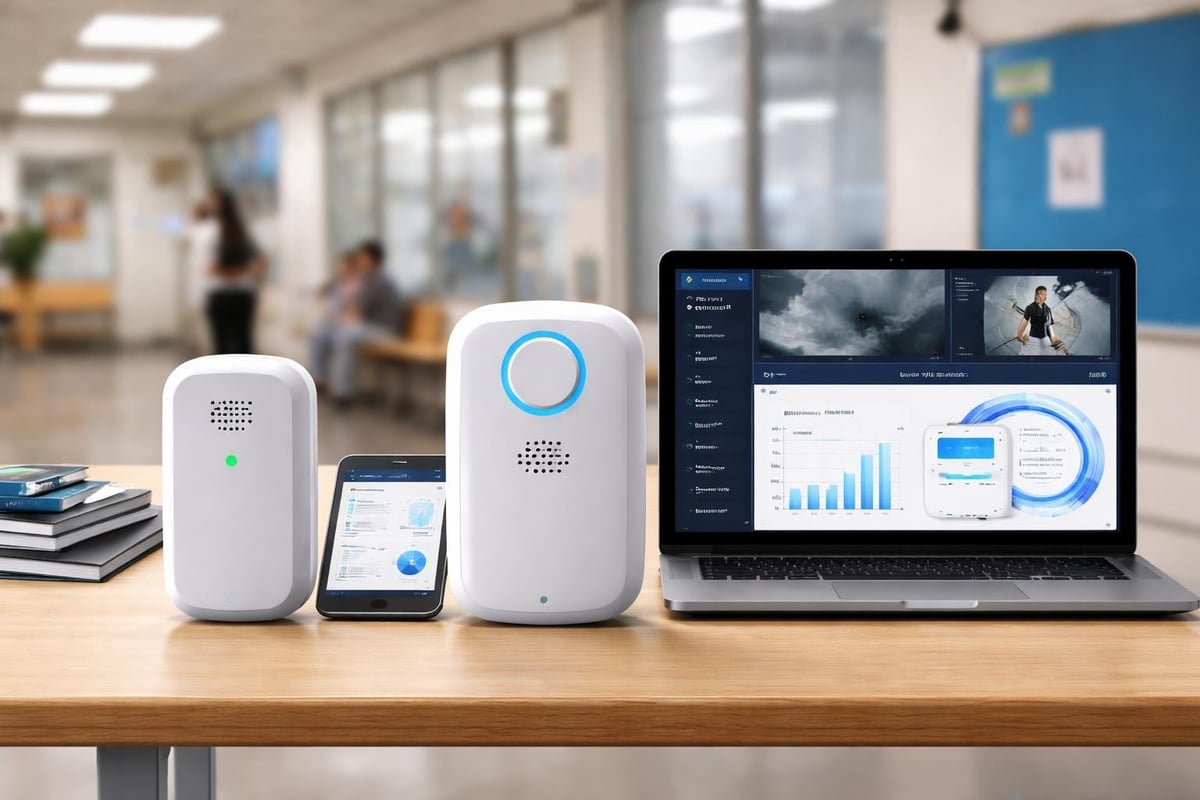
The trajectory points toward increasingly sophisticated, integrated systems that provide holistic environmental awareness whilst respecting privacy and supporting organisational objectives around health, safety, and compliance.
Implementing effective vaping detection requires thoughtful technology selection, strategic deployment, and integration within broader organisational policies and support frameworks. A vape alarm serves as an essential tool for schools, workplaces, and public facilities seeking to maintain healthy, compliant environments whilst respecting privacy and supporting positive behavioural change. Vape Guardian offers advanced detection solutions designed specifically for UK organisations, combining cutting-edge sensor technology with comprehensive support services to help you create safer spaces and reduce vaping incidents effectively.






Share:
Vape Detection: A Comprehensive Guide for 2026
Indoor Air Quality Monitor: Complete Guide for 2026