
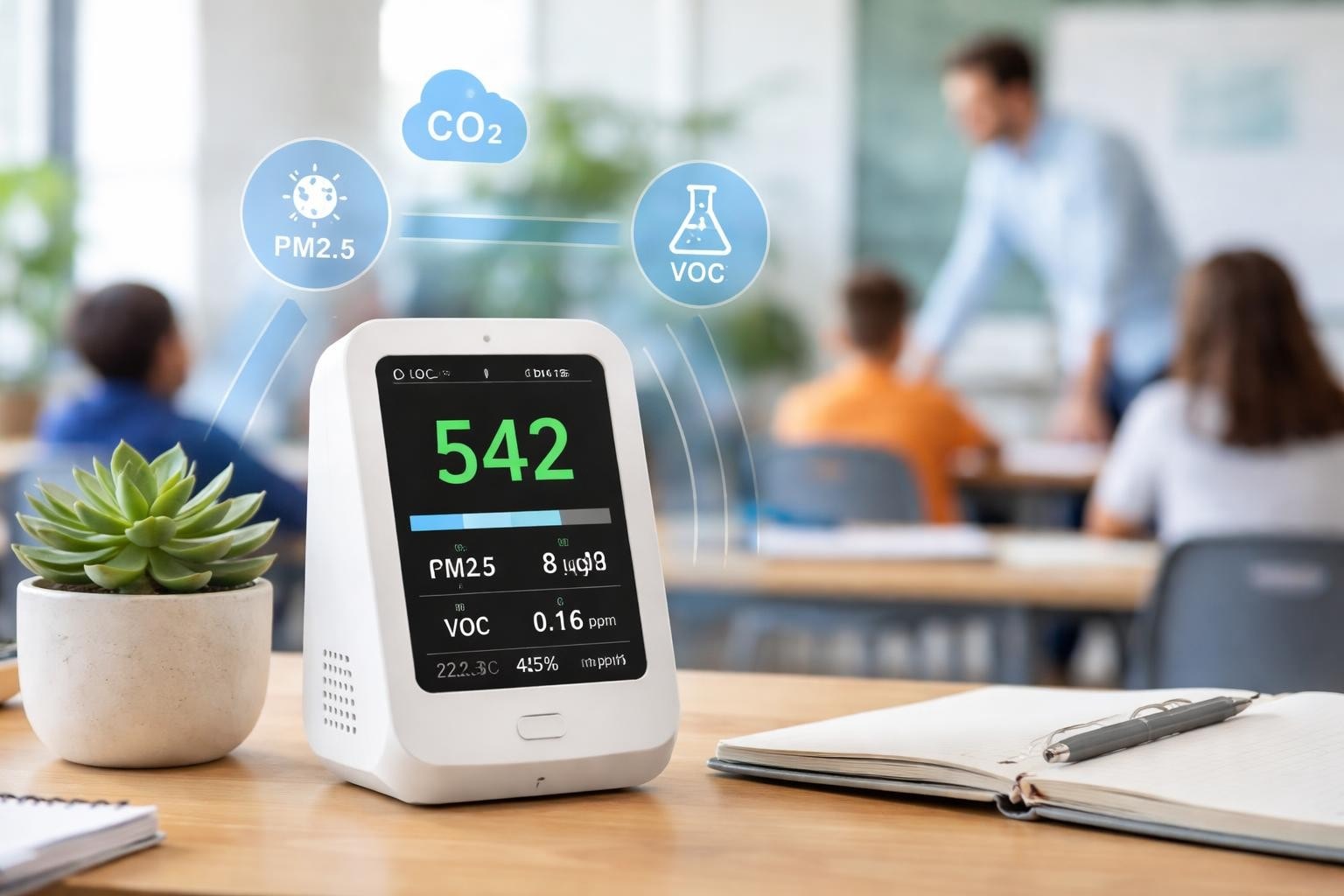
Indoor environments can harbour invisible threats that silently compromise the health and wellbeing of occupants. From volatile organic compounds to particulate matter and vapour-based pollutants, the air we breathe inside schools, offices, and public spaces often contains contaminants at levels far exceeding outdoor air. An indoor air quality monitor serves as the first line of defence, providing real-time data that empowers facility managers, school administrators, and business owners to take immediate action when pollutant levels rise. Understanding how these monitoring systems work and what they detect has become essential for anyone responsible for maintaining safe, healthy indoor environments in 2026.
Understanding Indoor Air Quality Monitoring Technology
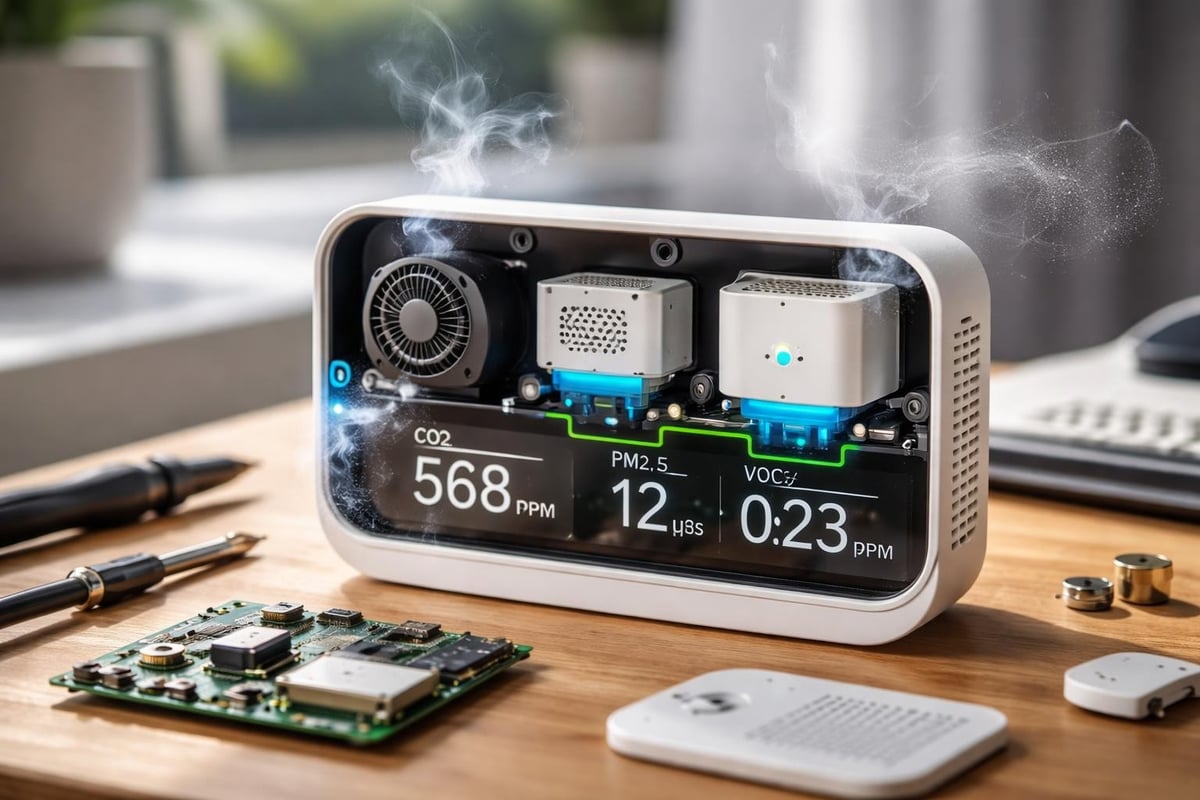
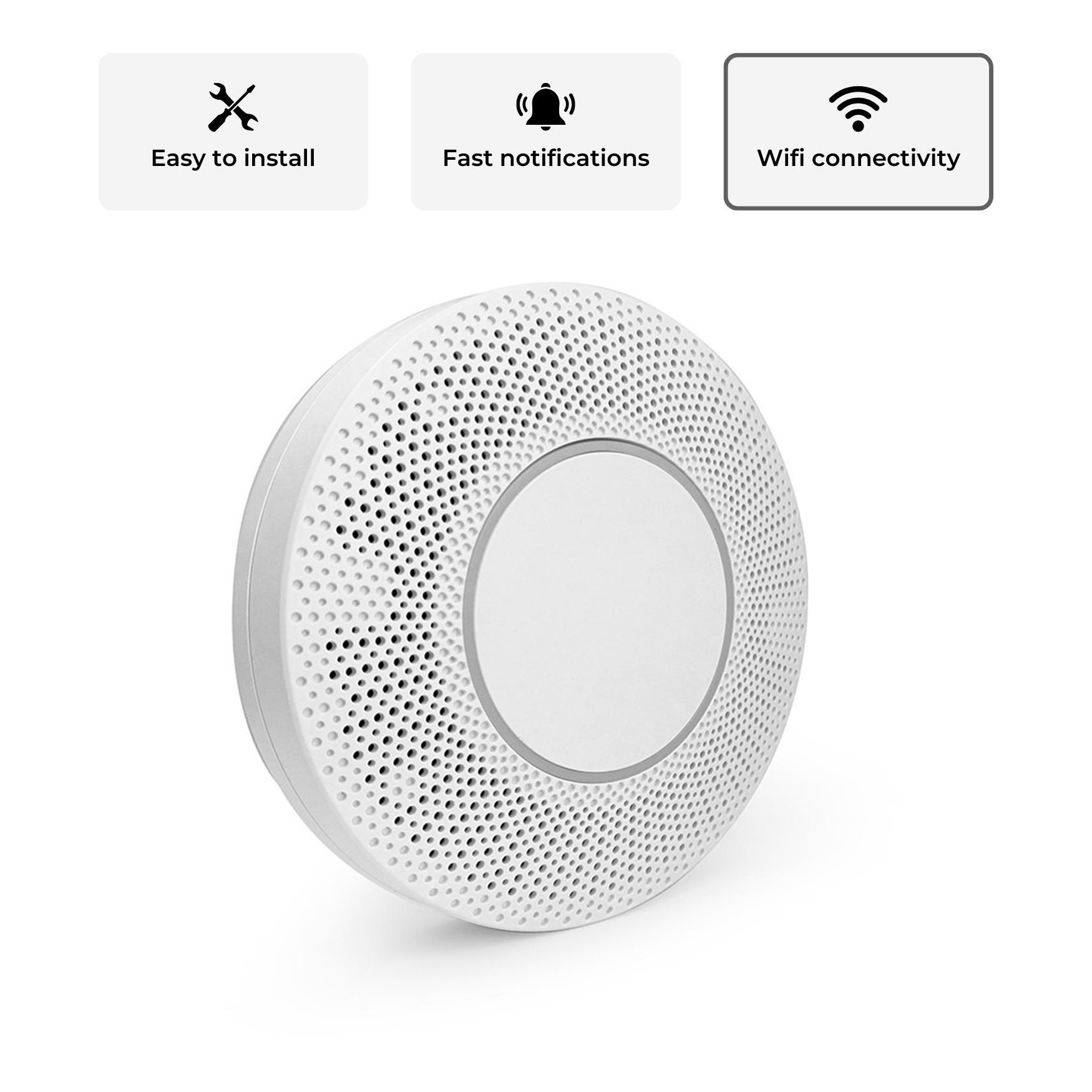
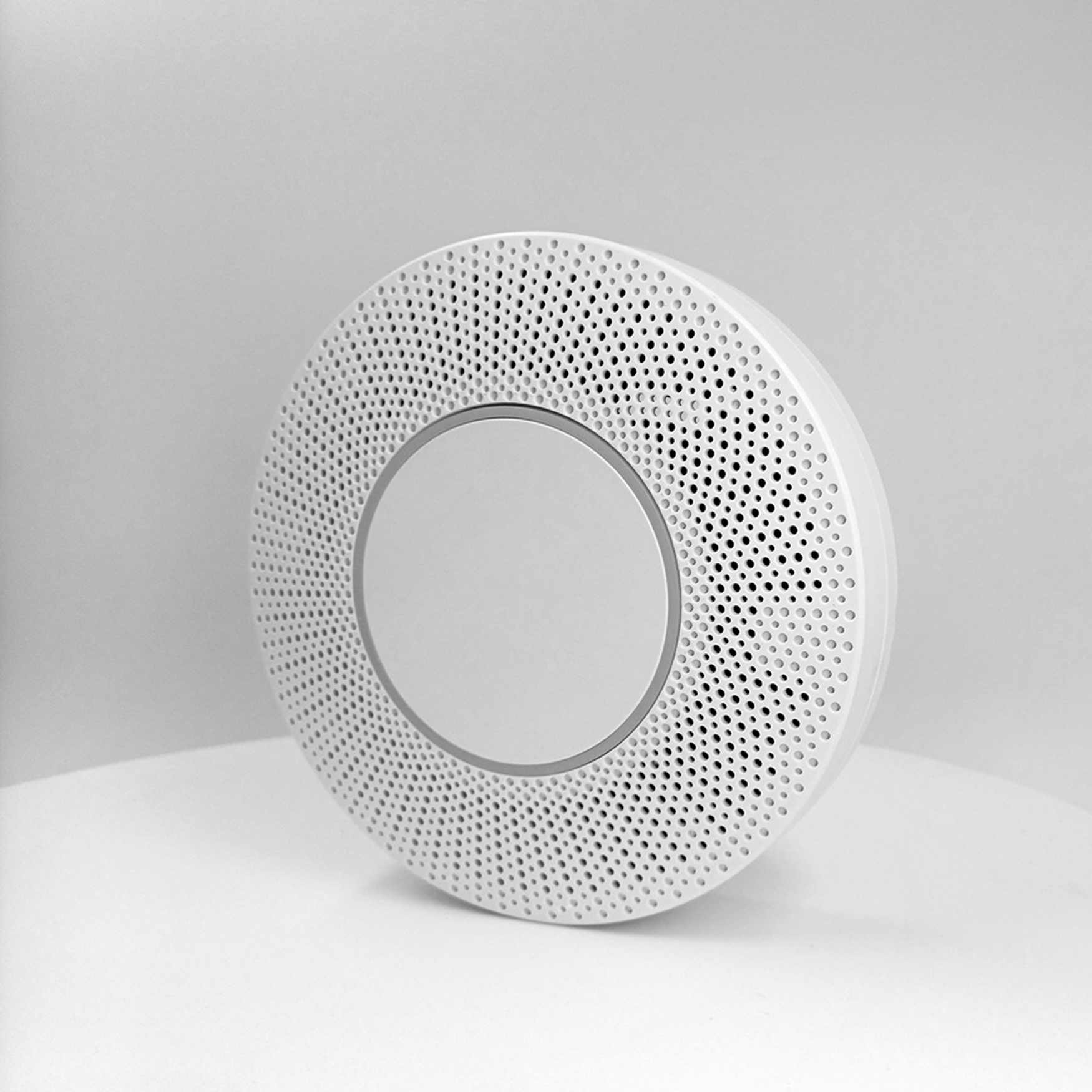
An indoor air quality monitor measures various pollutants and environmental parameters within enclosed spaces, translating invisible threats into actionable data. These devices typically measure particulate matter (PM2.5 and PM10), volatile organic compounds (VOCs), carbon dioxide, temperature, and humidity. Advanced models also detect specific substances such as vape aerosols, smoke particles, and chemical vapours that pose unique risks in educational and workplace settings.
The U.S. Environmental Protection Agency emphasises that indoor air can be two to five times more polluted than outdoor air, making continuous monitoring crucial for health protection. Traditional monitoring approaches relied on periodic testing, but modern sensors provide continuous, automated surveillance that captures pollutant fluctuations throughout the day.
Core Components of Air Quality Sensors
Modern monitoring systems integrate multiple sensor technologies to provide comprehensive coverage:
- Electrochemical sensors detect gases like carbon monoxide and nitrogen dioxide
- Laser particle counters measure fine particulate matter with precision
- Metal oxide semiconductor sensors identify volatile organic compounds
- Non-dispersive infrared sensors track carbon dioxide concentrations
- Optical sensors detect smoke and vape aerosols through light scattering
Each sensor type offers distinct advantages, and the most effective systems combine multiple technologies to create a complete picture of indoor air quality. The integration of these sensors with cloud-based platforms enables remote monitoring, historical data analysis, and automated alert systems that notify administrators when thresholds are exceeded.
Key Pollutants Detected by Modern Monitoring Systems
Understanding what an indoor air quality monitor detects helps organisations prioritise their environmental health strategies. Schools and workplaces face distinct challenges, particularly with the rise of vaping incidents and the need to maintain compliance with health and safety regulations.
Particulate Matter and Its Health Implications
Particulate matter refers to tiny solid or liquid particles suspended in air, categorised by size. PM2.5 particles measure 2.5 micrometres or smaller and penetrate deep into lung tissue, whilst PM10 particles reach the upper respiratory tract. Sources include dust, pollen, mould spores, combustion byproducts, and vape aerosols.
Research demonstrates that prolonged exposure to elevated PM2.5 levels contributes to respiratory conditions, cardiovascular problems, and reduced cognitive performance. In educational environments, poor air quality directly correlates with decreased student concentration, increased absenteeism, and lower academic achievement. Best air quality monitoring devices provide the continuous surveillance needed to identify and address these risks promptly.
| Pollutant Type | Health Impact | Common Sources | Safe Threshold |
|---|---|---|---|
| PM2.5 | Respiratory damage, cardiovascular stress | Vaping, smoking, dust | <12 µg/m³ annual |
| PM10 | Upper respiratory irritation | Construction dust, pollen | <50 µg/m³ daily |
| VOCs | Headaches, nausea, organ damage | Cleaning products, vapes | <500 µg/m³ |
| CO2 | Fatigue, reduced cognition | Human respiration | <1000 ppm |
Volatile Organic Compounds and Chemical Vapours
Volatile organic compounds encompass hundreds of chemicals that vaporise at room temperature. Common indoor sources include cleaning agents, paints, adhesives, air fresheners, and electronic cigarettes. Certain VOCs such as formaldehyde and benzene are known carcinogens, whilst others cause immediate symptoms like headaches, dizziness, and eye irritation.
Vaping introduces unique VOC signatures that distinguish it from other sources. An indoor air quality monitor equipped with advanced algorithms can identify propylene glycol, vegetable glycerin, and flavouring compounds specific to electronic cigarette use. This capability proves invaluable for schools implementing vape detection strategies as part of their health and safety protocols.
Implementation Strategies for Schools and Workplaces
Deploying an indoor air quality monitor requires thoughtful planning to maximise effectiveness and return on investment. Strategic placement, proper configuration, and integration with existing safety systems determine whether monitoring efforts translate into meaningful health improvements.
Optimal Sensor Placement Guidelines
Location determines data quality. Installing sensors in areas with poor air circulation, direct sunlight, or proximity to heating and cooling vents produces skewed readings. Effective placement strategies include:
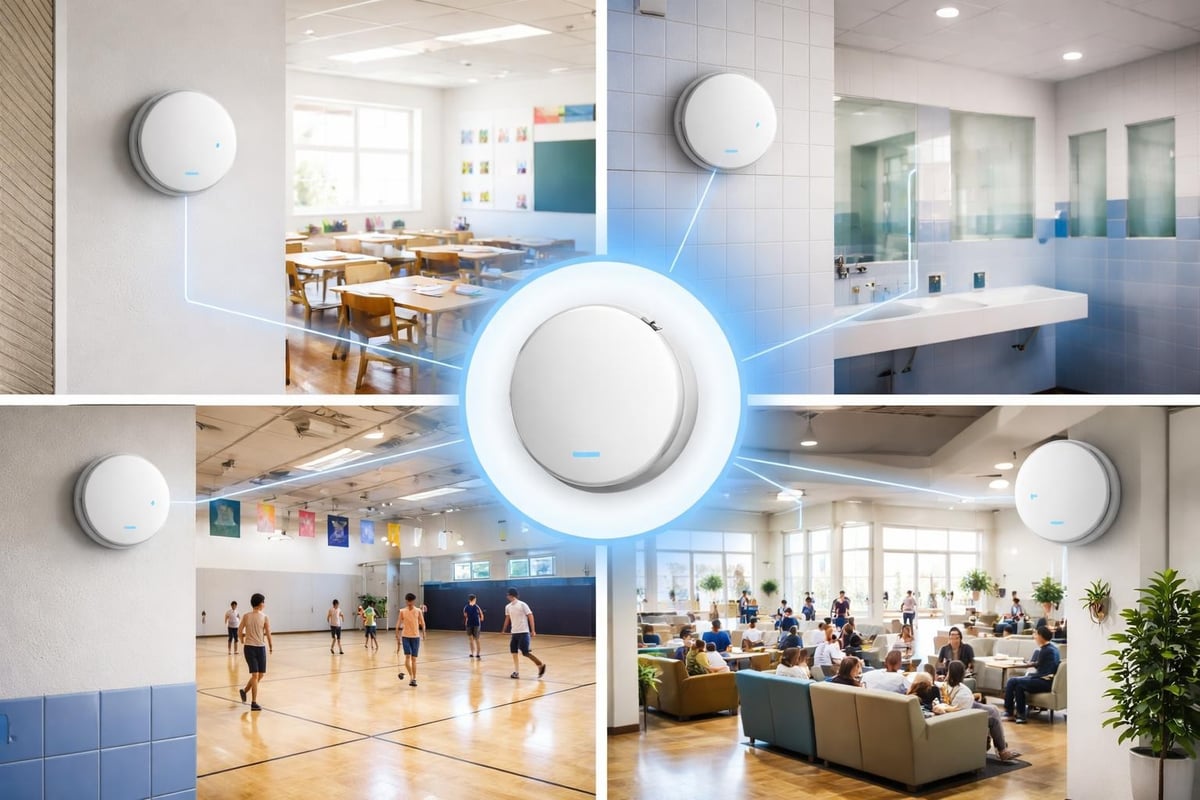
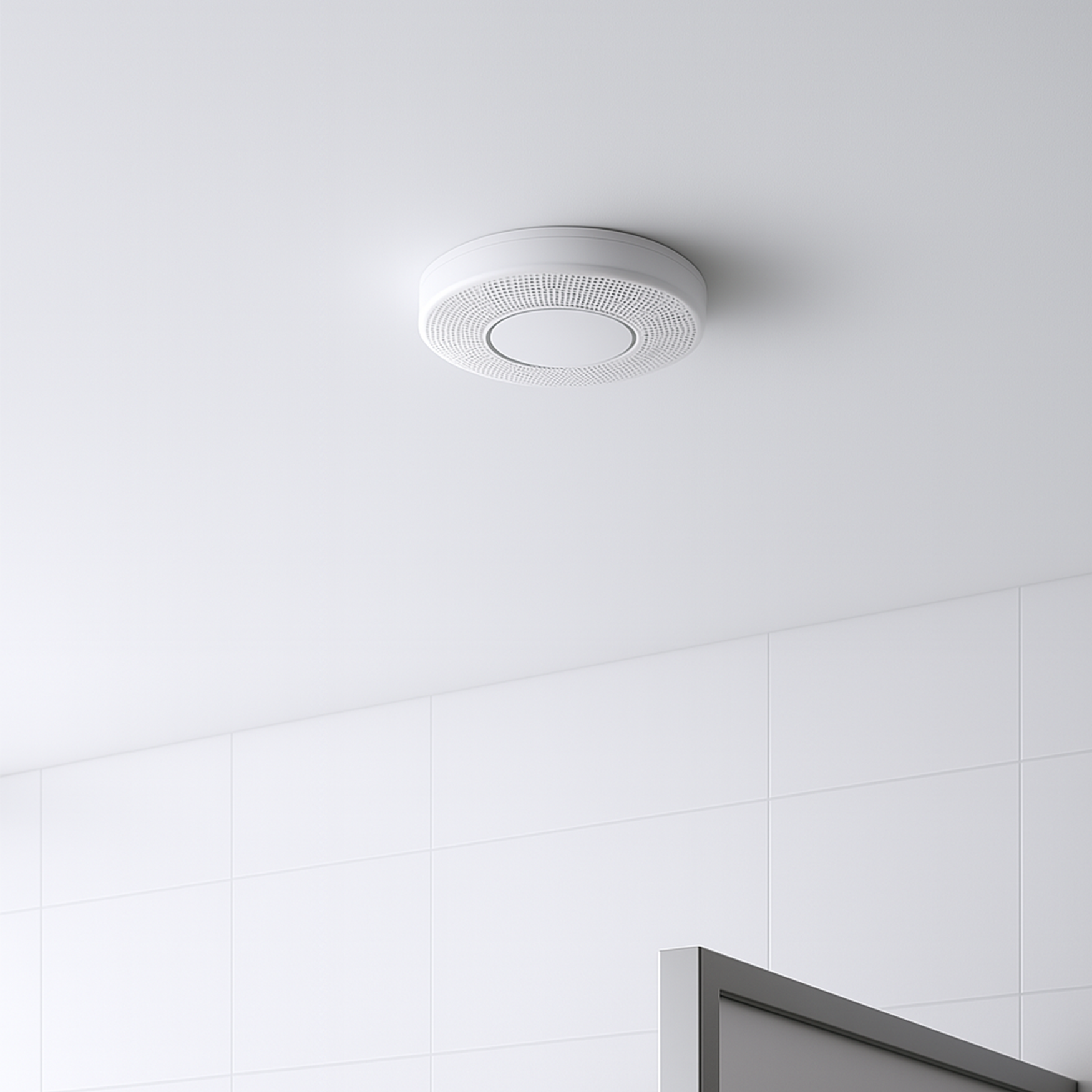
- High-risk zones first such as bathrooms, changing rooms, and enclosed spaces where vaping incidents commonly occur
- Representative sampling points in classrooms, office spaces, and common areas that reflect typical occupancy patterns
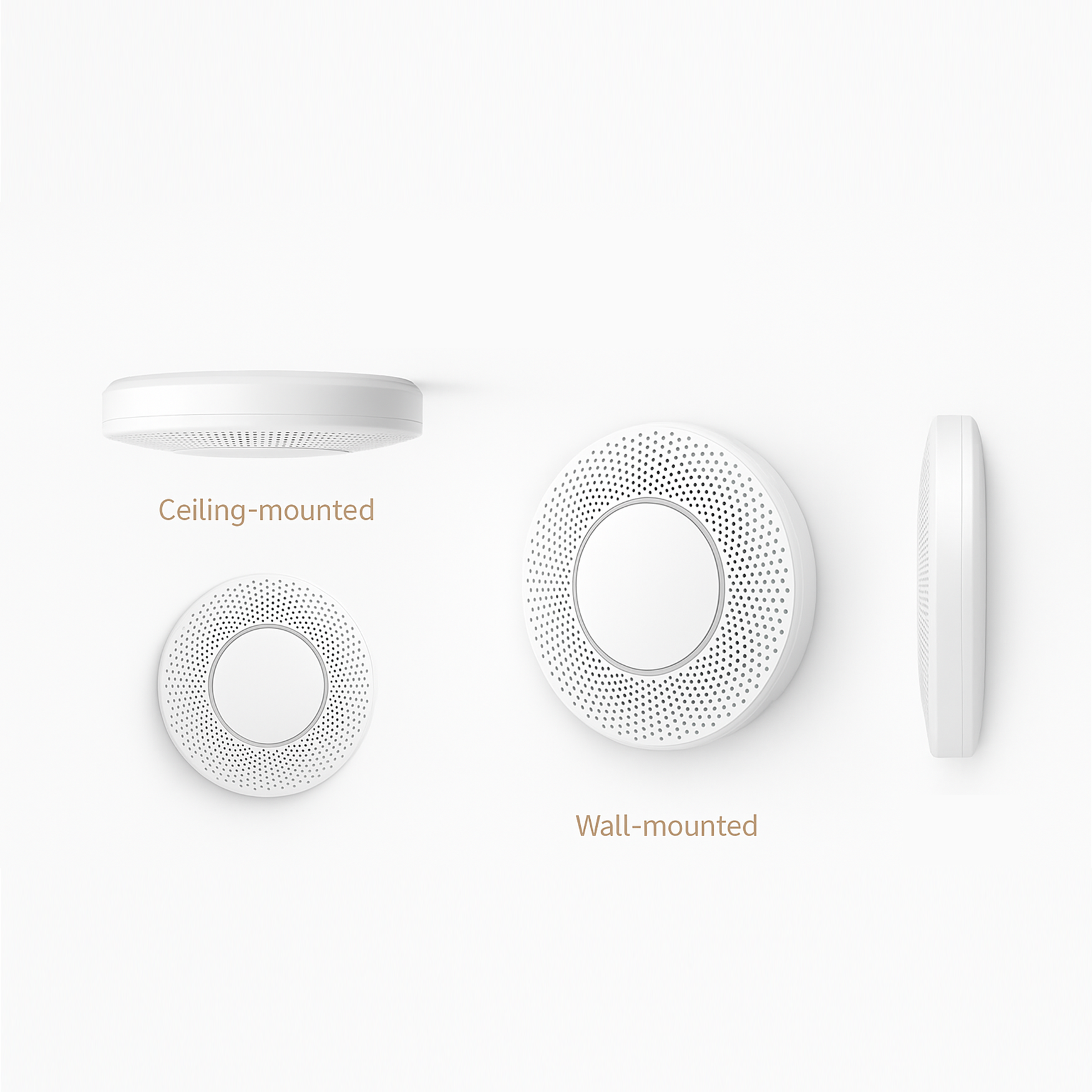
- Elevated mounting positions between 1.5 and 2 metres from the floor to capture breathing-zone air quality
- Avoiding interference sources positioned away from windows, doors, and HVAC outlets
- Coverage density based on room size, with one sensor per 100-150 square metres for comprehensive monitoring
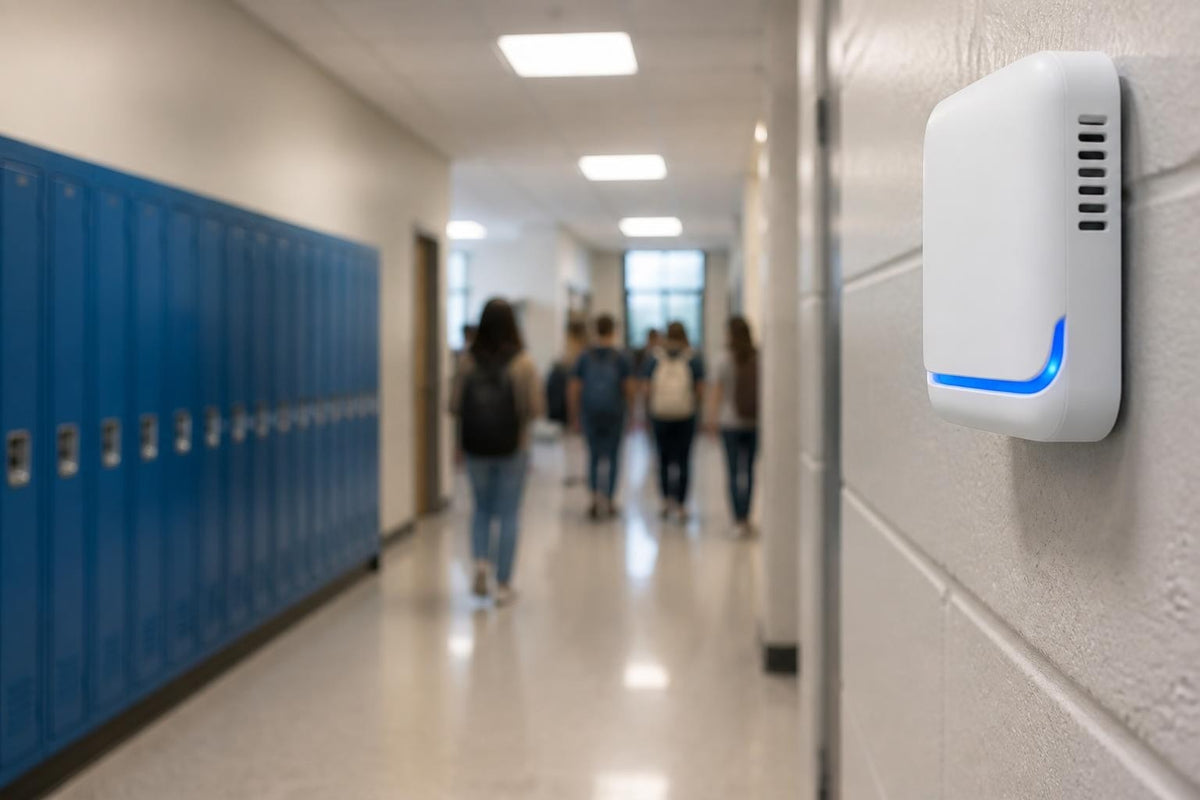
Schools particularly benefit from targeted deployment in student bathrooms and locker areas, where detecting vaping in toilets has become a priority for safeguarding teams. The ability to receive instant alerts when air quality deteriorates enables rapid intervention before health risks escalate.
Integration with Building Management Systems
Standalone monitoring provides valuable data, but integration with broader building systems creates proactive environmental control. Modern platforms connect air quality sensors with HVAC systems, enabling automated responses when pollutant levels exceed preset thresholds. When an indoor air quality monitor detects elevated particulates or VOCs, ventilation rates automatically increase to dilute contaminants and restore healthy conditions.
This integration extends to security and alert systems. When sensors detect vaping or smoking signatures, notifications route to designated staff members via mobile applications, email, or SMS. Centralised dashboards display real-time data from multiple locations, enabling facility managers to identify patterns, compare performance across buildings, and generate compliance reports for regulatory authorities.
Selecting the Right Monitoring Solution
The market offers numerous options ranging from basic consumer devices to enterprise-grade systems designed for institutional deployment. Understanding key specifications helps organisations select solutions aligned with their specific needs and budget constraints.
Critical Features to Evaluate
Not all monitoring devices offer the same capabilities. When evaluating options, prioritise these essential features:
- Multi-pollutant detection covering PM2.5, VOCs, CO2, and substance-specific signatures
- Calibration protocols ensuring accuracy through manufacturer-supported maintenance schedules
- Data logging capacity storing historical information for trend analysis and compliance documentation
- Alert customisation enabling threshold adjustments based on specific organisational requirements
- API connectivity facilitating integration with existing safety and management platforms
- Battery backup maintaining operation during power interruptions
Consumer Reports evaluations highlight significant performance variations between models, with some budget devices demonstrating poor accuracy compared to reference-grade instruments. The EPA's guidance on low-cost monitors provides valuable context for understanding these limitations.
Cost Considerations and Return on Investment
Initial purchase price represents just one component of total ownership costs. Comprehensive budget planning accounts for:
| Cost Component | Typical Range | Frequency | Notes |
|---|---|---|---|
| Hardware purchase | £200 - £2,500 per unit | One-time | Enterprise systems cost more but offer superior accuracy |
| Installation | £50 - £300 per unit | One-time | Professional installation ensures optimal placement |
| Subscription fees | £5 - £50 per unit monthly | Ongoing | Cloud storage, alerts, advanced analytics |
| Calibration | £50 - £200 per unit | Annual | Maintains accuracy over time |
| Sensor replacement | £30 - £150 per sensor | 2-5 years | Electrochemical sensors require periodic replacement |
The return on investment extends beyond direct cost savings. Schools experience reduced absenteeism, improved student performance, and fewer disciplinary incidents related to vaping. Workplaces benefit from enhanced employee productivity, decreased sick leave, and demonstrable commitment to occupational health standards. These outcomes often justify premium monitoring solutions that deliver superior accuracy and reliability.
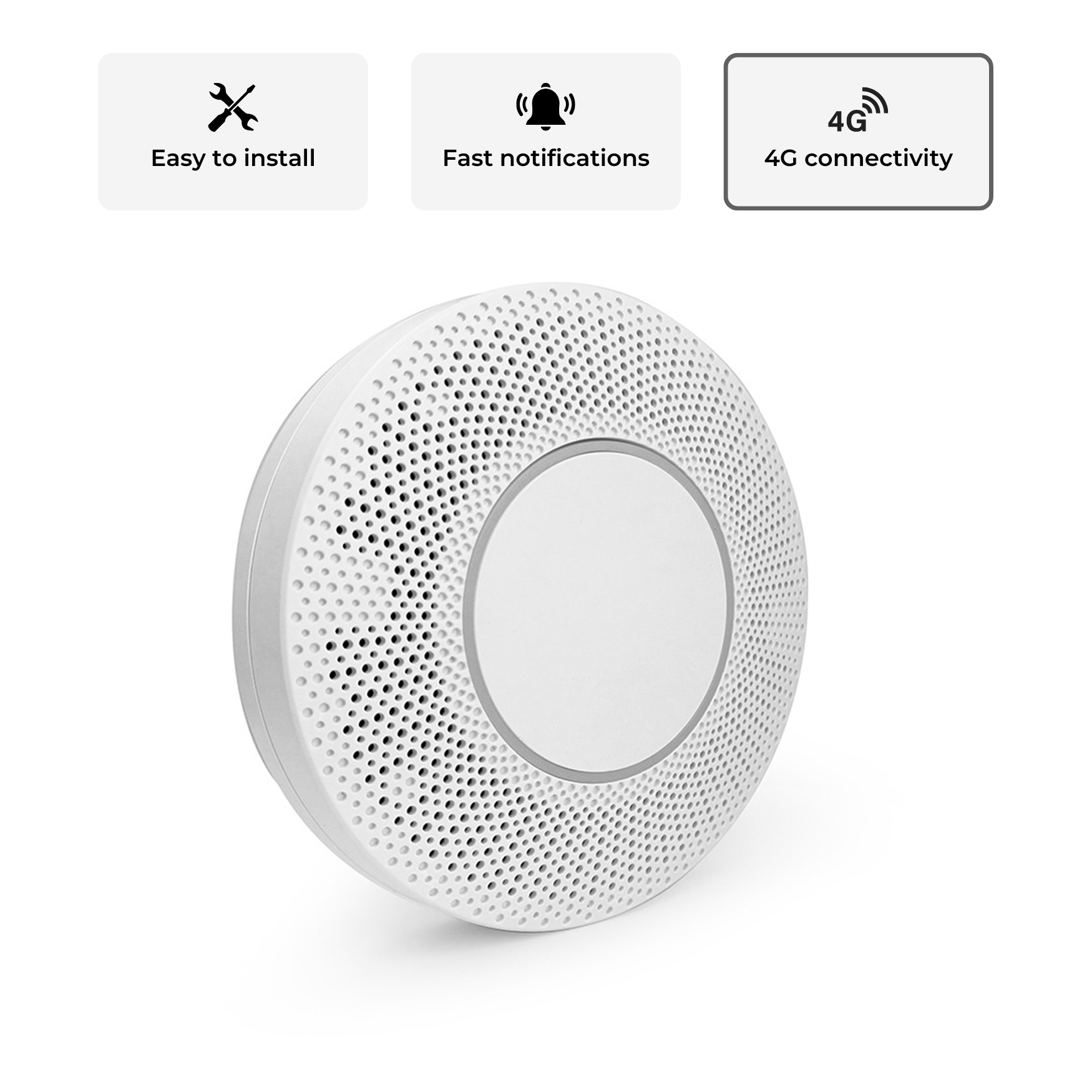
For institutions concerned about vaping specifically, dedicated detection systems offer specialised capabilities beyond general air quality monitoring. Vape Detection Systems combine air quality sensors with acoustic analysis and machine learning algorithms to identify vaping events with high confidence, reducing false alarms whilst maintaining comprehensive environmental surveillance.
Maintenance and Calibration Requirements
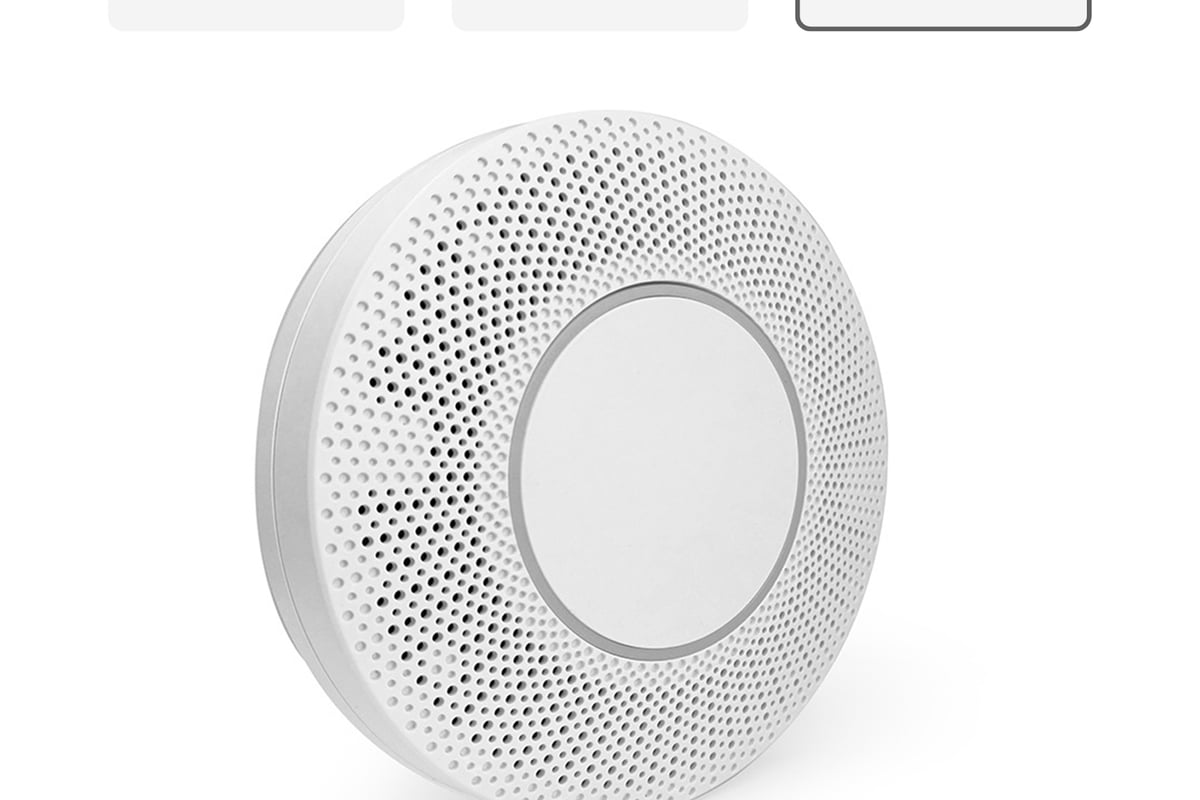
An indoor air quality monitor requires regular maintenance to deliver accurate, reliable data over its operational lifetime. Neglected sensors drift from calibration, producing misleading readings that undermine decision-making and potentially expose occupants to harmful pollutant levels.
Routine Maintenance Schedules
Establishing systematic maintenance protocols ensures consistent performance:
- Weekly visual inspections checking for physical damage, obstructions, or environmental changes affecting sensor placement
- Monthly cleaning removing dust accumulation from sensor inlets using compressed air or soft brushes
- Quarterly functionality tests verifying alert systems, network connectivity, and data logging accuracy
- Annual professional calibration comparing sensor readings against certified reference instruments
- Biennial sensor replacement for electrochemical and optical components with finite operational lifespans
Research from Lawrence Berkeley National Laboratory demonstrates that consumer-grade monitors can experience significant accuracy degradation within 12 to 18 months without proper maintenance. Enterprise systems with professional support contracts typically maintain better long-term performance through scheduled service interventions.
Data Interpretation and Action Thresholds
Collecting air quality data provides little value without clear interpretation frameworks and predetermined response protocols. Organisations should establish tiered action thresholds that trigger escalating interventions as pollutant levels rise.
For particulate matter, typical thresholds might include:
- Green status (0-12 µg/m³ PM2.5): Normal operations, routine monitoring continues
- Yellow status (12-35 µg/m³ PM2.5): Increase ventilation, investigate potential sources
- Orange status (35-55 µg/m³ PM2.5): Restrict activities, implement enhanced cleaning protocols
- Red status (>55 µg/m³ PM2.5): Evacuate affected areas, deploy emergency response procedures
Similar frameworks apply to CO2, VOCs, and specific substance detections. When an indoor air quality monitor identifies vaping signatures, predetermined protocols might include immediate notification to safeguarding staff, reviewing security footage, and implementing disciplinary procedures consistent with school vape policies.
Advanced Applications and Emerging Capabilities
Indoor air quality monitoring technology continues evolving, incorporating artificial intelligence, predictive analytics, and integration with broader smart building ecosystems. These advances expand the value proposition beyond simple pollutant detection toward comprehensive environmental health management.
Machine Learning and Pattern Recognition
Modern systems apply machine learning algorithms to historical data, identifying patterns that correlate with health outcomes, occupancy behaviours, and seasonal variations. These insights enable predictive maintenance, anticipating sensor calibration needs before accuracy degrades significantly.
Pattern recognition capabilities distinguish between different pollution sources based on pollutant signatures. An indoor air quality monitor equipped with advanced algorithms differentiates between cleaning chemical releases, construction dust infiltration, and vaping events, enabling targeted responses rather than generic ventilation increases.
Schools leveraging these capabilities report improved incident response times and more effective enforcement of vaping policies. The combination of air quality monitoring and vape detection creates comprehensive safeguarding systems that protect student health whilst supporting behaviour management objectives.
Compliance and Certification Standards
Building certification programmes increasingly incorporate indoor air quality requirements, making monitoring systems essential for organisations pursuing green building credentials. The WELL Building Standard specifies air quality thresholds for PM2.5, PM10, ozone, carbon monoxide, and VOCs that must be continuously monitored and documented.
ASTM International test standards provide frameworks for evaluating sensor performance, ensuring devices meet minimum accuracy requirements before deployment. These standardisation efforts help purchasers compare products objectively and select solutions appropriate for their specific applications.
Organisations implementing robust monitoring programmes demonstrate due diligence in protecting occupant health, potentially reducing liability exposure whilst meeting regulatory obligations under health and safety legislation.
Addressing Specific Environmental Challenges
Different facilities face unique air quality challenges requiring tailored monitoring approaches. Understanding these context-specific needs ensures appropriate system selection and configuration.
Educational Environments and Youth Vaping
Schools confront escalating vaping incidents among students, particularly in bathrooms and changing facilities where supervision proves difficult. Traditional smoke detectors fail to trigger on vape aerosols, leaving administrators without reliable detection tools. An indoor air quality monitor capable of identifying vape-specific chemical signatures provides the evidence needed to intervene effectively.
Underage vaping statistics reveal that incident rates continue rising despite awareness campaigns and policy initiatives. Technology-enabled detection creates accountability whilst supporting students struggling with nicotine addiction. Real-time alerts enable staff to provide immediate support rather than discovering evidence hours or days after incidents occur.
Beyond vaping detection, comprehensive monitoring in schools addresses general air quality factors affecting learning outcomes. Research on PM2.5 exposure in educational settings demonstrates measurable impacts on cognitive performance, suggesting that improved air quality directly contributes to academic achievement.
Workplace Health and Productivity Optimisation
Office environments benefit from monitoring systems that optimise ventilation efficiency whilst maintaining occupant comfort. Elevated CO2 levels in conference rooms and open-plan offices indicate inadequate fresh air exchange, contributing to afternoon fatigue and reduced cognitive performance. An indoor air quality monitor identifying these conditions enables HVAC adjustments that restore productivity without excessive energy consumption.
Hidden health risks in office environments extend beyond traditional pollutants to include vaping aerosols as workplace vaping becomes more prevalent. Organisations implementing vape-free policies require reliable detection and documentation systems to enforce regulations fairly and consistently.
The Indoor Environmental Quality Global Alliance advocates for comprehensive approaches addressing air quality alongside lighting, acoustics, and thermal comfort. Integrated monitoring platforms that combine these parameters provide facility managers with holistic environmental data supporting evidence-based optimisation strategies.
Future Developments in Air Quality Technology
The trajectory of indoor air quality monitoring points toward increasingly sophisticated, interconnected systems that anticipate problems before they impact occupant health. Emerging technologies promise enhanced accuracy, expanded detection capabilities, and seamless integration with smart building platforms.
Miniaturisation and Distributed Sensing Networks
Next-generation sensors leverage nanotechnology and advanced materials to achieve laboratory-grade accuracy in compact, affordable packages. Distributed networks deploying dozens or hundreds of low-cost sensors create granular spatial mapping of air quality, identifying localised pollution sources that single-point monitoring misses.
These high-density networks enable precision ventilation control, directing conditioned air specifically to areas experiencing degraded air quality rather than treating entire zones uniformly. The energy savings from optimised HVAC operation often offset sensor network costs within two to three years.
Enhanced Substance Detection Capabilities
Beyond conventional pollutants, emerging sensors detect specific substances of concern including cannabis vapours, synthetic cannabinoids, and novel psychoactive substances increasingly appearing in educational and workplace settings. These capabilities support comprehensive safeguarding strategies addressing evolving health risks.
An indoor air quality monitor with expanded detection libraries provides early warning of new threats, enabling proactive policy development and staff training before incidents escalate. This forward-looking approach positions organisations to maintain safe environments despite rapidly changing substance use patterns.
Implementing effective indoor air quality monitoring transforms how schools, offices, and public facilities protect occupant health and optimise environmental conditions. The combination of advanced sensor technology, data analytics, and integrated response systems enables evidence-based decision making that reduces health risks whilst supporting productivity and wellbeing objectives. Vape Guardian specialises in comprehensive monitoring solutions that detect vaping, drugs, and antisocial behaviour whilst providing real-time air quality data, helping UK institutions create safer environments through reliable technology and dedicated support.


Share:
Vape Alarm: Technology, Benefits & Real-World Impact
Indoor Air Quality Sensor Technology Guide 2026