
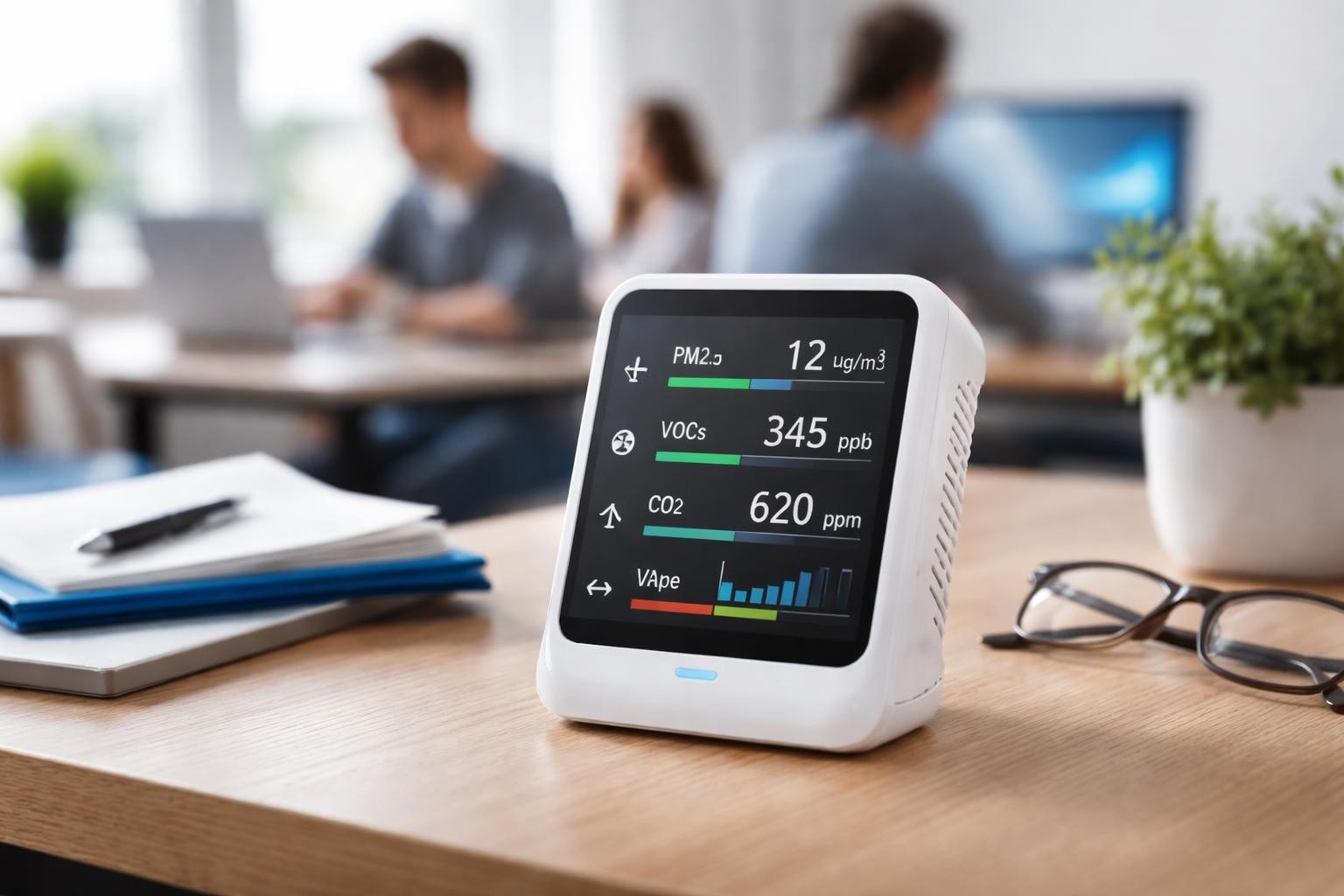
Modern buildings are designed to be energy efficient, but this often means reduced ventilation and increased exposure to indoor pollutants. An indoor air quality sensor has become essential technology for monitoring the air we breathe in enclosed spaces, detecting everything from carbon dioxide and volatile organic compounds to particulate matter and vaping aerosols. These sophisticated devices provide real-time data that helps facilities managers, school administrators, and business owners make informed decisions about ventilation, occupancy, and health safety protocols.
Understanding Indoor Air Quality Sensor Technology
The fundamental purpose of an indoor air quality sensor is to measure and report on various airborne contaminants that affect human health and comfort. These devices employ multiple detection methods simultaneously, creating a comprehensive picture of environmental conditions.
Modern sensors typically monitor several key parameters:
- Particulate matter (PM2.5 and PM10) that can penetrate deep into lungs
- Carbon dioxide levels indicating ventilation effectiveness
- Volatile organic compounds (VOCs) from cleaning products, furniture, and aerosols
- Temperature and humidity affecting comfort and mould growth
- Formaldehyde and other chemical pollutants from building materials
The U.S. Environmental Protection Agency provides comprehensive guidance on air sensor technology and its applications in monitoring indoor environments. Understanding these parameters helps organisations select the right indoor air quality sensor for their specific needs.
Detection Methods and Sensor Types
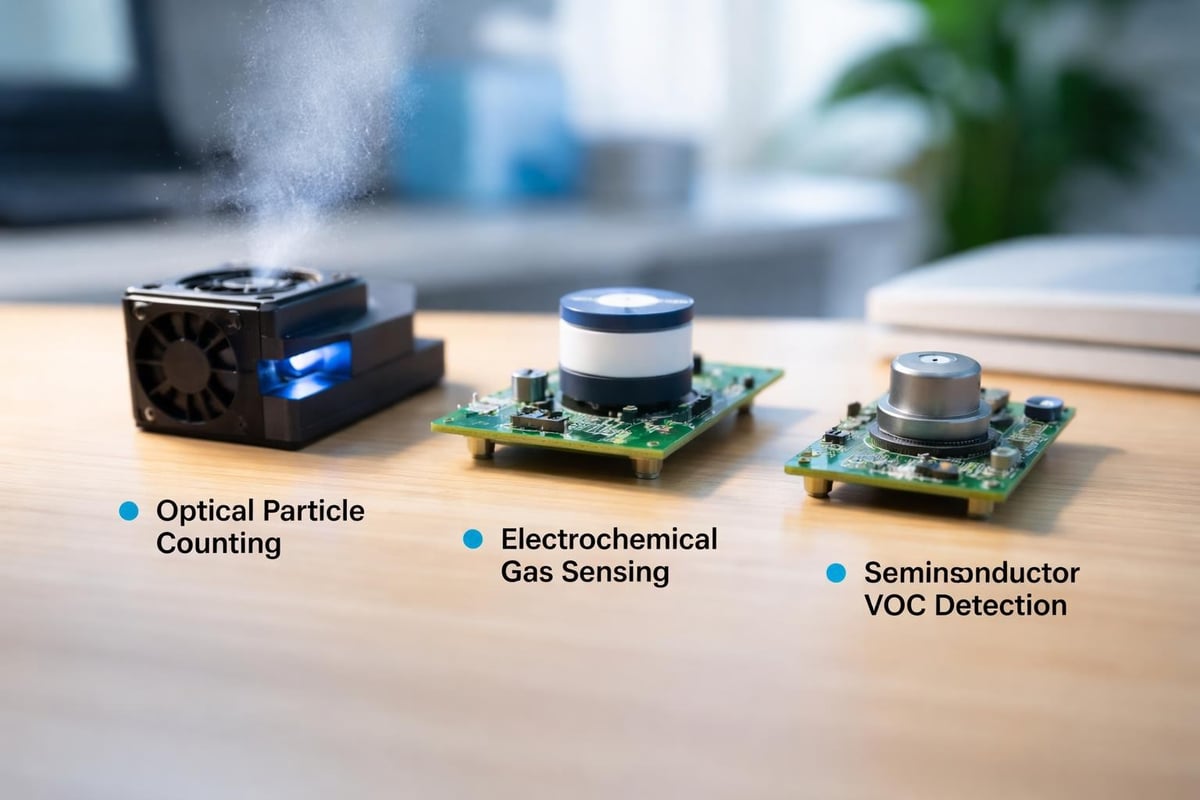
Different pollutants require different detection technologies. An indoor air quality sensor often combines multiple sensing elements into one device, each optimised for specific contaminants.
Optical particle counters use laser technology to detect and size particulate matter, whilst electrochemical sensors measure gas concentrations through chemical reactions. Metal oxide semiconductor sensors respond to VOCs and other gases by changing electrical resistance when exposed to target compounds.
Research into sensor performance from Lawrence Berkeley National Laboratory has evaluated the accuracy of consumer-grade monitors, revealing significant variations in performance across different brands and models.
Applications in Educational Environments
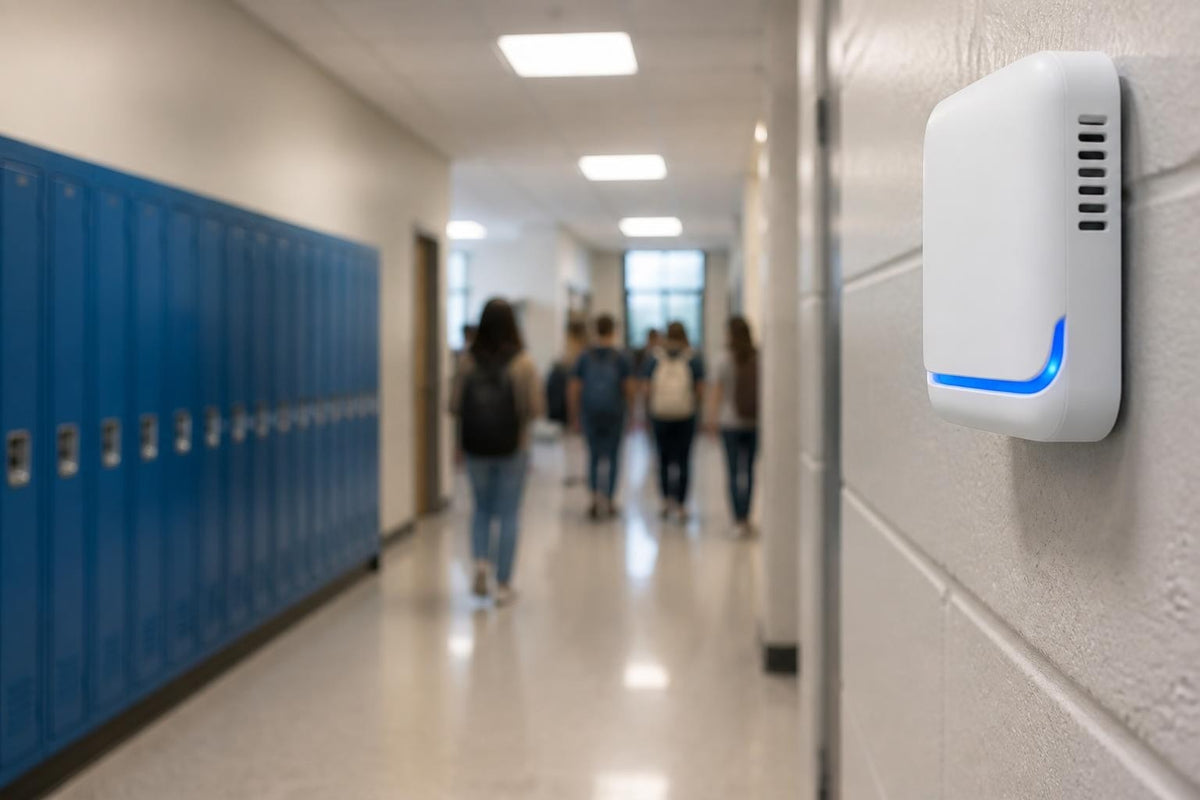
Schools and universities face unique air quality challenges that make an indoor air quality sensor particularly valuable. Student density, limited ventilation in older buildings, and the rising prevalence of vaping create conditions requiring constant monitoring.
Detecting Vaping and Aerosol Particles
The vaping epidemic in schools has created demand for sensors that can specifically identify aerosol particles from electronic cigarettes. Unlike traditional smoke detectors, an advanced indoor air quality sensor can distinguish between different particle types and sources.
When students vape in toilets or changing rooms, the sensor detects the characteristic signature of propylene glycol, vegetable glycerine, and flavouring compounds. These readings trigger immediate alerts to designated staff members, enabling swift intervention.
Schools implementing best practices for vape detection report significant reductions in incidents when combining sensor technology with clear policies and educational programmes.
| Detection Capability | Traditional Smoke Detector | Indoor Air Quality Sensor |
|---|---|---|
| Cigarette smoke | Yes | Yes |
| Vaping aerosols | No | Yes |
| Chemical identification | No | Yes |
| Real-time data logging | No | Yes |
| Adjustable sensitivity | No | Yes |
Monitoring Classroom Air Quality
Beyond detecting prohibited activities, an indoor air quality sensor helps maintain optimal learning environments. High carbon dioxide levels impair cognitive function, whilst poor ventilation spreads airborne illnesses more readily.
Research demonstrates that CO2 concentrations above 1,000 parts per million correlate with decreased attention spans and lower test scores. Monitoring these levels allows facilities managers to adjust HVAC systems or open windows when mechanical ventilation proves insufficient.
Temperature and humidity control also matters significantly. Classrooms that are too warm or stuffy reduce student engagement, whilst excessive humidity promotes mould growth and respiratory issues.
Workplace and Office Implementation
Commercial environments benefit from indoor air quality sensor deployment in multiple ways, from employee health and productivity to regulatory compliance and energy management.
Modern office designs often prioritise aesthetics and space efficiency over air quality. Open-plan layouts, synthetic materials, and sealed windows create conditions where pollutants accumulate rapidly. An indoor air quality sensor provides the data needed to address these challenges proactively.
Productivity and Health Connections
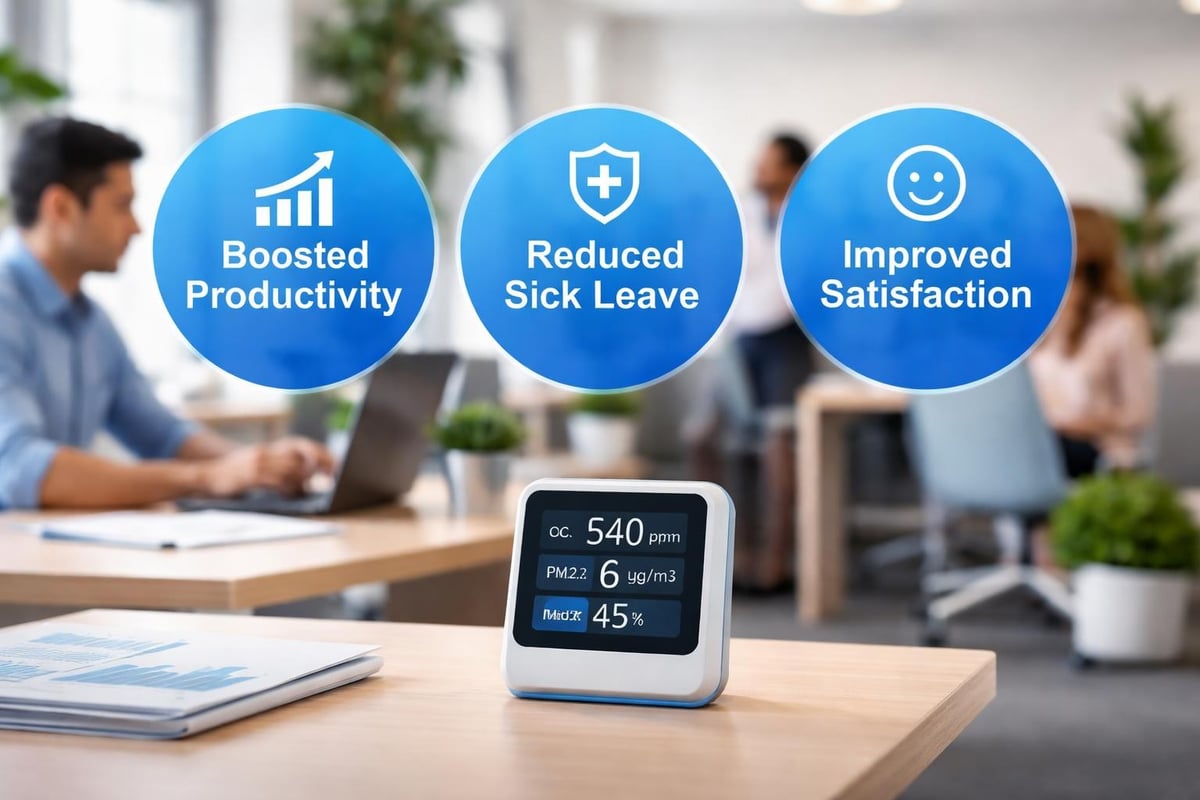
Studies consistently show that poor indoor air quality reduces worker productivity by 6 to 9 percent. Symptoms including headaches, fatigue, and difficulty concentrating directly correlate with elevated VOC levels and inadequate ventilation.
Installing an indoor air quality sensor in meeting rooms, open-plan areas, and enclosed offices enables organisations to:
- Identify problematic areas requiring improved ventilation
- Schedule cleaning activities to minimise chemical exposure
- Adjust occupancy limits based on real-time air quality data
- Demonstrate duty of care to employees and visitors
When sensors detect concerning levels of any pollutant, automated systems can increase ventilation rates or send alerts to building managers. This responsive approach prevents minor issues from becoming health hazards.
Compliance and Building Certification
ASHRAE reports on advancing sensor standards, highlighting how validated performance helps organisations meet building certification requirements. An indoor air quality sensor with verified accuracy supports WELL Building Standard, LEED, and other green building certifications.
Regulatory requirements increasingly mandate air quality monitoring in specific workplace types. Healthcare facilities, laboratories, and manufacturing environments all face stringent standards that sensor technology helps satisfy.
Documentation from an indoor air quality sensor creates audit trails proving compliance efforts. Time-stamped data demonstrates when issues occurred, how quickly responses happened, and whether interventions proved effective.
Leisure and Retail Sector Considerations
Gyms, restaurants, hotels, and retail spaces present distinct air quality challenges requiring tailored sensor solutions. These environments combine high occupancy density with specific pollutant sources that an indoor air quality sensor must detect and measure accurately.
Fitness Facilities and Changing Rooms
Gyms experience dramatic air quality fluctuations throughout the day. During peak hours, carbon dioxide levels rise sharply as occupants engage in cardiovascular exercise, whilst changing rooms and toilets become hotspots for vaping and other prohibited activities.
An indoor air quality sensor in these locations monitors both environmental quality and compliance issues. The same device that ensures adequate ventilation during busy periods also detects vaping aerosols in areas where supervision proves difficult.
Leisure facilities benefit from comprehensive monitoring that addresses health, safety, and regulatory concerns simultaneously. Members appreciate visible commitment to air quality, whilst operators gain actionable data for facility improvements.
Restaurant and Hospitality Environments
Restaurants face unique challenges from cooking emissions, cleaning chemicals, and variable occupancy. An indoor air quality sensor helps balance ventilation needs with energy costs, ramping up air exchange when necessary and reducing it during quiet periods.
Hotels must monitor guest rooms, corridors, and public areas for both comfort and safety. Detecting smoking or vaping in non-smoking rooms protects future guests from residual odours and allergens whilst enforcing property policies.
| Venue Type | Primary Monitoring Goals | Key Pollutants of Concern |
|---|---|---|
| Gym/Fitness | Ventilation adequacy, vaping detection | CO2, PM2.5, aerosols |
| Restaurant | Cooking emissions, occupancy management | VOCs, CO2, PM10 |
| Hotel | Policy compliance, guest comfort | Smoke, vaping aerosols, VOCs |
| Retail Store | Customer comfort, product protection | VOCs, temperature, humidity |
Advanced Features and Integration Capabilities
Contemporary indoor air quality sensor systems offer far more than basic measurements. Integration with building management systems, cloud-based analytics, and mobile applications transforms raw data into actionable insights.
Real-Time Alerts and Notifications
The most valuable feature of an indoor air quality sensor is immediate notification when conditions deteriorate or policy violations occur. Designated personnel receive alerts via text message, email, or mobile app push notifications within seconds of detection.
Alert systems can be configured with multiple escalation levels. Minor air quality deviations might trigger automated ventilation adjustments, whilst serious policy violations like vaping detection require immediate human intervention.
For organisations managing multiple locations, centralised dashboards display data from every indoor air quality sensor across the entire estate. This bird's eye view identifies systemic issues and enables resource allocation based on objective need rather than complaints alone.
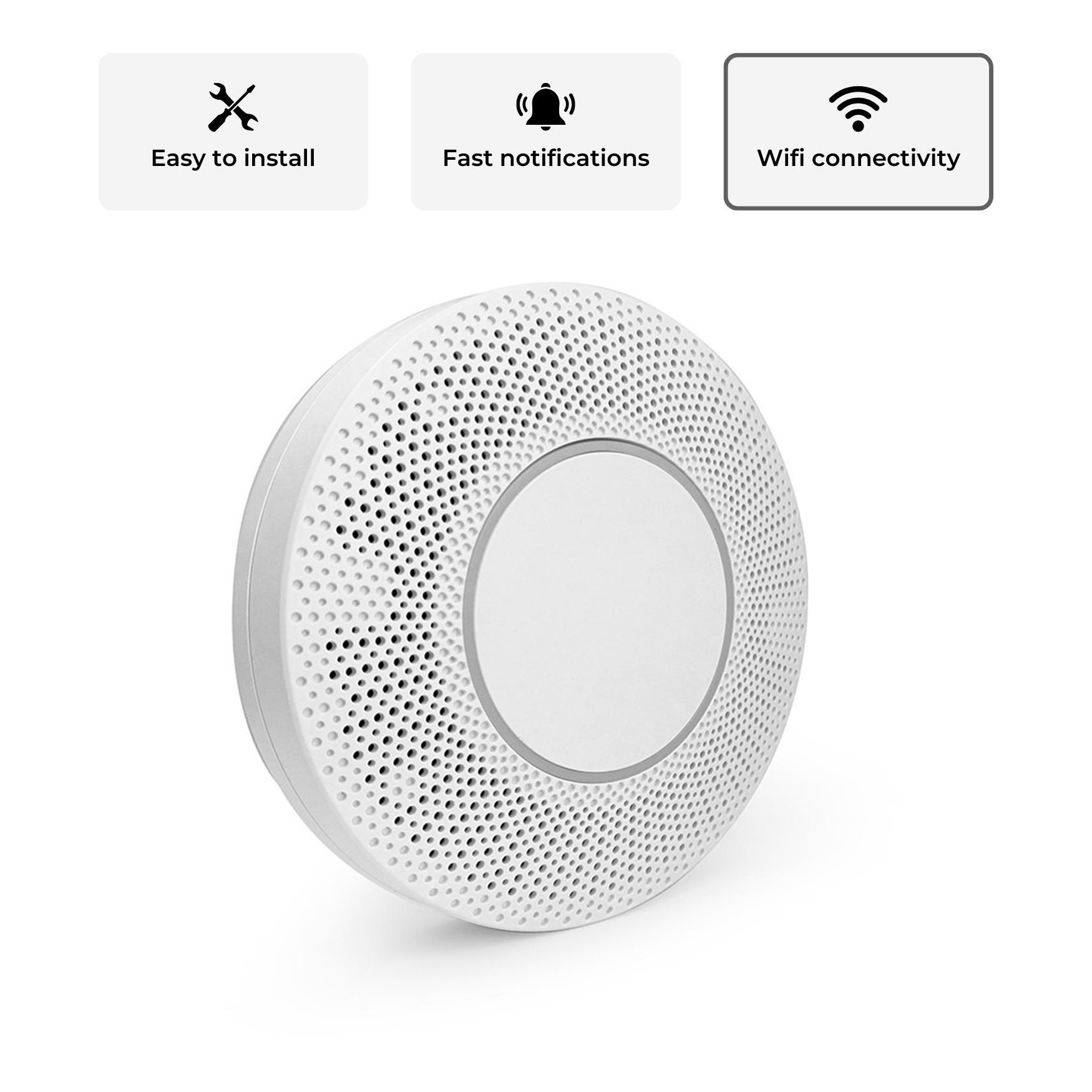
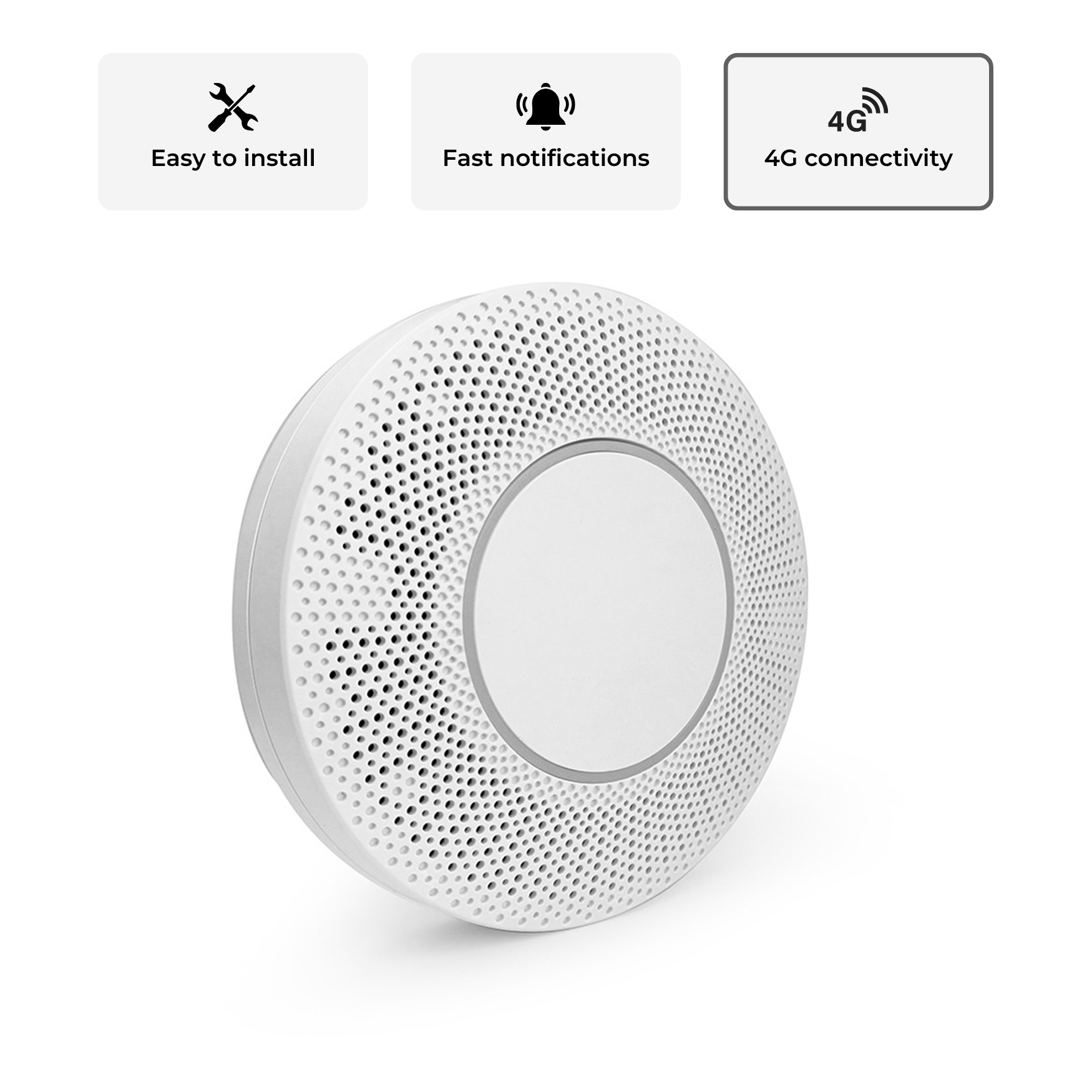
The Vape Detection System combines air quality monitoring with specific detection capabilities for vaping, drug use, and anti-social behaviour, providing comprehensive environmental oversight in sensitive areas like school toilets, changing rooms, and unsupervised spaces.
Data Analytics and Trend Identification
Historical data from an indoor air quality sensor reveals patterns invisible in real-time monitoring. Seasonal variations, occupancy correlations, and equipment performance trends all emerge from longitudinal analysis.
Advanced analytics platforms apply machine learning algorithms to predict air quality issues before they occur. If sensors detect gradual VOC increases each afternoon, the system might recommend earlier activation of ventilation systems or investigation of potential pollutant sources.
Reporting capabilities turn sensor data into evidence for stakeholders. Facilities managers can demonstrate air quality improvements to leadership, whilst schools can show parents and governors how they maintain healthy learning environments.
Selecting the Right Indoor Air Quality Sensor
Choosing appropriate sensor technology requires matching capabilities to specific needs. Not every environment requires the same level of sophistication, and understanding these differences prevents both under-specification and unnecessary expense.
Key Selection Criteria
Measurement Parameters: List every pollutant and environmental factor you need to monitor. An indoor air quality sensor must cover all relevant parameters for your specific environment.
Accuracy and Calibration: Standardised testing protocols help compare sensor performance objectively. Look for devices tested against reference instruments and certified by recognised bodies.
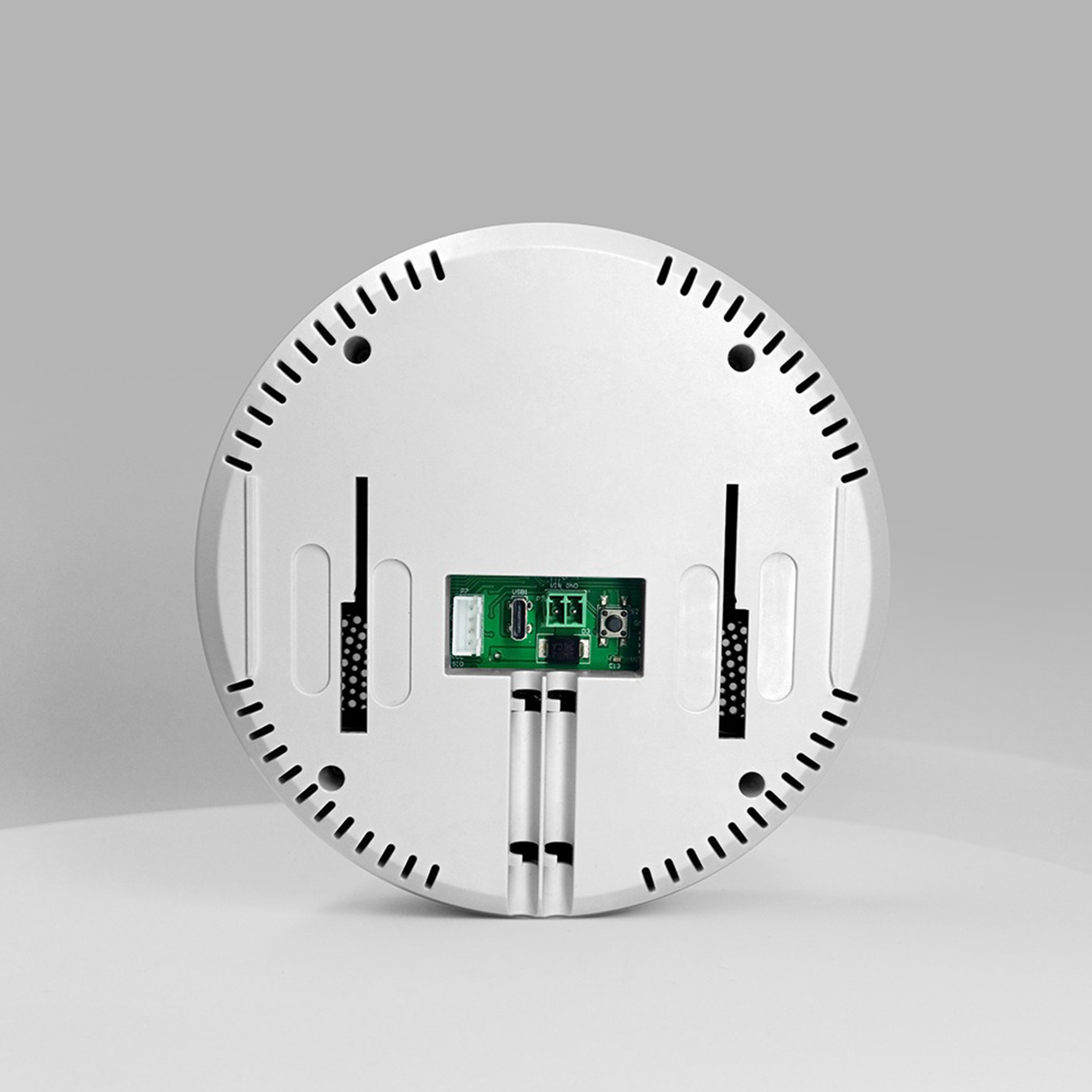
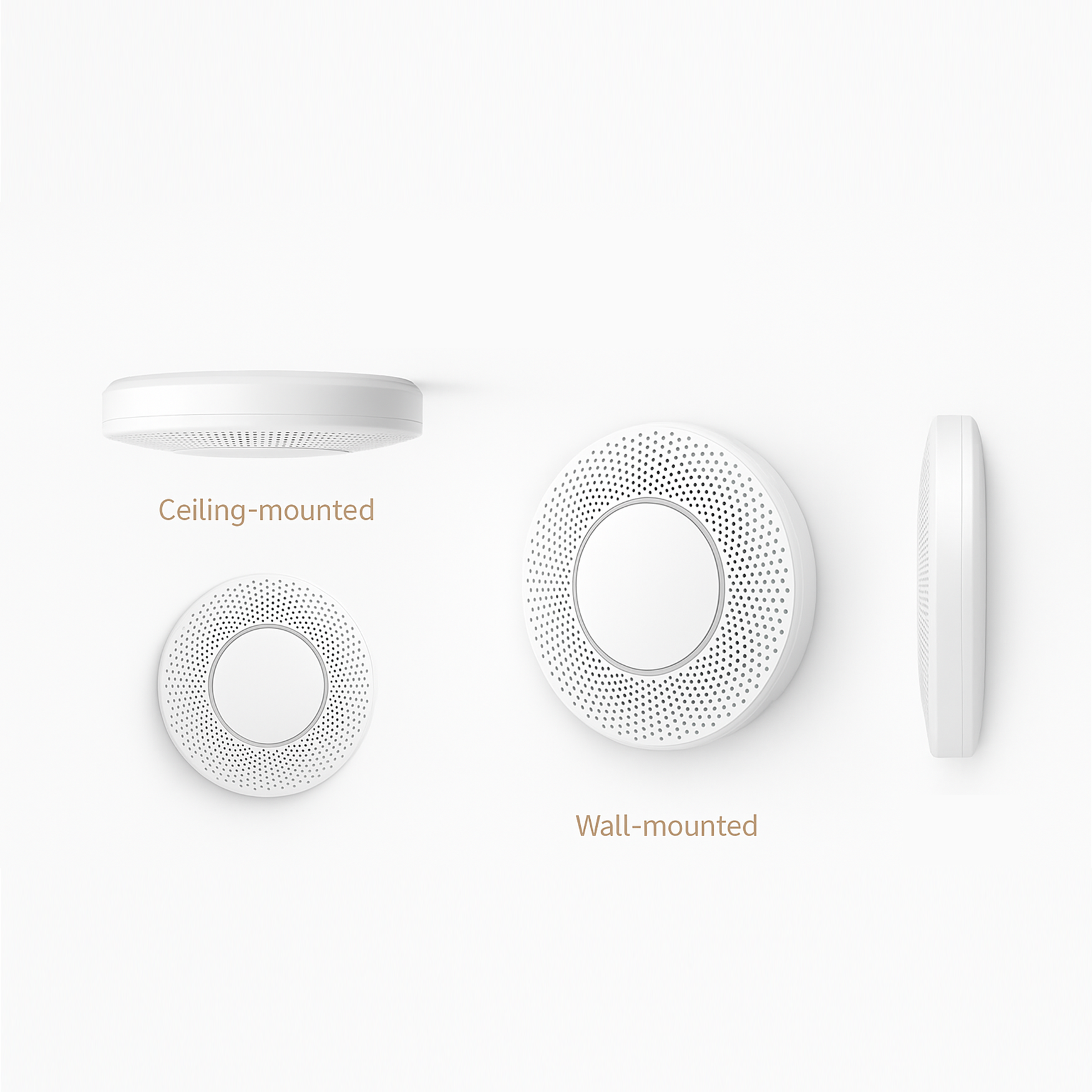
Installation Requirements: Consider whether you need portable units, wall-mounted sensors, or duct-mounted devices. Power requirements, network connectivity, and physical access for maintenance all affect long-term viability.
Data Management: Evaluate how data is stored, who can access it, and what analytics are available. Cloud-based systems offer convenience but require robust cybersecurity measures.
Deployment Strategy
Simply purchasing an indoor air quality sensor does not guarantee results. Strategic placement, proper commissioning, and ongoing maintenance all influence effectiveness.
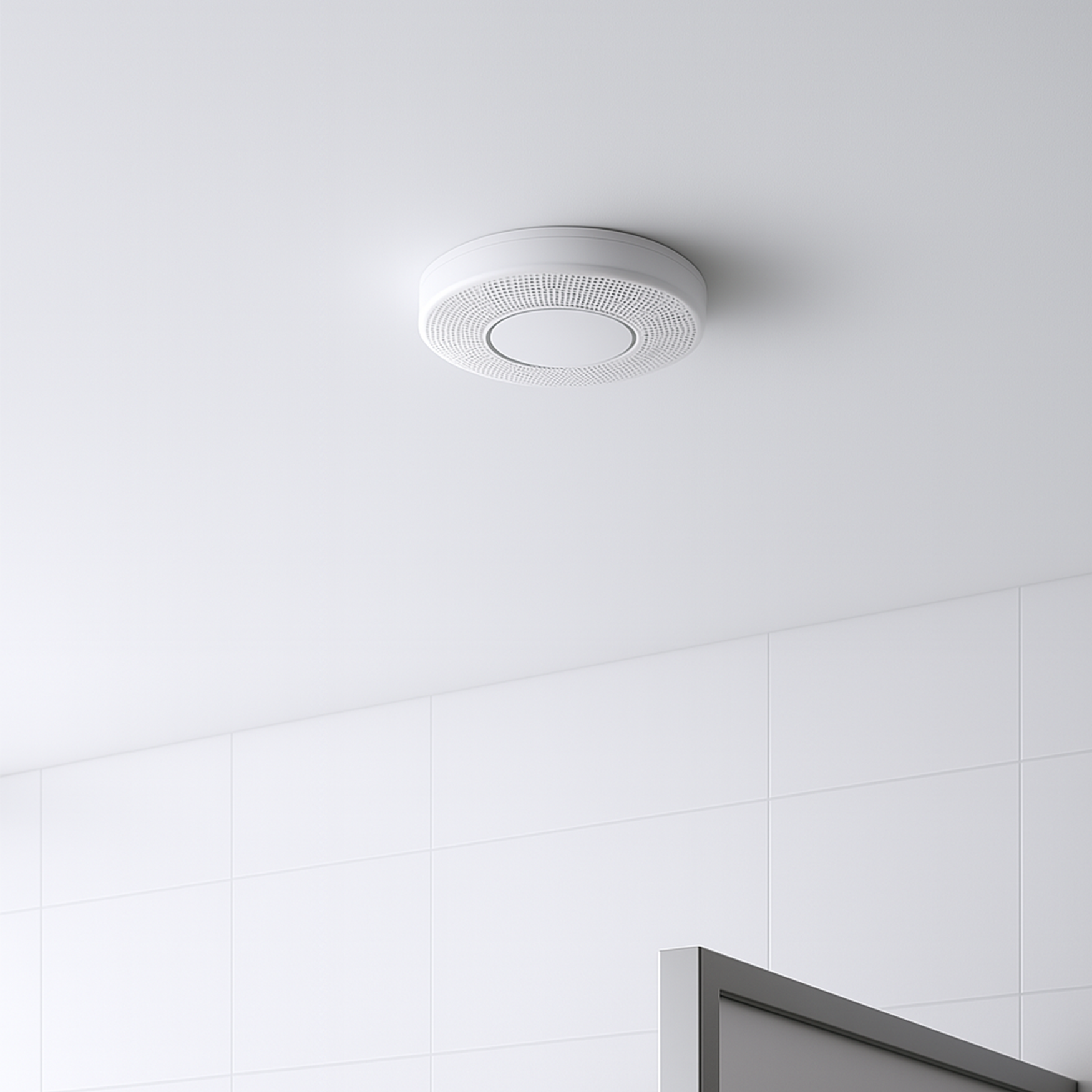
Position sensors in representative locations rather than extremes. Mounting a device directly above a printer captures local emissions but does not reflect overall room conditions. Similarly, placing sensors near windows or ventilation outlets skews readings.
- Conduct a site survey identifying high-risk and high-traffic areas
- Determine optimal sensor placement based on airflow patterns
- Install devices according to manufacturer specifications
- Commission sensors with baseline measurements in known conditions
- Establish alert thresholds appropriate to your environment
- Train staff on interpreting data and responding to alerts
- Schedule regular calibration and maintenance activities
Research on distributed sensing networks demonstrates how spatial and temporal pollutant evolution varies dramatically within buildings, reinforcing the importance of strategic sensor placement.
Maintenance and Long-Term Performance
An indoor air quality sensor requires regular attention to maintain accuracy and reliability. Different sensor types have varying maintenance needs that must be factored into total cost of ownership.
Calibration and Verification
Optical sensors accumulate dust on lenses and detection chambers, gradually reducing sensitivity. Electrochemical sensors degrade over time, requiring periodic replacement. Most manufacturers recommend annual professional calibration to ensure continued accuracy.
Between professional servicing, simple verification procedures help identify sensor drift. Placing an indoor air quality sensor in a controlled environment with known conditions confirms whether readings remain accurate or require adjustment.
Some advanced systems include self-diagnostic features that alert operators to performance issues before they affect data quality. These capabilities reduce the risk of making decisions based on inaccurate information.
Software Updates and Feature Enhancements
Cloud-connected sensors receive software updates that improve functionality, add features, and address security vulnerabilities. Keeping firmware current ensures optimal performance and protection against cyber threats.
Update schedules should balance the benefits of new features against the risk of disruption. Critical security patches warrant immediate deployment, whilst cosmetic interface changes might wait for scheduled maintenance windows.
Integration with Building Management Systems
An indoor air quality sensor achieves maximum value when integrated with broader building control systems. This connectivity enables automated responses that maintain optimal conditions without constant human intervention.
Automated Ventilation Control
Modern HVAC systems can adjust operation based on real-time sensor data rather than fixed schedules. When an indoor air quality sensor detects rising CO2 levels, the system automatically increases fresh air intake. Once levels normalise, ventilation rates decrease, saving energy without compromising air quality.
Demand-controlled ventilation reduces energy consumption by 20 to 30 percent compared to constant-volume systems whilst maintaining superior indoor air quality. The investment in an indoor air quality sensor pays for itself through reduced utility costs.
Occupancy-Based Adjustments
Combining occupancy sensors with air quality monitoring creates truly intelligent building management. Empty rooms receive minimal ventilation, conserving energy. As occupants arrive, systems ramp up proactively based on predicted air quality needs rather than waiting for conditions to deteriorate.
Studies examining comprehensive environmental monitoring provide datasets that help refine these predictive algorithms, improving both comfort and efficiency.
Emerging Technologies and Future Developments
The indoor air quality sensor market continues to evolve rapidly, with new capabilities and applications emerging regularly. Understanding these trends helps organisations make forward-looking investment decisions.
Miniaturisation and Cost Reduction
Advances in microelectromechanical systems (MEMS) technology enable smaller, cheaper sensors without sacrificing performance. Devices that once cost thousands now retail for hundreds, making comprehensive monitoring affordable for smaller organisations.
This democratisation of air quality monitoring expands potential applications. Individual classrooms can have dedicated sensors rather than relying on a few devices per building. Homes, small offices, and retail units all become viable markets for sophisticated monitoring technology.
Enhanced Pollutant Specificity
Research into IoT-based monitoring systems demonstrates how mobile platforms can map air quality variations throughout large facilities. Future indoor air quality sensor systems may incorporate autonomous navigation, continuously scanning environments and creating detailed pollution maps.
Emerging sensor technologies target specific compounds with greater precision. Rather than reporting generic VOC levels, next-generation devices may distinguish between harmless compounds and those posing health risks, reducing false alarms whilst improving actual hazard detection.
Artificial Intelligence and Predictive Analytics
Machine learning algorithms already analyse sensor data to identify patterns, but future systems will offer sophisticated predictive capabilities. An indoor air quality sensor network might forecast pollution events hours in advance, enabling preventive action rather than reactive response.
AI-powered systems could also provide root cause analysis when air quality issues occur. Instead of simply reporting elevated VOC levels, the system might identify that the problem started 30 minutes after cleaning began in an adjacent room, automatically correlating events and suggesting solutions.
Privacy and Data Security Considerations
As indoor air quality sensor systems become more sophisticated and interconnected, organisations must address privacy and cybersecurity concerns. Responsible deployment requires balancing monitoring benefits against legitimate privacy expectations.
Data Governance Policies
Clear policies establish what data is collected, who can access it, how long it is retained, and under what circumstances it might be shared. Transparency builds trust with employees, students, and other stakeholders who may feel concerned about surveillance.
An indoor air quality sensor typically collects environmental data rather than personally identifiable information, but integration with occupancy sensors or video systems could enable tracking individuals. Organisations must carefully consider whether such integration is necessary and proportionate to their objectives.
Cybersecurity Measures
Network-connected sensors present potential entry points for cyber attacks. Robust security protocols including encrypted data transmission, strong authentication, regular security updates, and network segmentation protect both the sensors and the broader IT infrastructure.
Third-party audits and penetration testing help identify vulnerabilities before malicious actors exploit them. The importance of validated sensors extends beyond measurement accuracy to encompass security and privacy protections.
Cost-Benefit Analysis and Return on Investment
Investing in an indoor air quality sensor system requires upfront capital expenditure, but the returns extend across health, productivity, energy efficiency, and compliance domains.
Quantifiable Benefits
Energy savings from optimised ventilation often justify sensor costs within 2 to 3 years. A typical office building spending £50,000 annually on HVAC energy might save £15,000 through demand-controlled ventilation enabled by sensor data.
Reduced absenteeism represents another measurable benefit. Organisations reporting improved air quality typically see sick leave decrease by 10 to 15 percent, translating to significant savings in lost productivity and temporary staffing costs.
For schools, choosing appropriate air quality monitoring devices helps reduce vaping incidents, potentially avoiding regulatory penalties and protecting institutional reputation.
Intangible Value Creation
Beyond financial returns, an indoor air quality sensor supports broader organisational objectives. Demonstrated commitment to health and safety improves employee recruitment and retention. Parents choosing schools increasingly consider environmental quality alongside academic performance.
Brand reputation benefits when organisations visibly prioritise occupant wellbeing. Hotels advertising verified air quality monitoring may command premium rates, whilst offices attract tenants willing to pay more for healthier workspaces.
Global Standards and Certification Frameworks
The Indoor Environmental Quality Global Alliance coordinates efforts to improve indoor environments through standardisation, education, and advocacy. Understanding these frameworks helps organisations benchmark their air quality performance against recognised standards.
Building Certification Requirements
LEED, WELL, BREEAM, and similar certification programmes increasingly require continuous air quality monitoring. An indoor air quality sensor with verified performance helps organisations achieve and maintain these certifications, demonstrating environmental responsibility to stakeholders.
Different standards emphasise different parameters. WELL focuses heavily on occupant health and comfort, whilst LEED prioritises energy efficiency and environmental impact. Selecting an indoor air quality sensor that addresses requirements across multiple frameworks provides maximum flexibility.
Industry-Specific Regulations
Healthcare facilities, educational institutions, and food service operations face sector-specific air quality regulations. An indoor air quality sensor helps demonstrate compliance whilst providing documentation for audits and inspections.
Regulatory requirements will likely expand as scientific understanding of indoor air quality health effects improves. Organisations investing in comprehensive monitoring today position themselves advantageously for future regulatory changes.
Implementing an indoor air quality sensor transforms how organisations understand and manage their indoor environments, providing data-driven insights that improve health, productivity, and operational efficiency. Whether detecting vaping in schools, optimising ventilation in offices, or ensuring compliance in leisure facilities, these sophisticated devices have become essential tools for modern facility management. Vape Guardian offers advanced detection and monitoring solutions designed specifically for UK schools, offices, and leisure spaces, combining air quality sensors with vaping and anti-social behaviour detection to create safer, healthier environments supported by expert customer service and proven technology.


Share:
Indoor Air Quality Monitor: Complete Guide for 2026
Vaping Detector: Complete Guide to Detection Technology