
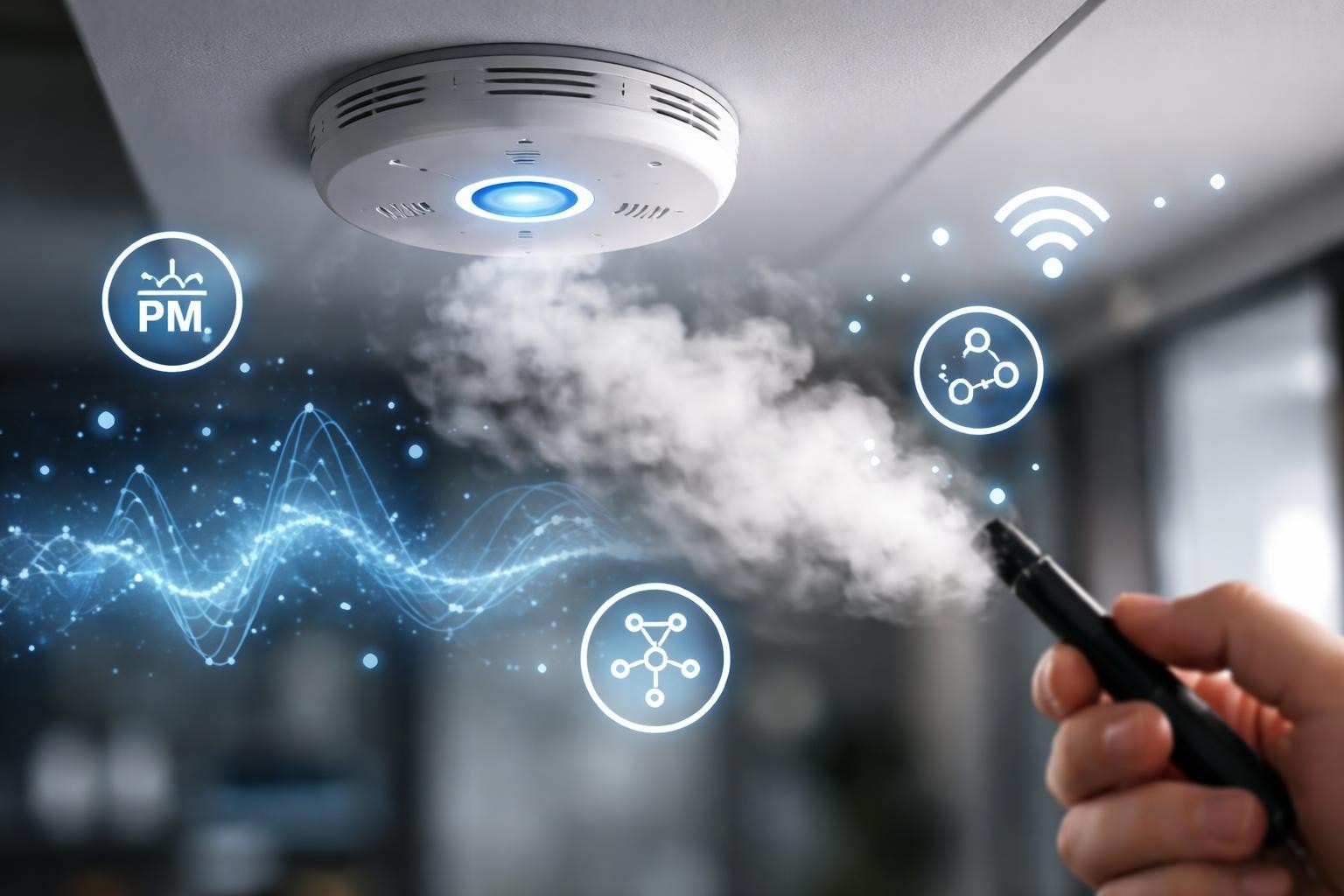
The rise of electronic cigarettes and vaping devices has created significant challenges for organisations seeking to maintain healthy, compliant environments. Whether in educational settings, workplaces, or public facilities, detecting vaping activity has become a priority for administrators and safety officers. Modern vaping detector technology offers sophisticated solutions that go beyond traditional smoke alarms, providing real-time monitoring and alerts that help organisations respond quickly and effectively to vaping incidents.
Understanding Vaping Detector Technology
A vaping detector operates fundamentally differently from conventional smoke detection systems. Unlike traditional smoke alarms that primarily respond to combustion particles, these advanced sensors monitor multiple environmental parameters simultaneously to identify the unique signature of e-cigarette aerosols.
The core functionality relies on sophisticated particulate matter sensing. When someone uses a vaping device, they release a complex aerosol containing propylene glycol, vegetable glycerin, flavouring compounds, and often nicotine. Research into exhaled e-cigarette aerosols has revealed the distinctive characteristics of these emissions, which modern detection systems can identify with remarkable accuracy.
Multi-Sensor Approach to Detection
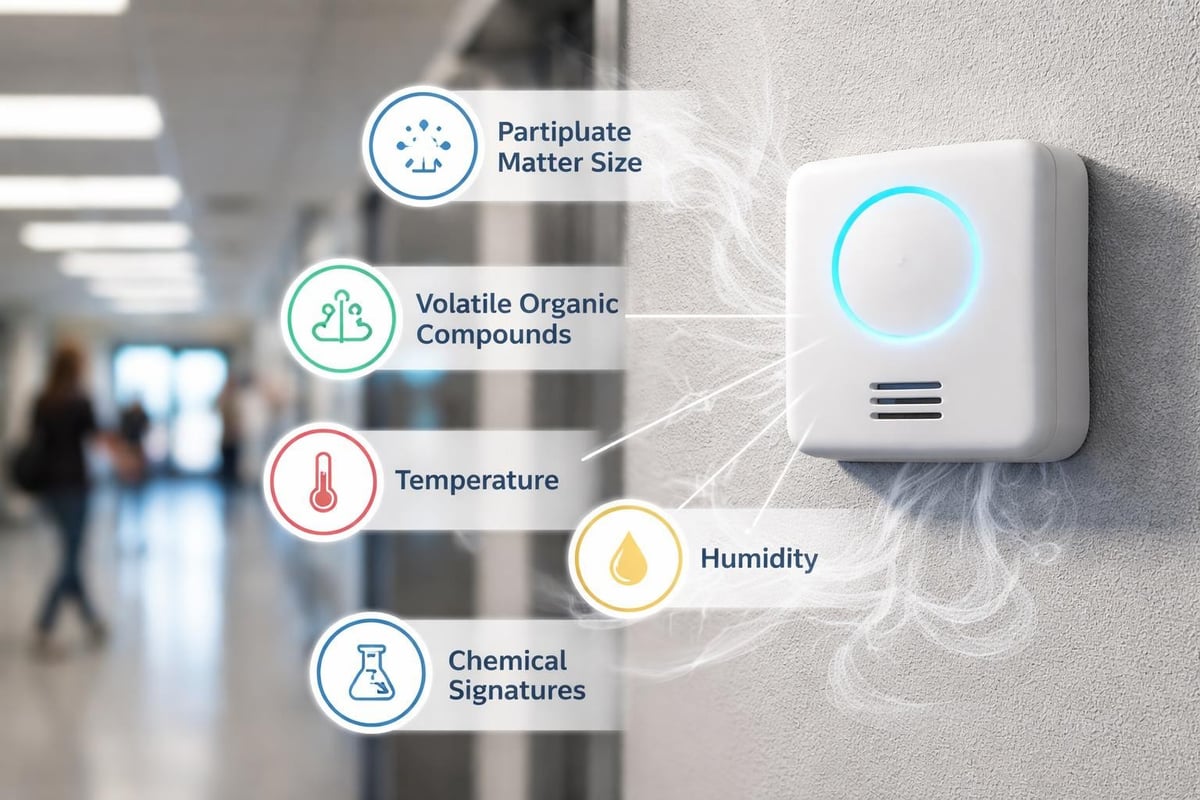
Modern vaping detection systems employ several sensor types working in concert:
- Particulate matter sensors that measure the size and density of airborne particles
- Chemical sensors detecting volatile organic compounds associated with vaping liquids
- Air quality monitors tracking sudden changes in environmental conditions
- Temperature and humidity sensors establishing baseline conditions
This multi-faceted approach enables systems to differentiate between vaping aerosols and other environmental factors such as perfume, cleaning products, or steam from hand dryers. The science behind effective vape detection demonstrates why monitoring multiple elements simultaneously produces the most reliable results.
Key Features of Professional Vaping Detector Systems
When evaluating detection solutions, organisations should prioritise systems that offer comprehensive functionality beyond basic sensing capabilities. The most effective platforms integrate detection with actionable intelligence and management tools.
Real-Time Alert Mechanisms
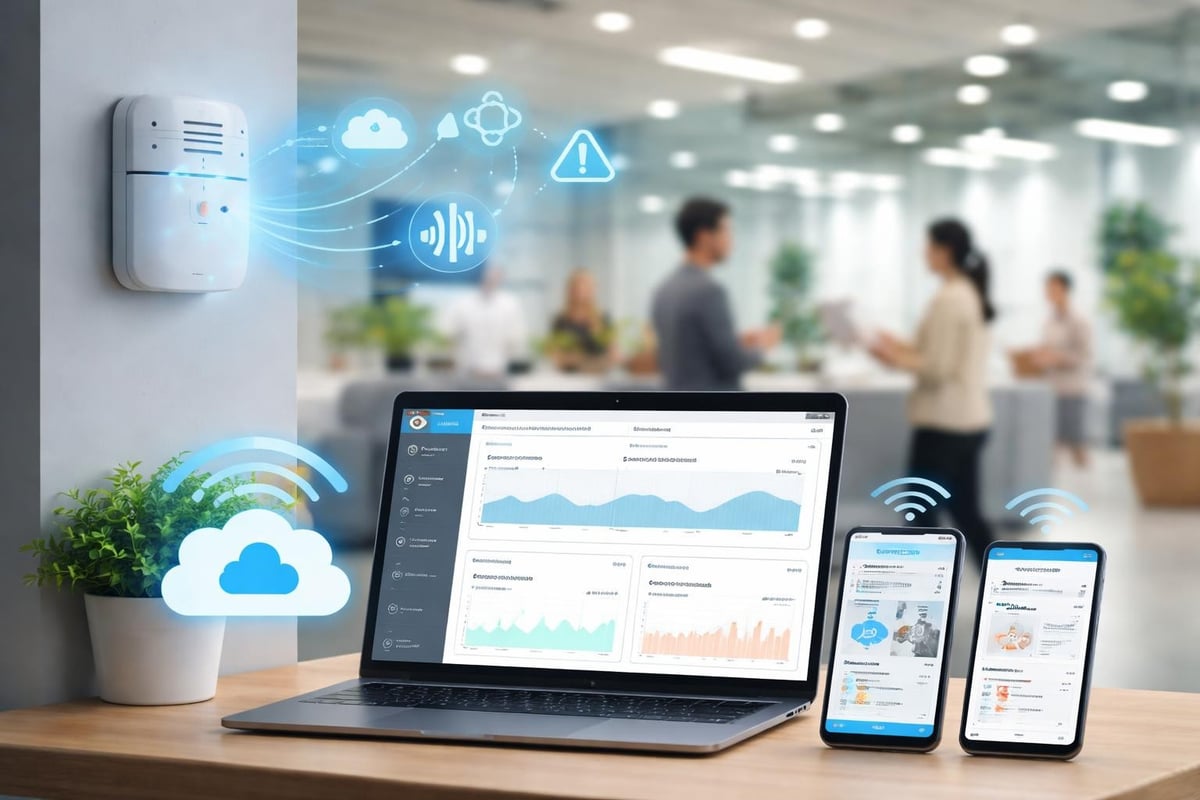
Immediate notification stands as perhaps the most critical feature. When a vaping detector identifies activity, the system should instantly alert designated personnel through multiple channels. Text messages, email notifications, and dashboard alerts ensure that responsible staff can respond promptly, whether they are on site or working remotely.
Alert customisation allows organisations to tailor responses based on location, time of day, and severity. A detection event in a school toilet during lesson time might trigger different protocols than one occurring after hours in a staff area.
| Feature Category | Essential Elements | Advanced Capabilities |
|---|---|---|
| Detection | Particulate sensors, VOC monitoring | Machine learning pattern recognition |
| Alerts | SMS, email notifications | Multi-channel escalation, geofencing |
| Integration | WiFi connectivity, cloud storage | API access, security system integration |
| Reporting | Event logs, timestamp data | Trend analysis, compliance documentation |
Environmental Context and False Positive Prevention
Sophisticated systems learn the normal environmental baseline for each installation location. By understanding typical air quality patterns, humidity levels, and temperature fluctuations, these detectors can more accurately identify genuine vaping events whilst minimising false positives.
This contextual awareness proves particularly valuable in settings where air quality naturally varies. School science laboratories, workplace kitchens, and leisure facility changing rooms all present unique environmental challenges that basic detectors might misinterpret.
Deployment Strategies for Different Environments
The optimal placement and configuration of a vaping detector system varies significantly across different organisational contexts. Understanding these nuances ensures maximum effectiveness and return on investment.
Educational Settings
Schools face perhaps the most pressing need for vaping detection, with youth vaping rates remaining a significant concern. The American Lung Association's guidance emphasises that whilst detection technology serves an important role, it works best as part of a comprehensive approach including education and support services.
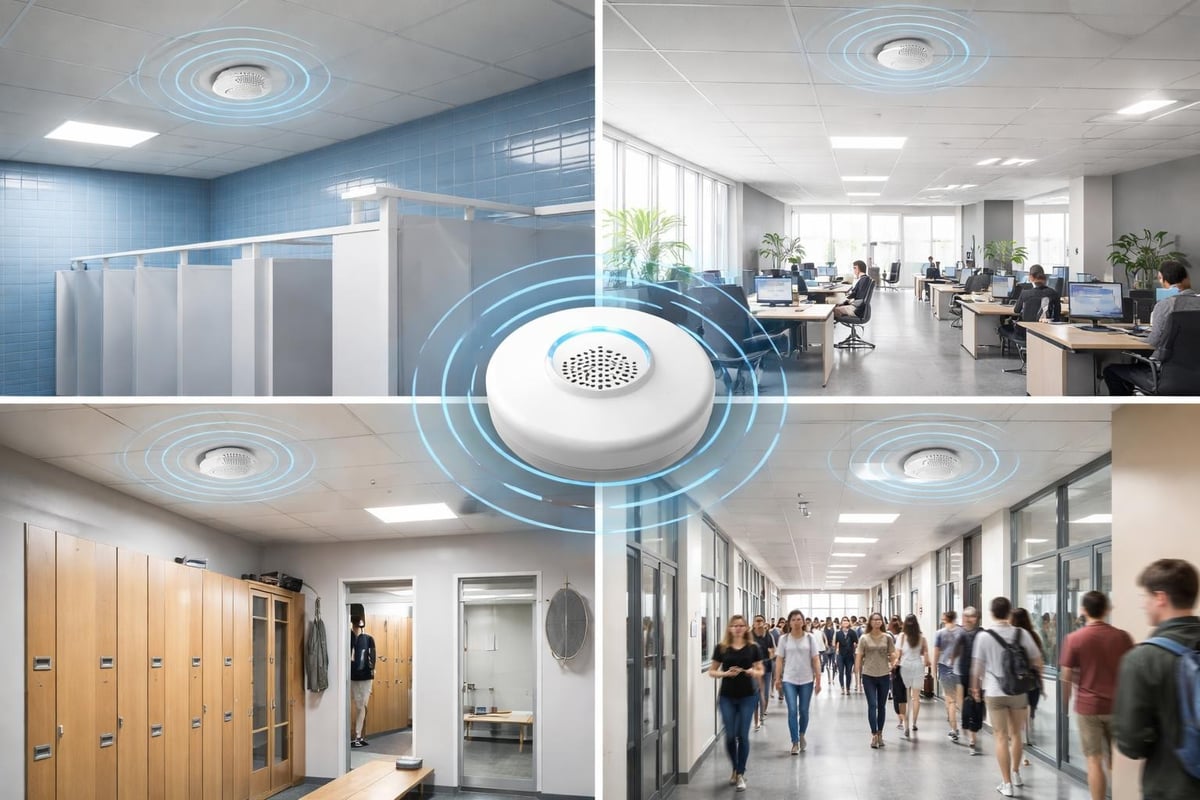
Best practices for vape detection in schools suggest focusing installation in high-risk areas such as toilet facilities, changing rooms, and secluded corridors. Privacy considerations remain paramount, with devices designed to detect without recording audio or visual information.
Installation should consider both deterrence and detection. Visible sensors in certain locations may discourage vaping attempts, whilst discreet placement in other areas catches those who believe they have found unmonitored spaces.
Workplace and Office Environments
Professional settings require a balanced approach that respects employee privacy whilst maintaining healthy air quality standards. Vaping detection for offices focuses on common areas, toilet facilities, and meeting rooms where policy violations most commonly occur.
The Vape Guardian Vape Detection System offers comprehensive monitoring that extends beyond vaping to detect other air quality concerns and antisocial behaviour. This multi-purpose functionality delivers value beyond vaping detection alone, helping organisations maintain overall environmental standards and workplace safety.

Integration with building management systems allows facilities teams to monitor multiple locations from centralised dashboards, streamlining response protocols and documentation.
Leisure and Retail Spaces
Public-facing venues including gyms, shopping centres, and entertainment facilities face unique challenges. Customer experience must balance with policy enforcement, requiring detection systems that enable discreet intervention without creating confrontational situations.
Leisure and retail applications benefit from systems offering location-specific alerts that direct security or management personnel to the precise area requiring attention. This targeted response minimises disruption to other patrons whilst addressing policy violations efficiently.
Technical Specifications and Installation Considerations
Understanding the technical requirements ensures successful deployment and ongoing reliability of vaping detector systems. Both hardware capabilities and network infrastructure play crucial roles in system performance.
Connectivity and Network Requirements
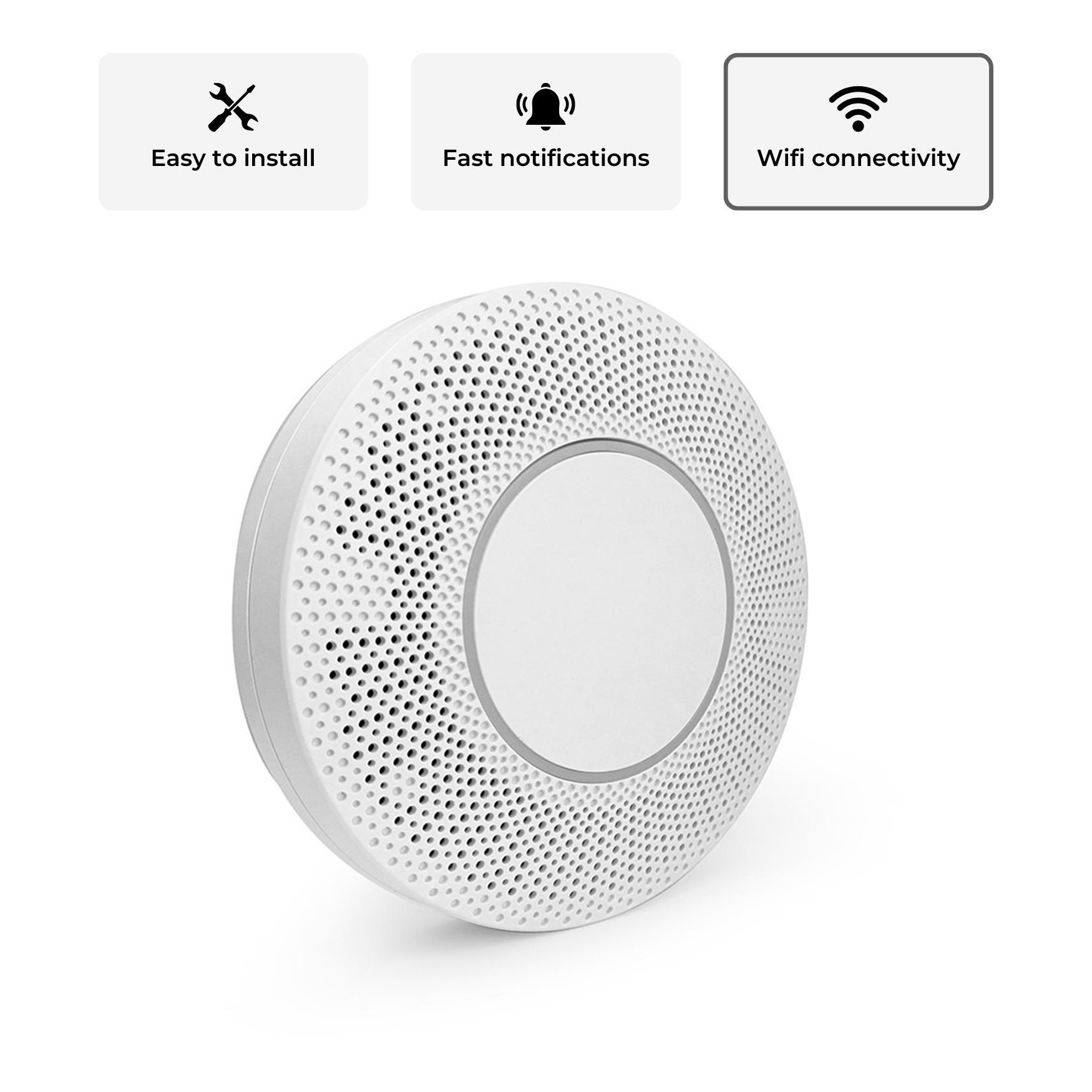
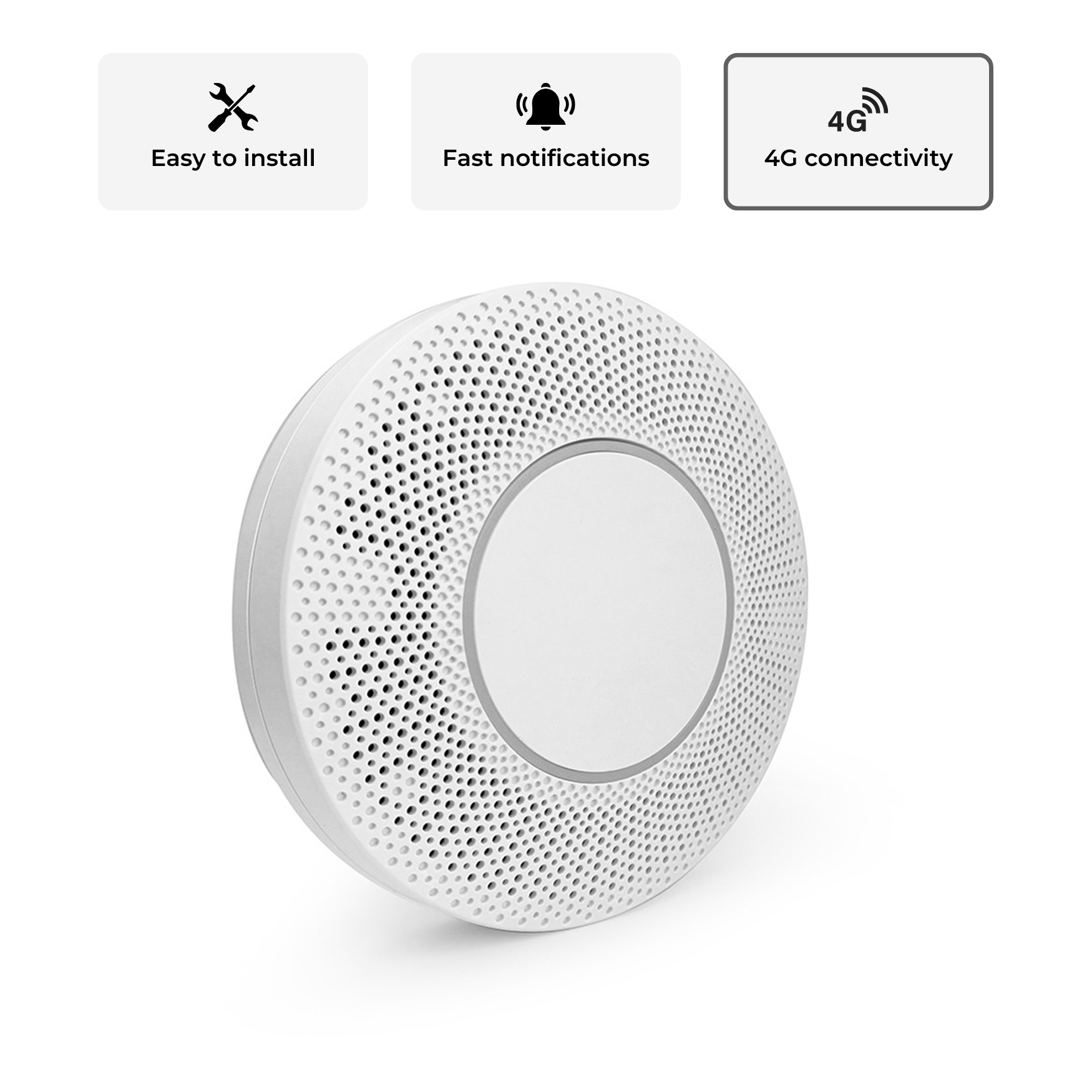
Modern vaping detectors typically offer multiple connectivity options to accommodate diverse installation environments. WiFi connectivity remains the most common, providing reliable communication with cloud-based management platforms. However, organisations should also consider 4G cellular backup for locations where network infrastructure proves unreliable or unavailable.
Network and connectivity planning should account for signal strength, network security protocols, and bandwidth considerations. Each sensor requires consistent internet access to transmit alerts and upload data to management dashboards.
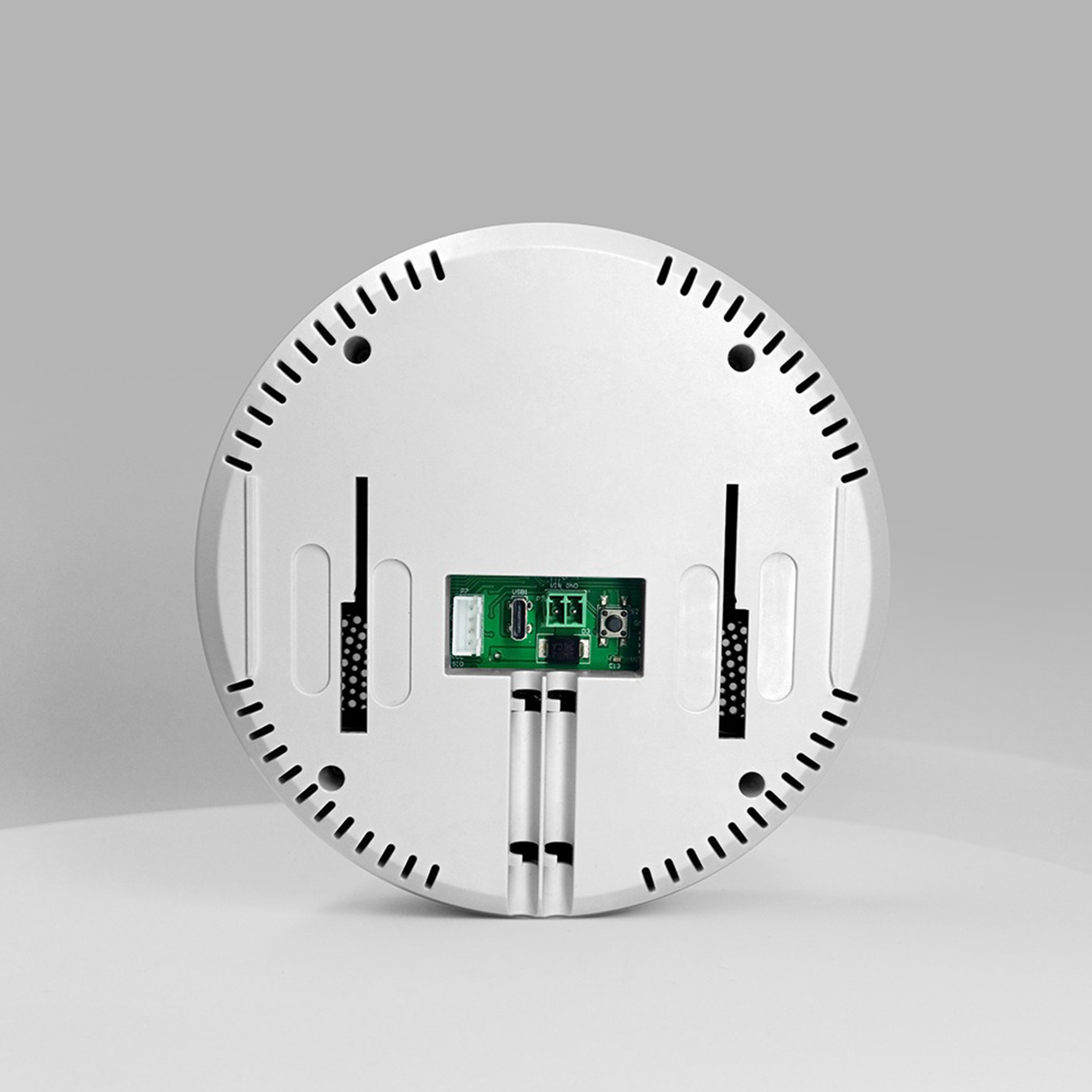
Power requirements vary by model. Hardwired solutions offer unlimited operation but require professional electrical installation. Battery-powered alternatives provide installation flexibility but necessitate regular maintenance schedules for battery replacement.
Coverage and Placement Optimisation
A single vaping detector typically covers between 100 and 150 square metres, though this varies based on room geometry, ventilation systems, and environmental factors. Organisations should conduct site surveys to determine optimal sensor quantity and placement.
Critical placement considerations include:
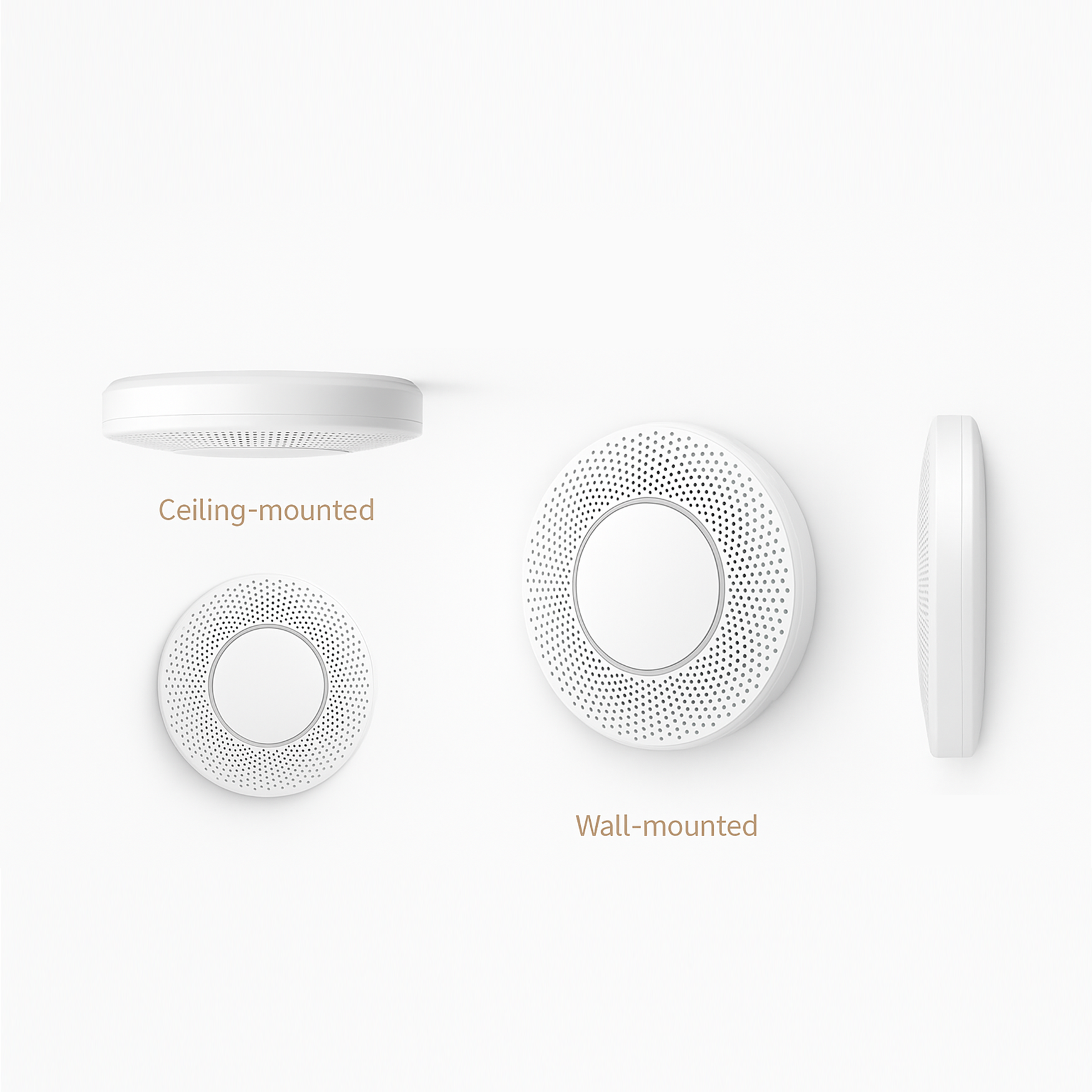
- Mounting height (typically 2.4 to 3 metres for optimal aerosol detection)
- Distance from ventilation sources that might disperse aerosols before detection
- Proximity to areas where privacy expectations exist
- Network signal strength at proposed locations
- Accessibility for maintenance and battery replacement
Professional installation ensures compliance with building codes, proper network configuration, and optimal sensor positioning. Many organisations benefit from phased deployment, starting with high-priority areas before expanding coverage.
Data Management and Compliance
Effective vaping detector deployment extends beyond hardware installation to encompass data management, privacy compliance, and actionable reporting. These systems generate substantial information that organisations must handle responsibly whilst extracting maximum value.
Privacy and Data Protection
Vaping detection systems collect environmental data, timestamps, and location information. Organisations must ensure compliance with data protection regulations including UK GDPR requirements. Transparency about monitoring practices, data retention periods, and access controls builds trust with students, employees, or facility users.
Best practice involves clear signage indicating monitored areas, published policies explaining detection purposes, and documented procedures for data handling. Systems should collect only necessary information, avoiding audio or visual recording that raises additional privacy concerns.
Reporting and Analytics
Sophisticated management platforms transform raw detection data into actionable intelligence. Trend analysis reveals patterns across time periods, locations, and demographics, helping organisations understand the scope and nature of vaping activity.
| Report Type | Key Metrics | Strategic Value |
|---|---|---|
| Incident Reports | Timestamp, location, sensor readings | Immediate response documentation |
| Trend Analysis | Frequency by location, time patterns | Resource allocation, policy refinement |
| Compliance Documentation | Total incidents, response times | Regulatory reporting, board updates |
| Environmental Monitoring | Air quality baseline, anomaly detection | Health and safety compliance |
Regular reporting supports evidence-based policy development and helps organisations measure the effectiveness of their vaping prevention programmes. Healthcare providers tracking e-cigarette use emphasise the importance of consistent documentation in addressing vaping concerns comprehensively.
Integrating Detection with Intervention Strategies
Technology alone cannot solve organisational vaping challenges. The most successful programmes combine detection capabilities with education, support services, and clear intervention protocols.
Response Protocols and Staff Training
When a vaping detector triggers an alert, staff must know exactly how to respond. Written protocols should outline step-by-step procedures including who receives alerts, how to verify incidents, appropriate interventions, and documentation requirements.
Best practices for handling vaping alerts emphasise the importance of consistency, discretion, and appropriate escalation. Staff training ensures everyone understands their role in the response chain, from initial alert receipt through to follow-up actions and record keeping.
Educational and Support Components
Research consistently shows that punitive measures alone prove less effective than comprehensive approaches combining deterrence with education and cessation support. Schools particularly benefit from integrating detection systems with evidence-based prevention programmes that address the underlying factors driving youth vaping.
Support services might include:
- Access to cessation resources and counselling
- Educational programmes explaining vaping health risks
- Peer support networks for those seeking to quit
- Clear pathways for self-reporting and seeking help
- Progressive intervention models that escalate based on repeat violations
Advanced Features and Future Developments
The vaping detector market continues to evolve rapidly, with manufacturers developing increasingly sophisticated capabilities that extend beyond basic detection.
Artificial Intelligence and Pattern Recognition
Machine learning algorithms increasingly power modern detection systems, improving accuracy through continuous learning. These systems analyse historical data to refine their understanding of genuine vaping events versus environmental anomalies.
AI-driven platforms can identify patterns suggesting systematic policy violations, such as repeated incidents at specific times or locations. This intelligence helps administrators target interventions more effectively and allocate monitoring resources strategically.
Multi-Hazard Detection Capabilities
Leading systems now detect multiple concerns beyond vaping. Air quality monitoring identifies poor ventilation, excessive carbon dioxide, or other environmental hazards. Sound anomaly detection can identify aggressive behaviour, breaking glass, or verbal altercations without recording actual conversations.
This expanded functionality transforms vaping detectors into comprehensive safety and environmental monitoring platforms. Organisations gain broader value from their investment whilst maintaining the primary focus on vaping detection and prevention.
Cloud Platform Integration
Cloud-based management platforms centralise control across multiple locations and provide powerful analytics tools. Administrators can monitor entire campuses, building portfolios, or facility chains from unified dashboards accessible from any device.
Integration capabilities allow vaping detection data to flow into broader facility management, security, or student information systems. This interoperability streamlines workflows and ensures detection information reaches appropriate stakeholders automatically.
Cost Considerations and Return on Investment
Understanding the full financial picture helps organisations make informed decisions about vaping detector deployment. Initial hardware costs represent only one component of total ownership expenses.
Initial Investment Components
Budget planning should account for hardware purchases, professional installation, network infrastructure upgrades, and management platform subscriptions. Per-sensor costs typically range from several hundred to over a thousand pounds depending on features and capabilities.
Air quality monitoring devices with vaping detection capabilities may command premium prices but deliver broader functionality that justifies the investment through multiple use cases.
Installation costs vary based on building characteristics, mounting requirements, and electrical work needed for hardwired systems. WiFi-enabled, battery-powered units offer lower installation costs but incur ongoing battery replacement expenses.
Ongoing Operational Costs
Subscription fees for cloud platforms, data storage, and ongoing support typically follow monthly or annual billing cycles. These recurring costs provide access to software updates, technical support, and expanded storage for historical data.
Maintenance requirements include periodic sensor calibration, battery replacement for wireless units, and occasional hardware repairs or replacement. Well-designed systems minimise these ongoing demands through reliable components and remote diagnostic capabilities.
Measuring Return on Investment
Quantifying benefits helps justify expenditure and demonstrates programme value. Measurable returns include:
- Reduced cleaning and maintenance costs from decreased vaping activity
- Lower health insurance premiums through demonstrated wellness initiatives
- Avoided regulatory penalties for policy violations
- Decreased staff time spent on manual monitoring and enforcement
- Improved air quality measurements and associated health benefits
Organisations should establish baseline metrics before deployment, then track changes in vaping incidents, air quality measurements, and related costs to document tangible returns.
Selecting the Right Vaping Detector Provider
Provider selection proves as important as technology choice. The right partnership ensures successful deployment, ongoing support, and continuous improvement as organisational needs evolve.
Evaluation Criteria
Organisations should assess potential providers across multiple dimensions beyond basic product specifications. Technical capabilities matter, but so do support quality, company stability, and alignment with organisational values.
Key evaluation factors include:
- Detection accuracy and false positive rates verified through independent testing
- Integration capabilities with existing security and facility management systems
- Support responsiveness including installation assistance and technical troubleshooting
- Update frequency for software improvements and feature additions
- Data security practices protecting sensitive organisational information
- Scalability to accommodate future expansion needs
References from existing customers provide valuable insights into real-world performance and provider responsiveness. Demonstration programmes allow organisations to evaluate systems in their specific environments before committing to full deployment.
UK-Specific Considerations
Organisations operating in the United Kingdom should prioritise providers with local presence and understanding of UK regulatory requirements. Data hosting within UK or EU jurisdictions ensures GDPR compliance, whilst local support teams provide assistance during UK business hours.
British English language interfaces, UK-specific reporting templates, and familiarity with educational or workplace regulations specific to England, Scotland, Wales, and Northern Ireland all contribute to smoother implementation and operation.
Implementing effective vaping detection requires careful consideration of technology capabilities, deployment strategies, and integration with broader prevention efforts. From sophisticated multi-sensor systems that distinguish vaping aerosols from environmental factors to cloud-based platforms enabling centralised management, modern solutions offer powerful tools for organisations committed to maintaining healthy environments. Vape Guardian delivers advanced detection technology backed by dedicated UK-based support, helping schools, offices, and leisure facilities across Britain create safer spaces through reliable monitoring, real-time alerts, and comprehensive air quality insights. Explore how their proven systems can support your organisation's compliance and wellness objectives whilst providing the actionable intelligence needed for effective intervention and continuous improvement.





Share:
Indoor Air Quality Sensor Technology Guide 2026
Vape Detectors: Technology, Applications & Effectiveness