

The rise of vaping over the past decade has created unprecedented challenges for schools, workplaces, and public spaces. As e-cigarettes have become smaller, more discreet, and increasingly popular among young people, traditional monitoring methods have proven inadequate. This evolution has driven demand for specialised detection technology capable of identifying vaping activity in real time, particularly in areas where visual supervision is limited or impossible. Vape detectors represent a technological response to this modern challenge, offering organisations a way to enforce no-vaping policies whilst monitoring air quality and supporting broader health and safety objectives.
Understanding Vape Detection Technology
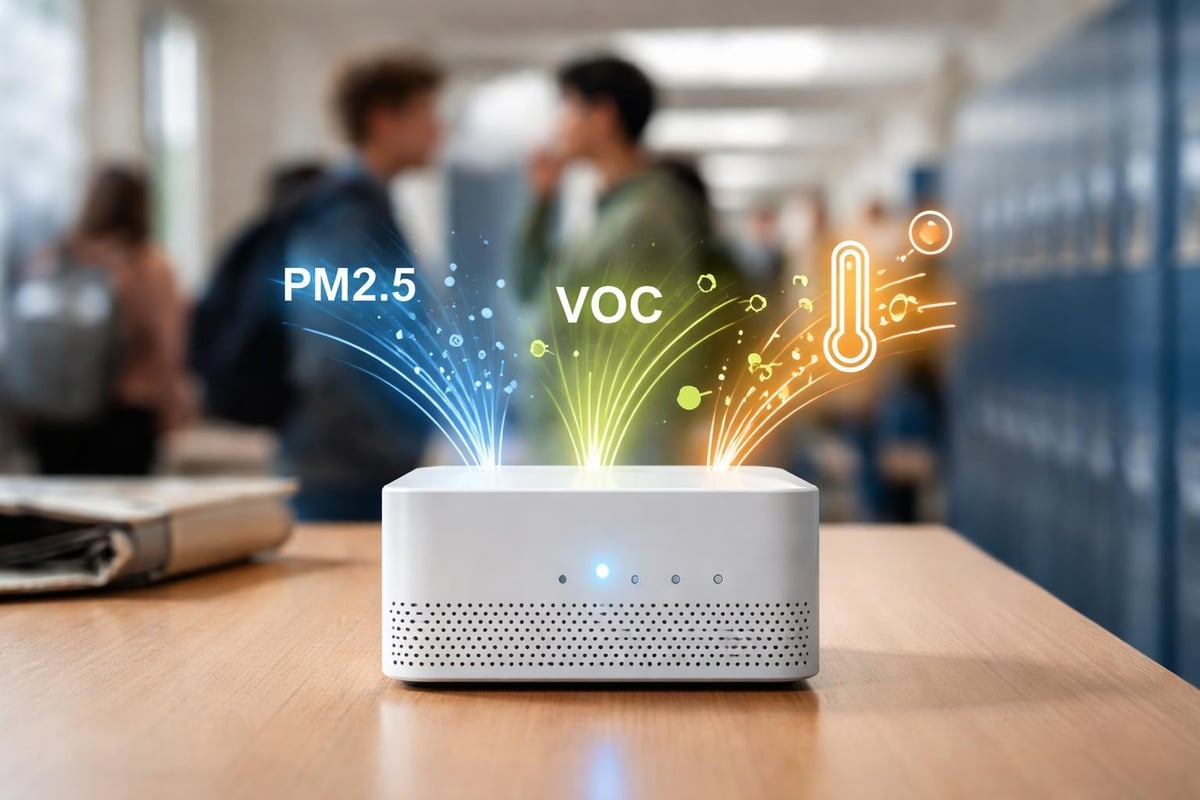
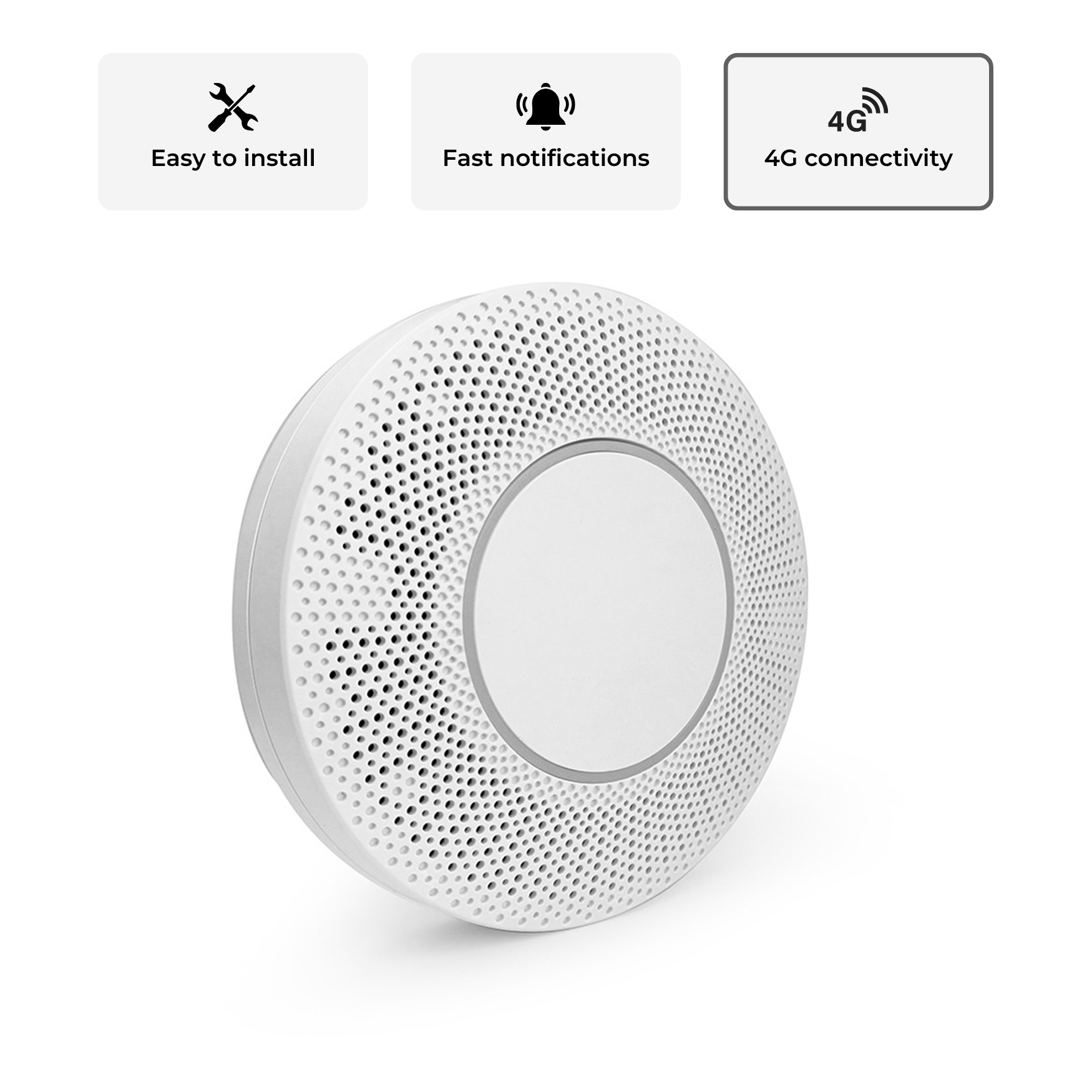
Vape detectors utilise sophisticated sensor arrays to identify the chemical signatures and particulate matter associated with e-cigarette aerosols. Unlike traditional smoke detectors that respond primarily to combustion byproducts, these devices are calibrated to detect the unique composition of vapour emissions.
The technology typically employs multiple detection methods simultaneously. Particulate sensors measure the concentration of fine particles in the air, whilst chemical sensors identify specific compounds found in e-cigarette liquids and their aerosols. This multi-layered approach reduces false positives from hairspray, deodorant, or other aerosol products.
Core Detection Mechanisms
Modern vape detection systems integrate several complementary technologies:
- Particulate Matter (PM2.5) Sensors: Measure microscopic particles suspended in air
- Volatile Organic Compound (VOC) Detection: Identify chemical markers specific to vaping products
- Temperature and Humidity Monitoring: Establish baseline environmental conditions
- Sound Analysis: Detect acoustic signatures associated with vaping devices
- Air Quality Assessment: Provide comprehensive environmental monitoring beyond vaping alone
Research into exhaled e-cigarette aerosols has provided valuable insights into the specific characteristics that detection systems can target. The particulate composition and chemical makeup of vape emissions differ markedly from other common airborne substances, enabling accurate identification when sensors are properly calibrated.
Applications Across Different Environments
Vape detectors serve distinct functions depending on the environment where they're deployed. Each setting presents unique challenges and requirements that influence installation strategies and alert protocols.
Educational Institutions
Schools have emerged as the primary adopters of vape detection technology. The growing crisis of underage vaping in schools has prompted administrators to seek proactive solutions beyond traditional disciplinary measures.
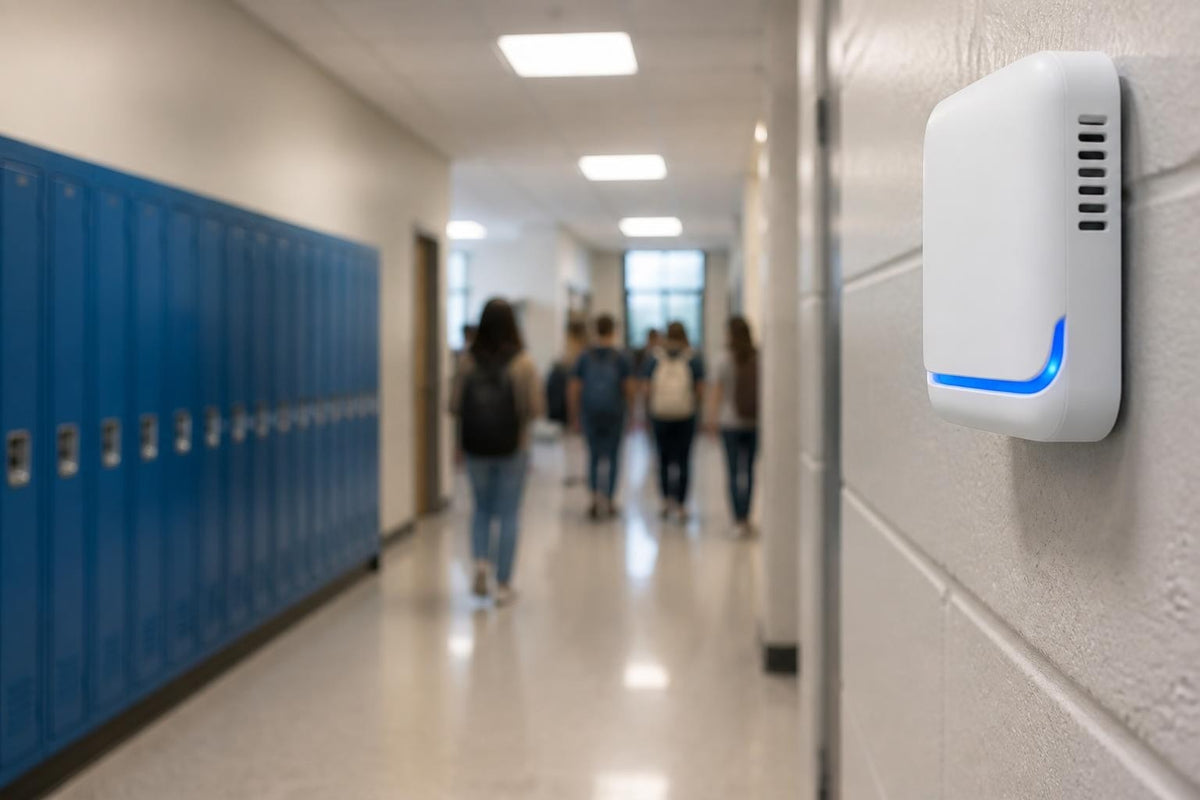
Installation in school toilets, changing rooms, and other unsupervised areas provides coverage where staff cannot practically monitor student behaviour. Real-time alerts enable rapid response, allowing staff to intervene before incidents escalate.
| School Environment | Detection Priority | Typical Alert Response |
|---|---|---|
| Toilets/Washrooms | High | Immediate staff notification |
| Changing Facilities | High | Designated supervisor alert |
| Corridors | Medium | Logged for pattern analysis |
| Outdoor Shelters | Medium | Timed delayed response |
However, debate continues regarding effectiveness. Some research suggests that vape detectors alone may not reduce tobacco use among students, emphasising the importance of integrating detection technology with comprehensive education and support programmes.
Workplace Settings
Commercial offices and industrial facilities deploy vape detectors to maintain smoke-free environments and monitor air quality. The hidden health risks of vaping in office spaces extend beyond the individual vaper, affecting colleagues through secondhand aerosol exposure.
Professional environments often prioritise discreet monitoring that respects employee privacy whilst enforcing workplace policies. Alert systems can be configured to notify facilities management rather than triggering audible alarms, allowing for professional, private conversations with policy violators.
Public and Leisure Facilities
Hotels, leisure centres, and transport hubs increasingly utilise vape detection to maintain compliance with smoking bans and protect air quality. These environments benefit from the dual function of many modern systems, which monitor both vaping and general air quality metrics.
Public-facing facilities often emphasise customer communication, using detection data to inform cleaning schedules and ventilation system adjustments rather than solely for enforcement purposes.
The Debate Around Effectiveness
The effectiveness of vape detectors remains a subject of considerable discussion among health professionals, educators, and policymakers. Evidence suggests that technology alone cannot address the complex behavioural and social factors driving vaping adoption.
Evidence for Deterrence
Proponents argue that visible detection systems create a deterrent effect. Students and employees aware of monitoring technology may think twice before vaping in prohibited areas. Installation projects have reported reductions in vaping incidents, particularly when combined with clear policy communication.
Schools funded by settlements with e-cigarette companies have documented decreased toilet-related incidents and improved compliance with smoke-free policies following detector installation.
Limitations and Concerns
Critics raise several important considerations:
- Displacement Rather Than Cessation: Users may simply relocate rather than quit
- Privacy Implications: Constant monitoring raises questions about student and employee rights
- Cost Versus Benefit: Substantial investment may not translate to measurable health outcomes
- False Sense of Security: Technology cannot replace comprehensive prevention education
The American Lung Association has urged schools to prioritise evidence-based prevention and cessation programmes over detection technology, suggesting that resources might be better allocated to education and support services.

Technical Specifications and Installation Considerations
Selecting appropriate vape detection equipment requires careful evaluation of technical capabilities, environmental factors, and integration requirements.
Key Performance Metrics
When assessing vape detectors, organisations should consider:
- Detection Sensitivity: Ability to identify vaping at various distances and ventilation conditions
- False Positive Rate: Frequency of alerts triggered by non-vaping sources
- Response Time: Speed from detection to alert delivery
- Integration Capability: Compatibility with existing security and building management systems
- Maintenance Requirements: Calibration frequency and sensor lifespan
Environmental Factors
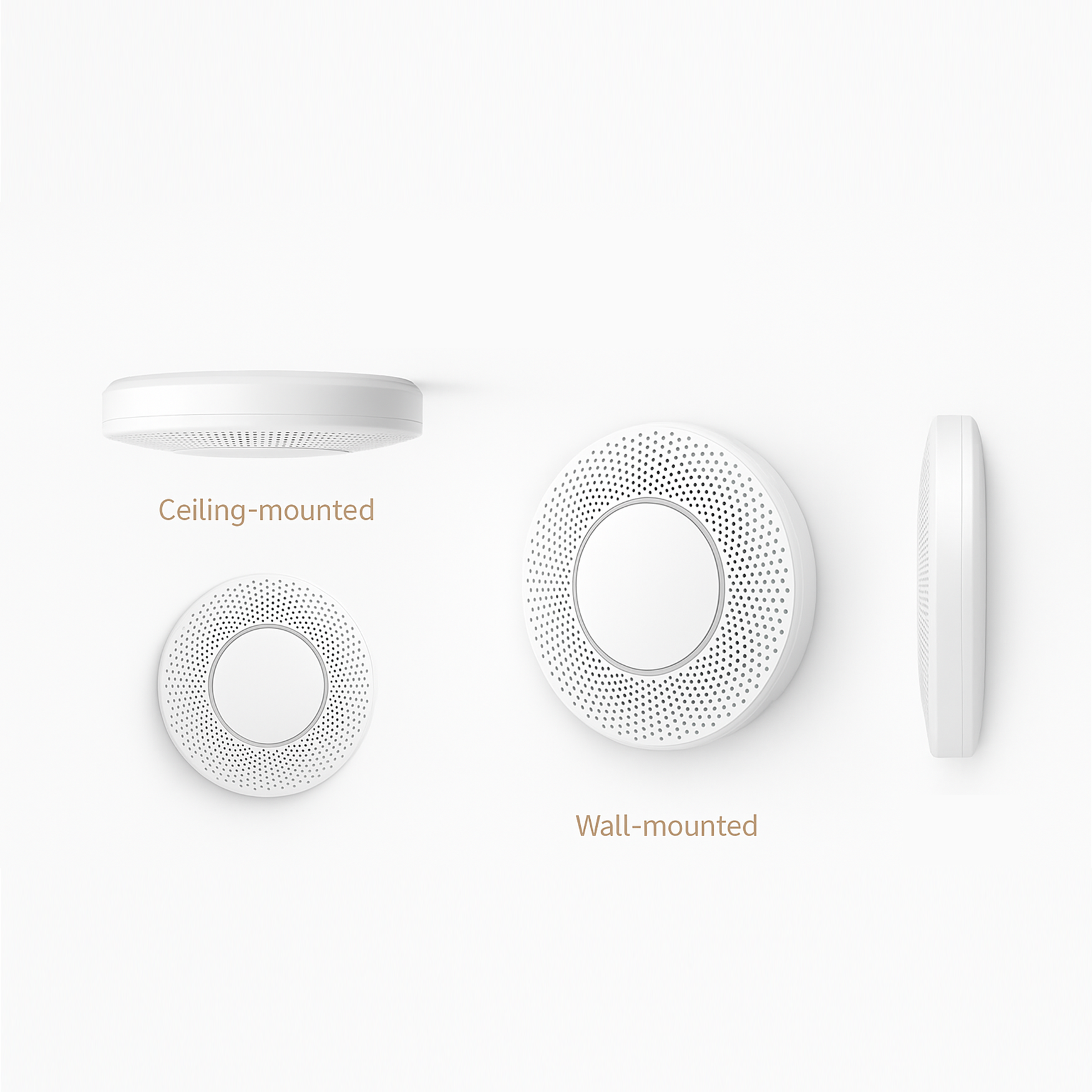
Installation success depends heavily on understanding the physical environment. High-ceiling spaces, areas with strong ventilation, and locations with multiple aerosol sources present distinct challenges.
Bathrooms represent particularly complex environments for vape detection in bathrooms, where hairspray, cleaning products, and steam can potentially trigger false alerts. Advanced systems account for these factors through sophisticated algorithms that distinguish vaping signatures from background noise.
Connectivity and Alert Systems
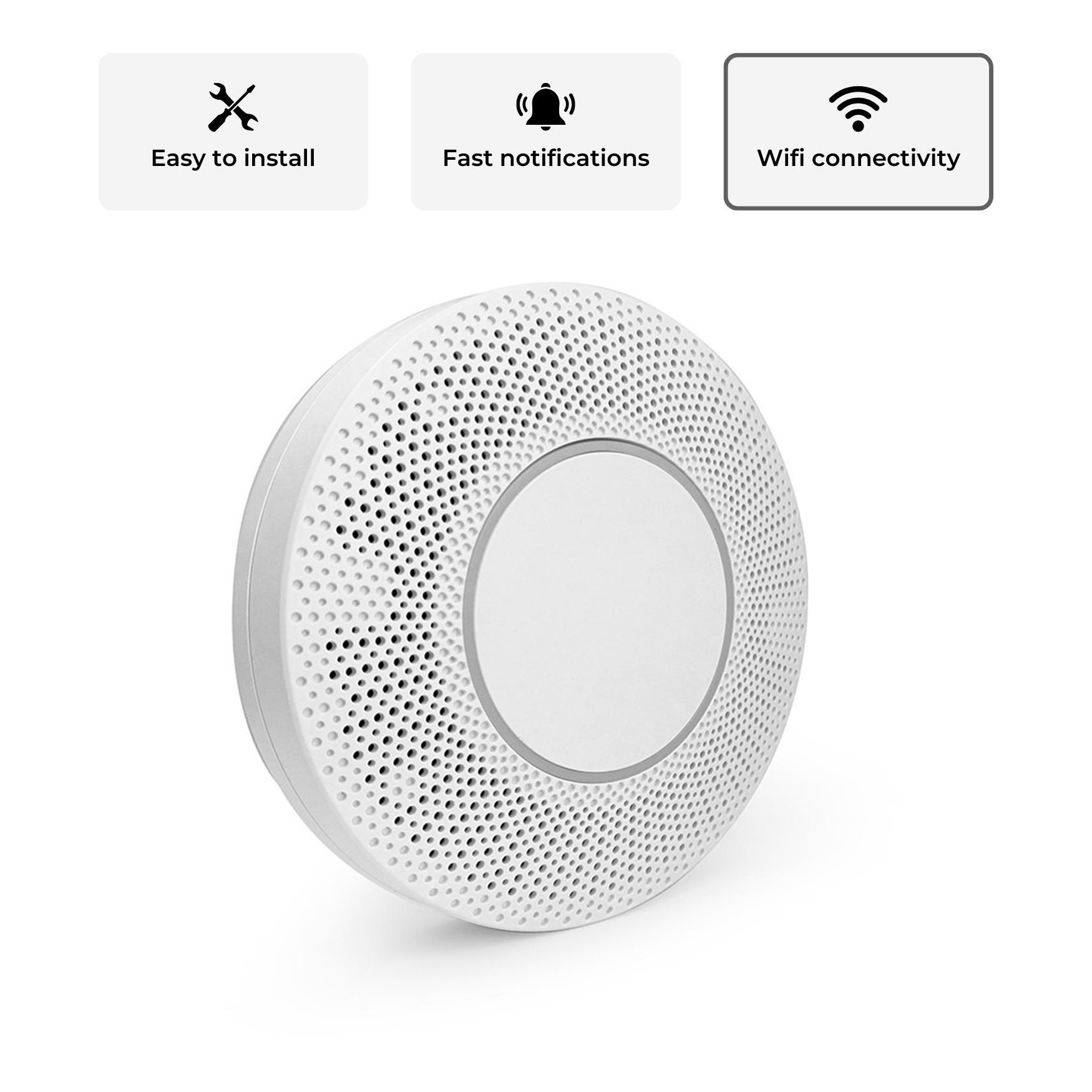
Modern vape detectors offer various connectivity options:
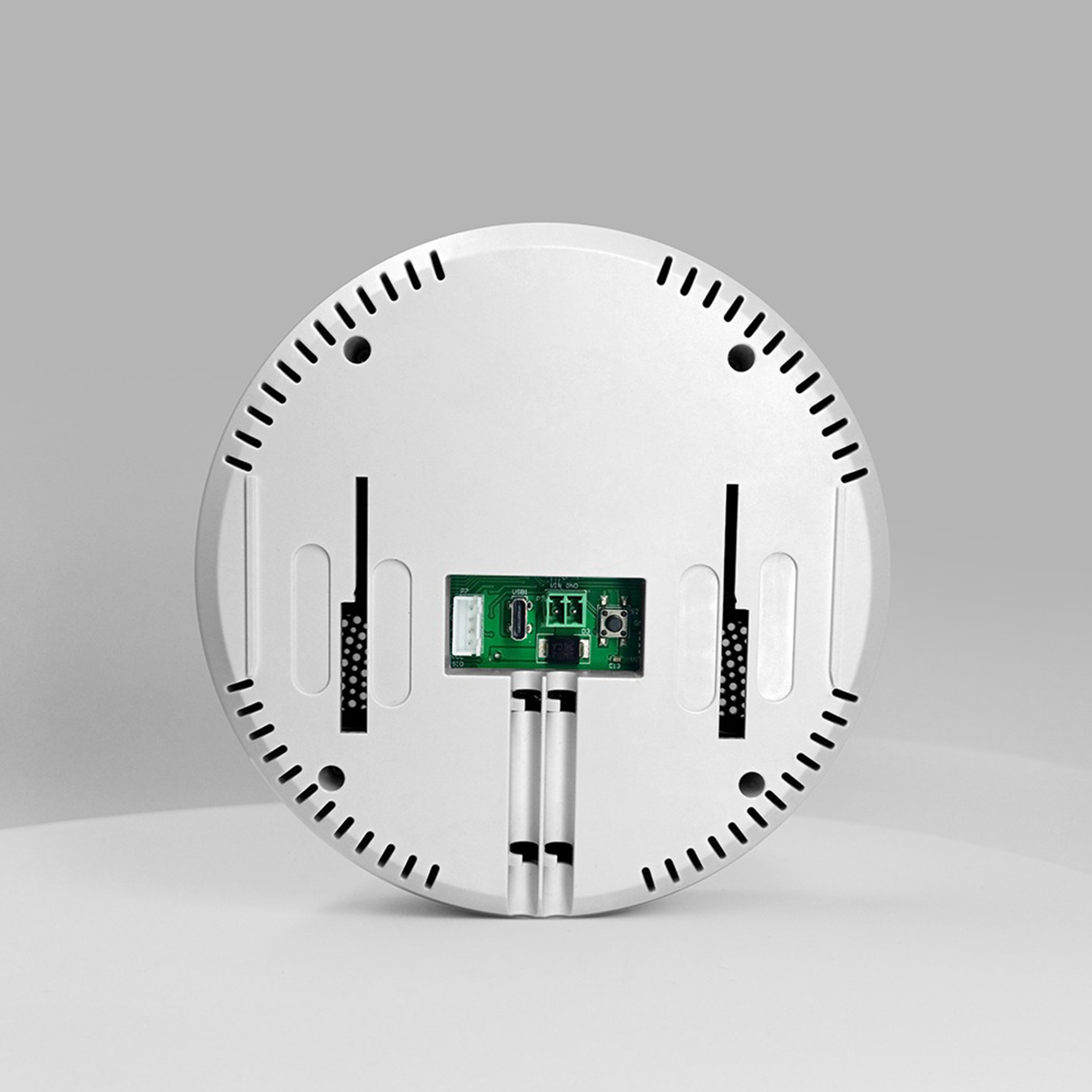
- Wired Network Integration: Reliable connection through existing infrastructure
- Wireless Protocols: Flexible installation without extensive cabling
- Cloud-Based Management: Remote monitoring and centralised control
- Local Alert Systems: Immediate notification without internet dependency
Alert customisation allows organisations to tailor responses to specific circumstances. Schools might configure immediate notifications for toilet areas whilst logging corridor detections for pattern analysis. Workplaces may route alerts to facilities management during business hours and security teams after hours.
Integration with Broader Health and Safety Strategies
The most effective deployment of vape detectors occurs within comprehensive health, safety, and wellbeing programmes rather than as standalone enforcement tools.
Supporting Policy Development
Detection technology should complement clear, consistently enforced policies. Creating vape-free policies requires stakeholder consultation, communication planning, and support mechanisms for those seeking to quit.
Organisations benefit from positioning detectors as part of health promotion rather than purely disciplinary infrastructure. This framing encourages cooperation and reduces resistance from students or employees.
Data-Driven Decision Making
Advanced detection systems provide valuable analytics beyond immediate alerts. Pattern recognition helps identify:
- High-incidence times and locations
- Effectiveness of intervention strategies
- Environmental factors correlating with vaping behaviour
- Long-term trends and seasonal variations
This information guides resource allocation, staffing decisions, and policy refinement. Schools can adjust supervision schedules based on data showing peak vaping times, whilst workplaces can target communication campaigns to departments with higher incident rates.
Air Quality Monitoring Synergies
Many modern systems function as comprehensive air quality monitoring devices, detecting not only vaping but also poor ventilation, excessive CO2 levels, and other environmental concerns.
| Air Quality Parameter | Health Relevance | Detection Capability |
|---|---|---|
| PM2.5 Particulates | Respiratory health | High accuracy |
| VOC Concentration | Chemical exposure | Specific compound identification |
| CO2 Levels | Ventilation adequacy | Continuous monitoring |
| Temperature/Humidity | Comfort and mould risk | Baseline establishment |
This broader functionality enhances return on investment, positioning detectors as contributors to overall environmental health rather than single-purpose enforcement tools.
Financial Considerations and Return on Investment
Understanding the cost breakdown and ROI of vape detectors helps organisations make informed decisions about technology adoption.
Initial Investment Components
Total implementation costs typically include:
- Hardware purchase (sensors, gateways, mounting equipment)
- Professional installation and calibration
- Network infrastructure upgrades if required
- Management software licensing
- Staff training on system operation and response protocols
Per-unit costs vary significantly based on capabilities, with basic models starting around several hundred pounds whilst sophisticated multi-sensor systems may exceed £1,000 per device.
Ongoing Operational Expenses
Sustainable deployment requires budgeting for:
- Annual Software Subscriptions: Cloud management and analytics platforms
- Maintenance and Calibration: Regular sensor checks and adjustments
- Replacement Sensors: Component refresh as accuracy degrades
- Staff Time: Responding to alerts and analysing data
- Integration Updates: Ensuring compatibility with evolving systems
Calculating Value
Return on investment extends beyond simple financial metrics. Schools consider reduced maintenance costs from decreased vandalism in monitored areas, improved student health outcomes, and enhanced reputation for maintaining safe environments.
Workplaces measure value through improved air quality metrics, reduced cleaning requirements, and demonstration of duty of care responsibilities. The hidden costs of allowing vaping include productivity losses, increased insurance premiums, and potential legal liabilities.

Emerging Trends and Future Developments
Vape detection technology continues evolving rapidly as manufacturers respond to changing user behaviour and organisational requirements.
Enhanced Detection Capabilities
Next-generation systems aim to identify specific substances within vapes, distinguishing between nicotine-based products and those containing cannabis derivatives or other concerning compounds. The hidden threat of drugs in vapes represents a growing concern that advanced detection technology may help address.
Machine learning algorithms improve accuracy by learning the specific environmental signatures of individual locations, reducing false positives whilst maintaining high sensitivity to actual vaping events.
Integration with Smart Building Systems
As smart building sensors become standard in modern construction, vape detection increasingly integrates with comprehensive building management platforms. This convergence enables coordinated responses, such as automatically increasing ventilation when vaping is detected or correlating incidents with access control data.
Privacy-Preserving Technologies
Responding to concerns about surveillance, manufacturers are developing privacy-focused features. These include local processing that avoids transmitting detailed data to central servers and alert systems that notify designated personnel without creating permanent records identifying specific individuals.
Portable and Temporary Solutions
Mobile detection units serve organisations needing flexible deployment, such as event venues or schools wanting to trial technology before permanent installation. These systems maintain core functionality whilst offering easy relocation and reduced installation costs.
Legal and Regulatory Landscape
The regulatory environment surrounding vape detection varies by jurisdiction and continues developing as vaping itself faces increasing legal restrictions.
UK Regulatory Context
UK school vaping laws in 2025 provide frameworks within which detection technology operates. Schools must balance enforcement capabilities with student welfare obligations and privacy protections.
Recent legislative developments, including new vape laws and their implications, affect how organisations approach detection and enforcement. Understanding these evolving requirements ensures compliant implementation.
Data Protection Compliance
Organisations deploying vape detectors must navigate data protection regulations, particularly regarding:
- Purpose Limitation: Using collected data only for stated health and safety purposes
- Data Minimisation: Collecting only information necessary for detection and response
- Retention Periods: Establishing appropriate timeframes for storing incident data
- Access Controls: Restricting who can view detection alerts and analytics
Workplace Rights and Consultation
Employment law requires consultation with staff representatives before implementing monitoring technology in workplace settings. Transparent communication about detection capabilities, data usage, and alert protocols builds trust and ensures compliance with consultation requirements.
Implementation Best Practices
Successful vape detector deployment follows structured approaches that address technical, organisational, and human factors.
Needs Assessment and Planning
Effective implementation begins with thorough assessment:
- Identifying high-priority areas based on incident history and vulnerability
- Evaluating existing infrastructure and integration opportunities
- Defining clear objectives beyond simple detection counts
- Establishing baseline metrics for measuring success
Stakeholder Engagement
Involving relevant stakeholders from the outset improves acceptance and effectiveness. Schools benefit from consulting students, parents, and staff about concerns and expectations. Workplaces should engage employee representatives and facilities teams in planning discussions.
Phased Rollout Strategies
Gradual implementation allows organisations to refine approaches based on early experience:
- Pilot Installation: Deploy in limited areas to test functionality and procedures
- Evaluation Period: Assess technical performance and organisational response
- Adjustment Phase: Modify settings, alert protocols, and support processes
- Expansion: Extend coverage based on demonstrated effectiveness
- Continuous Improvement: Regular review and optimisation
Response Protocol Development
Technology effectiveness depends on appropriate response to alerts. Seven proven steps to stop vaping at school emphasise supportive intervention over purely punitive measures.
Response protocols should specify:
- Who receives different alert types
- Expected response timeframes
- Documentation requirements
- Support resources available to individuals caught vaping
- Escalation procedures for repeated violations
For organisations seeking comprehensive solutions, the Vape Detection System offers integrated hardware and software designed specifically for UK schools and workplaces. These systems combine advanced multi-sensor detection with user-friendly management platforms that simplify alert handling and reporting.

Measuring Success and Ongoing Optimisation
Effective programmes establish clear success metrics and regularly evaluate performance against objectives.
Quantitative Metrics
Measurable indicators include:
- Number of vaping incidents detected over time
- Response time from detection to intervention
- False positive rate and accuracy improvements
- Air quality measurements in monitored areas
- Comparison of vaping rates before and after installation
Qualitative Assessment
Beyond numbers, organisations should evaluate:
- Perceived safety and wellbeing among building occupants
- Cultural shifts regarding vaping acceptability
- Quality of support provided to those seeking cessation assistance
- Staff confidence in responding to incidents
- Integration with broader health promotion initiatives
Continuous Refinement
Regular system optimisation ensures sustained effectiveness:
- Quarterly review of alert patterns and response effectiveness
- Annual recalibration of sensors to maintain accuracy
- Periodic stakeholder feedback sessions
- Comparison with sector benchmarks and emerging best practices
- Technology updates as manufacturers release improved capabilities
Complementary Approaches
Whilst vape detectors provide valuable monitoring capabilities, they achieve greatest impact when combined with education, support, and environmental design strategies.
Educational Initiatives
Helping schools tackle vaping requires curriculum integration that addresses why young people vape and equips them with refusal skills. Evidence-based programmes prove more effective than fear-based messaging.
Workplaces benefit from wellness campaigns that highlight health impacts whilst providing cessation resources. Positioning support as primary and enforcement as secondary encourages individuals to seek help.
Environmental Design
Physical space modifications can reduce vaping opportunities:
- Improving supervision through strategic sight lines
- Reducing isolated areas where vaping is more likely
- Enhancing ventilation to improve air quality regardless of vaping
- Creating designated outdoor areas that reduce pressure on prohibited spaces
Support Services
Access to cessation support is critical for sustainable behaviour change. Schools partnering with health services to provide confidential counselling demonstrate better outcomes than purely enforcement-focused approaches.
Workplaces offering employee assistance programmes that include vaping cessation show higher success rates and greater employee satisfaction with organisational health initiatives.
Vape detectors represent sophisticated technology offering real-time monitoring and alert capabilities across schools, workplaces, and public spaces, but their effectiveness depends on integration within comprehensive health and safety strategies rather than standalone enforcement. Success requires balancing detection technology with education, support services, and clear policies that prioritise wellbeing alongside compliance. Vape Guardian provides advanced detection systems specifically designed for UK organisations, combining reliable sensor technology with dedicated support to help create safer, healthier environments whilst supporting broader compliance and health promotion objectives.




Share:
Vaping Detector: Complete Guide to Detection Technology
Vape Sensor Technology: Detection Systems for 2026