

Vaping has evolved from a niche habit into a widespread concern affecting schools, workplaces, and public spaces across the United Kingdom. As institutions grapple with health risks and compliance challenges, innovative technology has emerged to address this growing issue. A vape detector represents a sophisticated solution designed to identify vaping activity, monitor air quality, and enable proactive intervention before incidents escalate. Understanding how these systems function, their practical applications, and their role in creating healthier environments has become essential for facility managers, headteachers, and business owners alike.
Understanding Vape Detection Technology
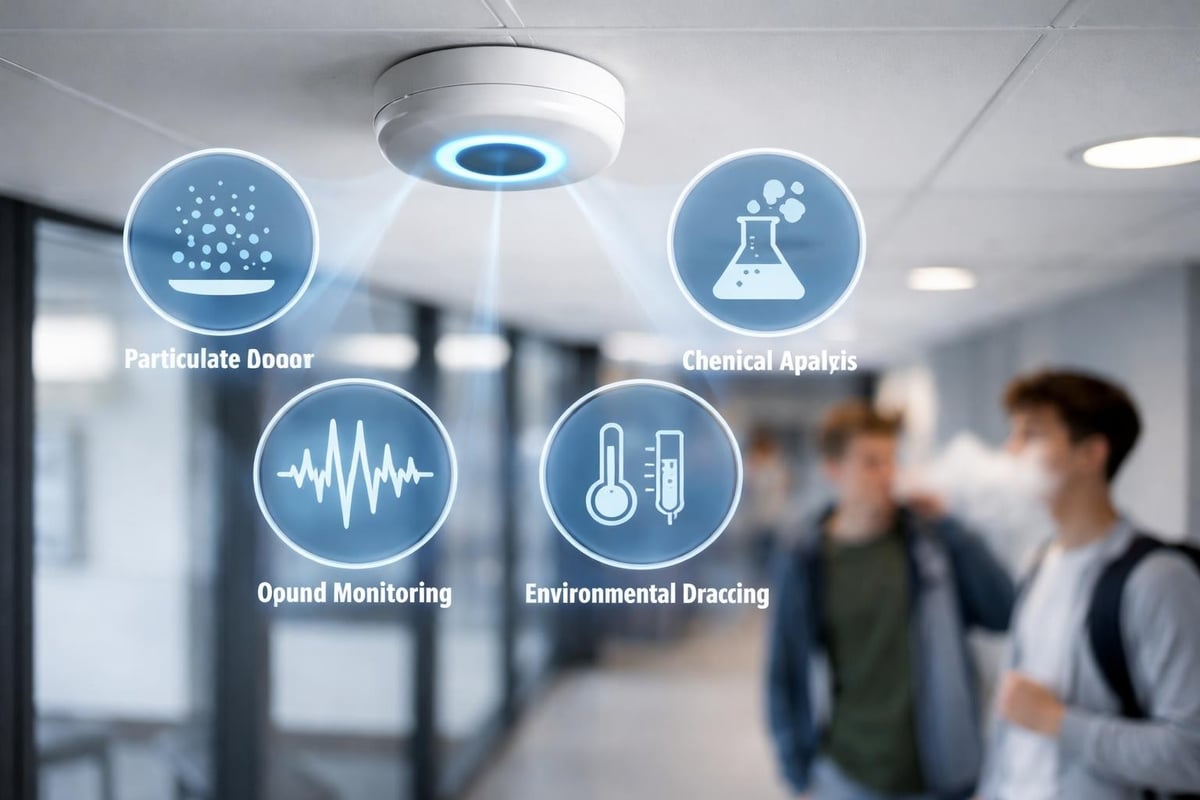
Modern vape detection systems operate through advanced sensor arrays that analyse air composition in real time. Unlike traditional smoke detectors that respond to combustion particles, a vape detector identifies the unique chemical signatures associated with e-cigarette aerosols. These devices monitor for specific volatile organic compounds, particulate matter concentrations, and sudden changes in air quality that indicate vaping activity.
The technology relies on sophisticated algorithms that differentiate between normal environmental fluctuations and deliberate vaping events. Sensors measure PM2.5 levels, which spike dramatically when someone exhales vapour containing nicotine, THC, or other substances. By establishing baseline readings for each monitored space, the system can trigger alerts when thresholds are exceeded beyond normal parameters.
Core Components of Detection Systems
Sensor Technology:
- Multi-spectrum particulate analysis
- Chemical signature identification
- Temperature and humidity monitoring
- Sound detection for anomalous behaviour
- Tamper detection mechanisms
Each component works in concert to provide comprehensive monitoring capabilities. The integration of multiple detection methods reduces false positives whilst ensuring genuine incidents are captured reliably. Many systems now incorporate machine learning capabilities that improve accuracy over time by adapting to the specific characteristics of each installation environment.
Applications Across Different Environments
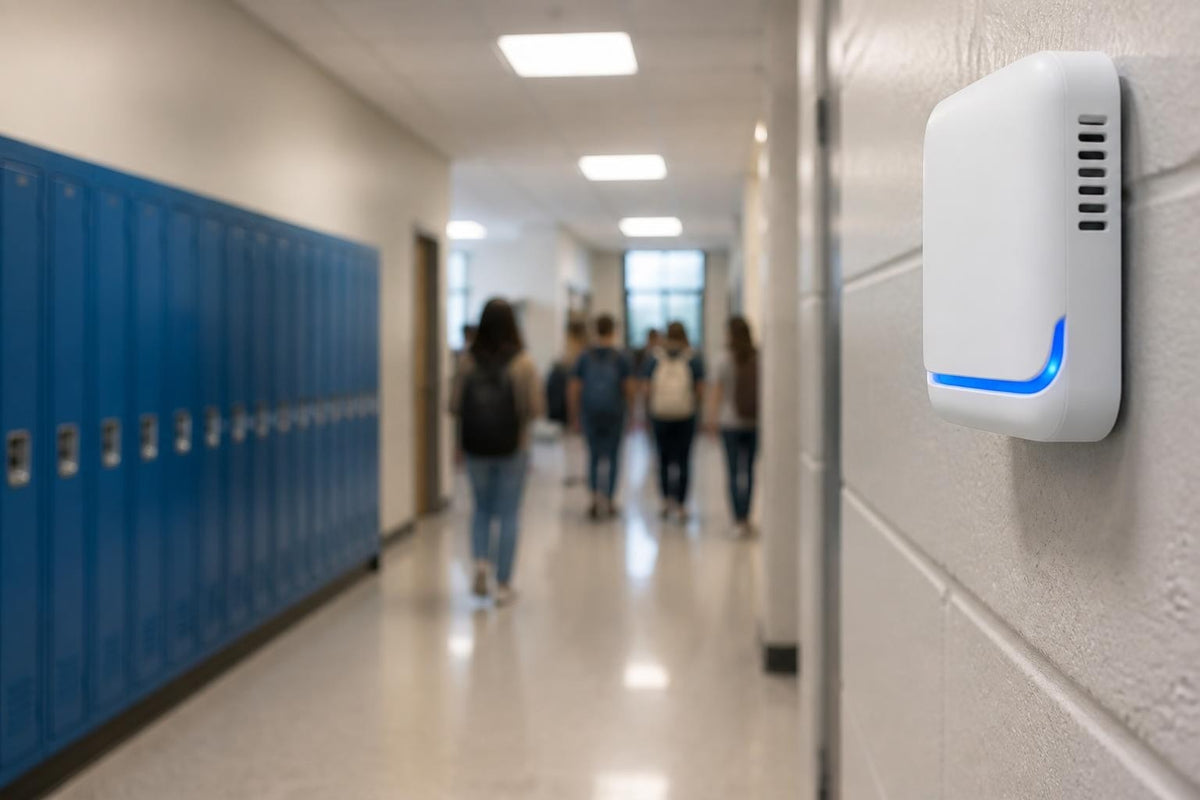
The versatility of vape detector installations makes them valuable across diverse settings. Educational institutions have emerged as primary adopters, driven by concerns about underage vaping and the need to maintain healthy learning environments. Secondary schools particularly benefit from discreet monitoring in bathrooms, changing rooms, and other areas where traditional supervision proves challenging.
Corporate environments increasingly recognise the value of these systems for maintaining air quality standards and supporting smoke-free workplace policies. Offices with designated vaping policies find that detection technology helps enforce compliance without requiring constant manual oversight. The data generated also supports air quality monitoring initiatives that contribute to overall employee wellbeing programmes.
Educational Settings
Schools face unique challenges when addressing vaping behaviour among students. Traditional disciplinary approaches often prove ineffective without reliable evidence of policy violations. A vape detector provides objective data that supports fair enforcement whilst protecting students from the health risks associated with youth vaping.
| Environment Type | Primary Benefits | Common Installation Locations |
|---|---|---|
| Secondary Schools | Behaviour monitoring, health protection | Toilets, changing rooms, corridors |
| Sixth Form Colleges | Policy enforcement, air quality | Common areas, study spaces |
| Primary Schools | Early prevention, air monitoring | Staff areas, vulnerable spaces |
Implementation in educational settings typically involves strategic placement in areas with limited visibility. Bathrooms represent the most common installation location, as these spaces provide privacy that students sometimes exploit for vaping. The presence of detection technology serves both as a deterrent and an enforcement mechanism.
Implementation Strategies and Best Practices
Successful deployment of a vape detector requires careful planning that extends beyond simply installing hardware. Organisations must develop comprehensive policies that clearly communicate expectations, consequences, and the rationale behind monitoring initiatives. Transparency proves essential for gaining stakeholder support and ensuring ethical implementation.
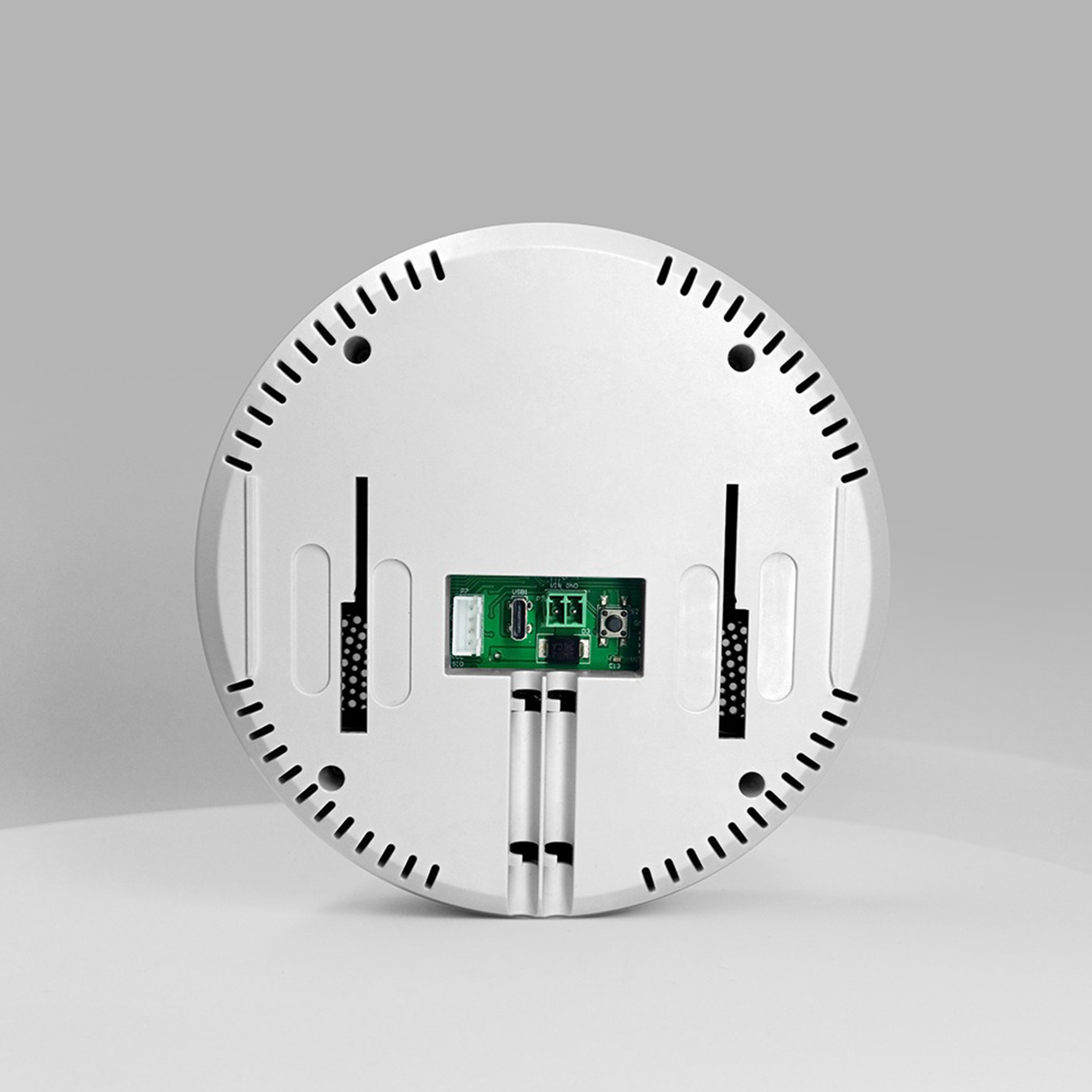
The installation process begins with a thorough site assessment to identify high-risk areas and optimal sensor placement. Coverage patterns must account for room size, ventilation systems, and typical occupancy patterns. Professional installers consider factors such as mounting height, wireless connectivity requirements, and integration with existing building management systems.
Policy Development Framework
- Stakeholder Consultation: Engage staff, students, parents, and governors in policy development
- Clear Communication: Publish monitoring policies with explicit privacy protections
- Training Programmes: Educate staff on system capabilities and response protocols
- Response Procedures: Establish clear escalation pathways for detected incidents
- Regular Review: Assess effectiveness and adjust policies based on outcome data
Organisations implementing vape detection technology should consider privacy implications carefully. Whilst these systems detect chemical signatures and air quality changes, they do not record video or identify specific individuals directly. Alert systems notify designated personnel who can then respond appropriately according to established procedures.
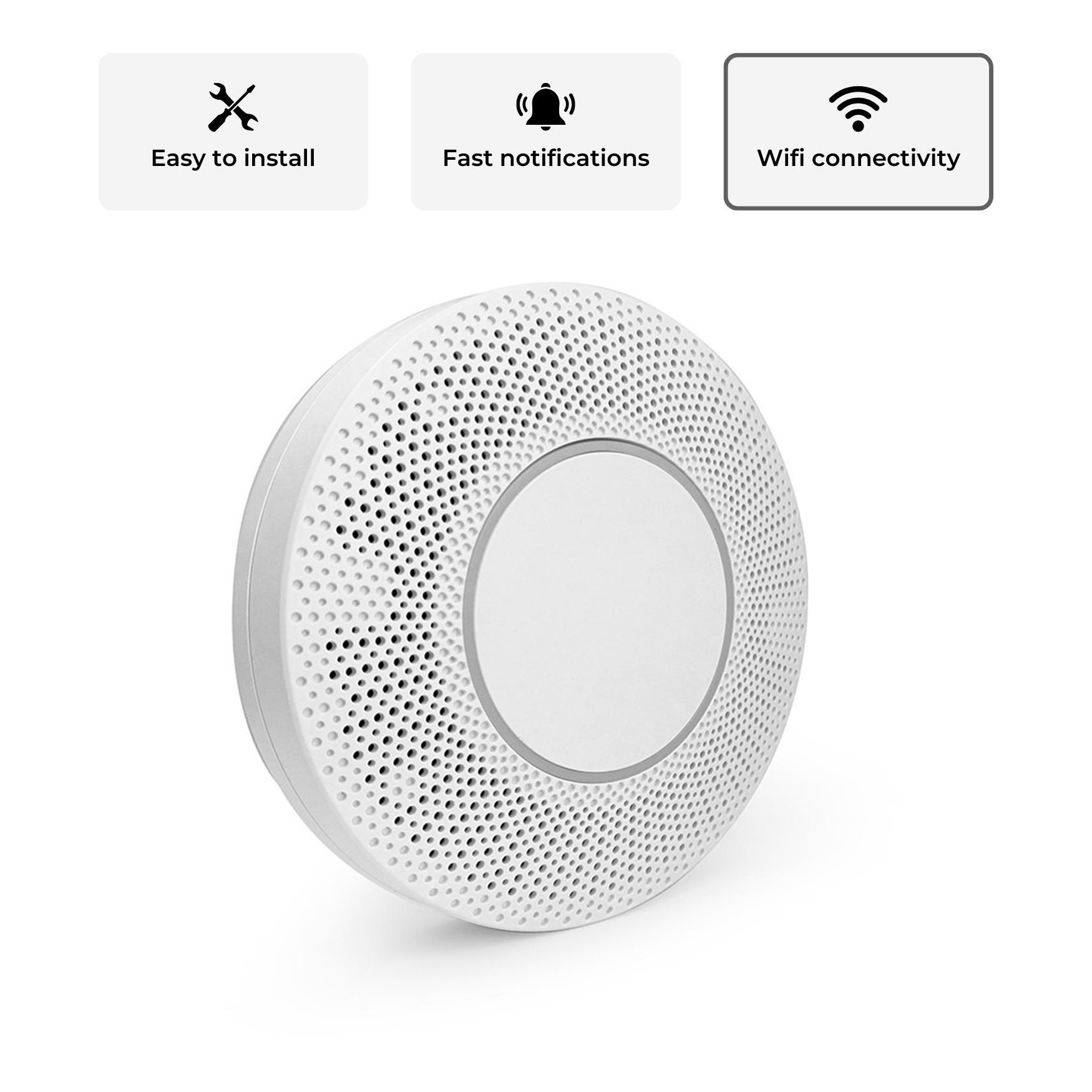
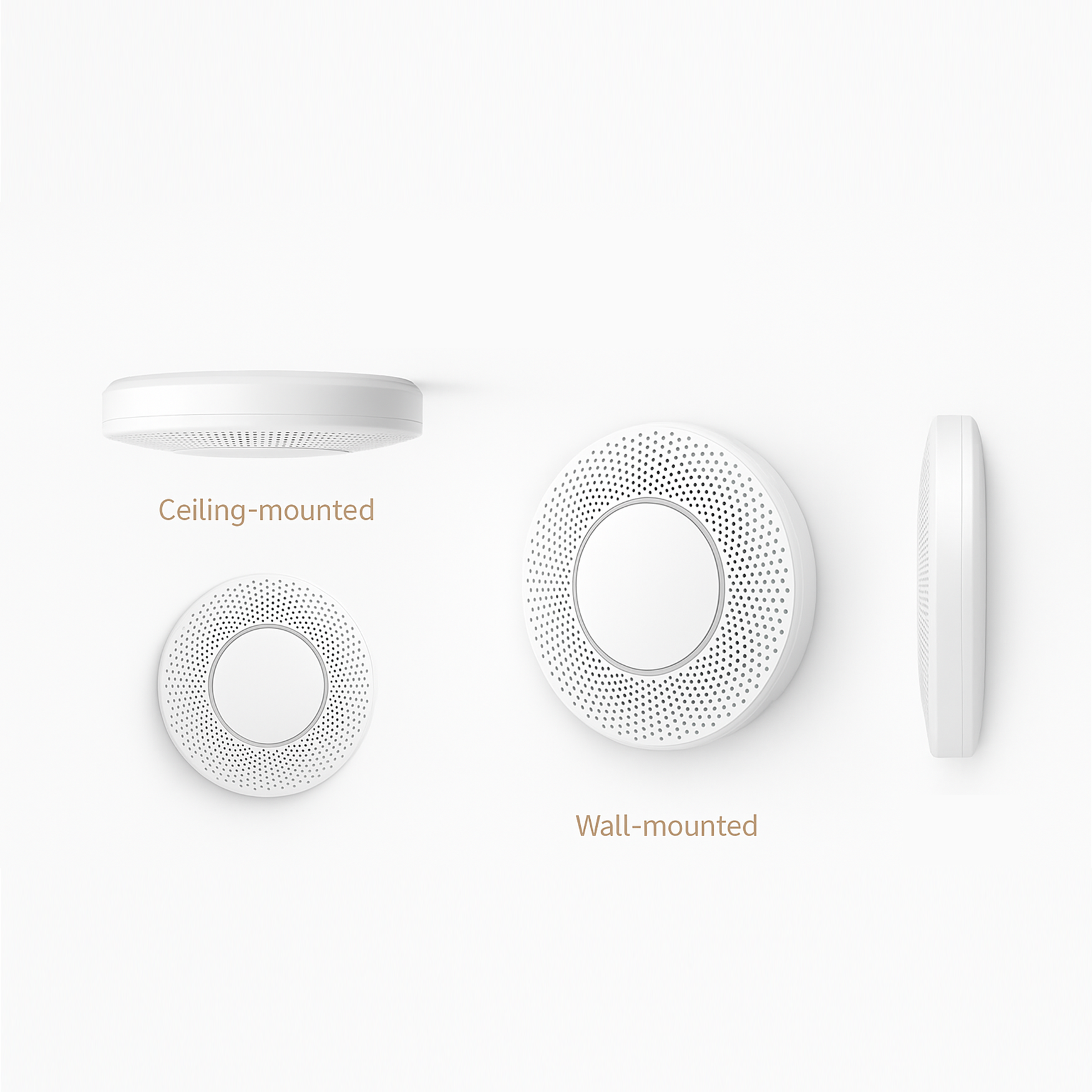
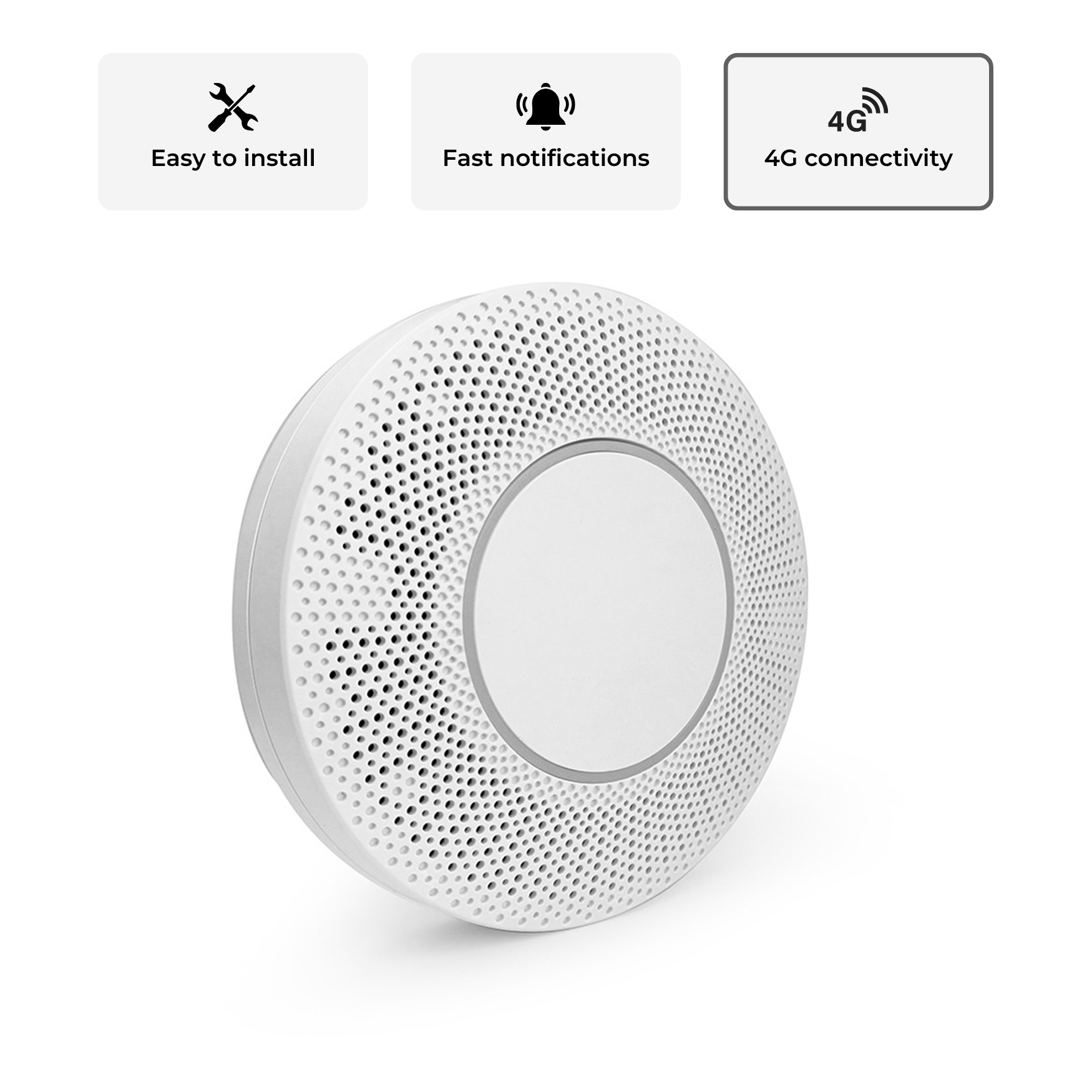
The Vape Detection System provides schools and businesses with comprehensive monitoring capabilities that extend beyond simple vaping detection. By incorporating drug detection and anti-social behaviour monitoring, these advanced sensors address multiple safety concerns through a single integrated platform.

Technical Specifications and Performance Metrics
Understanding the technical capabilities of vape detector systems helps organisations make informed procurement decisions. Detection sensitivity, response time, and integration capabilities all influence overall effectiveness. Modern systems typically detect vaping events within seconds of occurrence, enabling rapid intervention that minimises exposure and reinforces policy enforcement.
Key Performance Indicators:
- Detection accuracy rates exceeding 95%
- Alert generation within 5-10 seconds of detection
- False positive rates below 2%
- Coverage area of 100-150 square metres per sensor
- Battery backup for continuous operation during power outages
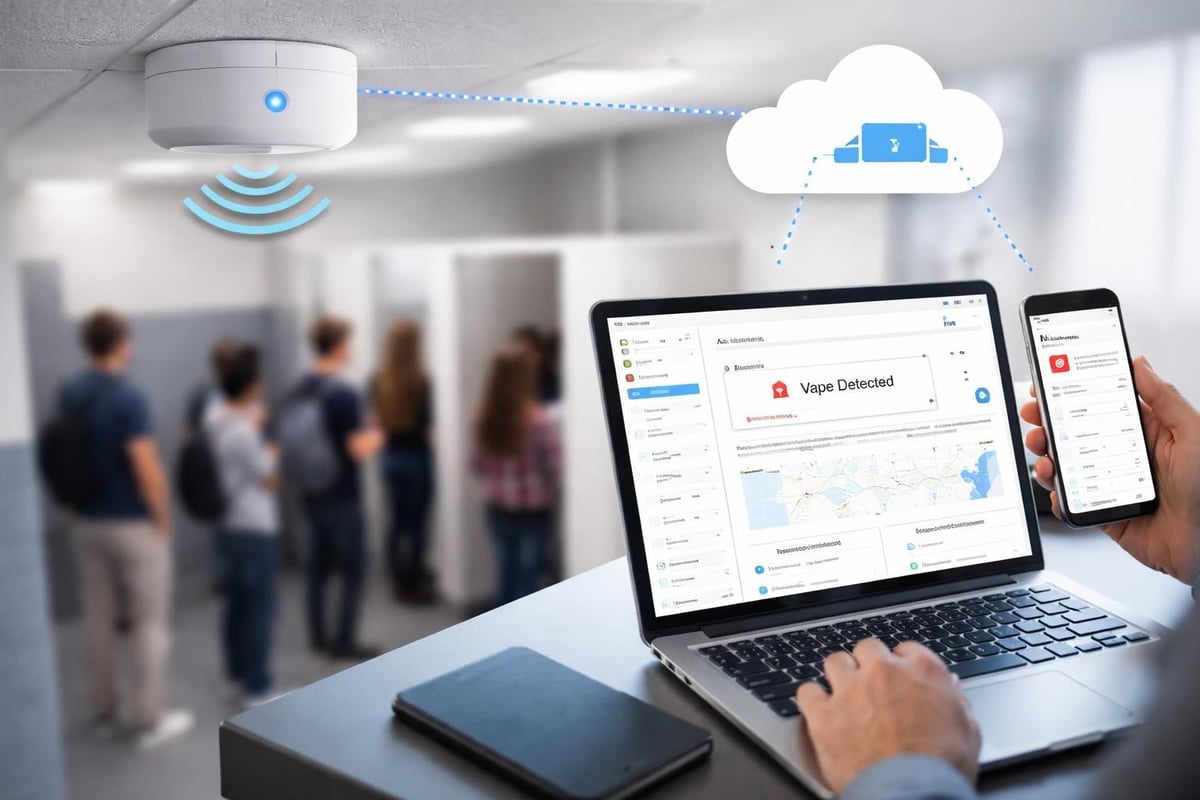
Connectivity options have expanded significantly, with most contemporary systems offering both wired and wireless installation choices. Cloud-based management platforms provide centralised oversight across multiple locations, generating reports that identify trends and inform prevention strategies. Mobile applications enable real-time alerts to designated personnel, ensuring prompt responses regardless of physical location.
Data Analytics and Reporting
The intelligence gathered by vape detector installations extends far beyond simple incident alerts. Comprehensive analytics platforms track patterns over time, identifying peak usage periods, high-risk locations, and the effectiveness of intervention strategies. This data-driven approach enables continuous improvement in prevention programmes and resource allocation.
| Metric Category | Data Points Tracked | Strategic Value |
|---|---|---|
| Incident Frequency | Daily/weekly detection counts | Trend identification |
| Location Analysis | Hotspot mapping | Targeted intervention |
| Temporal Patterns | Peak usage times | Supervision scheduling |
| Response Effectiveness | Incident-to-resolution time | Process optimisation |
Historical data proves invaluable when justifying budget allocations for prevention programmes or demonstrating compliance with regulatory requirements. Schools can evidence their duty of care obligations whilst businesses demonstrate commitment to health and safety standards. The transparency provided by objective monitoring data also supports fair disciplinary processes that withstand scrutiny.
Health and Safety Considerations
Beyond policy enforcement, vape detector technology plays a crucial role in protecting indoor air quality. Secondhand exposure to e-cigarette aerosols presents documented health risks, particularly for individuals with respiratory conditions. Monitoring systems help maintain safe environments by enabling rapid intervention when air quality deteriorates.
The composition of vaping aerosols varies significantly depending on the substances involved. Nicotine-based products create different chemical signatures compared to THC-containing devices, whilst synthetic substances pose additional detection challenges. Advanced sensors capable of distinguishing between various aerosol types provide more nuanced information that supports appropriate responses.
Supporting Wellbeing Initiatives
Detection technology complements broader wellbeing strategies rather than serving as a standalone solution. Schools implementing comprehensive anti-vaping programmes combine monitoring with education, support services, and positive behaviour reinforcement. The most effective approaches address underlying motivations whilst providing clear consequences for policy violations.
Integrated Wellbeing Components:
- Evidence-based education programmes
- Confidential support services for those seeking to quit
- Clear, consistently enforced policies
- Objective monitoring and detection
- Parental engagement initiatives
Workplace implementations similarly benefit from combining detection technology with employee assistance programmes and health promotion initiatives. Creating environments where vaping prevention aligns with broader wellness goals increases acceptance and effectiveness.
Cost Considerations and Return on Investment
Financial planning for vape detector implementation requires understanding both initial capital expenditure and ongoing operational costs. Hardware prices vary based on sensor sophistication, coverage requirements, and integration complexity. Installation costs depend on building characteristics and whether wireless or wired solutions prove more appropriate.
Subscription fees for cloud management platforms, software updates, and technical support represent recurring expenses that organisations must budget accordingly. However, these costs should be evaluated against the potential savings from reduced health incidents, improved air quality, and avoided regulatory penalties.
Investment Breakdown
The total cost of ownership encompasses multiple elements that extend throughout the system lifecycle. Forward-thinking organisations account for scalability requirements, recognising that initial deployments often expand as stakeholders recognise value. Volume discounts and multi-year agreements can reduce per-unit costs significantly.
| Cost Category | Typical Range | Frequency |
|---|---|---|
| Sensor Hardware | £300-£800 per unit | One-time |
| Installation Labour | £100-£250 per sensor | One-time |
| Management Platform | £50-£150 per sensor | Annual |
| Maintenance & Support | £75-£200 per sensor | Annual |
Return on investment calculations should incorporate both quantifiable savings and intangible benefits. Reduced staff time addressing vaping incidents, improved student attendance due to healthier environments, and enhanced institutional reputation all contribute value that extends beyond simple cost recovery. Many organisations find that detection systems pay for themselves within two to three years through operational efficiencies alone.

Regulatory Compliance and Legal Frameworks
The legal landscape surrounding vaping continues to evolve, with new UK regulations shaping institutional responsibilities. Schools must balance their duty of care obligations with privacy considerations and proportionate intervention approaches. Vape detector technology supports compliance by providing objective evidence whilst respecting individual rights.
Data protection regulations require careful handling of information generated by monitoring systems. Organisations must establish clear retention policies, access controls, and usage limitations that align with GDPR requirements. Transparency about monitoring practices and their purpose helps maintain trust whilst meeting legal obligations.
Privacy and Ethical Implementation
Ethical deployment of detection technology requires ongoing dialogue with stakeholders about acceptable use boundaries. Whilst a vape detector provides valuable safety information, organisations must resist temptation to expand monitoring beyond stated purposes. Clear policies that limit data access to designated personnel and specify retention periods demonstrate commitment to responsible implementation.
Schools implementing these systems should involve governors, parent groups, and student representatives in policy development. This collaborative approach builds understanding of the technology's limitations and capabilities, reducing concerns about overreach. Published policies should explicitly state that systems detect chemical signatures rather than identifying individuals, with human judgement guiding any subsequent actions.
Future Developments in Detection Technology
Innovation in vape detector technology continues advancing rapidly, with artificial intelligence and machine learning enhancing detection accuracy and reducing false positives. Next-generation systems promise even greater sensitivity to emerging substances whilst maintaining low maintenance requirements. Integration with building automation systems will enable coordinated responses such as enhanced ventilation when vaping is detected.
Predictive analytics represent an exciting frontier, with systems potentially identifying patterns that indicate elevated risk before incidents occur. By analysing historical data alongside environmental factors, future platforms may suggest optimal intervention timing and resource deployment. These capabilities will transform vape detection from reactive monitoring into proactive prevention.
Emerging Capabilities:
- Enhanced substance differentiation for specific compounds
- Predictive risk modelling based on historical patterns
- Integration with access control and security systems
- Automated ventilation adjustments upon detection
- Smartphone-based configuration and management
The evolution toward comprehensive environmental monitoring platforms reflects broader trends in building management. Rather than standalone vape detection, integrated systems will monitor multiple air quality parameters, occupancy patterns, and environmental conditions. This holistic approach provides richer data supporting healthier, more efficient facilities.
Maintenance and Operational Management
Sustaining detection system effectiveness requires regular maintenance protocols that ensure sensors remain calibrated and functional. Dust accumulation, sensor degradation, and software updates all demand attention to maintain optimal performance. Establishing clear maintenance schedules prevents system failures that undermine confidence in the technology.
Most modern vape detector systems include self-diagnostic capabilities that alert administrators to potential issues before complete failures occur. Proactive replacement of sensors approaching end-of-life prevents coverage gaps whilst optimising budget allocation. Cloud-based management platforms simplify firmware updates, often deploying improvements automatically without requiring on-site technical visits.
Operational Best Practices
- Monthly visual inspections to verify physical integrity and check for tampering
- Quarterly calibration checks using manufacturer-specified procedures
- Semi-annual sensor cleaning to remove accumulated particulates
- Annual professional servicing including comprehensive system testing
- Continuous monitoring of alert patterns to identify potential malfunctions
Staff training ensures those responsible for system management understand both technical operations and appropriate response protocols. Regular refresher sessions keep personnel updated on software enhancements and evolving best practices. Documentation of maintenance activities supports compliance audits and helps identify recurring issues requiring attention.
Measuring Success and Continuous Improvement
Establishing clear success metrics enables organisations to evaluate detection system effectiveness objectively. Incident frequency trends, response times, and stakeholder satisfaction all provide insights into programme performance. Regular review of these metrics informs adjustments that enhance outcomes and demonstrate accountability.
Comparative analysis across different locations or time periods reveals patterns that might otherwise remain hidden. Schools might discover that certain days or times correlate with increased vaping activity, enabling targeted supervision adjustments. Businesses may identify departments or areas requiring additional support or policy reinforcement.
Success Indicators:
- Declining incident frequency over time
- Improved air quality measurements
- Reduced policy violations
- Positive stakeholder feedback
- Demonstrated ROI through cost savings
Sharing aggregated, anonymised data with stakeholders builds transparency and maintains support for monitoring programmes. Annual reports demonstrating impact help justify continued investment whilst celebrating progress toward healthier environments. This evidence-based approach transforms vape detection from a simple enforcement tool into a cornerstone of comprehensive wellbeing strategies.
Vape detector technology has matured into an essential component of modern facility management strategies, providing objective monitoring that supports healthier environments across educational institutions and workplaces. By combining advanced sensor capabilities with thoughtful implementation policies, organisations create safer spaces whilst respecting privacy and promoting positive behaviour change. Whether addressing immediate compliance needs or pursuing long-term air quality improvements, these systems deliver measurable value that extends well beyond simple incident detection. Vape Guardian specialises in providing comprehensive vaping detection solutions tailored to the unique requirements of UK schools, offices, and leisure facilities, combining cutting-edge sensor technology with responsive customer support to help organisations create and maintain vape-free environments.




Share:
Vape Sensor Technology: Detection Systems for 2026
Bathroom Vape Detector: Complete Guide for 2026