
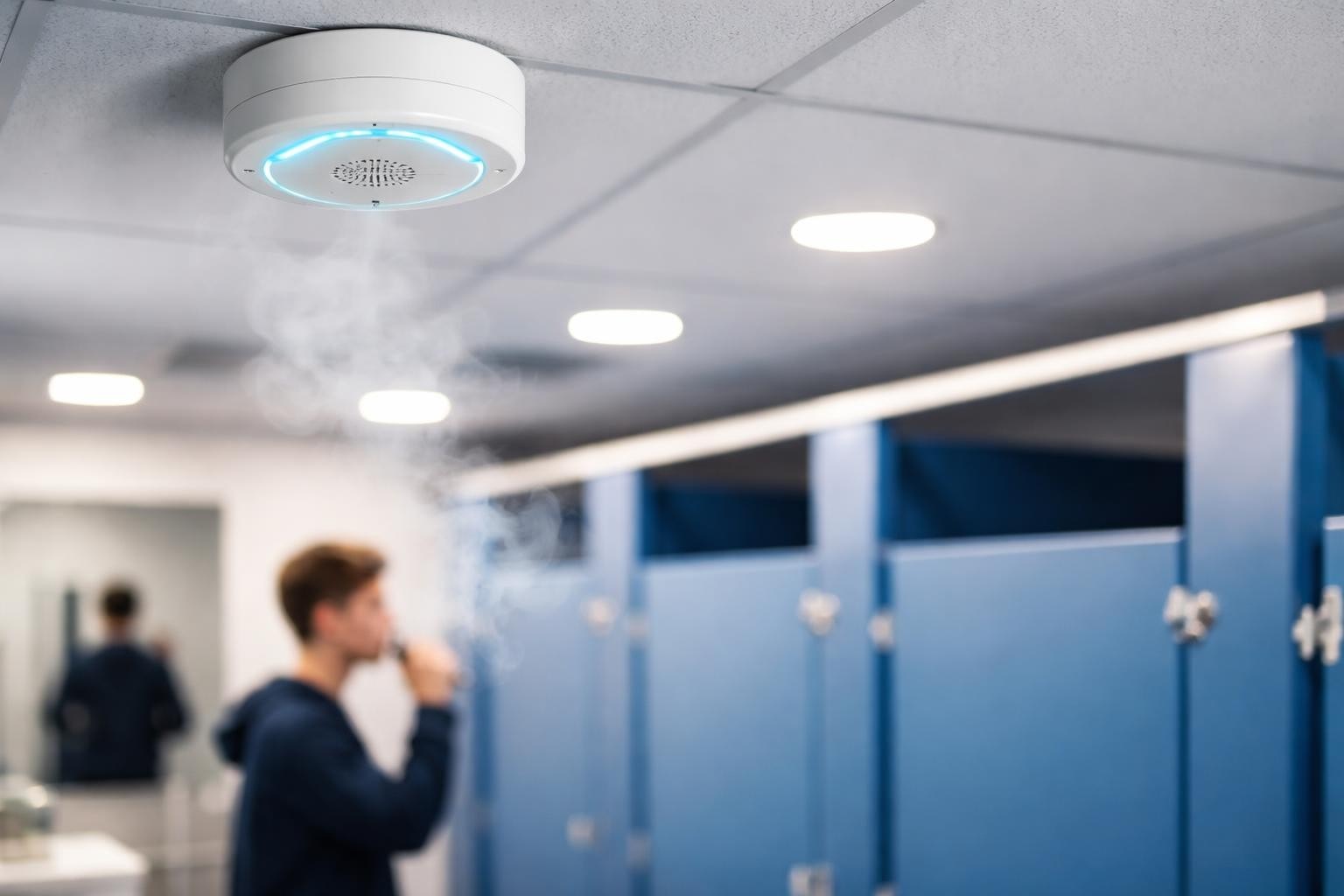
The rise of vaping in educational institutions, workplaces, and public facilities has created a pressing need for effective monitoring solutions. Bathrooms remain the most common location for unauthorised vaping, making them a critical focus point for detection technology. A bathroom vape detector offers a discreet yet powerful method to identify vaping incidents, alert administrators, and maintain healthier indoor environments. As we navigate 2026, these devices have evolved significantly, incorporating advanced sensor technology, machine learning algorithms, and seamless integration capabilities that make them indispensable tools for facility managers and educational leaders.
Understanding Bathroom Vape Detection Technology
Modern bathroom vape detectors represent a sophisticated approach to environmental monitoring that extends far beyond simple smoke detection. These devices utilise multiple sensor arrays to identify the chemical signatures associated with vaping products, including nicotine vapour, THC, and other substances commonly found in e-cigarettes.
How Detection Systems Work
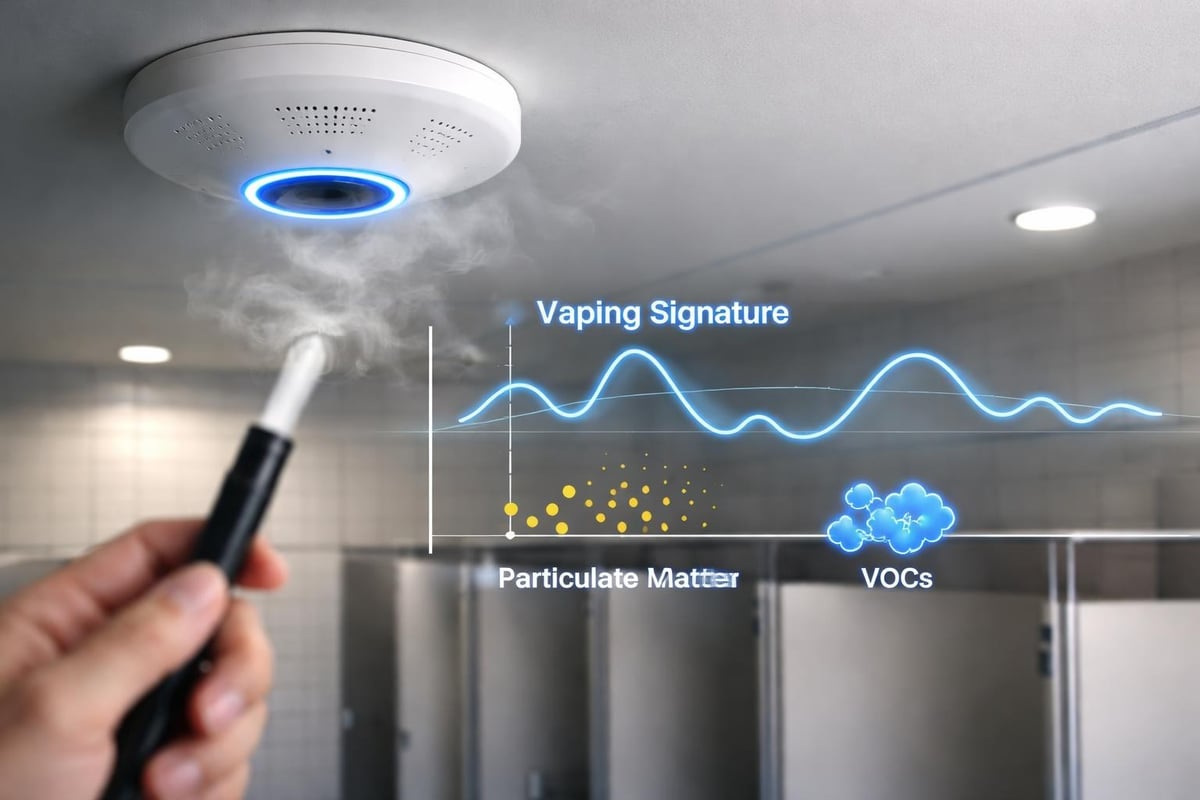
The core functionality of a bathroom vape detector relies on particulate matter sensors and volatile organic compound (VOC) detection. When someone uses a vaping device, they release a distinct combination of particles and chemicals into the air. High-precision sensors analyse air composition in real time, comparing readings against baseline environmental data to identify anomalies that indicate vaping activity.
Unlike traditional smoke detectors that respond to combustion products, bathroom vape detectors specifically target the aerosol patterns created by electronic cigarettes. This specificity reduces false alarms whilst maintaining high sensitivity to genuine vaping incidents. The technology has improved dramatically, with contemporary systems achieving detection accuracy rates exceeding 95% in controlled environments.
Multiple Detection Capabilities
Modern bathroom vape detectors function as comprehensive environmental monitoring stations. Beyond vaping detection, these systems typically include:
- Sound anomaly detection for identifying concerning activities
- Temperature and humidity monitoring for facility management
- Air quality assessment tracking overall environmental health
- Tamper detection preventing device interference
- Occupancy sensing for usage pattern analysis
This multi-functional approach provides administrators with valuable data beyond vaping incidents. Schools implementing vape detectors in bathrooms have reported improved overall facility security, as the devices can alert staff to various safety concerns beyond just vaping.
Benefits for Educational Institutions
Educational settings have become primary deployment environments for bathroom vape detectors, driven by the alarming increase in student vaping rates. Research indicates that nearly one in five secondary school students in the UK has experimented with vaping, with bathrooms serving as the preferred location for concealed use.
Creating Accountable Environments
The presence of a bathroom vape detector creates a powerful deterrent effect. Students aware that their activities are monitored tend to modify behaviour, even without direct intervention. This psychological impact complements educational programmes focused on the health risks associated with vaping.
Schools implementing these systems report significant reductions in vaping incidents within the first academic term. The best vape detection for schools combines hardware reliability with software that enables proportionate responses, balancing enforcement with education.
| Benefit Category | Impact | Timeframe |
|---|---|---|
| Incident Reduction | 40-60% decrease | 3-6 months |
| Staff Time Savings | 8-12 hours weekly | Immediate |
| Student Wellbeing | Improved air quality | Ongoing |
| Compliance Support | Enhanced reporting | Immediate |
Supporting Pastoral Care
Beyond enforcement, bathroom vape detectors provide valuable intelligence for pastoral care teams. Detection patterns can reveal students requiring additional support, enabling early intervention before vaping becomes habitual. This proactive approach aligns with safeguarding responsibilities, helping schools fulfil their duty of care more effectively.
Data from detection systems can inform targeted education programmes, identifying high-risk periods and locations that require additional resources. This evidence-based approach ensures intervention strategies address actual behaviour patterns rather than assumptions.
Workplace Implementation Considerations
Whilst schools represent the primary market, workplace adoption of bathroom vape detectors continues to expand. Employers seeking to maintain smoke-free environments face similar challenges to educational institutions, particularly in sectors where bathroom access cannot be continuously supervised.
Legal and Policy Framework
Implementing a bathroom vape detector in workplace settings requires careful consideration of employment law and privacy regulations. UK employers must balance their legitimate interest in maintaining healthy, compliant workplaces against employee privacy expectations.
Key policy elements include:
- Clear communication about monitoring systems before installation
- Transparent data handling procedures and retention policies
- Proportionate responses to detected incidents
- Regular review of system necessity and effectiveness
- Employee consultation where appropriate
The privacy concerns surrounding bathroom monitoring extend to workplace environments. Responsible implementation involves choosing devices that detect vaping without recording audio or video, respecting dignity whilst maintaining necessary oversight.
Industry-Specific Applications
Different workplace sectors have unique requirements for bathroom vape detection. Healthcare facilities, for example, must maintain extremely high air quality standards, making vaping detection critical for infection control and patient safety. Manufacturing environments with strict safety protocols benefit from comprehensive monitoring that includes vaping detection alongside other environmental hazards.
Leisure and retail spaces face particular challenges, as these environments serve public visitors alongside employees. A bathroom vape detector helps maintain compliance with indoor air quality regulations whilst supporting brand standards that promise healthy, welcoming environments.

Installation and Integration Best Practices
Effective deployment of a bathroom vape detector extends beyond simply mounting devices on walls. Strategic planning ensures optimal coverage, minimises false positives, and integrates seamlessly with existing facility management systems.
Optimal Placement Strategies
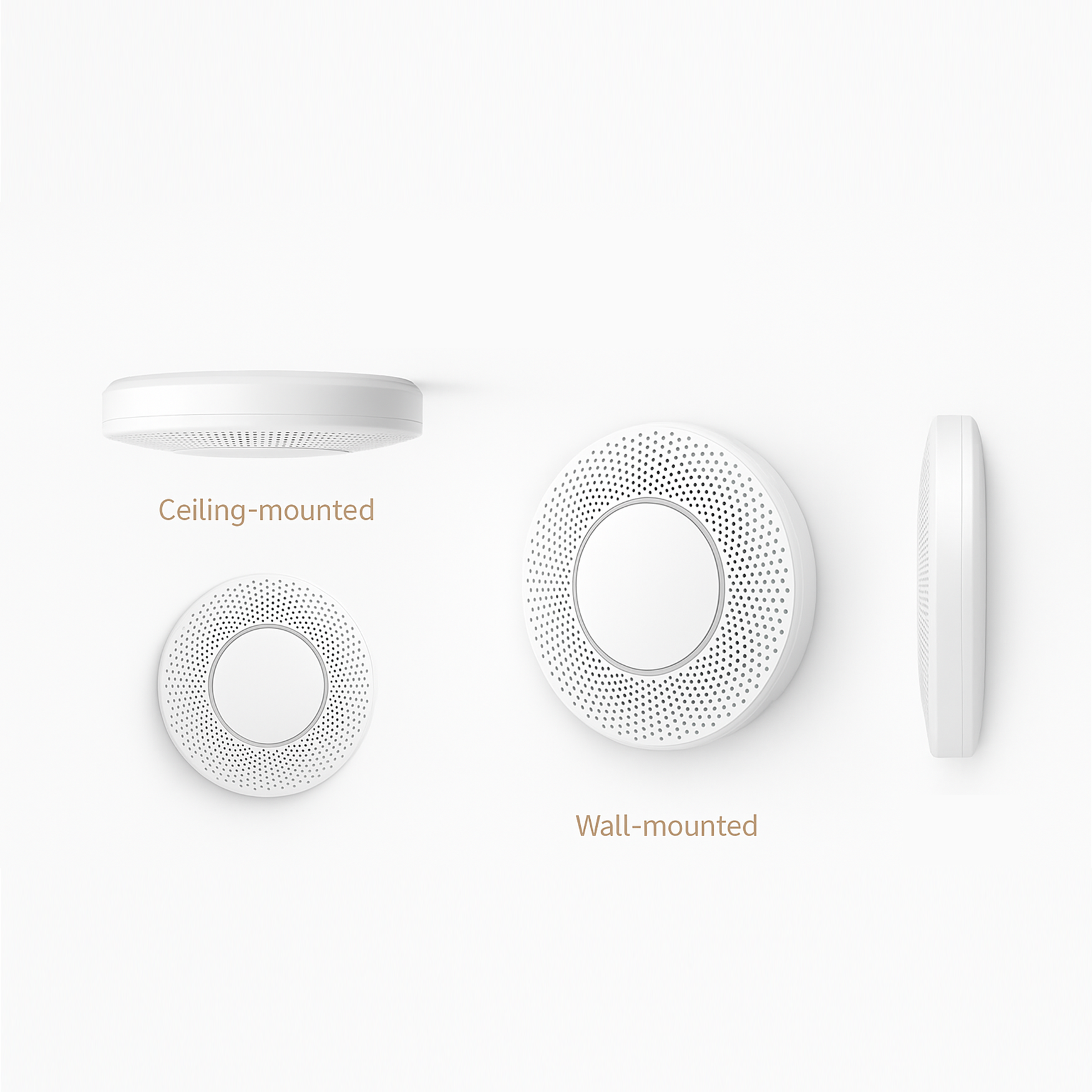
Ceiling-mounted installations typically provide superior coverage compared to wall-mounted alternatives. Air circulation patterns in bathrooms naturally draw vapour upwards, where sensors can detect it most effectively. However, placement must account for HVAC vents, lighting fixtures, and accessibility for maintenance.
Recommended placement guidelines:
- Position sensors away from direct ventilation airflow
- Ensure adequate coverage for all cubicle areas
- Maintain sensor height between 2.4 and 3 metres
- Avoid locations prone to excessive moisture or temperature fluctuations
- Plan for easy access during routine maintenance
The comprehensive guide to developing effective vape detection solutions emphasises the importance of environmental mapping before installation. Understanding airflow patterns, usage patterns, and existing infrastructure prevents costly repositioning after initial deployment.
System Integration Capabilities
Modern bathroom vape detectors excel when integrated into broader facility management ecosystems. Connection to building management systems enables coordinated responses, such as increasing ventilation when vaping is detected or logging incidents alongside other security events.
The Vape Detection System combines hardware sensors with cloud-based software that enables real-time alerts via multiple channels. Administrators receive immediate notifications through mobile apps, email, or SMS, ensuring prompt responses regardless of their location within the facility.

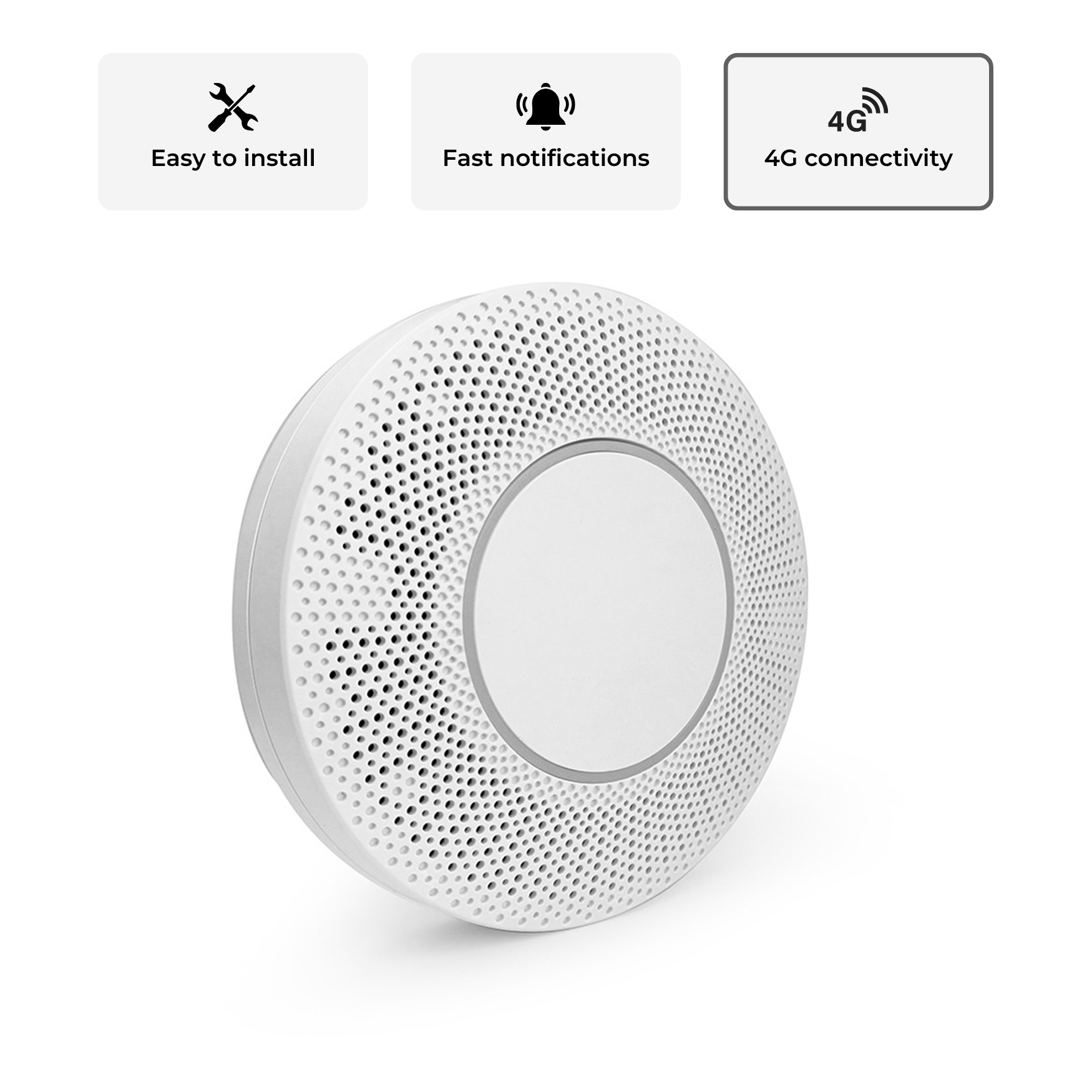
Network connectivity options have expanded significantly, with contemporary devices supporting Wi-Fi, Ethernet, and cellular connections. This flexibility ensures reliable operation even in facilities with challenging network infrastructure or areas where traditional connectivity proves problematic.
Alert Management and Response Protocols
The value of a bathroom vape detector depends heavily on how organisations respond to alerts. Technology provides the detection capability, but human systems determine whether that capability translates into meaningful behaviour change and improved environments.
Tiered Response Systems
Effective alert management employs graduated responses calibrated to incident severity and context. First-time detections might trigger educational interventions, whilst repeated incidents escalate to more formal consequences. This approach balances accountability with opportunities for behaviour modification.
| Alert Level | Response Action | Personnel Notified | Timeframe |
|---|---|---|---|
| Initial Detection | Discreet check | Designated staff | 2-5 minutes |
| Confirmed Incident | Direct intervention | Pastoral lead | Immediate |
| Repeat Offender | Formal process | Senior management | Within hour |
| Pattern Concern | Review meeting | Leadership team | Next working day |
Schools that have implemented bathroom vape detectors for over a year report that response protocols significantly influence effectiveness. Inconsistent or delayed responses diminish deterrent effects, whilst prompt, proportionate interventions reinforce the monitoring system's credibility.
Data Privacy and Retention
Alert systems generate substantial data about facility usage patterns, detection incidents, and environmental conditions. Responsible management of this information requires clear policies addressing retention periods, access controls, and purposes for data use.
UK data protection regulations mandate that organisations process personal data lawfully, fairly, and transparently. When a bathroom vape detector identifies an incident, any subsequent investigation must respect privacy rights whilst pursuing legitimate institutional interests. Best practice for handling vaping alerts emphasises documentation, consistency, and alignment with existing disciplinary frameworks.
Technical Specifications and Performance Metrics
Understanding the technical capabilities of bathroom vape detectors enables informed procurement decisions and realistic performance expectations. Devices vary significantly in sensitivity, false positive rates, and operational requirements.
Sensor Technology Comparison
Contemporary bathroom vape detectors employ various sensor technologies, each with distinct advantages. Laser-based particulate sensors offer exceptional sensitivity but require regular calibration and cleaning. Electrochemical sensors provide robust VOC detection with lower maintenance requirements but may have slower response times.
Critical specifications to evaluate:
- Detection sensitivity threshold (typically 0.3 to 2.5 microns)
- Response time from exposure to alert (ideally under 10 seconds)
- False positive rate in controlled testing (target below 2%)
- Operating temperature and humidity ranges
- Power consumption and battery backup duration
The real-time alert capabilities distinguish professional-grade systems from basic monitoring devices. Immediate notification enables timely intervention, the critical factor in converting detection into behaviour change.
Maintenance and Reliability
Like all environmental monitoring equipment, bathroom vape detectors require regular maintenance to sustain performance. Dust accumulation, sensor drift, and software updates all influence long-term reliability. Manufacturers typically recommend quarterly inspections and annual recalibration.
Predictive maintenance features in advanced systems monitor sensor health, alerting administrators before performance degradation affects detection capability. This proactive approach minimises downtime and ensures consistent protection across the facility.
Cost Analysis and Return on Investment
Financial considerations significantly influence adoption decisions for bathroom vape detectors. Initial hardware costs represent only one element of total ownership expenses, which include installation, network infrastructure, software subscriptions, and ongoing maintenance.
Total Cost Components
A comprehensive budget for bathroom vape detector implementation encompasses:
- Hardware acquisition (per unit costs ranging from £300 to £800)
- Installation labour (typically 2-4 hours per device)
- Network infrastructure (Wi-Fi access points or cellular connectivity)
- Software licensing (annual subscriptions for alert management)
- Training expenses (staff education on system use and response protocols)
- Maintenance reserves (annual servicing and consumable replacement)
Schools often leverage funding from settlements with e-cigarette manufacturers to offset implementation costs. These settlement funds specifically target harm reduction initiatives, making bathroom vape detectors eligible expenditures in many jurisdictions.
Quantifying Benefits
Return on investment calculations should account for both direct cost savings and indirect benefits. Reduced staff time spent on bathroom monitoring represents quantifiable savings, typically 8-12 hours weekly in secondary schools. Improved air quality may correlate with reduced absence rates, though establishing causation requires longitudinal data.
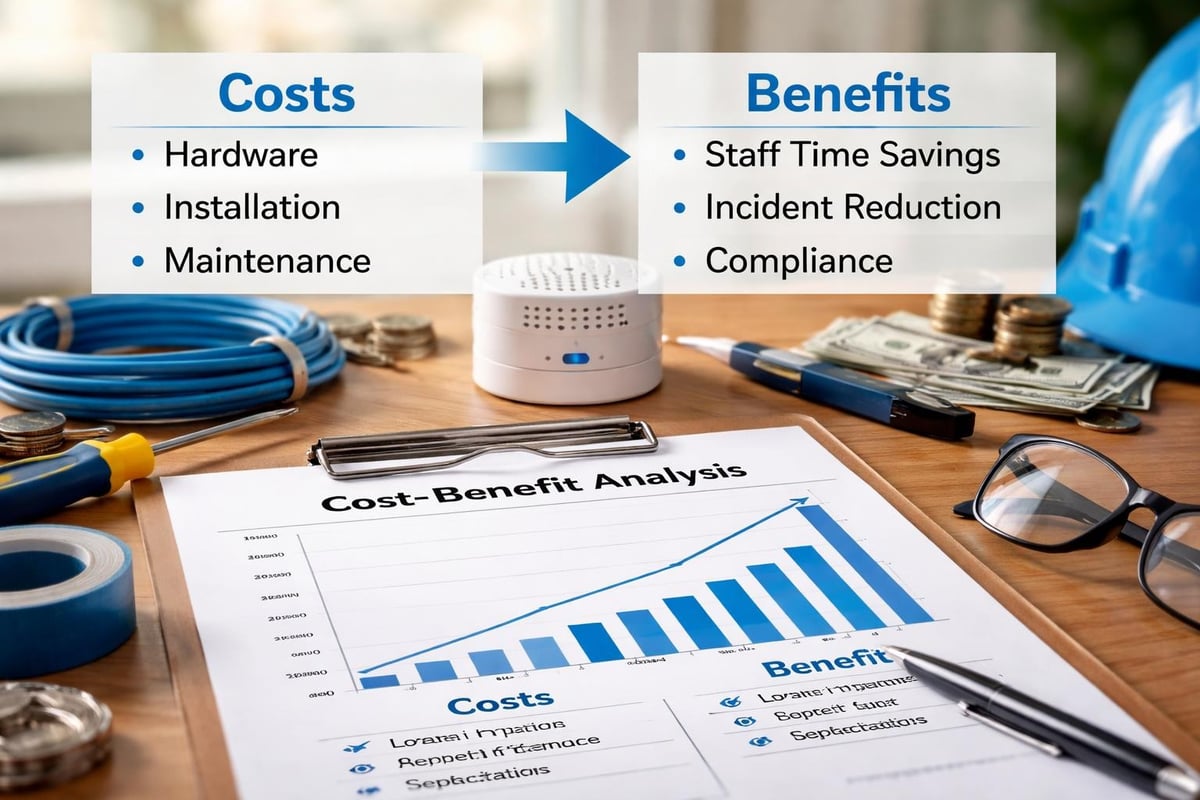
The impact on student behaviour provides substantial non-financial value. Creating environments where students make healthier choices supports broader educational outcomes, even when those benefits resist precise monetary quantification.
Future Developments in Detection Technology
The bathroom vape detector market continues evolving rapidly, with manufacturers developing increasingly sophisticated capabilities. Emerging trends suggest several directions for technological advancement over the coming years.
Artificial Intelligence Integration
Machine learning algorithms increasingly enhance detection accuracy by learning the unique environmental signatures of specific facilities. These systems distinguish between vaping and legitimate activities that might trigger simpler sensors, such as aerosol deodorants or cleaning products.
AI-enhanced systems analyse historical data to predict high-risk periods and locations, enabling proactive resource allocation. This predictive capability transforms bathroom vape detectors from reactive monitoring tools into strategic assets for behaviour management.
Expanded Substance Detection
Next-generation sensors will identify broader substance categories, including specific drug compounds and concerning chemicals. This expansion supports comprehensive safety monitoring whilst maintaining the discrete, non-intrusive approach that distinguishes bathroom vape detectors from traditional security cameras.
Improved air quality monitoring capabilities will enable bathroom vape detectors to serve dual purposes: safety monitoring and environmental health tracking. This versatility increases system value, particularly for organisations with multiple monitoring objectives.
Addressing Privacy and Ethical Considerations
The installation of monitoring technology in bathrooms inevitably raises privacy questions that organisations must address transparently and comprehensively. Responsible deployment of a bathroom vape detector requires balancing legitimate safety interests against individual privacy expectations.
Privacy-Preserving Design
Modern bathroom vape detectors specifically avoid audio recording and visual surveillance capabilities, addressing the most significant privacy concerns. These devices detect environmental changes rather than monitoring individuals directly, an important distinction that supports ethical deployment.
Transparency about monitoring systems builds trust and acceptance. Signage informing users about bathroom vape detector presence demonstrates respect for privacy whilst maintaining deterrent effects. Advance notice allows individuals to adjust behaviour voluntarily, the preferred outcome for most organisations.
Stakeholder Engagement
Successful implementation involves consultation with affected communities. Schools benefit from discussing bathroom vape detectors with parents, students, and staff before installation. This dialogue identifies concerns, clarifies system capabilities, and builds consensus around deployment.
The student perspective on vape detection reveals that many young people support monitoring systems when implemented fairly and explained clearly. Transparent communication about system purposes, capabilities, and limitations fosters acceptance rather than resistance.
Regulatory Compliance and Standards
Operating a bathroom vape detector intersects with various regulatory frameworks governing workplace safety, indoor air quality, and data protection. Compliance with relevant standards protects organisations whilst ensuring systems deliver intended benefits.
UK Regulatory Environment
British standards for indoor air quality, whilst not mandating vape detection specifically, establish general principles for maintaining healthy environments. The Health and Safety at Work Act places duties on employers and educational institutions to protect occupants from reasonably foreseeable risks, potentially including second-hand vapour exposure.
Data protection regulations govern how organisations collect, store, and use information from bathroom vape detectors. GDPR compliance requires clear legal bases for processing, appropriate security measures, and respect for individual rights including access and erasure where applicable.
Industry-Specific Requirements
Certain sectors face additional regulatory scrutiny regarding indoor air quality and facility monitoring. Healthcare environments must comply with infection control standards that may influence bathroom vape detector specifications and placement. Aviation facilities operating under strict safety protocols require certified equipment meeting industry-specific standards.
Educational institutions must align bathroom vape detector deployment with safeguarding obligations and behaviour management policies. Systems supporting child protection and wellbeing objectives receive greater stakeholder acceptance than purely disciplinary approaches.
Case Studies and Implementation Outcomes
Real-world deployments of bathroom vape detectors provide valuable insights into effectiveness, challenges, and best practices. Examining diverse implementation experiences helps organisations anticipate issues and optimise their approaches.
Secondary School Implementation
A large secondary school in Greater Manchester installed bathroom vape detectors across 12 facilities in September 2025. Within three months, detected vaping incidents decreased by 47%, whilst staff reported spending significantly less time on bathroom monitoring duties.
The school's approach combined technology deployment with enhanced education about vaping risks. Students caught vaping received immediate support from pastoral teams rather than purely punitive responses. This balanced strategy contributed to high acceptance rates and genuine behaviour change rather than simple displacement to other locations.
Multi-Site Corporate Deployment
A national retail chain implemented bathroom vape detectors across 35 locations to support smoke-free workplace policies. The phased rollout enabled refinement of installation procedures and response protocols based on early site experiences.
Key success factors included comprehensive staff training, clear communication about system purposes, and integration with existing health and safety management systems. The organisation reported improved compliance with smoke-free policies and positive feedback from non-vaping employees who appreciated enhanced air quality.
Bathroom vape detectors represent proven technology for addressing vaping in schools, workplaces, and public facilities, combining sophisticated sensor capabilities with practical deployment considerations that respect privacy whilst promoting healthier environments. As organisations navigate growing concerns about vaping and air quality, these systems provide reliable, scalable solutions backed by improving technology and expanding implementation experience. Vape Guardian offers comprehensive vaping detection solutions specifically designed for UK environments, with advanced sensors, real-time alerts, and dedicated support helping schools, offices, and leisure facilities create safer spaces whilst supporting compliance and wellbeing objectives.




Share:
Vape Detector: Technology, Benefits & Implementation
Vaping Alarm: Detection Technology for Safer Spaces