
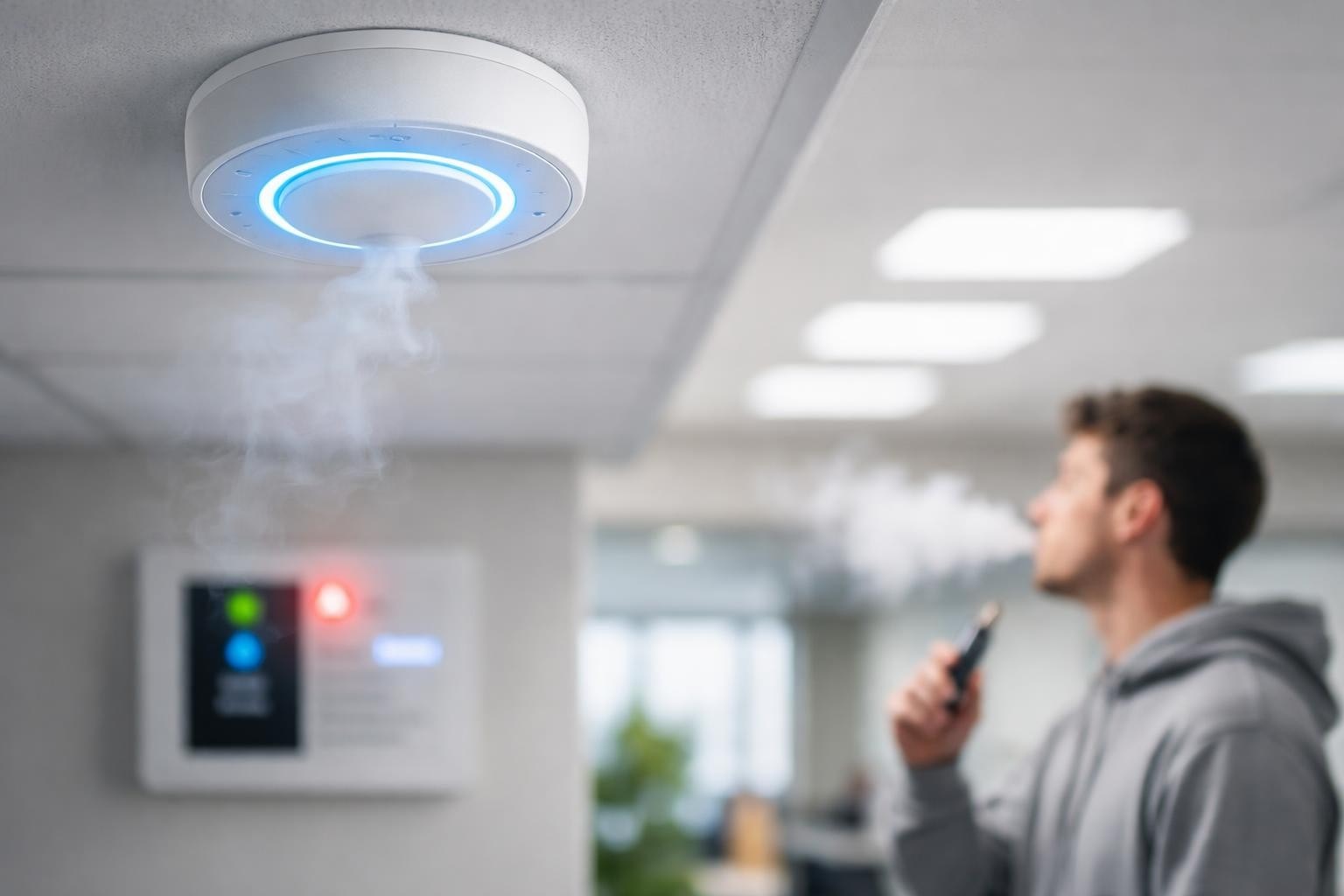
The rise in vaping incidents across the United Kingdom has created an urgent need for effective detection solutions. A vaping alarm serves as a critical tool for schools, workplaces, and public facilities seeking to maintain healthy, compliant environments. These sophisticated systems use advanced sensor technology to identify vaping activity in real time, enabling immediate intervention and supporting broader anti-vaping policies. As regulations tighten and awareness grows around the health implications of vaping, organisations are increasingly turning to technology based detection methods to protect their communities and enforce vape free policies.
Understanding Vaping Alarm Technology
A vaping alarm operates through a combination of air quality sensors, particulate matter detection, and advanced algorithms that differentiate vaping aerosols from other airborne substances. Unlike traditional smoke detectors, these systems are calibrated specifically to identify the chemical signatures present in vape emissions, including nicotine, THC, and various flavouring compounds.
The core technology relies on laser particle counting and air quality analysis. When someone uses a vaping device, they release fine particulates into the air, typically measuring between 0.3 and 2.5 micrometres. Modern vaping alarm systems detect these particles through optical sensors that measure concentration levels and compare them against baseline air quality data.
Key Detection Methods
Most advanced vaping alarm solutions employ multiple detection strategies to minimise false positives whilst maintaining high sensitivity:
- Particulate Matter Sensors: Monitor PM2.5 and PM10 levels to identify aerosol clouds characteristic of vaping
- Chemical Detection: Analyse air composition for specific compounds found in vaping liquids
- Pattern Recognition: Use machine learning algorithms to distinguish vaping events from other activities
- Sound Detection: Some systems incorporate audio sensors to identify the characteristic sounds of vaping devices
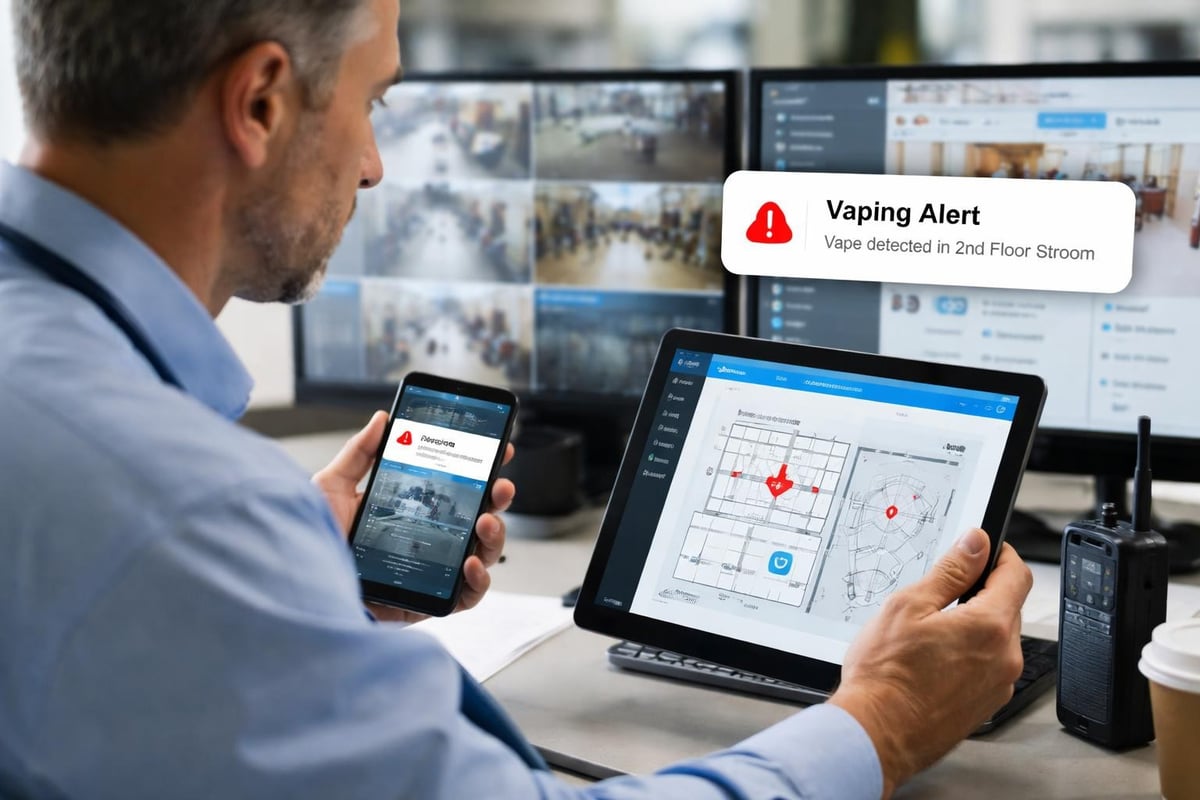
Real time alerts represent a crucial feature of any effective vaping alarm. When the system detects vaping activity, it immediately sends notifications to designated staff members through multiple channels, including mobile applications, email alerts, and integration with existing building management systems. This rapid response capability allows authorities to intervene whilst the incident is still occurring, significantly improving enforcement effectiveness.

Applications Across Different Environments
The versatility of vaping alarm technology makes it suitable for diverse settings, each with unique requirements and challenges. Educational institutions have become primary adopters, driven by increasing concerns about underage vaping in schools and the need to protect student health.
Educational Settings
Schools and universities face particular challenges with vaping detection. Students often use bathrooms, changing rooms, and other private spaces to vape without supervision. A strategically placed vaping alarm system addresses these blind spots by monitoring areas where direct surveillance would be inappropriate.
Installation in school toilets has proven especially effective. The confined space amplifies detection accuracy, whilst the automatic nature of alerts removes the burden from staff who cannot physically monitor these areas. Data gathered from these systems also helps schools identify patterns, such as peak vaping times or frequently used locations, enabling more targeted prevention strategies.
| Environment Type | Primary Installation Locations | Key Benefits |
|---|---|---|
| Schools | Bathrooms, changing rooms, enclosed spaces | Protects students, supports policy enforcement, provides usage data |
| Offices | Toilets, break rooms, stairwells | Maintains professional environment, ensures compliance |
| Leisure Facilities | Changing areas, private rooms, event spaces | Protects customers, reduces liability, supports health standards |
Workplace Implementation
Modern offices increasingly deploy vaping alarm technology to maintain healthy working environments and comply with workplace health regulations. Whilst many organisations have clear anti-vaping policies, enforcement without proper detection systems proves challenging, particularly in larger buildings with numerous private spaces.
The hidden health risks of vaping in office environments extend beyond the person vaping. Secondhand exposure to vaping aerosols can affect colleagues, particularly those with respiratory sensitivities. A vaping alarm provides the evidence and immediate response capability needed to address violations professionally and consistently.
Technical Specifications and Performance Standards
When evaluating vaping alarm systems, understanding technical specifications ensures you select a solution that meets your specific requirements. Detection sensitivity, response time, and integration capabilities all influence overall effectiveness.
Performance Metrics
The best vaping alarm systems demonstrate detection accuracy above 95% whilst maintaining false positive rates below 2%. These figures reflect the balance between sensitivity and reliability that professional environments require. Systems achieving these benchmarks use multi-sensor arrays that cross reference data points before triggering alerts.
Response time matters critically. Leading systems detect vaping activity within 10 to 30 seconds of occurrence, with alerts reaching designated personnel within an additional 5 seconds. This rapid notification window allows for intervention whilst the individual remains in the monitored area.
- Detection range: 3 to 6 metres radius per sensor
- Sensitivity threshold: Adjustable from 10 to 500 micrograms per cubic metre
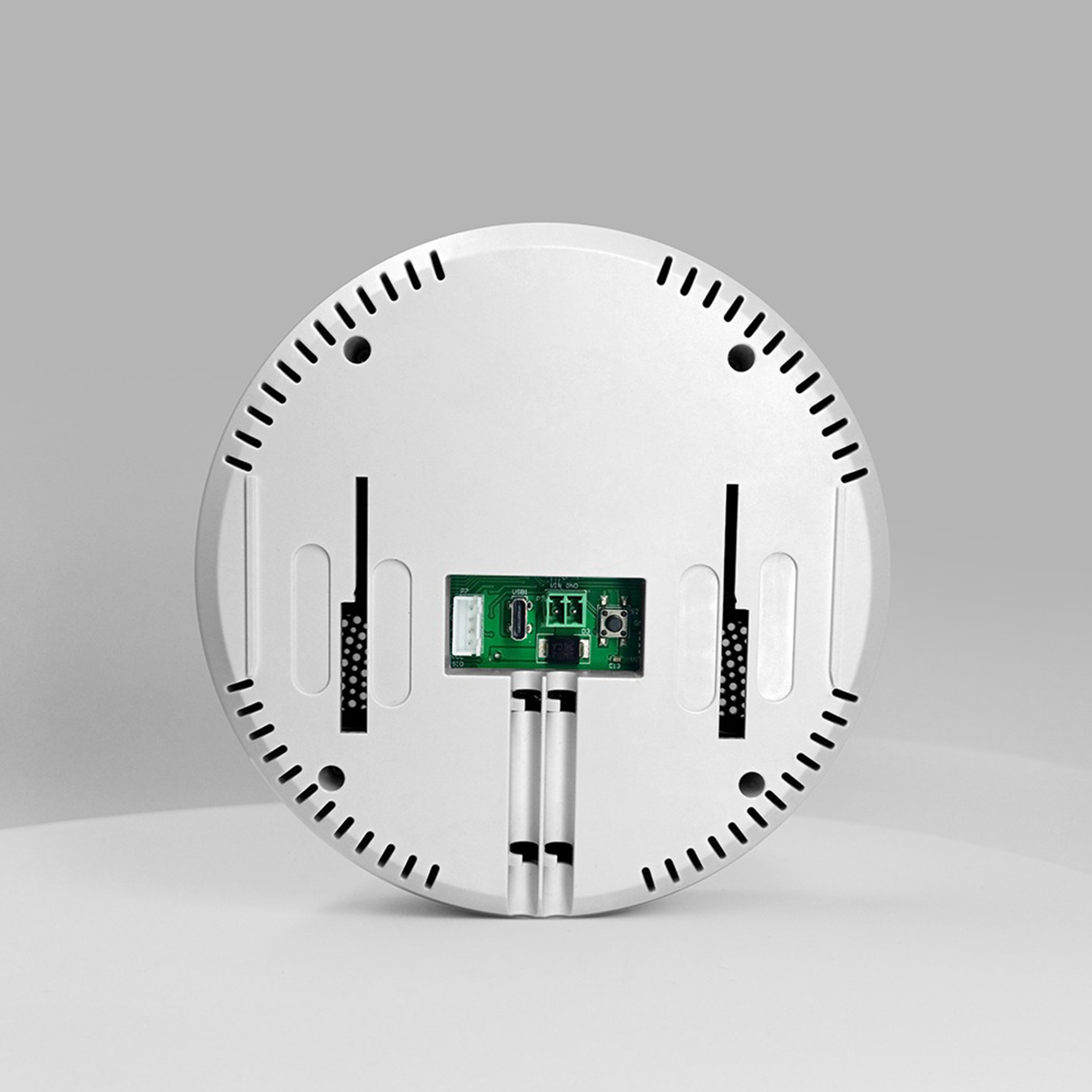
- Power requirements: POE (Power over Ethernet) or standard mains connection
- Data storage: Minimum 12 months of event logs
- Alert methods: Mobile app, email, SMS, building management system integration
Installation density depends on room size and ventilation characteristics. A standard bathroom requires one sensor, whilst larger open spaces may need multiple units to ensure comprehensive coverage. Professional installation teams conduct site assessments to determine optimal placement that maximises detection whilst minimising equipment costs.
Integration with Comprehensive Safety Systems
A vaping alarm delivers maximum value when integrated into broader facility management and safety protocols. Standalone systems provide basic detection, but connected solutions offer enhanced functionality and actionable intelligence.
Data Analytics and Reporting
Modern vaping alarm platforms include robust analytics dashboards that transform raw detection data into meaningful insights. Administrators can track trends over time, identify high risk areas, and measure the effectiveness of intervention strategies. These analytics support evidence based policy development and help justify continued investment in detection technology.
Monthly reports typically include:
- Total number of vaping incidents detected
- Time and location data for each event
- Response times and intervention outcomes
- Trend analysis comparing current to previous periods
- Recommendations for policy adjustments or additional sensor placement
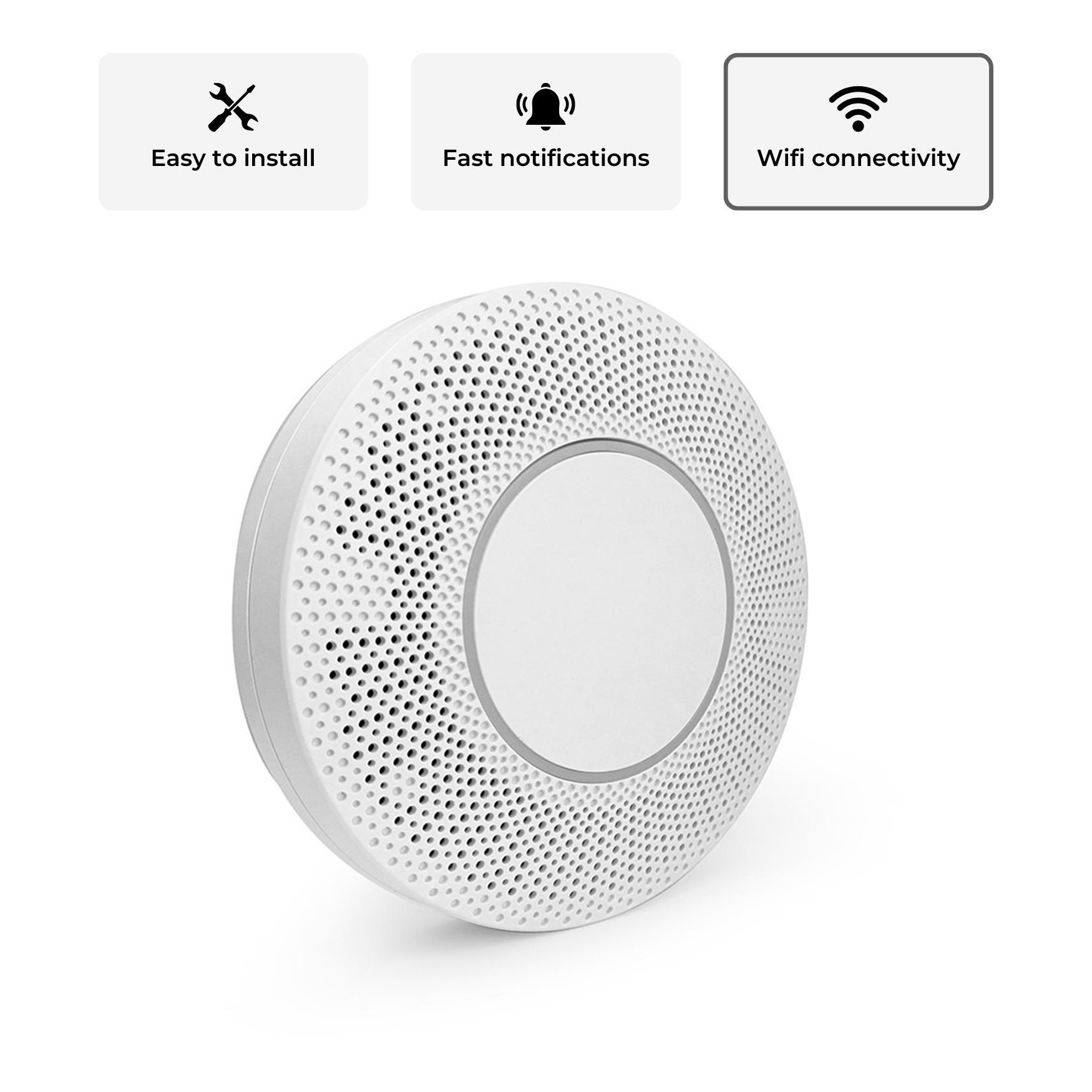
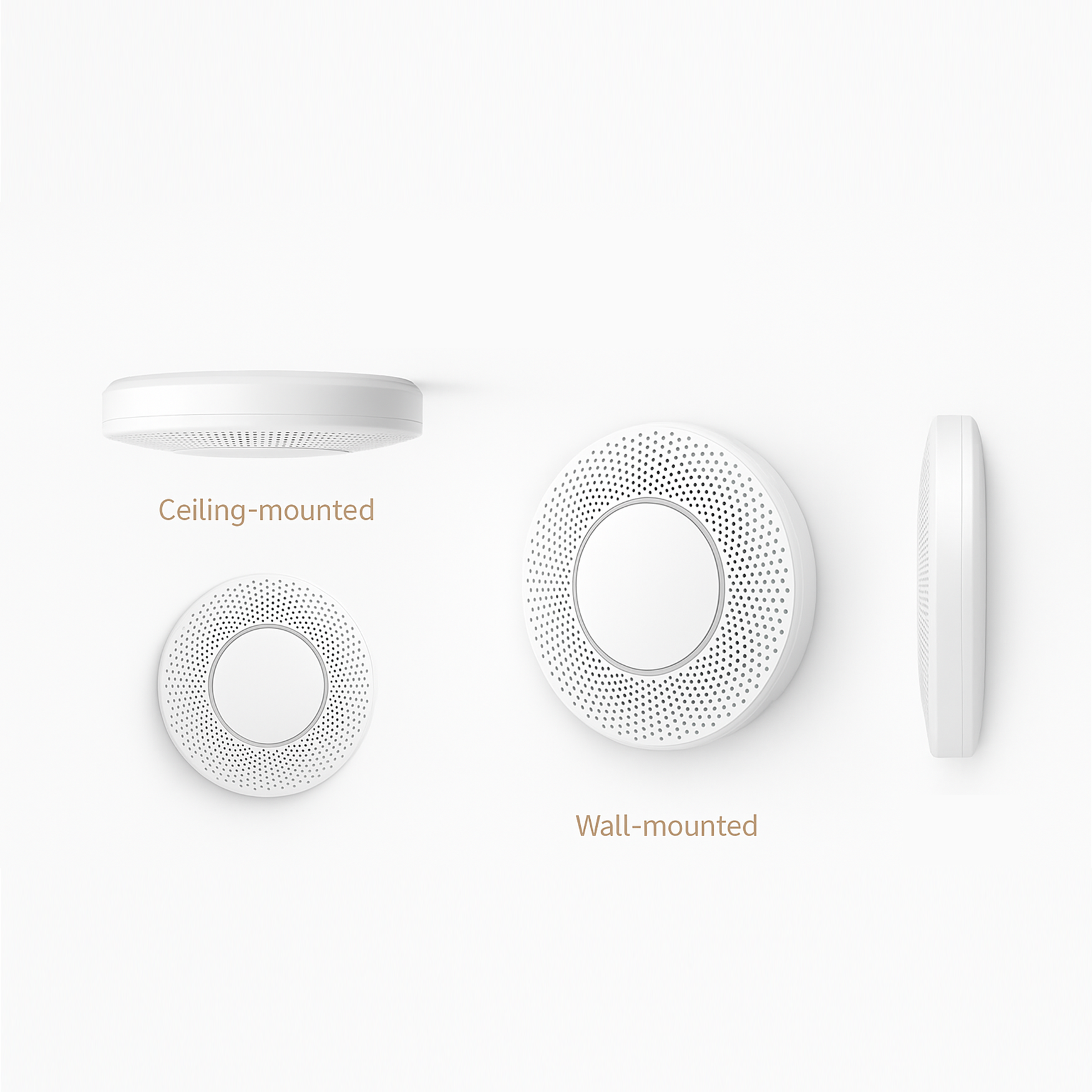
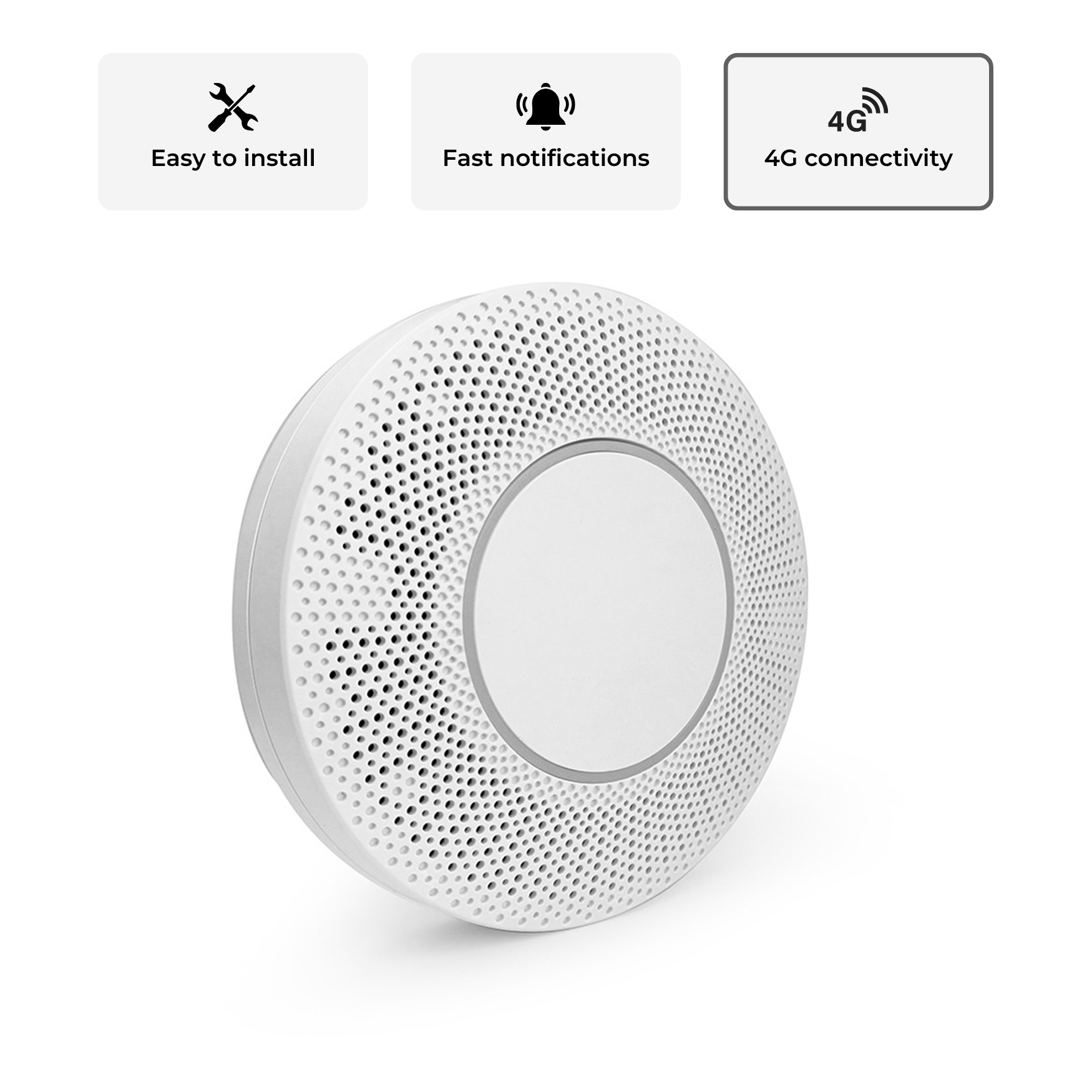
The Vape Detection System exemplifies this integrated approach, combining hardware sensors with intelligent software that not only detects vaping but also monitors for drug use and antisocial behaviour. This multi-threat capability provides comprehensive protection whilst streamlining administration through a unified platform.

Building Management Integration
Connecting your vaping alarm to existing building management systems creates a cohesive security ecosystem. When integrated with access control systems, detectors can identify which individuals were in monitored areas during vaping incidents, supporting investigation and disciplinary processes whilst maintaining appropriate privacy standards.
Integration capabilities extend to:
- HVAC Systems: Automatically increase ventilation in areas where vaping is detected
- Access Control: Cross reference detection events with entry logs
- Video Management: Trigger recording in adjacent areas (whilst respecting privacy in bathrooms)
- Incident Management Software: Automatically log events and initiate workflow processes
Implementation Strategy and Best Practices
Successfully deploying a vaping alarm system requires thoughtful planning that considers technical, operational, and cultural factors. Organisations that approach implementation strategically achieve better outcomes and stronger return on investment.
Planning Phase Considerations
Begin by conducting a comprehensive site assessment. Map all areas where vaping might occur, considering both obvious locations like bathrooms and less apparent spaces such as stairwells, storage areas, and outdoor covered zones. This mapping exercise informs sensor quantity requirements and optimal placement.
Stakeholder consultation proves equally important. Engage staff, students (where appropriate), and facility management teams in the planning process. Their insights regarding actual usage patterns often reveal monitoring needs that might otherwise be overlooked. This collaborative approach also builds buy in for the new system, supporting successful adoption.
| Implementation Phase | Key Actions | Timeline |
|---|---|---|
| Assessment | Site survey, stakeholder consultation, requirements definition | 2-4 weeks |
| Design | System specification, sensor placement plan, integration architecture | 2-3 weeks |
| Installation | Physical sensor mounting, network configuration, testing | 1-2 weeks |
| Training | Staff education, response protocol development, system familiarisation | 1 week |
| Optimisation | Fine tuning sensitivity, adjusting alert parameters, reviewing initial data | Ongoing |
Policy Development and Communication
Technology alone cannot solve vaping challenges. A vaping alarm system must operate within a clear policy framework that defines expectations, consequences, and support resources. Develop comprehensive policies before system activation, ensuring all stakeholders understand both the monitoring technology and the broader anti-vaping programme.
Transparency about monitoring builds trust and enhances deterrent effects. Clearly communicate where sensors are installed, what they detect, and how data will be used. Signage in monitored areas serves both legal notification requirements and reinforces behaviour expectations. For additional guidance, review how to stop vaping at school to understand comprehensive intervention strategies.
Regulatory Compliance and Privacy Considerations
Deploying vaping alarm technology involves navigating privacy regulations whilst maintaining effective monitoring. Understanding the legal framework ensures your system protects both organisational interests and individual rights.
UK Legal Framework
British privacy law, particularly the UK GDPR, requires organisations to demonstrate legitimate interests for monitoring and to implement appropriate safeguards. Vaping detection in shared spaces like bathrooms presents specific challenges because these areas have heightened privacy expectations.
Key compliance principles include:
- Legitimate Interest: Document clear organisational needs, such as health protection and policy enforcement
- Proportionality: Use the least intrusive technology necessary to achieve objectives
- Transparency: Inform all building users about monitoring through signage and policy communication
- Data Protection: Secure all detection data and implement appropriate retention policies
- Privacy by Design: Select systems that detect substances without capturing personally identifiable information
Most modern vaping alarm systems address privacy concerns through their fundamental design. They detect chemical and particulate signatures rather than capturing images or recording conversations. This approach provides necessary monitoring whilst respecting privacy expectations in sensitive areas.
Data Management Protocols
Establish clear protocols governing how detection data is stored, accessed, and used. Limit access to authorised personnel only, encrypt data both in transit and at rest, and define retention periods that balance investigation needs against privacy principles. Most organisations retain detailed event data for 12 months, with aggregated trend data preserved longer for policy evaluation purposes.
Regular audits of data access and usage patterns help ensure compliance and identify any unauthorised activity. These reviews should examine who accessed the system, what information they viewed, and whether access aligned with their legitimate job responsibilities. Understanding vape detection technology helps administrators implement systems that balance effectiveness with appropriate privacy protections.
Cost Analysis and Return on Investment
Financial considerations significantly influence vaping alarm adoption decisions. Whilst upfront costs require budget allocation, comprehensive analysis reveals substantial long term value through reduced incidents, improved health outcomes, and enhanced compliance.
Investment Components
Total cost of ownership includes several elements beyond initial hardware purchase. Understanding these components enables accurate budgeting and realistic financial planning.
Hardware Costs: Individual sensors typically range from £300 to £800 depending on capabilities and detection accuracy. A standard school might require 10 to 30 sensors for comprehensive coverage, translating to £3,000 to £24,000 in equipment costs.
Installation Expenses: Professional installation ensures optimal performance and typically costs £100 to £200 per sensor, including mounting, network configuration, and initial testing. Some providers offer installation as part of integrated packages.
Software Licensing: Cloud based management platforms often operate on subscription models, ranging from £50 to £200 monthly depending on features and number of sensors monitored.
Maintenance and Support: Annual maintenance contracts covering technical support, software updates, and sensor calibration typically cost 10 to 15% of total hardware investment.
Calculating Returns
The return on investment extends beyond simple financial metrics. Health improvements, reduced disciplinary incidents, and enhanced organisational reputation deliver value that financial analysis alone cannot fully capture. However, quantifiable benefits include:
- Reduced cleaning costs from fewer vaping incidents in facilities
- Lower insurance premiums through demonstrated risk management
- Decreased staff time spent investigating and addressing vaping violations
- Avoided regulatory penalties for inadequate health and safety measures
- Reduced property damage from vaping related issues
Schools implementing comprehensive vaping alarm systems report 60 to 80% reductions in detected incidents within the first year, demonstrating both deterrent effects and improved enforcement capability. For detailed cost analysis, explore the vape detector cost breakdown to understand financial implications specific to educational settings.
Future Developments in Detection Technology
Vaping alarm technology continues evolving rapidly as manufacturers refine sensors, enhance analytics, and develop new detection methods. Understanding emerging trends helps organisations plan for future capabilities and make informed investment decisions.
Artificial Intelligence Integration
Machine learning algorithms are transforming how vaping alarm systems distinguish genuine incidents from false positives. By analysing thousands of detection events, AI powered systems learn to recognise patterns specific to vaping whilst filtering out similar but innocuous activities like aerosol sprays or steam.
Future systems will likely incorporate predictive analytics that identify risk patterns before incidents occur. By analysing historical data alongside environmental factors and occupancy patterns, these intelligent platforms could alert administrators to elevated risk periods, enabling proactive intervention rather than reactive response.
Enhanced Chemical Detection
Next generation sensors will offer expanded chemical identification capabilities, distinguishing not only between vaping and other aerosols but also identifying specific substances within vapes. This advancement proves particularly valuable for detecting drugs in vapes, where THC and other controlled substances pose additional health and legal concerns.
Miniaturisation trends will enable smaller, more discreet sensors that integrate seamlessly into existing infrastructure. These compact units will offer installation flexibility whilst maintaining or improving detection accuracy compared to current generation equipment.
Networked Intelligence
As Internet of Things technology matures, vaping alarm systems will increasingly function as nodes within comprehensive building intelligence networks. Cross platform data sharing will enable correlations between vaping detection and other building events, providing richer contextual information for administrators.
This networked approach aligns with broader smart building sensor trends that integrate diverse monitoring systems into unified platforms. The result is more efficient management, reduced false alerts through multi-system verification, and enhanced ability to respond to complex incidents requiring coordinated action.
Addressing Common Implementation Challenges
Organisations deploying vaping alarm technology frequently encounter similar obstacles during implementation and early operation. Anticipating these challenges and developing mitigation strategies improves outcomes and accelerates realisation of system benefits.
False Positive Management
Initial system deployment often generates false positives as sensors adjust to specific environmental conditions and administrators fine tune sensitivity settings. Common triggers include aerosol cleaning products, perfumes, and steam from showers or hot water.
Reducing false positives requires systematic approach:
- Conduct thorough baseline monitoring before activating alerts to understand normal environmental conditions
- Adjust sensitivity thresholds based on actual usage patterns rather than manufacturer defaults
- Implement confirmation protocols requiring multiple sensor readings or manual verification before disciplinary action
- Educate cleaning staff about products that may trigger sensors and establish coordination protocols
- Use the learning period to refine detection algorithms specific to your environment
User Acceptance and Resistance
Some stakeholders may initially resist vaping alarm implementation, viewing it as intrusive surveillance rather than health protection. Building acceptance requires transparent communication emphasising legitimate safety concerns and demonstrating respect for privacy.
Strategies for building support include presenting data on vaping health risks, involving stakeholders in policy development, clearly communicating privacy protections built into the technology, and demonstrating how the system supports rather than replaces human judgment and intervention. Schools successfully implementing these approaches often find that initial resistance transforms into appreciation as benefits become apparent.
For schools specifically, understanding UK school vaping laws helps frame implementation within regulatory context, demonstrating compliance requirements that technology helps address.
Maintenance and Long Term Performance
Sustaining vaping alarm effectiveness requires ongoing attention to system maintenance, performance monitoring, and periodic upgrades. Organisations that treat deployment as an ongoing programme rather than one time project achieve superior long term results.
Regular Calibration and Testing
Sensors gradually drift from factory calibration, potentially reducing detection accuracy or increasing false positives. Establish quarterly testing protocols that verify each sensor responds appropriately to controlled vaping simulation. Professional maintenance services often include this testing as part of annual contracts.
Software updates represent another critical maintenance element. Manufacturers regularly release firmware updates that improve detection algorithms, expand chemical libraries, and address identified bugs. Implementing updates promptly ensures your system benefits from latest advancements whilst maintaining security against emerging vulnerabilities.
Performance Review and Optimisation
Quarterly performance reviews should examine detection statistics, false positive rates, response times, and user feedback. This data driven approach identifies underperforming sensors requiring attention and reveals opportunities for system optimisation.
Consider these review elements:
- Detection Rate Analysis: Compare incident reports with sensor alerts to identify missed detections
- Alert Response Audit: Evaluate how quickly staff respond to alerts and whether responses are appropriate
- Coverage Assessment: Determine whether incident patterns reveal monitoring gaps requiring additional sensors
- User Satisfaction Survey: Gather feedback from administrators using the system daily
For comprehensive guidance on bathroom specific deployment, review recommendations for vape detection in bathrooms, which addresses unique challenges in these high priority monitoring locations.
Vaping alarm technology represents a vital tool for organisations committed to maintaining healthy, compliant environments in the face of rising vaping prevalence. By combining advanced sensors with intelligent analytics and thoughtful implementation strategies, schools, workplaces, and public facilities can effectively detect and deter vaping whilst respecting privacy and supporting broader health initiatives. Vape Guardian provides comprehensive vaping detection solutions designed specifically for UK organisations seeking reliable, professional grade systems backed by expert support and proven performance across diverse environments.





Share:
Bathroom Vape Detector: Complete Guide for 2026
Vape Sensors: Advanced Detection for Safer Environments