
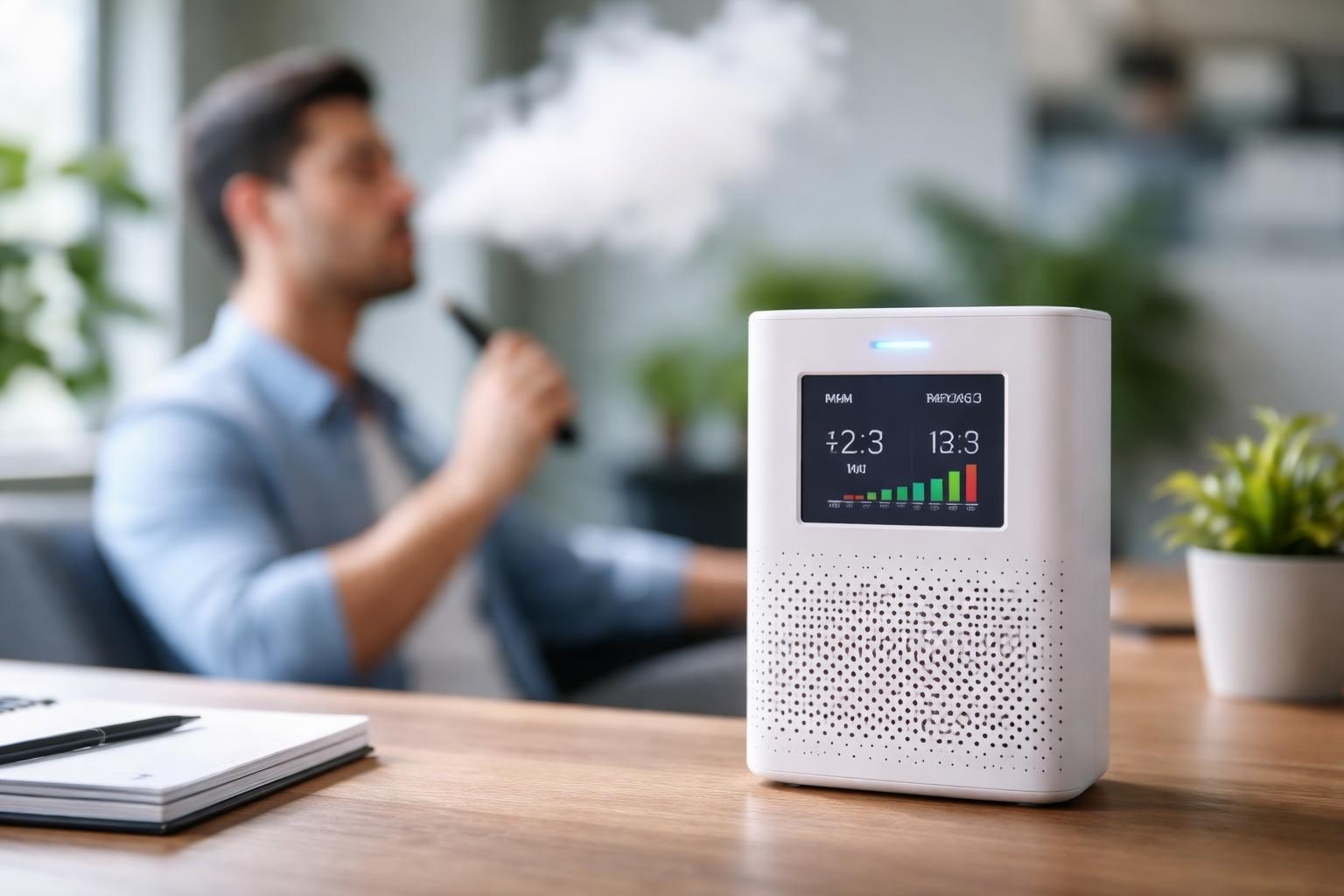
The growing prevalence of vaping in schools, workplaces, and public spaces has created an urgent need for effective monitoring solutions. Vape sensors have emerged as a critical technology for detecting unauthorised vaping activity, helping organisations maintain healthier environments and enforce no-vaping policies. These sophisticated devices combine air quality monitoring with advanced chemical detection capabilities, providing real-time alerts when vaping substances are detected. Understanding how these sensors work and their applications across different settings is essential for anyone responsible for facility management, student safety, or workplace compliance.
How Vape Sensors Detect Vaping Activity
Modern vape sensors utilise multiple detection methods to identify vaping incidents with high accuracy. The technology relies primarily on particulate matter detection, chemical analysis, and environmental monitoring to distinguish vaping from other air quality events.
Particulate Matter Detection
At the core of most vape detection systems is the ability to identify aerosol particles released during vaping. When someone exhales after vaping, they release fine particulate matter typically ranging from 0.3 to 2.5 micrometres in diameter. Sensors equipped with laser scattering technology can detect these specific particle sizes and concentrations.
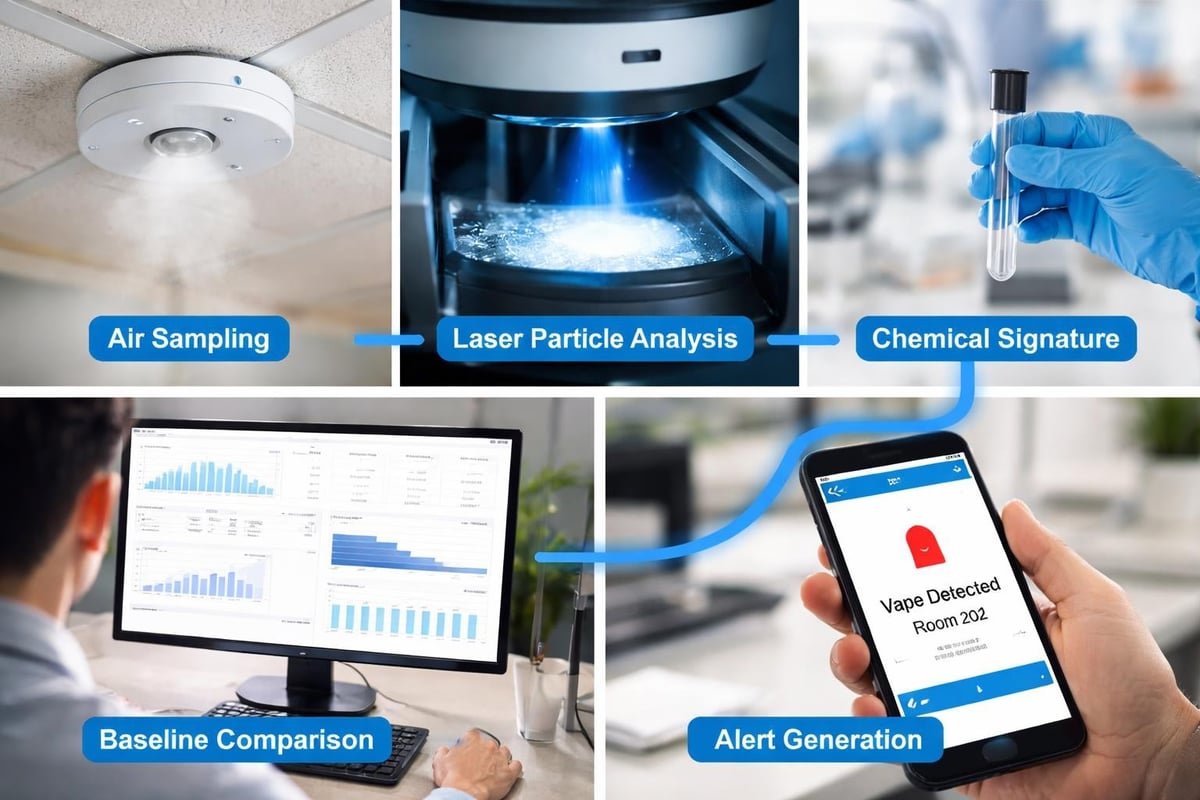
The detection process works through several key steps:
- Air samples are continuously drawn into the sensor unit
- Laser light scatters off particles present in the air
- Photodetectors measure the intensity and pattern of scattered light
- Advanced algorithms analyse particle size distribution and concentration
- The system compares readings against baseline environmental data
This approach allows sophisticated detection systems to differentiate between vaping aerosols and other common sources of particulate matter such as dust or steam.
Chemical Signature Analysis
Beyond particle detection, advanced vape sensors incorporate chemical analysis capabilities to identify specific compounds associated with vaping products. This includes detecting propylene glycol, vegetable glycerin, nicotine, and THC, all common ingredients in vaping liquids.
Key chemical detection features include:
- Real-time gas chromatography principles
- Volatile organic compound (VOC) monitoring
- Temperature and humidity correlation analysis
- Multi-sensor fusion for improved accuracy
The charged aerosol detection principles used in some sensors enable highly sensitive identification of vaping-related chemicals, even at low concentrations.
Applications Across Different Environments
Vape sensors serve diverse purposes across various settings, each with unique requirements and challenges. The versatility of modern detection systems allows them to adapt to different environmental conditions whilst maintaining reliable performance.
| Environment | Primary Concern | Detection Priority | Alert Response |
|---|---|---|---|
| Schools | Student health and policy enforcement | High sensitivity in toilets and changing areas | Immediate staff notification |
| Offices | Workplace compliance and air quality | Balanced detection in common areas | Facilities management alerts |
| Leisure facilities | Customer experience and regulatory compliance | Discrete monitoring in multiple zones | Security team coordination |
| Healthcare settings | Patient safety and infection control | Medical-grade air quality standards | Environmental services response |
Educational Institutions
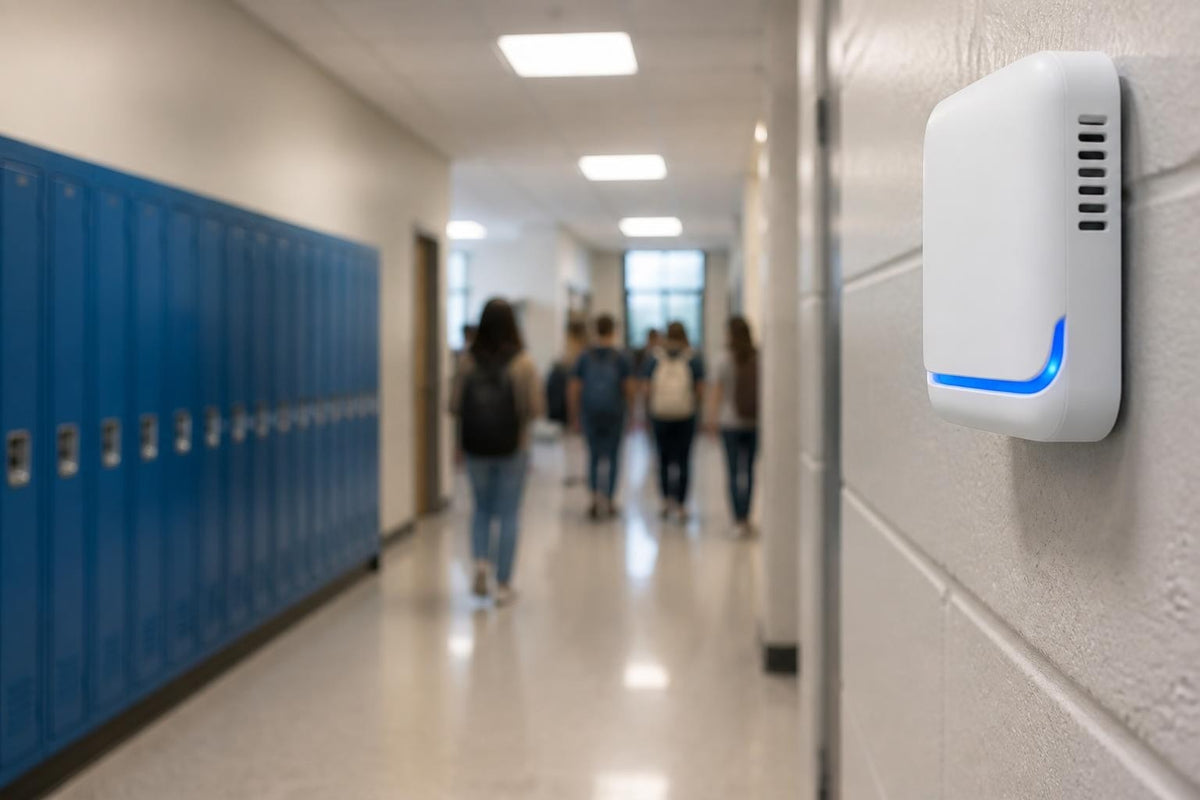
Schools face particular challenges with vaping detection, as students often attempt to vape in toilets, changing rooms, and other secluded areas. Vape detection solutions designed specifically for schools must balance effectiveness with privacy considerations, as most educational settings prohibit camera surveillance in sensitive areas.
Effective implementation in schools requires strategic sensor placement. High-risk areas typically include:
- Student toilets and washrooms
- Locker rooms and changing facilities
- Covered outdoor areas
- Less-supervised corridors
The best vape detection systems for schools integrate seamlessly with existing security infrastructure, providing designated safeguarding leads with immediate alerts when incidents occur.
Workplace Environments
Corporate offices and industrial facilities implement vape sensors to maintain compliance with health and safety regulations whilst supporting employee wellbeing. Modern workplace detection systems often combine vaping detection with comprehensive air quality monitoring.
Workplace applications typically focus on:
- Common areas and break rooms
- Toilet facilities
- Meeting rooms
- Storage areas
These sensors help organisations demonstrate due diligence in maintaining smoke-free and vape-free environments, particularly important in sectors with strict regulatory oversight.
Technology Behind Modern Vape Sensors
The evolution of vape detection technology has accelerated significantly over recent years, driven by increasing demand and advances in sensor miniaturisation. Understanding the technical components helps organisations select appropriate solutions for their specific needs.
Sensor Hardware Components
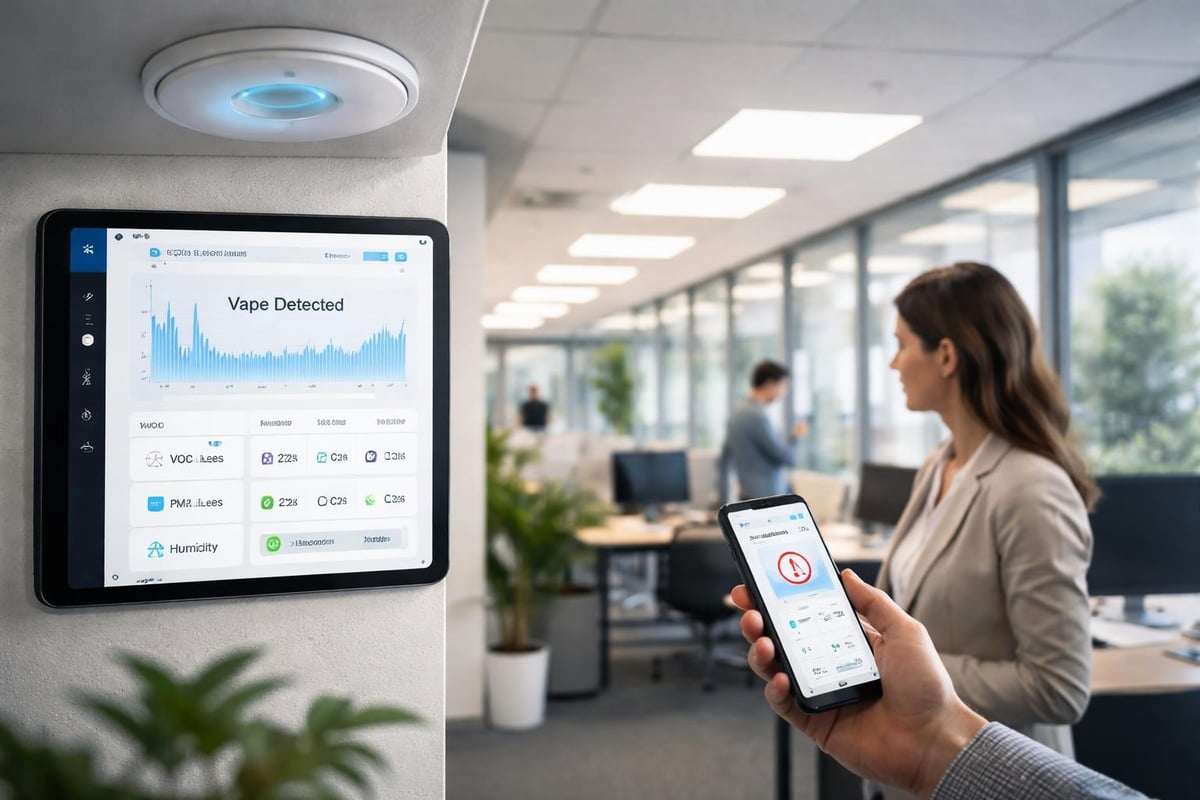
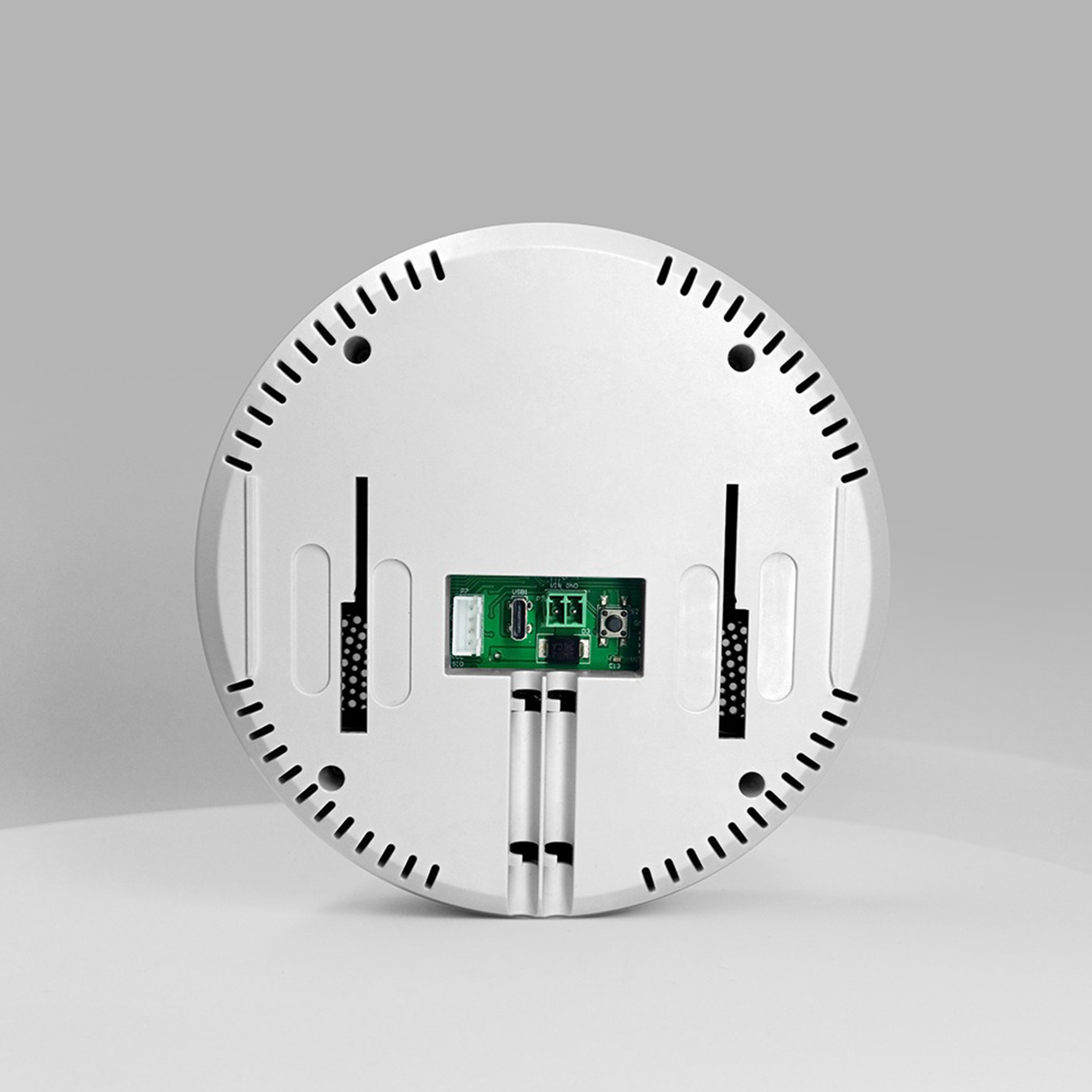
Contemporary vape sensors incorporate multiple sensor types within a single housing. A typical unit includes particulate matter sensors, VOC sensors, temperature and humidity monitors, sound level detectors, and motion sensors for comprehensive environmental monitoring.
Core hardware specifications:
- Laser-based particle counters measuring PM2.5 and PM10
- Metal oxide semiconductor gas sensors for VOC detection
- Solid-state temperature and humidity sensors
- Omnidirectional microphone arrays
- Passive infrared motion detection
The Vape Detection System combines these technologies with advanced analytics, offering not only vaping detection but also identification of drug use and antisocial behaviour patterns.
This comprehensive approach addresses multiple safety concerns through a single installation, reducing both infrastructure costs and ongoing maintenance requirements.

Software and Analytics Platform
The intelligence behind vape sensors lies in their software platforms, which process sensor data using machine learning algorithms trained on thousands of vaping incidents. These platforms distinguish genuine vaping events from false positives caused by environmental factors.
Modern analytics platforms provide:
- Real-time alert delivery via SMS, email, and mobile applications
- Historical data analysis showing incident patterns and trends
- Integration capabilities with existing security and building management systems
- Customisable sensitivity thresholds for different environments
- Comprehensive reporting for compliance documentation
Cloud-based platforms enable global vape detection coordination, particularly valuable for organisations managing multiple sites across different regions.
Installation and Network Considerations
Successful vape sensor deployment requires careful planning of both physical installation and network connectivity. The effectiveness of any detection system depends heavily on proper placement and reliable communication infrastructure.
Strategic Placement Guidelines
Sensor positioning significantly impacts detection accuracy and coverage. Installing sensors requires consideration of airflow patterns, ceiling height, room layout, and potential interference sources.
Optimal placement principles include:
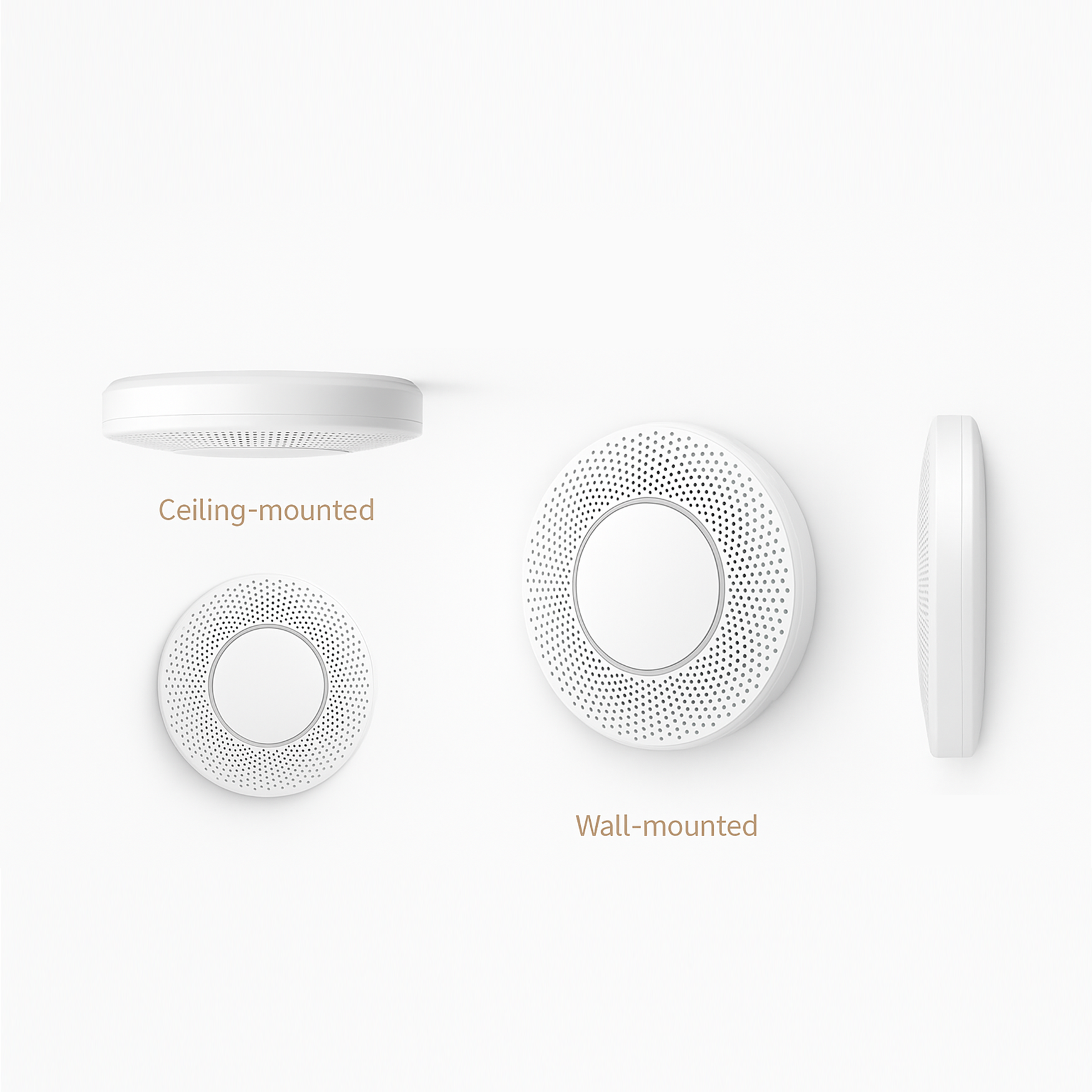
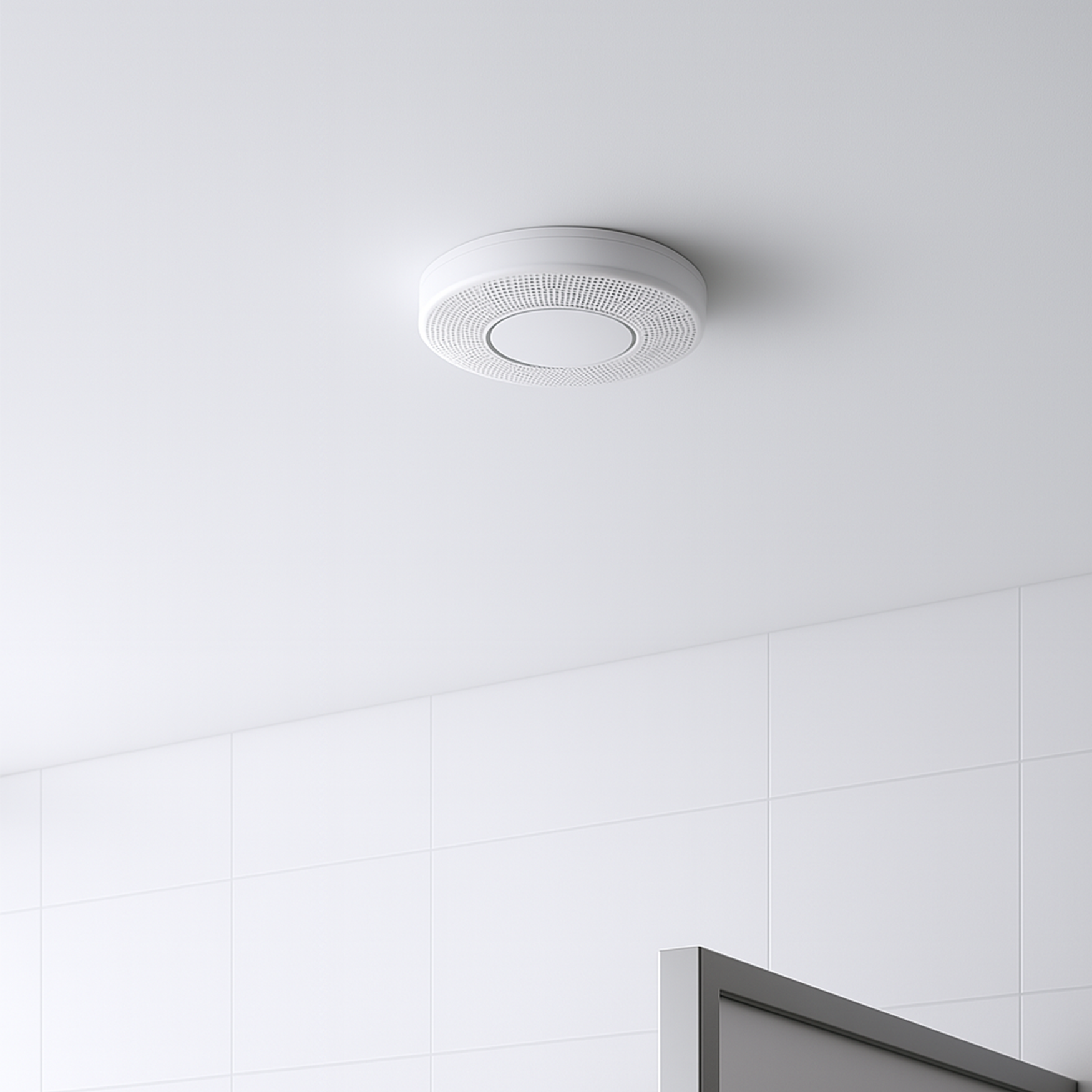
- Mounting sensors on ceilings where vapour naturally rises
- Avoiding locations near air conditioning vents or windows
- Ensuring adequate coverage without sensor overlap
- Positioning away from potential sources of false positives
- Maintaining accessibility for maintenance and battery replacement
Toilet facilities typically require one sensor per space, whilst larger open areas may need multiple units to ensure comprehensive coverage.
Connectivity Options
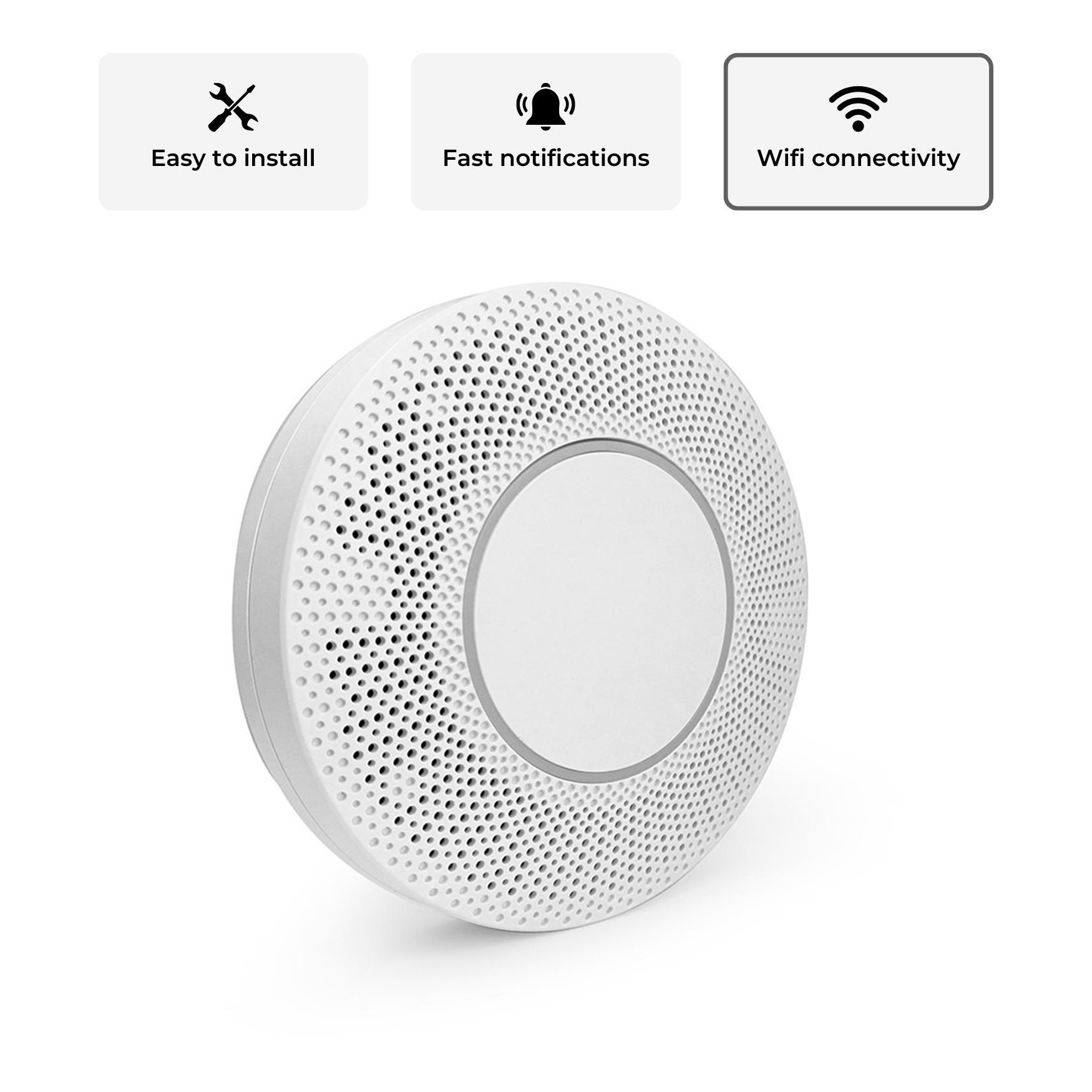
Vape sensors require reliable network connectivity to deliver real-time alerts and transmit data to central monitoring platforms. Modern systems offer multiple connectivity options to suit different infrastructure scenarios.
| Connection Type | Advantages | Considerations | Best Use Cases |
|---|---|---|---|
| Wi-Fi | Easy integration with existing networks | Requires robust Wi-Fi coverage | Buildings with comprehensive wireless infrastructure |
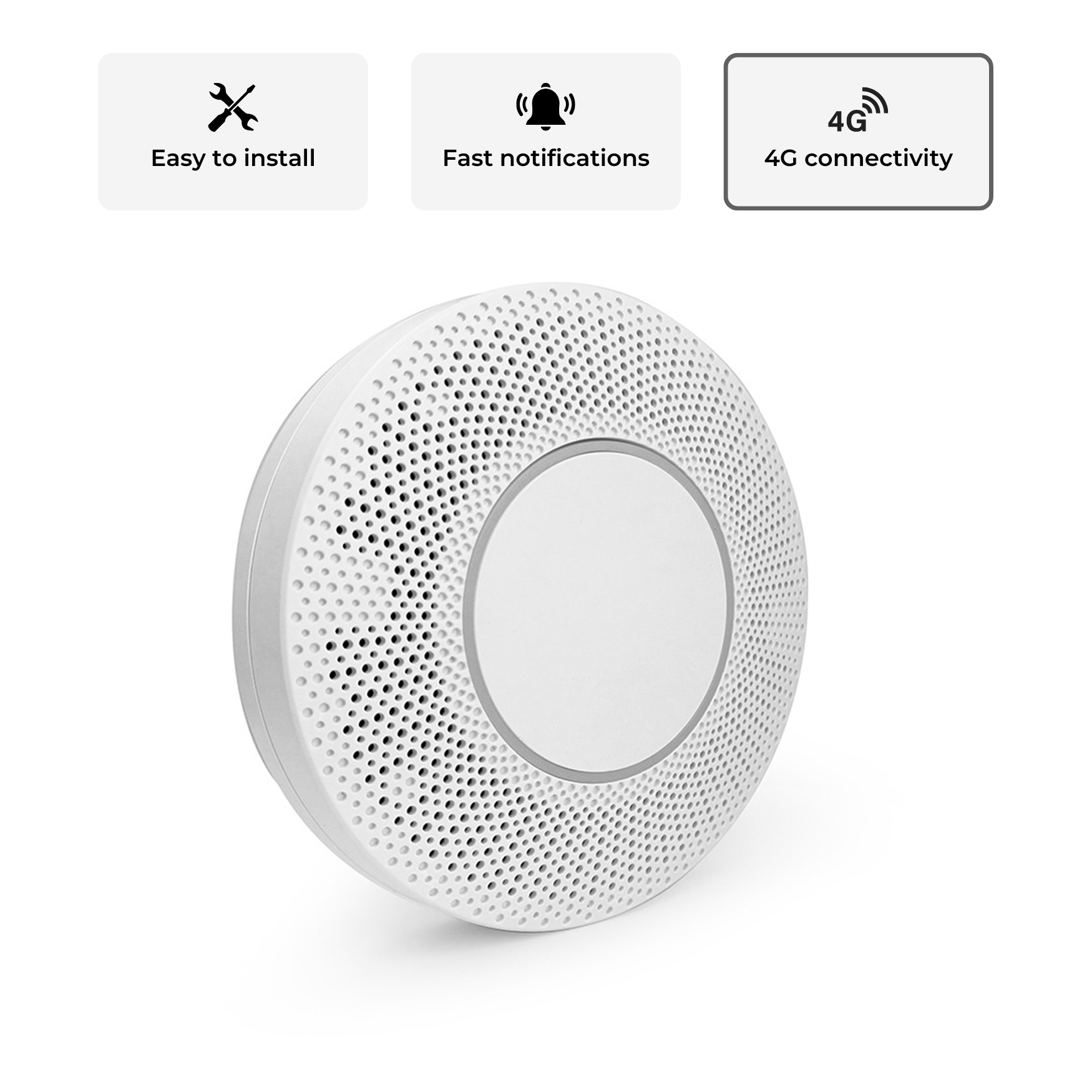
| Cellular (4G/5G) | Independent of building networks | Ongoing data costs | Remote locations or temporary installations |
| LoRaWAN | Long-range, low-power communication | Requires gateway infrastructure | Large campuses with multiple buildings |
| Ethernet (PoE) | Reliable, powered connection | Installation complexity | New builds or major renovations |
Network and connectivity options should align with existing IT infrastructure whilst considering future scalability requirements.
Privacy and Legal Considerations
Implementing vape sensors raises important questions about privacy, data protection, and legal compliance. Organisations must navigate these considerations carefully to ensure their detection systems respect individual rights whilst serving legitimate safety purposes.
Privacy-Compliant Detection
Unlike camera-based surveillance, vape sensors do not capture visual images of individuals, making them suitable for deployment in privacy-sensitive areas. However, organisations must still address data protection concerns related to the information these devices collect.
Privacy-focused implementations should:
- Clearly communicate sensor locations to building occupants
- Limit data collection to necessary environmental parameters
- Implement secure data storage and transmission protocols
- Establish clear policies for alert response and investigation
- Provide transparency about how detection data is used
Sound detection capabilities, when included, should focus on decibel levels and acoustic signatures rather than recording conversations, maintaining privacy whilst detecting concerning behaviour patterns.
Regulatory Compliance
Different jurisdictions impose varying requirements on vape detection in specific settings. Schools, for instance, must balance their duty of care with student privacy rights under data protection legislation.
Compliance considerations include:
- Consultation with data protection officers before deployment
- Conducting privacy impact assessments for sensitive locations
- Ensuring systems meet relevant safety and electromagnetic compatibility standards
- Documenting legitimate interests for processing detection data
- Establishing data retention policies aligned with legal requirements
Organisations should review industry-specific guidance when implementing detection systems to ensure alignment with sector regulations.
Effectiveness and Return on Investment
Evaluating the effectiveness of vape sensors requires examining both their technical performance and the broader organisational benefits they deliver. Understanding these factors helps justify investment decisions and measure success.
Detection Accuracy Metrics
High-quality vape sensors demonstrate detection accuracy rates exceeding 95% when properly configured and maintained. However, effectiveness depends on multiple factors including sensor placement, environmental conditions, and system calibration.
Key performance indicators include:
- True positive rate (actual vaping incidents correctly identified)
- False positive rate (alerts triggered by non-vaping events)
- Response time from incident to alert delivery
- System uptime and reliability
- Coverage area per sensor unit
Leading systems like those from Verkada and Swift Sensors publish performance data demonstrating their detection capabilities across diverse environments.
Organisational Benefits
Beyond immediate incident detection, vape sensors deliver measurable benefits that contribute to healthier, safer environments. Schools report significant reductions in vaping incidents following sensor installation, often seeing decreases of 60-80% within the first academic year.
Quantifiable benefits include:
- Reduced staff time spent investigating suspected vaping
- Decreased maintenance costs from vaping-related damage
- Improved air quality throughout facilities
- Enhanced compliance with health and safety regulations
- Deterrent effect reducing overall incident frequency
The return on investment typically manifests within 12-18 months through reduced enforcement costs, improved environmental quality, and decreased health-related absences.
Integration with Broader Safety Systems
Modern vape sensors function as components within comprehensive safety ecosystems rather than standalone devices. Integration capabilities enhance their value by connecting vaping detection with other security and facilities management functions.
Building Management System Integration
Connecting vape sensors with building management systems creates opportunities for automated responses and coordinated safety protocols. When a sensor detects vaping, integrated systems can automatically increase ventilation in affected areas, notify relevant personnel, and log incidents for compliance reporting.
Integration possibilities include:
- HVAC system control for enhanced air circulation
- Access control systems for area restriction
- Incident management platforms for workflow automation
- Energy management systems for efficient operation
- Occupancy monitoring for contextual analysis
These connections transform reactive detection into proactive environmental management, optimising both safety and operational efficiency.
Comprehensive Environmental Monitoring
Advanced sensors monitor multiple environmental parameters beyond vaping detection, providing valuable data about overall air quality, potential security concerns, and facility conditions. This multifunctional approach delivers additional value from sensor investments.
Extended monitoring capabilities typically include:
- Carbon dioxide levels indicating ventilation adequacy
- Volatile organic compound concentrations
- Temperature and humidity for comfort and mould prevention
- Noise levels for disturbance identification
- Motion detection for occupancy tracking
Solutions like HALO Smart Sensor and FlySense exemplify comprehensive monitoring platforms that address multiple safety and facilities management needs simultaneously.
Future Developments in Vape Detection Technology
The vape sensor industry continues evolving rapidly, with emerging technologies promising enhanced detection capabilities, improved user experiences, and broader application possibilities. Staying informed about these developments helps organisations plan for future requirements.
Artificial Intelligence and Machine Learning
Next-generation sensors increasingly leverage artificial intelligence to improve detection accuracy and reduce false positives. Machine learning algorithms analyse patterns across thousands of installations, continuously refining their ability to distinguish vaping from similar environmental events.
AI-enhanced capabilities include:
- Predictive analytics identifying high-risk times and locations
- Automated calibration adjusting for environmental changes
- Behaviour pattern recognition detecting concerning trends
- Anomaly detection highlighting unusual environmental conditions
- Natural language processing for simplified alert interpretation
These advances reduce the expertise required for system management whilst delivering more actionable intelligence to safety teams.
Miniaturisation and Aesthetic Integration
Future sensor designs emphasise discrete integration with building environments, moving beyond functional boxes towards aesthetically pleasing units that complement interior design. Smaller form factors enable deployment in previously impractical locations whilst reducing visual impact.
Design evolution focuses on:
- Reduced unit size through component integration
- Customisable exteriors matching ceiling tiles or fixtures
- Wireless charging eliminating maintenance access requirements
- Modular sensor arrays for flexible coverage
- Environmentally sustainable materials and manufacturing
These improvements support broader adoption by addressing aesthetic concerns that sometimes limit deployment in customer-facing or prestigious environments.
Vape sensors represent a sophisticated, privacy-compliant approach to maintaining healthier indoor environments across educational, commercial, and leisure settings. By combining multiple detection technologies with intelligent analytics, these systems deliver reliable vaping incident identification whilst supporting broader air quality and safety objectives. Vape Guardian offers advanced vaping detection and air quality monitoring solutions specifically designed for UK schools, offices, and leisure spaces, providing real-time alerts and comprehensive support to help organisations create safer environments and effectively reduce vaping incidents.



Share:
Vaping Alarm: Detection Technology for Safer Spaces
Office Air Quality Monitor: Complete Guide 2026