
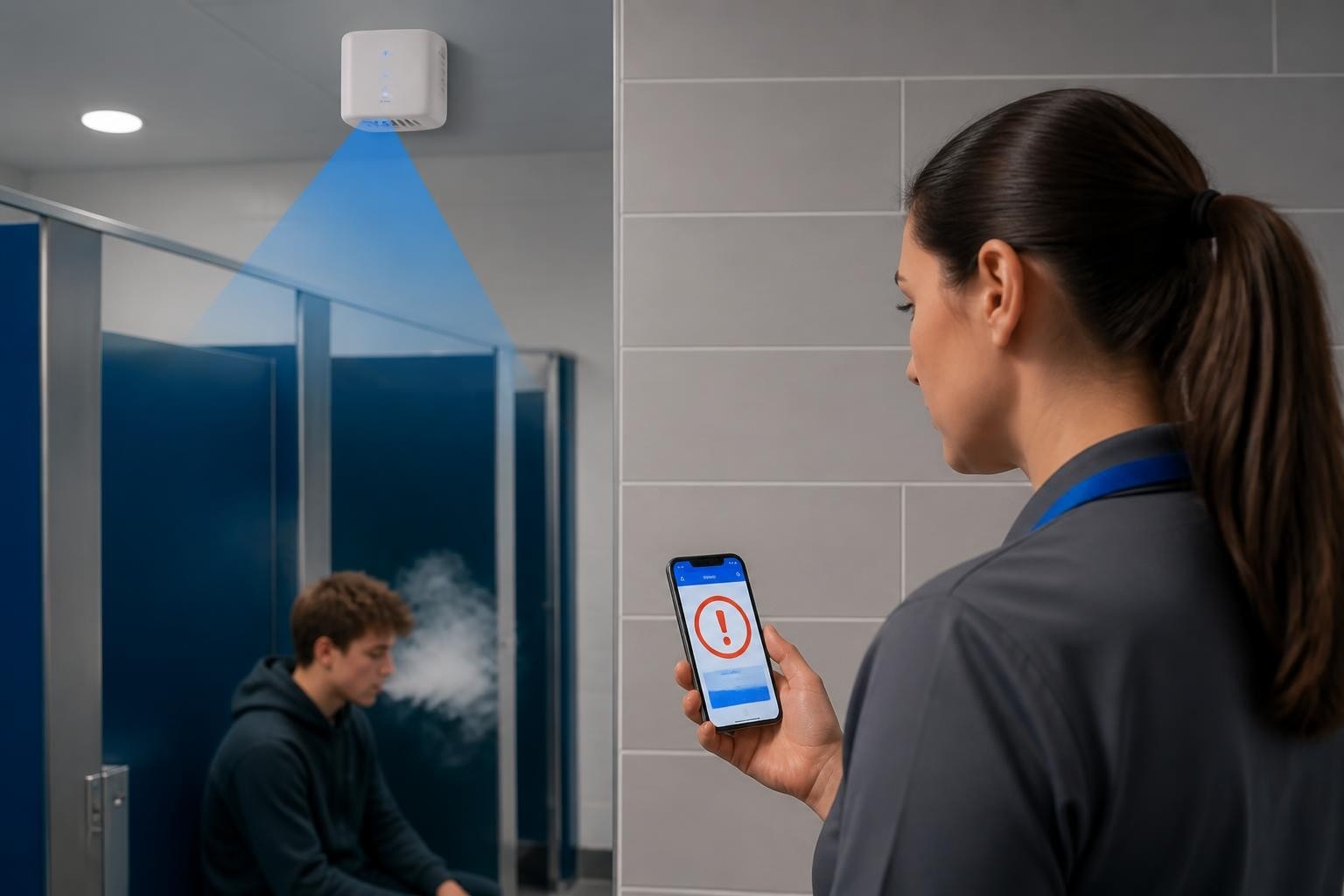
Schools across the United Kingdom face an increasingly complex challenge as vaping amongst students continues to rise. The introduction of specialised detection technology represents a critical shift in how educational institutions address this growing concern. A student vaping detector provides schools with the tools necessary to identify vaping incidents in real time, protect student wellbeing, and maintain compliance with health and safety regulations. These sophisticated devices combine advanced sensor technology with intelligent alert systems, offering a privacy-conscious approach to creating safer learning environments whilst supporting pastoral care initiatives.
Understanding Student Vaping Detection Technology
Modern detection systems operate through a combination of air quality sensors and machine learning algorithms designed to identify specific chemical signatures associated with vaping. Unlike traditional smoke detectors, these devices can distinguish between various airborne particles, including vape aerosol, THC vapour, and cigarette smoke.
The technology measures particulate matter concentrations, volatile organic compounds, and humidity changes that occur when students use electronic cigarettes in enclosed spaces. When a student vaping detector identifies these patterns, it immediately transmits alerts to designated staff members via mobile applications or central monitoring systems.
Key Detection Capabilities
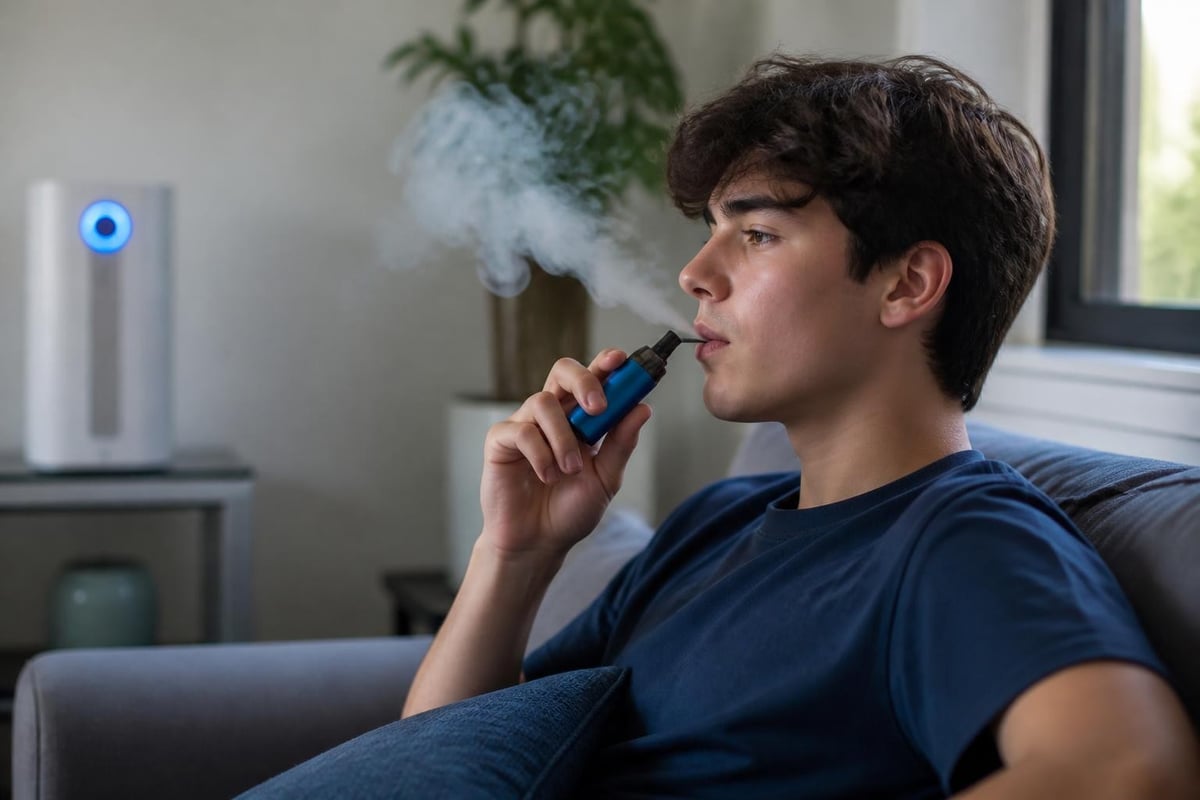
Contemporary systems extend far beyond simple vape detection. Schools implementing these technologies benefit from comprehensive monitoring features that enhance overall safety protocols.
Core Detection Features:
- Vape aerosol identification with 99% accuracy rates
- THC and marijuana smoke detection for drug prevention
- Cigarette smoke recognition supporting smoke-free policies
- Loud noise monitoring to identify bullying or altercations
- Occupancy detection preventing overcrowding in restricted areas
- Tamper alerts when students attempt to disable devices
These multi-functional capabilities mean a single device addresses multiple safety concerns simultaneously. Schools in education settings particularly value this comprehensive approach, as it provides oversight across various behavioural and safety issues within one integrated system.
Strategic Placement and Installation Considerations
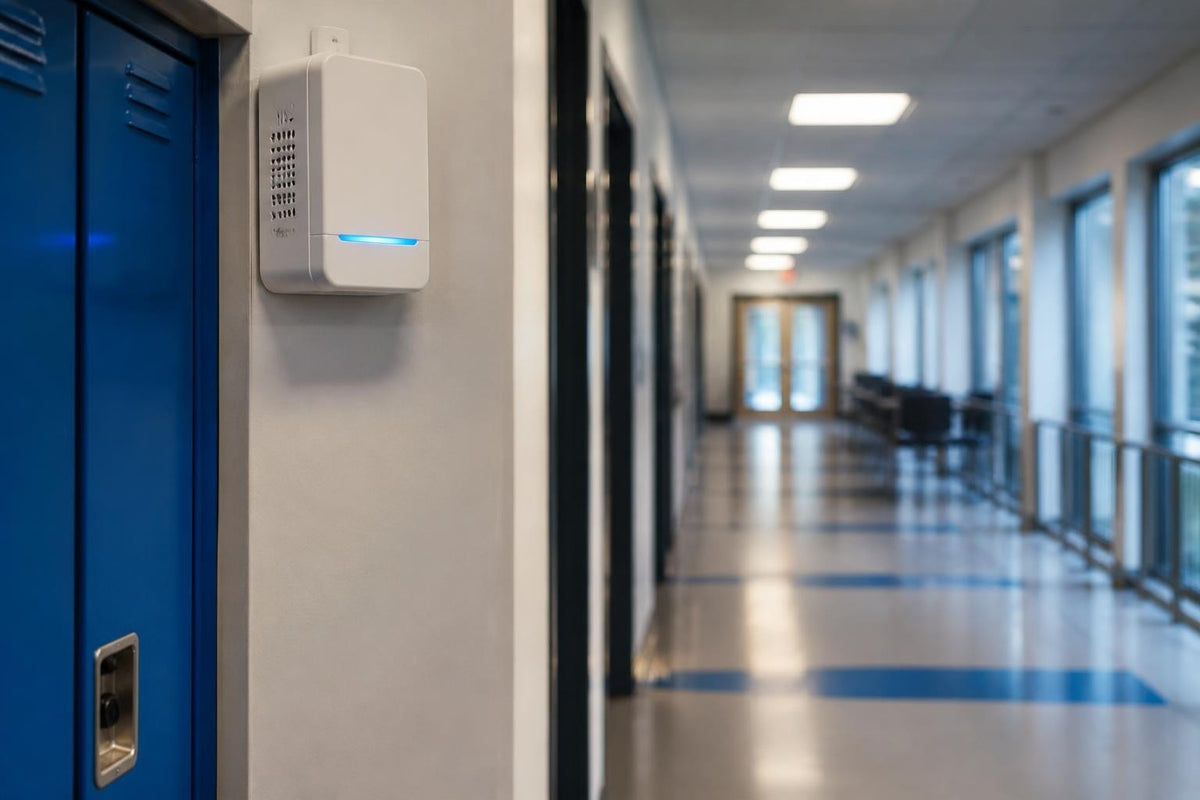
Effective deployment of a student vaping detector requires thoughtful planning regarding location, coverage areas, and integration with existing infrastructure. The most common installation points include bathrooms, changing rooms, storage areas, and other spaces where visual supervision is limited or inappropriate.
Optimal Installation Locations
Privacy-sensitive environments present the greatest challenge for traditional monitoring but represent exactly where vaping incidents most frequently occur. Modern detection systems respect student privacy by avoiding cameras or audio recording whilst still providing effective monitoring.
| Location Type | Detection Priority | Additional Benefits |
|---|---|---|
| Student Bathrooms | Critical | Noise monitoring, occupancy tracking |
| Changing Rooms | Critical | Privacy-compliant monitoring |
| Corridors | Moderate | Traffic flow analysis |
| Storage Rooms | Moderate | Unauthorised access alerts |
| Common Areas | Low | General air quality monitoring |
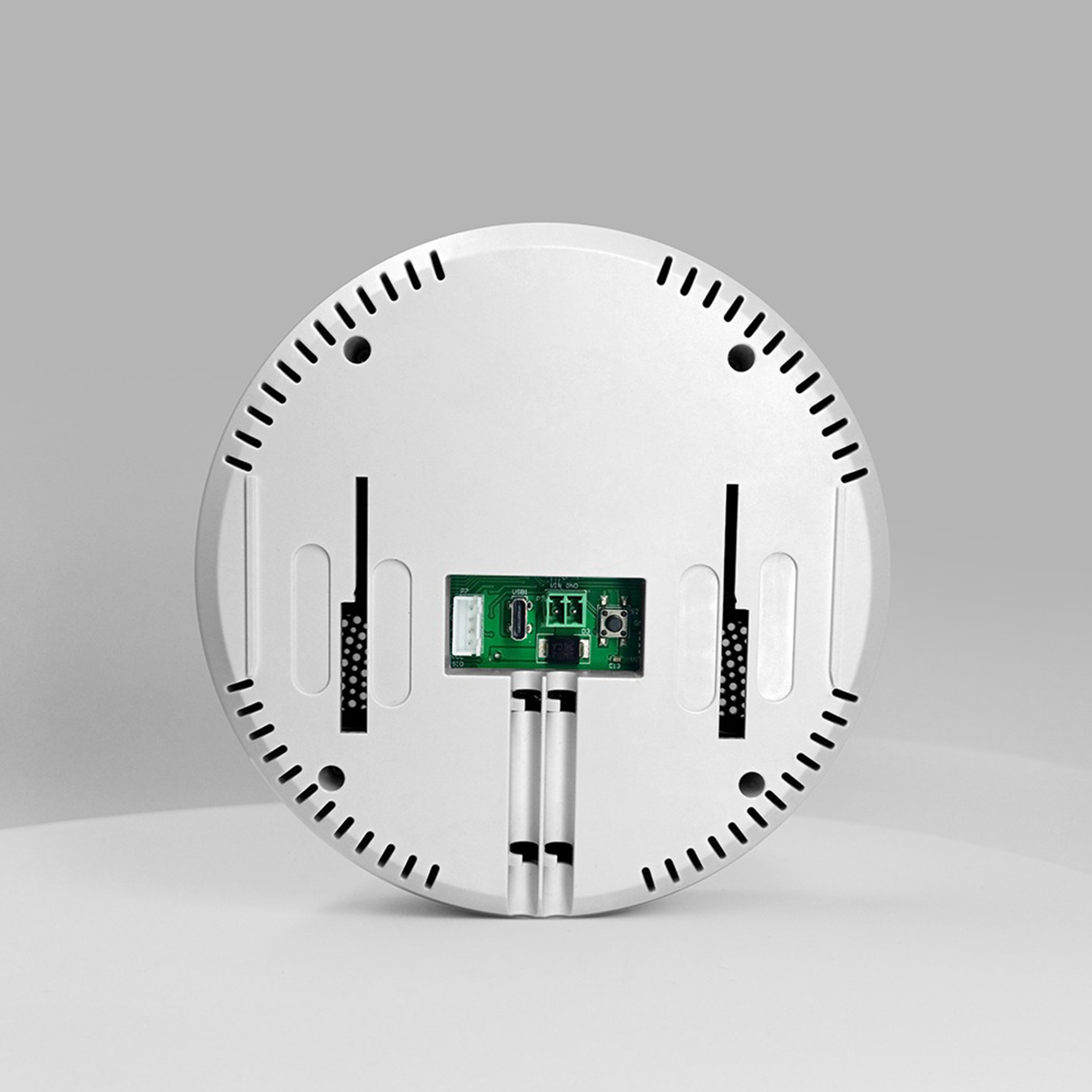
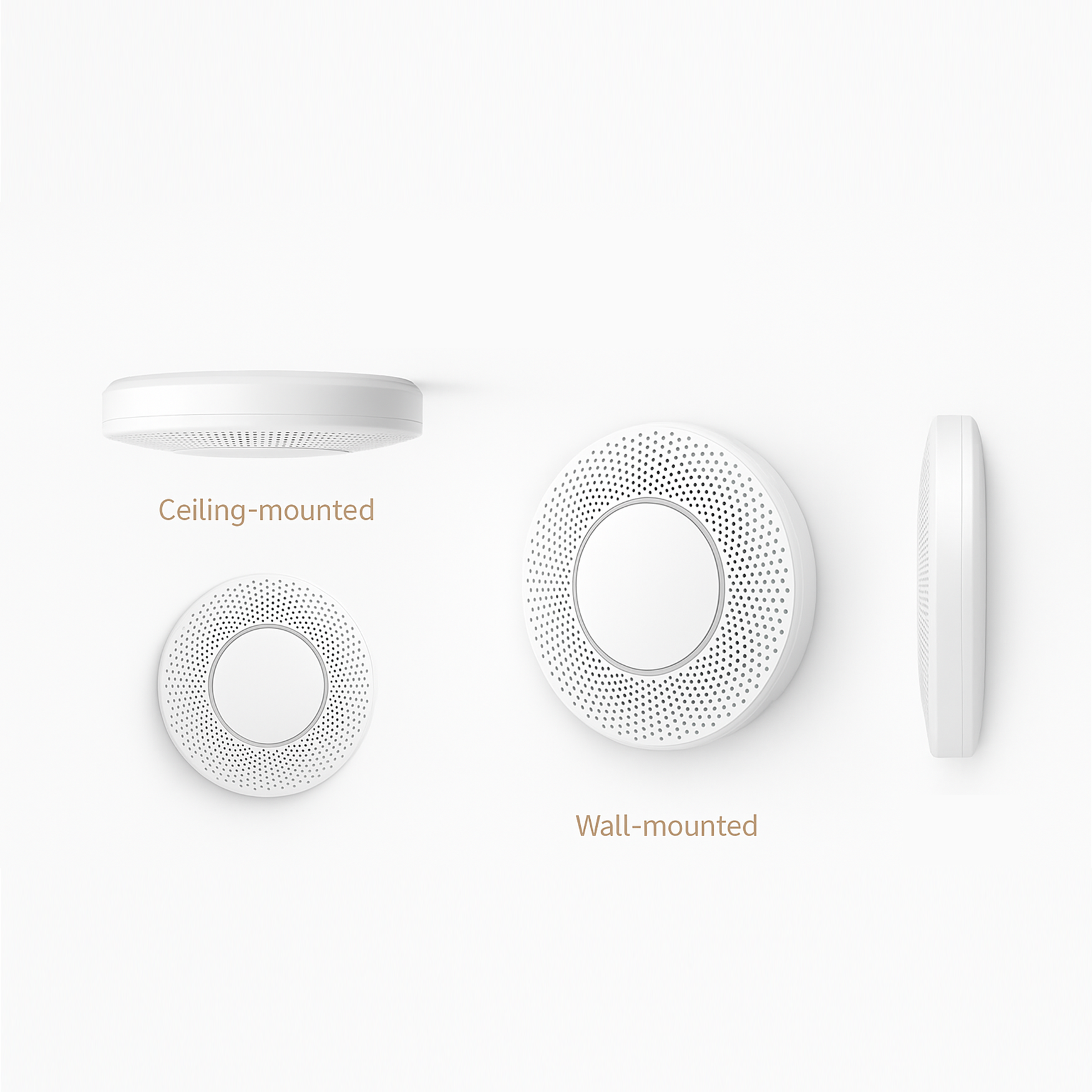
Installation height typically ranges between 2.4 and 3 metres, ensuring devices remain out of reach whilst maintaining optimal airflow access for accurate detection. Professional installers ensure proper power connectivity, network access, and calibration during the setup process.
Schools should consult their property and maintenance managers to assess structural requirements and coordinate installation schedules that minimise disruption to the academic timetable.
Real-Time Alert Systems and Response Protocols
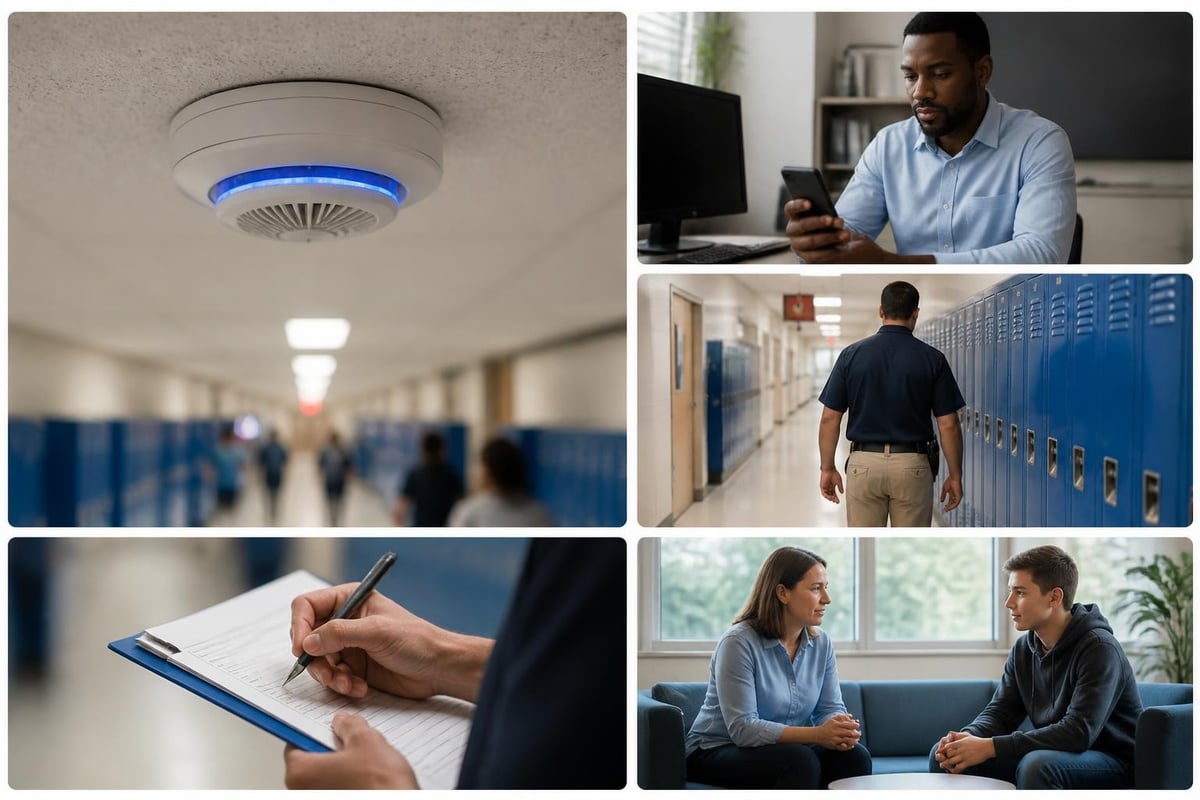
The true value of a student vaping detector emerges through its alert functionality and the response frameworks schools establish. Immediate notifications enable staff to intervene promptly, addressing incidents whilst they occur rather than discovering evidence after the fact.
Alert systems deliver notifications through multiple channels simultaneously. Designated safeguarding leads, pastoral care teams, and facility managers receive instant messages via mobile apps, email, or SMS when detection events occur. These alerts include timestamps, specific location details, and the type of incident detected.
Building Effective Response Frameworks
Immediate Response Steps:
- Verify the alert through nearby staff presence
- Approach the location calmly and professionally
- Document the incident with relevant details
- Follow established disciplinary procedures consistently
- Provide appropriate support through pastoral systems
Schools implementing best practices for handling alerts report significantly improved incident resolution and reduced repeat offences. The key lies in balancing enforcement with education, using detection events as opportunities to support students rather than simply punishing behaviour.
Integration with School Management Systems
Modern student vaping detector solutions integrate seamlessly with existing school infrastructure, enhancing rather than complicating administrative workflows. Cloud-based platforms provide centralised dashboards where senior leadership teams can review incident patterns, track response times, and generate compliance reports.
These systems connect with school management information systems, safeguarding databases, and behaviour tracking platforms. Integration enables automatic logging of incidents, streamlines communication with parents, and supports data-driven policy development.
Data Analytics and Reporting
Sophisticated analytics transform raw detection data into actionable insights. Schools can identify temporal patterns, such as increased vaping incidents during specific break times or in particular locations. This intelligence informs targeted interventions, staff deployment decisions, and environmental modifications.
Key Analytics Features:
- Incident frequency tracking across time periods
- Location-based heat mapping
- Trend analysis for prevention planning
- Comparative reporting across multiple sites
- Compliance documentation for regulatory bodies
Multi-academy trusts particularly benefit from centralised reporting that provides oversight across multiple campuses simultaneously. Standardised data collection enables trust-wide policy development and resource allocation based on empirical evidence rather than anecdotal reports.
Privacy, Compliance, and Legal Considerations
Implementing detection technology raises important questions regarding student privacy, data protection, and legal compliance. Schools must balance effective monitoring with respect for individual rights and adherence to UK data protection legislation.
A properly designed student vaping detector operates without cameras, microphones capable of recording conversations, or any technology that captures personally identifiable information. These privacy-first designs ensure compliance with GDPR whilst maintaining detection effectiveness.
| Privacy Feature | Implementation | Legal Compliance |
|---|---|---|
| No visual recording | Sensor-only technology | GDPR compliant |
| No audio recording | Sound level monitoring only | Privacy Act adherent |
| Anonymous alerts | Location-based, not person-specific | Data minimisation |
| Secure data transmission | Encrypted communications | Cyber security standards |
| Limited data retention | Configurable storage periods | Data protection principles |
Schools should conduct Data Protection Impact Assessments before deployment, consult with designated safeguarding leads, and ensure transparent communication with students, parents, and governors regarding monitoring practices.
Educational Support and Prevention Programmes
Detection technology functions most effectively when integrated within comprehensive vaping prevention and support strategies. Schools achieving the greatest success combine technological monitoring with robust educational programmes addressing why students vape and providing support for those wishing to quit.
The vaping education hub approach combines curriculum content, peer education, parent workshops, and individual support services. When students understand that a student vaping detector exists to protect their health rather than simply enforce rules, they respond more positively to interventions.
Creating Supportive Environments
Essential Programme Components:
- Age-appropriate education about vaping health risks
- Confidential support services for students wanting to quit
- Parent engagement sessions explaining vaping trends
- Staff training on recognising vaping signs and intervention techniques
- Clear, consistently applied behaviour policies
Schools implementing Vape Detection Systems find that combining technology with education creates a culture where vaping becomes less socially acceptable. Students report feeling more supported when schools demonstrate genuine concern for wellbeing rather than focusing solely on punishment.


Cost Considerations and Budget Planning
Financial planning represents a significant consideration when schools evaluate student vaping detector deployment. Comprehensive cost analysis should account for initial hardware investment, installation expenses, ongoing subscription fees, and staff training requirements.
Investment Breakdown
Initial hardware costs typically range from £400 to £1,200 per device, depending on specification and capabilities. Schools requiring coverage of ten bathroom facilities might invest £5,000 to £12,000 in equipment. Additional expenses include professional installation, network infrastructure upgrades, and initial staff training.
Monthly subscription fees for cloud platforms, software updates, and technical support generally range from £10 to £40 per device. These recurring costs ensure continuous access to improved detection algorithms, security updates, and customer support services.
Budget Planning Factors:
- Number of devices required based on facility size
- Installation complexity and existing infrastructure
- Subscription tier selection based on feature requirements
- Staff training and ongoing professional development
- Maintenance, calibration, and eventual replacement cycles
Many schools discover that financing options through capital budgets, safeguarding grants, or phased deployment strategies make implementation financially viable. The return on investment becomes evident through reduced property damage, improved student wellbeing outcomes, and decreased staff time managing vaping incidents.
Comparing Leading Detection Solutions
The student vaping detector market includes various manufacturers offering different feature sets, pricing structures, and support models. Schools benefit from understanding key differentiators when selecting systems aligned with their specific requirements.
Solutions like the HALO Smart Sensor provide comprehensive detection alongside air quality monitoring, whilst systems such as AirCare Sensors emphasise affordability and student-developed technology. Platforms including Verkada's detection solutions integrate with existing security infrastructure, and devices like Triton Sensors offer advanced visualisation features.
Selection Criteria
When evaluating options, schools should prioritise:
- Detection accuracy and false positive rates
- Privacy protection features and compliance
- Integration capabilities with existing systems
- Alert reliability and notification methods
- Ongoing support quality and responsiveness
- Total cost of ownership over expected lifespan
Schools implementing best vape detectors emphasise the importance of trial periods, reference checks with similar institutions, and clear understanding of contractual terms before committing to specific solutions.
Staff Training and Change Management
Successful deployment extends beyond technology installation to encompass comprehensive staff preparation and organisational change management. Educators, administrators, and support staff require training in system operation, alert response procedures, and student support approaches.
Training Programme Structure
Effective preparation includes technical training for system administrators and IT managers, operational training for staff receiving alerts, and awareness sessions for the broader school community.
Staff Training Components:
- System functionality and alert interpretation
- Response protocols and documentation requirements
- Safeguarding procedures and student support pathways
- Privacy principles and legal compliance obligations
- De-escalation techniques and restorative approaches
Role-specific guidance ensures headteachers, teachers, and governors understand their particular responsibilities within the detection and response framework. This targeted approach builds confidence and ensures consistent application of procedures across the school community.
Student Communication and Engagement
Transparent communication with students forms a critical component of effective implementation. Young people respond more positively when they understand the rationale behind monitoring, feel respected in the process, and recognise genuine concern for their wellbeing.
Schools achieving optimal outcomes involve students in discussions about vaping concerns, explain how detection technology protects their health and education, and emphasise support services available for those struggling with nicotine addiction.
Communication Strategies
Effective Engagement Approaches:
- Assembly presentations explaining vaping health impacts
- Clear signage indicating monitored areas
- Student council involvement in policy development
- Confidential reporting mechanisms for peer concerns
- Regular updates on programme outcomes and support resources
This transparent approach builds trust, reduces adversarial relationships between students and staff, and creates an environment where detection serves educational rather than purely punitive purposes.
Measuring Success and Continuous Improvement
Schools implementing a student vaping detector benefit from establishing clear success metrics and regular evaluation processes. Effective measurement extends beyond simple incident counts to encompass broader health, wellbeing, and cultural indicators.
Success Indicators
| Metric Category | Specific Measures | Target Outcomes |
|---|---|---|
| Incident Reduction | Vaping detections over time | 40-60% decrease within 12 months |
| Student Wellbeing | Health surveys, absence rates | Improved respiratory health reports |
| Culture Change | Student attitudes, peer reporting | Increased perception of support |
| Staff Confidence | Intervention effectiveness ratings | Enhanced capability managing incidents |
| Parent Satisfaction | Feedback surveys, engagement levels | Greater confidence in school safety |
Regular review cycles enable schools to refine response protocols, adjust technology placement, enhance support services, and communicate progress to stakeholders. This continuous improvement approach ensures detection systems deliver sustained value rather than becoming merely another underutilised technology investment.
Future Developments in Detection Technology
The student vaping detector market continues evolving rapidly as manufacturers incorporate artificial intelligence, expanded detection capabilities, and enhanced integration features. Emerging developments include predictive analytics identifying at-risk students before incidents occur, expanded chemical detection recognising new vaping substances, and improved accuracy reducing false positives.
Integration with platforms like Motorola's video management systems and Nokii's privacy-first designs demonstrates the industry's commitment to balancing comprehensive monitoring with ethical privacy protection. Devices such as FlySense continue advancing cellular connectivity, whilst solutions from Soter Technologies enhance sound anomaly detection alongside vaping identification.
Schools planning long-term technology strategies should prioritise systems offering regular software updates, backward compatibility with emerging standards, and manufacturers demonstrating sustained innovation commitment. These considerations ensure investments remain relevant as both vaping behaviours and detection technologies evolve.
Implementation Across Different Educational Settings
Different educational environments require tailored approaches to student vaping detector deployment. Primary schools face different challenges than secondary academies, whilst further education colleges and specialist provision institutions each present unique considerations.
Setting-Specific Considerations
Secondary schools typically prioritise bathroom and changing room coverage, focusing on areas where older students congregate during unsupervised periods. Primary schools, whilst facing fewer vaping incidents, benefit from establishing monitoring infrastructure early, creating deterrent effects and normalising safety technology before problematic behaviours emerge.
Further education colleges managing adult learners must balance detection with different legal frameworks and student autonomy expectations. Specialist settings supporting students with additional needs require particularly thoughtful implementation ensuring technology enhances rather than distresses vulnerable young people.
Local authorities coordinating deployment across multiple institutions can leverage economies of scale, standardise policies, and share best practices whilst respecting individual school autonomy and specific contextual factors.
Student vaping detector technology provides schools with powerful tools to protect student health, maintain safe learning environments, and support young people making informed choices about vaping. When implemented thoughtfully alongside comprehensive education and support programmes, these systems deliver measurable improvements in wellbeing outcomes and institutional safety. Vape Guardian specialises in advanced detection solutions designed specifically for educational environments, offering UK schools reliable technology, expert installation support, and ongoing guidance to ensure successful implementation and sustained positive impact.



Share:
Building Management Vape Detector Systems Guide 2026
Washroom Safeguarding Technology: A Complete Guide