
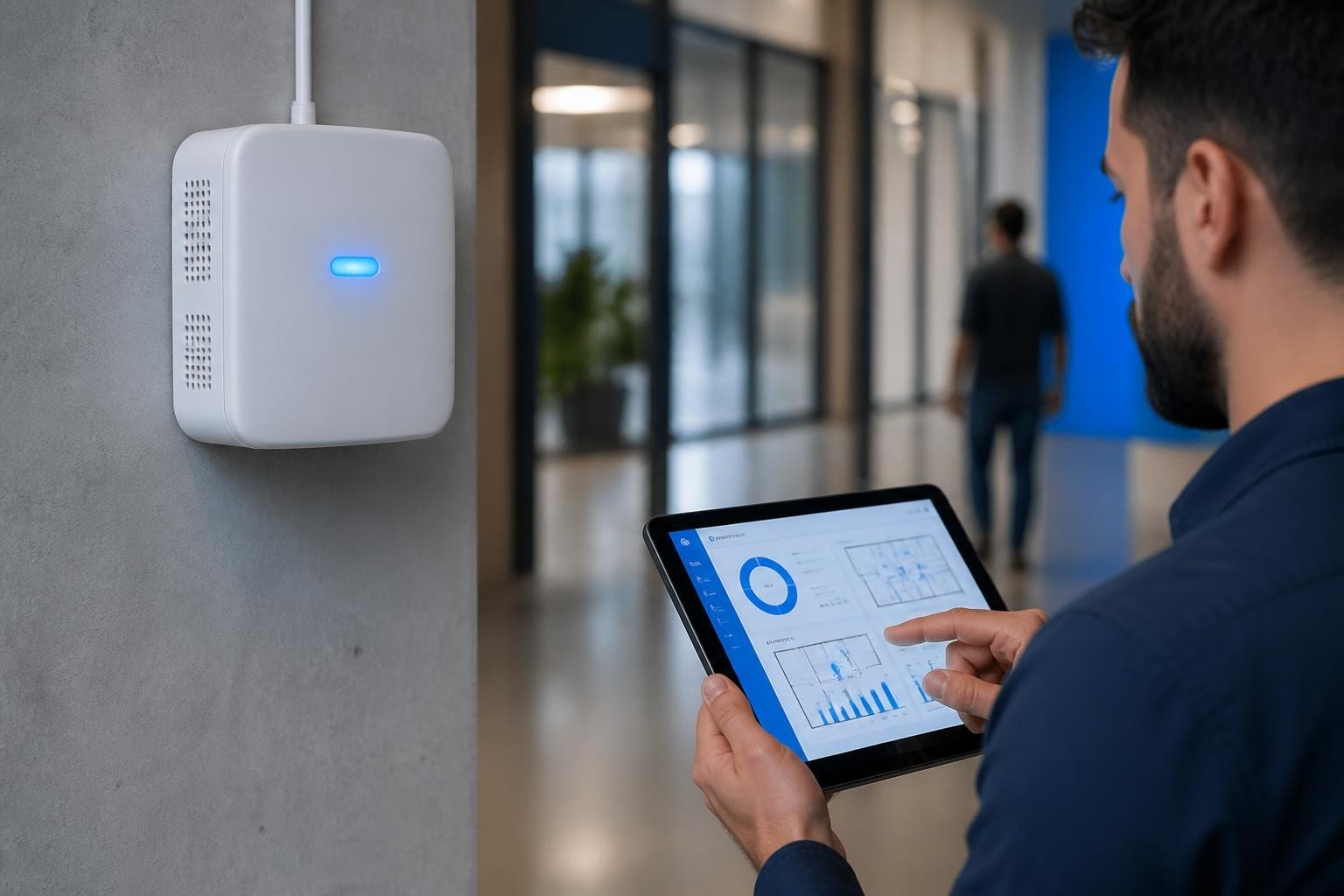
The integration of vape detection technology into building management systems represents a significant advancement in facility safety and compliance. As vaping incidents continue to rise across schools, offices, healthcare facilities, and leisure venues, property managers and facility operators are increasingly turning to sophisticated detection solutions. A building management vape detector serves as both a deterrent and an enforcement tool, offering real-time alerts whilst maintaining comprehensive monitoring across complex environments. These systems bridge the gap between traditional building management protocols and the emerging challenges posed by electronic cigarettes and related substances.
Understanding Building Management Vape Detector Technology
Modern vape detection systems employ sophisticated sensor arrays that identify the unique chemical signatures released during vaping activities. Understanding how these detectors function reveals the advanced technology behind these essential safety tools. Unlike traditional smoke detectors that rely on particulate density, a building management vape detector utilises multiple sensing mechanisms to differentiate between various airborne substances.
The core technology incorporates particulate matter sensors, volatile organic compound (VOC) detection, and humidity monitoring. When someone vapes, the device releases a distinctive aerosol containing propylene glycol, vegetable glycerin, and various flavouring compounds. These substances create measurable changes in air quality parameters that sophisticated sensors can identify within seconds.
Key Detection Mechanisms
Building management vape detector systems employ several detection technologies simultaneously:
- Particulate Matter Sensors: Measure ultrafine particles between 0.3 and 2.5 micrometres in diameter
- VOC Sensors: Identify specific chemical compounds associated with e-liquid vapour
- Humidity Sensors: Detect sudden moisture increases characteristic of vaping aerosol
- Air Quality Monitoring: Establish baseline readings to distinguish vaping from other environmental changes
- Machine Learning Algorithms: Improve accuracy by learning facility-specific patterns
Integration with existing building management systems (BMS) enables these detectors to function as part of a comprehensive facility monitoring network. The sensors communicate through standard protocols including BACnet, Modbus, or IP-based systems, ensuring seamless data flow between detection devices and central management platforms.
Installation Considerations for Facility Managers
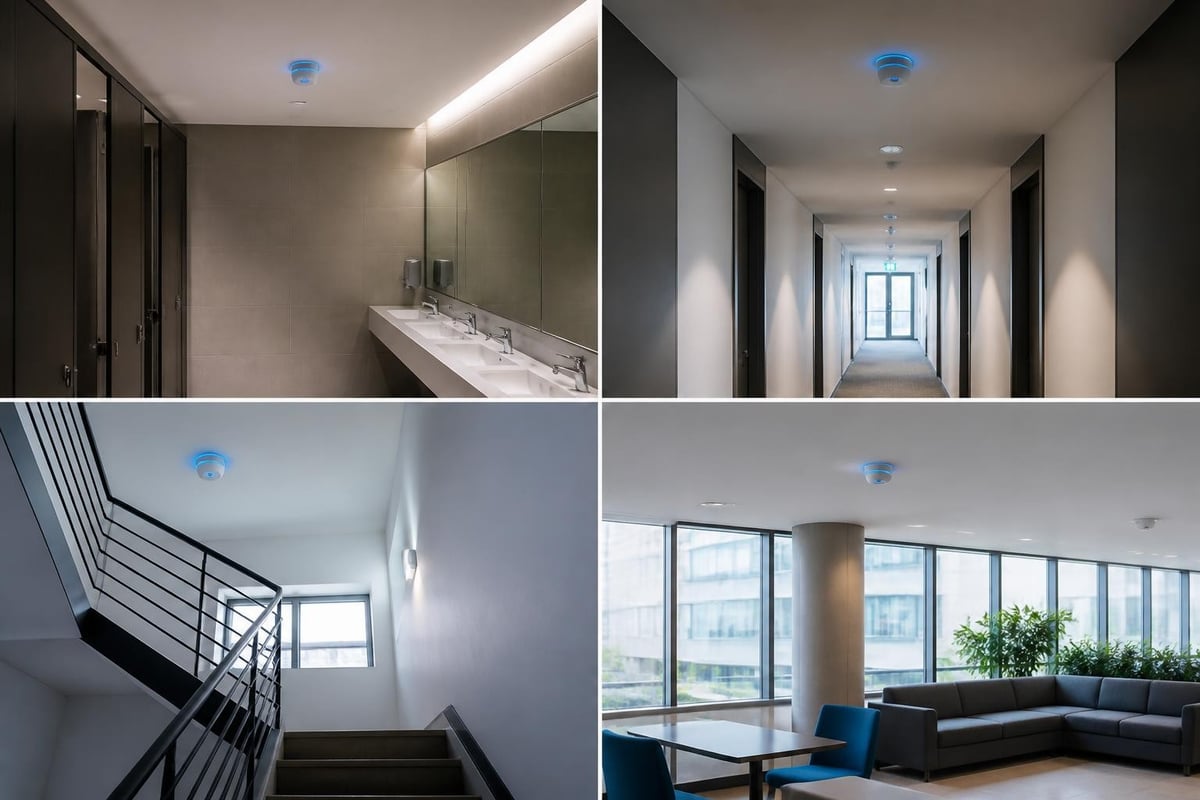
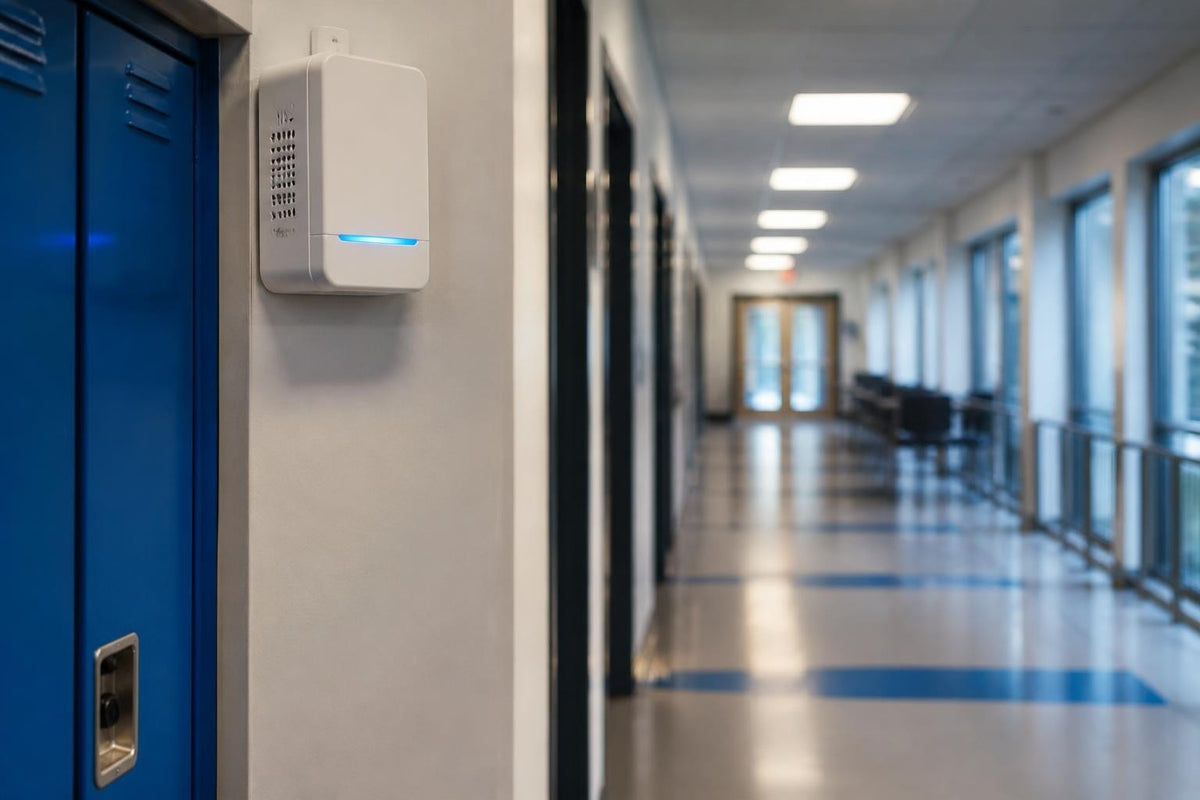
Proper placement of a building management vape detector requires careful analysis of facility layouts, occupancy patterns, and ventilation systems. Strategic positioning maximises detection coverage whilst minimising false alerts and ensuring the system delivers actionable intelligence to facility operators.
High-risk areas demand priority coverage. Washrooms, changing facilities, and enclosed spaces with limited supervision represent primary deployment locations. Secondary zones include corridors, stairwells, and storage areas where individuals might seek privacy for vaping activities.
| Location Type | Priority Level | Detection Requirements | Installation Notes |
|---|---|---|---|
| Washrooms | Critical | Multi-sensor coverage | Mount above doorways, away from hand dryers |
| Changing Rooms | Critical | Privacy-compliant sensors | No cameras, audio detection optional |
| Corridors | High | Wide-area monitoring | Strategic chokepoints, entrances/exits |
| Stairwells | Medium | Environmental stability | Consider temperature fluctuations |
| Storage Areas | Medium | Low-traffic monitoring | Extended alert thresholds |
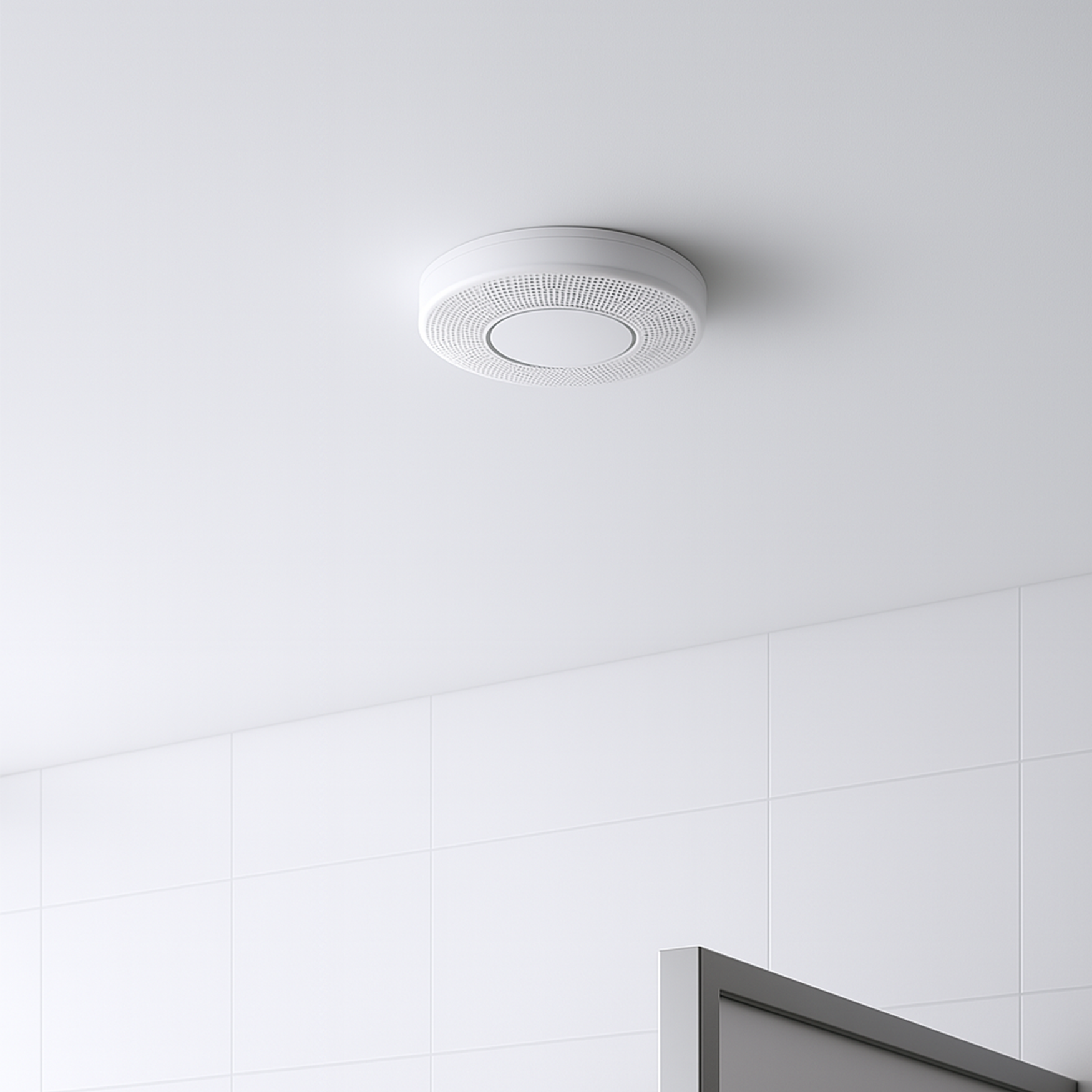
Ventilation systems significantly impact detector performance. Understanding airflow patterns helps facilities teams position devices where they will encounter vaping aerosol before dispersion. Mounting height typically ranges between 2.4 and 3 metres, depending on ceiling height and air circulation characteristics.
Environmental Factors Affecting Detection
Temperature extremes, humidity variations, and chemical contaminants from cleaning products can influence sensor accuracy. A robust building management vape detector incorporates environmental compensation algorithms that adjust sensitivity based on ambient conditions. Calibration protocols should account for seasonal changes and facility-specific environmental factors.
Modern systems offer remote configuration capabilities, allowing facilities managers to adjust sensitivity thresholds, alert parameters, and reporting schedules without physical access to individual devices. This flexibility proves particularly valuable in large facilities with multiple detection points.
Integration with Existing Building Systems
A building management vape detector achieves maximum effectiveness when fully integrated into existing facility infrastructure. Advanced environmental monitoring solutions demonstrate how comprehensive integration enhances building-wide safety protocols. The connection between detection systems and building management platforms enables automated responses, detailed reporting, and centralised oversight.
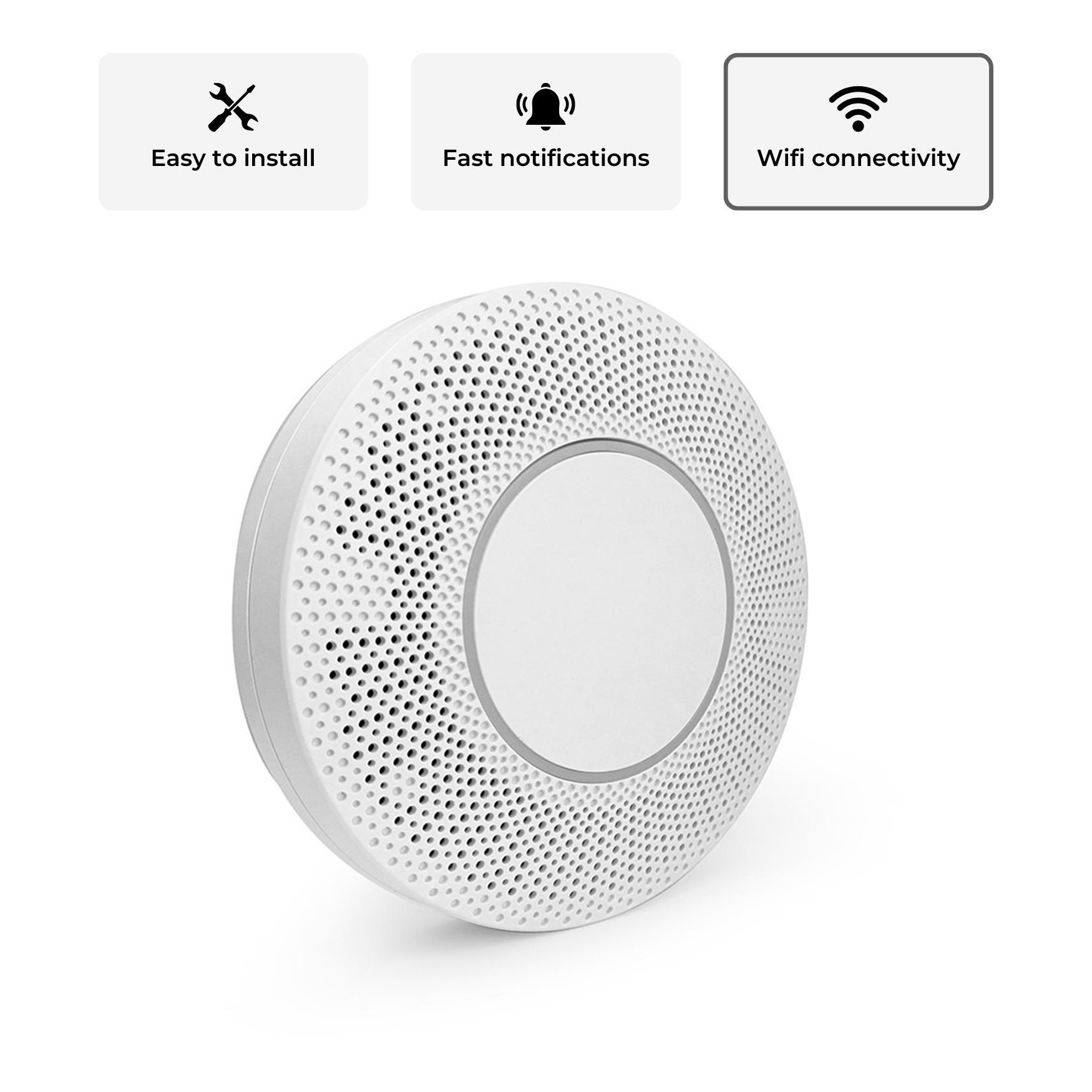
Integration typically occurs at three levels: network connectivity, data management, and response automation. Network integration ensures all devices communicate reliably with central systems through wired Ethernet, WiFi, or LoRaWAN protocols. Data management involves aggregating alerts, generating reports, and maintaining historical records for compliance documentation.
Response automation represents the most sophisticated integration level. When a building management vape detector triggers an alert, the BMS can initiate predetermined actions including:
- Immediate Notification: Send alerts to security personnel, facilities managers, or designated responders via SMS, email, or mobile applications
- Surveillance Activation: Trigger nearby cameras to begin recording (in non-privacy areas)
- Access Control Integration: Log entry/exit data to correlate vaping incidents with occupant movements
- Ventilation Adjustment: Increase air exchange rates in affected zones to accelerate vapour dispersion
- Incident Documentation: Automatically create timestamped records for compliance and investigation purposes
The Vape Detection System exemplifies how advanced hardware and software integration creates comprehensive monitoring solutions. By combining real-time detection with intelligent alert management, facility operators gain the visibility needed to address vaping incidents promptly and effectively.

Compliance and Regulatory Considerations
Implementing a building management vape detector supports compliance with various UK regulations concerning indoor air quality, health and safety, and smoke-free environments. The Health and Safety at Work Act 1974 requires employers to ensure workplace safety, which increasingly encompasses vaping prevention. Educational institutions face additional requirements under safeguarding guidelines that mandate protection of young people from harmful substances.
Documentation capabilities prove essential for demonstrating compliance. Modern detection systems maintain detailed logs including:
- Timestamp and location of each detection event
- Sensor readings and confidence levels
- Environmental conditions at time of detection
- Response actions taken by staff
- Resolution and follow-up notes
These records support regulatory audits, insurance requirements, and internal policy enforcement. Facilities serving vulnerable populations, including schools and healthcare settings, find comprehensive documentation particularly valuable when addressing stakeholder concerns about safety measures.

Privacy and Data Protection Compliance
Building management vape detector deployment must align with GDPR requirements and data protection principles. Unlike camera-based monitoring, sensor-only detection systems offer privacy-compliant monitoring suitable for washrooms and changing facilities. When implementing these systems, organisations should:
- Conduct Data Protection Impact Assessments (DPIAs)
- Establish clear retention policies for detection records
- Implement appropriate access controls for sensitive data
- Provide transparent communications about monitoring practices
- Ensure data processing serves legitimate interests
Legal frameworks supporting vape detection include workplace health and safety regulations, educational safeguarding duties, and smoke-free legislation. Facilities demonstrating proactive monitoring often benefit from reduced insurance premiums and enhanced organisational reputation.
Performance Optimisation and Maintenance
Sustaining peak performance from a building management vape detector requires systematic maintenance protocols and ongoing optimisation. Sensor drift, environmental contamination, and software updates all impact detection accuracy over time. Establishing structured maintenance schedules prevents degraded performance and ensures consistent protection.
Recommended Maintenance Schedule
| Activity | Frequency | Purpose | Responsibility |
|---|---|---|---|
| Visual Inspection | Monthly | Check physical condition, verify LED indicators | Facilities Staff |
| Sensor Cleaning | Quarterly | Remove dust and contaminants from sensors | Trained Technician |
| Calibration Verification | Semi-annually | Confirm accuracy against known samples | Service Provider |
| Software Updates | As Released | Maintain latest algorithms and security patches | IT Department |
| Full System Test | Annually | Comprehensive functionality assessment | External Auditor |
Environmental factors unique to each facility influence optimal maintenance intervals. High-traffic areas with elevated dust levels may require more frequent cleaning, whilst climate-controlled environments with filtered air typically maintain sensor accuracy longer. Understanding how vape detectors work helps facilities teams recognise when performance degradation indicates maintenance needs.
Performance metrics provide objective evidence of system effectiveness. Key performance indicators include:
- Detection Rate: Percentage of known vaping incidents successfully identified
- False Positive Rate: Frequency of alerts not corresponding to actual vaping
- Response Time: Duration between detection and alert delivery
- System Uptime: Percentage of time devices remain fully operational
- Coverage Effectiveness: Proportion of facility area under active monitoring
Advanced building management vape detector systems offer performance dashboards displaying these metrics in real-time. Facility managers can identify trends, compare performance across locations, and optimise deployment strategies based on empirical data.
Educational Settings and Unique Requirements
Schools, colleges, and universities face distinctive challenges when addressing vaping behaviour. A building management vape detector deployed in educational environments must balance effective monitoring with age-appropriate responses and educational objectives. Specialised solutions for educational settings recognise that detection represents only one component of comprehensive vaping prevention strategies.
Student privacy considerations influence deployment approaches. Whilst washroom monitoring proves essential for detection, educational institutions must navigate parental concerns, student rights, and institutional policies. Transparent communication about monitoring practices, coupled with educational initiatives explaining health risks, creates a supportive framework for technology deployment.
Detection systems in schools serve multiple functions beyond immediate incident response. Data gathered by a building management vape detector supports:
- Identification of usage patterns and high-risk times
- Evidence supporting intervention conversations with students
- Trend analysis informing policy development
- Resource allocation for prevention programmes
- Demonstration of duty of care to parents and governors
Integration with safeguarding protocols ensures detected incidents receive appropriate responses. Rather than purely disciplinary approaches, progressive schools couple detection with support services, health education, and behavioural interventions. The technology enables early identification of concerning patterns whilst respecting student welfare principles.
Staff Training and Response Protocols
Effective use of a building management vape detector requires properly trained staff who understand response procedures and escalation pathways. Training programmes should cover:
- Alert Interpretation: Understanding confidence levels, sensor types, and potential false positives
- Response Procedures: Appropriate actions when alerts occur, including documentation requirements
- Student Interaction: Age-appropriate conversations about vaping and health risks
- Privacy Protection: Respecting student rights whilst investigating incidents
- Data Management: Proper handling of sensitive information from detection systems
Response protocols vary by educational level. Primary schools typically emphasise immediate intervention and parental notification, whilst secondary schools often incorporate restorative approaches and peer education components. Guidance for school leadership teams provides frameworks for developing effective, evidence-based policies.
Commercial and Office Environments
Office buildings, commercial facilities, and corporate campuses deploy building management vape detector systems to maintain professional environments and comply with smoke-free policies. Unlike educational settings where safeguarding drives implementation, workplace deployments emphasise health and safety obligations, productivity maintenance, and professional standards.
Commercial implementations often prioritise discretion and integration with existing security infrastructure. Sensors blend seamlessly into office aesthetics whilst providing comprehensive coverage of common areas, meeting rooms, and facilities. The technology supports workplace policies without creating perceptions of excessive surveillance.
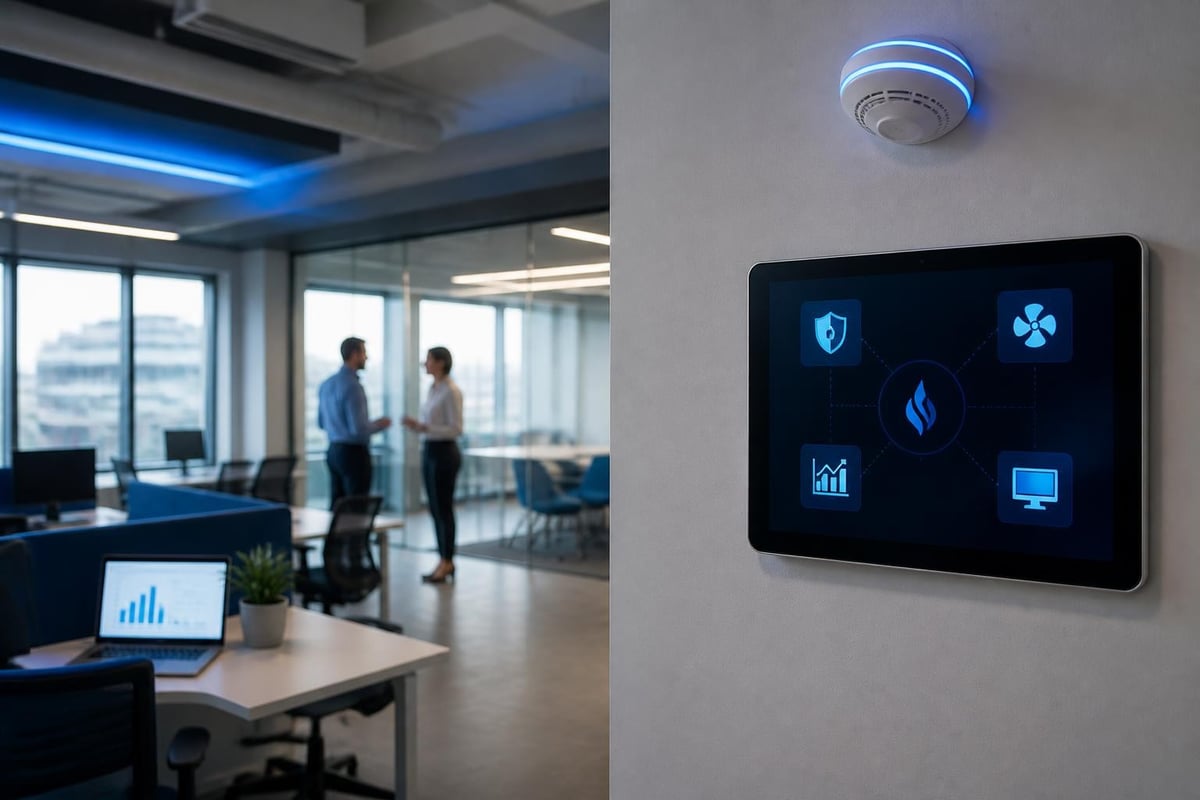
Workplace detection systems provide employers with documentation supporting policy enforcement. When employees violate smoke-free policies, timestamped detection records offer objective evidence of infractions. This documentation proves particularly valuable in large organisations where maintaining consistent policy application across departments and locations presents challenges.
Solutions designed for office environments recognise that workplace vaping often occurs during breaks, in parking structures, or within vehicle charging areas. Comprehensive coverage extends beyond traditional indoor spaces to encompass transitional zones where policy violations frequently occur.
Return on Investment Considerations
Facilities managers evaluating building management vape detector investments consider multiple cost factors beyond initial hardware expenses. Total cost of ownership includes:
- Hardware acquisition and installation costs
- Network infrastructure requirements
- Ongoing maintenance and calibration
- Software licensing and updates
- Staff training and policy development
Benefits offsetting these costs include reduced cleaning requirements, decreased air quality complaints, lower insurance premiums, and enhanced organisational reputation. Facilities demonstrating proactive health and safety measures often experience recruitment advantages and improved employee satisfaction.
Healthcare and Sensitive Environments
Hospitals, care homes, and medical facilities face stringent requirements regarding air quality and safety. A building management vape detector deployed in healthcare settings must meet elevated performance standards whilst accommodating medical equipment, vulnerable populations, and regulatory oversight.
Healthcare environments present unique detection challenges. Medical aerosols, cleaning chemicals, and therapeutic treatments can trigger false alerts in poorly configured systems. Advanced sensors incorporating machine learning algorithms distinguish between medical activities and vaping incidents through pattern recognition and environmental context analysis.
Patient safety considerations extend beyond vaping detection to encompass comprehensive air quality monitoring. Multi-functional sensors that combine vape detection with air quality assessment, temperature monitoring, and environmental hazard identification provide holistic protection suitable for medical environments.
Detection in healthcare settings supports:
- Regulatory Compliance: Meeting Care Quality Commission standards and NHS guidelines
- Fire Safety: Preventing incidents in oxygen-enriched environments where vaping poses extreme risks
- Patient Protection: Safeguarding vulnerable individuals from secondhand exposure
- Staff Accountability: Ensuring healthcare workers maintain professional standards
- Visitor Management: Enforcing smoke-free policies throughout facility grounds
Integration with nurse call systems, building automation, and security platforms enables rapid response to detected incidents. Medical facilities cannot afford delayed reactions when vaping occurs near oxygen sources or vulnerable patients.
Aviation and Transportation Facilities
Airports, railway stations, and transport hubs deploy building management vape detector systems addressing unique security and safety requirements. These high-traffic environments combine large public areas with restricted zones requiring different monitoring approaches.
Aviation settings face particular urgency regarding vape detection. Aircraft washrooms represent high-risk environments where vaping incidents could trigger smoke alarms, force emergency landings, and create significant safety hazards. Specialised solutions for aviation recognise these unique requirements and provide detection systems meeting aviation safety standards.
Transportation facilities benefit from scalable detection networks covering:
- Public washroom facilities across multiple terminals
- Smoking shelter perimeters to prevent encroachment
- Restricted areas including baggage handling and maintenance zones
- Staff-only spaces where policy enforcement proves challenging
- Ventilation system monitoring points detecting widespread violations
The transient nature of transportation populations requires detection systems providing immediate alerts without relying on occupant identification. When a building management vape detector triggers in a transport hub, security personnel respond to the specific location rather than pursuing individual accountability.
Future Developments and Emerging Technologies
The evolution of building management vape detector technology continues advancing through improved sensor capabilities, artificial intelligence integration, and enhanced connectivity. Emerging developments promise more accurate detection, reduced false positives, and deeper integration with smart building ecosystems.
Next-generation sensors will offer:
- Substance-Specific Detection: Identifying particular vaping products, THC content, or concerning chemical compounds
- Predictive Analytics: Forecasting high-risk times and locations based on historical patterns
- Edge Computing: Processing data locally to reduce latency and bandwidth requirements
- Energy Harvesting: Self-powered sensors reducing installation costs and maintenance needs
- Blockchain Documentation: Tamper-proof incident records supporting legal and compliance requirements
Integration with artificial intelligence enables continuous learning and adaptation. Machine learning algorithms will distinguish between legitimate air quality variations and vaping incidents with increasing precision, virtually eliminating false positives whilst maintaining high detection rates.
The convergence of vape detection with broader environmental monitoring creates comprehensive indoor air quality management platforms. A building management vape detector becomes one element within integrated systems monitoring temperature, humidity, CO2 levels, particulate matter, VOCs, and biological contaminants. This holistic approach supports workplace wellness initiatives, energy efficiency optimisation, and predictive maintenance protocols.
Wireless mesh networking technologies enable flexible deployments without extensive infrastructure modifications. Battery-powered sensors communicating through low-power wide-area networks (LPWAN) support rapid deployment in existing buildings whilst maintaining reliable connectivity across large facilities.
Data Analytics and Continuous Improvement
The information gathered by building management vape detector systems provides valuable insights extending beyond immediate incident response. Comprehensive data analytics reveal patterns, inform policy development, and support evidence-based decision making regarding resource allocation and prevention strategies.
Advanced analytics platforms process detection data to identify:
- Temporal patterns indicating when vaping incidents most frequently occur
- Spatial clustering revealing high-risk locations requiring enhanced monitoring
- Demographic correlations supporting targeted prevention programmes
- Policy effectiveness measurements quantifying intervention success
- Environmental factors influencing vaping behaviour
These insights enable facilities managers to move beyond reactive incident response toward proactive prevention strategies. Understanding that vaping incidents peak during specific times allows strategic deployment of supervision, whilst recognising location patterns supports environmental design modifications reducing opportunities for violations.
Comparative analytics across multiple facilities provide benchmarking capabilities. Organisations operating numerous sites can identify best practices, replicate successful interventions, and standardise policies based on empirical performance data. This evidence-based approach maximises return on investment whilst creating consistently safe environments across portfolios.
Network Infrastructure and Connectivity Options
Reliable connectivity represents a critical success factor for building management vape detector deployments. Detection systems must communicate alerts immediately whilst maintaining stable connections despite environmental challenges, network congestion, and infrastructure limitations.
Connectivity options include:
| Technology | Advantages | Limitations | Best Applications |
|---|---|---|---|
| Wired Ethernet | Highly reliable, no interference, powered over Ethernet | Installation costs, limited flexibility | New construction, renovation projects |
| WiFi | Existing infrastructure, familiar to IT teams | Network congestion, security concerns | Office environments, schools |
| LoRaWAN | Long range, low power, penetrates obstacles | Lower data rates, requires gateway | Large campuses, historical buildings |
| Cellular (4G/5G) | Independent of building networks, wide coverage | Ongoing connectivity costs, signal variations | Temporary installations, remote facilities |
The choice between connectivity options depends on facility characteristics, existing infrastructure, and deployment scale. Large institutions often employ hybrid approaches combining primary and backup connectivity paths ensuring continuous monitoring even during network disruptions.
Understanding network and connectivity requirements helps facilities teams make informed decisions supporting reliable long-term operation. Proper network design prevents communication failures that could leave facilities unprotected during critical incidents.
Cost Benefit Analysis for Facility Operators
Evaluating the financial case for building management vape detector implementation requires comprehensive analysis of both tangible and intangible benefits. Direct costs including hardware, installation, and maintenance must be weighed against measurable returns and qualitative improvements in facility operations.
Quantifiable benefits include:
- Reduced Cleaning Costs: Decreased frequency of deep cleaning required to remove vaping residue
- Lower Insurance Premiums: Discounts for facilities demonstrating proactive safety measures
- Avoided Fines: Compliance with smoke-free regulations preventing penalties
- Decreased HVAC Maintenance: Less contamination extending equipment lifespan
- Productivity Improvements: Reduced time spent investigating suspected violations
Intangible benefits, whilst harder to quantify, often provide substantial value:
- Enhanced organisational reputation demonstrating commitment to health and safety
- Improved stakeholder confidence amongst parents, employees, or service users
- Reduced liability exposure through documented compliance efforts
- Better workplace culture discouraging policy violations
- Recruitment advantages attracting health-conscious talent
Facilities implementing building management vape detector systems typically observe rapid return on investment through avoided costs and operational efficiencies. The technology prevents problems requiring expensive remediation whilst supporting policy enforcement that might otherwise demand substantial staff resources.
Building management vape detector systems deliver comprehensive protection across diverse facility types whilst supporting compliance, safety, and operational efficiency objectives. The technology has matured beyond simple detection to encompass sophisticated analytics, seamless integration, and proactive prevention capabilities that benefit organisations committed to maintaining healthy, compliant environments. Whether your facility serves students, employees, patients, or the public, Vape Guardian provides the advanced detection solutions and dedicated support needed to address vaping challenges effectively. Contact our team to discover how our technology can enhance safety and compliance across your buildings.


Share:
College Vape Detector: Essential Guide for UK Institutions
Student Vaping Detector: Your Complete Guide for 2026