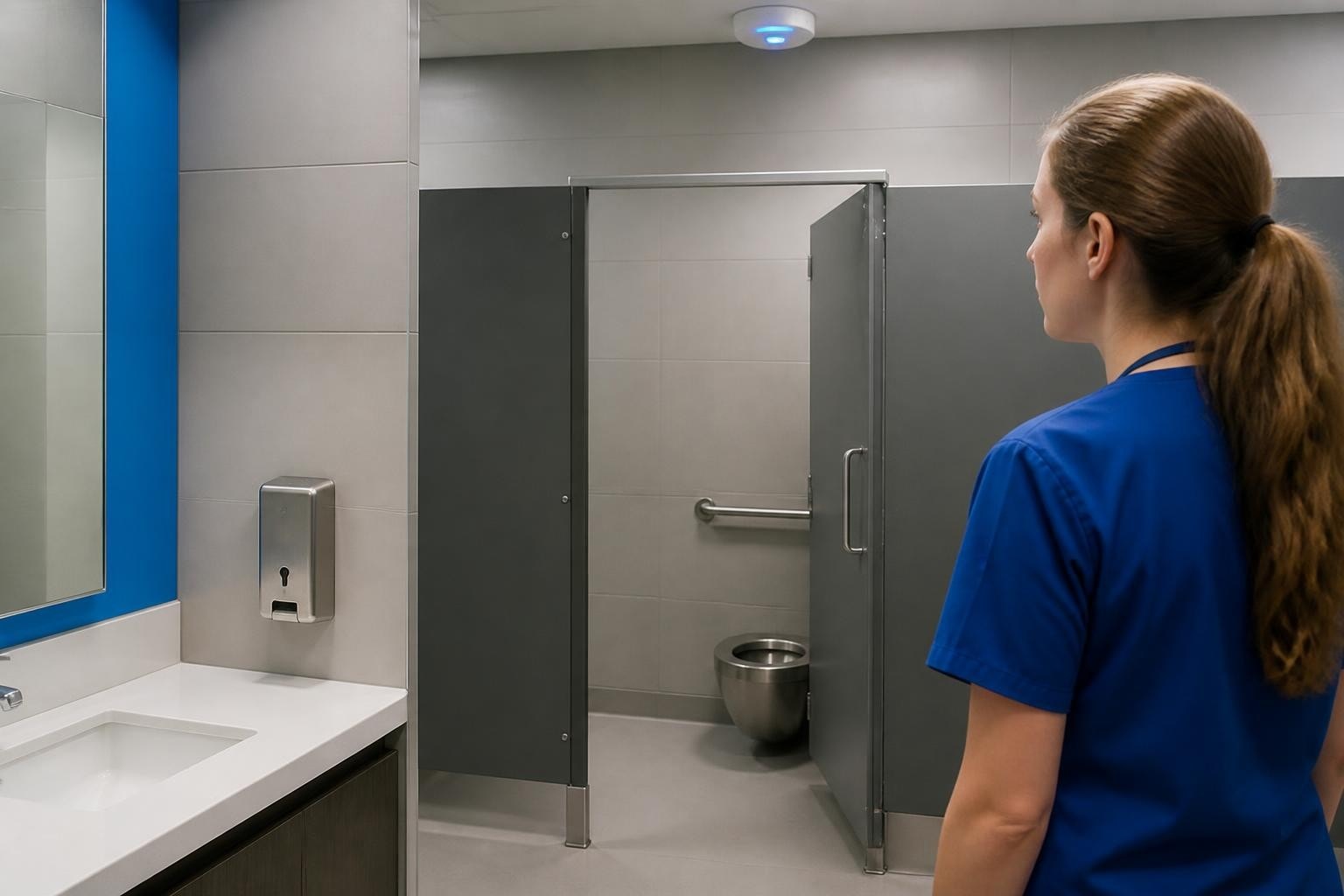
Washrooms remain one of the most challenging spaces to safeguard in public facilities, educational institutions, and mental health settings. Privacy requirements create natural blind spots where harmful behaviours can occur undetected. Modern washroom safeguarding technology addresses these vulnerabilities through intelligent sensor systems, specialised design features, and real-time monitoring capabilities that protect users without compromising dignity or privacy. As facility managers face increasing pressure to create safer environments in 2026, understanding the full spectrum of available technologies has become essential.
Understanding the Core Components of Washroom Safeguarding Technology
Washroom safeguarding technology encompasses multiple integrated systems designed to prevent harm, detect emergencies, and support vulnerable individuals. Unlike traditional security measures, these solutions balance safety with privacy, using non-intrusive methods to monitor conditions and behaviours.
The foundation of effective washroom safeguarding technology includes environmental sensors that detect anomalies without visual surveillance. These devices monitor air quality, sound patterns, and occupancy duration to identify potential incidents. Modern sensor arrays can differentiate between normal use and concerning behaviours such as vaping, smoking, or extended occupancy that might indicate distress.
Anti-ligature design represents another critical component. The SafeGuard Anti-Ligature range demonstrates how hardware modifications create inherently safer spaces. Fixtures, dispensers, and fittings are engineered to prevent self-harm attempts whilst maintaining functionality.
Environmental Monitoring and Detection Systems
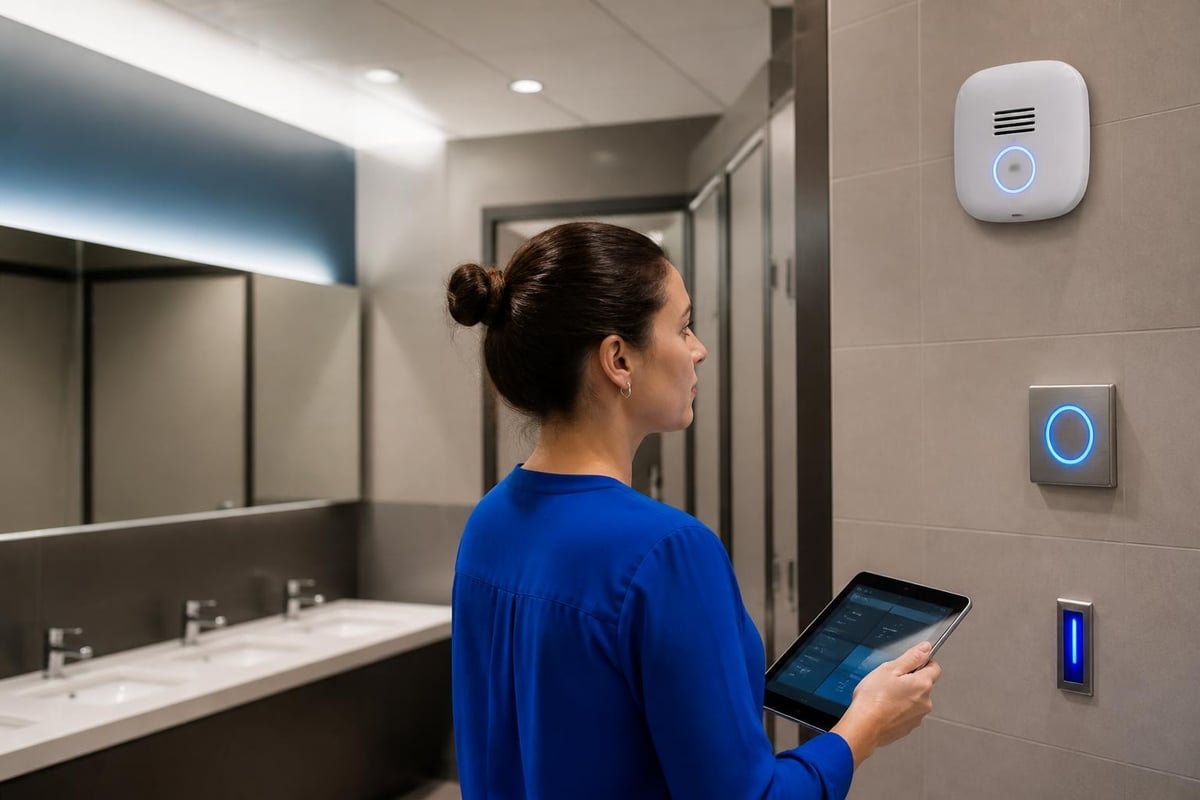
Advanced detection capabilities form the technological backbone of modern washroom safeguarding. Environmental sensors continuously analyse air composition, identifying substances that indicate prohibited activities or health emergencies.
Key detection capabilities include:
- Vaping and e-cigarette substance identification
- Traditional cigarette smoke detection
- Volatile organic compound (VOC) monitoring
- Temperature and humidity tracking
- Sound anomaly recognition
- Extended occupancy alerts
Research into washroom ventilation and airflow patterns has revealed how recirculation zones affect substance dispersal. This understanding informs optimal sensor placement, ensuring detection systems capture incidents regardless of ventilation configurations.
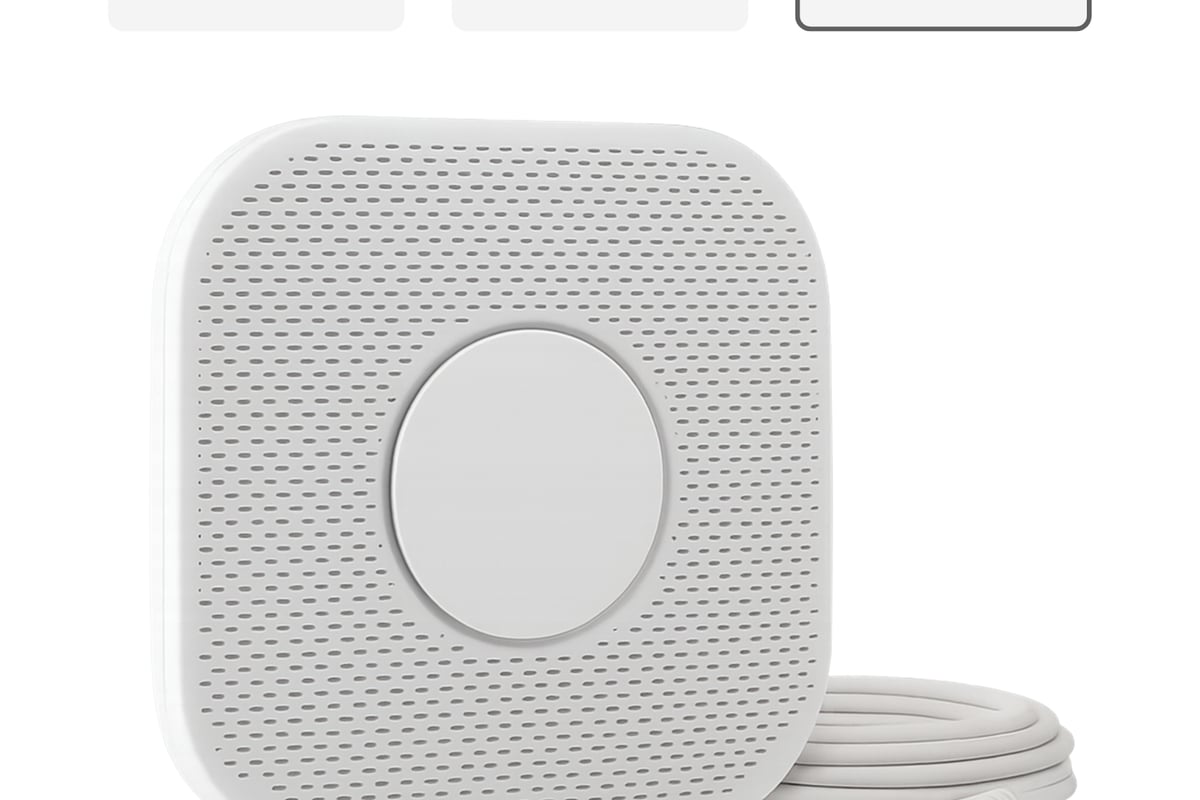
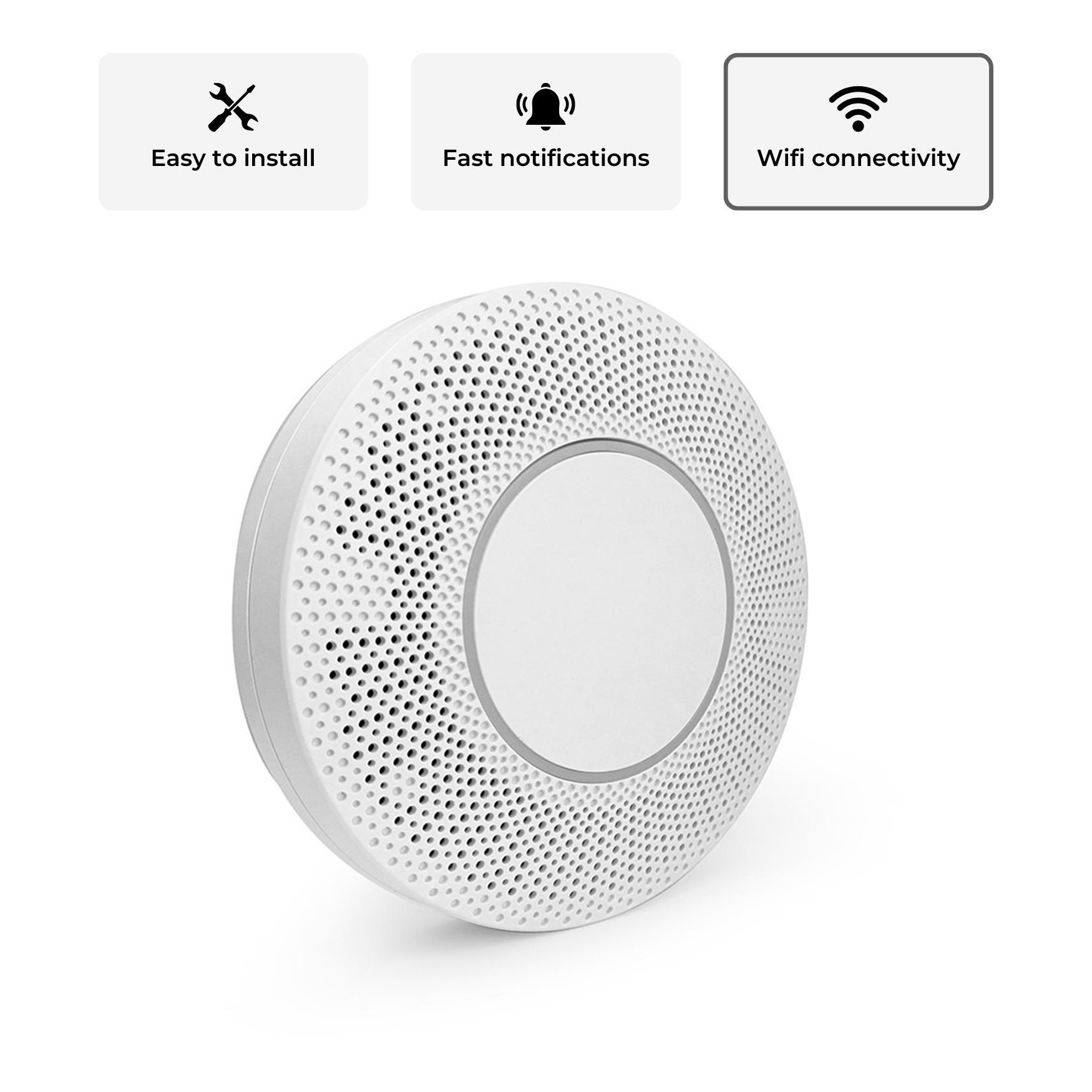
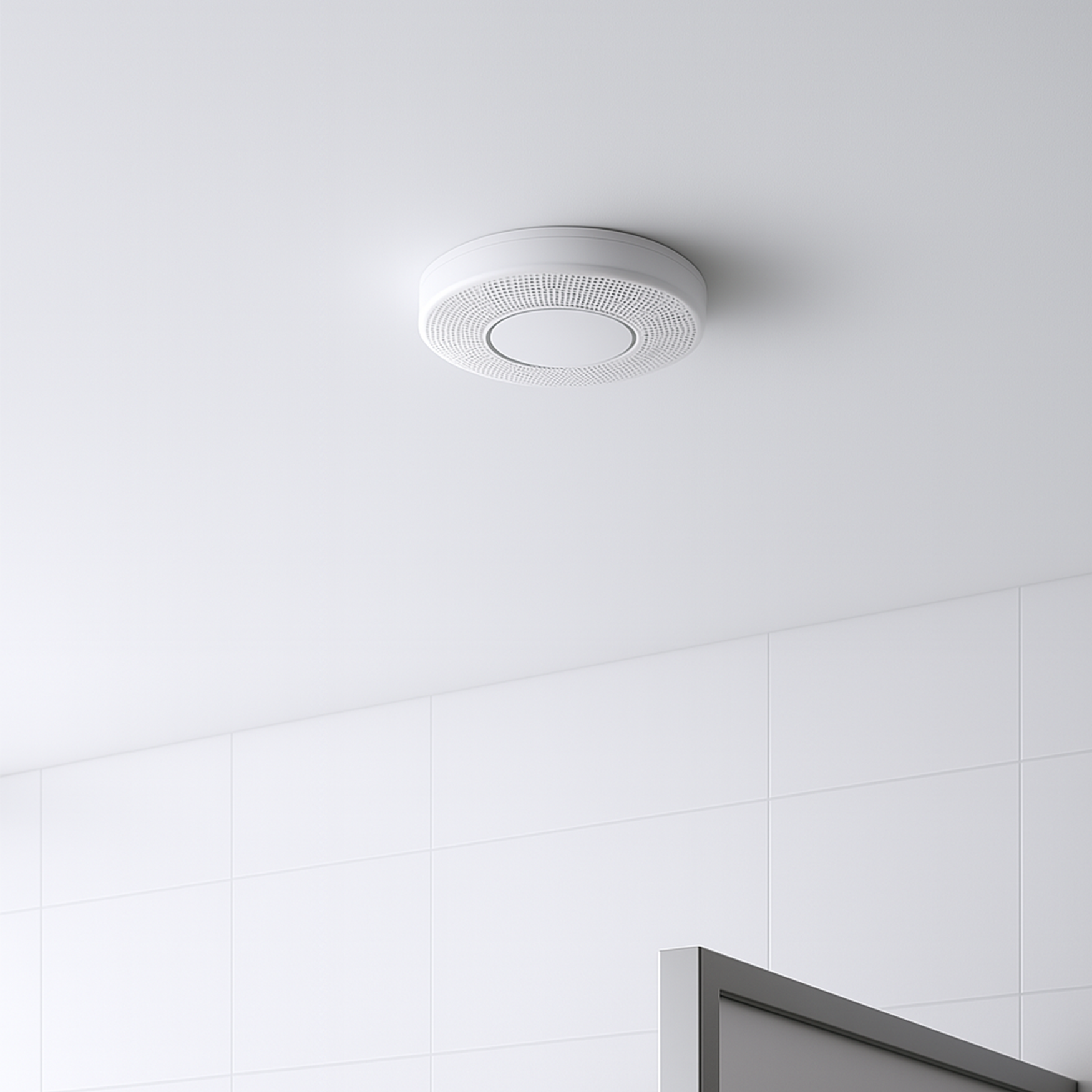
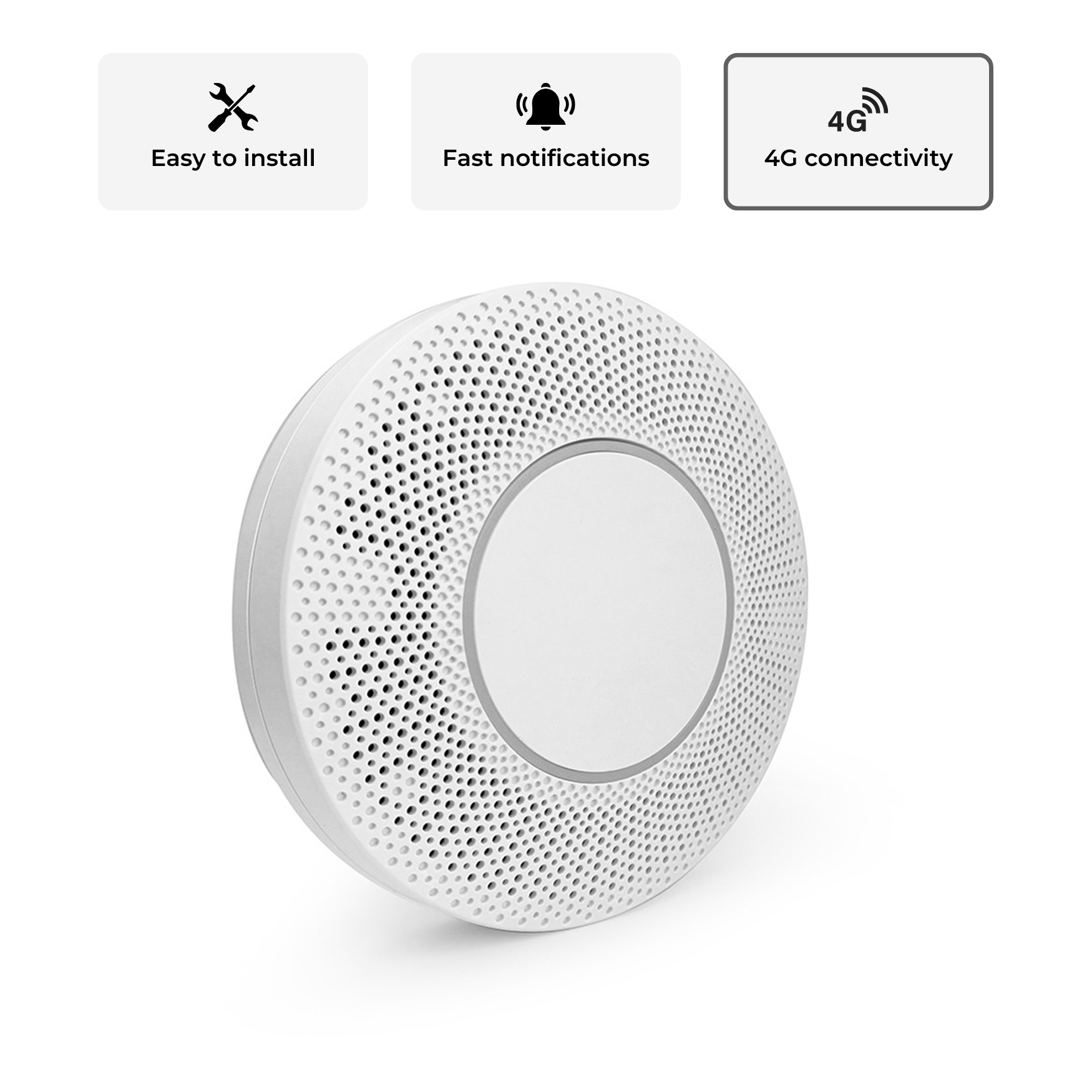
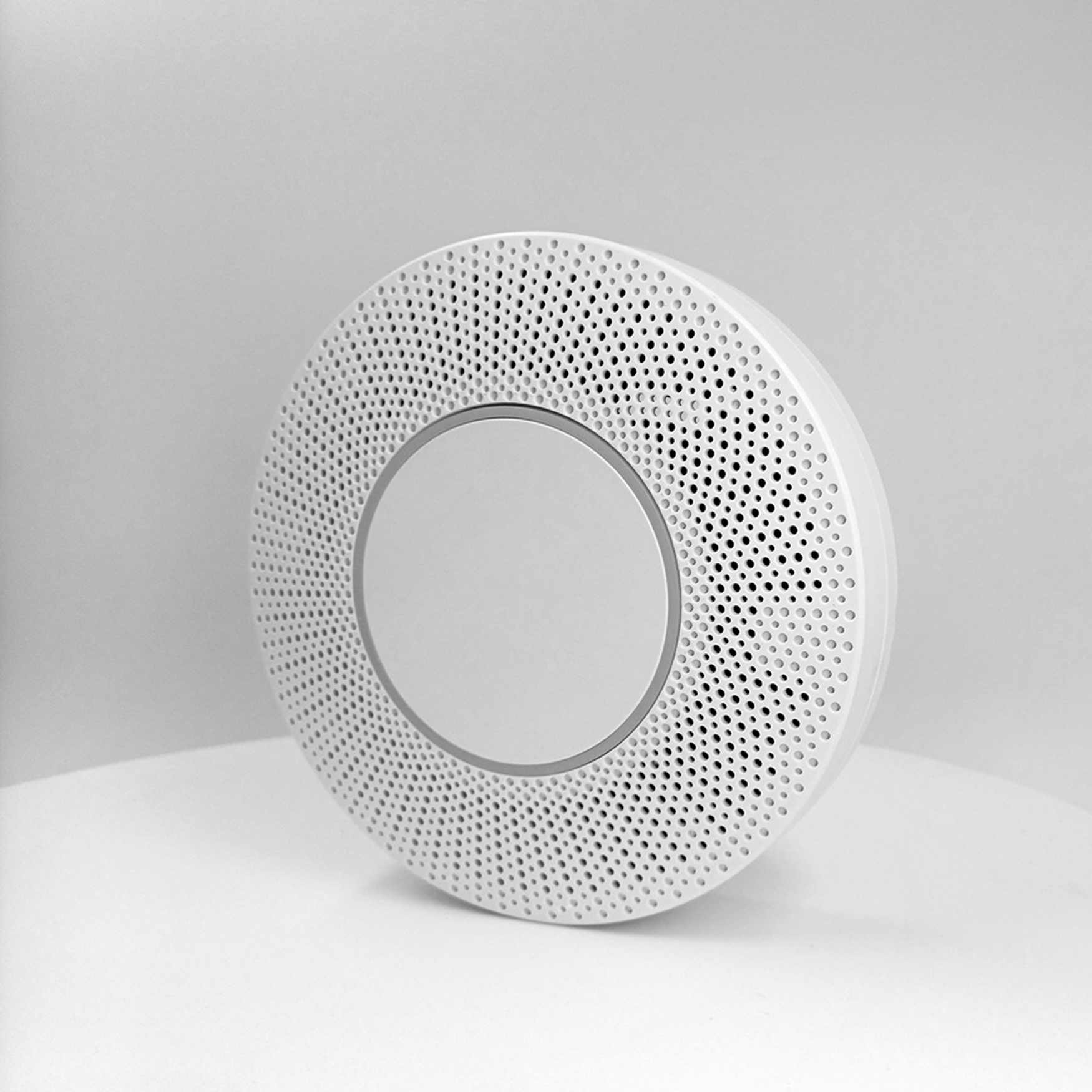
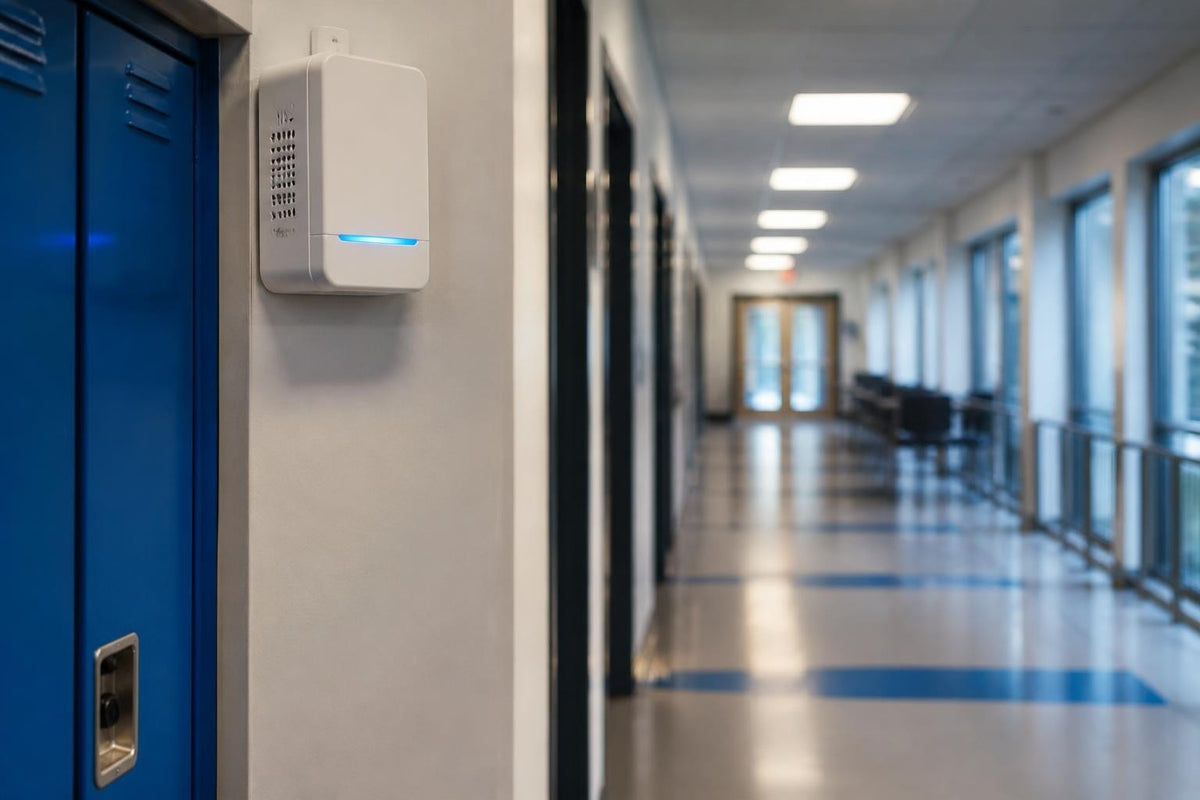
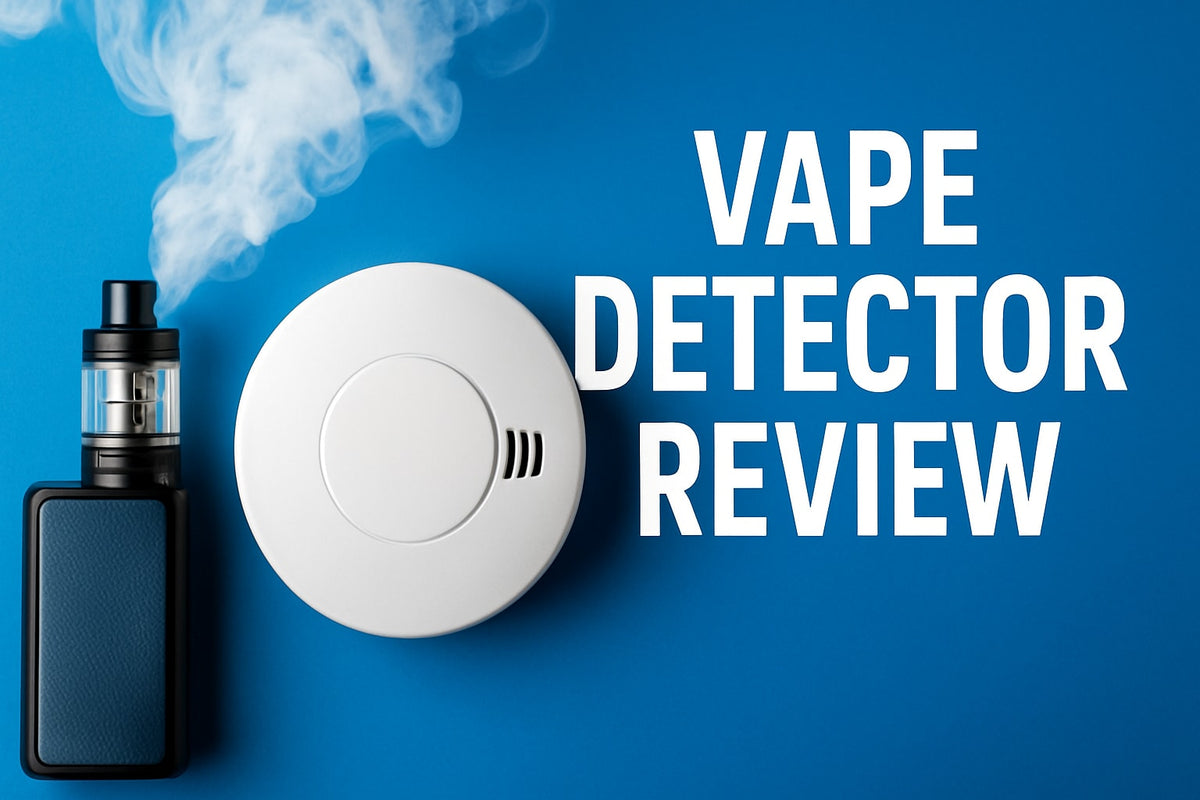
The Vape Detection System demonstrates how specialised hardware addresses specific behavioural concerns. By identifying vaping incidents in real-time, facilities can respond immediately to policy violations whilst collecting data that informs broader prevention strategies. These systems prove particularly valuable in educational settings where youth vaping represents a persistent challenge.
Modern washroom safeguarding technology extends beyond simple detection to provide actionable intelligence. Systems integrate with facility management platforms, generating alerts through multiple channels and maintaining detailed incident logs that support compliance documentation.
Occupancy Intelligence and Usage Pattern Analysis
Understanding washroom usage patterns provides crucial insights for both safety and operational efficiency. Smart washroom solutions leverage IoT connectivity to track occupancy in real-time, identifying unusual patterns that might indicate problems.
Visual Occupancy Indicators
The LooLights cubicle occupancy system uses simple traffic light indicators to communicate availability. This transparency reduces congestion whilst providing oversight teams with duration data that highlights concerning occupancy patterns.
| Feature | Benefit | Safety Application |
|---|---|---|
| Real-time availability display | Reduces waiting times | Identifies extended occupancy |
| Duration tracking | Optimises cleaning schedules | Flags potential distress situations |
| Historical usage data | Informs staffing decisions | Reveals high-risk periods |
| Integration capability | Connects with building systems | Enables coordinated emergency response |
Extended occupancy alerts represent a particularly valuable safety feature. When individuals remain in cubicles beyond normal timeframes, systems can discreetly notify designated staff members who can check on wellbeing without unnecessary intrusion.
Washroom intelligence systems demonstrate how data-driven approaches transform reactive safety measures into proactive prevention strategies. By analysing usage patterns across days, weeks, and months, facilities identify temporal risk factors and allocate supervision resources accordingly.
Specialised Solutions for Vulnerable Populations
Facilities serving vulnerable individuals require heightened safeguarding considerations. Mental health facilities, educational institutions supporting at-risk youth, and public spaces frequented by vulnerable populations demand comprehensive washroom safeguarding technology tailored to specific needs.
Mental Health and Healthcare Settings
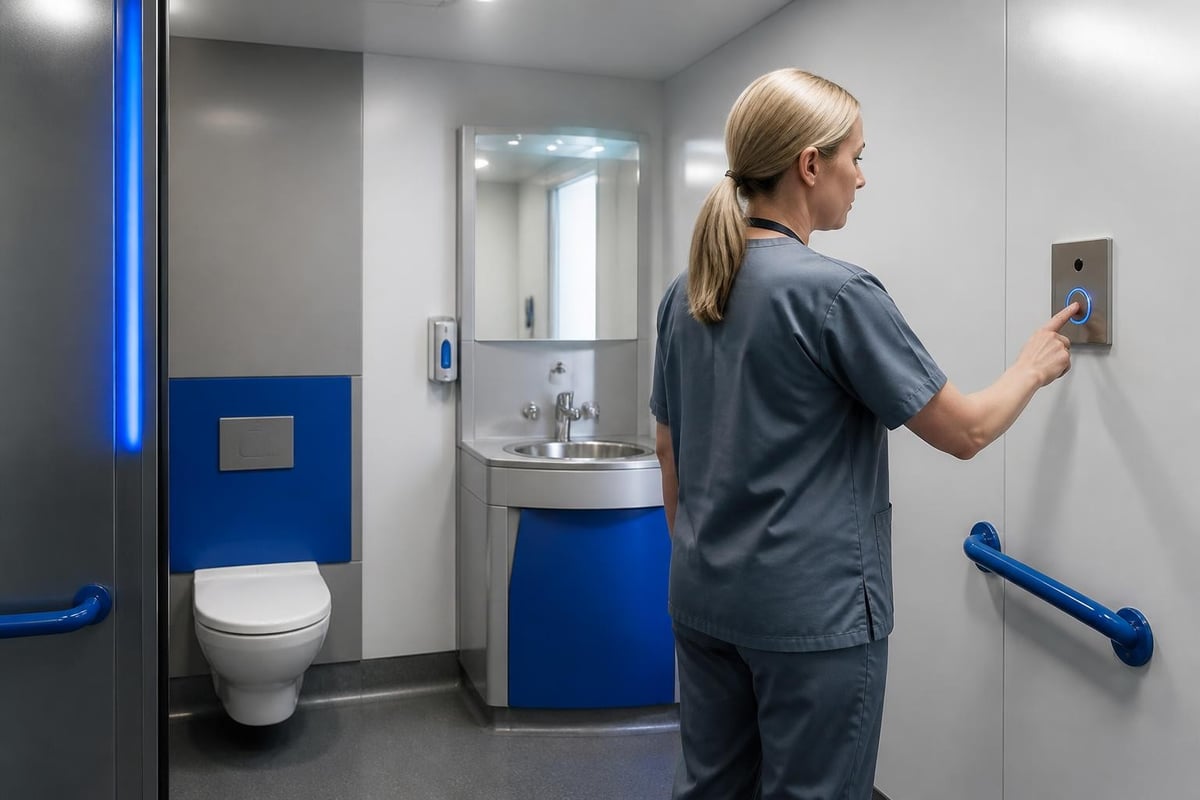
Washroom solutions for mental health facilities prioritise harm prevention through thoughtful design integration. Beyond anti-ligature fixtures, these environments incorporate contrasting colours to assist residents with cognitive challenges and eliminate potential hiding places for contraband.
Environmental monitoring in these settings extends to detecting substances that might indicate self-medication or substance abuse. Washroom safeguarding technology creates discreet oversight that respects dignity whilst maintaining vigilance.
Essential features for vulnerable population settings:
- Passive monitoring systems that detect emergencies without intrusive surveillance
- Immediate alert mechanisms connecting to trained response staff
- Tamper-resistant hardware that prevents fixture modification
- Emergency call integration allowing users to summon help
- Access control systems managing entry to sensitive facilities
The Brave Sensors system exemplifies purpose-built washroom safeguarding technology for overdose detection. By passively monitoring for physiological indicators and occupancy anomalies, these sensors identify medical emergencies requiring urgent intervention.
Educational Environment Applications
Schools and universities face unique washroom safeguarding challenges, balancing student privacy with duty of care obligations. Vaping has emerged as a particular concern, with students frequently using washroom facilities to circumvent detection.
Educational institutions implementing vape detection technology report significant reductions in incidents. The deterrent effect of known monitoring, combined with rapid response capabilities, disrupts the perceived privacy that enables prohibited behaviours.
Student welfare extends beyond policy enforcement. Washroom safeguarding technology can identify students spending excessive time isolated, potentially indicating bullying, mental health struggles, or other concerns requiring pastoral support. Designated safeguarding leads gain valuable data informing intervention strategies.
Access Control and Restricted Entry Systems
Not all washroom environments require open access. Certain facilities benefit from controlled entry that manages who uses specific spaces and when. Restricted access touchless cubicles demonstrate how automated systems enhance both security and hygiene.
Controlled access washroom safeguarding technology serves multiple purposes:
- Preventing unauthorised use in staff-only or restricted areas
- Managing capacity during peak periods
- Supporting age-appropriate access in mixed-use facilities
- Creating audit trails for security purposes
- Enabling emergency lockdown when required
Integration with existing access control infrastructure allows washroom entry to follow the same credential systems used throughout facilities. Staff identification cards, student passes, or visitor credentials can grant or restrict washroom access based on permissions and time schedules.
This approach proves particularly valuable in aviation settings where security requirements demand comprehensive monitoring of all facility areas, including washrooms in secure zones.
Data Integration and Management Platforms
Isolated safety systems provide limited value compared to integrated platforms that aggregate data from multiple sources. Modern washroom safeguarding technology generates substantial datasets requiring sophisticated management and analysis capabilities.
Centralised Monitoring Dashboards
Effective washroom safeguarding technology consolidates alerts, usage statistics, and incident reports into unified interfaces. Facility managers gain comprehensive oversight without monitoring multiple separate systems.
| Data Type | Application | Value Delivered |
|---|---|---|
| Real-time alerts | Immediate incident response | Minimises harm through rapid intervention |
| Usage patterns | Resource allocation | Optimises cleaning and supervision schedules |
| Incident logs | Compliance documentation | Demonstrates due diligence efforts |
| Trend analysis | Strategic planning | Identifies emerging risks and effectiveness gaps |
| System health monitoring | Maintenance scheduling | Ensures continuous protection coverage |
Cloud-based platforms enable remote monitoring across multiple sites, particularly valuable for multi-academy trusts managing washroom safety across numerous campuses. Centralised oversight teams can identify patterns invisible at individual facility levels.
Network connectivity requirements for washroom safeguarding technology vary by system complexity. Simple occupancy sensors may operate independently, whilst sophisticated environmental monitoring systems require robust connectivity for real-time alerting and data transmission.
Implementation Considerations and Best Practices
Successfully deploying washroom safeguarding technology requires careful planning that addresses technical, operational, and human factors. Even the most advanced systems fail without proper implementation and stakeholder engagement.
Stakeholder Communication
Privacy concerns represent the primary implementation challenge. Users, staff, and oversight bodies require clear communication about what washroom safeguarding technology monitors, how data is used, and privacy protections in place.
Transparency builds trust and compliance:
- Clearly communicate monitoring capabilities and limitations
- Explain detection methods that preserve visual privacy
- Detail data retention and access policies
- Describe incident response protocols
- Provide opt-out mechanisms where appropriate
Educational institutions implementing detection systems benefit from involving students in discussions. Student-focused information that explains safety rationales reduces resistance and supports behaviour change objectives.
Technical Integration Requirements
Washroom safeguarding technology must integrate seamlessly with existing building systems, security infrastructure, and communication platforms. Compatibility assessments prevent costly retrofitting or operational gaps.
- Assess power availability in proposed installation locations
- Evaluate network connectivity options and reliability
- Confirm alert system integration with existing protocols
- Verify data platform compatibility with facility management systems
- Plan maintenance access without disrupting washroom availability
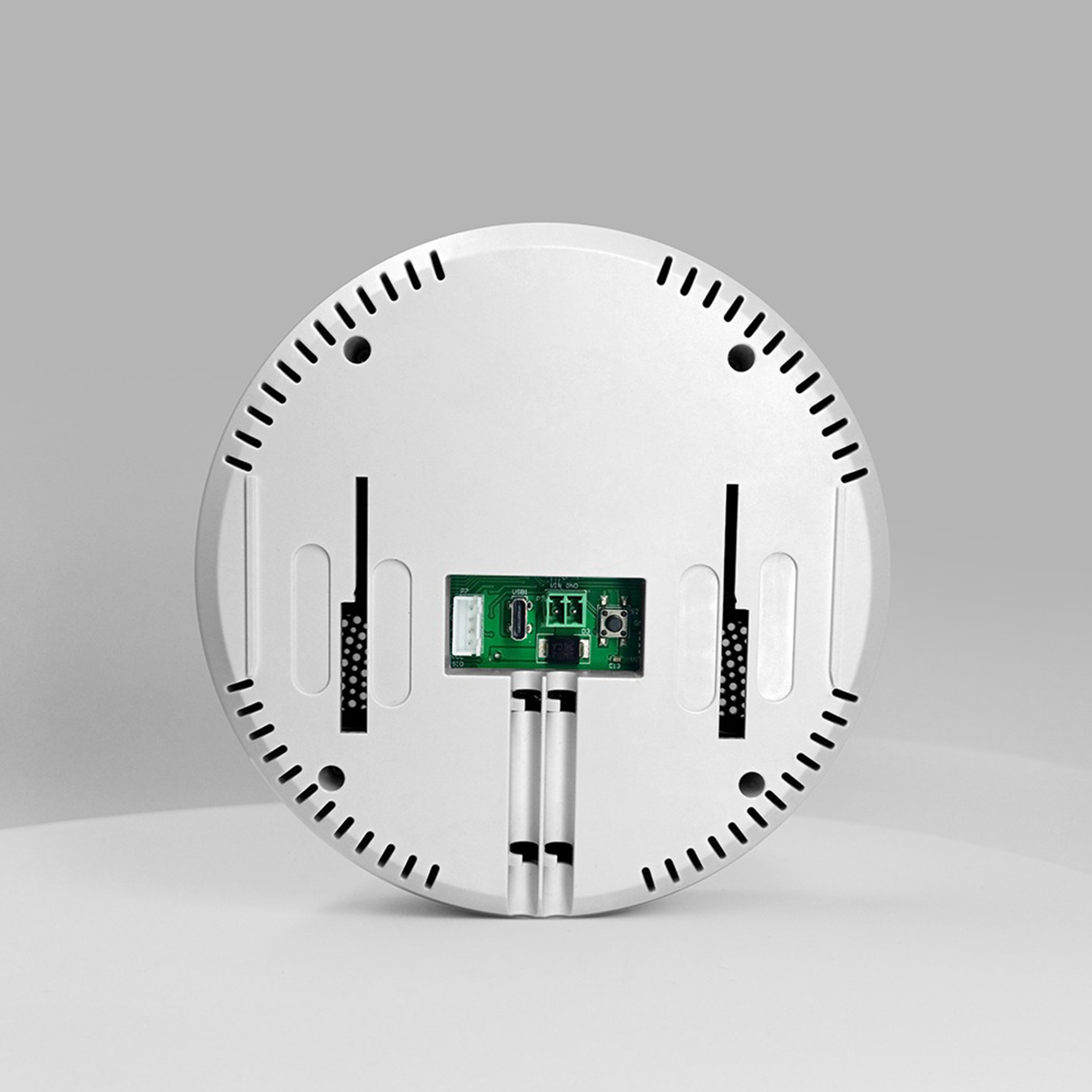
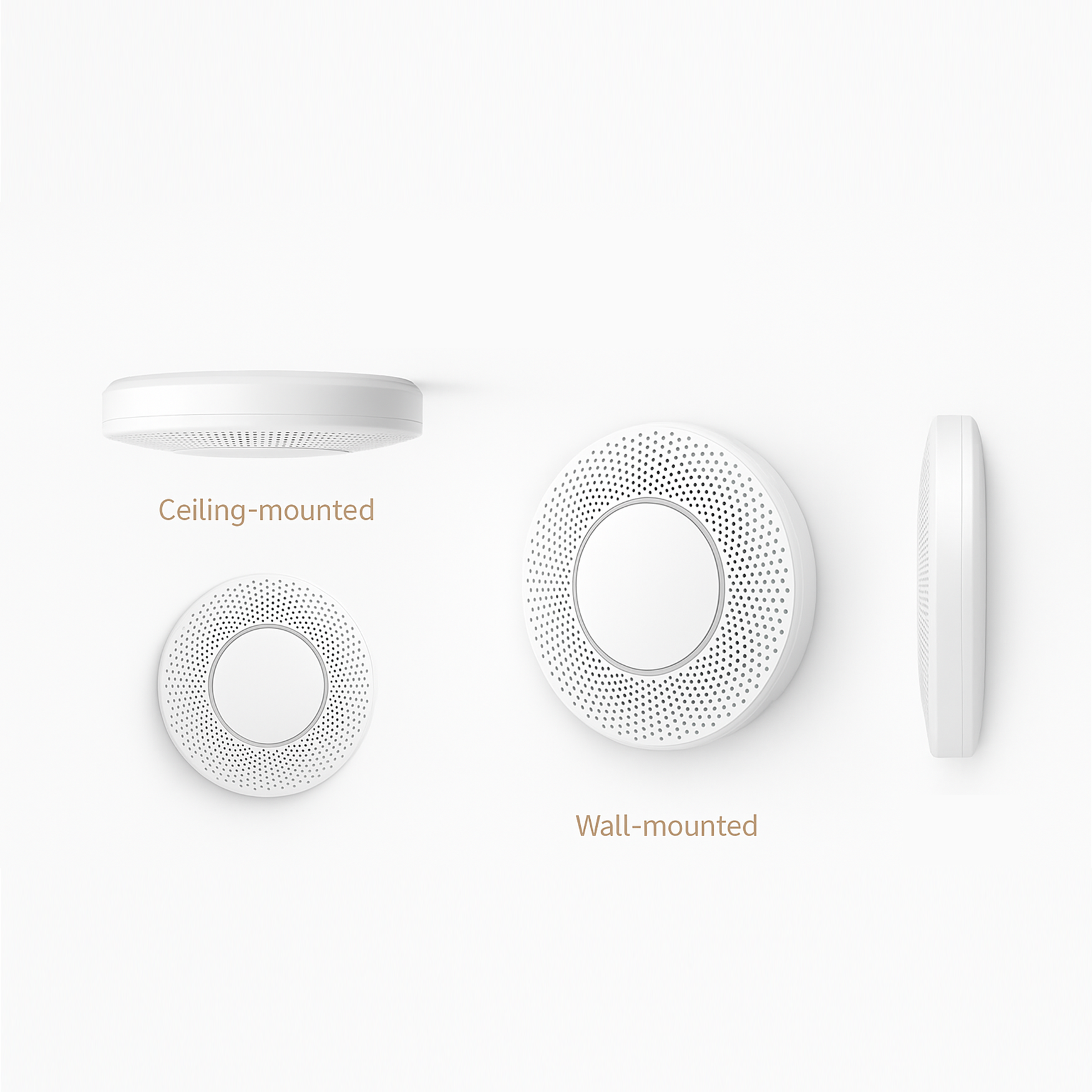
Installation essentials vary by technology type. Environmental sensors typically require mounting at specific heights for optimal detection, whilst occupancy systems integrate with door mechanisms or lighting circuits.
Compliance and Regulatory Considerations
Washroom safeguarding technology operates within complex regulatory frameworks governing privacy, data protection, and duty of care obligations. Understanding compliance requirements prevents legal exposure whilst maximising protective capabilities.
Data Protection Requirements
Environmental monitoring systems collect data that may be subject to data protection regulations. Whilst washroom safeguarding technology avoids visual surveillance, audio recordings, air quality data, and usage patterns constitute personal information requiring appropriate handling.
Facilities must establish:
- Clear legal bases for data processing
- Proportionate data retention periods
- Secure storage and transmission protocols
- Access controls limiting who views incident data
- Data subject rights procedures
Privacy policies and data handling procedures should specifically address washroom monitoring systems, explaining collection purposes and user rights.
Duty of Care Obligations
Organisations owe duty of care to individuals using their facilities. Washroom safeguarding technology demonstrates reasonable steps to prevent foreseeable harm, supporting legal defensibility when incidents occur despite protective measures.
Documentation proving technology deployment, maintenance, and appropriate incident response becomes crucial evidence demonstrating fulfilled obligations. Regular system testing, staff training records, and incident response logs create comprehensive compliance documentation.
Future Developments in Washroom Safeguarding Technology
The washroom safeguarding technology landscape continues evolving rapidly as sensor capabilities advance, artificial intelligence enhances pattern recognition, and integration ecosystems mature. Understanding emerging trends helps organisations future-proof investments and prepare for next-generation capabilities.
Artificial Intelligence and Machine Learning
Current washroom safeguarding technology relies primarily on threshold-based detection: sensors trigger alerts when measured values exceed predetermined limits. Artificial intelligence promises far more sophisticated analysis that recognises complex patterns and reduces false positives.
Machine learning algorithms trained on historical data can distinguish between normal usage variations and genuinely concerning anomalies. Systems learn facility-specific patterns, adapting sensitivity to local conditions and behaviours.
Anticipated AI capabilities:
- Predictive analytics identifying high-risk periods before incidents occur
- Behavioural pattern recognition detecting subtle warning signs
- Automated incident classification reducing response team workload
- Continuous system optimisation improving detection accuracy
- Multi-sensor correlation revealing complex situations
Enhanced Sensor Technologies
Sensor miniaturisation and improved sensitivity expand washroom safeguarding technology capabilities. Next-generation devices detect broader substance ranges whilst becoming less visually intrusive and easier to integrate into existing fixtures.
Emerging sensor types include:
- Biometric sensors detecting physiological distress indicators
- Advanced chemical sensors identifying specific drug compounds
- Acoustic analysis systems recognising distress vocalisations
- Pressure sensors detecting unusual floor loading patterns
- Thermal imaging detecting body heat signatures without visual identification
These capabilities raise important ethical considerations. Organisations must balance enhanced protective capabilities against privacy implications, ensuring washroom safeguarding technology remains proportionate to actual risks.
Measuring Effectiveness and Return on Investment
Justifying washroom safeguarding technology investments requires demonstrating measurable value. Quantitative metrics and qualitative outcomes together build comprehensive effectiveness cases.
Quantitative Performance Indicators
| Metric | Measurement Method | Target Improvement |
|---|---|---|
| Incident detection rate | Confirmed incidents vs system alerts | >85% accuracy |
| Response time | Alert generation to staff arrival | <3 minutes |
| False positive rate | Unnecessary alerts vs total alerts | <15% |
| Coverage uptime | System operational hours | >99% availability |
| Policy violation reduction | Incidents year-over-year | >40% decrease |
Best practice for handling alerts directly impacts effectiveness metrics. Well-trained response teams maximise detection technology value, whilst poor procedures undermine even sophisticated systems.
Qualitative Value Assessment
Beyond numbers, washroom safeguarding technology delivers qualitative benefits challenging to measure but critically important:
- Enhanced user confidence and psychological safety
- Reduced staff anxiety about unmonitored spaces
- Improved organisational reputation for duty of care
- Deterrent effects preventing incidents before occurrence
- Cultural shifts toward healthier behaviours
Senior leadership teams evaluating technology investments should consider both quantitative returns and qualitative cultural impacts. The most significant value often emerges from incidents prevented rather than those detected.
Sector-Specific Applications and Case Studies
Different facility types face unique washroom safeguarding challenges requiring tailored technology approaches. Understanding sector-specific applications helps organisations identify relevant solutions and learn from parallel implementations.
Leisure and Retail Environments
Leisure and retail facilities balance customer experience with safety obligations. Washroom safeguarding technology must operate discreetly, avoiding impression of excessive surveillance that might deter patronage.
Environmental monitoring proves particularly valuable in these settings, detecting smoking and vaping that violate policies and create fire risks. Occupancy intelligence optimises cleaning schedules, ensuring washrooms remain presentable during peak periods.
Office and Corporate Settings
Office environments implement washroom safeguarding technology primarily for employee wellbeing and policy compliance. Vaping detection supports smoke-free workplace policies, whilst extended occupancy monitoring might identify employees experiencing medical emergencies.
Corporate implementations often emphasise data analytics capabilities, generating insights that inform facility management optimisation beyond safety considerations. Usage patterns guide cleaning schedules, capacity planning, and amenity distribution across multi-floor facilities.
Aviation and High-Security Facilities
Aviation washrooms present unique challenges combining security requirements with confined spaces and passenger privacy expectations. Washroom safeguarding technology in these environments integrates with comprehensive security ecosystems whilst operating within strict aviation regulations.
Substance detection prevents prohibited behaviours that might trigger fire suppression systems or create security concerns. Access control ensures only authorised individuals use secure-zone facilities, whilst occupancy monitoring prevents washrooms becoming unsupervised spaces where security breaches might occur.
Washroom safeguarding technology has evolved into a sophisticated ecosystem of sensors, intelligent systems, and integrated platforms that protect vulnerable individuals whilst respecting privacy and dignity. From environmental monitoring detecting prohibited substances to occupancy intelligence identifying concerning patterns, these technologies create multiple protective layers that address diverse safety challenges. Vape Guardian specialises in advanced detection systems that form crucial components of comprehensive washroom safeguarding strategies, offering real-time monitoring and alert capabilities that enable rapid response to vaping, substance use, and antisocial behaviour across educational, leisure, and corporate environments throughout the UK.

Share:
Student Vaping Detector: Your Complete Guide for 2026
School Toilet Monitoring System: A 2026 Safety Guide