
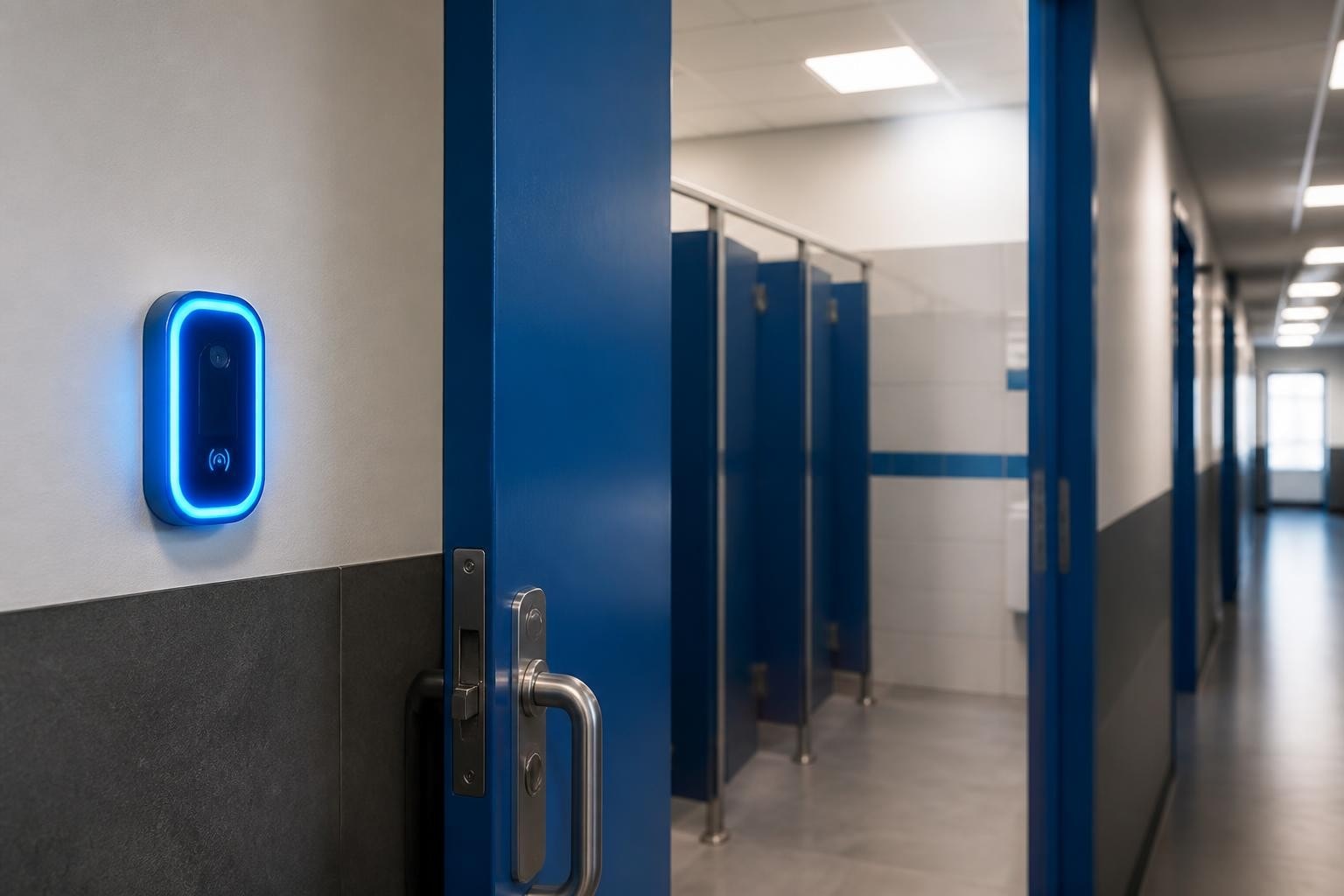
School toilets remain one of the most challenging spaces to supervise effectively. The need for student privacy must be carefully balanced against safeguarding responsibilities, creating a complex environment where traditional oversight falls short. A school toilet monitoring system addresses these challenges through technology that respects dignity whilst maintaining safety, offering educators a practical solution to prevent bullying, substance abuse, and other harmful behaviours occurring in these unsupervised spaces.
Understanding Modern School Toilet Monitoring Systems
The evolution of washroom safety technology has transformed how educational institutions approach this sensitive area. Unlike invasive surveillance methods, contemporary systems focus on environmental monitoring and alert mechanisms rather than visual observation.
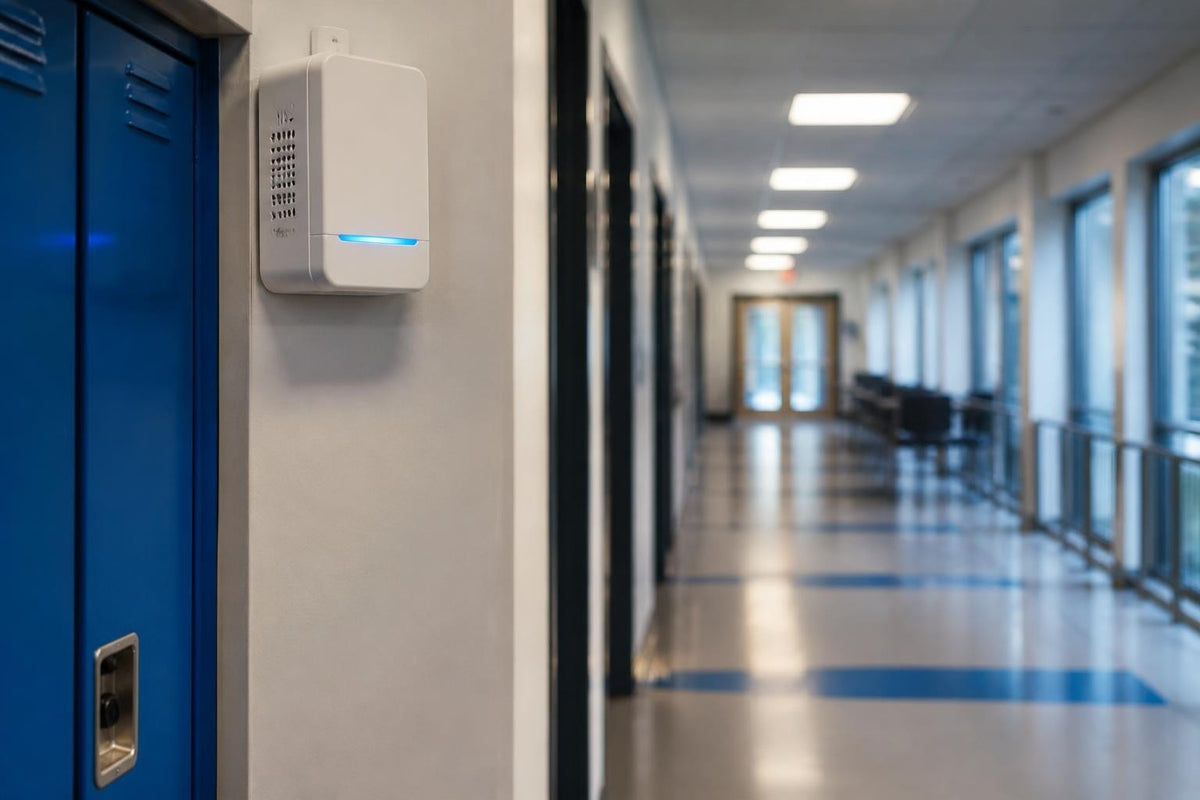
A school toilet monitoring system typically comprises several integrated components working together to create a comprehensive safety net. These include environmental sensors, emergency notification devices, controlled access systems, and real time alert platforms that notify staff immediately when intervention becomes necessary.
Key components include:
- Air quality sensors detecting vape substances, smoke, and chemical compounds
- Sound monitoring for distress calls or unusual activity patterns
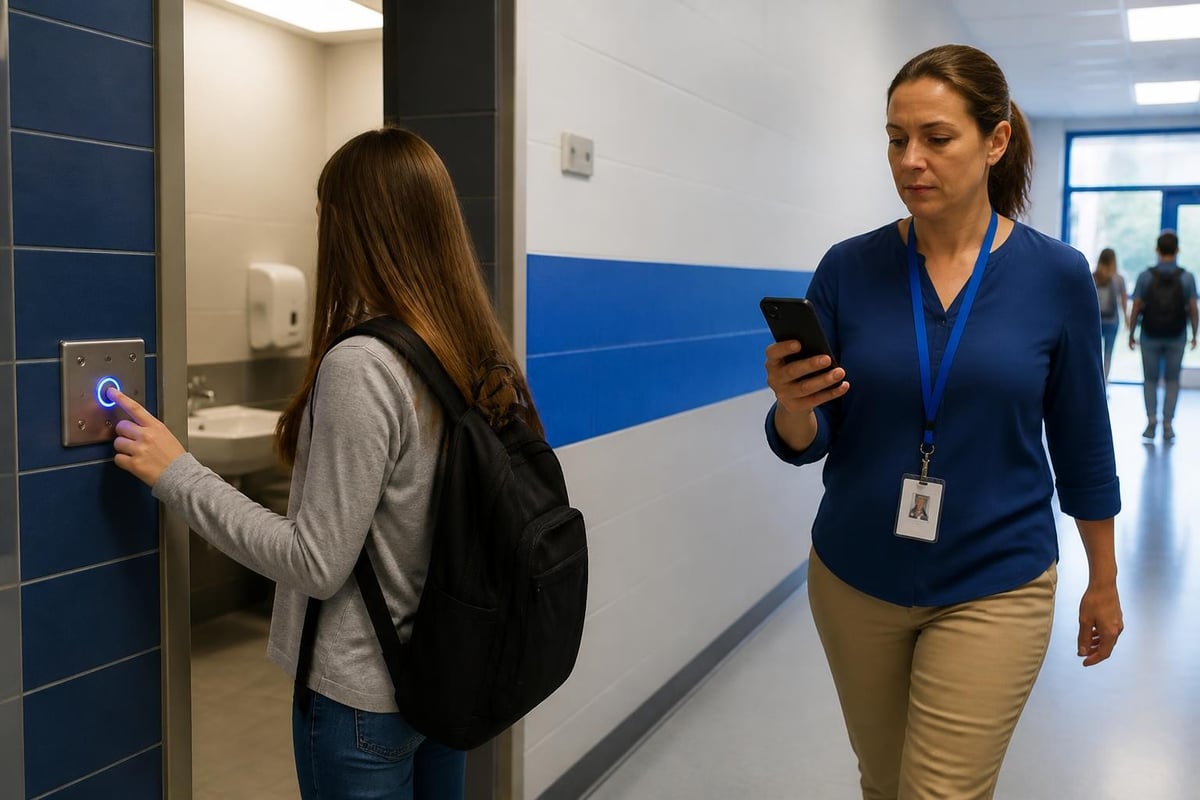
- Emergency button systems accessible to students requiring assistance
- Entry and exit logging to track usage patterns and dwell times
- Humidity and occupancy sensors for maintenance optimisation
The technology supporting these systems has advanced considerably. Modern sensors can differentiate between normal washroom usage and concerning activities, reducing false alerts whilst maintaining high detection accuracy for genuine safety concerns.
Privacy Considerations and Legal Frameworks
The deployment of monitoring technology in school toilets must navigate complex privacy legislation and ethical considerations. Educational institutions bear responsibility for creating safe environments whilst respecting student dignity and legal rights.
According to research examining privacy and surveillance in school bathrooms, effective monitoring strategies must balance safety imperatives against privacy expectations. The study emphasises that transparent policies and non visual monitoring technologies offer the most ethically sound approach.
UK data protection regulations require schools to conduct thorough impact assessments before implementing any monitoring system. These assessments must demonstrate proportionality, necessity, and appropriateness of the chosen technology relative to identified risks.
| Privacy Principle | Implementation Approach | Compliance Requirement |
|---|---|---|
| Transparency | Clear signage and student communication | GDPR Article 13 notification |
| Necessity | Evidence-based risk assessment | Data Protection Act 2018 |
| Proportionality | Minimal intrusion technology | Human Rights Act 1998 |
| Accountability | Regular audits and reviews | ICO guidelines adherence |
Educational settings must involve stakeholders including parents, students, and governors in decisions about toilet monitoring. This collaborative approach builds trust and ensures the chosen school toilet monitoring system aligns with community values whilst meeting safeguarding obligations.

Addressing Substance Use Through Environmental Detection
The surge in youth vaping has created unprecedented challenges for schools. Traditional supervision methods prove ineffective in enclosed toilet spaces where most incidents occur. Environmental detection offers a solution that identifies substance use without compromising privacy.
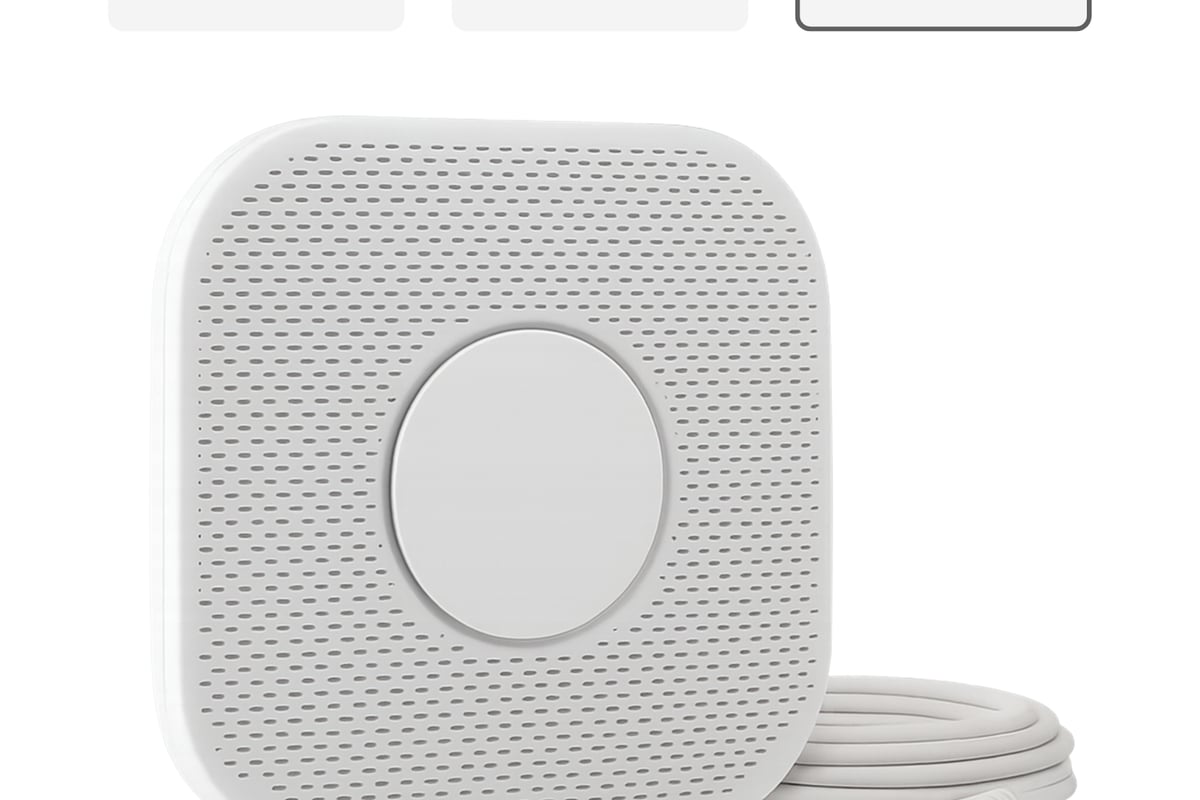
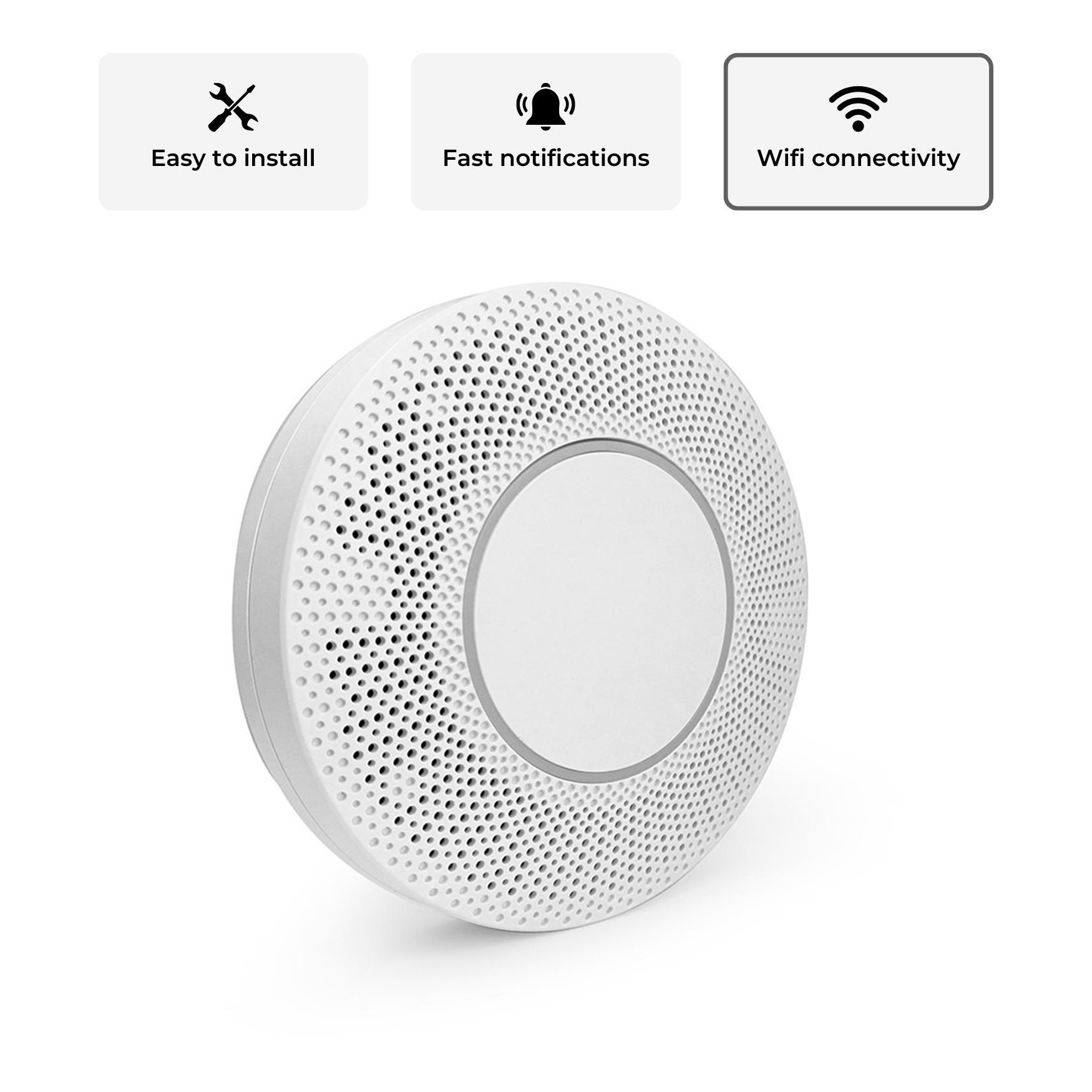
Modern air quality sensors can detect specific chemical signatures associated with vaping aerosols, cannabis smoke, and other prohibited substances. These devices analyse particulate matter composition and volatile organic compounds, triggering alerts when threshold levels indicate probable use.
Schools implementing detection technology report significant reductions in substance related incidents. The deterrent effect alone proves substantial, as students recognise that concealed use no longer guarantees anonymity.
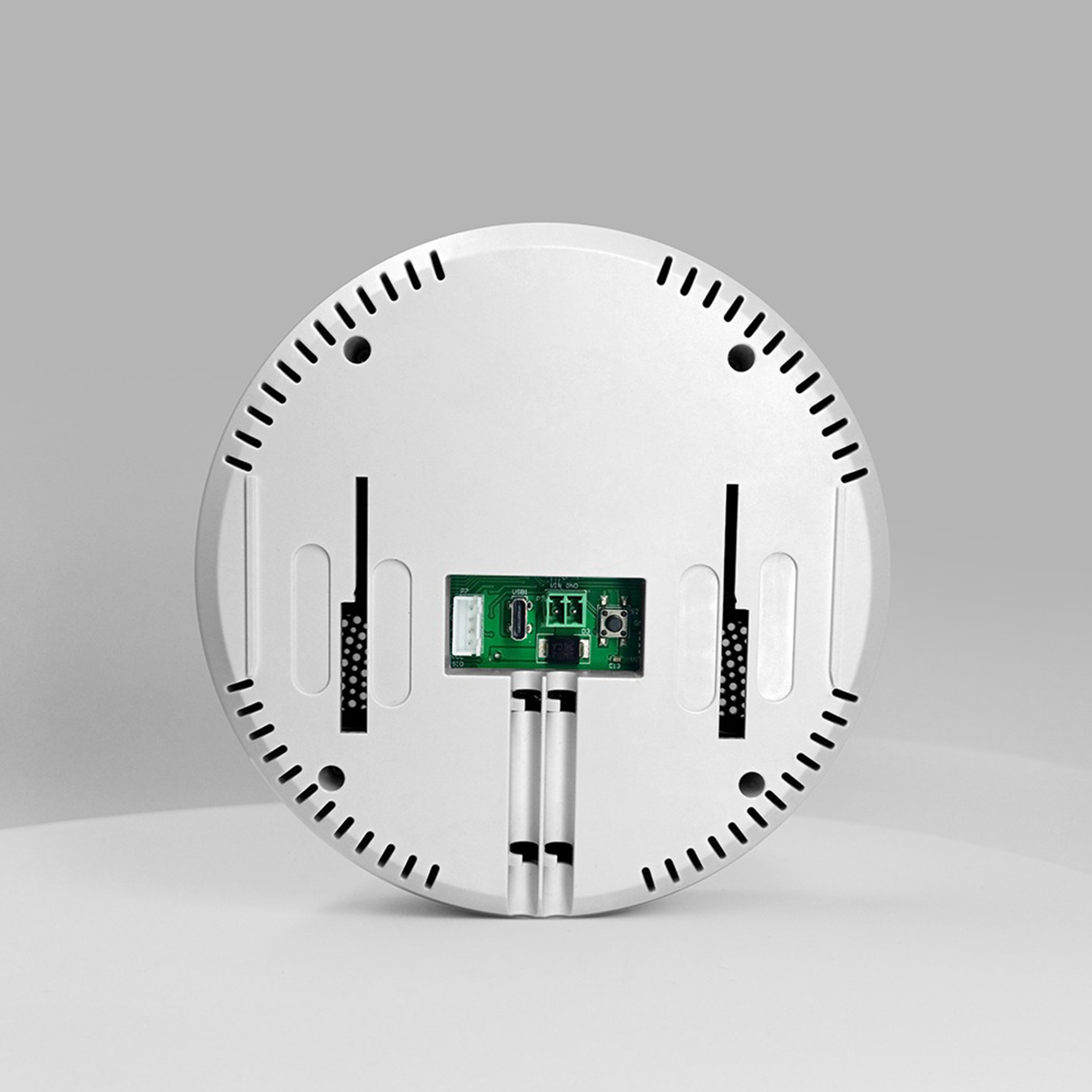
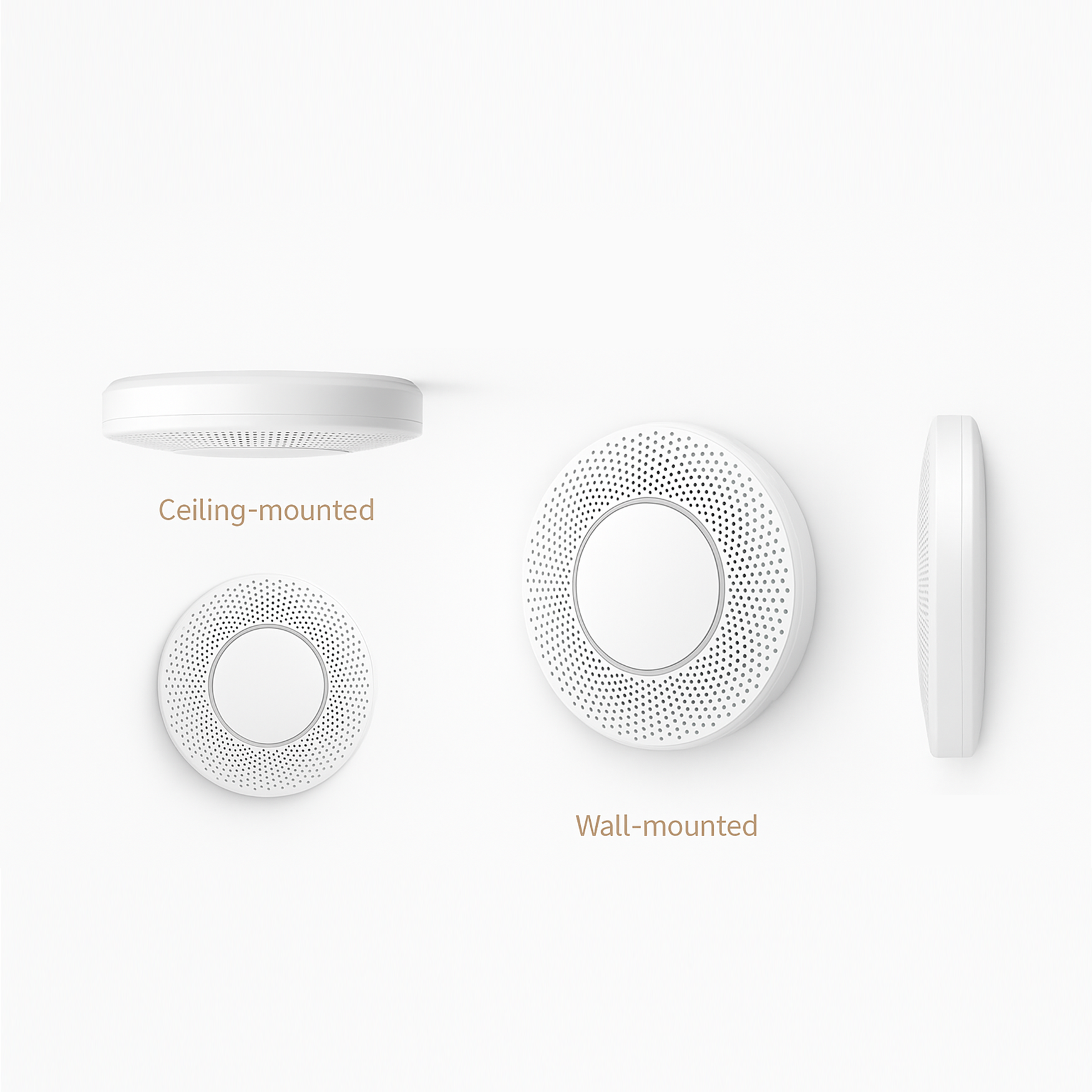
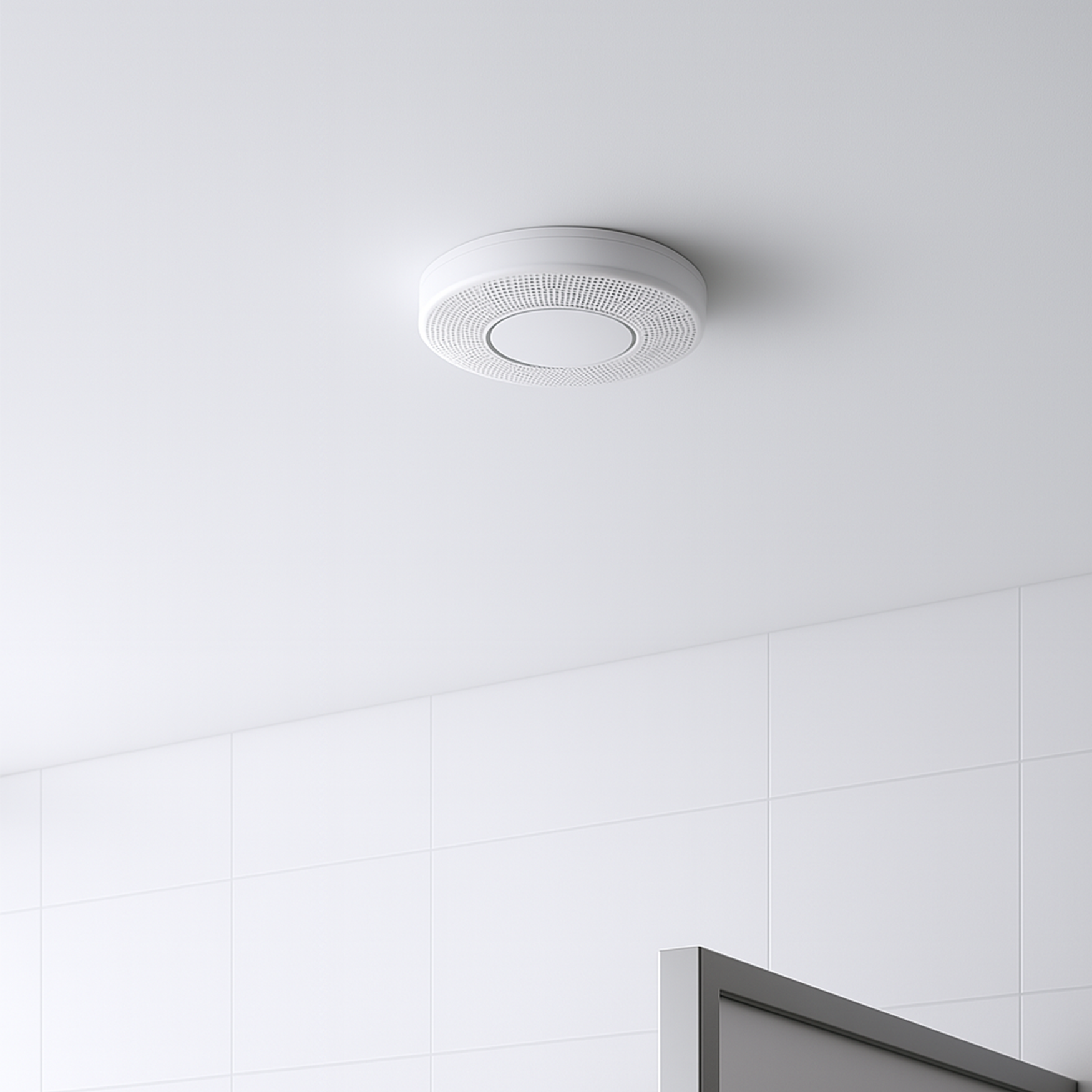
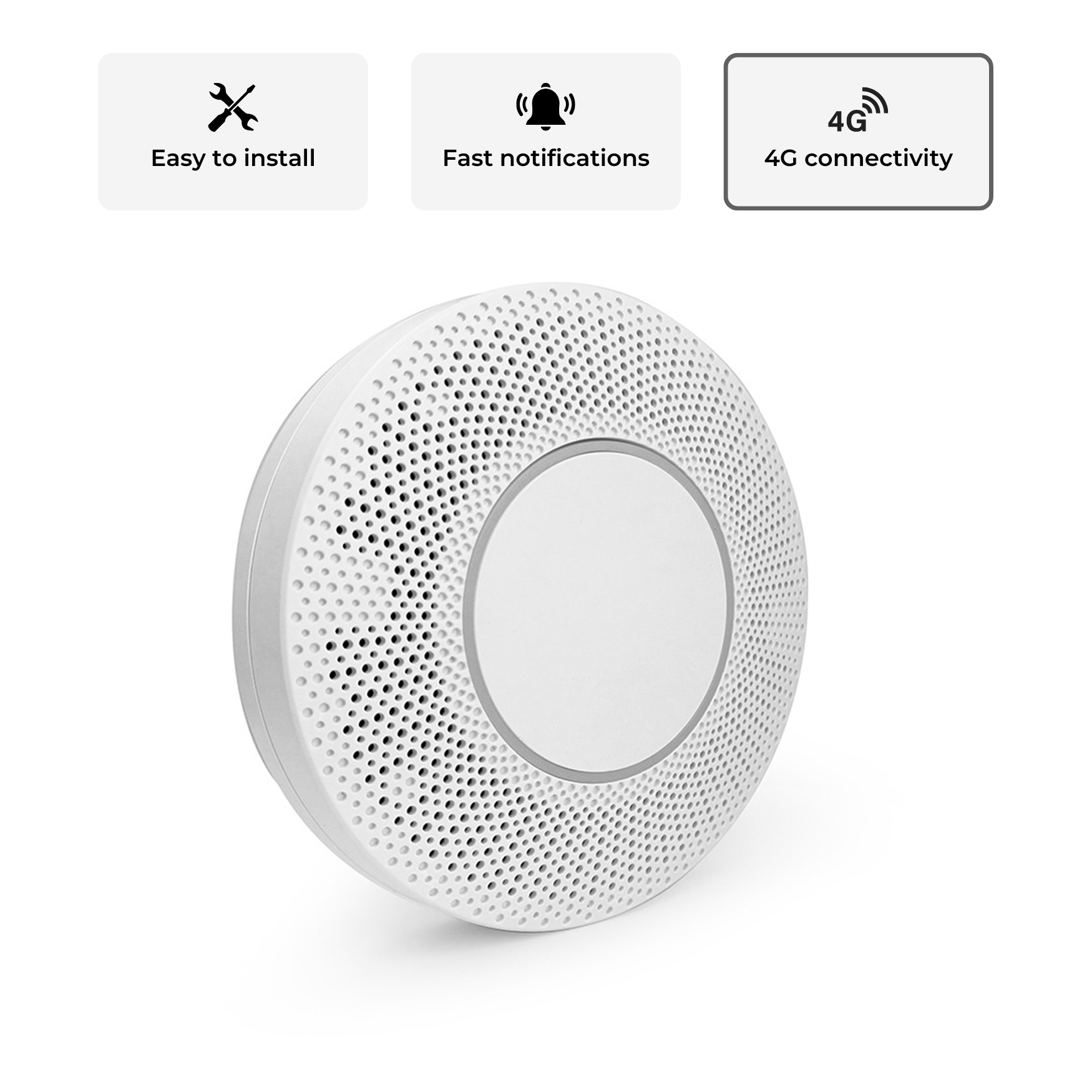
The Vape Detection System represents this technological advancement, offering comprehensive monitoring that identifies vaping, drug use, and antisocial behaviour through sophisticated environmental analysis. These systems provide real time notifications to designated staff members, enabling rapid intervention before situations escalate.
Integration With Broader Safeguarding Strategies
Environmental monitoring functions most effectively as part of comprehensive safeguarding frameworks rather than standalone solutions. Schools must combine technology with education, support services, and clear policy enforcement to create genuinely safer environments.
Effective integration requires:
- Staff training on appropriate response protocols
- Student education about monitoring purposes and privacy protections
- Clear escalation procedures for different alert types
- Support pathways for students identified through the system
- Regular review of system effectiveness and policy refinement
The challenge of underage vaping in schools extends beyond simple rule enforcement. Students using substances often face underlying issues requiring compassionate intervention rather than punitive measures alone. Technology should facilitate support delivery, not merely punishment.
Case studies demonstrate that schools combining detection technology with restorative approaches achieve better long term outcomes. Students caught through monitoring systems receive education about health risks, access to cessation support, and involvement in community building activities that address root causes of substance use.
Emergency Response and Student Wellbeing
Beyond substance detection, a school toilet monitoring system serves crucial functions in emergency situations. Students experiencing medical emergencies, mental health crises, or threatening situations need immediate access to help when adults are not physically present.
Emergency alert systems installed in toilet facilities allow students to summon assistance quickly. These range from simple panic buttons to sophisticated systems incorporating two way communication, enabling staff to assess situations before responding.
According to a case study examining wireless toilet alarm systems in NSW schools, these technologies prove especially valuable for students with disabilities or medical conditions. The ability to call for help independently increases confidence and reduces anxiety about toilet access.
Sound monitoring capabilities offer additional safety layers. Advanced systems can detect distress indicators including aggressive language, sounds of physical altercation, or calls for help. Immediate staff notification enables intervention before situations deteriorate.
Preventing Bullying and Antisocial Behaviour
Toilet facilities frequently become venues for bullying due to limited adult supervision. Victims feel trapped in spaces where help seems distant, whilst perpetrators exploit the privacy these areas afford. Strategic monitoring helps address this persistent problem.
The guidance on school bathroom safety emphasises that visible monitoring technology creates deterrent effects. Students aware that certain behaviours trigger alerts show greater restraint in their actions.
However, technology alone cannot eliminate bullying. Schools must combine monitoring with:
- Clear reporting mechanisms students trust
- Swift, consistent responses to all incidents
- Restorative justice approaches that address harm
- Ongoing education about respect and inclusion
- Anonymous feedback channels for concerns
Occupancy monitoring provides valuable data about usage patterns that may indicate avoidance behaviour. Students who consistently avoid certain toilets or times may be experiencing bullying or harassment. This information helps safeguarding teams identify at risk individuals requiring support.
Maintenance Optimisation and Hygiene Management
Whilst safety concerns drive most monitoring discussions, operational benefits deserve equal consideration. A school toilet monitoring system delivers significant advantages for maintenance teams and facility managers seeking to optimise resource allocation.
Real time usage data enables cleaning schedules aligned with actual demand rather than arbitrary timings. High traffic periods receive increased attention, whilst low usage times allow resource redeployment to other areas requiring service.
Research into IoT based hygiene monitoring systems demonstrates how ammonia sensors and air quality monitors identify cleaning requirements objectively. When levels exceed acceptable thresholds, automated alerts notify cleaning staff, ensuring facilities remain hygienic between scheduled services.
| Monitoring Feature | Operational Benefit | Cost Impact |
|---|---|---|
| Usage tracking | Optimised cleaning schedules | Reduced labour costs 15-25% |
| Air quality sensors | Proactive maintenance triggers | Decreased complaint rates 40% |
| Consumable monitors | Automatic restocking alerts | Eliminated stockouts |
| Occupancy analytics | Capacity planning data | Improved facility utilisation |
Schools implementing comprehensive monitoring report substantial improvements in user satisfaction. Students encounter consistently clean, well maintained facilities rather than the variable conditions typical under fixed schedule approaches.
Data Driven Facility Planning
The analytics generated by monitoring systems provide valuable insights for long term facility planning. Understanding peak usage times, capacity constraints, and maintenance requirements informs decisions about facility expansion or reconfiguration.
Case studies examining restroom management improvements highlight how East Providence High School used controlled access data to identify bottlenecks during transition periods. This evidence supported successful funding applications for additional facilities in high demand areas.
Demographic analysis of usage patterns reveals whether facilities meet diverse student needs. Gender neutral provisions, accessible facilities, and appropriate distribution across campus all benefit from objective data about current usage versus capacity.
Environmental monitoring also identifies building maintenance issues early. Persistent humidity problems, ventilation failures, or plumbing issues become apparent through sensor data before they cause serious damage or health concerns.
Implementation Strategies for Educational Institutions
Successfully deploying a school toilet monitoring system requires careful planning beyond simply purchasing equipment. Schools must navigate technical, cultural, and operational considerations to achieve desired outcomes.
Planning checklist includes:
- Comprehensive risk assessment identifying specific concerns
- Stakeholder consultation with students, parents, staff, and governors
- Privacy impact assessment ensuring legal compliance
- Technical infrastructure evaluation and upgrade planning
- Staff training programme development
- Student communication and education planning
- Policy development and integration with existing frameworks
- Ongoing evaluation metrics and review processes
The evidence on whether vape detectors work in bathrooms confirms effectiveness when properly specified and installed. However, success depends equally on the human systems surrounding the technology.
Schools should pilot systems in limited areas before campus wide deployment. This phased approach identifies technical issues, refines response protocols, and demonstrates value to sceptical stakeholders through measurable results.
Cost Considerations and Return on Investment
Budget constraints affect every school decision, making cost effectiveness analysis essential for monitoring system proposals. Initial investment includes hardware purchase, installation, infrastructure upgrades, and staff training expenses.
However, comprehensive cost analysis must include avoided expenses. Reduced vandalism, decreased substance use incidents, improved maintenance efficiency, and enhanced student wellbeing all generate tangible financial benefits beyond the obvious safety improvements.
The breakdown of vape detector costs and ROI calculations helps schools model expected returns. Many institutions achieve payback within 18 to 24 months through combined savings and grant funding available for safeguarding technology.
| Cost Category | Typical Range | Funding Sources |
|---|---|---|
| Hardware and sensors | £800 to £2,500 per facility | Capital budgets, safeguarding grants |
| Installation | £300 to £800 per location | Maintenance budgets |
| Software platform | £500 to £2,000 annually | Operating budgets |
| Training | £400 to £1,200 initial | Professional development funds |
| Ongoing support | £200 to £600 annually | Service contracts |
Schools should explore partnerships with local authorities who may provide bulk purchasing arrangements or shared service agreements reducing individual institution costs. Some regions offer specific funding streams for safeguarding technology investments.
Technical Specifications and System Selection
Selecting appropriate technology requires understanding the capabilities and limitations of available options. Not all systems marketed as school toilet monitoring solutions deliver equivalent functionality or reliability.
Essential technical criteria include detection accuracy, false positive rates, integration capabilities, scalability, and total cost of ownership. Schools should request detailed specifications and independent testing results rather than relying solely on manufacturer claims.
Indoor air quality sensor technology continues advancing rapidly. The latest generation devices offer significantly improved accuracy and reduced maintenance requirements compared to earlier models, making replacement of older systems worthwhile for many institutions.
Evaluation criteria should assess:
- Detection sensitivity and specificity for target substances
- Response time from detection to alert delivery
- Integration with existing security and communication systems
- User interface accessibility for staff with varying technical skills
- Data security and encryption standards
- Vendor reputation and customer support quality
- Compliance with relevant safety and electrical standards
Schools benefit from consulting with institutions already operating similar systems. Peer recommendations based on actual experience prove more reliable than theoretical specifications or sales presentations alone.
Installation and Configuration Best Practices
Proper installation critically affects system performance. Sensors positioned incorrectly may miss target activities or generate excessive false alerts. Professional installation by qualified technicians ensures optimal coverage and reliability.
Environmental factors including ventilation patterns, facility layout, and existing infrastructure influence sensor placement decisions. Detailed site surveys should precede installation to identify optimal locations balancing coverage, accessibility for maintenance, and aesthetic considerations.
Configuration must align with institutional policies and response capabilities. Alert thresholds set too sensitively overwhelm staff with false positives, whilst overly conservative settings miss genuine incidents. Schools typically refine these parameters during initial operation based on actual performance data.
Regular calibration and maintenance schedules preserve accuracy over time. Environmental sensors drift gradually, requiring periodic adjustment to maintain reliable detection. Vendors should provide clear guidance on maintenance requirements and support available calibration services.

Future Developments in Toilet Safety Technology
The school toilet monitoring system landscape continues evolving as new technologies emerge and existing solutions mature. Several trends promise enhanced capabilities whilst addressing current limitations.
Artificial intelligence integration offers improved pattern recognition distinguishing normal usage from concerning activities. Machine learning algorithms reduce false positives by understanding typical environmental variations and identifying genuinely anomalous conditions requiring attention.
Smart building sensor networks represent another development pathway. Rather than standalone toilet monitoring, integrated campus wide systems share data across security, environmental, and operational domains. This holistic approach provides richer context for alert evaluation and response coordination.
Predictive analytics capabilities emerge as systems accumulate historical data. Schools can anticipate high risk periods, identify emerging patterns indicating problems, and allocate resources proactively rather than reactively responding to incidents after they occur.
Privacy enhancing technologies continue advancing, offering increased safety assurance with minimal intrusion. Edge processing that analyses data locally rather than transmitting raw information, differential privacy techniques protecting individual identities, and transparent audit trails all improve the ethical profile of monitoring systems.
The convergence of environmental monitoring systems with health and wellbeing initiatives creates opportunities for broader benefits. Air quality data supports asthma management, thermal comfort monitoring aids learning environment optimisation, and acoustic analysis informs noise reduction strategies across educational settings.
Policy Development and Community Engagement
Technology implementation succeeds or fails based on the policy frameworks and community support surrounding it. Schools must invest substantial effort in communication, consultation, and policy development to maximise acceptance and effectiveness.
Transparent communication about monitoring purposes, capabilities, and limitations builds trust essential for community acceptance. Schools should clearly articulate what systems can and cannot detect, how data is used and protected, and what safeguards prevent misuse.
Student involvement in policy development proves particularly valuable. Young people bring important perspectives about privacy expectations, deterrent effectiveness, and implementation concerns adults may overlook. Consultation demonstrates respect whilst generating insights improving system design and deployment.
Parent engagement requires addressing concerns about privacy, effectiveness, and value for money. Clear information about legal compliance, independent oversight mechanisms, and measurable outcomes helps build confidence in monitoring approaches. Schools using comprehensive vape free policy templates report smoother implementation processes.
Written policies should address data retention periods, access controls, incident response procedures, and regular review requirements. These documents provide accountability frameworks ensuring systems operate within agreed parameters and serve stated purposes rather than experiencing scope creep over time.
School toilet monitoring systems represent a significant advancement in educational safeguarding, offering solutions to persistent challenges around substance use, bullying, and emergency response in unsupervised spaces. By combining appropriate technology with thoughtful policies, comprehensive training, and genuine stakeholder engagement, schools create safer environments that respect student dignity whilst protecting wellbeing. Vape Guardian provides advanced detection and monitoring solutions specifically designed for educational settings, helping institutions across the UK tackle vaping, drug use, and antisocial behaviour through reliable sensor technology and dedicated support. Contact us today to discover how our systems can enhance safety in your school.


Share:
Washroom Safeguarding Technology: A Complete Guide
School Safeguarding Vape Detector: A Complete Guide