

Schools across the United Kingdom face an unprecedented challenge in 2026: protecting students from the rising tide of vaping incidents whilst maintaining a safe, healthy learning environment. A school safeguarding vape detector has emerged as an essential tool for educational institutions seeking to address this growing concern. These sophisticated systems combine advanced sensor technology with real-time alerting capabilities, enabling staff to respond swiftly to vaping incidents and other concerning behaviours. As research demonstrates, environmental and fire safety risks associated with e-cigarette use in schools present serious challenges that require proactive monitoring solutions. Understanding how these detection systems work and their role in comprehensive safeguarding strategies is critical for school leaders, designated safeguarding leads, and facilities managers.
Understanding the Technology Behind School Safeguarding Vape Detectors
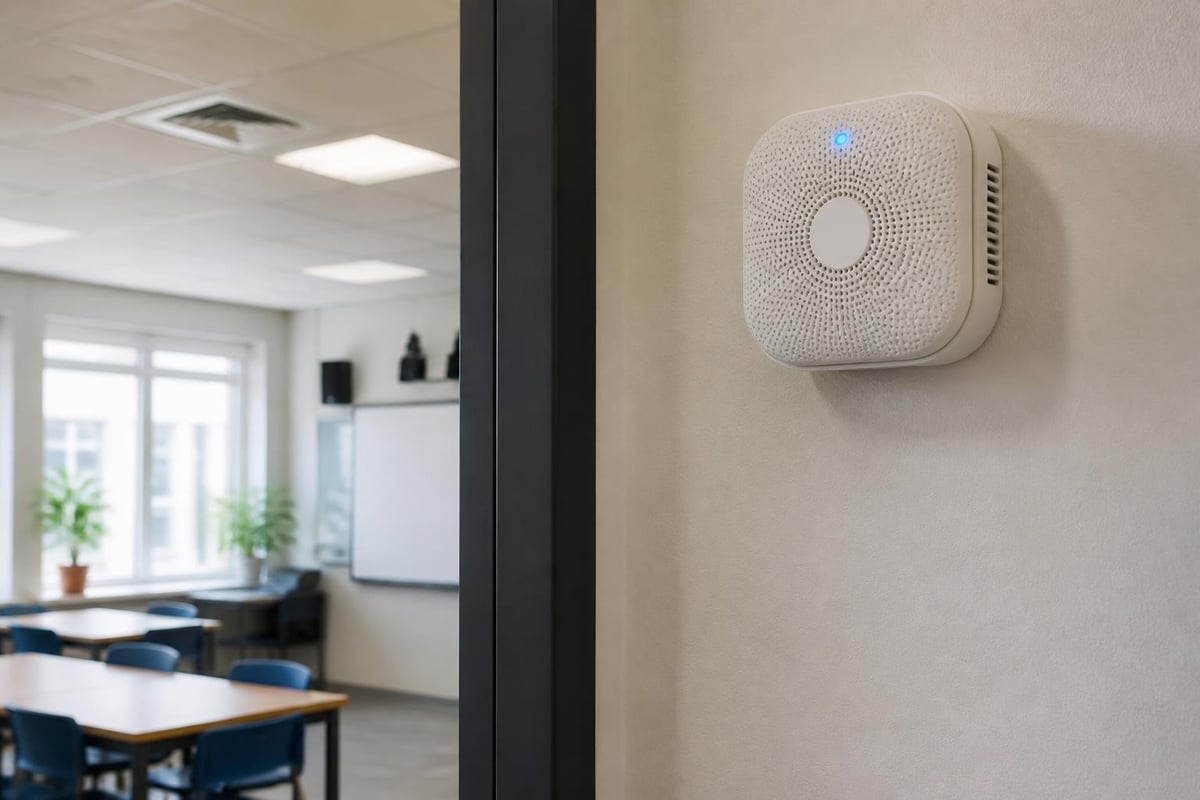
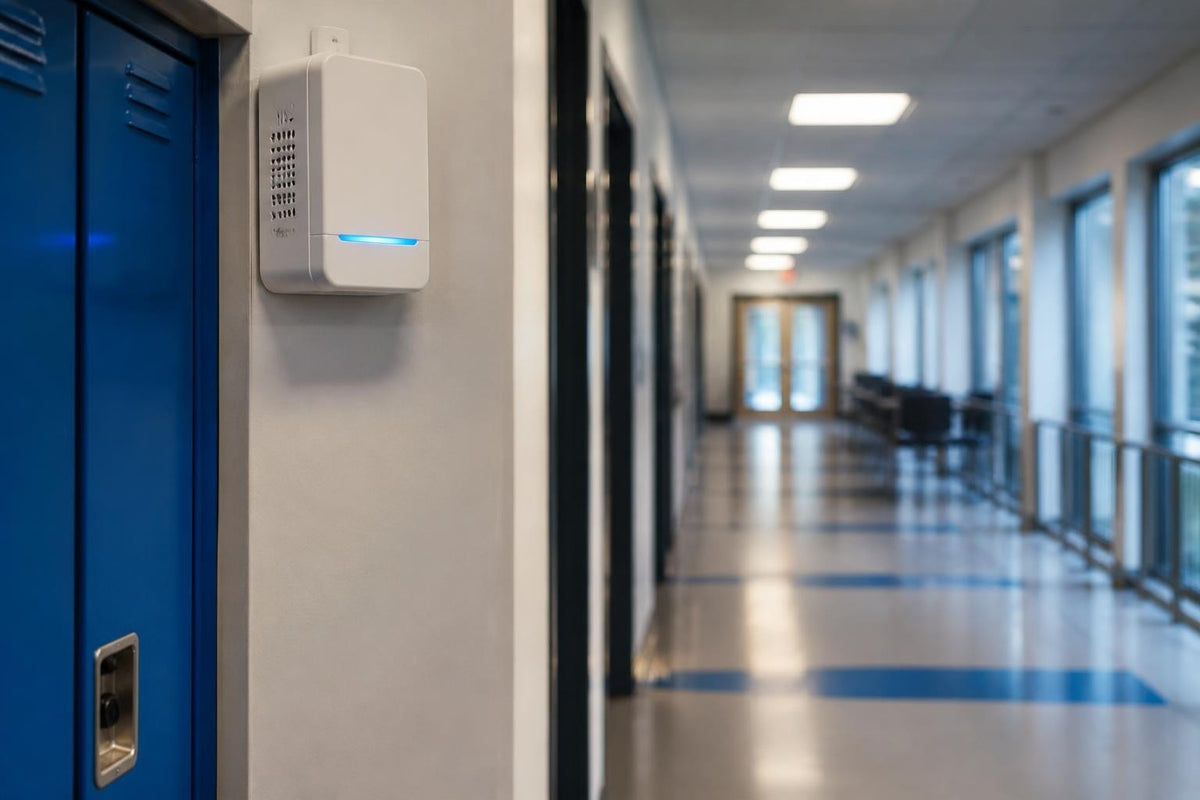
Modern detection systems represent a significant advancement over traditional smoke detectors, employing sophisticated sensors that can identify specific chemical signatures associated with vaping products. Unlike basic smoke alarms, a school safeguarding vape detector analyses air quality in real time, detecting particulates and compounds released when students use e-cigarettes or other prohibited substances.
How Detection Systems Identify Vaping Activity
The technology operates through multiple sensing mechanisms working in concert. Chemical sensors identify propylene glycol and vegetable glycerin, the primary components in e-liquid. Particulate matter sensors detect the aerosol clouds produced during vaping. Sound sensors can register the distinctive audio signatures of vaping devices.
These systems process data continuously, establishing baseline readings for each monitored space. When anomalies occur, the device compares current readings against established thresholds. This intelligent analysis minimises false positives whilst ensuring genuine incidents trigger immediate alerts.
Key detection capabilities include:
- Recognition of THC and nicotine vapour
- Identification of traditional tobacco smoke
- Detection of sound anomalies indicating potential bullying
- Monitoring of air quality deterioration
- Recognition of attempts to tamper with devices
Research into e-cigarette devices used on school grounds reveals that students employ various vaping methods, making comprehensive detection essential. Modern systems adapt to these evolving challenges through regular software updates and enhanced sensing capabilities.
Strategic Placement for Maximum Safeguarding Impact
Positioning detection devices strategically throughout school premises maximises their effectiveness whilst respecting student privacy. The most common and productive locations align with areas where students might attempt to vape unobserved.
| Location Type | Detection Priority | Installation Considerations |
|---|---|---|
| Toilets | Critical | Each facility requires coverage |
| Changing Rooms | High | Privacy compliant positioning |
| Secluded Corridors | Medium | Corner and alcove placement |
| Storage Areas | Medium | Access controlled spaces |
| Outdoor Shelters | Variable | Weather resistant units needed |
Toilet and Washroom Installations
Toilet facilities represent the primary location for student vaping attempts, making them the highest priority for school safeguarding vape detector placement. Installing devices in these spaces provides comprehensive coverage whilst maintaining privacy standards, as modern sensors monitor air quality without any visual recording capability.
Each toilet block should feature at least one device, with larger facilities benefiting from multiple units. Positioning devices near ventilation systems can be counterproductive, as airflow may disperse vapour before detection occurs. Central ceiling mounting typically delivers optimal results.
Changing Rooms and Physical Education Areas
Changing facilities present similar challenges to toilets, offering students perceived privacy for prohibited activities. Sports halls and physical education departments require particular attention, as students may vape before or after activities.
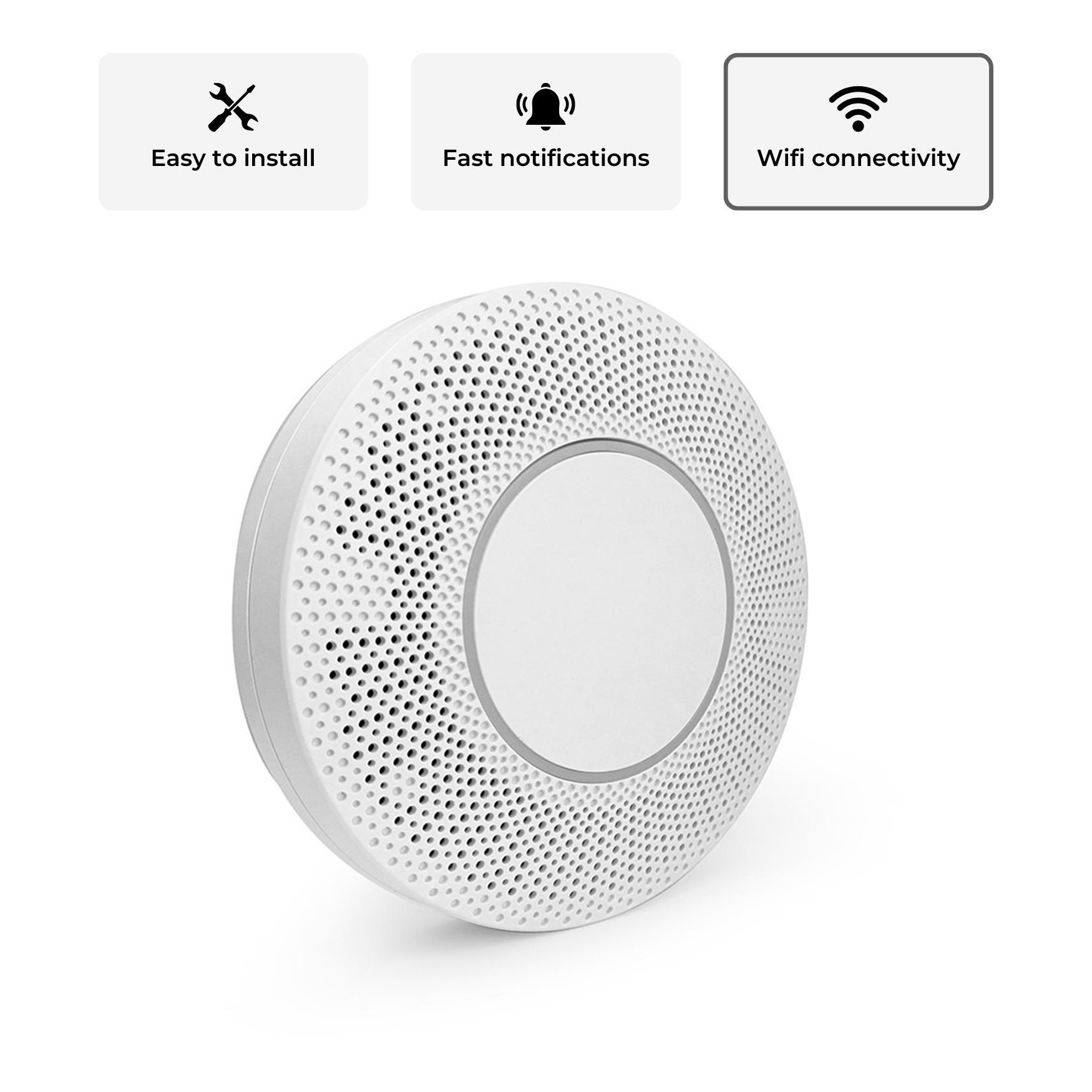
The Vape Detection System addresses these challenges through discreet installation options that integrate seamlessly with existing building infrastructure whilst providing comprehensive coverage of vulnerable areas.

Legal Framework and Privacy Considerations
Understanding the legal parameters surrounding detection technology ensures schools implement systems that protect students whilst respecting their rights. The question of legality frequently arises when institutions consider installing monitoring equipment.
Vape detectors are legal in schools across the United Kingdom, provided they comply with data protection regulations and privacy standards. These devices do not record video or audio in the manner of security cameras, instead monitoring only environmental conditions and air quality metrics.
Data Protection and GDPR Compliance
Schools must ensure their safeguarding approach aligns with General Data Protection Regulation requirements. A school safeguarding vape detector processes environmental data rather than personal information, but transparency remains essential.
Compliance best practices include:
- Informing students and parents about detection systems
- Publishing clear policies on device usage and data handling
- Limiting access to alert data to authorised safeguarding staff
- Establishing retention periods for incident records
- Conducting regular privacy impact assessments
Student Rights and Safeguarding Balance
Implementing detection technology must balance institutional safeguarding responsibilities with student rights. Schools possess a duty of care to provide safe environments, and vape detection systems in educational settings support this obligation without infringing on reasonable privacy expectations.
Parents typically support these measures when schools communicate the health and safety rationale effectively. Transparent policies that explain how detection supports student wellbeing rather than punitive discipline generate broader acceptance.
Integration with Existing Safeguarding Frameworks
A school safeguarding vape detector functions most effectively when integrated into comprehensive student welfare strategies rather than operating as an isolated disciplinary tool. Schools should align detection systems with existing safeguarding policies, pastoral care frameworks, and behaviour management approaches.
Coordination with Designated Safeguarding Leads
Designated safeguarding leads play a crucial role in managing detection system alerts and coordinating appropriate responses. These professionals require training on system capabilities, alert interpretation, and response protocols.
Alert notifications should route directly to safeguarding teams rather than general administrative staff. This ensures sensitive incidents receive appropriate handling whilst maintaining student confidentiality.
Response Protocols and Intervention Strategies
Effective response protocols transform detection alerts into meaningful safeguarding interventions. Schools must establish clear procedures that staff can follow consistently when alerts occur.

| Response Stage | Action Required | Responsible Staff | Timeframe |
|---|---|---|---|
| Alert Received | Verify and assess incident | Duty staff | Immediate |
| Initial Response | Attend location discreetly | Safeguarding team | Within 2 minutes |
| Student Support | Conduct welfare conversation | Pastoral lead | Same day |
| Parent Communication | Inform and collaborate | Year head | Within 24 hours |
| Follow-up | Monitor and support | Form tutor | Ongoing |
Understanding best practices for handling vaping alerts enables schools to respond consistently whilst maintaining a supportive rather than purely punitive approach.
Health and Safety Benefits Beyond Vaping Detection
Whilst identifying vaping incidents represents the primary function, a school safeguarding vape detector delivers additional health and safety benefits that enhance overall environmental quality.
Air Quality Monitoring and Environmental Health
Modern detection systems continuously monitor air quality metrics including volatile organic compounds, carbon dioxide levels, and particulate matter concentrations. This data helps facilities managers identify ventilation issues, maintenance requirements, and environmental concerns affecting student health.
Poor air quality impacts concentration, attendance, and academic performance. Schools using comprehensive monitoring can address these factors proactively, creating healthier learning environments.
Anti-Social Behaviour Detection
Advanced systems incorporate sound detection capabilities that identify potential bullying, aggressive behaviour, or other concerning activities. These features extend safeguarding capabilities beyond vaping detection alone.
When unusual sound patterns occur in monitored spaces, alerts notify staff who can intervene before situations escalate. This proactive approach supports broader student wellbeing objectives whilst maintaining privacy through audio analysis rather than recording.
Addressing Common Implementation Challenges
Schools considering detection technology frequently encounter similar concerns regarding effectiveness, costs, and potential workarounds. Understanding these challenges enables institutions to plan implementations that deliver sustainable results.
Preventing Device Tampering and Circumvention
Students may attempt various methods to disable or circumvent detection systems. Robust installation practices and tamper-resistant designs mitigate these risks. How vape detectors work in schools and their effectiveness depends partly on physical security measures.
Anti-tampering features include:
- Secure ceiling mounting beyond physical reach
- Tamper alerts when devices experience interference
- Robust casings resistant to spray or physical damage
- Regular maintenance checks to verify operational status
- Backup power supplies preventing simple disconnection
Cost Considerations and Budget Planning
Financial constraints represent a common barrier to implementation. However, the long-term costs of unaddressed vaping incidents often exceed detection system investments. Finance and business managers must consider both immediate expenses and ongoing operational costs.
Initial hardware costs vary based on school size and coverage requirements. Subscription services for monitoring, alerts, and system maintenance represent ongoing expenses. Many schools find grant funding, PTA contributions, or capital improvement budgets can support these investments.
Building a Culture of Health and Wellbeing
Technology alone cannot solve vaping challenges in schools. A school safeguarding vape detector delivers optimal results when combined with education, support services, and positive culture building around health and wellbeing.
Student Education and Awareness Programmes
Effective vaping education for schools helps students understand health risks whilst reducing the appeal of e-cigarettes. Education programmes should precede or accompany detection system installations, establishing context for why schools implement these measures.
Age-appropriate content that addresses peer pressure, marketing tactics, and health impacts creates informed student populations less likely to experiment with vaping. Involving students in developing school policies increases buy-in and compliance.
Supporting Students Who Vape
Detection systems identify students requiring support rather than simply those deserving punishment. Schools should establish pathways to cessation support, counselling services, and health resources for students struggling with nicotine dependence.
Understanding that vaping often indicates underlying issues enables more effective interventions. Whether students face peer pressure, stress, or addiction, supportive responses aligned with safeguarding principles deliver better outcomes than purely disciplinary approaches.
Multi-Agency Collaboration and External Resources
Senior leadership teams recognise that addressing vaping requires collaboration beyond individual school boundaries. Local authority support, public health partnerships, and multi-academy trust coordination amplify individual school efforts.
Local Authority and Public Health Partnerships
Local authorities often provide guidance, training, and resources to support school vaping prevention efforts. Public health teams deliver expertise on health impacts, cessation programmes, and evidence-based interventions.
Schools should engage these partners when developing comprehensive strategies. Many authorities coordinate regional approaches that schools can adopt, ensuring consistency and sharing best practices across educational settings.
Multi-Academy Trust Coordination
Multi-academy trusts benefit from coordinated approaches to vaping detection and prevention. Standardising technology platforms across trust schools enables centralized monitoring, consistent policies, and economies of scale in procurement.
Trusts can negotiate favorable pricing for detection systems when purchasing for multiple schools simultaneously. Shared training, policy development, and response protocols create efficiencies whilst ensuring all students receive consistent protection.
Staff Training and Professional Development
Successful implementation requires comprehensive staff training covering technology operation, response protocols, and safeguarding approaches. Various staff roles require tailored information addressing their specific responsibilities.
Role-Specific Training Requirements
Different staff members interact with school safeguarding vape detectors in distinct ways. Teachers and subject leads require awareness training, whilst IT managers need technical knowledge for system administration.
Pastoral staff benefit from training on conducting supportive conversations following detection incidents. Facilities teams require instruction on device maintenance, placement optimization, and troubleshooting. Headteachers need strategic oversight capabilities to evaluate system effectiveness and inform policy decisions.
Ongoing Professional Development
Initial training represents only the starting point. Regular refresher sessions ensure staff maintain awareness of evolving vaping trends, new device capabilities, and refined response protocols.
Schools should incorporate vaping and detection technology into broader safeguarding training programmes. Annual reviews enable institutions to assess what works, identify improvement areas, and adapt approaches based on experience.
Measuring Success and Continuous Improvement
Implementing a school safeguarding vape detector marks the beginning rather than the conclusion of vaping prevention efforts. Establishing metrics and evaluation frameworks enables schools to assess effectiveness and refine approaches.
Key Performance Indicators
Success metrics might include:
- Number of vaping incidents detected and addressed
- Reduction in vaping-related disciplinary issues over time
- Student survey data on vaping prevalence and attitudes
- Air quality measurements and environmental improvements
- Staff confidence in managing vaping incidents
- Parent satisfaction with school safeguarding measures
Tracking these indicators provides evidence of system value whilst highlighting areas requiring additional attention. Schools should review data regularly with governing bodies to ensure accountability and continuous improvement.
System Optimization and Technology Updates
Detection technology evolves continuously as manufacturers refine sensors, enhance algorithms, and expand capabilities. Schools should establish relationships with suppliers supporting ongoing optimization through software updates and technical support.
Regular system reviews identify opportunities to adjust sensor placement, refine alert thresholds, or expand coverage to additional areas. This iterative approach ensures detection capabilities remain effective as student behaviors and vaping products evolve.
The Future of School Safeguarding Technology
Looking forward, detection technology will likely integrate increasingly sophisticated capabilities supporting comprehensive student wellbeing monitoring. Artificial intelligence and machine learning may enhance pattern recognition, predicting potential incidents before they occur.
Integration with building management systems could enable automated responses such as ventilation adjustments when air quality deteriorates. Mobile applications might provide staff with enhanced situational awareness and response coordination tools.
However, technology will always require the human element: caring staff committed to student welfare, evidence-based policies balancing safety with rights, and supportive cultures prioritizing health over punishment. A school safeguarding vape detector serves as a tool enabling these professionals to fulfill their duty of care more effectively.
Protecting students from vaping risks whilst maintaining supportive learning environments requires both sophisticated technology and thoughtful implementation strategies. Schools that integrate detection systems within comprehensive safeguarding frameworks, provide staff training, and prioritize student support over punishment achieve the most sustainable results. Vape Guardian delivers advanced detection solutions specifically designed for educational settings, combining reliable sensors with dedicated support to help schools create healthier, safer environments where students can thrive. Contact our team to discover how our technology can support your institution's safeguarding objectives.




Share:
School Toilet Monitoring System: A 2026 Safety Guide
Anti Vaping Technology for Schools: A Complete Guide