
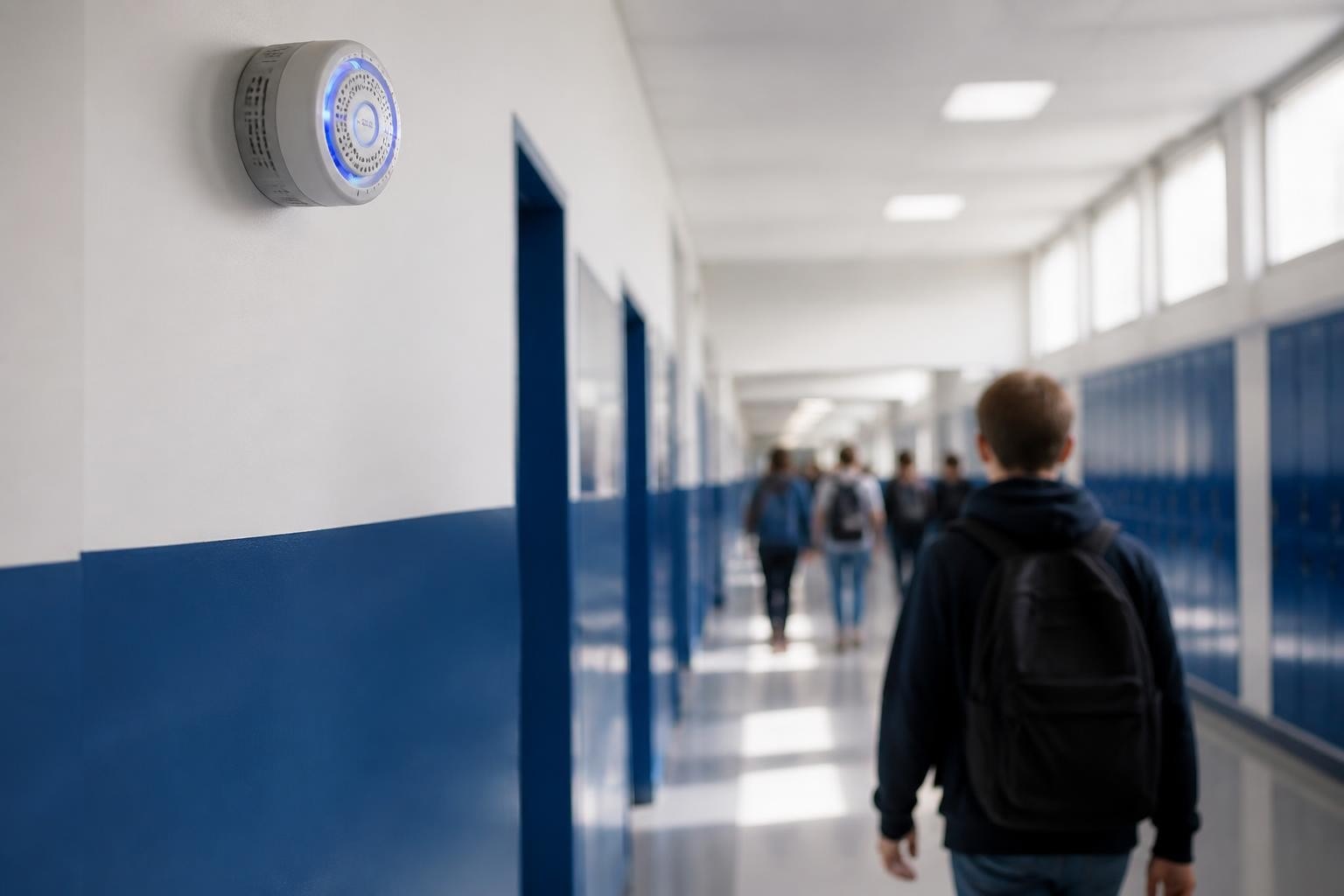
Vaping among young people has escalated into a critical challenge facing educational institutions across the United Kingdom. Schools are increasingly turning to sophisticated anti vaping technology for schools to address this growing concern, implementing solutions that detect substances in real time whilst maintaining student privacy and safety. With vaping incidents disrupting learning environments and posing health risks, educational leaders are seeking proven technological interventions that provide effective monitoring without creating an atmosphere of excessive surveillance.
Understanding the Need for Vape Detection in Educational Settings
The scale of youth vaping has reached alarming proportions. Recent data indicates that significant numbers of secondary school students have experimented with vaping devices, with many developing regular usage patterns. This trend has prompted educators and policymakers to explore evidence-based strategies schools are employing to combat this issue effectively.
Traditional disciplinary measures alone have proven insufficient in addressing the vaping epidemic. Students conceal devices easily, use them in toilets and changing rooms, and often remain undetected until the problem becomes entrenched. Anti vaping technology for schools offers a proactive approach that identifies incidents as they occur, enabling immediate intervention.
Health and Safety Implications
The health consequences of youth vaping extend beyond nicotine addiction. Many vaping products contain harmful chemicals, and the long-term effects on developing brains remain inadequately understood. Some devices are modified to deliver substances beyond nicotine, including THC and other drugs, creating additional safeguarding concerns for schools.
Key health risks associated with student vaping include:
- Nicotine addiction during crucial developmental periods
- Respiratory problems and lung damage
- Exposure to toxic chemicals and heavy metals
- Gateway behaviour leading to traditional smoking
- Anxiety and concentration difficulties affecting academic performance
Educational institutions bear a duty of care to protect students from these risks. Implementing anti vaping technology for schools demonstrates commitment to student wellbeing whilst providing measurable data about the scope of the problem.

How Anti Vaping Technology Works
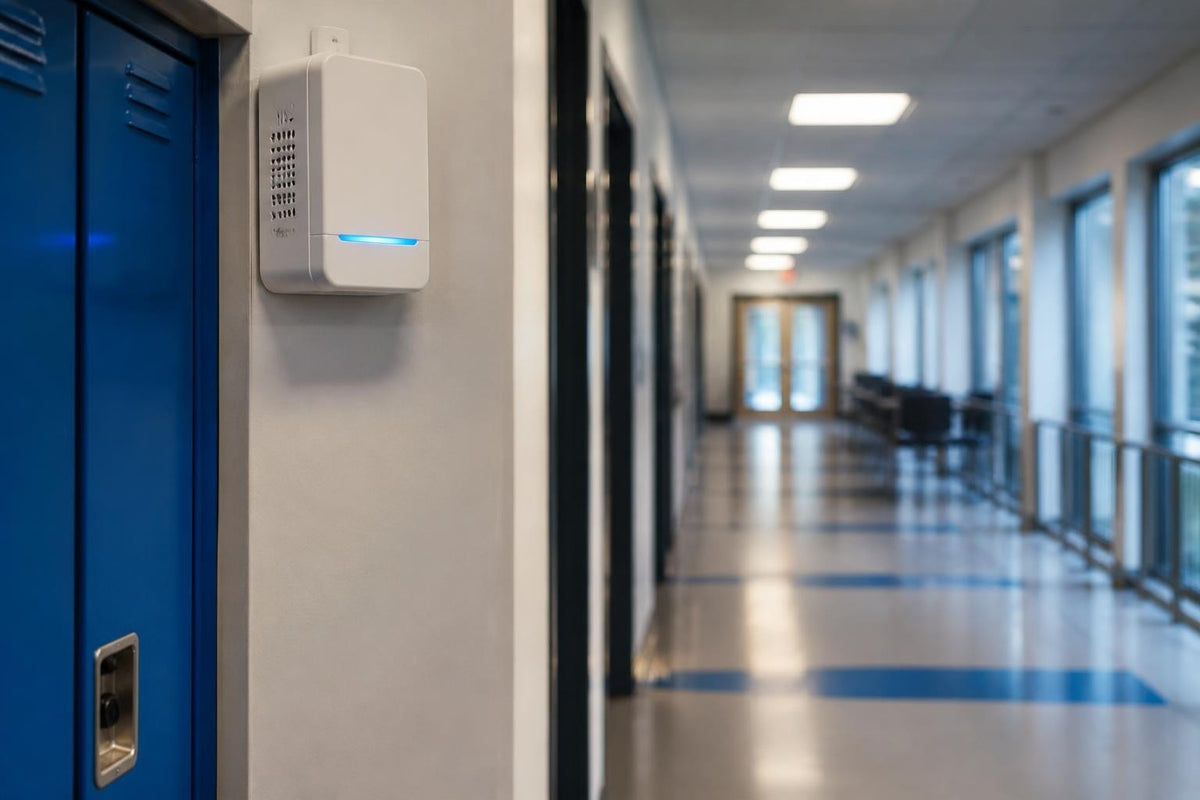
Modern anti vaping technology for schools utilises sophisticated sensor arrays that detect airborne particles and chemical signatures associated with vaping. These systems operate continuously, monitoring designated areas such as toilets, changing rooms, and enclosed spaces where students might attempt to vape undetected.
The technology identifies specific particulate matter and chemical compounds released during vaping. When sensors detect these signatures, they trigger immediate alerts to designated staff members through various communication channels. This rapid response capability enables intervention before vaping becomes normalised behaviour within the school community.
Core Detection Capabilities
| Feature | Function | Benefit |
|---|---|---|
| Particulate Detection | Identifies vapour particles in air | Real-time vaping incident identification |
| Chemical Analysis | Recognises substance signatures | Detects THC and drug use beyond nicotine |
| Sound Monitoring | Identifies keywords and distress signals | Addresses bullying and antisocial behaviour |
| Air Quality Monitoring | Tracks overall environmental health | Ensures healthy learning environments |
| Tamper Detection | Alerts when devices are interfered with | Maintains system integrity |
Advanced systems go beyond basic vape detection. Many solutions incorporate additional monitoring capabilities that enhance overall school safety. The Vape Detection System integrates vape detection with drug identification and antisocial behaviour monitoring, providing comprehensive protection through a single installation. This multifunctional approach delivers exceptional value whilst minimising the number of devices required across campus.
Installation and Integration Considerations
Effective deployment of anti vaping technology for schools requires strategic planning. Schools must identify high-risk locations, ensure adequate network connectivity, and establish clear response protocols. Most modern systems integrate seamlessly with existing security infrastructure, allowing alerts to flow through established communication channels.
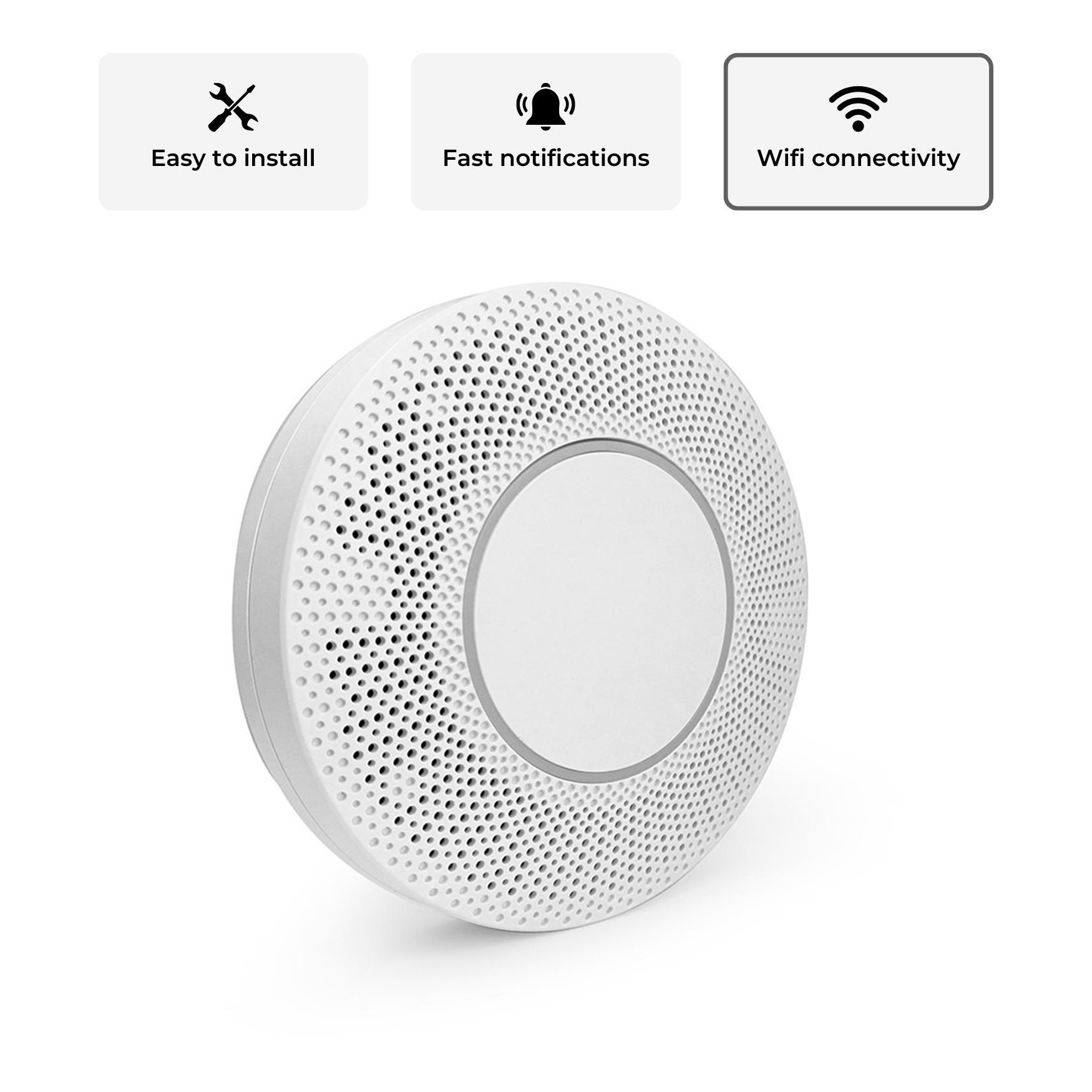
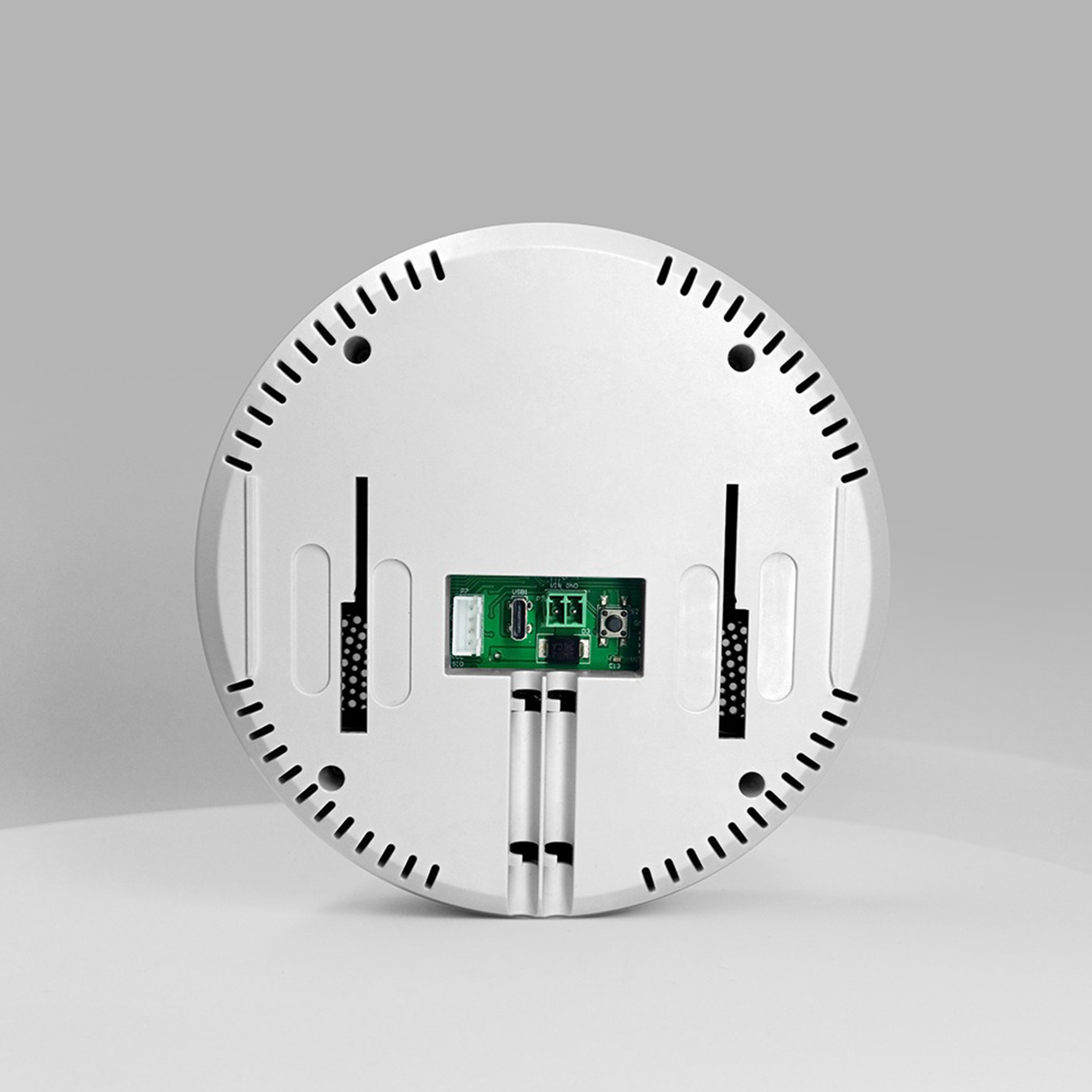
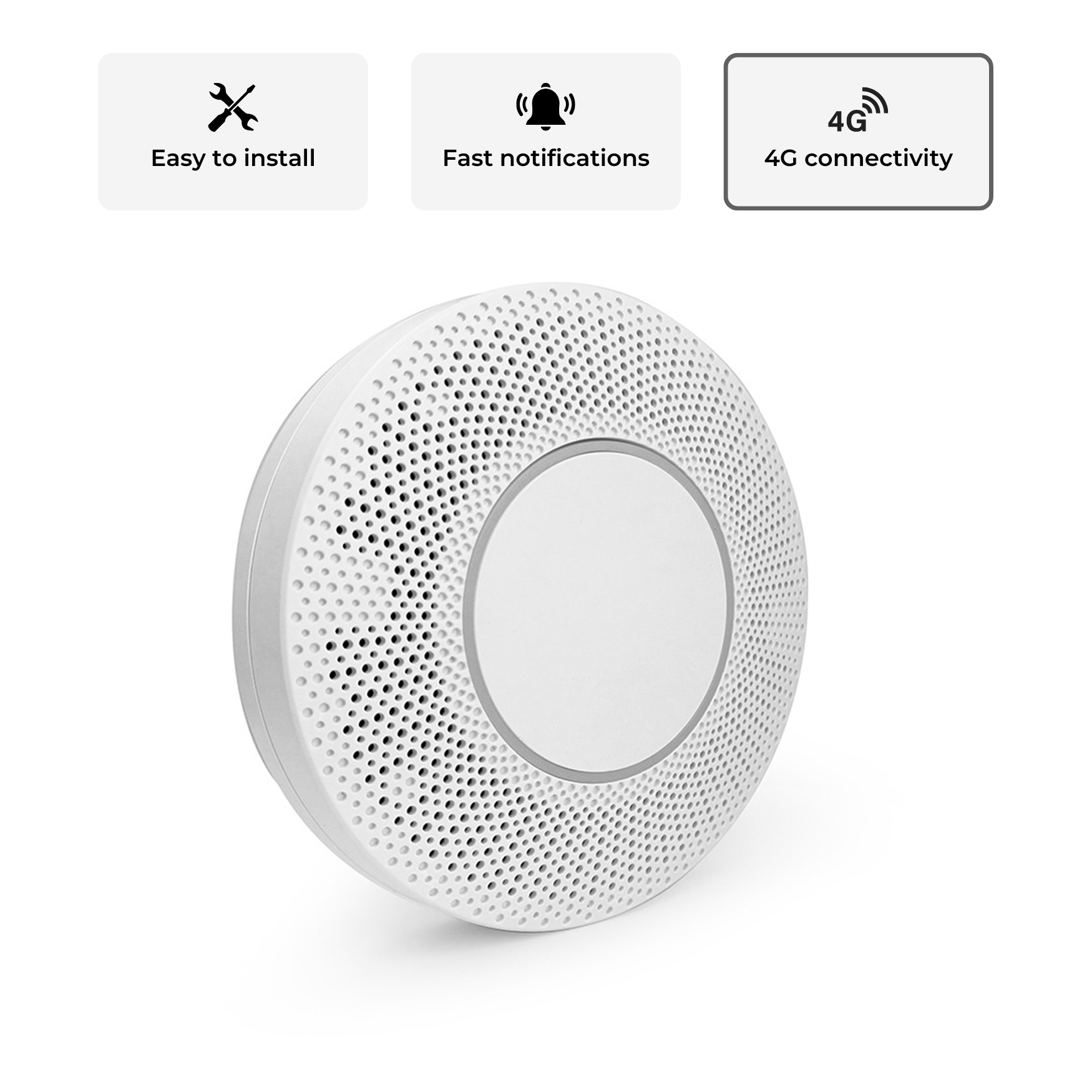
Installation typically involves mounting discreet sensors in toilets, changing facilities, and other enclosed areas where students congregate away from direct supervision. The devices connect via WiFi or cellular networks, transmitting data to cloud-based platforms accessible through mobile applications and web dashboards.
Selecting the Right System for Your School
The market offers numerous anti vaping technology for schools options, each with distinct features, pricing structures, and capabilities. Educational leaders must evaluate solutions based on their specific requirements, budget constraints, and existing infrastructure. Understanding the key differentiators enables informed purchasing decisions that deliver optimal protection.
Essential evaluation criteria include:
- Detection accuracy and false positive rates
- Coverage area per sensor unit
- Alert delivery methods and response time
- Privacy features and data protection compliance
- Total cost of ownership including maintenance
- Technical support and training provision
- Integration capabilities with existing systems
Privacy considerations warrant particular attention. Whilst anti vaping technology for schools serves legitimate safety purposes, concerns about student privacy must be addressed through transparent policies and appropriate system configuration. Systems should focus on substance detection without recording audio conversations or capturing visual imagery beyond what is necessary for safety.
Comparing Available Technologies
Different manufacturers approach vape detection with varying technological strategies. Some prioritise sensitivity, detecting even minute vapour amounts. Others emphasise multifunctionality, incorporating air quality monitoring, sound analysis for bullying detection, and environmental sensors. Schools should match system capabilities to their specific challenges and compliance requirements.
The cost structure varies significantly across providers. Entry-level systems may offer basic vape detection at lower price points, whilst premium solutions deliver comprehensive monitoring with advanced analytics. Federal lawsuit settlements against e-cigarette companies have provided funding opportunities for schools to implement these technologies, making sophisticated systems more accessible.

Implementation Best Practices
Successful deployment of anti vaping technology for schools extends beyond hardware installation. Schools must develop comprehensive implementation strategies that include policy development, staff training, student education, and ongoing system optimisation. This holistic approach maximises the technology's effectiveness whilst maintaining positive school culture.
Developing Supporting Policies
Before installing detection systems, schools should establish clear policies governing their use. These policies must address data protection, response protocols, disciplinary procedures, and privacy safeguards. Engaging stakeholders including staff, parents, governors, and students in policy development builds trust and ensures compliance with relevant regulations.
Transparency about system capabilities and limitations proves essential. Students and parents should understand what the technology detects, how data is used, and what consequences follow detected incidents. Clear communication prevents misunderstandings and demonstrates the school's commitment to student welfare rather than punitive surveillance.
Staff Training and Response Protocols
Technology alone cannot solve vaping problems. Staff members must understand how to interpret alerts, respond appropriately, and use incidents as educational opportunities. Training should cover:
- Alert notification systems and escalation procedures
- Appropriate response to detected incidents
- Supporting students identified through the system
- Data privacy and confidentiality requirements
- Integration with existing safeguarding frameworks
Response protocols should emphasise support alongside discipline. Students caught vaping need education about health risks, access to cessation resources, and pastoral support addressing underlying issues. Anti vaping technology for schools works most effectively when paired with comprehensive wellbeing programmes.
Educational Resources Available for Schools
Resources supporting anti vaping initiatives complement technological solutions. Schools benefit from accessing evidence-based educational materials, lesson plans, and awareness campaigns that inform students about vaping risks. The vaping education hub provides comprehensive resources tailored specifically for educational settings, helping schools develop informed student populations.
Student Engagement Strategies
Engaging students as partners in creating vape-free environments increases programme effectiveness. Peer education initiatives, student-led awareness campaigns, and youth voice opportunities empower young people to make informed choices. Anti vaping technology for schools works best within cultures where students understand and support the rationale behind monitoring.
Effective student engagement approaches include:
- Student-designed awareness campaigns
- Peer mentoring programmes
- Open discussions about health evidence
- Anonymous feedback mechanisms
- Youth involvement in policy development
When students participate in shaping anti-vaping initiatives, they develop ownership of outcomes rather than viewing measures as imposed restrictions. This collaborative approach fosters lasting behavioural change beyond what technology alone achieves.
Measuring Success and ROI
Evaluating the effectiveness of anti vaping technology for schools requires establishing clear metrics and regular assessment. Schools should track incident rates, response times, repeat offences, and broader indicators such as student wellbeing surveys and attendance data. This evidence demonstrates return on investment whilst identifying areas requiring adjustment.
| Metric | Measurement Method | Target Outcome |
|---|---|---|
| Detection Rate | Incidents identified per term | Increase initially, decrease over time |
| Response Time | Minutes from alert to staff arrival | Under 2 minutes average |
| Repeat Incidents | Same students detected multiple times | Decreasing trend |
| Student Awareness | Survey responses about vaping risks | 90%+ awareness of consequences |
| Overall Prevalence | Anonymous usage surveys | Year-on-year reduction |
Initial implementation often reveals higher than expected incident rates, providing valuable baseline data. Over time, effective programmes demonstrate declining detection rates as deterrent effects take hold and students modify behaviour. This pattern indicates successful cultural change rather than system failure.
Cost Benefit Analysis
Whilst anti vaping technology for schools requires upfront investment, the long-term benefits substantially outweigh costs. Reduced disruption to learning, fewer disciplinary incidents, improved health outcomes, and enhanced school reputation deliver tangible value. Additionally, case studies demonstrate measurable improvements in school environments following system deployment.
Schools should consider total cost of ownership including hardware, installation, subscription fees, maintenance, and staff time. Comparing these costs against traditional reactive approaches reveals significant efficiency gains through proactive detection and early intervention.
Privacy and Compliance Considerations
Implementing anti vaping technology for schools necessitates careful attention to privacy legislation and student rights. UK data protection laws require schools to demonstrate legitimate interests, maintain proportionality, and protect personal information. Systems must be configured to collect only necessary data whilst providing adequate security against unauthorised access.
Privacy-focused deployment strategies include limiting audio recording capabilities, encrypting data transmissions, restricting access to authorised personnel, and establishing clear retention policies. Schools should conduct privacy impact assessments before deployment, identifying and mitigating potential risks to student rights.
Balancing Safety and Privacy
The tension between safety imperatives and privacy rights requires thoughtful navigation. Anti vaping technology for schools serves legitimate educational purposes, but implementation must respect student dignity and proportionality principles. Transparency about monitoring locations, clear signage, and stakeholder consultation help achieve appropriate balance.
Schools should avoid creating pervasive surveillance environments that undermine trust. Strategic placement in specific high-risk areas rather than comprehensive campus coverage demonstrates proportionate response. Regular review of system necessity and effectiveness ensures ongoing compliance with privacy principles.
Future Developments in Detection Technology
The anti vaping technology for schools sector continues evolving rapidly. Emerging developments include artificial intelligence-enhanced detection algorithms, improved accuracy reducing false positives, extended battery life for wireless sensors, and advanced analytics identifying usage patterns. These innovations promise enhanced effectiveness whilst reducing operational burden.
Integration with broader school safety platforms represents another significant trend. Unified systems combining vape detection, air quality monitoring, emergency alerting, and facilities management create comprehensive environmental awareness. This consolidation simplifies administration whilst providing richer data for informed decision-making.
Predictive Analytics and Pattern Recognition
Advanced systems increasingly incorporate machine learning capabilities that identify temporal patterns and high-risk periods. By analysing historical data, these platforms predict when and where incidents are most likely, enabling targeted interventions. Schools can adjust supervision, enhance education during high-risk periods, and allocate resources more efficiently.
The evolution towards predictive approaches represents a fundamental shift from reactive detection to proactive prevention. As anti vaping technology for schools matures, these capabilities will become standard features rather than premium additions.
Addressing Common Implementation Challenges
Schools deploying anti vaping technology for schools frequently encounter similar challenges during implementation. Understanding these obstacles enables proactive mitigation strategies that smooth the deployment process. Common issues include technical connectivity problems, staff resistance to new procedures, student attempts to circumvent systems, and budget constraints limiting coverage.
Practical solutions to frequent challenges:
- Connectivity Issues: Conduct thorough network assessments before purchase, consider cellular-connected options where WiFi proves unreliable
- Staff Resistance: Involve teachers in selection and policy development, emphasise workload reduction through automated monitoring
- Student Circumvention: Regularly update detection algorithms, vary monitoring patterns, combine technology with random supervision
- Budget Limitations: Prioritise highest-risk areas initially, explore funding opportunities, demonstrate ROI to secure additional investment
- False Positive Management: Configure sensitivity settings appropriately, provide context awareness training for responders
Schools benefit from learning from peers who have successfully implemented similar systems. Sharing experiences, challenges, and solutions through professional networks accelerates problem-solving and improves outcomes across the sector.
Supporting Long Term Behaviour Change
Anti vaping technology for schools functions most effectively as one component within comprehensive tobacco and substance prevention programmes. Technology provides enforcement capability and incident data, but lasting cultural change requires sustained educational effort, pastoral support, and community engagement.
Schools should view detection systems as enablers of broader prevention strategies rather than standalone solutions. Combining technological monitoring with evidence-based education, cessation support services, and positive alternative activities creates environments where students choose not to vape rather than simply fear detection.
Building Sustainable Programmes
Sustainability requires embedding anti-vaping initiatives within existing school structures and values. When prevention aligns with broader wellbeing priorities, healthy living education, and safeguarding frameworks, it receives consistent attention and resources. Schools should integrate vaping prevention into PSHE curricula, staff development programmes, and parent engagement activities.
Monitoring evolving trends in youth substance use ensures programmes remain relevant. As vaping products, marketing strategies, and usage patterns change, schools must adapt their approaches. Regular review of current guidance and legislation keeps policies aligned with emerging challenges.
Real World Applications and Success Stories
Educational institutions implementing anti vaping technology for schools report significant improvements in managing vaping incidents. Schools describe enhanced ability to identify problem areas, rapid response capabilities reducing normalisation, and valuable data informing targeted interventions. These outcomes demonstrate the technology's practical value in addressing real-world challenges.
Success factors consistently include senior leadership commitment, comprehensive stakeholder engagement, clear communication about system purposes, and integration with broader wellbeing strategies. Schools treating technology as a tool supporting cultural change achieve better outcomes than those relying solely on deterrence.
For schools seeking guidance on implementation approaches, exploring practical steps to stop vaping at school provides actionable frameworks combining technological and educational interventions.
Technical Specifications and Requirements
Deploying anti vaping technology for schools requires understanding technical requirements and ensuring infrastructure compatibility. Most modern systems operate via cloud connectivity, requiring reliable internet access in installation locations. Power requirements vary, with some units requiring mains electricity whilst others utilise long-life batteries.
Typical technical specifications:
- Connectivity: WiFi (2.4GHz/5GHz) or 4G cellular
- Power: Mains AC or 3-5 year battery life
- Coverage: 100-150 square metres per sensor
- Detection Range: Particulates 0.3-10 microns
- Alert Latency: Under 10 seconds from detection
- Environmental Range: 0-40°C operating temperature
- Installation: Wall or ceiling mount options
Schools should verify compatibility with existing network infrastructure and security policies before procurement. IT departments play crucial roles in successful deployment, managing network configuration, firewall exceptions, and ongoing technical support.
Anti vaping technology for schools represents a powerful tool in addressing youth vaping, combining real-time detection with data-driven insights that inform comprehensive prevention strategies. When implemented thoughtfully alongside educational initiatives and pastoral support, these systems create safer, healthier learning environments where students can thrive. Vape Guardian provides advanced detection solutions specifically designed for educational settings, offering reliable monitoring, immediate alerts, and dedicated support to help schools protect student wellbeing effectively.




Share:
School Safeguarding Vape Detector: A Complete Guide
Low Cost Vape Detector: Complete 2026 Buying Guide