
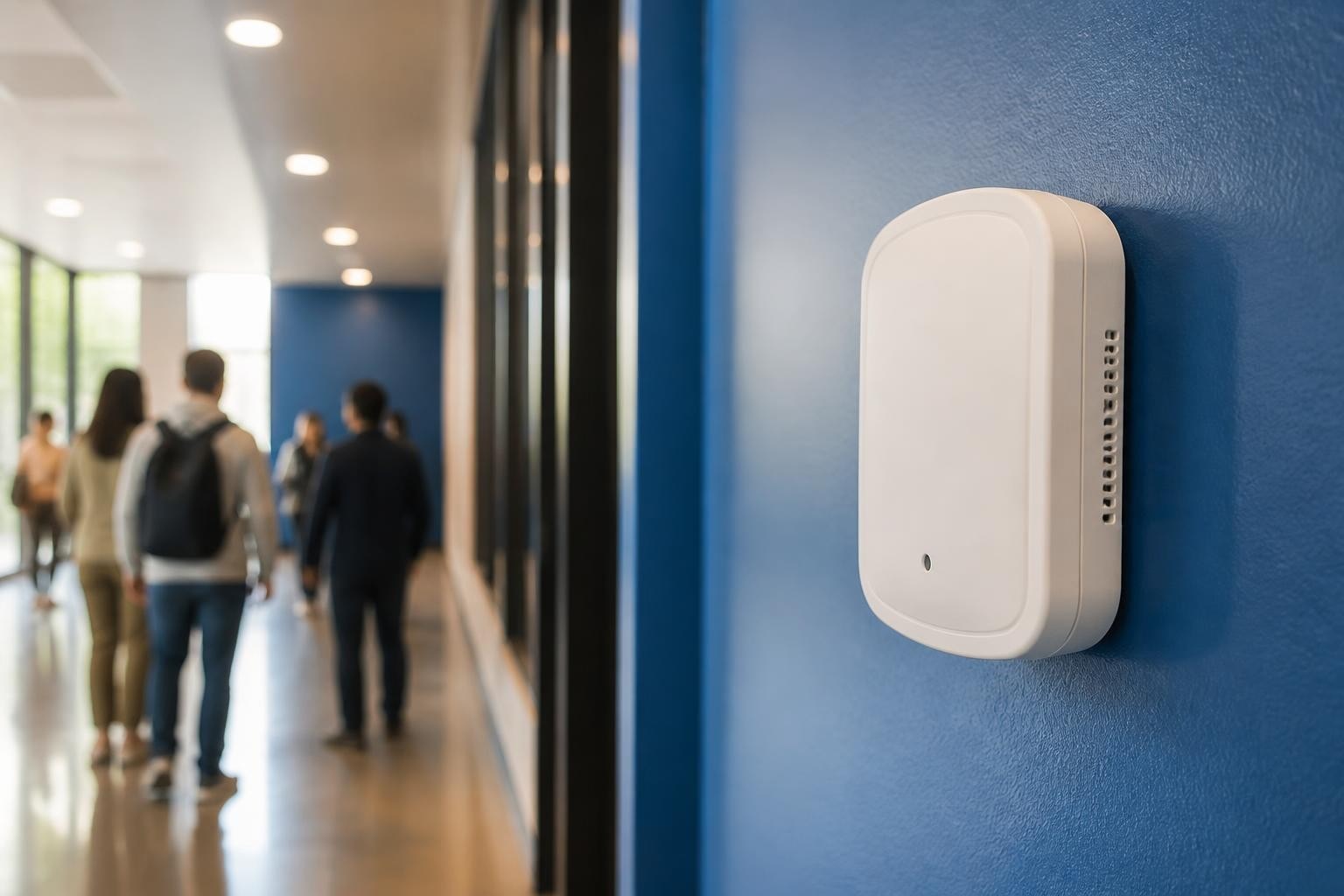
Educational institutions and businesses face mounting pressure to address vaping on their premises whilst managing tight budgets. The demand for effective monitoring solutions has driven innovation in affordable detection technologies, making it possible for organisations of all sizes to implement comprehensive vape detection programmes. Understanding the balance between cost and capability remains essential for decision makers seeking to protect their environments without compromising on quality or reliability.
Understanding the Low Cost Vape Detector Market
The vape detection industry has evolved significantly over the past three years, with manufacturers developing increasingly sophisticated yet affordable solutions. A low cost vape detector typically ranges from £150 to £600 per unit, representing a substantial reduction compared to premium systems that can exceed £1,500 per sensor. This price accessibility has democratised vape detection, enabling smaller schools, independent businesses, and community facilities to implement monitoring programmes previously beyond their financial reach.
Market dynamics have shifted as component costs decrease and manufacturing processes become more efficient. The proliferation of low cost sensors in air quality monitoring has demonstrated that affordable technology can deliver reliable performance when properly calibrated and deployed. This research validates the technical foundations supporting budget conscious vape detection solutions.
Key Features to Expect at Lower Price Points
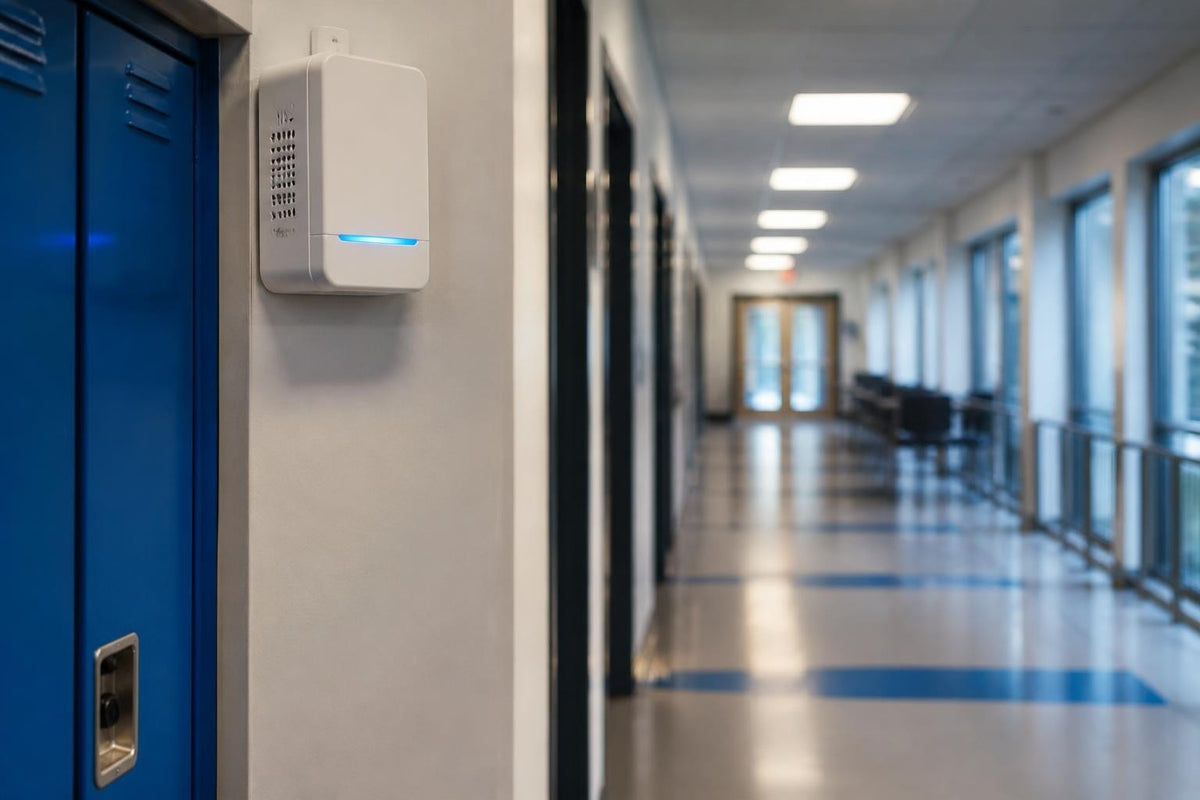
Budget oriented detectors incorporate essential capabilities whilst eliminating premium features that many organisations simply don't require. Core functionality includes vape aerosol detection, real time alerts, and basic reporting mechanisms. Most low cost vape detector models utilise particle sensors calibrated to identify the specific characteristics of vape emissions, distinguishing them from other airborne substances.
Standard features in affordable detectors:
- Particulate matter detection tuned for vape aerosols
- WiFi or LoRaWAN connectivity for remote monitoring
- Battery powered or mains operation options
- Basic alert systems via email or SMS
- Tamper resistant housing
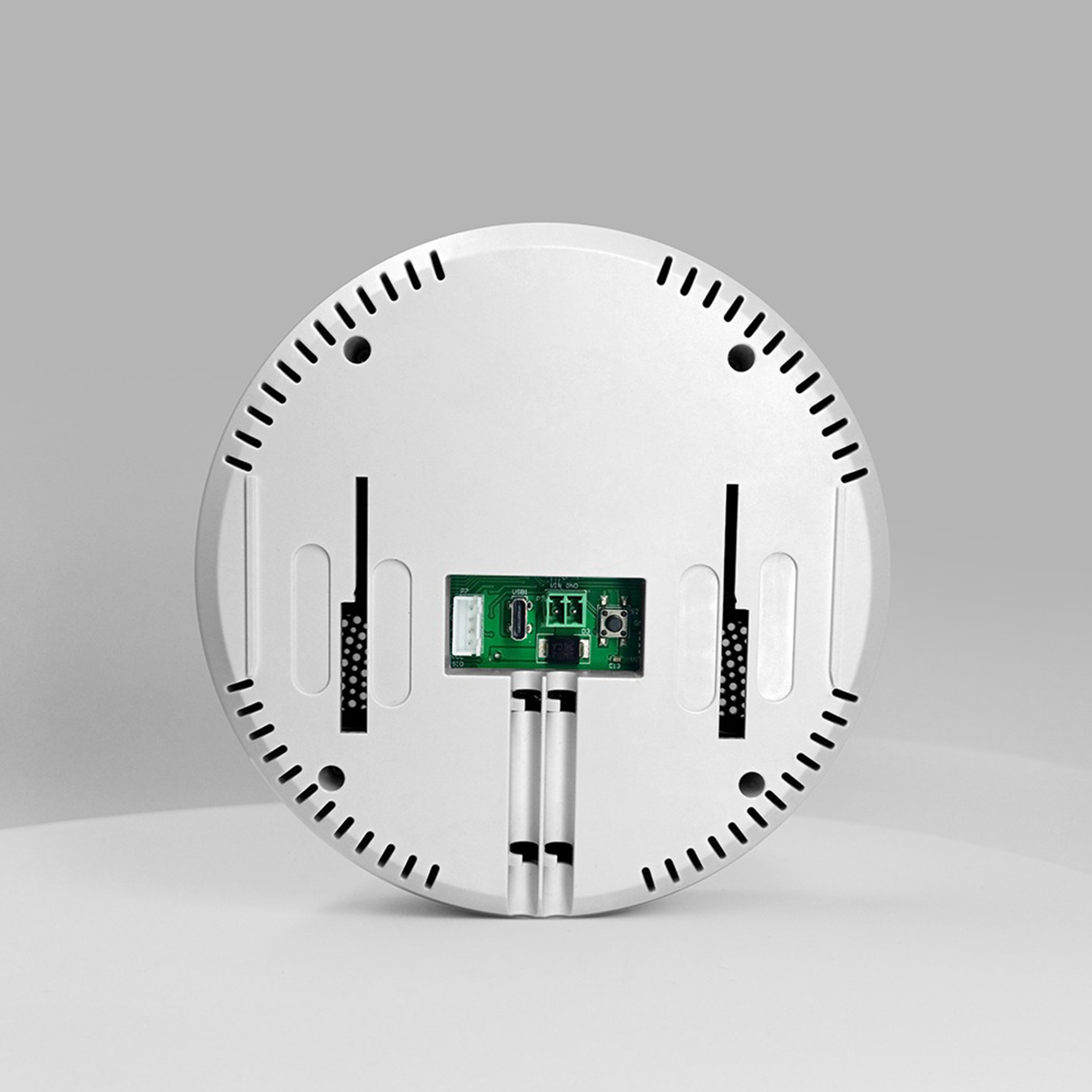
- Simple installation without specialist contractors
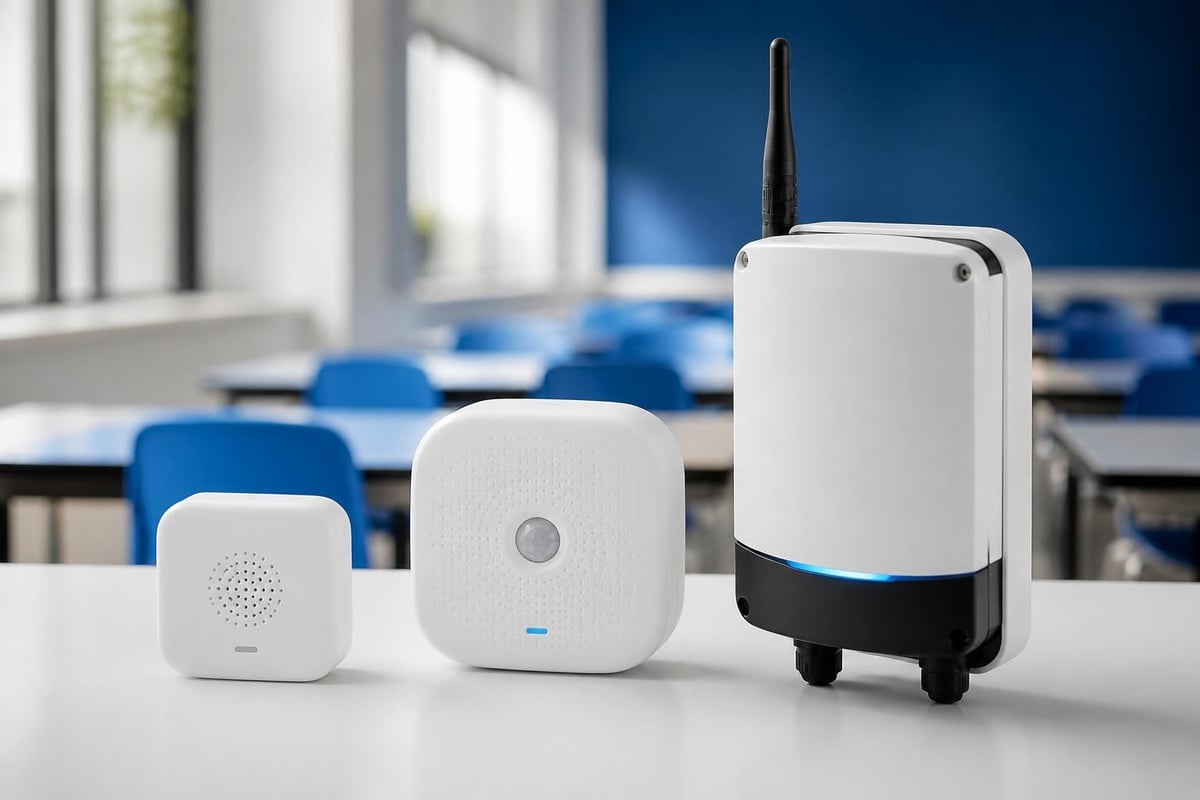
The Zeptive wireless vape detector exemplifies this category, offering straightforward DIY installation and essential detection capabilities at competitive price points. Similarly, Triton Sensors' 3D Sense demonstrates how manufacturers balance affordability with practical functionality for educational environments.
Evaluating Cost Versus Performance Trade Offs
Purchasing decisions require careful consideration of what organisations genuinely need versus aspirational features that inflate costs. A low cost vape detector may lack advanced analytics dashboards or multi sensor integration, but these capabilities often prove unnecessary for straightforward compliance monitoring. The critical question becomes whether the detector reliably identifies vaping incidents and delivers timely alerts to appropriate personnel.
Performance metrics worth examining include detection accuracy, false positive rates, response time, and coverage area. Budget detectors typically cover 150 to 300 square feet effectively, compared to 500+ square feet for premium models. This limitation simply means deploying more units in larger facilities, which may still prove more economical than fewer high end devices.
| Feature | Budget Models | Mid Range | Premium Systems |
|---|---|---|---|
| Price per unit | £150 - £400 | £400 - £800 | £800+ |
| Coverage area | 150 - 250 sq ft | 250 - 400 sq ft | 400+ sq ft |
| Sensor types | 1 - 2 | 2 - 4 | 4+ |
| Alert methods | Email/SMS | Email/SMS/App | Full integration |
| Analytics | Basic | Moderate | Comprehensive |
| Installation | DIY friendly | Professional recommended | Professional required |
Research into low cost outdoor air quality monitoring provides valuable insights into calibration challenges and performance expectations. These findings translate directly to indoor vape detection, where proper sensor calibration significantly impacts accuracy regardless of device cost.
Understanding False Positive Rates
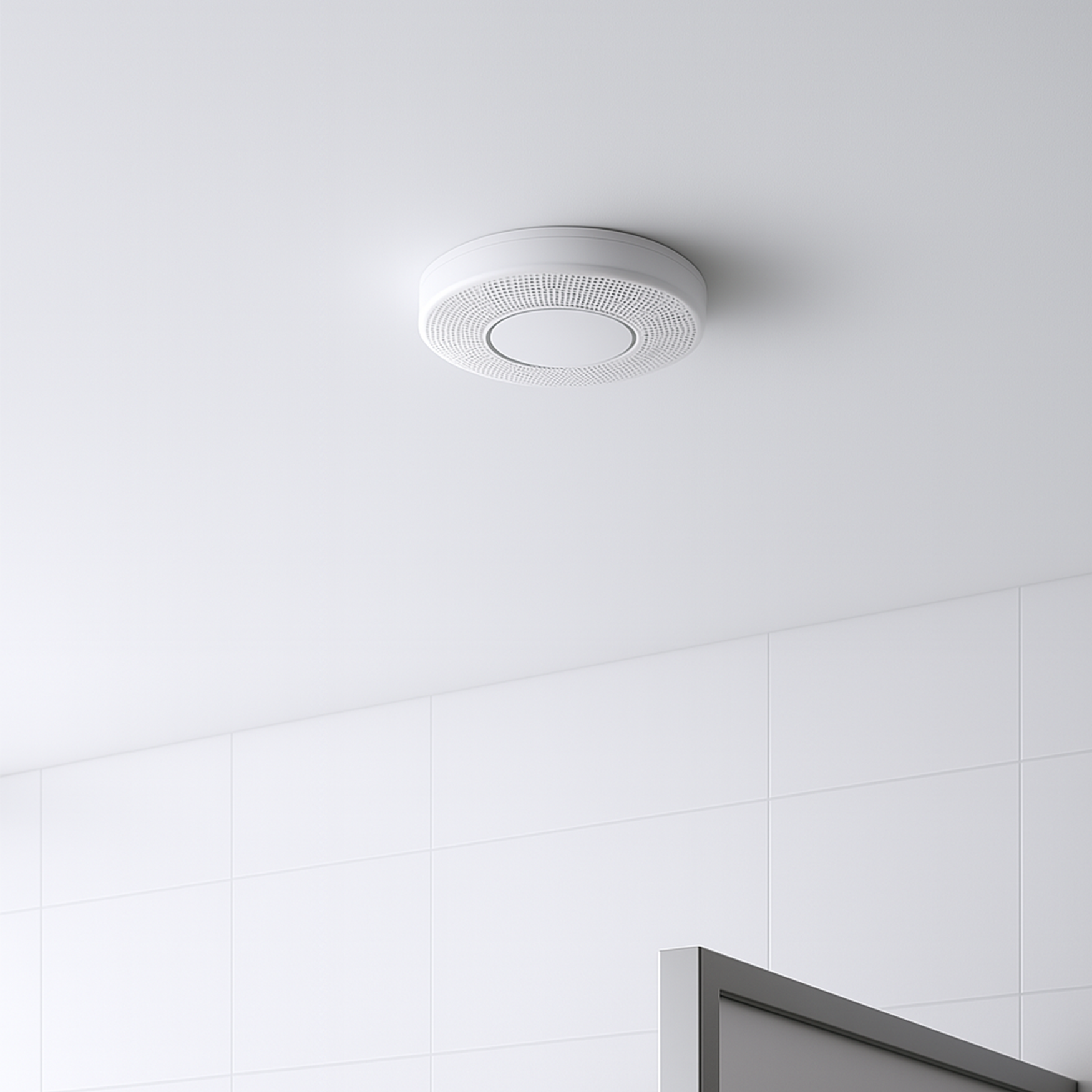
One legitimate concern with budget oriented devices involves false positive detection rates. Inexpensive sensors may occasionally misidentify cooking aerosols, cleaning products, or dust as vape emissions. However, strategic placement and proper configuration dramatically reduce these occurrences. Installing detectors in toilets, changing rooms, and other high risk areas minimises exposure to confounding substances whilst maximising detection effectiveness.
Modern low cost vape detector technology incorporates algorithmic refinements that distinguish vape signatures from other particulates. Whilst not matching the precision of laboratory grade equipment, these systems deliver acceptable accuracy for institutional monitoring purposes. The data reliability considerations explored in sensor network research underscore the importance of deployment strategy over raw sensor capability.
Deployment Strategies for Maximum Value
Extracting optimal value from affordable detection technology requires thoughtful deployment planning. Schools and businesses should map their premises to identify high priority monitoring zones, concentrating initial investments where vaping incidents occur most frequently. This targeted approach enables organisations to establish detection coverage with minimal capital outlay, expanding systematically as budgets permit.
Prioritising Installation Locations
Critical deployment zones include:
- Toilet facilities and washrooms
- Changing rooms and locker areas
- Stairwells and isolated corridors
- External covered areas near building entrances
- Storage rooms and utility spaces
Schools tackling vaping have found that concentrating detectors in these locations captures the majority of incidents whilst maintaining budget discipline. Educational facilities implementing comprehensive monitoring systems typically begin with 8 to 12 units, providing substantial coverage without overwhelming initial costs.
For workplace environments, offices requiring vape detection benefit from similar targeting strategies. Restrooms, break areas, and smoking designated zones receive priority, with expansion into open plan spaces occurring as programmes mature.

Integration and Connectivity Considerations
Connectivity options significantly influence the total cost of ownership for detection systems. A low cost vape detector may support WiFi, cellular, or LoRaWAN protocols, each presenting distinct advantages and ongoing expense implications. WiFi connected devices leverage existing infrastructure, eliminating additional connectivity costs but requiring reliable network access throughout monitored areas.
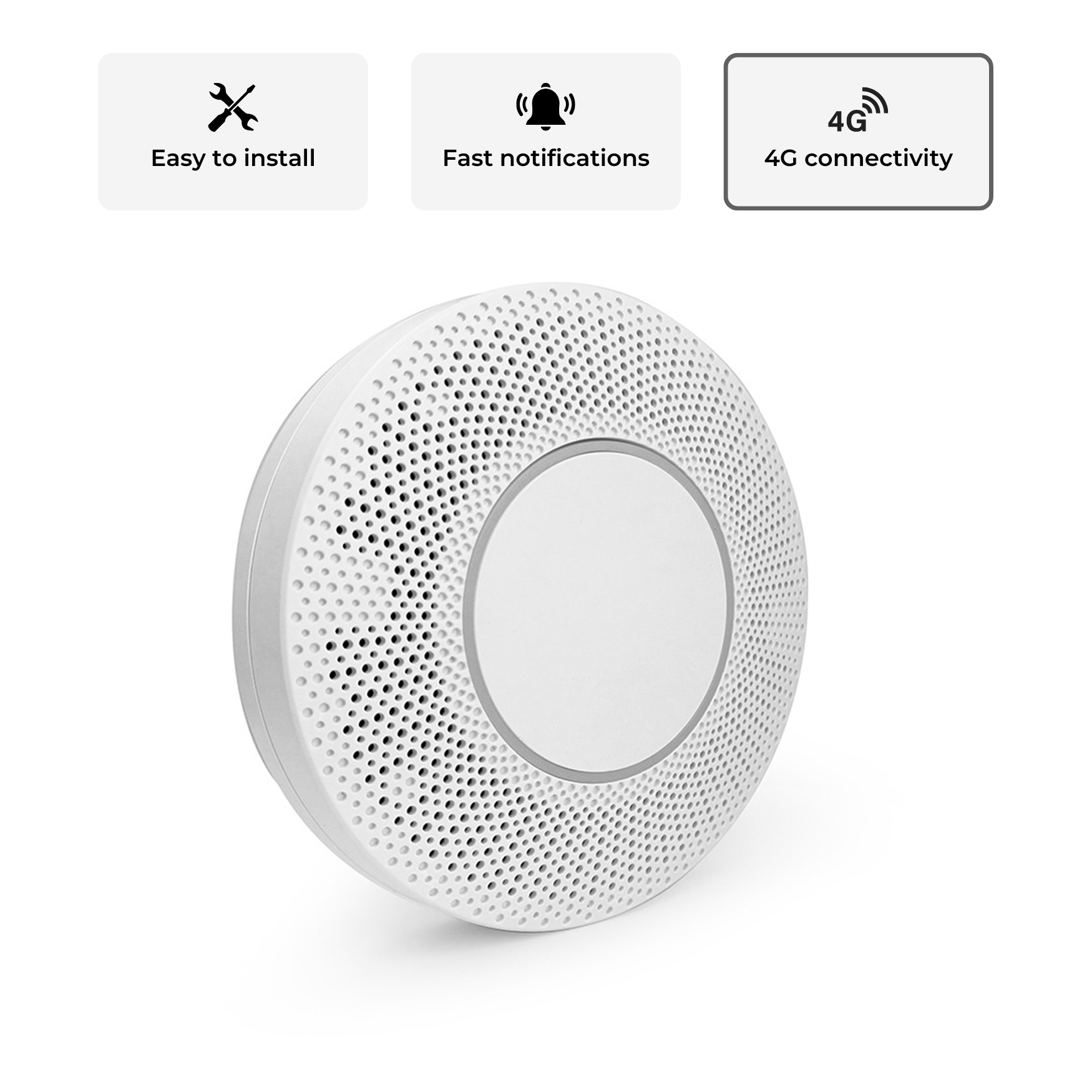
Cellular enabled detectors offer greater deployment flexibility, functioning independently of building networks. However, they incur ongoing SIM card and data charges ranging from £5 to £15 monthly per device. LoRaWAN vape detectors like the Milesight GS601 provide excellent range and minimal power consumption, though they necessitate gateway infrastructure investment upfront.
Comparing Connectivity Options
| Connection Type | Upfront Cost | Monthly Cost | Range | Installation Complexity |
|---|---|---|---|---|
| WiFi | Standard | £0 | Limited to network | Low |
| 4G/Cellular | +£30 - £50 | £5 - £15 | Excellent | Very low |
| LoRaWAN | +£20 - £40 | £0 - £3 | Excellent | Moderate |
| Ethernet | Standard | £0 | Unlimited | High |
Organisations should evaluate their existing infrastructure and technical capabilities when selecting connectivity approaches. Schools with robust WiFi coverage may find network connected devices most economical, whilst businesses with patchy connectivity benefit from cellular alternatives despite recurring costs.
Software Platforms and Alert Management
The monitoring platform accompanying detection hardware deserves equal scrutiny as the sensors themselves. Budget conscious solutions typically offer streamlined web dashboards or mobile applications providing essential functionality without enterprise grade features. Alert routing, incident logging, and basic reporting satisfy most organisational requirements without necessitating complex software investments.
Effective alert management ensures appropriate personnel receive notifications promptly whilst avoiding alarm fatigue from excessive messaging. Quality low cost vape detector systems enable customisable alert rules, directing notifications to specific individuals based on location, time of day, or incident severity. This flexibility maximises response effectiveness without requiring sophisticated software platforms.
Essential Software Capabilities
Modern detection platforms should support:
- Real time alert delivery via multiple channels
- Incident timestamp and location logging
- Basic trend analysis and reporting
- User access control and permissions
- Mobile app access for on the go monitoring
- Integration capabilities for future expansion
The Vape Detection System demonstrates how comprehensive functionality integrates with affordable hardware. By combining particle detection with behaviour monitoring capabilities, organisations gain insights beyond simple vape incidents, identifying patterns and enabling proactive intervention strategies.

Installation and Maintenance Cost Factors
Total ownership costs extend beyond initial hardware purchases to encompass installation, calibration, and ongoing maintenance requirements. A low cost vape detector designed for DIY installation eliminates contractor expenses, potentially saving £50 to £150 per unit. However, organisations must assess whether their facilities staff possess the technical competence for proper deployment, as poor installation undermines detection effectiveness regardless of equipment quality.
DIY installation typically requires:
- Basic electrical knowledge for mains powered units
- Network configuration skills for WiFi devices
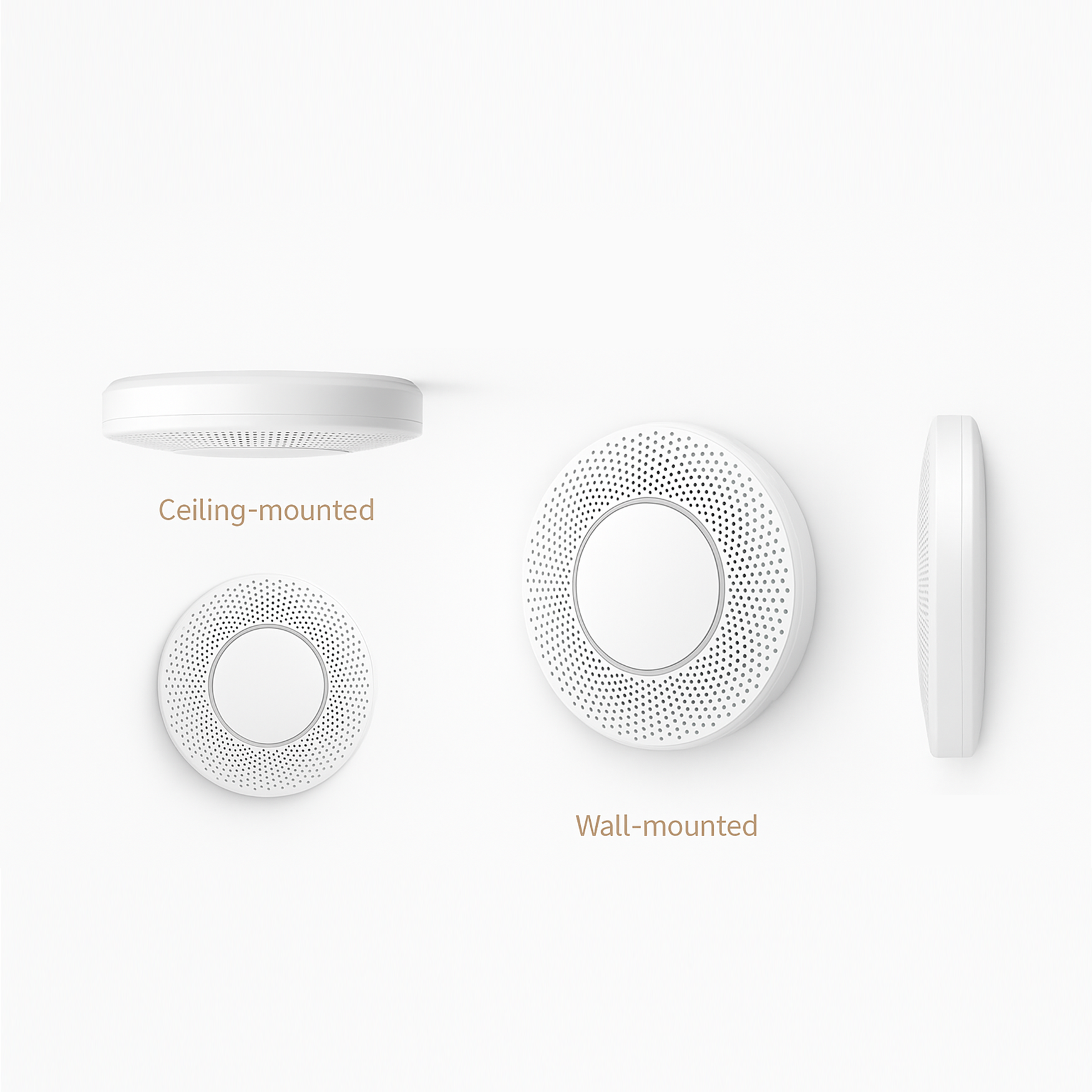
- Ladder access for ceiling mounting
- Understanding of optimal sensor positioning
- Ability to follow manufacturer guidelines
Professional installation ensures correct deployment but adds substantially to project costs. Schools and businesses should weigh this investment against the risks of improper self installation, which can result in dead zones, excessive false positives, or complete detection failures.
Ongoing Maintenance Requirements
Budget detectors generally feature lower maintenance demands than premium systems, with fewer complex components requiring servicing. Particle sensors benefit from periodic cleaning to maintain accuracy, though many modern units incorporate self cleaning mechanisms reducing manual intervention. Battery powered devices require replacement cells annually or biannually, whilst mains powered alternatives eliminate this concern.
Firmware updates delivered over the air ensure devices remain current with detection algorithms and security patches. Reputable manufacturers provide these updates without additional charges, though organisations should verify update policies before purchasing. Understanding real vape detection capabilities helps institutions set appropriate maintenance schedules and performance expectations.
Scaling Detection Programmes Over Time
Starting with modest deployments of affordable detectors enables organisations to establish monitoring programmes whilst preserving capital for future expansion. This phased approach allows institutions to validate detection effectiveness, refine alert protocols, and build stakeholder confidence before committing to comprehensive coverage. As budgets allow, additional zones receive monitoring coverage, progressively enhancing site wide protection.
Growth strategies should prioritise consistency within device ecosystems when possible. Standardising on particular manufacturers or models simplifies management, ensures compatible software platforms, and may unlock volume purchasing discounts. However, remaining open to emerging technologies prevents organisations from becoming locked into outdated systems as the market evolves.
Budget Planning for Multi Year Rollouts
| Year | Investment Focus | Estimated Units | Budget Range |
|---|---|---|---|
| Year 1 | High priority zones | 8 - 12 | £1,200 - £4,800 |
| Year 2 | Secondary areas | 6 - 10 | £900 - £4,000 |
| Year 3 | Complete coverage | 4 - 8 | £600 - £3,200 |
| Ongoing | Replacements/upgrades | 2 - 4 | £300 - £1,600 |
This structured approach distributes capital expenses whilst building detection capability incrementally. Schools particularly benefit from aligning deployments with academic years, enabling summer installation without disrupting operations. Educational vape detection programmes frequently adopt this methodology, balancing budgetary constraints with protection objectives.
Compliance and Policy Enforcement Support
Detection technology serves as one component within broader vaping prevention strategies. A low cost vape detector provides objective evidence of policy violations, supporting disciplinary processes whilst deterring future incidents. The mere presence of visible monitoring devices often reduces vaping frequency, as individuals recognise their activities face detection regardless of human oversight.
Effective programmes combine technology with clear policies, consistent enforcement, and educational initiatives. Case studies from institutions implementing comprehensive approaches demonstrate superior outcomes compared to technology or policy alone. Budget conscious organisations should allocate resources across all programme elements rather than exclusively focusing on detection hardware.
Supporting Policy Development
Detection data informs evidence based policy refinement, identifying peak incident times, problematic locations, and demographic patterns. This intelligence enables targeted interventions addressing root causes rather than symptoms. Institutions should establish clear protocols governing:
- Alert response procedures and personnel responsibilities
- Investigation processes following detection incidents
- Disciplinary measures aligned with policy violations
- Privacy considerations and data handling practices
- Review cycles for policy effectiveness assessment
Organisations exploring leisure and retail applications face similar policy development requirements, adapting institutional approaches to commercial contexts. Clear signage informing visitors of monitoring programmes supports transparency whilst reinforcing behavioural expectations.
Future Proofing Budget Investments
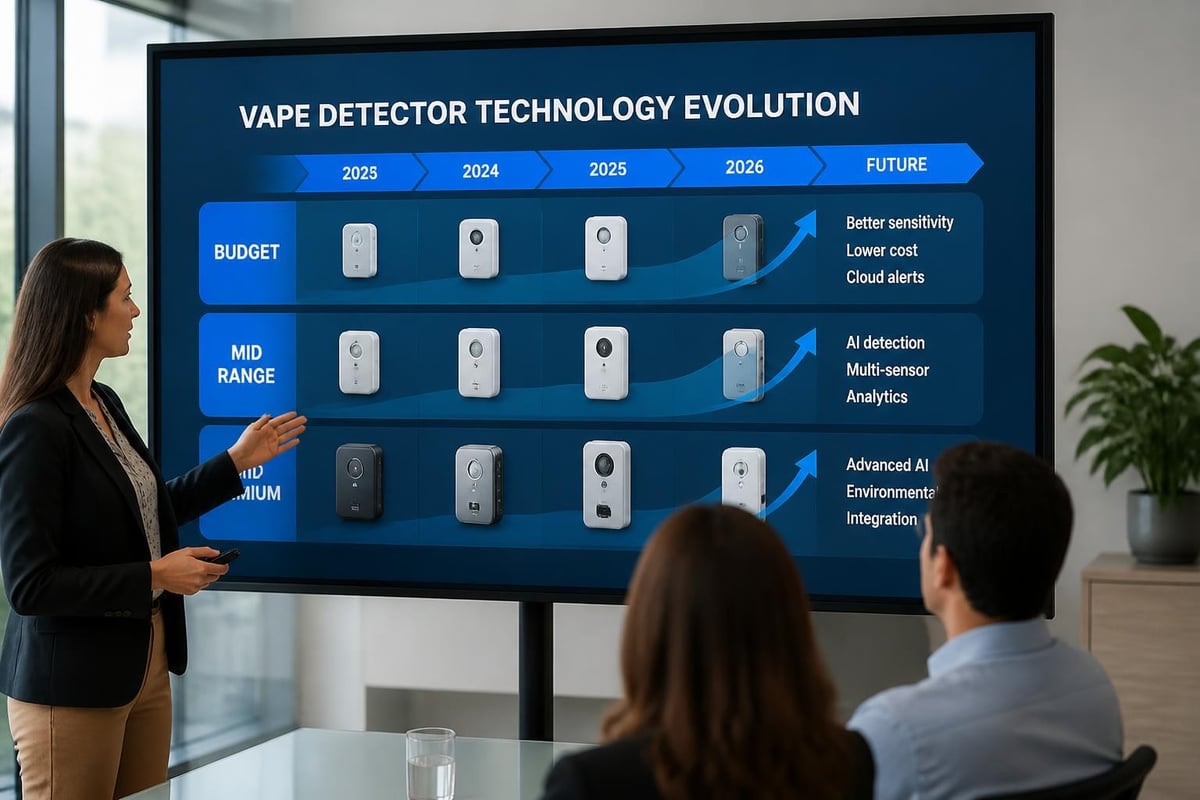
Technology advancement continues accelerating, with current low cost vape detector models incorporating capabilities unavailable in premium systems from just three years ago. This rapid evolution creates opportunities for budget conscious buyers whilst raising concerns about obsolescence. Selecting devices from manufacturers committed to software updates and backwards compatibility helps protect investments against premature depreciation.
Emerging trends include enhanced multi gas detection, artificial intelligence powered pattern recognition, and improved integration with building management systems. Whilst these capabilities currently command premium pricing, features inevitably migrate to budget segments as technologies mature. Organisations should balance immediate needs against anticipated developments, avoiding overinvestment in cutting edge features whilst ensuring adequate current performance.
Evaluating Manufacturer Support and Longevity
Critical vendor assessment factors include:
- Company history and financial stability
- Software update frequency and duration commitments
- Warranty terms and replacement policies
- Technical support availability and responsiveness
- User community size and engagement
- Product roadmap transparency
Purchasing from established manufacturers with proven track records reduces risks associated with vendor failures or product discontinuation. However, innovative startups often deliver superior value propositions, balancing risk against potential rewards. Reading vaping education resources helps organisations understand detection technology fundamentals, enabling more informed vendor evaluations.
Making the Final Selection Decision
Choosing appropriate detection solutions requires synthesising technical requirements, budgetary constraints, and organisational capabilities into coherent procurement strategies. Successful buyers develop detailed requirement specifications encompassing coverage needs, integration demands, and support expectations before evaluating vendors. This disciplined approach prevents feature creep and budget overruns whilst ensuring selected systems genuinely address institutional needs.
Request demonstration units or trial periods when possible, validating vendor claims through direct testing. Even affordable detectors represent meaningful investments deserving thorough evaluation. Testing reveals practical considerations around installation, alert management, and daily operation that specifications alone cannot communicate. The ResiSense low cost vape detector range, for example, offers trial programmes enabling hands on assessment before commitment.
Procurement Best Practices
- Define clear success criteria measuring detection effectiveness
- Engage stakeholders including facilities, IT, and policy teams
- Request detailed quotes encompassing all ownership costs
- Verify compliance with relevant standards and regulations
- Negotiate volume discounts for multi unit purchases
- Establish performance benchmarks for vendor accountability
- Plan phased deployment allowing refinement between stages
Organisations should resist pressure to rush procurement decisions, particularly when vendors emphasise limited time offers or artificial urgency. Quality manufacturers support considered purchasing processes, providing comprehensive information supporting informed choices. Checking frequently asked questions about detection systems helps clarify common concerns before engaging vendors directly.
Beyond Initial Detection Technology
Whilst this analysis focuses on detector hardware and software, complete vaping prevention programmes encompass education, counselling, and environmental design elements. A low cost vape detector provides crucial enforcement capability, but technology alone cannot address the complex social and psychological factors driving vaping behaviours. Budget allocations should reflect this reality, distributing resources across complementary interventions.
Educational initiatives explaining vaping health risks and policy rationales build understanding supporting compliance. Counselling services assist individuals struggling with nicotine dependence, addressing addiction rather than merely punishing symptoms. Environmental modifications eliminating secluded spaces reduce vaping opportunities through design rather than surveillance. These multifaceted approaches deliver superior outcomes compared to detection technology in isolation, warranting balanced investment strategies.
Institutions successfully implementing comprehensive programmes report 60% to 80% reductions in vaping incidents within twelve months. These outcomes validate the effectiveness of integrated approaches whilst demonstrating the value detection technology contributes within broader frameworks. Understanding the hidden costs of allowing vaping helps justify programme investments to budget holders and governing bodies.
Implementing effective vape detection need not exhaust organisational budgets when decision makers understand the capabilities and limitations of affordable technologies. By focusing on essential features, strategic deployment, and integration within comprehensive prevention programmes, schools and businesses achieve meaningful protection whilst maintaining fiscal responsibility. Vape Guardian specialises in providing advanced detection solutions tailored to UK institutions, combining reliable hardware with expert support to help organisations create safer environments. Whether you're protecting educational spaces or workplace facilities, our team can guide you towards detection strategies matching your specific needs and budget constraints.


Share:
Anti Vaping Technology for Schools: A Complete Guide
Bathroom Incident Detection System: Complete 2026 Guide