
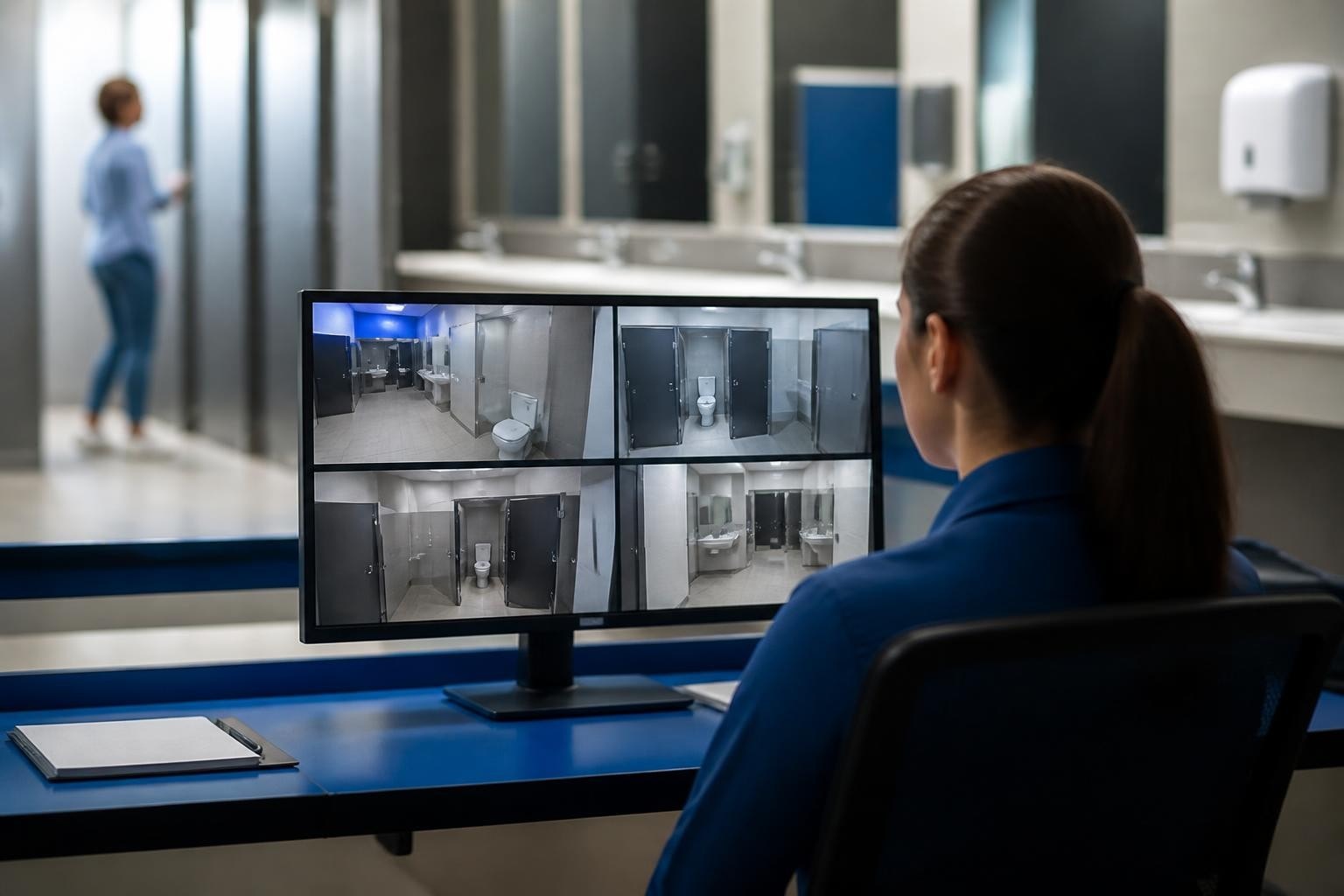
Modern facilities face mounting pressure to ensure safety and wellbeing across all areas, including the often overlooked yet critical environment of washroom spaces. A bathroom incident detection system represents a sophisticated technological solution that addresses multiple safety and security concerns simultaneously, from medical emergencies to anti-social behaviour. These systems have evolved significantly since their inception, now incorporating advanced sensors, artificial intelligence, and real-time alerting capabilities that protect vulnerable individuals whilst respecting privacy. For organisations ranging from educational institutions to commercial offices and public venues, implementing comprehensive monitoring solutions has become not merely a compliance consideration but a fundamental duty of care.
Understanding Bathroom Incident Detection Technology
A bathroom incident detection system comprises multiple technological components working in concert to identify unusual situations requiring intervention. Unlike traditional security cameras that raise privacy concerns, modern systems employ non-invasive sensors that detect patterns rather than capturing images.
The core technology typically includes motion sensors, occupancy timers, environmental monitors, and acoustic detection capabilities. These elements combine to create a comprehensive understanding of washroom usage without compromising individual dignity. When the system identifies anomalous patterns such as prolonged occupancy, sudden falls, or concerning behaviours, it triggers alerts to designated personnel.
Key Detection Capabilities
Modern systems monitor several critical indicators simultaneously:
- Prolonged occupancy: Tracking time spent in individual cubicles to identify potential medical emergencies or distress
- Environmental changes: Detecting unusual air quality variations, temperature shifts, or substance presence
- Acoustic anomalies: Identifying sounds associated with distress, conflict, or prohibited activities
- Movement patterns: Recognising fall signatures or unusual motion sequences indicating medical incidents
The technology has advanced considerably, with some solutions incorporating dual Doppler radar measurements for classifying human behaviours and detecting falls without visual surveillance. This represents a significant breakthrough in maintaining privacy whilst ensuring safety.
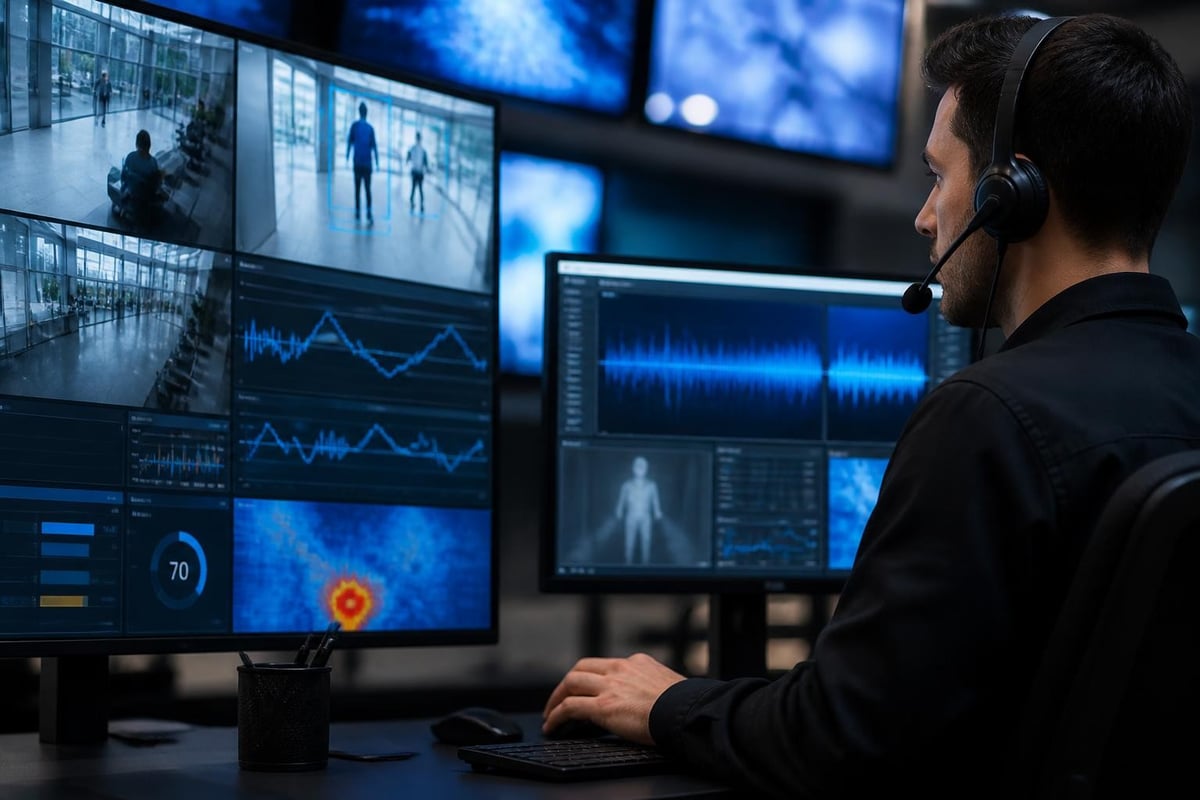
Privacy Considerations and Compliance
Implementing a bathroom incident detection system demands careful attention to privacy legislation and ethical considerations. The General Data Protection Regulation (GDPR) establishes strict requirements for data collection and processing, particularly in sensitive environments.
Privacy-focused solutions like Inspiren's Sense safety monitor demonstrate how technology can alert staff to falls and prolonged stays without using cameras. Similarly, Lumisafe's depth sensor approach detects falls whilst maintaining complete visual privacy.
Compliance Framework
| Requirement | Implementation Approach | Verification Method |
|---|---|---|
| Data Minimisation | Collect only essential incident indicators | Regular privacy audits |
| Purpose Limitation | Define specific safety objectives | Policy documentation |
| Transparency | Inform users about monitoring | Clear signage and notices |
| Security Measures | Encrypt all transmitted data | Penetration testing |
Organisations must balance safety obligations with individual rights. The most successful implementations involve stakeholder consultation, transparent communication about system capabilities, and regular reviews to ensure proportionate responses.
Applications Across Different Sectors
Educational institutions represent a primary market for bathroom incident detection systems. Schools face increasing challenges with vaping, substance misuse, and bullying occurring in washroom facilities. Detection systems provide staff with immediate awareness of concerning activities without requiring constant physical supervision.
In commercial settings, particularly office environments, these systems contribute to duty of care responsibilities whilst addressing anti-social behaviour. Employers must ensure employee wellbeing, and washrooms represent areas where medical emergencies might otherwise go unnoticed for dangerous periods.
Healthcare and care facilities benefit significantly from incident detection capabilities. Elderly residents and patients with mobility challenges face elevated fall risks, making prompt detection potentially life-saving. Fujitsu and TOTO's collaborative trial specifically focused on ensuring safety for elderly and disabled users through privacy-conscious sensing technology.
Sector-Specific Benefits
Educational Institutions
- Deterrence of prohibited activities including vaping and substance use
- Quick response to bullying incidents
- Protection of vulnerable students
- Supporting compliance efforts with school policies
Commercial Offices
- Employee safety and wellbeing monitoring
- Reduction in workplace incidents
- Compliance with health and safety regulations
- Protection against liability claims
Public Venues and Leisure Facilities
- Enhanced visitor safety in high-traffic environments
- Deterrence of anti-social behaviour
- Rapid emergency response capabilities
- Improved facility management and maintenance
Transport Hubs
- Monitoring high-risk public facilities
- Preventing illegal activities
- Ensuring passenger safety
- Supporting security personnel
Integration with Broader Safety Systems
The most effective bathroom incident detection system implementations integrate seamlessly with existing facility management and security infrastructure. Standalone solutions deliver limited value compared to systems that communicate with access control, emergency response protocols, and facility management platforms.
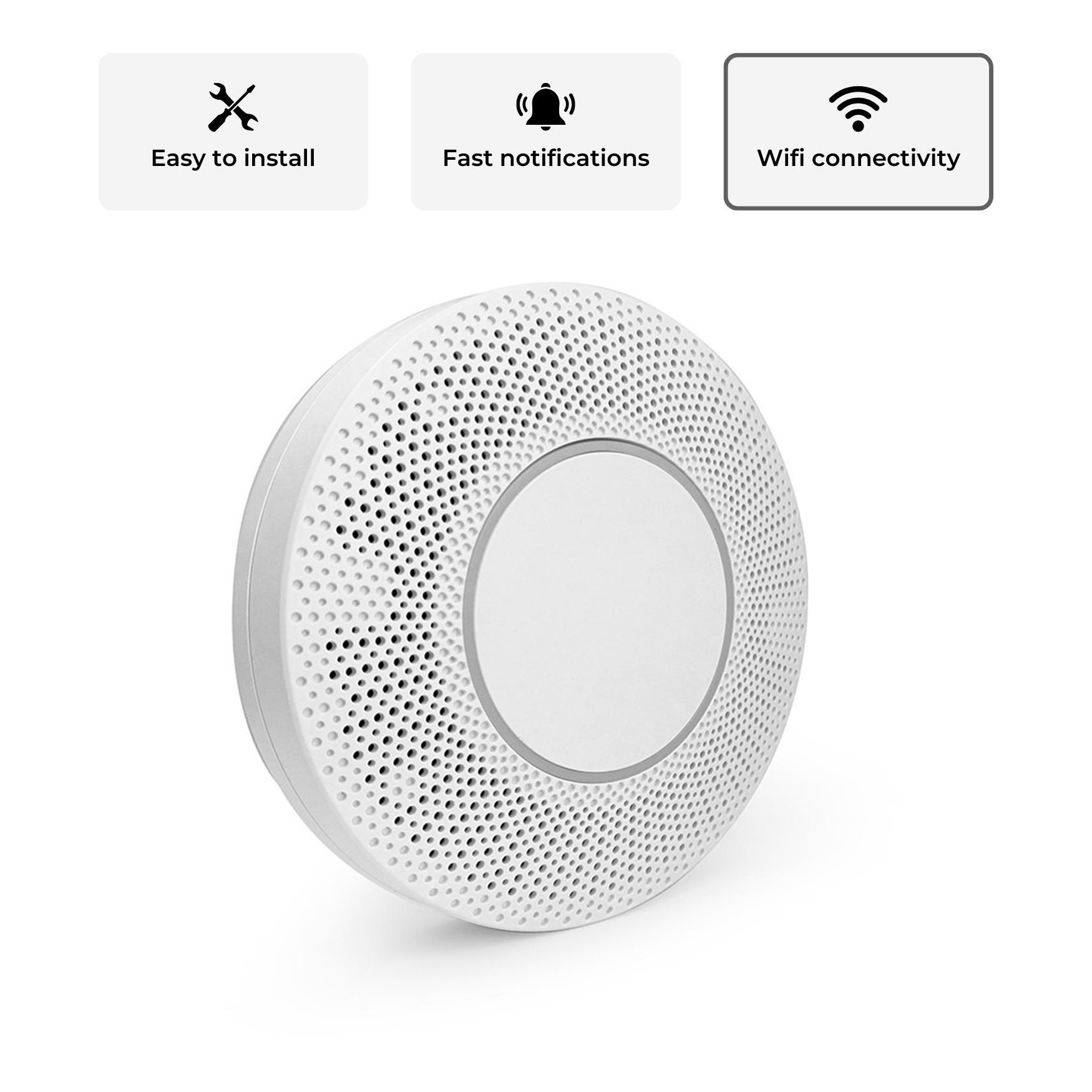
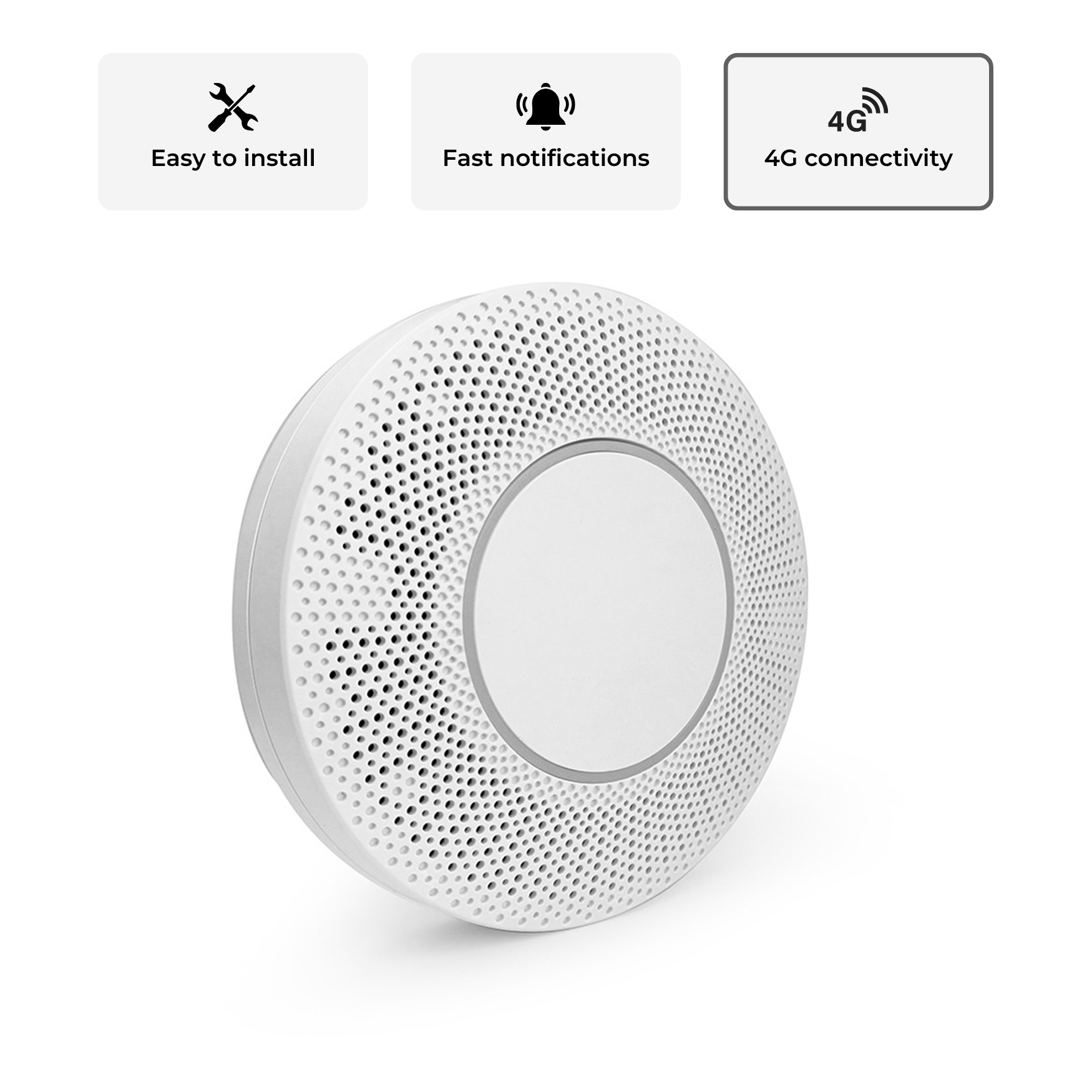
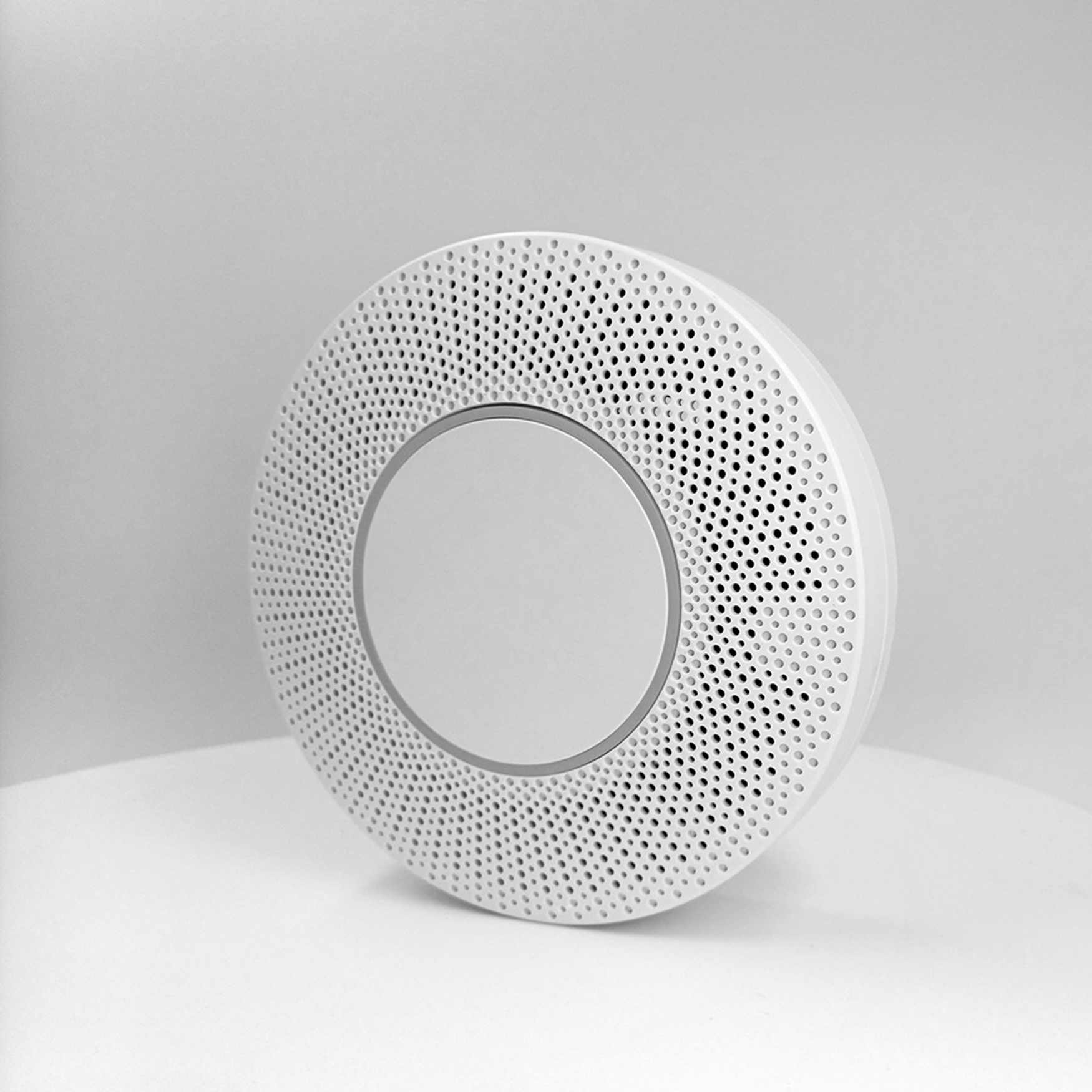
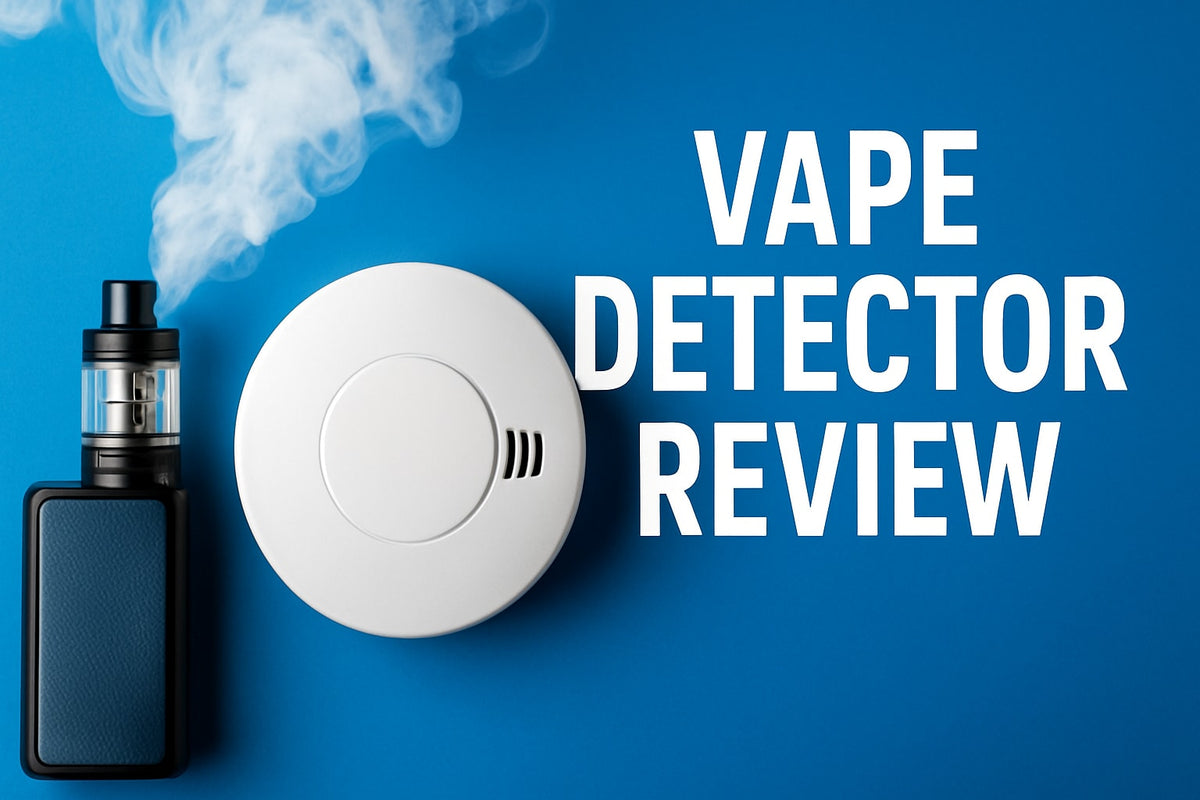
For comprehensive protection, organisations should consider how washroom monitoring connects with broader environmental safety measures. Advanced detection systems like the Vape Detection System monitor not only prohibited substance use but also air quality indicators and behavioural patterns that might signal various safety concerns. This integrated approach creates a complete safety ecosystem rather than isolated monitoring points.
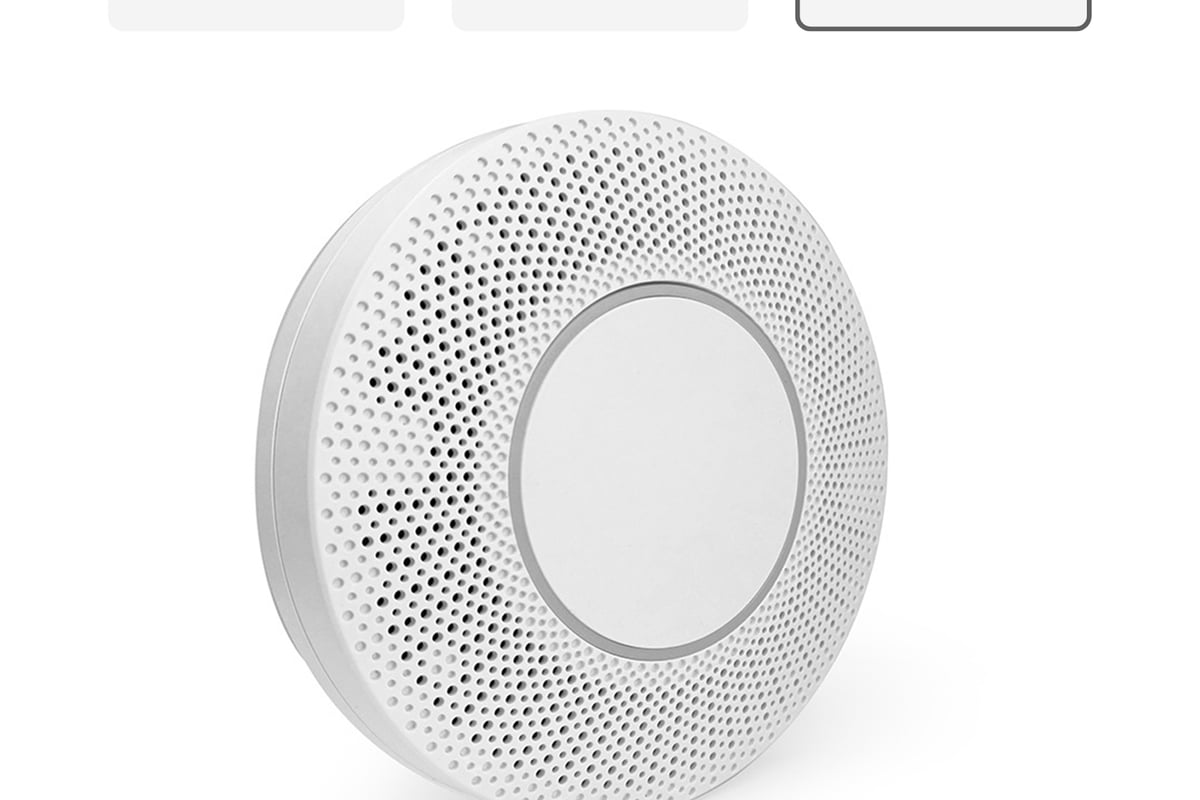
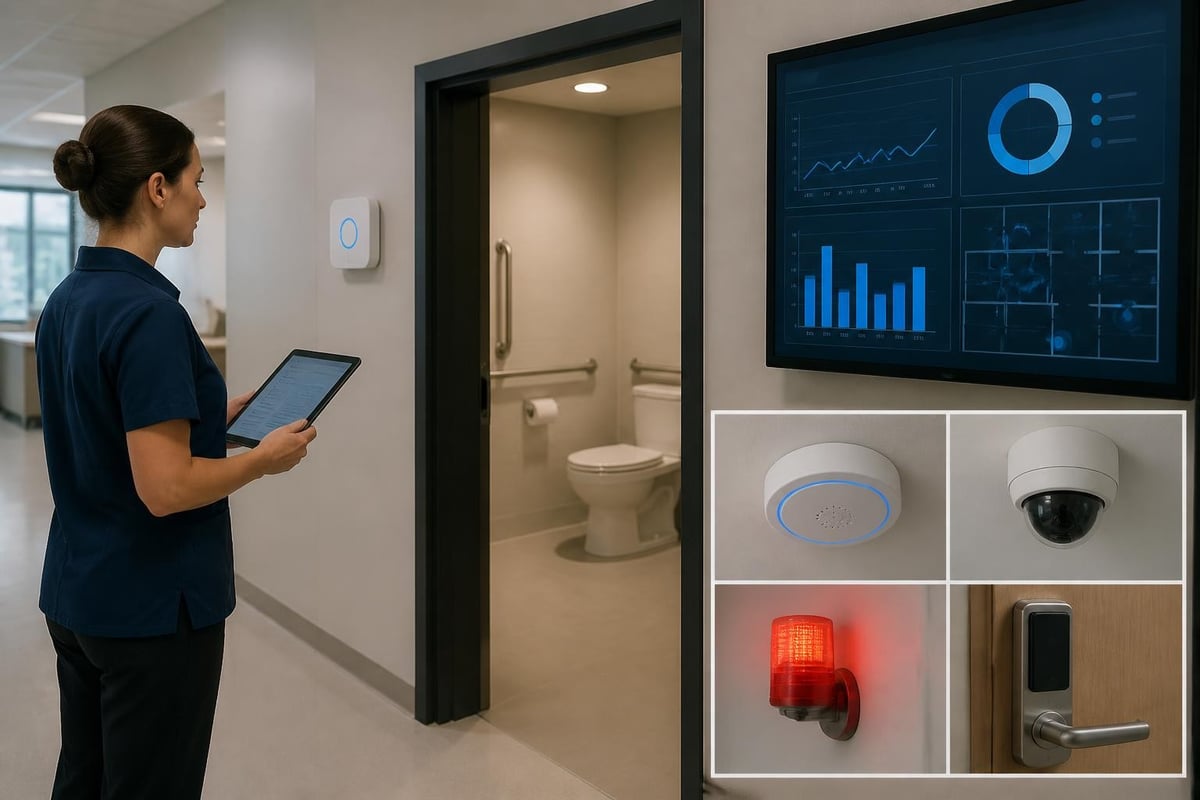
System Architecture Components
Modern implementations typically include:
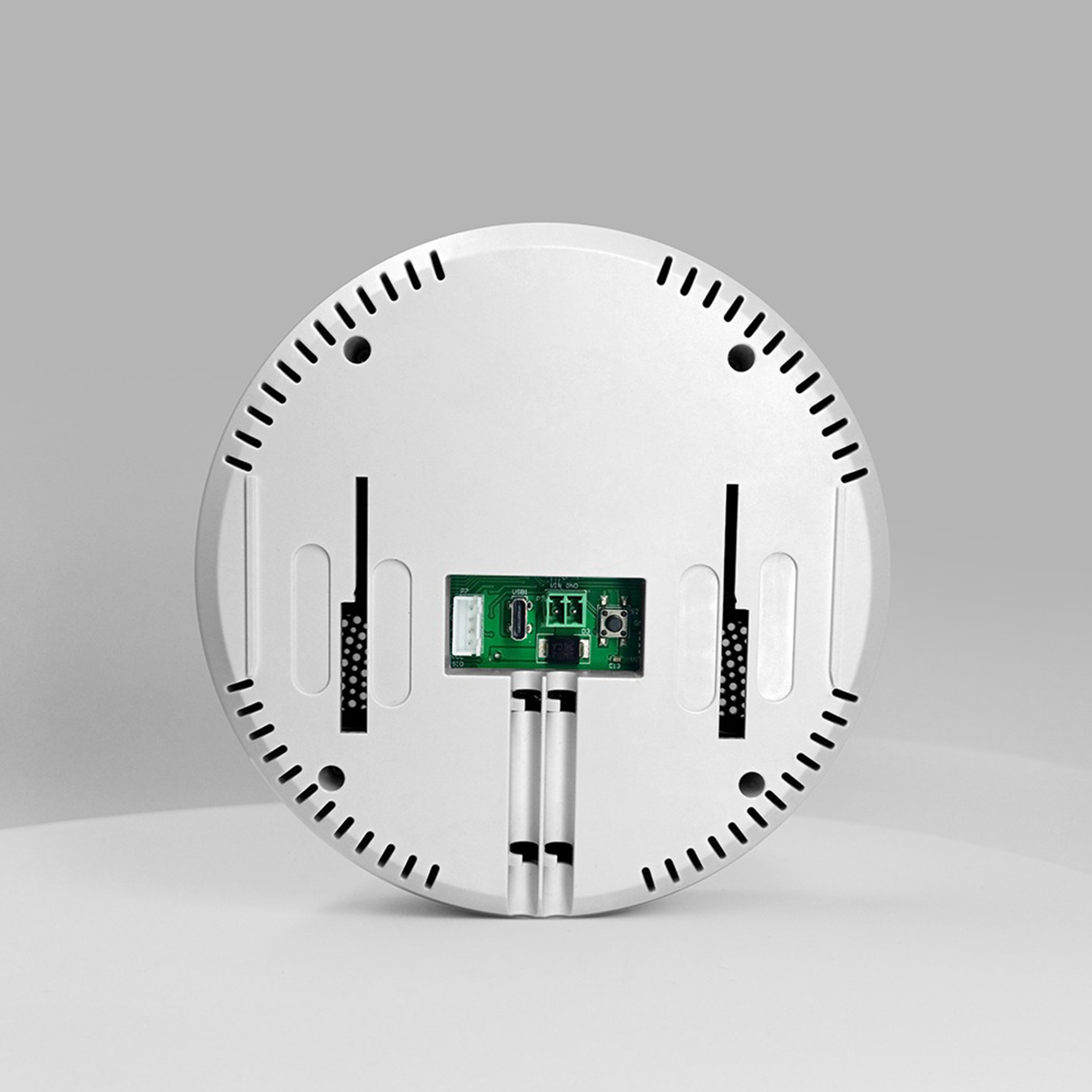
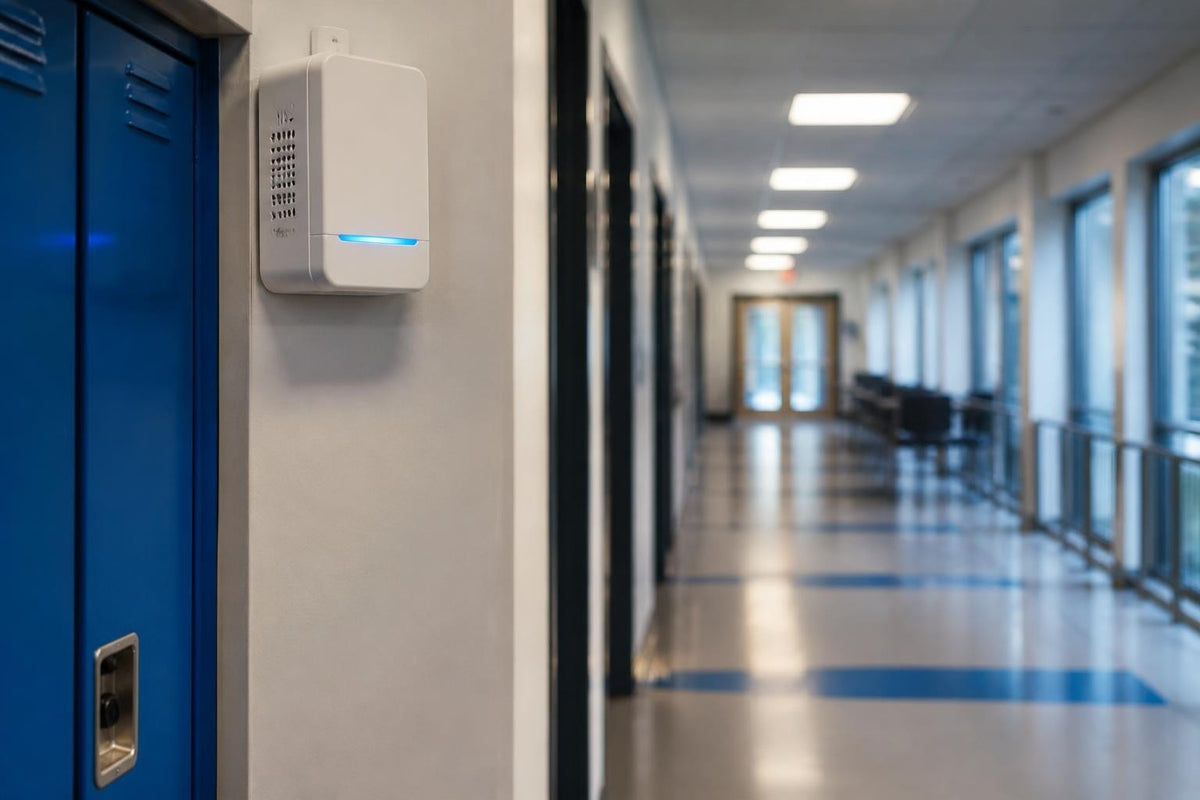
- Edge devices: Sensors installed within washroom facilities collecting real-time data
- Communication layer: Secure transmission protocols connecting sensors to central systems
- Processing platform: Analytics engines identifying incident patterns and triggering appropriate responses
- Alert distribution: Multi-channel notification systems reaching designated responders
- Management interface: Dashboards providing oversight, reporting, and configuration capabilities
The architecture must support scalability, allowing organisations to expand coverage across multiple facilities whilst maintaining centralised oversight. Cloud-based platforms offer particular advantages for multi-site organisations requiring consistent monitoring standards.
Implementation Best Practices
Successful bathroom incident detection system deployment requires methodical planning and stakeholder engagement. Organisations should begin with comprehensive risk assessments identifying specific threats and vulnerabilities within their washroom facilities.
Deployment Roadmap
Phase 1: Assessment and Planning
- Conduct facility audits identifying high-risk areas
- Review incident histories and existing safety protocols
- Define specific objectives and success metrics
- Consult with staff, users, and privacy advocates
Phase 2: Technology Selection
- Evaluate vendors based on privacy features and detection capabilities
- Assess integration requirements with existing systems
- Review certification and compliance credentials
- Conduct pilot testing in limited areas
Phase 3: Installation and Configuration
- Deploy sensors according to manufacturer specifications
- Configure alert thresholds and escalation procedures
- Establish response protocols for different incident types
- Train personnel on system operation and incident handling
Phase 4: Operation and Optimisation
- Monitor system performance and alert accuracy
- Gather feedback from responders and facility users
- Refine detection parameters to reduce false positives
- Document incidents and response effectiveness
The implementation process should emphasise transparency, with clear communication to facility users about monitoring purposes and privacy protections.
Technical Specifications and Performance Metrics
Evaluating bathroom incident detection systems requires understanding key technical specifications that determine effectiveness and reliability. Performance varies significantly across different solutions, making careful comparison essential.
| Specification | Standard Range | Premium Range | Impact on Performance |
|---|---|---|---|
| Detection Accuracy | 85-92% | 95-99% | Reduces false alerts and missed incidents |
| Response Time | 30-60 seconds | 5-15 seconds | Critical for emergency situations |
| Battery Life | 12-24 months | 24-36 months | Reduces maintenance requirements |
| Coverage Area | Single cubicle | Multiple spaces | Determines sensor quantity needed |
| Alert Channels | 1-2 methods | 3-5 methods | Ensures reliable notification delivery |
Systems incorporating multiple detection modalities typically achieve higher accuracy rates than single-sensor solutions. Environmental monitoring combined with occupancy detection provides more reliable incident identification than either technology alone.
Critical Performance Factors
Sensitivity versus Specificity
Balancing false positive rates against genuine incident detection represents a key challenge. Overly sensitive systems generate alert fatigue, whilst conservative settings might miss critical situations. The optimal bathroom incident detection system allows customisable thresholds matching specific facility requirements.
Environmental Robustness
Washroom environments present unique challenges including humidity, temperature variations, and cleaning chemical exposure. Systems must maintain consistent performance despite these conditions, with appropriate IP ratings protecting electronic components.
Network Reliability
Detection capabilities prove worthless if alerts cannot reach responders. Systems should support multiple communication pathways including cellular, WiFi, and wired connections, with automatic failover ensuring continuous operation.
Advanced Features and Future Developments
The bathroom incident detection system landscape continues evolving rapidly, with emerging technologies promising enhanced capabilities and broader applications. Artificial intelligence and machine learning increasingly enable more sophisticated pattern recognition and predictive analytics.
Smart sanitary systems incorporating touchless sensing technologies represent one development trajectory, combining hygiene improvements with safety monitoring. These systems can detect both immediate incidents and longer-term patterns suggesting emerging problems.
Emerging Capabilities
- Predictive analytics: Identifying patterns that precede incidents, enabling preventative interventions
- Occupancy optimisation: Understanding usage patterns to improve facility design and cleaning schedules
- Integration with personal devices: Allowing users to request assistance discreetly through smartphone applications
- Behavioural analysis: Detecting patterns associated with specific concerns without identifying individuals
- Environmental quality tracking: Monitoring air quality and cleanliness indicators alongside safety metrics
TRAX SmartRestroom solutions demonstrate how integrated sensor networks provide comprehensive facility insights beyond basic incident detection. This holistic approach supports proactive maintenance and operational efficiency alongside safety improvements.

Cost Considerations and Return on Investment
Implementing a bathroom incident detection system represents a significant investment requiring careful financial justification. Costs vary substantially based on system sophistication, facility size, and integration requirements.
Investment Components
Initial Capital Expenditure
- Hardware costs: £200-£800 per monitored space
- Installation labour: £100-£300 per sensor location
- Network infrastructure: £500-£2,000 per facility
- Software licensing: £1,000-£5,000 annually
- Integration services: £2,000-£10,000 depending on complexity
Ongoing Operational Costs
- Monitoring subscriptions: £50-£200 per sensor annually
- Maintenance and support: 10-15% of capital cost annually
- Battery replacements: £20-£50 per sensor every 1-2 years
- System upgrades: Variable based on technology evolution
Return on Investment Factors
Organisations can justify expenditure through multiple value propositions beyond pure safety improvements. Reduced liability exposure, lower insurance premiums, improved facility utilisation, and enhanced reputation all contribute to financial returns.
A single prevented serious incident often exceeds the total system cost. Falls resulting in major injuries generate average costs exceeding £20,000 when considering medical treatment, legal fees, and compensation. Early intervention in medical emergencies significantly improves outcomes and reduces associated costs.
For educational settings, addressing vaping and substance misuse through detection systems yields benefits including improved student health, reduced disciplinary incidents, and enhanced learning environments. These outcomes, whilst challenging to quantify precisely, deliver substantial long-term value.
Vendor Selection and Procurement Strategy
Choosing the right bathroom incident detection system provider requires evaluating multiple dimensions beyond basic technical specifications. Vendor stability, support quality, and development roadmaps significantly impact long-term success.
Evaluation Criteria
Technical Capabilities
- Detection accuracy and false positive rates
- Integration flexibility with existing systems
- Scalability across multiple facilities
- Privacy protection features and compliance certifications
Vendor Credentials
- Industry experience and reference customers
- Financial stability and longevity
- Research and development investment
- Regulatory compliance and certifications
Support and Service
- Installation assistance and training provision
- Ongoing technical support availability
- Software update frequency and policy
- Response time commitments for critical issues
Commercial Terms
- Pricing transparency and total cost of ownership
- Contract flexibility and termination provisions
- Upgrade pathways and technology refresh policies
- Service level agreements and performance guarantees
Organisations should request detailed proposals including implementation timelines, training plans, and post-deployment support arrangements. References from similar facilities provide valuable insights into real-world performance and vendor responsiveness.
Public restroom monitoring systems from established providers demonstrate the maturity available in commercial solutions, though organisations must ensure selected systems match their specific requirements rather than adopting generic approaches.
Response Protocols and Staff Training
Technology alone cannot ensure effective incident management. The bathroom incident detection system must connect to well-designed response protocols and properly trained personnel who can act decisively when alerts arrive.
Response Framework Development
Organisations should establish clear procedures addressing different incident categories:
- Medical emergencies: Falls, cardiac events, or other health crises requiring immediate intervention
- Security concerns: Anti-social behaviour, vandalism, or threatening situations
- Policy violations: Prohibited activities including substance use or unauthorised access
- Maintenance issues: Environmental problems or equipment failures requiring attention
Each category demands specific response procedures, designated responders, and escalation pathways. Medical emergencies might require direct emergency services contact, whilst policy violations typically involve internal disciplinary processes.
Training Requirements
Personnel receiving alerts must understand:
- System capabilities and limitations
- Appropriate responses to different alert types
- Privacy requirements when responding to incidents
- Documentation procedures for compliance and improvement
- Communication protocols with affected individuals
Regular drills and scenario exercises ensure responders maintain readiness. Case studies from facilities with established monitoring systems provide valuable learning opportunities for organisations developing their own protocols.
Measuring Success and Continuous Improvement
Implementing a bathroom incident detection system represents the beginning rather than the conclusion of the safety improvement journey. Organisations must establish metrics tracking system effectiveness and supporting continuous enhancement.
Key Performance Indicators
| Metric | Measurement Method | Target Range |
|---|---|---|
| Incident Detection Rate | Percentage of actual incidents identified | >95% |
| False Positive Rate | Alerts not corresponding to real incidents | <5% |
| Response Time | Duration from alert to personnel arrival | <3 minutes |
| Resolution Time | Duration from alert to incident closure | <15 minutes |
| User Satisfaction | Survey feedback from facility users | >80% positive |
Regular reporting on these metrics enables data-driven optimisation. Patterns in false positives might indicate configuration adjustments needed, whilst response time analysis could reveal staffing or communication improvements required.
Feedback Mechanisms
Gathering input from multiple stakeholders enhances system effectiveness:
- Staff responders provide insights into alert quality and response challenges
- Facility users share perspectives on privacy concerns and safety perceptions
- Administrators review compliance with policies and regulatory requirements
- Technical teams assess system reliability and integration performance
Annual reviews should examine whether the bathroom incident detection system continues meeting organisational objectives or whether changing circumstances require modifications. Technology evolution might offer enhanced capabilities worth incorporating, whilst operational experience suggests process refinements.
Bathroom incident detection systems deliver substantial safety and security improvements across educational, commercial, and public facilities whilst respecting privacy through thoughtful technology selection and implementation. By combining advanced sensors with robust response protocols and continuous optimisation, organisations fulfil their duty of care responsibilities effectively. Vape Guardian offers comprehensive detection solutions tailored to creating safer environments in schools, offices, and leisure spaces, with advanced sensors that monitor not only vaping but also broader behavioural and environmental concerns, supported by dedicated customer service and proven implementation expertise.

Share:
Low Cost Vape Detector: Complete 2026 Buying Guide
School Spice Detector: Modern Protection Solutions