

The rapid proliferation of vaping devices across educational institutions and workplaces has created an urgent need for reliable detection technology. A vape sensor represents a sophisticated monitoring solution designed to identify the unique chemical signatures and particulate matter associated with vaping activity. These advanced systems have evolved significantly since their introduction, now offering comprehensive environmental monitoring capabilities that extend beyond simple vape detection. Understanding how these sensors function, their deployment strategies, and their real world effectiveness is essential for facility managers, school administrators, and business leaders committed to maintaining safe, compliant environments.
Understanding Vape Sensor Technology
Modern vape sensor systems employ multiple detection methodologies to identify vaping activity with exceptional accuracy. The technology combines particulate matter sensors, air quality monitors, and chemical detection algorithms to differentiate between vaping aerosols and other environmental factors. These sensors analyse particle size distributions, measuring the fine aerosol droplets characteristic of e-cigarette vapour, which typically range between 0.3 and 1.0 micrometres in diameter.
Core Detection Mechanisms
A vape sensor operates through layered detection protocols that work simultaneously to confirm vaping activity. The primary mechanism involves laser scattering technology, which identifies the density and concentration of airborne particles. When a vaping device is used, it releases a distinctive aerosol cloud containing propylene glycol, vegetable glycerin, nicotine, and flavouring compounds. The sensor's optical chamber detects these particles as they pass through a laser beam, generating real time data on particle concentration levels.
Chemical sensors within the device identify specific volatile organic compounds (VOCs) associated with vaping liquids. This chemical fingerprinting capability allows the system to distinguish between vaping aerosols and other sources of airborne particles, such as perfumes, cleaning products, or air fresheners. The combination of particulate and chemical detection creates a robust verification system that minimises false positives whilst maintaining high sensitivity levels.
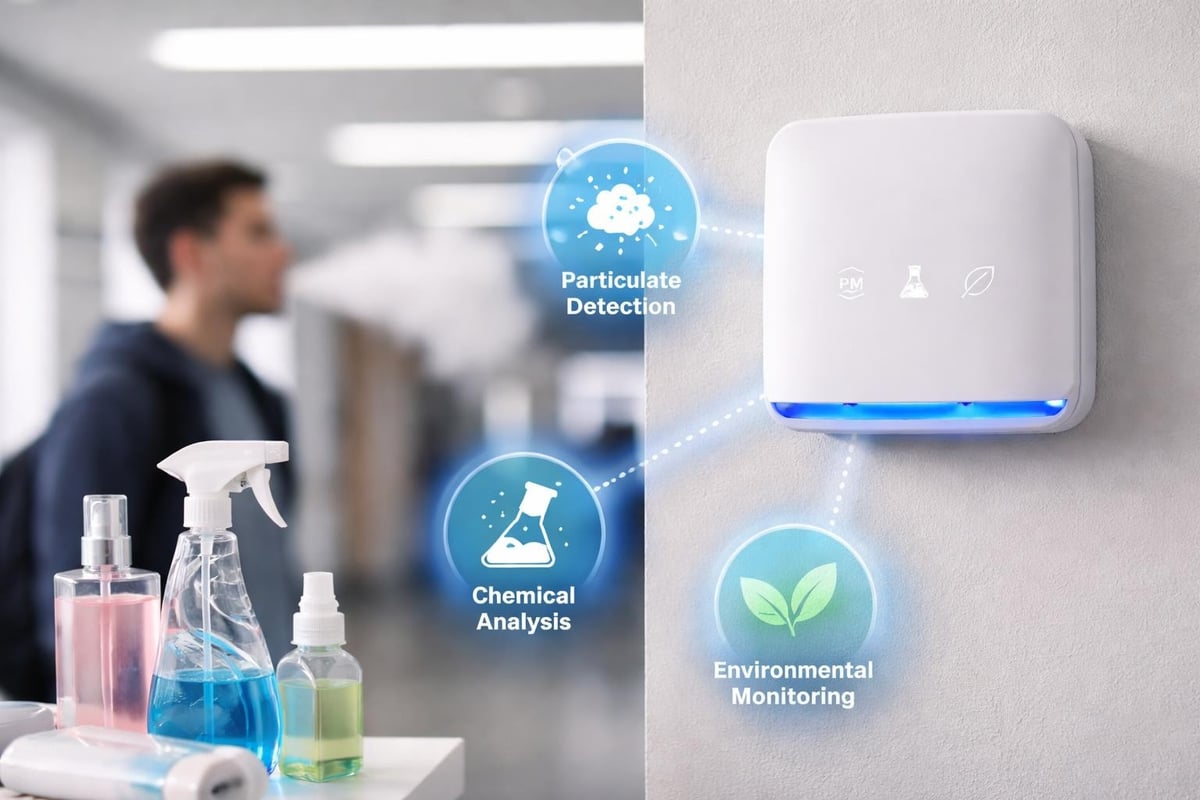
Advanced systems also incorporate sound detection technology to identify the characteristic acoustic signature of vaping devices. The high frequency sounds produced during device activation, inhalation, and vapour exhalation create unique audio patterns that complement the chemical and particulate detection methods.
Key Features and Capabilities
The effectiveness of a vape sensor depends heavily on its feature set and integration capabilities. Contemporary systems offer far more than basic detection, providing comprehensive environmental monitoring and data analytics that support long term compliance strategies.
Essential Detection Features:
- Real time alert notifications via email, SMS, and mobile applications
- Tamper detection with immediate administrative notification
- Multi spectrum chemical analysis for THC and synthetic cannabinoid identification
- Historical data logging with customisable reporting intervals
- Adjustable sensitivity thresholds for different environmental contexts
- Privacy compliant design without audio recording or visual surveillance
Many modern sensors also function as comprehensive air quality monitoring devices, tracking temperature, humidity, carbon dioxide levels, and particulate matter concentrations. This dual functionality provides organisations with valuable environmental data whilst maintaining focused vaping detection capabilities.
Integration and Connectivity
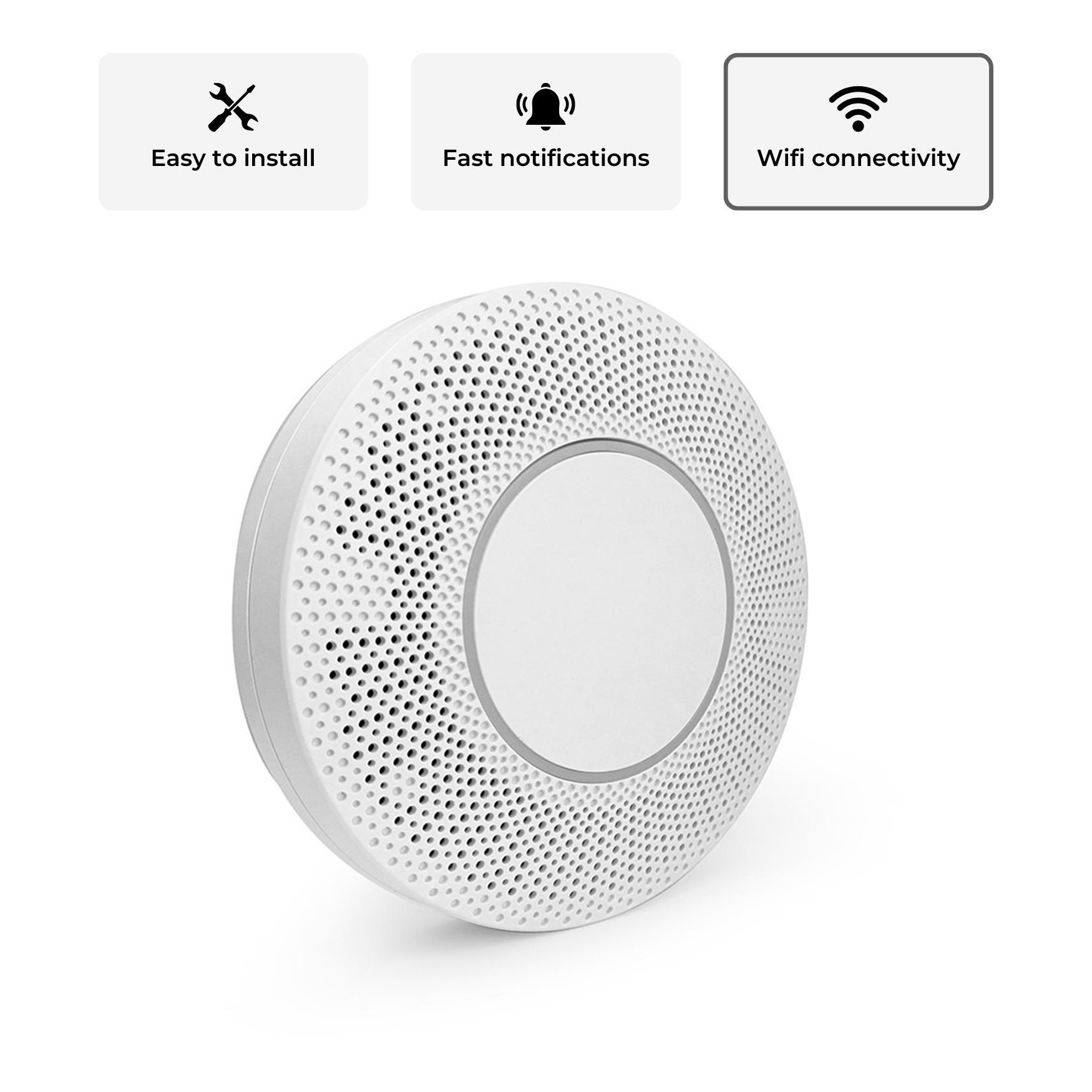
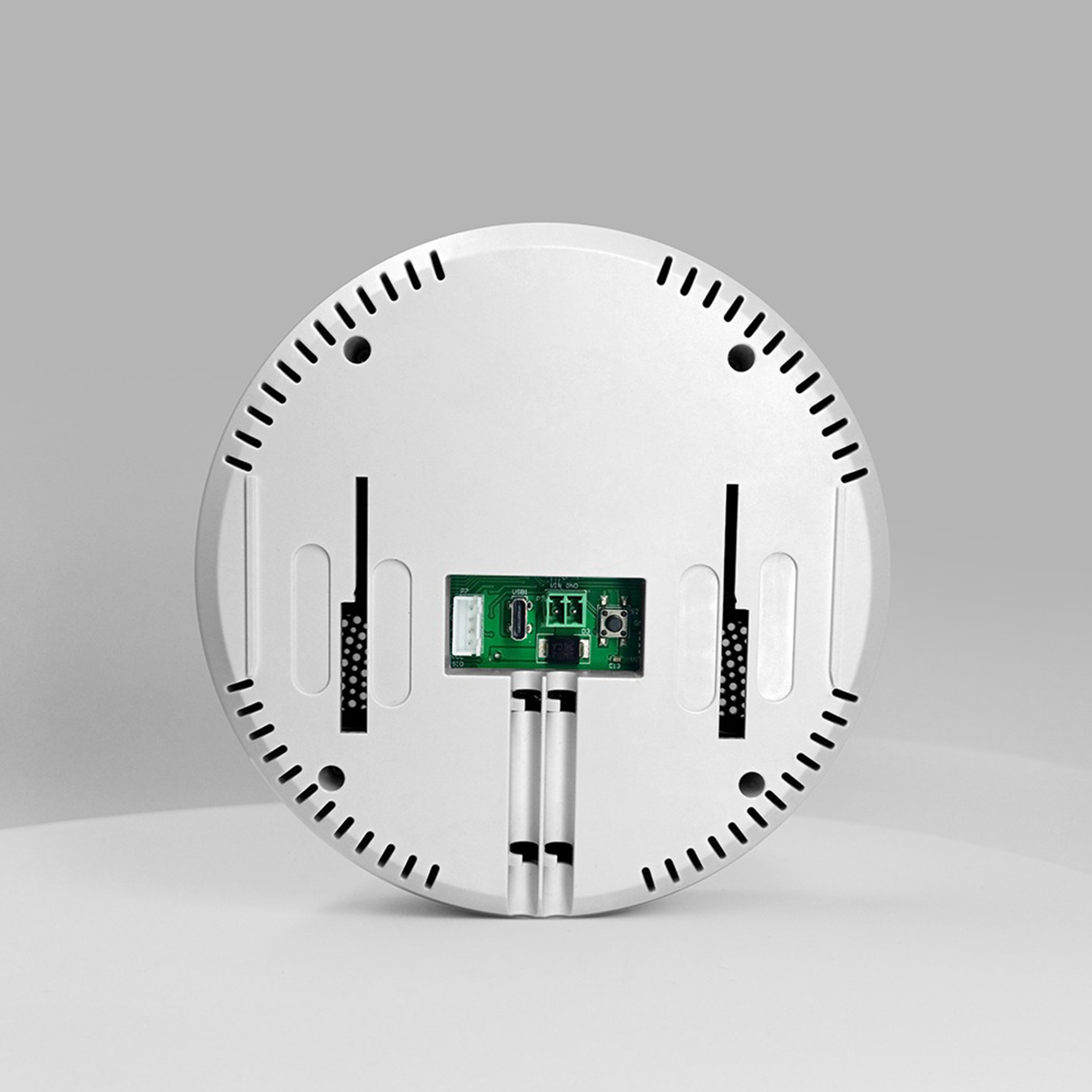
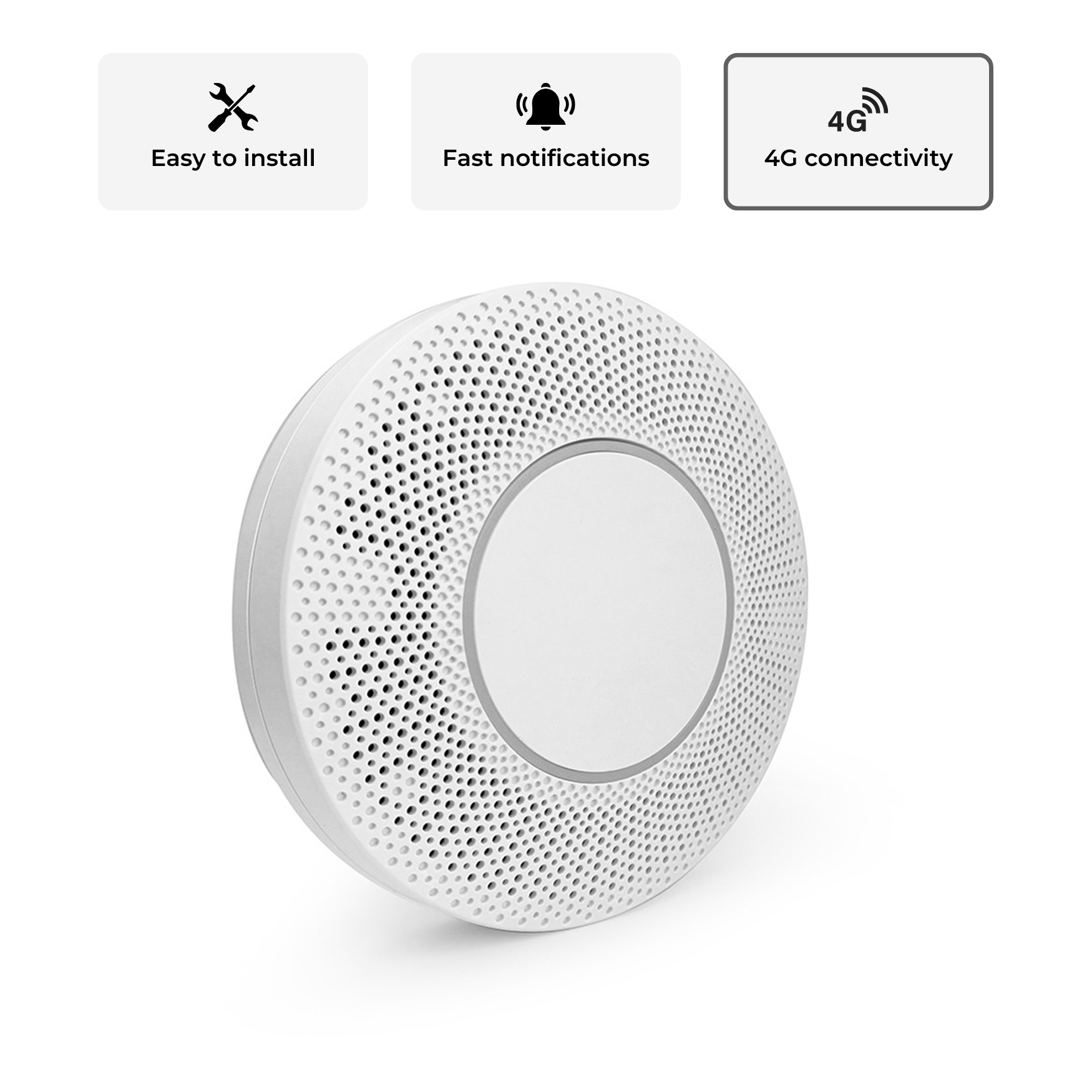
Network connectivity represents a critical component of effective vape sensor deployment. Contemporary systems utilise WiFi, cellular, or Power over Ethernet (PoE) connectivity to ensure reliable communication with central monitoring platforms. Cloud based dashboards allow administrators to monitor multiple locations simultaneously, review historical trends, and generate compliance reports for regulatory purposes.
| Connectivity Type | Advantages | Typical Applications |
|---|---|---|
| WiFi | Easy installation, flexible placement | Schools, offices, retail environments |
| Cellular | Independent of local networks, backup connectivity | Remote facilities, areas with limited WiFi |
| PoE | Reliable power and data, reduced maintenance | New construction, comprehensive installations |
| Hybrid | Redundant connectivity, maximum reliability | Critical compliance areas, high security zones |
The Vape Detection System exemplifies this integrated approach, combining hardware sensors with sophisticated software platforms that deliver actionable intelligence to facility managers. These systems transform raw detection data into meaningful insights that support policy enforcement and behaviour modification programmes.

Deployment Strategies for Educational Settings
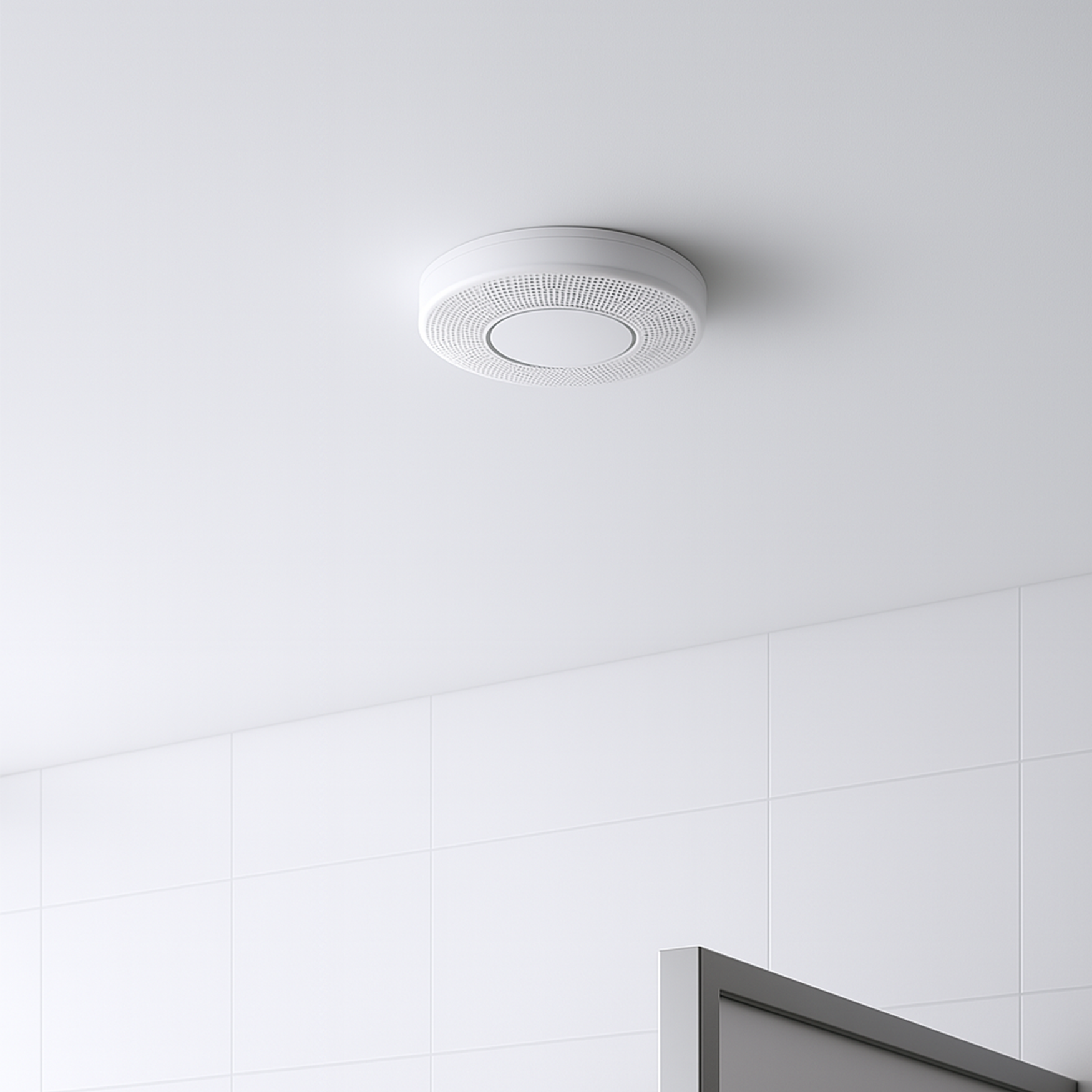
Schools face unique challenges when implementing vape sensor technology, balancing effective monitoring with student privacy concerns and budgetary constraints. The strategic placement of sensors requires careful consideration of high risk areas, architectural constraints, and maintenance accessibility.
Research from Swift Sensors demonstrates that targeted placement in bathrooms, locker rooms, and other unsupervised spaces yields the highest detection rates whilst maintaining student privacy. These locations represent the primary venues for vaping in secondary schools, where students seek privacy from staff supervision.
Implementation Planning
Successful deployment begins with comprehensive facility assessment and stakeholder engagement. Administrators should map their premises to identify all potential vaping locations, considering student traffic patterns, supervision gaps, and historical incident data. This assessment forms the foundation for a phased implementation strategy that maximises coverage whilst managing budget constraints.
Step by Step Deployment Process:
- Conduct thorough facility audit identifying high risk areas and structural requirements
- Develop clear policies explaining sensor purpose, capabilities, and response protocols
- Engage staff training programmes covering alert procedures and appropriate interventions
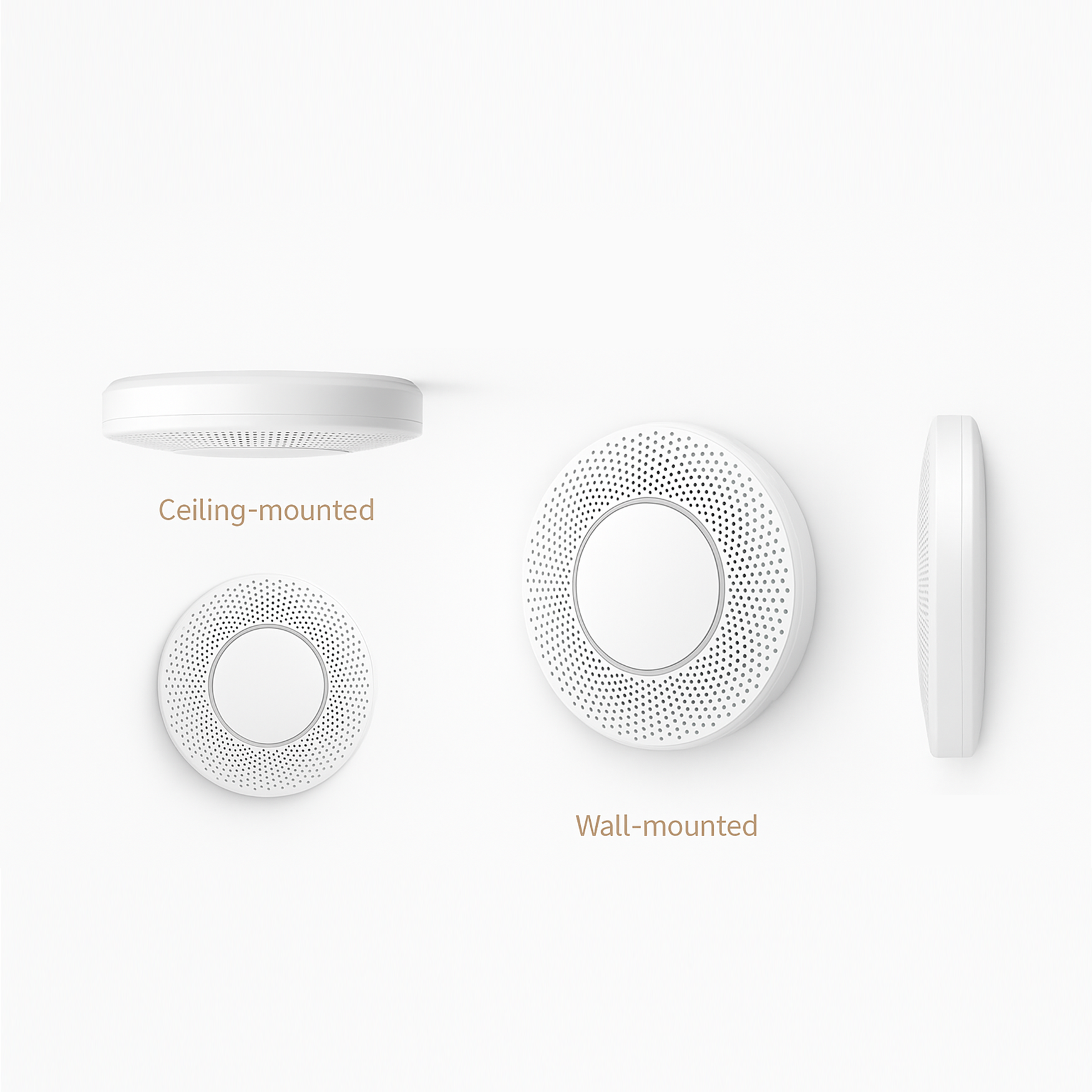
- Install sensors in priority locations with proper network connectivity and power supply
- Establish response protocols defining roles, escalation procedures, and documentation requirements
- Monitor system performance and adjust sensitivity settings based on environmental factors
- Review detection data regularly to identify patterns and assess policy effectiveness
The integration of sensors with existing security systems creates a cohesive monitoring environment. Many schools coordinate vape sensor alerts with security personnel, enabling rapid response whilst maintaining documented evidence of policy violations. This coordinated approach proves particularly effective when combined with educational programmes that address the hidden health risks of vaping.
Workplace Applications and Compliance
Corporate environments present different challenges and opportunities for vape sensor deployment. Businesses must navigate employee privacy expectations, workplace regulations, and the practical need to maintain vape free environments in compliance with health and safety requirements.
A vape sensor in workplace settings serves multiple purposes beyond simple policy enforcement. These devices help organisations maintain regulatory compliance, reduce insurance liabilities, and create healthier working environments for all employees. The technology proves particularly valuable in sectors where air quality directly impacts product quality, such as food processing, pharmaceuticals, and electronics manufacturing.

Regulatory Considerations
UK workplace regulations increasingly focus on indoor air quality and employee wellbeing. Whilst vaping is not prohibited in all workplaces by law, employers maintain the right to establish vape free policies on their premises. Implementing sensor technology demonstrates organisational commitment to maintaining healthy environments and supports enforcement of clearly communicated workplace policies.
The Office Air Quality Monitoring capabilities of modern sensors provide businesses with comprehensive environmental data that supports broader health and safety initiatives. These systems track multiple air quality parameters, creating documented evidence of environmental conditions that may prove valuable during regulatory inspections or insurance assessments.
Technical Specifications and Performance Metrics
Understanding the technical capabilities of a vape sensor helps organisations select appropriate systems for their specific requirements. Performance specifications vary significantly between manufacturers, with differences in sensitivity, detection range, and false positive rates affecting real world effectiveness.
Critical Performance Specifications:
- Detection range: typically 150 to 500 square feet per sensor
- Particle size sensitivity: 0.3 to 10 micrometres diameter
- Response time: 3 to 15 seconds from detection to alert
- VOC detection threshold: parts per billion sensitivity
- Operating temperature range: 0°C to 50°C
- Humidity tolerance: 10% to 90% non condensing
- Power consumption: 5 to 15 watts average
The effectiveness of detection technology depends heavily on proper calibration and environmental factors. Sensors deployed in high humidity environments, such as bathrooms and changing rooms, require robust moisture resistance and advanced algorithms to differentiate between water vapour and vaping aerosols. Similarly, areas with high levels of cleaning product use need sophisticated chemical analysis to prevent false alerts from legitimate sources.
Accuracy and Reliability Factors
False positive rates represent a critical consideration for any detection system. Whilst early generation sensors struggled with accuracy, contemporary devices from reputable manufacturers maintain false positive rates below 5% when properly installed and calibrated. Systems from companies like Soter Technologies and others have refined their detection algorithms through extensive field testing and machine learning optimisation.
| Performance Factor | Target Specification | Impact on Effectiveness |
|---|---|---|
| Detection Accuracy | >95% true positive rate | Reliable policy enforcement |
| False Positive Rate | <5% incorrect alerts | Maintains credibility and user confidence |
| Alert Latency | <30 seconds | Enables rapid response intervention |
| Network Uptime | >99.5% connectivity | Ensures consistent monitoring coverage |
| Battery Backup | >24 hours operation | Maintains function during power failures |
Regular maintenance and periodic recalibration ensure sensors maintain optimal performance throughout their operational lifespan. Most manufacturers recommend quarterly inspections and annual recalibration to maintain accuracy standards.
Privacy, Legal, and Ethical Considerations
Implementing vape sensor technology requires careful navigation of privacy laws, employee rights, and ethical monitoring practices. Organisations must balance legitimate safety and compliance needs against individual privacy expectations and legal protections.
The privacy compliant design of modern sensors represents a crucial advantage over traditional surveillance methods. Unlike CCTV cameras, a vape sensor does not capture visual images or record audio conversations, focusing exclusively on environmental data. This targeted approach addresses specific policy violations whilst respecting individual privacy in sensitive locations like bathrooms and changing rooms.
Legal Framework and Best Practices
UK data protection regulations, including GDPR, apply to information collected through vape sensor systems. Organisations must establish clear data handling protocols that define retention periods, access permissions, and legitimate processing purposes. Transparency remains paramount, with clear signage informing individuals about the presence of monitoring technology and its specific purpose.
Consultation with employees or student representatives before implementation builds trust and demonstrates respect for stakeholder concerns. Many successful deployments include this collaborative approach, incorporating feedback into policy development and response protocols. Resources like Zeptive's school solutions emphasise the importance of combining technology with comprehensive policy frameworks.
Documentation of detection events must focus on environmental data rather than individual identification. Systems should record timestamps, locations, and detection readings without attributing incidents to specific individuals unless additional evidence supports such attribution. This approach maintains evidentiary value whilst respecting privacy principles.
Cost Analysis and Return on Investment
Financial considerations significantly influence vape sensor adoption decisions. Understanding total cost of ownership, including initial purchase, installation, ongoing subscription fees, and maintenance expenses, enables informed budgeting and procurement planning.
Comprehensive Cost Components:
- Hardware units: £300 to £800 per sensor depending on features and specifications
- Installation expenses: £100 to £300 per unit for professional mounting and configuration
- Cloud platform subscriptions: £5 to £15 per sensor monthly for data management
- Network infrastructure: variable costs for WiFi expansion or PoE installation
- Training programmes: one time expenses for staff education and protocol development
- Maintenance contracts: annual servicing agreements typically 10% to 15% of hardware cost
The vape detector cost breakdown demonstrates that whilst initial investment appears substantial, the long term benefits often justify expenditure through reduced health costs, decreased policy violations, and improved environmental quality.
Return on investment extends beyond simple financial calculations. Schools report reduced disciplinary incidents, decreased maintenance costs from bathroom damage, and improved student health outcomes following sensor deployment. Businesses benefit from enhanced regulatory compliance, reduced insurance premiums, and improved employee satisfaction in vape free environments.
Future Developments and Emerging Technologies
The vape sensor market continues evolving rapidly, with manufacturers developing increasingly sophisticated detection capabilities and analytical features. Emerging technologies promise enhanced accuracy, broader detection ranges, and deeper integration with building management systems.
Artificial intelligence and machine learning algorithms represent the next frontier in detection technology. These systems learn from historical data, refining their detection parameters to account for location specific environmental factors and usage patterns. Machine learning enables sensors to distinguish between legitimate activities and policy violations with unprecedented accuracy, virtually eliminating false positives whilst maintaining high sensitivity.
Integration with Smart Building Systems
Future sensor deployments will increasingly integrate with comprehensive building automation platforms, coordinating HVAC responses, access control systems, and occupancy monitoring. When a vape sensor detects activity, smart building systems might automatically increase ventilation rates, log access card data for the affected area, or adjust environmental controls to accelerate air clearance.
The convergence of vape detection with broader air quality monitoring creates opportunities for holistic environmental management. Facilities can track multiple air quality parameters simultaneously, identifying correlations between vaping activity and overall environmental health. These insights support evidence based policy development and targeted intervention strategies.
Advanced sensors under development incorporate spectroscopy technology for molecular level chemical analysis, enabling identification of specific substances within vaping liquids. This capability proves particularly valuable for detecting THC, synthetic cannabinoids, and other controlled substances, as discussed in resources about drugs in vapes.
Maintenance and Ongoing Management
Sustained effectiveness of vape sensor systems requires consistent maintenance protocols and proactive system management. Organisations must establish clear responsibilities for sensor upkeep, data review, and incident response to maximise their technology investment.
Regular maintenance schedules should include physical inspection of sensor housings for damage or tampering, verification of network connectivity, and cleaning of optical components to maintain detection accuracy. Dust accumulation on sensor elements can reduce sensitivity or trigger false alerts, making quarterly cleaning essential in high traffic environments.
| Maintenance Task | Frequency | Responsibility | Duration |
|---|---|---|---|
| Visual inspection | Weekly | Facilities staff | 5 minutes per sensor |
| Sensor cleaning | Quarterly | Trained technician | 15 minutes per sensor |
| Calibration verification | Semi annually | Manufacturer or specialist | 30 minutes per sensor |
| Software updates | As released | IT department | Variable, often remote |
| Battery replacement | Annually or as needed | Facilities or technician | 10 minutes per sensor |
Data management represents an equally important maintenance component. Administrators should establish routines for reviewing detection logs, analysing trend data, and generating compliance reports. This regular engagement with system data helps identify emerging patterns, assess policy effectiveness, and justify continued investment in detection technology. Information from systems like Clarion's advanced sensors can inform broader facility management decisions beyond immediate vaping detection.
Effective vape sensor deployment requires understanding the technology, strategic planning, and ongoing commitment to system management and policy enforcement. Modern detection systems offer sophisticated capabilities that extend well beyond simple vaping identification, providing comprehensive environmental monitoring that supports healthier, safer spaces. Vape Guardian delivers proven detection solutions tailored to UK schools, businesses, and leisure facilities, combining advanced sensor technology with responsive support that helps organisations maintain compliant, vape free environments. Explore how their systems can transform your approach to environmental safety and policy enforcement today.




Share:
Vape Detectors: Technology, Applications & Effectiveness
Vape Detector: Technology, Benefits & Implementation