
Vape singapore is drawing unprecedented attention as debates intensify over its legal, health, and social impacts. In 2026, conversations have moved beyond the basics, with many still unaware of the deeper realities shaping this issue.
This article uncovers seven surprising facts about vape singapore that are often overlooked. Whether you are a resident, concerned parent, educator, or policymaker, understanding these insights is crucial for making informed decisions and protecting the community.
Ready to discover what truly sets vape singapore apart? Read on for new perspectives and practical knowledge that could change how you view this ongoing controversy.
The Legal Landscape of Vaping in Singapore 2026
Singapore continues to take a firm stance against vaping. As of 2026, the legal framework around vape singapore is among the strictest in the world. Laws have been updated and enforcement has intensified, with wide-reaching effects on public behaviour, education, and even the black market. Understanding these changes is crucial for anyone living, working, or studying in Singapore.
Overview of Current Laws and Regulations
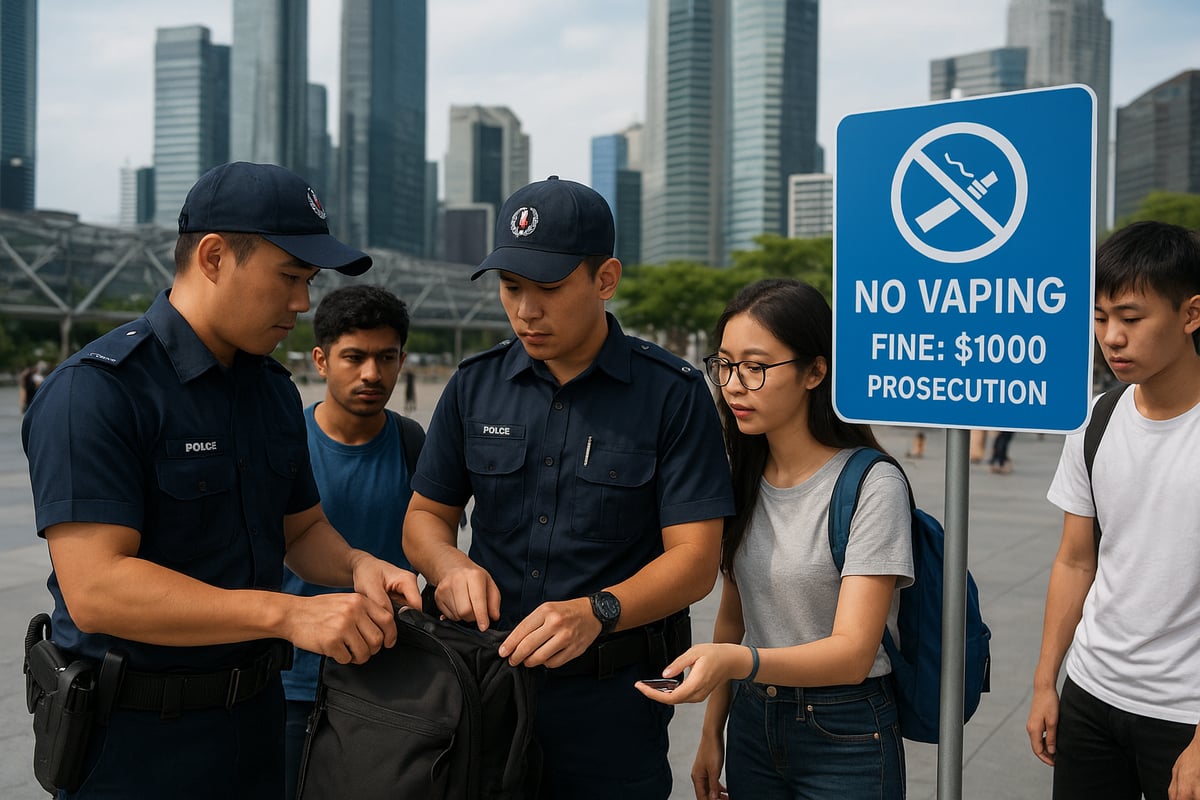
Vape singapore is governed by comprehensive legislation that bans the import, sale, and use of all vaping products. Recent updates in 2025 have made these rules even more stringent. The Health Sciences Authority (HSA) and Ministry of Education (MOE) work together to enforce these laws.
Penalties are now steeper than ever, with adult first-time offenders facing fines of $700, and minors fined $500. For detailed information on these increased penalties, visit the Higher penalties for vaping offences page. Enforcement operations have led to thousands of product seizures, particularly at entry points and retail locations.
These legal changes have had a clear impact. Public use of vape singapore products has dropped, but there remains a persistent minority willing to risk penalties.
Changes in Enforcement and Penalties
Enforcement efforts around vape singapore have intensified, especially in institutes of higher learning and public areas. HSA, MOE, and campus security collaborate closely, leading to more frequent raids and checks.
Disciplinary actions now include not just fines but also mandatory counselling and school sanctions. Between 2022 and 2024, around 800 students were caught each year for vaping offences. In 2025 and 2026, more raids have been reported, with increased deterrence as a result.
Case studies show successful enforcement, with public feedback indicating greater awareness and caution. The visible presence of officers and media coverage further discourage potential offenders.
Public Awareness and Education Efforts
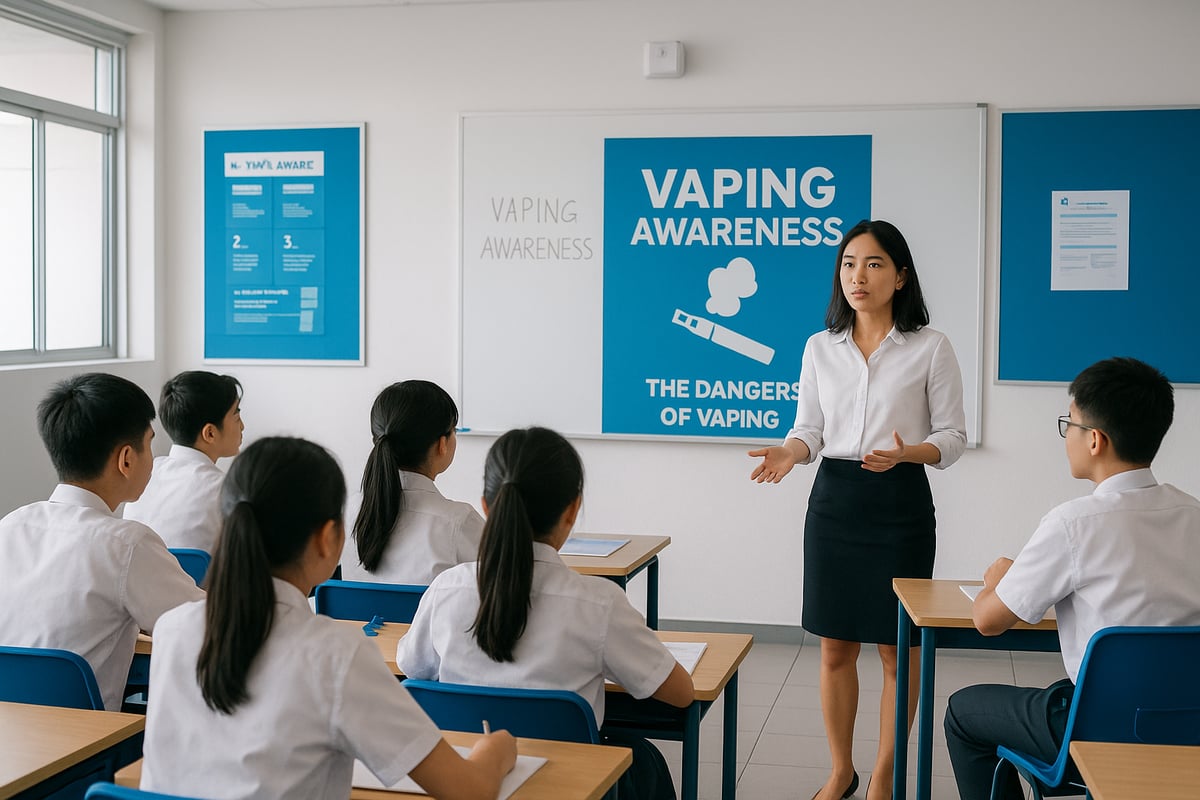
National campaigns play a pivotal role in addressing vape singapore usage. Youth-focused initiatives are integrated into school curricula, with educators using updated materials to teach the risks of vaping.
Social media, influencers, and healthcare professionals are enlisted to spread the message. Campaign slogans highlight the dangers, aiming to reach at-risk groups who may otherwise be missed by traditional outreach.
Measurable outcomes include a reduction in first-time offences among students. However, authorities continue to face challenges in reaching certain demographics, especially those already involved in the black market.
The Black Market and Smuggling Trends
Despite tough laws, the black market for vape singapore products remains active. Illegal importation and online sales have risen, with smugglers using creative methods to evade detection. Recent busts, such as the seizure of 1,200 vapes at Changi Airport, highlight ongoing challenges.
Penalties for trafficking are severe, and authorities are leveraging technology to track illegal shipments. Supply chains have shifted, with more products coming from overseas and being sold on encrypted platforms.
The black market's persistence impacts youth access and complicates enforcement. Government strategies include monitoring online sales and strengthening cross-agency cooperation.
Societal Attitudes and Cultural Shifts
Societal views on vape singapore are evolving. While some young people see vaping as trendy, the broader community remains wary due to health risks and legal consequences.
Stigma is growing, especially for those caught vaping. Parents, teachers, and community leaders are increasingly involved in prevention efforts, encouraging open dialogue and support for quitting.
Attitudes differ across age groups, with older generations strongly opposing vaping. Testimonials from former vapers and advocates underscore the importance of education and support. Looking ahead, societal acceptance of vaping appears unlikely, with Singapore expected to maintain its strict approach.
7 Surprising Facts About Vape Singapore You Need To Know 2026
Singapore’s strict stance on vaping often dominates headlines, but beneath the surface are facts that surprise even the most informed residents. As we explore these seven revelations, you will see how the vape singapore scene is evolving, what this means for youth and adults, and how policy and technology are shaping the future. Let’s delve into the realities that are reshaping public understanding and response to vaping in Singapore.
1. Vaping Offences Among Youth Have Plateaued, Not Declined
Despite tighter laws in recent years, the annual number of students caught for vaping offences in Singapore has remained steady at about 800 cases between 2022 and 2024. This trend surprises many who expect that increased penalties would quickly reduce youth involvement in vape singapore cases.
Several factors contribute to this plateau. Peer influence remains a powerful motivator, as does the persistent curiosity among teens. The black market’s reach ensures that access to vape singapore products, even for minors, continues despite strict enforcement.
School disciplinary actions, including suspension and mandatory counselling, have made some impact, but not enough to create a dramatic drop. According to educators and enforcement officers, students often underestimate the risks or believe they can evade detection.
Recent enforcement at institutes of higher learning has highlighted the challenge. Coordinated operations between campus security and the Health Sciences Authority have led to significant seizures, yet the overall numbers remain unchanged.
Looking ahead, the data suggests that simply increasing penalties may not be enough. A more holistic prevention approach, focusing on education and community engagement, is needed to break this stubborn trend.
2. Vape Devices Are Becoming Harder to Detect
Vape singapore devices have rapidly evolved in form and function. Today’s products are smaller, more discreet, and often smokeless, making them much harder to spot in schools and public spaces.
Enforcement teams face new challenges as students and users turn to devices disguised as everyday items, such as pens or USB drives. Some models even emit odourless vapour, further complicating efforts to identify offenders.
Technology and surveillance systems are being deployed to keep up, yet smugglers continually innovate, hiding vape singapore devices in creative ways. Security agencies report that detecting these gadgets now requires a combination of sharp observation and advanced tools.
Feedback from enforcement officers indicates that policies must adapt quickly to these changes. Both schools and workplaces are updating their guidelines and investing in staff training to address the increased sophistication of vape singapore concealment.
Staying ahead means regular review of detection strategies and embracing new solutions as they emerge. This arms race between enforcement and users is likely to intensify in the coming years.
3. Health Risks Are More Severe Than Previously Reported
Recent research has revealed that the health risks associated with vape singapore are more significant than earlier believed. Studies now link vaping to a broader range of respiratory, cardiovascular, and neurological conditions, some of which may be irreversible.
One notable case involves a young ex-vaper in Singapore who required multiple lung “washings” due to severe lung damage, as highlighted on a Straits Times podcast. Such real-life examples have alarmed both the public and healthcare professionals.
Comparisons between vape singapore and traditional smoking show that while both are harmful, vaping introduces unique risks, including exposure to toxic compounds and unknown long-term effects. Addiction rates among youths are also increasing.
Singaporean health authorities have called for updated public health messaging, emphasising these new dangers. Hospital admissions related to vaping injuries have seen a worrying rise, and doctors warn that the full impact may only become clear in the years ahead.
As evidence mounts, the need for robust, science-based education and prevention campaigns becomes more urgent than ever.
4. Penalties Now Include Mandatory Counselling and Education
A major shift in the vape singapore enforcement landscape is the introduction of mandatory counselling and education for offenders, alongside financial penalties. This approach recognises that punishment alone is often insufficient to change behaviour.
The Ministry of Education, Health Sciences Authority, and schools have collaborated to design structured programmes. Offenders must attend counselling sessions that cover the risks of vape singapore, strategies for resisting peer pressure, and long-term health consequences.
These sessions typically last several weeks and include follow-up support. Initial results indicate a reduction in repeat offences and improved attitudes toward quitting among students.
Parental involvement is also encouraged, as family support plays a crucial role in rehabilitation. Student testimonials suggest that the counselling process is more effective than fines alone in promoting lasting change.
Comparisons with punitive-only systems show that education-based interventions offer a more sustainable solution to the vape singapore challenge among youth.
5. The Black Market Has Shifted Online and Overseas
The black market for vape singapore has adapted rapidly to enforcement crackdowns. Increasingly, illegal products are sourced from overseas suppliers and sold through encrypted messaging apps, social channels, and cross-border e-commerce platforms.
Government agencies are monitoring these channels closely, with recent online sting operations leading to several high-profile seizures. Despite these efforts, the accessibility of vape singapore products for minors remains a concern.
Vendors often use code words and discreet packaging to evade detection. Prices on the black market fluctuate based on enforcement pressure and demand, with a growing variety of products catering to different preferences.
Efforts to shut down online vendors are ongoing, but the borderless nature of digital commerce presents unique challenges. The evolving landscape calls for greater public vigilance and increased cooperation between local and international authorities.
To understand more about the latest enforcement data and black market trends, readers can refer to the Impact report on vaping 2025, which highlights key developments in vape singapore.
6. Vaping Detection Technology Is Being Piloted in Singapore Schools
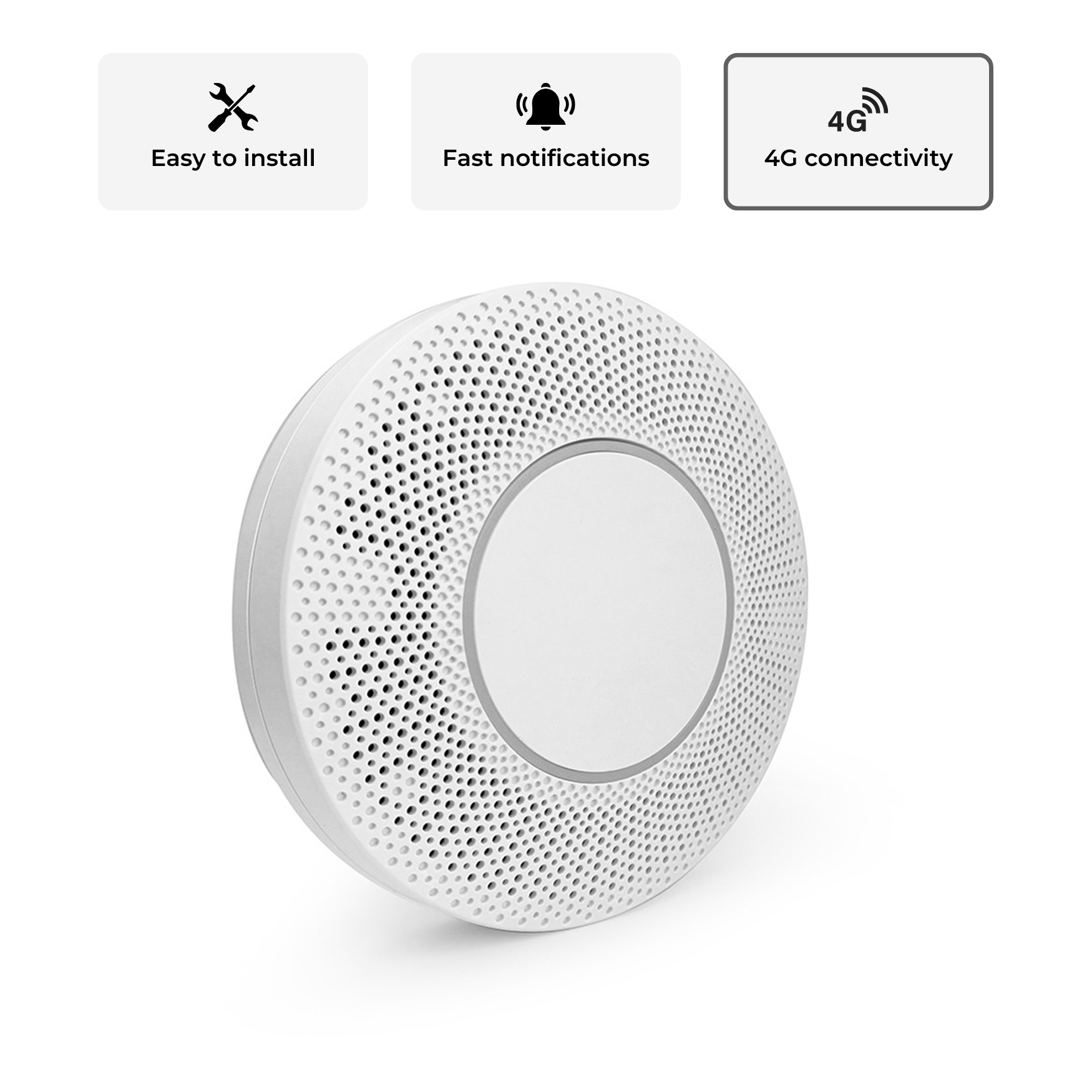
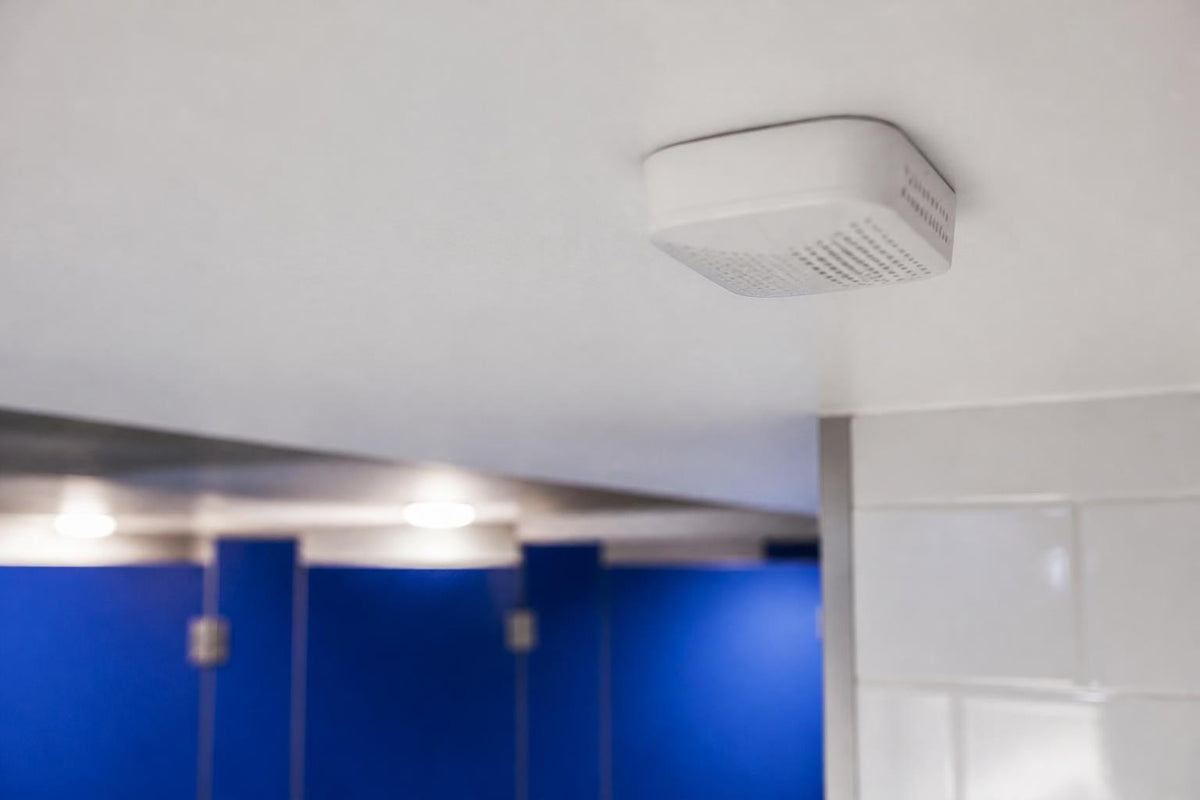
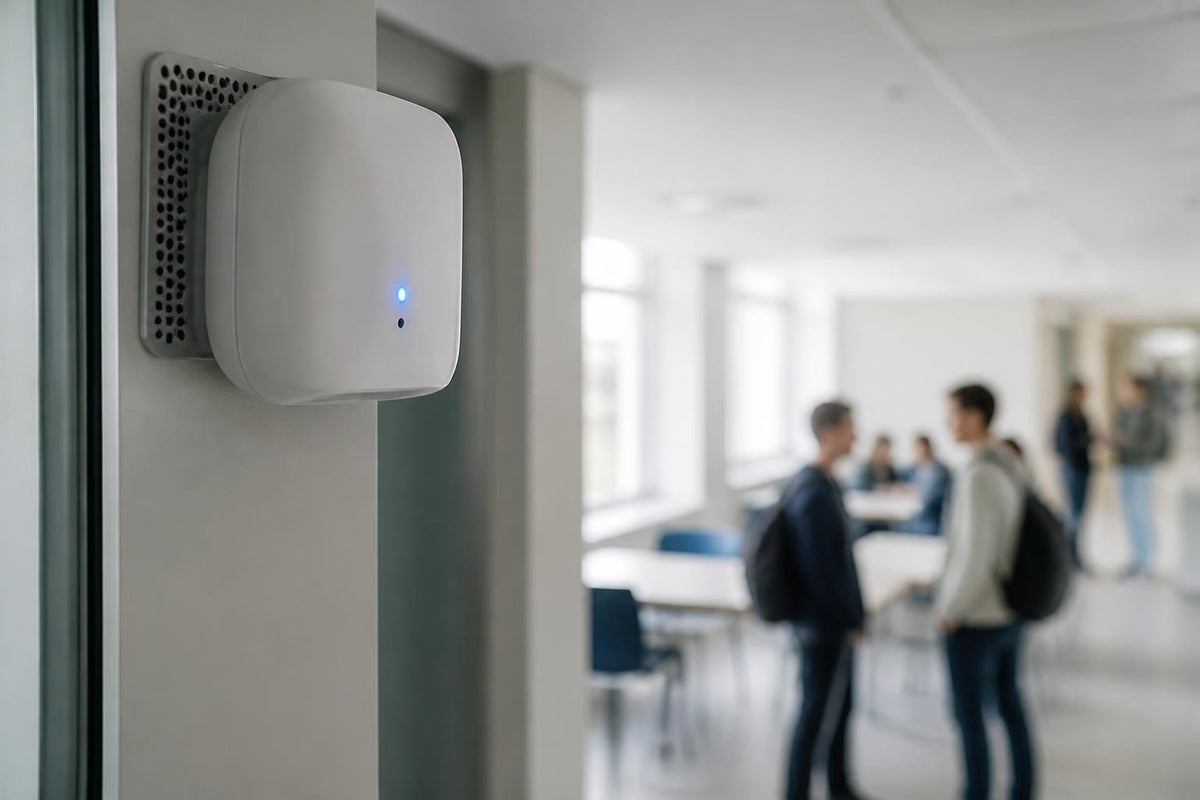
One of the most innovative responses to the vape singapore issue is the introduction of advanced vape detection technology in selected schools and public venues. These sensors are designed to identify vapour particles and send real-time alerts to administrators.
The technology integrates sensors, artificial intelligence analytics, and instant notifications, enabling swift action when a vaping incident occurs. Early pilot results show a marked reduction in vape singapore incidents and improved compliance among students.
School administrators report that these systems have become valuable tools for maintaining a safe environment. Students are increasingly aware of the heightened detection capabilities and are less likely to attempt using vape singapore devices on campus.
Challenges remain, such as the cost of implementation, privacy concerns, and regular maintenance. However, the success of these pilots has prompted plans for wider adoption in 2026.
For a deeper look at how these systems work and their impact, see this overview of vape detection technology in schools.
7. Singapore’s Approach Is Influencing Regional Policy
Singapore’s uncompromising approach to vape singapore is making waves across Southeast Asia. Neighbouring countries are observing Singapore’s enforcement and education strategies, adapting similar policies to address their own vaping challenges.
Recent years have seen Malaysia, Indonesia, and Thailand tighten their regulations, inspired in part by Singapore’s success in curbing vape singapore offences. Regional collaborations are increasing, with information sharing on enforcement tactics and public health campaigns.
Singapore also participates in regional anti-vape advocacy groups, lending expertise and technology to joint efforts. As cross-border trafficking remains a concern, these partnerships are crucial for effective control.
The impact of Singapore’s leadership is evident in shifting societal attitudes and enhanced enforcement across the region. Looking ahead, Singapore is expected to remain a key influencer in shaping both regional and global strategies against vape singapore.
The Future of Vaping in Singapore: Trends and Predictions
The future of vape singapore is poised for significant transformation as authorities, educators, and communities adapt to emerging trends. As we look ahead, new measures, technologies, and collaborations are set to shape how Singapore tackles vaping among its youth and adult populations. Let us explore the predicted directions in policy, technology, education, and regional influence.
Anticipated Policy and Regulatory Changes
Singapore is expected to introduce tighter regulations on vape singapore in 2026, responding to evolving challenges. Proposed measures include expanded definitions of vaping products, stricter penalties, and broader enforcement across private and public spaces. Stakeholder consultations have highlighted support for increased oversight in schools and workplaces.
New policy frameworks may mandate the use of vape detection technology, particularly in educational institutions and public venues. There is also discussion about possible amnesty or licensing schemes for certain cessation tools, though these remain under review. According to the WHOLE-OF-GOVERNMENT EFFORTS TO TACKLE VAPING, the government’s coordinated approach will likely intensify, with implementation timelines set for late 2026. These changes are anticipated to further reduce vape singapore prevalence and reinforce the nation’s zero-tolerance stance.
Technological Innovations in Detection and Prevention
Innovation will play a pivotal role in the next phase of vape singapore control. Schools and public buildings are piloting advanced vape detection sensors that leverage AI analytics for real-time alerts. These systems integrate seamlessly with security infrastructure, enabling swift responses to suspected vaping incidents.
Data-driven insights from these technologies allow targeted interventions, focusing resources where they are most needed. Early adopters report significant reductions in on-site vaping, with lower repeat offence rates among students. As costs decrease, wider adoption is expected, and partnerships with tech firms will drive further enhancements. The future of vape singapore enforcement rests on the ability to adapt quickly to new device designs and smuggling tactics.
Evolving Public Health Campaigns and Education
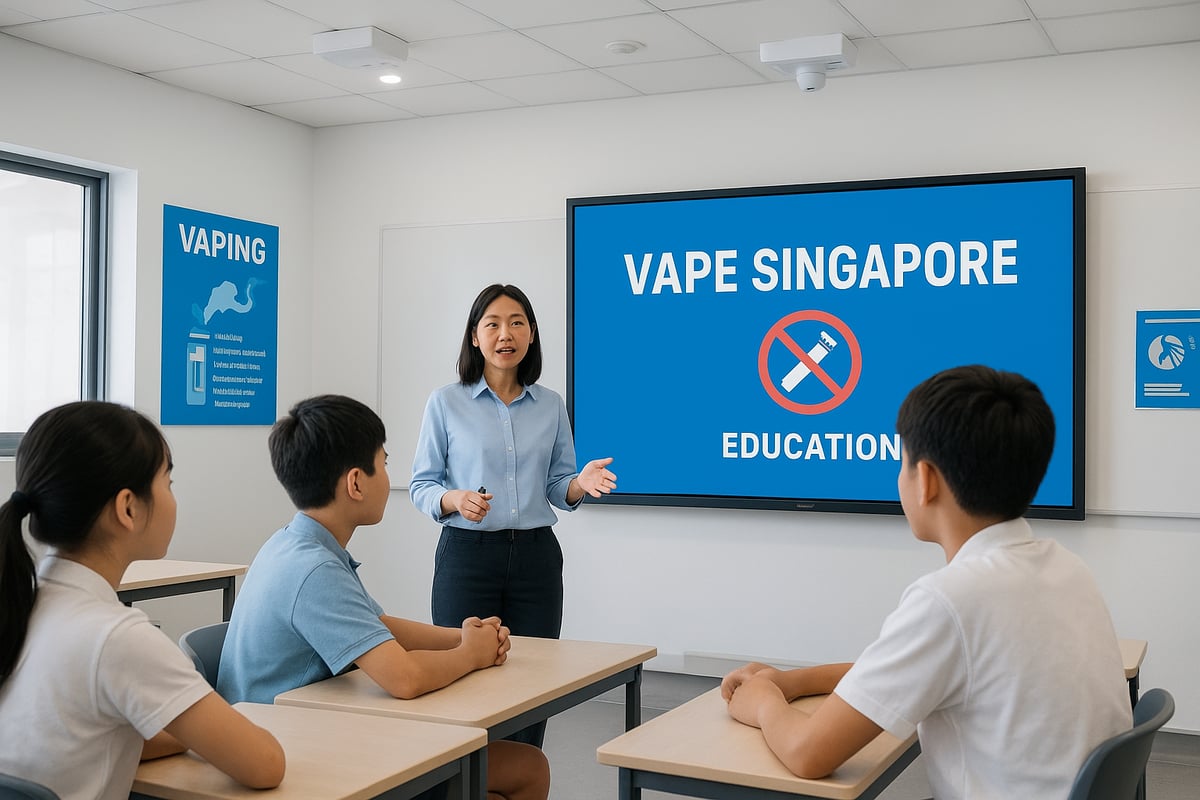
Public health strategies for vape singapore will continue to evolve, placing greater emphasis on youth prevention and cessation support. The integration of vaping education into the national curriculum ensures that students receive consistent, evidence-based information. Digital media campaigns, influencer collaborations, and interactive content will broaden outreach and engagement.
Partnerships with organisations like Vape Guardian Singapore initiatives enhance community-based efforts, offering tailored programmes and resources for schools. Evaluations show that these initiatives contribute to measurable declines in first-time vaping offences. Ongoing adaptation and collaboration with parents and healthcare professionals remain critical to sustaining progress and achieving a vape-free generation.
Regional and Global Implications
Singapore’s robust stance on vape singapore is shaping policy across Southeast Asia. Neighbouring countries are monitoring Singapore’s enforcement and education models, with several adopting similar measures to address cross-border challenges. Regional collaborations on information sharing and enforcement strategies are expected to strengthen.
Singapore’s participation in global health forums positions it as a leader in anti-vaping advocacy. As detection technologies and educational approaches prove effective locally, there is potential for export and adaptation in other jurisdictions. The continued vigilance and innovation in vape singapore control will have lasting effects on public health and youth well-being throughout the region.
If you found these seven facts about vaping in Singapore eye opening, you’re not alone. As we’ve seen, technology is becoming crucial in tackling the evolving challenges of vape detection, especially in schools where the risks are highest. Staying ahead of these trends isn’t just about enforcement—it’s about creating safer, healthier environments for everyone. If you’re interested in how advanced detection solutions are making a real difference in educational settings, I invite you to learn how Vape Guardian is protecting schools and discover what steps you can take to support a vape free future.






Share:
Smart Safety Technology Provider Guide: Your 2026 Success Path
Co2 Monitoring in Classrooms: The Essential Guide 2026