
Smart safety technology is transforming how organisations protect people and assets in 2026. With emerging risks and regulatory demands rising rapidly, staying ahead is no longer optional.
This guide is designed to help you navigate the process of selecting the right smart safety technology provider. By making informed decisions, you can ensure your organisation remains compliant and prepared for the future.
Here, you will discover what smart safety technology means today, how to choose a trusted provider, and strategies for seamless adoption. Learn how to maximise value, integrate solutions, and prepare for the innovations shaping tomorrow’s safety landscape.
Understanding Smart Safety Technology in 2026
Smart safety technology is redefining how organisations manage risk and ensure compliance. As the landscape evolves, working with the right smart safety technology provider is now critical for future-ready operations. This section explores what sets smart safety technology apart, why adoption is accelerating, and how it delivers measurable value.
Defining Smart Safety Technology
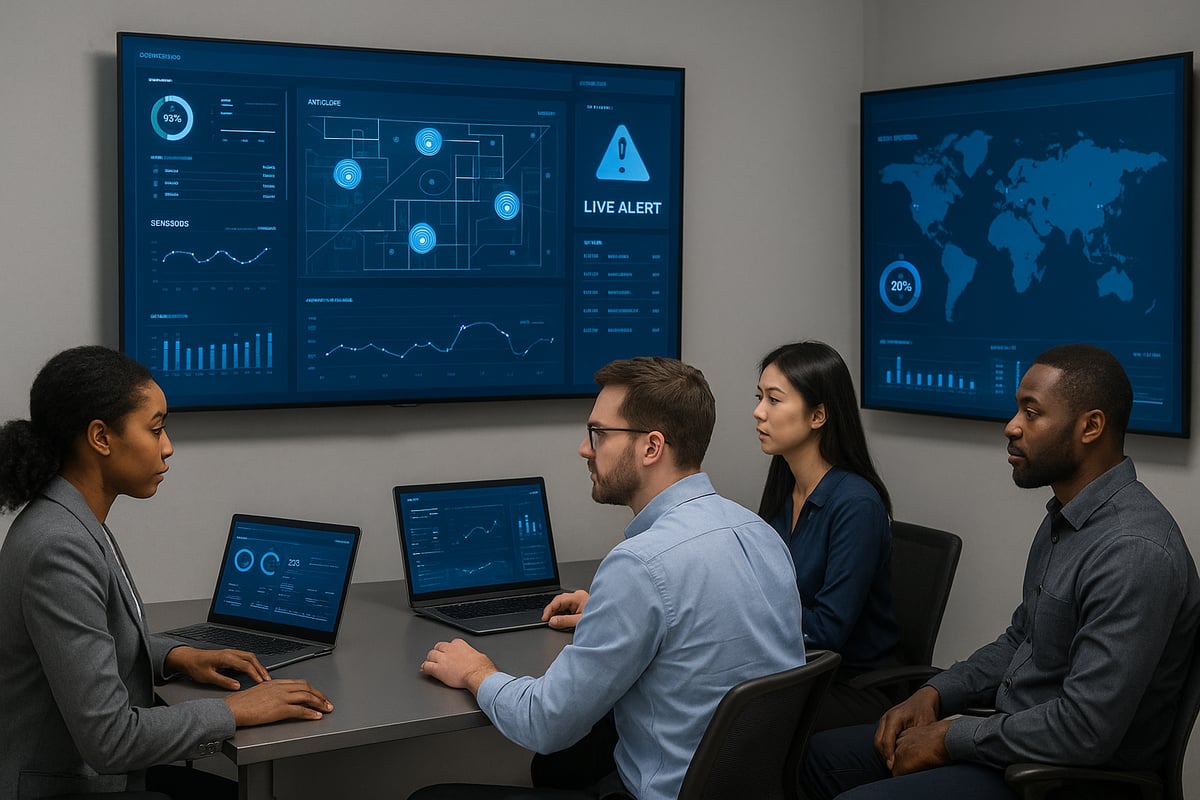
Smart safety technology refers to interconnected systems that use advanced sensors, artificial intelligence, and cloud-based analytics to monitor, detect, and respond to risks in real time. Unlike traditional safety systems, which often rely on manual checks or isolated alarms, smart solutions provide automated alerts and actionable insights.
Examples include IoT sensors that track air quality or occupancy, AI-driven cameras for behavioural monitoring, and platforms that integrate with cloud services for instant reporting. Data analytics enables organisations to identify patterns and anticipate incidents before they occur. Sectors such as education, healthcare, manufacturing, and public spaces benefit from these innovations.
For a detailed look at the underlying systems, see the Smart Sensor Technology Overview. Choosing a smart safety technology provider that excels in these areas ensures robust and scalable protection.
Key Drivers of Adoption
Multiple factors are propelling organisations to seek a smart safety technology provider in 2026. Stricter regulatory and compliance requirements demand real-time reporting and incident tracking. The pandemic has raised expectations for workplace and public safety, driving investment in advanced systems.
Rapid advances in AI, machine learning, and 5G connectivity are making smart safety solutions more effective and accessible. Increasing incidents of security breaches and environmental hazards highlight the need for proactive measures. The ability to mitigate risks in real time is now a competitive advantage.
Core Capabilities and Features
When evaluating a smart safety technology provider, organisations should consider core features that deliver tangible results. Real-time detection allows for automated responses to emerging threats. Predictive analytics identify risk patterns and prevent incidents before they escalate.
Integration with existing infrastructure is vital for unified operations. Mobile and remote management features support distributed teams and off-site monitoring. Customisable reporting and alert systems provide actionable data for compliance and decision-making.
Industry Use Cases and Success Stories
A smart safety technology provider can transform safety outcomes across industries. In education, real-time monitoring has led to significant reductions in vaping and anti-social behaviour. Transportation operators report fewer safety incidents thanks to predictive analytics and automated alerts.
Corporate environments benefit from improved compliance and faster response times. Competitor data reveals up to 90 percent reduction in safety incidents in smart-enabled facilities. Early adopters highlight the importance of integration and user training for long-term success.
Challenges and Considerations
While the benefits are clear, organisations must address key challenges when selecting a smart safety technology provider. Data privacy and cybersecurity are top concerns, especially when handling sensitive information. Assessing the total cost of implementation and calculating ROI are essential for informed decision-making.
Staff training and effective change management ensure smooth adoption. Interoperability with legacy systems requires careful planning. Finally, striking the right balance between automation and human oversight is crucial to maintain trust and reliability.
Criteria for Choosing a Smart Safety Technology Provider
Selecting the right smart safety technology provider is a pivotal decision for any organisation aiming to future-proof its safety strategy. With the market expanding rapidly, a structured approach to provider evaluation ensures both compliance and long-term value.
Essential Evaluation Factors
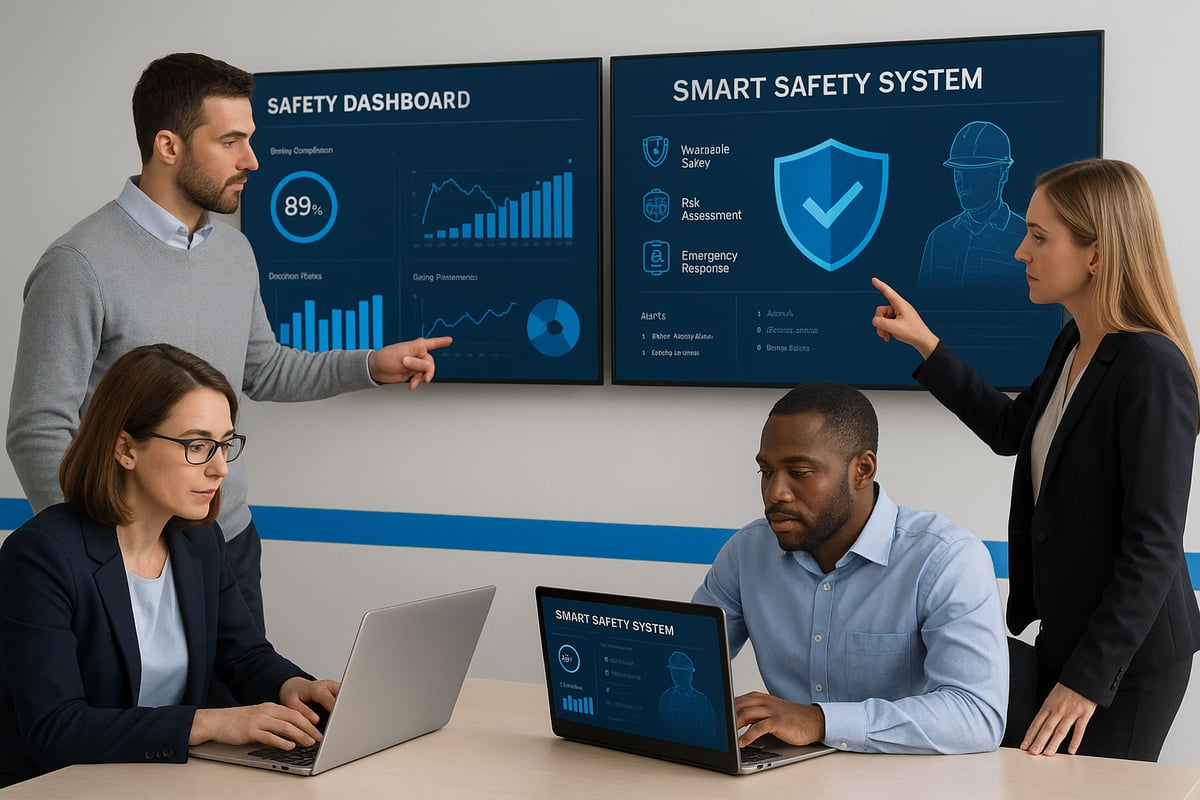
When shortlisting a smart safety technology provider, start by assessing their experience and reputation within your sector. Look for a proven track record, visible client references, and evidence of successful deployments across environments similar to your own.
Key evaluation criteria include:
- Compliance with relevant safety standards and regulations
- Scalability of technology offerings to support growth
- Flexibility for customisation and integration with other systems
To compare competing solutions objectively, consult resources like the Comparison Guide: Vape Guardian vs Competitors, which outlines real-world differences in features, support, and ROI.
Technology and Innovation Leadership
A leading smart safety technology provider should demonstrate a commitment to ongoing research and development. Investigate whether the provider invests in emerging technologies such as artificial intelligence, edge computing, and advanced sensor networks.
Assess their patent portfolio, industry awards, and participation in innovation forums. Providers who regularly introduce new features or respond proactively to industry trends are more likely to offer future-proof solutions.
Comparing innovation rates among top providers can help you identify those best positioned to adapt to evolving risks and regulatory changes.
Security, Privacy, and Compliance
Security is paramount in any smart safety deployment. Your chosen smart safety technology provider must follow stringent data protection protocols, including certifications like ISO and GDPR compliance.
Look for end-to-end encryption, secure cloud storage, and transparent privacy policies. Sector-specific regulations should be addressed explicitly in the provider’s documentation. Clear evidence of compliance instils confidence and reduces the risk of costly breaches.
A provider’s approach to privacy and security should align with your organisation’s risk tolerance and legal obligations.
Customer Support and Training
The effectiveness of a smart safety technology provider extends beyond the technology itself. Reliable onboarding, comprehensive training, and responsive technical support are essential for seamless adoption and ongoing system performance.
Consider providers that offer:
- Multichannel support options, including phone, chat, and email
- Access to user communities and online knowledge bases
- Case studies demonstrating measurable improvements in support response times
Organisations frequently report faster issue resolution and higher user satisfaction with providers that prioritise customer success.
Cost, Contracts, and ROI
Understanding the pricing structure of a smart safety technology provider is crucial for budget planning. Evaluate transparent models such as subscriptions, usage-based fees, or perpetual licences, and ensure contract terms offer flexibility and clear exit clauses.
Request ROI calculators and review case studies that demonstrate tangible cost savings and efficiency gains. Industry data suggests that leading smart safety solutions deliver an average payback period of 12 to 18 months.
Balancing upfront investment with long-term value is key to making a confident, data-driven provider selection.
Step-by-Step Guide to Implementing Smart Safety Technology
Embarking on a smart safety technology journey requires careful planning and execution. This step-by-step guide empowers organisations to collaborate with the right smart safety technology provider, ensuring each stage delivers measurable value and robust protection.

Step 1: Needs Assessment and Stakeholder Alignment
The foundation of a successful project with a smart safety technology provider is a thorough needs assessment. Begin by identifying current organisational risks and defining clear safety objectives. Engage a cross-functional team, including IT, facilities management, HR, and compliance officers.
Conduct detailed site audits to map out vulnerabilities and prioritise areas for improvement. Use these insights to set measurable KPIs, such as incident reduction targets or compliance milestones. By aligning all stakeholders early, you ensure that the smart safety technology provider understands unique requirements, paving the way for targeted solutions and strong buy-in.
Step 2: Provider Shortlisting and Evaluation
Shortlisting a smart safety technology provider demands rigorous research. Start by reviewing providers against defined criteria, such as experience, scalability, and sector expertise. Request detailed demonstrations and proof of concept to validate capabilities.
Compare solution fit, integration potential, and service levels. Seek references and customer testimonials to gauge real-world performance. For in-depth insights, consult resources like the Vape Guardian Case Studies, which showcase successful implementations and measurable outcomes. This evidence-based approach ensures you select a smart safety technology provider who delivers proven results.
Step 3: Solution Customisation and Planning
Every organisation has distinct needs, so work closely with your chosen smart safety technology provider to tailor the solution. Map integration points with existing systems, including security, building management, and compliance platforms.
Develop a phased rollout plan to minimise disruption and allow for iterative improvements. Address regulatory requirements early, ensuring the solution supports necessary standards and reporting. Customisation at this stage enables the smart safety technology provider to deliver a seamless fit, maximising both operational efficiency and compliance from day one.
Step 4: Installation and Integration
Effective installation is crucial for system reliability. Collaborate with your smart safety technology provider to prepare sites, install hardware, and configure software. Ensure network infrastructure supports real-time data transfer and robust security.
Integrate the solution with legacy systems such as access control and emergency response platforms. Rigorously test all components to validate accuracy and performance. Comprehensive installation with your smart safety technology provider enables smooth handover and optimal system readiness.
Step 5: Staff Training and Change Management
A smart safety technology provider’s impact is only as strong as staff adoption. Design comprehensive training programmes for all user groups, from administrators to front-line personnel. Communicate the benefits and address any resistance by highlighting how the technology enhances safety and simplifies workflows.
Establish clear feedback channels to capture issues and suggestions for improvement. According to industry data, thorough training is a key factor in successful implementations, with 85 percent of organisations reporting better outcomes when the smart safety technology provider supports ongoing education and change management.
Step 6: Go-Live and Monitoring
Launching the system with your smart safety technology provider is a pivotal milestone. Monitor initial performance closely, conducting real-time alert tests and incident response drills to validate readiness.
Ensure rapid support escalation procedures are in place for troubleshooting. Fine-tune system configurations based on early feedback and operational data. This proactive approach with your smart safety technology provider minimises risk, drives user confidence, and supports a smooth transition to live operations.
Step 7: Review, Optimisation, and Scaling
Continuous improvement is essential for long-term success. Regularly review performance data against KPIs, leveraging analytics to identify trends and areas for optimisation. Gather feedback from all stakeholders to drive iterative enhancements.
Plan for scaling the solution across additional sites or departments, ensuring the smart safety technology provider can support growth. Use insights from system analytics for proactive risk management and future-proofing. This commitment to review and optimisation ensures sustained value from your smart safety technology provider.
Integration Strategies for Seamless Safety Ecosystems
Creating a seamless safety ecosystem is essential for organisations seeking future-ready protection. The right smart safety technology provider will ensure all systems work together smoothly, offering real-time insights and rapid response. Let us explore the integration strategies that transform isolated tools into a unified, intelligent safety network.
Building Interoperable Systems
Interoperability is at the heart of a robust safety ecosystem. Open APIs and standards-based integration allow different devices, such as fire alarms, access control, and CCTV systems, to communicate effectively. This connectivity ensures that your selected smart safety technology provider delivers unified incident response across your entire organisation.
- Open APIs enable flexible integration
- Unified dashboards reduce information silos
- Cross-system alerts speed up emergency response
According to Genetec's Physical Security Trends for 2026, integrated systems can lead to up to 40 percent faster emergency response. Choosing a provider with strong interoperability capabilities lays the foundation for smarter, safer environments.
Data Management and Analytics
Effective data management is crucial for leveraging the full power of a smart safety technology provider. Centralised data collection, combined with intuitive dashboard visualisation, provides real-time oversight and historical trend analysis. This approach supports predictive risk management and improves decision-making.
Data sharing protocols with authorities and stakeholders are vital for compliance and transparency. Ensuring data accuracy and minimising false positives will help your teams trust and act on safety alerts promptly. A provider offering advanced analytics tools will empower you to identify patterns and proactively address potential threats.
Mobile and Remote Access
Modern organisations require flexible safety management across multiple locations. A smart safety technology provider that offers robust mobile apps and remote access capabilities ensures real-time alerts reach staff wherever they are. Remote diagnostics and system health monitoring further enhance operational resilience.
- Mobile apps enable instant incident response
- Remote teams benefit from secure access controls
- System health checks reduce downtime
Facilities using mobile-enabled solutions often report 25 percent higher response rates. This adaptability is key for organisations with distributed teams or multiple sites, keeping everyone connected and informed.
Continuous Improvement and System Updates
Ongoing system optimisation is essential for staying ahead of evolving risks. A leading smart safety technology provider will deliver regular software and firmware updates, ensuring your ecosystem benefits from the latest features and security enhancements.
Automated update processes reduce manual workload, while access to provider roadmaps allows you to plan for future improvements. Monitoring industry best practices and embracing new capabilities ensures your organisation remains compliant and protected as regulations and threats change.
Vape Guardian: Advanced Vaping Detection and Air Quality Monitoring
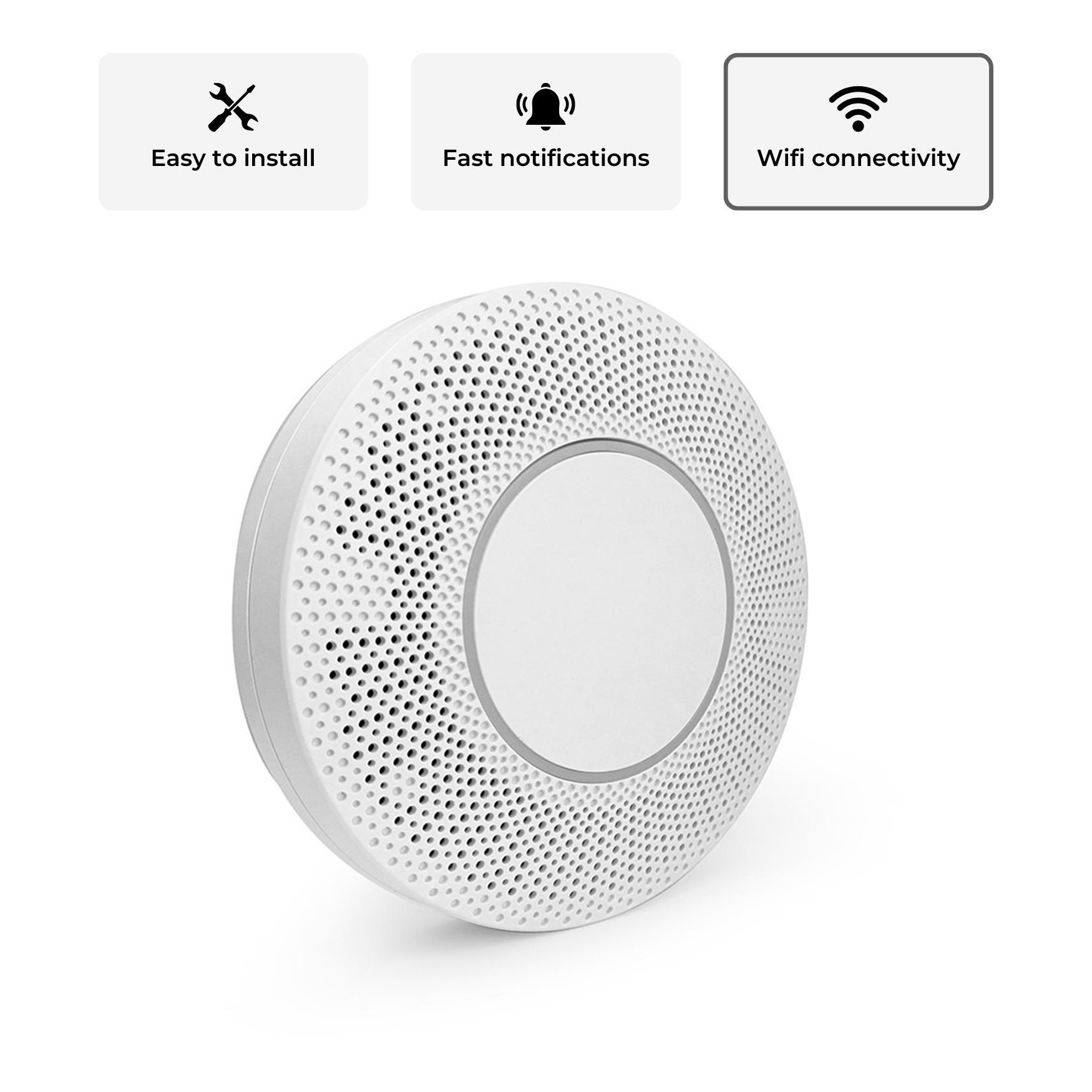
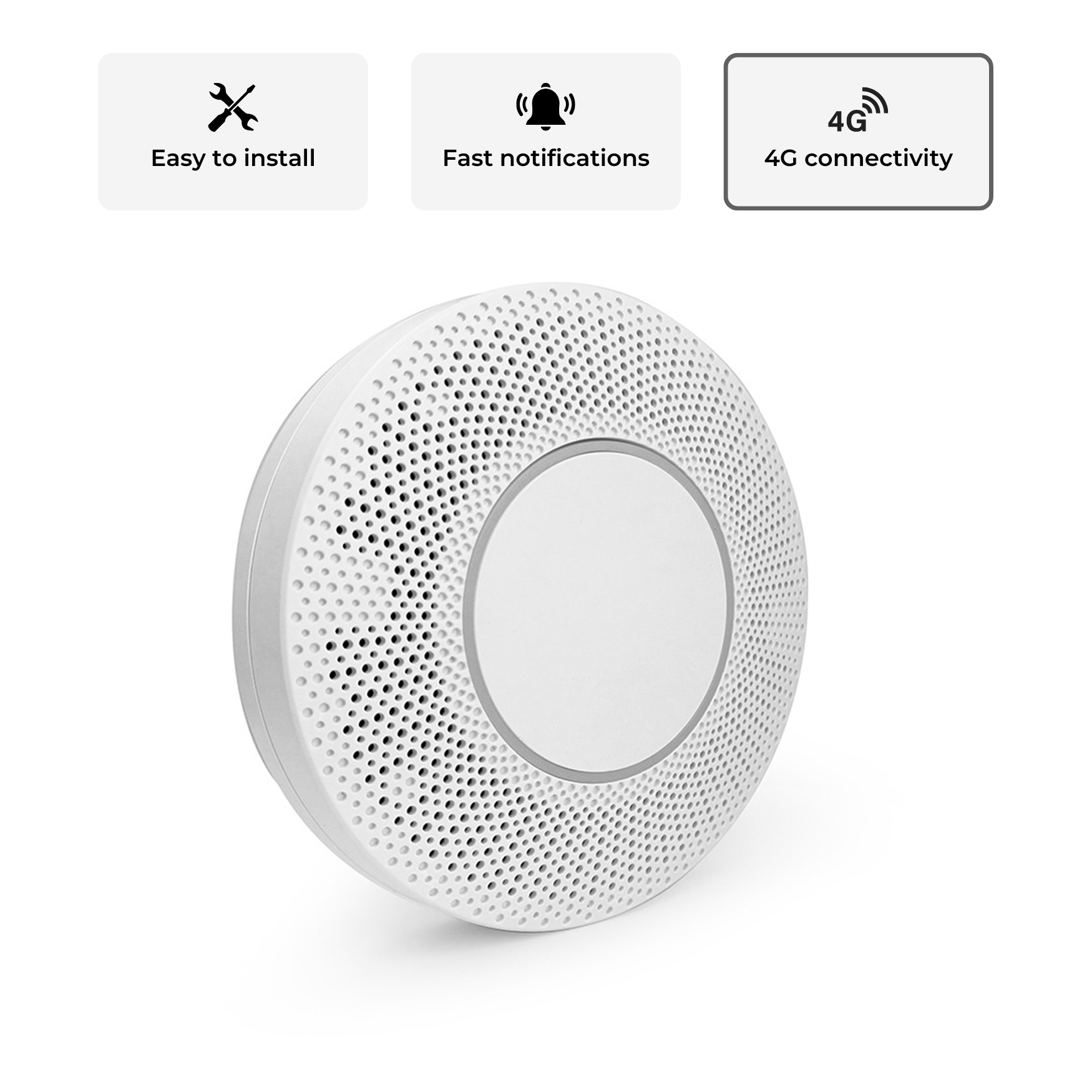
Vape Guardian is a standout smart safety technology provider in the UK, specialising in vaping detection and air quality monitoring. Their solution delivers real-time alerts for vaping, drug use, and anti-social behaviour, making it highly effective in schools, offices, and leisure spaces.
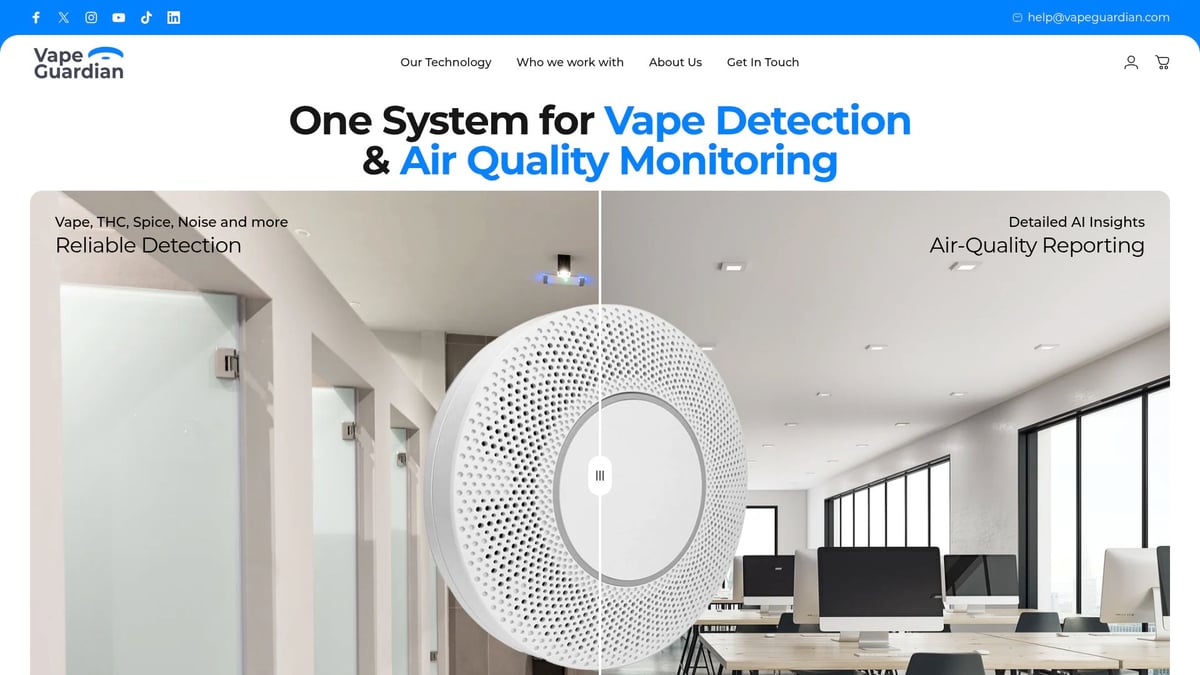
With seamless integration into existing safety infrastructure and cloud-based reporting, Vape Guardian has achieved up to a 95 percent reduction in vaping incidents within weeks. Their dedicated UK support and risk-free trial help organisations confidently adopt and scale the technology. For optimal results, explore their Best Practice for Handling Vaping Alerts guide to ensure smooth integration and alert management within your safety ecosystem.
Future Trends and Innovations in Smart Safety Technology
The pace of innovation in the smart safety technology provider landscape is accelerating. In 2026, organisations face a future shaped by advanced artificial intelligence, real-time processing, and seamless integration with smart environments. Understanding these emerging trends is essential for any smart safety technology provider aiming to stay competitive and deliver transformative value.
Artificial Intelligence and Predictive Safety
Artificial intelligence is becoming the cornerstone of the next generation of smart safety technology provider solutions. AI-powered platforms are now capable of identifying anomalies, predicting potential incidents, and automating escalation protocols with remarkable accuracy. Machine learning algorithms analyse behavioural patterns, flagging risks before they escalate into critical events.
According to Gartner's Top Strategic Technology Trends for 2026, AI supercomputing and confidential computing will underpin the evolution of smart safety systems, making them more secure and responsive. By leveraging these advancements, a smart safety technology provider can deliver platforms where 60 percent of systems feature AI-driven predictive capabilities. As illustrated in OSHA's Event Recognition for Improved Safety Management, AI event recognition is already improving safety outcomes in high-risk environments.
Edge Computing and Real-Time Processing
Edge computing is revolutionising the way a smart safety technology provider processes safety data. By enabling data analysis at the source, organisations benefit from near-instantaneous detection of hazards and faster decision-making. This decentralised approach reduces latency and alleviates bandwidth loads on central networks.
Real-time processing at the edge also enhances privacy, as sensitive information is handled locally rather than transmitted to the cloud. For example, edge-enabled sensors can deliver sub second alerts, ensuring rapid response to critical incidents. These capabilities position a smart safety technology provider as a leader in delivering responsive, scalable safety systems.
Advanced Sensor Technologies
The smart safety technology provider landscape is embracing advanced sensors that go beyond traditional detection. Multi modal sensors, capable of monitoring air quality, sound, motion, and chemical presence, are driving smarter incident detection and prevention. Miniaturisation, improved battery life, and wireless mesh networking are making large scale deployments more feasible and cost effective.
By 2026, the global smart sensor market is projected to reach £80 billion, reflecting growing demand across sectors. A smart safety technology provider must integrate these sensors within their platforms to enable comprehensive environmental monitoring and proactive risk mitigation.
Integration with Smart Buildings and IoT
Smart safety technology is becoming a core part of the broader smart building and IoT ecosystem. Integration with HVAC, lighting, occupancy, and building management systems allows safety platforms to automatically adjust environments based on detected risks. Synchronisation across systems ensures a unified, coordinated response to incidents.
A smart safety technology provider that offers seamless integration enables organisations to reduce safety incidents by up to 45 percent, as seen in recent case studies. The convergence of safety with IoT is transforming facilities management, making every environment safer and more adaptable.
Regulatory Evolution and Compliance Automation
Regulatory requirements are evolving rapidly, placing new demands on every smart safety technology provider. Automated compliance reporting, digital audit trails, and proactive risk management tools are becoming standard features in advanced platforms.
As industry insight reveals, 70 percent of organisations now cite compliance as a top driver for investing in smart safety solutions. Providers that stay ahead of regulatory changes and enable automated compliance will be best positioned to support future ready organisations. The ability to adapt quickly to new standards will define the market leaders in 2026.
As you look ahead to 2026 and consider how smart safety technology can help your organisation stay ahead of evolving risks, it’s clear that choosing the right provider is crucial. From seamless integration and real time alerts to dedicated UK based support, Vape Guardian’s advanced solutions are proven to create safer environments and support ongoing compliance. If you’re ready to take the next step towards a safer, smarter future, I encourage you to talk to our team and protect your building today. We’re here to help you find the right fit for your needs and goals.




Share:
Air Quality Analytics Guide: Insights and Strategies for 2026
7 Surprising Facts About Vape Singapore You Need To Know 2026