
As air quality becomes a growing concern in cities and communities worldwide, the need to understand and improve our environments has never been greater. Poor air quality can impact health, productivity, and overall well-being, making it a top priority for organisations and individuals in 2026.
This guide demystifies air quality analytics, providing clear insights and practical strategies to help you create healthier, safer spaces. By leveraging the latest analytics tools, you can take control of both indoor and outdoor air environments.
Explore emerging technologies, essential data sources, evolving regulations, and proven steps for implementing effective solutions. Discover how air quality analytics are reshaping the way we manage air in workplaces, schools, and public spaces, and learn how you can make a measurable difference today.
The Evolution of Air Quality Analytics: 2026 Landscape
As we move through 2026, the landscape of air quality analytics is shifting rapidly. New technologies, stricter regulations, and rising public expectations are all shaping how organisations monitor and manage their environments. Understanding these changes is crucial for anyone responsible for indoor or outdoor air quality.

Key Drivers of Change
Several powerful forces are driving the adoption of air quality analytics in 2026. Rapid urbanisation and the effects of climate change have pushed air pollution to the forefront of public health concerns. More people are demanding cleaner air in cities, schools, and workplaces.
Advances in sensor technology and the widespread use of IoT devices have made it easier to collect accurate air quality data. Organisations are moving from reactive measures to predictive strategies, anticipating issues before they become critical. Compliance requirements have also risen, especially in places like London, where the expanded Ultra Low Emission Zone has increased the need for continuous monitoring. These factors collectively make air quality analytics a top priority for many sectors.
Technological Advancements
The technology behind air quality analytics has seen remarkable progress. Affordable, high-sensitivity sensors can now detect a wide range of pollutants, including particulate matter and volatile organic compounds. Real-time data analytics platforms provide instant insights, allowing organisations to respond quickly to changing conditions.
Integration with building management systems and smart city infrastructure is becoming standard. Artificial intelligence and machine learning are transforming how we interpret air quality data, enabling pattern recognition and predictive analysis. For a deeper look at these innovations, see the AI-Powered Air Quality Monitoring Trends, which highlights how AI is reducing false alarms and improving accuracy in public buildings.
Shifting Regulatory and Social Landscape
Governments are tightening standards for both indoor and outdoor air quality. Regulations are more stringent, and there is a greater emphasis on transparency and making air quality data accessible to the public. Environmental, social, and governance (ESG) reporting now often includes air quality metrics.
Workplaces, schools, and public venues face increased scrutiny regarding the safety of their environments. According to a 2025 survey, 76 percent of UK businesses identified air quality compliance as a leading operational concern. This growing focus on compliance and accountability is reshaping organisational priorities in air quality analytics.
Data-Driven Decision Making
Organisations are relying more on air quality analytics to guide decisions about facility management and health risk assessments. Historical data is used to identify trends and enable proactive interventions, reducing the risk of health incidents. For example, schools are leveraging year-on-year analytics to inform policies against vaping and other air quality threats.
By harnessing analytics, decision makers can set precise thresholds, automate alerts, and respond to issues efficiently. This data-driven approach is vital for maintaining safe, healthy environments and meeting both regulatory and occupant expectations.
Core Components of Air Quality Analytics Systems
Understanding the core components of air quality analytics systems is crucial for building healthier environments. Each element, from sensor selection to data interpretation, influences the reliability and impact of your air quality strategy. Let us break down the essentials to help you design a robust solution.
Types of Air Quality Sensors and What They Measure
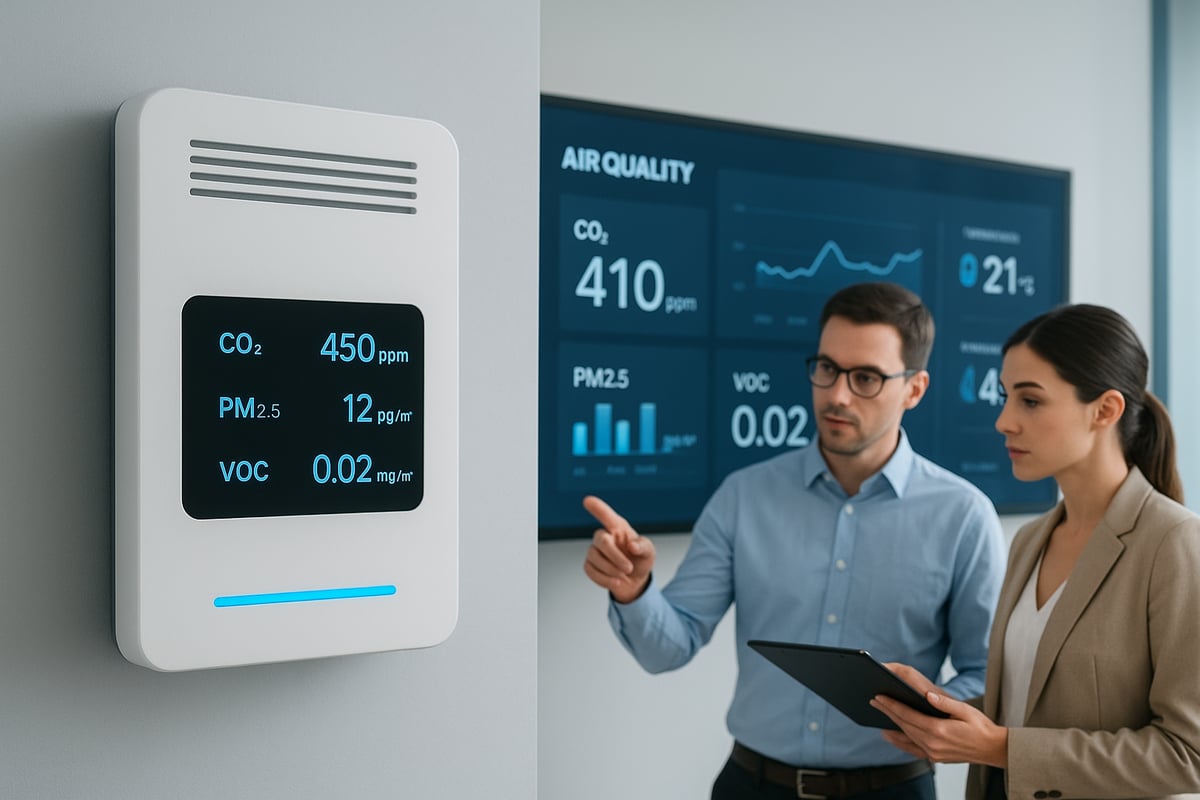
A diverse range of sensors forms the foundation of air quality analytics. These include particulate matter sensors for PM1, PM2.5, and PM10, which reveal the presence of harmful airborne particles. Gaseous pollutant sensors detect carbon dioxide, nitrogen dioxide, sulphur dioxide, ozone, and volatile organic compounds, offering insights into both comfort and health risks.
Specialised sensors can pick up substances like formaldehyde and ammonia, which are crucial in certain environments such as laboratories or newly refurbished buildings. Multi-sensor arrays combine several sensor types for a comprehensive view. Sensor accuracy and maintenance needs vary, so selecting the right mix is essential for effective air quality analytics. For more on sensor options and measurement capabilities, see the Indoor air quality sensors guide.
Data Collection and Transmission Methods
How data is collected and transmitted is vital for timely and secure air quality analytics. Wired sensor networks offer stability and reduced interference, making them suitable for permanent installations. Wireless networks provide flexibility and ease of deployment, especially in larger or historic buildings.
IoT connectivity enables real-time data aggregation through cloud platforms, centralising information for analysis. Data security and privacy must be prioritised, with encrypted transmission and access controls safeguarding sensitive environmental data. Choosing the right method depends on the building’s infrastructure and operational needs.
Analytics Platforms and Dashboards
Modern air quality analytics platforms deliver more than just raw data. They feature real-time alerts, trend visualisation, and historical reporting, allowing for actionable insights at a glance. Integration with mobile apps and building management systems ensures that facility managers can respond quickly to changing conditions.
Customisation is key. Platforms can be tailored for schools, offices, or public venues, each with unique requirements. The right dashboard makes it easy to identify problem areas, track improvements, and meet compliance obligations, all while supporting a proactive approach to air quality analytics.
Interpreting Air Quality Data
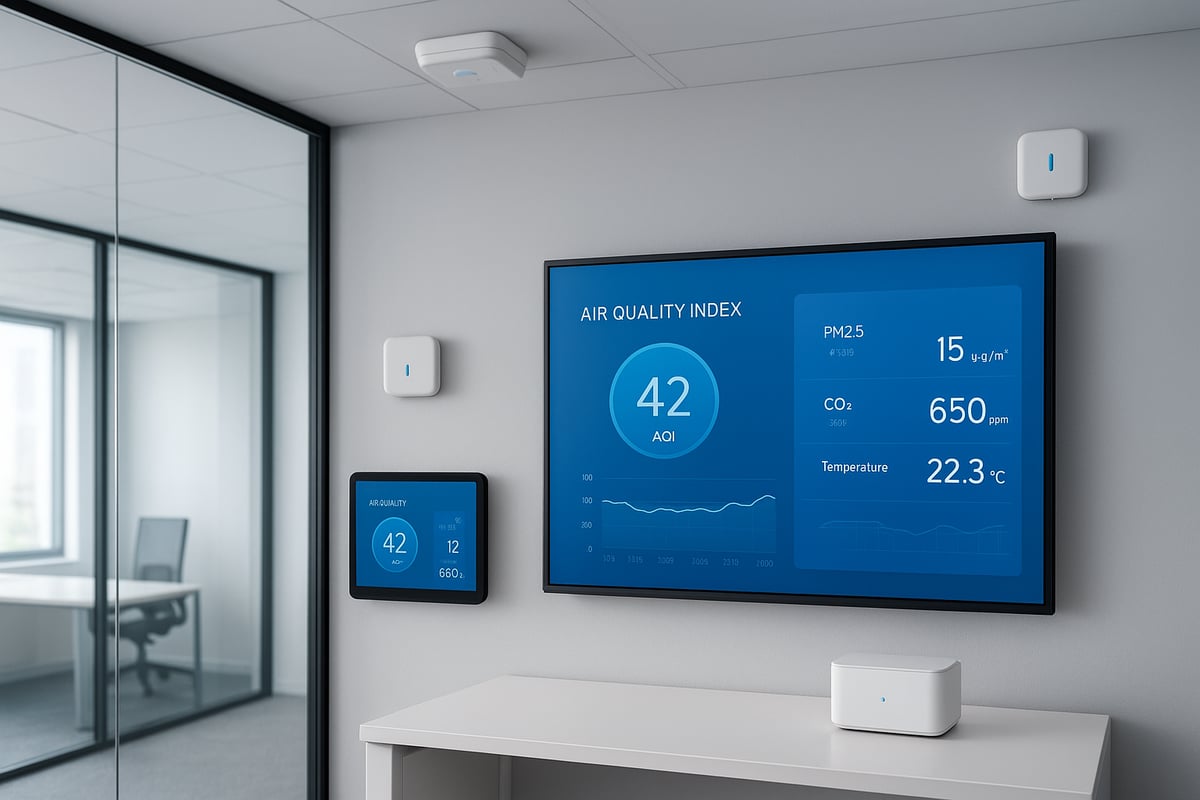
Turning sensor readings into meaningful action is at the heart of air quality analytics. The Air Quality Index (AQI) and similar scoring systems translate complex measurements into clear, actionable information. Setting thresholds for pollutants enables automated alerts so teams can respond immediately to adverse events.
For example, custom alerts for carbon dioxide spikes in meeting rooms can prompt ventilation adjustments, keeping occupants comfortable and alert. Understanding these metrics supports informed decision making, helping you create safer indoor environments with effective air quality analytics.
Maintenance and Calibration
Maintaining sensor accuracy is essential for trustworthy air quality analytics. Regular calibration ensures that readings reflect actual conditions, minimising false positives and negatives. Automated maintenance protocols, such as self-check routines, can reduce manual intervention and downtime.
Some organisations schedule manual checks to further enhance reliability. For instance, a school district implementing routine sensor calibration successfully reduced false alarms, demonstrating the importance of ongoing maintenance. Consistent upkeep protects the integrity of your air quality analytics system and maximises its long term value.
Implementing Air Quality Analytics: Step-by-Step Strategies for 2026
Implementing air quality analytics in 2026 demands a structured approach that aligns technology, compliance, and people. A clear strategy ensures your investment delivers real improvements in health, safety, and regulatory outcomes. Below, we break down each step to guide you from assessment to optimisation.
Step 1: Assessing Organisational Needs and Objectives
Start by identifying your primary goals for air quality analytics. Are you aiming to meet regulatory standards, protect health, or achieve certifications like WELL? Gather input from stakeholders such as facility managers, HR, and health and safety officers.
Define measurable objectives. For example, reducing absenteeism or ensuring compliance with updated workplace air quality regulations. Clear targets help shape your analytics approach and secure buy-in across the organisation.
Step 2: Site Survey and Risk Assessment
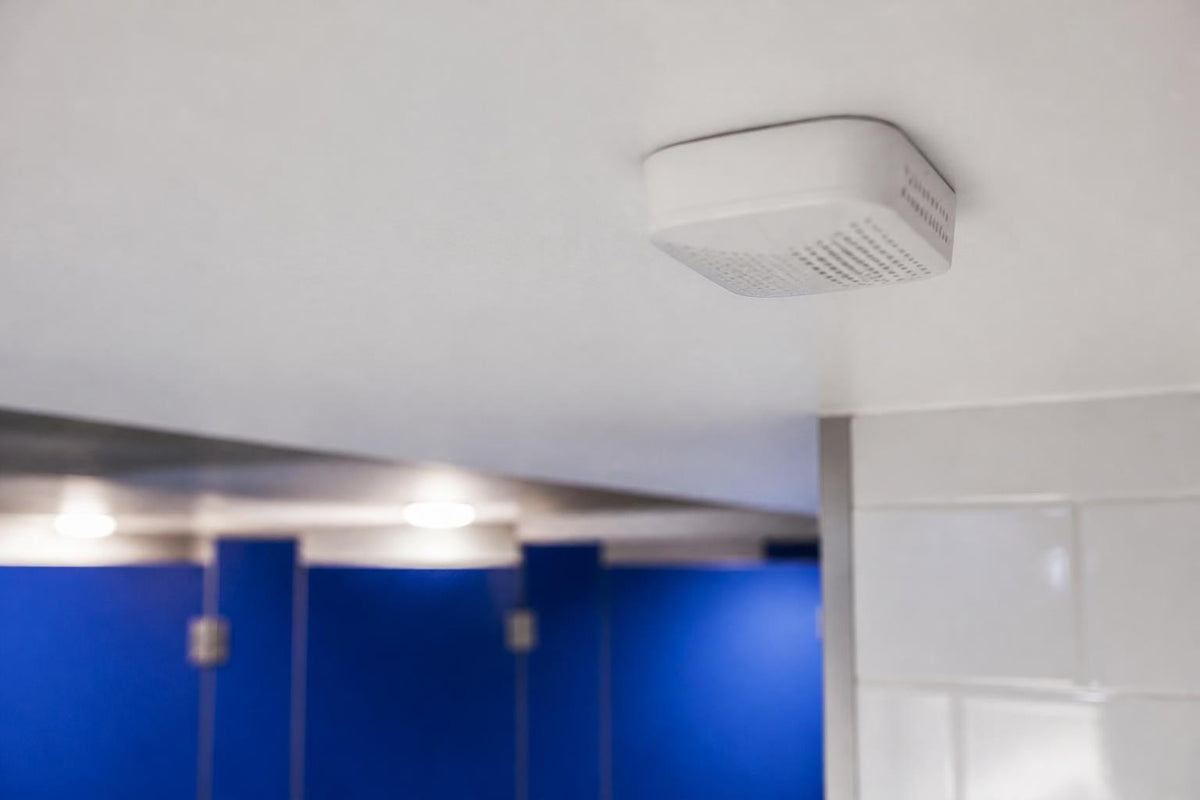
Conduct a thorough site survey to map high-risk zones. Focus on spaces with high occupancy or poor ventilation, such as classrooms, restrooms, and lobbies. Analyse existing ventilation and filtration systems to understand baseline conditions.
Prioritise areas for sensor deployment based on occupancy, activity, and known problem spots. Use visual mapping tools to document findings and inform the sensor placement strategy.
Step 3: Selecting the Right Sensors and Platforms
Choose sensor types based on the pollutants most relevant to your environment. Consider particulate matter, CO2, VOCs, and other gases. Compare analytics platforms for scalability, integration capabilities, and user experience.
Vendor support and future-proofing are essential. For a comprehensive overview of available systems and platform features, see this air quality monitoring system overview. This ensures you select solutions that adapt as technology and regulations evolve.
Step 4: Installation and Integration
Plan installation for minimal disruption. Place sensors in accordance with manufacturer guidance for optimal data accuracy. Network setup should ensure reliable data transmission, whether using wired or wireless connections.
Integrate sensors with building management and HVAC systems to enable real-time adjustments. Test all connections and functionality before going live to guarantee seamless operation.
Step 5: Data Monitoring, Analysis, and Response Protocols
Set up real-time monitoring dashboards with automated alerts for key thresholds. Train staff and occupants to interpret air quality analytics and respond appropriately to alerts.
Develop response protocols for different air quality events, such as ventilation adjustments or area evacuation. Regular drills and clear communication channels improve readiness and confidence in your system.
Step 6: Continuous Optimisation and Compliance Reporting
Use analytics data to refine ventilation strategies and cleaning schedules. Generate automated reports for compliance with regulatory bodies and ESG reporting.
Schedule regular reviews of system performance and update protocols as needed. Continuous improvement ensures your air quality analytics investment delivers ongoing health and operational benefits.
Step 7: Stakeholder Communication and Engagement
Transparency builds trust. Share air quality data with building occupants through dashboards, reports, or digital signage. Engage stakeholders in feedback loops to identify concerns and opportunities for further improvement.
Effective communication promotes a culture of health and safety, reinforcing the value of your air quality analytics programme.
Vape Guardian: Advanced Solutions for Air Quality Monitoring
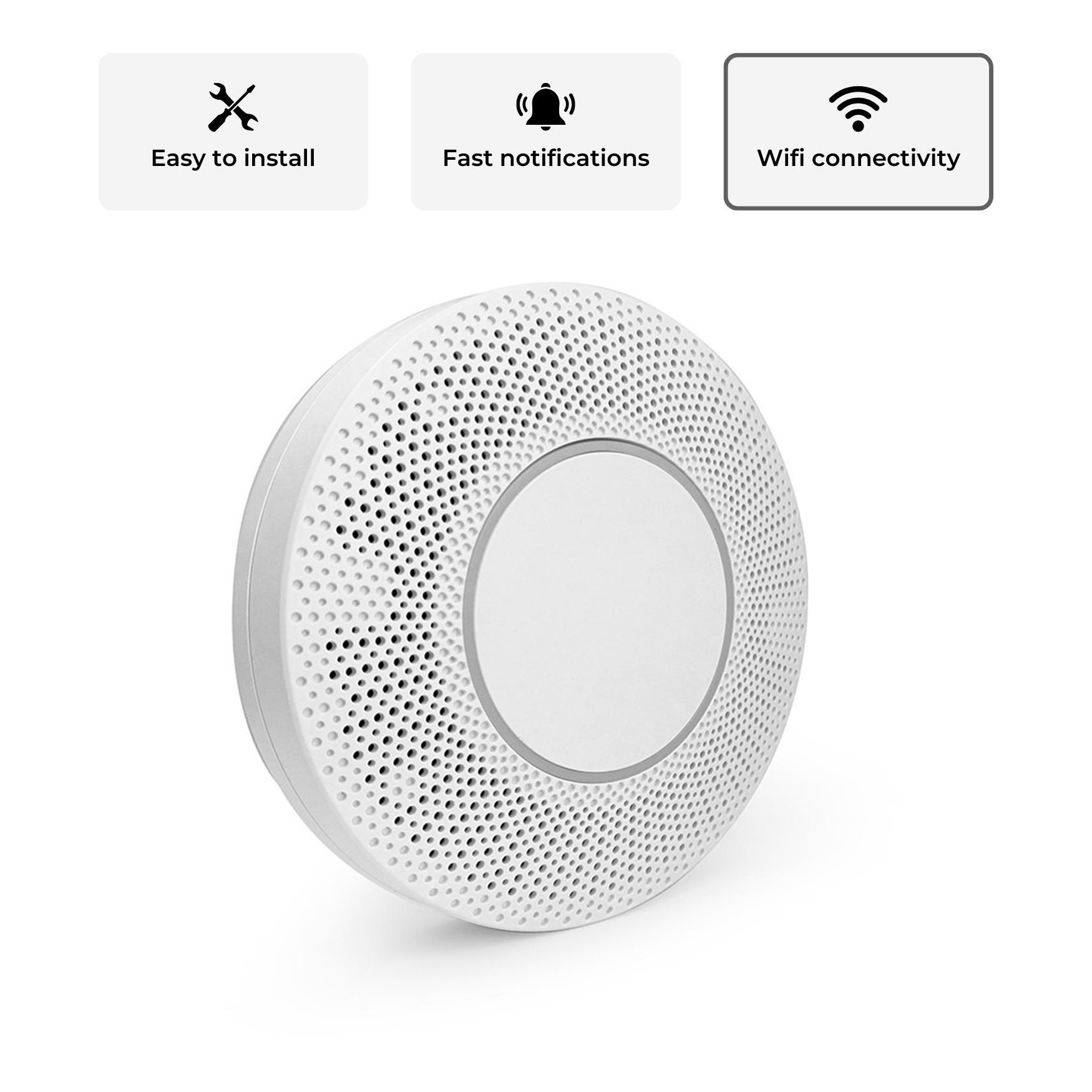
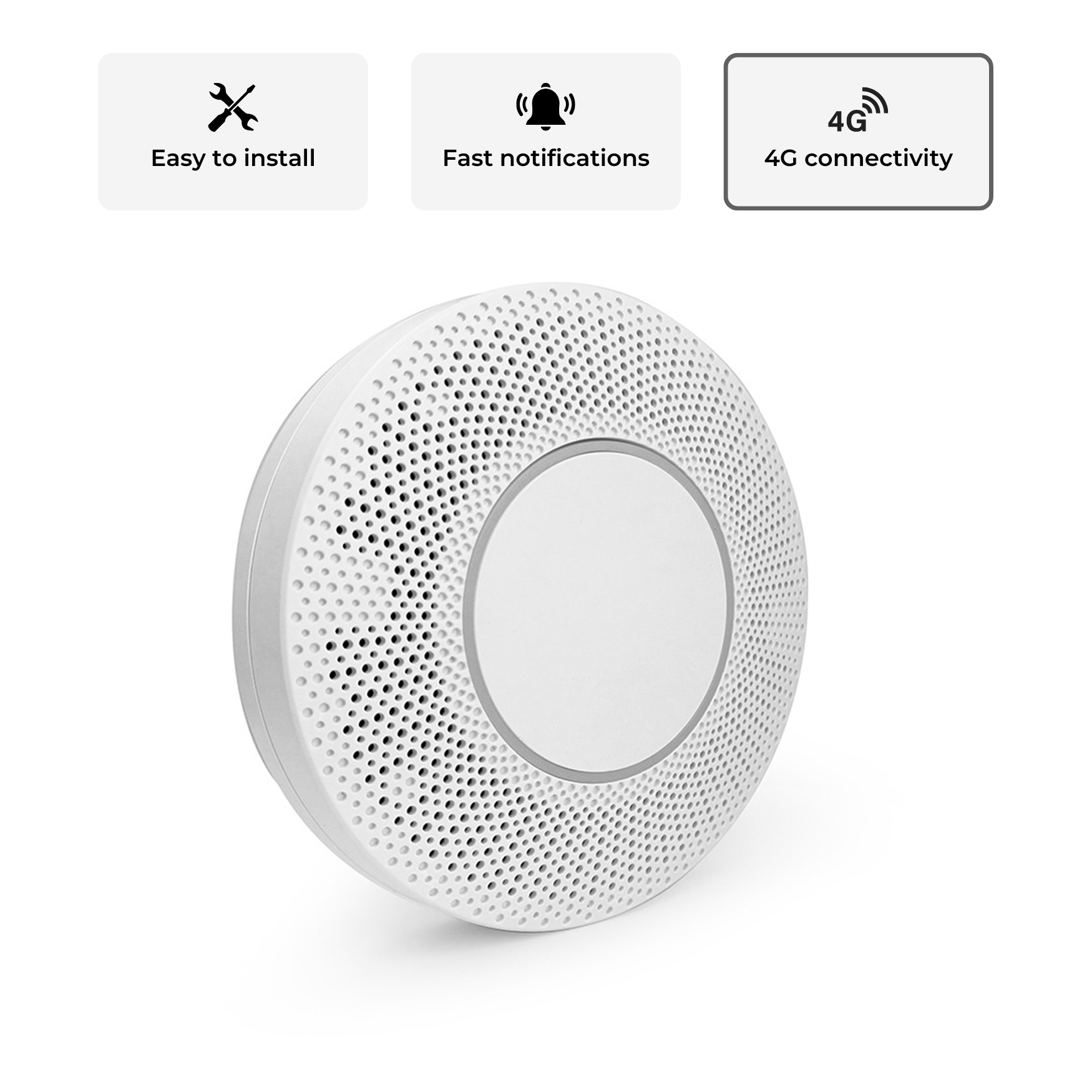
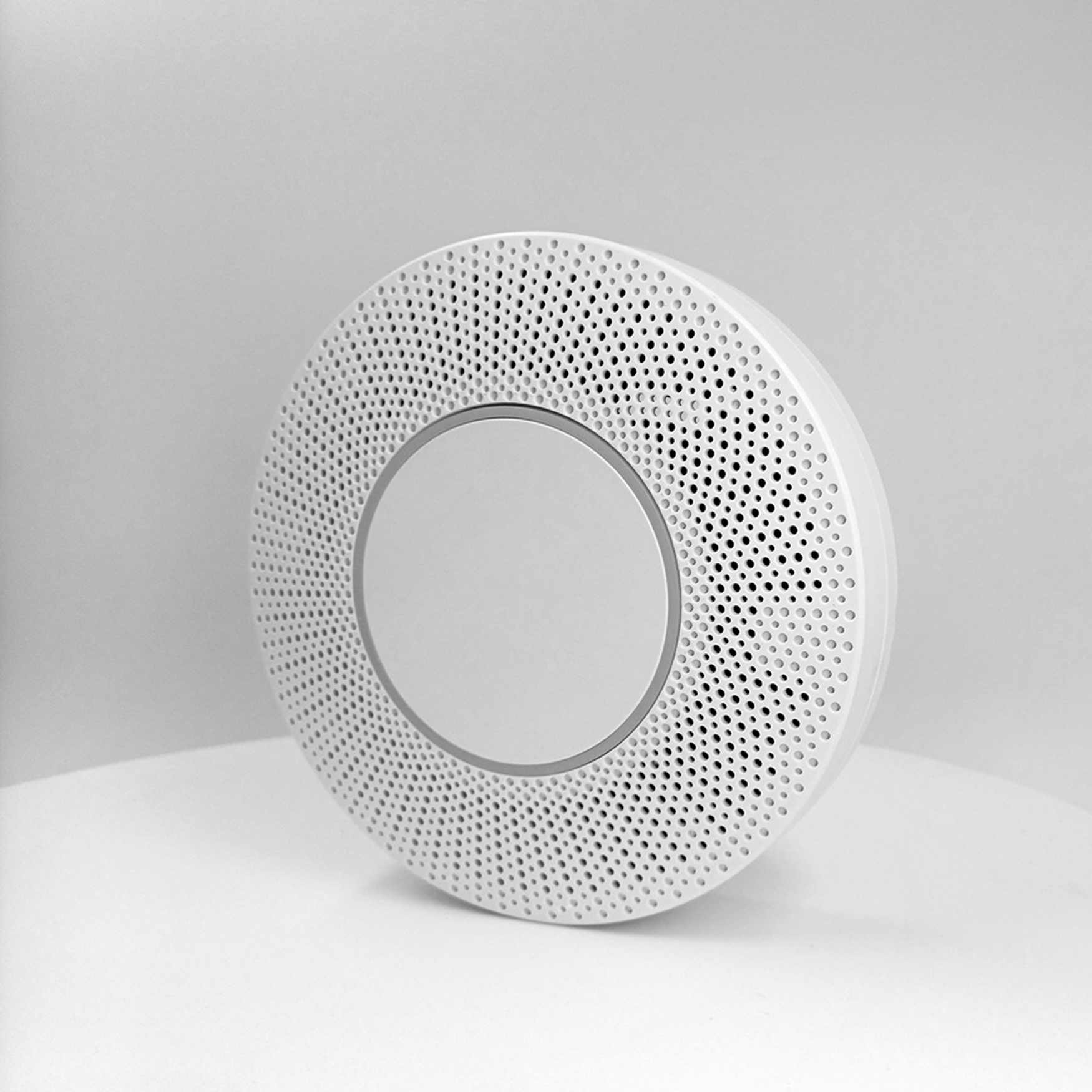
Vape Guardian offers a robust multi-sensor solution for air quality analytics across schools, offices, and leisure venues. Their technology detects vaping, THC, Spice, noise, and other air quality concerns in real time.
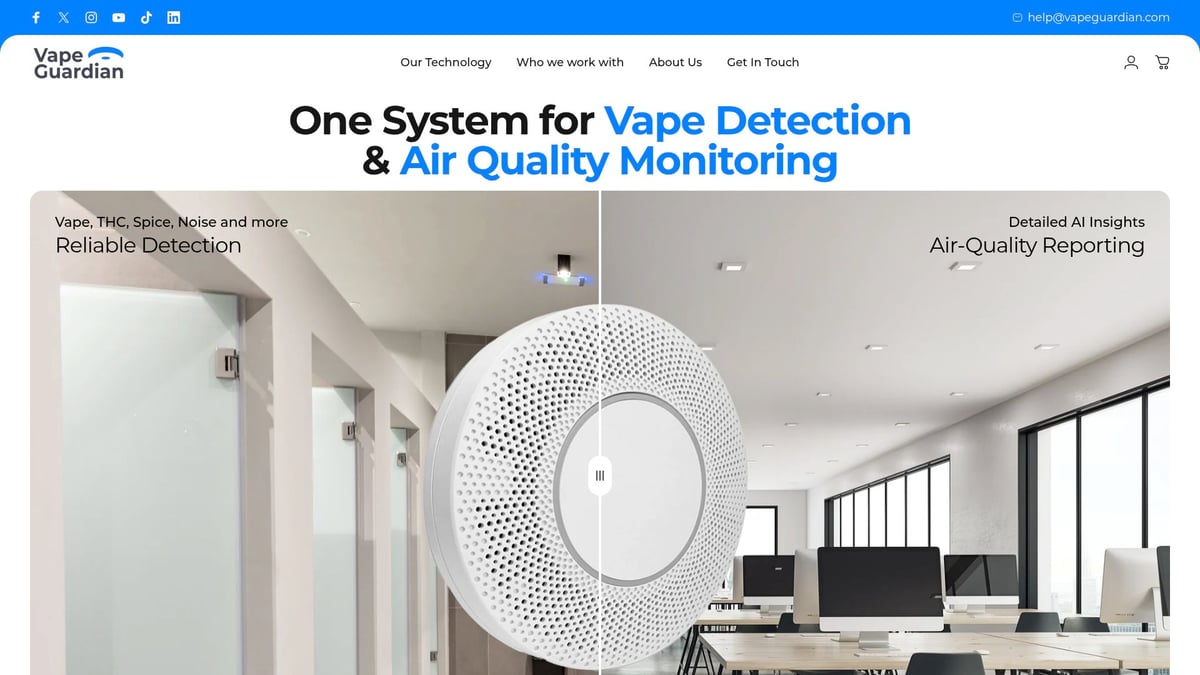
UK-based support and a cloud-based management platform simplify integration and compliance reporting. Vape Guardian has demonstrated a reduction in vaping incidents by up to 95 percent in educational settings within five weeks.
Their risk-free trial, free educational resources, and ongoing support make Vape Guardian an ideal partner for organisations seeking healthier, safer environments.
Key Data Sources and Metrics for Effective Air Quality Analytics
Understanding the right data sources and metrics is the foundation of robust air quality analytics. The effectiveness of these systems hinges on reliable data collection, interpretation, and actionable insights tailored for each environment.
Indoor vs Outdoor Air Quality Data
The approach to gathering air quality analytics data varies significantly between indoor and outdoor environments. Indoors, sensors are typically positioned in areas with high occupancy, such as meeting rooms or classrooms, to monitor localised pollutants and ventilation efficiency. Outdoor monitoring, in contrast, requires weatherproof sensors and considers factors like wind, traffic, and industrial emissions.
Facilities near busy roads often implement dual monitoring strategies. For example, an office building might track both indoor and outdoor data to better understand how external pollutants infiltrate indoor spaces. This dual approach ensures that air quality analytics capture the full spectrum of environmental influences, supporting targeted mitigation efforts.
Essential Air Quality Metrics
Effective air quality analytics rely on tracking a suite of critical metrics. These include:
- Particulate matter (PM1, PM2.5, PM10) concentrations
- Carbon dioxide (CO2) levels
- Volatile organic compounds (VOCs)
- Humidity and temperature
- Targeted substances (e.g., formaldehyde, ammonia)
Each metric provides unique insights. For example, PM2.5 levels are closely linked to respiratory health risks. For a deeper dive into the significance of PM2.5 metrics and reporting, see PM2.5 air quality reports. By monitoring these parameters, organisations can set health-based thresholds and develop proactive intervention strategies.
Leveraging Third-Party and Open Data Sources
Air quality analytics gain additional value when integrating third-party and open-source data. Government agencies such as DEFRA and Air Quality England provide extensive datasets, which can be combined with on-site sensor data to enhance accuracy and context.
Satellite and weather data are increasingly used for predictive modelling, helping anticipate pollution events before they impact indoor environments. Schools, for instance, may consult local authority air quality data to guide closure decisions during high pollution periods, ensuring the safety of students and staff.
Data Quality and Validation
The reliability of air quality analytics depends on rigorous data validation. Regular calibration of sensors, cross-referencing with reference stations, and managing data gaps are essential practices. Timestamping and geolocation add further context, making it possible to identify trends and anomalies with precision.
Facilities must also address sensor drift and ensure ongoing maintenance to maintain data integrity. These efforts collectively ensure that air quality analytics deliver trustworthy, actionable insights for compliance and health protection.
Advanced Metrics and Custom Analytics
Modern air quality analytics move beyond basic measurements, incorporating advanced metrics and custom analyses. Predictive analytics use historical and real-time data to forecast air quality events, allowing for preemptive action. Occupancy-based exposure assessments help tailor interventions for specific groups, such as students or office workers.
Organisations often develop custom KPIs, like tracking absenteeism reductions in schools linked to improved air quality. This strategic use of analytics transforms data into measurable outcomes, supporting continuous improvement in environmental health.
Regulatory Compliance and Best Practices in 2026
Staying ahead of regulatory requirements is essential for any organisation serious about air quality analytics. The 2026 landscape brings stricter UK and EU standards, with updates reflecting the latest research on the health impacts of air pollution. New sector-specific rules now affect education, commercial, and leisure environments, each with tailored thresholds and monitoring obligations. For example, schools must monitor for fine particulate matter, while offices face requirements for carbon dioxide and volatile organic compound levels.
Evolving Air Quality Standards and Regulations
Regulations in 2026 demand more frequent and detailed air quality analytics. The UK has aligned with evolving EU directives, tightening limits for indoor and outdoor pollutants. These changes require organisations to adopt advanced monitoring systems and regularly update their compliance strategies. Sectors such as education and leisure face new rules on public access to air quality data, increasing transparency and accountability.
Documentation and Reporting
Accurate documentation is the backbone of effective air quality analytics. Organisations must keep calibration logs, maintenance records, and incident reports up to date. Modern analytics platforms help automate much of this process, reducing administrative burden and human error. For a practical example of streamlined compliance documentation, see this overview of office air quality monitoring, which covers reporting protocols and real world use cases in commercial settings.
Health and Safety Policies
Integrating air quality analytics into health and safety policies is now considered best practice. Staff and occupants should receive training to interpret data and understand response procedures. Awareness campaigns can reinforce the importance of air quality, while transparent communication of analytics results builds trust with stakeholders. These steps ensure that compliance is not just a box ticking exercise but a core part of organisational culture.
Auditing and Continuous Improvement
Regular internal and external audits are vital for verifying the effectiveness of air quality analytics systems. Analytics data can reveal trends and highlight areas for policy refinement, such as adjusting HVAC schedules or targeting specific pollutant sources. For instance, some retail chains use audit results to fine tune their ventilation strategies, leading to measurable improvements in indoor air quality over time.
Penalties and Incentives
Compliance is not optional, and the consequences for non adherence are growing. In 2025, there was a 22 percent increase in fines for UK businesses failing to meet air quality standards. On the positive side, exceeding regulations can unlock incentives like green building certifications and enhanced ESG ratings. Adopting robust air quality analytics not only protects against penalties but also delivers reputational and operational benefits.
Future Trends and Innovations in Air Quality Analytics
As we look ahead, the landscape of air quality analytics is undergoing rapid transformation. Technological advances, evolving regulations, and shifting societal expectations are converging to redefine how facilities monitor and improve the air we breathe. Staying informed about these trends is essential for anyone responsible for health and safety in built environments.
AI and Machine Learning in Predictive Air Quality Management
AI and machine learning are revolutionising air quality analytics by enabling systems to identify patterns and anticipate pollution events before they escalate. These technologies automate anomaly detection, reducing false alarms and allowing for faster, more targeted responses. One notable development is the increased use of unsupervised methods, such as the Veli: Unsupervised Sensor Correction Method, which leverages Bayesian models to correct low-cost sensor readings without reference stations. This significantly improves data reliability and supports proactive interventions across diverse environments.
Integration with Smart Building and City Infrastructure
The integration of air quality analytics with building management systems and municipal platforms is becoming standard practice. Seamless data sharing enables facilities to optimise ventilation, adjust cleaning schedules, and contribute to city-wide environmental health initiatives. Smart city infrastructure uses aggregated data from multiple sources to inform traffic management and urban planning, helping reduce pollution hotspots. This interconnected approach ensures that air quality improvements are both targeted and sustainable across large populations.
Wearable and Personal Air Quality Monitors
Personal exposure tracking is gaining momentum as wearable and consumer-grade devices become more accurate and affordable. These monitors allow individuals to monitor their own air quality in real time, empowering them to make informed decisions about their environment. Integration with enterprise air quality analytics platforms enables organisations to gain deeper insight into staff or student exposure patterns. Ultimately, this trend fosters a culture of shared responsibility for health and well-being.
Sustainability and ESG Reporting
Air quality analytics is now a key component of sustainability and ESG strategies. Organisations use real-time data to demonstrate compliance, reduce carbon footprints, and improve energy efficiency. Transparent reporting builds trust with stakeholders and supports green building certifications. Custom dashboards and automated reports make it easier to track progress, identify areas for improvement, and link air quality improvements directly to broader organisational goals.
Anticipated Regulatory and Technological Shifts
Looking to the future, we can expect stricter air quality standards and emerging pollutants to shape compliance requirements. Innovations in sensor miniaturisation and battery life will expand monitoring capabilities, while the air quality sensor market is projected to reach nearly 10 billion USD by 2033, according to the Air Quality Sensor Market Growth Forecast. Staying ahead of these developments will be crucial for any organisation relying on air quality analytics to maintain safe, healthy environments.
As we've explored, staying ahead of air quality challenges in 2026 means embracing smart analytics and proven strategies for healthier environments. Whether you're responsible for a school, office, or leisure space, having real-time insights and reliable detection is key to compliance and wellbeing. If you're ready to take the next step in creating safer, more transparent spaces, we're here to help. You can speak directly with our team to discuss your unique needs and see how advanced air quality monitoring can make a difference for your building.


Share:
Vape Detection Installation Guide: Expert Insights for 2026
Smart Safety Technology Provider Guide: Your 2026 Success Path