
Vaping is rapidly spreading through schools and workplaces across the UK, with recent figures showing a sharp increase in incidents in both public and private spaces. As we look ahead to 2026, vape detection installation has become a top priority for creating safer, healthier environments and preventing serious consequences for organisations.
This guide provides a detailed, expert-led approach to vape detection installation, from understanding the latest technology to planning and step-by-step setup. You will also learn about integration with existing systems, compliance with UK laws, and future trends. If you want to protect your community and stay ahead of the curve, continue reading to ensure your vape detection installation is effective and future-proof.
Understanding Vape Detection Technology in 2026
As vaping continues to impact schools, offices, and public spaces across the UK, understanding the latest vape detection installation technology is essential for leaders aiming to create safer environments. The rapid advancement in vape detection installation systems means that organisations now have access to more reliable, efficient, and intelligent solutions than ever before.
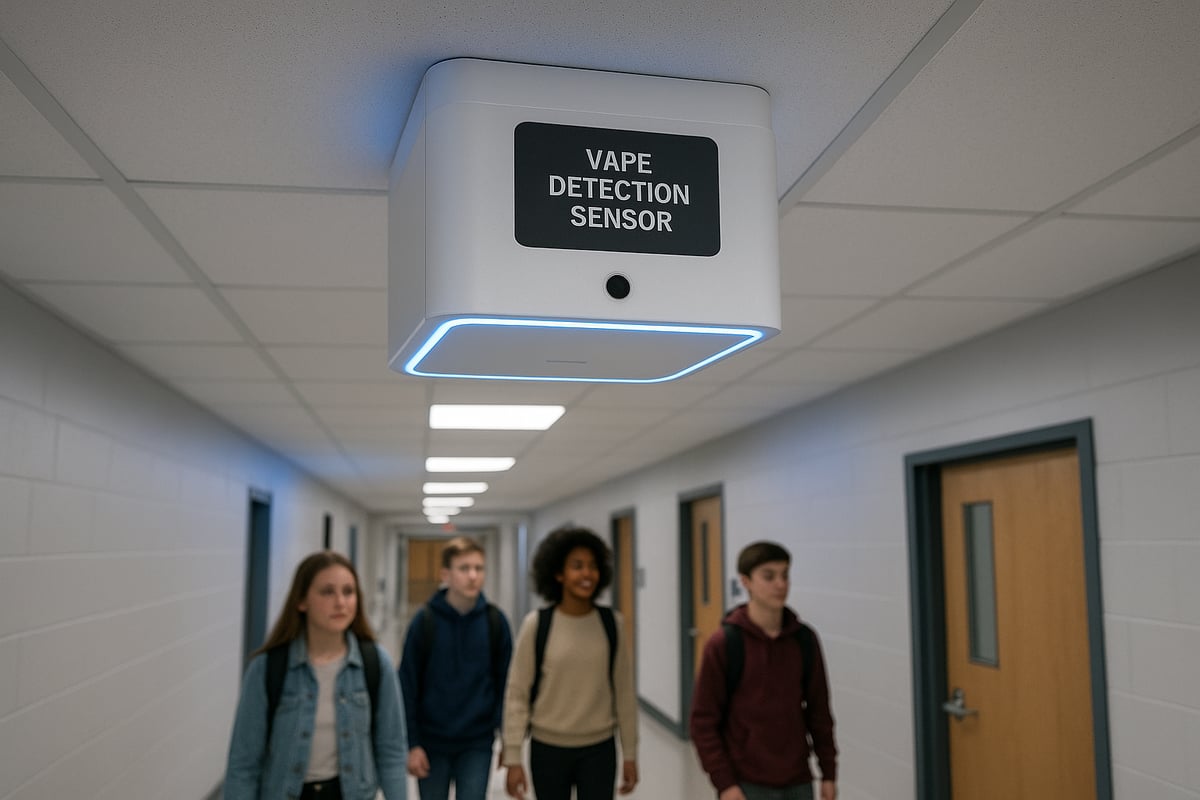
The Evolution of Vape Detection Technology
Vape detection installation has progressed significantly since the early days of basic smoke sensors. Initial systems struggled to differentiate between vapour and other substances, often resulting in frequent false alarms. By 2026, the landscape looks remarkably different. Advanced systems now leverage artificial intelligence and machine learning to analyse environmental data with impressive speed and accuracy.
Today’s leading solutions combine multiple sensing approaches, including particulate sensors that detect fine aerosol particles, gas analysis modules that identify specific chemical signatures, and even acoustic sensors capable of recognising the unique sounds produced by vaping devices. These components work together to provide reliable identification of both nicotine and THC vapour, as well as synthetic drugs and related disturbances.
For those interested in a deeper dive into how these technologies have developed, Vape detection technology explained offers a comprehensive overview.
Key Detection Methods and Device Types
Modern vape detection installation relies on a blend of detection techniques. The most common methods include:
- Particulate sensing: Identifies aerosol particles released during vaping.
- Gas analysis: Detects volatile organic compounds specific to vape products.
- Sound analysis: Uses machine learning to distinguish vaping noises from background sounds.
To support different environments, manufacturers offer a range of device types. Here is a comparison:
| Device Type | Description | Typical Use Case |
|---|---|---|
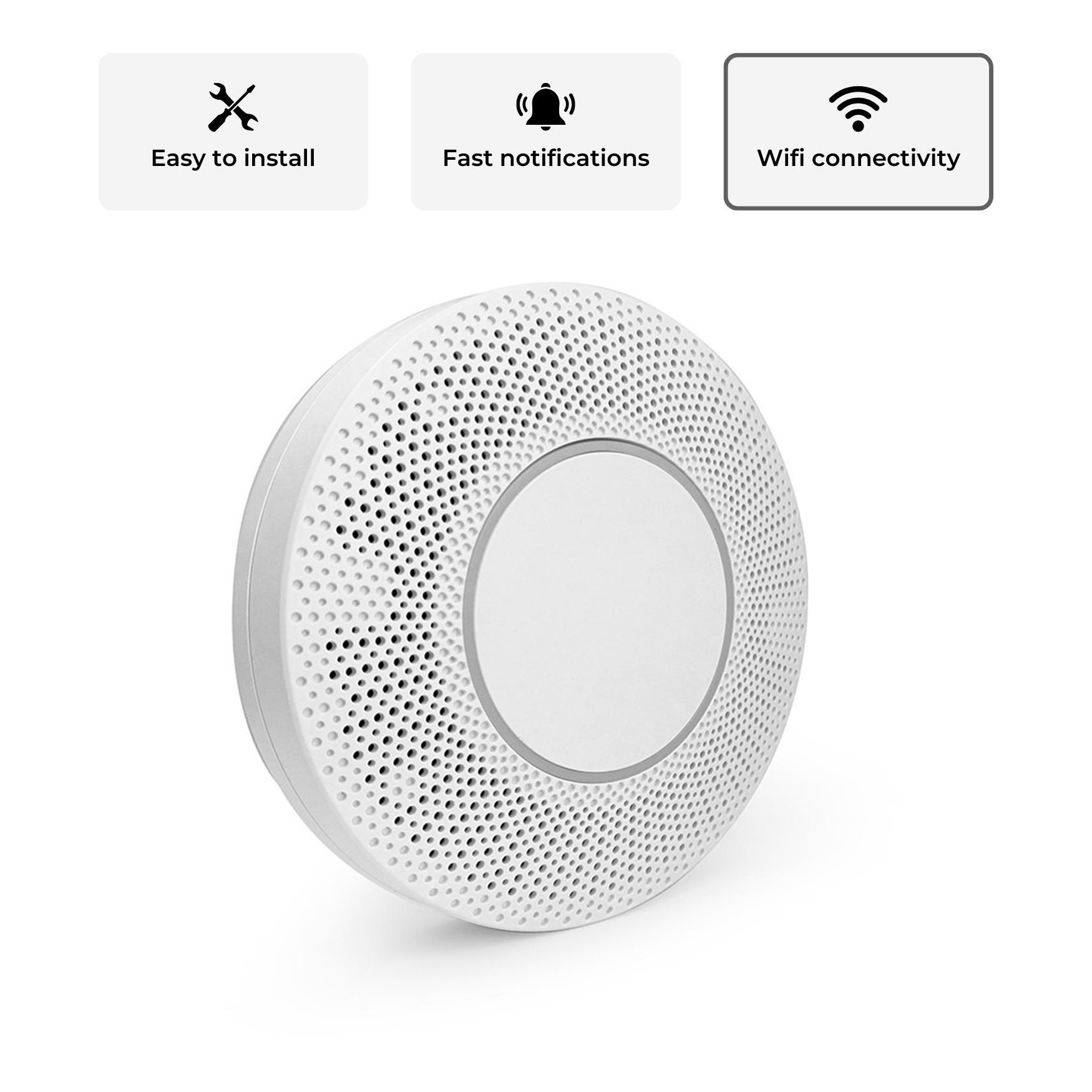
| Standalone Units | Single sensors with local alerts | Small rooms, toilets |
| Networked Sensors | Multiple devices linked for central monitoring | Corridors, multi-room |
| Integrated Air Monitors | Combine vape detection with air quality checks | Offices, public buildings |
Selecting the right device is crucial for effective vape detection installation, as it ensures adequate coverage and minimal disruption.
Enhanced Capabilities and Accuracy
The capabilities of vape detection installation systems in 2026 extend far beyond simply sensing vapour. Today’s devices offer:
- Multi-substance detection, including nicotine, THC, and synthetic compounds
- Real-time alerts to safeguarding teams or building managers
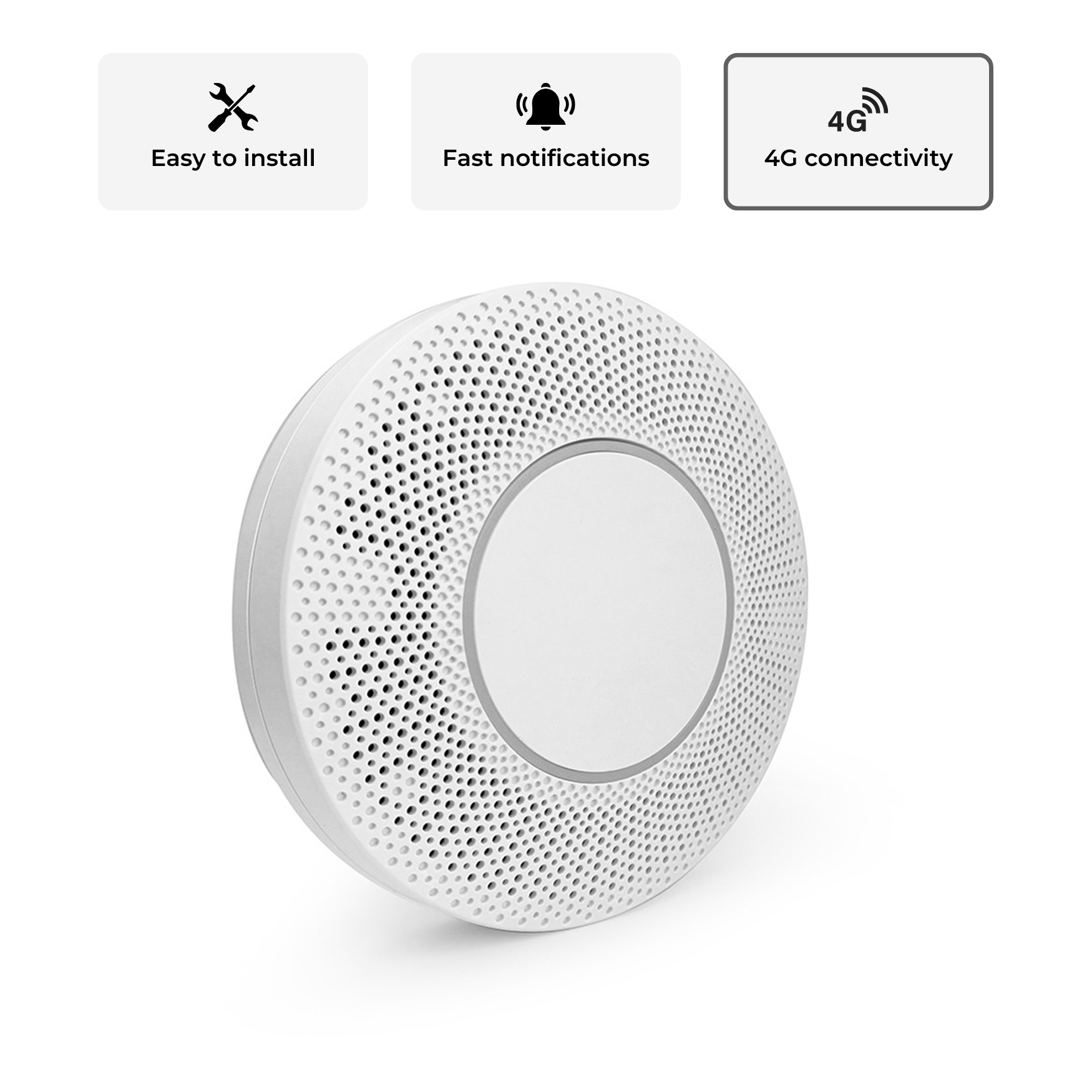
- Cloud connectivity for remote management and reporting
- Noise disturbance monitoring to catch related anti-social behaviours
Accuracy has improved dramatically, with state-of-the-art algorithms reducing false positives to industry-leading lows. For example, a recent rollout in UK schools reported a 95 percent reduction in vaping incidents within six months of deployment, thanks to precise detection and rapid response.
Market Growth and Adoption Data
The demand for vape detection installation has surged across both educational and commercial sectors. Market research indicates a significant rise in adoption rates, with schools, leisure centres, and office complexes investing heavily in smart sensor networks. This trend highlights the growing recognition of vaping as a safeguarding and health issue.
Expert Insights: What Sets 2026 Systems Apart
According to industry experts, the defining features of 2026 vape detection installation solutions are their adaptability, integration capabilities, and user-friendly reporting tools. The best systems seamlessly connect with existing security and building management platforms, ensuring that alerts reach the right staff members instantly. Comprehensive data logs support ongoing compliance and policy refinement, while cloud dashboards provide actionable insights for continuous improvement.
In summary, the evolution of vape detection installation technology has empowered organisations to tackle vaping with greater confidence and precision. By understanding these advancements, decision-makers can select the most effective solutions to protect their communities.
Planning Your Vape Detection Installation
Effective vape detection installation begins with a thorough understanding of your environment. Identifying high-risk areas is the foundation of a successful project. Toilets, corridors, stairwells, and common rooms are typically the most vulnerable spots. Consider student or occupant behaviour patterns. Are there secluded spaces where vaping might occur unnoticed? Use floor plans and past incident reports to highlight these zones, ensuring no area is overlooked.

Device selection is the next crucial step. Evaluate the types of vape detection installation devices available. Standalone units suit smaller spaces, while networked sensors are ideal for larger or multi-storey buildings. Integrated air quality monitors can offer broader environmental data. Consider detection capabilities such as nicotine, THC, and synthetic drugs. Assess sensor sensitivity, false positive rates, and the ease of scaling the system as needs evolve.
Power and connectivity considerations are equally important. Decide if your vape detection installation will use wired or wireless sensors. Wired solutions offer reliability and may be preferable for permanent setups, but wireless devices provide flexibility and easier retrofitting. Check for battery backup options to maintain coverage during outages. Ensure the building’s network can handle real-time alerts and data transmission, and plan for secure device registration.
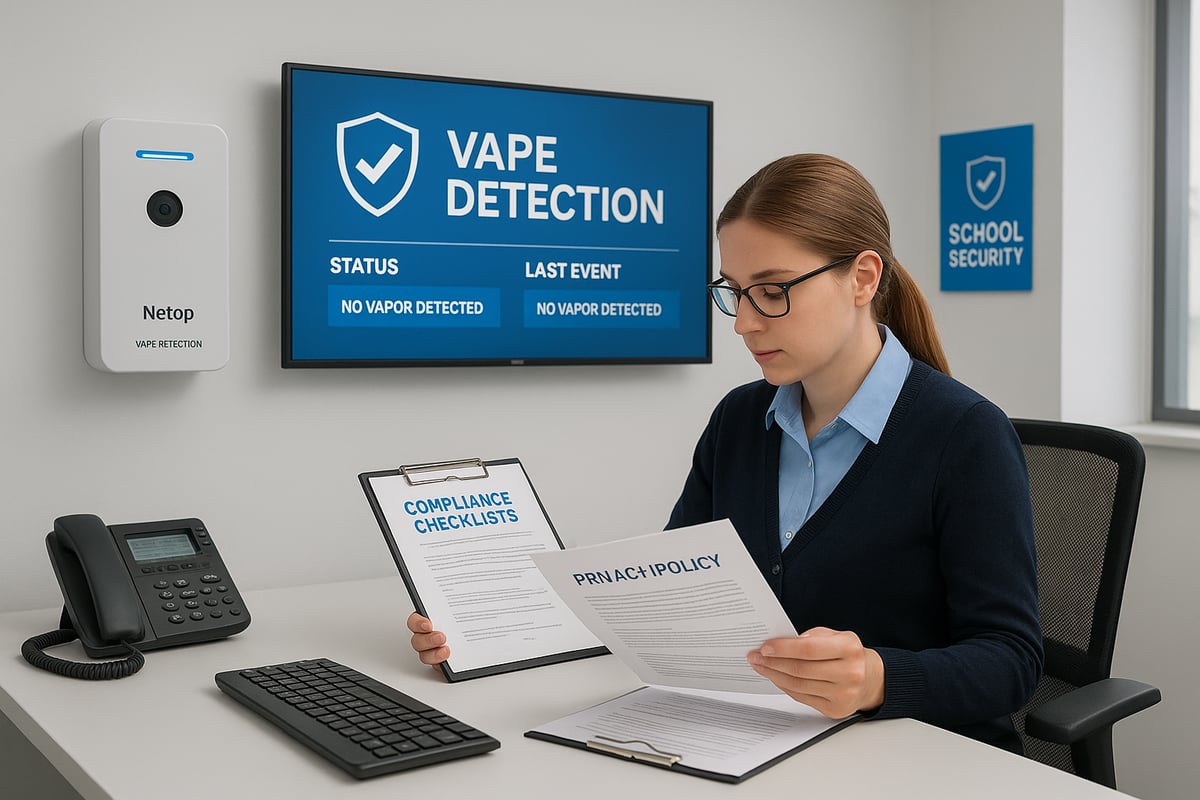
Compliance with UK regulations is essential for every vape detection installation. Review safeguarding laws, GDPR, and privacy best practices before deployment. Inform staff, students, or occupants about monitoring activities. Limit data access to authorised personnel and establish clear retention policies. Carry out regular audits to ensure the system remains compliant and addresses any privacy concerns promptly.
Budgeting and cost analysis will shape the scale of your vape detection installation. Calculate upfront equipment costs, installation fees, and ongoing maintenance. Weigh these against potential savings from reduced incidents and improved safety. Engage key stakeholders early, including IT, facilities, and safeguarding teams. Their input ensures the system meets technical and operational needs.
To illustrate the planning process, consider the School case study: vape detection. This example shows how careful assessment, stakeholder collaboration, and clear budgeting led to a successful vape detection installation with measurable reductions in incidents.
A well-planned vape detection installation not only ensures compliance and safety but also maximises return on investment. By following these steps and involving the right people, your organisation can create a safer, healthier environment for everyone.
Step-by-Step Vape Detection Installation Guide
A successful vape detection installation begins long before the first sensor is mounted. Careful preparation, attention to detail, and adherence to best practices are essential at every stage. This guide walks you through each critical step, ensuring your vape detection installation delivers reliable protection and compliance from day one.
Pre-installation Checklist
Before beginning your vape detection installation, compile a comprehensive checklist to ensure efficiency and safety. This proactive approach reduces delays and prevents costly mistakes.
- Obtain necessary permissions from facilities and IT teams.
- Review the site plan and identify all high-risk areas.
- Confirm you have all required tools: screwdrivers, ladders, safety gear, cable testers.
- Inspect power sources and network points for accessibility.
- Prepare documentation for compliance and asset tracking.
A thorough pre-installation checklist will streamline your vape detection installation and help you avoid common pitfalls.
Unboxing and Inspection
Once your vape detection installation kit arrives, unbox and verify all components against the packing list. Inspect each sensor, power supply, and accessory for visible damage or missing items.
- Check for tamper-evident seals and intact packaging.
- Review product manuals and warranty information.
- Power on each device briefly to confirm initial functionality.
Careful inspection at this stage prevents issues during the vape detection installation and supports warranty claims if defects are found.
Physical Installation
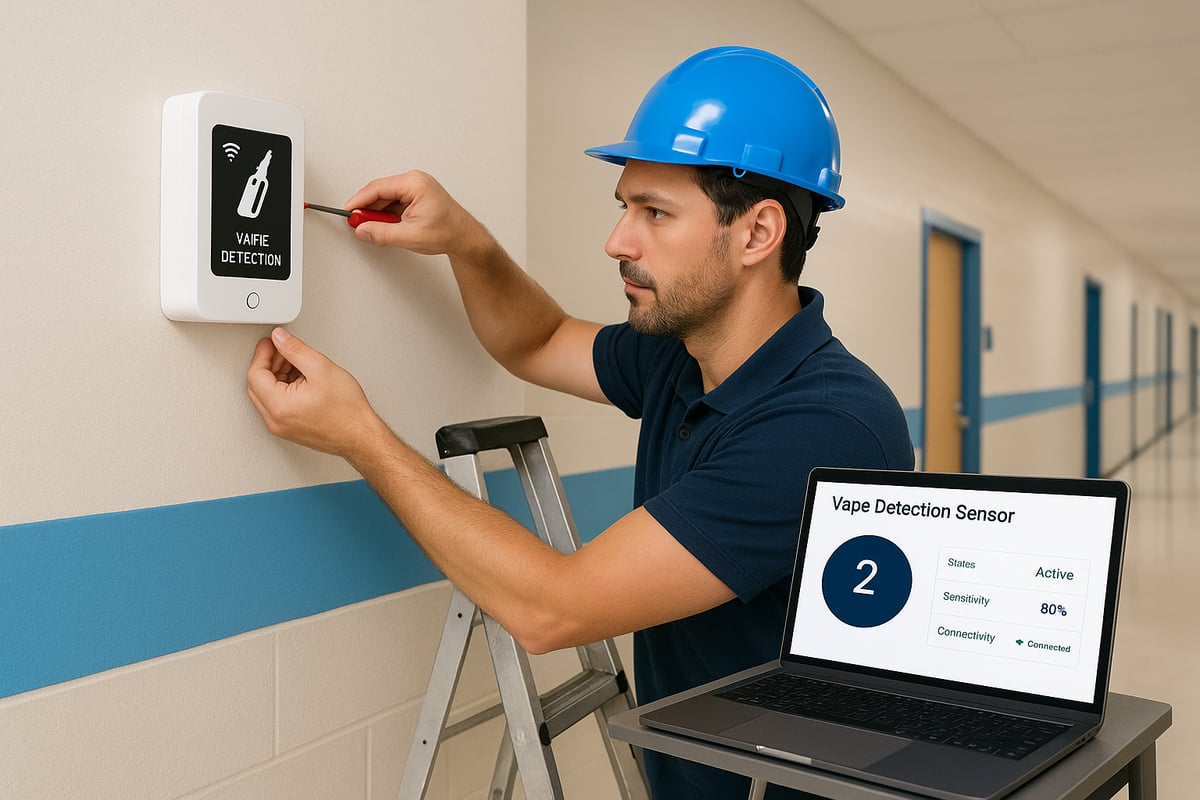
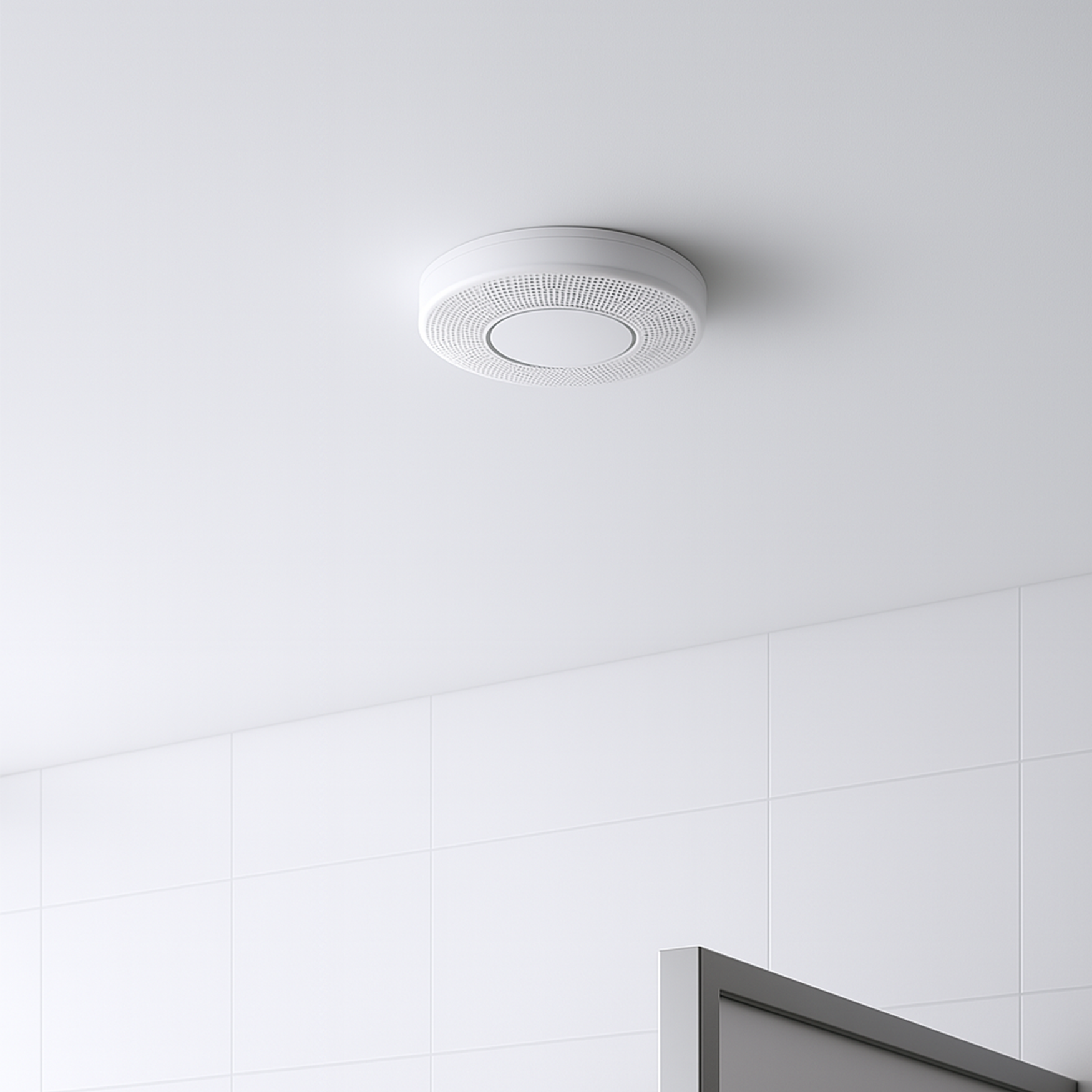
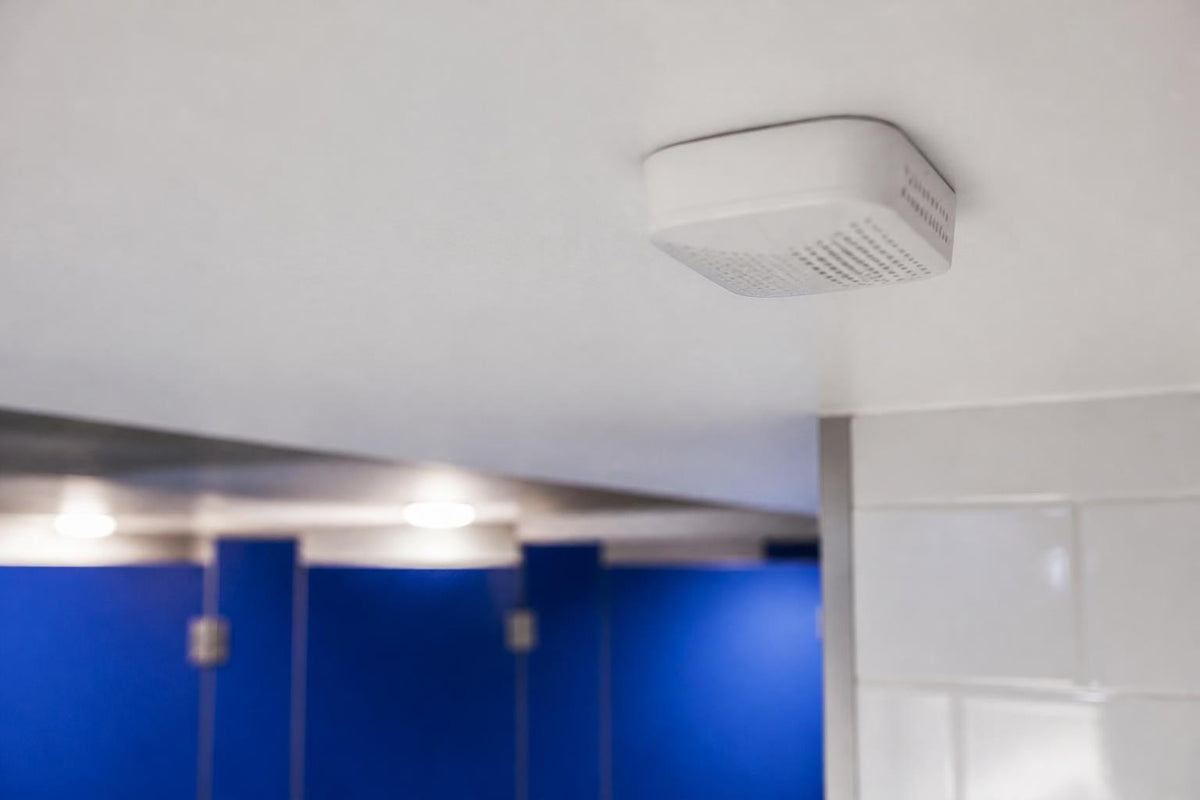
Mounting your devices correctly is vital for optimal vape detection installation performance. Begin with the highest priority locations, such as toilets, corridors, or common rooms.
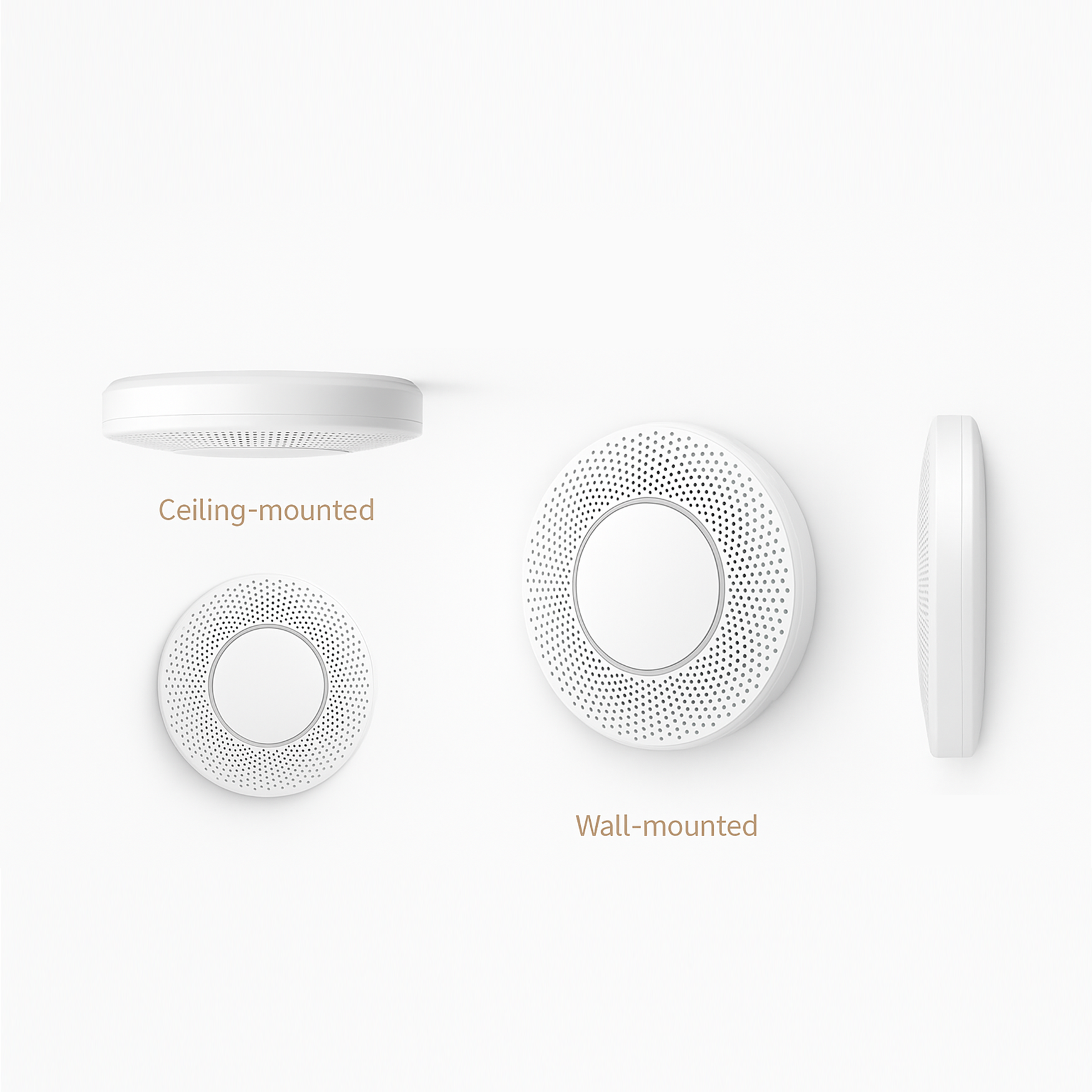
- Mark sensor positions on ceilings or walls, avoiding vents and obstructions.
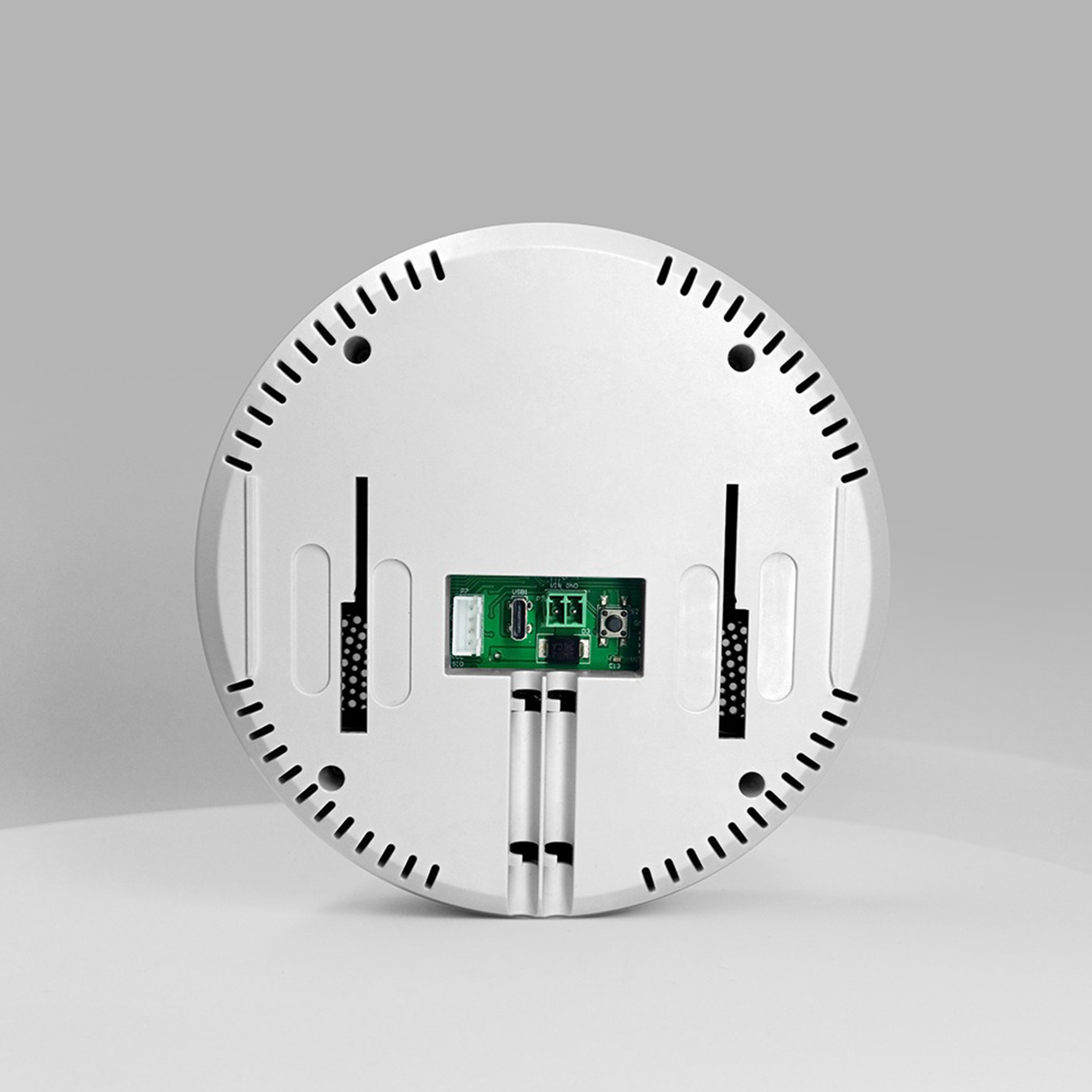
- Secure mounting brackets and attach sensors firmly.
- Ensure each unit has a stable power supply, using battery backups if necessary.
- Label devices for easy identification during network setup.
For detailed physical installation instructions, consult resources like the Step-by-step vape sensor setup guide, which offers visual aids and manufacturer-specific advice.
Proper mounting and alignment are crucial for achieving full coverage and minimising false positives in your vape detection installation.
Network and Device Setup
Next, connect each sensor to your chosen network infrastructure. Whether using WiFi or Ethernet, follow your organisation’s security protocols.
- Register each device on the network and assign unique identifiers.
- Verify connectivity using the system dashboard or dedicated mobile app.
- Check for firmware updates and install them to ensure the latest features and security.
A stable, secure network connection is essential for real-time alerts and remote monitoring, both key outcomes of a modern vape detection installation.
Software Configuration
Access the central dashboard to configure system settings and user accounts. Customise alert thresholds and notification preferences according to your safeguarding policies.
- Create user profiles with role-based access controls.
- Set up email, SMS, or app notifications for responsible staff.
- Integrate the vape detection installation system with other building management solutions if applicable.
Use built-in reporting tools to monitor incident trends and refine your response protocols. Proper configuration enhances both security and compliance.
Calibration and Testing
With hardware and software in place, calibrate your vape detection installation to ensure it accurately detects vaping events. Use manufacturer-recommended vape simulation tests to validate sensor sensitivity.
- Test each device with controlled vapour emissions.
- Record results and adjust thresholds to balance detection and false alarm rates.
- Confirm that alerts are received by designated staff in real time.
Repeat tests periodically to verify ongoing system reliability. Accurate calibration is the foundation of a successful vape detection installation.
Troubleshooting and Optimisation
If issues arise during or after your vape detection installation, address them promptly with systematic troubleshooting.
- Check power and network connections for stability.
- Review system logs for error messages or alert anomalies.
- Adjust sensor placement if persistent false positives occur.
- Contact manufacturer support for complex technical issues.
Regularly update firmware and software to benefit from the latest detection algorithms and features. Continuous monitoring and optimisation ensure your vape detection installation remains effective and future-proof.
Ensuring Compliance, Security, and Data Privacy
Navigating compliance, security, and data privacy is critical for any vape detection installation. In the UK, strict safeguarding laws and GDPR requirements govern the way monitoring systems are deployed in educational and commercial environments. Organisations must ensure that their vape detection installation aligns with these regulations to protect both the organisation and the individuals under surveillance.
A robust vape detection installation plan begins with secure data handling. This includes implementing strong access controls, encrypting stored data, and defining clear retention policies. Only authorised personnel should have access to sensitive detection logs and incident reports. To support effective response protocols, many organisations benefit from following best practice for handling vaping alerts, which outlines step-by-step procedures for managing notifications and maintaining compliance.
Consent and notification are essential components of any vape detection installation. Staff, students, and visitors should be clearly informed about the presence and purpose of monitoring devices. This can be achieved through signage, digital communications, and policy updates. Balancing safety with privacy is crucial, so organisations must be transparent about what data is collected and how it will be used, ensuring that personal rights are respected at every stage.
Regular audits are vital to verify that the vape detection installation remains compliant over time. Organisations should routinely review system logs, incident response documentation, and access records. Engaging compliance officers to provide expert guidance helps address emerging concerns and adapt to changes in regulation. For example, a leisure centre in Manchester maintained full compliance by scheduling quarterly audits, providing ongoing staff training, and updating privacy notices, ensuring a secure and trusted environment for all.
Future Trends and Innovations in Vape Detection
The landscape for vape detection installation is evolving rapidly, driven by technological innovation and the growing need for safer environments. Staying ahead of these future trends is essential for organisations aiming to maintain robust security and compliance. As we look toward 2026, several advancements are shaping how institutions approach vape detection installation and ongoing management.
Artificial Intelligence and Predictive Analytics
Artificial intelligence is transforming vape detection installation by enabling systems to not only identify vaping, but also predict incidents before they occur. AI-driven algorithms analyse behavioural patterns, environmental data, and historical alerts to provide early warnings. These insights empower school safeguarding leads and office managers to intervene proactively, reducing repeat offences and creating safer spaces.
Advanced systems now use machine learning to distinguish between harmless vapour and illicit substances. This reduces false positives and ensures that vape detection installation delivers reliable, actionable alerts. According to recent industry analysis, predictive analytics are becoming a standard feature, with adoption rates surging across the UK education and corporate sectors. For a deeper dive into how smart detection tech is addressing these challenges, visit Vaping in 2025: How Smart Detection Tech Provides a Solution.
Multi-Sensor Integration and Smart Environments
Vape detection installation is moving beyond single-purpose devices. The latest systems integrate multiple sensors, combining vape detection with air quality monitoring, noise analysis, and occupancy tracking. This holistic approach enables organisations to manage indoor environments more efficiently, supporting both health and security objectives.
In a typical scenario, networked sensors can communicate with building management systems to trigger ventilation or alert staff instantly. The integration of these technologies streamlines operations while ensuring that vape detection installation remains both discreet and effective. Modern sensors are designed to function seamlessly in complex environments, from multi-storey schools to open-plan offices.
Cloud-Based Management and Enhanced Reporting
Cloud technology is revolutionising vape detection installation by offering centralised dashboards, real-time analytics, and remote system management. Administrators can access alerts, historical data, and device health from any location, simplifying oversight and response. Automated updates and self-diagnostics reduce the need for on-site maintenance, improving long-term reliability.
Enhanced reporting tools provide tailored insights for policy makers, safeguarding teams, and compliance officers. These reports help identify trends, measure intervention effectiveness, and support data-driven decisions. As a result, vape detection installation is becoming a cornerstone of institutional health and safety strategies.
Market Outlook and Regulatory Forecasts
The demand for vape detection installation is expected to rise significantly as regulations tighten and awareness grows. Market analysts predict that the industry will experience double-digit growth through 2026, driven by increased adoption in educational, commercial, and leisure settings. For comprehensive data on market trends and future projections, consult the Vape Detector Market Size & Share 2025-2032 report.
Regulatory bodies are anticipated to introduce stricter guidelines regarding air quality and vaping in public spaces. This will further incentivise organisations to prioritise vape detection installation as part of their compliance and safeguarding frameworks.
Real-World Innovation: Pilot Programme Example
A leading UK retail chain recently piloted next-generation vape detection installation across multiple sites. By integrating AI-powered sensors with cloud management, they achieved a 90 percent reduction in incidents within six months. Feedback from staff highlighted the ease of use, while management praised the detailed reporting and rapid response capabilities.
This example illustrates how forward-thinking organisations are leveraging innovation to deliver measurable results and future-proof their environments.
Summary Table: Key Innovations in Vape Detection Installation
| Innovation | Impact | Adoption Trend |
|---|---|---|
| AI and Predictive Analytics | Early intervention, reduced false positives | Rapidly increasing |
| Multi-Sensor Integration | Holistic monitoring, streamlined management | High uptake |
| Cloud-Based Dashboards | Remote access, real-time insights | Becoming standard |
| Enhanced Reporting | Data-driven decisions, compliance support | Widely adopted |
In summary, keeping pace with the latest trends ensures that vape detection installation continues to protect staff, students, and visitors effectively. Embracing these innovations now will help your organisation remain compliant, resilient, and ready for the future.
Maintenance, Support, and System Optimisation
Proactive maintenance is crucial for the long-term success of any vape detection installation. By following a structured approach to support and optimisation, organisations can ensure their systems remain reliable, efficient, and compliant.
Routine Maintenance Best Practices
Routine maintenance is the backbone of a successful vape detection installation. Sensors should be cleaned regularly to prevent dust and debris from affecting accuracy. Firmware updates must be applied as soon as they become available, ensuring systems have the latest detection algorithms and security patches.
Establish a maintenance schedule based on manufacturer recommendations. For example, monthly cleaning and quarterly software checks help maintain performance. Regular testing, using vape simulation devices, validates sensor responsiveness and reduces the risk of undetected incidents.
| Maintenance Task | Frequency | Impact on Longevity |
|---|---|---|
| Sensor cleaning | Monthly | High |
| Firmware updates | Quarterly | Moderate |
| System testing | Monthly | High |
| Log review | Weekly | Moderate |
A disciplined approach to maintenance extends the lifespan of your vape detection installation and safeguards your investment.
Support and Troubleshooting Resources
Access to robust support resources is vital for resolving issues quickly. Leading manufacturers provide helplines, online troubleshooting guides, and user forums to help you address sensor errors or connectivity problems.
When planning your vape detection installation, ensure your chosen provider offers comprehensive support. Keep records of maintenance activities and troubleshooting steps, which can be invaluable for technical support teams.
For complex issues, remote diagnostic tools allow engineers to access system logs securely, reducing downtime and minimising disruption. This collaborative approach helps maintain system availability and user confidence.
Monitoring and System Performance
Continuous performance monitoring is essential for maximising the value of any vape detection installation. Analysing detection logs and response times can reveal patterns, false positives, or missed detections.
Modern systems often include automated health checks that flag potential issues before they escalate. For instance, one UK office building implemented automated diagnostics and reduced maintenance costs by 30 percent within a year.
Stay informed about emerging best practices by exploring Technology & Innovation: For Professionals in the Vaping Industry, which offers up-to-date insights on system optimisation and industry standards.
Upgrades, Scaling, and Optimisation
As vaping behaviours and device technologies evolve, your vape detection installation should adapt as well. Regularly review your system's coverage and consider adding new sensors to address changing risk areas or building expansions.
Integration with new features, such as AI-driven analytics or cloud-based dashboards, can enhance both accuracy and reporting. Consult your provider about upgrade paths and compatibility with future devices to maximise long-term value.
To anticipate future needs, keep track of innovations in vaping technology. The article Innovations in Vaping Technology: What to Expect in 2025 provides a valuable overview of trends that may influence vape detection installation requirements.
Data Driven Feedback and Longevity
Effective system optimisation relies on a feedback loop using real incident data. Regularly review detection logs, incident reports, and user feedback to identify areas for improvement. Adjust sensor placements, alert settings, or maintenance routines as needed.
Implementing these feedback mechanisms ensures your vape detection installation remains effective, compliant, and aligned with organisational policies. Over time, these practices contribute to longer system lifespan and higher return on investment.
You've seen how crucial it is to plan, install, and maintain a vape detection system that truly safeguards your environment—whether it's a school, office, or leisure space. With advanced solutions like real time alerts and multi substance detection, we can work together to reduce incidents and meet compliance standards. If you're ready to take the next step or need expert advice tailored to your building, don't wait to make a difference. Talk to our team and protect your building today.



Share:
The Essential Guide to Vape and Air Quality Reports 2026
Air Quality Analytics Guide: Insights and Strategies for 2026