
In 2026, over 40 percent of UK secondary schools reported incidents involving vaping indoors, raising urgent questions about its impact on air quality. Public awareness has grown as schools, businesses, and public venues face mounting pressure to ensure safer air for all occupants.
Understanding vape and air quality reports is now essential for meeting regulatory standards, protecting health, and reducing risks in shared environments. These reports offer the data and insights organisations need to address compliance, safety, and well being challenges head on.
This guide will equip you with a comprehensive overview of vape and air quality reports, their significance, how to interpret them, and practical steps for implementation. You will also discover the latest trends, technology, and actionable strategies for 2026.
The Evolution of Vape and Air Quality Monitoring
The journey of vape and air quality reports reflects rapid shifts in technology, regulation, and public expectations. As vaping surged in popularity, it challenged existing air quality monitoring systems and pushed organisations to rethink their approach to indoor air safety. Understanding this evolution is vital for anyone seeking to navigate the complex landscape of air quality management in 2026.
Historical context and the rise of vaping
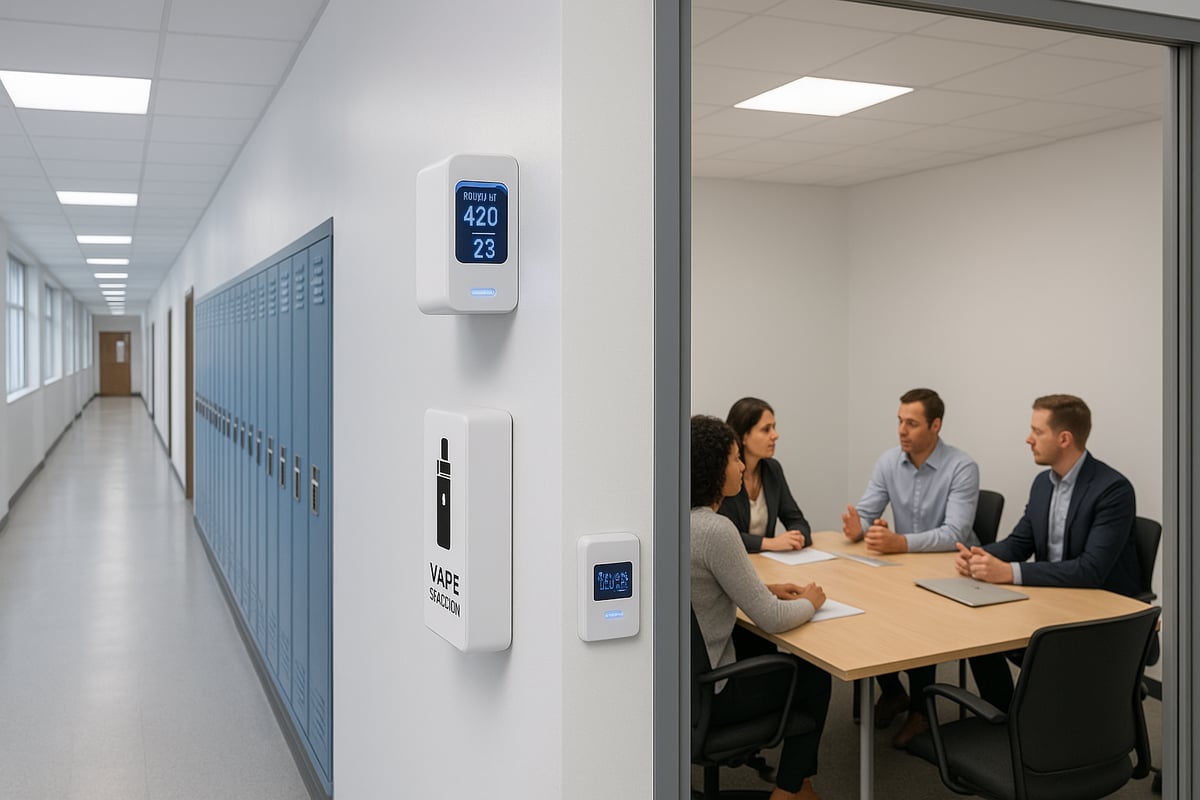
Vaping began to rise significantly in the early 2010s, quickly becoming a fixture in schools, workplaces, and public venues. By the mid-2020s, reports indicated that nearly one in five young adults in the UK had tried vaping products. However, traditional air quality monitors, designed mainly for dust or smoke, struggled to detect the fine aerosols and volatile organic compounds released by e-cigarettes. This gap meant that vape and air quality reports were often incomplete or misleading.
Government and health authorities responded with caution at first, but as research highlighted the risks of secondhand vape exposure, the call for better monitoring grew louder. Schools and businesses found themselves under increasing pressure to ensure safe indoor environments, making vape and air quality reports a central tool in their compliance and safety strategies.
Regulatory changes and compliance drivers
By 2026, the regulatory landscape for vape and air quality reports had changed dramatically. The UK and EU introduced a wave of legislation requiring more robust indoor air monitoring. The Environment (Air Quality and Soundscapes) (Wales) Act 2024, along with updated Health and Safety Executive guidelines, set strict standards for particulate matter, chemical exposure, and vape detection.
The shift from voluntary to mandatory reporting was especially noticeable in schools and corporate offices. According to recent government data, compliance rates among educational institutions rose from 65 percent in 2023 to over 90 percent in 2026. Penalties for non-adherence ranged from substantial fines to temporary closure of facilities, further emphasising the importance of consistent and reliable vape and air quality reports.
Technological advancements in detection
Sensor technology has experienced a remarkable transformation since the early days of air quality monitoring. Early monitors could only track large particulates or basic gases, but new systems now identify vape aerosols, nicotine, and even flavouring agents in real time. AI-powered analytics are at the heart of these innovations, enabling instant alerts and automated incident logs.
Leading organisations in education and business have adopted integrated solutions that combine air quality, vape, and even noise monitoring. For a deeper dive into recent breakthroughs, see this overview of Vape detection technology advancements. Real-world case studies reveal that early adopters saw up to 80 percent reductions in reported vaping incidents, demonstrating the tangible benefits of modern vape and air quality reports.
The importance of data-driven air quality strategies
The rise of vape and air quality reports has empowered organisations to make informed decisions about health and safety. Detailed data allows facility managers to identify trends, pinpoint risk areas, and deploy resources efficiently. For instance, a comparison of incident rates before and after implementing advanced monitoring shows a significant drop in both air quality violations and related health complaints.
Data-driven strategies are now central to policy development. Schools, offices, and leisure venues use air quality data to update cleaning protocols, redesign ventilation, and engage with stakeholders. As a result, vape and air quality reports have become more than compliance documents—they are essential management tools.
Impact on public awareness and behaviour
Heightened public scrutiny has driven demand for greater transparency in vape and air quality reports. High-profile media coverage of vaping incidents in schools and workplaces has increased expectations for proactive monitoring. In response, many organisations now publish summary air quality data to reassure staff, students, and parents.
The effect is clear: environments with regular monitoring and transparent reporting have seen measurable improvements in air quality and a decline in vaping-related incidents. This shift reflects a broader societal commitment to safer, healthier indoor spaces.
Understanding Vape and Air Quality Reports
Understanding vape and air quality reports is essential for any organisation aiming to maintain healthy indoor environments in 2026. These reports not only reveal the invisible threats posed by vaping but also enable data-driven decisions for compliance and safety. Navigating the components, interpreting the numbers, and acting on findings is crucial for schools, businesses, and public venues.
What is included in a vape and air quality report
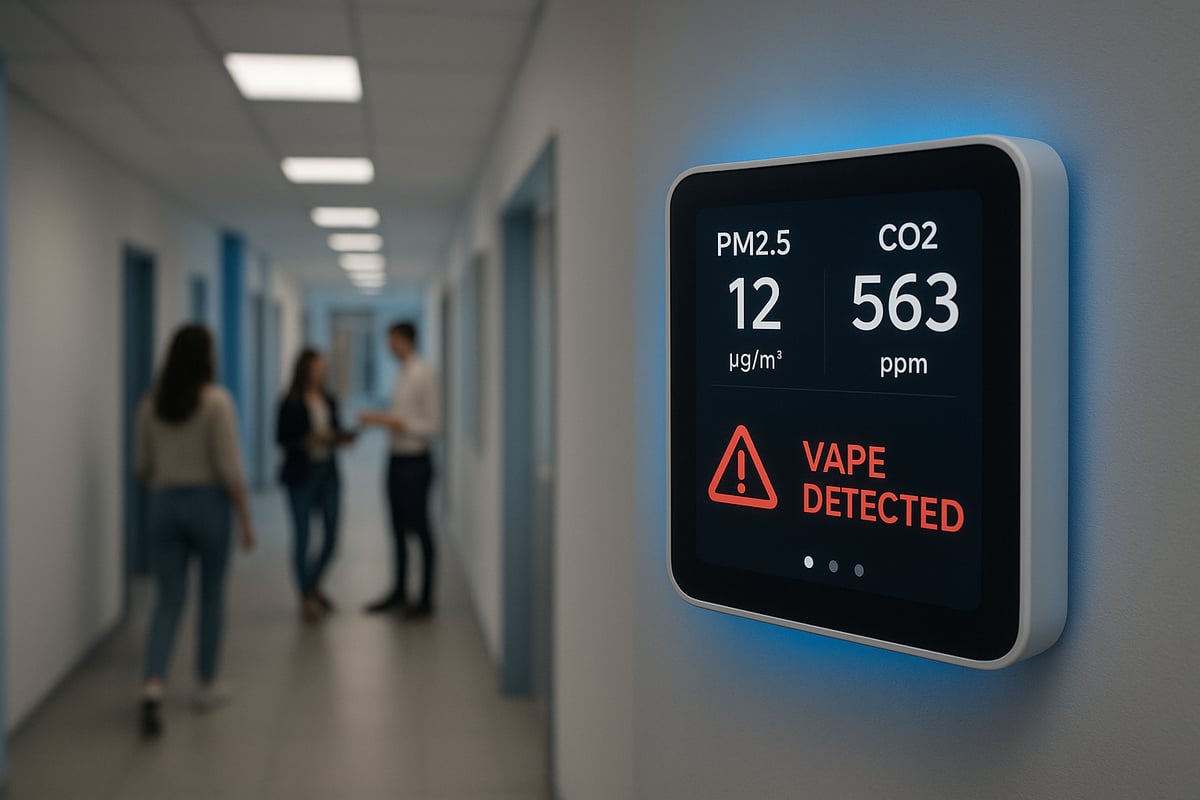
Vape and air quality reports are comprehensive documents that capture a wide array of indoor pollutants and environmental factors. Key metrics commonly found in these reports include:
- PM2.5 (fine particulate matter)
- Total Volatile Organic Compounds (TVOCs)
- Carbon Dioxide (CO2)
- Humidity and temperature
- Vape-specific chemical markers
These metrics are crucial for distinguishing vaping from other sources of pollution, such as smoking or cooking. Advanced reports use unique chemical signatures and time-stamped readings to separate vaping incidents from other activities. For a deeper dive into the importance of PM2.5, see PM2.5 air quality reports.
A typical vape and air quality report presents data through charts, heatmaps, and incident logs, making it easier for users to spot trends or anomalies at a glance.
Interpreting report data for actionable insights
Reading vape and air quality reports effectively involves understanding not just what the numbers mean, but how to act on them. Begin with the summary section, which highlights any exceedances or incidents. Next, review time-based charts to identify spikes in pollution or sudden changes in vape-specific markers.
Look for patterns, such as repeated incidents in the same area or at the same time of day. These trends can reveal behavioural patterns or ineffective ventilation. Most reports include established thresholds for each metric, indicating safe, cautionary, or unsafe levels. These thresholds are based on scientific research and regulatory guidance, providing a clear reference for immediate action.
Pay close attention to anomalies, as they often signal equipment malfunctions, unusual activities, or emerging risks. Regularly reviewing and interpreting vape and air quality reports helps organisations respond promptly and refine their air quality strategies.
The role of real-time vs historical reporting
Vape and air quality reports can be generated in real time or as historical summaries. Real-time monitoring offers immediate alerts, enabling rapid response to vaping incidents or deteriorating air quality. This approach is invaluable for environments where swift intervention is critical, such as schools or healthcare facilities.
Historical reporting, on the other hand, provides a broader view of air quality trends over days, weeks, or months. Analysing this data helps organisations identify persistent problem areas, evaluate the effectiveness of interventions, and plan long-term improvements.
Both methods have their advantages. Real-time data enhances incident response, while historical analysis supports strategic planning. Successful organisations often combine both to create a comprehensive air quality management system.
Common challenges in report interpretation
Interpreting vape and air quality reports is not without challenges. Sensor placement is critical, as poor positioning can lead to inaccurate readings. Calibration is another common issue, with uncalibrated sensors producing false positives or negatives.
Other challenges include:
- Data overload: Too much information can obscure key insights.
- Inconsistent reporting formats: Makes comparison and trend analysis difficult.
- Staff training gaps: Untrained staff may misinterpret data or miss critical alerts.
To overcome these challenges, organisations should adopt best practices such as regular sensor calibration, standardised reporting templates, and comprehensive staff training. This ensures that vape and air quality reports remain reliable and actionable.
How reports support compliance and incident documentation
Vape and air quality reports play a vital role in legal and regulatory compliance. Detailed records provide evidence for audits, investigations, and regulatory reviews. For example, when a vaping incident occurs, a report can document the time, location, and severity, supporting disciplinary actions or demonstrating due diligence.
These reports are often required by law, especially in schools and workplaces. Regulatory bodies use them to verify compliance and enforce standards. In recent years, enforcement actions based on report evidence have increased, underscoring the importance of maintaining accurate records.
By systematically documenting incidents and air quality trends, organisations not only fulfil their legal obligations but also build a culture of transparency and accountability.
Key Technologies and Solutions in 2026
The landscape for vape and air quality reports technology in 2026 is more robust and sophisticated than ever. Organisations now have access to an array of monitoring solutions tailored to address rising concerns about indoor air quality and vaping. These systems offer unprecedented precision, automation, and actionable insight.
Overview of leading vape and air quality monitoring solutions
In 2026, the market for vape and air quality reports solutions is defined by advanced sensor platforms, integrated cloud analytics, and real time alerting. Leading brands have moved beyond basic air monitors, introducing multi metric sensors capable of detecting particulates, volatile organic compounds, CO2, humidity, and vape specific markers.
Systems now feature:
- AI powered analytics for pattern recognition and anomaly detection
- Mobile apps delivering instant incident alerts to facility managers
- Cloud based dashboards for long term trend analysis
A quick comparison of top solutions:
| Feature | Solution A | Solution B | Solution C |
|---|---|---|---|
| Vape Detection | Yes | Yes | Yes |
| Real Time Alerts | Yes | Yes | Yes |
| App Integration | Yes | No | Yes |
| AI Analytics | Advanced | Basic | Advanced |
| Cloud Reporting | Yes | Yes | Yes |
For a deeper understanding of sensor capabilities and selection, see this indoor air quality sensors guide.
The rapid adoption of these solutions is driven by the need for accurate, actionable vape and air quality reports to protect occupants and meet compliance standards.
Vape Guardian: Advanced Detection and Reporting Solutions
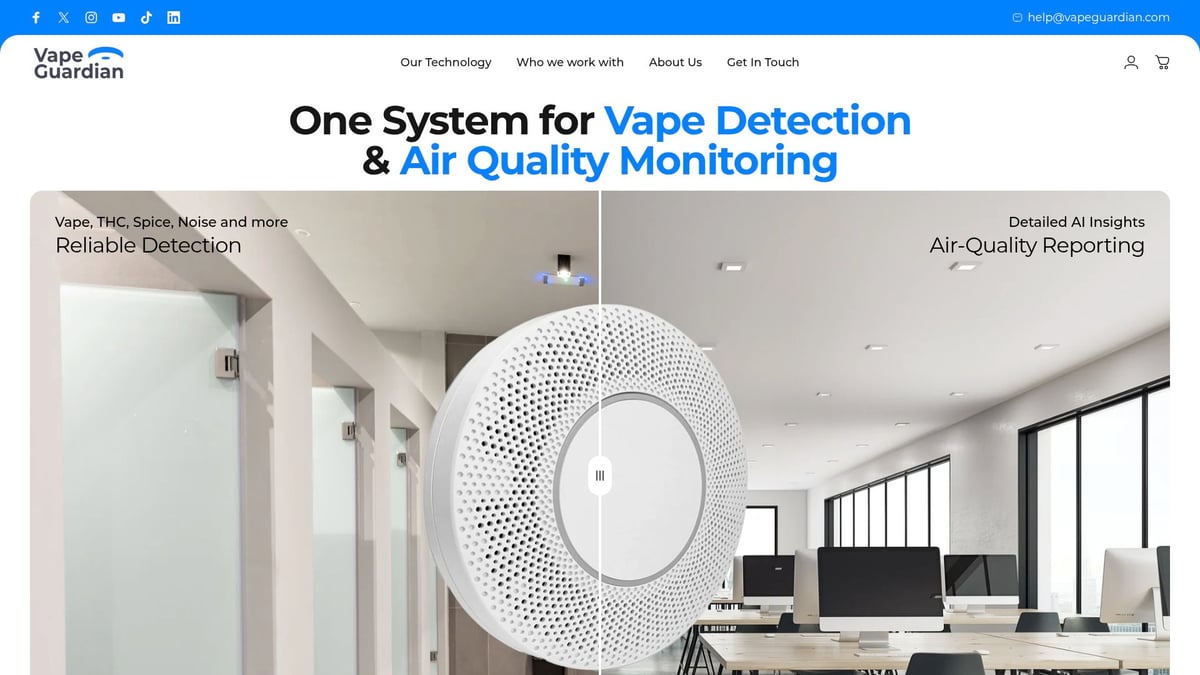
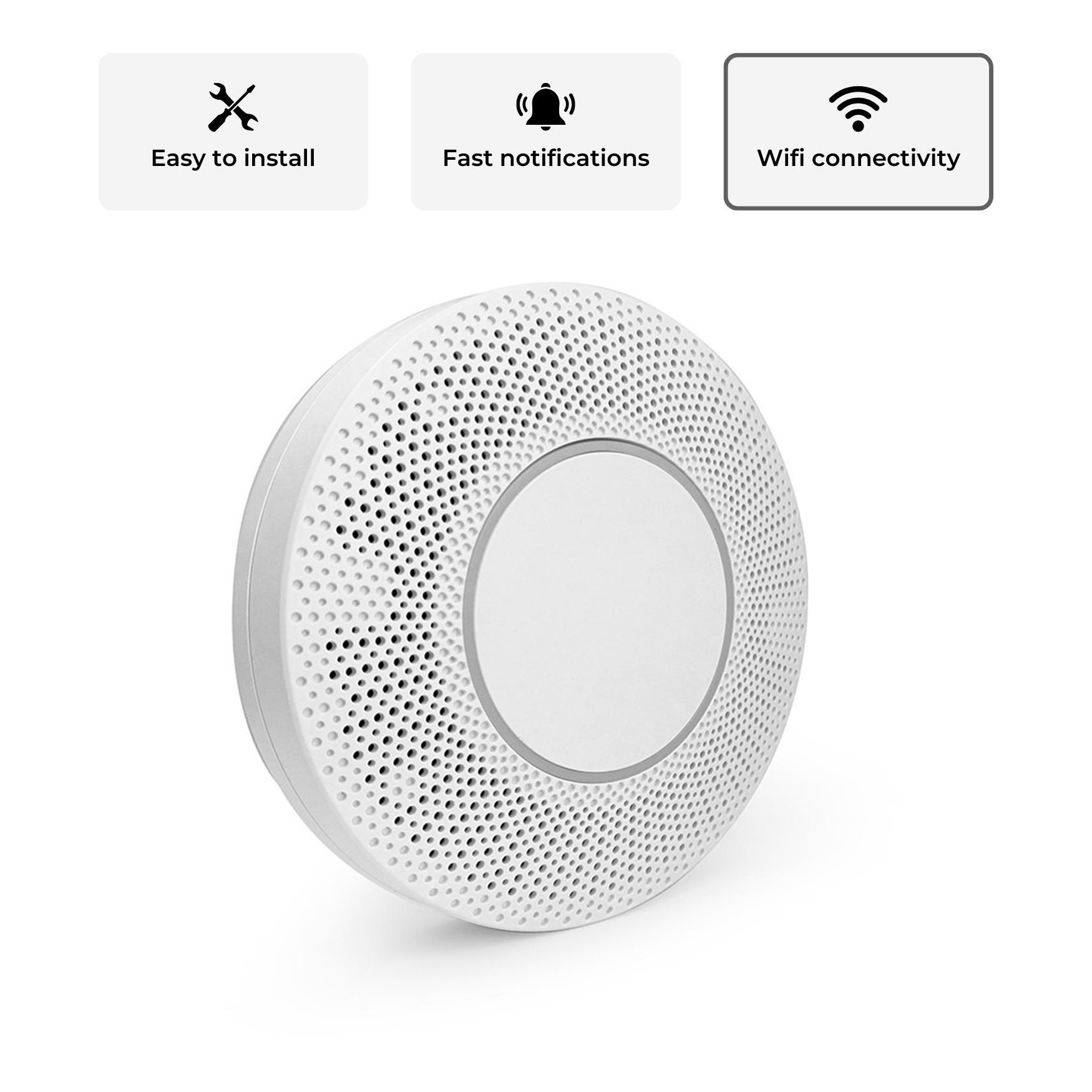
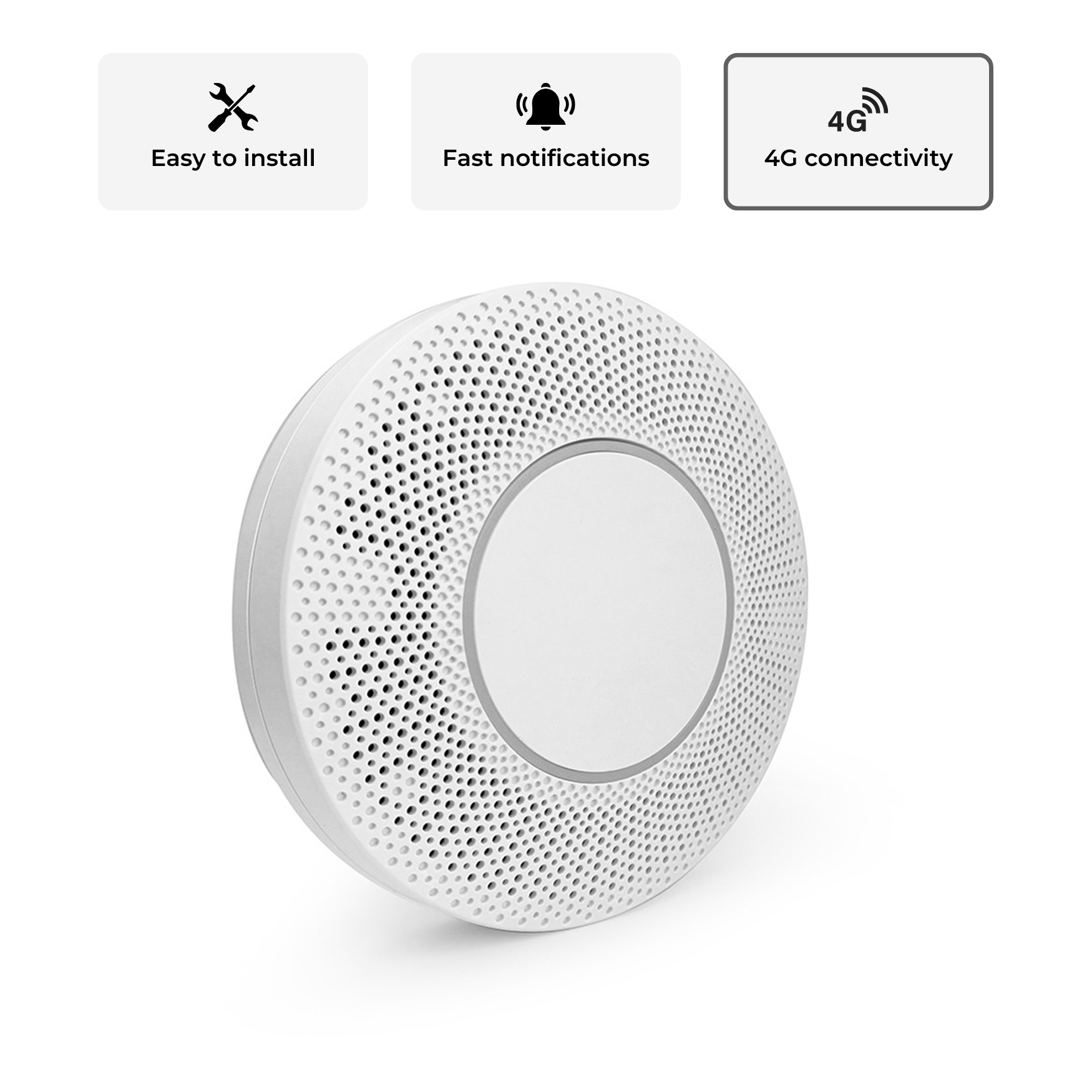
Vape Guardian has emerged as a leader in the UK for vape and air quality reports technology. Their platform provides real time detection of vaping and drug aerosols, plus noise monitoring, all backed by AI powered analytics.
Key features include:
- 96 percent alert accuracy, ensuring prompt and reliable notification
- Advanced vape and drug marker detection, tailored for schools, offices, and leisure venues
- Cloud based analytics and reporting for easy compliance management
Organisations trust Vape Guardian for incident reduction, with some reporting up to 95 percent fewer vaping incidents after deployment. The system offers seamless integration, UK based support, and educational resources, making it a preferred choice for hundreds of institutions aiming to maintain safe, compliant environments.
Innovations shaping the future of monitoring
Emerging innovations are transforming how vape and air quality reports are generated and utilised. New sensor materials offer higher sensitivity and selectivity for vape marker compounds. Miniaturisation allows sensors to be installed unobtrusively in a variety of spaces, from classrooms to lifts.
Wireless connectivity and the Internet of Things enable seamless integration with building management systems. AI algorithms not only detect incidents but also forecast trends, helping organisations act proactively.
Several pilot projects in 2026 are trialling next generation sensors with real time data streaming, providing instant feedback and actionable recommendations to facility teams. These innovations are setting new benchmarks for accuracy and usability in vape and air quality reports technology.
Selecting the right solution for your environment
Choosing the best vape and air quality reports system requires careful consideration of several factors. Accuracy is paramount, as is the ability to scale across multiple sites or zones. Look for solutions offering robust technical support and straightforward integration with existing facility or compliance management platforms.
A structured risk assessment should identify high priority areas and specific environmental challenges. Consider the following criteria:
- Detection accuracy for vaping, smoking, and other pollutants
- Ease of data access and reporting
- Scalability to match organisational growth
- Proven incident reduction in similar environments
Case studies show that organisations benefit most when solutions are tailored to their unique needs, with ongoing training and support ensuring sustained success.
Data privacy and security considerations
With the increased use of vape and air quality reports, organisations must prioritise data privacy and security. Compliance with GDPR and UK data protection laws is non negotiable when handling sensitive air quality data.
Best practices include:
- Secure, encrypted storage of all monitoring data
- Controlled access based on staff roles and responsibilities
- Transparent communication with stakeholders regarding monitoring practices
Addressing privacy concerns builds trust with staff, students, parents, and visitors. By adopting rigorous data governance, organisations can maximise the benefits of vape and air quality reports while maintaining full legal and ethical compliance.
Step-by-Step Guide: Implementing Vape and Air Quality Reporting in 2026
Creating an effective vape and air quality reports strategy requires a structured approach. By following these steps, organisations in 2026 can ensure compliance, protect health, and foster a safer environment for everyone.

Step 1: Assessing your environment and risk factors
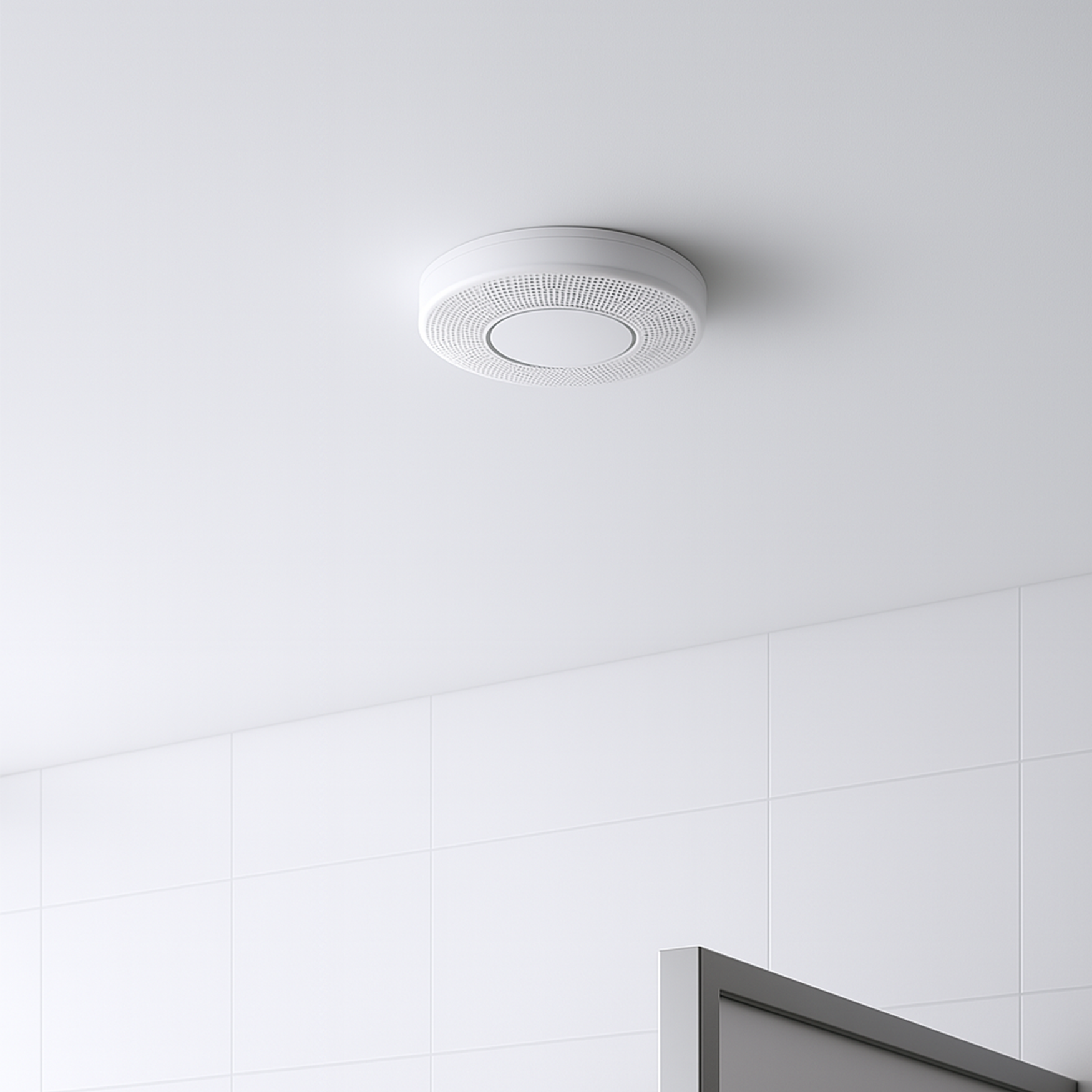
Begin with a thorough assessment of your environment. Identify high-risk areas where vaping is more likely, such as toilets, corridors, or secluded spaces. Observe typical behaviours and patterns that may influence air quality.
Evaluate existing air quality infrastructure. Are current systems able to detect vape aerosols, or are upgrades needed? Collect baseline data to understand normal air conditions. Reviewing real-world examples, like those outlined in School environment air report insights, can help guide your assessment approach.
This foundational step ensures that vape and air quality reports reflect the true risks and needs of your facility.
Step 2: Selecting and installing monitoring technology
Choose monitoring solutions tailored to your environment's specific needs. Consider sensor accuracy, sensitivity to vape aerosols, and the ability to differentiate between vaping and other pollutants.
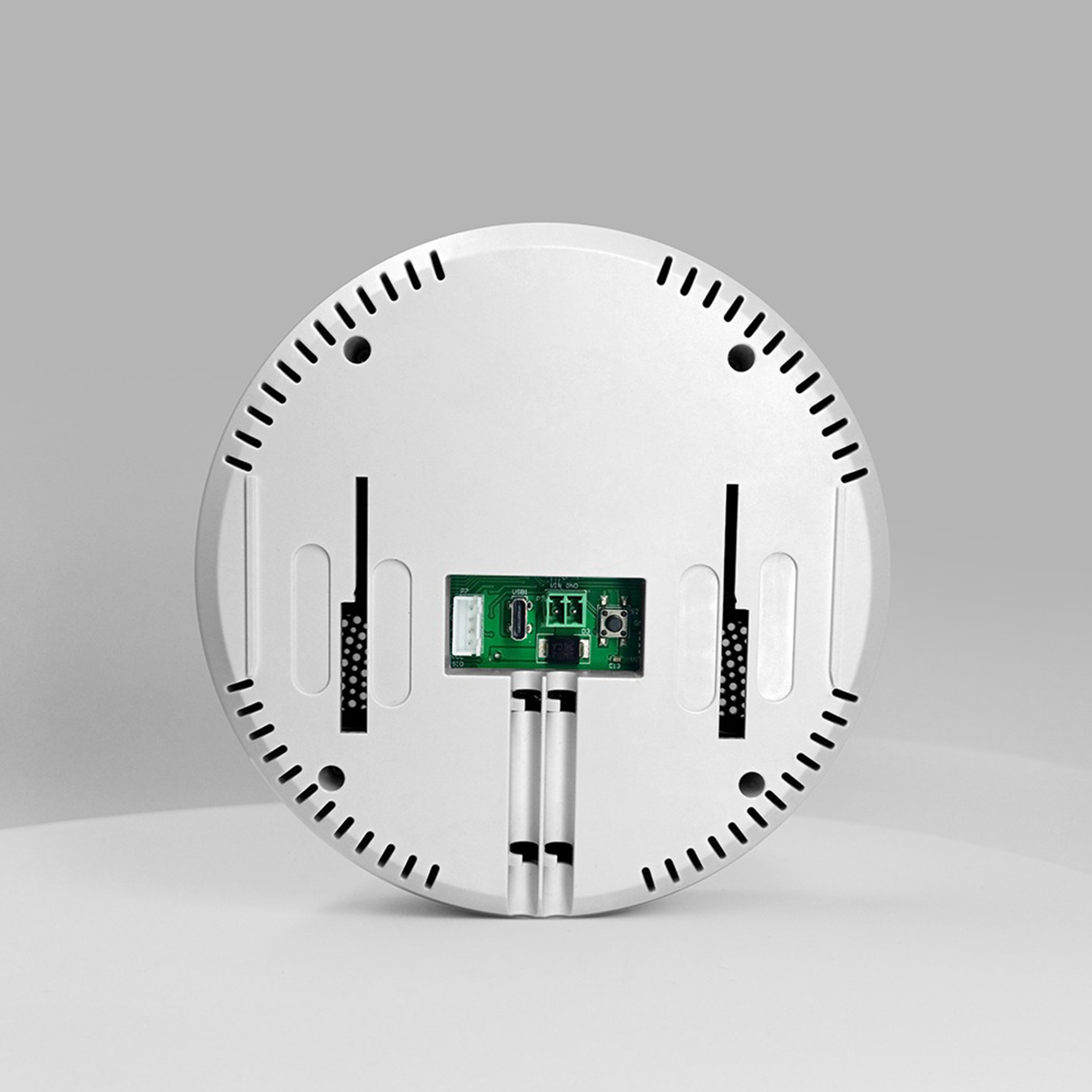
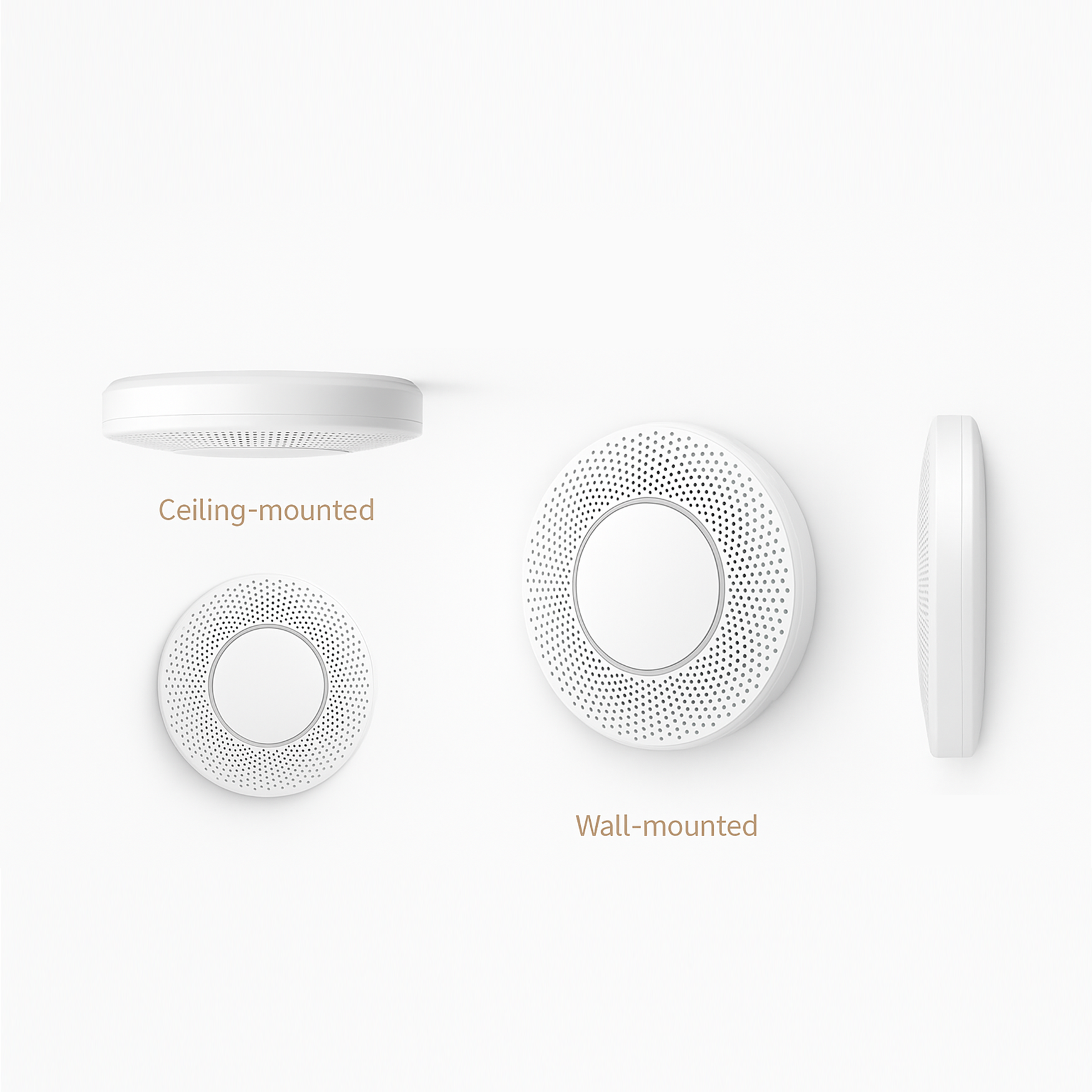
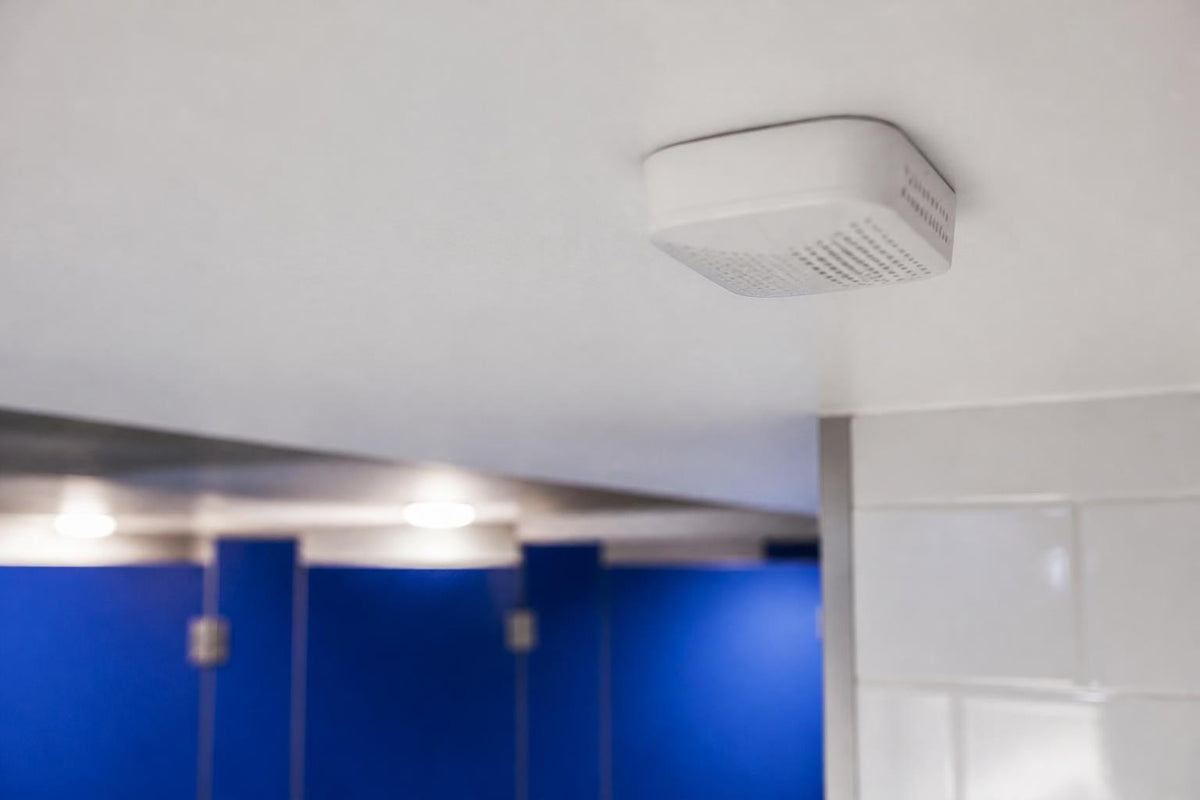
Map out sensor placement for comprehensive coverage. High-traffic areas, entry points, and secluded spots often require focused attention. Installation should be minimally disruptive and follow manufacturer guidelines for optimal results.
Allocate resources and set a realistic timeline. Involving IT and facilities teams early helps avoid delays. The right technology forms the backbone of effective vape and air quality reports.
Step 3: Setting up data collection and reporting protocols
Establish clear protocols for data collection. Define intervals for monitoring and set alert thresholds based on regulatory standards or internal risk assessments.
Integrate reporting tools with your existing management systems. Automate notifications to ensure prompt responses to air quality events. Utilise templates for consistent documentation and streamline workflows for handling incidents.
By formalising these processes, vape and air quality reports become actionable, supporting compliance and informed decision-making.
Step 4: Training staff and stakeholders
Comprehensive training is crucial. Equip staff and key stakeholders with the knowledge to interpret vape and air quality reports accurately and respond appropriately.
Offer regular workshops and access to educational resources. Include practical sessions on report analysis, alert handling, and system maintenance. Well-trained teams are more confident and effective in safeguarding air quality.
Ongoing support and refresher training ensure that your organisation remains agile as regulations and technologies evolve.
Step 5: Responding to incidents and taking corrective action
Establish clear protocols for responding to vape detection alerts. Immediate action may include investigating the affected area, documenting findings, and escalating issues as needed.
Maintain detailed records of all incidents and responses. This documentation supports regulatory compliance and continuous improvement. Real-world success stories demonstrate how timely action, guided by vape and air quality reports, can reduce repeat offences and foster a culture of accountability.
Regular drills and feedback loops help refine your response strategy over time.
Step 6: Reviewing and optimising your reporting strategy
Schedule regular reviews of your vape and air quality reports to identify trends and areas for improvement. Analyse data for recurring incidents, seasonal patterns, or unexpected spikes.
Benchmark your performance against industry standards or peer organisations. Update systems and protocols as new technologies or regulations emerge. Continuous optimisation ensures your reporting strategy remains robust and future-ready.
By embracing this step-by-step approach, organisations can harness the full value of vape and air quality reports, protecting health, ensuring compliance, and building trust with their communities.
The Impact of Vape and Air Quality Reports on Health, Safety, and Compliance
Understanding the impact of vape and air quality reports is crucial for any organisation prioritising health, safety, and compliance in 2026. These reports provide a foundation for informed decision-making, support regulatory obligations, and drive continuous improvement across educational, workplace, and public settings.
Health implications of vaping and poor air quality
The health risks associated with vaping indoors are increasingly recognised. Research has shown that e-cigarette aerosols can introduce fine particulates and volatile organic compounds into the air, which may harm respiratory health. Children, individuals with asthma, and staff members are especially vulnerable to these pollutants.
Vape and air quality reports are essential for identifying exposure risks and implementing effective mitigation strategies. A recent study on the impact of vaping on indoor air quality highlights the release of substances like nicotine and ultrafine particles, underscoring the need for vigilant monitoring. By systematically tracking indoor conditions, organisations can reduce health incidents linked to vaping and ensure a safer environment for all occupants.
Enhancing safety in educational and workplace settings
Vape and air quality reports play a vital role in safeguarding students, staff, and visitors. Early detection of vaping incidents allows for swift intervention, which can prevent wider exposure and reduce potential health impacts. Educational institutions and businesses that prioritise air quality monitoring often see a notable decrease in related incidents and absenteeism.
Key safety benefits include:
- Prompt identification of air quality breaches
- Reduced exposure to harmful substances
- Improved overall wellbeing for building occupants
By incorporating vape and air quality reports into daily operations, organisations foster a culture of proactive safety management and accountability.
Supporting regulatory compliance and legal protection
Compliance with air quality regulations is now a mandatory requirement for many UK organisations. Vape and air quality reports provide the documented evidence needed to demonstrate adherence to statutory obligations. The introduction of legislation such as the Environment (Air Quality and Soundscapes) (Wales) Act 2024 has heightened the focus on maintaining safe indoor environments.
Regular reporting not only helps avoid penalties but also supports successful audits and investigations. In the event of an incident, comprehensive records from vape and air quality reports can protect organisations from legal challenges and regulatory scrutiny.
Building trust and transparency with stakeholders
Transparent communication of vape and air quality reports builds trust among staff, students, parents, and visitors. When stakeholders have access to clear air quality data, they are more confident in the safety standards of an organisation.
Open sharing of report findings can enhance reputation and foster positive relationships within the community. Organisations that prioritise transparency are often seen as leaders in health and safety, attracting greater support and engagement from stakeholders.
Driving continuous improvement and future readiness
Vape and air quality reports are not static documents. They serve as dynamic tools for ongoing improvement. By regularly analysing report data, organisations can identify trends, update policies, and plan facility upgrades.
Continuous monitoring ensures readiness for evolving regulations and emerging risks. Benchmarking against industry standards helps maintain high levels of compliance and demonstrates a commitment to best practices. Ultimately, the consistent use of vape and air quality reports supports long term organisational resilience and adaptability.
As we’ve explored, understanding vape and air quality reports is crucial for maintaining healthy, compliant environments in 2026—whether you manage a school, office, or leisure space. With the right monitoring solutions, you can take proactive steps to reduce incidents and create safer spaces for everyone. If you’re ready to take control of your building’s air quality and need expert guidance tailored to your unique needs, I encourage you to talk to our team and protect your building today. Together, we can make your environment safer and more transparent for all.



Share:
Enterprise Vape Detection Guide: Secure Your Business in 2026
Vape Detection Installation Guide: Expert Insights for 2026