
Startling statistics reveal a steady rise in school safety incidents, making security a top concern for educators and leaders in 2026. As threats evolve, innovative solutions are essential for safeguarding students and staff.
School safety technology is now at the forefront of campus protection, offering tools that deliver real-time alerts and proactive threat detection. Schools worldwide are seeing these advancements prevent and mitigate incidents, creating safer learning environments.
This guide explores the latest breakthroughs in school safety technology, practical steps for implementation, and critical considerations for effective adoption. Read on to discover how to futureproof your school’s security strategy.
The Evolving Landscape of School Safety Threats in 2026
The landscape of school safety threats has changed dramatically in recent years. In 2026, educators face not only traditional risks like violence and intrusion but also a surge in new challenges. These include cyber threats, vaping, digital misuse, and mental health crises. Schools across the UK and globally are recognising that the environment students learn in now extends far beyond the classroom walls, making the need for robust school safety technology more critical than ever.
Recent statistics reveal a concerning upward trend in incidents affecting both staff and pupils. According to UK school safety statistics 2025, rates of teacher abuse, violence, and disruptive behaviour have risen, highlighting the urgent need for comprehensive solutions. At the same time, technology adoption rates in schools have climbed, as leaders seek proactive ways to address these risks. The implementation of school safety technology is no longer optional; it is essential for creating secure learning environments.
The rapid shift to remote and hybrid learning has introduced both opportunities and challenges. Bring Your Own Device (BYOD) policies and increased digital access have expanded the learning landscape, but they have also opened new avenues for cyberbullying, data breaches, and online exploitation. School safety technology now must address not only physical threats but also digital vulnerabilities. This means deploying secure networks, robust web filtering, and advanced monitoring to ensure student safety at every access point.
Non-traditional threats are also at the forefront of school leaders’ concerns. Vaping incidents, substance abuse, poor air quality, and anti-social behaviour all pose significant risks to student wellbeing. Regulatory requirements such as DfE, KCSiE, and GDPR are shaping the way schools invest in safety solutions. Compliance is not just a tick-box exercise; it is a driving factor in the adoption of integrated school safety technology that can monitor, detect, and respond to a wide range of incidents in real time.
Real-world examples illustrate the impact of innovative approaches. For instance, Newport-Mesa Unified School District approved the use of AI-powered surveillance systems to enhance after-hours monitoring and incident response. This kind of school safety technology enables schools to move from reactive to proactive strategies, reducing response times and mitigating harm. Perspectives from school leaders, parents, and students now reflect a consensus: a “safe school” in 2026 is one that combines traditional safeguarding with the latest technology, ensuring every member of the community is protected.
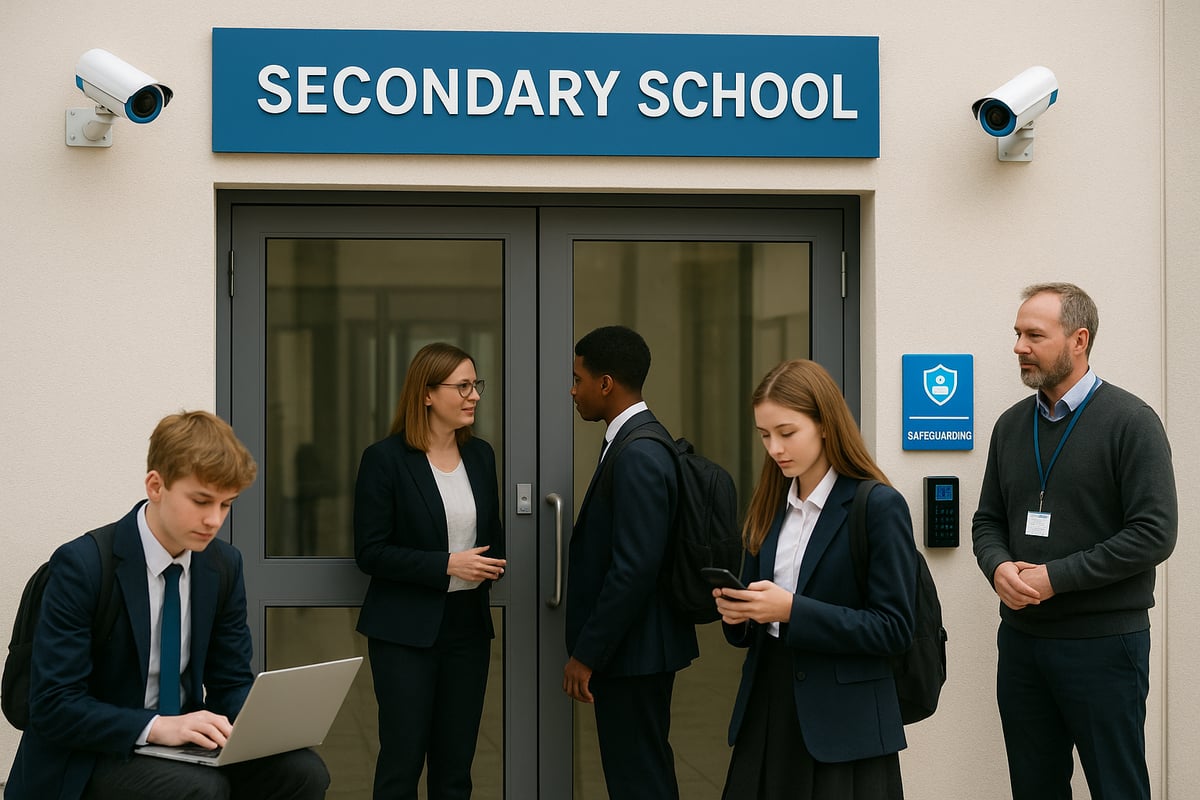
Core Categories of School Safety Technology
School safety technology now spans a broad spectrum of solutions, each designed to address evolving risks in UK schools. To build robust protection, it is essential to understand the core categories and how they work together for whole-campus safety.
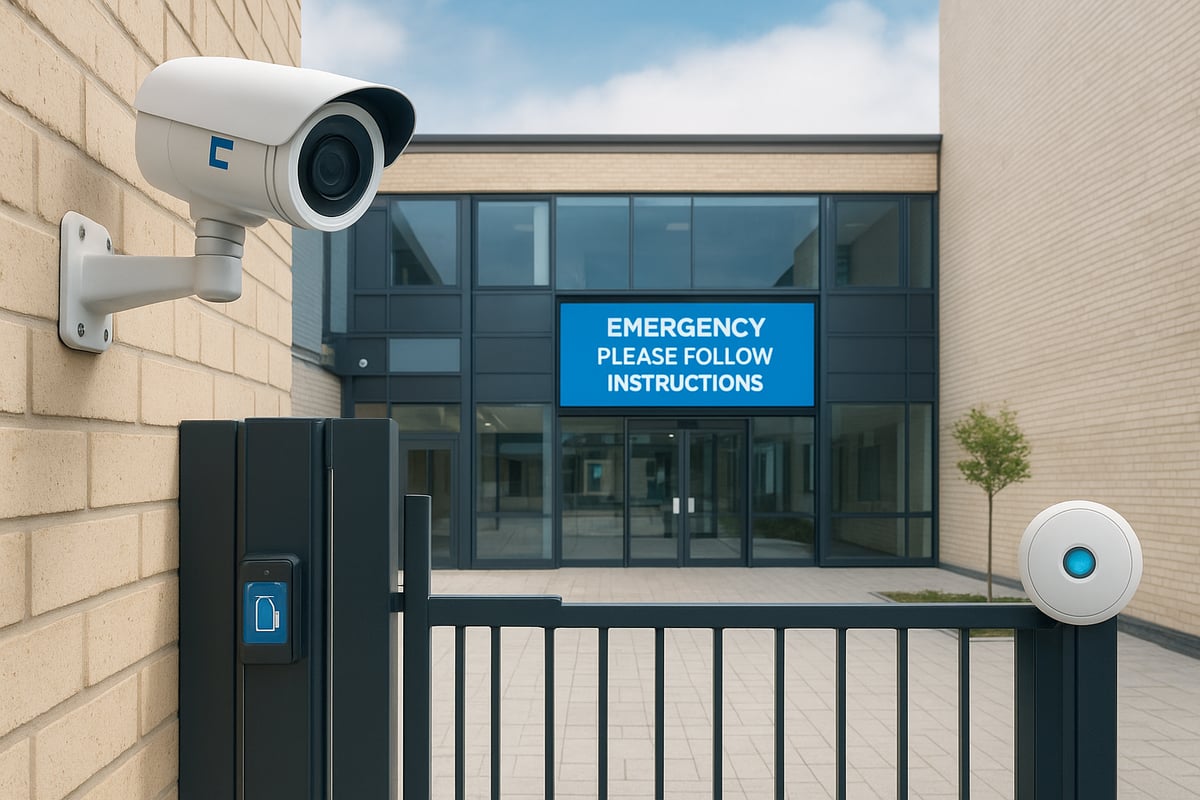
Physical Security: CCTV, Access Control, Perimeter Protection
Physical security forms the foundation of school safety technology. Modern CCTV systems no longer simply record footage, they leverage AI to detect unusual behaviour, intrusions, and emergencies in real time. This enables swift intervention and reduces human error.
Access control is another critical aspect. Schools increasingly use key cards, biometric systems, and remote gate management to ensure only authorised individuals can enter. Perimeter protection, including secure fencing and monitored entry points, helps deter unauthorised access.
Multi-academy trusts are standardising these solutions across sites, providing consistency and easier management. The integration of physical security with digital platforms enhances the effectiveness of school safety technology.
Digital Safety: Web Filtering, Cybersecurity, User Management
Digital safety has become a top priority as more learning moves online. Web filtering software blocks harmful sites, monitors student activity, and generates reports for compliance with DfE and KCSiE requirements.
Cybersecurity tools protect against threats such as phishing and ransomware, safeguarding sensitive data. Centralised user and device management platforms streamline permissions and access, reducing the risk of unauthorised breaches.
For example, RM SafetyNet protects over 1 million users daily, showcasing the scale and impact of digital school safety technology.
Emergency Response: Mass Notification, Lockdown, Gunshot Detection
Effective emergency response is vital for any school safety technology strategy. Mass notification systems send instant alerts via SMS, email, PA systems, or dedicated apps, keeping everyone informed during crises.
Lockdown technologies can remotely secure doors and gates at the touch of a button. Some schools also deploy gunshot detection sensors, which trigger immediate responses from law enforcement and staff.
These solutions work best when integrated with other safety measures, ensuring rapid action and clear communication when every second counts.
Environmental Monitoring: Air Quality, Vape Detection, Noise Monitoring
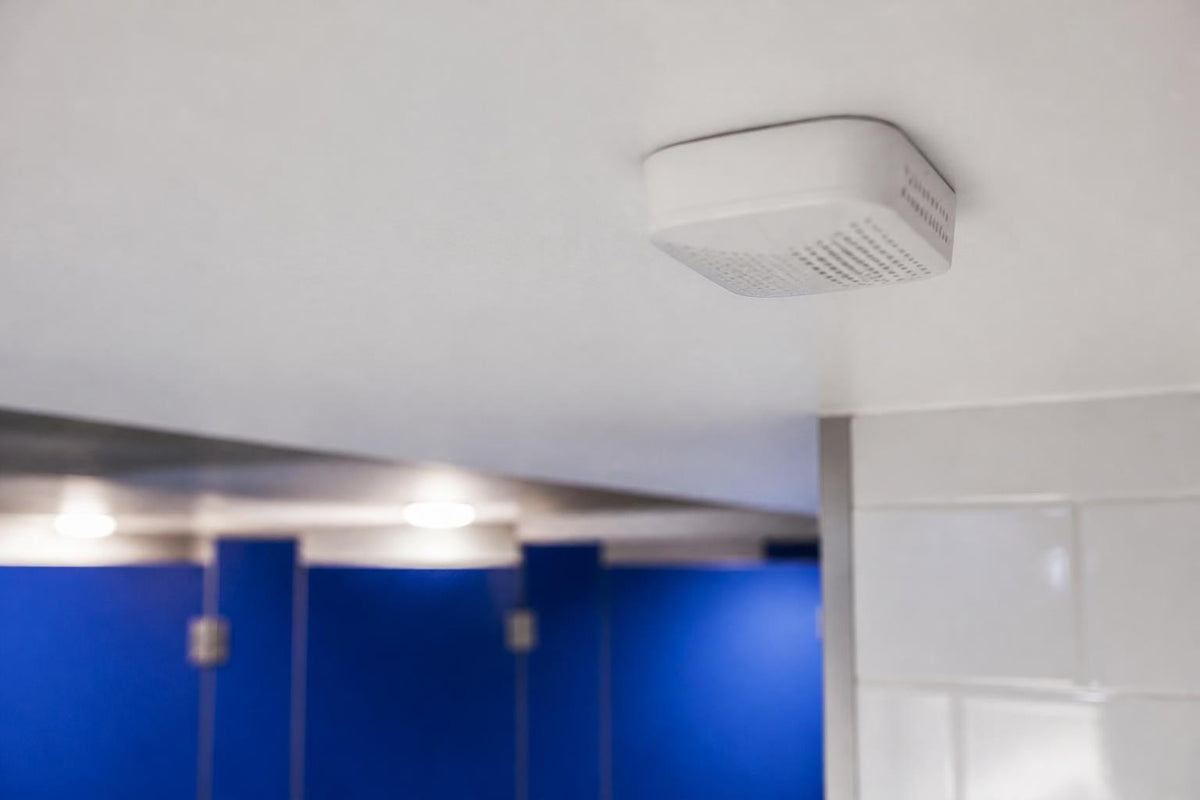
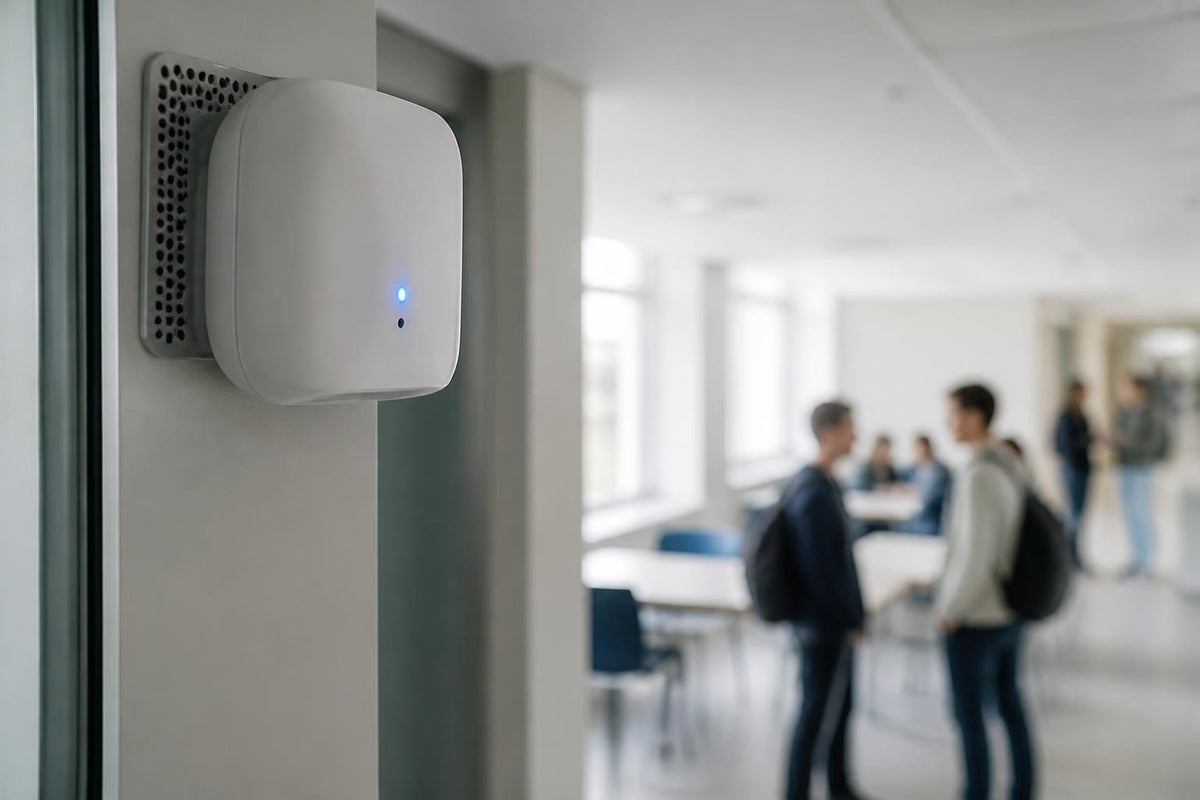
Environmental monitoring is a fast-growing area within school safety technology. Smart sensors now track air quality, detect vaping or THC, and monitor noise levels to identify potential incidents.
These technologies offer real-time alerts and detailed reporting, supporting both health and discipline. To learn more about the latest in sensor innovation, see this smart sensor technology overview.
Deploying these systems helps schools respond quickly to air quality issues, substance use, and disruptive behaviour, creating safer learning spaces.
Data Analytics and AI: Threat Assessment, Incident Reporting
Data analytics and AI are transforming how schools anticipate and respond to threats. Predictive tools analyse data from multiple sources, identifying patterns that may indicate bullying, intrusions, or mental health concerns.
Incident reporting platforms allow staff to log and track safety events, supporting timely interventions and compliance monitoring. These solutions help schools move from reactive to proactive safety management.
Integration and Interoperability: Unified Systems for Holistic Protection
To truly maximise the value of school safety technology, integration is essential. Unified platforms connect physical, digital, and environmental tools, offering a single dashboard for monitoring and response.
Interoperability ensures that systems work together seamlessly, reducing complexity and improving oversight. Multi-academy trusts benefit from standardised, integrated approaches, making it easier to protect every site and student.
A holistic strategy combining these categories delivers layered security, resilience, and peace of mind for school communities.
Advanced Physical Security Solutions for Schools
Physical security remains a vital foundation for any effective school safety technology strategy. As threats evolve, so must the systems that protect students and staff. In 2026, schools are moving beyond traditional barriers, adopting intelligent, integrated solutions that work together to create safer learning environments.
Modern school safety technology now combines smart surveillance, robust access controls, and environmental sensors. These systems do not just deter risks, they provide real-time intelligence, automate responses, and support compliance. This section explores how these advanced physical security tools are shaping the future of safeguarding in education.
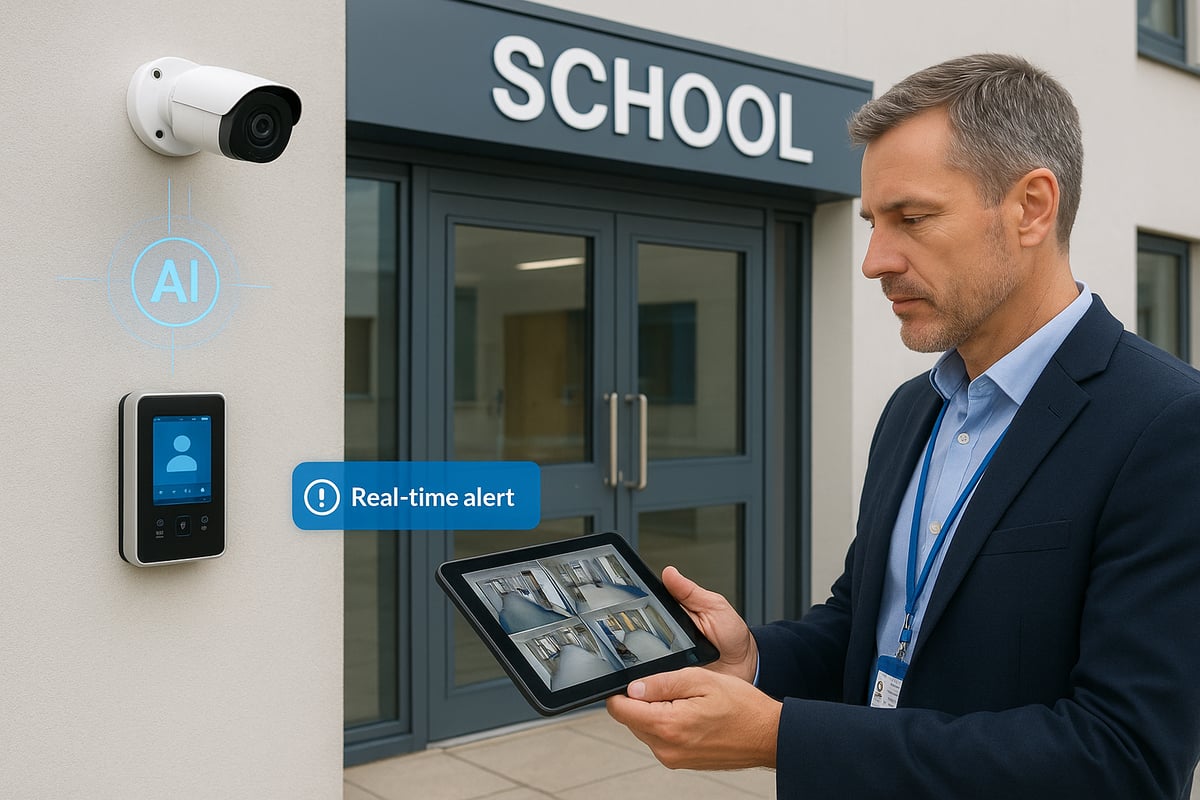
Smart Surveillance and AI-Driven Monitoring
School safety technology has transformed surveillance from passive recording to active, intelligent monitoring. Today’s CCTV systems use AI to analyse live video feeds, instantly detecting intruders, unusual behaviour, or emergencies. Automated alerts are sent to staff, allowing for immediate intervention before incidents escalate.
AI-powered surveillance minimises human error. For example, the Newport-Mesa Unified School District implemented an AI-enhanced system that monitors campuses after hours, flagging unauthorised activity and reducing response times. These solutions can identify patterns such as loitering or crowd formation, alerting security teams to potential risks.
The ability of school safety technology to provide real-time analysis means schools are no longer reliant on reviewing footage after an incident. Instead, they can respond proactively. According to AI surveillance in schools, privacy concerns are being addressed with features like facial masking and strict access controls, striking a balance between security and student rights.
By integrating AI-driven monitoring, schools are not only increasing safety, they are also building confidence among parents and staff. The future of school safety technology lies in these smart, adaptive systems that learn and improve over time.
Access Control and Perimeter Security
Modern access control is a cornerstone of effective school safety technology. Schools are replacing outdated locks with biometric readers, remote door release systems, and intercoms that provide visual verification of visitors. These tools ensure only authorised individuals enter the premises, reducing the risk of intrusions.
Networked access control can be integrated with visitor management platforms and emergency lockdown protocols. For example, the UK Department for Education recommends unified systems that allow for quick lockdowns and real-time audits of who is on site. Cloud-based platforms provide added flexibility, enabling remote management and instant updates to permissions.
Benefits of advanced access control include:
- Preventing unauthorised entry at all access points
- Tracking the movement of students, staff, and visitors
- Automating emergency lockdowns across multiple buildings
School safety technology in this category also helps with compliance, providing detailed audit trails for inspections. As schools expand or join multi-academy trusts, standardised solutions ensure consistent protection across all sites. This unified approach supports a culture of safety and accountability.
Environmental Sensors and Building Safety
Environmental monitoring is a rapidly growing component of school safety technology. Schools are integrating fire, smoke, and gas detection with their security platforms, allowing for faster, coordinated responses to emergencies. Smart lighting and alarm systems further deter unwanted activity by increasing visibility and drawing attention to restricted areas.
Advanced sensors now track air quality, detect vaping, and monitor for hazardous substances. Multi-sensor systems provide comprehensive protection, alerting staff through cloud dashboards or mobile apps. For example, schools deploying these technologies have seen a significant reduction in incidents related to substance abuse and poor air quality.
Combining environmental monitoring with school safety technology offers several advantages:
- Immediate detection of fire, smoke, or gas leaks
- Early intervention in vaping or substance abuse incidents
- Enhanced sustainability through energy-efficient smart building features
Perspectives from school leaders highlight the importance of integrating safety with sustainability. Smart building technology not only keeps students safe, it also creates healthier, more comfortable learning environments. As the range of threats expands, environmental sensors will remain a vital part of a holistic school safety technology strategy.
Digital Safety and Cybersecurity Technologies
Digital safety is now a cornerstone of school safety technology, safeguarding students and staff in an increasingly connected educational landscape. As schools embrace digital transformation, robust protection against online threats, data breaches, and inappropriate content has never been more vital.
Effective school safety technology requires a layered digital approach, combining proactive web filtering, secure user and device management, and rigorous cybersecurity measures. Let us explore how each element builds a comprehensive shield for modern schools.
Web Filtering and Online Threat Prevention
Web filtering sits at the heart of digital school safety technology. Schools face daily risks from harmful websites, cyberbullying, and exposure to inappropriate content. Advanced filtering solutions block dangerous material, monitor activity in real time, and generate compliance reports aligned with DfE and KCSiE standards.
Modern systems, like RM SafetyNet, protect over a million users each day, demonstrating the scale and trust in these technologies. Key features include:
- Customisable content blocking tailored to age groups
- Real time monitoring and alerts for suspicious activity
- Automated reporting to ensure regulatory compliance
Web filtering also addresses emerging risks such as online vaping communities and substance promotion. For a deep dive into how technology helps schools monitor and respond to these threats, see Vape detection technology for schools.
By integrating smart filtering into school safety technology, leaders can reduce digital risks and create a safer online environment for students.
User and Device Management
Secure user and device management is essential for any school safety technology strategy. With remote learning and bring your own device (BYOD) on the rise, schools must control access and permissions across hundreds or thousands of users.
Centralised platforms streamline account creation, password resets, and device enrolment. Solutions such as RM Unify, now used by more than 7,500 schools, enable:
- Single sign on for seamless, secure access to learning tools
- Permission controls to restrict sensitive data and resources
- Automated device enrolment and monitoring
These features help prevent unauthorised access, reduce the risk of breaches, and support flexible learning environments. Effective user and device management is a foundation for digital trust and operational security within any school safety technology framework.
Cybersecurity and Data Protection
Cybersecurity is a growing concern as schools become targets for phishing, ransomware, and data theft. A modern school safety technology plan must include robust endpoint protection, encrypted data storage, and regular software updates.
Multi academy trusts are now adopting unified cybersecurity policies, ensuring consistent protection across all sites. Compliance with GDPR, DfE, and Ofsted requirements is non negotiable, especially as attacks on UK schools have increased in recent years.
Key components of strong cybersecurity include:
- Advanced firewalls and intrusion detection systems
- Staff training on recognising digital threats
- Encrypted backups and multi factor authentication
A summary of digital safety essentials:
| Feature | Benefit |
|---|---|
| Web Filtering | Blocks harmful content |
| User Management | Controls access and permissions |
| Endpoint Protection | Defends against malware and theft |
| Data Encryption | Secures sensitive information |
By prioritising cybersecurity within school safety technology, leaders protect both data and reputation, ensuring a safe learning environment for all.
Environmental Monitoring: Air Quality, Vaping, and Substance Detection
Keeping schools safe in 2026 means addressing more than just physical threats. Air quality, vaping, and substance detection have become central pillars of school safety technology. With vaping incidents on the rise and growing concerns about indoor air quality, schools are under increasing pressure to protect student health and wellbeing.
The Growing Challenge of Vaping and Air Quality in Schools
Vaping has surged among UK students, presenting new challenges for school safety technology. Recent studies show that targeted interventions can lead to a 95 percent reduction in vaping incidents. However, the health risks of vaping, especially with THC and other substances, extend beyond discipline and can impact both physical and mental wellbeing.
Parents and regulatory bodies are demanding more action on air quality in classrooms. Poor ventilation and undetected vaping can worsen asthma, trigger allergies, and create uncomfortable learning environments. For headteachers and safeguarding leads, monitoring indoor air has become as important as monitoring for physical threats.
Investing in school safety technology that tracks air quality and detects vaping is now essential. This approach not only supports compliance with new guidelines but also reassures families that their children are learning in a safe and healthy space.
Advanced Detection Technologies and Implementation
Modern school safety technology includes smart sensors that can identify vaping, THC, noise anomalies, and air quality changes in real time. These devices send instant alerts to staff via cloud dashboards or mobile apps, allowing for rapid intervention and documentation.
Schools are seeing the benefits of these systems, especially when solutions are integrated with broader safety platforms. For example, as shown in the School vaping incident case study, sensor-based monitoring can reduce vaping incidents dramatically within weeks of installation.
Key features of these technologies include:
- AI-powered detection for high accuracy
- Instant notifications to designated staff
- Automated reporting for compliance and safeguarding
- Simple installation and maintenance
By adopting these innovations, schools can proactively tackle both environmental and behavioural risks, ensuring a safer environment for all.
Vape Guardian: Leading Vape and Air Quality Detection Solutions
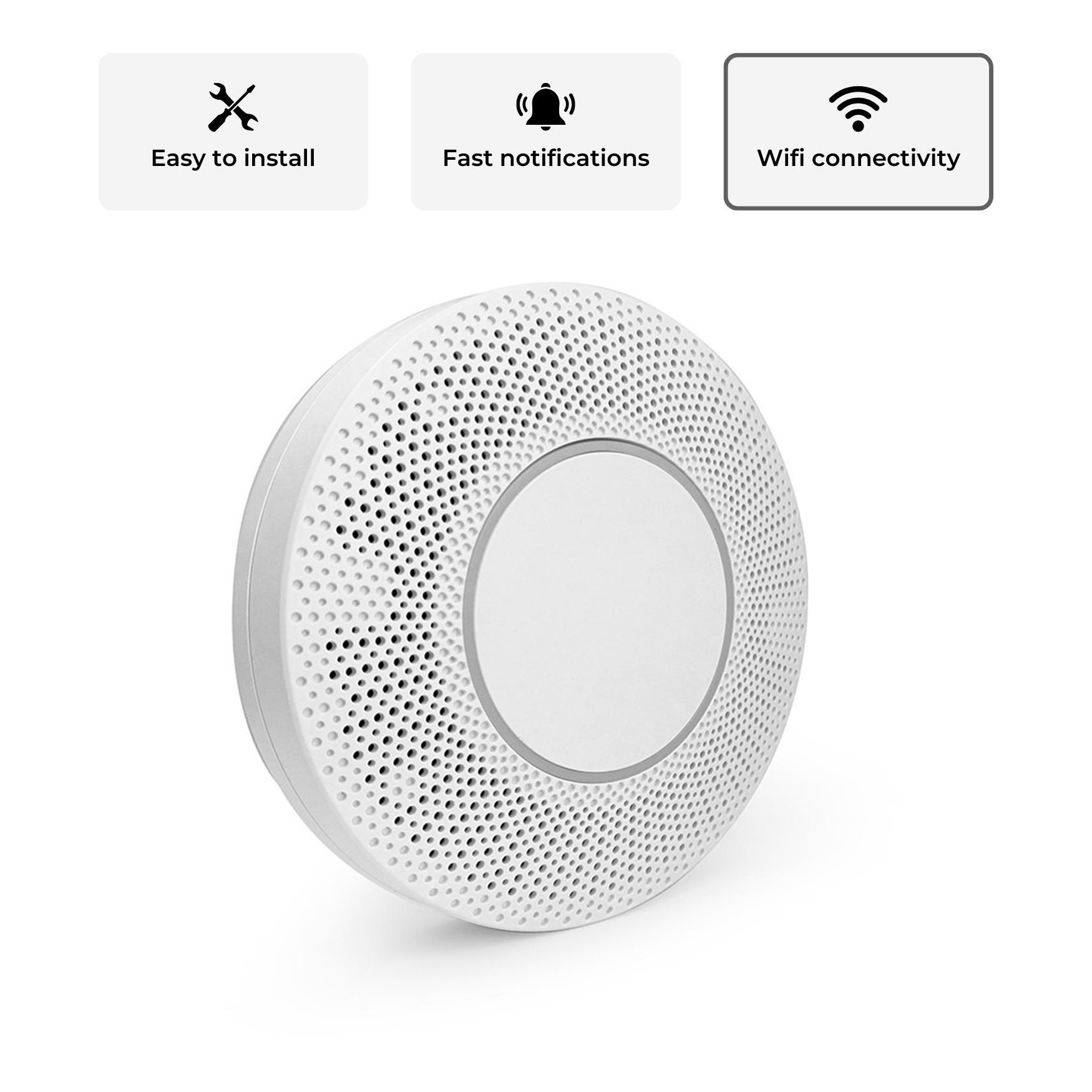
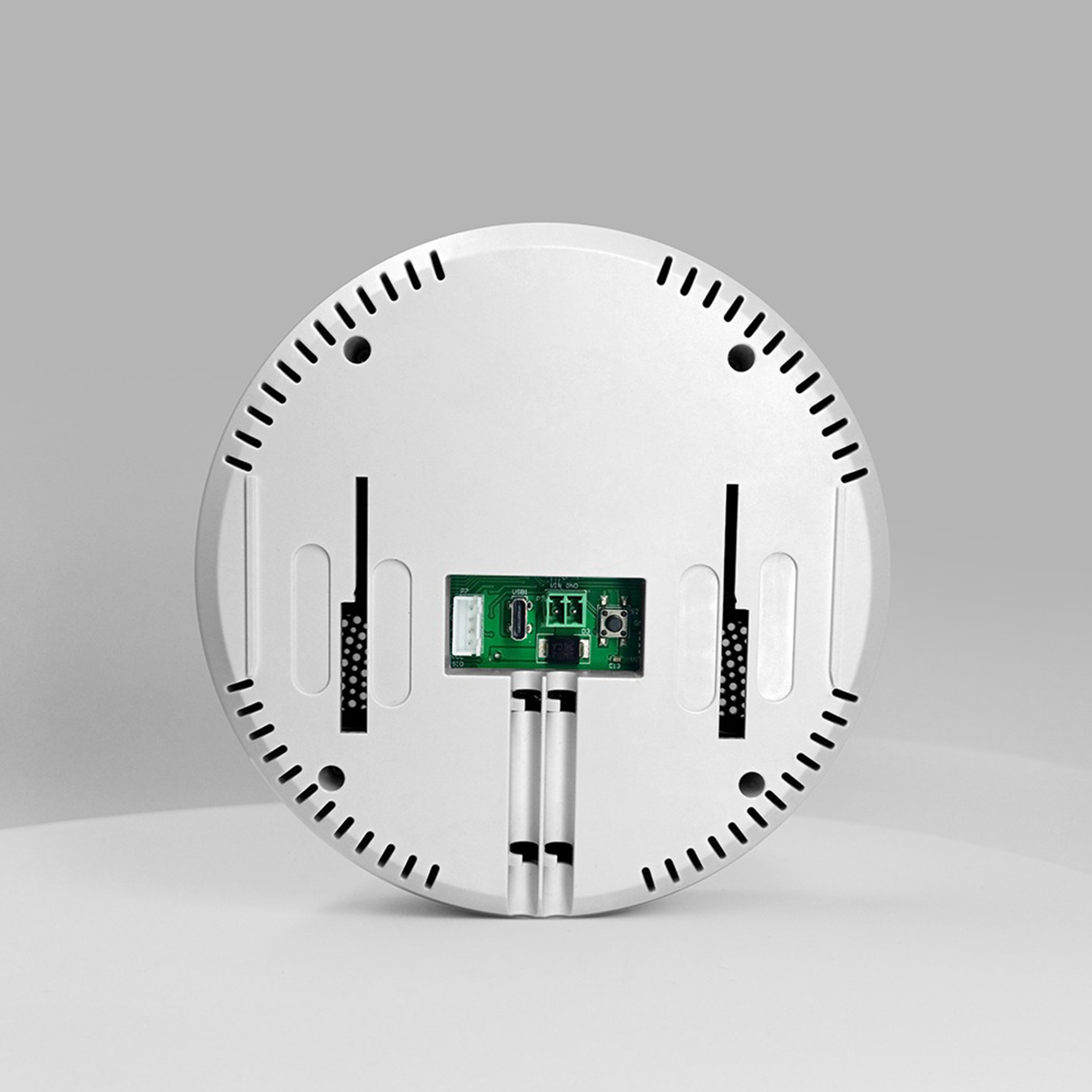
Vape Guardian provides UK-designed sensors that detect vaping, THC, and air quality issues in real time. Their school safety technology features AI-driven accuracy, instant alerts, and comprehensive reporting tools, making it easy for staff to respond quickly.
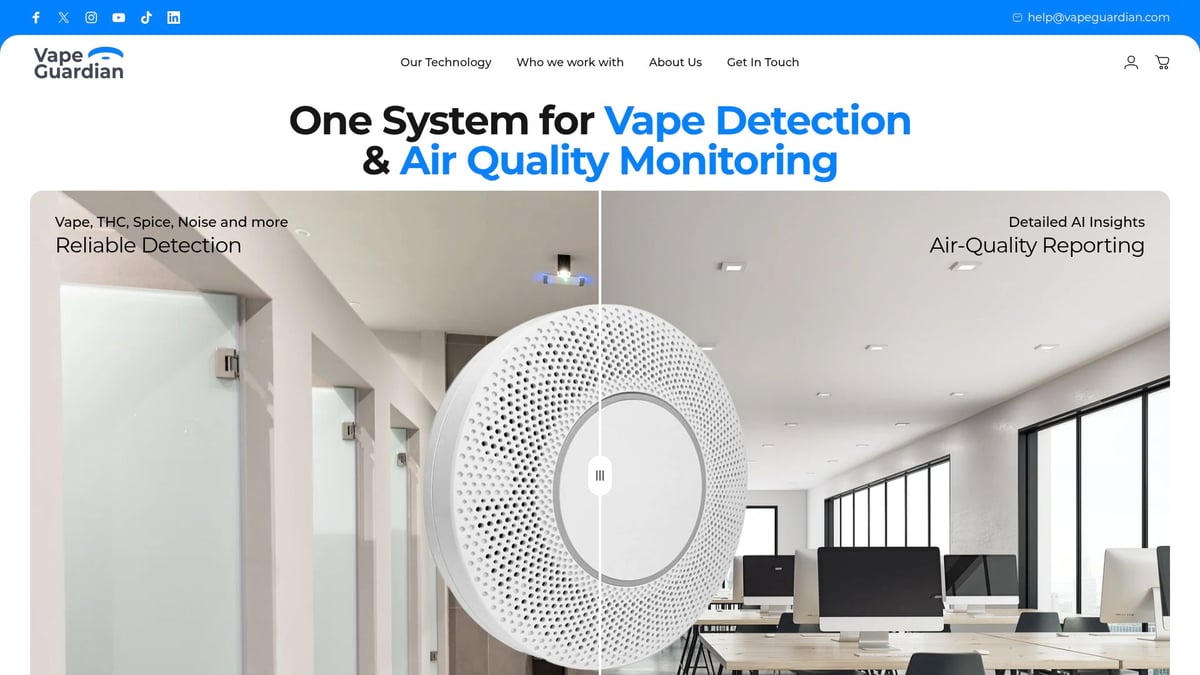
With proven results showing up to a 95 percent reduction in vaping incidents, Vape Guardian supports compliance and promotes healthier learning environments. Schools can benefit from a risk-free trial and a 100-day money-back guarantee, helping them implement effective safety measures with confidence.
Emergency Preparedness and Real-Time Response Systems
In 2026, rapid and coordinated emergency response is a cornerstone of school safety technology. Schools are under increasing pressure to ensure preparedness for a wide range of incidents, from intrusions to medical events. Modern systems focus on real-time communication, swift intervention, and comprehensive incident management.
Mass Notification and Lockdown Technologies
Advanced mass notification systems are essential components of school safety technology. These platforms enable schools to send automated alerts across multiple channels, including SMS, email, public address, and dedicated apps. Integration with fire alarms, lockdown doors, and emergency services ensures that every second counts during a crisis.
For example, when a threat is detected, instant communication can trigger a sitewide lockdown, notify staff and students, and alert emergency responders simultaneously. This level of coordination significantly reduces response times and improves outcomes for all involved. Data from the CENTEGIX 2025 Safety Report shows that schools utilising robust school safety technology achieve faster incident resolution and lower risk of harm.
| Alert Channel | Typical Response Time | Integration Level |
|---|---|---|
| SMS/Text | Seconds | High |
| 1-2 minutes | Moderate | |
| Public Address | Instant | High |
| Mobile App | Seconds | High |
Modern solutions also support two way communication, enabling staff to confirm safety or request help in real time. This proactive approach builds confidence among students, parents, and staff.
Gunshot and Aggression Detection
AI powered sensors now play a vital role in school safety technology. Acoustic detection devices can identify the unique sound signature of gunshots or aggressive noises, such as shouting or physical altercations.
When triggered, these sensors send immediate alerts to both on site security teams and local law enforcement. Several US schools have successfully deployed gunshot detection, allowing for rapid lockdown and targeted response. Early detection is critical, as it can save lives by minimising response delays and improving situational awareness.
The integration of these systems with wider safety platforms ensures that alerts are acted upon swiftly and that all relevant personnel are informed instantly.
Medical and Wellbeing Monitoring
School safety technology now extends beyond physical threats to include medical emergencies and mental health support. Wearable devices and environmental sensors can monitor for incidents such as seizures or severe allergic reactions, alerting staff and medical responders instantly.
Additionally, digital platforms offer anonymous reporting tools and mental health alert systems, empowering students to seek help discreetly. This holistic approach recognises that safeguarding encompasses both physical and emotional wellbeing.
By adopting these technologies, schools can provide tailored support to vulnerable students and reinforce a culture of care and vigilance.
Incident Management and Reporting Platforms
Digital incident management tools are now integral to school safety technology. These platforms allow staff to log, track, and analyse safety incidents efficiently.
Dashboards provide real time analytics, helping school leaders identify trends, refine protocols, and demonstrate compliance with safeguarding standards. Multi academy trusts increasingly rely on these systems for oversight and transparent reporting.
With comprehensive reporting and actionable insights, schools can continuously improve their safety posture and respond effectively to emerging risks.
Implementation Strategies, Privacy, and Compliance in School Safety Tech
Adopting school safety technology requires careful planning, collaboration, and a clear understanding of regulatory obligations. Each step in the process shapes how effectively your school can protect its community. Below, we explore practical strategies to ensure your technology choices are secure, ethical, and future ready.
Steps to Assess and Select the Right Technology
Begin with a comprehensive risk assessment tailored to your school’s unique environment. Identify key vulnerabilities, such as unauthorised access points, digital threats, or environmental concerns. Consult widely with staff, students, and parents to ensure all perspectives are considered.
Once risks are prioritised, shortlist solutions that align with your school’s size, layout, and educational objectives. Consider piloting new systems with a small user group before rolling out campus wide. This approach helps to identify challenges early and ensures smoother adoption.
Training is vital for successful implementation. Provide clear guidance on responding to alerts and using new tools effectively. For example, when integrating vape detection or environmental sensors, refer to resources like Best practice for handling vaping alerts to develop robust protocols. Engaging the whole school community in training and feedback builds confidence in your school safety technology.
Data Privacy, Ethics, and Human Oversight
Compliance with GDPR, DfE, and Ofsted guidelines is at the heart of every school safety technology deployment. Protect personal data through features such as facial masking, anonymised recordings, and secure user authentication.
Ethical use of technology means balancing surveillance with respect for privacy. Regularly review your systems and policies to ensure they only collect and store the minimum necessary data. Appoint a data protection lead to oversee compliance and respond to any concerns.
Human oversight remains essential. Technology should support, not replace, professional judgement. Train staff to interpret alerts, assess context, and take appropriate action. Maintain transparent communication with parents and students about how school safety technology is used and why, reinforcing trust and accountability.
Funding, Support, and Continuous Improvement
Securing funding for school safety technology often involves exploring government grants, trust wide procurement, or partnerships with technology providers. Assess total cost of ownership, including installation, training, and ongoing support.
Build a support network by working closely with vendors who offer regular updates and maintenance. Continuous professional development ensures staff remain confident and capable as threats and technology evolve.
Finally, establish a routine for reviewing and refining your safety strategy. Use data from incident reports and stakeholder feedback to adapt your approach. Schools that prioritise continuous improvement are best placed to maintain high standards of safety, compliance, and community trust as technology advances.
The Future of School Safety Technology: Trends to Watch
The landscape of school safety technology is evolving rapidly, setting the stage for unprecedented transformation by 2026. As threats become more complex, schools are adopting a proactive, tech-driven approach to safeguarding. This future-ready mindset is shaping policies, investments, and everyday practices across UK and global educational settings.
Artificial Intelligence and Predictive Analytics
Artificial intelligence is redefining how risks are identified and managed on school grounds. Predictive analytics tools can now process vast data streams from surveillance, access logs, and behaviour reports to flag potential threats before they escalate. For example, AI-powered algorithms analyse patterns of student movement, visitor behaviour, and environmental cues to anticipate incidents ranging from intrusions to medical emergencies.
This leap in school safety technology means that interventions can be more timely and targeted. Automated threat escalation protocols, powered by machine learning, help staff respond quickly to evolving situations. By reducing reliance on manual monitoring, AI not only enhances security but also frees up staff to focus on teaching and pastoral care.
IoT Integration and Unified Platforms
The integration of Internet of Things (IoT) devices is building a truly connected campus. Sensors for air quality, noise, vaping, and occupancy now communicate in real time with security systems, creating a holistic shield over the entire school environment. Unified cloud-based platforms act as command centres, allowing leaders to monitor and manage all aspects of school safety technology from a single dashboard.
These platforms streamline emergency responses and provide comprehensive data for compliance and reporting. With interoperability as a design principle, schools can connect legacy equipment with new digital safety solutions, ensuring future scalability. The drive toward seamless integration is also supported by collaborative events such as the FETC 2026 Safety Summit, where experts share insights on the latest school safety technology innovations.
Personal Safety Apps and Wearables
Personal safety technology is becoming more accessible and discreet for both students and staff. Mobile apps now offer features such as one-touch emergency alerts, real-time location tracking, and secure messaging with safeguarding teams. Wearable devices, including smart badges and wristbands, can automatically notify staff in case of distress or medical emergencies.
These innovations are particularly valuable for vulnerable students and those with health conditions. By embedding school safety technology into everyday routines, schools foster a sense of security and autonomy within their communities.
Policy, Partnerships, and Community Engagement
The future of school safety technology will be shaped by evolving regulatory standards and collaborative partnerships. Anticipated updates to DfE, KCSiE, and GDPR guidelines will require even more robust data protection and ethical oversight. Schools are increasingly working alongside law enforcement, mental health services, and technology providers to co-design effective safeguarding strategies.
Student and community feedback is gaining importance in evaluating which technologies truly create a safe school environment. Early adopters, such as leading multi-academy trusts, report improved outcomes when parents and pupils are involved in technology selection and review.
Technology Trends Table
| Trend | Impact on Schools | Adoption Outlook 2026 |
|---|---|---|
| AI-powered threat detection | Proactive risk management | Mainstream |
| IoT-enabled sensors | Real-time, holistic monitoring | Rapid expansion |
| Unified cloud safety platforms | Centralised oversight | Standard practice |
| Personal safety wearables | Faster response, inclusivity | Growing rapidly |
| Community-driven feedback | Tailored solutions, engagement | Essential |
Market forecasts suggest that UK school safety technology adoption will surpass 85 percent by 2026, with continued investment in integrated, adaptive solutions. As technology and human insight converge, the future promises safer, smarter learning environments for all.
As we look ahead to 2026, it’s clear that keeping schools safe means embracing technology that’s both smart and reliable. You’ve seen how advanced solutions like real time vape detection and air quality monitoring can make a real difference in creating healthier learning environments and supporting school compliance. If you’re ready to see practical steps and real world results, I encourage you to learn how Vape Guardian is protecting schools. Explore how these UK designed systems can help you safeguard your students and staff with confidence.




Share:
Co2 Monitoring in Classrooms: The Essential Guide 2026
Vape Guardian Distributor Guide: Your 2026 Success Blueprint