
The rise in vaping across schools and workplaces has made detection more challenging than ever. In 2026, the demand for reliable solutions, without disruptive false alarms, is at an all time high.
This guide is your definitive resource for mastering the zero false alarms vape detector approach. Achieving zero false alarms means minimising incorrect alerts to support safety, compliance, and peace of mind for all stakeholders.
Inside, discover how cutting edge technology works, step by step system setup, proven best practices, troubleshooting strategies, and the latest trends. Get ready to take control with practical insights and expert advice.
Understanding Zero False Alarms in Vape Detection
The challenge of ensuring a zero false alarms vape detector system has become a central concern for schools and workplaces. As vaping incidents rise, so does the risk of disruptive or misleading alerts. Achieving a reliable system means understanding the root causes of false alarms and the steps required to virtually eliminate them. This section explores what zero false alarms means, why it matters, and how to approach it with confidence.
The Problem With False Alarms
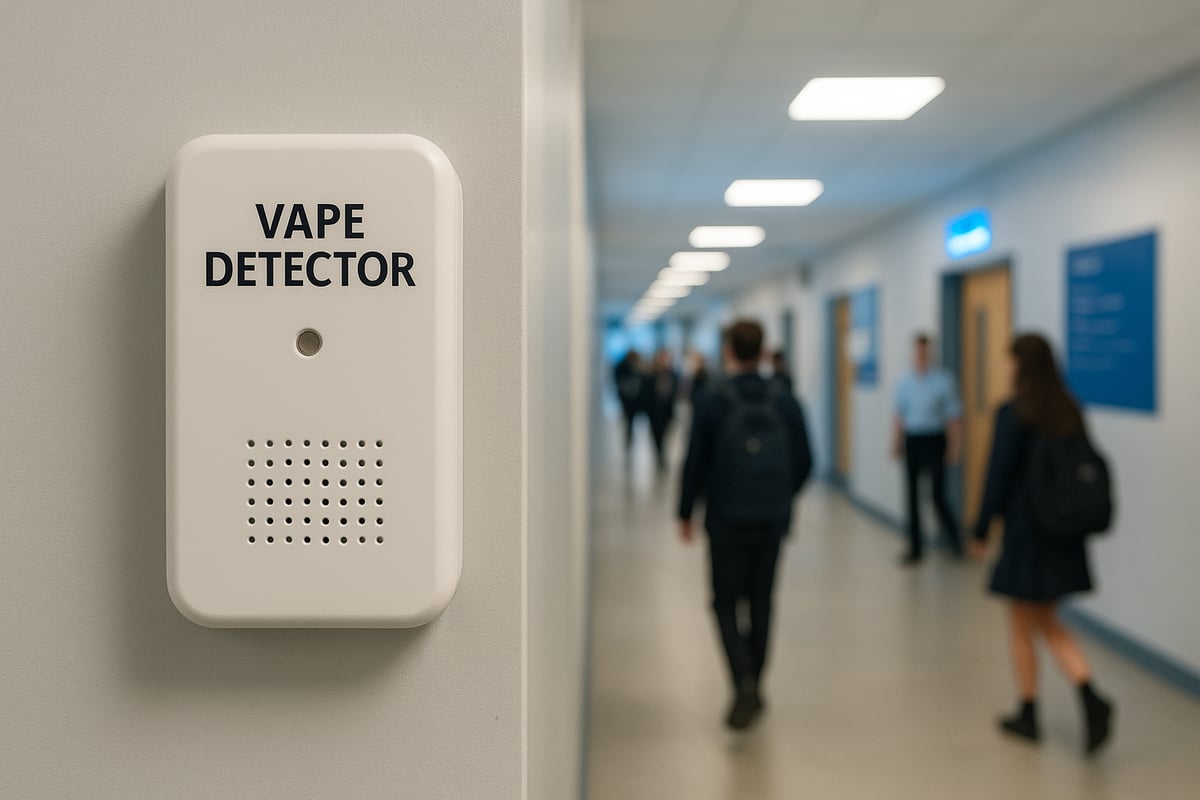
False alarms in vape detection occur when a system mistakenly identifies harmless substances as vaping activity. In busy environments such as schools, these incidents are far too common. Legacy systems can generate up to 30 percent false positives, creating unnecessary panic and interruptions.
When a zero false alarms vape detector is not in place, the consequences extend beyond simple annoyance. Repeated disruptions lead to alarm fatigue, where staff and students start ignoring alerts. This undermines trust in the system and can result in detectors being disabled altogether. For example, some schools have had to switch off their detectors after a series of false alerts caused repeated evacuations and wasted lesson time.
The impact is especially pronounced in educational settings, where maintaining order and trust is paramount. For deeper insights into how modern solutions are addressing this issue, see Minimising false alarms in vape detection.
What Does “Zero False Alarms” Mean?
The term zero false alarms vape detector describes an aspirational standard where every alert is genuine. In practice, the aim is to reduce false positives to a negligible level while still detecting all true vaping incidents. Achieving this balance requires careful calibration of sensitivity and specificity.
To measure progress, facilities rely on three key metrics:
| Metric | Description |
|---|---|
| Accuracy Rate | Percentage of correct detections (true positives) |
| False Positive Rate | Proportion of alerts that are not actual vaping events |
| Response Time | Speed at which alerts are generated and handled |
A zero false alarms vape detector must deliver high accuracy, extremely low false positives, and prompt notification. This approach not only improves operational efficiency but also enhances safety and compliance.
Factors That Cause False Alarms
Several factors can trigger false positives in vape detection systems. The most common are environmental influences, device limitations, and human error.
- Environmental factors: Steam from showers, aerosol sprays, cleaning chemicals, and shifts in humidity can all confuse sensors.
- Device limitations: Outdated hardware, lack of AI filtering, and poor calibration reduce a detector’s ability to distinguish between vaping and innocent triggers.
- Human error: Improper installation, infrequent maintenance, and incorrect settings can all undermine the reliability of even the most advanced system.
Addressing these issues is essential for maintaining a robust zero false alarms vape detector solution.
The Importance of Zero False Alarms in 2026
As we approach 2026, the expectations for a zero false alarms vape detector are higher than ever. Regulatory bodies are introducing stricter compliance standards, requiring schools and workplaces to demonstrate effective vaping detection and response.
Parents, facility managers, and staff now demand uninterrupted operations and reliable enforcement of anti-vaping policies. The real-world impact of achieving a zero false alarms vape detector is significant: improved safety, fewer disruptions, and a stronger deterrent against vaping. Facilities that meet this standard will not only ensure compliance but also foster a culture of trust and security.
How Zero False Alarm Vape Detectors Work
Understanding how a zero false alarms vape detector operates is crucial for ensuring reliable protection and compliance in 2026. These advanced systems combine cutting-edge sensors, intelligent algorithms, and real-time processing to achieve near-perfect accuracy. Let us break down what powers these detectors and how they deliver results you can trust.
Core Technologies Behind Detection
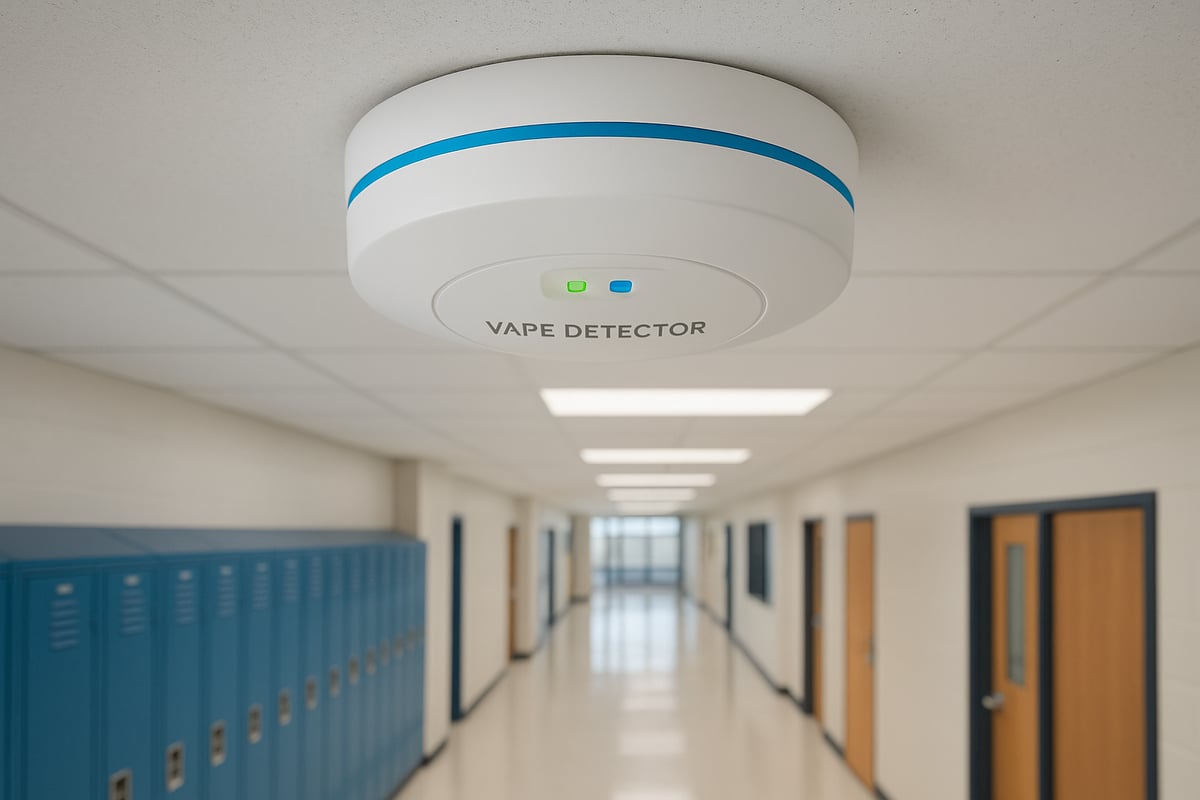
At the heart of every zero false alarms vape detector lies a multi-faceted sensor array. These systems typically use a combination of particulate, chemical, and gas sensors to identify the unique signature of vape aerosols. Each sensor type plays a specific role. Particulate sensors detect tiny airborne particles, chemical sensors sense volatile organic compounds, and gas sensors monitor changes in air composition.
The real breakthrough comes from artificial intelligence and machine learning. By analysing sensor data in real time, AI algorithms distinguish between actual vaping events and harmless environmental changes. This reduces the risk of confusing steam, deodorant sprays, or dust with vaping activity. In controlled environments, AI-powered vape detectors can achieve over 98 percent accuracy, making them a significant upgrade from legacy systems.
For a deeper dive into the science behind these devices, you can explore Vape detection technology explained. This resource covers the technical principles that drive the zero false alarms vape detector revolution.
Real-time data processing is another core feature. Detectors instantly interpret incoming signals, triggering alerts only when a verified vaping event is detected. This rapid response supports prompt intervention and ensures that facilities remain compliant and secure.
Key Features That Minimise False Positives
To consistently deliver on the promise of a zero false alarms vape detector, manufacturers employ several advanced techniques. Multi-sensor fusion is a primary strategy, where data from multiple sensor types is combined and cross-validated. This approach dramatically reduces the likelihood of false positives caused by single-sensor anomalies.
Environmental adaptation is also essential. Modern detectors automatically adjust their sensitivity based on room conditions such as humidity, airflow, and occupancy levels. Regular software and firmware updates further refine detection algorithms, keeping systems ahead of new vaping trends and environmental variables.
A compelling example comes from a facility that implemented adaptive algorithms and saw an 80 percent reduction in false alerts. The zero false alarms vape detector approach is not just about technology but also about continuous improvement and smart configuration.
Integration With Building Systems
A zero false alarms vape detector is most effective when integrated into a building’s broader safety ecosystem. Linking detectors to security, HVAC, and access control systems enables automated responses such as increased ventilation, lockdowns, or targeted notifications. This integration streamlines operations and ensures rapid action in the event of a vaping incident.
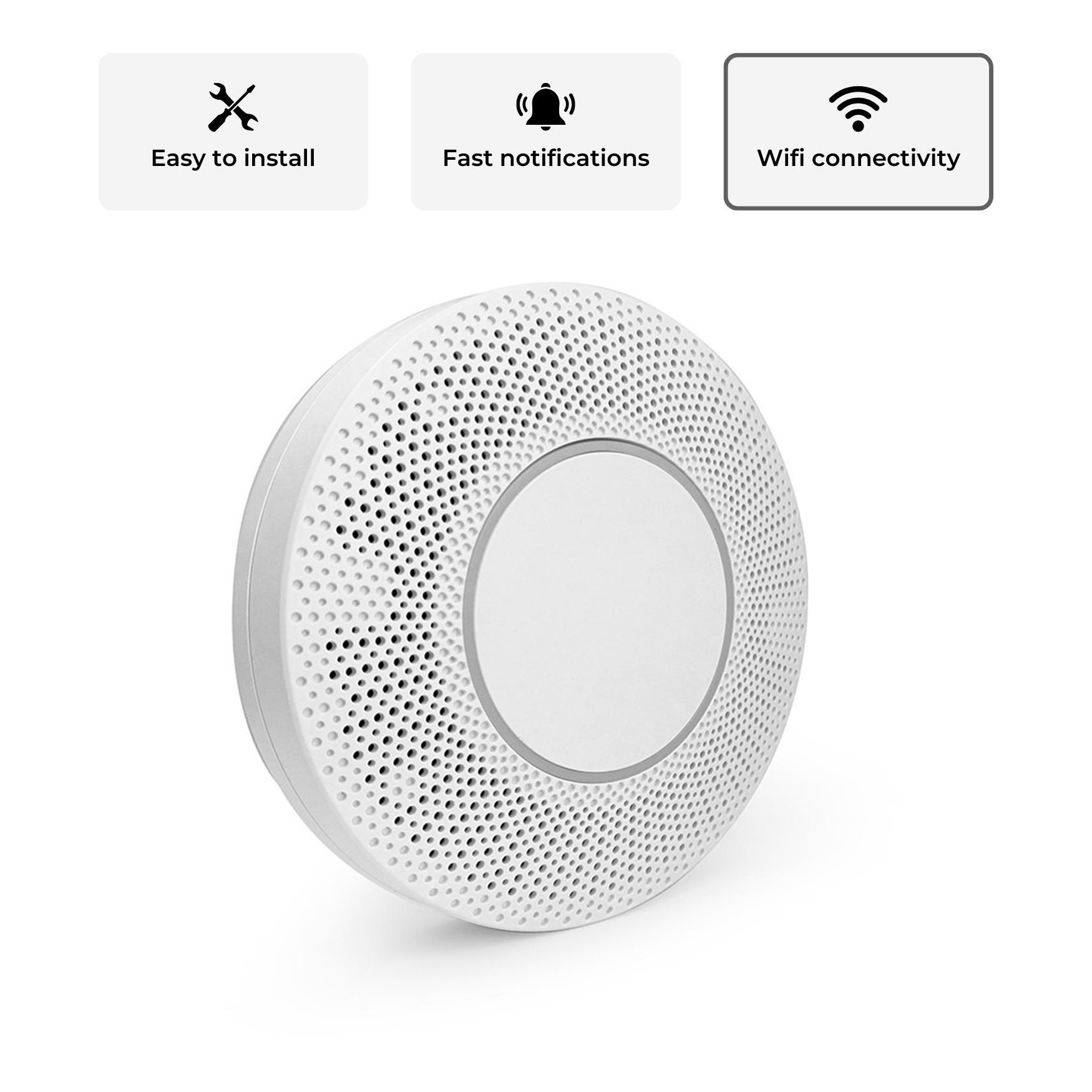
Compatibility with mobile apps and cloud dashboards allows for remote monitoring and management. Facility managers can receive real-time alerts, review incident histories, and adjust system parameters from anywhere. This level of control and oversight is essential for large campuses and multi-site organisations that rely on a zero false alarms vape detector to maintain safety and compliance.
The Role of User Training and Support
Even the most sophisticated zero false alarms vape detector requires knowledgeable users. Comprehensive staff training ensures that team members understand system capabilities, proper alert response, and basic troubleshooting. Ongoing support and expert consultation are vital for maintaining optimal performance and adapting to new challenges.
A well-supported system maximises uptime and accuracy, making the zero false alarms vape detector a dependable asset in any facility’s safety plan.
Vape Guardian: Advanced Zero False Alarm Solutions
Vape Guardian stands at the forefront of the zero false alarms vape detector market. Their AI-driven detection systems use a unique 10-point formula to minimise false positives. Real-time alerts, detailed analytics, and seamless mobile integration empower users to act quickly and confidently.
Proven in educational settings, Vape Guardian has helped reduce vaping incidents by up to 95 percent within five weeks. Dedicated UK-based support, free trials, and a 100-day money-back guarantee make their zero false alarms vape detector solutions a trusted choice for organisations seeking peace of mind and compliance.
Step-by-Step Guide: Setting Up a Zero False Alarm Vape Detector System
Setting up a zero false alarms vape detector system requires a methodical approach and attention to the unique needs of your environment. This guide breaks down the process into clear, actionable steps to help you achieve reliable detection and maintain confidence in your system.
Each step below is designed to minimise false alerts and maximise the effectiveness of your zero false alarms vape detector strategy.
Step 1: Assessing Your Environment
Begin by thoroughly surveying your site to pinpoint high-risk areas for vaping. Look for locations where students or staff may attempt to vape discreetly. Bathrooms, stairwells, and secluded corners are common targets.
Evaluate environmental factors that could impact your zero false alarms vape detector. Consider humidity, temperature fluctuations, and sources of steam or aerosols. Identifying these variables early helps prevent future false positives.
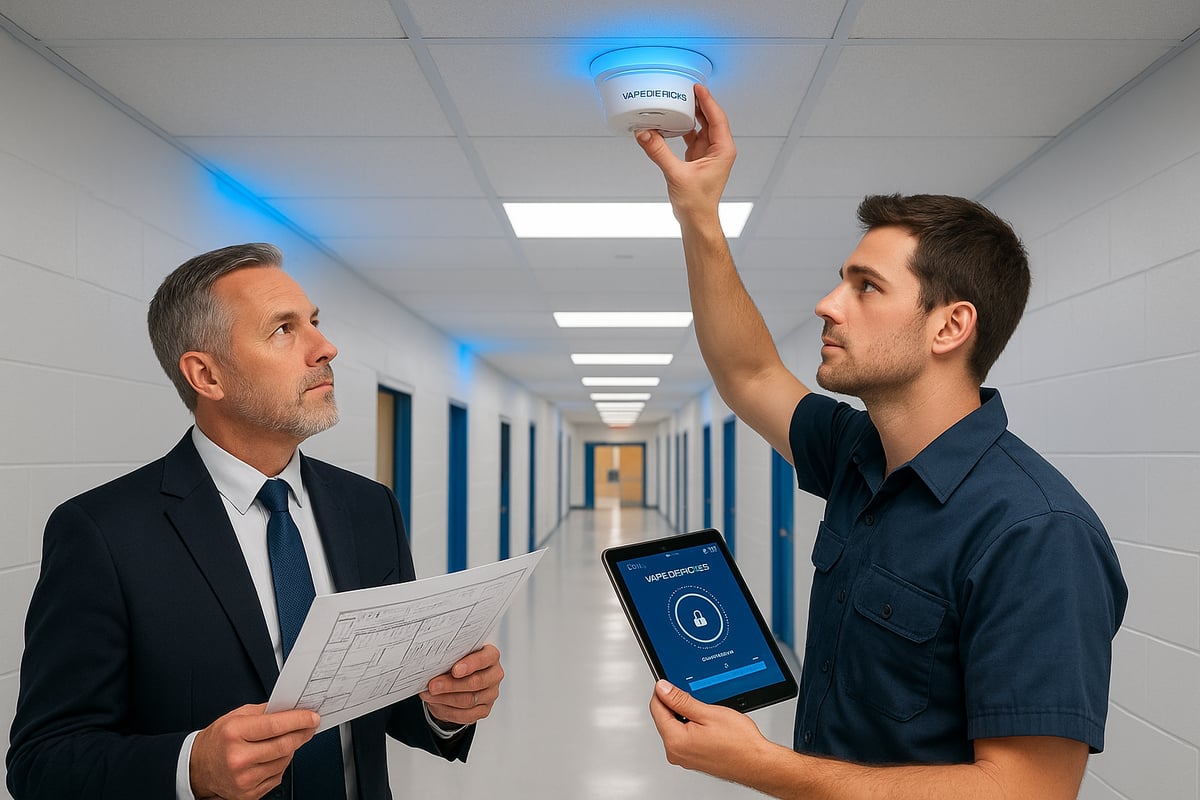
Document your findings with a detailed map. Mark out areas with high foot traffic, ventilation sources, and cleaning routines. This groundwork ensures your zero false alarms vape detector system is tailored to your specific needs and sets the stage for effective installation.
Step 2: Selecting the Right Detector
Choosing the right detector is crucial for achieving zero false alarms vape detector performance. Prioritise advanced, AI-powered models capable of distinguishing between vaping aerosols and harmless substances.
Compare detector features using a simple table:
| Feature | Importance | Considerations |
|---|---|---|
| Sensor Types | High | Particulate, chemical, gas |
| AI Capabilities | Essential | Real-time filtering, analytics |
| Integration Options | High | Security, HVAC, mobile apps |
| Compliance | Mandatory for 2026 | Certifications, data security |
| Alert Methods | Variable | Visual, audible, digital |
Ensure your chosen zero false alarms vape detector meets the latest compliance standards. Look for independent certifications, robust support, and evidence of high accuracy rates in similar environments.
Step 3: Installation Best Practices
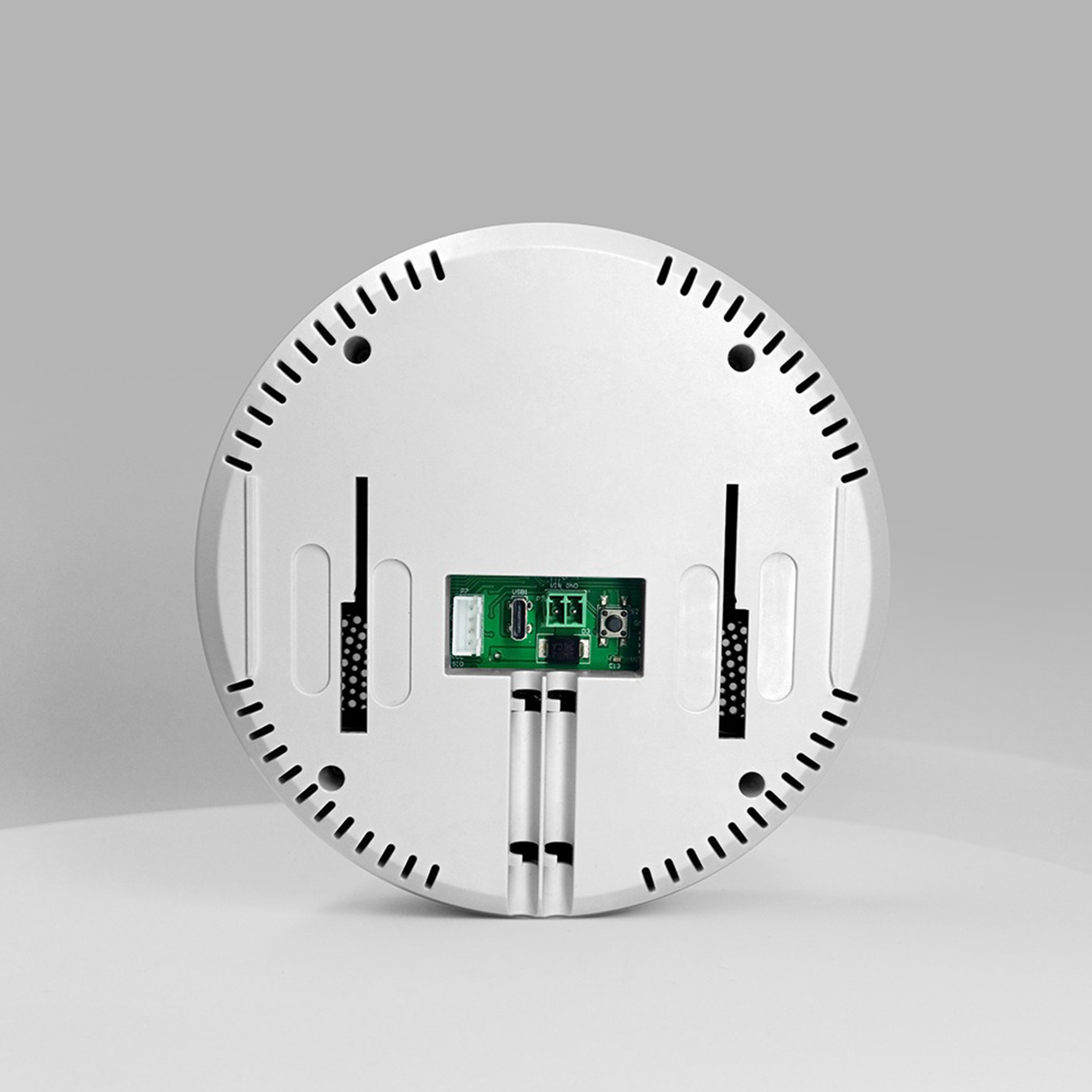
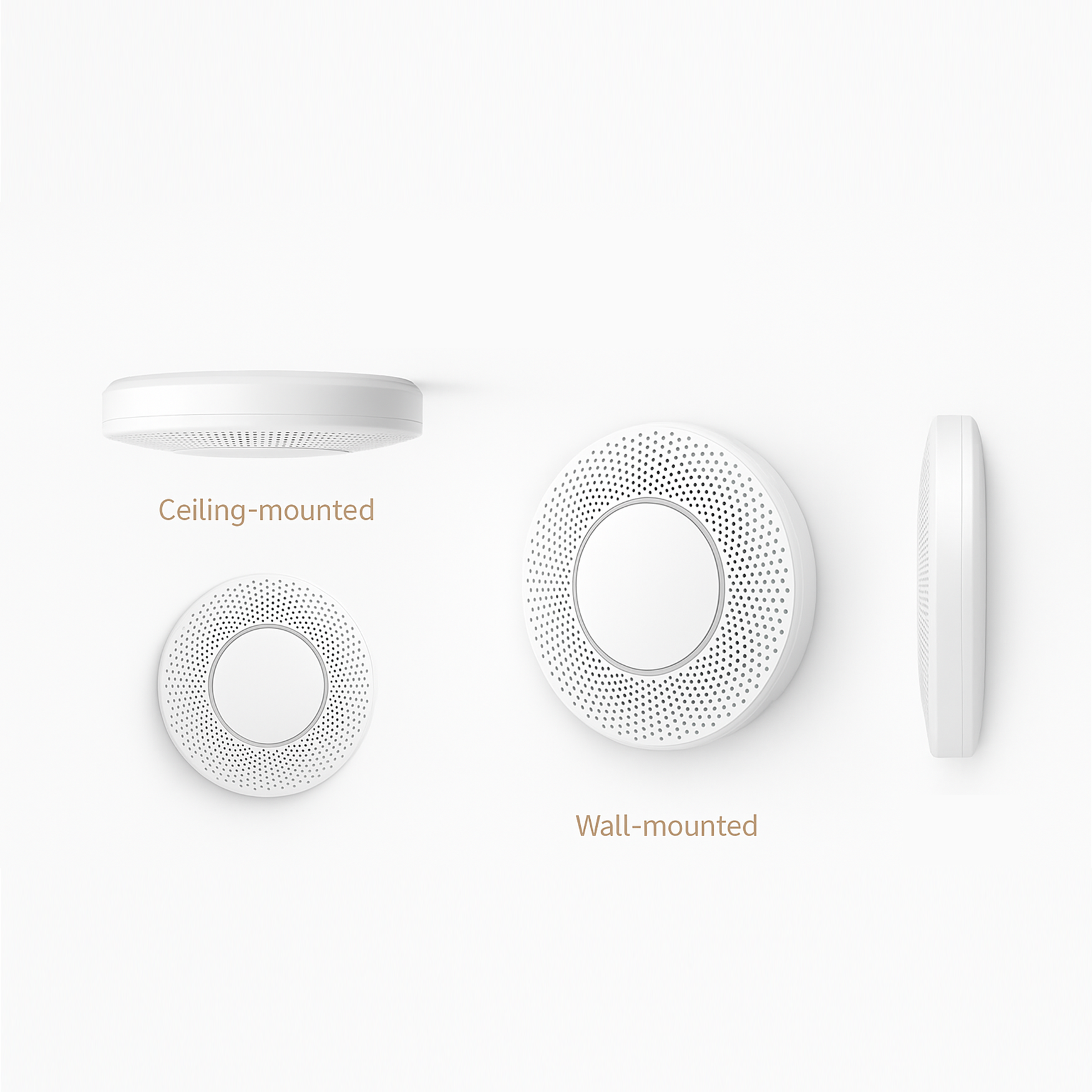
Proper installation directly impacts the effectiveness of your zero false alarms vape detector. Begin by placing detectors at optimal heights, away from vents, windows, and doors to avoid detection interference.
Avoid areas exposed to excessive steam, cleaning sprays, or dust. In one case, placing detectors too close to air vents led to persistent false alarms, undermining trust in the system.
For a comprehensive overview of placement strategies and technical tips, consult this Vape detector installation best practices resource. Following proven guidelines reduces the likelihood of false positives and ensures your system performs as intended.
Step 4: Calibration and Initial Testing
Calibrating your zero false alarms vape detector is essential for accurate operation. Start by configuring sensors for the specific environment identified during your site survey.
Conduct controlled tests using real and simulated vape events. Record baseline readings and set alert thresholds that balance sensitivity with specificity. Documenting this process allows you to reference initial settings and make informed adjustments later.
Regular calibration checks, especially after changes to the environment or cleaning routines, help maintain near-zero false alarm rates. This attention to calibration ensures your zero false alarms vape detector remains reliable over time.
Step 5: Staff Training and Policy Integration
No zero false alarms vape detector system is complete without comprehensive staff training. Designate responsible personnel and ensure they understand how to interpret alerts, respond appropriately, and maintain the system.
Integrate detector usage into your facility’s broader policies. Establish clear protocols for responding to alerts, investigating incidents, and recording outcomes. For example, a school might require written documentation of every alert and a follow-up investigation.
Ongoing training sessions keep staff updated on new features and best practices. When everyone knows their role, your zero false alarms vape detector system operates smoothly and consistently.
Step 6: Ongoing Monitoring and Optimisation
Achieving zero false alarms vape detector results is an ongoing process. Regularly review alert data to identify patterns or recurring issues that may indicate environmental triggers or sensor drift.
Schedule routine software and firmware updates to keep detection algorithms current. Adjust sensitivity settings in response to seasonal changes, renovations, or shifts in usage patterns.
Continuous optimisation, paired with proactive maintenance, maximises system effectiveness and keeps false positives to a minimum. By treating your zero false alarms vape detector as a living system, you ensure long-term reliability and trust among all stakeholders.
Best Practices for Maintaining Zero False Alarms
Maintaining a zero false alarms vape detector system is essential for reliable operation and continued peace of mind. Consistent attention to maintenance, environment, and stakeholder engagement will ensure your detectors remain accurate and trusted.
Routine Maintenance and Inspection
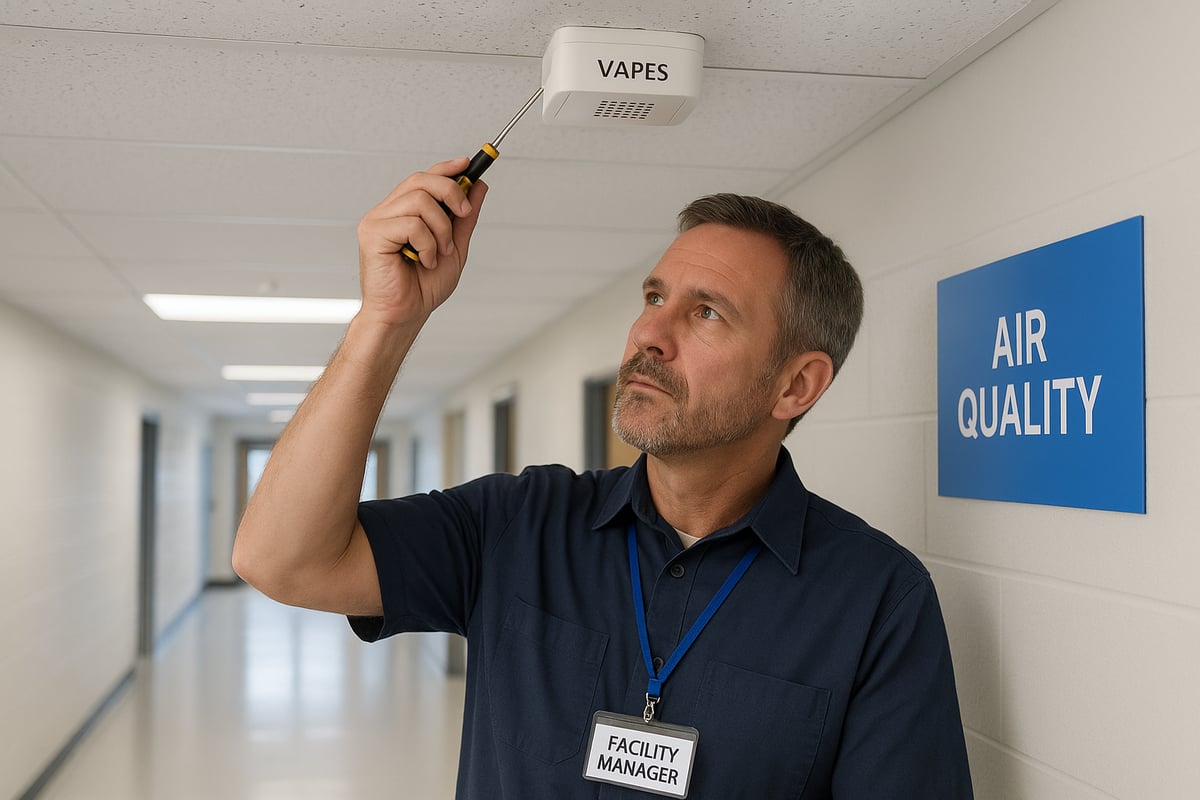
A robust maintenance schedule is the first line of defence for any zero false alarms vape detector. Regular cleaning removes dust and residue that may trigger unnecessary alerts. Monthly inspections ensure sensors are free from obstructions and functioning properly.
Key steps include:
- Cleaning detector surfaces with approved materials
- Checking for sensor drift or anomalies
- Recording maintenance activities in a logbook
Calibration should be part of quarterly routines, especially in areas with fluctuating air quality. Proactive care not only reduces the risk of false positives but also extends the lifespan of your system. For additional guidance, review Maintaining vape detection systems, which outlines practical steps to keep false alarms at bay.
Environmental Controls and Adjustments
Environmental factors play a major role in the performance of a zero false alarms vape detector. High humidity, aerosols from cleaning products, and poor ventilation can all increase the likelihood of false alerts. Managing these elements is critical to system reliability.
Consider these strategies:
- Monitor and regulate humidity levels in detector zones
- Schedule deep cleaning during periods when detectors can be temporarily silenced
- Use signage to remind occupants about vaping restrictions and reporting procedures
By controlling environmental variables, you help the zero false alarms vape detector focus on genuine vaping incidents rather than ambient interference.
Data Review and Continuous Improvement
Ongoing data analysis is vital for sustaining a zero false alarms vape detector system. Regularly reviewing alert logs helps reveal patterns, such as recurring false positives linked to specific activities or locations.
Utilise analytics dashboards to:
- Track the frequency and source of alerts
- Identify times or places with increased false alarms
- Adjust detection thresholds based on evidence
This data-driven approach allows for targeted improvements, ensuring the zero false alarms vape detector adapts to changing conditions and remains trusted by staff.
Engaging Stakeholders
The success of any zero false alarms vape detector relies on active engagement with all stakeholders. Involve staff, students, and facility managers in routine feedback sessions to gather insights and address concerns.
Effective engagement can include:
- Training sessions to explain detector capabilities and proper responses
- Open forums for reporting issues with false alarms
- Collaborative reviews of alert data and system performance
Transparent communication builds confidence in the zero false alarms vape detector, fostering a culture of shared responsibility and vigilance.
Troubleshooting and Resolving False Alarms
Addressing false alarms is essential to uphold the reliability of your zero false alarms vape detector system. Persistent false alerts can erode trust, disrupt daily routines, and hinder policy enforcement. Proactive troubleshooting helps maintain accuracy, ensuring confidence in every alert.
Common Causes of Residual False Alarms
Even advanced zero false alarms vape detector systems may occasionally register false positives. Environmental interference is a primary culprit. Steam from showers, aerosol sprays, and dust particles can easily trigger sensors. Cleaning products, especially those that release vapours, often mimic the chemical profile of vape aerosols.
Device malfunction or outdated firmware can also lead to repeated false alarms. Sensors may drift over time, reducing their ability to distinguish between genuine vaping and harmless substances. Human factors, such as accidental tampering or incorrect settings during installation, further complicate detection accuracy.
Notably, research shows traditional smoke detectors are frequently activated by indoor e-cigarette use, highlighting the need for vape-specific detection solutions. For more detail, see E-cigarette Use and Smoke Detector Activation. Ensuring your zero false alarms vape detector is suited to the environment and updated regularly is critical to reducing nuisance alerts.
Step-by-Step Troubleshooting Process
When a false alarm occurs, a structured approach is vital. Start by isolating the affected zero false alarms vape detector and reviewing its alert history. This helps determine if the issue is isolated or systemic.
Check environmental conditions at the time of the alert. Was cleaning underway, or was there excess humidity? Inspect the device for visible dust or obstructions. Next, recalibrate the sensor, following manufacturer guidelines. Updating firmware often resolves software-related anomalies.
If the issue persists, contact the manufacturer’s support team for advanced diagnostics. Document all steps taken to ensure a clear record for future reference. This systematic process keeps your zero false alarms vape detector operating at peak accuracy.
When to Replace or Upgrade Your System
There comes a point when troubleshooting is no longer sufficient. Frequent false alarms, even after recalibration and updates, may indicate the detector is outdated or unsuitable for current needs. Advancements in AI-powered detection have significantly improved accuracy and response times.
Upgrading to a modern zero false alarms vape detector can reduce nuisance alerts by as much as 90 percent in multi site environments. Newer systems often offer better integration, analytics, and adaptability to evolving compliance standards. Investing in an upgrade ensures your facility remains secure, compliant, and free from unnecessary disruptions.
The Future of Vape Detection: Trends and Innovations for 2026
The landscape of vape detection is evolving rapidly as technology races to meet the demand for a true zero false alarms vape detector. In 2026, stakeholders expect not only pinpoint accuracy but also seamless integration and user-friendly features. The future is shaped by cutting-edge AI, multi-sensor fusion, and regulatory shifts, all working to ensure that false positives become a thing of the past. Understanding these trends is crucial for anyone aiming to achieve a reliable zero false alarms vape detector system.
AI and Machine Learning Advancements
Artificial intelligence and machine learning are at the core of the next generation zero false alarms vape detector. Algorithms are becoming more sophisticated, analysing vast datasets to distinguish vaping aerosols from harmless substances. Predictive analytics can now identify patterns, helping facilities anticipate high-risk times or locations.
With AI, detectors learn from every event, improving their accuracy over time. This advancement directly addresses the need to reduce false positives, as highlighted in the Impact of False Alarms on Analyst Performance study, which demonstrates how high false alarm rates can undermine trust and response effectiveness. As a result, the zero false alarms vape detector is set to become more reliable and efficient in complex environments.
Integration With Broader Safety and Compliance Systems
The future demands that zero false alarms vape detector solutions do not function in isolation. Integration with building safety, HVAC, and access control systems is becoming standard. Unified dashboards allow facility managers to monitor vaping, air quality, and even anti-social behaviour from a single interface.
Automated compliance reporting is another innovation, enabling organisations to meet regulatory requirements effortlessly. The result is a holistic approach to safety, where the zero false alarms vape detector is a key component in a larger ecosystem of protection.
| System Integrated | Benefit |
|---|---|
| Security | Immediate alerts and incident response |
| HVAC | Automated ventilation on vape detection |
| Compliance Dashboard | Real-time reporting and analytics |
Expanding Detection Capabilities
As threats evolve, so does the zero false alarms vape detector. Manufacturers are developing multi-substance detection, capable of identifying not just nicotine vapours but also THC, synthetic cannabinoids, and other airborne chemicals. Some systems now include noise and behaviour monitoring, providing a broader safety net.
Advanced algorithms, such as those inspired by Fire Alarm Judgment Using Bayesian Estimation, combine data from multiple sensors for higher accuracy. This multi-layered approach further minimises false positives, ensuring the zero false alarms vape detector remains dependable in diverse settings.
User Experience and Accessibility Improvements
User experience is a focal point in the evolution of the zero false alarms vape detector. Mobile-first management tools empower staff to receive real-time notifications and manage incidents on the go. Enhanced dashboards present data visually, simplifying analysis and decision-making.
Accessibility features are also being prioritised. Customisable interfaces, detailed analytics, and intuitive controls make it easier for all users to interact with the system. The goal is to ensure that anyone can operate a zero false alarms vape detector confidently and efficiently.
Regulatory and Policy Developments
Regulatory bodies are raising the bar for vape detection in 2026. Updated standards require higher accuracy, improved data privacy, and documented response protocols. Future policies may mandate multi-sensor verification and AI-powered analytics as part of compliance.
Organisations adopting a zero false alarms vape detector will need to stay ahead of these changes. Proactive strategies include regular system updates, transparent communication with stakeholders, and ongoing staff training. As the regulatory landscape shifts, a robust zero false alarms vape detector becomes essential for maintaining compliance and peace of mind.
After exploring the essential steps to achieve zero false alarms in vape detection, you can see just how important it is to have the right technology and support for your environment. Whether you are responsible for a school, office, or leisure space, ensuring accurate, reliable alerts can make all the difference in safety and compliance. If you are ready to take the next step and secure your building with proven solutions, I encourage you to talk to our team and protect your building today. We are here to help you create a safer, vape free environment with confidence.





Share:
Indoor Safety Technology Guide: Innovations for 2026
Vape Detection Middle East Guide: Essential Insights for 2026