
Imagine stepping into a building where advanced systems quietly work to protect you from unseen risks. As threats and regulations evolve, the need for reliable indoor safety technology has never been greater.
In this guide, we explore the latest breakthroughs set to shape 2026. From AI-powered sensors to integrated building management systems, these innovations are transforming how we secure homes, schools, and workplaces.
Discover how adopting indoor safety technology can safeguard occupants, streamline compliance, and future-proof your spaces. We will examine key trends, highlight practical benefits, and provide actionable steps for implementation. Get ready to see what the future holds for safer indoor environments.
The Evolution of Indoor Safety Technology
Historical context and recent advancements
Indoor safety technology has evolved from simple beginnings. Early solutions included manual fire extinguishers, basic smoke alarms, and straightforward surveillance. These tools offered fundamental protection but lacked connectivity and intelligence.
The digital transformation began with the adoption of CCTV, electronic access controls, and basic sensors. As technology advanced, the 2020s saw a surge in IoT devices and artificial intelligence. Global events, such as pandemics, further accelerated the need for smarter safety systems. Regulatory pressures and insurance requirements also drove rapid adoption, making indoor safety technology an essential part of modern buildings.
Current market overview and statistics
The market for indoor safety technology is expanding rapidly. According to recent industry data, the sector is set for double-digit growth through 2026. Significant investments are being made across education, healthcare, commercial, and residential sectors.
A notable trend is the shift towards integrated and automated systems. There is growing demand for solutions that allow remote management, seamless integration, and real-time monitoring. Facility managers are prioritising platforms that offer comprehensive control, reflecting the importance of indoor safety technology in daily operations.
Key drivers for innovation in 2026
Several factors are shaping the future of indoor safety technology. The rise of hybrid work models has created flexible spaces that require adaptable safety systems. Health and wellness are now central, with a focus on air quality and occupant wellbeing.
There is an increasing need for real-time, actionable data to make informed safety decisions. Sustainability is also a key driver, encouraging energy-efficient solutions. User expectations for seamless and unobtrusive safety experiences are higher than ever, and innovations described in the Smart Sensor Technology Overview demonstrate how modern systems are meeting these demands.
Challenges and gaps in existing solutions
Despite progress, current indoor safety technology faces challenges. Many systems remain fragmented, with poor interoperability between devices. High upfront costs and ongoing maintenance can deter adoption, especially for smaller organisations.
Privacy and data security concerns are growing as more data is collected. Scaling these technologies across diverse building types presents operational difficulties. Addressing these gaps is crucial for the next wave of safety innovation.
The shift towards predictive and proactive safety
A transformative change is underway as indoor safety technology moves from reactive to proactive models. Predictive analytics now enable early detection of risks, shifting the focus from alarm response to risk anticipation.
Artificial intelligence and machine learning are being used to predict fire hazards, analyse occupancy for evacuation planning, and identify unusual patterns. These advancements promise not only greater safety but also smarter, more efficient building management for the future.
Next-Generation Detection and Monitoring Systems
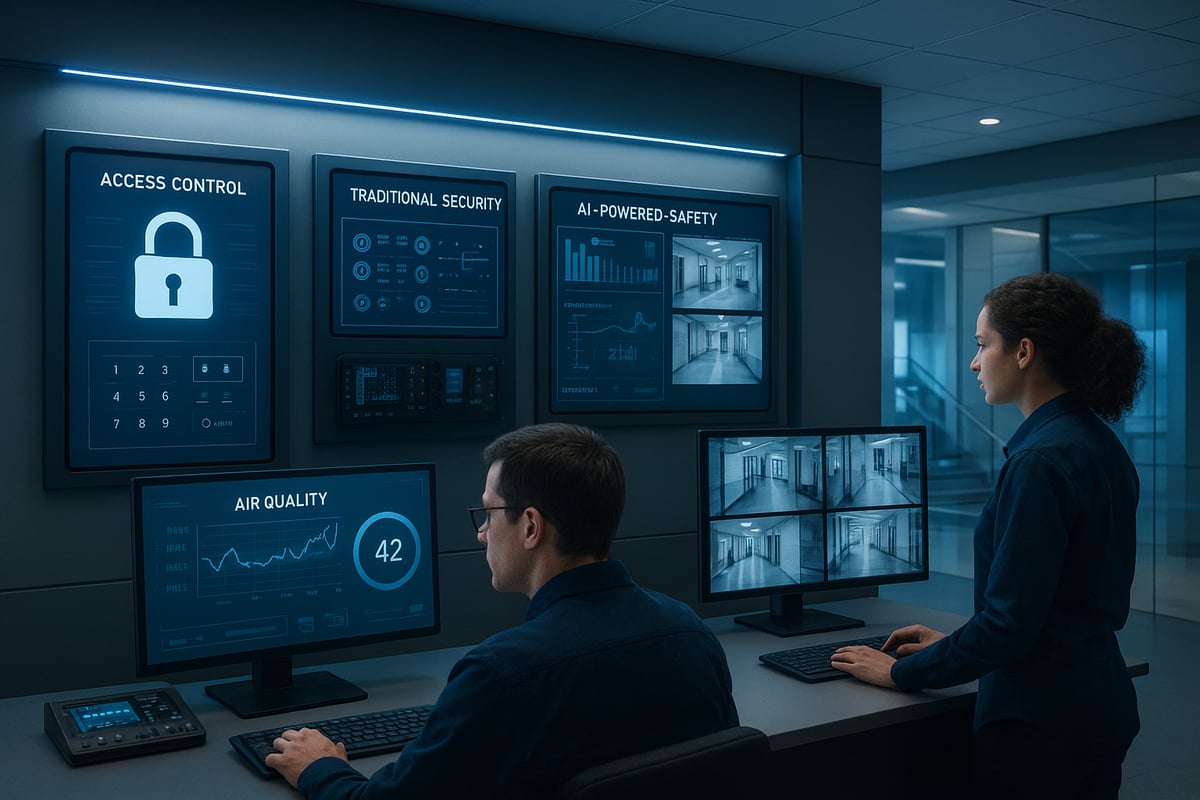
Next-generation detection and monitoring systems are reshaping the landscape of indoor safety technology. These advanced solutions use artificial intelligence, machine learning, and state-of-the-art sensors to create safer, more responsive environments. The following sections explore the leading innovations driving this transformation.
AI-powered environmental sensors
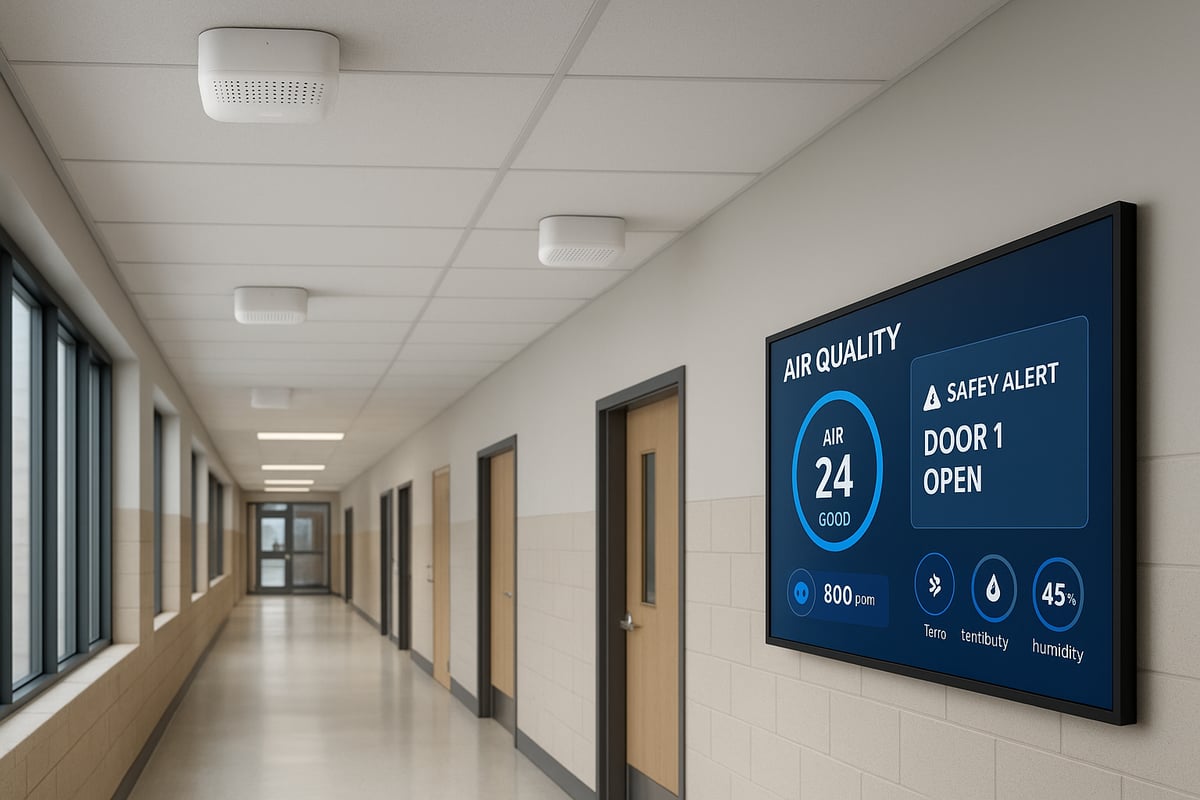
AI-powered environmental sensors represent a significant leap in indoor safety technology. These devices can simultaneously monitor smoke, heat, humidity, volatile organic compounds, and other environmental factors. By leveraging AI algorithms, they quickly identify patterns and reduce false alarms, which has long been a challenge with traditional systems.
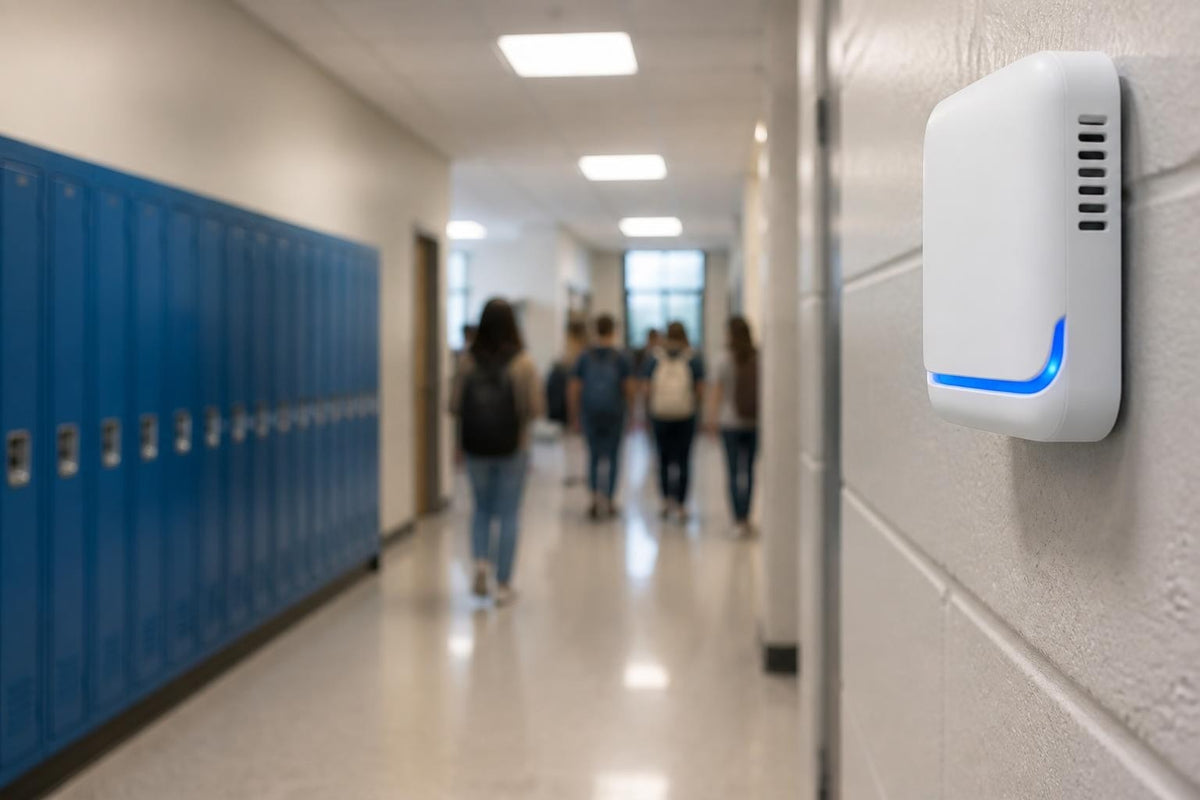
For example, schools are deploying these sensors to detect vaping, chemical hazards, and changes in air quality. The AI analyses data in real time, distinguishing between harmless incidents and genuine risks. This approach not only improves safety but also minimises unnecessary disruptions.
The integration of AI-powered sensors is expected to become standard across educational, healthcare, and commercial buildings as part of broader indoor safety technology strategies.
Real-time air quality monitoring
Real-time air quality monitoring is a cornerstone of modern indoor safety technology. Maintaining healthy indoor air has never been more important, as poor air quality can significantly impact occupant health and productivity. Advanced sensors now measure carbon dioxide, particulate matter (PM2.5), volatile organic compounds, and even airborne pathogens with impressive accuracy.
These systems often connect directly to HVAC units, enabling automatic adjustments when thresholds are exceeded. For those seeking top solutions, the Best Air Quality Monitoring Device guide offers a comprehensive look at leading products in this space.
By providing instant feedback and actionable insights, real-time monitoring empowers building managers to create healthier, safer environments using the latest indoor safety technology.
Intelligent video analytics and surveillance
Intelligent video analytics are transforming surveillance as part of indoor safety technology. Modern cameras, enhanced by AI, detect unusual behaviour, monitor occupancy levels, and identify potential safety breaches automatically. Facial recognition technology is increasingly used for secure access and early threat detection, always with strict adherence to GDPR requirements.
Video data is processed in real time, allowing for rapid response to incidents such as unauthorised entry or aggressive behaviour. GDPR-compliant storage ensures privacy and security for all footage.
These advancements provide a proactive layer of protection, making intelligent video analytics a critical element of indoor safety technology in 2026.
Acoustic and noise monitoring
Acoustic and noise monitoring is fast becoming an essential component of indoor safety technology. Sound sensors can now detect aggression, distress calls, or anti-social behaviour in environments such as schools, hospitals, and public venues.
When the system identifies a concerning noise pattern, it automatically triggers alerts and logs the incident for further review. This allows for swift intervention, supporting both safety and wellbeing.
The use of acoustic monitoring, combined with other indoor safety technology solutions, creates a more comprehensive safety net for occupants, ensuring that even non-visual threats are recognised and addressed.
Case example: Vape Guardian’s vaping detection and air quality solutions
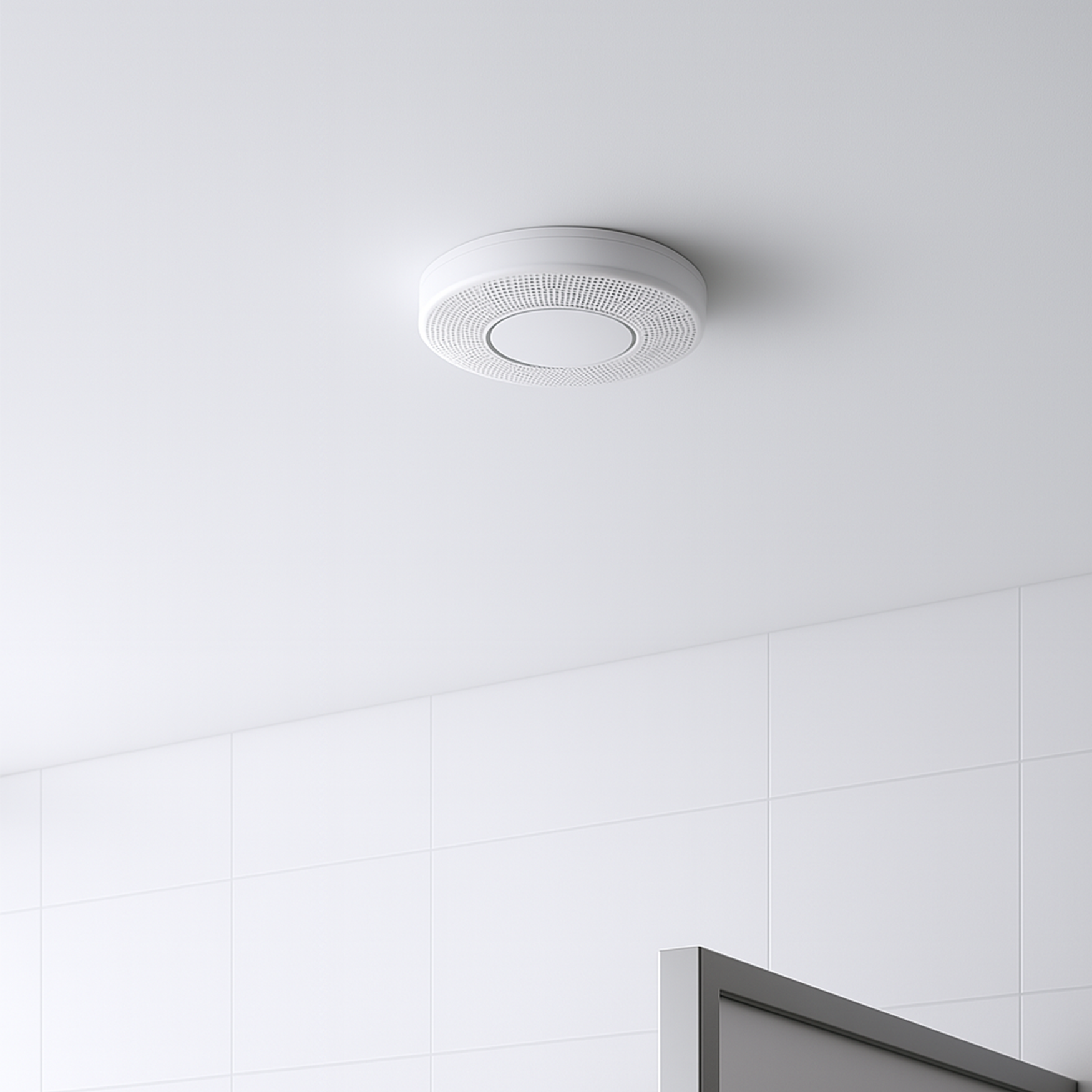
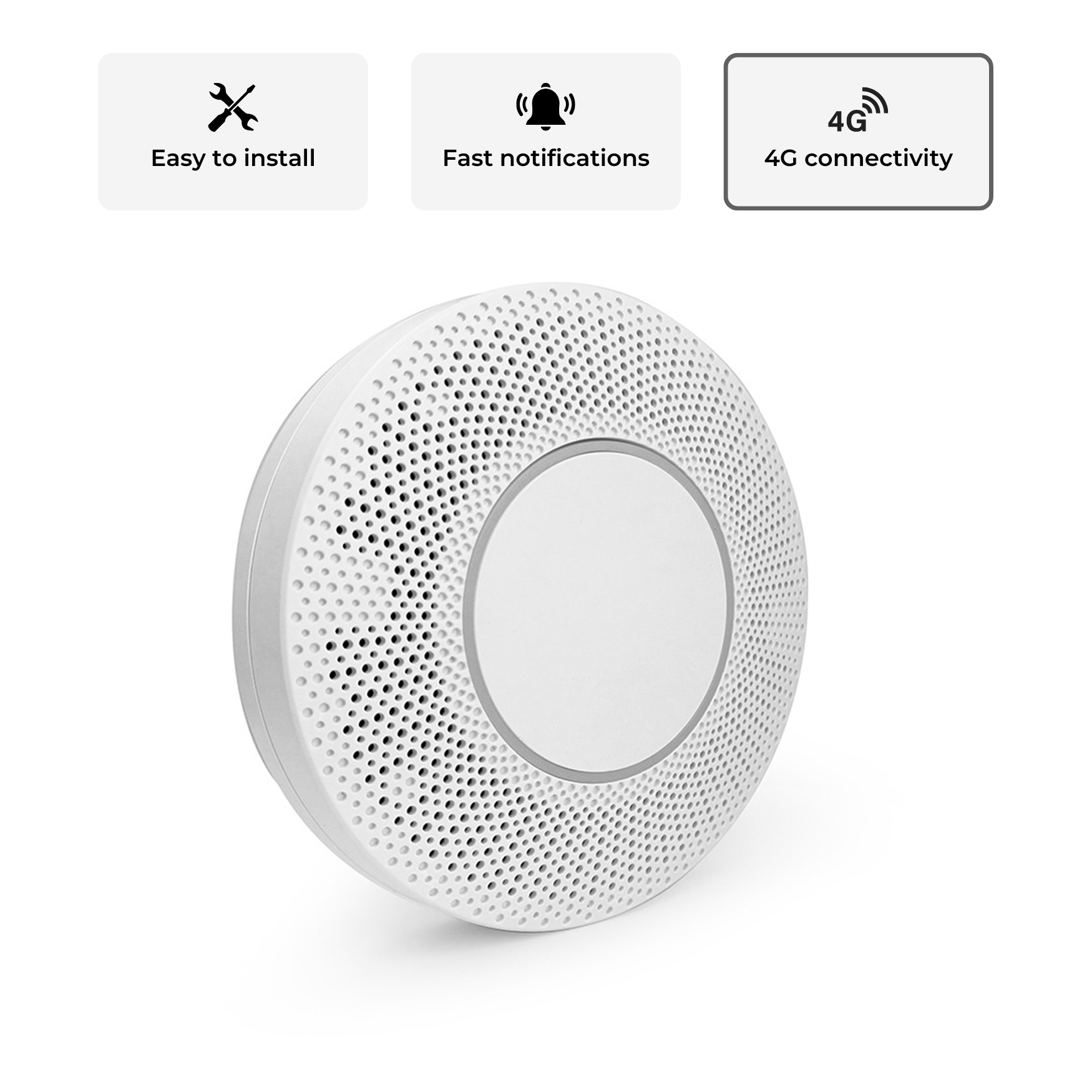
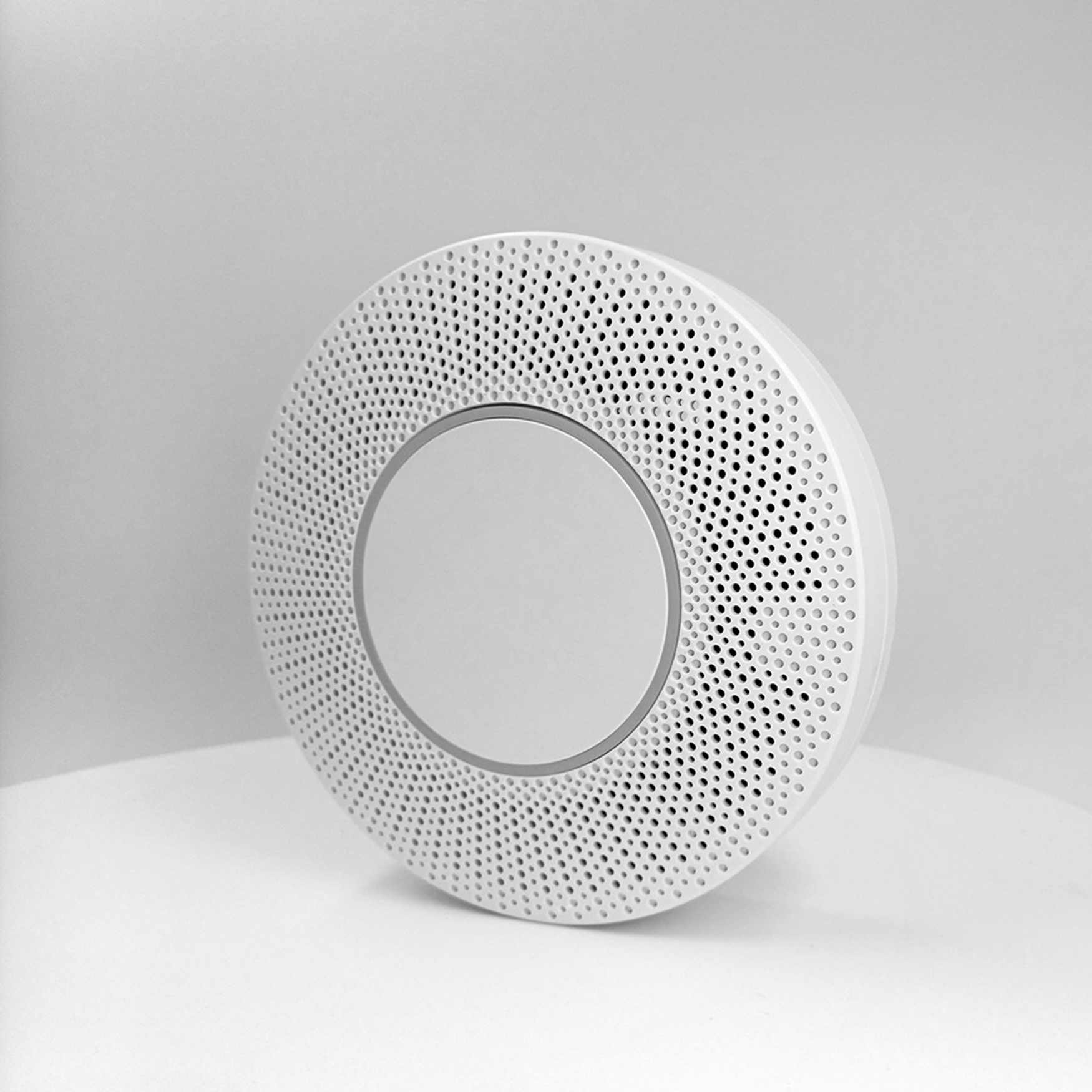
Vape Guardian’s technology exemplifies the impact of next-generation indoor safety technology. Their sensors are designed to detect vaping, THC, and air quality issues in real time, offering immediate alerts and detailed reports to administrators in schools and offices.
Results show up to a 95 percent reduction in vaping incidents where these systems are implemented. Vape Guardian integrates with both mobile and cloud platforms, making it simple to manage data, monitor trends, and ensure regulatory compliance.
Support for educational initiatives further distinguishes Vape Guardian as a leader in indoor safety technology, helping institutions foster safer, healthier environments.
Remote monitoring and cloud-based management
Remote monitoring and cloud-based management are revolutionising how indoor safety technology is deployed and maintained. Centralised dashboards provide facility managers with real-time visibility across multiple sites, consolidating data from all connected sensors and systems.
Alerts are delivered instantly via dedicated apps or web interfaces, enabling swift decision-making and response. Automated reporting supports compliance with safety regulations and helps identify areas for improvement.
This centralised approach not only streamlines operations but also strengthens the overall effectiveness of indoor safety technology, making it adaptable for various building types and organisational needs.
Smart Building Integration and Automation
Smart building integration is redefining indoor safety technology by connecting critical systems and automating responses. With modern advancements, buildings are evolving into intelligent environments that protect occupants, optimise operations, and support compliance. Integrated platforms deliver seamless control, immediate alerts, and data-driven insights, making indoor spaces safer and more efficient.
Building management systems (BMS) and IoT connectivity
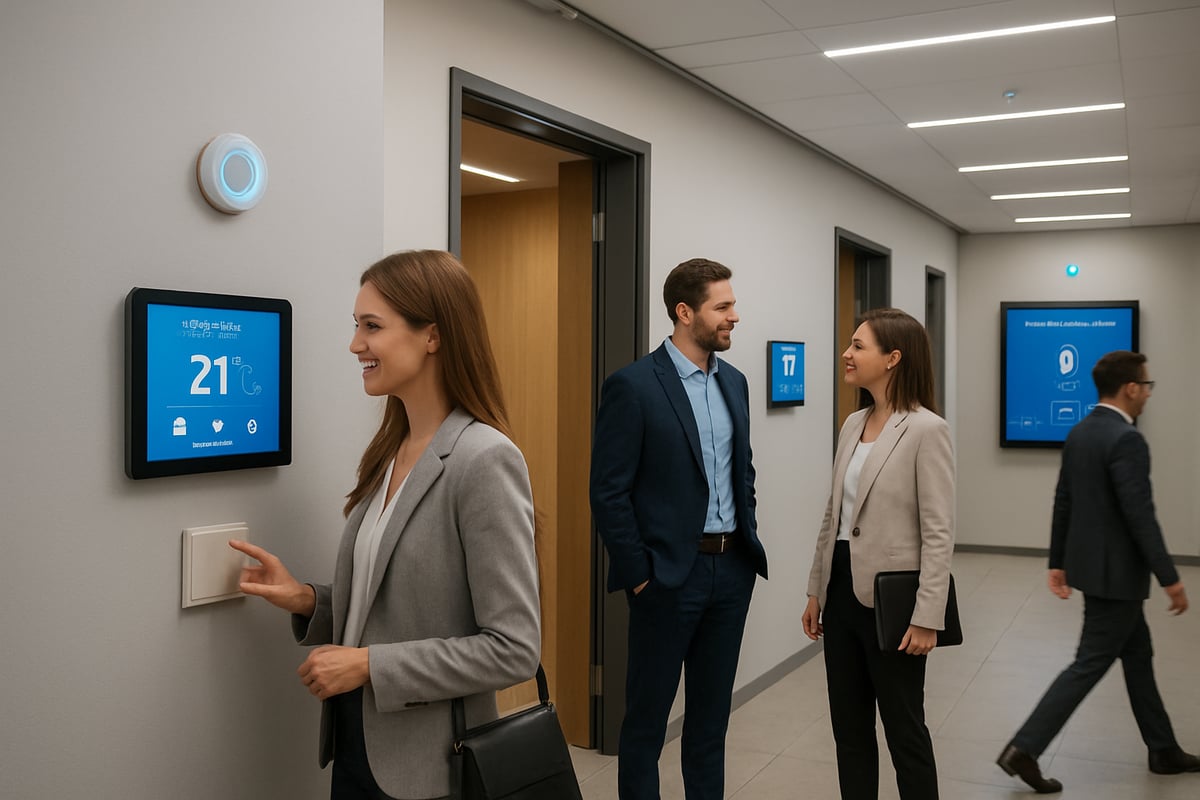
Building management systems are the backbone of integrated indoor safety technology. These platforms unify HVAC, lighting, security, and safety devices into a single, manageable network. IoT connectivity enables real-time communication between components, streamlining responses and reducing manual intervention.
Interoperability standards such as BACnet, KNX, and Zigbee facilitate seamless integration of diverse devices. This unified approach allows facility managers to monitor and control all systems from a central dashboard. The result is improved energy efficiency, rapid incident response, and scalable solutions that futureproof buildings.
Automated emergency response protocols
Automation is transforming emergency preparedness within indoor safety technology. AI-driven protocols analyse building data to generate evacuation plans and deliver real-time guidance during fire or security incidents. Automated lockdowns and access control measures can be initiated instantly, limiting risk and safeguarding occupants.
Integration with public safety agencies ensures that first responders receive timely, accurate information. This level of coordination is essential for reducing response times and mitigating damage. Many leading facilities now adopt these automated protocols as part of their standard safety strategy.
Sensor fusion and data integration
Sensor fusion brings together data from multiple sources to create a holistic picture of building safety. For example, combining fire, air quality, and occupancy data enables more intelligent alarm management within indoor safety technology. Predictive maintenance becomes possible, as systems can detect anomalies before failures occur.
Data integration also supports advanced analytics, identifying trends and informing risk assessments. Facilities benefit from smarter, more reliable alarms and reduced false positives. For a deeper look at how integrated systems are shaping facility security, explore the Top Trends in Facility Security for 2026.
Personalised safety and occupant experience
Personalisation is now a core aspect of indoor safety technology. Advanced systems tailor alerts and responses based on user profiles, risk factors, and real-time conditions. Vulnerable populations benefit from adaptive lighting, climate control, and air quality adjustments.
Occupant feedback apps empower individuals to report incidents or suggest improvements. This two-way communication ensures a proactive approach to safety and increases overall satisfaction. Facilities that prioritise personalised experiences see greater engagement and compliance.
Sustainability and energy efficiency in safety systems
Sustainable indoor safety technology solutions are reducing energy consumption and environmental impact. Smart sensors minimise unnecessary alarms and system downtime, while energy-efficient hardware supports green building certifications.
Cloud-based analytics further optimise resource use, identifying opportunities for improvement. Many green buildings now integrate safety tech as a core component of their sustainability strategy. These efforts not only protect occupants but also contribute to long-term operational savings and regulatory compliance.
Advanced Access Control and Threat Prevention
Modern indoor safety technology is transforming how we secure buildings and protect occupants. Advanced access control systems are no longer just about keeping doors locked. Instead, they offer a comprehensive approach to threat prevention, blending cutting-edge authentication, analytics, and communication tools. As we look towards 2026, these innovations are setting new standards for both safety and user experience.
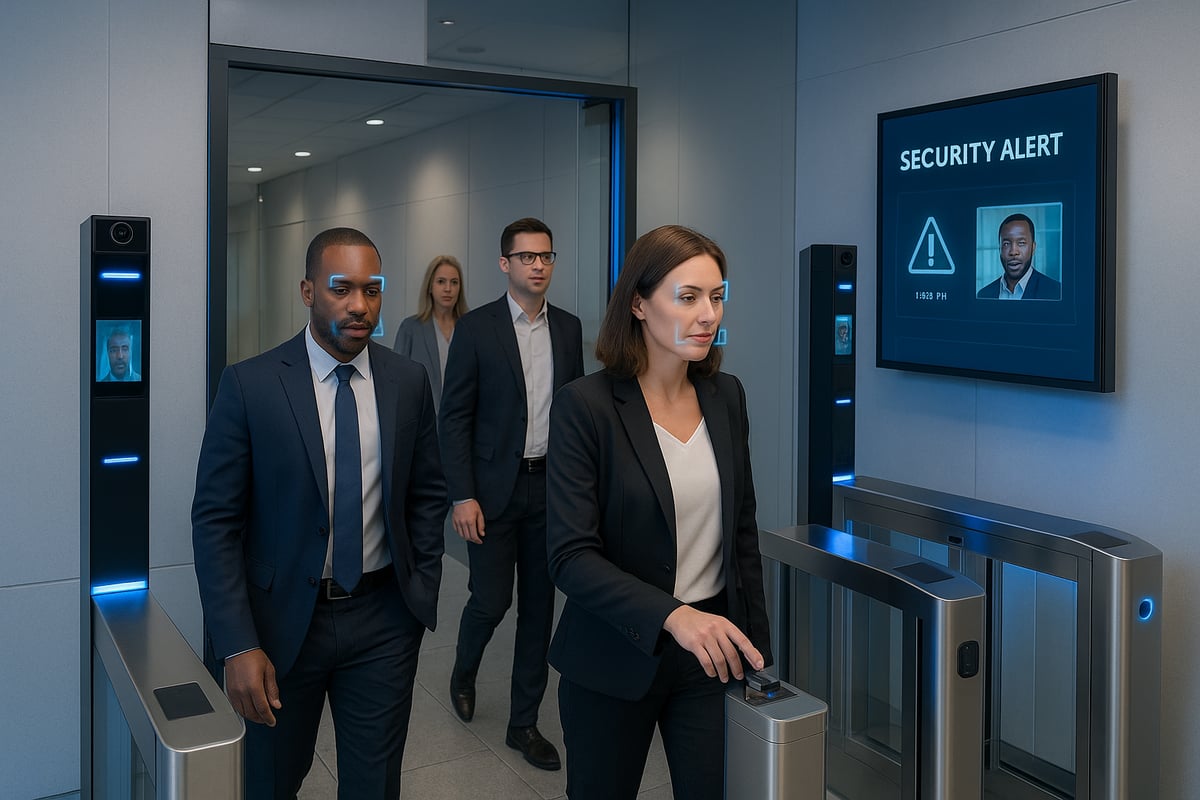
Biometric and touchless access technologies
Biometric authentication is redefining secure entry. Facial, fingerprint, and iris recognition systems offer rapid, reliable identification for employees, students, and visitors. These solutions eliminate the risk of lost or stolen credentials, providing a significant boost to indoor safety technology.
Touchless access, such as voice activation or mobile credentials, supports hygiene and convenience. This is especially critical in post-pandemic environments, where reducing contact points is a priority. The fusion of biometric and touchless methods ensures both high security and user comfort.
Many organisations now employ multifactor authentication, combining biometrics with digital badges or mobile devices. This layered approach can be tailored to varying security levels, making it ideal for sensitive zones in schools, offices, or healthcare facilities.
Behavioural analytics for threat detection
Behavioural analytics is a game-changer for proactive threat prevention. By analysing movement patterns, access attempts, and user behaviour, indoor safety technology can identify potential risks before they escalate.
AI-powered systems monitor for unusual activities, such as repeated failed entries or tailgating. These insights are integrated into security protocols, enabling real-time response to suspicious behaviour. When linked with access logs and HR systems, the technology helps spot insider threats that traditional methods might miss.
Industry forecasts, such as those found in Interface Systems Forecasts 2026 Security Trends, predict that AI-driven analytics will become a standard feature, further enhancing the predictive capabilities of indoor safety technology.
Visitor management and compliance solutions
Digital visitor management platforms streamline entry for guests, contractors, and service staff. These systems integrate seamlessly with indoor safety technology, automating check-in, ID verification, and visitor tracking.
Compliance is a top concern, particularly with GDPR and health regulations. Customisable permissions allow administrators to grant access based on visitor roles, visit duration, or specific areas. Automated record keeping ensures that organisations can provide audit trails for regulatory requirements.
Real-time dashboards offer a clear overview of who is on site at any moment. This transparency not only improves safety but also supports efficient evacuation and emergency response planning.
Integration with emergency communication systems
Effective emergency communication is a cornerstone of advanced indoor safety technology. Integrated systems deliver instant notifications to staff, first responders, and building occupants during incidents.
Mass alert platforms can trigger alarms for fire, lockdowns, or environmental hazards. Two-way communication features enable real-time updates and instructions, supporting coordinated evacuation or lockdown procedures.
Automated escalation protocols ensure that the right people are informed immediately. These solutions reduce response times and improve overall safety outcomes, making them essential in schools, hospitals, and large office complexes.
Case example: Educational institutions and office access control
Schools and corporate buildings are at the forefront of adopting smart access control. By leveraging indoor safety technology, they have achieved significant reductions in unauthorised entries and security incidents.
Educational institutions utilise biometric and digital access for staff and students, ensuring only authorised individuals enter secure areas. Offices deploy similar systems, often integrating visitor management for external contractors and guests.
Industry data shows that these advancements lead to measurable improvements in occupant safety and compliance. The result is a safer, more welcoming environment where technology works unobtrusively in the background to protect everyone.
Data Privacy, Security, and Ethical Considerations
In the era of advanced indoor safety technology, protecting sensitive data is just as vital as safeguarding physical spaces. As buildings become smarter and more connected, the volume and sensitivity of data collected has increased dramatically. Ensuring this information is handled responsibly is essential for trust, compliance, and effective risk management.
Safeguarding personal and environmental data
Indoor safety technology generates large volumes of personal and environmental data through sensors, cameras, and monitoring systems. Protecting this information requires strong encryption standards both in transit and at rest. Secure cloud storage and robust access controls are essential to prevent unauthorised access or leaks.
Organisations must regularly audit their data management practices to ensure compliance with GDPR and UK data protection laws. By implementing role-based access, regular password updates, and multi-factor authentication, building managers can reduce the risk of data breaches. The integrity of indoor safety technology relies on these fundamental safeguards.
Balancing safety with privacy rights
As indoor safety technology becomes more sophisticated, it is crucial to balance enhanced security with individual privacy. Excessive monitoring or data collection can undermine trust and create concerns among occupants. Transparent policies that clearly outline what data is being collected, how it is used, and who has access are essential.
Opt-in features and clear consent mechanisms should be standard practice. Engaging stakeholders through regular communication helps ensure everyone understands the benefits and limitations of indoor safety technology. Respecting privacy while maintaining safety is a delicate but necessary balance.
Cybersecurity for connected safety systems
Connected indoor safety technology platforms are vulnerable to cyber threats, including hacking, ransomware, and unauthorised access. Regular software updates, patch management, and continuous threat monitoring are critical for maintaining a secure environment. Encryption, firewalls, and intrusion detection systems add layers of protection.
AI-driven platforms, such as those explained in AI-Powered Environmental Sensing, introduce new security challenges and opportunities. Automated threat detection and response can help safeguard sensitive data, but organisations must remain vigilant against emerging cyber risks. Investing in cybersecurity training for staff is also an important element of a comprehensive defence strategy.
Ethical use of AI and analytics
The rapid adoption of AI within indoor safety technology brings both promise and responsibility. Ensuring fairness and preventing bias in facial recognition or behavioural analytics is a top priority. Algorithms should be regularly reviewed and tested to avoid unintended discrimination or errors.
Human oversight is essential, particularly for automated decision-making in high-stakes environments. Industry guidelines and ethical frameworks must be followed to ensure AI enhances safety without compromising rights or freedoms. By prioritising transparency and accountability, organisations can foster trust in indoor safety technology.
Regulatory landscape and future standards
The regulatory environment for indoor safety technology is evolving rapidly. UK and EU laws set clear requirements for data protection, privacy, and ethical use of technology in built environments. Anticipated updates for 2026 and beyond will likely address AI transparency, cyber resilience, and incident reporting.
Best practices for compliance include regular audits, clear documentation, and ongoing staff training. Organisations should stay informed about new standards and prepare for more stringent requirements. Proactive adaptation will ensure that indoor safety technology remains both effective and compliant with future regulations.
The Future of Indoor Safety Technology: Trends and Predictions for 2026
The future of indoor safety technology is set to transform the way we protect people in every type of building. Innovations in artificial intelligence, robotics, and digital simulation are driving a new era where safety is proactive, seamless, and deeply integrated with daily life. As regulations tighten and user expectations rise, staying ahead of these trends will be essential for organisations that value both security and occupant wellbeing.
AI and machine learning advancements
Artificial intelligence is reshaping indoor safety technology, enabling predictive risk modelling for fire, air quality, and security. Self-learning systems monitor trends and adapt to emerging threats, moving beyond traditional alarms to anticipate incidents before they escalate.
Today, AI-driven sensors are capable of real-time pattern recognition, reducing false alarms and providing actionable insights. For instance, real-time vape detection systems, as explained in Real Vape Detection Explained, demonstrate the power of AI in detecting airborne hazards instantly, which is crucial for schools and offices.
As these technologies evolve, accuracy and response times will continue to improve, empowering facility managers with unprecedented control.
Integration with health and wellness technologies
Health and safety are converging as indoor safety technology integrates with wellness platforms. Wearables and smart badges now monitor individual exposure to environmental risks, supporting employee health and compliance.
Indoor environmental quality is becoming a key metric in workplace wellness programmes. Smart systems adjust air quality, lighting, and temperature in response to real-time data, creating healthier, more productive spaces.
This holistic approach ensures that safety and wellbeing are no longer separate priorities, but are managed together for the benefit of all occupants.
Autonomous robotics and drones
Robotics are playing an increasing role in indoor safety technology, especially in large or complex facilities. Patrol robots can navigate corridors, monitor for hazards, and communicate with control centres, reducing the need for manual rounds.
Drones are being used for rapid incident assessment, especially in logistics hubs and healthcare settings. These autonomous devices provide real-time video and sensor data, supporting faster, more informed responses.
By automating routine safety checks, organisations can focus resources on critical issues while maintaining consistent surveillance.
The rise of digital twins and simulation
Digital twins are revolutionising indoor safety technology through virtual modelling of entire buildings. These real-time simulations allow facility managers to test emergency scenarios, optimise evacuation routes, and train staff in a risk-free environment.
| Feature | Benefit |
|---|---|
| Virtual modelling | Real-time risk assessment |
| Scenario testing | Improved emergency planning |
| Training | Enhanced staff readiness |
This approach ensures that preparedness is data-driven and tailored to specific building layouts, reducing guesswork and improving outcomes.
Evolving user expectations and stakeholder roles
User expectations for indoor safety technology are rising. Occupants want unobtrusive yet effective protection, with seamless integration into their daily routines.
There is a growing demand for user-friendly interfaces and transparent safety policies. Stakeholders, including facility managers, IT, and security teams, must collaborate to deliver solutions that balance security, privacy, and accessibility.
As technology advances, involving occupants in safety management will become standard practice, driving a culture of shared responsibility.
As we’ve explored the latest innovations shaping indoor safety technology for 2026, it’s clear that proactive solutions—like real time vaping detection, air quality monitoring, and intelligent alerts—are now essential for schools, offices, and public spaces. If you’re curious about how these advancements work in practice and want to see the technology behind safer, compliant environments, you don’t have to navigate it alone. You can take the next step and learn more about how it works. This is your opportunity to see the difference smart indoor safety solutions can make for your building and the people in it.


Share:
The Expert Guide to Smart Facility Safety Solutions 2026
Zero False Alarms Vape Detector Guide: The 2026 Essential Manual