
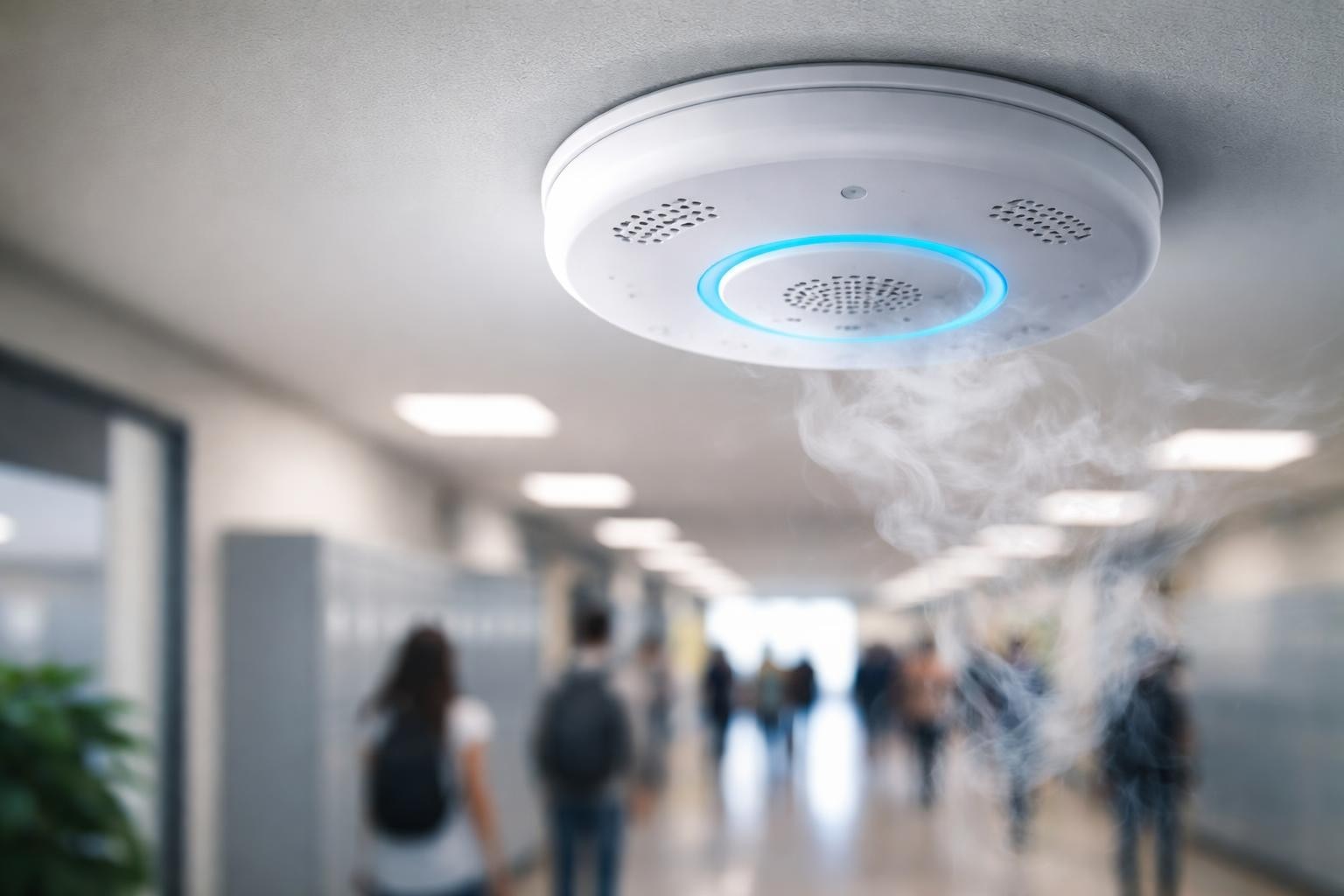
The rise in vaping across the United Kingdom has created significant challenges for schools, businesses, and public facilities. As traditional methods of monitoring prove inadequate, organisations increasingly turn to technological solutions that provide real time alerts and comprehensive coverage. A ceiling vape detector represents one of the most effective tools available for creating safer, compliant environments whilst respecting privacy and maintaining discretion. These sophisticated devices combine advanced sensor technology with intelligent software to detect vaping incidents, monitor air quality, and provide actionable data that supports policy enforcement and wellbeing initiatives.
Understanding Ceiling Vape Detector Technology
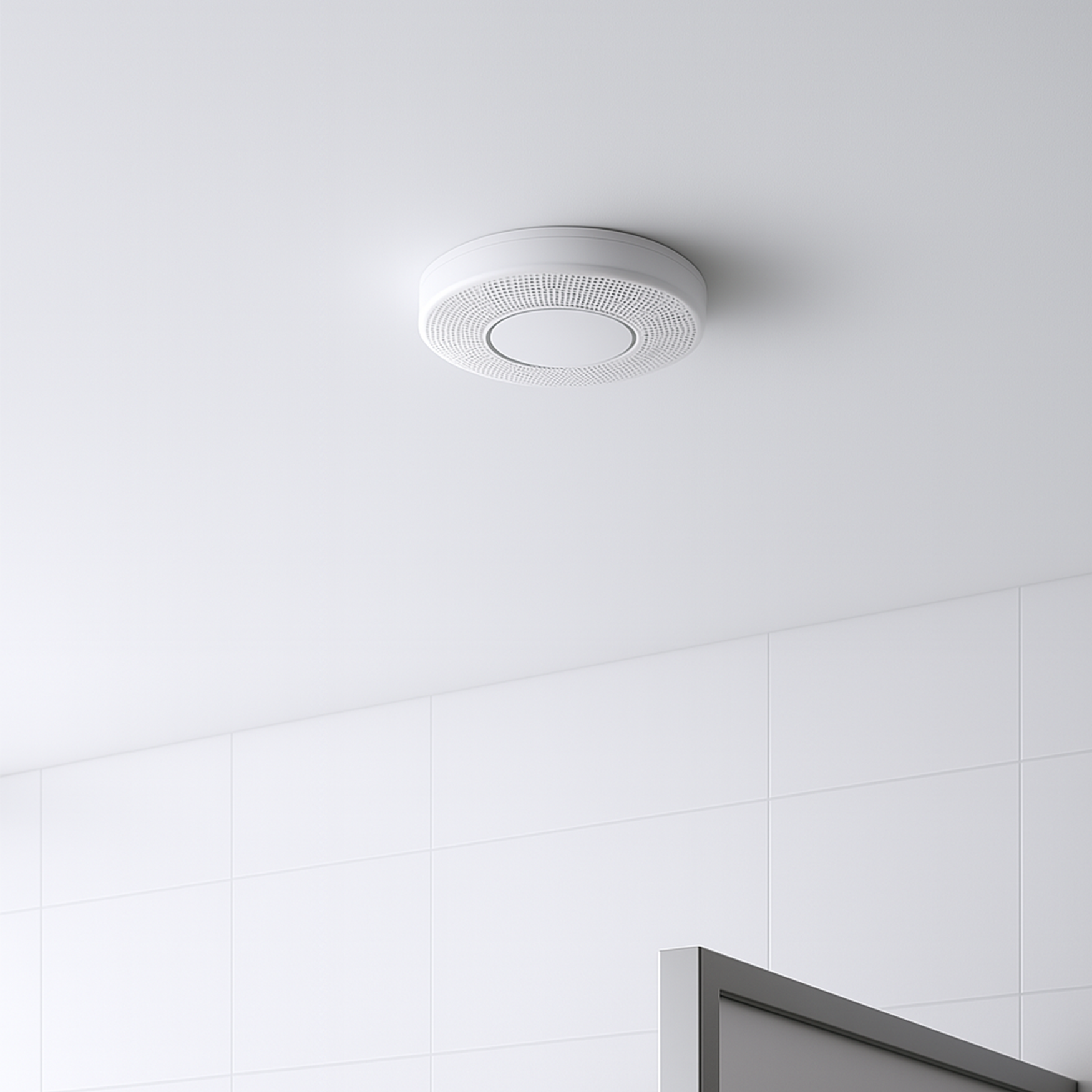
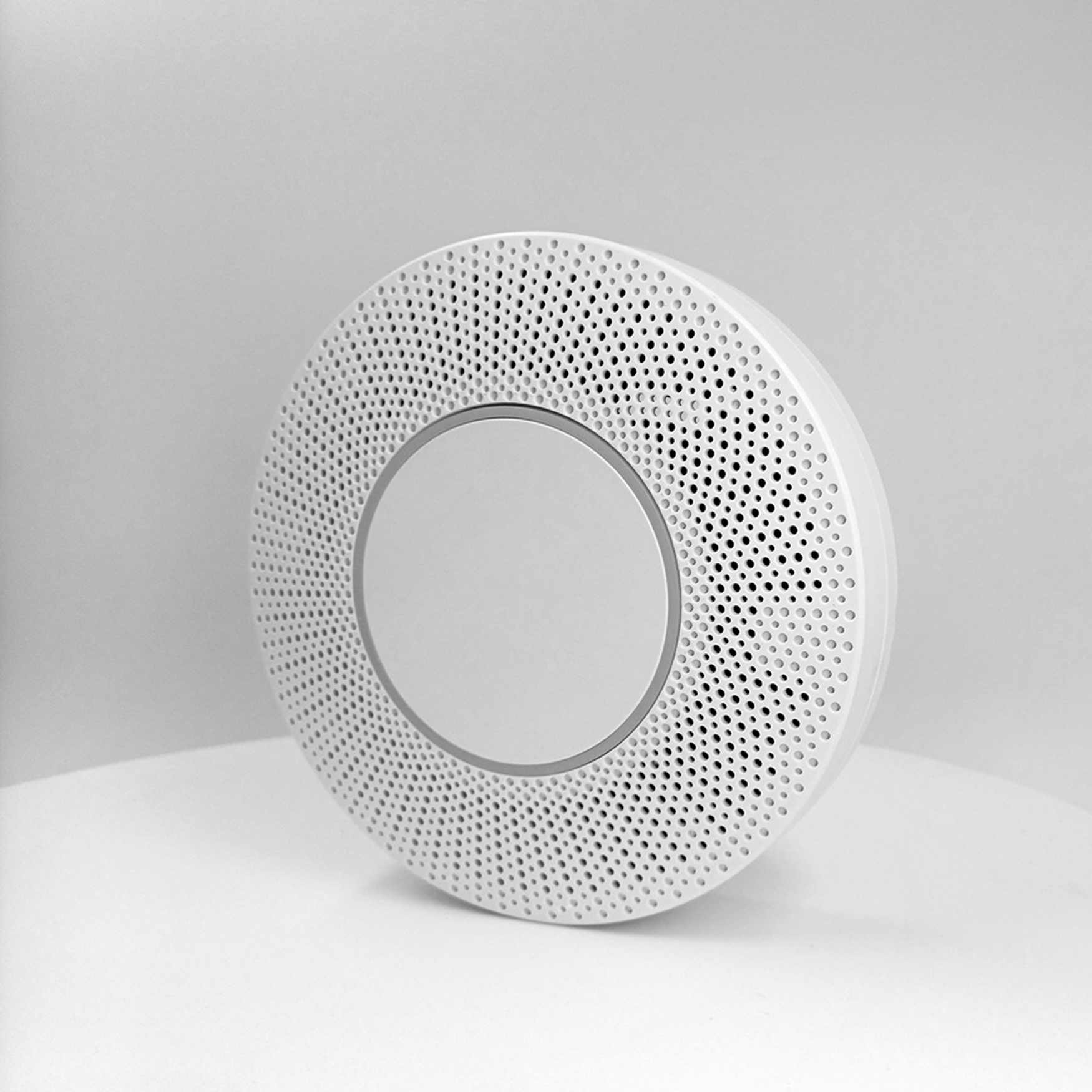
A ceiling vape detector operates by continuously monitoring the air for particles and chemical compounds associated with vaping devices. Unlike traditional smoke detectors, these specialised sensors can differentiate between standard environmental changes and the distinct aerosol patterns produced by electronic cigarettes and vaping products.
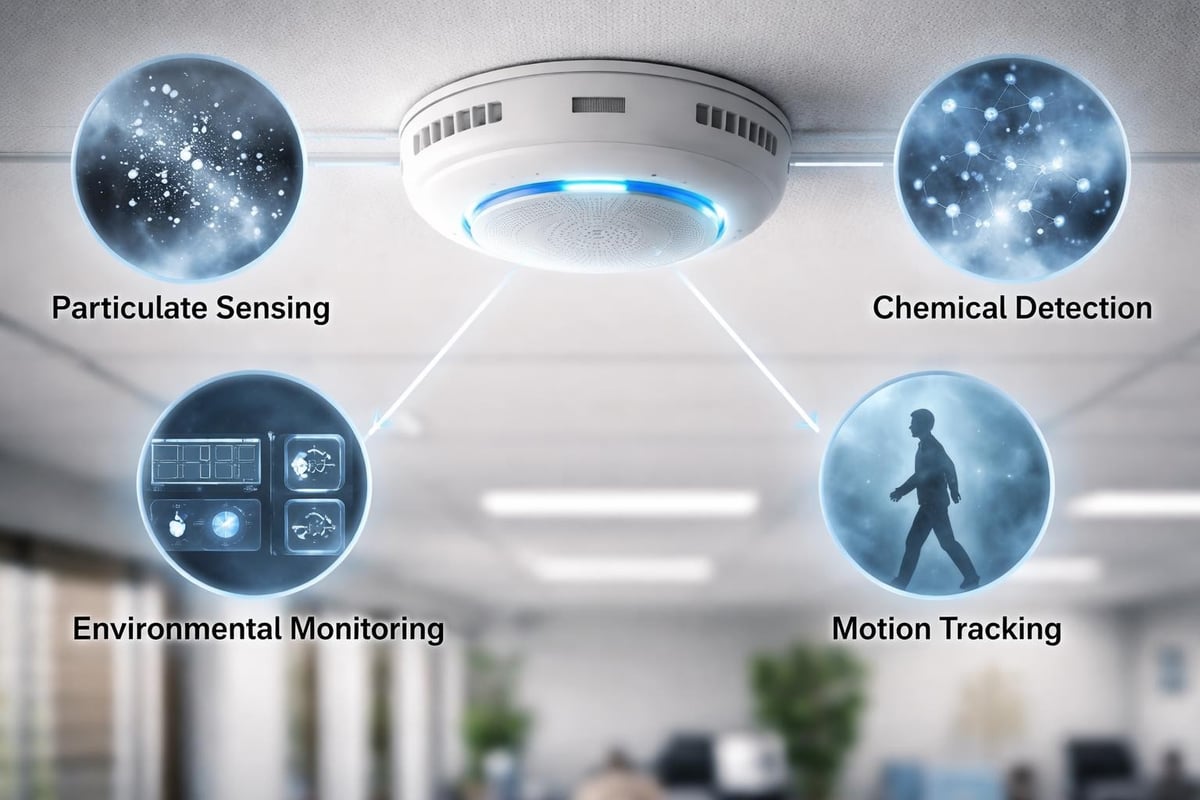
The technology relies on multiple detection methods working simultaneously. Particulate matter sensors measure the concentration of microscopic particles in the air, whilst chemical sensors identify specific volatile organic compounds commonly found in vaping liquids. Advanced models also incorporate environmental monitoring capabilities, tracking temperature, humidity, and other air quality indicators that provide context for detection events.
Core Detection Mechanisms
Modern ceiling vape detectors employ sophisticated algorithms that analyse data from multiple sensors simultaneously. This multi layered approach significantly reduces false positives whilst maintaining high sensitivity to genuine vaping incidents.
- Particulate matter detection measures PM2.5 and PM10 levels
- Chemical sensing identifies propylene glycol and vegetable glycerin
- Environmental monitoring tracks temperature and humidity changes
- Motion detection provides context for alert verification
- Sound monitoring detects disturbances without recording conversations
The integration of these technologies creates a comprehensive monitoring solution that provides reliable data whilst respecting privacy concerns. Systems like Vape Guardian's smart sensor technology demonstrate how multiple detection methods work together to create accurate, actionable alerts.
Installation and Placement Strategies
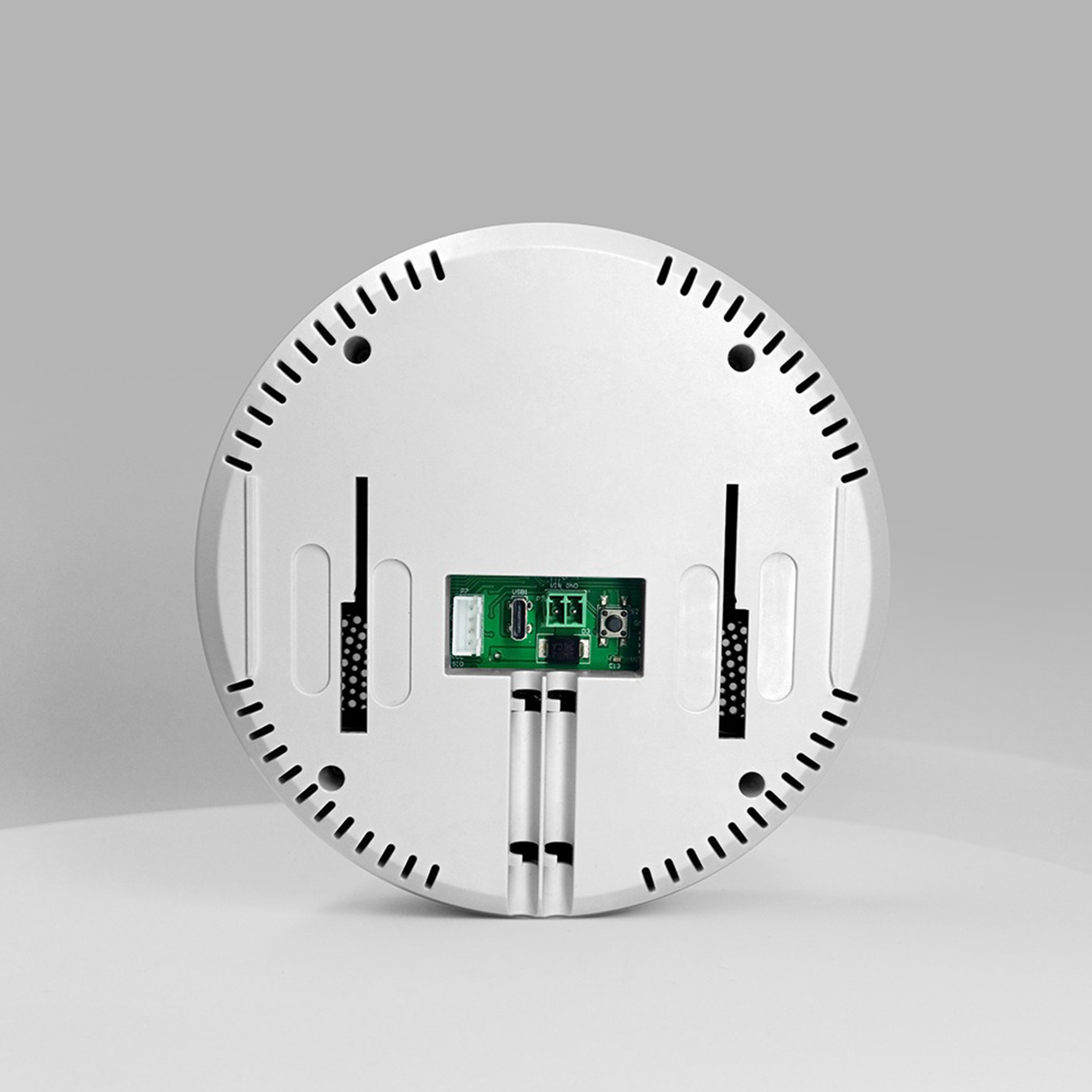
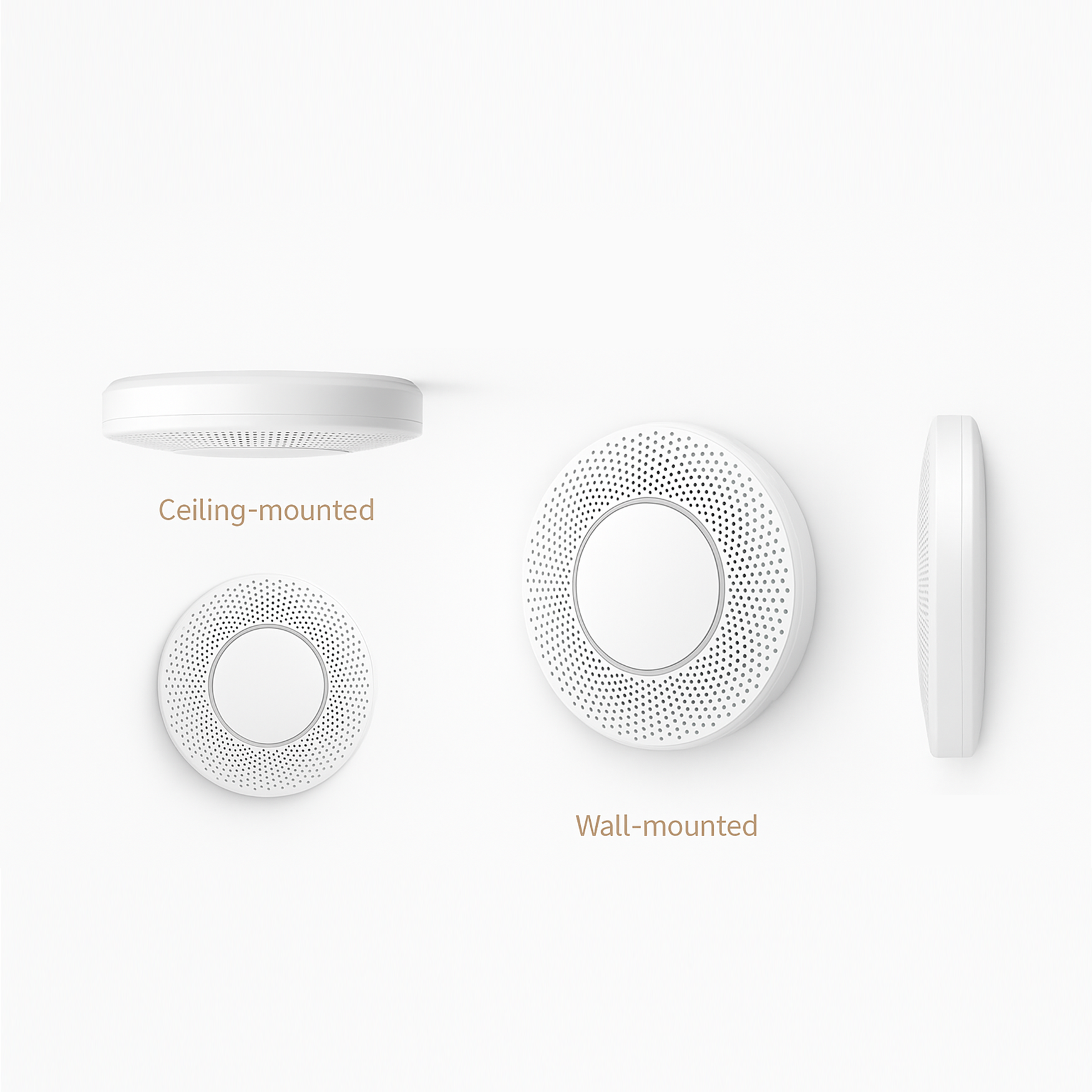
Proper installation of a ceiling vape detector determines its effectiveness in monitoring target areas. Strategic placement ensures comprehensive coverage whilst optimising system performance and reducing maintenance requirements.
The ideal installation height ranges between 2.4 and 3 metres, positioning sensors within the natural air circulation patterns of most indoor spaces. This elevation allows devices to sample air effectively without interfering with normal room activities or becoming easily accessible to tampering.
Optimal Location Selection
Choosing the right locations requires understanding both the physical environment and typical usage patterns within the space. High risk areas demand priority coverage, whilst considering factors such as ventilation systems, room layouts, and structural limitations.
| Location Type | Coverage Area | Priority Level | Special Considerations |
|---|---|---|---|
| Washrooms | 15-20 sq metres | Critical | Privacy compliant sensors only |
| Changing Rooms | 20-25 sq metres | High | No audio or visual recording |
| Common Areas | 50-75 sq metres | Medium | Multiple sensors may be required |
| Private Offices | 25-30 sq metres | Low | Staff consultation recommended |
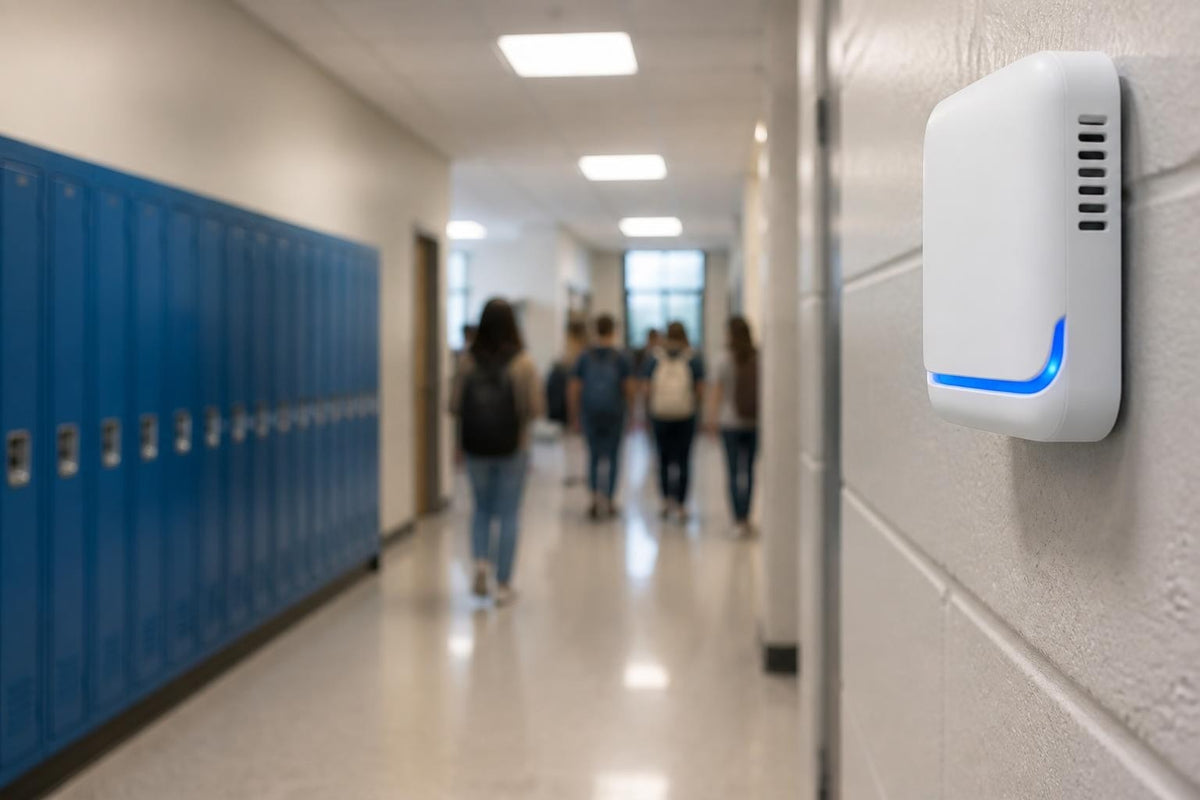
Educational facilities represent one of the primary environments where ceiling vape detectors prove essential. Schools face unique challenges balancing student safety with privacy requirements, making vape detectors for education particularly valuable for addressing vaping incidents in areas where traditional supervision proves difficult.
Systems such as the HALO Smart Sensor demonstrate how privacy focused design allows comprehensive monitoring in sensitive areas like school bathrooms whilst maintaining compliance with data protection regulations.
Benefits for Different Environments
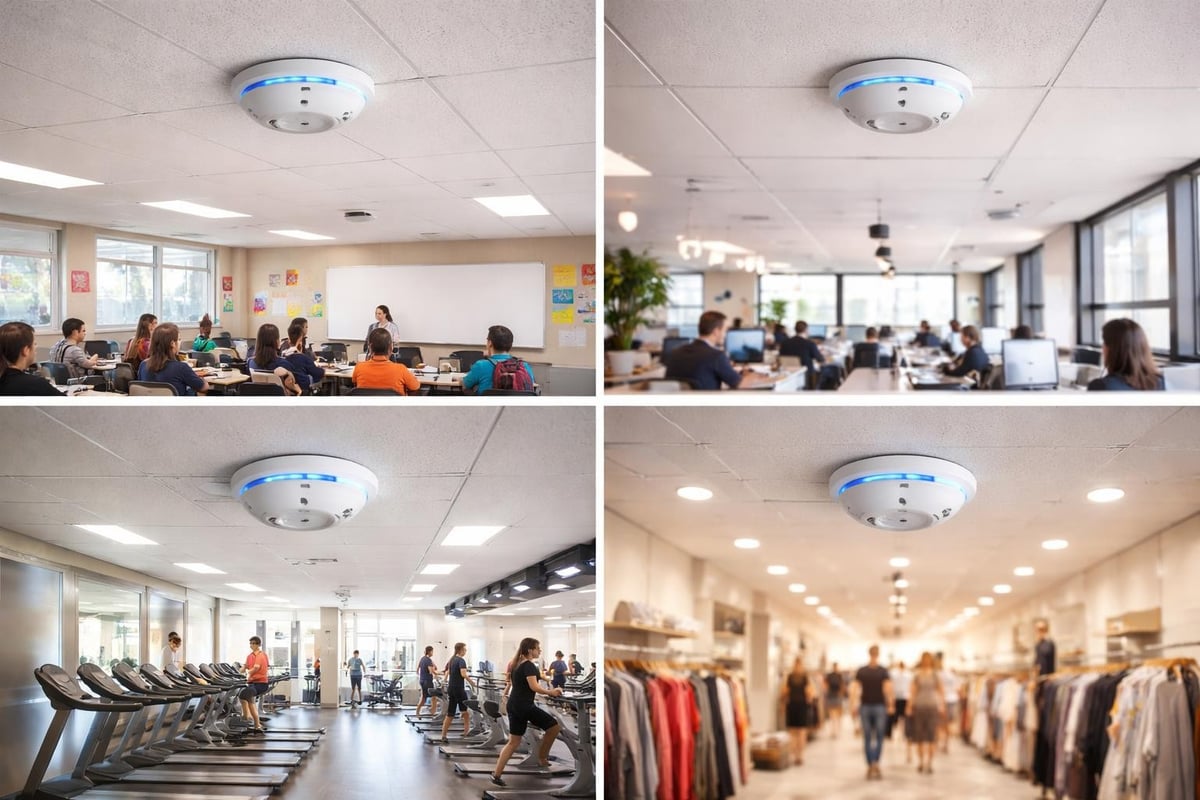
The versatility of ceiling vape detector technology makes it suitable for diverse settings, each with unique requirements and challenges. Understanding these sector specific benefits helps organisations make informed decisions about implementation.
Educational Institutions
Schools and universities face mounting pressure to address youth vaping whilst maintaining positive learning environments. A ceiling vape detector provides objective evidence of incidents, supports policy enforcement, and helps identify students requiring intervention or support.
Real time alerts enable rapid response to incidents, preventing escalation and demonstrating institutional commitment to student wellbeing. The data collected also informs policy development and resource allocation, creating evidence based approaches to vaping prevention.
Commercial and Office Spaces
Workplaces implementing vaping restrictions benefit from discrete monitoring solutions that maintain professional atmospheres whilst ensuring policy compliance. Office environments particularly value systems that integrate with existing building management platforms and provide comprehensive reporting capabilities.
The ability to monitor air quality alongside vaping detection creates additional value, supporting employee wellbeing initiatives and environmental compliance requirements. This dual functionality justifies investment whilst addressing multiple organisational priorities simultaneously.
Leisure and Retail Facilities
Public facing businesses require solutions that balance customer experience with regulatory compliance. A ceiling vape detector offers unobtrusive monitoring that maintains ambiance whilst protecting against prohibited activities. Leisure and retail applications benefit from systems that provide zone specific alerts and customisable sensitivity settings.
Key Features and Specifications
Evaluating ceiling vape detector options requires understanding the technical specifications and features that determine system performance. Not all devices offer identical capabilities, making careful comparison essential for selecting appropriate solutions.
Essential Technical Specifications
Performance metrics provide objective criteria for comparing different systems. Response time, sensitivity levels, and detection accuracy form the foundation of effective monitoring solutions.
- Detection response time under 10 seconds for vaping incidents
- Sensitivity adjustment allows customisation for different environments
- Multi threat detection identifies vaping, smoking, and other substances
- Environmental monitoring tracks air quality parameters continuously
- Alert delivery options including email, SMS, and platform notifications
- Battery backup ensures operation during power interruptions
Advanced systems incorporate machine learning algorithms that improve detection accuracy over time. These intelligent features reduce false positives by learning normal environmental patterns and identifying genuine anomalies more effectively.
Integration and Connectivity Options
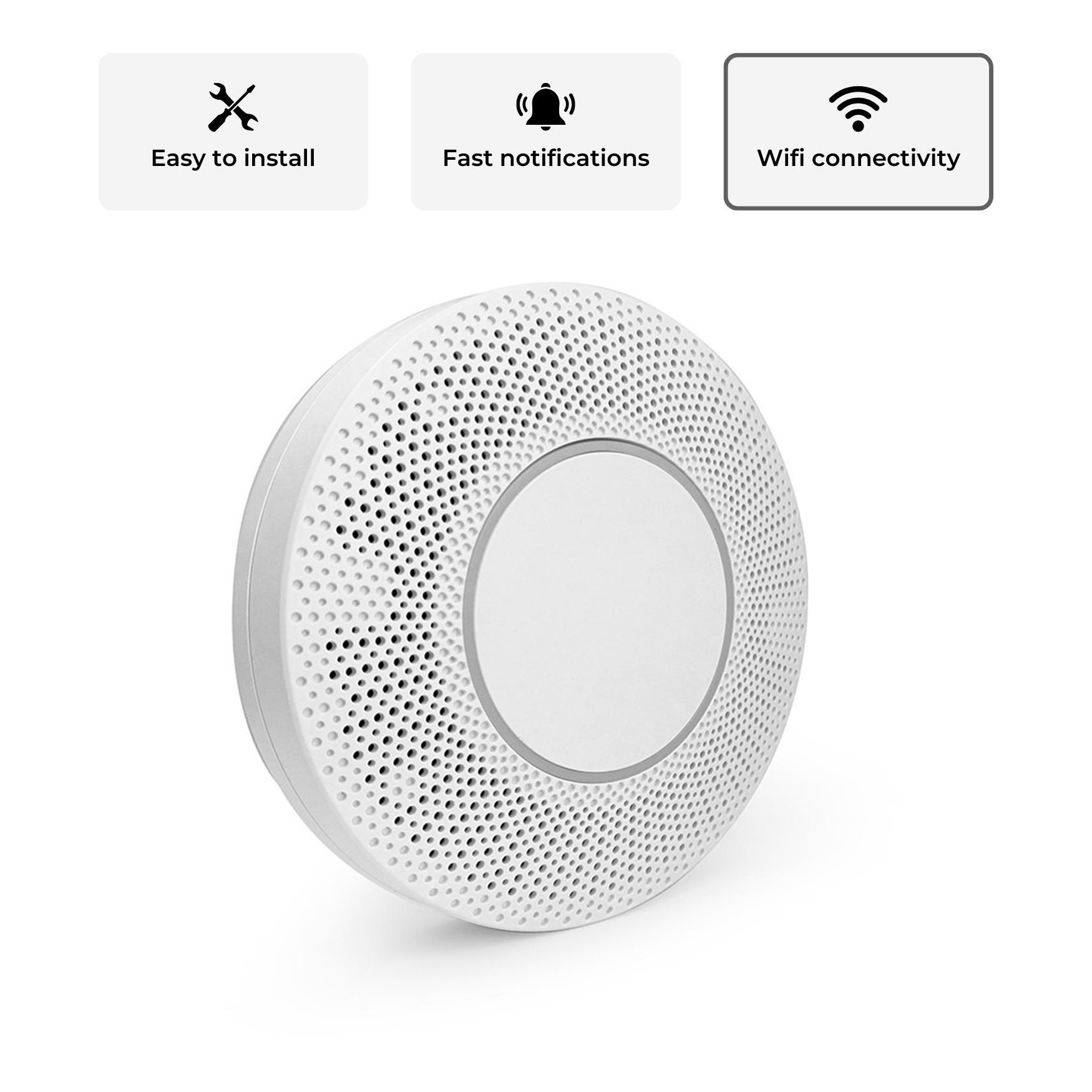
Modern ceiling vape detectors function as components within broader security and building management ecosystems. Connectivity options determine how effectively devices integrate with existing infrastructure and support scalable deployments.
The Vape Detection System exemplifies comprehensive integration capabilities, working seamlessly with fire systems, access control platforms, and network management tools whilst providing dedicated monitoring interfaces for security personnel and administrators.
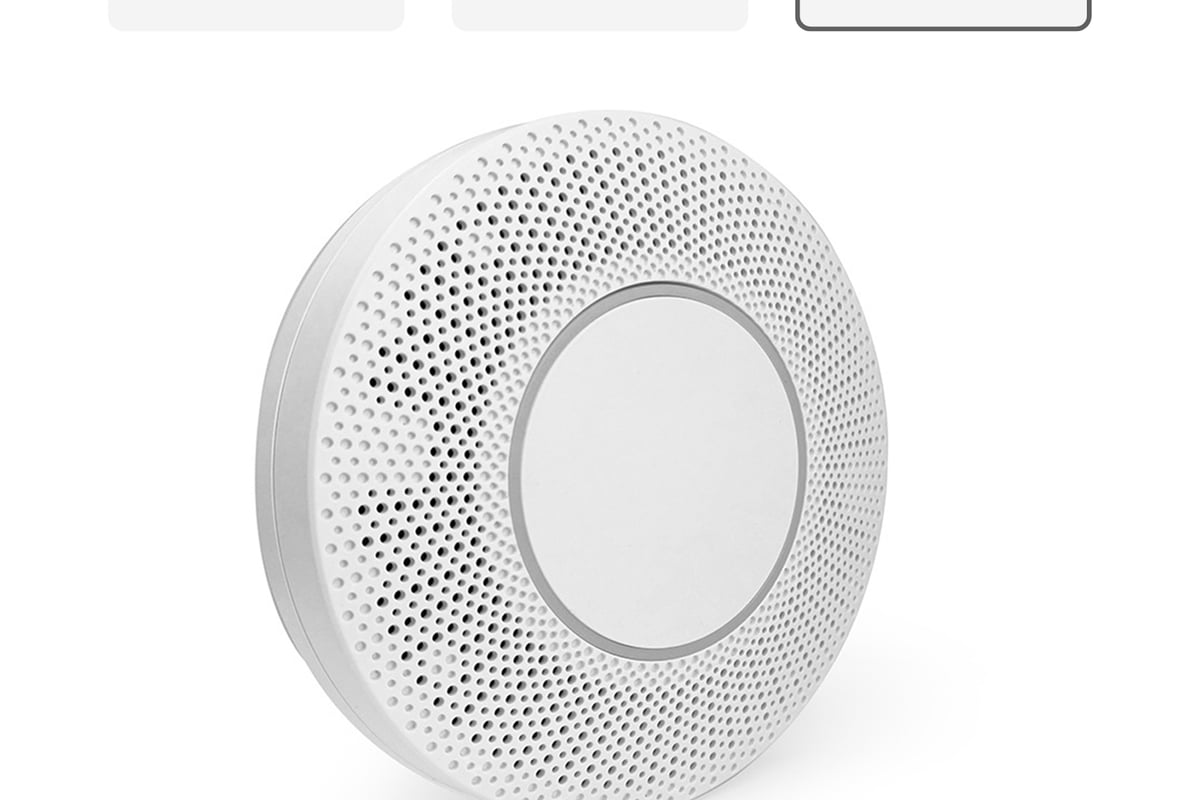
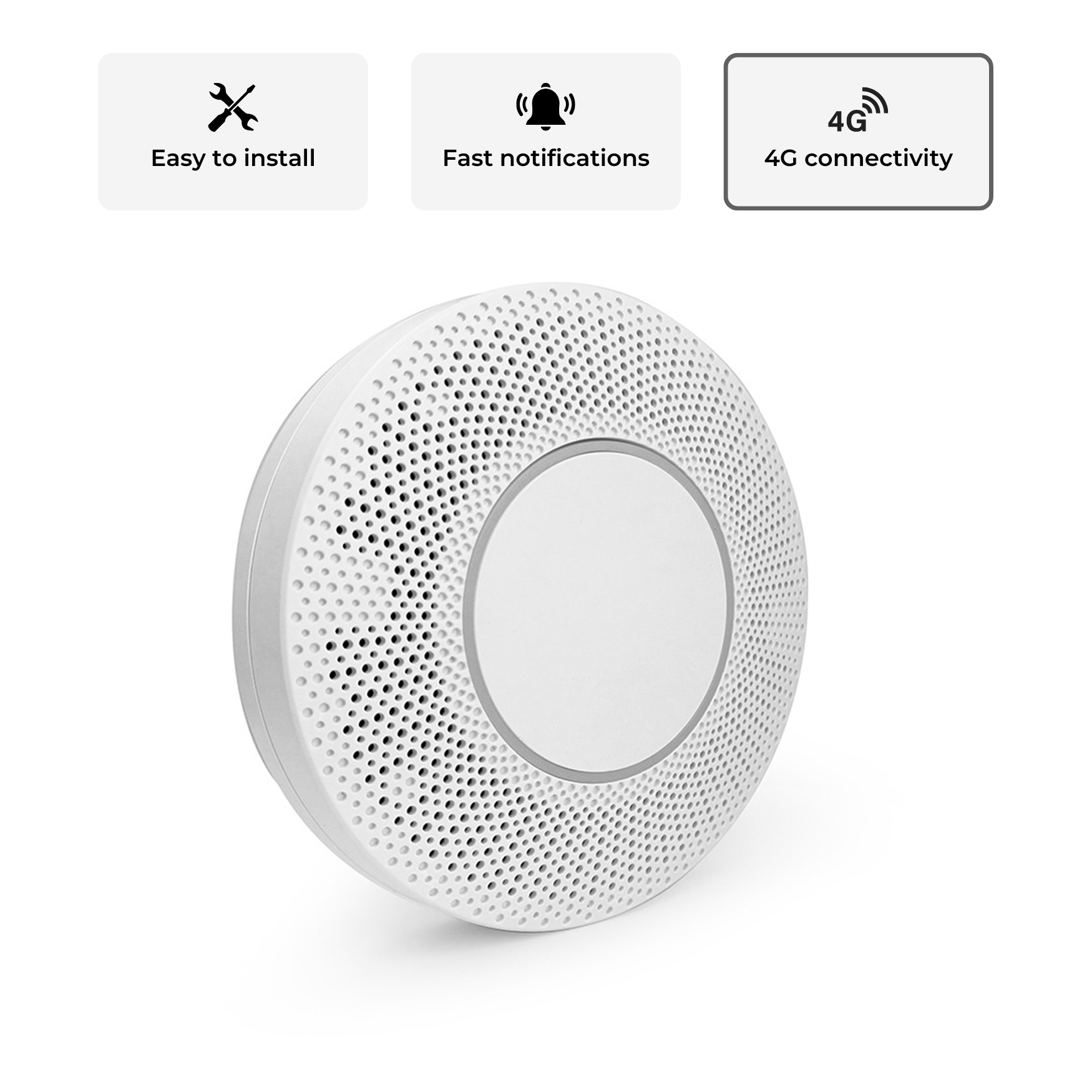
Systems supporting multiple connectivity protocols offer greater flexibility during installation and future expansion. WiFi, Ethernet, and cellular connectivity each provide advantages depending on building infrastructure and network security requirements.
Implementation Best Practices
Successful deployment of a ceiling vape detector system requires careful planning, stakeholder engagement, and adherence to proven implementation methodologies. Organisations that invest time in proper planning achieve better outcomes and maximise return on investment.
Pre Installation Planning
Thorough site surveys identify optimal sensor locations whilst revealing potential challenges before installation begins. This preparatory work reduces installation time and ensures comprehensive coverage from the outset.
- Conduct detailed facility mapping and risk assessment
- Identify network infrastructure requirements and connectivity options
- Develop clear escalation procedures for different alert types
- Train relevant personnel on system operation and response protocols
- Establish baseline air quality data for comparison purposes
Engaging stakeholders throughout the planning process builds support and ensures implementation aligns with organisational policies. Best practices for handling vaping alerts provide frameworks that balance enforcement with educational and supportive interventions.
Configuration and Calibration
Initial system configuration determines long term performance and user satisfaction. Taking time to calibrate sensitivity settings and establish appropriate alert thresholds prevents alert fatigue whilst maintaining effective monitoring.
Testing should occur across different times and conditions to verify system performance under varied circumstances. This validation process identifies any necessary adjustments before full operational deployment.
Solutions like FlySense demonstrate the importance of adjustable settings that accommodate different environmental conditions and organisational requirements, providing flexibility that supports diverse implementation scenarios.
Maintenance and Ongoing Management
Long term effectiveness of ceiling vape detector systems depends on regular maintenance and proactive management. Establishing clear protocols ensures devices continue performing reliably whilst maximising operational lifespan.
Routine Maintenance Requirements
Preventive maintenance schedules should address both hardware and software components. Regular attention prevents minor issues from escalating whilst maintaining system accuracy and reliability.
| Maintenance Task | Frequency | Duration | Responsibility |
|---|---|---|---|
| Sensor cleaning | Monthly | 10 minutes | Facilities team |
| Software updates | Quarterly | 30 minutes | IT department |
| Calibration checks | Bi annually | 20 minutes | Specialist technician |
| Battery testing | Annually | 15 minutes | Facilities team |
| Full system audit | Annually | 2 hours | External contractor |
Documentation of maintenance activities creates accountability and provides valuable data for identifying patterns or recurring issues. Digital maintenance logs integrate with broader facility management systems, streamlining administration and compliance reporting.
Data Analysis and Reporting
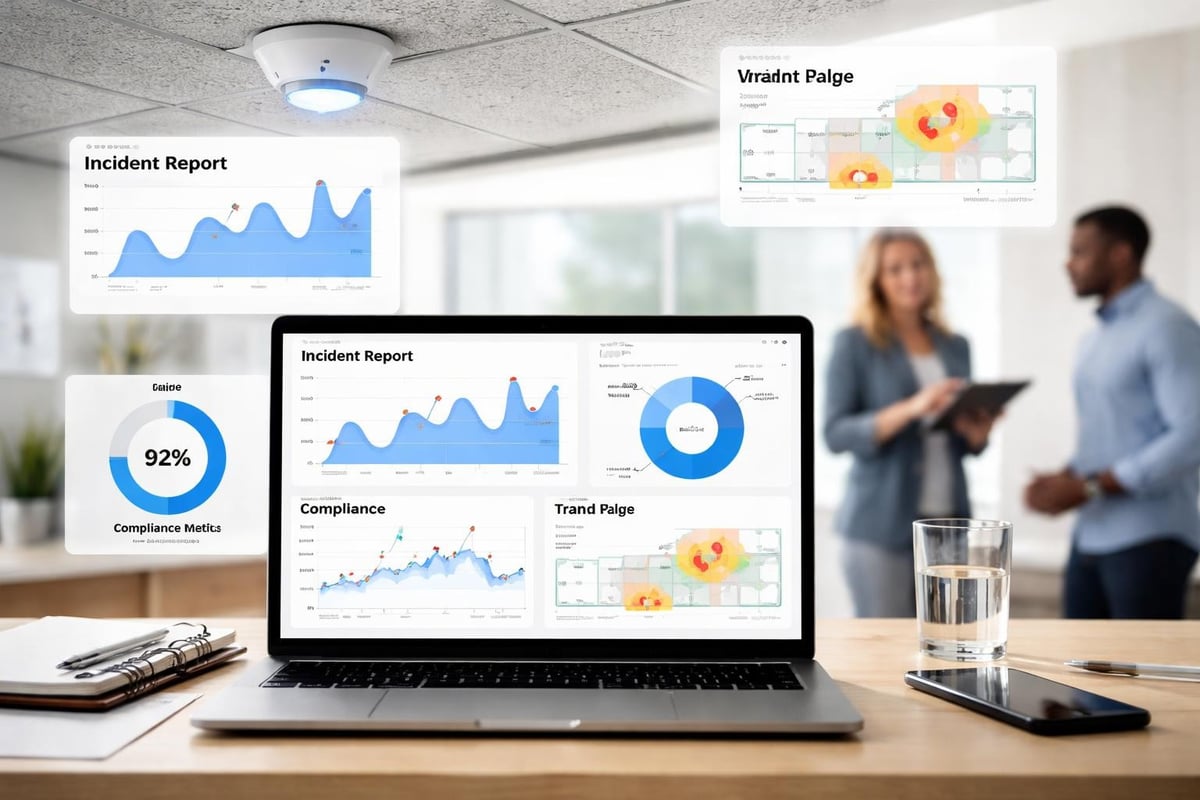
The information generated by ceiling vape detector systems represents valuable intelligence for improving policies and interventions. Regular analysis reveals trends, identifies high risk locations, and measures the effectiveness of educational initiatives.
Comprehensive reporting capabilities transform raw detection data into actionable insights. Customisable dashboards allow different stakeholders to access relevant information whilst maintaining appropriate data security and privacy protections.
Regulatory Compliance and Privacy Considerations
Deploying a ceiling vape detector requires careful attention to legal and regulatory frameworks governing workplace monitoring and data protection. Understanding these requirements ensures implementations remain compliant whilst protecting organisational interests.
Data Protection and Privacy
UK GDPR requirements mandate transparency about monitoring activities and limit data collection to legitimate purposes. Privacy impact assessments help organisations identify and mitigate potential privacy concerns before deployment.
Ceiling vape detectors designed specifically for privacy sensitive environments avoid cameras and audio recording, focusing exclusively on air quality and environmental monitoring. This design philosophy maintains effectiveness whilst respecting individual privacy rights.
Clear signage informing occupants about monitoring activities demonstrates transparency and supports compliance with notification requirements. Organisations should develop comprehensive policies explaining what data gets collected, how it gets used, and retention periods.
Legal Framework for Monitoring
Employment law and educational regulations create specific obligations for organisations implementing monitoring technologies. Consultation with employees or their representatives often represents a legal requirement before deploying workplace monitoring systems.
The legitimate interest basis typically supports vaping detection in contexts where health, safety, or regulatory compliance creates clear justification. However, proportionality assessments ensure monitoring methods remain appropriate to the risks addressed.
Educational institutions benefit from specific guidance addressing student monitoring and safeguarding responsibilities. Understanding these frameworks prevents legal challenges whilst supporting effective implementation.
Cost Considerations and Return on Investment
Financial planning for ceiling vape detector implementation requires understanding both initial costs and ongoing expenses. Comprehensive budgeting ensures adequate resources whilst demonstrating value to decision makers.
Initial Investment Components
Purchase costs represent only one element of total implementation expenses. Realistic budgets account for installation, configuration, training, and integration activities that ensure successful deployment.
- Hardware purchase costs ranging from £300 to £800 per unit
- Professional installation services at £100 to £200 per sensor
- Network infrastructure upgrades if required
- Software licensing and platform access fees
- Training programmes for relevant personnel
- Signage and policy documentation development
Volume purchases often qualify for discounts, making whole facility deployments more economical. Multi year maintenance contracts provide cost certainty whilst ensuring ongoing support and system updates.
Calculating Long Term Value
Return on investment calculations should consider both tangible cost savings and less quantifiable benefits. Reduced vandalism, improved air quality, and enhanced regulatory compliance create value beyond simple financial metrics.
The DRS 1000 Vape Detector exemplifies systems offering comprehensive features at competitive price points, demonstrating how advancing technology makes sophisticated detection capabilities increasingly accessible.
Organisations report that ceiling vape detector systems typically achieve payback within 18 to 24 months through reduced maintenance costs, fewer disciplinary incidents, and improved compliance outcomes. These systems also support broader wellbeing initiatives that generate additional organisational benefits.
Emerging Technologies and Future Developments
The ceiling vape detector market continues evolving rapidly as manufacturers incorporate new technologies and respond to changing regulatory requirements. Understanding these trends helps organisations make future proof investment decisions.
Advanced Detection Capabilities
Next generation systems incorporate artificial intelligence and machine learning algorithms that dramatically improve accuracy whilst reducing false positives. These intelligent systems learn normal environmental patterns and identify genuine anomalies with increasing precision.
Integration with broader Internet of Things ecosystems enables correlation between vaping detection and other building systems. This connected approach creates comprehensive situational awareness that supports more effective interventions.
The IV VAPED1 demonstrates how LoRaWAN connectivity enables distributed sensor networks with extended battery life and reduced infrastructure requirements, particularly valuable for large campus deployments.
Predictive Analytics and Prevention
Future systems will shift from reactive detection toward predictive prevention. By analysing patterns and environmental factors associated with vaping incidents, advanced platforms can identify high risk situations before violations occur.
This proactive approach supports educational and behavioural interventions that address root causes rather than simply detecting violations. The combination of detection technology with comprehensive support programmes creates more effective long term solutions.
Ceiling vape detector technology provides organisations with powerful tools for creating safer, healthier environments whilst maintaining privacy and regulatory compliance. From educational institutions addressing youth vaping to businesses enforcing workplace policies, these systems deliver reliable detection, comprehensive monitoring, and actionable intelligence that supports effective interventions. Vape Guardian specialises in providing advanced vaping detection solutions tailored to the unique needs of UK schools, offices, and leisure facilities, combining cutting edge sensor technology with dedicated support that ensures successful implementation and ongoing effectiveness. Contact the team today to discover how intelligent vape detection can transform your approach to creating safer spaces.


Share:
Office Air Quality Monitor: Complete Guide 2026
Vape Detector with SMS Alerts: Real-Time Protection