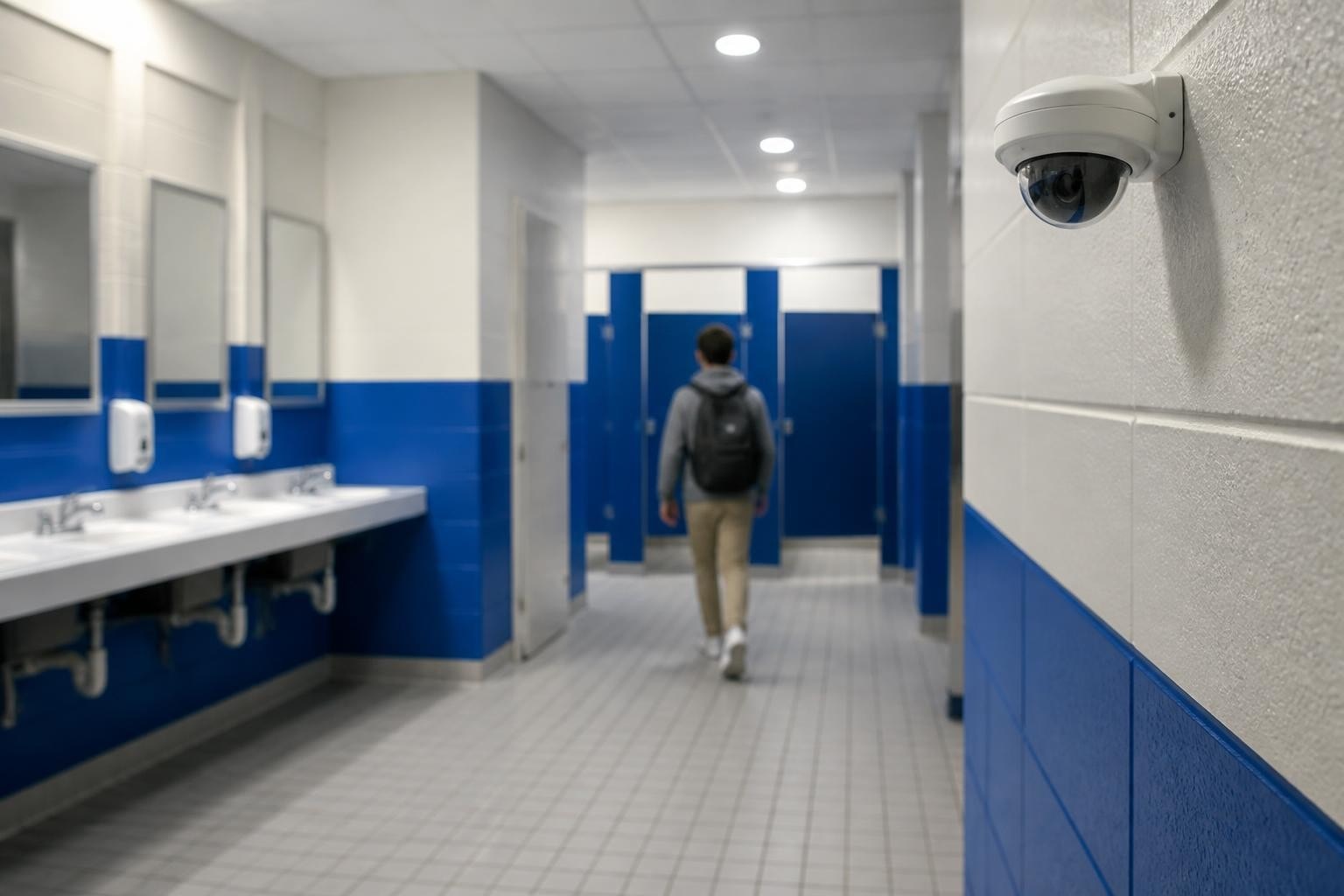
School bathrooms have become focal points for various safety concerns in educational institutions across the UK and beyond. From vaping and substance misuse to bullying and vandalism, these unsupervised spaces present unique challenges for school administrators. A school bathroom monitoring system offers a technology-driven approach to address these concerns whilst maintaining student privacy and dignity. As we navigate 2026, educational leaders face increasing pressure to create safe environments without compromising the trust and privacy that students deserve.
The Growing Need for Bathroom Monitoring in Schools
Educational facilities throughout the United Kingdom have witnessed a significant rise in bathroom-related incidents over the past few years. Vaping among students has reached concerning levels, with many young people congregating in toilets to use electronic cigarettes away from supervision. Beyond vaping, bathrooms have unfortunately become locations for bullying, vandalism, substance misuse, and other antisocial behaviours that compromise student wellbeing.
Research on school bathroom safety indicates that these spaces require careful consideration when implementing security measures. Traditional supervision methods, such as frequent staff patrols, often prove insufficient and resource-intensive. Meanwhile, the absence of any monitoring creates environments where problematic behaviours flourish unchecked.
Statistics Driving the Conversation
The numbers paint a clear picture of why school bathroom monitoring system implementation has accelerated:
- Vaping incidents in school bathrooms increased by 47% between 2023 and 2025
- Over 60% of secondary school staff report bathroom areas as primary locations for behavioural concerns
- Vandalism costs UK schools an estimated £50 million annually, with significant portions occurring in toilet facilities
- Student surveys reveal that 35% feel unsafe or uncomfortable using school bathrooms
These statistics underscore the necessity for innovative solutions that address safety concerns without infringing on student privacy rights.
Types of School Bathroom Monitoring Technologies
Modern school bathroom monitoring system solutions employ various technologies, each with distinct advantages and considerations. Understanding these options helps administrators select appropriate tools for their specific contexts.
Sensor-Based Detection Systems
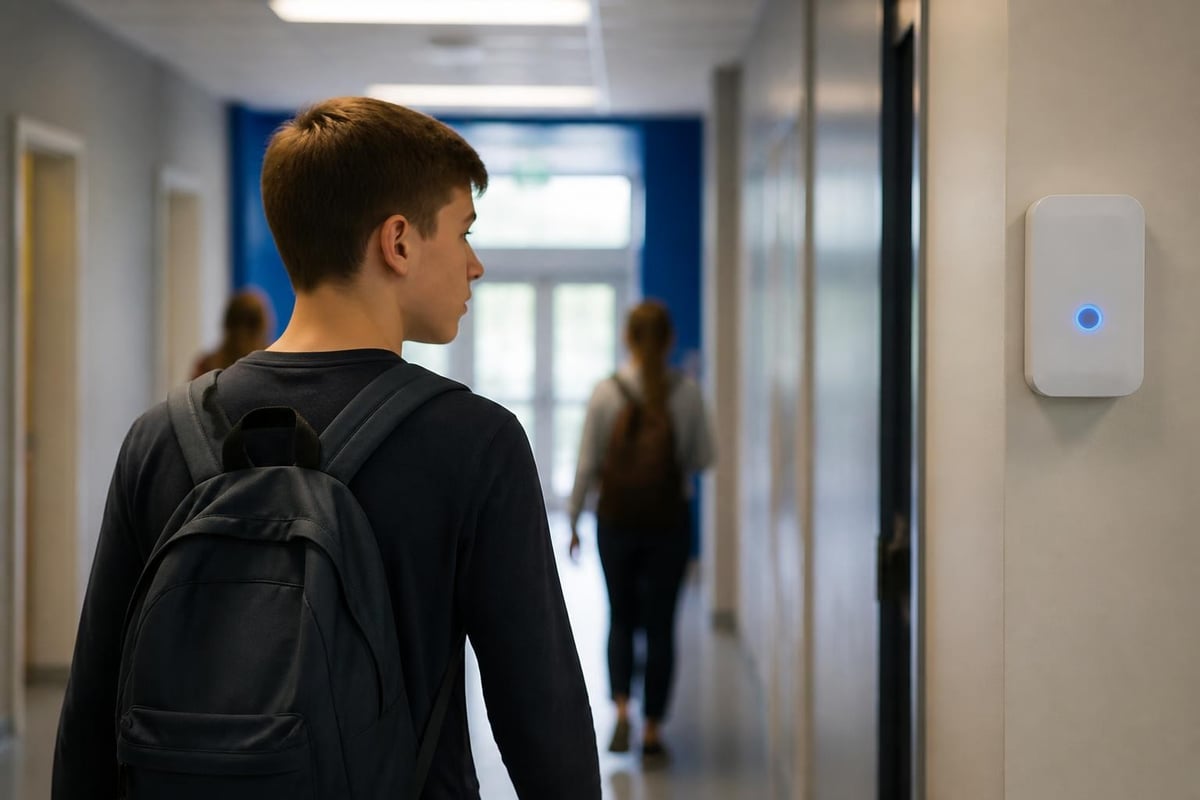
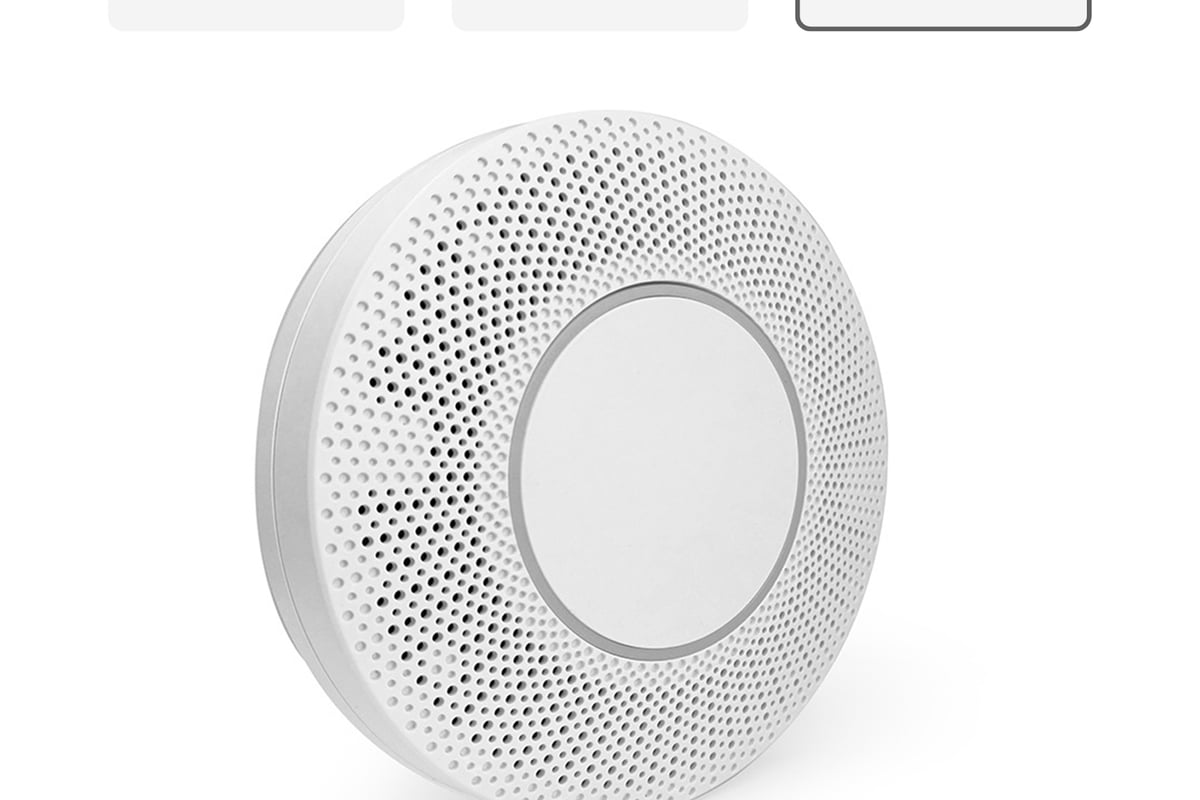
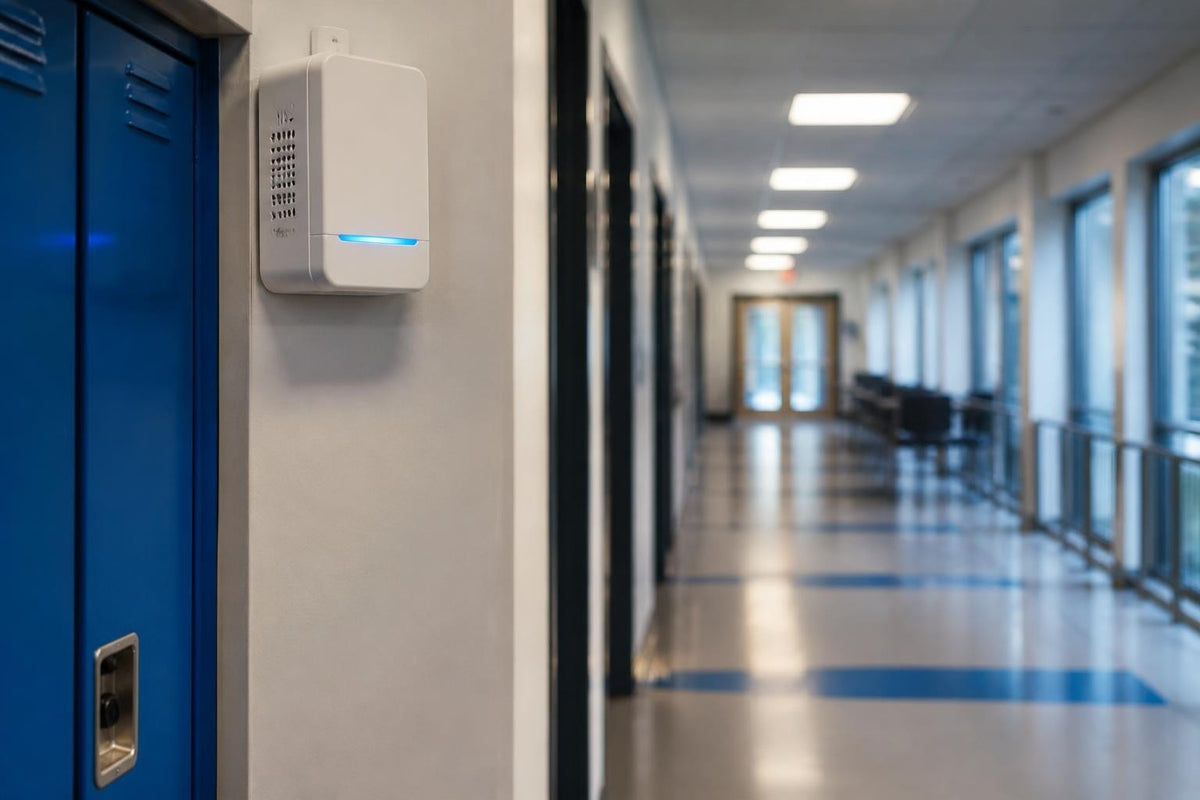
Air quality and environmental sensors represent the most privacy-conscious approach to bathroom monitoring. These devices detect specific substances or environmental changes without capturing visual or audio data of students.
Key capabilities include:
- Detection of vape aerosols and THC particles
- Identification of smoke from traditional cigarettes
- Monitoring for unusual chemical signatures indicating substance misuse
- Decibel level tracking to identify shouting, fights, or distress
- Temperature and humidity monitoring for facility management
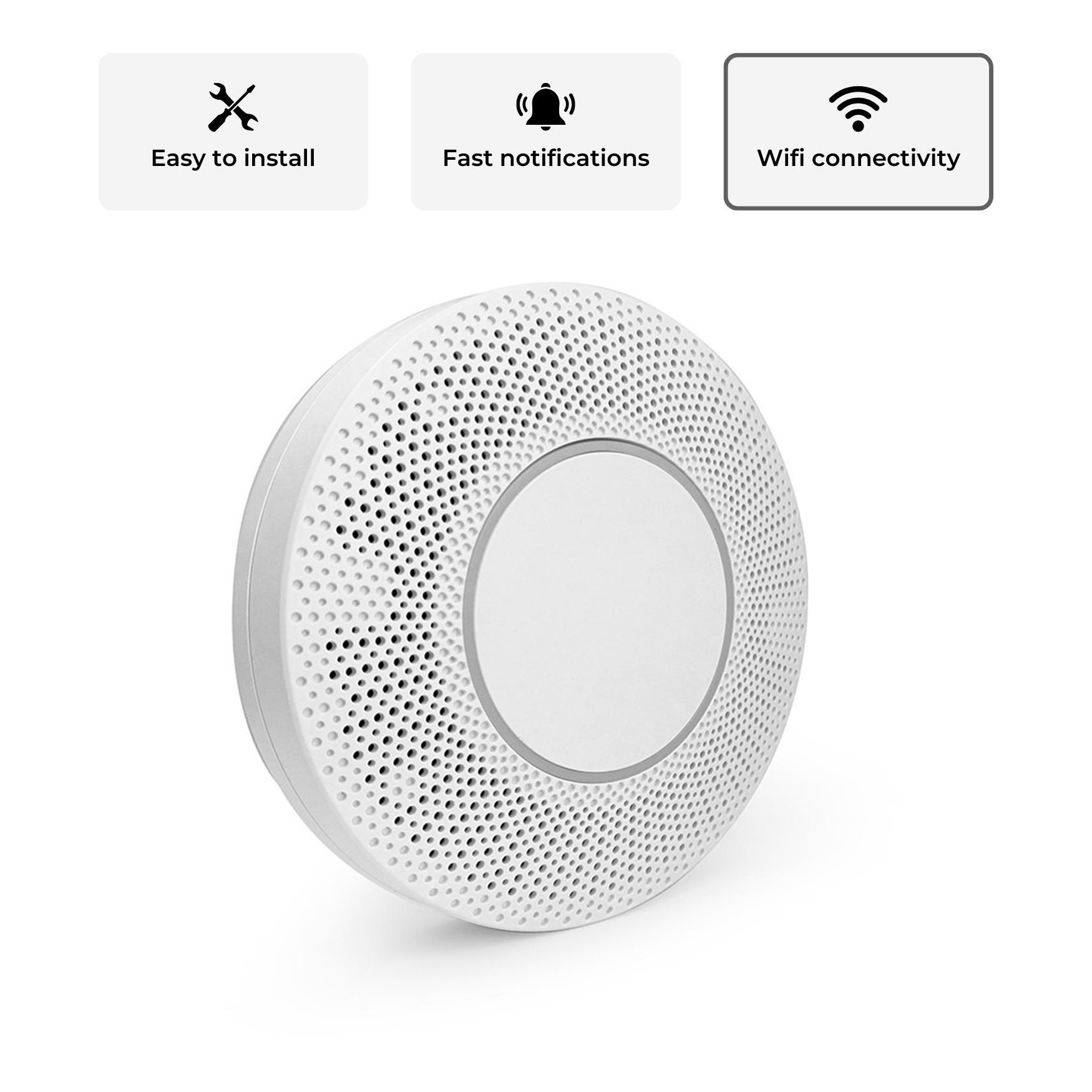
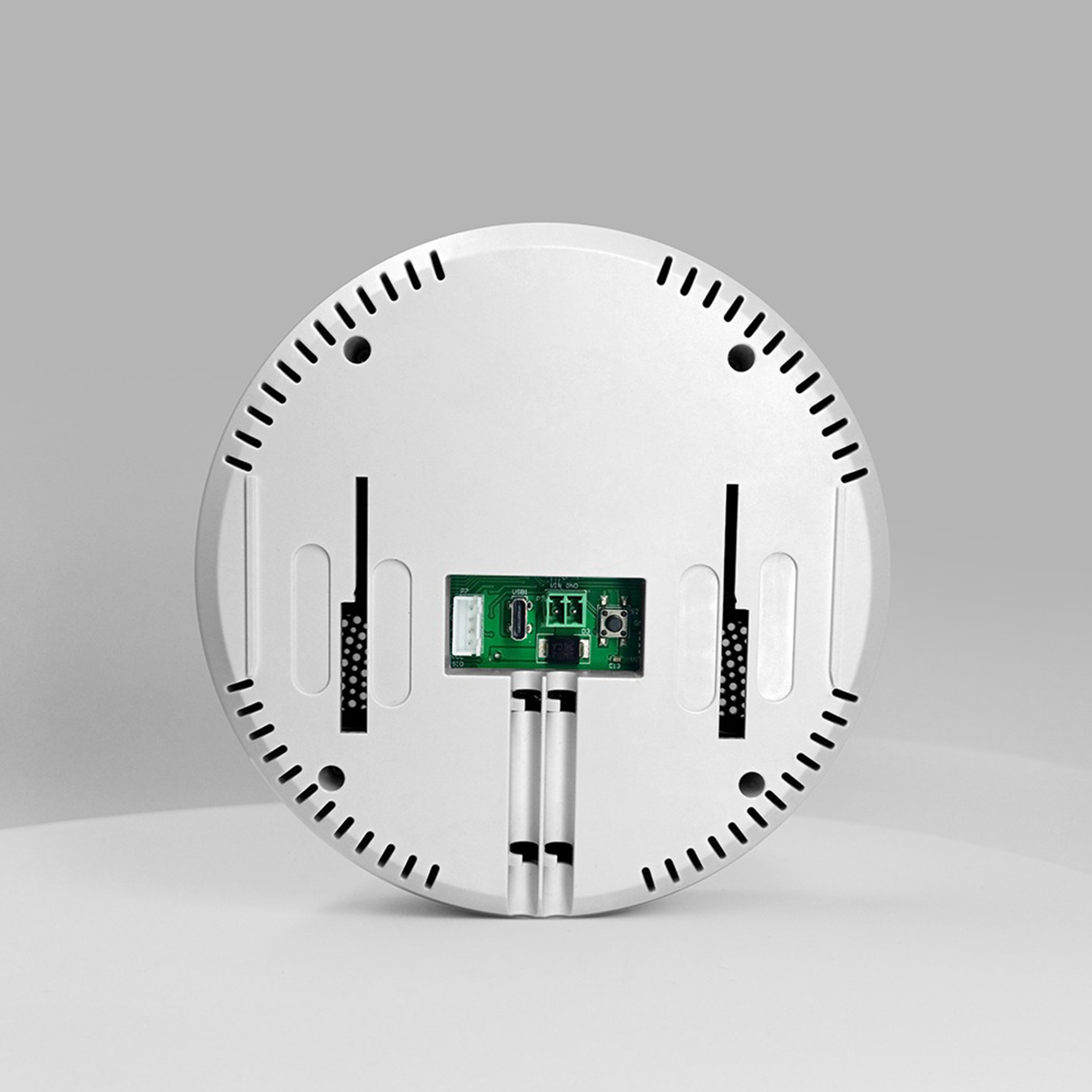
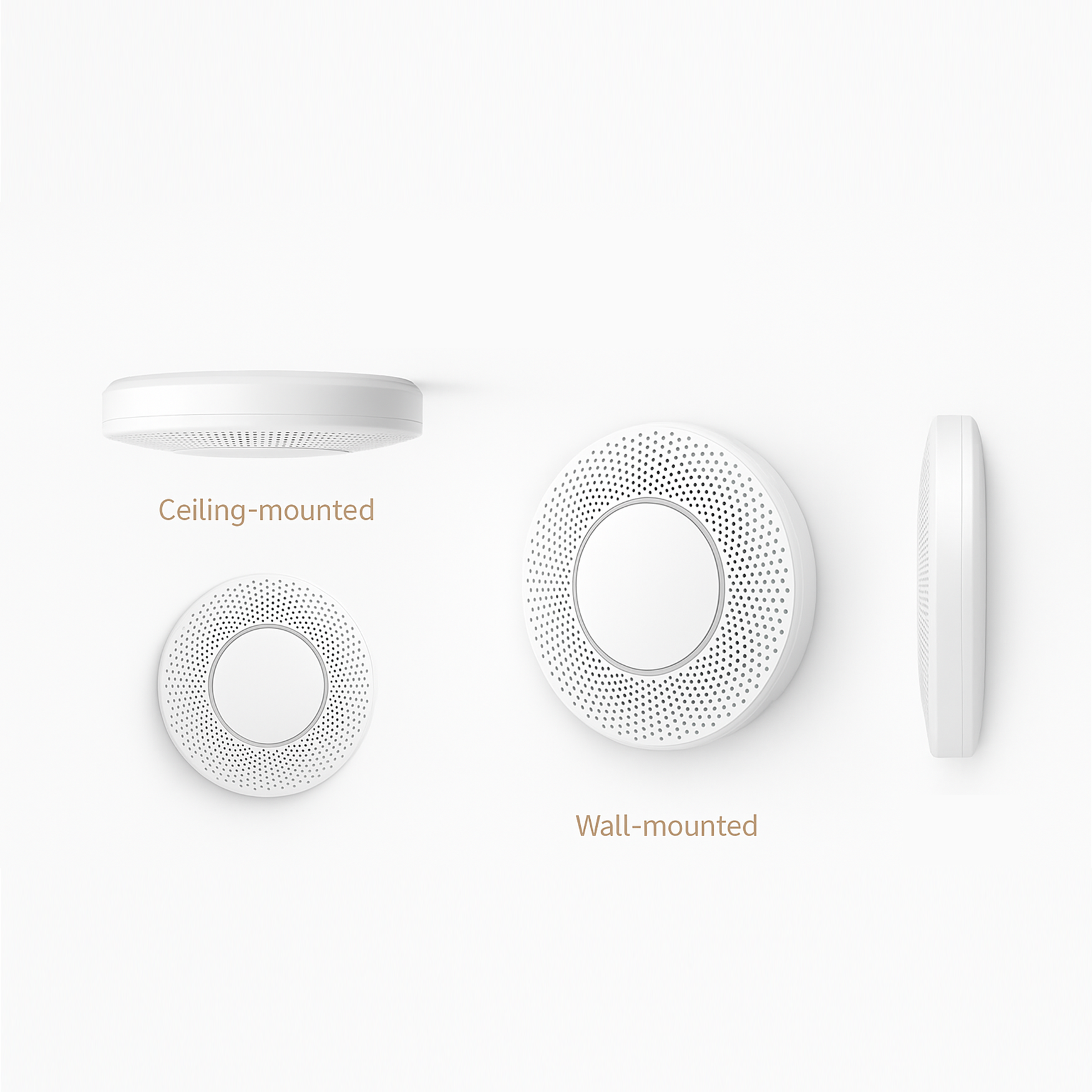
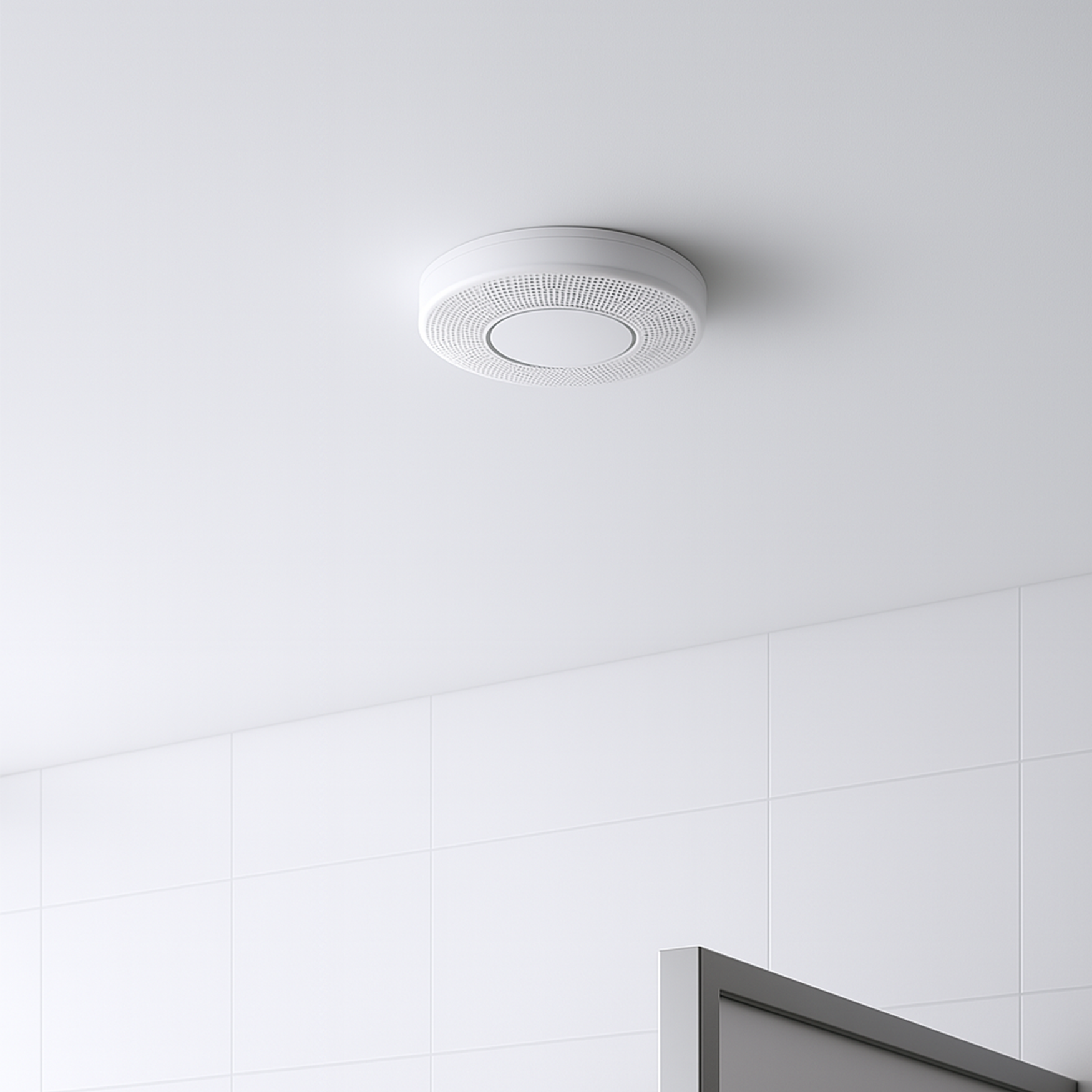
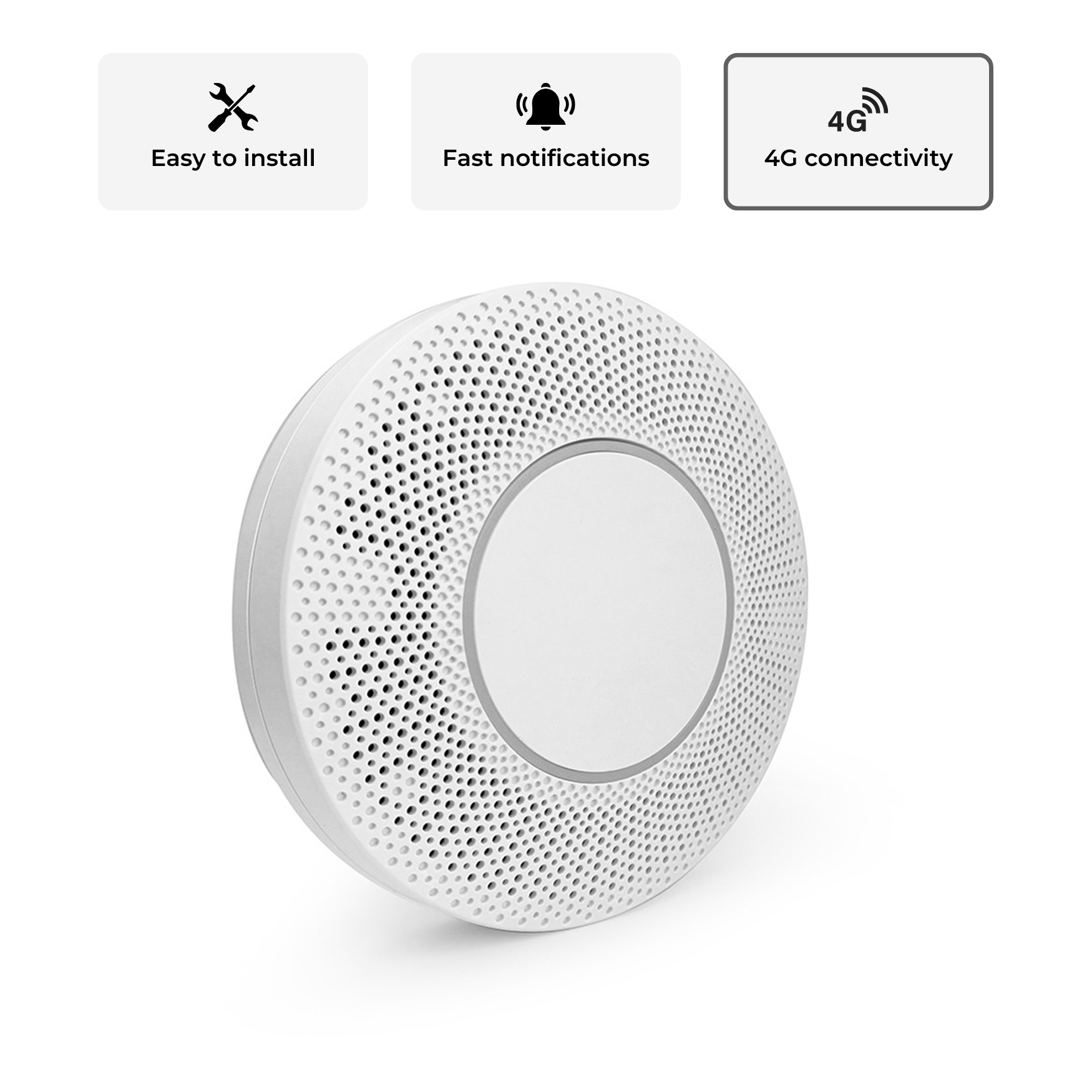
These systems provide real-time alerts to designated staff members when concerning events occur. Modern solutions like the Vape Detection System integrate multiple sensing capabilities into single units, offering comprehensive monitoring without cameras or microphones. By focusing on environmental factors rather than visual surveillance, schools can address toilet vaping prevention whilst respecting student privacy.
Occupancy and Movement Sensors
Non-intrusive occupancy monitoring helps identify unusual patterns without capturing identifying information. These systems typically use:
| Technology Type | What It Detects | Privacy Level |
|---|---|---|
| PIR Sensors | Motion and presence | High privacy |
| Time-of-flight Sensors | Occupancy duration | High privacy |
| Door Sensors | Entry and exit patterns | High privacy |
| Pressure Sensors | Floor presence detection | High privacy |
Research into bathroom monitoring technologies demonstrates that sophisticated sensor arrays can identify potential emergencies without visual surveillance. These systems prove particularly valuable for detecting students who remain in bathrooms for extended periods, which may indicate distress, illness, or concerning behaviours.
Audio Detection Without Recording
Advanced audio analysis systems can identify sounds indicating emergencies or conflicts without recording conversations. These technologies use algorithms to recognise:
- Aggressive shouting or fighting
- Sounds of distress or calls for help
- Breaking glass or vandalism
- Unusual silence in typically occupied spaces
The systems trigger alerts based on audio patterns rather than storing actual recordings, addressing privacy concerns whilst maintaining safety capabilities.
Privacy Considerations and Legal Frameworks
Implementing a school bathroom monitoring system requires careful navigation of privacy laws, student rights, and ethical considerations. The balance between safety and privacy remains paramount in any deployment strategy.
UK Legal Requirements
Educational institutions must comply with several regulatory frameworks:
- Data Protection Act 2018 and UK GDPR govern how personal data is collected, processed, and stored
- Equality Act 2010 ensures monitoring systems do not discriminate against protected characteristics
- Education Act 2011 provides schools with authority to maintain discipline whilst respecting student rights
- Children's Rights and Safeguarding legislation prioritises child welfare in all decisions
Schools must conduct Data Protection Impact Assessments (DPIAs) before implementing any monitoring technology. These assessments evaluate risks, necessity, and proportionality of surveillance measures.
Stakeholder Perspectives
Educational research on bathroom surveillance reveals diverse stakeholder views that schools must consider:
Parents and guardians generally support safety measures but express concerns about:
- Potential embarrassment for their children
- Data security and who accesses monitoring information
- Whether systems might be misused or expanded beyond stated purposes
Students demonstrate understanding of safety needs whilst valuing:
- Transparency about what is monitored and why
- Assurance that systems respect their privacy and dignity
- Involvement in policy development processes
Staff members appreciate support tools but require:
- Clear protocols for responding to alerts
- Training on appropriate intervention methods
- Protection from liability when acting on system notifications
Best Practices for Privacy Protection
Schools implementing bathroom monitoring should adhere to these principles:
- Transparency: Clearly communicate what technologies are used, what they detect, and why they are necessary
- Minimisation: Collect only data essential for safety purposes
- No visual surveillance: Avoid cameras in private spaces under all circumstances
- Secure data handling: Implement strict access controls and retention policies
- Regular review: Continuously assess system necessity and effectiveness
The ethical implications of school bathroom surveillance remind us that technology deployment must align with educational values and student dignity.
Implementation Strategies for Educational Settings
Successfully deploying a school bathroom monitoring system requires comprehensive planning beyond merely installing hardware. Schools must address technical, operational, and cultural dimensions of implementation.
Assessment and Planning Phase
Before selecting any technology, conduct thorough needs assessment:
- Analyse existing data on bathroom-related incidents, including frequency, types, and patterns
- Consult stakeholders including students, parents, staff, and governors
- Evaluate facility characteristics such as bathroom locations, layouts, and usage patterns
- Define clear objectives specifying what behaviours or risks the system should address
- Establish success metrics to evaluate system effectiveness post-implementation
This foundational work ensures that chosen solutions address actual needs rather than perceived problems.
Technology Selection Criteria
| Criterion | Considerations |
|---|---|
| Detection Accuracy | False positive rates, sensitivity levels, reliability records |
| Privacy Protection | No visual/audio recording, minimal data collection, secure processing |
| Integration Capability | Compatibility with existing systems, alert delivery methods |
| Scalability | Ability to expand coverage, update capabilities, adapt to new needs |
| Support and Training | Vendor responsiveness, staff training resources, ongoing maintenance |
| Cost Effectiveness | Initial investment, operational costs, expected lifespan |
Schools exploring vape detectors for education should prioritise systems offering comprehensive detection capabilities alongside robust privacy protections.

Installation and Configuration
Professional installation ensures optimal system performance:
- Strategic sensor placement to maximise coverage whilst respecting privacy zones
- Network connectivity ensuring reliable alert delivery and system monitoring
- Calibration and testing to establish appropriate sensitivity thresholds
- Integration with response protocols connecting alerts to designated personnel
- Documentation of system specifications, locations, and operational parameters
Many educational facilities benefit from working with specialists who understand both the technology and the unique requirements of school environments.
Operational Procedures and Response Protocols
A school bathroom monitoring system only proves effective when supported by clear operational procedures. Technology alone cannot solve behavioural issues without appropriate human intervention and support structures.
Alert Management Systems
Establish tiered response protocols:
Tier 1: Immediate Response Alerts
- Sounds of distress or emergency
- Detection of prohibited substances
- Unusual occupancy patterns suggesting medical emergency
These trigger immediate notification to safeguarding leads, senior staff, or designated responders with clear protocols for rapid intervention.
Tier 2: Concern Level Alerts
- Vaping detection during school hours
- Elevated noise levels indicating possible conflict
- Extended occupancy by individual students
These notifications go to pastoral care teams or designated staff members for follow-up within specified timeframes.
Tier 3: Pattern Analysis Alerts
- Recurring incidents at specific times or locations
- Trends indicating systematic issues
- Data suggesting need for policy or environmental adjustments
These inform strategic planning and preventive interventions rather than immediate responses.
Staff Training Requirements
Personnel must understand:
- How the monitoring system functions and what it can and cannot detect
- Legal and ethical boundaries governing their responses
- Appropriate intervention techniques that respect student dignity
- Documentation requirements for incidents
- Safeguarding procedures when concerns arise
Regular training updates ensure staff remain current with best practices and system capabilities. Resources on best practice for handling vaping alerts provide valuable guidance for developing comprehensive training programmes.
Student Education and Engagement
Successful implementation includes student-focused elements:
- Clear communication about monitoring purposes and privacy protections
- Behavioural expectations reinforced through assemblies and pastoral sessions
- Support services for students struggling with vaping, substance issues, or other challenges
- Student voice mechanisms allowing feedback on safety measures and concerns
Approaches to securing school bathrooms demonstrate that combining technology with positive behavioural support yields better outcomes than surveillance alone.
Measuring Success and Continuous Improvement
Implementing a school bathroom monitoring system represents an ongoing commitment rather than a one-time project. Regular evaluation ensures systems remain effective, proportionate, and aligned with educational values.
Key Performance Indicators
Track multiple metrics to assess system impact:
Behavioural Metrics:
- Reduction in confirmed vaping incidents
- Decrease in vandalism and property damage
- Changes in bullying reports originating from bathroom areas
- Student feedback on feeling safer in facilities
Operational Metrics:
- Alert response times by staff
- False positive rates requiring system recalibration
- Staff confidence in using monitoring technology
- Parent and community satisfaction levels
Compliance Metrics:
- Data protection adherence rates
- Privacy impact assessment updates
- Training completion among relevant staff
- Policy review and update frequencies
Regular System Reviews
Conduct comprehensive evaluations at defined intervals:
- Quarterly: Review alert data, response effectiveness, and immediate system performance
- Annually: Assess overall impact on school safety, update risk assessments, and evaluate cost-benefit ratios
- Biannually: Engage stakeholders for feedback and perception surveys
- As needed: Respond to incidents, concerns, or technology updates
These reviews inform decisions about system adjustments, policy modifications, or expanded implementation.
Adapting to Emerging Challenges
School environments evolve continuously, requiring monitoring systems to adapt:
- New substances or vaping technologies requiring updated detection capabilities
- Changing student behaviours and gathering patterns
- Technological advances offering improved privacy protections
- Legislative updates affecting permissible monitoring activities
Maintaining relationships with technology providers ensures schools benefit from updates and innovations. Exploring developments in best vape detection for schools helps institutions stay current with available solutions.
Integration with Broader School Safety Strategies
A school bathroom monitoring system functions most effectively as part of comprehensive safety and wellbeing frameworks rather than isolated technological interventions.
Whole-School Approaches
Connect bathroom monitoring to wider initiatives:
- Behaviour management policies addressing root causes of concerning behaviours
- Pastoral care systems supporting students facing challenges
- Environmental design creating naturally safer, more inviting facilities
- Community engagement involving parents and local partners in safety efforts
This holistic perspective ensures technology supports rather than replaces human care and professional judgement.
Supporting Air Quality and Health
Beyond behavioural monitoring, environmental sensors contribute to broader health objectives. Systems monitoring air quality parameters support:
- Identification of ventilation issues affecting student health
- Detection of maintenance needs before they become serious problems
- Data informing CO2 monitoring in classrooms and throughout facilities
- Compliance with health and safety regulations
These additional benefits strengthen the value proposition for monitoring system investments.
Cross-Sector Learning
Educational institutions can learn from monitoring approaches in other sectors whilst maintaining focus on student-centred values:
- Healthcare facilities balancing patient privacy with safety needs
- Workplace environments addressing health and security concerns
- Public spaces managing safety without excessive surveillance
Privacy-preserving monitoring research from elderly care contexts offers insights applicable to school settings, particularly regarding emergency detection without visual intrusion.
Future Developments in School Bathroom Monitoring
As we progress through 2026 and beyond, technological advances will continue reshaping possibilities for school bathroom monitoring system capabilities whilst hopefully strengthening privacy protections.
Artificial Intelligence and Machine Learning
Next-generation systems will likely incorporate:
- More sophisticated pattern recognition reducing false positives
- Predictive analytics identifying potential issues before escalation
- Automated calibration adapting to environmental changes
- Enhanced differentiation between concerning behaviours and normal activity
These capabilities must develop alongside robust ethical frameworks ensuring AI applications respect student rights and dignity.
Enhanced Integration Capabilities
Future monitoring solutions may seamlessly connect with:
- Student information systems for contextual alert management
- Building management systems for comprehensive facility oversight
- Incident reporting platforms streamlining documentation
- Analytics dashboards providing actionable insights for school leaders
Interoperability standards will enable schools to build cohesive technology ecosystems rather than managing disconnected tools.
Policy and Regulatory Evolution
Expectations around school bathroom monitoring system deployment will likely shift as:
- Privacy regulations become more stringent regarding student data
- Best practice guidelines emerge from sector experience
- Technology capabilities expand, creating new possibilities and concerns
- Public discourse evolves around surveillance in educational settings
Staying informed about these developments helps schools maintain compliant, effective, and ethically sound monitoring practices.
School bathroom monitoring systems represent valuable tools for addressing genuine safety concerns whilst respecting student privacy and dignity when implemented thoughtfully. By focusing on sensor-based technologies rather than visual surveillance, establishing clear policies and procedures, and integrating monitoring within broader safety and wellbeing strategies, educational institutions can create safer environments that support rather than undermine student trust. Vape Guardian provides advanced detection solutions specifically designed for educational settings, combining sophisticated vaping and substance detection capabilities with privacy-conscious approaches that align with UK regulatory requirements and educational values.


Share:
Vape Detector UK: Complete Guide for 2026
WiFi Vape Detector: Technology & Implementation Guide