
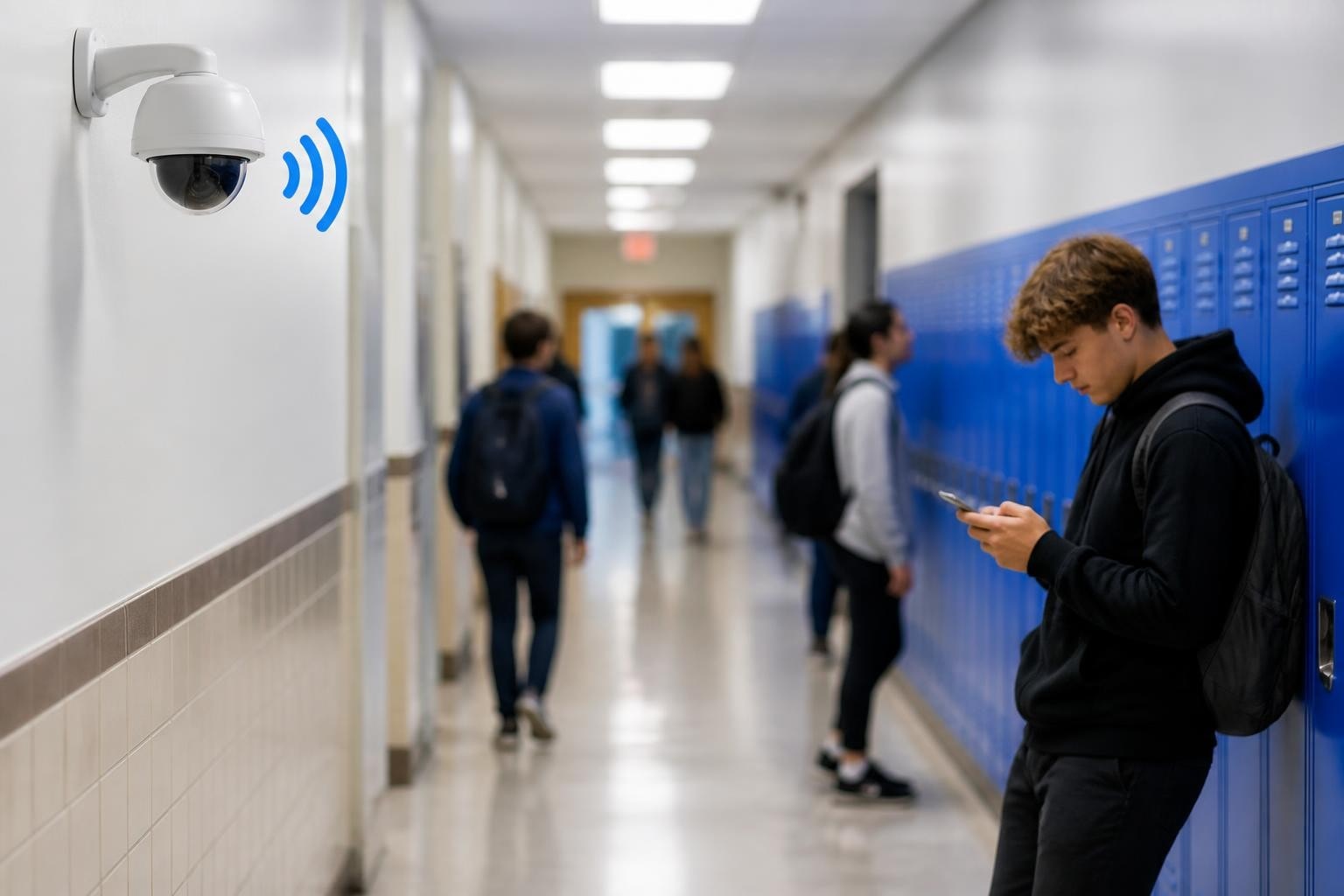
Schools across the United Kingdom face an escalating challenge as youth vaping rates continue to climb. The discreet nature of modern vaping devices, combined with their appeal to young people, has created an environment where traditional monitoring methods fall short. Pupil vaping detection has emerged as a critical component in safeguarding student health, maintaining educational standards, and ensuring compliance with health and safety regulations. This technology represents a shift from reactive disciplinary measures to proactive environmental monitoring, providing educators with the tools needed to address substance use before it becomes endemic.
The Rising Need for Vaping Detection in Educational Settings
Educational institutions have witnessed a dramatic transformation in how students consume nicotine and other substances. Unlike traditional cigarettes, electronic vaping devices produce minimal odour and can be disguised as everyday items such as pens, USB drives, or highlighters. This evolution has rendered conventional supervision methods inadequate.
Recent data indicates that one in five secondary school students in the UK has experimented with vaping products. The surveillance technologies schools are implementing reflect a broader recognition that passive monitoring no longer suffices in modern educational environments.
The health implications extend beyond immediate nicotine exposure. Young people who vape face increased risks of respiratory issues, cardiovascular complications, and potential gateway behaviours toward other substance use. For schools managing vaping education and prevention strategies, understanding the scope of the problem represents the first step toward effective intervention.
How Modern Detection Systems Function
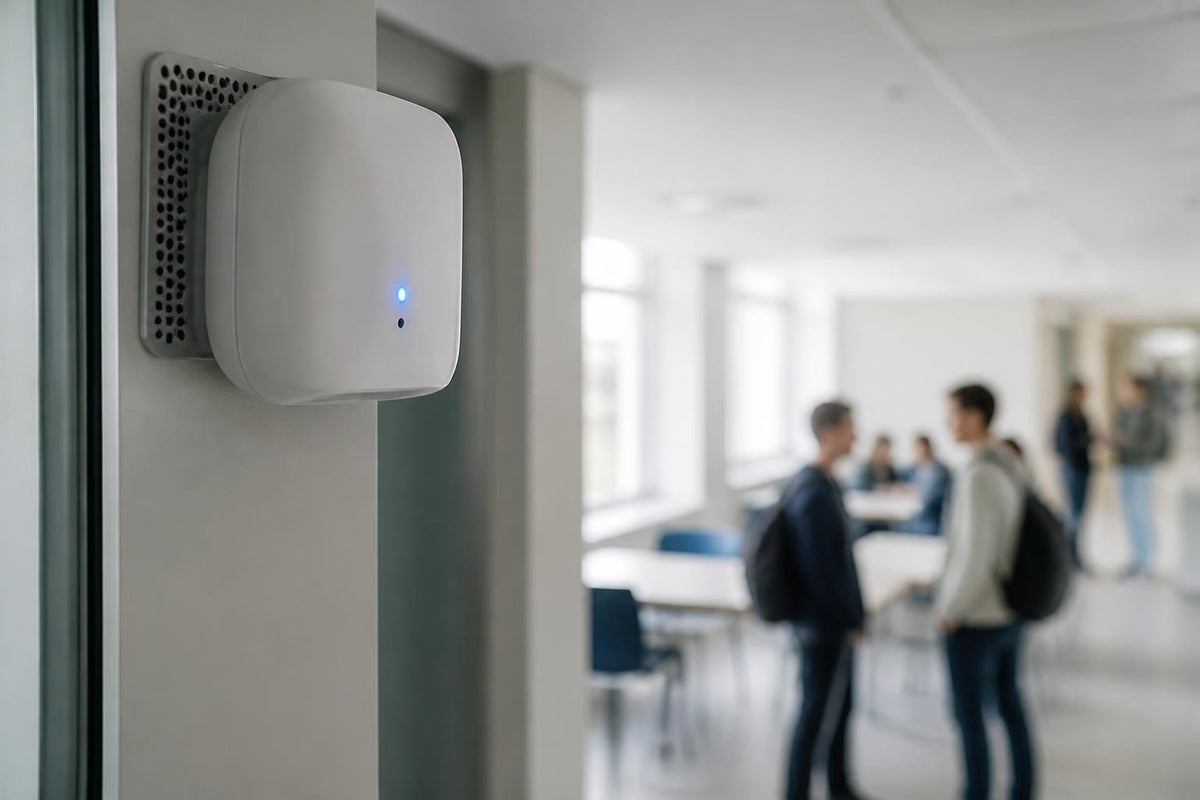
Pupil vaping detection technology operates through sophisticated environmental sensors that identify chemical signatures associated with vaping aerosols. These systems monitor air quality continuously, detecting particulate matter, volatile organic compounds, and specific chemicals found in vaping products.
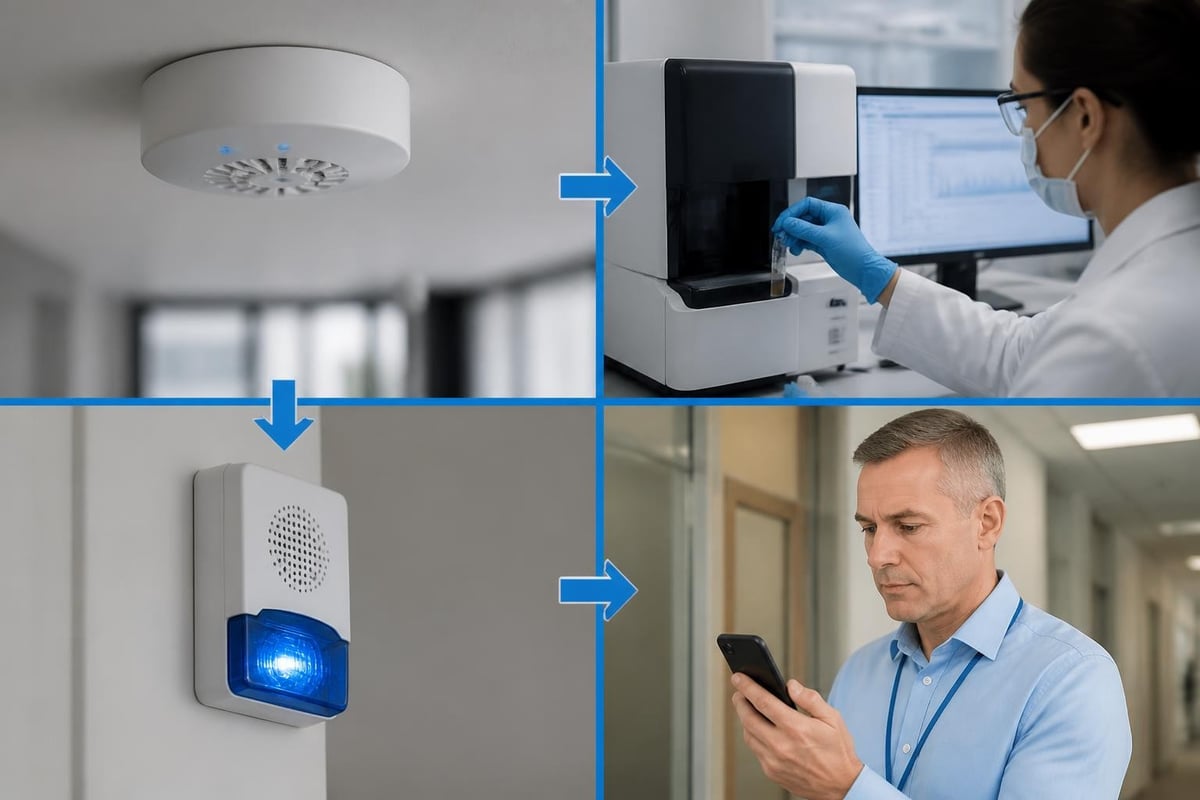
When a device identifies vaping activity, it triggers real-time notifications to designated staff members through mobile applications or web-based dashboards. This immediate response capability allows educators to intervene promptly, addressing incidents whilst they occur rather than discovering evidence hours or days later.
Key detection capabilities include:
- Particulate matter analysis for aerosol identification
- THC and cannabis derivative detection
- Sound monitoring for anti-social behaviour
- Tamper alerts when devices are compromised
- Environmental data logging for compliance records
The technology distinguishes between vaping aerosols and other airborne substances, minimising false positives that could undermine staff confidence in the system. Advanced algorithms filter out common environmental factors such as cleaning products, perfumes, or cooking odours.
Implementation Strategies for Schools
Successful deployment of pupil vaping detection requires careful planning that balances technological capabilities with educational culture. Schools must consider placement, privacy concerns, and integration with existing disciplinary frameworks.
Strategic Sensor Placement
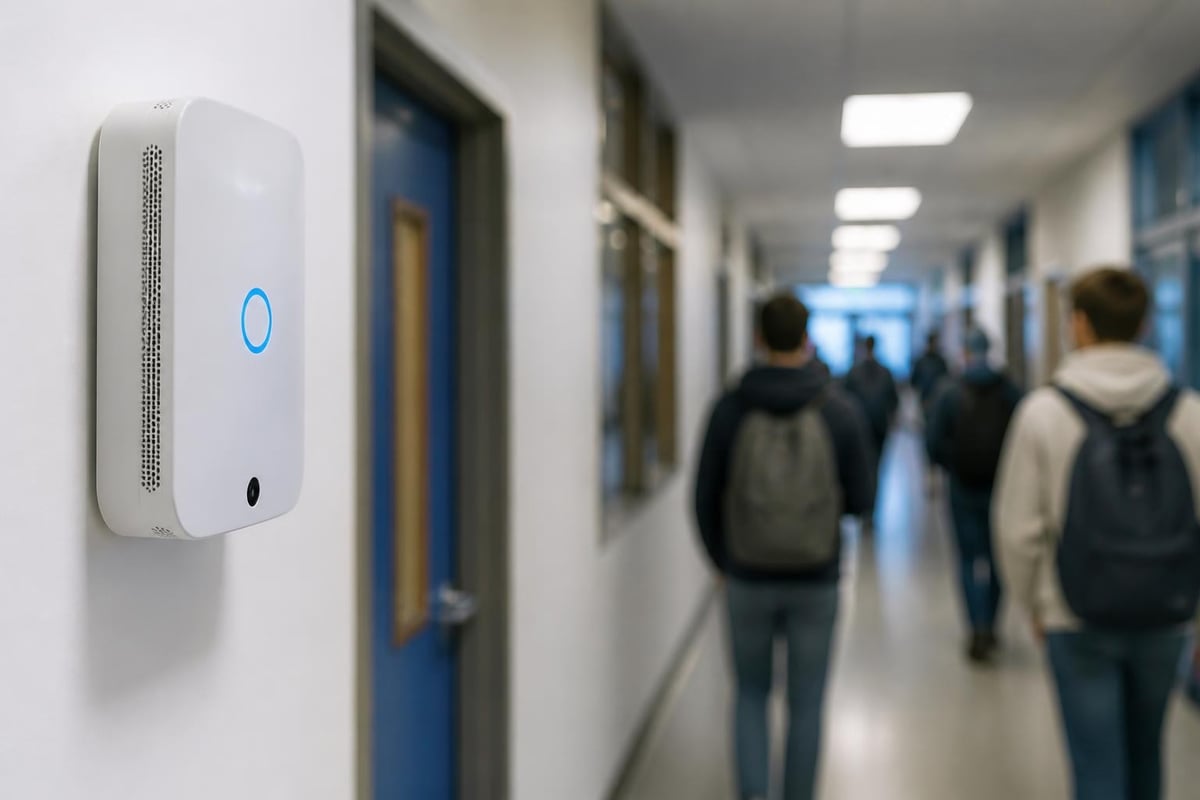
Optimal sensor positioning maximises coverage whilst respecting student privacy. Common installation locations include:
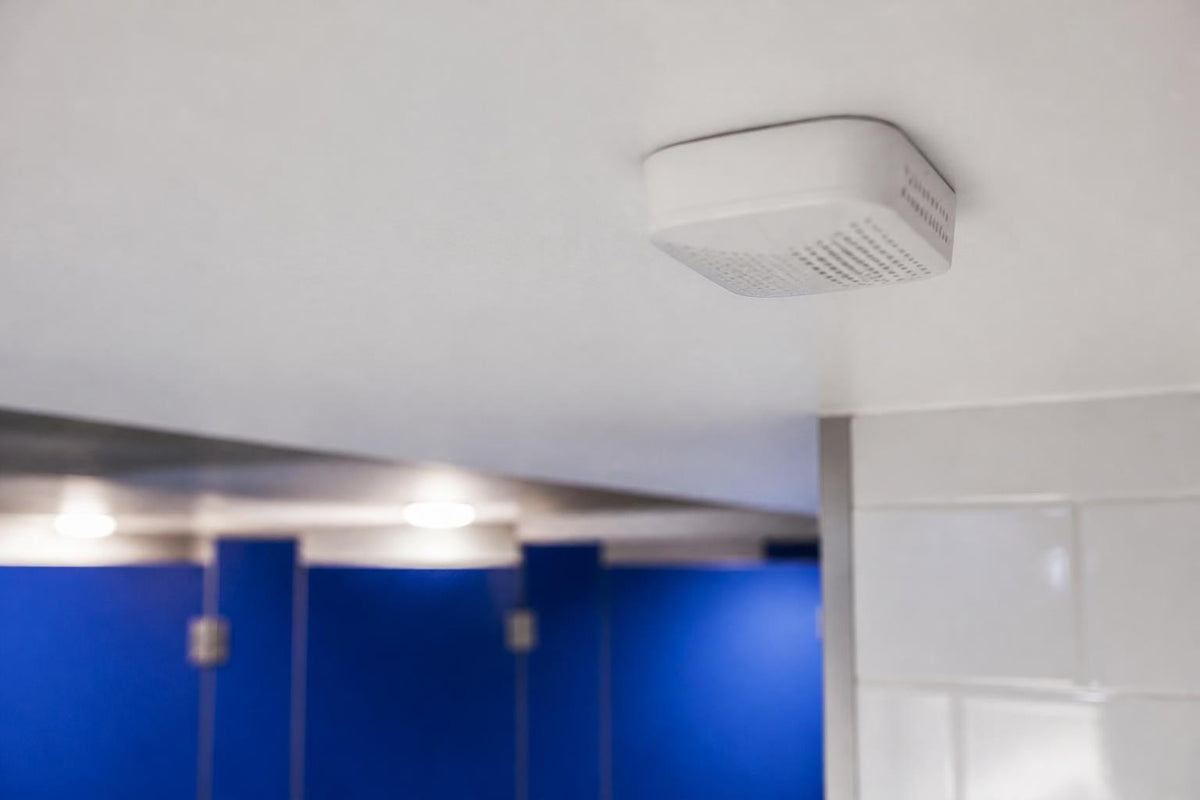
- Toilet facilities and changing rooms
- Corridors and stairwells
- Common areas and social spaces
- Storage areas and unused classrooms
- Outdoor sheltered areas
These locations represent high-risk zones where traditional supervision proves challenging. The vape detection systems designed for education provide coverage without requiring constant physical presence, allowing staff to focus on educational responsibilities.
| Location Type | Detection Priority | Privacy Considerations | Installation Complexity |
|---|---|---|---|
| Toilets | Very High | Camera-free only | Low |
| Corridors | Medium | None | Low |
| Changing Rooms | High | Camera-free only | Medium |
| Common Areas | Medium | Minimal | Low |
| Outdoor Shelters | Medium | Minimal | High |
Privacy and Legal Compliance
Schools implementing pupil vaping detection must navigate privacy legislation carefully. Unlike CCTV systems, modern sensors focus on environmental monitoring rather than individual surveillance. This distinction proves crucial when communicating with parents and addressing data protection requirements.
The technology operates without capturing personally identifiable information. Sensors detect environmental changes associated with vaping but do not record video, audio of conversations, or track individual movements. This approach aligns with GDPR requirements whilst providing actionable intelligence to school administrators.
Transparency remains essential. Schools should communicate clearly about:
- What the sensors detect and how they function
- Data retention policies and access controls
- The educational objectives behind implementation
- How detection events inform intervention strategies
Technological Advances in Detection Accuracy
The evolution of pupil vaping detection reflects broader advances in environmental sensing and machine learning. Early systems struggled with false positives, undermining staff confidence and creating administrative burdens. Contemporary solutions employ sophisticated algorithms that dramatically improve accuracy.
Chemical Signature Analysis
Modern sensors analyse multiple data points simultaneously, creating chemical fingerprints that distinguish vaping aerosols from other airborne substances. This multi-factor approach examines:
- Particle size distribution patterns
- Chemical composition markers
- Concentration changes over time
- Environmental baseline comparisons
Research into pupil response as a biomarker for substance use demonstrates how physiological indicators complement environmental monitoring. Whilst schools primarily rely on air quality sensors, understanding these broader detection methodologies informs comprehensive intervention strategies.
Integration with Building Management Systems
Advanced implementations connect pupil vaping detection with existing infrastructure, creating unified monitoring ecosystems. This integration enables:
Automated ventilation responses that increase airflow when vaping is detected, reducing exposure for other occupants
Historical trend analysis identifying patterns in vaping behaviour across times, locations, and cohorts
Incident documentation creating timestamped records that support disciplinary processes and safeguarding investigations
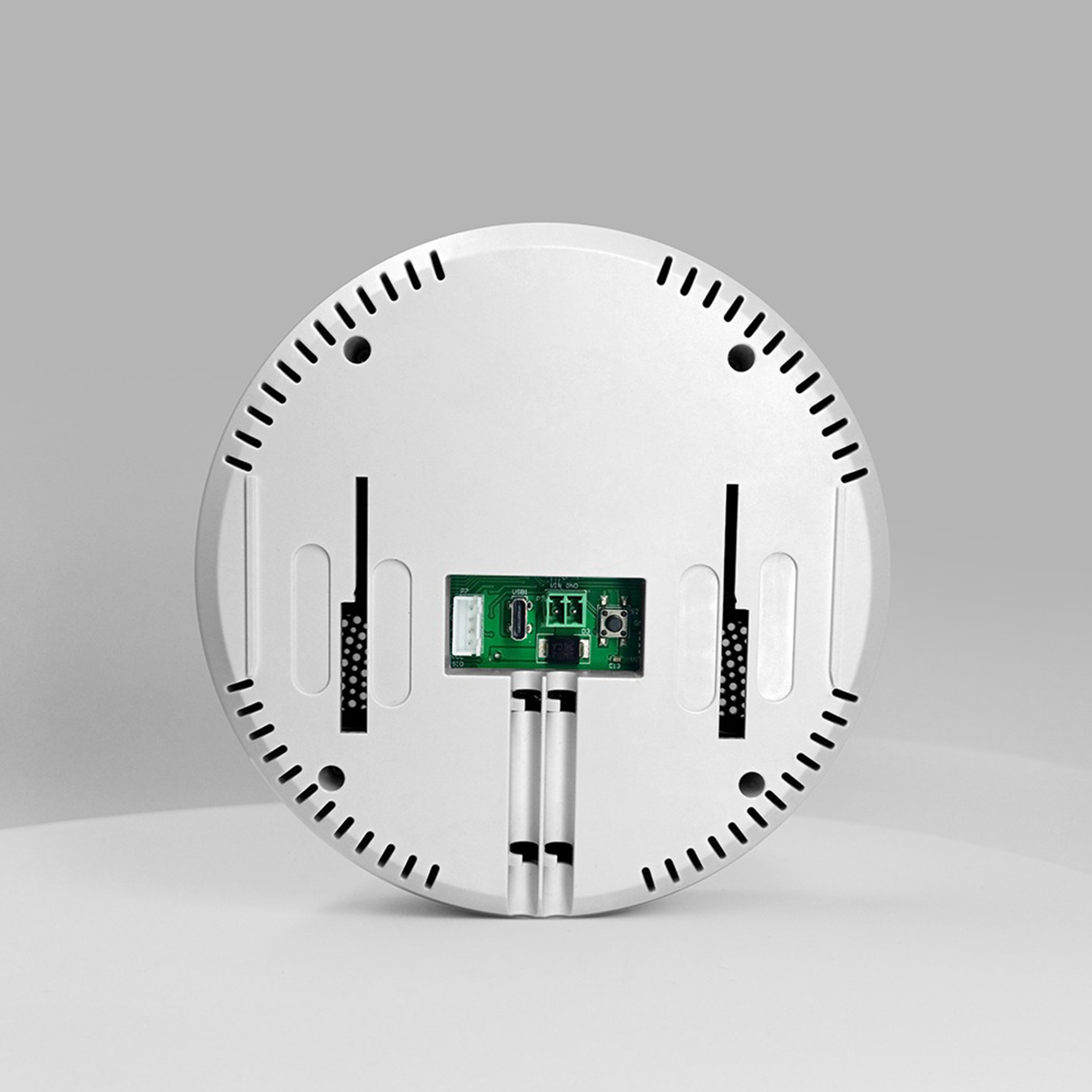
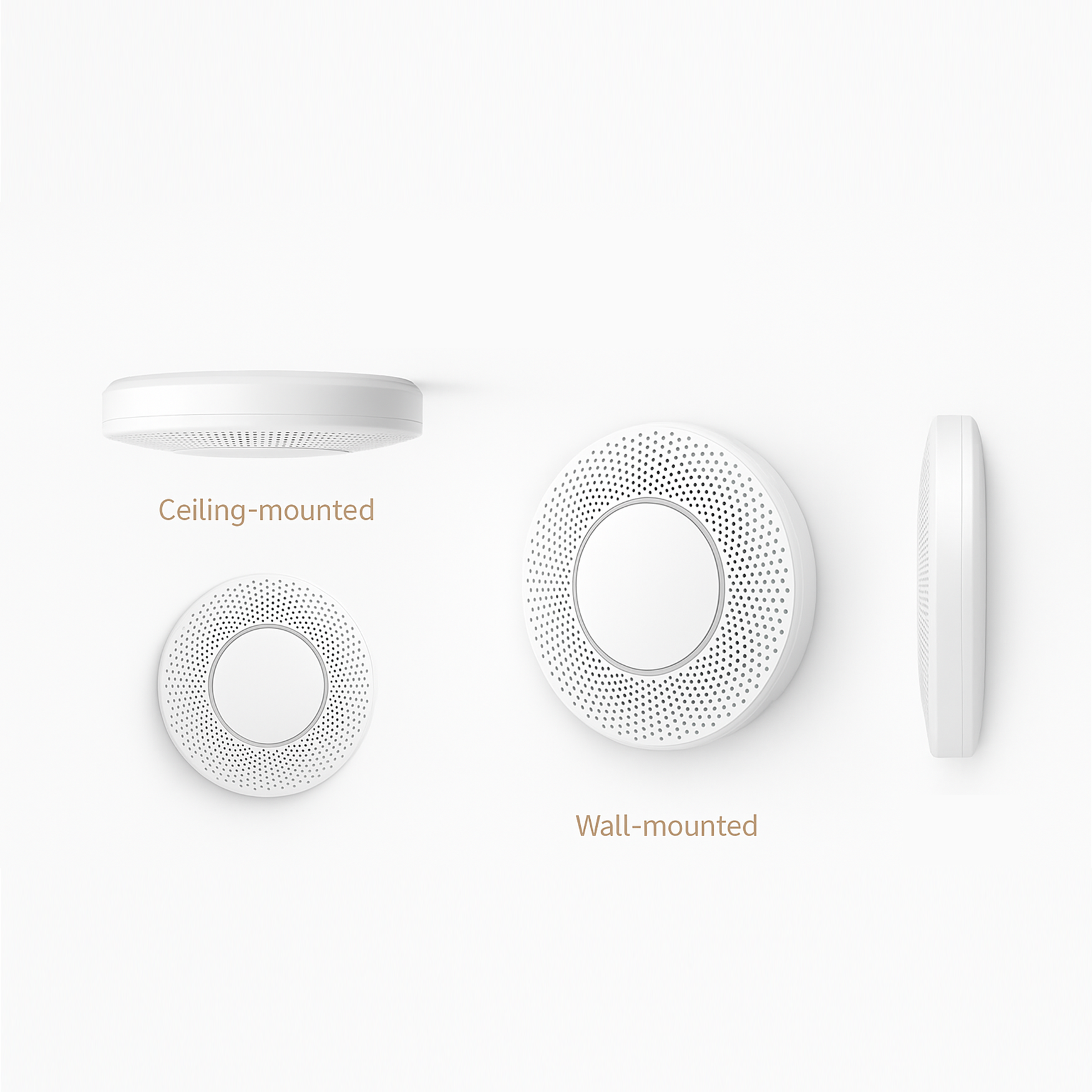
The Vape Detection System exemplifies this integrated approach, combining hardware sensors with cloud-based analytics that provide administrators with comprehensive visibility into vaping incidents across their facilities. This system detects not only vaping but also drug use and anti-social behaviour, offering a holistic solution for maintaining safe educational environments.

Educational Impact and Behavioural Change
Technology alone cannot solve the youth vaping crisis. Effective programmes combine detection capabilities with education, support services, and proportionate disciplinary measures. Schools achieving the greatest success view sensors as tools within broader wellbeing strategies.
Creating Deterrent Effects
The presence of detection technology influences student behaviour even before any incidents occur. When pupils understand that vaping will be identified immediately, the perceived risk increases substantially. This deterrent effect proves particularly valuable in toilet facilities, where traditional supervision remains impossible.
Schools report that visible sensor installations reduce vaping attempts more effectively than hidden devices. The physical presence serves as a constant reminder that the behaviour carries consequences, creating a cultural shift away from normalising vaping on school premises.
Supporting Intervention Programmes
Detection data provides valuable insights for targeting support resources. When schools identify repeated incidents involving specific individuals or groups, they can deploy counselling services, nicotine cessation programmes, and family engagement initiatives proactively.
- First incident triggers educational conversation
- Repeated incidents activate support referrals
- Persistent patterns involve parents and external agencies
- Trend analysis informs whole-school policy adjustments
This graduated response ensures proportionality whilst maintaining clear consequences for policy violations. The best practices for handling vaping alerts emphasise balancing immediate accountability with long-term behavioural change objectives.
Stakeholder Communication and Engagement
Successful pupil vaping detection programmes require buy-in from multiple constituencies. Parents, students, staff, and governors each hold distinct perspectives that shape implementation success.
Engaging Parents and Guardians
Parents appreciate technological solutions that protect their children's health, but concerns about surveillance and privacy require thoughtful addressing. Schools should emphasise that sensors monitor environments rather than individuals, focusing communication on health protection rather than punishment.
Effective parent engagement strategies include:
- Transparent pre-implementation communication
- Clear policies published in student handbooks
- Regular updates on programme effectiveness
- Opportunities for feedback and questions
- Educational resources about vaping risks
Staff Training and Support
Educators responding to vaping alerts need clear protocols and appropriate training. The technology identifies when and where incidents occur, but human judgment determines the subsequent intervention. Designated safeguarding leads play particularly crucial roles in ensuring responses prioritise student welfare alongside disciplinary objectives.
Training should address:
| Training Component | Focus Area | Duration | Frequency |
|---|---|---|---|
| System Operation | Alert response procedures | 2 hours | Initial only |
| Student Welfare | Intervention conversations | 3 hours | Annual |
| Legal Compliance | Privacy and documentation | 1 hour | Annual |
| Data Analysis | Trend identification | 2 hours | Termly |
Multi-Site and Trust-Level Implementation
Multi-academy trusts and local authorities implementing pupil vaping detection across multiple schools benefit from centralised monitoring capabilities. This approach enables consistency in policy application whilst revealing patterns that individual schools might miss.
Centralised Dashboard Benefits
Administrators overseeing multiple sites gain strategic insights through consolidated reporting. Comparative data reveals which schools face greater challenges, enabling targeted resource allocation and intervention support.
The technology supports multi-academy trusts in establishing uniform standards whilst respecting individual school cultures. Centralised procurement also generates cost efficiencies that make comprehensive implementation more financially viable.
Sharing Best Practices
Schools within the same trust or local authority can share successful intervention strategies, learning from each other's experiences. This collaborative approach accelerates improvement across all sites, benefiting students throughout the network.

Cost Considerations and Return on Investment
Implementing pupil vaping detection requires financial investment, but schools increasingly recognise the value proposition. The costs include hardware acquisition, installation, ongoing monitoring subscriptions, and staff time for incident response.
Budget Planning Factors
Typical implementation costs vary based on:
- Number of sensors required for adequate coverage
- Connectivity infrastructure requirements
- Installation complexity and building characteristics
- Subscription tier and feature requirements
- Training and ongoing support needs
Schools should anticipate £200 to £400 per sensor for quality devices, with installation adding £100 to £200 per location depending on site conditions. Monthly monitoring subscriptions typically range from £10 to £30 per sensor, covering cloud services, software updates, and technical support.
Quantifying Benefits
Whilst health benefits resist precise quantification, schools can measure tangible returns including:
Reduced staff time previously spent investigating vaping incidents through time-consuming searches and interviews
Improved air quality benefiting all building occupants, particularly those with respiratory sensitivities
Decreased property damage from vaping residue that can stain surfaces and damage sensors in other building systems
Enhanced reputation among parents who value proactive health and safety measures
The real-time detection capabilities available through modern systems justify the investment for schools committed to maintaining healthy learning environments.
Future Developments in Detection Technology
The field of pupil vaping detection continues evolving rapidly. Emerging technologies promise enhanced accuracy, broader detection capabilities, and deeper integration with school management systems.
Artificial Intelligence and Pattern Recognition
Machine learning algorithms improve continuously as they process more data. Future systems will identify increasingly subtle environmental changes, distinguishing between different vaping products and potentially detecting other concerning substances.
Research into smartphone-based detection methods suggests complementary approaches that could augment environmental sensors. Whilst direct pupil scanning raises significant privacy concerns in educational contexts, the underlying technologies inform broader substance detection strategies.
Expanded Sensing Capabilities
Next generation devices will likely incorporate:
- Enhanced THC and cannabis derivative identification
- Alcohol vapour detection
- Expanded air quality metrics including CO2 and allergens
- Improved acoustic analysis for verbal abuse and bullying
- Temperature and humidity monitoring for building management
These capabilities transform single-purpose vaping sensors into comprehensive environmental monitoring platforms that serve multiple institutional objectives simultaneously.
Integration with Student Information Systems
Future implementations may connect detection data with existing student databases, enabling automatic documentation and intervention tracking. This integration streamlines administrative processes whilst creating comprehensive records that support longitudinal analysis of intervention effectiveness.
Regulatory Compliance and Policy Frameworks
Schools must ensure pupil vaping detection programmes align with relevant regulations and guidance. The legal landscape continues developing as technology advances and youth vaping concerns escalate.
Health and Safety Obligations
Employers hold duties under the Health and Safety at Work Act to provide safe environments for staff and students. Vaping on school premises creates health risks that institutions must address through reasonable measures. Detection technology represents one component of comprehensive risk management strategies.
Documentation proves essential. Schools should maintain records demonstrating:
- Risk assessments identifying vaping hazards
- Policy decisions and implementation rationale
- Incident logs and intervention outcomes
- Review processes and programme adjustments
Smoke-Free Legislation
Many schools extend smoke-free policies to include vaping products, aligning with public health guidance even where not legally mandated. Clear policies supported by effective enforcement mechanisms demonstrate institutional commitment to student wellbeing.
The educational resources available help schools develop comprehensive policy frameworks that address prevention, detection, and intervention coherently.
Addressing Common Implementation Challenges
Schools implementing pupil vaping detection encounter predictable challenges. Understanding these obstacles enables proactive planning that smooths deployment and maximises effectiveness.
Technical Connectivity Issues
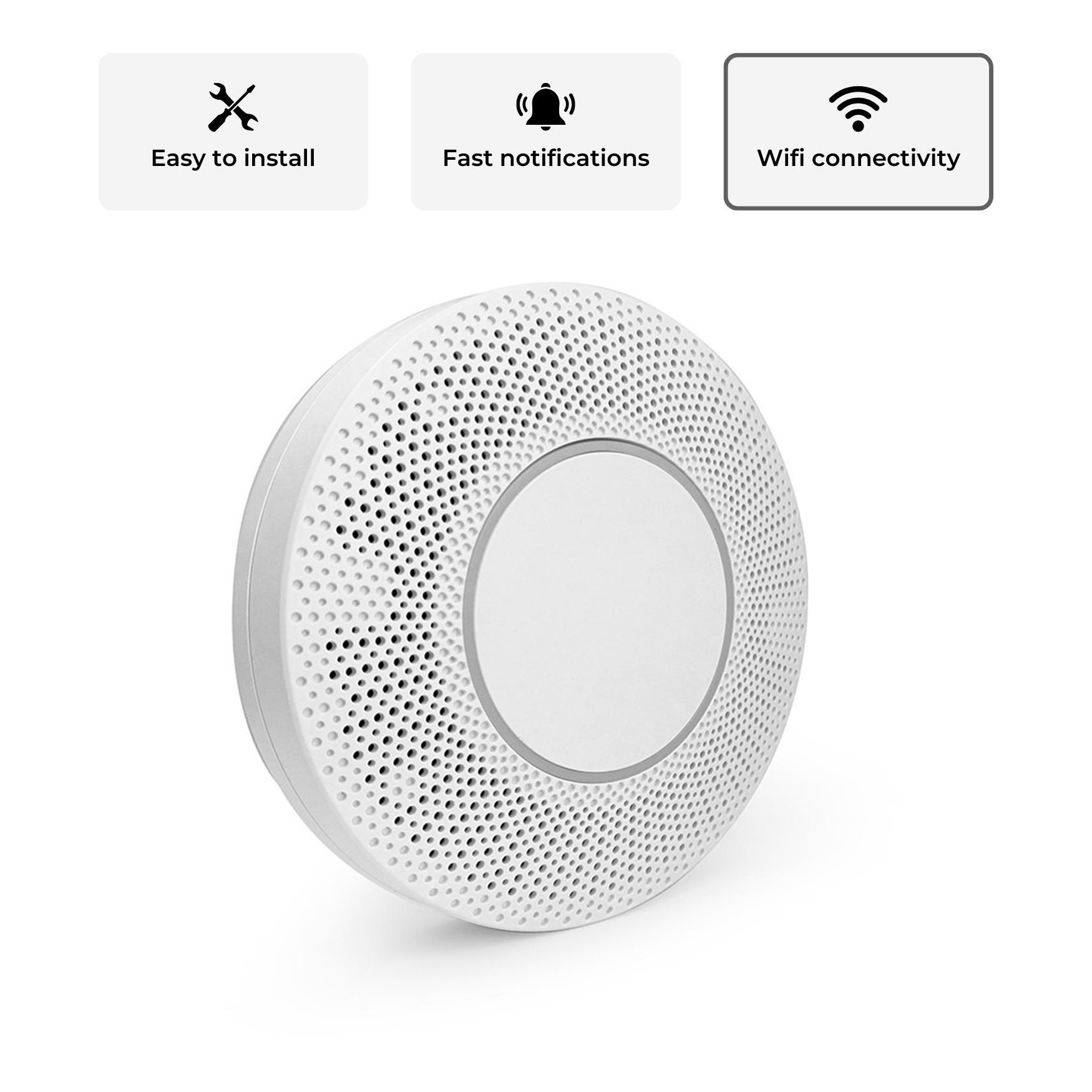
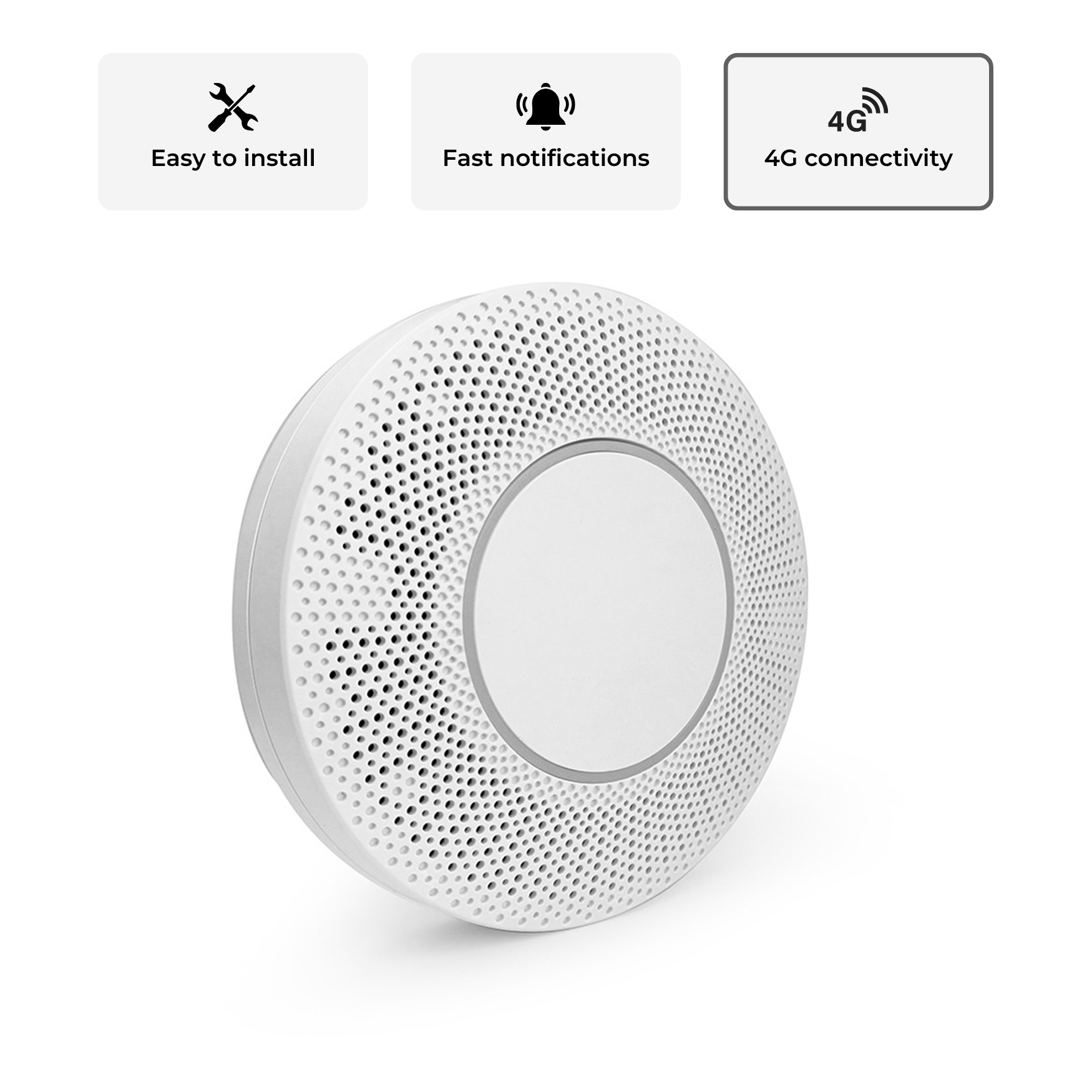
Sensors require reliable network connectivity to transmit alerts effectively. Schools with limited WiFi coverage in toilet facilities or outdated infrastructure may need connectivity upgrades. The network requirements for modern detection systems typically accommodate various connection methods, including WiFi, cellular, and hardwired options.
Student Resistance and Circumvention Attempts
Pupils may initially test detection systems, attempting to identify blind spots or trigger false positives. Schools should anticipate this behaviour and respond with clear communication about system capabilities and consequences for deliberate circumvention.
Balancing Detection with Educational Mission
Some educators worry that surveillance technologies undermine trust-based relationships with students. This concern requires addressing through transparent communication emphasising health protection rather than punitive monitoring. When implemented thoughtfully, detection systems complement rather than replace positive relationships between staff and students.
Pupil vaping detection technology provides schools with practical tools for addressing a growing health concern, combining real-time environmental monitoring with data-driven intervention strategies. When integrated into comprehensive wellbeing programmes that prioritise education and support alongside accountability, these systems help create healthier learning environments whilst respecting student privacy and dignity. Vape Guardian offers advanced detection solutions specifically designed for UK educational settings, combining reliable sensors with dedicated support to help schools tackle vaping challenges effectively. Their systems detect not only vaping but also drug use and anti-social behaviour, providing comprehensive protection for students and staff alike.



Share:
Compare Vape Detection Systems: Complete Guide 2026
Affordable Vape Detector: Complete 2026 Buying Guide