
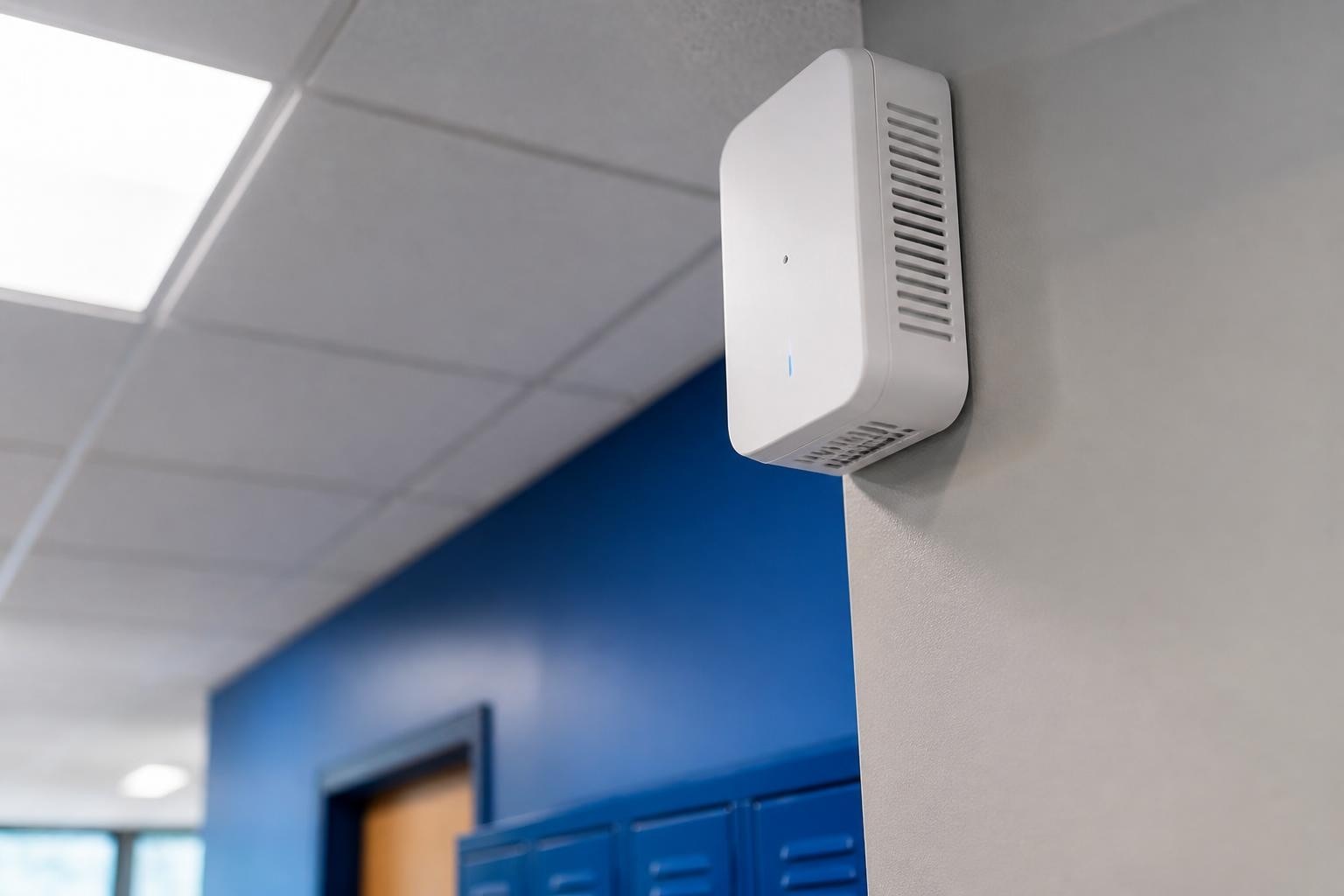
Schools, offices, and public venues face mounting pressure to address vaping whilst managing tight budgets. The demand for an affordable vape detector has surged as organisations seek cost-effective solutions without compromising safety. Today's market offers sophisticated detection technology at accessible price points, enabling facilities of all sizes to implement comprehensive monitoring systems. Understanding the balance between affordability and functionality ensures you invest wisely in protecting your environment whilst maintaining fiscal responsibility.
Understanding Affordable Vape Detection Technology
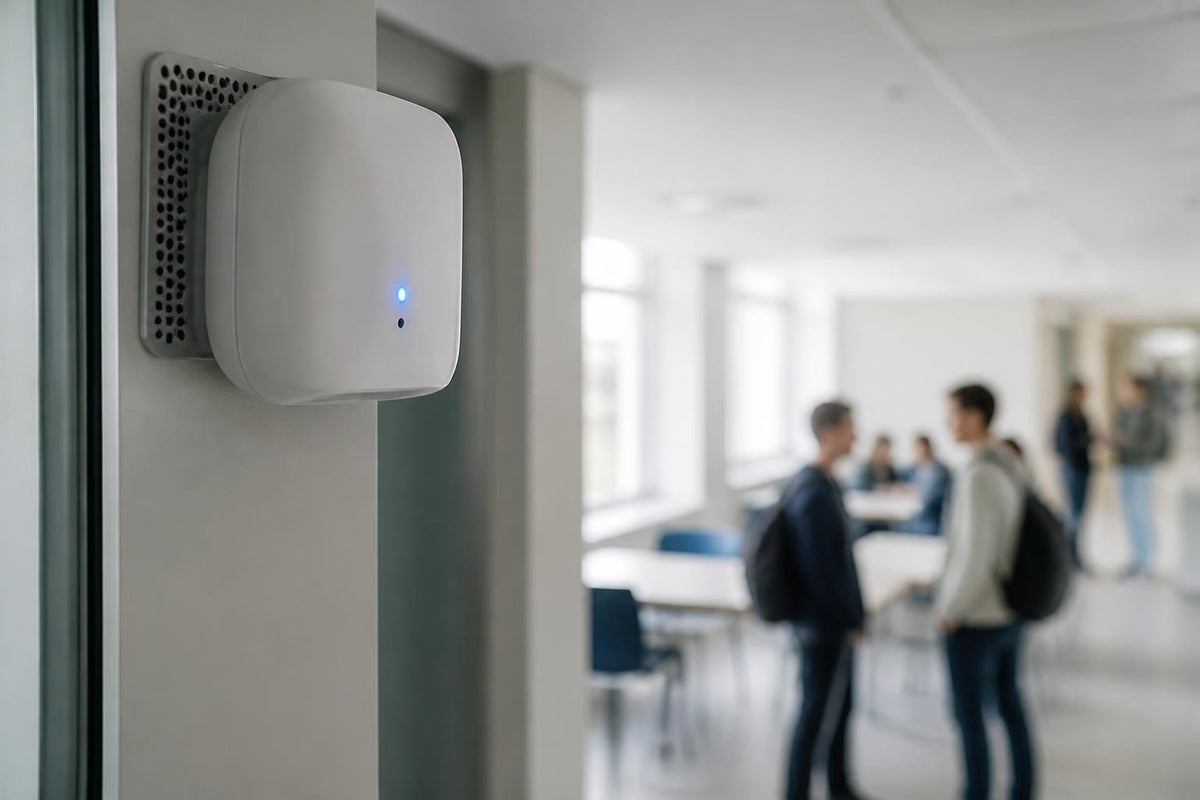
An affordable vape detector doesn't mean inferior performance. Modern sensors leverage advanced technology previously reserved for premium systems, now available at competitive prices. These devices employ particulate detection, air quality monitoring, and algorithmic analysis to identify vaping incidents with remarkable accuracy.
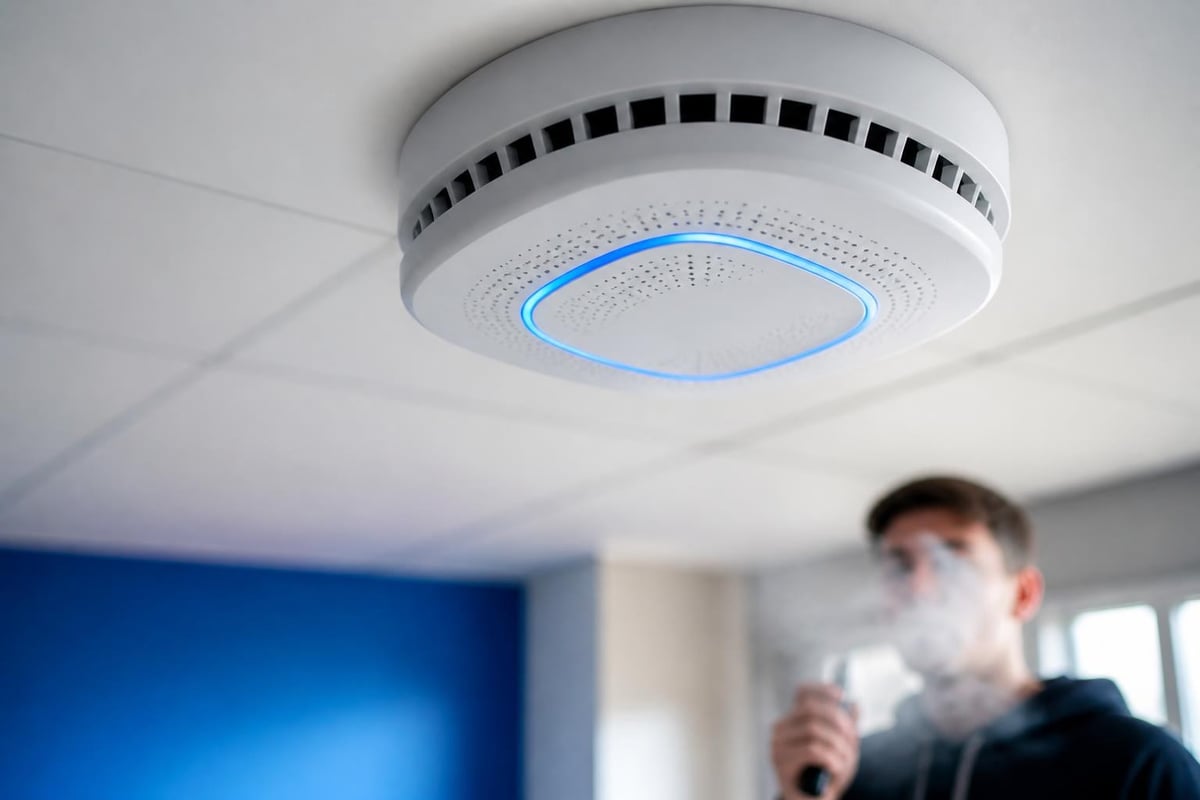
The core functionality remains consistent across price ranges. Sensors detect chemical compounds released during vaping, including nicotine, THC, and various aerosol particles. When concentrations exceed predetermined thresholds, the system triggers real-time alerts to designated personnel. This immediate notification enables swift intervention, deterring future violations whilst maintaining a healthier environment.
Key Features to Prioritise
Budget-conscious buyers should focus on essential capabilities rather than premium extras. Core features include:
- Real-time alerting via SMS, email, or mobile applications
- Accurate detection with minimal false positives
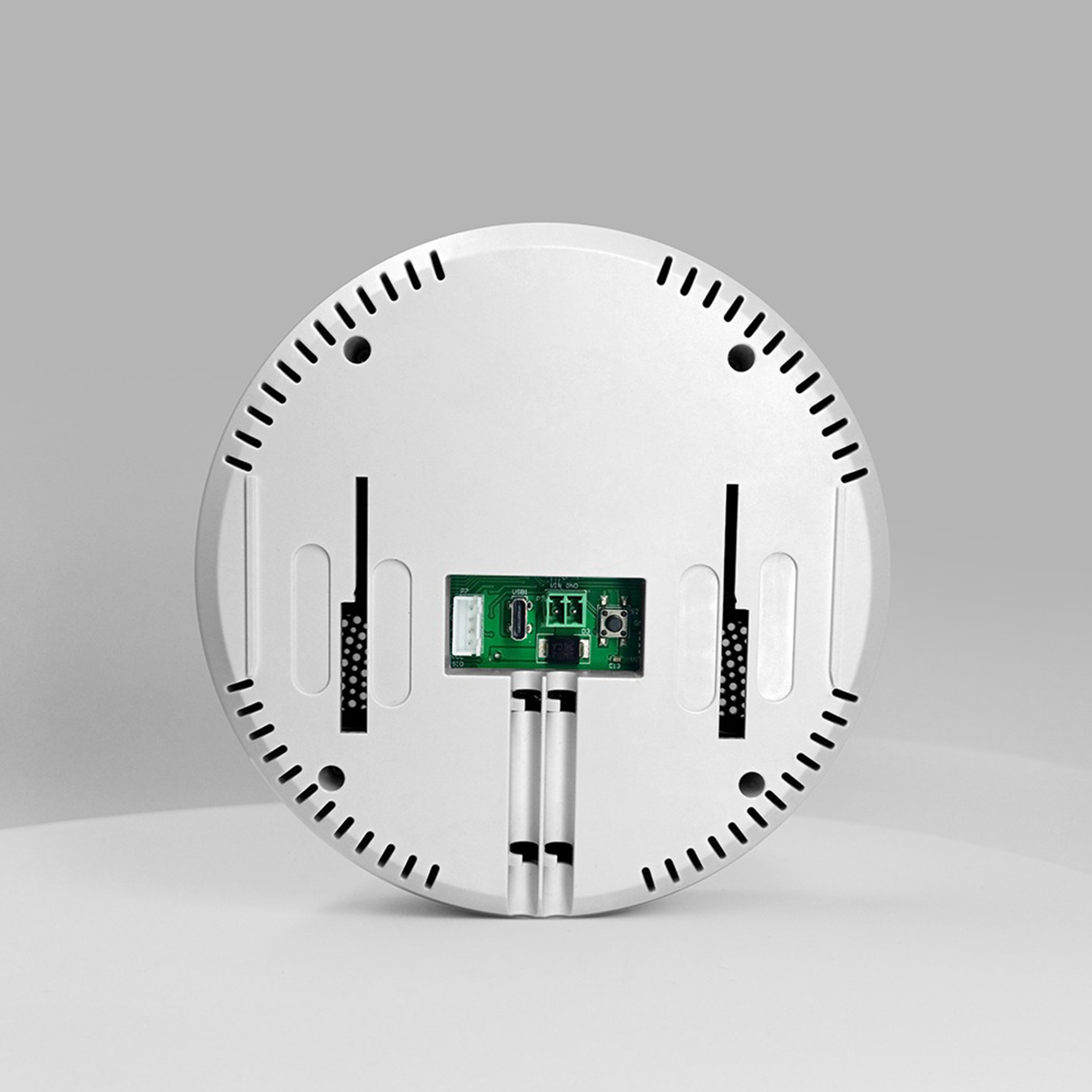
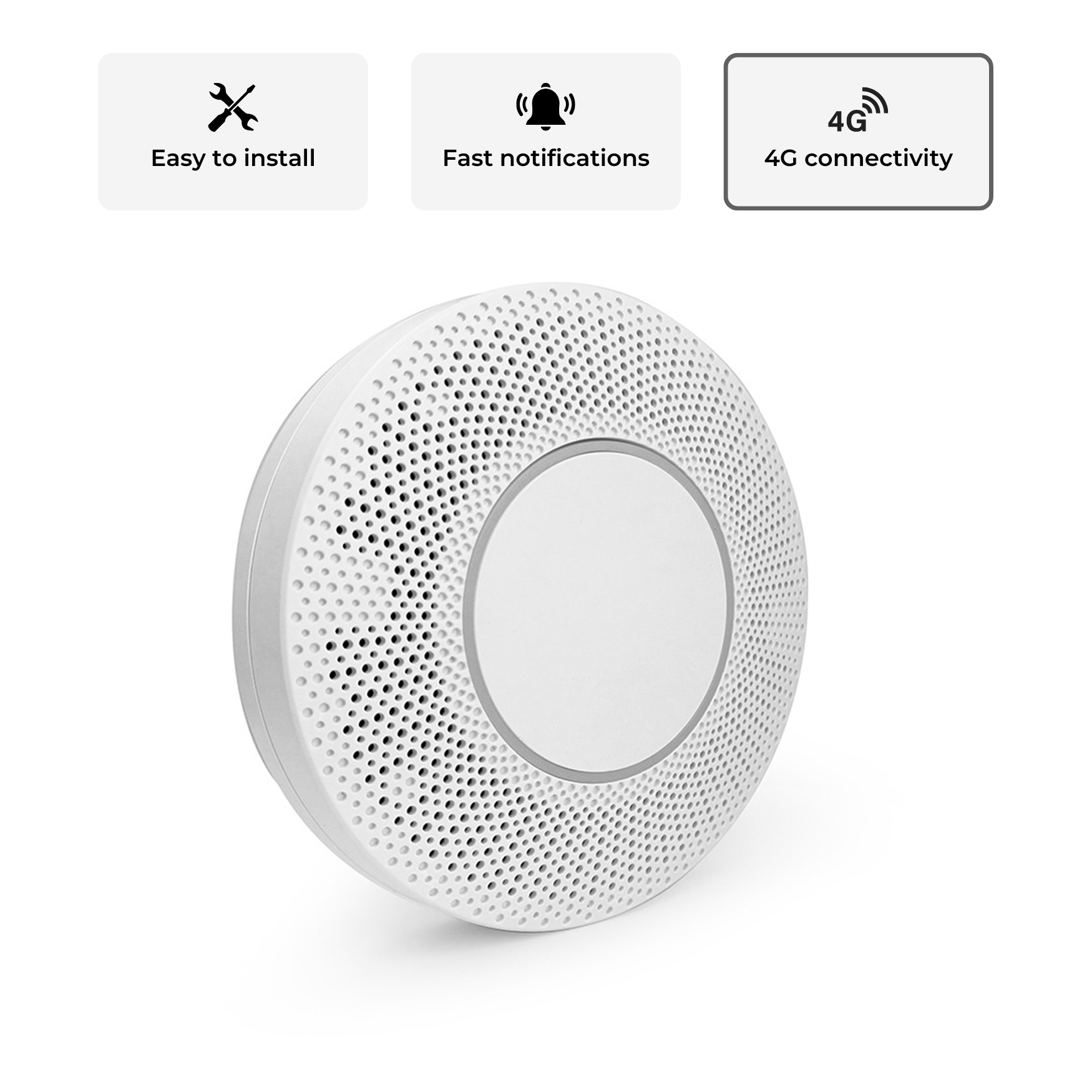
- Simple installation requiring basic technical knowledge
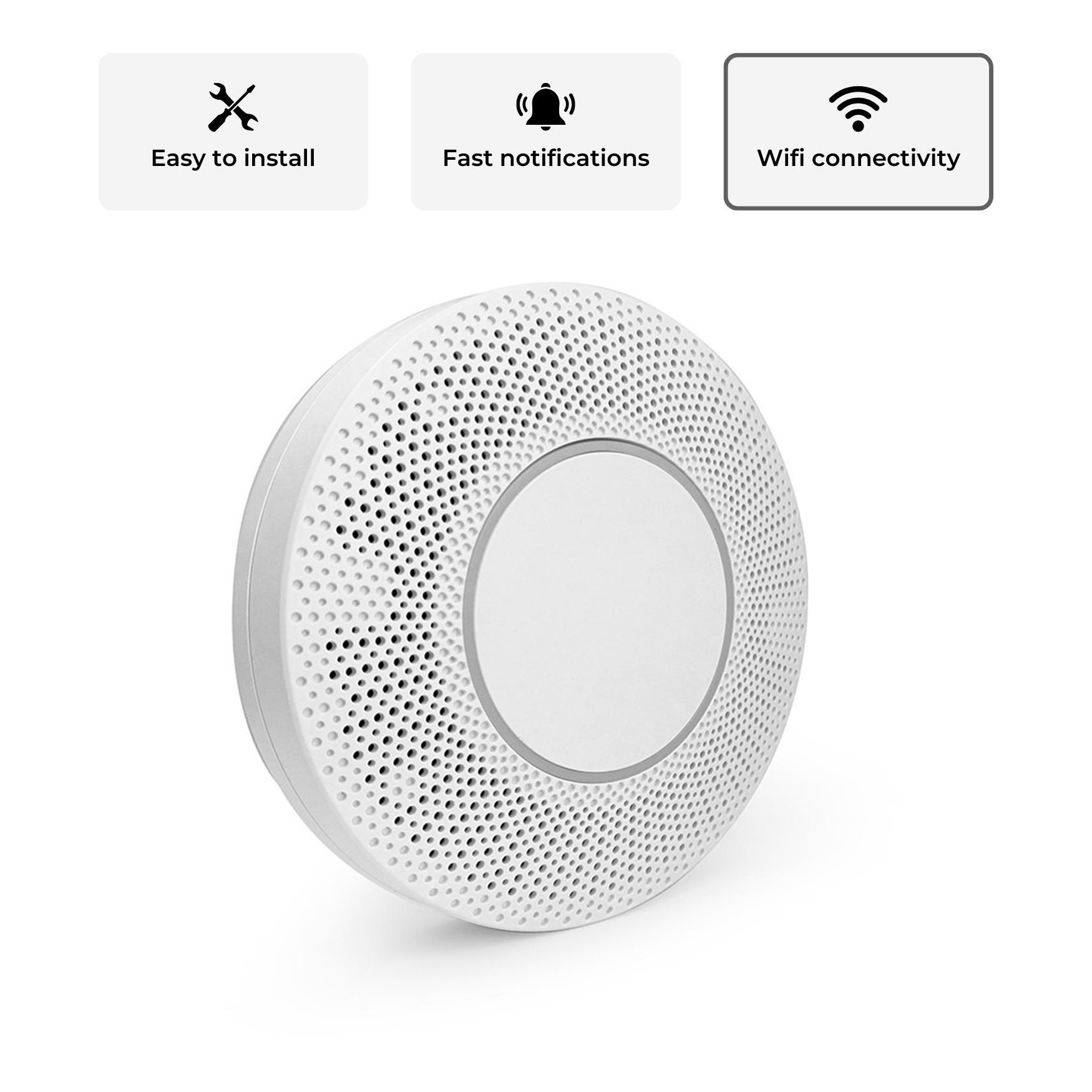
- Reliable connectivity through WiFi, cellular, or LoRaWAN networks
- Durable construction suitable for high-traffic environments
Many affordable vape detectors offer robust performance despite their lower price tags. The key lies in identifying which features align with your specific requirements versus nice-to-have additions that inflate costs unnecessarily.
Price Ranges and What They Include
The vape detection market segments into distinct price tiers, each offering different value propositions. Understanding these categories helps organisations allocate resources effectively whilst meeting safety objectives.
| Price Range | Typical Features | Best For |
|---|---|---|
| £200-£400 | Basic detection, WiFi connectivity, email alerts | Small facilities, single-room monitoring |
| £400-£700 | Multi-sensor arrays, cellular backup, mobile app integration | Medium-sized venues, multi-room coverage |
| £700-£1,200 | Advanced analytics, tamper detection, comprehensive reporting | Large facilities, enterprise deployments |
Budget models deliver fundamental vaping detection without sophisticated analytics or extensive customisation options. Mid-tier devices incorporate additional sensors for improved accuracy and expanded alert capabilities. Premium systems provide enterprise-grade features including predictive analytics, integration with building management systems, and extensive historical reporting.
The various types of vape detectors available today cater to different operational needs and budget constraints. Standalone units offer simplicity and lower upfront costs, whilst networked systems provide centralised management across multiple locations.
Installation and Operational Costs
Initial purchase price represents only one component of total ownership costs. Installation expenses vary significantly based on system complexity and facility infrastructure. DIY installations reduce costs but require technical competence and appropriate tools.
Professional installation ensures optimal sensor placement and proper network configuration. Costs typically range from £100 to £300 per device, depending on mounting complexity and connectivity requirements. Facilities with existing network infrastructure often achieve faster, more affordable installations.
Ongoing Expenses to Consider
Monthly operational costs impact long-term affordability:
- Cellular connectivity fees for systems using mobile networks (£5-£15 monthly per device)
- Cloud storage subscriptions for historical data retention (£10-£25 monthly for basic packages)
- Software updates and technical support (often included for 12-24 months)
- Replacement sensors or consumable components (varies by manufacturer)
- Electricity consumption (minimal, typically under £2 annually per unit)
Schools implementing comprehensive anti-vaping solutions must budget for both immediate and recurring expenses. Three-year total cost of ownership provides clearer financial planning than focusing solely on initial outlay.

Balancing Cost with Performance
An affordable vape detector must deliver reliable results consistently. Performance metrics matter more than feature lists when evaluating value. Detection accuracy determines whether the investment achieves its primary objective: reducing vaping incidents.
False positive rates create operational headaches and erode staff confidence in the system. Quality affordable detectors maintain false positive rates below 5%, ensuring alerts represent genuine violations rather than environmental anomalies. Advanced algorithms distinguish vaping aerosols from perfumes, cleaning products, and other airborne substances.
Response time affects intervention effectiveness. Devices alerting within 10-15 seconds of detection enable immediate action whilst offenders remain nearby. Delayed notifications reduce deterrent value and complicate enforcement efforts.
The Vape Detection System demonstrates how sophisticated technology addresses both vaping and broader anti-social behaviour concerns. By combining multiple detection capabilities in one platform, facilities maximise return on investment whilst simplifying management requirements.

Evaluating Manufacturer Support
Technical support quality significantly impacts long-term satisfaction. Affordable doesn't mean abandoning customer service expectations. Reputable manufacturers provide:
- Comprehensive installation documentation and video tutorials
- Responsive technical support during business hours minimum
- Regular firmware updates addressing bugs and improving performance
- Warranty coverage for hardware failures (typically 12-24 months)
- Community forums or knowledge bases for troubleshooting
UK-based support teams understand regional compliance requirements and building regulations. Time zone alignment ensures prompt assistance when issues arise during operational hours.
Strategic Placement Maximises Value
Optimal sensor placement multiplies effectiveness without requiring additional devices. Strategic positioning extends coverage areas whilst maintaining detection reliability. Each sensor typically covers 150-200 square metres, though actual range depends on room configuration and ventilation patterns.
High-risk locations warrant priority installation:
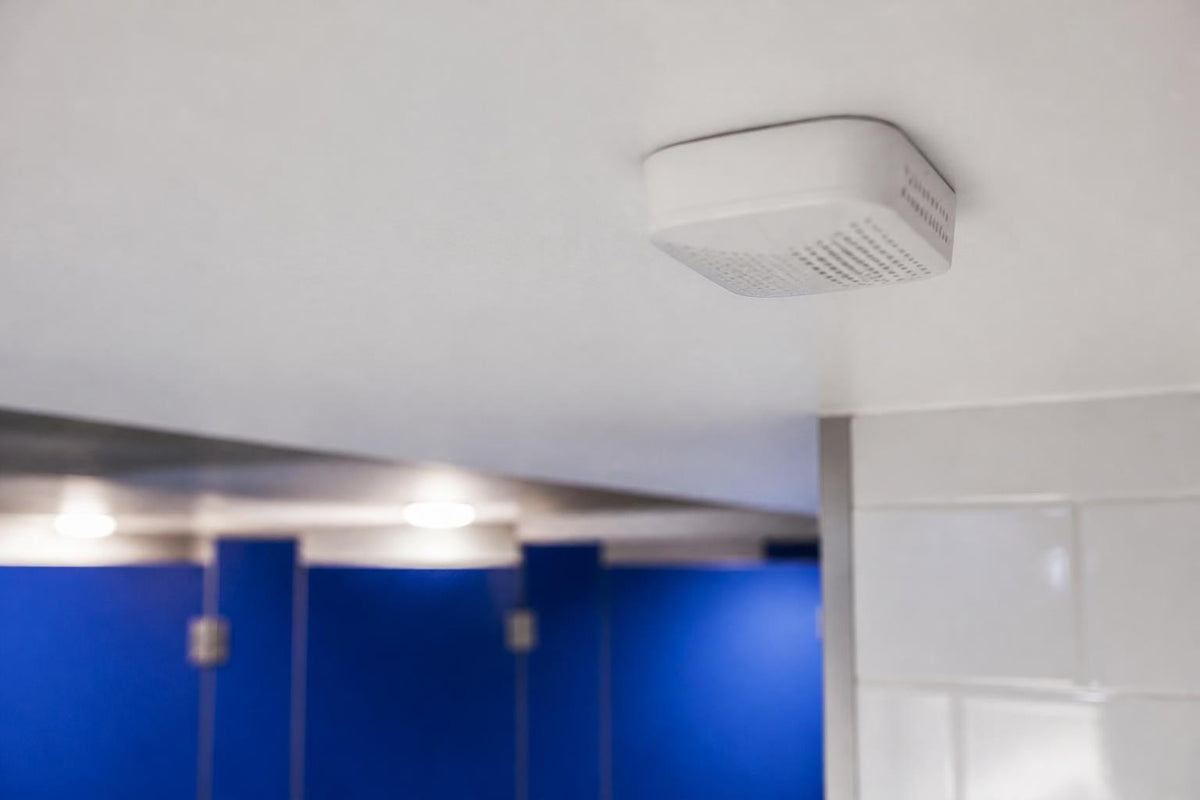
- Toilets and changing facilities where privacy expectations enable concealed vaping
- Secluded corridors and stairwells with limited supervision
- Outdoor covered areas including smoking shelters and bike sheds
- Storage rooms and utility spaces with irregular foot traffic
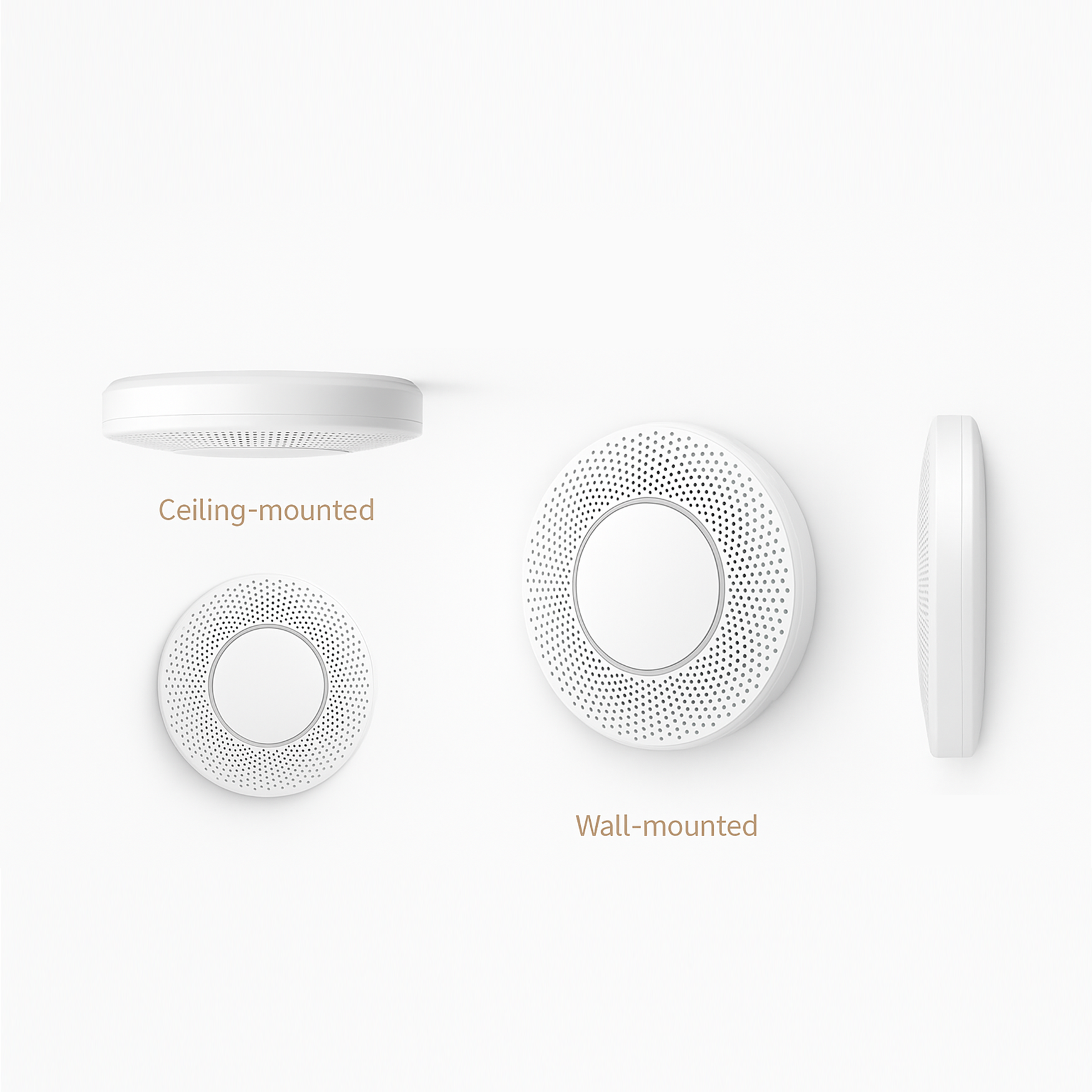
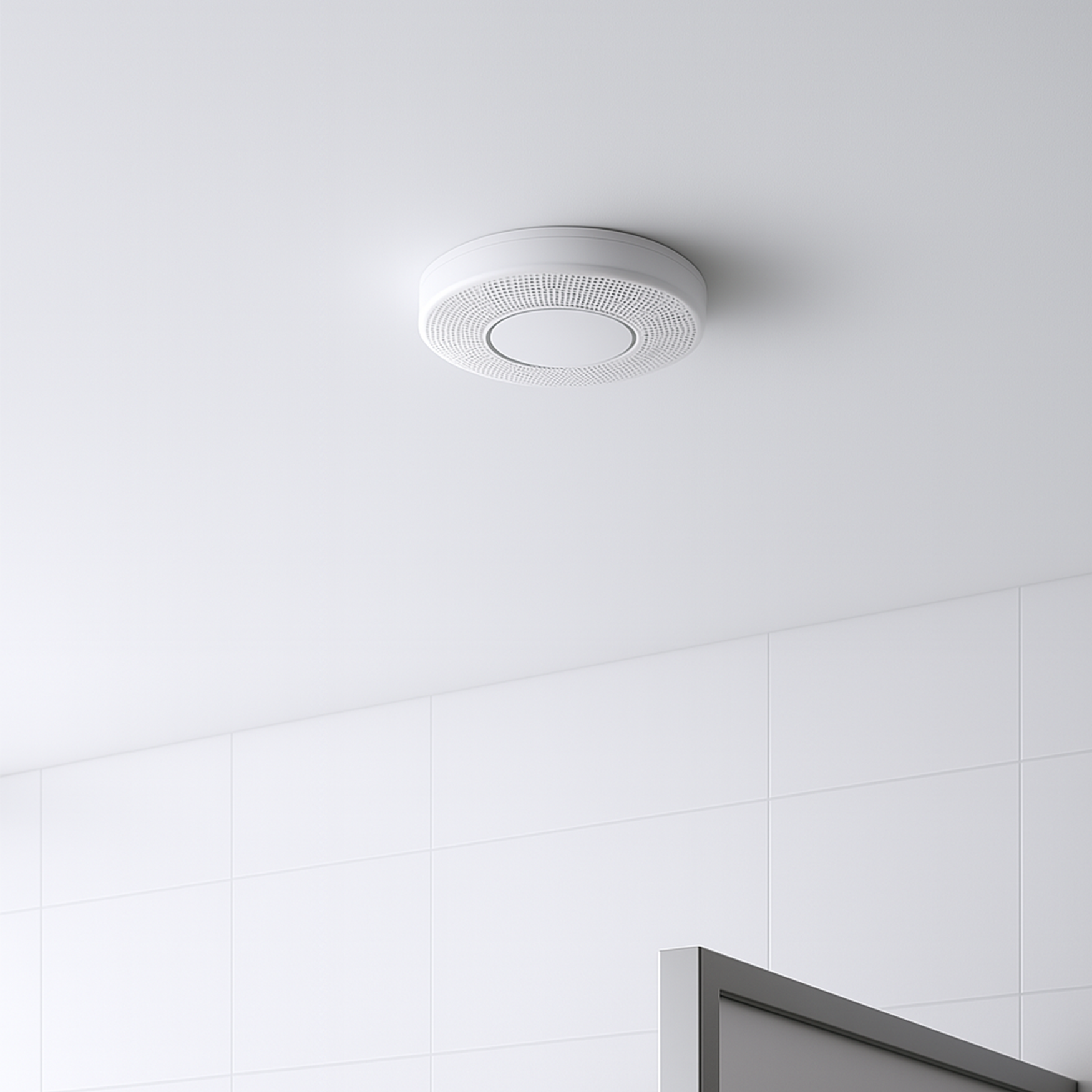
Installing sensors near ventilation returns improves detection as airflow concentrates aerosol particles. Ceiling mounting provides broader coverage than wall installation whilst reducing tampering risks. Facilities should avoid placing sensors near windows or doors where drafts dilute aerosol concentrations.
Scalable Deployment Strategies
Budget-conscious organisations benefit from phased implementation approaches. Initial deployments target highest-risk areas, with expansion following demonstrated results. This strategy:
- Reduces upfront capital requirements
- Enables pilot testing before full commitment
- Generates evidence supporting additional investment
- Allows staff familiarisation with alert protocols
Starting small doesn't compromise effectiveness. Focused coverage in critical locations often delivers better outcomes than sparse distribution across entire facilities. Schools and offices should prioritise quality over quantity when budgets constrain coverage.
Connectivity Options Affect Affordability
Network connectivity significantly influences both initial and ongoing costs. An affordable vape detector leverages existing infrastructure when possible, avoiding unnecessary subscription fees.
| Connection Type | Initial Cost | Monthly Fees | Reliability | Best Application |
|---|---|---|---|---|
| WiFi | Lower | None | Good | Facilities with robust WiFi coverage |
| Cellular (4G/5G) | Moderate | £5-£15 | Excellent | Remote locations, backup connectivity |
| LoRaWAN | Higher | Minimal | Very Good | Campus environments, multiple buildings |
| Ethernet | Moderate | None | Excellent | Permanent installations with wired access |
WiFi-connected devices represent the most economical choice for facilities with comprehensive wireless coverage. However, reliability depends on network stability and proper bandwidth allocation. Cellular connectivity provides independence from facility networks but incurs monthly charges that accumulate over device lifetimes.
Hybrid systems combine multiple connection methods, using WiFi as primary with cellular backup. This redundancy ensures continuous monitoring despite network disruptions whilst minimising data charges through intelligent routing.
Compliance and Legal Considerations
UK regulations increasingly recognise vaping restrictions in public spaces. An affordable vape detector helps organisations demonstrate compliance with smoke-free legislation and duty of care obligations. Educational institutions face particular scrutiny regarding student safety and behaviour management.
Documentation capabilities support enforcement actions and policy reviews. Systems recording detection events, timestamps, and response actions provide evidence for disciplinary proceedings. This data also informs prevention strategies and resource allocation decisions.
Privacy regulations require careful consideration during deployment. Detectors monitoring air quality differ from surveillance cameras, yet data handling must respect GDPR requirements. Clear policies governing alert distribution, data retention, and access controls protect both organisations and individuals.
Leisure and retail venues must balance customer experience with safety requirements. Discreet sensors maintain ambiance whilst protecting air quality for all patrons.
Comparing Popular Affordable Models
Market research reveals several budget-friendly options delivering solid performance. The Triton Vape Detector Demo Kit offers high accuracy and quick detection at competitive pricing, making it attractive for organisations testing vape detection technology.
The Zeptive Wireless Vape Detector emphasises DIY installation simplicity, reducing setup costs for budget-conscious buyers. Its wireless design eliminates cabling expenses whilst maintaining reliable performance.
For facilities prioritising real-time monitoring, the HiHo 2000 DRS Vape Detector combines affordability with comprehensive alerting capabilities. Similar features appear in the HiHo 1000 DRS model, offering budget alternatives without sacrificing core functionality.
Multi-sensor integration characterises the GS601-868M Vape Detector, providing enhanced detection accuracy at accessible price points. The LoRaWAN version suits campus deployments requiring long-range, low-power connectivity.
Feature Comparison Checklist
When evaluating affordable options, assess:
- Detection speed and accuracy ratings
- Alert delivery methods and customisation options
- Installation complexity and hardware requirements
- Power supply specifications (mains versus battery)
- Environmental operating ranges (temperature, humidity)
- Warranty terms and support availability
- Integration capabilities with existing systems
- Data export formats and reporting features
Making the Investment Decision
Selecting an affordable vape detector requires balancing immediate budget constraints against long-term operational needs. Short-term savings evaporate quickly if devices underperform or require frequent replacement. Conversely, over-specifying capabilities wastes resources that could extend coverage or address other safety priorities.
Total cost of ownership calculations should encompass three to five years. This timeframe accounts for typical technology refresh cycles whilst spreading initial investments across realistic operational periods. Include installation, connectivity, maintenance, and replacement costs in financial projections.
Pilot programmes reduce risk whilst building organisational confidence. Testing one or two units in high-priority locations validates performance before committing to facility-wide deployment. Document detection rates, false positive incidents, and staff feedback during pilot phases to inform expansion decisions.
Funding and Procurement Strategies
Various funding mechanisms support vape detection investments:
- Capital budgets for permanent infrastructure improvements
- Safety and wellbeing allocations addressing health priorities
- Facility maintenance funds for air quality monitoring
- Grant programmes supporting smoke-free environments
- Shared services agreements distributing costs across departments
Educational institutions may access dedicated funding streams for student safety initiatives. Multi-academy trusts can leverage collective purchasing power, negotiating volume discounts whilst standardising technology across sites.
Maintenance and Lifecycle Management
An affordable vape detector requires minimal ongoing maintenance when properly installed. Regular cleaning prevents dust accumulation affecting sensor sensitivity. Quarterly inspections verify mounting security and connectivity status. Annual calibration checks, often performed remotely via software updates, maintain detection accuracy.
Battery-powered units necessitate periodic replacement, typically every 12-24 months depending on usage intensity. Mains-powered devices eliminate this requirement whilst ensuring continuous operation regardless of battery condition.
Software updates deliver bug fixes, security patches, and feature enhancements. Cloud-connected systems receive updates automatically, whilst standalone units may require manual intervention. Maintaining current firmware protects against vulnerabilities and ensures compatibility with evolving network standards.
Device lifecycle typically spans five to seven years before obsolescence or performance degradation warrants replacement. Planning refresh cycles aligns with technology evolution and budget availability, preventing sudden large expenditures when multiple units fail simultaneously.
Integration with Broader Safety Systems
Modern facilities increasingly adopt integrated safety platforms combining multiple monitoring capabilities. An affordable vape detector often functions as one component within comprehensive environmental monitoring systems. This integration maximises investment value whilst simplifying management overhead.
Unified dashboards consolidate alerts from various sensors, enabling security teams to coordinate responses efficiently. Integration with access control systems can automatically lock areas experiencing repeated violations. Building management systems leverage air quality data to optimise ventilation, improving overall environmental conditions.
Data analytics platforms aggregate detection patterns, identifying temporal trends and high-risk locations. These insights inform policy adjustments and resource deployment, creating continuous improvement cycles that enhance safety outcomes over time.
Educational facilities particularly benefit from holistic approaches combining detection technology with education programmes and support services. Technology alone cannot eliminate vaping; it must complement broader behavioural interventions addressing underlying motivations.
Regional Considerations and Availability
UK buyers benefit from local suppliers understanding regional requirements and compliance expectations. Domestic support reduces response times whilst eliminating international shipping complexities. Warranty service proceeds more smoothly when manufacturers maintain UK repair facilities or authorised service centres.
Electrical specifications must align with UK standards. Devices certified for British electrical systems avoid compatibility issues and safety concerns. CE marking demonstrates compliance with European safety, health, and environmental protection standards applicable in the UK market.
Import duties and VAT affect total acquisition costs for internationally sourced products. Domestic suppliers often provide all-inclusive pricing, simplifying budgeting and procurement processes. However, international options sometimes offer superior value despite additional fees, particularly when pound sterling strength favours imports.
Future-Proofing Your Investment
Technology evolution influences long-term value. An affordable vape detector should support firmware updates enabling new features without hardware replacement. Expandable systems accommodate growing facilities or changing requirements through modular additions rather than complete replacements.
Communication protocol selection affects future compatibility. WiFi standards evolve regularly, but backward compatibility typically ensures devices remain functional despite network upgrades. Cellular devices benefit from provider network improvements automatically, though older units may require replacement when carriers discontinue legacy technologies.
Cloud platforms provide upgrade paths through software enhancements delivered remotely. Systems relying on standalone operation offer limited improvement potential beyond initial capabilities. Forward-thinking organisations prioritise connected devices despite marginally higher costs, recognising long-term flexibility advantages.
Investing in an affordable vape detector represents a practical approach to maintaining safer, healthier environments without straining budgets. By carefully evaluating features, understanding total ownership costs, and strategically deploying devices, organisations achieve effective vaping deterrence whilst maximising return on investment. Vape Guardian delivers advanced detection technology specifically designed for UK schools, offices, and leisure spaces, combining reliable performance with dedicated customer support to help you create compliant, vape-free environments that protect everyone who uses your facilities.


Share:
Pupil Vaping Detection: Monitoring Student Health & Safety
Smart Vape Detector: The Complete Guide for 2026