
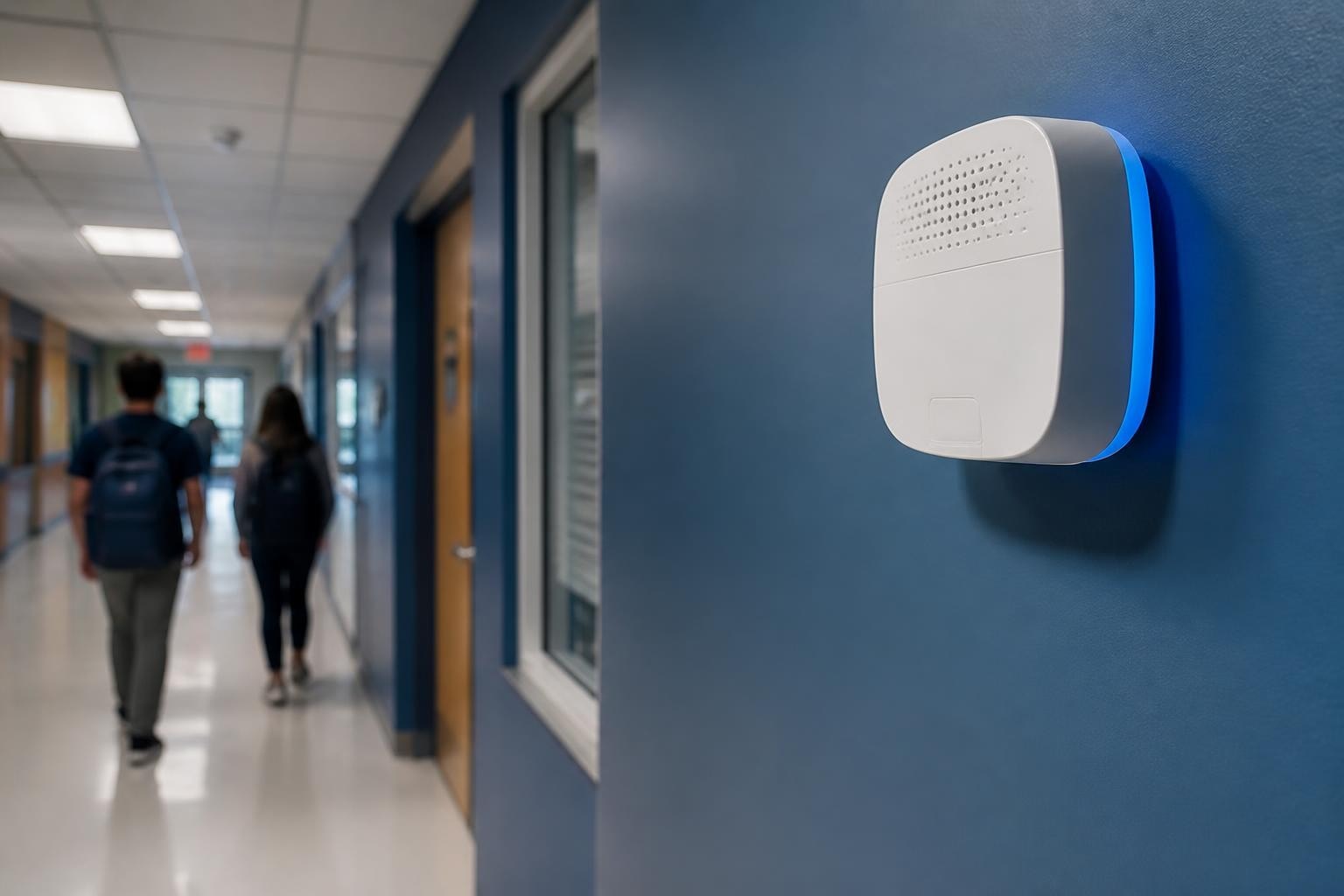
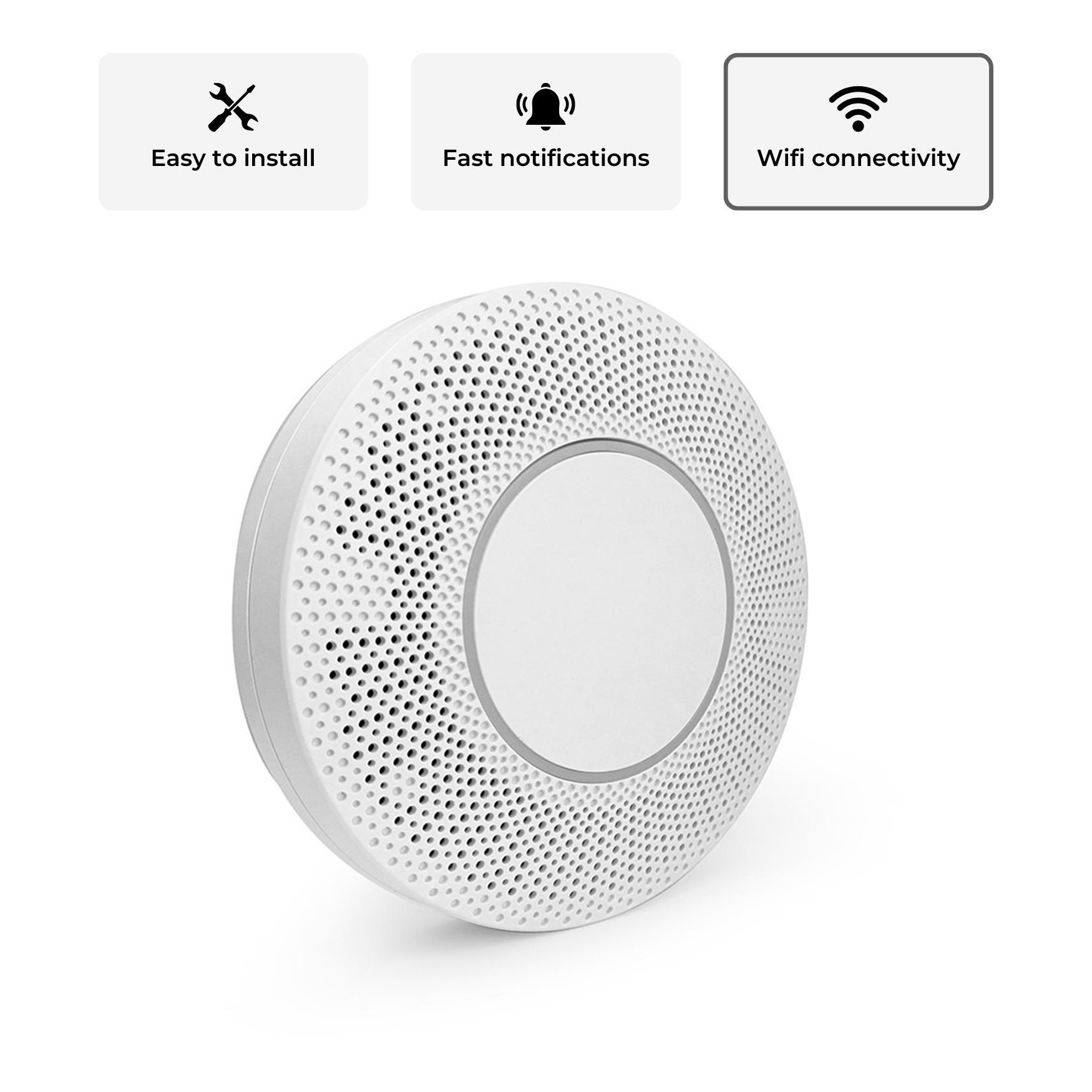
The evolution of vaping technology has introduced new challenges for institutions and businesses seeking to maintain healthy, compliant environments. As disposable vapes become increasingly sophisticated and harder to detect through traditional methods, organisations require equally advanced solutions. A smart vape detector represents the next generation of environmental monitoring, combining multiple sensor technologies with connected systems to identify vaping incidents, substance use, and air quality concerns in real time. These devices have become essential tools for schools, offices, leisure facilities, and public spaces throughout the UK and beyond.
Understanding Smart Vape Detection Technology
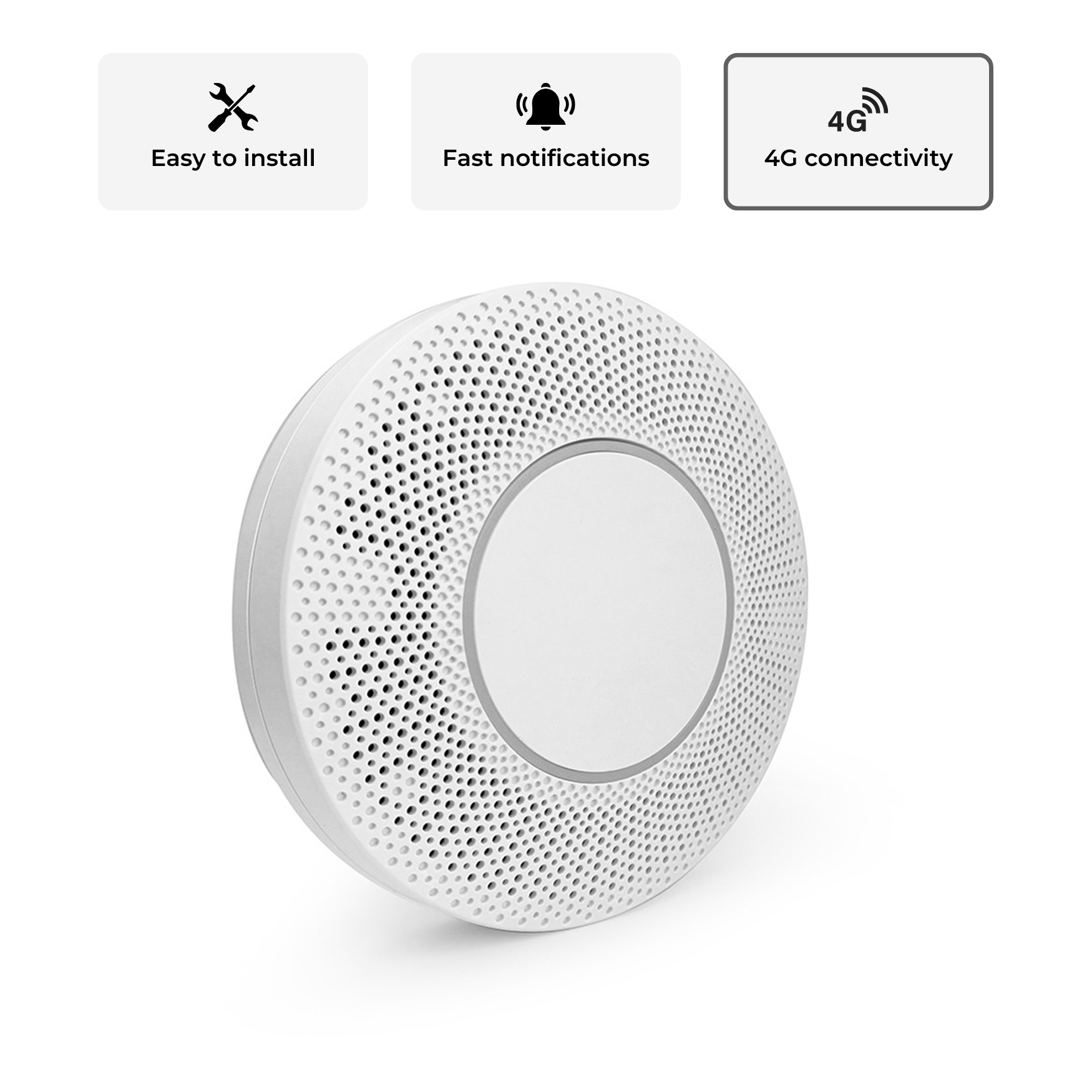
Modern vape detection extends far beyond simple smoke alarms. A smart vape detector employs multiple sensor types working in concert to identify the unique chemical signatures produced by electronic cigarettes and vaping devices. These sophisticated systems analyse particulate matter, volatile organic compounds, and specific chemical markers associated with vaping aerosols.
The core technology typically includes PM2.5 sensors that measure fine particulate matter suspended in the air. When someone vapes, they release microscopic droplets containing propylene glycol, vegetable glycerine, nicotine, and flavouring compounds. These particles fall within the 2.5 micrometre range, making them detectable by laser scattering sensors designed specifically for this purpose.
Multi-Sensor Capabilities
Advanced detection systems integrate several monitoring technologies to reduce false positives whilst maintaining high sensitivity. The multi-sensor approach used by leading manufacturers combines particulate detection with chemical analysis and environmental monitoring.
Key sensor types include:
- Particulate matter sensors for detecting aerosol clouds
- Chemical sensors identifying specific compounds in vape liquid
- Temperature and humidity monitors establishing baseline environmental conditions
- Sound sensors detecting unusual activity or disturbances
- Air quality monitors tracking overall environmental health
This layered approach ensures that a smart vape detector can distinguish between vaping incidents and benign environmental changes such as steam from showers, cooking vapours, or standard air freshener use. The system learns typical environmental patterns and alerts administrators only when anomalies consistent with vaping occur.
Installation Considerations and Placement Strategy
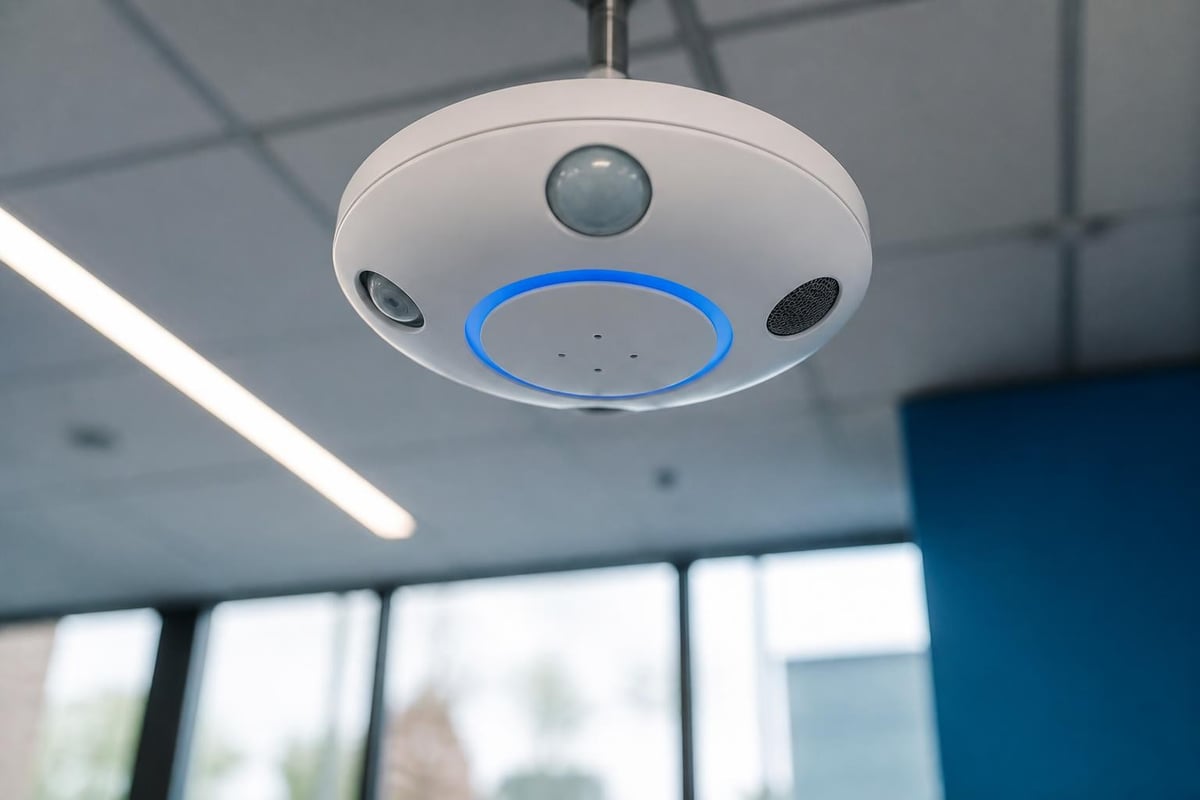
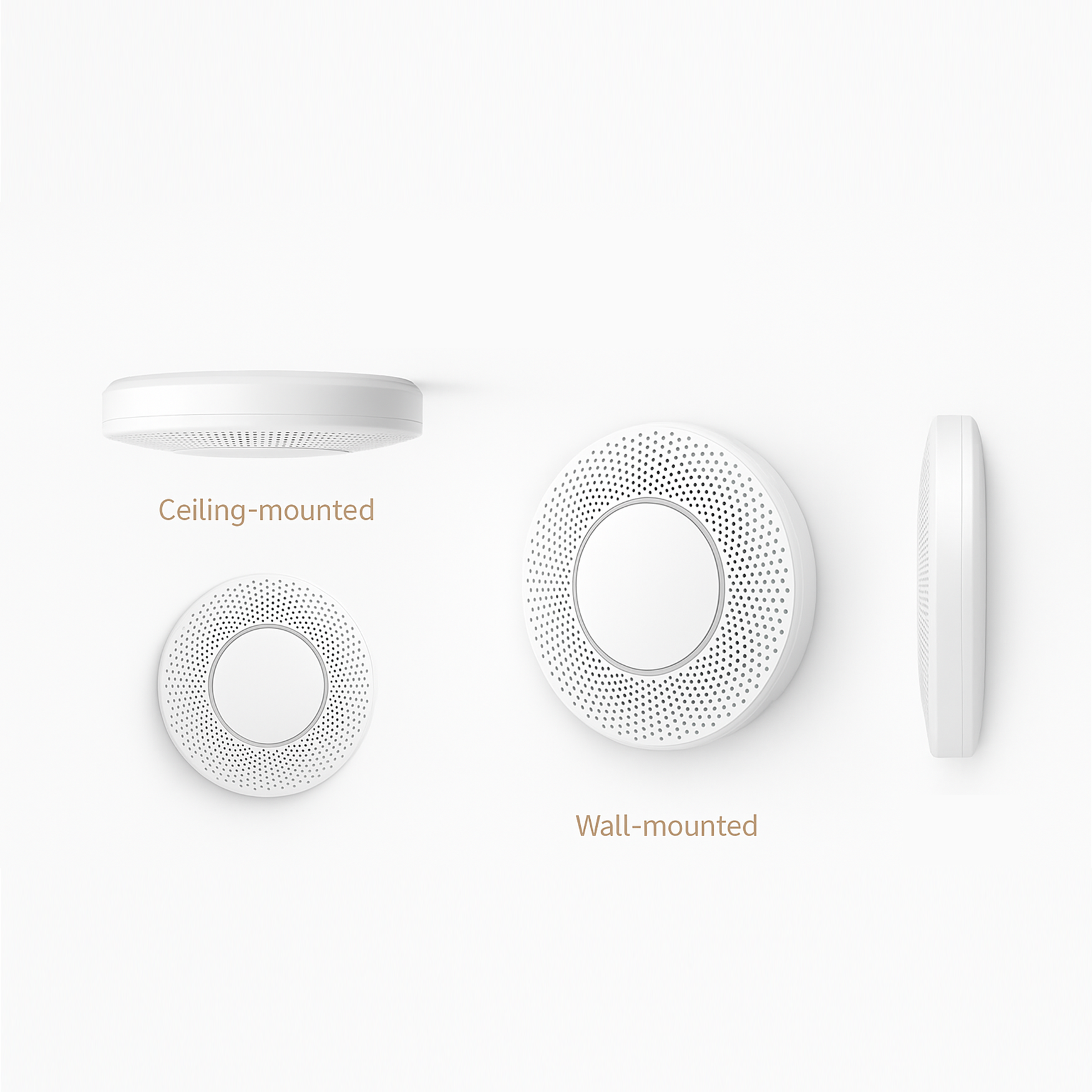
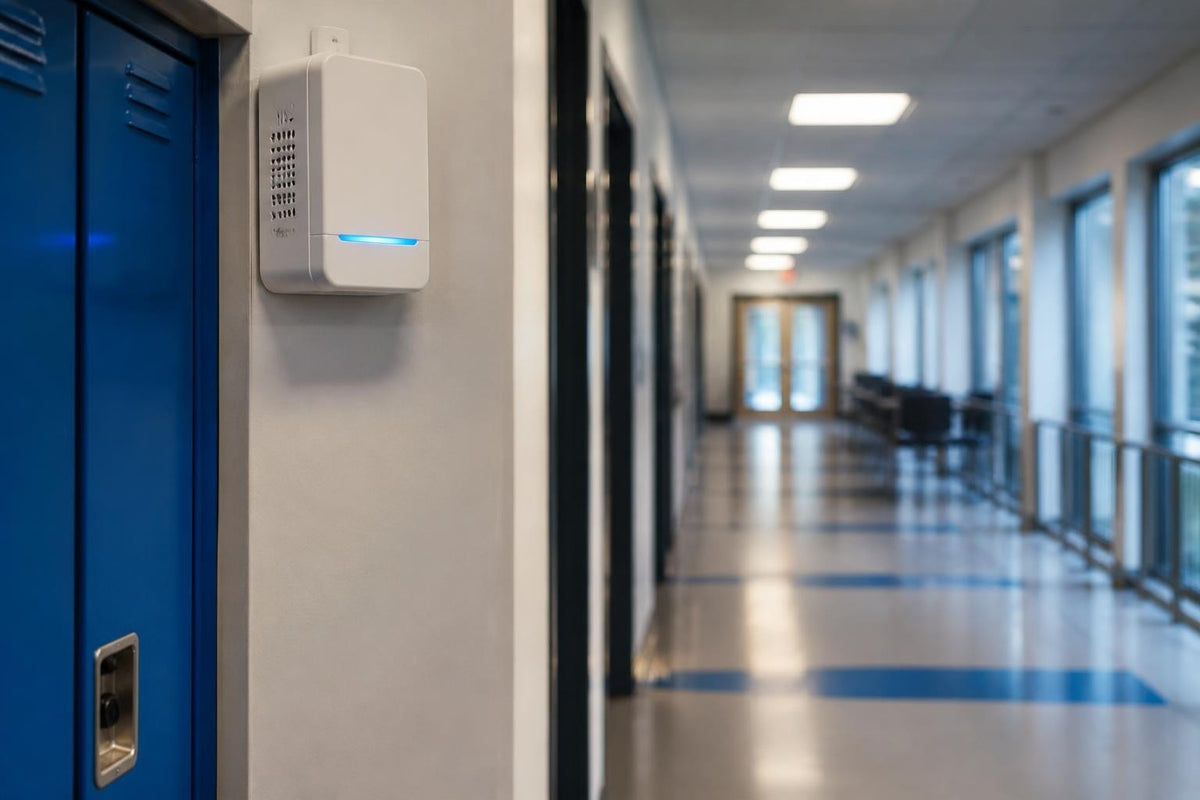
Strategic placement of smart vape detection systems maximises their effectiveness whilst minimising installation costs. Unlike traditional smoke detectors that primarily monitor for fire hazards, vape detectors require positioning that accounts for human behaviour patterns and airflow dynamics.
Optimal Locations for Detector Placement
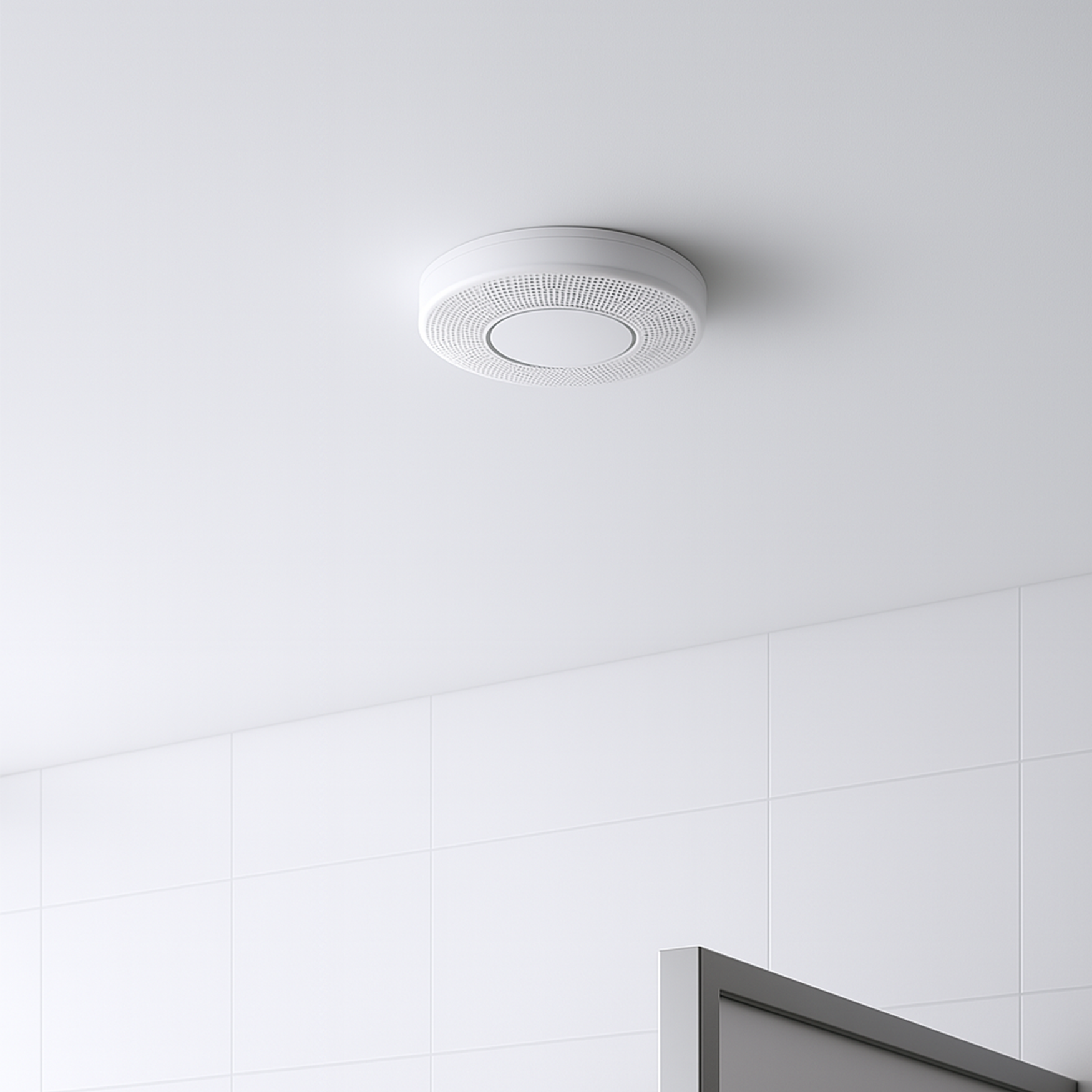
Educational institutions installing vape detection systems in schools typically prioritise toilet facilities, changing rooms, and other private areas where students might attempt to vape unobserved. These locations present unique challenges as they often lack direct supervision and provide perceived privacy.
For office environments, common installation points include:
- Toilet facilities where employees seek privacy
- Stairwells and emergency exits used as unofficial break areas
- Storage rooms and utility spaces with limited foot traffic
- Car parks and outdoor covered areas
- Meeting rooms and conference spaces
Each detector should cover approximately 150 to 200 square feet, depending on ceiling height and ventilation patterns. Mounting height affects sensitivity, with most manufacturers recommending installation at standard ceiling height for optimal air sampling. Devices placed too low may miss dispersed vapour, whilst those positioned too high might experience reduced sensitivity to ground-level incidents.
Real-Time Monitoring and Alert Systems
The "smart" designation of modern vape detectors stems largely from their connectivity and intelligent alert capabilities. These systems transform passive monitoring into active incident management through sophisticated notification protocols and data analytics.
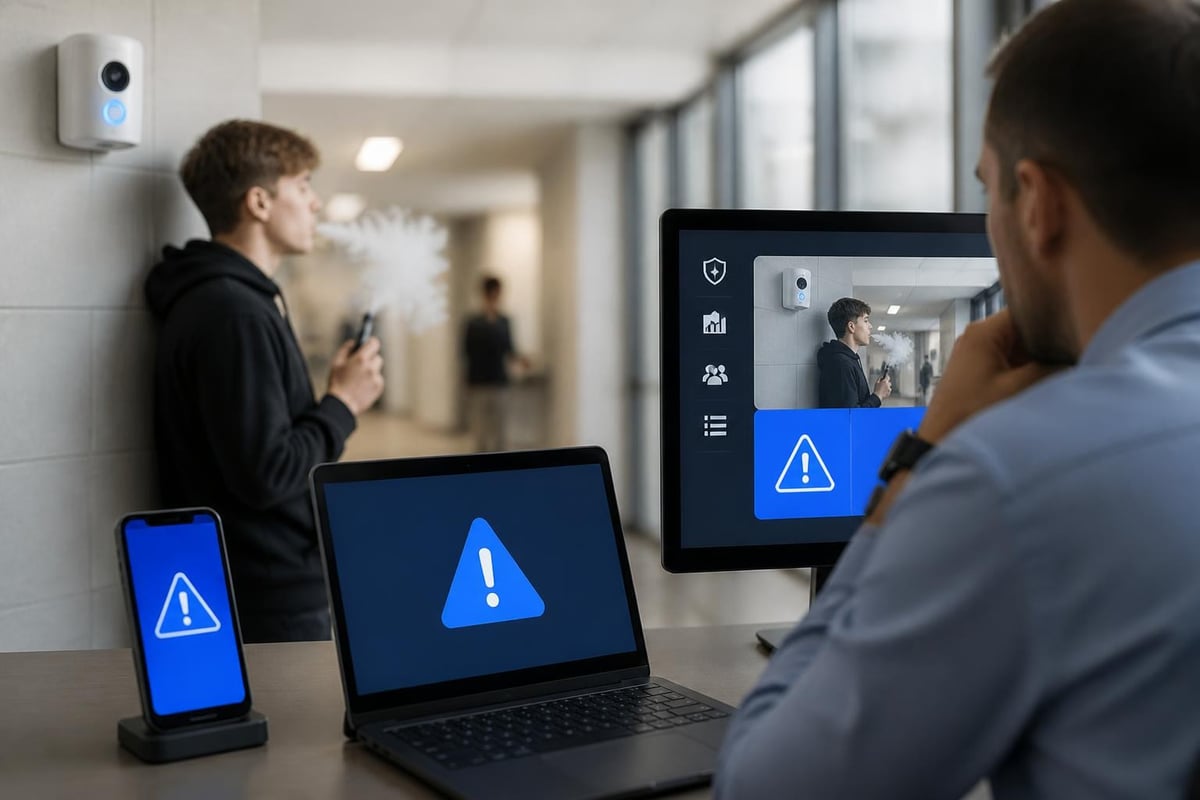
When a smart vape detector identifies a potential vaping incident, it initiates a multi-tiered response. Initial alerts typically reach designated administrators via mobile application notifications, providing immediate awareness regardless of their physical location. Simultaneously, the system logs the incident with timestamp, location, and sensor readings for compliance documentation and pattern analysis.
| Alert Type | Response Time | Notification Method | Use Case |
|---|---|---|---|
| Immediate | Under 10 seconds | Push notification, SMS | Active incidents requiring intervention |
| Escalated | 30-60 seconds | Email, phone call | Repeated incidents or system tampering |
| Summary | Daily/weekly | Dashboard report, email digest | Trend analysis and compliance reporting |
| Maintenance | Variable | Service notification | Sensor calibration, battery status |
Advanced systems allow administrators to customise sensitivity thresholds and notification recipients based on time of day, location, and incident severity. This flexibility prevents alert fatigue whilst ensuring appropriate personnel receive relevant information.
Integration with Building Management Systems
Smart vape detectors increasingly integrate with existing building management platforms, security systems, and access control infrastructure. This connectivity enables coordinated responses such as automatically saving security camera footage when a detection event occurs or restricting access to areas experiencing repeated violations.
The data collected provides valuable insights into usage patterns. Administrators can identify peak incident times, problematic locations, and even correlate vaping activity with specific events or schedule changes. This intelligence supports targeted interventions and resource allocation rather than blanket enforcement policies.
Application Across Different Sectors
Whilst educational institutions represent the largest market segment for smart vape detection technology, diverse sectors benefit from these sophisticated monitoring systems. Each environment presents unique requirements and challenges that influence system selection and deployment strategies.
Educational Institutions
Schools face mounting pressure to address youth vaping, with underage vaping incidents becoming increasingly common across the UK. Smart vape detectors serve dual purposes: deterring students from vaping on campus and providing documentation for disciplinary actions and parental communications.
The technology supports pastoral care efforts by identifying students who may require additional support or intervention regarding substance use. Rather than punitive measures alone, schools can combine detection data with counselling resources and educational programmes.
Corporate Offices and Commercial Spaces
Workplace vaping policies require consistent enforcement to maintain compliance with health and safety regulations. Office environments benefit from discreet monitoring that respects employee privacy whilst ensuring policy adherence. Smart vape detectors in toilets and break areas provide objective evidence of policy violations without requiring constant supervision.
Commercial property managers increasingly specify vape detection systems for multi-tenant buildings, protecting common areas and ensuring all tenants maintain smoke-free environments. The technology helps property owners demonstrate due diligence in maintaining healthy indoor air quality.
Leisure and Hospitality Venues
Hotels, leisure centres, and entertainment venues face unique challenges balancing customer experience with health regulations. Leisure and retail applications require systems that detect violations without creating intrusive surveillance atmospheres.
Smart vape detectors in hotel rooms and changing facilities provide immediate alerts enabling staff to address violations promptly. This protects subsequent guests from secondhand exposure and reduces cleaning costs associated with vaping residue.
Technical Specifications and Performance Metrics
Understanding the technical capabilities of smart vape detection systems helps organisations select appropriate solutions for their specific requirements. Performance varies significantly between manufacturers and models, making comparative analysis essential.
Critical performance specifications include:
- Detection sensitivity: Measured in micrograms per cubic metre (μg/m³)
- Response time: Seconds from exposure to alert generation
- Coverage area: Square footage effectively monitored per unit
- False positive rate: Percentage of alerts not representing actual vaping
- Battery life: Duration between recharges or replacements
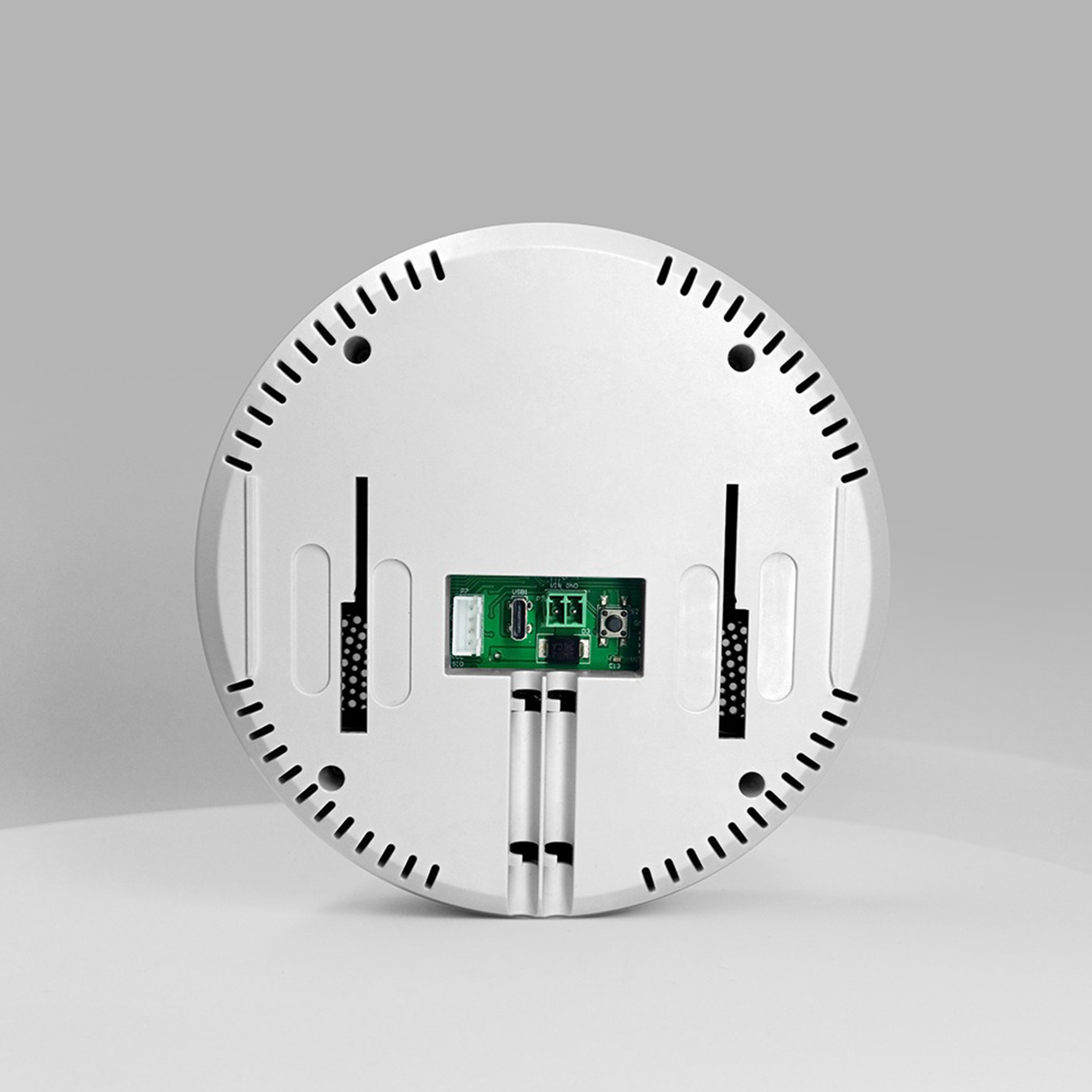
- Connectivity options: WiFi, cellular, or hardwired network connections
Leading systems achieve detection sensitivity below 35 μg/m³ for PM2.5 particles, enabling identification of even brief vaping incidents. Response times under 10 seconds ensure timely intervention, particularly important in supervised environments like schools where immediate action deters repeat behaviour.
Comparing Detection Technologies
| Technology | Accuracy | Cost | Maintenance | Best Application |
|---|---|---|---|---|
| Laser scattering PM2.5 | High (95%+) | Moderate | Annual calibration | General purpose detection |
| Chemical compound analysis | Very high (98%+) | Higher | Quarterly sensor replacement | High security environments |
| Air quality monitoring | Moderate (85-90%) | Lower | Minimal | Combined environmental monitoring |
| Sound + particulate | High (93-96%) | Moderate | Annual service | Privacy-sensitive areas |
The most effective smart vape detector solutions combine multiple technologies, using primary sensors for detection and secondary sensors for confirmation. This approach minimises false alerts whilst maintaining high detection rates across various vaping device types and e-liquid formulations.
Privacy Considerations and Regulatory Compliance
Implementing vape detection technology requires careful attention to privacy legislation and data protection requirements. Organisations must balance monitoring objectives with individual privacy rights, particularly when installing devices in sensitive locations like toilets and changing areas.
Smart vape detectors designed for privacy-conscious applications specifically avoid cameras and audio recording capabilities. Instead, they rely solely on environmental sensors that detect chemical and particulate signatures without capturing personally identifiable information. This design philosophy aligns with GDPR requirements and workplace privacy expectations.
Data Handling and Retention
Detection systems collect and store incident data including timestamps, locations, and sensor readings. Organisations must establish clear policies regarding:
- Data access permissions and administrator roles
- Retention periods for incident records
- Usage limitations preventing data repurposing
- Individual notification requirements following detections
- Third-party data sharing restrictions
Transparency about monitoring capabilities and purposes helps maintain trust whilst supporting compliance efforts. Many organisations implement vape detection alongside clear communication campaigns explaining the technology, its limitations, and its role in creating healthier environments.
System Maintenance and Ongoing Support
Reliable performance from a smart vape detector requires regular maintenance and periodic updates. Unlike passive smoke detectors that function for years without intervention, connected vape detection systems benefit from active management ensuring optimal performance and accuracy.
Routine Maintenance Requirements
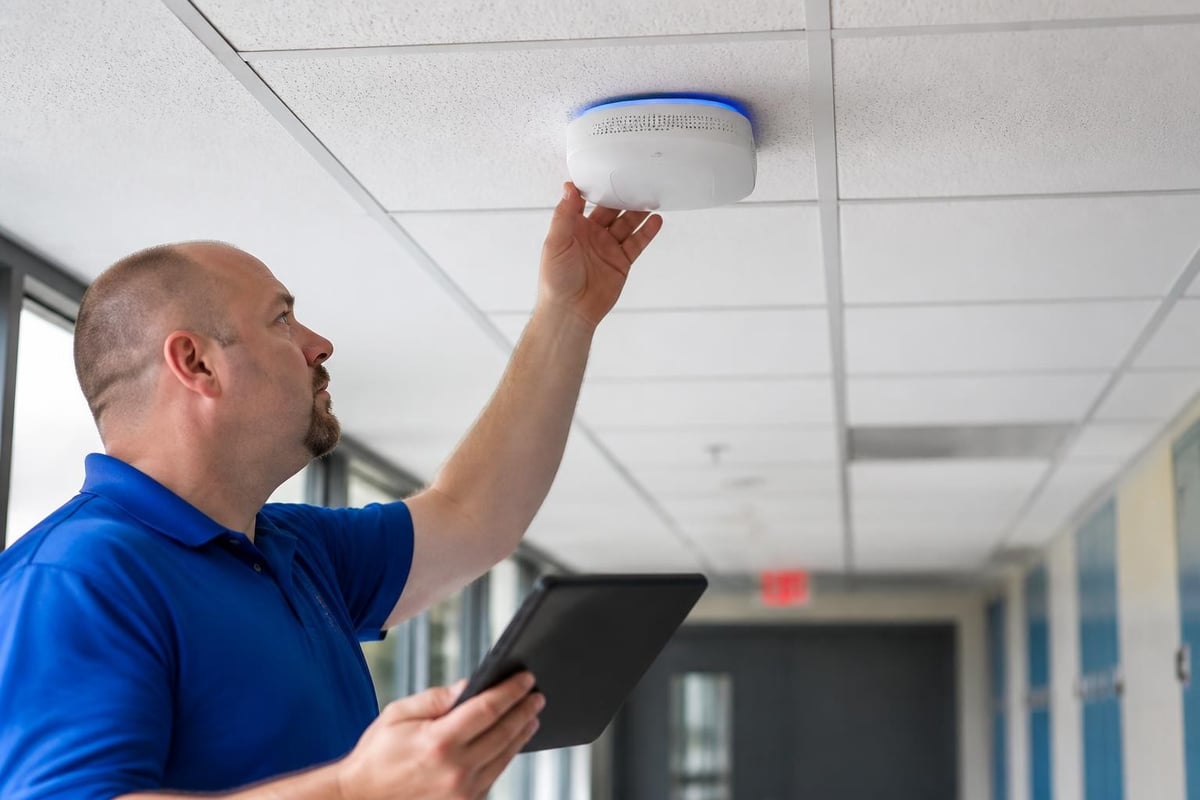
Most manufacturers recommend quarterly inspections and annual professional servicing. Maintenance tasks include sensor cleaning, calibration verification, battery testing, and firmware updates. Some systems feature self-diagnostic capabilities that alert administrators to maintenance needs before performance degrades.
Typical maintenance schedule:
- Weekly: Visual inspection for physical damage or tampering
- Monthly: Battery status verification and alert testing
- Quarterly: Sensor cleaning and connectivity verification
- Annually: Professional calibration and comprehensive system testing
Organisations deploying multiple detectors benefit from centralised management platforms that track maintenance schedules, aggregate performance data, and identify units requiring attention. This proactive approach prevents gaps in coverage and maintains consistent detection capabilities across all monitored areas.
Vape Guardian's Vape Detection System combines advanced multi-sensor technology with comprehensive support services, ensuring organisations maintain effective monitoring throughout the system lifecycle. The platform includes real-time alerts, incident logging, and analytics capabilities specifically designed for UK institutions seeking reliable vape detection solutions.

Advanced Features and Future Developments
The vape detection industry continues evolving, with manufacturers introducing increasingly sophisticated capabilities addressing emerging challenges and user requirements. Contemporary systems extend beyond basic detection, offering comprehensive environmental monitoring and predictive analytics.
Substance Identification Capabilities
Advanced smart vape detector models distinguish between standard nicotine-based e-liquids and products containing THC or other controlled substances. This capability proves particularly valuable in educational settings where drugs in vapes present serious health and safety concerns.
Chemical analysis sensors identify specific compounds associated with cannabis vaping or synthetic cannabinoid use, triggering enhanced alert protocols that enable appropriate intervention responses. This functionality transforms vape detectors from policy enforcement tools into comprehensive substance monitoring systems.
Artificial Intelligence and Pattern Recognition
Machine learning algorithms analyse historical detection data to identify patterns and predict high-risk periods or locations. AI-powered systems adapt sensitivity thresholds based on environmental conditions, time of day, and historical incident rates, optimising detection accuracy whilst reducing false positives.
Predictive analytics help administrators allocate supervision resources more effectively, positioning staff in areas and times statistically likely to experience vaping incidents. This intelligence-driven approach improves intervention success rates and demonstrates efficient resource utilisation.
Cost Analysis and Return on Investment
Investing in smart vape detection technology requires evaluating both direct costs and broader operational benefits. Whilst initial equipment and installation expenses vary based on system sophistication and deployment scale, organisations typically realise returns through multiple channels.
Direct and Indirect Cost Factors
| Cost Category | Initial Investment | Ongoing Annual Costs | Typical Range (per unit) |
|---|---|---|---|
| Hardware | Equipment purchase | Replacement sensors | £200-£600 |
| Installation | Professional mounting, configuration | None | £100-£300 |
| Connectivity | Network integration | Cellular data or cloud services | £0-£150 |
| Monitoring | Dashboard setup | Software licensing | £50-£200 |
| Maintenance | None | Annual servicing | £75-£150 |
Beyond monetary costs, organisations must consider implementation time, staff training requirements, and policy development efforts. Comprehensive deployments typically require 2-4 weeks from initial planning through full operational status, depending on facility size and complexity.
Quantifying Benefits and Savings
Smart vape detectors generate value through multiple mechanisms. Educational institutions report significant reductions in vaping incidents following installation, with some schools documenting 60-80% decreases within the first academic term. This reduction translates to fewer disciplinary proceedings, reduced custodial cleaning requirements, and improved air quality throughout facilities.
Commercial organisations benefit from enhanced regulatory compliance, reduced insurance liability, and improved employee health outcomes. Property managers installing systems in multi-tenant buildings report higher tenant satisfaction and reduced tenant turnover, particularly among health-conscious businesses seeking smoke-free environments.
Selecting the Right System for Your Needs
The vape detection market offers numerous options ranging from basic single-sensor units to comprehensive environmental monitoring platforms. Organisations should evaluate systems based on specific requirements rather than selecting based solely on price or feature lists.
Key selection criteria include:
- Detection accuracy: False positive rates and sensitivity levels
- Coverage requirements: Square footage per detector and total units needed
- Connectivity options: Network infrastructure compatibility
- Alert customisation: Notification flexibility and recipient management
- Integration capabilities: Compatibility with existing security and building systems
- Scalability: Ability to expand system coverage as needs evolve
- Support services: Manufacturer responsiveness and local service availability
Organisations should request pilot programmes or demonstration units before committing to large-scale deployments. Testing systems in actual operating environments reveals performance characteristics that specifications alone cannot communicate. Evaluating multiple products simultaneously enables direct comparison under identical conditions.
Case studies from similar organisations provide valuable insights into real-world performance and implementation challenges. The Vape Guardian case studies demonstrate diverse applications across educational, commercial, and leisure sectors, offering practical examples of system capabilities and outcomes.
Implementation Best Practices
Successful vape detection programmes extend beyond equipment installation, requiring thoughtful planning, stakeholder engagement, and ongoing programme management. Organisations achieving optimal results approach implementation systematically, addressing technical, policy, and communication dimensions.
Stakeholder Communication and Transparency
Announcing vape detection initiatives before installation builds awareness and establishes deterrent effects. Clear communication should explain monitoring purposes, technology limitations, and consequences for violations. Transparency about what systems detect and what they cannot helps manage expectations and maintain trust.
Educational materials should clarify that detectors identify environmental conditions consistent with vaping rather than individuals. This distinction proves particularly important in environments like schools where students may harbour concerns about surveillance and privacy.
Policy Development and Enforcement Protocols
Detection technology supports policy enforcement but cannot replace clear policies and consistent response procedures. Organisations should establish written protocols addressing:
- Alert response procedures and designated personnel
- Investigation processes following detection events
- Disciplinary frameworks for confirmed violations
- Appeal mechanisms ensuring fairness
- Support resources for individuals struggling with addiction
Consistent enforcement proves essential for programme credibility. If detection alerts generate no meaningful response, the technology loses deterrent effect and installation investment fails to produce desired behavioural changes.
Environmental and Health Benefits
Beyond compliance enforcement, smart vape detection systems contribute to improved indoor air quality and healthier built environments. The technology provides objective data about environmental conditions, enabling evidence-based decisions regarding ventilation, air filtration, and facility management.
Vaping aerosols contain numerous compounds that degrade indoor air quality even in the absence of secondhand nicotine exposure concerns. Propylene glycol, vegetable glycerine, and flavouring chemicals contribute to particulate matter concentrations that affect respiratory health, particularly for individuals with asthma or other conditions.
Detection systems that monitor broader air quality parameters identify issues beyond vaping, including inadequate ventilation, chemical cleaning product concerns, and other indoor air quality problems. This comprehensive monitoring supports facility management teams in maintaining optimal environmental conditions for occupants.
Supporting Smoke-Free Initiatives
The UK's evolving regulatory landscape around vaping and tobacco use increasingly emphasises smoke-free public spaces. Recent regulatory developments reflect growing recognition of vapour exposure concerns and the need for consistent enforcement mechanisms.
Smart vape detectors provide objective evidence supporting smoke-free policies, removing ambiguity about whether violations occurred. This documentation proves valuable both for internal disciplinary processes and potential regulatory compliance demonstrations.
Smart vape detection technology offers organisations powerful tools for maintaining healthy, compliant environments whilst respecting privacy and individual dignity. By combining multiple sensor technologies with intelligent analytics and real-time notifications, these systems provide effective monitoring without intrusive surveillance. Whether you're protecting students in educational settings, ensuring workplace compliance, or maintaining smoke-free hospitality venues, investing in proven detection technology delivers measurable results. Vape Guardian provides comprehensive vape detection solutions specifically designed for UK organisations, combining advanced sensor technology with dedicated support services to help you create safer, healthier environments across schools, offices, and leisure spaces.


Share:
Affordable Vape Detector: Complete 2026 Buying Guide
Vape Detector with Reporting: Complete UK Guide 2026