
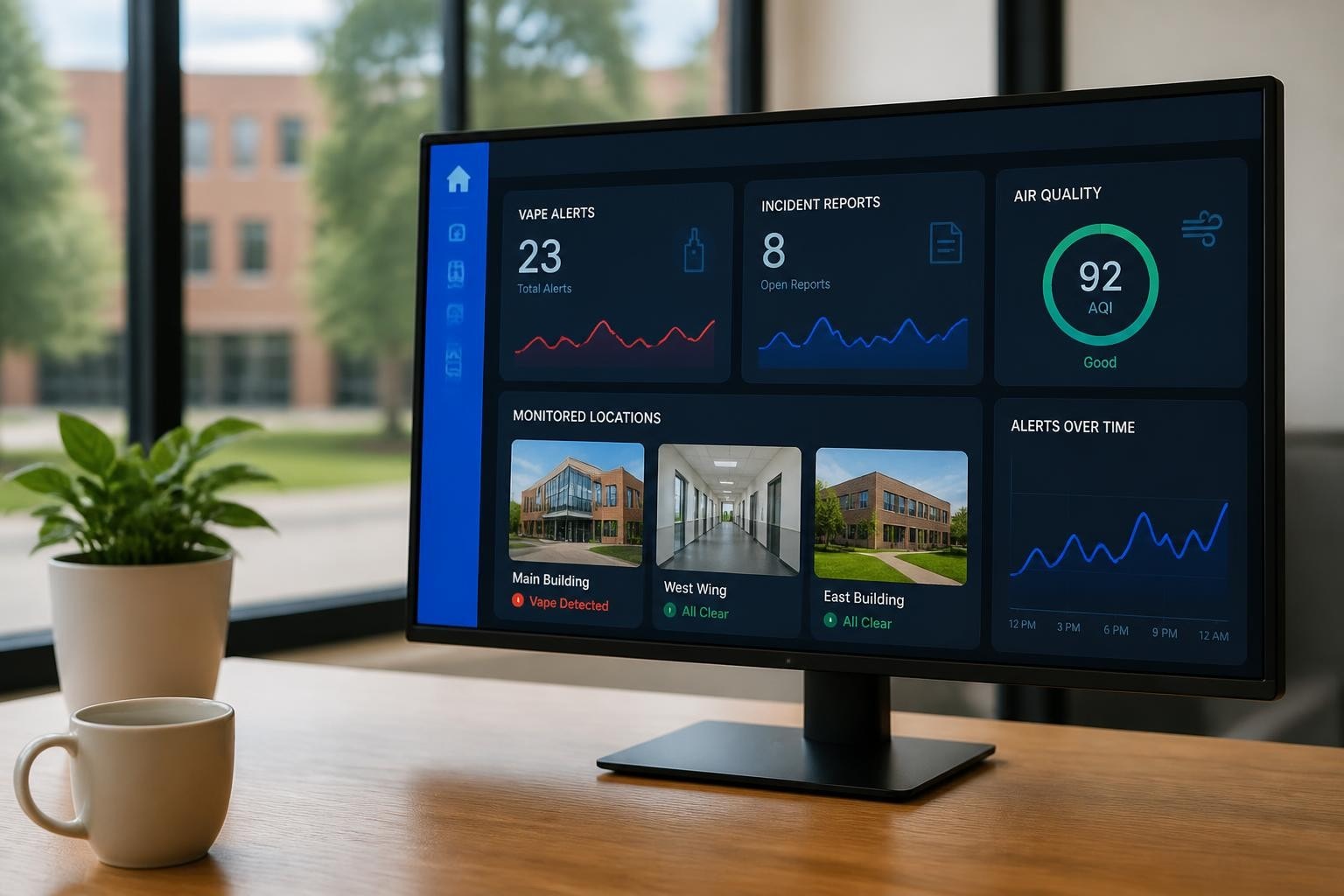
Modern environments require more than simple detection systems. The evolution of vaping technology and its widespread adoption in schools, offices, and public spaces has created a pressing need for sophisticated monitoring solutions. A vape detector with reporting capabilities goes beyond identifying incidents, providing organisations with comprehensive data, accountability tools, and actionable insights that transform how facilities manage air quality and compliance in 2026.
Understanding Vape Detection Technology with Integrated Reporting
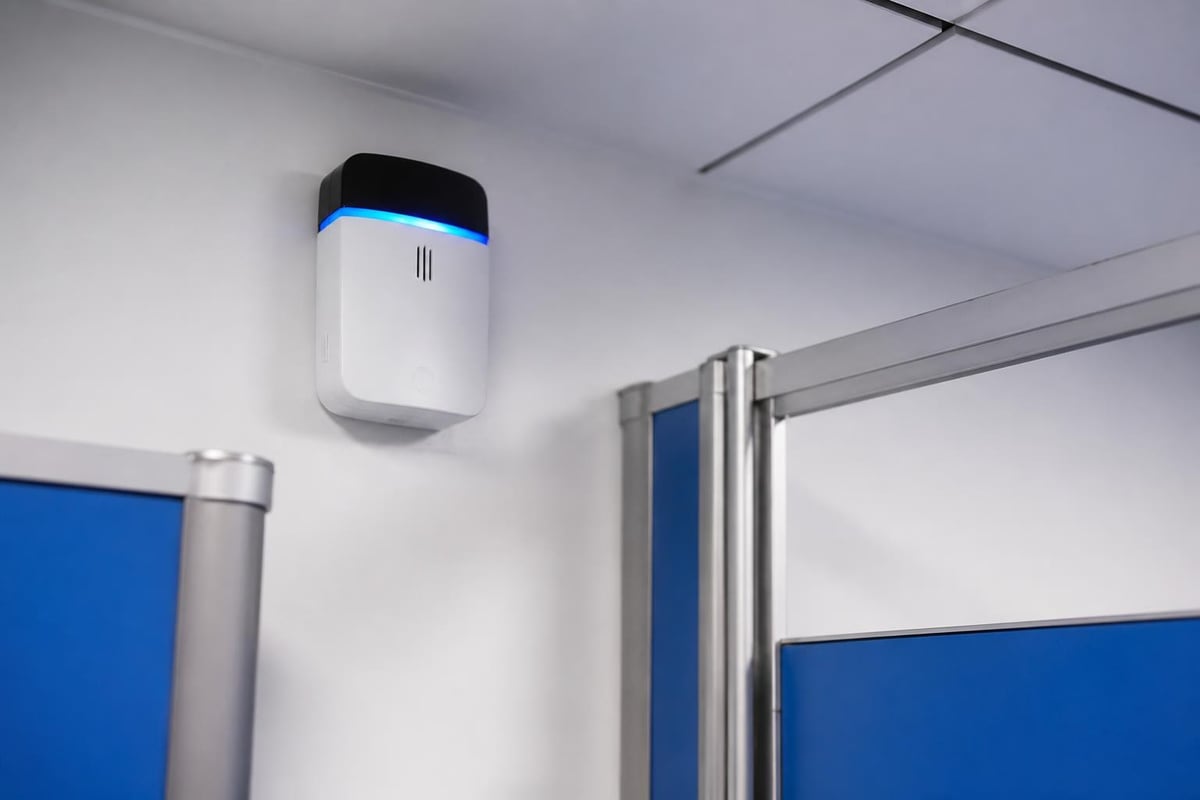
A vape detector with reporting represents the convergence of sensor technology and data analytics. These systems employ advanced sensors capable of identifying particulate matter, volatile organic compounds, and chemical signatures specific to vaping products. According to research on exhaled vape emissions, the chemical composition of vapour includes distinct markers that modern detection systems can reliably identify.
Core Components of Reporting Enabled Systems
Detection hardware serves as the foundation, but the reporting infrastructure transforms raw data into meaningful intelligence. Quality systems include:
- Multi-sensor arrays detecting PM2.5 particulates, temperature anomalies, and sound patterns
- Cloud-based data storage enabling long-term trend analysis
- Automated alert protocols sending instant notifications to designated personnel
- Customisable reporting dashboards presenting data in accessible formats
- Integration capabilities connecting with existing security and management platforms
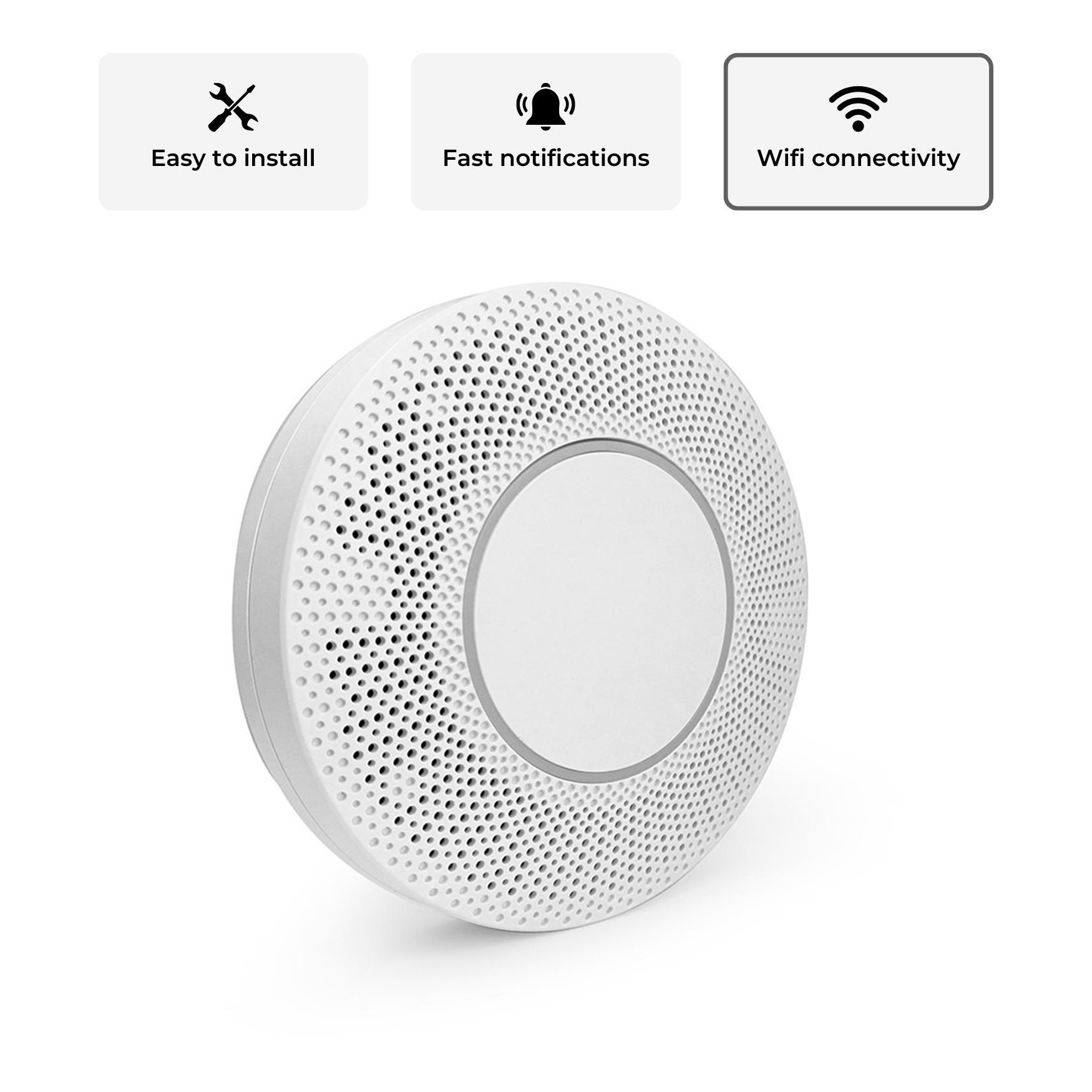
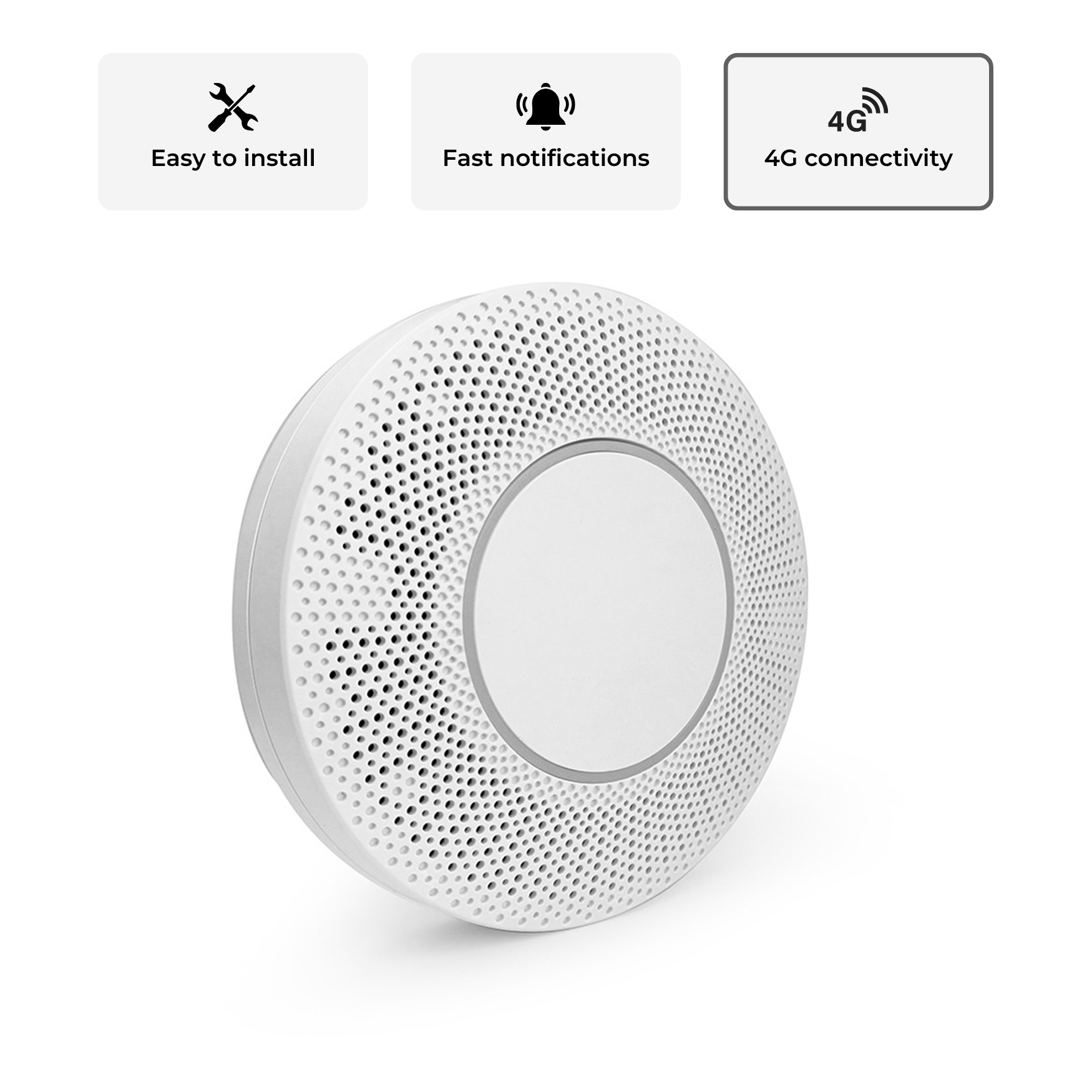
The Vape Detection System exemplifies this comprehensive approach, combining hardware sensors with sophisticated software that delivers detailed incident reports, helping facility managers understand patterns and implement targeted interventions.

Detection Methods and Accuracy Considerations
Understanding how these systems achieve accurate detection is essential for evaluating their effectiveness. Modern vape detectors employ multiple detection methodologies simultaneously, creating redundancy that minimises false positives whilst maintaining high sensitivity. Laser scattering technology identifies particle concentrations, whilst chemical sensors analyse air composition for specific compounds found in vaping products.
The accuracy of vape detectors depends on proper calibration, strategic placement, and environmental factors. Quality systems achieve detection rates exceeding 95% when properly installed and maintained.
| Detection Method | Primary Function | Accuracy Level | Response Time |
|---|---|---|---|
| Particulate Sensors | PM2.5 measurement | 96-98% | 2-5 seconds |
| Chemical Analysis | VOC identification | 94-97% | 3-8 seconds |
| Temperature Monitoring | Heat signature detection | 92-95% | 1-3 seconds |
| Sound Detection | Exhale pattern recognition | 88-93% | 1-2 seconds |
The Critical Role of Reporting Infrastructure
Detection without documentation creates incomplete protection. A vape detector with reporting capabilities transforms isolated incidents into comprehensive data sets that inform policy, identify trends, and demonstrate compliance efforts. This reporting layer separates basic detection from enterprise-grade monitoring solutions.
Real-Time Alerting Systems
Immediate notification enables rapid response, preventing prolonged exposure and demonstrating institutional commitment to enforcement. Modern alerting systems deliver information through multiple channels:
- SMS notifications to designated staff members
- Email alerts with incident details and timestamps
- Mobile app push notifications for on-the-go administrators
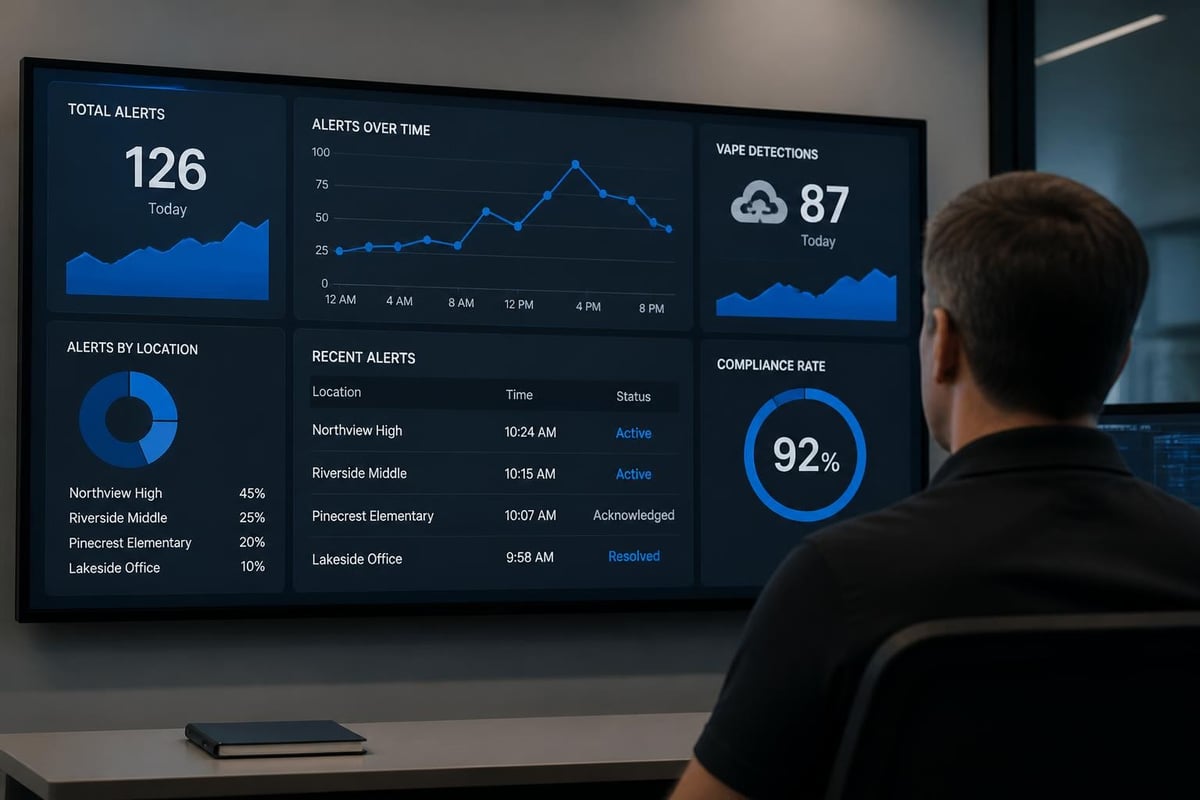
- Desktop dashboard updates for central monitoring stations
- Integration with existing security systems triggering coordinated responses
Response protocols can be customised based on incident severity, location, or time of day. For example, schools tackling vaping often implement tiered alert systems where bathroom incidents during break times generate different responses than those occurring during lesson periods.
Comprehensive Data Collection and Storage
Beyond immediate alerts, robust reporting systems capture extensive metadata for each incident. This includes precise timestamps, location identifiers, detection confidence levels, environmental conditions, and duration of exposure. Such granular data proves invaluable for pattern analysis and compliance documentation.
Storage architectures employ secure cloud infrastructure with redundancy and encryption protocols. Data retention policies typically maintain detailed records for 12 to 36 months, enabling year-over-year comparisons and long-term trend identification.
Analytical Capabilities and Dashboard Functionality
Raw data requires transformation into actionable intelligence. A vape detector with reporting includes sophisticated analytical tools that process thousands of data points, revealing patterns invisible to manual observation.
Trend Analysis and Pattern Recognition
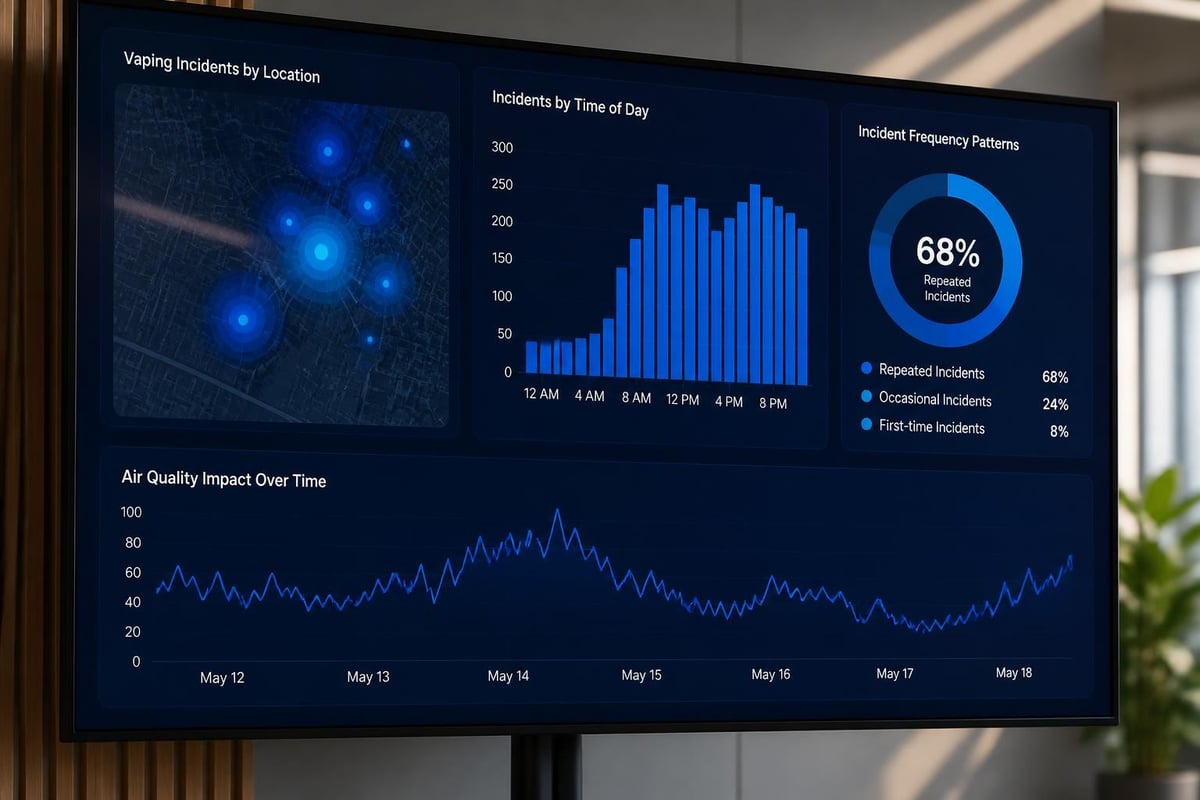
Advanced systems identify recurring behaviours, high-risk periods, and location-specific vulnerabilities. Monthly reports might reveal that 68% of incidents occur in specific bathroom facilities during lunch periods, enabling targeted supervision adjustments. Annual analytics can demonstrate the effectiveness of intervention programmes through declining incident rates.
Key metrics tracked by quality reporting systems include:
- Total incidents per location and timeframe
- Peak activity periods throughout the day
- Repeat offence patterns and locations
- Air quality degradation measurements
- Response time averages for staff intervention
- Comparative data across multiple facilities
Customisable Reporting Formats
Different stakeholders require different information presentations. Facility managers need operational details, whilst senior leadership requires summary statistics and compliance documentation. Quality systems generate multiple report formats:
| Report Type | Audience | Frequency | Content Focus |
|---|---|---|---|
| Incident Logs | Security Staff | Real-time | Individual event details |
| Daily Summaries | Facility Managers | Daily | Activity overview, hotspots |
| Executive Dashboards | Leadership | Weekly/Monthly | Trends, compliance metrics |
| Compliance Reports | Regulators | Quarterly/Annual | Policy adherence, outcomes |
| Air Quality Reports | Health & Safety | Monthly | Environmental monitoring data |
The integration of vape detection and air quality monitoring creates comprehensive environmental reporting that addresses both immediate incidents and long-term health considerations.
Implementation Strategies for Maximum Effectiveness
Technology alone cannot solve behavioural challenges. A vape detector with reporting requires thoughtful implementation, clear policies, and consistent enforcement to achieve optimal outcomes.
Strategic Sensor Placement
Location determines detection effectiveness. High-risk areas require priority coverage:
- Bathroom facilities representing the most common vaping locations
- Changing rooms offering privacy and limited supervision
- Stairwells and utility areas providing isolated spaces
- Storage rooms and equipment closets attracting illicit activity
- Outdoor covered areas near building entrances
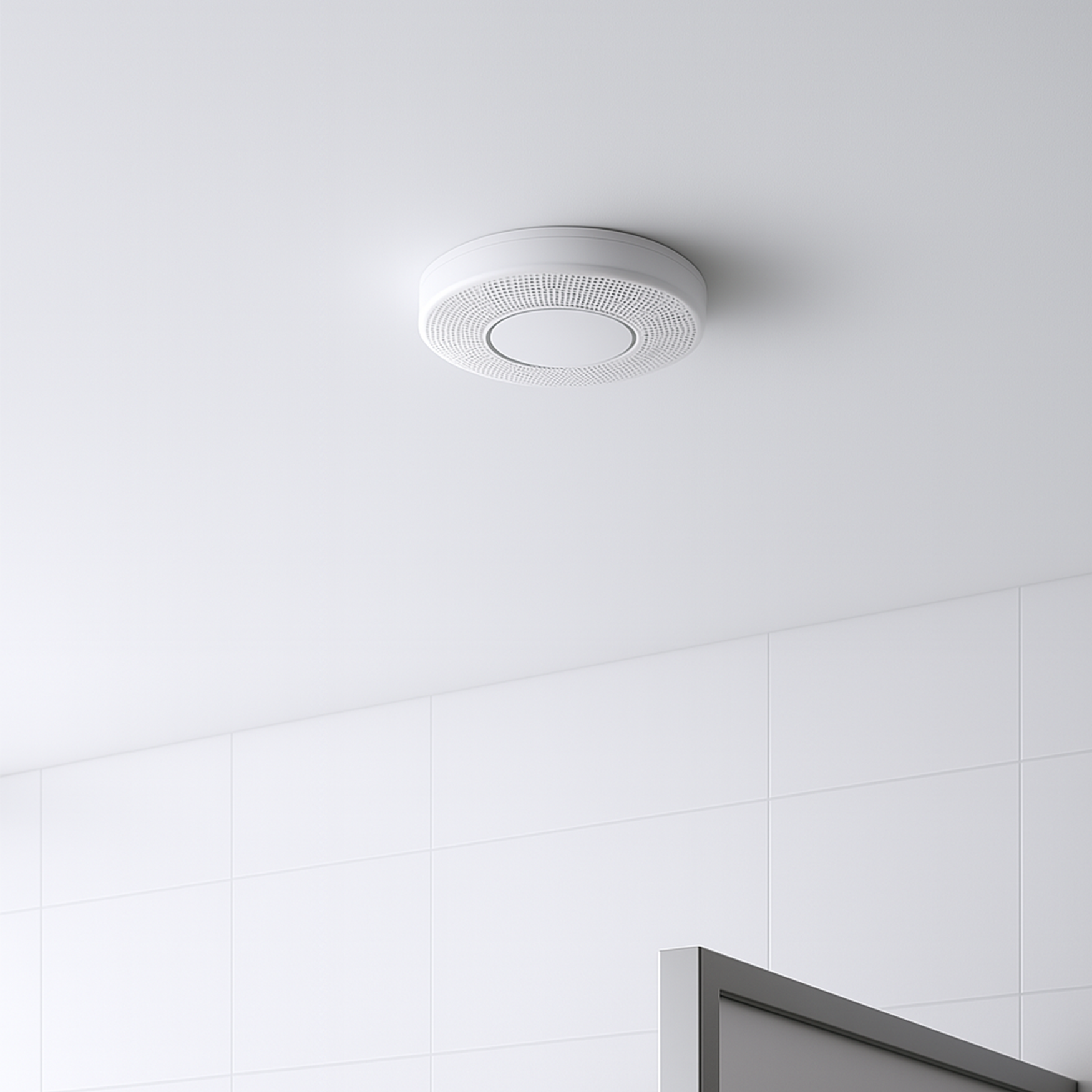
The working principles of vape detectors emphasise proper positioning, away from windows, ventilation outlets, and sources of airflow that might dilute detectable concentrations before sensors can register them.
Policy Development and Communication
Technology supports policy but cannot replace clear expectations. Organisations implementing detection systems must establish transparent policies addressing:
- Prohibited substances and behaviours explicitly defined
- Consequences for violations consistently applied
- Privacy considerations balancing monitoring with individual rights
- Appeal processes ensuring fairness
- Support resources for cessation assistance
Creating vape-free policies requires stakeholder consultation, legal review, and communication campaigns ensuring all facility users understand expectations and rationale.
Staff Training and Response Protocols
Detection systems only succeed when human responses complement technological capabilities. Comprehensive training programmes should cover:
- Alert interpretation understanding notification details and severity indicators
- Appropriate responses balancing enforcement with support
- Documentation requirements maintaining records for compliance
- Escalation procedures knowing when to involve additional resources
- Privacy and legal considerations respecting individual rights whilst maintaining safety
Response times directly impact deterrence effectiveness. Research from schools implementing anti-vaping solutions demonstrates that interventions occurring within 60 seconds of detection achieve significantly better compliance outcomes than delayed responses.
Data-Driven Decision Making and Continuous Improvement
The reporting capabilities of modern detection systems enable evidence-based policy adjustments and resource allocation. A vape detector with reporting transforms subjective assessments into quantifiable metrics.
Measuring Programme Effectiveness
Baseline measurements establish starting points, whilst ongoing monitoring tracks progress. Organisations can demonstrate:
- Incident reduction percentages following system installation
- Compliance rate improvements over quarterly periods
- Air quality enhancements measured through PM2.5 reductions
- Cost savings from reduced cleaning, maintenance, and health impacts
- ROI calculations justifying continued investment
The hidden costs of allowing vaping extend beyond immediate health concerns, encompassing facility maintenance, insurance premiums, and productivity losses that comprehensive reporting helps quantify.
Adapting Strategies Based on Intelligence
Data reveals opportunities for intervention refinement. If reporting shows 80% of incidents occur in two specific locations, targeted supervision or enhanced monitoring in those areas yields better results than uniform coverage. Temporal patterns might indicate that educational programmes delivered before peak activity periods reduce subsequent incidents.
Actionable insights from reporting data:
- Identifying individuals requiring additional support or intervention
- Recognising environmental factors contributing to incidents
- Optimising staff scheduling for high-risk periods
- Evaluating policy effectiveness through compliance trends
- Justifying budget allocation for expanded coverage
Privacy Considerations and Legal Compliance
Monitoring technologies raise legitimate privacy questions requiring careful navigation. A vape detector with reporting must balance safety objectives with individual rights and legal requirements.
UK Regulatory Framework
The Data Protection Act 2018 and UK GDPR establish parameters for monitoring and data collection. Organisations must demonstrate legitimate interests, ensure proportionality, and maintain transparency. Key compliance requirements include:
- Privacy impact assessments evaluating monitoring necessity and scope
- Clear signage and notification informing facility users about detection systems
- Data minimisation collecting only information necessary for stated purposes
- Retention limitations deleting data after appropriate periods
- Access controls restricting report viewing to authorised personnel
Modern systems address these requirements through privacy-by-design architectures. Sensors detect substances and environmental conditions without capturing personally identifiable information. Vape detection technology focuses on what occurred, where, and when, without recording who unless corroborated through other means.
Balancing Monitoring with Individual Rights
Transparency builds trust and demonstrates good faith. Organisations should:
- Communicate monitoring purposes emphasising health and safety rather than punitive surveillance
- Provide opt-out alternatives where legally and practically feasible
- Ensure non-discriminatory application applying policies consistently across populations
- Offer support alongside enforcement connecting violators with cessation resources
- Regularly review necessity assessing whether monitoring remains proportionate to risks
The vape-free business environment discussion highlights how clear communication about monitoring rationale improves acceptance and compliance.
Comparative Analysis of Reporting Capabilities
Not all systems offer equivalent reporting functionality. Organisations evaluating options should assess capabilities against their specific requirements.
Essential Versus Advanced Features
Basic systems provide incident alerts and simple logs. Enterprise solutions offer comprehensive analytics, customisable dashboards, and integration capabilities. Consider what your organisation truly needs:
| Feature Category | Basic Systems | Advanced Systems |
|---|---|---|
| Incident Alerts | SMS/Email to single contact | Multi-channel, tiered notifications |
| Data Storage | 30-90 days local | 12-36 months cloud-based |
| Reporting | Manual export of logs | Automated scheduled reports |
| Analytics | Incident counts | Trend analysis, predictive insights |
| Integration | Standalone operation | Security system, HR platform links |
| Customisation | Fixed parameters | Adjustable thresholds, custom metrics |
The comparison of vape detection systems explores how reporting sophistication impacts operational effectiveness and long-term value.
Scalability and Multi-Site Management
Organisations with multiple facilities require centralised reporting across locations. A vape detector with reporting should accommodate growth without requiring complete system replacement. Cloud-based architectures enable seamless expansion, whilst centralised dashboards provide enterprise-wide visibility.
Multi-site reporting reveals comparative performance, identifying locations requiring additional resources or those demonstrating best practices worth replicating. Network effects increase value as more sensors contribute data, enhancing pattern recognition and predictive capabilities.
Future Developments in Detection and Reporting Technology
The vaping landscape continues evolving, requiring detection systems that adapt to emerging challenges. A vape detector with reporting must incorporate upgradable capabilities addressing future threats.
Artificial Intelligence and Machine Learning
Next-generation systems employ AI algorithms that improve detection accuracy through continuous learning. Machine learning models analyse historical data, identifying subtle patterns that enhance prediction and reduce false positives. These systems can distinguish between vaping products, recognise specific substances, and even predict high-risk periods based on environmental and temporal factors.
Emerging capabilities include:
- Substance-specific identification differentiating nicotine, THC, and synthetic compounds
- Behavioural pattern analysis predicting likely violation times and locations
- Automated response recommendations suggesting optimal interventions
- Anomaly detection identifying unusual patterns requiring investigation
- Integration with broader safety systems creating comprehensive facility monitoring
Enhanced Environmental Monitoring
Future iterations will expand beyond vaping detection to comprehensive air quality management. Systems will monitor allergens, pathogens, carbon dioxide levels, and other environmental factors affecting health and productivity. The PM2.5 air quality reports generated by modern systems represent early steps toward holistic environmental monitoring.
This evolution aligns with growing emphasis on indoor environmental quality, particularly following increased health consciousness in workplace and educational settings. A vape detector with reporting becomes one component of integrated environmental management platforms.
Addressing Implementation Challenges
Successful deployment requires anticipating and addressing common obstacles. Understanding potential challenges enables proactive mitigation strategies.
Resistance and Change Management
Introducing monitoring technology often encounters resistance from those perceiving it as intrusive surveillance. Overcoming this requires:
- Early stakeholder engagement involving affected populations in policy development
- Transparent communication explaining rationale and safeguards
- Phased implementation allowing gradual adjustment
- Feedback mechanisms enabling concerns to be raised and addressed
- Demonstrated benefits sharing data showing improved air quality and safety
The experience documented in case studies demonstrates that initial resistance typically diminishes once communities recognise tangible benefits and privacy protections.
Technical Integration and Infrastructure Requirements
Existing building infrastructure may require upgrades supporting advanced detection systems. Considerations include:
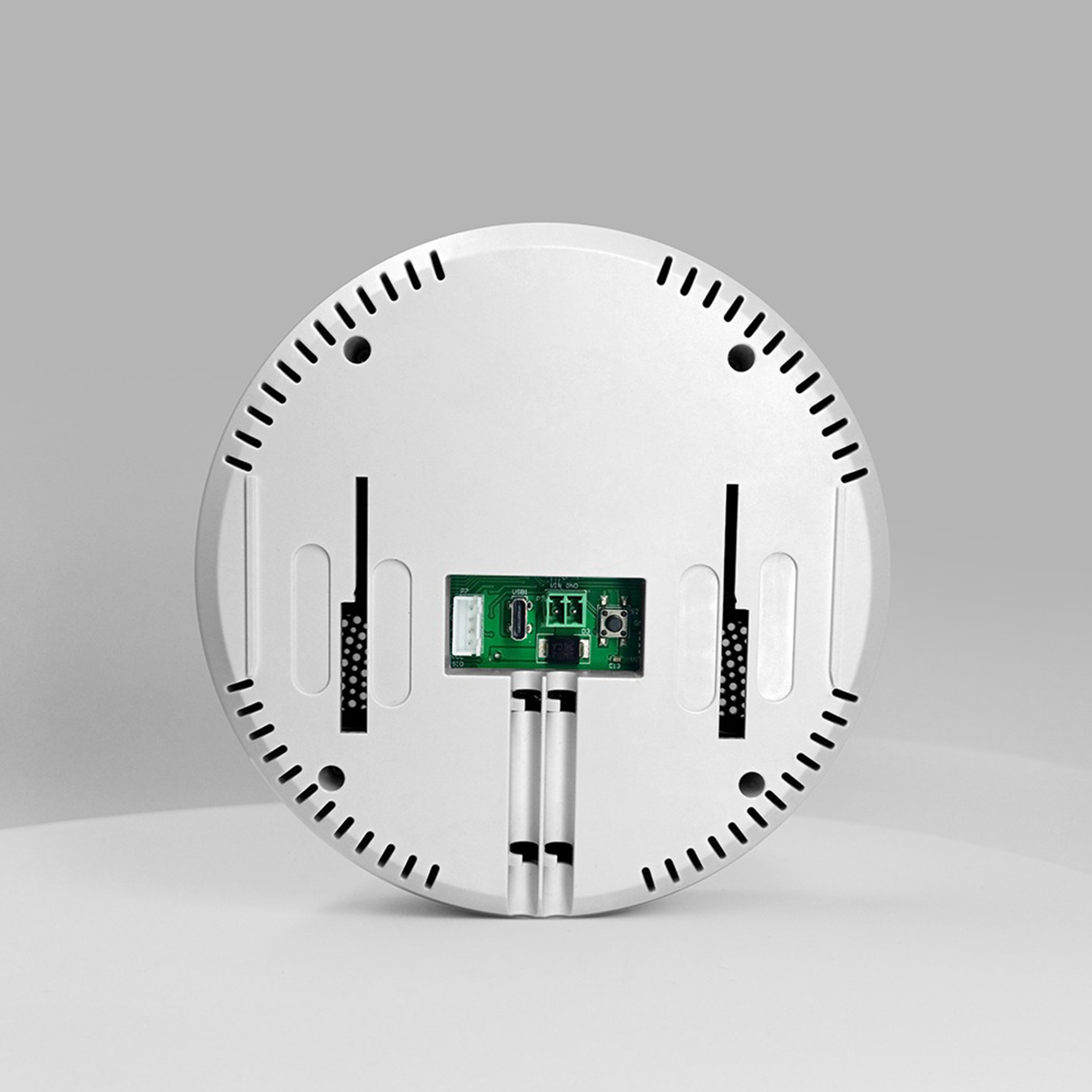
- Network connectivity ensuring reliable data transmission
- Power availability providing consistent sensor operation
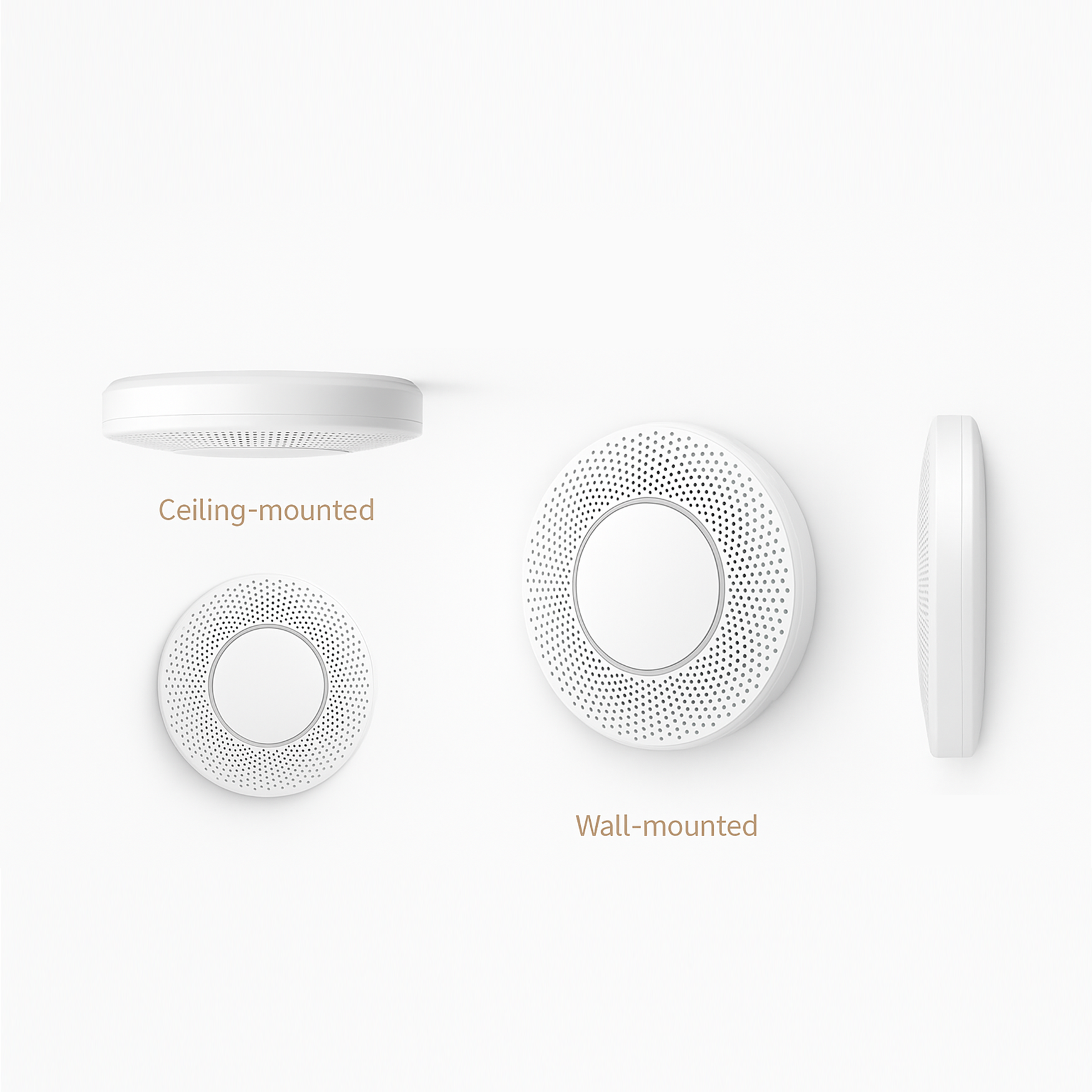
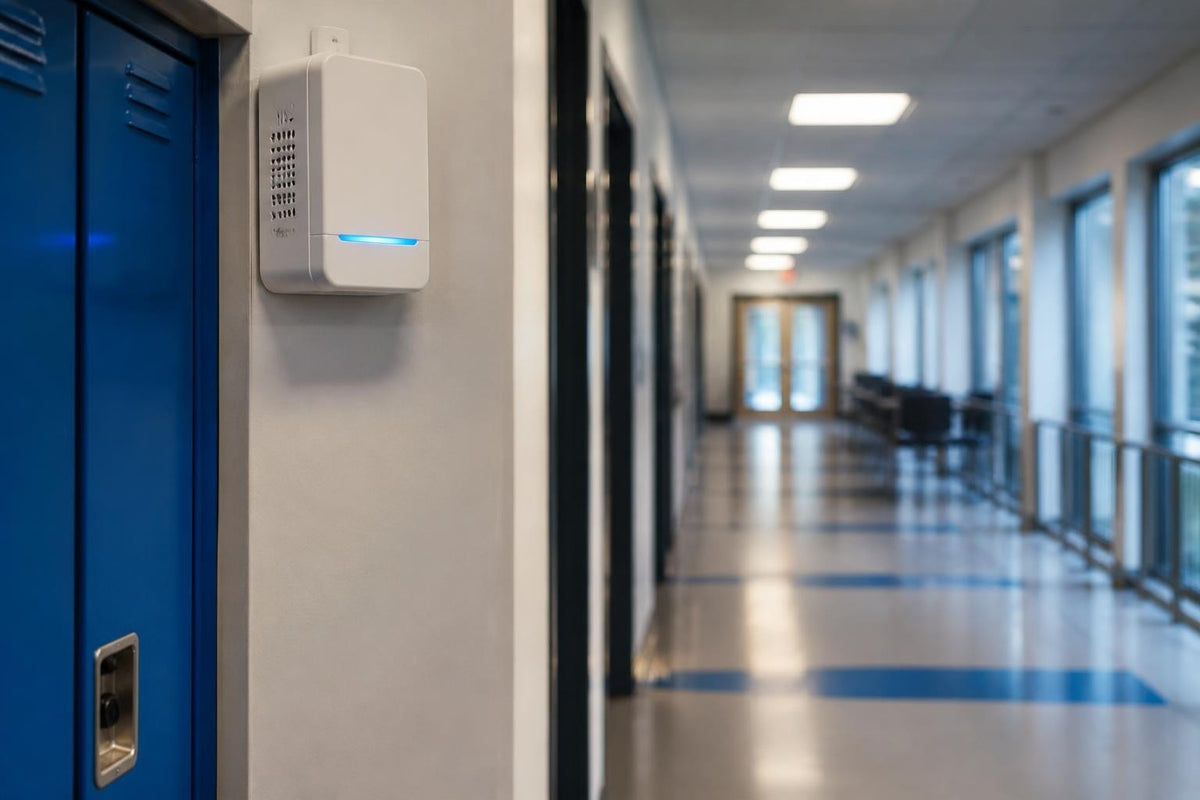
- Mounting locations accommodating sensors without aesthetic disruption
- Compatibility integrating with existing security and management platforms
- Maintenance access enabling regular calibration and servicing
Working with experienced providers ensures smooth integration. The environmental monitoring systems discussion explores infrastructure requirements and integration best practices.
Budget Justification and ROI Demonstration
Initial investment requires justification, particularly for organisations facing budget constraints. A vape detector with reporting generates measurable returns through:
- Reduced health-related costs from improved air quality
- Decreased facility maintenance from reduced residue accumulation
- Enhanced compliance avoiding regulatory penalties
- Improved productivity through healthier environments
- Liability protection demonstrating duty of care
The vape detector cost breakdown and ROI calculator provides frameworks for financial analysis, helping organisations quantify benefits against implementation costs.
Effective vaping management requires sophisticated detection paired with comprehensive reporting that transforms incidents into actionable intelligence. By selecting systems offering robust analytical capabilities, implementing clear policies, and leveraging data for continuous improvement, organisations create safer, healthier environments whilst demonstrating accountability and compliance. Vape Guardian delivers advanced detection technology with powerful reporting tools designed specifically for UK schools, offices, and public spaces, combining reliable sensors with dedicated support to help you maintain vape-free environments through real-time alerts and detailed analytics.


Share:
Smart Vape Detector: The Complete Guide for 2026
Underage Vaping Detection: Technology & Solutions 2026