

The rise of youth vaping has become one of the most pressing public health challenges facing educational institutions, workplaces, and public spaces across the United Kingdom. As e-cigarette usage among minors continues to escalate, organisations are turning to sophisticated underage vaping detection systems to safeguard young people and maintain compliance with evolving regulations. These advanced technologies represent a crucial evolution in how we protect vulnerable populations from the health risks associated with vaping whilst creating environments that promote wellbeing and safety.
The Growing Challenge of Youth Vaping
Underage vaping has reached epidemic proportions in recent years, with statistics revealing alarming trends among school-aged children. Research from public health authorities indicates that a significant percentage of secondary school pupils have experimented with vaping devices, many becoming regular users before reaching legal age.
The accessibility of vaping products combined with their discreet nature has created a perfect storm for widespread adoption among young people. Unlike traditional tobacco products, e-cigarettes produce minimal odour and can be concealed easily, making detection through conventional means nearly impossible.
Why Traditional Supervision Falls Short
Educational institutions have long relied on visual supervision and periodic toilet checks to discourage prohibited behaviours. However, these methods prove inadequate when addressing underage vaping detection. Modern vaping devices are deliberately designed to be inconspicuous, with some resembling USB drives or other everyday items that blend seamlessly into school environments.
Staff members cannot be everywhere simultaneously, and the brief nature of vaping incidents means that even vigilant supervision often misses occurrences. Schools are implementing advanced surveillance technologies to address these limitations, recognising that traditional approaches simply cannot keep pace with the evolving challenge.

Technology Solutions for Underage Vaping Detection
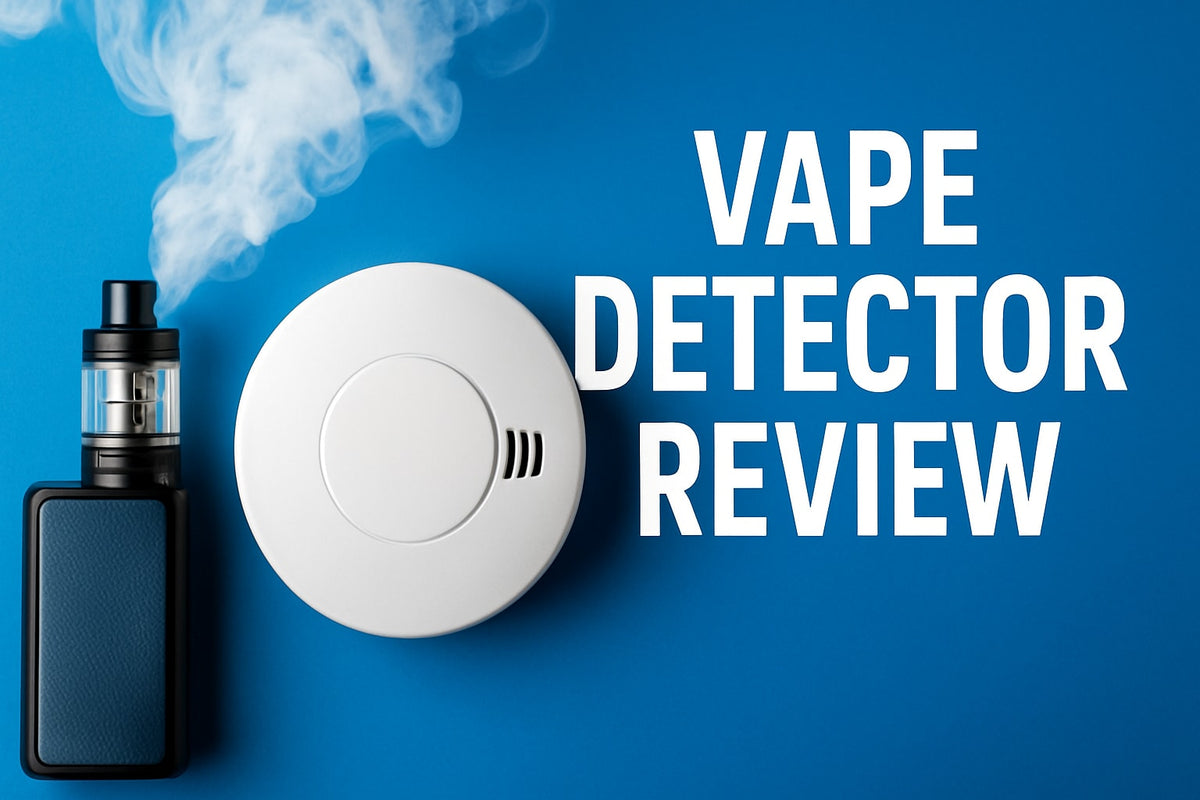
Modern underage vaping detection relies on sophisticated sensor technology that identifies specific chemical compounds present in vaping aerosols. These systems go far beyond simple smoke detectors, employing advanced algorithms to differentiate between various airborne particles.
Detection hardware typically incorporates multiple sensing technologies working in concert:
- Chemical sensors that identify propylene glycol and vegetable glycerine
- Particulate matter detectors measuring aerosol concentration
- Air quality monitors tracking environmental changes
- Sound detection capabilities identifying vaping device activation
- Temperature and humidity sensors providing contextual data
The integration of these technologies creates a comprehensive monitoring solution that delivers exceptional accuracy whilst minimising false positives. When deployed strategically, these systems provide coverage across vulnerable areas including toilets, changing rooms, and other spaces where supervision proves challenging.
Real-Time Alert Systems
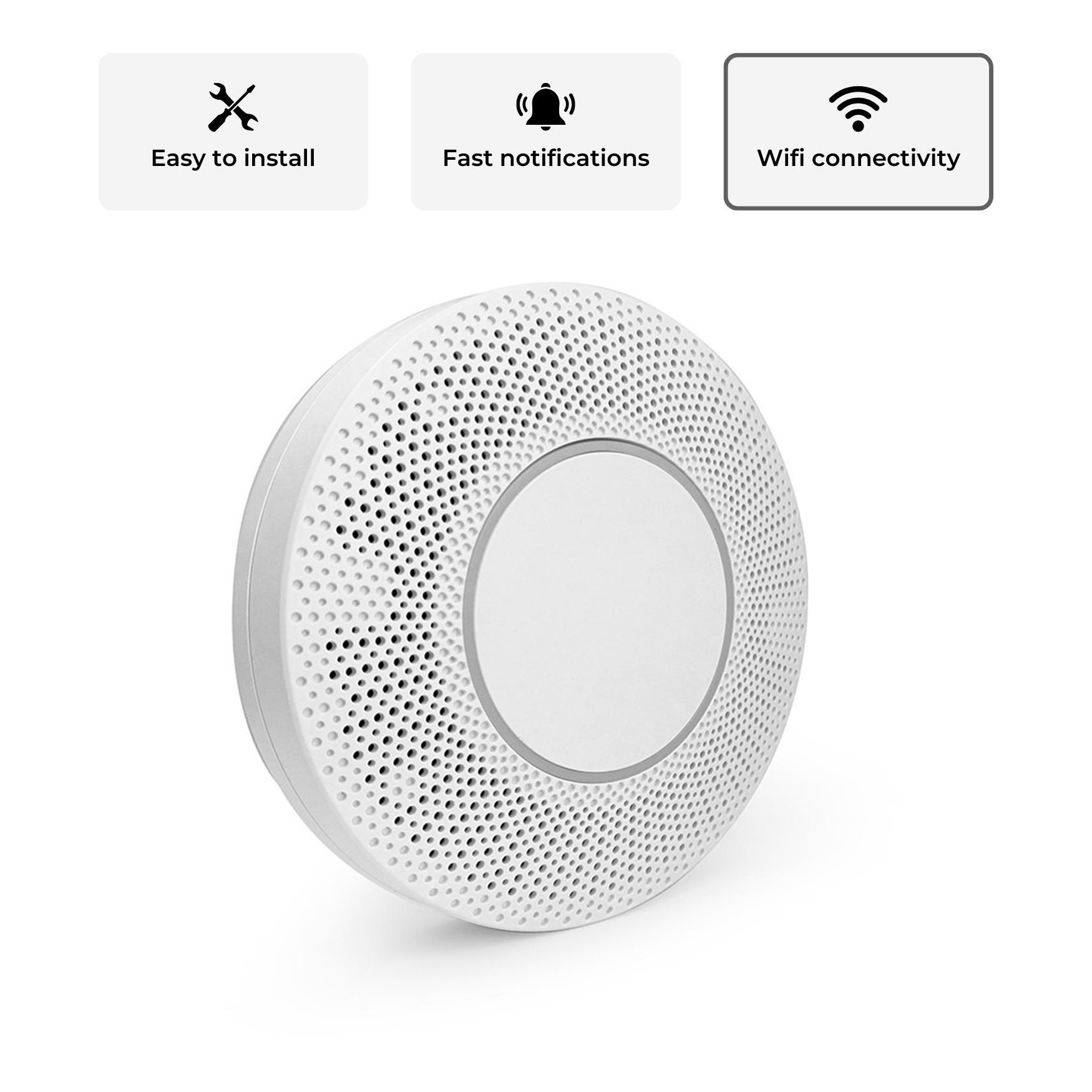
Speed matters when addressing underage vaping incidents. Modern detection platforms deliver instant notifications to designated staff members through multiple channels, ensuring rapid response regardless of location.
Alert systems typically include:
- Mobile push notifications sent directly to smartphones
- Email alerts providing detailed incident information
- Dashboard notifications visible on central monitoring stations
- SMS messages for urgent situations requiring immediate attention
- Integration with existing security systems creating unified response protocols
This multi-channel approach ensures that responsible personnel receive notifications through their preferred communication method, significantly reducing response times compared to traditional discovery methods.
Implementation Strategies for Educational Settings
Successful underage vaping detection requires more than simply installing hardware. Educational institutions must develop comprehensive implementation strategies that address technical, operational, and educational dimensions.
Strategic Placement and Coverage
Sensor placement directly impacts detection effectiveness. Priority locations include:
| Location Type | Detection Priority | Recommended Coverage |
|---|---|---|
| Toilets | Critical | All facilities |
| Changing Rooms | High | Complete coverage |
| Stairwells | Medium | Key access points |
| Corridors | Medium | High-traffic areas |
| External Areas | Low | Designated zones |
The school anti-vaping solution approach emphasises comprehensive coverage of high-risk areas whilst balancing budgetary constraints and privacy considerations.
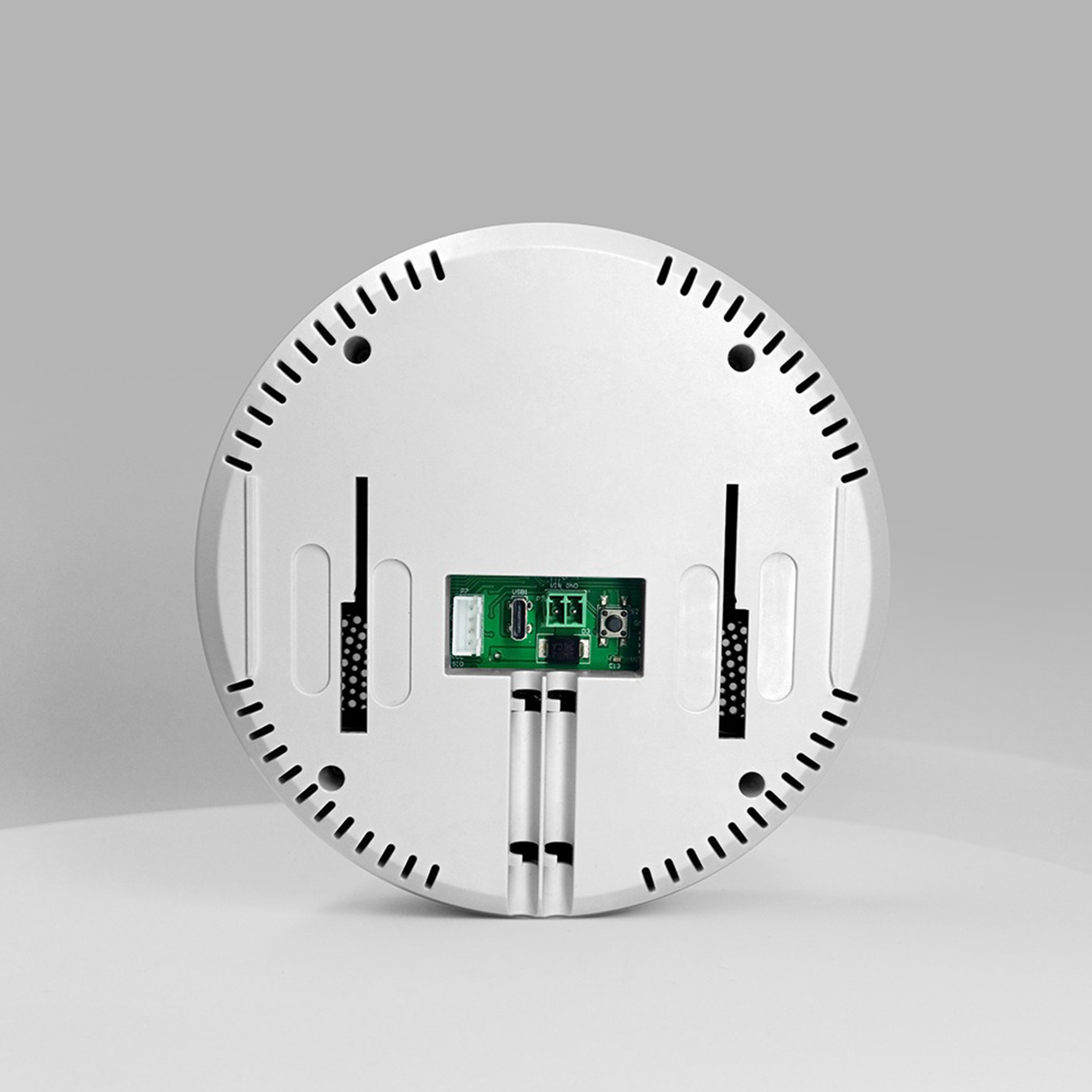
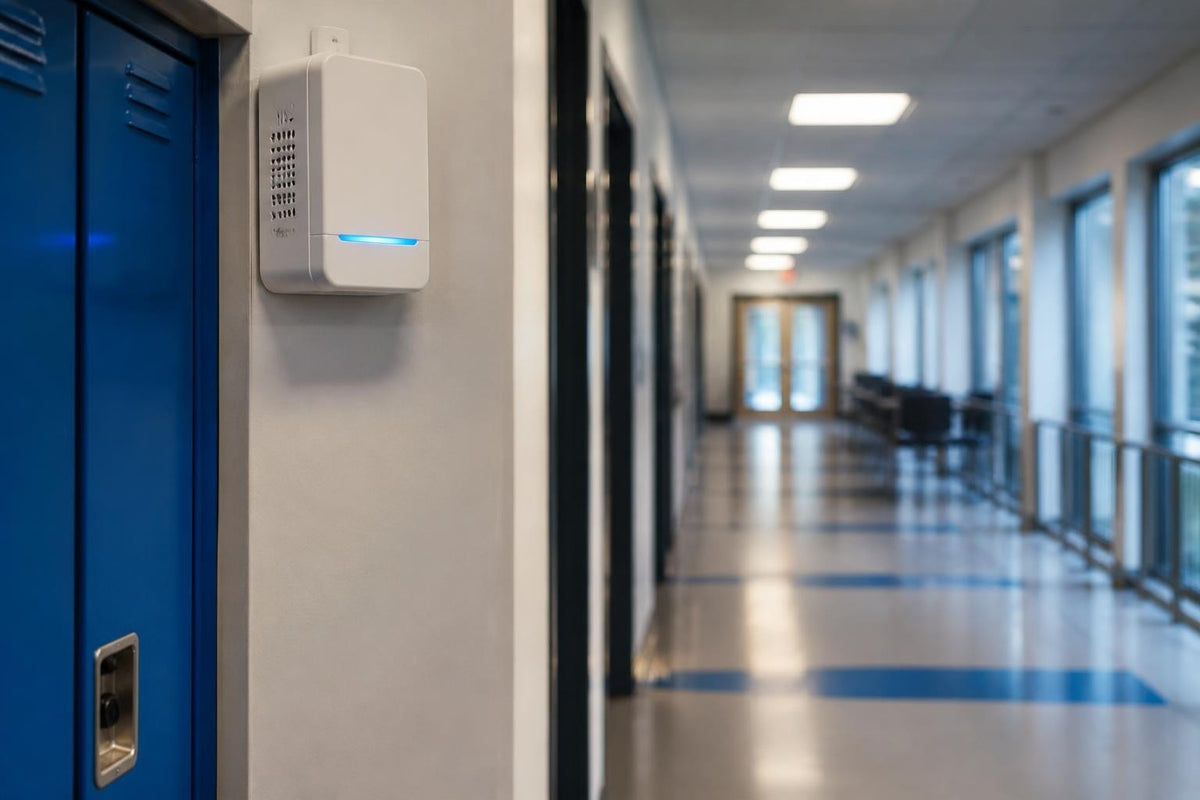
Physical installation requires careful attention to positioning, ensuring sensors remain accessible for maintenance whilst staying sufficiently discreet to avoid tampering. Many institutions find that ceiling-mounted installations provide optimal coverage whilst minimising accessibility to students.
Policy Development and Communication
Technology alone cannot solve the underage vaping challenge. Effective programmes combine detection capabilities with clear policies and transparent communication.
Schools must establish comprehensive vaping policies that outline:
- Consequences for vaping on school premises
- Support services available for students struggling with nicotine dependence
- Parent notification procedures following detection incidents
- Educational initiatives addressing vaping risks and prevention
- Staff responsibilities regarding incident response and documentation
Transparent communication ensures that students, parents, and staff understand both the presence of detection technology and the rationale behind its deployment. Research on retail violations demonstrates the importance of clear messaging in preventing underage access to vaping products.
Integration with Broader Safety Initiatives
Underage vaping detection systems frequently offer capabilities extending beyond vaping identification. Advanced sensors can detect various environmental concerns, creating comprehensive safety monitoring solutions.
Multi-Threat Detection Capabilities
Modern systems identify:
- Vaping aerosols and e-cigarette usage
- Cannabis and THC vapour detection
- Elevated noise levels indicating potential conflicts
- Air quality degradation from various sources
- Unauthorised entry through sound pattern recognition
This versatility transforms vaping detection investments into broader safety infrastructure, delivering value across multiple organisational priorities. The ability to address anti-social behaviour whilst monitoring air quality creates a compelling value proposition for budget-conscious institutions.
Data Analytics and Trend Identification
Sophisticated underage vaping detection platforms provide detailed analytics that inform strategic decision-making. Dashboard interfaces display incident patterns across time periods, locations, and demographics.
Analytics capabilities include:
- Incident frequency tracking by location and time
- Trend analysis identifying emerging patterns
- Effectiveness monitoring for intervention programmes
- Compliance reporting for regulatory requirements
- Resource allocation guidance based on actual usage data
These insights enable continuous improvement of prevention strategies, ensuring that resources focus on areas demonstrating greatest need. Administrators can identify whether incidents cluster around specific times, locations, or events, informing targeted interventions.
Compliance and Legal Considerations
Organisations deploying underage vaping detection technology must navigate various legal and regulatory frameworks. Privacy legislation, educational regulations, and workplace safety requirements all influence implementation approaches.
Privacy and Data Protection
The General Data Protection Regulation (GDPR) establishes strict requirements for data collection and processing within the United Kingdom. Underage vaping detection systems must comply with these provisions whilst maintaining operational effectiveness.
Key compliance considerations include:
Data minimisation: Collecting only information necessary for legitimate safety purposes
Purpose limitation: Using detection data exclusively for stated safety objectives
Storage limitation: Retaining records only as long as operationally required
Security measures: Implementing robust protection against unauthorised access
Transparency: Clearly communicating detection system presence and purpose
| Compliance Area | Requirement | Implementation Approach |
|---|---|---|
| Consent | Not required for legitimate safety interests | Document legitimate interest assessment |
| Notification | Signage and policy communication | Visible notices in monitored areas |
| Access Rights | Individuals can request their data | Establish request handling procedures |
| Retention | Minimise storage duration | Automatic deletion after defined period |
Proper implementation of vape detectors for education requires careful attention to these regulatory requirements, ensuring that safety objectives align with legal obligations.
Documentation and Incident Response
Effective underage vaping detection programmes maintain comprehensive documentation of incidents, responses, and outcomes. This record-keeping serves multiple purposes including regulatory compliance, effectiveness assessment, and legal protection.
Response protocols should specify:
- Initial response procedures upon receiving alerts
- Investigation steps for confirming incidents
- Appropriate consequences matching severity levels
- Support service referrals for students demonstrating dependency
- Parent communication timelines and methods
- Record-keeping requirements and retention schedules
Schools implementing best practice for handling vaping alerts find that documented procedures ensure consistency whilst protecting both students and staff.

Technological Advancements and Future Developments
The field of underage vaping detection continues evolving rapidly, with emerging technologies promising enhanced accuracy, broader capabilities, and improved integration with existing safety infrastructure.
Artificial Intelligence and Machine Learning
Advanced detection systems increasingly incorporate artificial intelligence to improve accuracy and reduce false positives. Machine learning algorithms analyse vast datasets to identify patterns distinguishing actual vaping incidents from benign environmental changes.
These systems learn from each detection event, continuously refining their identification parameters. Over time, this adaptive capability creates increasingly sophisticated monitoring that accounts for environmental variations specific to each installation location.
Research into multi-task approaches for detecting underage individuals demonstrates the potential for combining detection technologies with identification capabilities, though privacy considerations currently limit widespread deployment of such integrated systems.
Integration with Building Management Systems
Modern underage vaping detection solutions increasingly integrate with broader building management platforms, creating unified control systems for environmental monitoring, security, and facility operations.
Integration benefits include:
- Coordinated response between detection and ventilation systems
- Unified dashboards combining multiple safety monitoring streams
- Automated incident documentation within existing record systems
- Cost efficiencies through shared infrastructure components
- Simplified management reducing training requirements
This convergence reflects broader industry trends towards comprehensive smart building solutions that address multiple operational requirements through integrated technology platforms.
Measuring Programme Effectiveness
Organisations investing in underage vaping detection technology require methods for assessing programme effectiveness and demonstrating return on investment. Comprehensive measurement approaches examine both quantitative metrics and qualitative outcomes.
Quantitative Performance Indicators
Numerical metrics provide objective assessment of programme impact:
- Detection rates: Number of incidents identified over defined periods
- Response times: Duration between detection and staff intervention
- Recidivism rates: Percentage of repeat offenders following interventions
- Coverage metrics: Proportion of vulnerable areas under monitoring
- System reliability: Uptime percentages and false positive rates
Qualitative Assessment Methods
Numerical data alone cannot capture the full impact of underage vaping detection initiatives. Qualitative methods provide crucial context:
- Student surveys assessing perceived safety and deterrent effects
- Staff feedback regarding implementation challenges and successes
- Parent perspectives on communication and support services
- Observational assessments of behavioural changes in monitored areas
- Case studies documenting individual student outcomes following interventions
The Vape Detection System combines hardware and software to deliver comprehensive monitoring whilst providing the analytics tools necessary for thorough effectiveness assessment. By implementing such advanced solutions, organisations gain both immediate detection capabilities and the long-term insights required for continuous programme improvement.
Supporting Student Wellbeing Beyond Detection
Whilst technology plays a vital role in underage vaping detection, truly effective programmes recognise that detection alone proves insufficient. Comprehensive approaches combine monitoring with education, support services, and positive reinforcement strategies.
Educational Initiatives
Preventing underage vaping requires that young people understand the health risks associated with e-cigarette usage. Evidence-based educational programmes should address:
- Nicotine addiction mechanisms and dependency development
- Specific health risks associated with vaping amongst developing adolescents
- Marketing tactics used by vaping companies to target young audiences
- Strategies for resisting peer pressure and making informed choices
- Resources available for those seeking to quit vaping
Research on signage effectiveness in preventing adolescent e-cigarette access suggests that visual messaging plays an important role in compliance and deterrence, complementing technological detection systems.
Intervention and Support Services
Students identified through underage vaping detection systems require supportive interventions rather than purely punitive responses. Effective programmes include:
- Confidential counselling services addressing underlying issues
- Nicotine replacement therapy for students demonstrating dependency
- Peer support groups facilitating shared experiences
- Family engagement programmes involving parents in recovery
- Follow-up monitoring ensuring sustained behaviour change
This supportive approach recognises that many young people who vape struggle with nicotine addiction requiring professional assistance rather than simple disciplinary action.
Cost Considerations and Budgeting
Educational institutions and organisations considering underage vaping detection technology must evaluate costs against benefits, examining both initial investments and ongoing operational expenses.
Initial Investment Components
Upfront costs typically include:
| Cost Category | Typical Range | Considerations |
|---|---|---|
| Hardware | £200-£800 per sensor | Coverage requirements determine quantity needed |
| Installation | £50-£150 per unit | Complexity varies by location and infrastructure |
| Software Licensing | £500-£2,000 annually | Scales with number of sensors and features |
| Training | £300-£1,000 | Initial staff preparation and ongoing development |
| Policy Development | £200-£800 | Professional consultation and documentation |
Ongoing Operational Costs
Beyond initial investment, organisations must budget for:
- Annual software subscription or licensing fees
- Sensor calibration and maintenance requirements
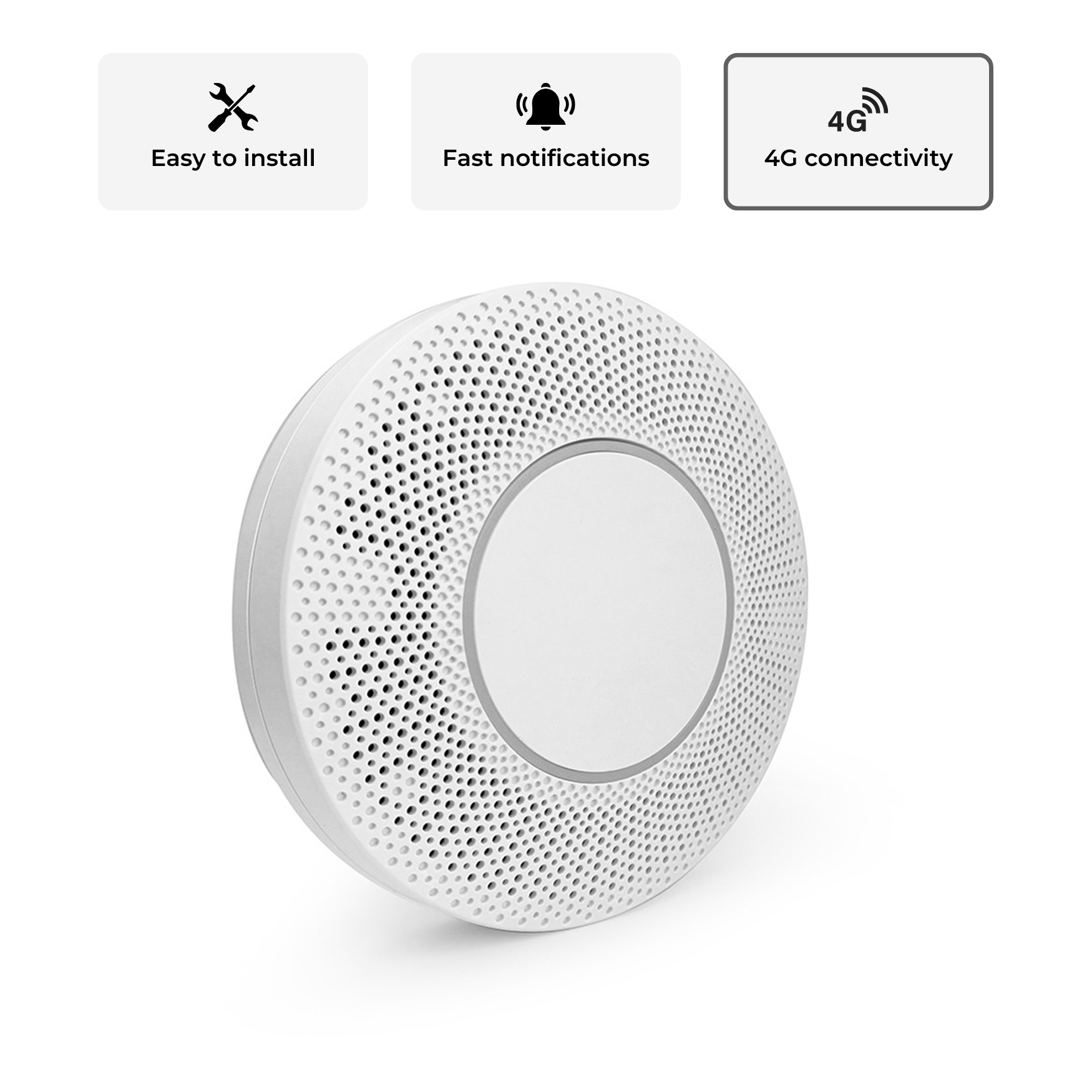
- Cellular data plans for locations lacking Wi-Fi connectivity
- Staff time allocated to alert response and incident management
- Periodic system updates and capability enhancements
Many organisations find that comprehensive underage vaping detection programmes deliver strong returns through reduced disciplinary incidents, improved air quality, enhanced safety reputations, and better student wellbeing outcomes.
Stakeholder Engagement and Communication
Successful underage vaping detection implementation requires engagement across multiple stakeholder groups, each bringing unique perspectives and concerns to the programme.
Student Involvement
Whilst students are the primary subjects of monitoring, their engagement proves crucial for programme acceptance and effectiveness. Transparent communication should emphasise:
- Safety motivations rather than punitive intentions
- Privacy protections built into system design
- Support services available for those struggling with vaping
- Opportunities for student input on policy development
- Recognition that detection aims to help rather than simply punish
Parent and Guardian Communication
Parents represent essential partners in addressing underage vaping. Effective communication strategies include:
- Clear notification of detection system deployment
- Educational resources about vaping risks and warning signs
- Invitation to participate in policy development discussions
- Transparent explanation of response procedures following incidents
- Access to support resources for families affected by youth vaping
Staff Training and Development
Educators and support staff require comprehensive training to maximise programme effectiveness. Training initiatives should address technical system operation, response protocols, communication strategies, and support service referrals.
Regular professional development ensures that staff remain current with evolving best practices whilst maintaining confidence in their ability to address incidents appropriately and supportively.
Sector-Specific Applications
Whilst educational settings represent the primary market for underage vaping detection technology, various other sectors benefit from these capabilities.
Leisure and Retail Environments
Shopping centres, cinemas, and entertainment venues face similar challenges in preventing underage vaping within their facilities. Detection systems help these organisations maintain compliance with age-restriction regulations whilst creating healthier environments for all patrons.
The startup addressing the underage vaping epidemic demonstrates growing recognition across sectors that technological solutions offer effective approaches to this widespread challenge.
Office and Commercial Settings
Workplace environments increasingly deploy underage vaping detection as part of broader efforts to maintain smoke-free policies and support employee wellbeing. These systems prove particularly valuable in settings employing young apprentices or work experience students who may not have reached legal vaping age.
Detection capabilities extend beyond underage prevention, helping organisations enforce comprehensive vaping policies that apply regardless of employee age, creating consistent standards across all personnel.
Addressing underage vaping requires comprehensive strategies combining advanced detection technology with supportive policies, educational initiatives, and stakeholder engagement. The sophisticated monitoring capabilities now available enable organisations to identify incidents in real-time whilst gathering the data necessary for continuous programme improvement. Whether protecting students in educational settings or maintaining compliance in commercial environments, effective underage vaping detection creates safer spaces whilst supporting those struggling with nicotine dependency. Vape Guardian delivers the advanced detection systems and dedicated support necessary to implement successful programmes, helping organisations across the United Kingdom create healthier environments through reliable monitoring technology and expert guidance tailored to each unique setting.




Share:
Vape Detector with Reporting: Complete UK Guide 2026
Washroom Vape Detector: A Complete Guide for 2026