
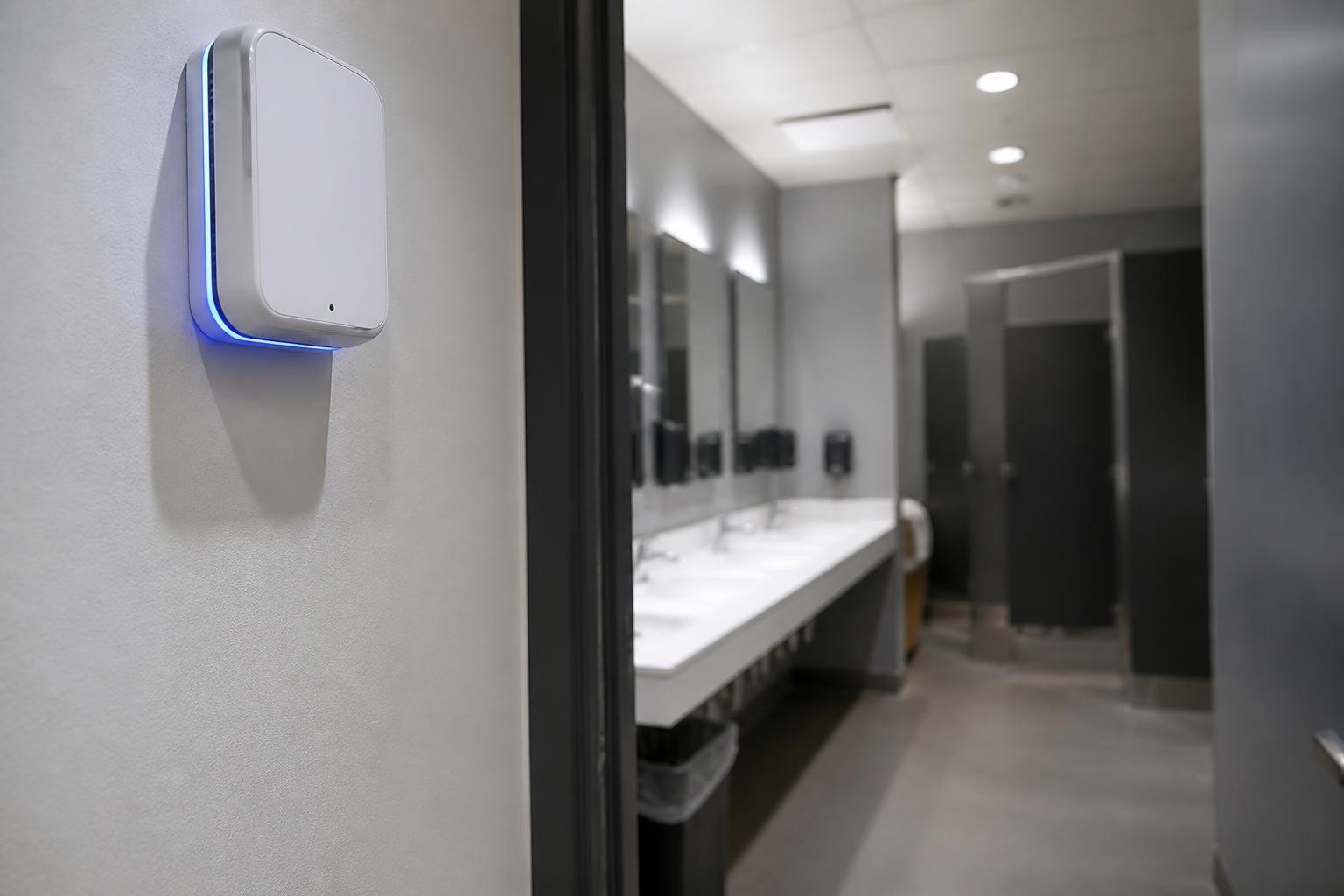
Washrooms have become a primary location for unauthorised vaping in schools, offices, and public facilities. The enclosed nature of these spaces, combined with limited supervision, makes them attractive spots for individuals seeking to vape discreetly. A washroom vape detector addresses this challenge by continuously monitoring air quality and alerting administrators when vaping substances are detected. These devices have evolved significantly since their introduction, now offering sophisticated detection capabilities that go beyond simple smoke alarms to identify specific chemical signatures associated with vaping products.
Understanding Washroom Vape Detector Technology
The science behind a washroom vape detector relies on advanced sensor technology that monitors minute changes in air quality. Unlike traditional smoke detectors that respond primarily to particulate matter, modern vape detection systems analyse the chemical composition of airborne substances. When someone uses a vaping device, it releases a complex mixture of propylene glycol, vegetable glycerin, flavouring compounds, and often nicotine into the air.
These sensors operate continuously, establishing baseline air quality readings for each specific environment. When vapour is introduced, the system detects anomalies in the air composition and triggers an alert. Understanding how vape detectors function requires recognising that they measure multiple parameters simultaneously, including particulate concentration, humidity changes, and specific chemical markers.
Detection Methods and Sensor Types
Different washroom vape detector models employ various detection methodologies. The most effective systems combine multiple sensor types to reduce false positives whilst maintaining high sensitivity.
Primary detection technologies include:
- Particulate matter sensors that measure microscopic droplets in aerosol form
- Chemical sensors detecting specific compounds found in vaping liquids
- Humidity sensors monitoring sudden moisture level changes
- Sound detection identifying the characteristic sounds of vaping devices
The integration of multiple detection methods ensures accuracy. A quality washroom vape detector won't trigger alerts from hairspray, deodorant, or normal bathroom activities. Instead, it specifically identifies the unique signature of vaping products.
Key Benefits for Educational Institutions
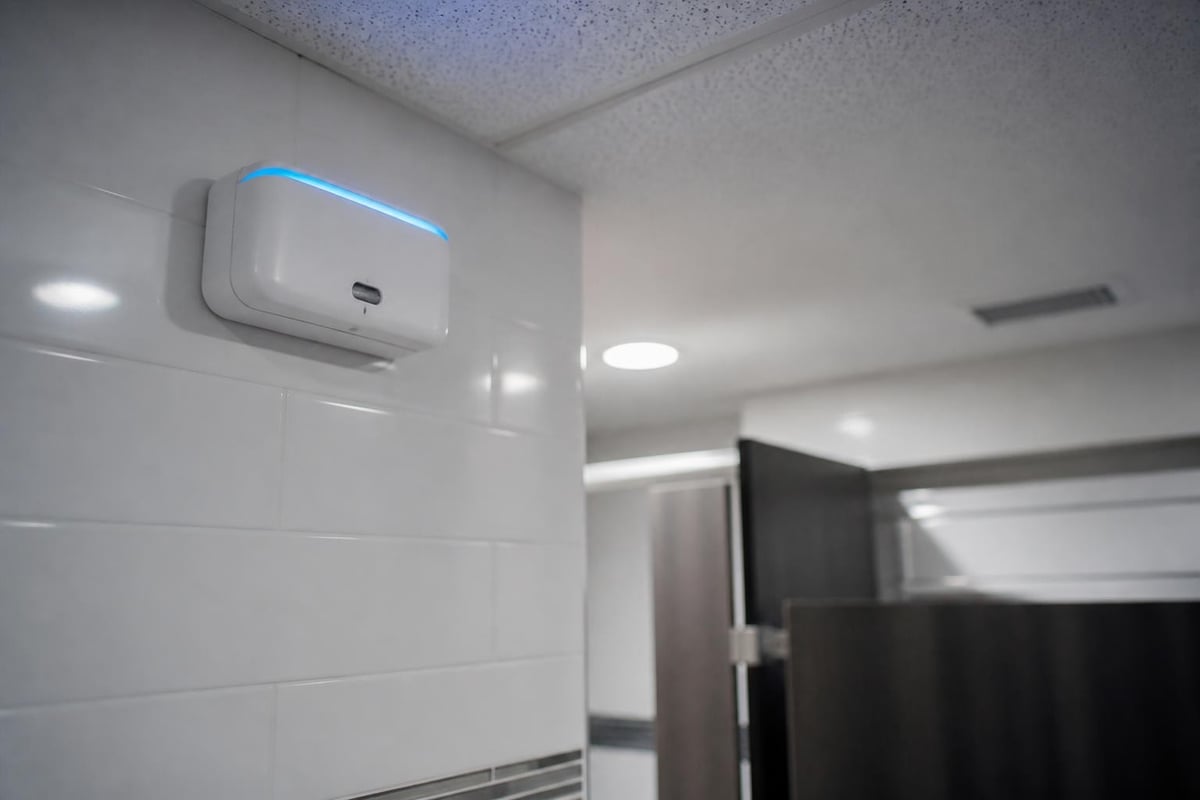
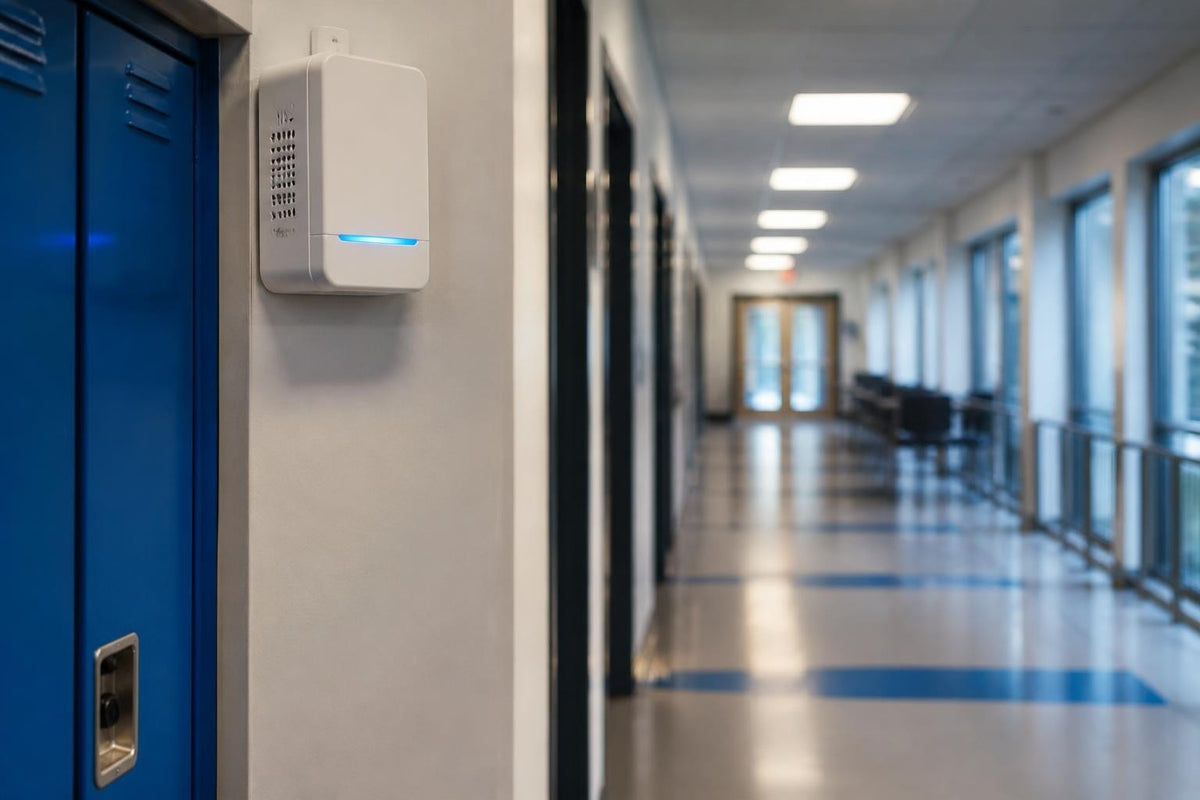
Schools face particular challenges with student vaping, and washrooms represent the most common location for these incidents. A washroom vape detector provides educational institutions with several critical advantages in their efforts to maintain healthy environments and enforce school policies.
The presence of detection technology serves as a powerful deterrent. Students aware that vaping detection systems are monitoring school facilities are significantly less likely to attempt vaping in washrooms. This preventative effect alone justifies the investment for many institutions.
Real-Time Alert Systems
Modern washroom vape detector solutions provide immediate notifications when incidents occur. Administrators receive alerts via smartphone applications, email, or integrated management platforms. This rapid response capability allows staff to intervene quickly, identifying individuals whilst they're still in the vicinity.
| Alert Method | Response Time | Best For |
|---|---|---|
| Mobile App Push Notification | Instant | Designated safeguarding leads, duty staff |
| Email Alert | 1-2 minutes | Administrative teams, records |
| SMS Message | Instant | Emergency contacts, senior leadership |
| Dashboard Update | Real-time | Monitoring stations, reception areas |
The speed of notification directly impacts the effectiveness of enforcement. Traditional methods relying on complaints or chance discovery often mean incidents go unaddressed. A washroom vape detector ensures every event is documented and can be addressed promptly.
Installation Considerations and Placement
Proper installation maximises the effectiveness of a washroom vape detector whilst ensuring compliance with privacy regulations. The physical placement of sensors significantly impacts their ability to detect vaping activity accurately.
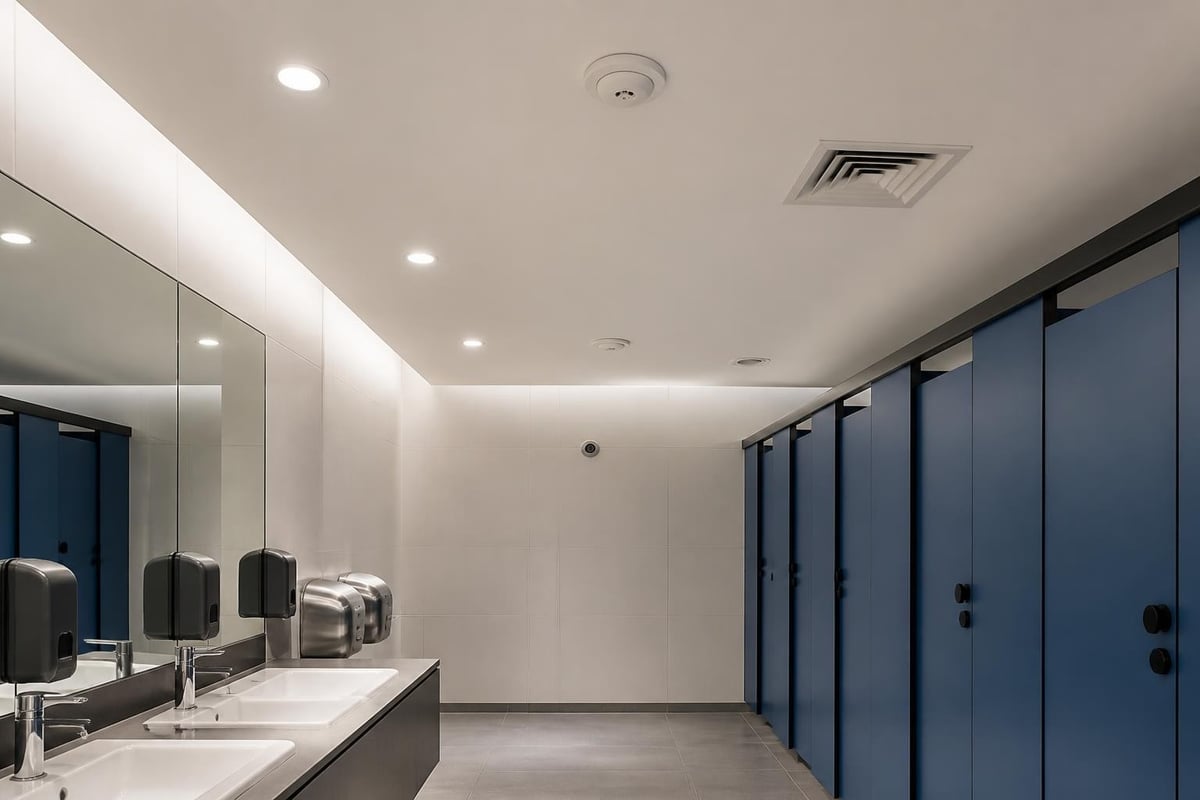
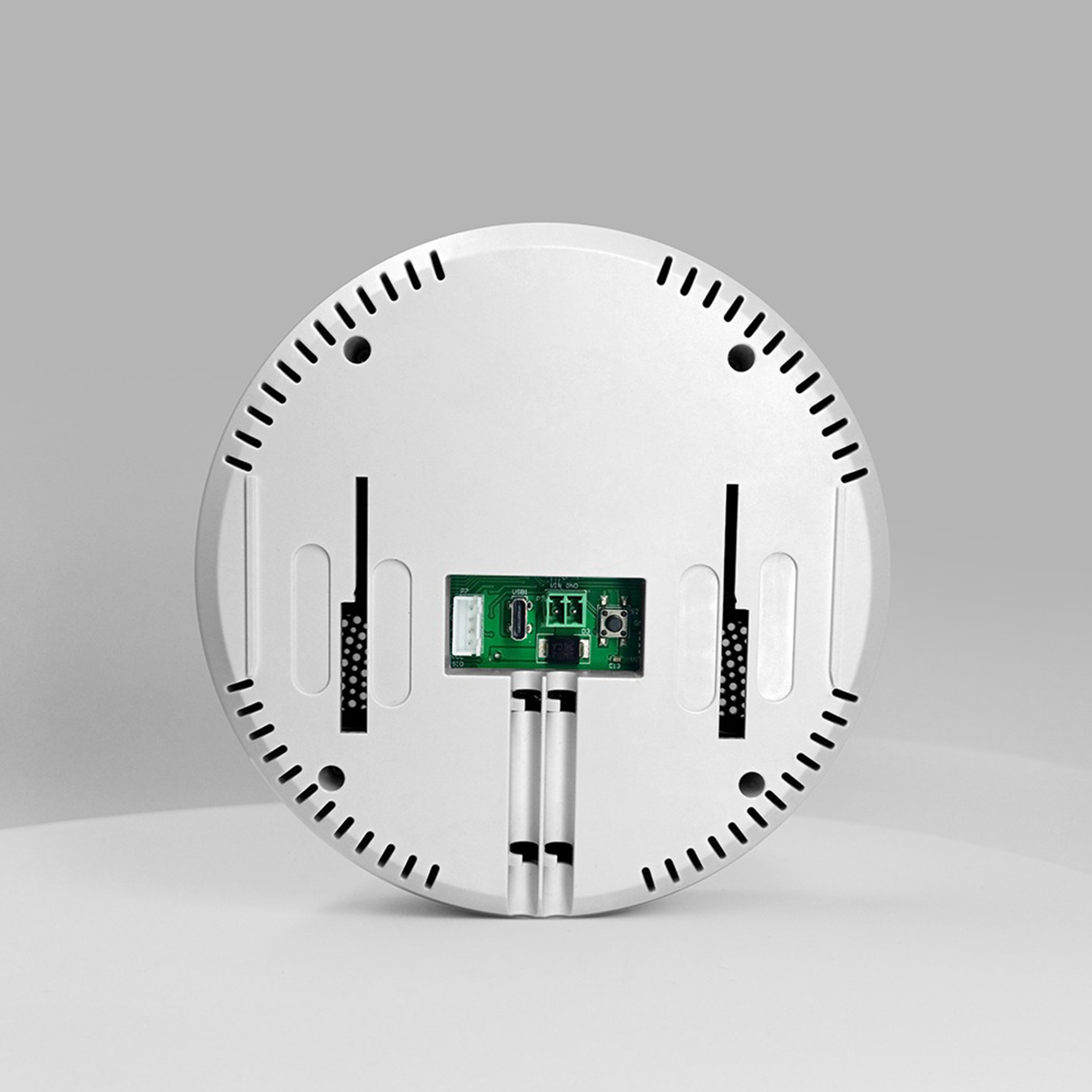
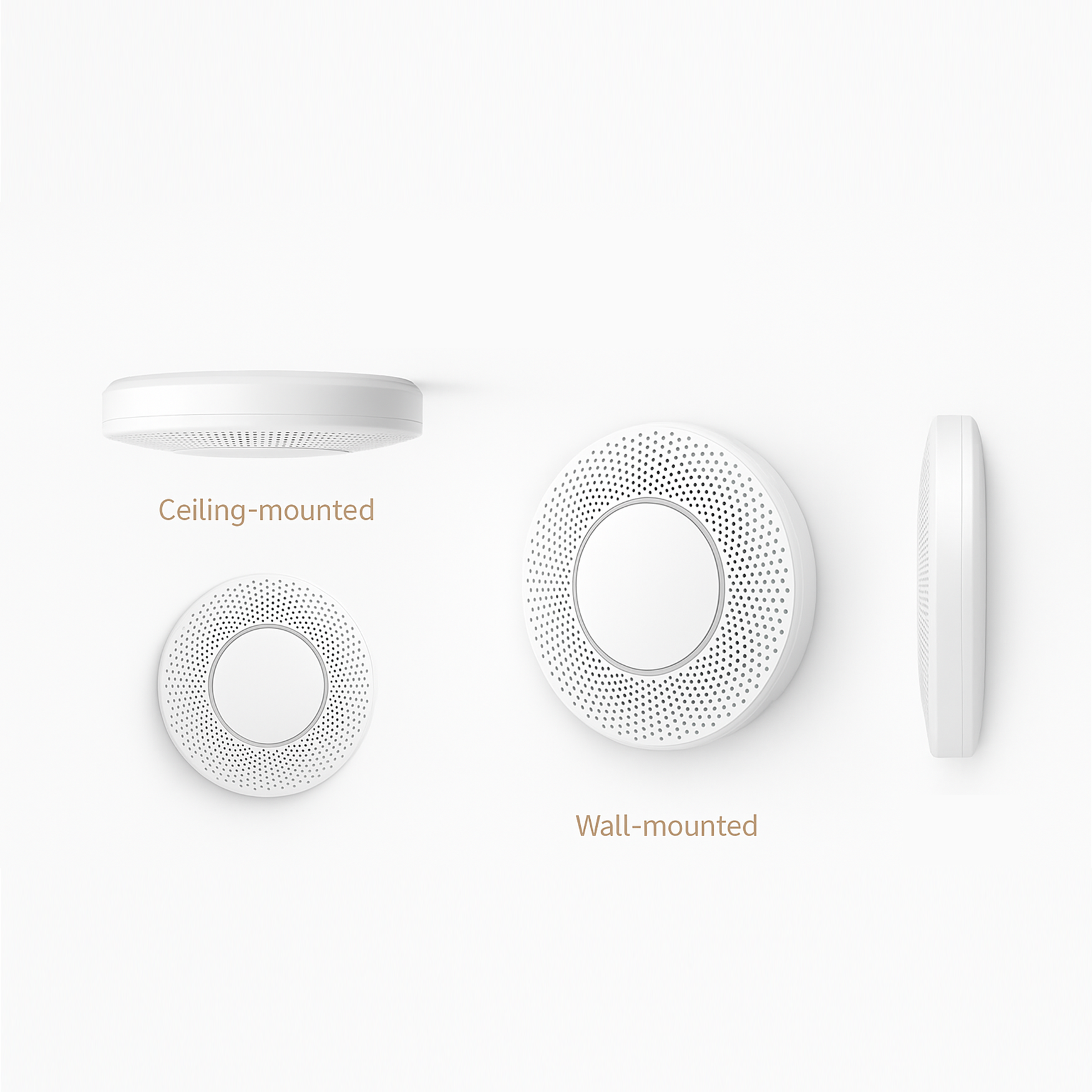
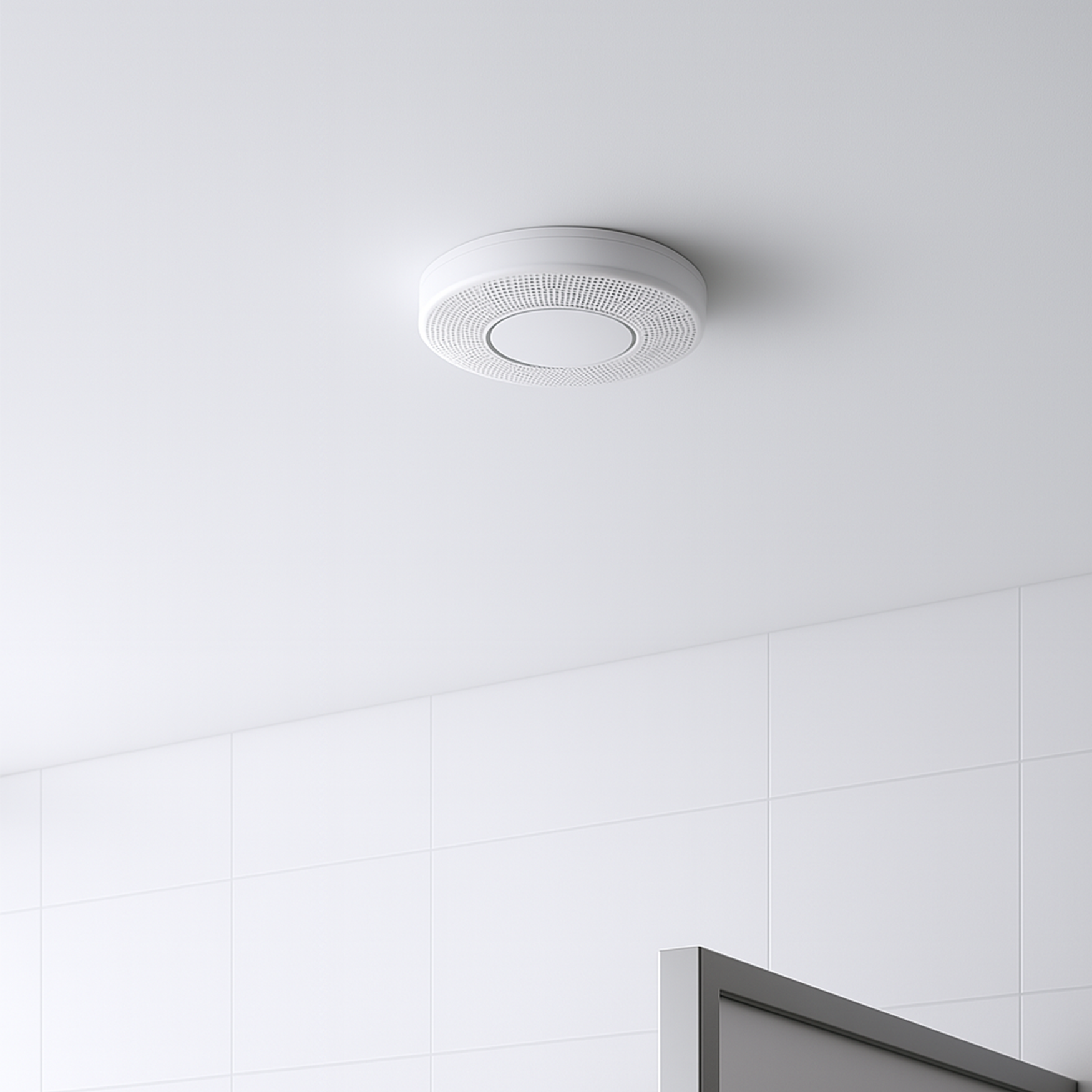
Ceiling-mounted sensors generally provide the best coverage, as vapour naturally rises and disperses throughout the space. However, battery-powered options offer flexibility for facilities where running electrical wiring presents challenges. These wireless units can be positioned strategically without extensive installation work.
Privacy and Compliance Requirements
Privacy concerns represent a significant consideration when implementing washroom vape detector technology. Unlike video surveillance, which raises substantial privacy issues in bathroom environments, vape detectors monitor only air quality and environmental conditions.
Essential privacy compliance features:
- No video or photographic capability
- No recording of conversations or identifiable voices
- Anonymous data collection focused solely on detection events
- Clear signage informing users of monitoring
- Data protection policies aligned with GDPR requirements
Some systems include audio monitoring capabilities, which have sparked debate in educational settings. Institutions must carefully consider local regulations and community expectations when selecting features. Sound detection can identify bullying, fights, or other concerning activities, but must be implemented with appropriate safeguards and transparency.
Features to Evaluate When Selecting Systems
The market offers numerous washroom vape detector options, each with varying capabilities and price points. Understanding which features deliver genuine value helps organisations make informed purchasing decisions.
Connectivity options determine how alerts are delivered and how systems integrate with existing infrastructure. Cloud-based platforms provide remote monitoring capabilities, whilst local network solutions may offer enhanced data security for organisations with strict privacy requirements.
Advanced Capabilities Worth Considering
Beyond basic detection, premium washroom vape detector systems offer additional functionality that enhances their utility. Tamper detection alerts administrators if someone attempts to disable or damage the unit. This feature proves particularly valuable in environments where motivated individuals might try to circumvent monitoring.
Air quality monitoring extends the value proposition beyond vaping detection alone. Many modern sensors track carbon dioxide levels, temperature, humidity, and other environmental factors. This data helps facilities managers identify ventilation issues, overcrowding, or maintenance needs. The comprehensive approach to washroom monitoring creates safer, more comfortable facilities whilst addressing vaping concerns.
Comparative feature analysis:
| Feature | Basic Systems | Advanced Systems | Premium Solutions |
|---|---|---|---|
| Vaping Detection | Yes | Yes | Yes |
| Tamper Alerts | Limited | Yes | Yes |
| Air Quality Monitoring | No | Basic | Comprehensive |
| Sound Detection | No | Optional | Yes |
| Mobile App | Basic alerts | Full management | Advanced analytics |
| Battery Life | 6-12 months | 12-18 months | 18-24 months |
The Vape Detection System combines sophisticated sensor technology with user-friendly management software, providing schools and businesses with comprehensive monitoring that extends beyond vaping to include anti-social behaviour detection. This multi-functional approach maximises return on investment whilst creating genuinely safer environments.

Implementation Strategies for Different Sectors
Whilst washroom vape detector technology remains consistent across applications, implementation strategies vary significantly between sectors. Schools, offices, leisure facilities, and aviation environments each face unique challenges and requirements.
Educational institutions typically prioritise deterrence and student wellbeing. The goal extends beyond catching individuals to creating an environment where students understand vaping isn't tolerated. Effective school anti-vaping solutions combine technology with education and support services.
Office and Commercial Environments
Workplace implementation focuses on maintaining professional standards and protecting employee health. A washroom vape detector in office settings sends a clear message about organisational values whilst ensuring compliance with smoke-free workplace policies.
Many businesses discover that vaping detection technology reduces conflicts between staff members. Non-vaping employees often complain about lingering vapour odours or exposure to secondhand aerosol. Automated detection removes the need for colleagues to report each other, reducing workplace tension.
Implementation steps for commercial facilities:
- Assess washroom locations and coverage requirements
- Review local employment law and privacy regulations
- Communicate clearly with staff about monitoring implementation
- Install sensors following manufacturer specifications
- Configure alert protocols and designate response personnel
- Monitor data and adjust settings based on usage patterns
- Review effectiveness quarterly and optimise as needed
Leisure and retail environments benefit from washroom vape detector technology by maintaining clean, healthy spaces for customers. Solutions tailored for leisure and retail help protect brand reputation whilst ensuring regulatory compliance.
Data Management and Reporting Capabilities
The information generated by a washroom vape detector provides valuable insights beyond individual incident alerts. Comprehensive data analysis reveals patterns, identifies high-risk times, and demonstrates the effectiveness of interventions.
Modern systems generate detailed reports showing detection frequency, timing patterns, and location-specific data. This information helps administrators allocate resources effectively, scheduling additional supervision during peak incident periods.
Analytics for Continuous Improvement
Long-term data tracking enables organisations to measure the impact of their vaping prevention efforts. Declining detection rates over time demonstrate that policies and education initiatives are working. Conversely, increasing incidents might indicate the need for renewed prevention campaigns or different intervention approaches.
Key metrics worth monitoring:
- Total monthly detections per location
- Peak incident times and days
- Response time from detection to intervention
- Reduction rates following policy changes
- Comparison data across multiple facilities
- Correlation with other behavioural incidents
Schools particularly benefit from this analytical approach. Safeguarding teams can identify students requiring additional support, recognise patterns suggesting peer influence, and evaluate the success of educational programmes addressing vaping risks.
Maintenance and Operational Requirements
A washroom vape detector requires minimal ongoing maintenance, but regular attention ensures optimal performance. Understanding operational requirements helps organisations budget appropriately and maintain system effectiveness over time.
Battery-powered units need replacement batteries according to manufacturer specifications, typically annually or semi-annually. Hardwired systems eliminate battery concerns but require professional electrical installation. Sensors accumulate dust and environmental particles over time, necessitating periodic cleaning to maintain sensitivity.
Calibration and Testing Protocols
Regular testing verifies that detection systems remain accurate and responsive. Most manufacturers recommend monthly functionality checks using calibration aerosols that simulate vaping products without using actual vaping devices.
Software updates ensure systems benefit from improvements in detection algorithms and feature enhancements. Cloud-connected washroom vape detector units often receive updates automatically, whilst local systems may require manual updating. Keeping firmware current maximises detection accuracy and maintains security against potential vulnerabilities.
Maintenance schedule template:
| Task | Frequency | Responsible Party | Duration |
|---|---|---|---|
| Functionality test | Monthly | Facilities team | 15 minutes per unit |
| Battery replacement | Annually | Maintenance staff | 10 minutes per unit |
| Sensor cleaning | Quarterly | Cleaning contractor | 5 minutes per unit |
| Software updates | As released | IT department | 30 minutes system-wide |
| Calibration check | Bi-annually | Technical specialist | 1 hour for multiple units |
Integration with Broader Safety Systems
The most effective implementations view a washroom vape detector as part of a comprehensive facility safety strategy rather than a standalone solution. Integration with existing security, communication, and management platforms enhances overall effectiveness.
Many modern systems connect with building management software, allowing facilities teams to monitor multiple environmental and security parameters through unified dashboards. This integration streamlines operations and ensures alerts reach appropriate personnel regardless of their specific role.
Complementary Technologies and Approaches
Vaping detection technology works most effectively when combined with educational initiatives, clear policy communication, and supportive intervention protocols. Understanding different types of detection approaches helps organisations select solutions that complement their existing safety measures.
Environmental factors significantly impact detection effectiveness. Washroom ventilation systems, for instance, affect how vapour disperses and how quickly sensors detect its presence. Research on recirculation zones and ventilation provides insights into optimising sensor placement based on airflow patterns.
Signage plays a crucial role in maximising deterrent effects. Clear, professionally designed notices informing users that washrooms are monitored create awareness without appearing threatening. This transparency also addresses privacy concerns by ensuring individuals understand what monitoring occurs.
Cost Analysis and Return on Investment
Investing in a washroom vape detector involves upfront equipment costs, installation expenses, and ongoing operational expenditure. However, the return on investment extends beyond simple financial calculations to include health benefits, liability reduction, and improved facility environments.
Equipment pricing varies based on features, sensor sophistication, and connectivity options. Basic units start around £200-300, whilst advanced systems with comprehensive monitoring capabilities range from £500-1000 per sensor. Installation costs depend on whether units are battery-powered or hardwired, with wireless options significantly reducing implementation expenses.
Calculating Total Cost of Ownership
A comprehensive financial analysis considers all expenses over the system's expected lifespan, typically five to seven years for quality washroom vape detector equipment.
Total cost components:
- Initial equipment purchase
- Installation labour and materials
- Network infrastructure (if required)
- Software licensing or cloud service fees
- Battery replacements and maintenance supplies
- Staff training and policy development
- Ongoing monitoring and response resources
The benefits side of the equation includes reduced health risks for building occupants, decreased facility damage from vaping residue, improved compliance with smoke-free policies, and potential insurance premium reductions. Schools additionally benefit from improved student outcomes, as reducing vaping exposure supports better academic performance and health.
Addressing Common Implementation Challenges
Organisations implementing washroom vape detector technology frequently encounter similar challenges. Understanding these obstacles in advance enables proactive planning and smoother deployment.
User acceptance represents a primary concern, particularly in workplaces where staff may view monitoring as intrusive. Transparent communication about the technology's capabilities, limitations, and privacy protections addresses most objections. Emphasising the health and safety benefits rather than punitive enforcement helps frame implementation positively.
Technical and Environmental Factors
False positives undermine confidence in detection systems and waste administrative resources. Quality sensors minimise this issue through sophisticated algorithms that distinguish vaping from legitimate bathroom activities. However, proper understanding of detection principles helps set realistic expectations.
Environmental conditions affect sensor performance. Extremely high humidity, strong cleaning chemicals, and poor ventilation can all impact detection accuracy. Site assessments before installation identify potential issues, allowing for sensor placement optimisation or environmental modifications.
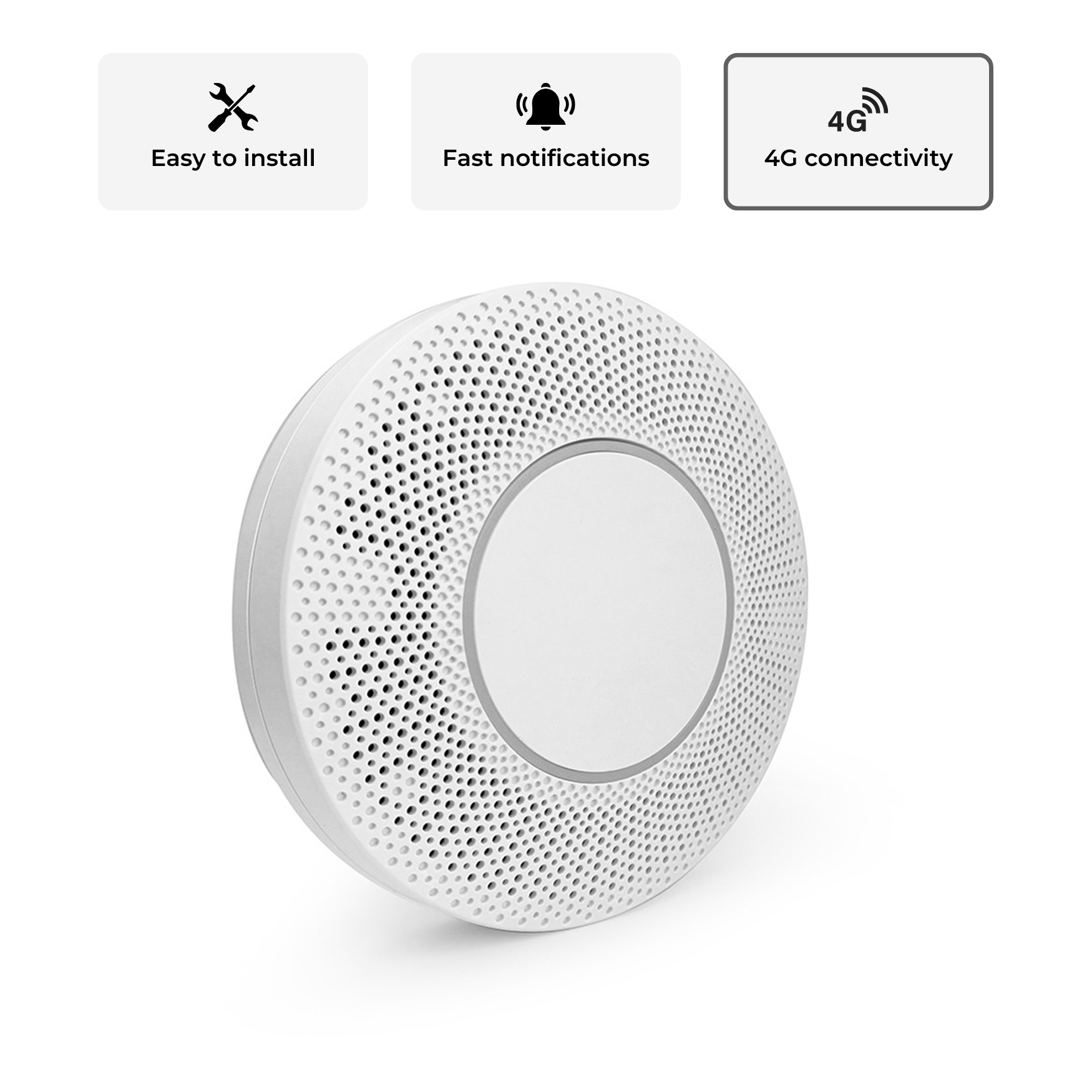
Network connectivity challenges arise in facilities with limited wireless infrastructure or thick walls that impede signal transmission. Battery-powered units with cellular connectivity overcome these obstacles, though they incur ongoing data service costs. Alternatively, mesh network architectures extend coverage throughout challenging buildings.
Future Developments in Detection Technology
The washroom vape detector industry continues to evolve, with manufacturers developing increasingly sophisticated capabilities. Artificial intelligence and machine learning algorithms improve detection accuracy by learning from false positives and refining identification parameters over time.
Miniaturisation trends produce smaller, more discreet sensors that blend seamlessly into washroom environments. This aesthetic improvement reduces tampering whilst maintaining full detection capabilities. Integration with voice assistants and smart building platforms creates more intuitive management interfaces.
Emerging technological trends:
- AI-powered detection algorithms reducing false positives
- Predictive analytics identifying vaping risk patterns
- Integration with student support systems for intervention coordination
- Enhanced air quality monitoring detecting additional substances
- Improved battery technology extending replacement intervals
- Lower cost sensors making comprehensive coverage more affordable
Regulatory developments may drive adoption as governments recognise vaping's health implications and strengthen smoke-free policies. Educational authorities increasingly view detection technology as essential safeguarding infrastructure, similar to fire alarms and security systems.
Implementing washroom vape detector technology creates safer, healthier environments whilst addressing one of the most persistent enforcement challenges facing schools and businesses. The combination of deterrence, real-time detection, and valuable environmental data makes these systems an essential component of modern facility management. Vape Guardian provides advanced detection solutions tailored to educational, office, and leisure environments, backed by dedicated UK-based support and proven technology that goes beyond vaping to address anti-social behaviour comprehensively. Contact our team to discuss how our systems can support your specific requirements and create genuinely safer spaces for everyone.


Share:
Underage Vaping Detection: Technology & Solutions 2026
School Safeguarding System: A Complete Guide for 2026